



Biophilic Living Room Ideas: Bringing Nature Into Your Interior Design
Biophilic design — the practice of incorporating natural elements, materials, patterns, and living things into the built environment to satisfy the human need for connection with nature — has moved from architectural theory into mainstream interior design with remarkable speed. Biophilic design in a living room context does not require a glass-walled house embedded in a forest. It is achievable in any urban flat through the considered use of natural materials, plants, natural light, organic forms, and views to or references to the natural world. The evidence base for biophilic design is strong: studies consistently show that spaces incorporating natural elements reduce cortisol levels, lower blood pressure, improve mood, and increase cognitive performance — making the biophilic living room not just aesthetically compelling but demonstrably good for wellbeing.
Plants as the Foundation of a Biophilic Living Room
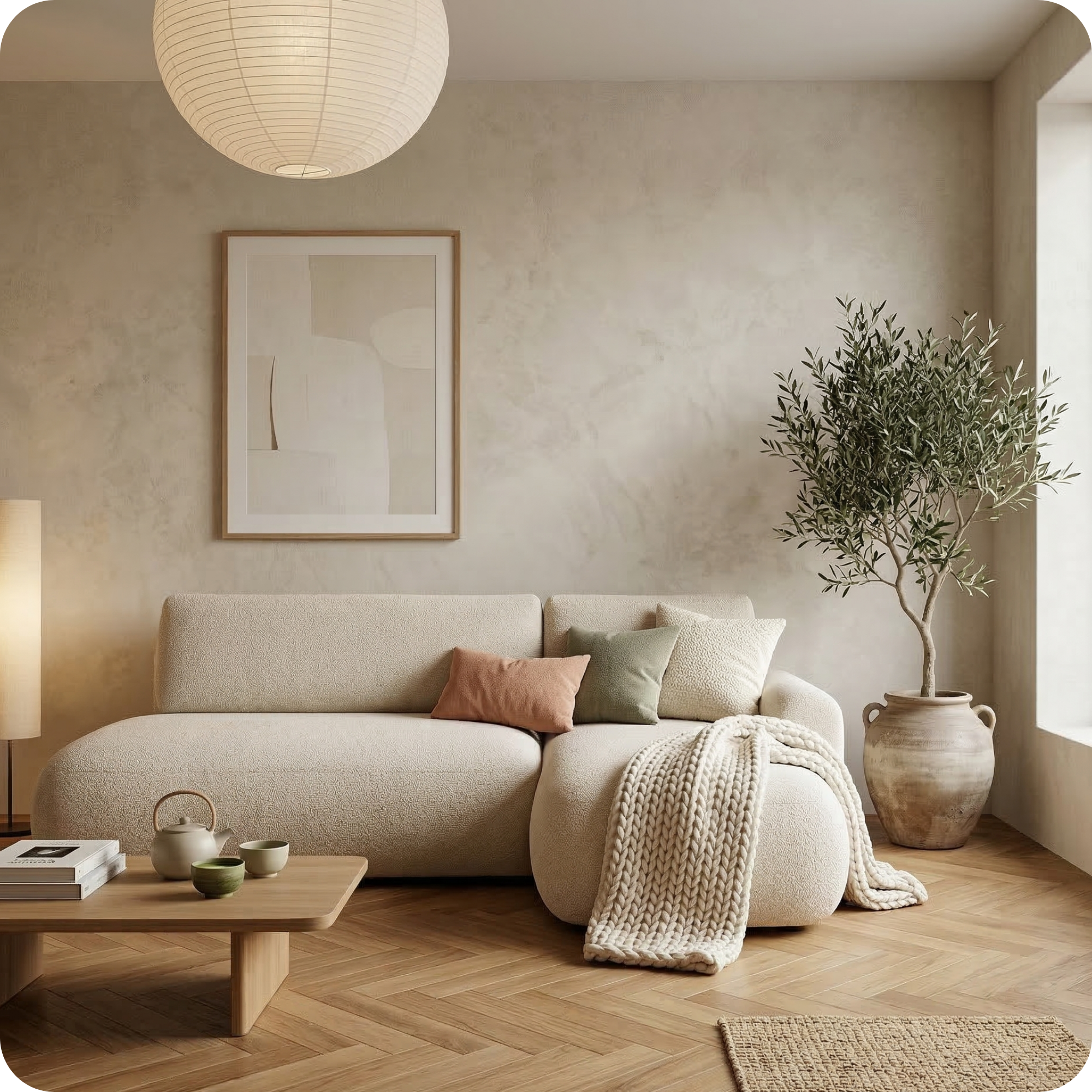
Plants are the most direct and transformative biophilic design element available in a living room context. A single large statement plant — a fiddle leaf fig, a monstera deliciosa, a bird of paradise, a large olive or fig tree in a generous pot — can completely transform the character of a room, introducing vertical green mass and living presence that no other design element can replicate. Multiple medium-sized plants grouped together create an impression of density and abundance — a corner that reads almost like a garden. Trailing plants on shelves and hanging plants from ceiling hooks add further layers of greenery at different heights. The selection of plant species should ideally consider light levels and maintenance commitment alongside aesthetics — a room full of thriving plants is biophilic; a room of struggling, yellowing specimens is not.

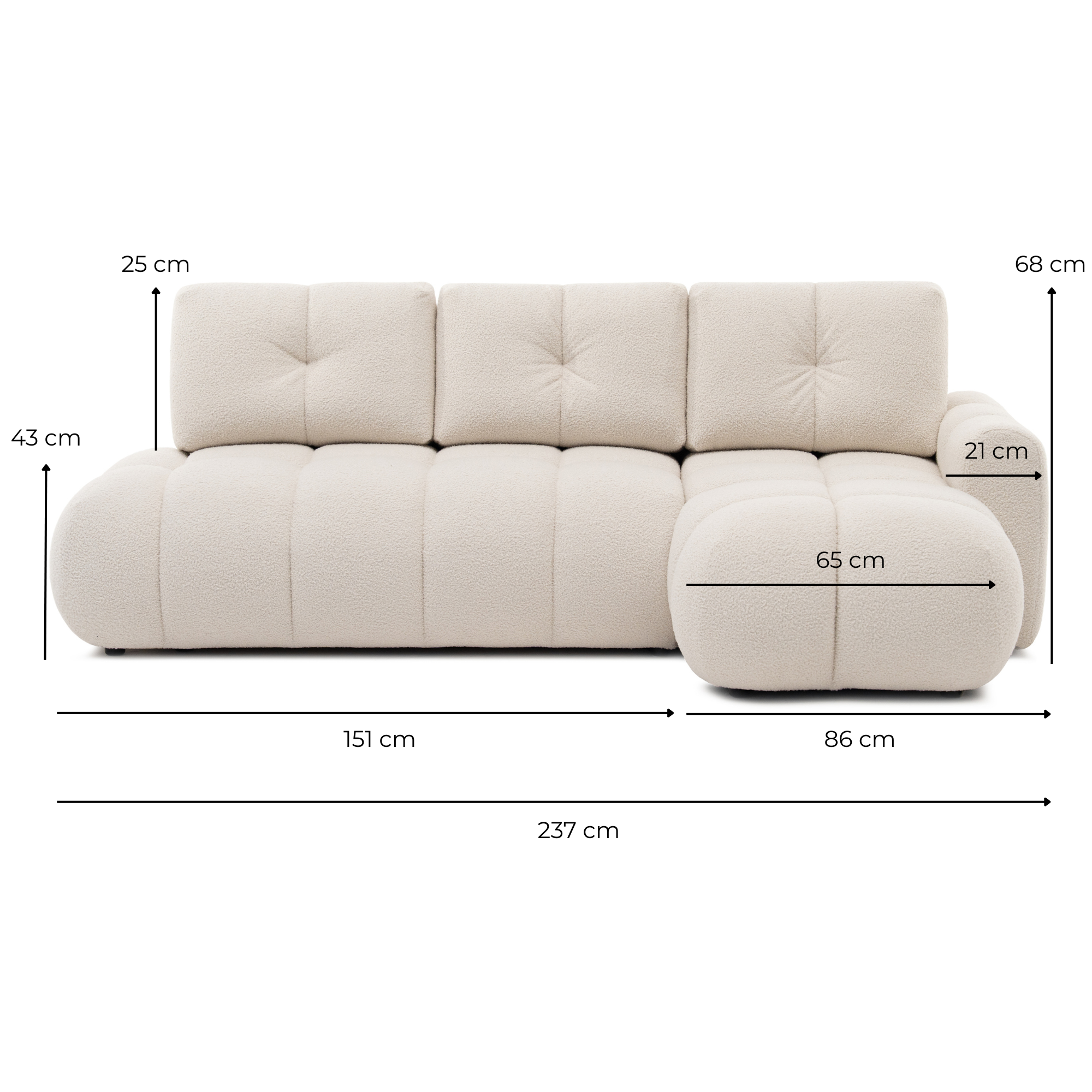
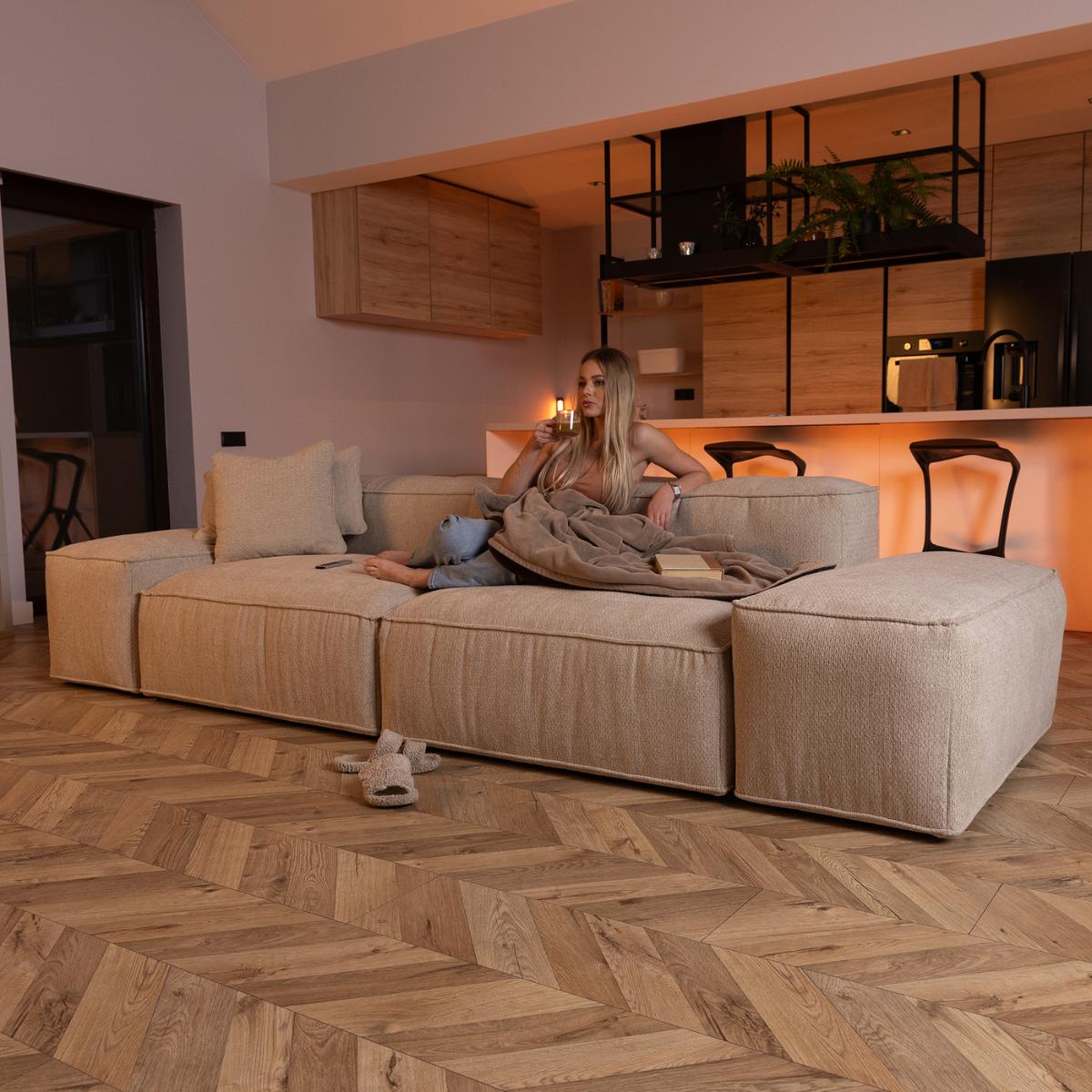
Lugano Sofa — Khaki — from €1,299
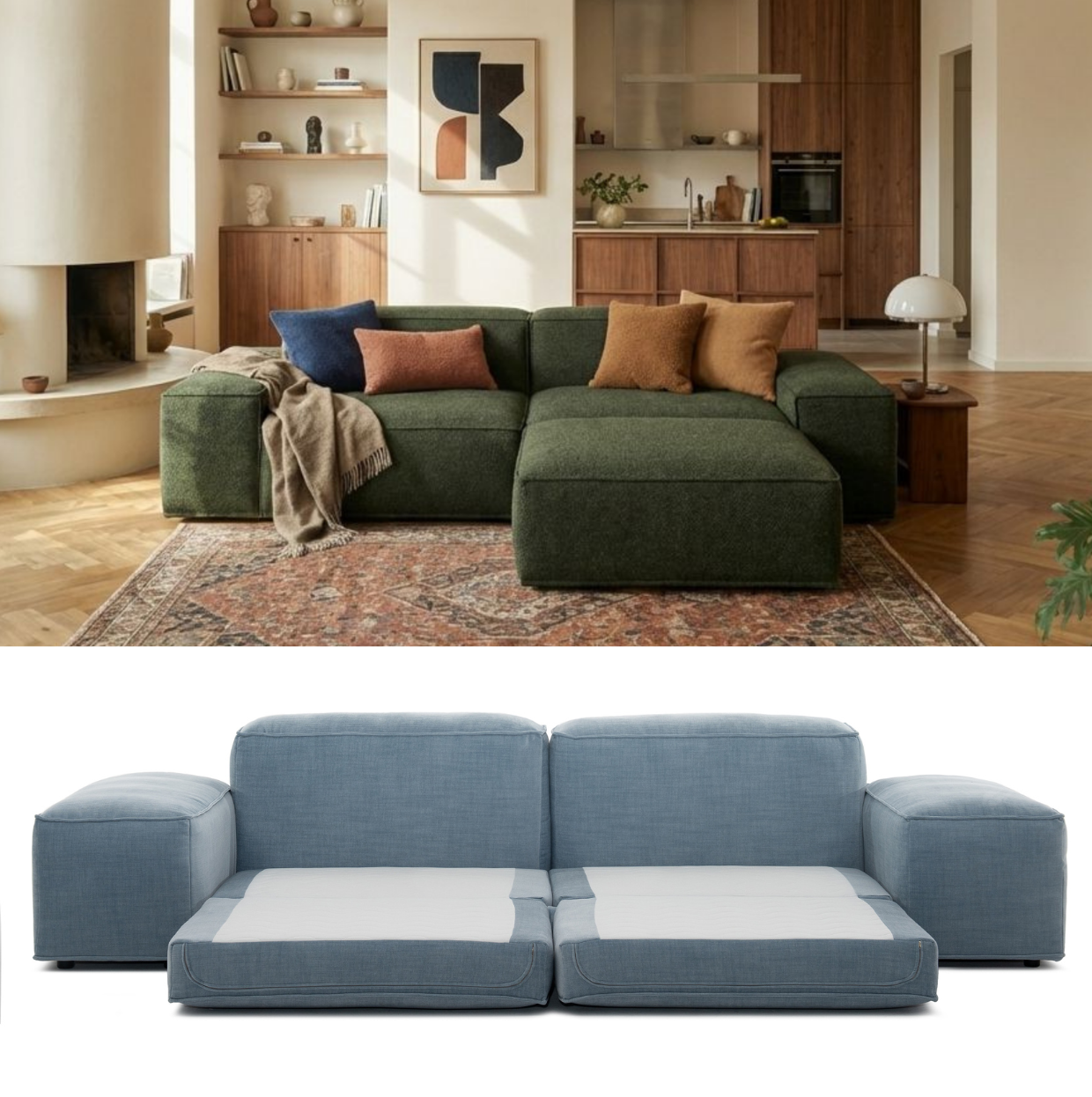
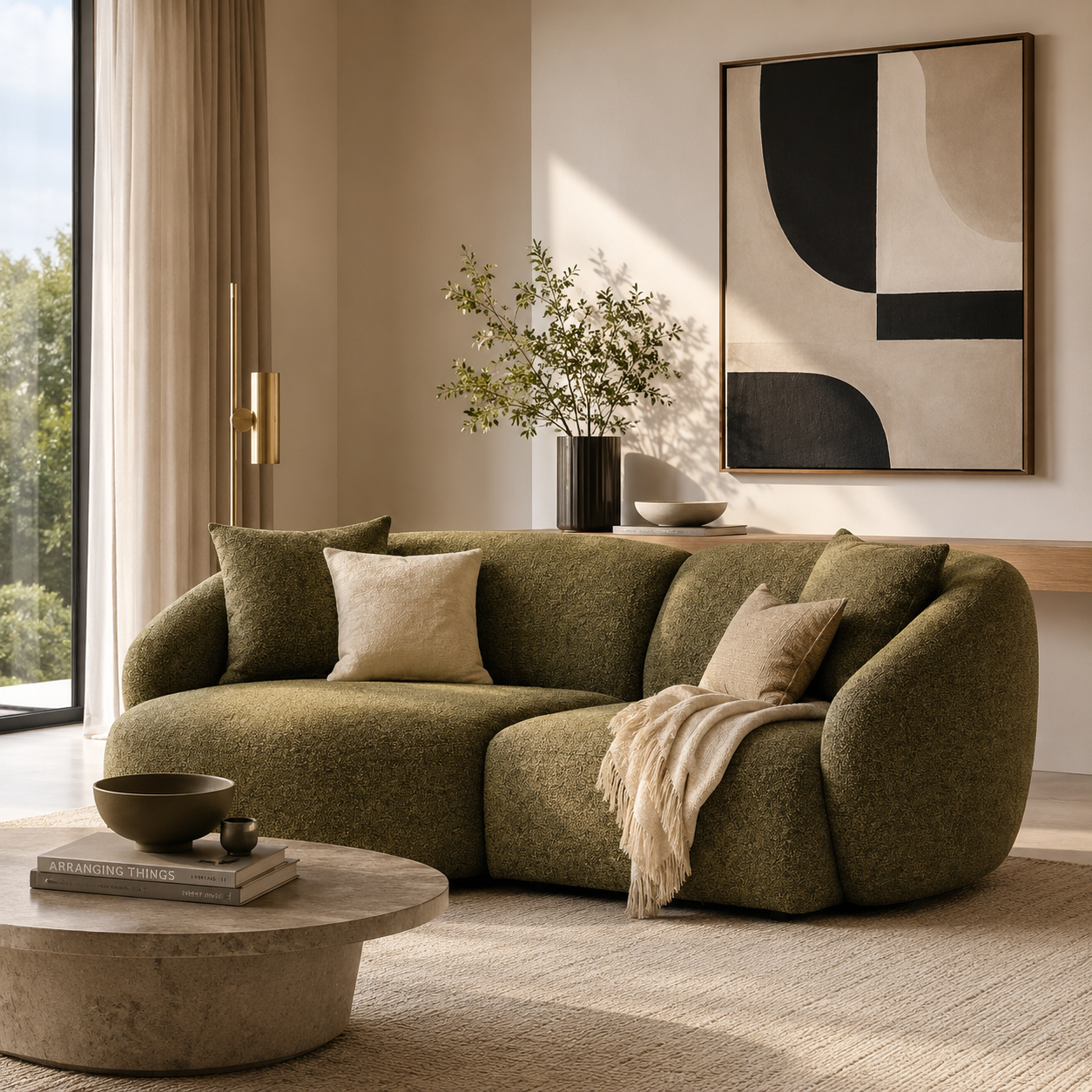
Khaki — the warm, earthy olive-brown of natural cloth and sun-dried vegetation — is one of the most instinctively biophilic sofa colours available. It connects the furniture to the living plant world and to natural materials at a colour level, making it the ideal base for a biophilic living room scheme. Surround with plants of varying heights, natural stone accessories, jute and sisal floor coverings, and warm wood furniture.

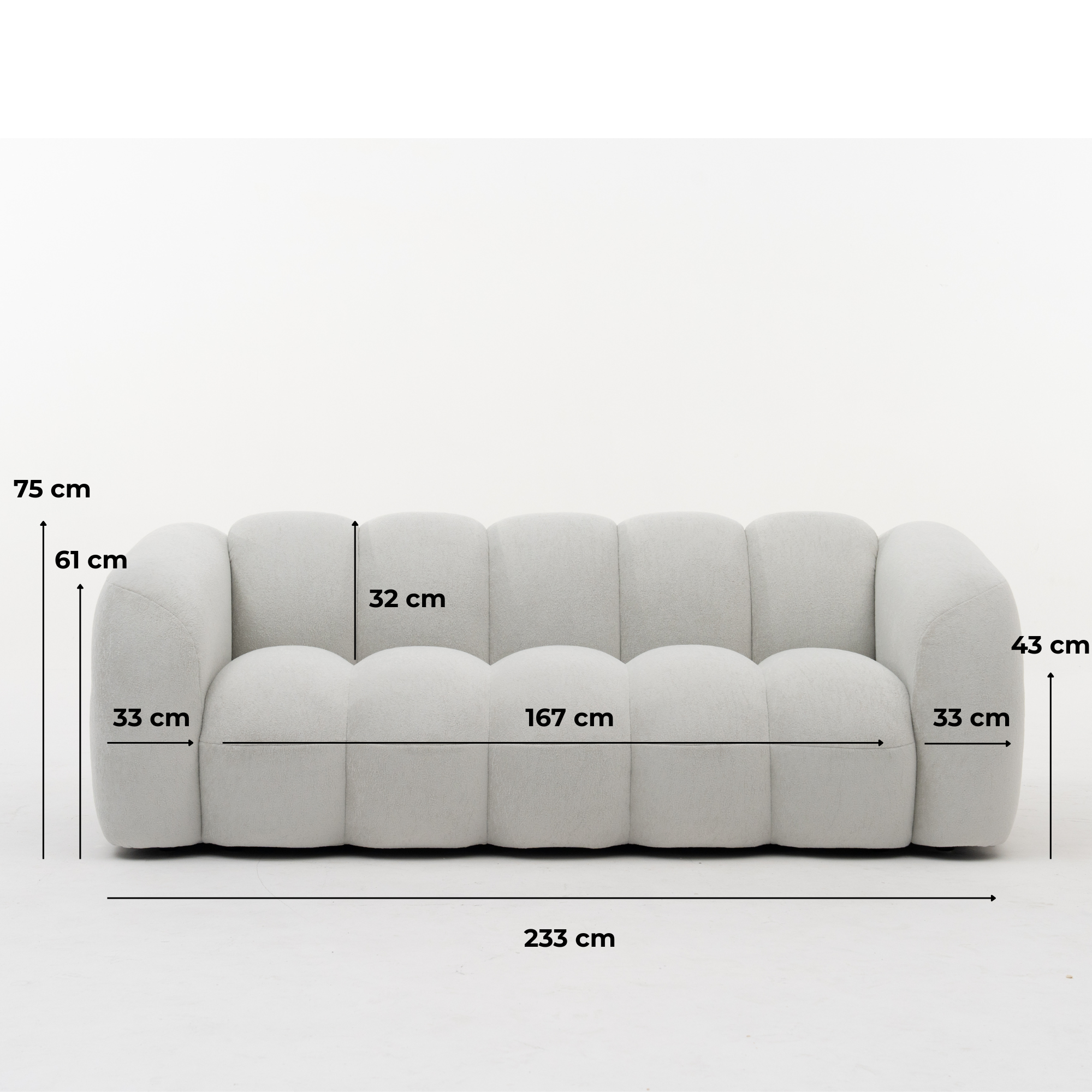
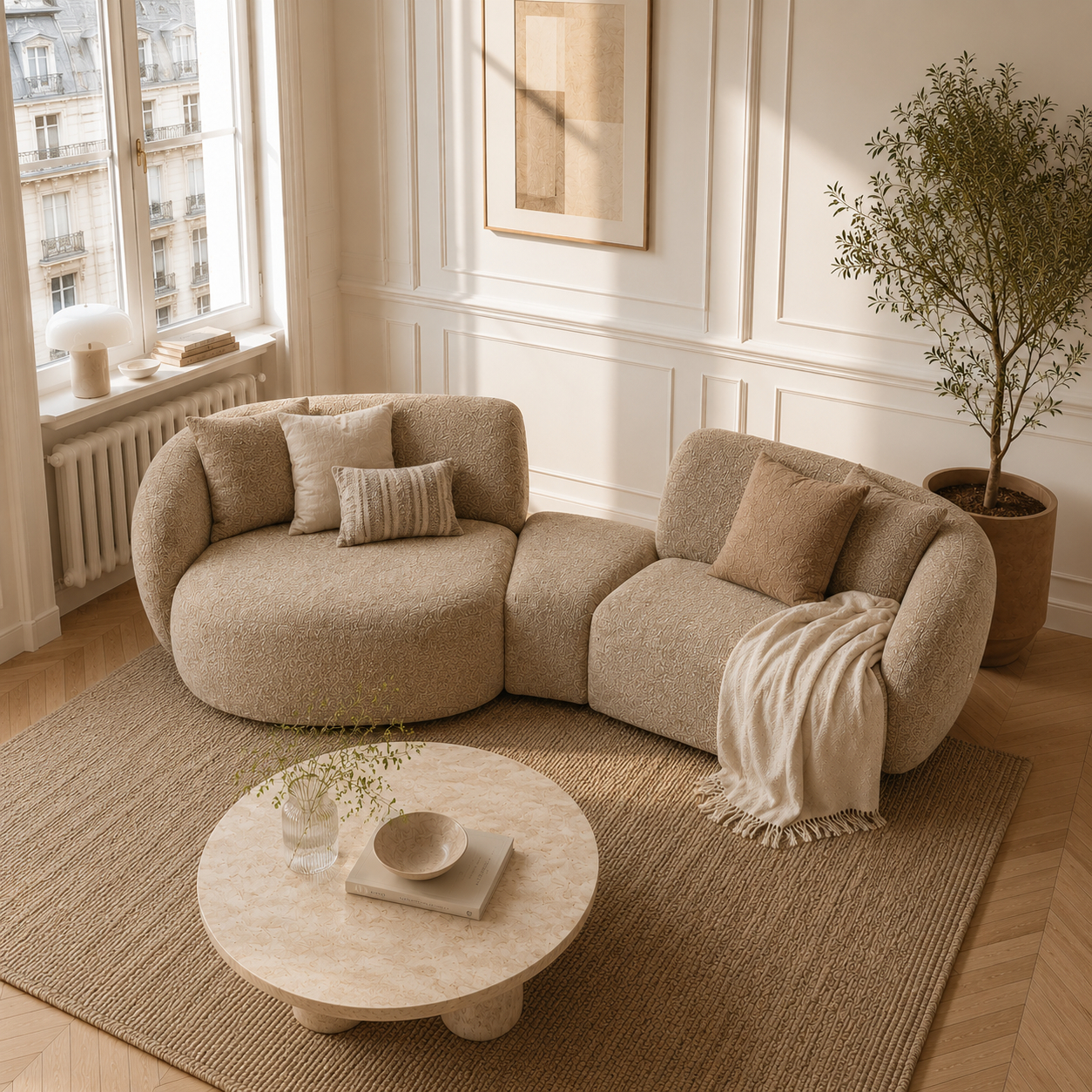
Lugano Sofa — Sand — from €1,299
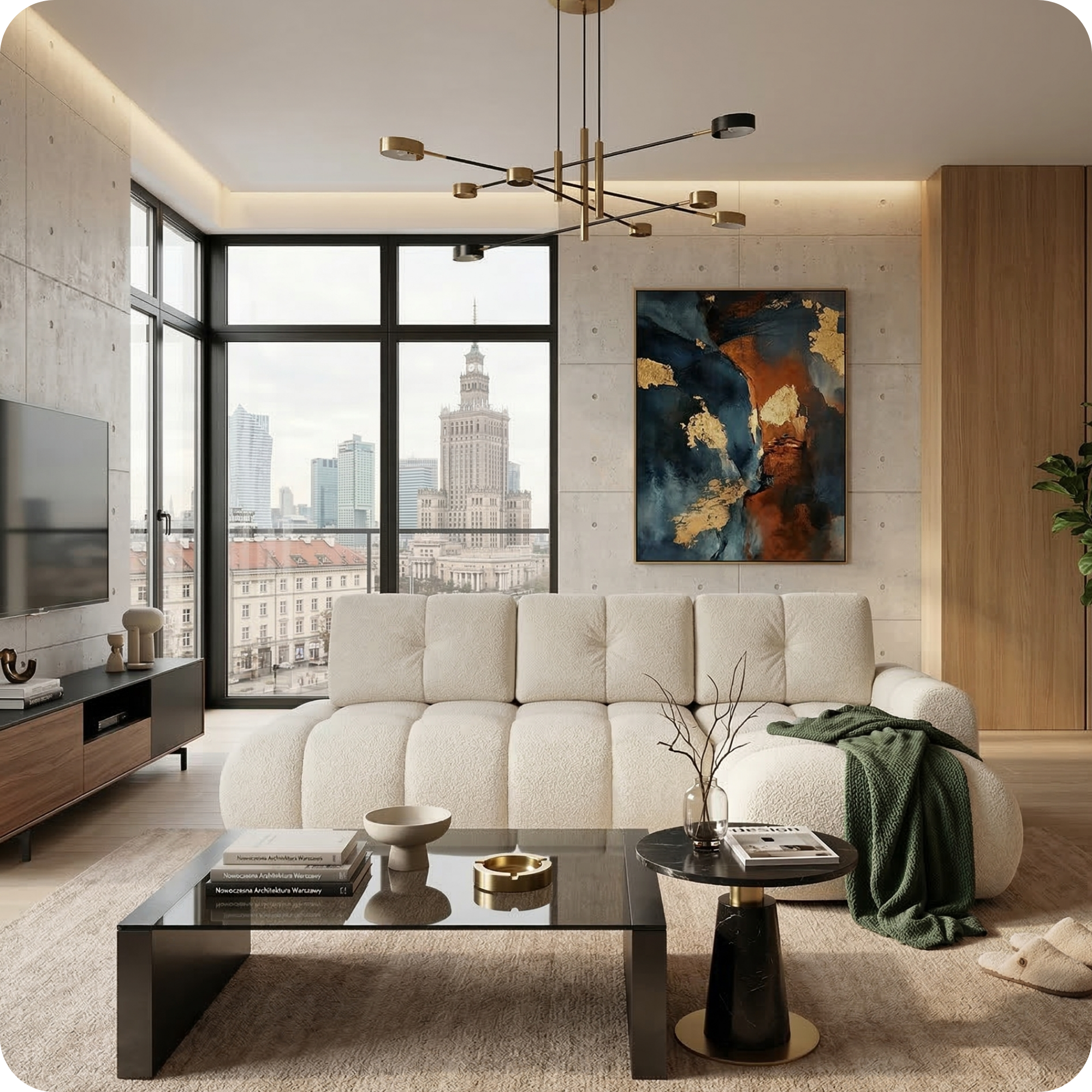
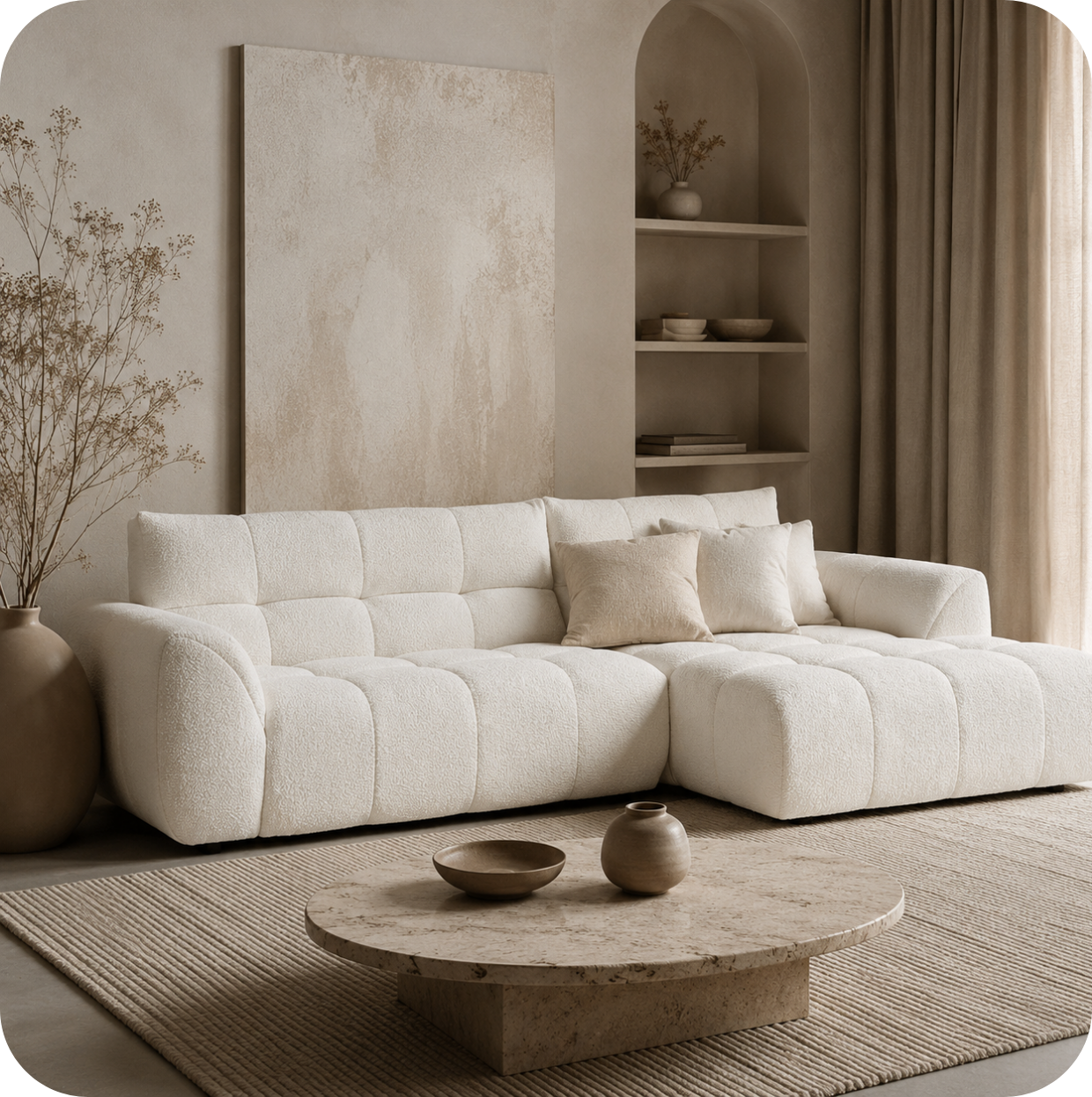
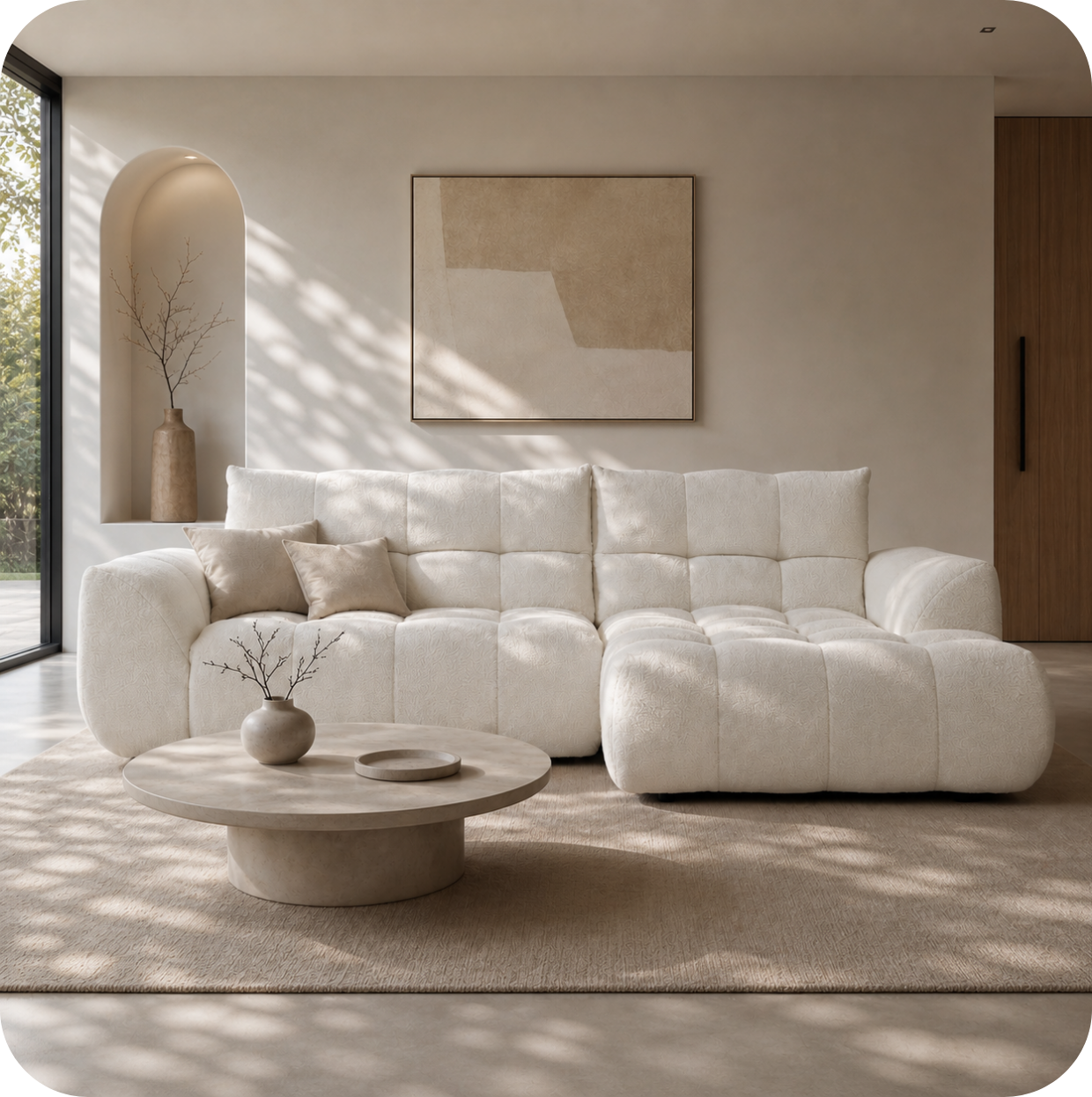
A sand-coloured sofa in a biophilic living room anchors the natural palette with a warm, earth-toned base that connects to desert sand, beach shore, and dried grass. Against a sand sofa, deep green plants, terracotta ceramics, dark wood, and natural fibre textiles create a complete biophilic colour story drawn entirely from the natural world.
Natural Materials in a Biophilic Living Room
Beyond plants, natural materials are the second most important element in biophilic living room design. Rattan and cane furniture, jute and sea-grass rugs, linen and cotton upholstery and textiles, terracotta and stoneware ceramics, rough plaster walls, natural stone, solid wood furniture with visible grain — all of these materials reinforce the connection to natural processes and natural textures that biophilic design seeks to establish. The key principle is that materials should display evidence of their natural origin rather than being processed into uniformity: visible wood grain, natural colour variation in stone, the slight irregularity of hand-thrown pottery, the texture of rough-woven linen. These natural imperfections are what distinguish biophilic materials from their synthetic counterparts.
Natural Light and Views
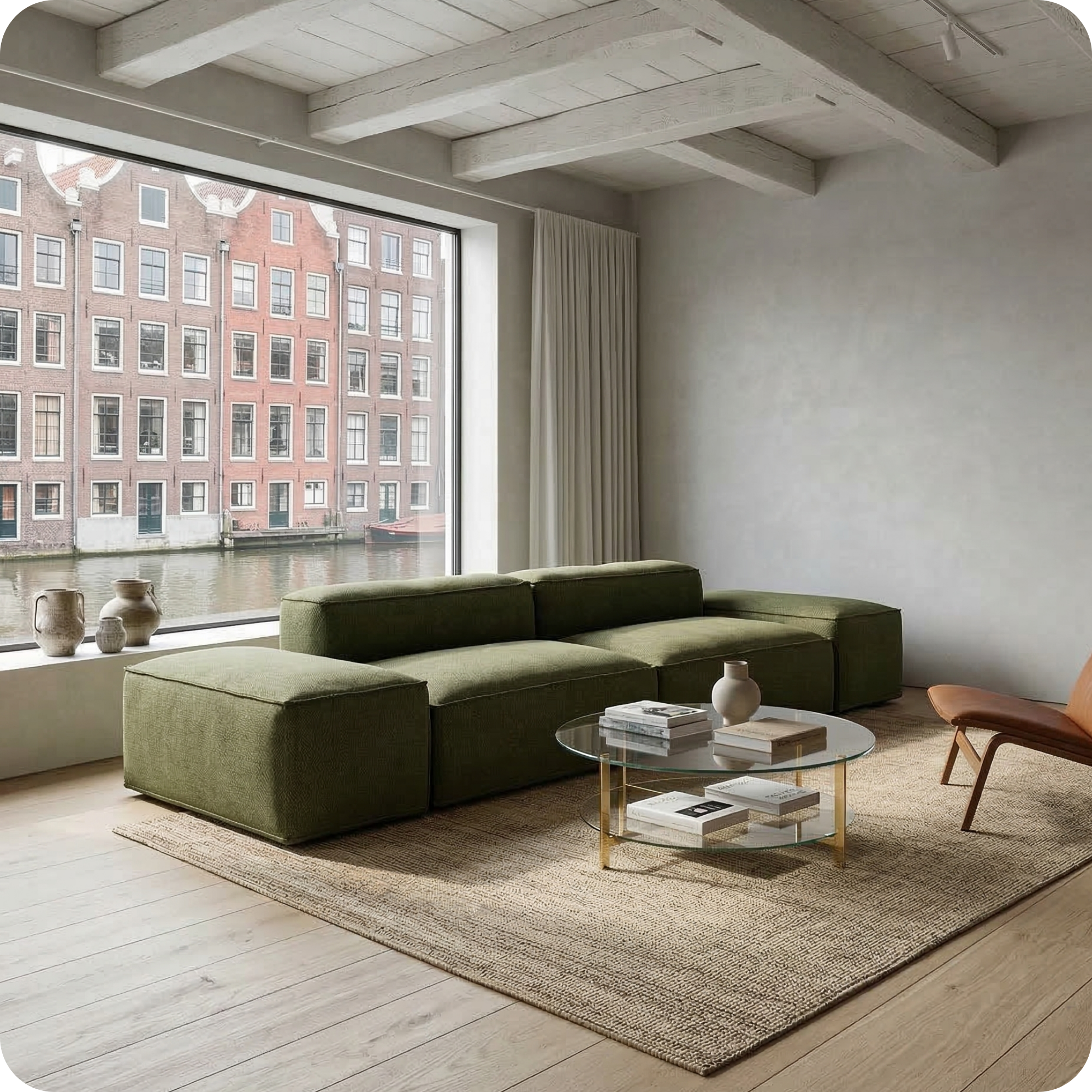
Natural light is the most fundamental biophilic element in any interior, and a living room that maximises its natural light makes an immense contribution to biophilic wellbeing regardless of what other elements it contains. Keep window treatments light and sheer — floor-length linen curtains that filter light without blocking it. Position seating to benefit from natural light and outdoor views. If you have a garden, terrace, or outdoor space visible from the living room, ensure the view is unobstructed. Views to greenery — even a single large tree or a small garden — have been shown to have measurable wellbeing benefits for occupants. Where direct nature views are unavailable, large-scale photography or artwork depicting natural landscapes can provide some of the same visual stimulus.