

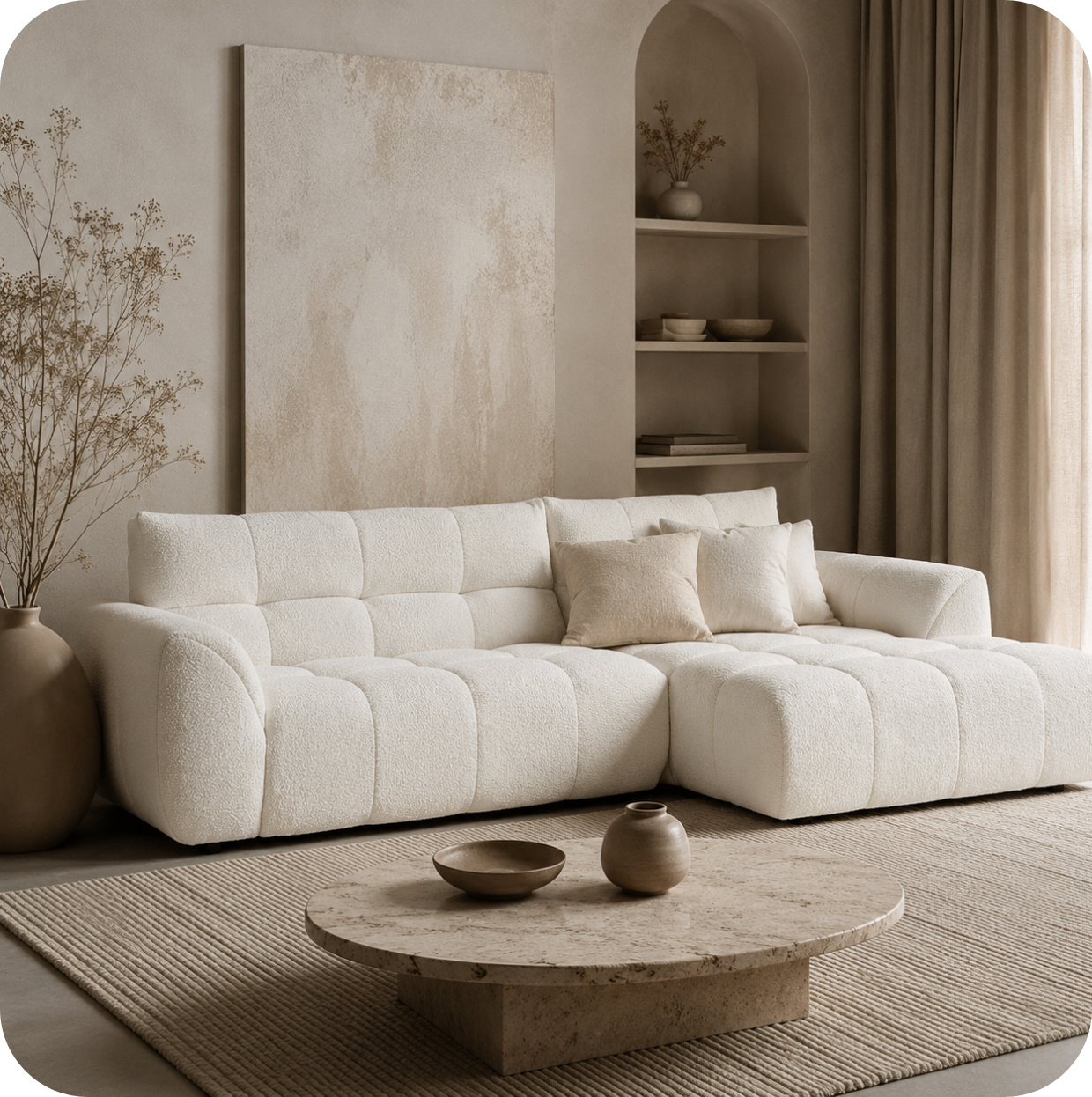
Contemporary Living Room Ideas: How to Design a Stylish Modern Space
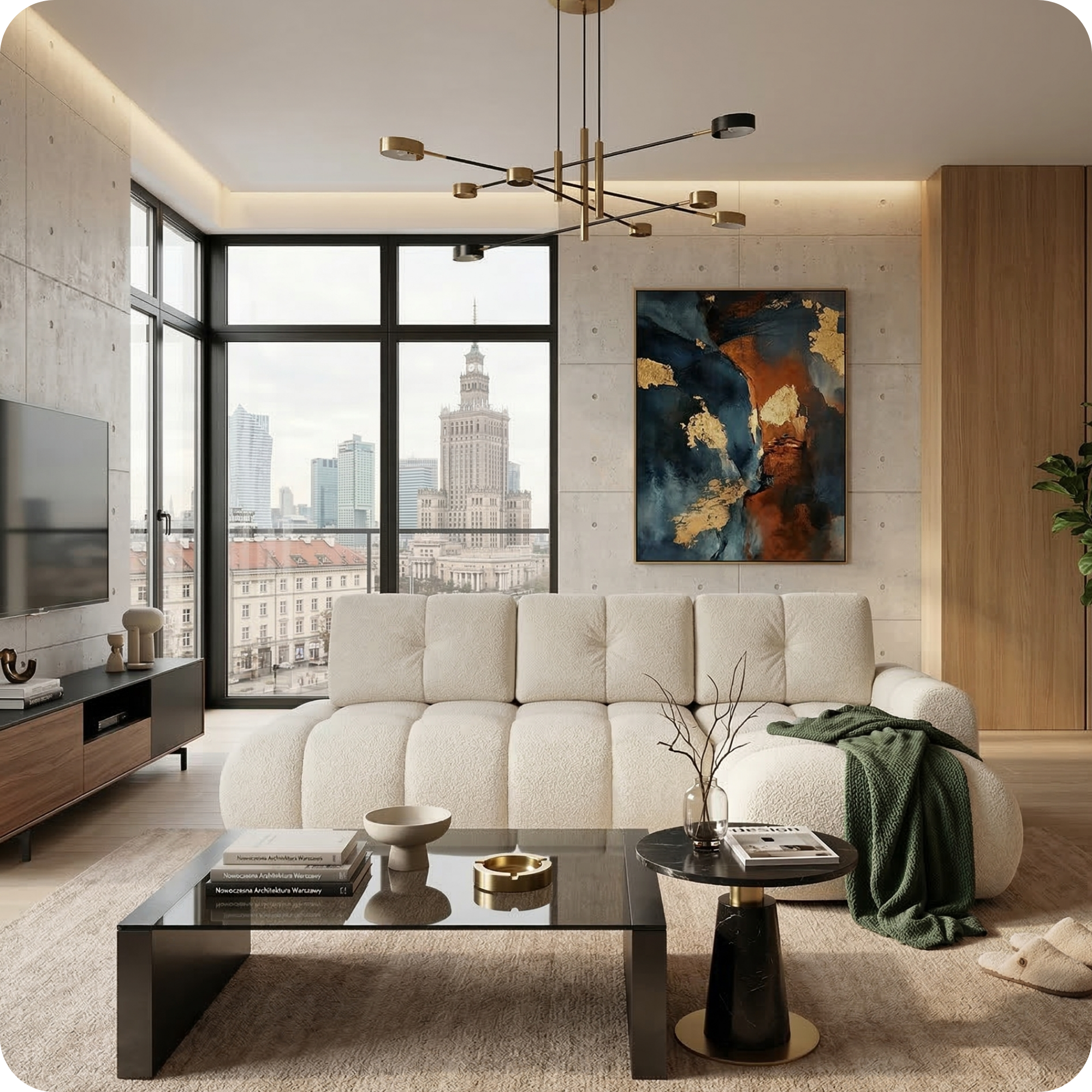
Contemporary design is distinct from modern design, though the two terms are often conflated. While "modern" in design terms refers specifically to the modernist design movement of the early-to-mid 20th century, "contemporary" means "of today" — it is living, evolving, and reflects current design sensibilities rather than a fixed historical style. Contemporary interiors in the 2020s are characterised by clean, uncluttered spaces; a sophisticated neutral palette often punctuated by a single statement colour; high-quality materials and finishes; understated luxury; and a careful balance of comfort and visual elegance. If you want a living room that feels current, refined, and liveable, contemporary design principles provide an excellent framework.
The Contemporary Aesthetic: Clean Lines and Considered Space
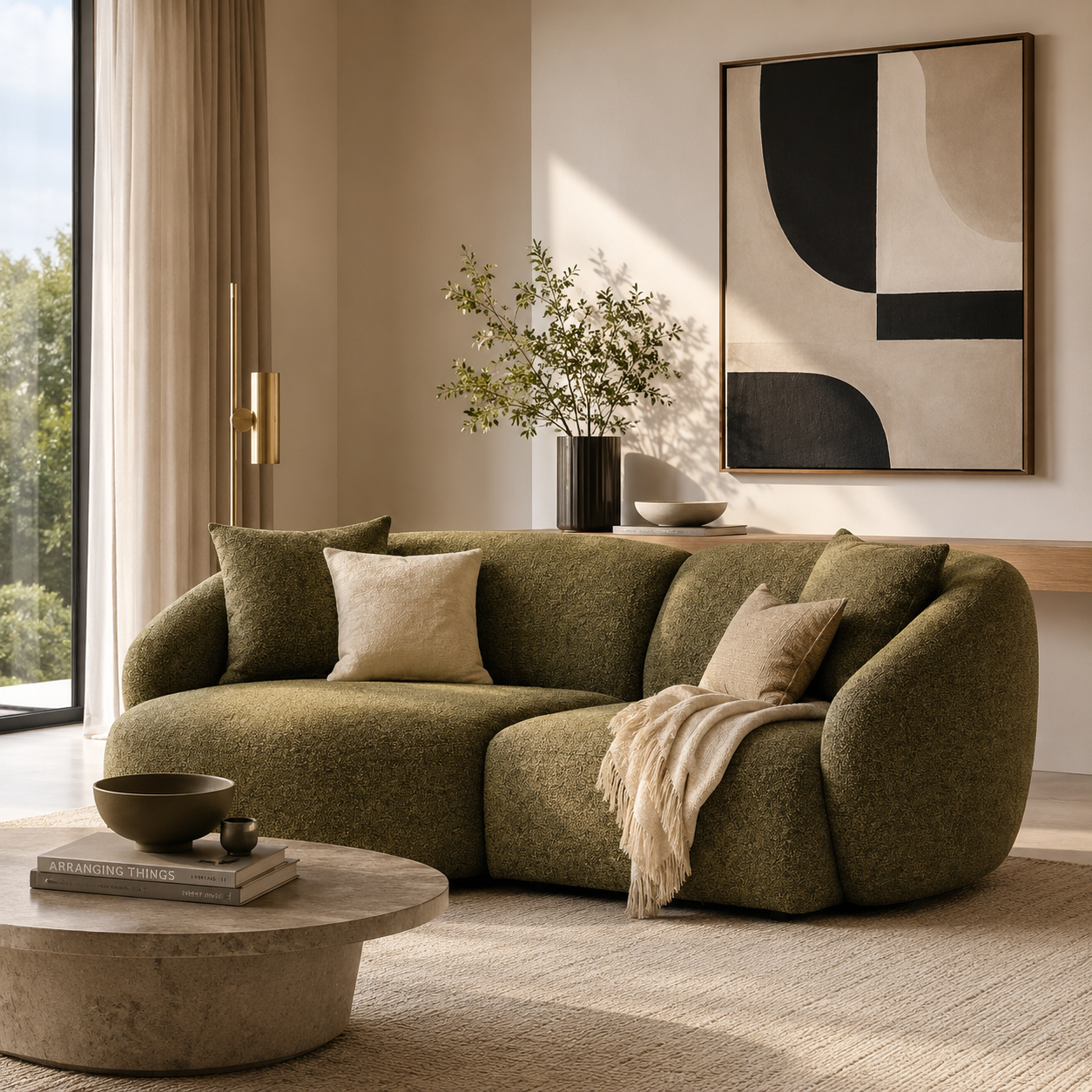
The defining characteristic of contemporary design is restraint — every element in the room earns its place, and the space between objects is as important as the objects themselves. Contemporary rooms typically feature open floor plans, high ceilings where possible, and generous natural light. Furniture has clean, geometric silhouettes without heavy ornamentation; upholstery is in sophisticated neutral tones or carefully chosen accent colours rather than patterns. Storage is integrated and concealed where possible, keeping surfaces clear. The contemporary approach is not minimalist in the strictest sense — it allows for warmth, personality, and tactile interest — but it starts from a position of deliberate editing rather than accumulation.

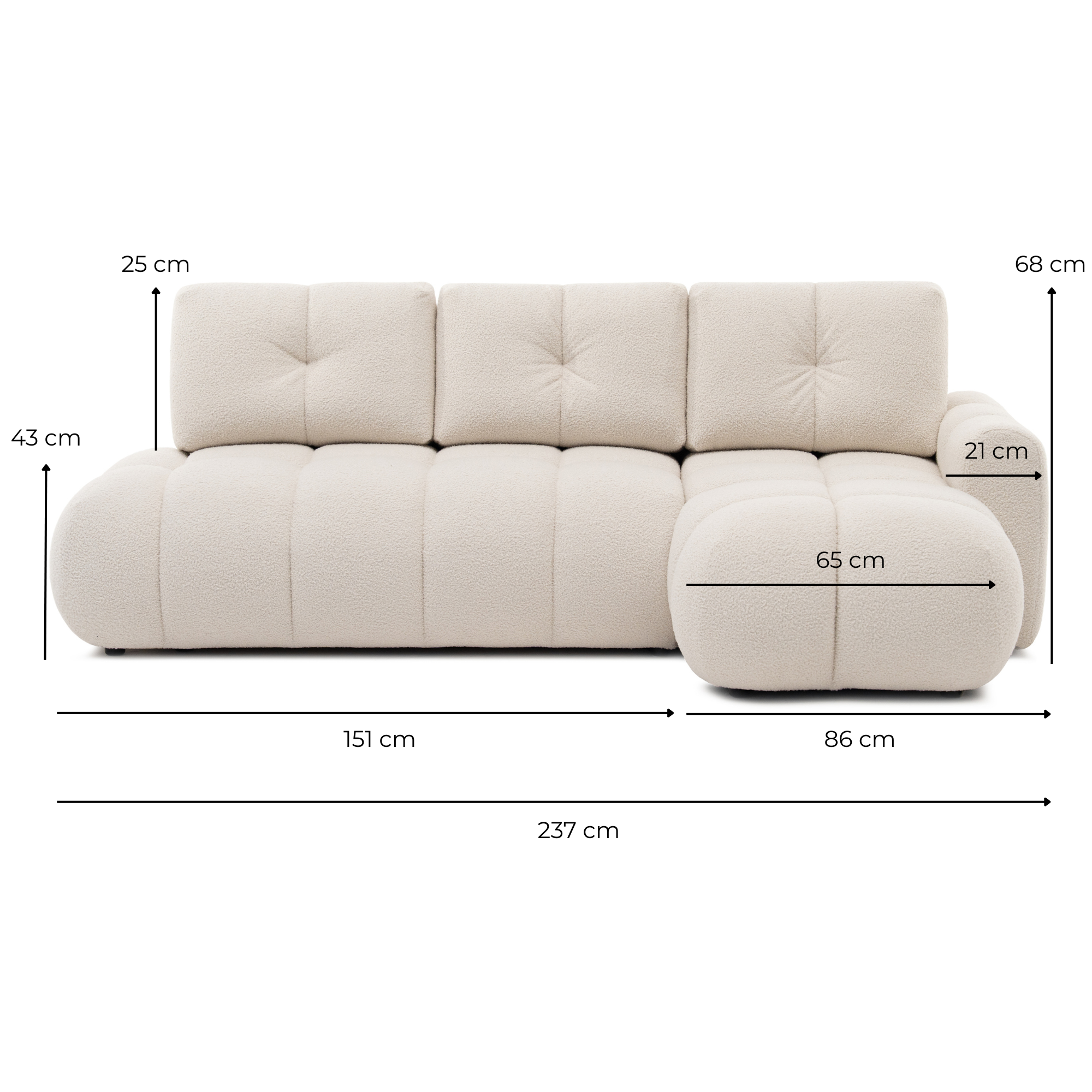
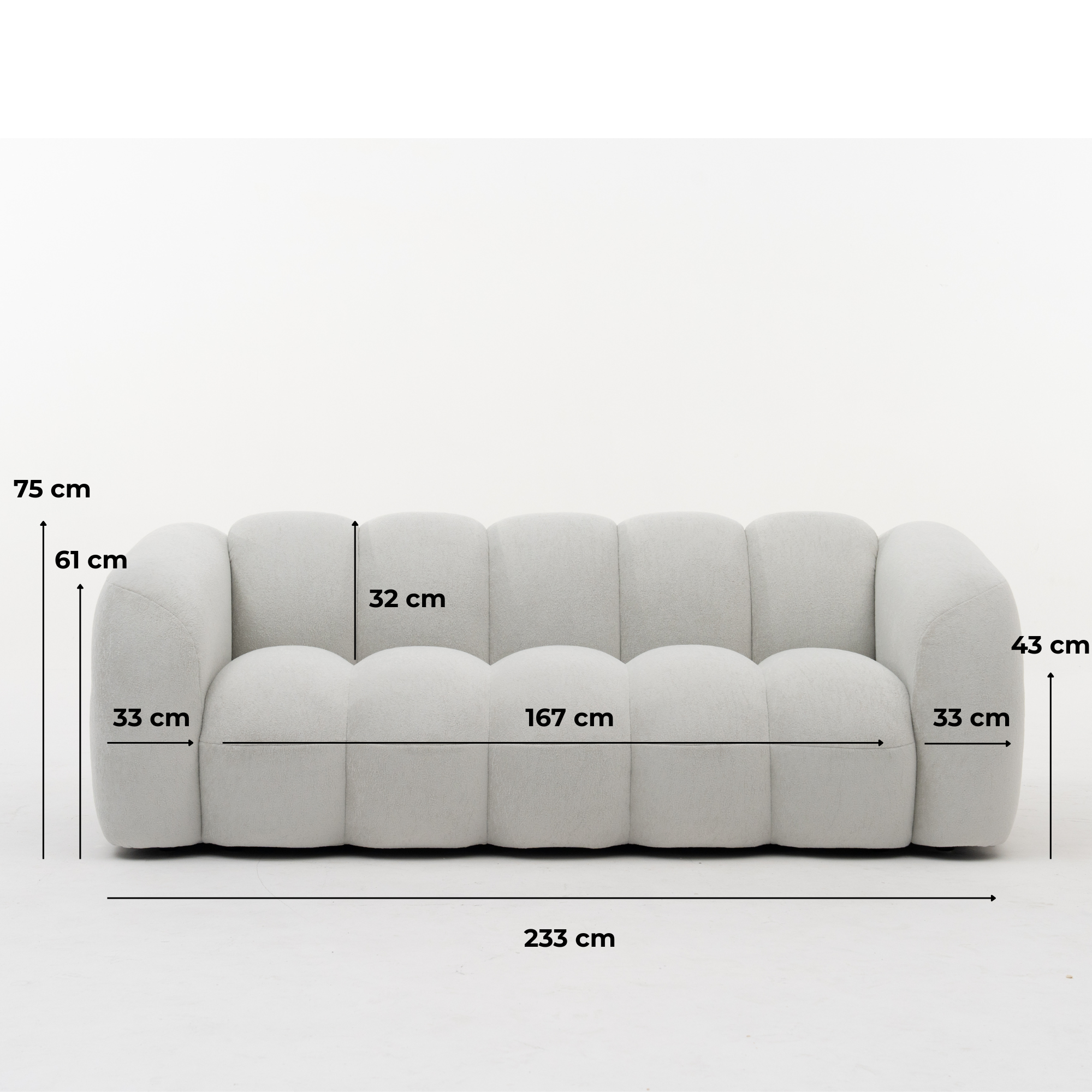
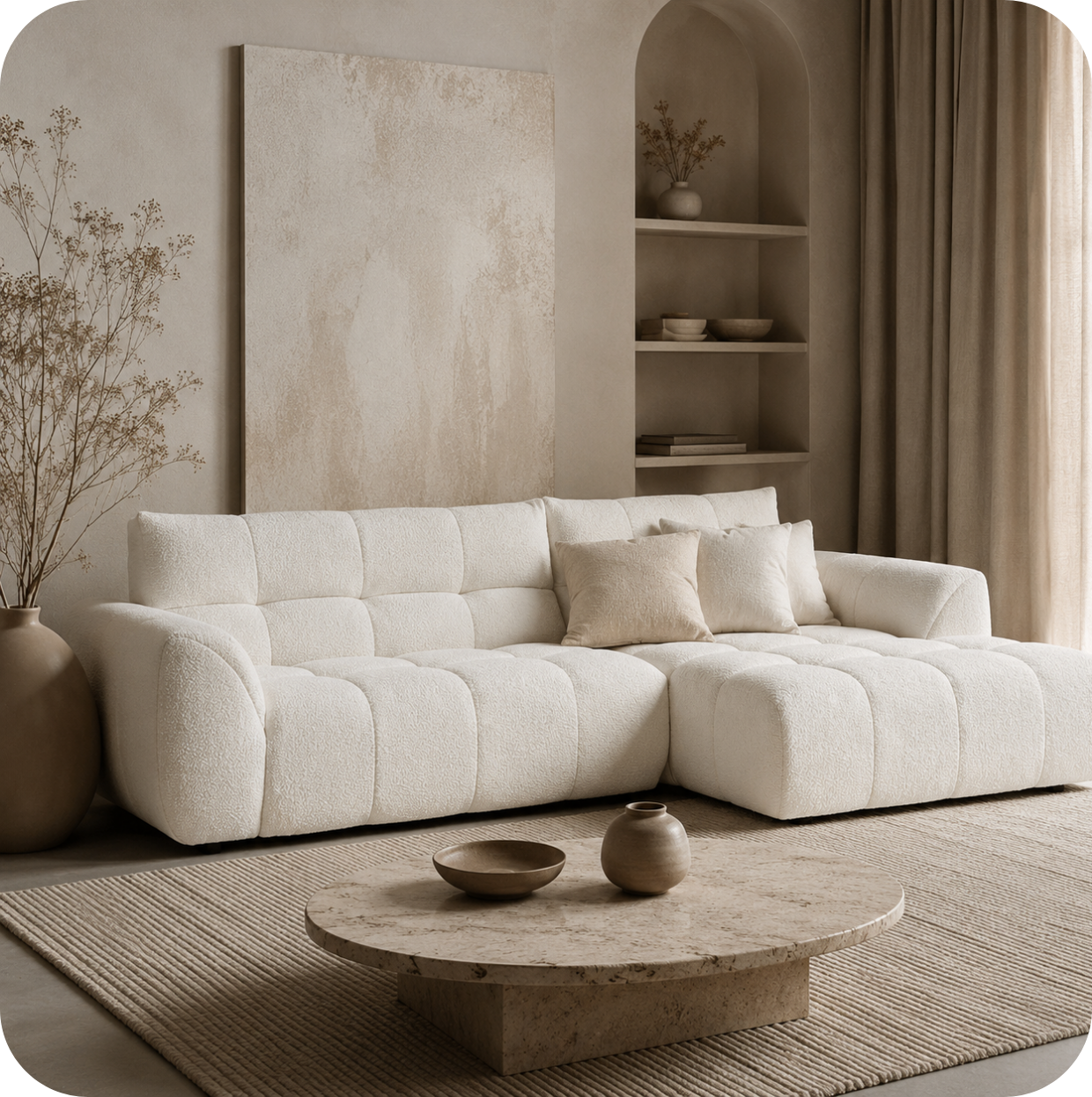
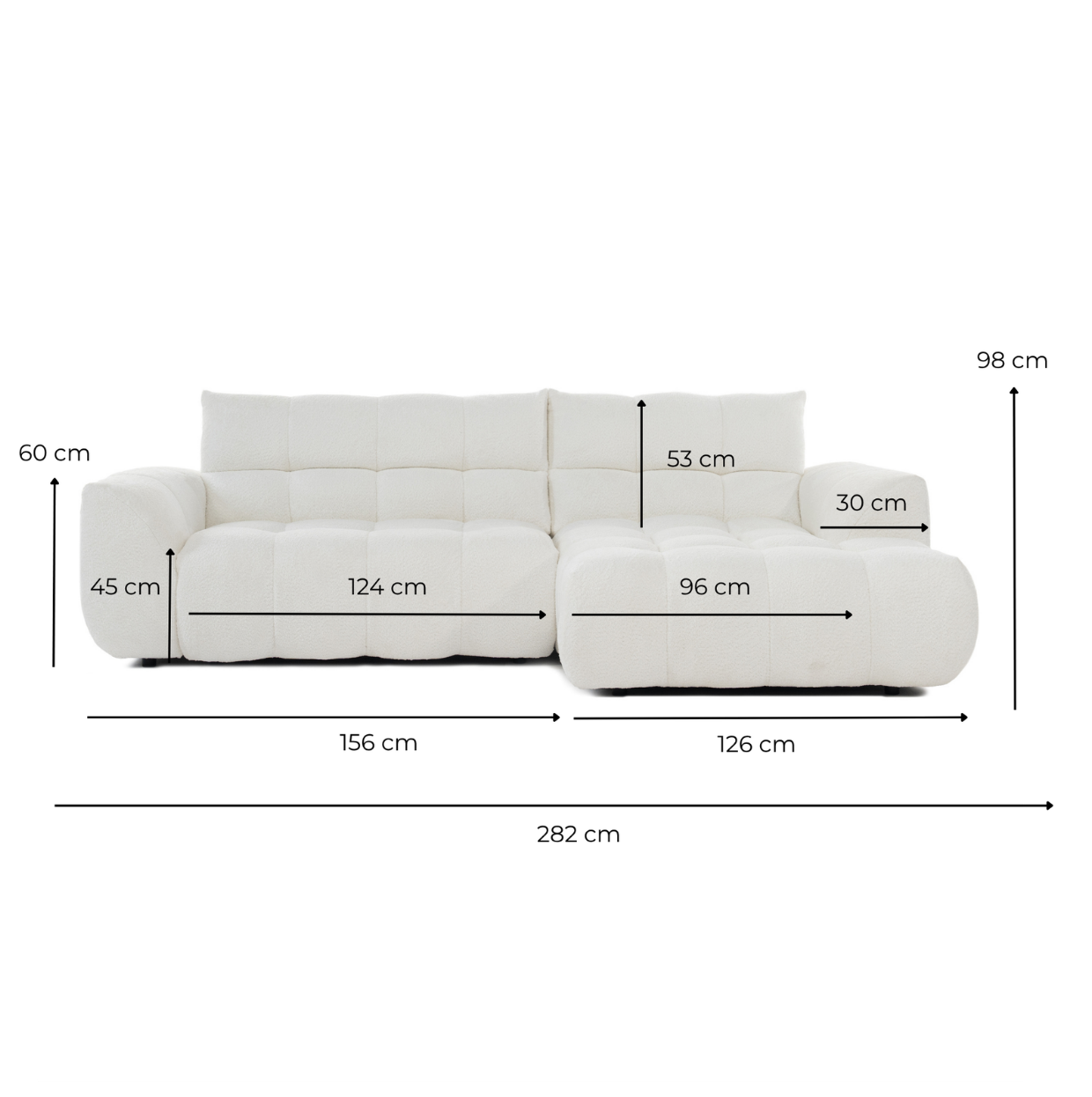
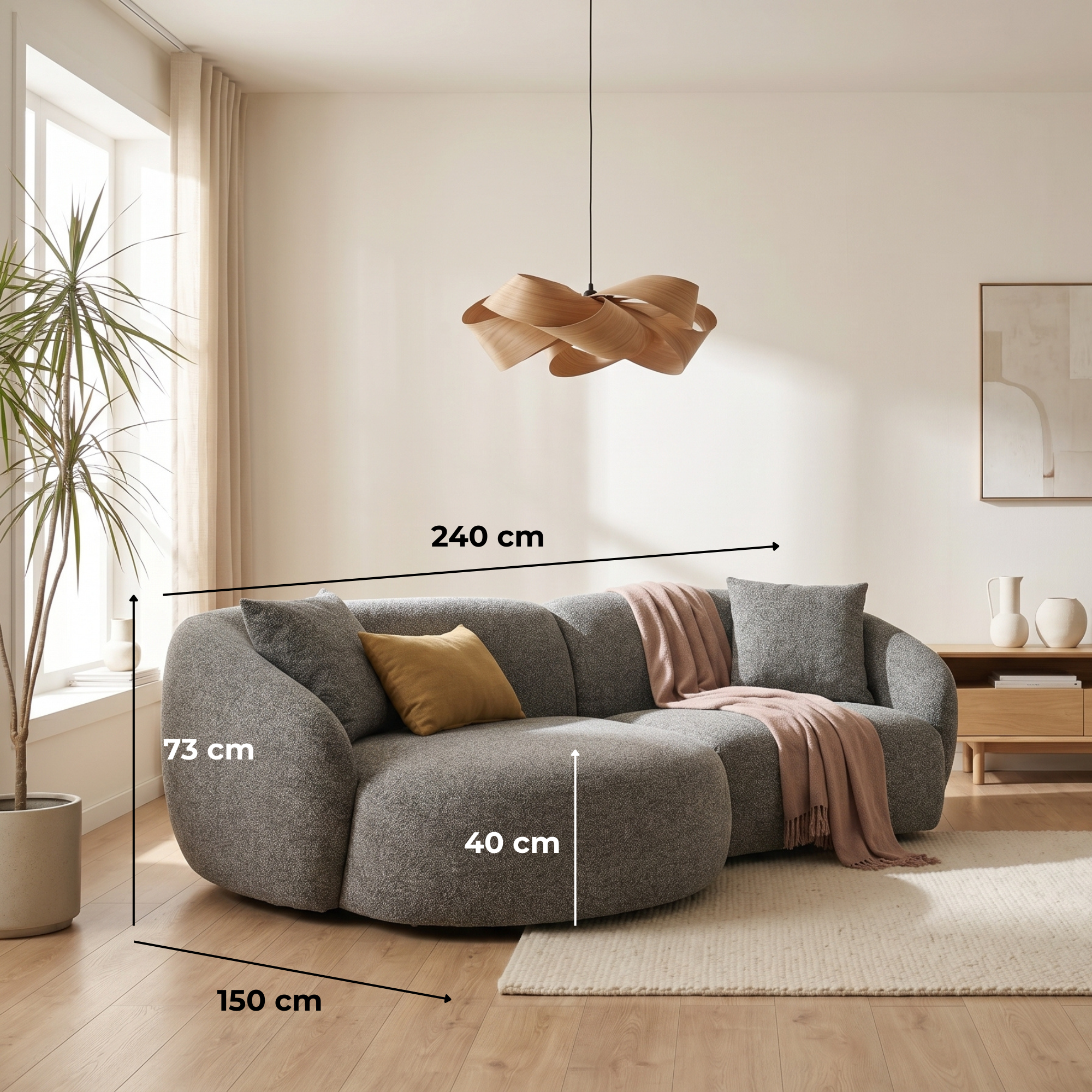
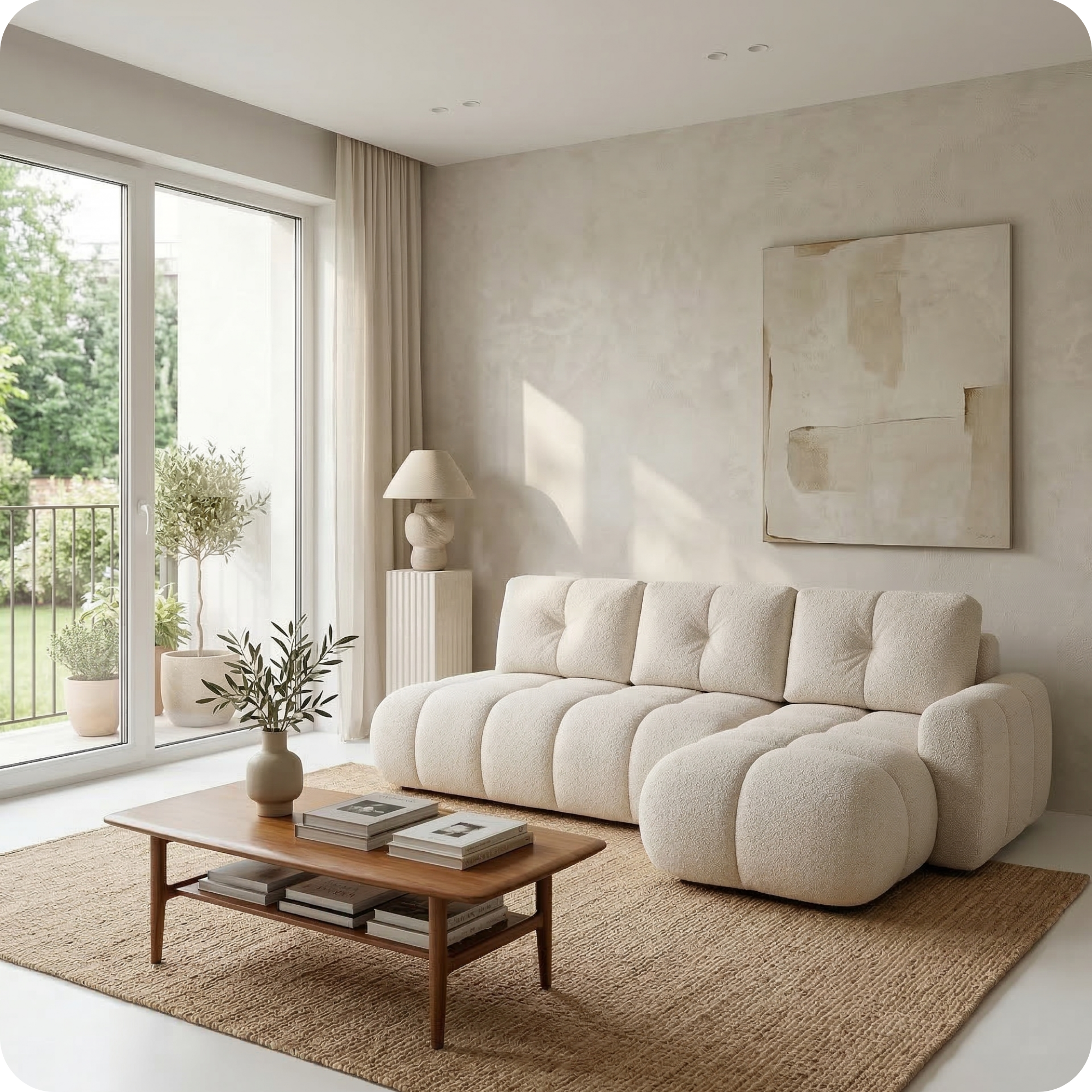
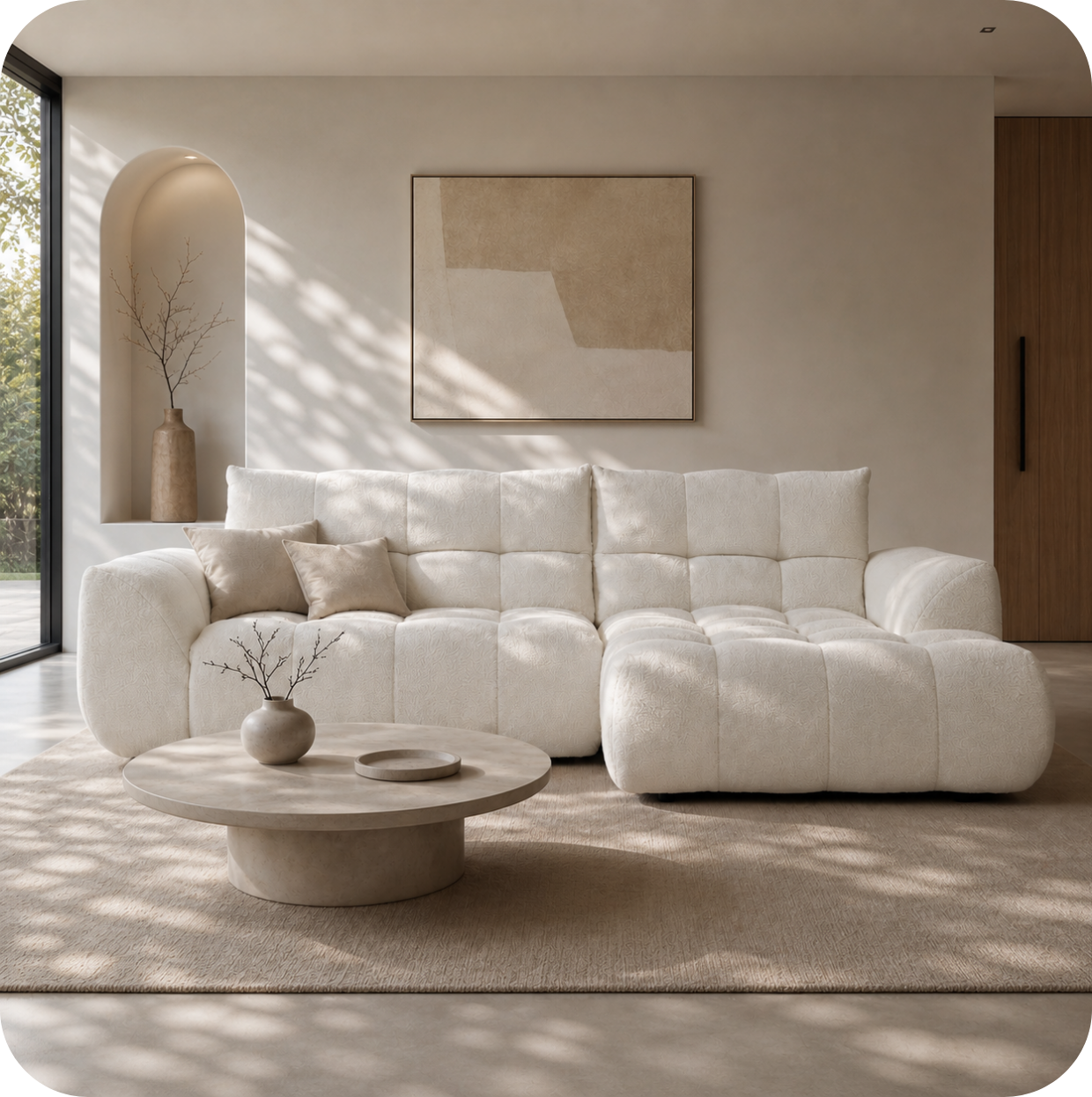
Asti Corner Sofa — from EUR 1,290
The Asti's clean-lined, contemporary silhouette makes it ideal for a modern living room. Its generous proportions anchor the space confidently, and its neutral upholstery provides a versatile base for any colour scheme — from all-neutral tone-on-tone to a bold accent-colour scheme.

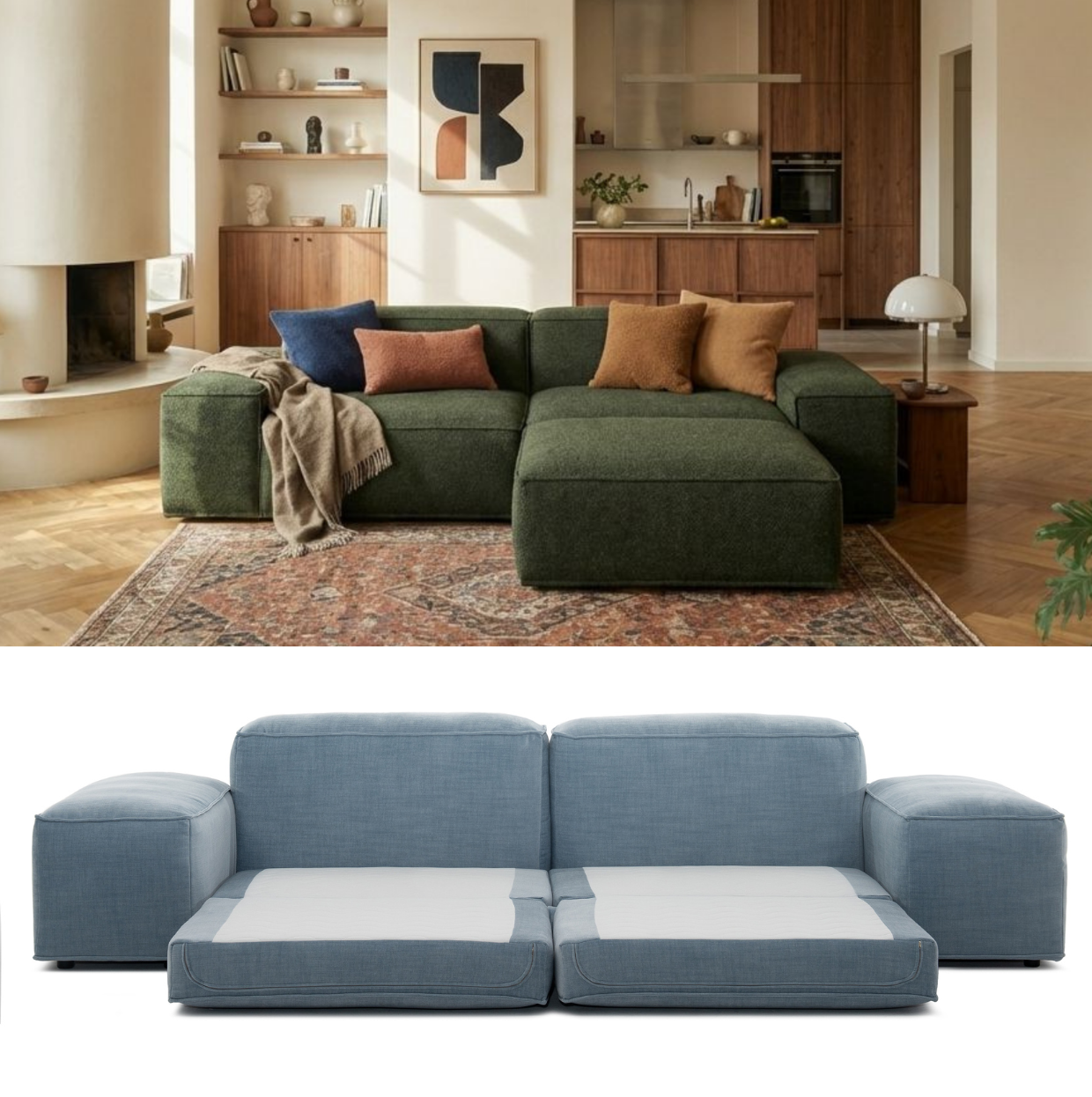
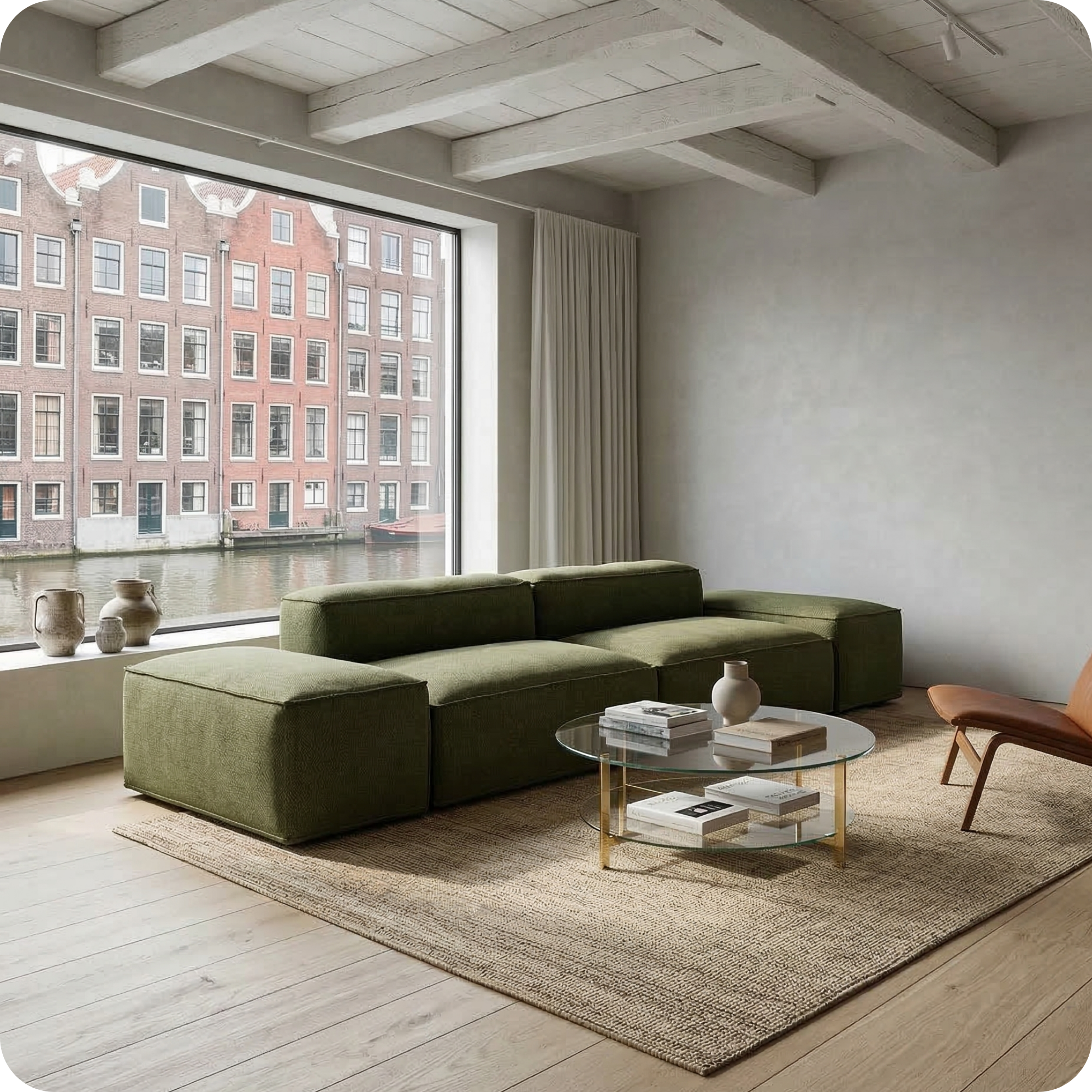
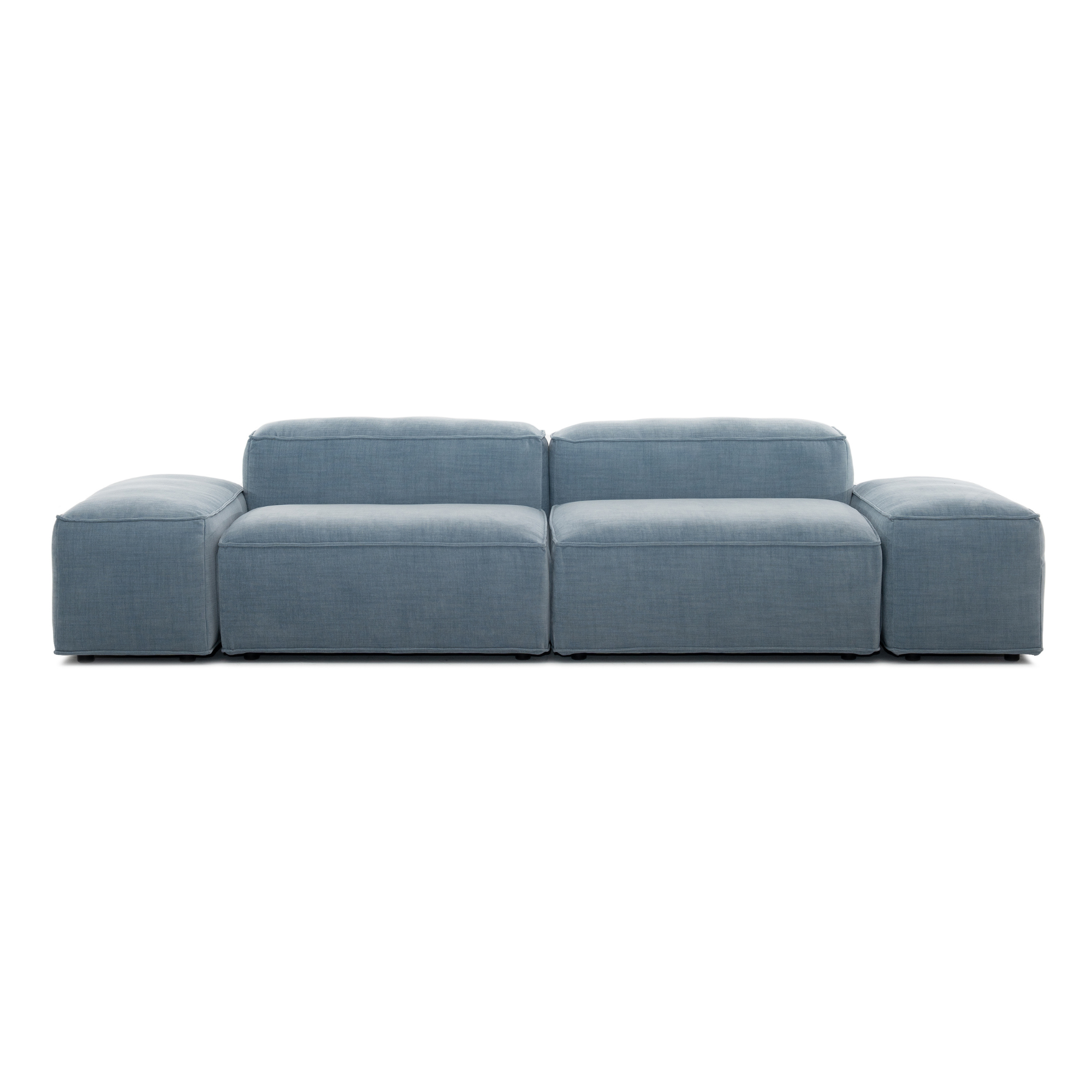
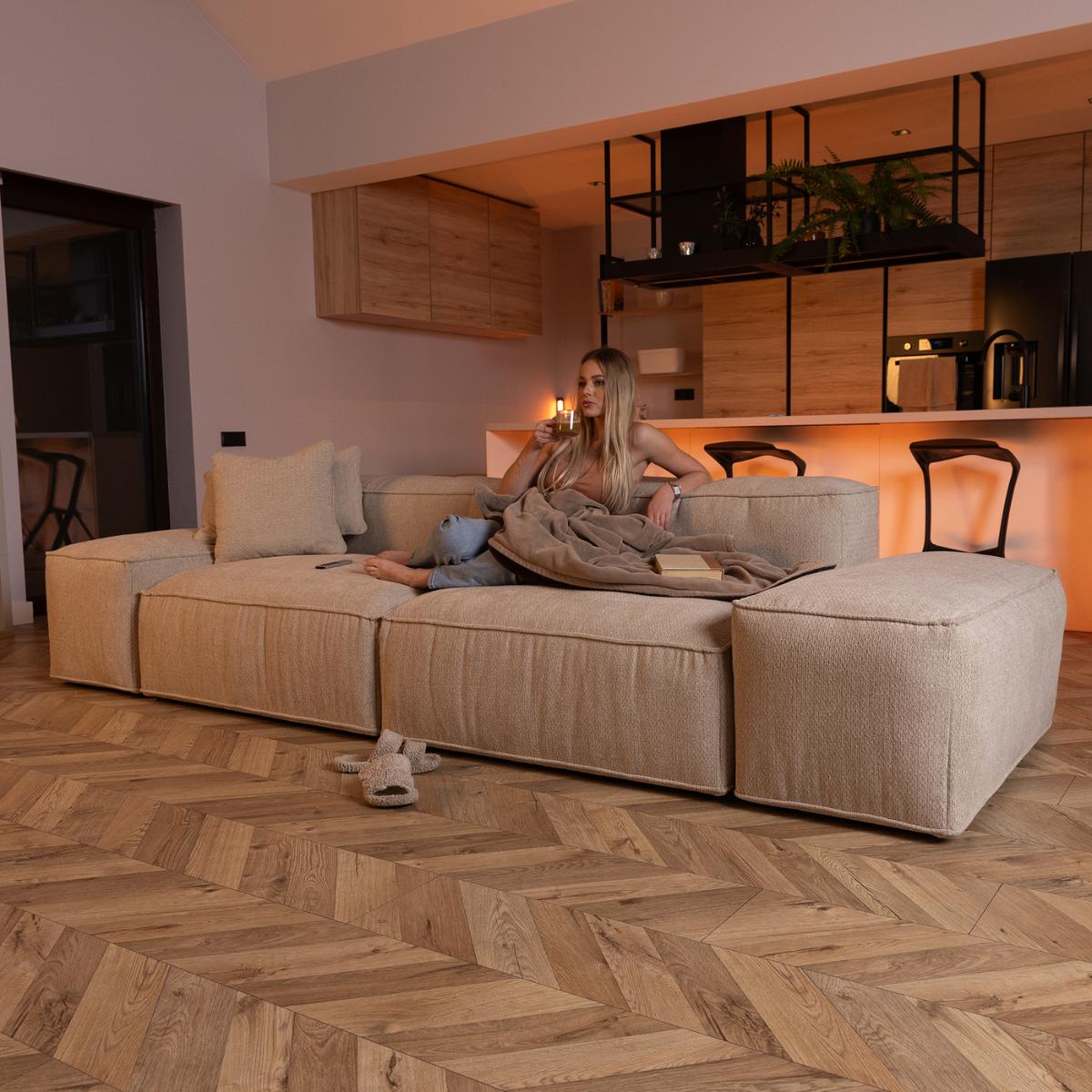
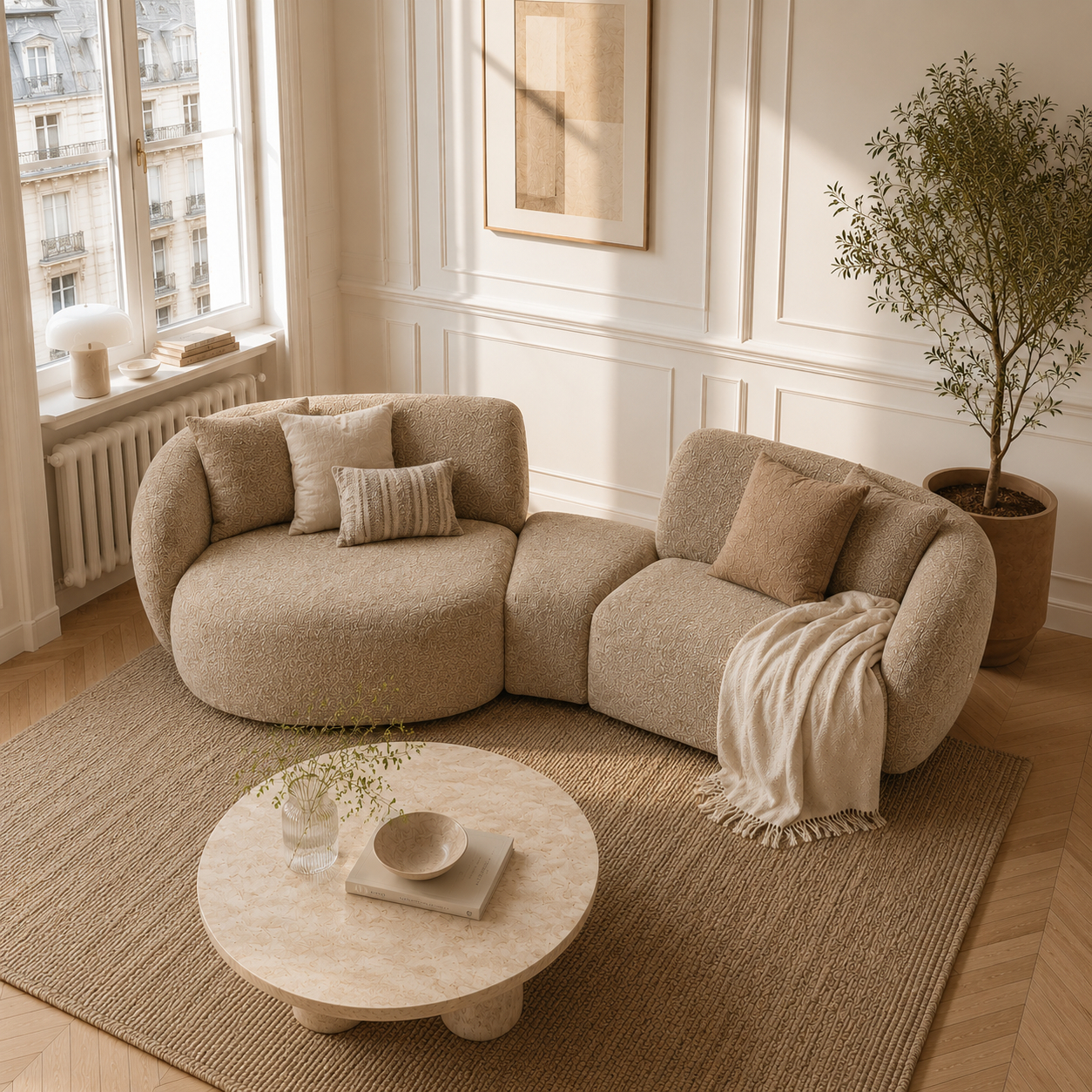
Malbec Modular Sofa — from EUR 1,190
The Malbec's modular format is perfectly suited to contemporary design thinking: configurable, adaptable, and built to grow with your space. The high armrests give a distinctive architectural quality that works particularly well in open-plan living areas with strong geometric elements.
Contemporary Colour Schemes
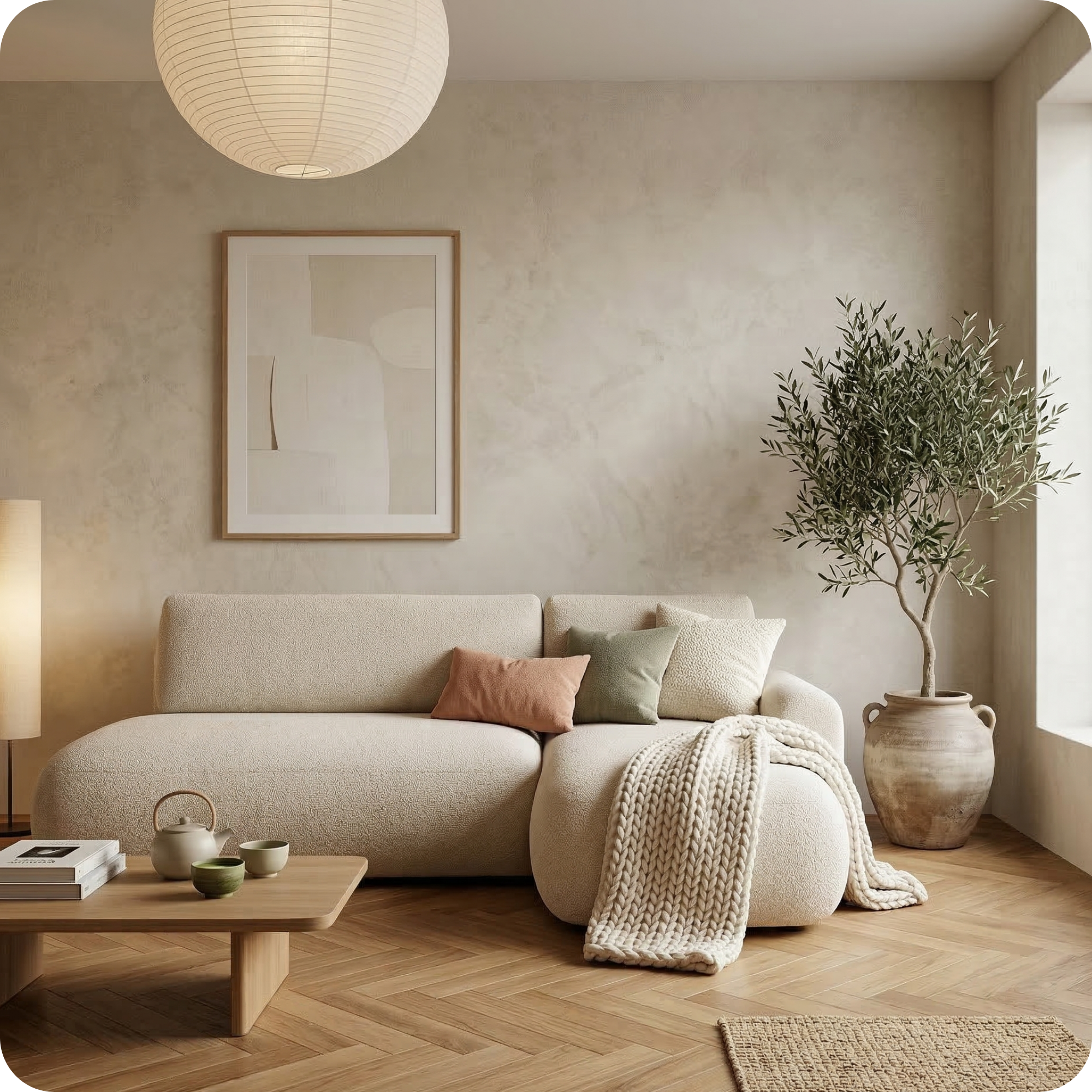
Contemporary interiors are often defined by a sophisticated neutral foundation — warm white, greige, light grey, or soft taupe — with one carefully chosen accent colour introduced through upholstery, artwork, or a feature wall. Popular accent colours in contemporary interiors include deep teal, dusty rose, muted sage green, warm terracotta, and slate blue. The key is using the accent colour intentionally and consistently — repeated in several places throughout the room rather than appearing once in isolation. All-neutral contemporary rooms are equally valid and arguably more timeless; depth and interest come from varying textures and finishes — matte plaster against polished concrete, aged brass against matte black, linen upholstery against velvet cushions.
Key Contemporary Design Elements
Several design elements consistently appear in contemporary interiors: statement lighting — sculptural pendants, arc floor lamps, and under-cabinet LEDs are all contemporary staples; large-format artwork — a single oversized canvas or photograph commands attention and creates a focal point without clutter; natural textures — raw linen, stone, unvarnished wood, and rattan bring warmth and organic quality to an otherwise refined space; and considered greenery — architectural plants such as the fiddle-leaf fig, bird of paradise, or olive tree placed deliberately rather than distributed randomly around the room. Quality always takes precedence over quantity in contemporary design: fewer, better things.