


Contemporary vs Modern Interior Design: What is the Difference?
The terms "modern" and "contemporary" are used interchangeably in everyday conversation — but in interior design, they refer to two distinct styles that are related but importantly different. Understanding the distinction helps you identify which style you actually prefer, communicate more clearly with designers and retailers, and build a more coherent interior. This guide explains both styles clearly, with their defining characteristics and how they differ from each other.
Modern Interior Design: A Historical Style
In interior design, "modern" refers specifically to the modernist design movement that emerged in the early-to-mid 20th century — roughly 1920s to 1960s. It is a historical style rooted in a specific design philosophy: form follows function, ornament is unnecessary, and honesty of materials is paramount. Key characteristics of modern design include clean lines and minimal ornamentation; natural materials (wood, leather, cotton, wool) used in their raw or lightly processed state; a neutral palette with occasional strong colour accents (Mondrian-inspired colour blocking); iconic furniture with clean geometric forms — the Bauhaus influence is visible in many modern design classics; open floor plans where structural elements like exposed concrete, brick, and steel are celebrated rather than hidden.
Contemporary Interior Design: What is "Now"
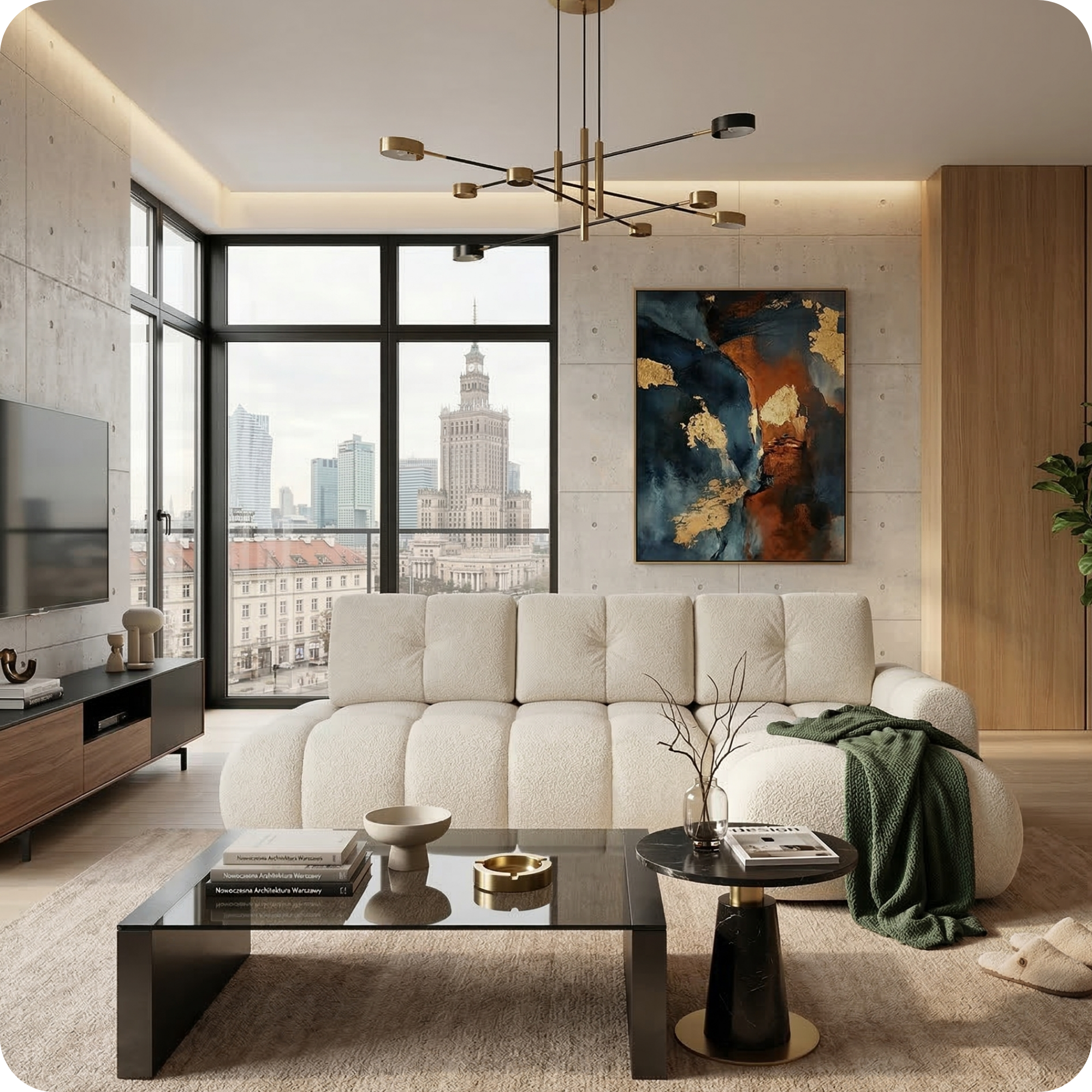
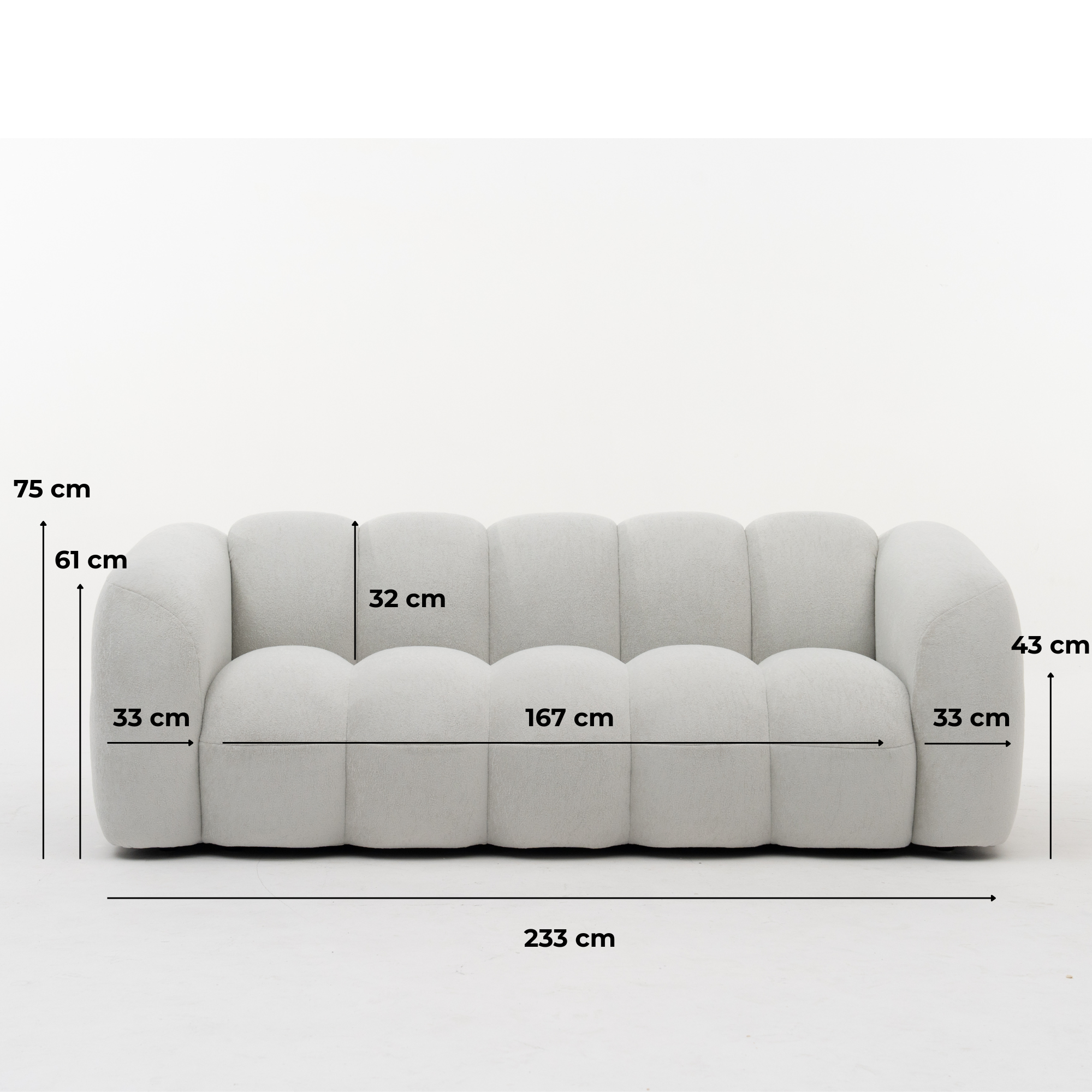
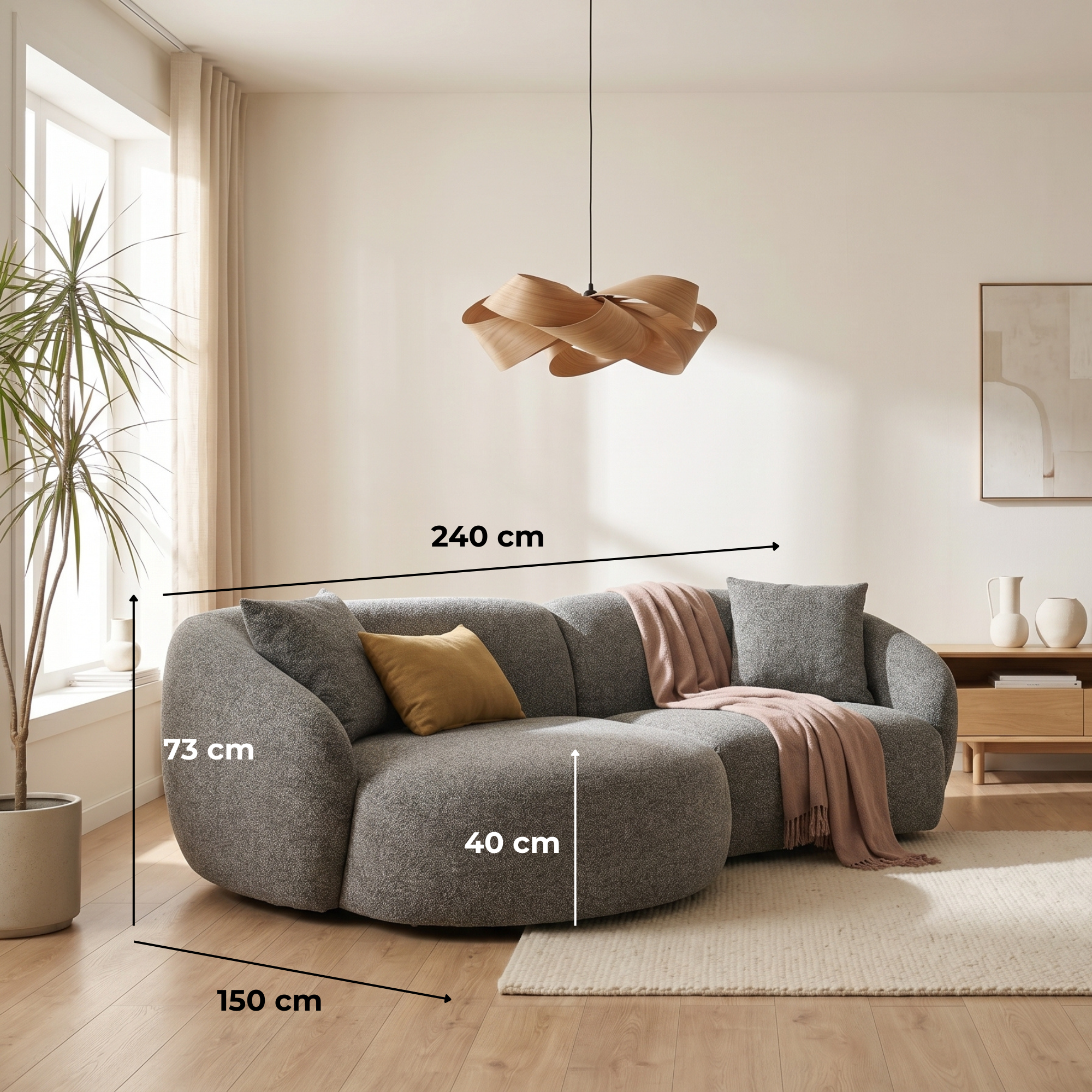
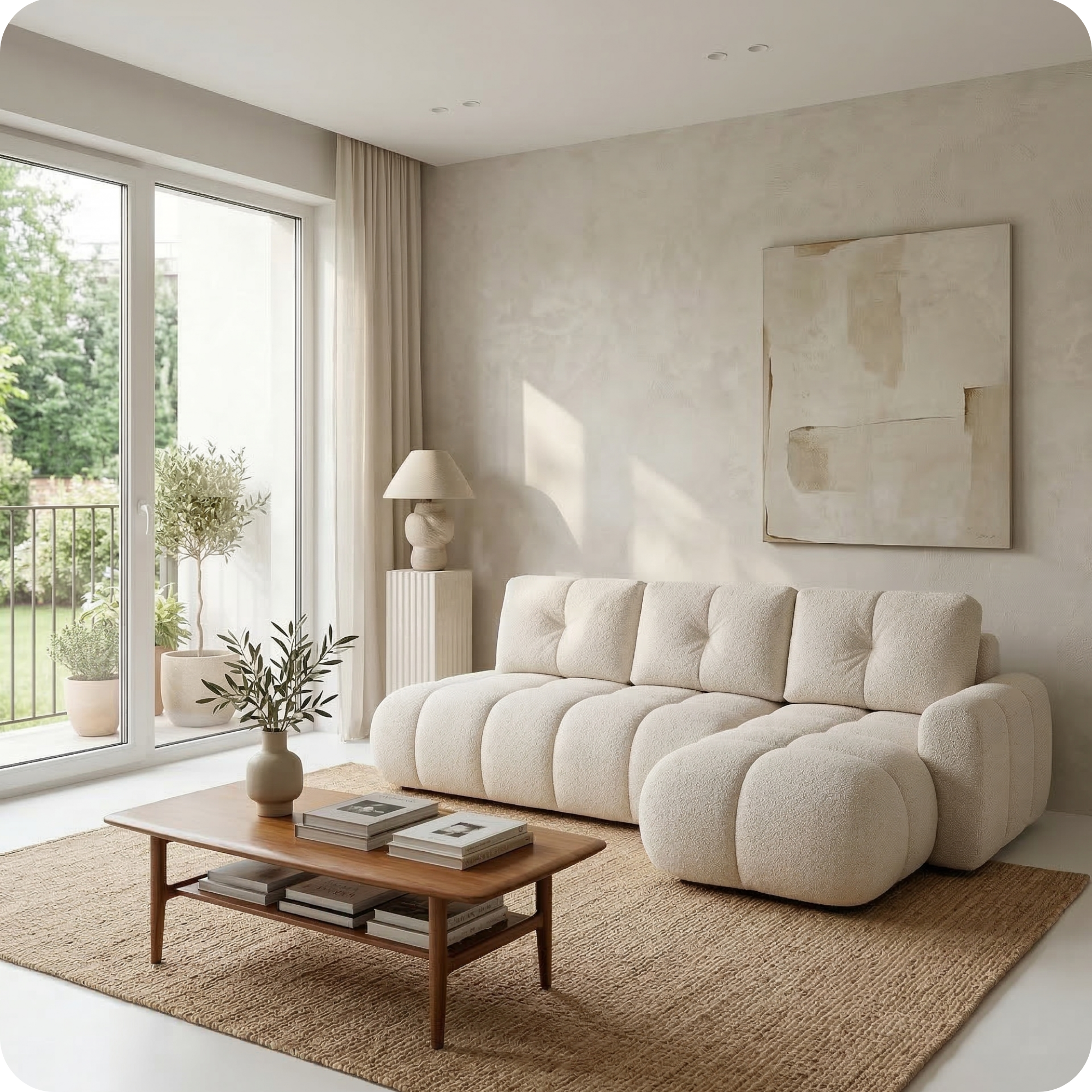
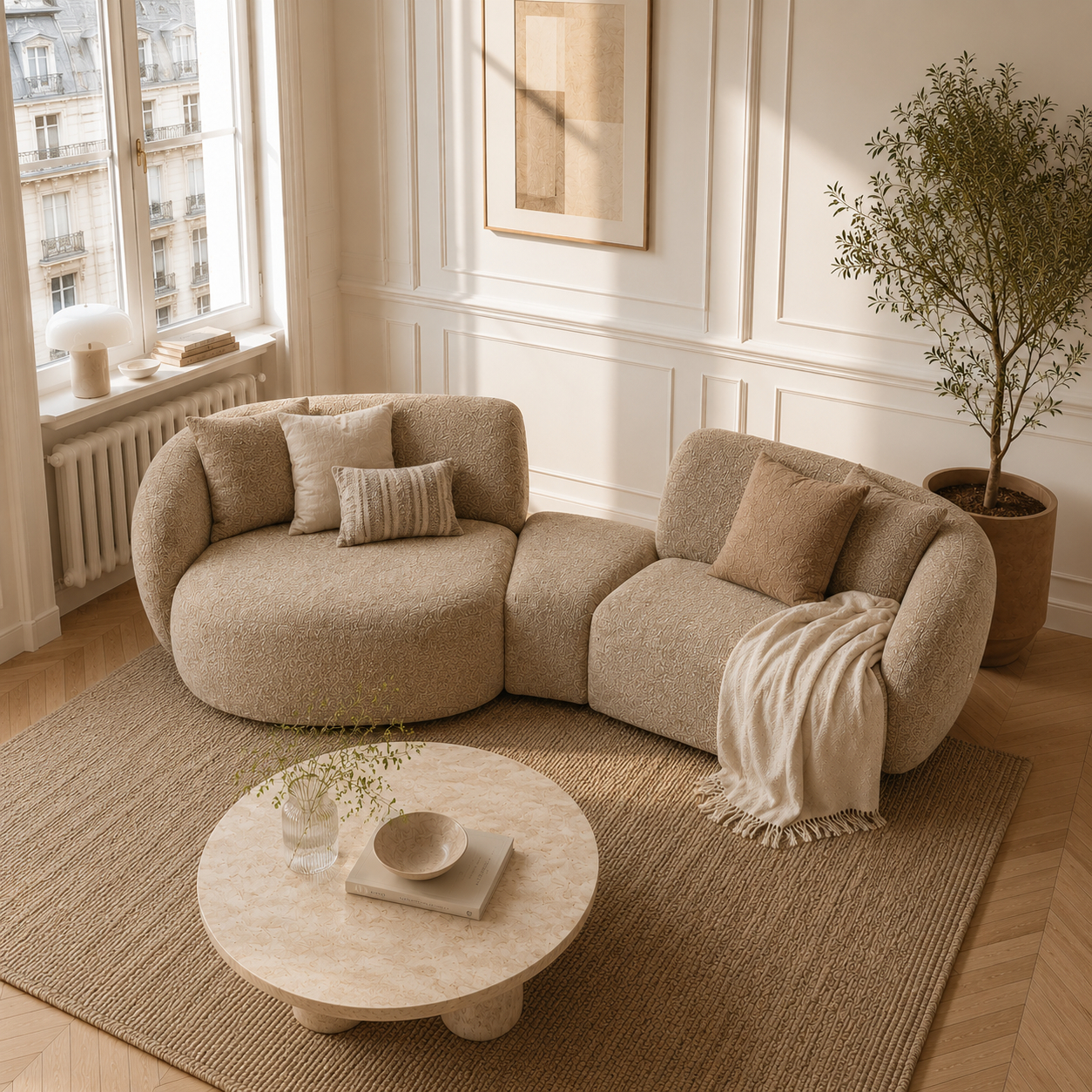
Contemporary design doesn't refer to a fixed historical movement — it refers to whatever is current. Contemporary design is, literally, what design looks like today. This makes it a moving target: contemporary in 1990 looked different from contemporary in 2010, which looks different from contemporary in 2026. The key hallmarks of contemporary design in 2026 include: curved forms and organic shapes (the hard geometry of earlier modern design has given way to softer curves); earthy, warm neutrals (terracotta, sage green, warm beige) rather than cool whites and greys; mixed materials and textures — bouclé upholstery, ribbed velvet, natural wood, brushed brass, rattan; a greater degree of warmth and tactility than classic modernism; sustainability and natural materials as a conscious design choice rather than an automatic default.

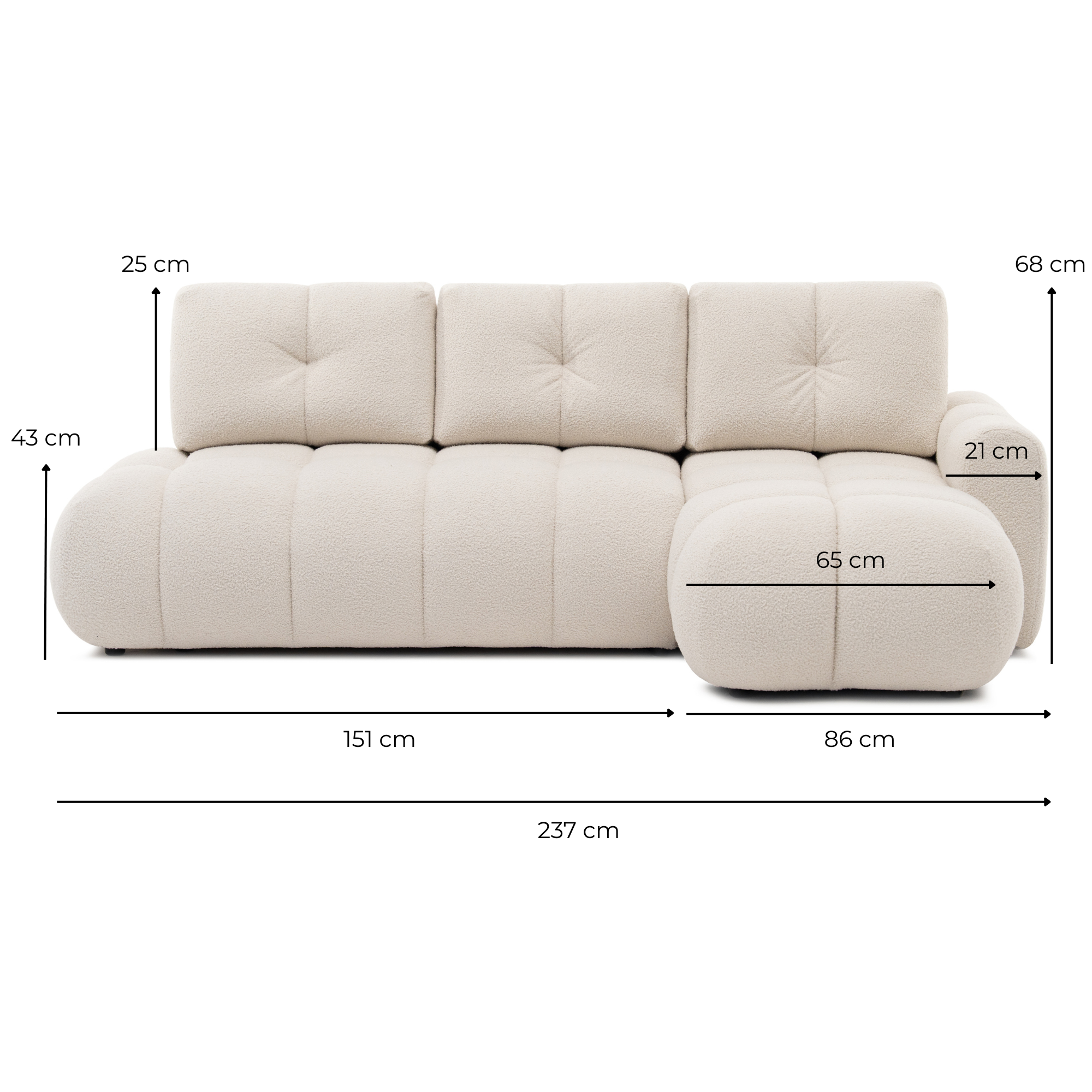
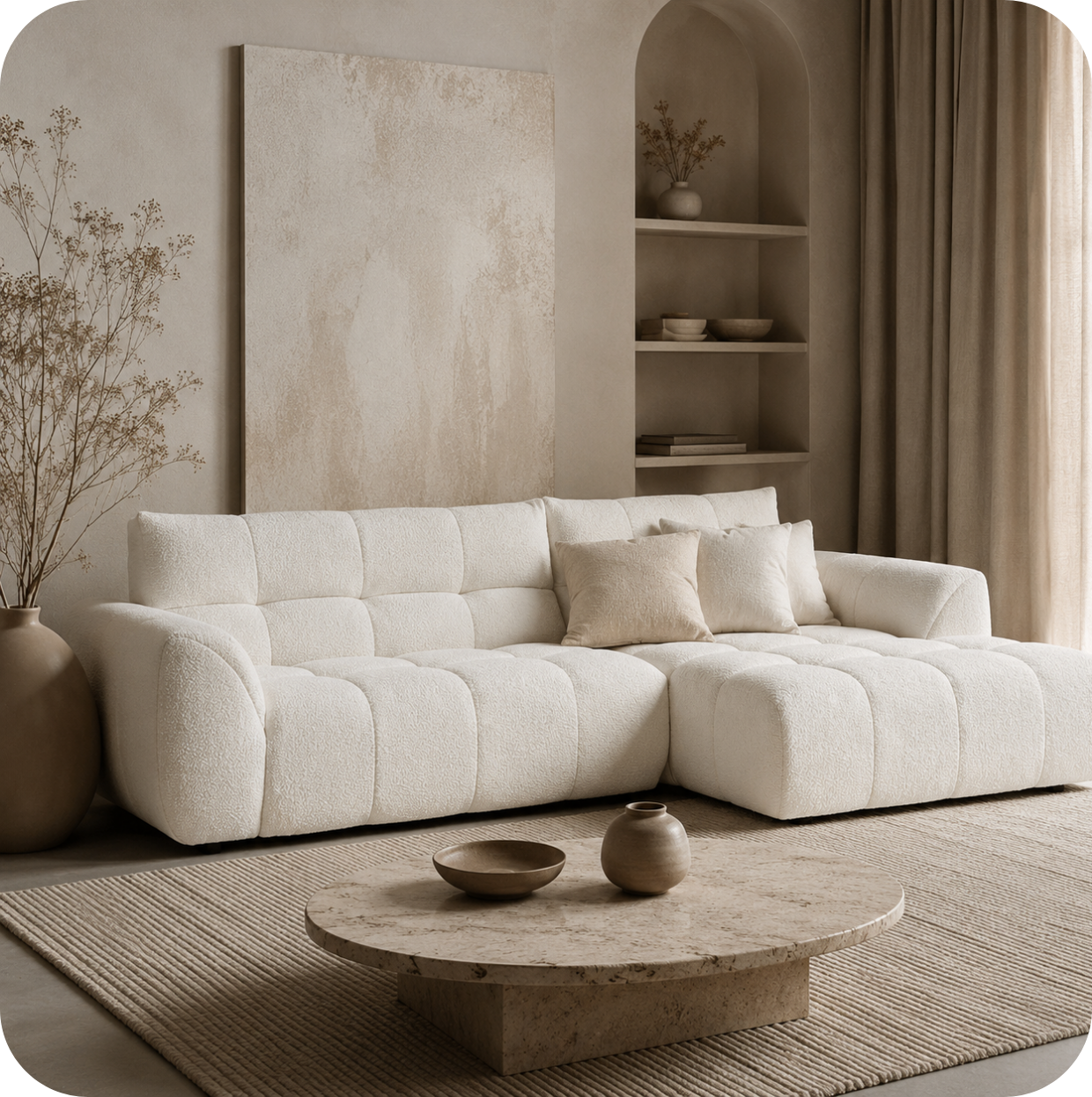
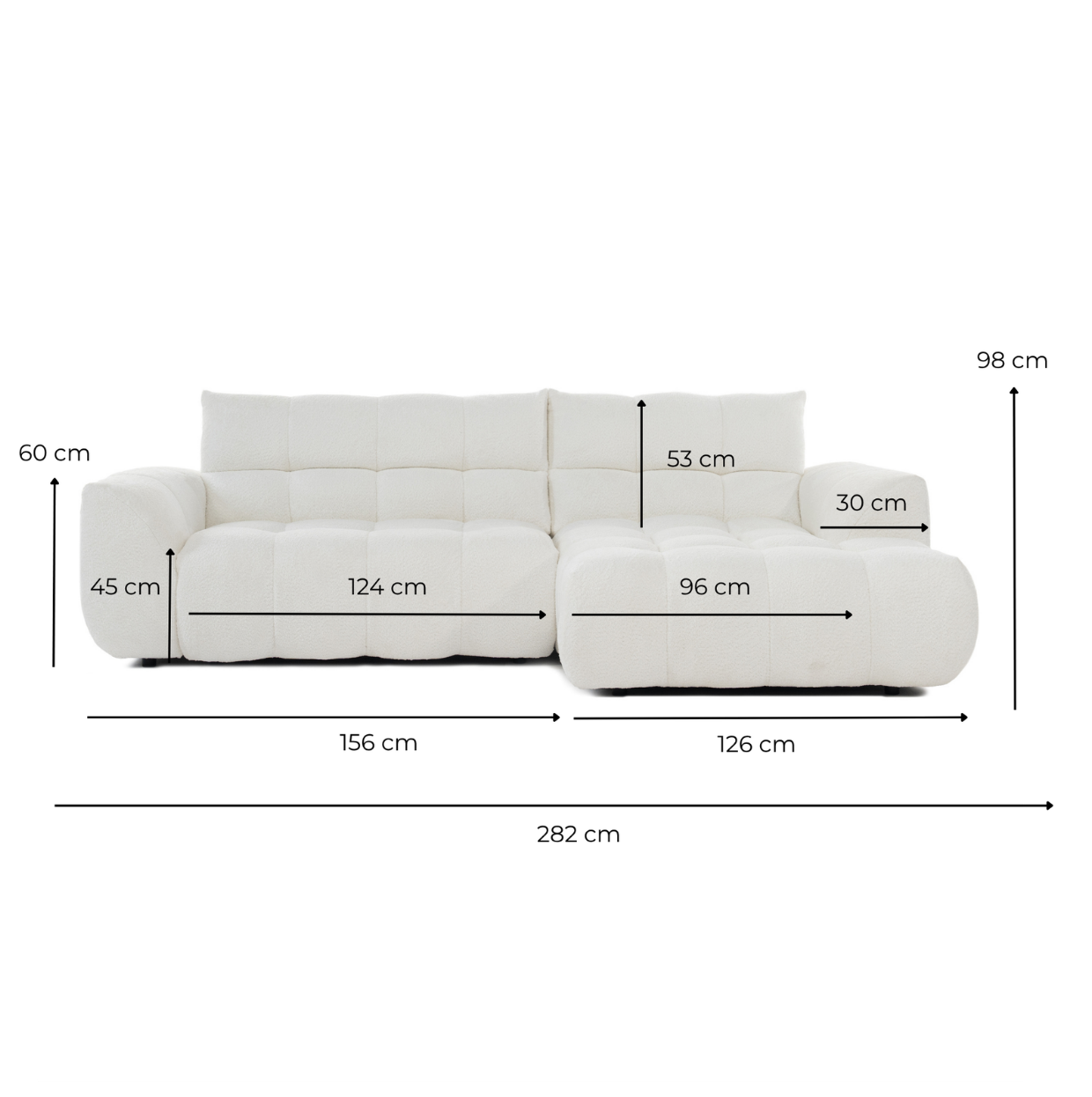
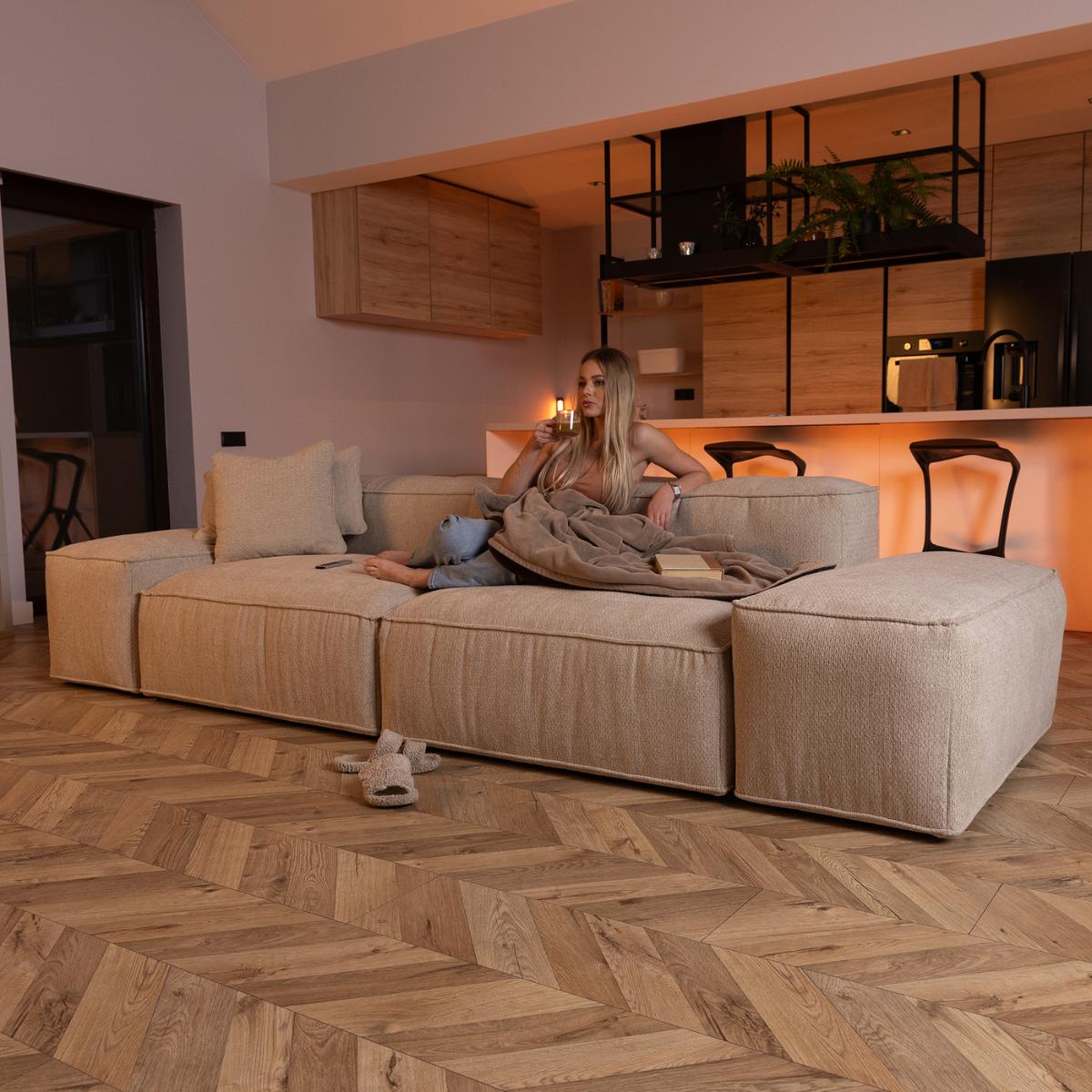
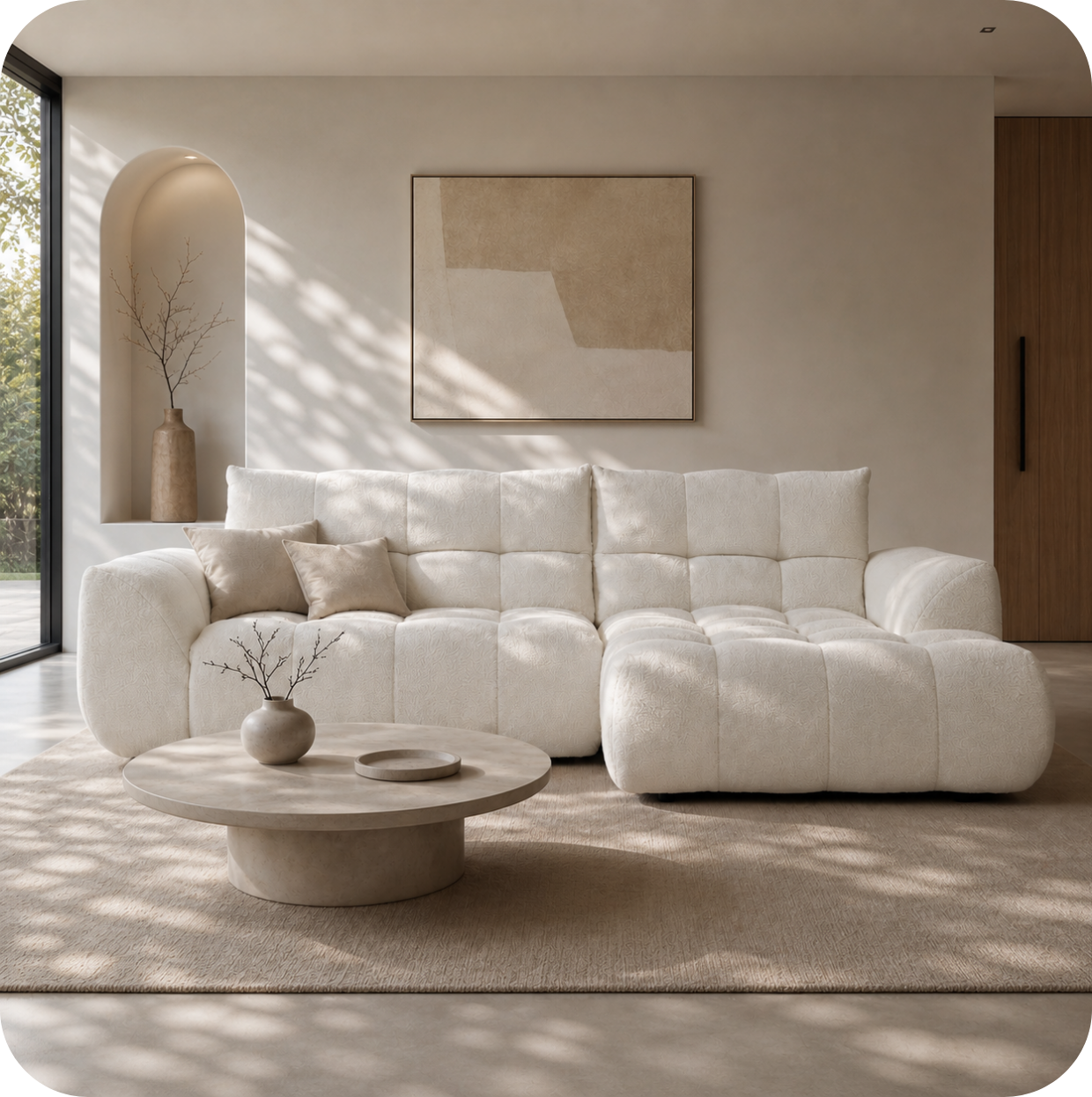
Lugano Sofa — Sand — from €1,299
The Lugano in sand is an excellent example of contemporary 2026 furniture design: the warm, earthy tone, clean proportions, and tactile upholstery reflect the current moment in interior design — organic, warm, and sophisticated without being cold or stark.

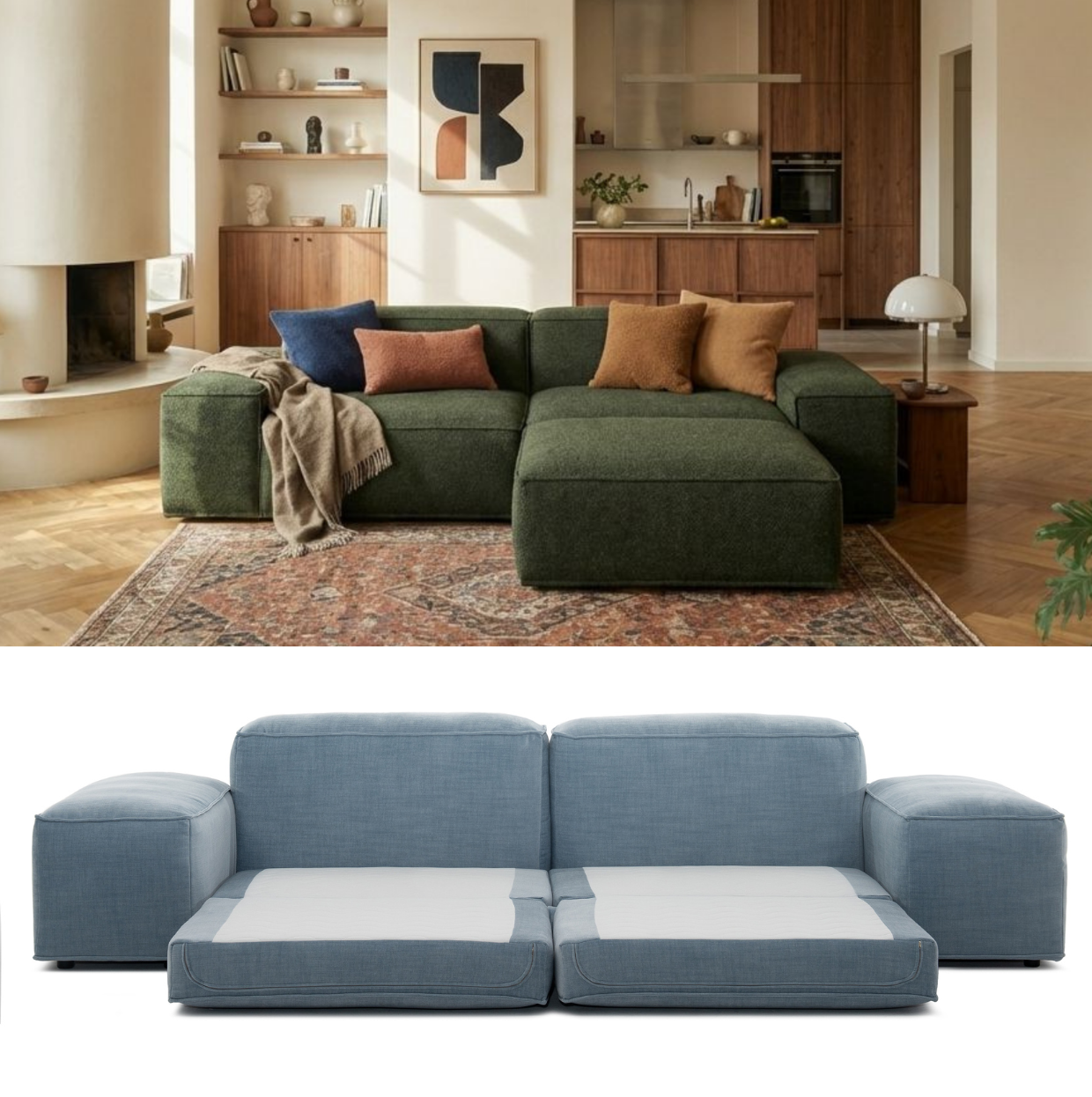
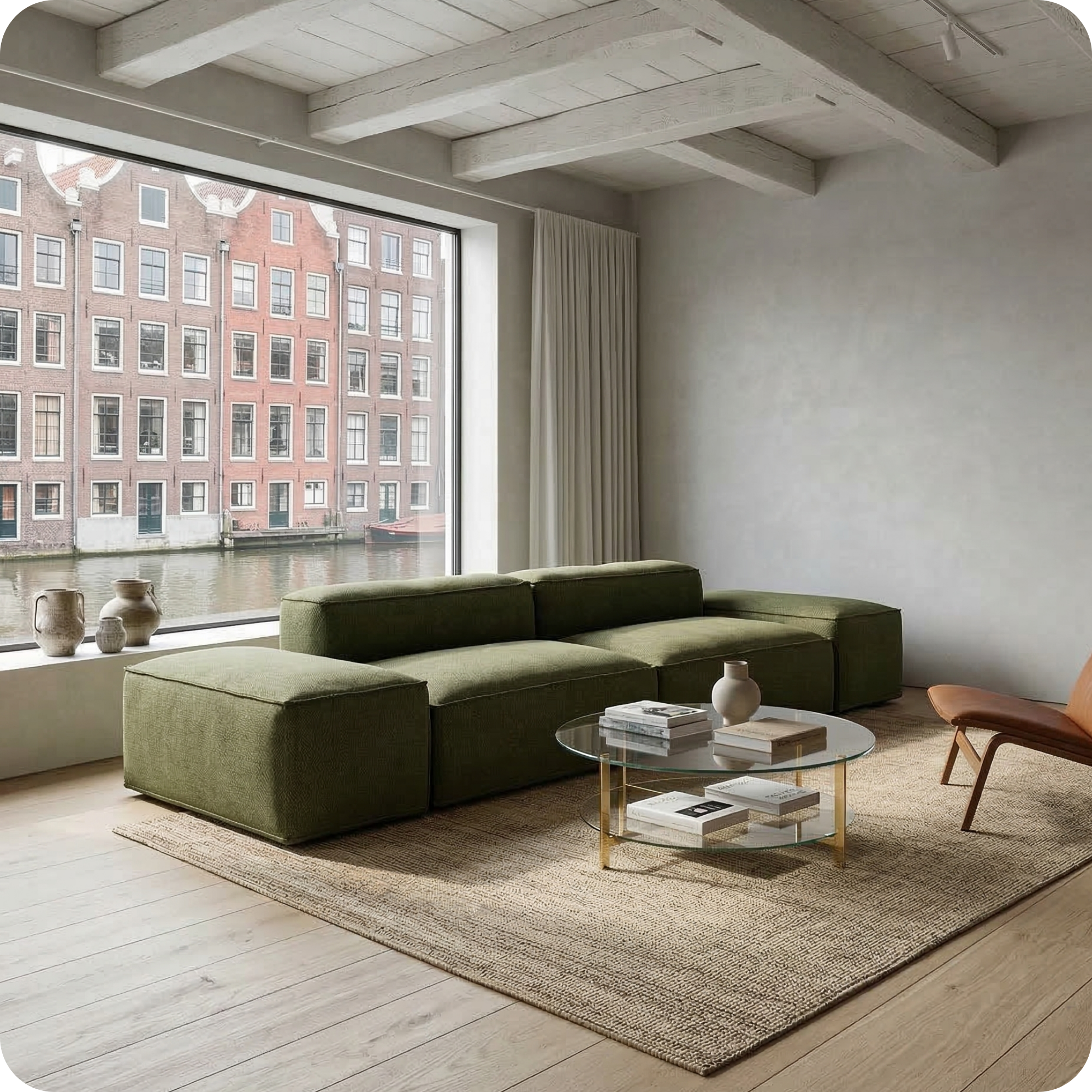
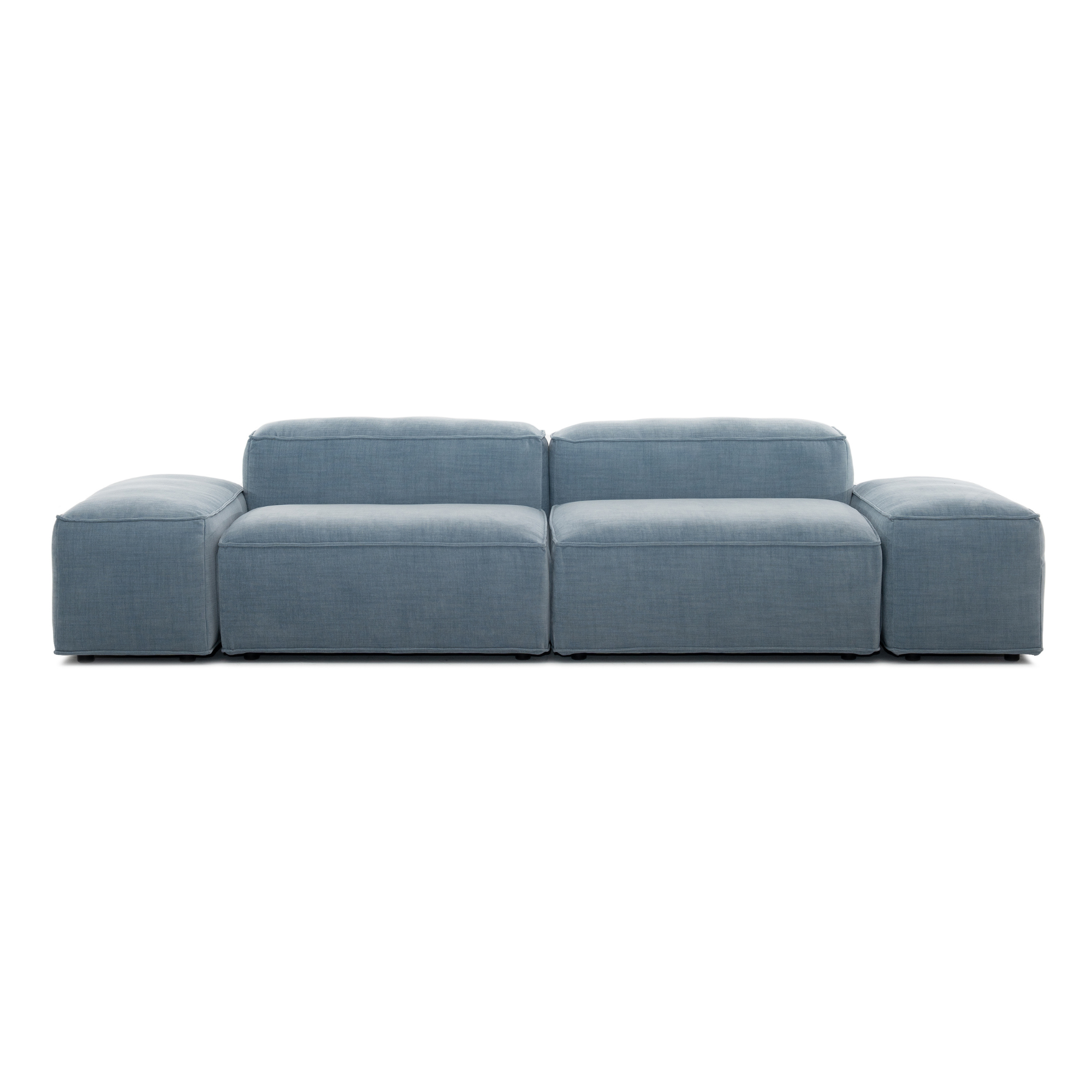
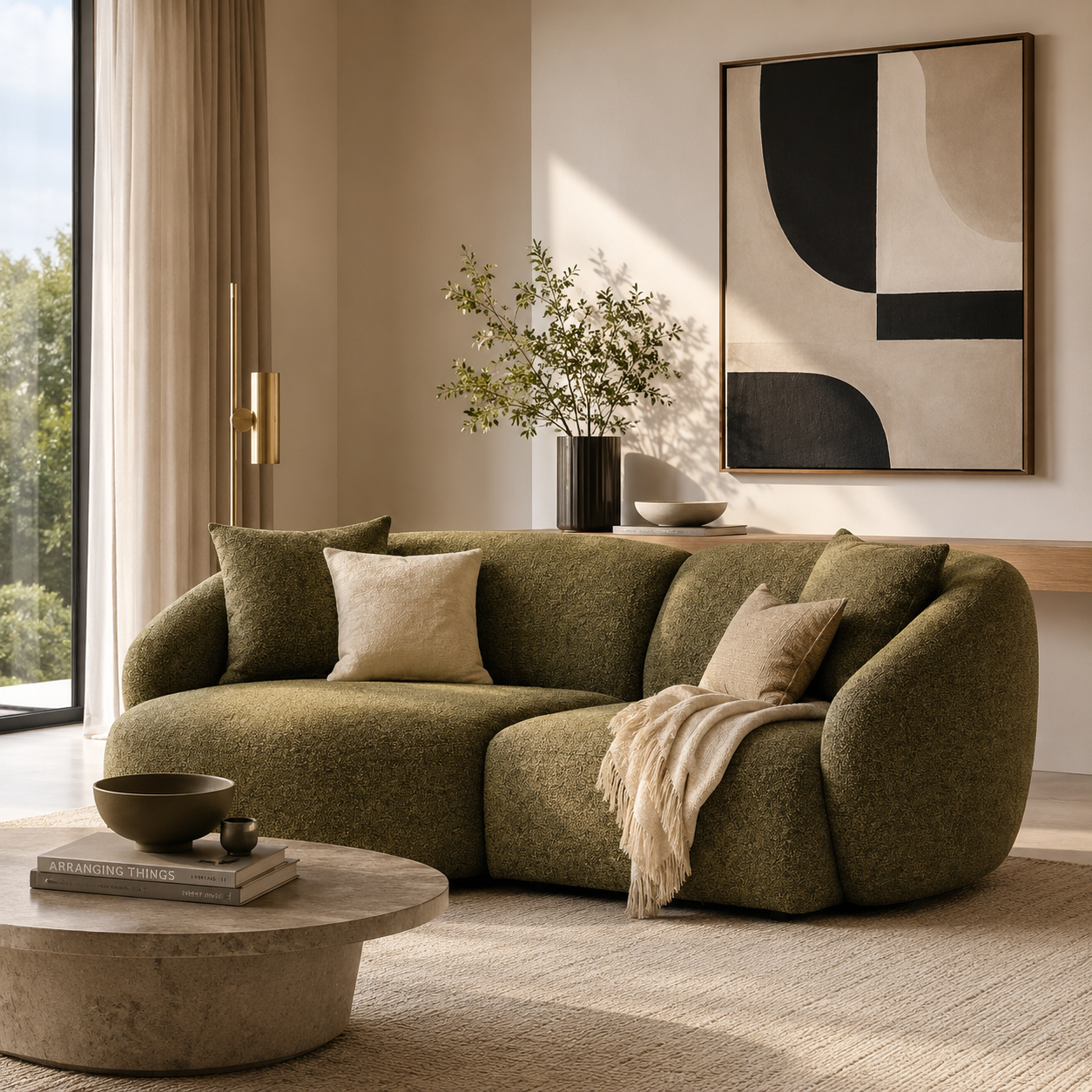
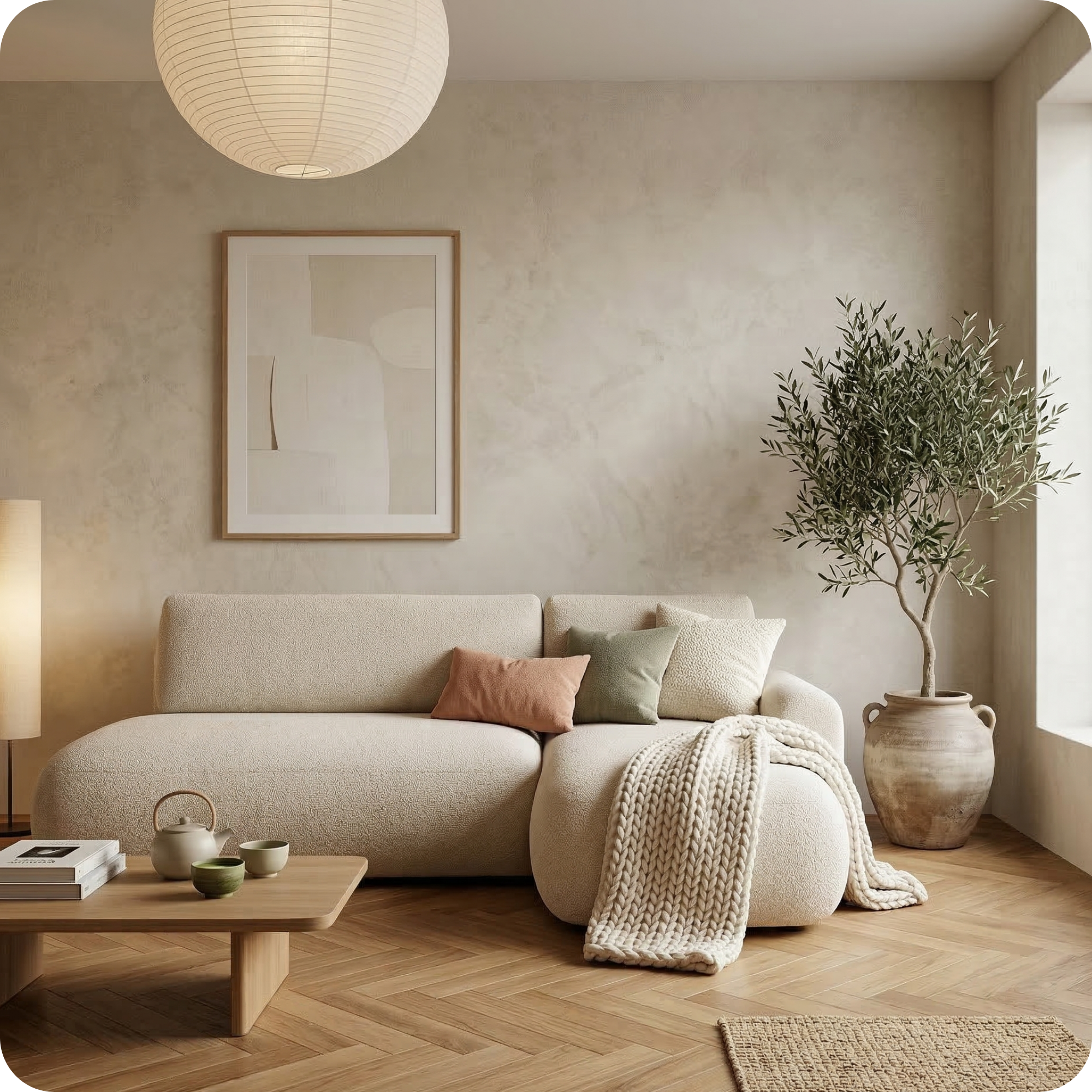
Merlot Modular Sofa — Leaf Green — from €1,532
The Merlot in leaf green reflects the contemporary botanical design movement — the green tone, modular flexibility, and generous proportions are all hallmarks of 2025-2026 furniture design. Its low armrests give it a distinctly modern silhouette while the colour grounds it in contemporary warmth.
Key Differences at a Glance
Modern design is a fixed historical style (1920s–1960s); contemporary design is what's current (today). Modern design favours straight lines and geometry; contemporary design embraces curves and organic forms. Modern design uses cool, neutral palettes; contemporary design uses warmer, earthier tones. Modern design emphasises function above all; contemporary design balances function with warmth and tactility. Modern design uses natural materials as a statement of honesty; contemporary design uses natural materials as a sustainability choice and aesthetic preference. Modern icons (Eames chairs, Mies van der Rohe Barcelona sofas, Knoll pieces) remain popular in contemporary interiors as heritage pieces mixed with newer design.
Which Style is Right for You?
If you are drawn to clean lines, uncluttered spaces, and a lean, spare aesthetic — with a slight cool edge — you may prefer modern design. If you prefer warmth, texture, organic forms, and a sense of layered comfort alongside clean proportions, contemporary 2026 design is likely a better fit. Most successful real-world interiors in 2026 are neither purely modern nor purely contemporary but a mix: a clean-lined sofa in a warm neutral colour, natural wood floors, a few modernist design icons, and contemporary accessories and materials. This hybrid approach is both practical and beautiful.