


How to Choose a Modular Sofa: The Complete Guide to Modular Seating
Modular sofas have become one of the most popular furniture choices of the 2020s — and for good reason. Unlike traditional fixed sofas, modular sofas are made of individual sections that can be combined, rearranged, and expanded over time. This flexibility means that a modular sofa can adapt to a new home, a growing family, a change in room layout, or simply an evolving taste in interior design. This guide explains everything you need to know to choose the right modular sofa for your living room.
What is a Modular Sofa?
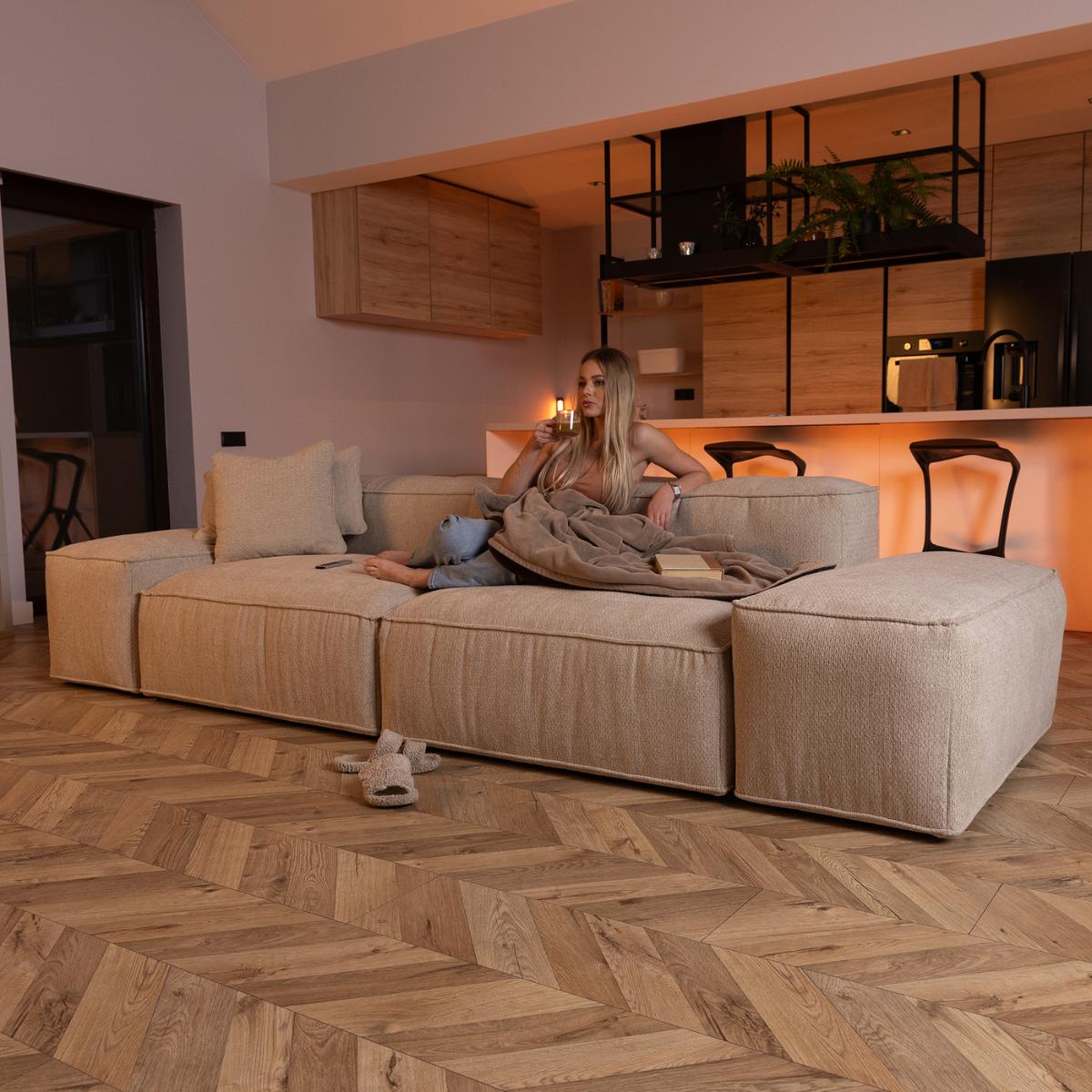
A modular sofa consists of individual, self-contained modules — typically a combination of corner pieces, armless middle sections, chaise longue ends, and end sections with or without armrests. These modules connect to one another and can be arranged in a wide variety of configurations: straight line sofas, L-shapes, U-shapes, and even island configurations that float in the middle of a room. The key advantage is flexibility: you start with the configuration that works for your current space, and can add or rearrange modules as your needs change.

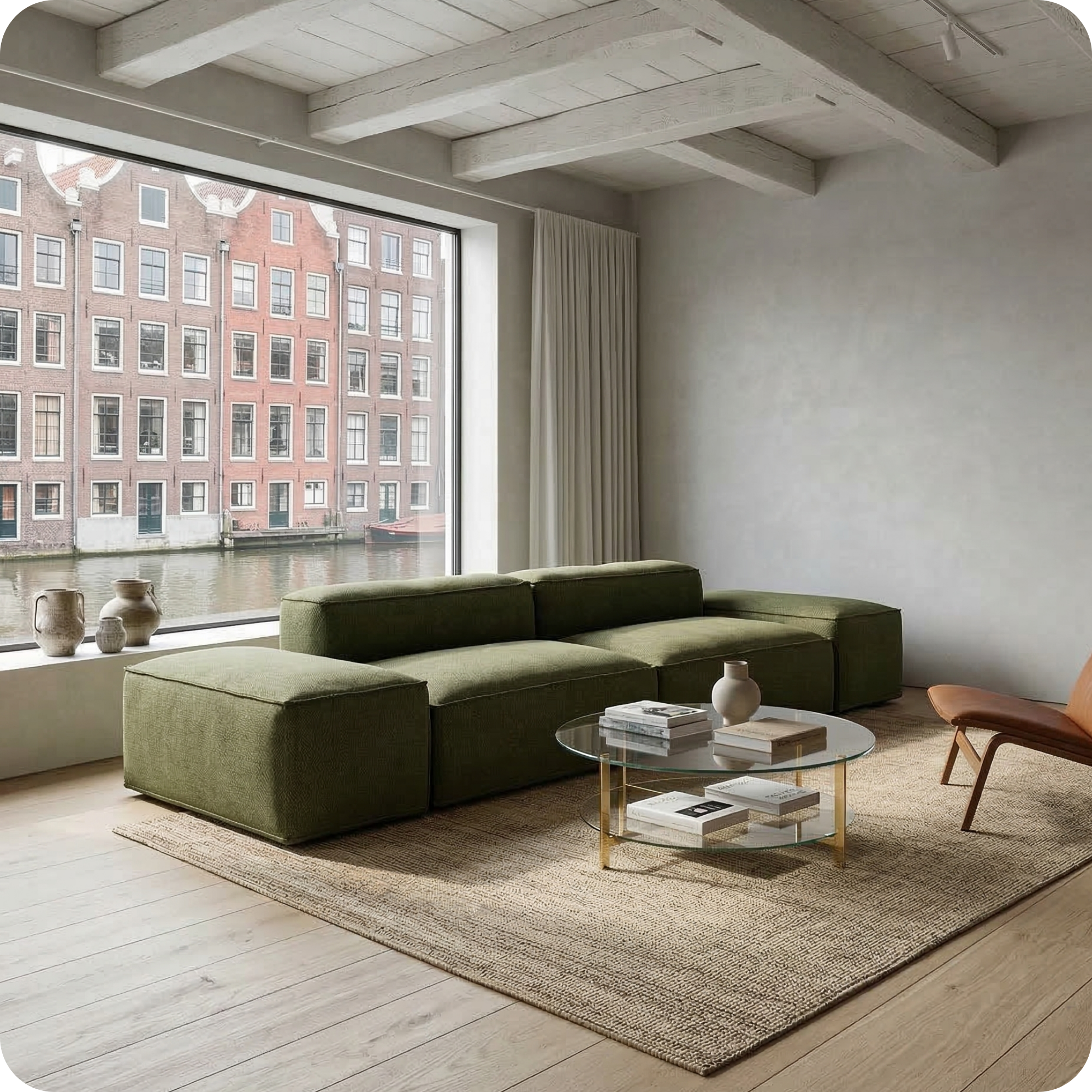
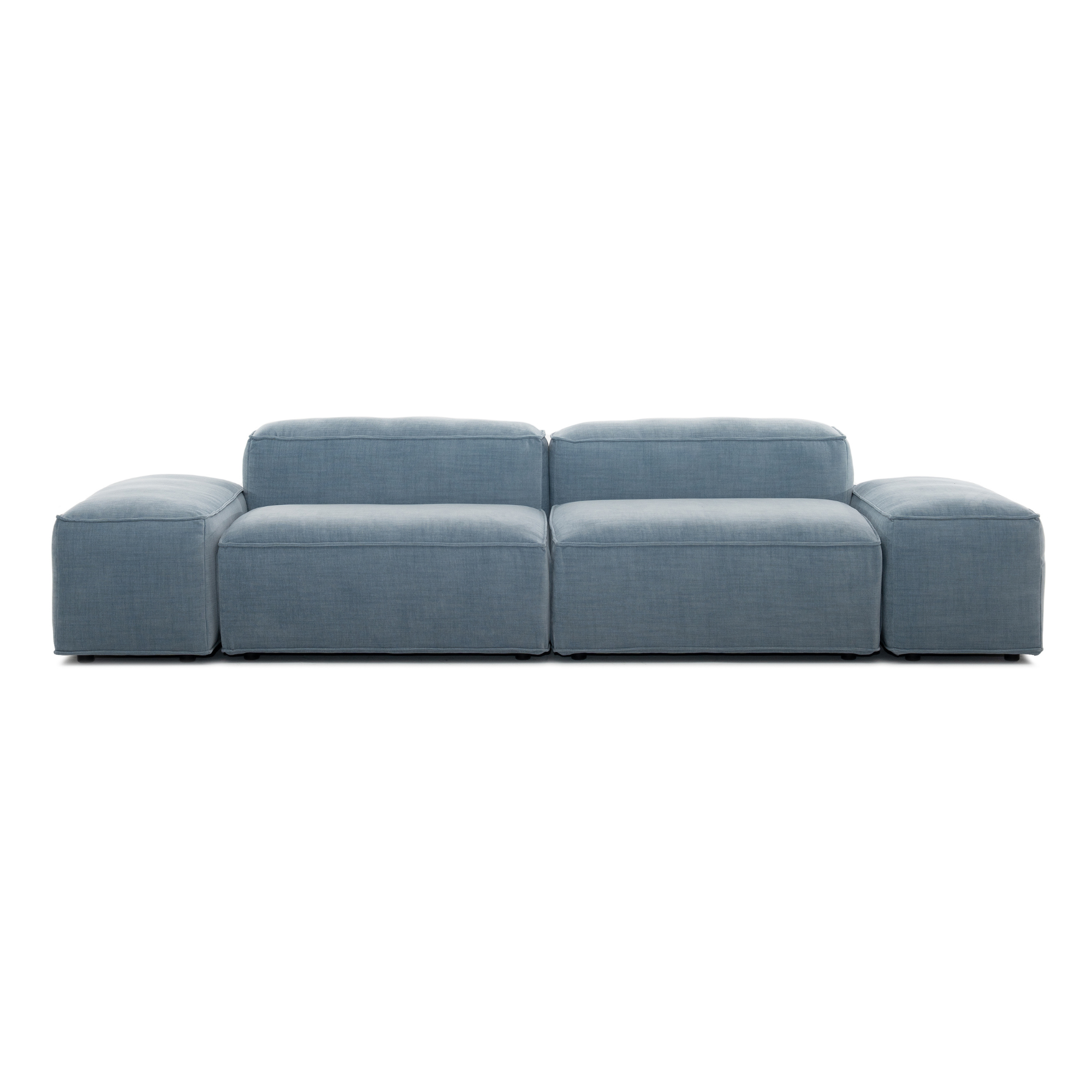
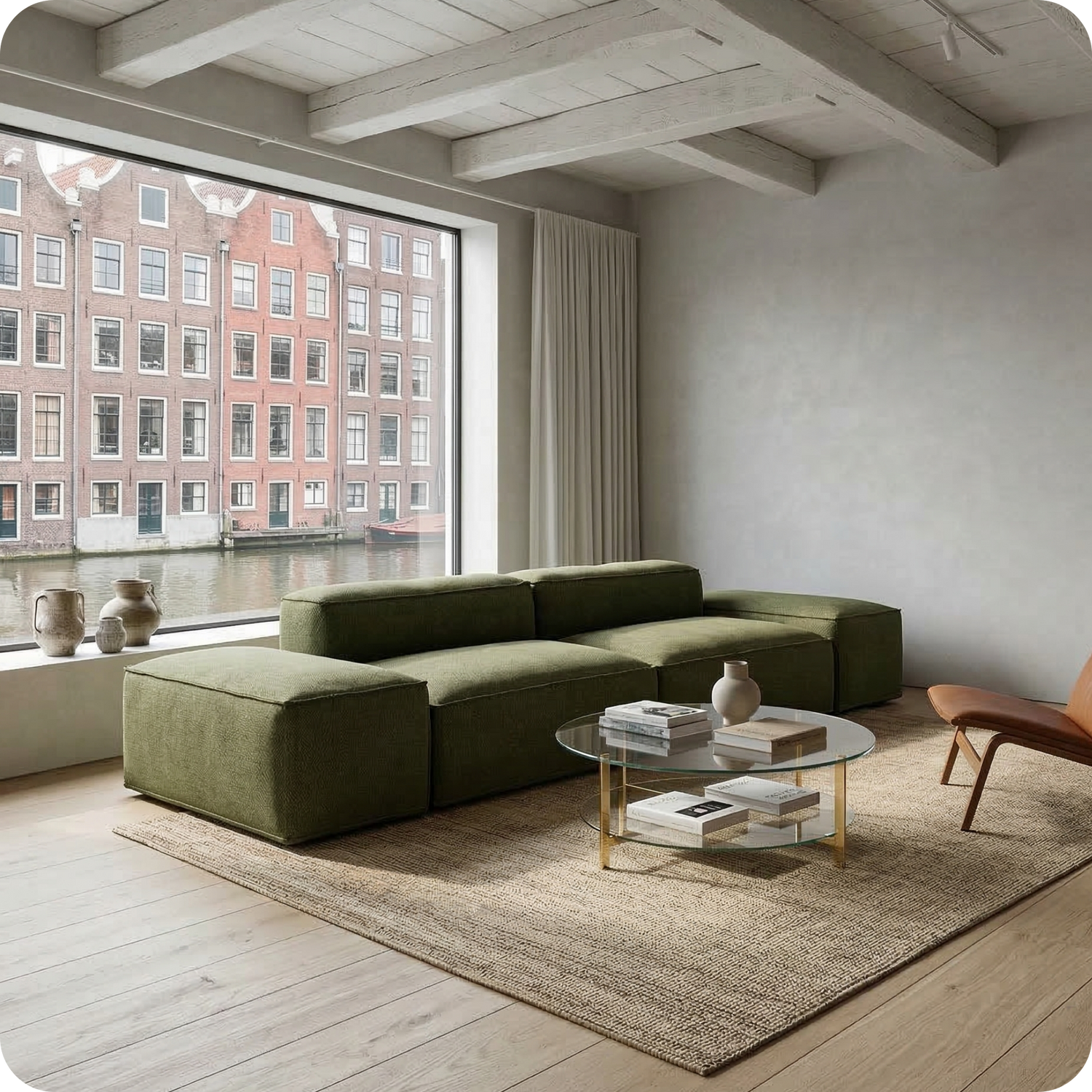
Merlot Modular Sofa — from €1,532
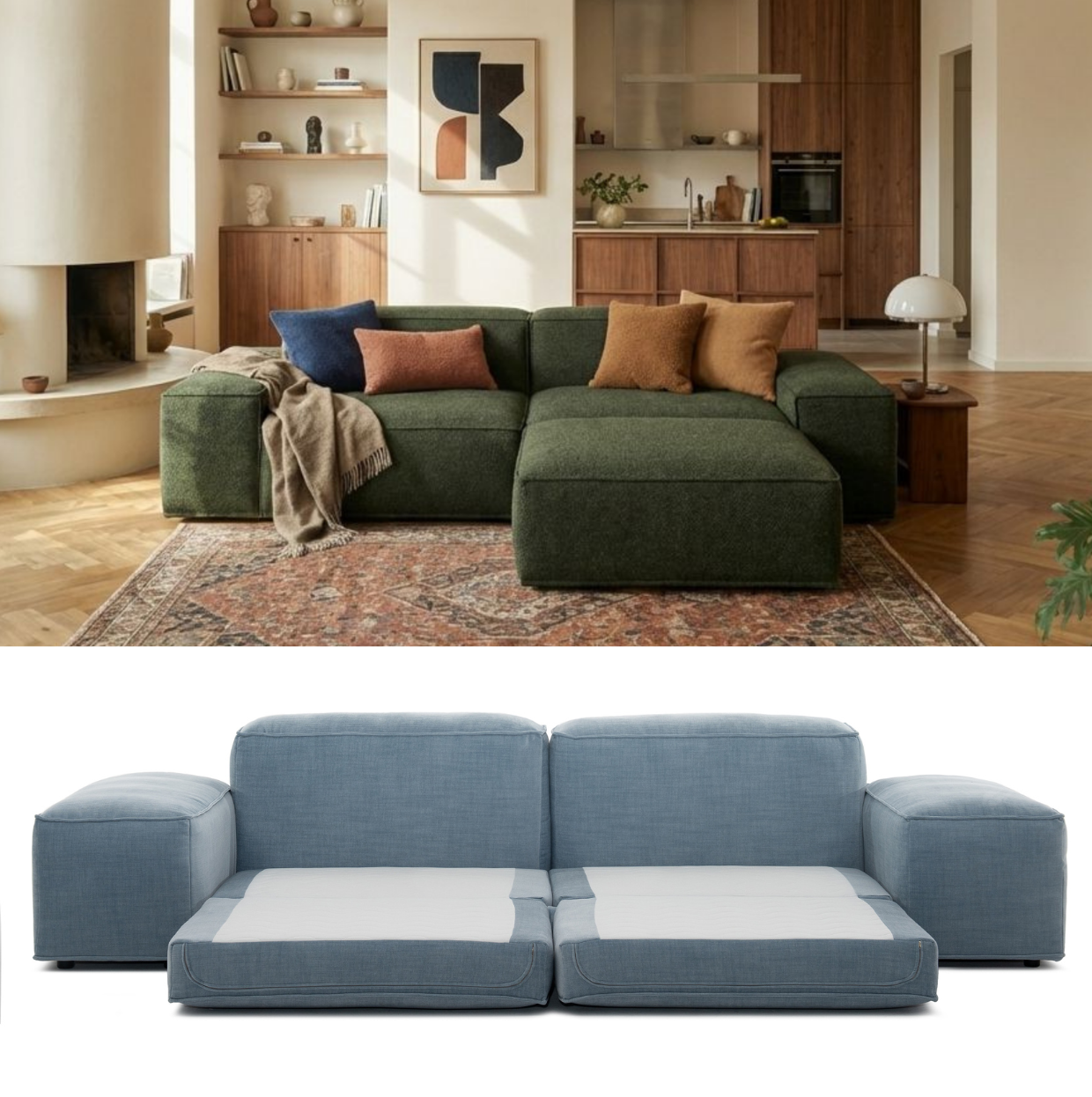
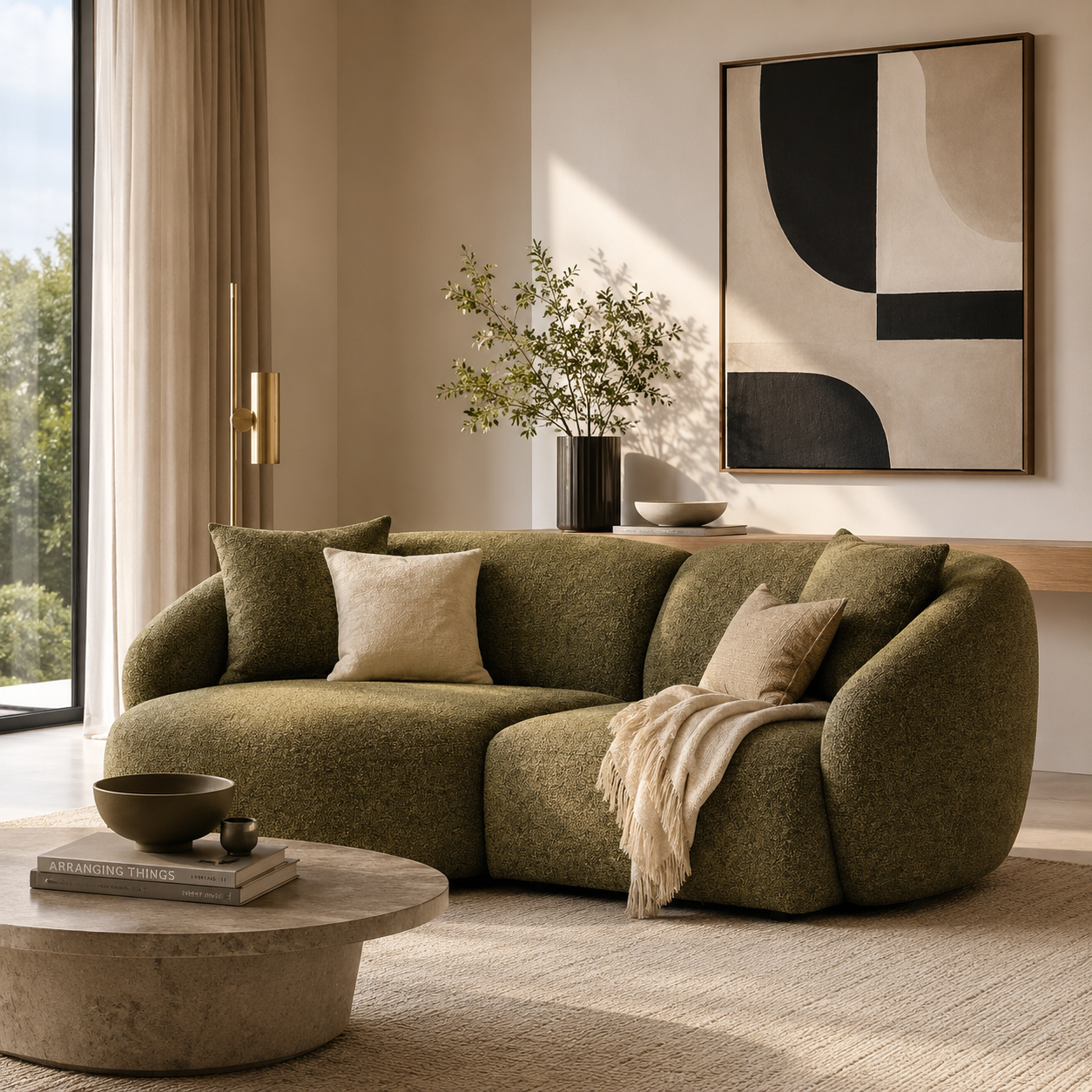
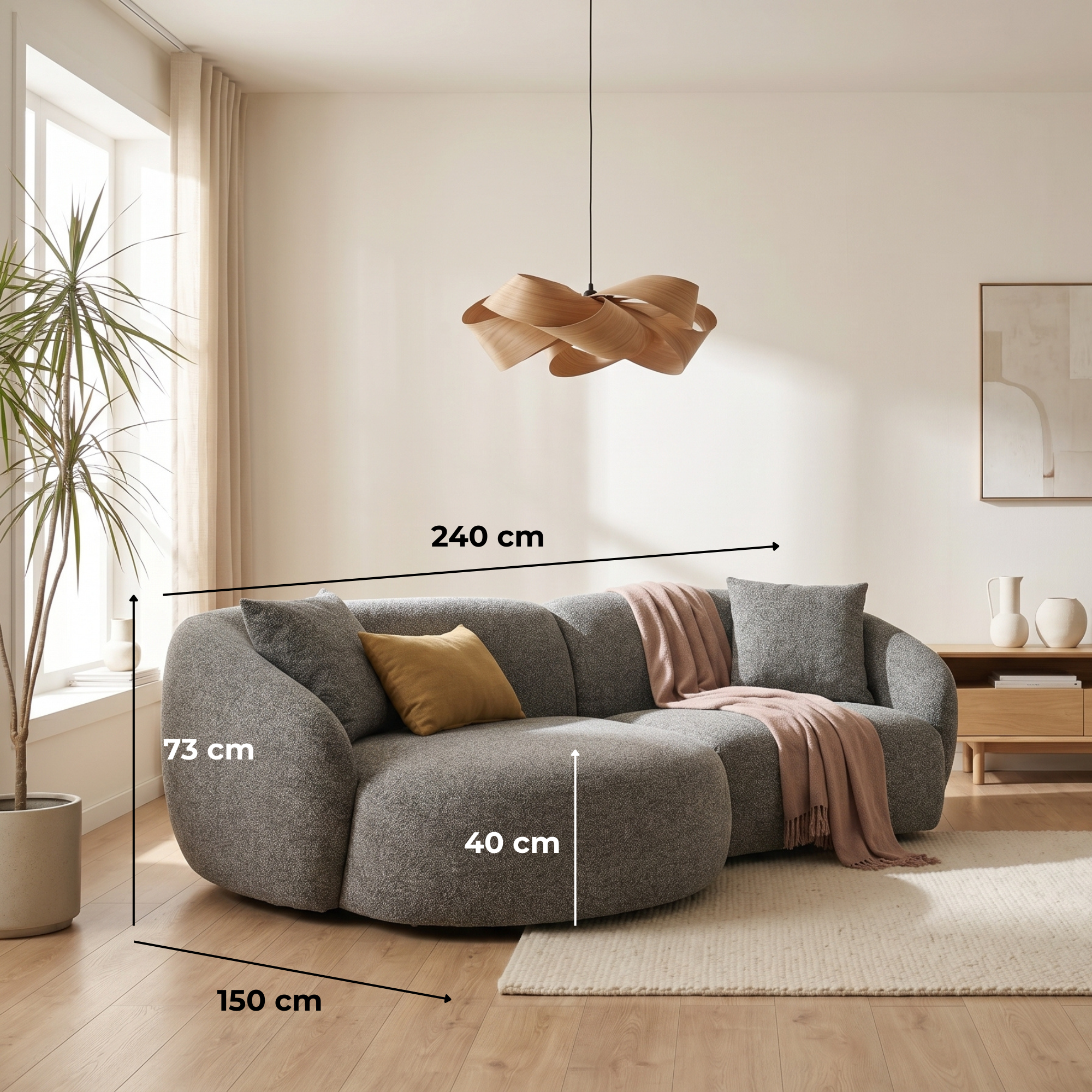
The Merlot is designed as a true modular system — start with a 3-seater configuration and expand as your space or family grows. Available in a range of colours including the striking leaf green shown above, the Merlot's clean contemporary design works in any living room aesthetic.

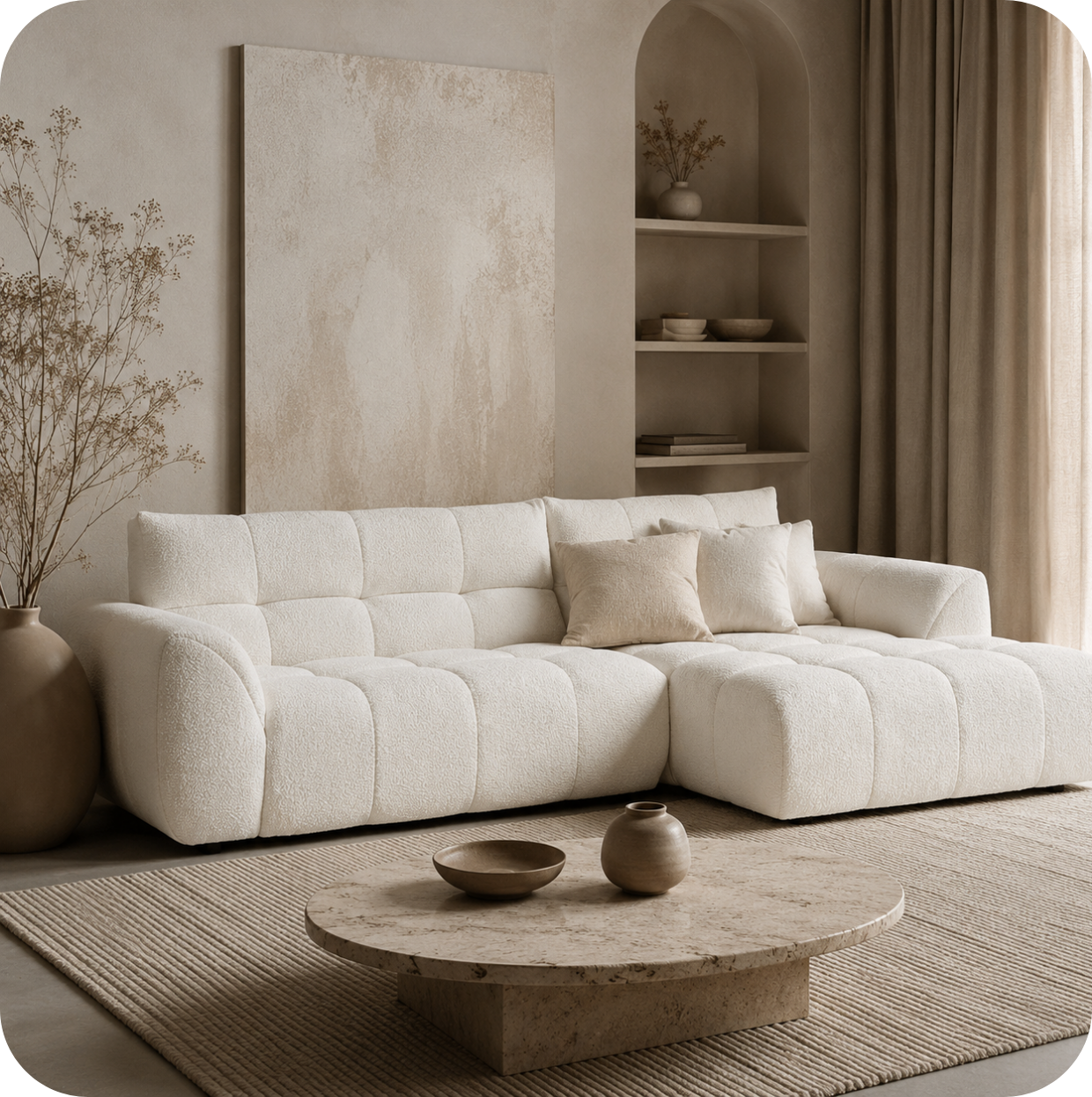
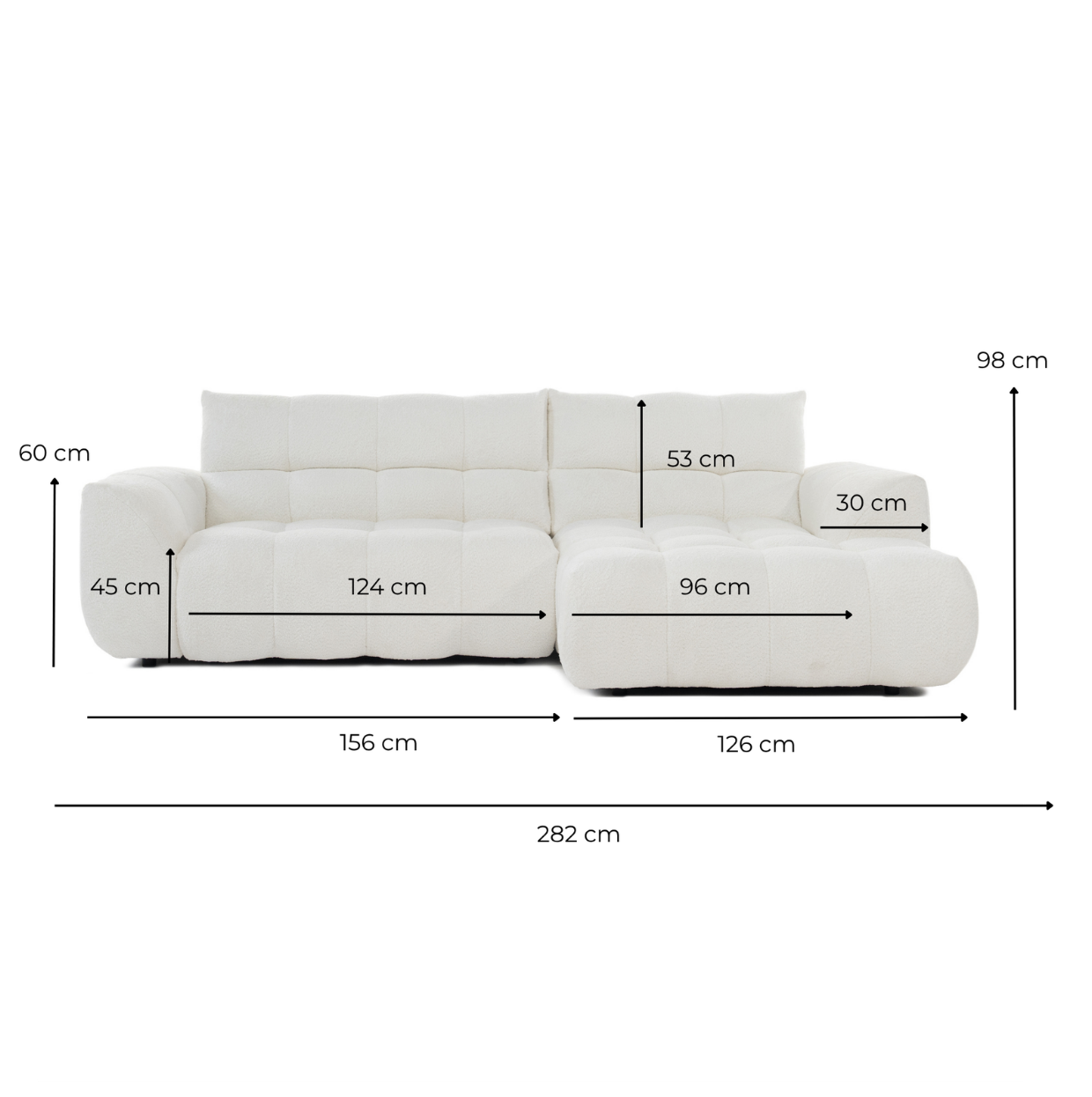
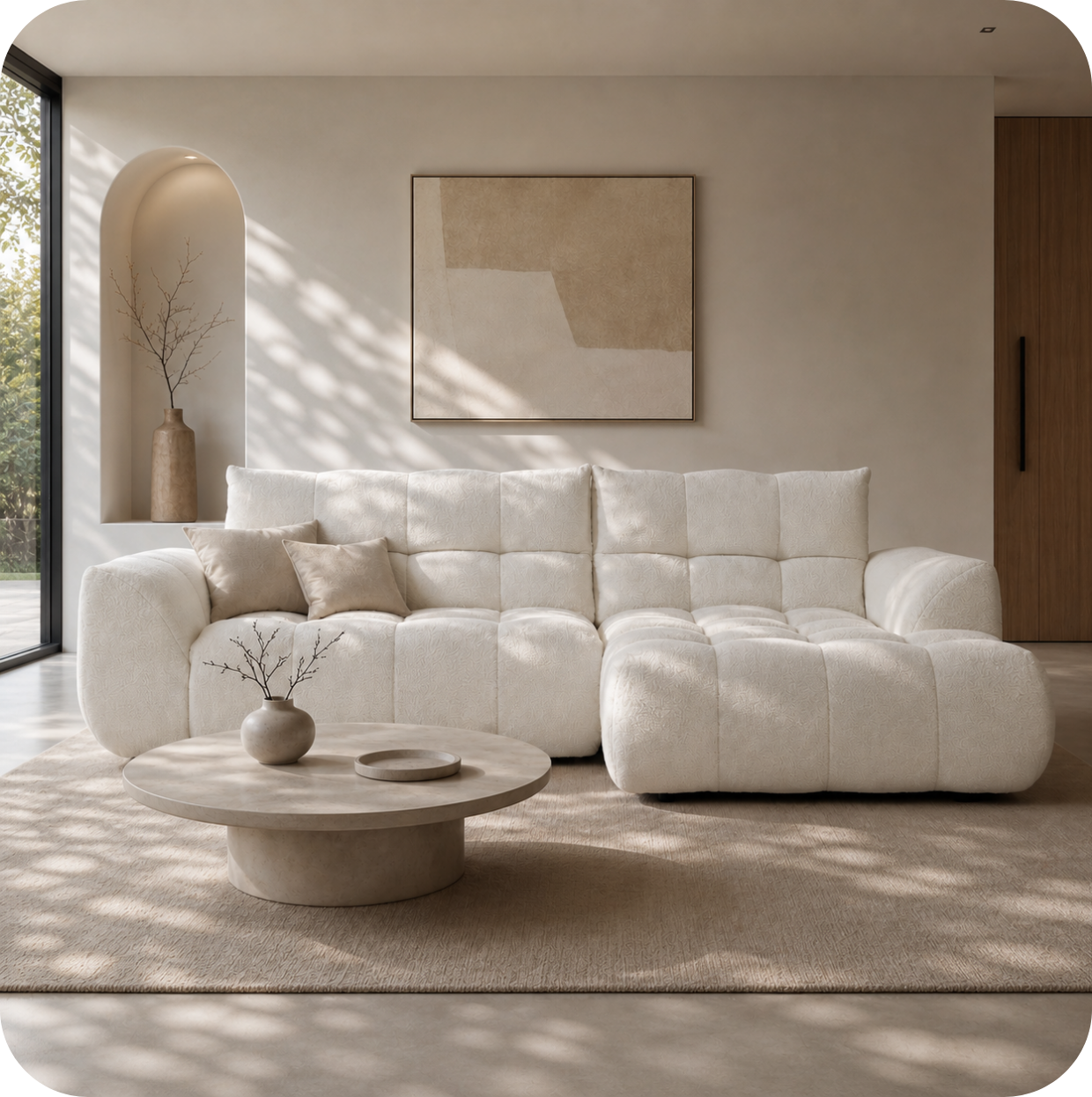
Merlot Corner Sofa — from €1,913
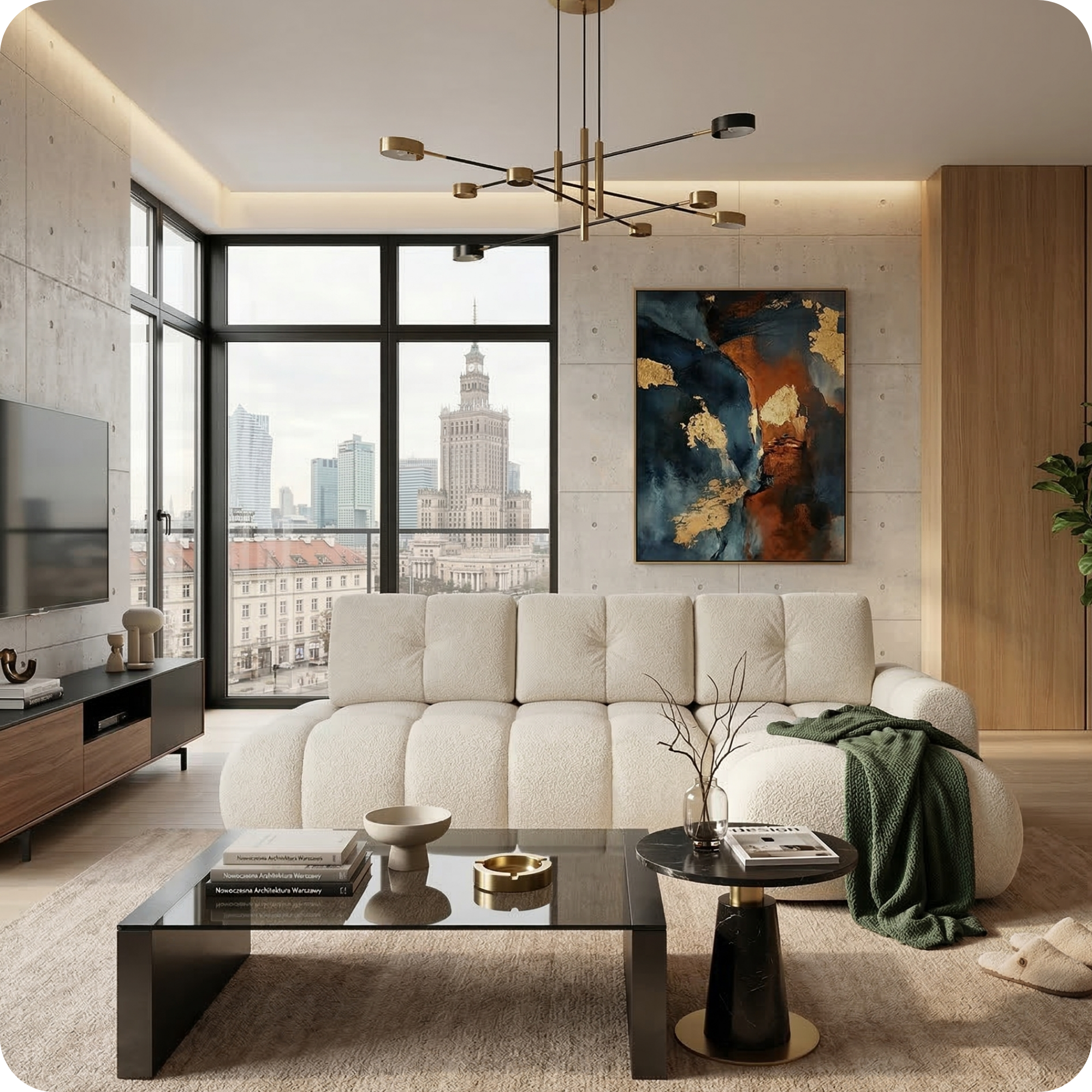
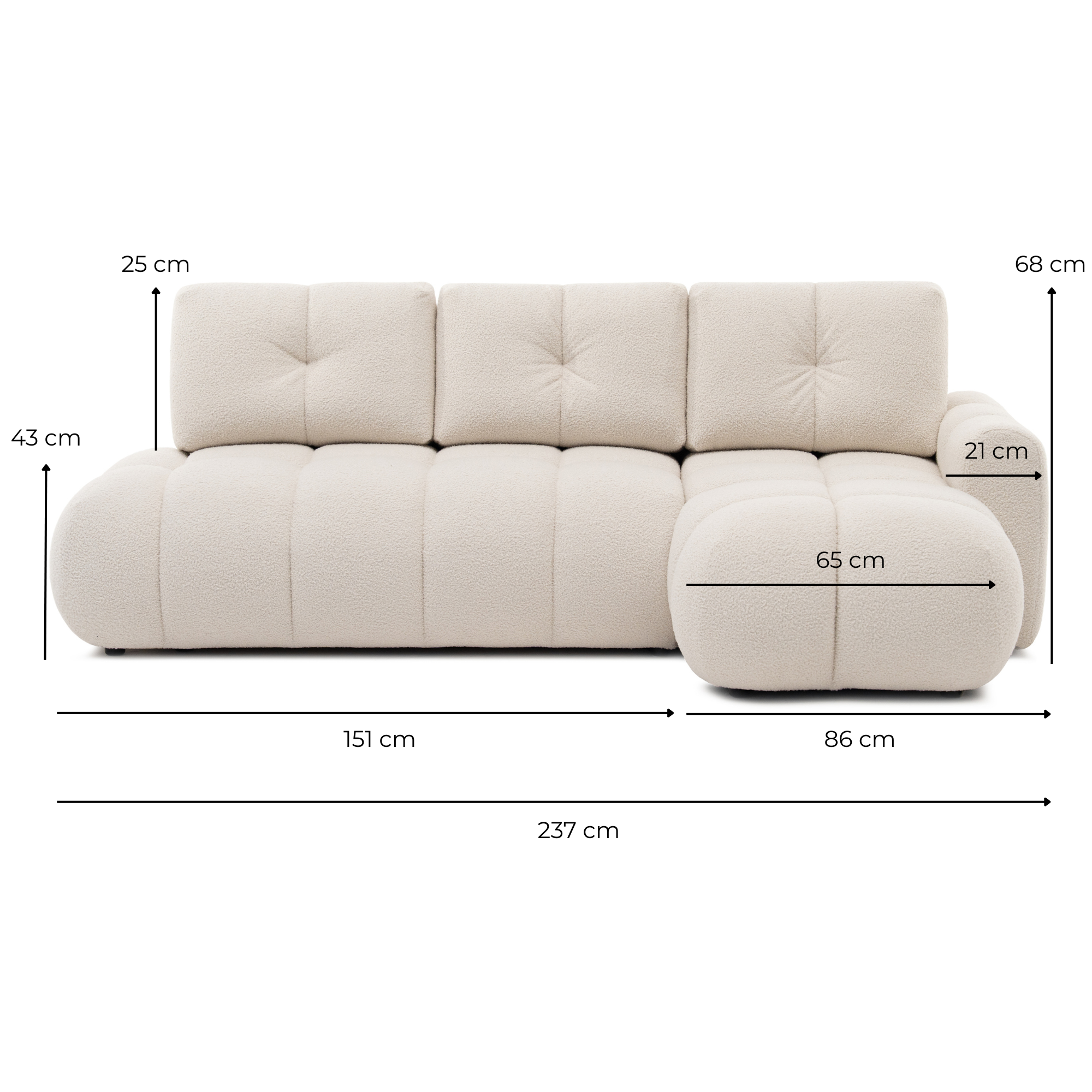
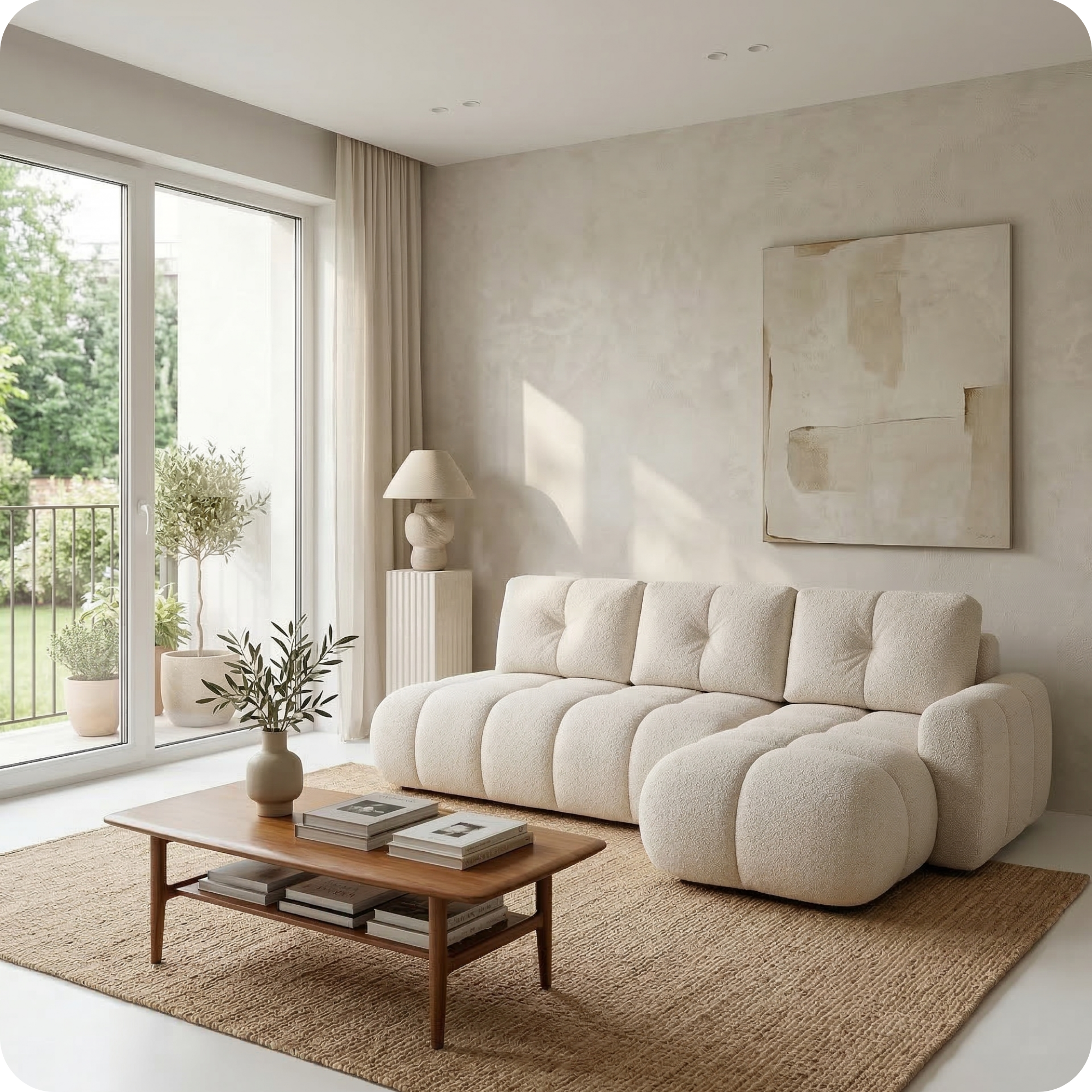
The L-shape corner configuration of the Merlot is one of the most popular starting points for modular seating — it maximises seating in a room corner, defines the living area clearly, and can be extended further if needed.
Key Factors to Consider When Choosing a Modular Sofa
Room size and shape: the biggest advantage of modulars is that they can be configured to fit a room precisely. Measure your room carefully and consider which configuration will feel most natural — a straight sofa along one wall, an L-shape in a corner, or a U-shape for a very large room. Starting configuration vs. potential expansion: think about both your current needs and future possibilities. If you expect your household to grow, choose a modular system that offers a wide range of modules and expansion options. Module connectivity: check how modules connect — some use clips or bolts, others rely on precise weight alignment. The connection quality determines how stable the sofa feels in use. Seat depth: modular sofas vary significantly in seat depth. Deeper seats (90–100 cm) are more lounging-oriented; shallower seats (75–85 cm) are more upright and suitable for living rooms used for conversation and more formal seating.
Modular Sofa Configurations for Different Room Sizes
Small living room (under 20 sqm): a 2+2 or 3-seater straight configuration or small L-shape with chaise longue. Medium living room (20–35 sqm): 3-seater straight or L-shape corner sofa is ideal. Large living room (over 35 sqm): an L-shape, large U-shape, or island configuration allows the sofa to become a defining architectural element of the room.