



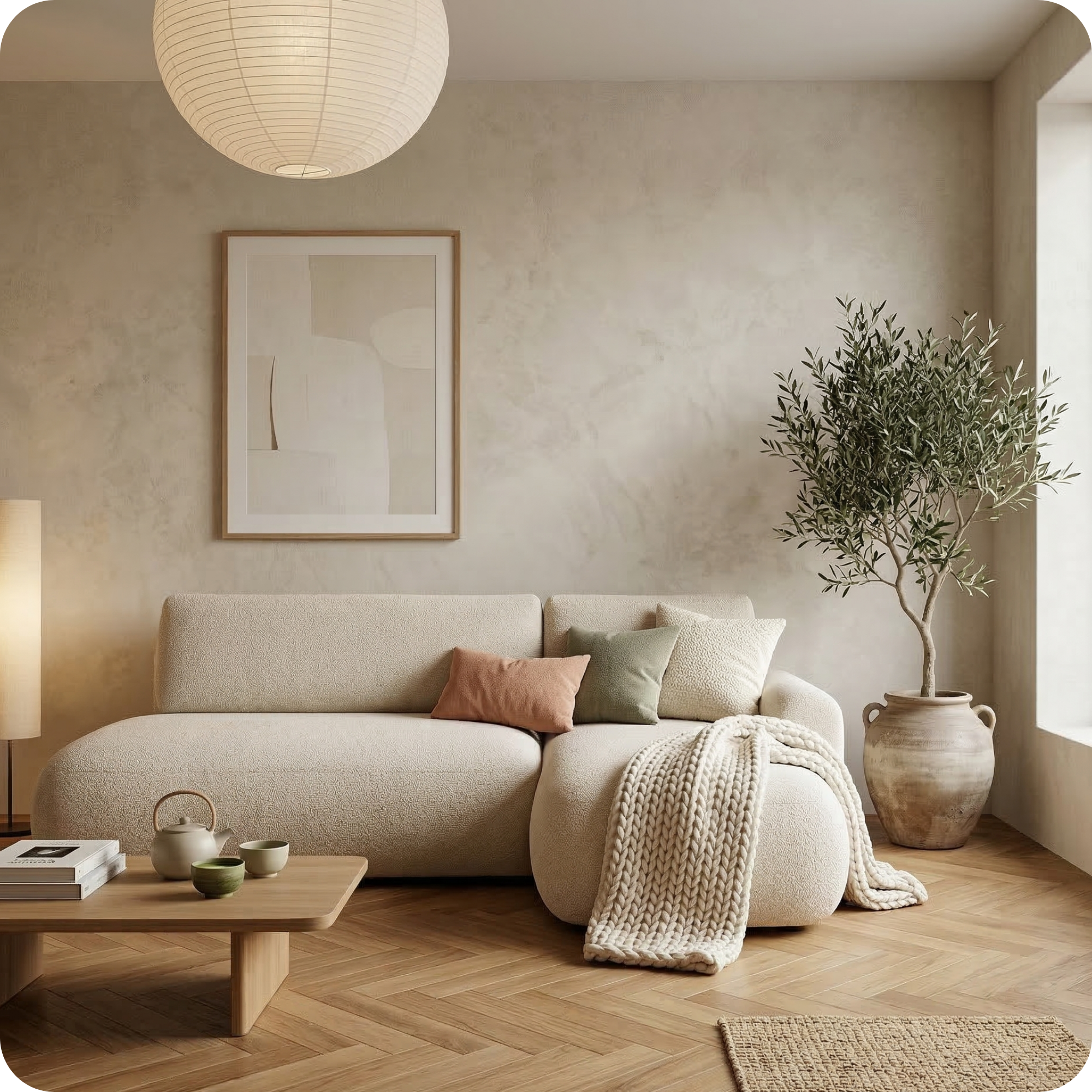
How to Choose Sofa Fabric: The Complete Guide to Sofa Upholstery
The fabric you choose for your sofa is arguably more important than any other decision in the buying process. Colour, style, and size all matter -- but fabric determines how the sofa will feel every day, how long it will last, how easy it is to maintain, and ultimately whether you will still love it in five years. Yet most sofa buyers spend far less time evaluating fabric than they should. This guide covers everything you need to know to make a genuinely informed fabric choice.
The main sofa fabric categories
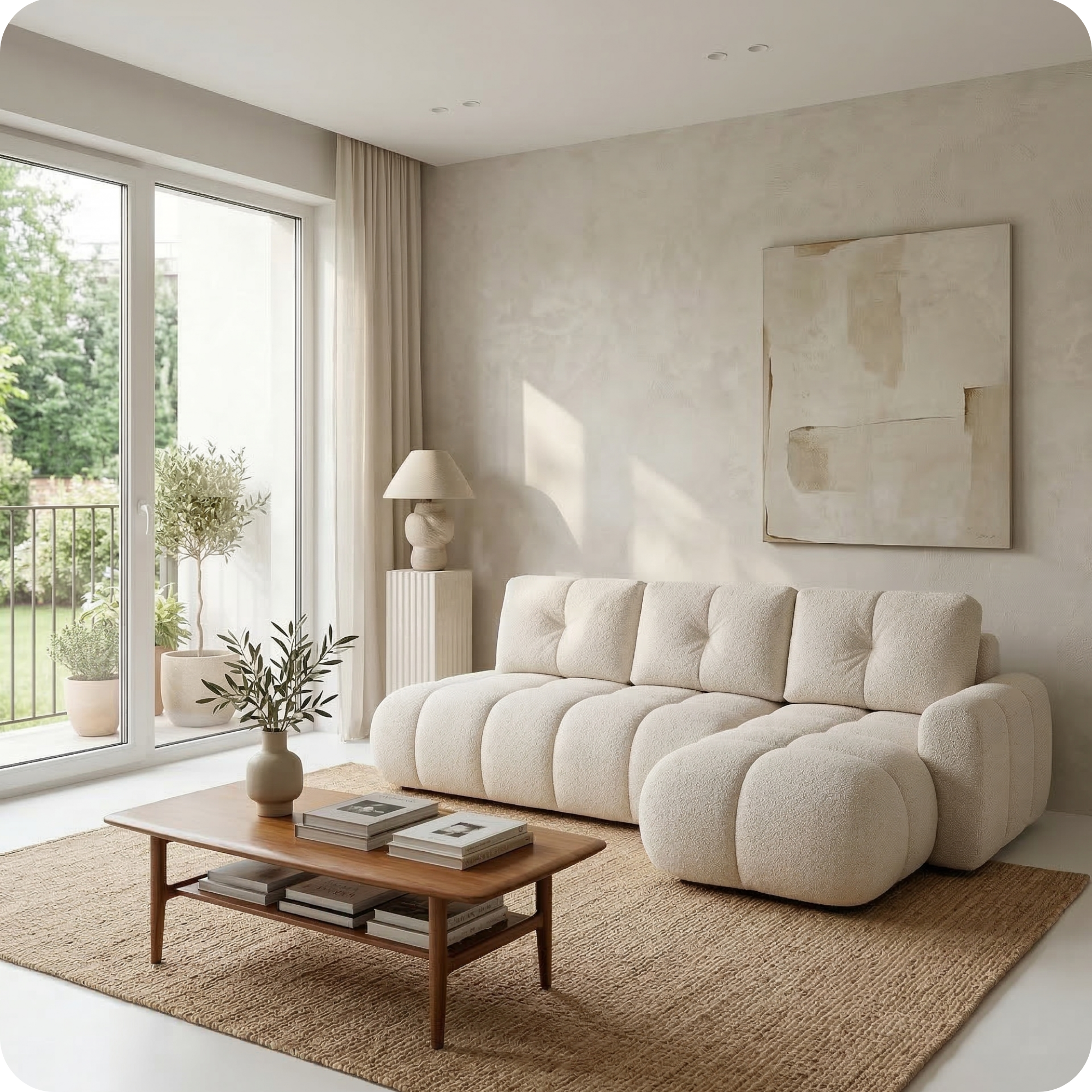
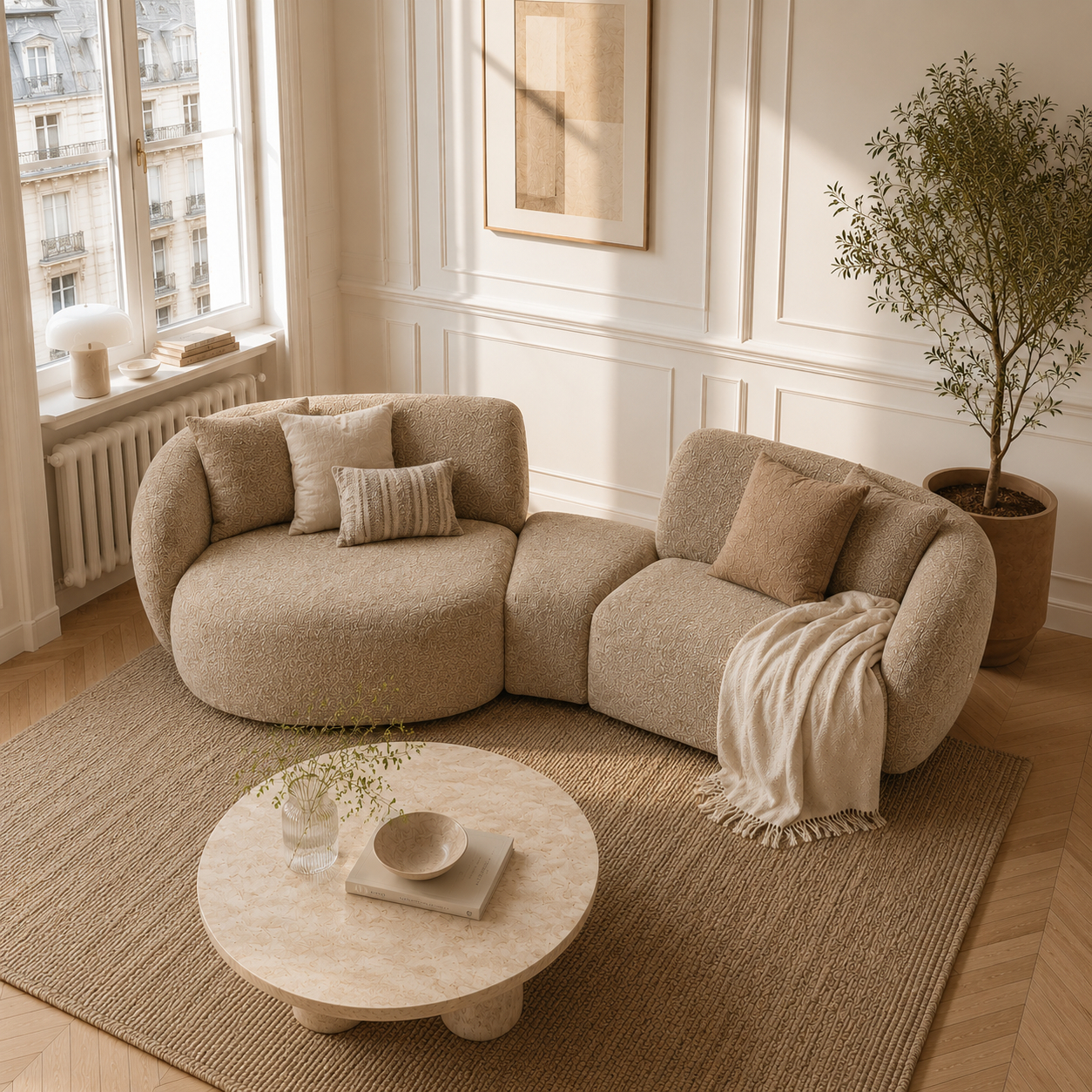
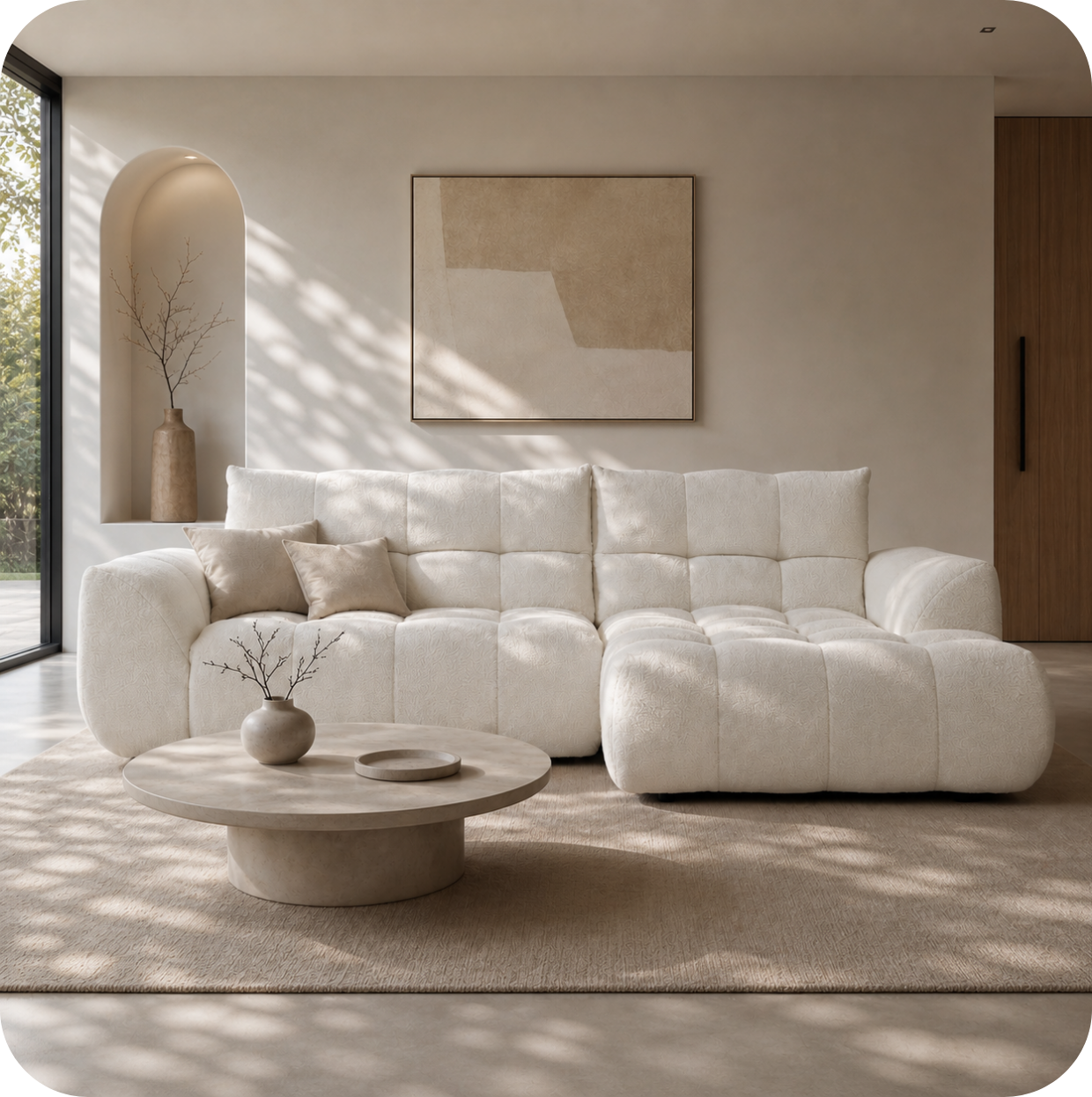
Woven fabrics: The most common category for sofas. This includes polyester weaves, cotton-polyester blends, chenille, and most performance fabrics. Woven fabrics tend to be durable, cleanable, and available in a wide range of textures and colours. Velvet: A cut pile fabric with a distinctive soft, light-catching surface. Traditional velvet is silk or cotton; modern sofa velvet is usually polyester or velvet-effect microfibre, which is more durable and easier to clean. Linen and linen blends: Natural, textured, and sophisticated -- but less durable and harder to clean than synthetic alternatives. Best for lower-use sofas in adult households. Leather and faux leather: Durable, easy to wipe clean, ages distinctively. Genuine leather is expensive and requires conditioning; faux leather is more affordable and consistent. Bouclé: A looped or textured yarn fabric with a distinctive bobbled surface. Very fashionable in 2023-2026; softer to the touch but more difficult to maintain than flat-woven alternatives.
The Martindale rub test: the most important number
When comparing sofa fabrics, the single most useful number is the Martindale rub count -- a standardised test of fabric durability that measures how many cycles of abrasion a fabric can withstand before showing visible wear. As a practical guide: under 15,000 rubs = light use only (occasional use, purely decorative); 15,000-25,000 rubs = standard domestic use (adults, occasional child use); 25,000-40,000 rubs = heavy domestic use (families, moderate pet use); 40,000+ rubs = very heavy use (daily family use, pets). For most households, look for a minimum of 25,000 Martindale rubs for any sofa that will see regular daily use.
Fabric considerations by lifestyle
Households with young children: Prioritise high-performance fabrics with 30,000+ Martindale rubs. Look for solution-dyed fibres (the colour is throughout the fibre, not just on the surface) which are more fade and stain resistant. Avoid bouclé and linen. Consider removable, machine-washable covers. Households with pets: Pet hair and pet oils are hard on fabric. Tightly woven microfibre fabrics are best -- pet hair sits on the surface rather than embedding in the weave. Avoid textured fabrics like bouclé where hair can catch. Adult-only households (low use): More latitude here. Linen, velvet, bouclé, and other more delicate fabrics are practical for low-use sofas in adult households. Rental or commercial use: Always choose 40,000+ Martindale rated fabrics and consider commercial-grade options.
The Furni fabric approach

Lugano Collection — from EUR 999
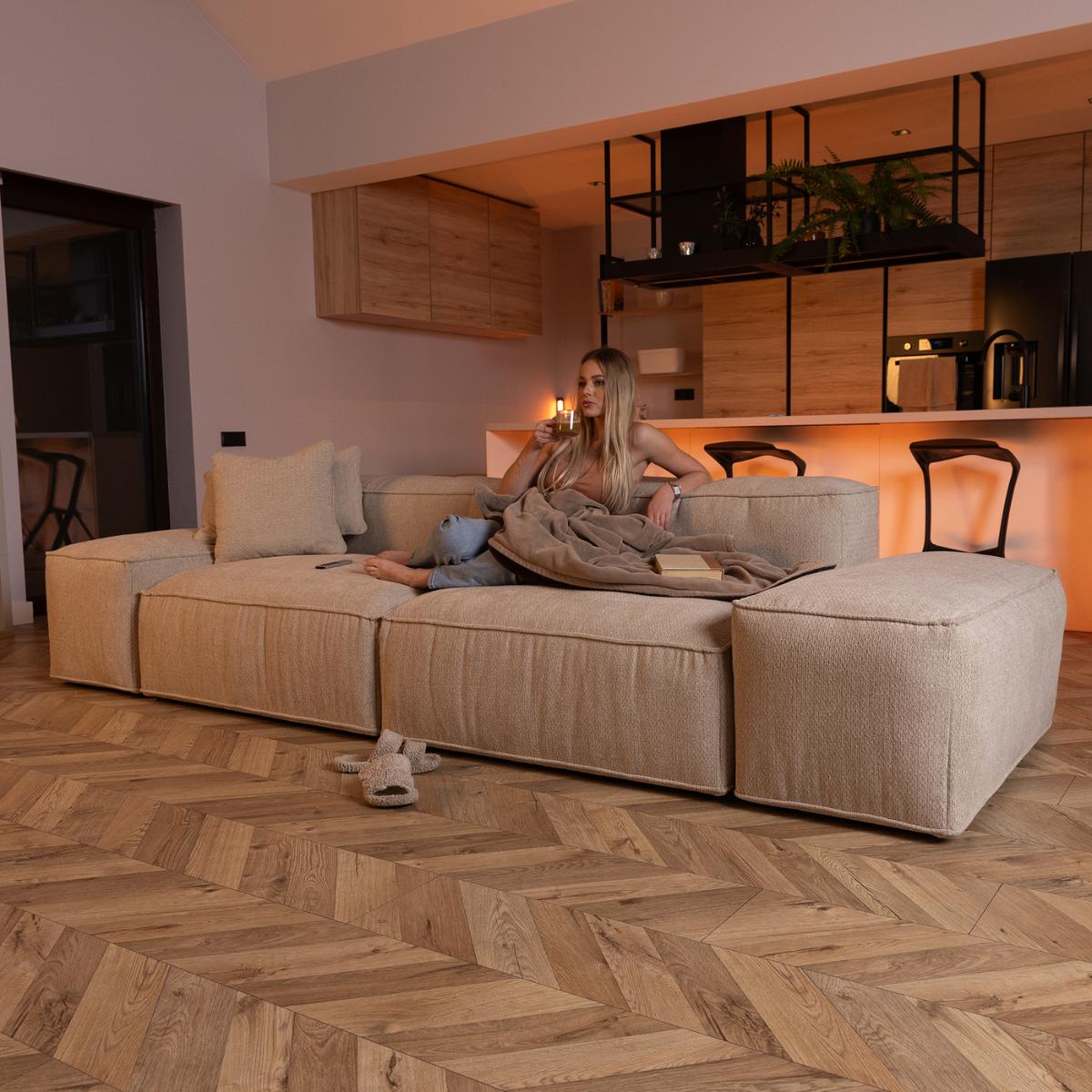
Furni sofas use a tightly woven polyester microfibre that balances softness and practicality. The fabric is resistant to everyday staining, easy to spot-clean, and maintains its appearance well under regular use.

Merlot 3-Seater Modular — from EUR 1,290
Available in multiple fabric colourways -- each chosen to balance visual appeal with practical durability for everyday family use.
Colour and fabric: how they interact
Fabric and colour interact in ways that are not always obvious from swatches. Velvet and pile fabrics can show colour differently depending on the direction of the pile -- sitting on a velvet sofa brushes the pile in different directions, which can make areas look lighter or darker than others. This is normal for velvet but can be surprising if you are not expecting it. Woven fabrics are more consistent. Darker colours tend to show pet hair and dust more on pale fabrics, and vice versa on dark fabrics. Mid-tones -- sage, khaki, dusty rose -- are generally the most forgiving for everyday use.
Fabric maintenance and cleaning
Before purchasing any sofa, understand the cleaning code for its fabric. Most fabrics carry a letter code: W = water-based cleaners safe; S = solvent-based cleaners only (water will stain); W/S = either safe; X = vacuum or brush only -- no liquid cleaning. Avoid fabrics with an S or X code for family use. For everyday maintenance: vacuum weekly (use an upholstery attachment); treat spills immediately by blotting with a clean cloth; avoid rubbing, which spreads stains; for deeper cleaning, follow the manufacturer's instructions for the specific fabric code.
Requesting fabric samples
Always request at least one or two fabric samples before committing to a sofa. A fabric sample allows you to: see the true colour in your actual lighting conditions (daylight, artificial light, morning vs. evening); feel the texture in person; test basic stain resistance with water; and compare against your existing flooring, walls, and accessories. This step is free and takes minutes -- yet it significantly reduces the risk of a fabric disappointment after delivery.

Hinterlasse einen Kommentar
Diese Website ist durch hCaptcha geschützt und es gelten die allgemeinen Geschäftsbedingungen und Datenschutzbestimmungen von hCaptcha.