



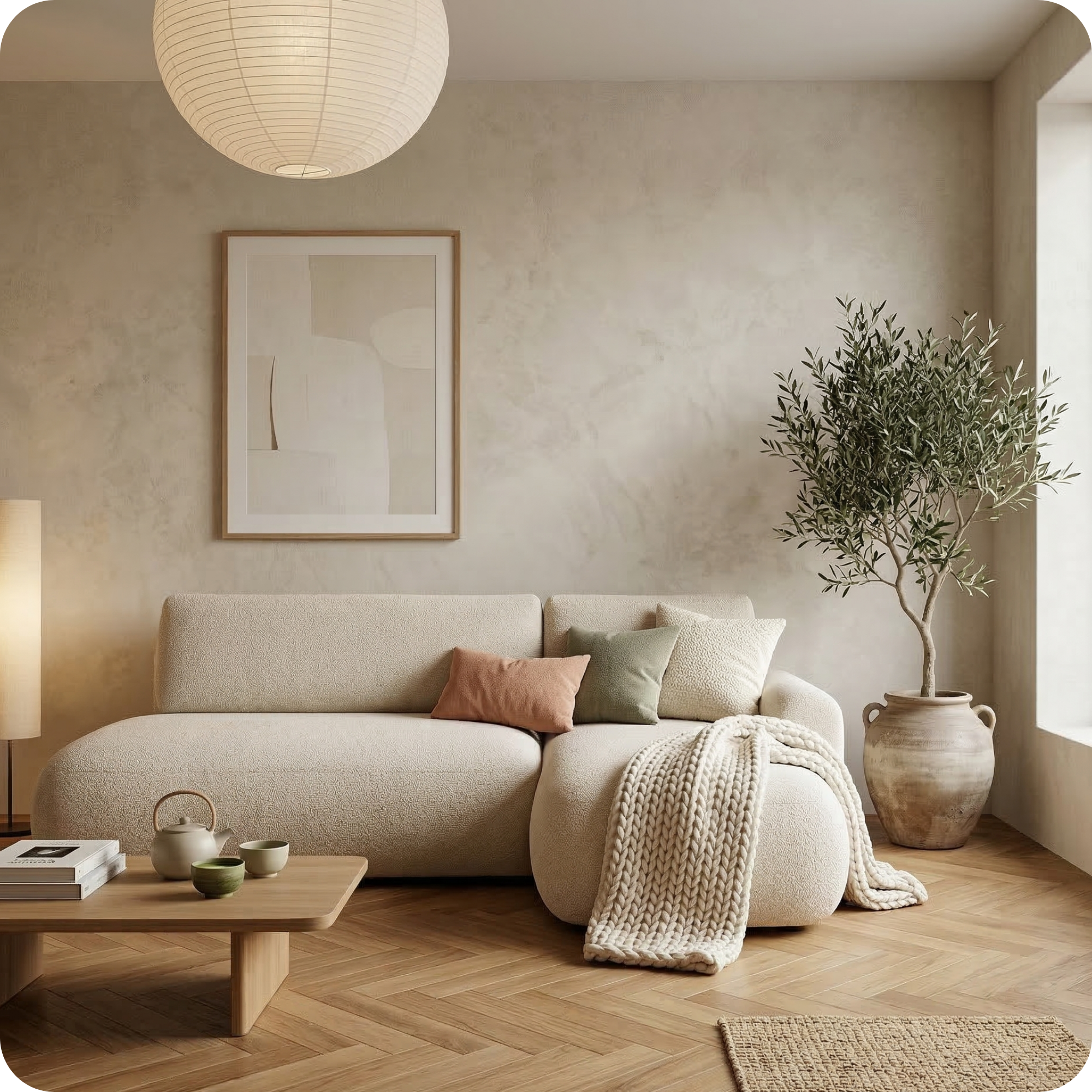
How to Clean a Sofa: Complete Care Guide for Every Fabric
A sofa is typically the most used and the most expensive piece of furniture in your home. Proper care and cleaning not only keeps it looking beautiful for longer but also extends its functional life significantly — a well-maintained sofa can last 10–15 years or more, while a neglected one may need replacing in five. This guide covers cleaning methods for every common upholstery type: fabric, performance fabric, velvet, bouclé, leather, and faux leather, as well as general maintenance practices that apply to all sofas.
Before You Clean: Read the Care Label
Every quality sofa should have a care label — usually found under a cushion, on the underside of the sofa frame, or on a separate card supplied with the sofa. The care label uses a code system. W means water-based cleaning products are safe to use. S means solvent-based (dry clean only) cleaning products should be used — water can cause staining or damage. WS means either water or solvent-based products can be used. X means vacuum only — no water or chemical cleaning products. Always check this code before applying any cleaning product. If you have lost the care label, contact the manufacturer for guidance before attempting to clean.
Regular Maintenance: The Most Important Cleaning Practice
The most effective sofa care is consistent, routine maintenance rather than occasional deep cleans. Regular vacuuming (weekly for sofas in daily use, fortnightly otherwise) with an upholstery attachment removes dust, pet hair, crumbs, and particles before they work into the fabric fibre. Rotate cushions every two weeks to ensure even wear — sitting in the same position on the same cushion repeatedly will create uneven compaction. Fluff seat cushions by hand after each use to maintain their shape. Keep the sofa out of direct sunlight — UV exposure fades fabric and degrades foam more rapidly than almost any other factor. Deal with spills immediately — the longer a liquid sits in fabric, the deeper and more permanent the stain becomes.

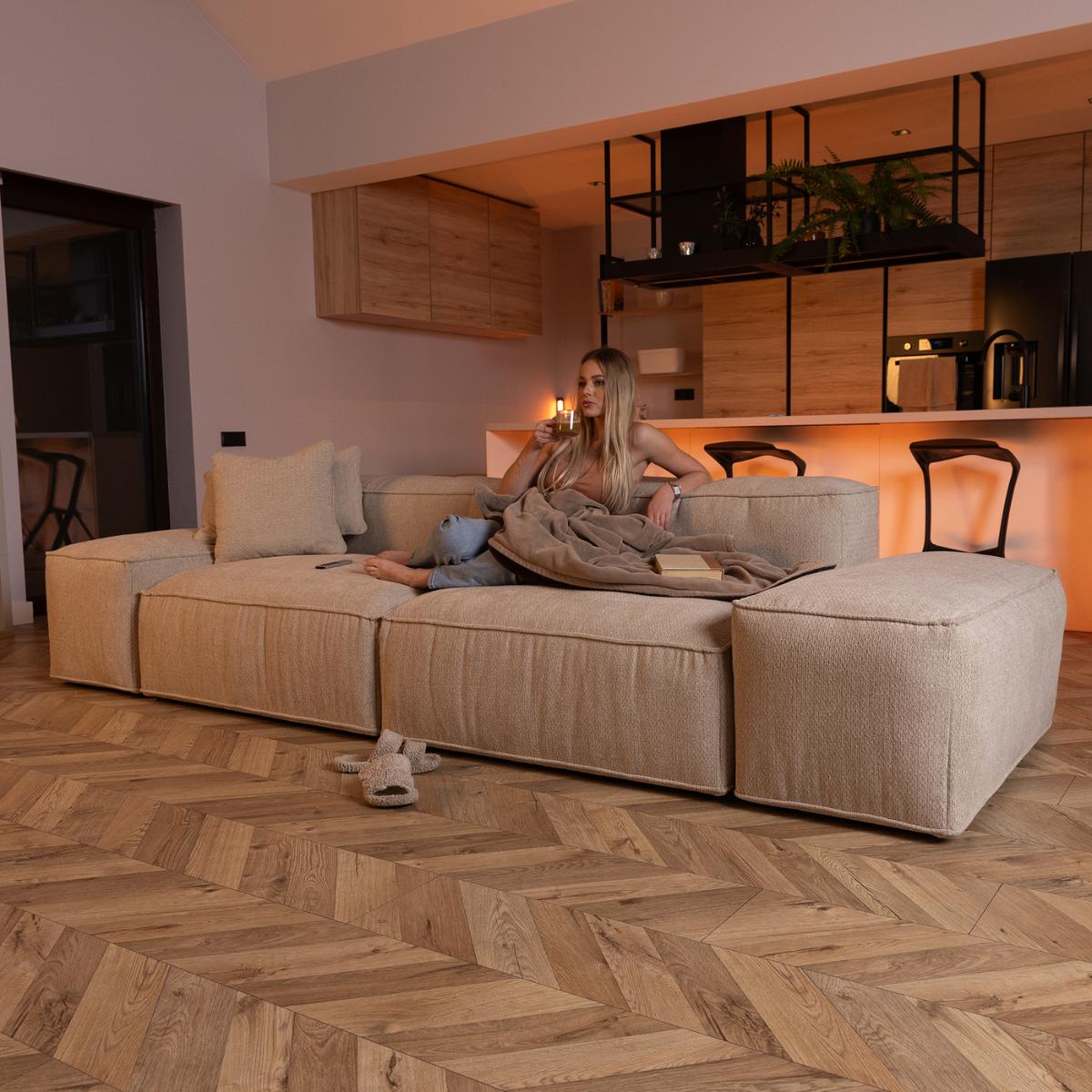
Lugano Sofa — Khaki — from EUR 890
The Lugano is upholstered in a durable performance fabric that is designed for everyday use and straightforward maintenance. Spot-clean spills promptly with a clean damp cloth and mild soap solution, vacuum regularly with the upholstery attachment, and rotate cushions every two weeks. The tightly woven fabric resists staining significantly better than looser weaves or open-pile fabrics.

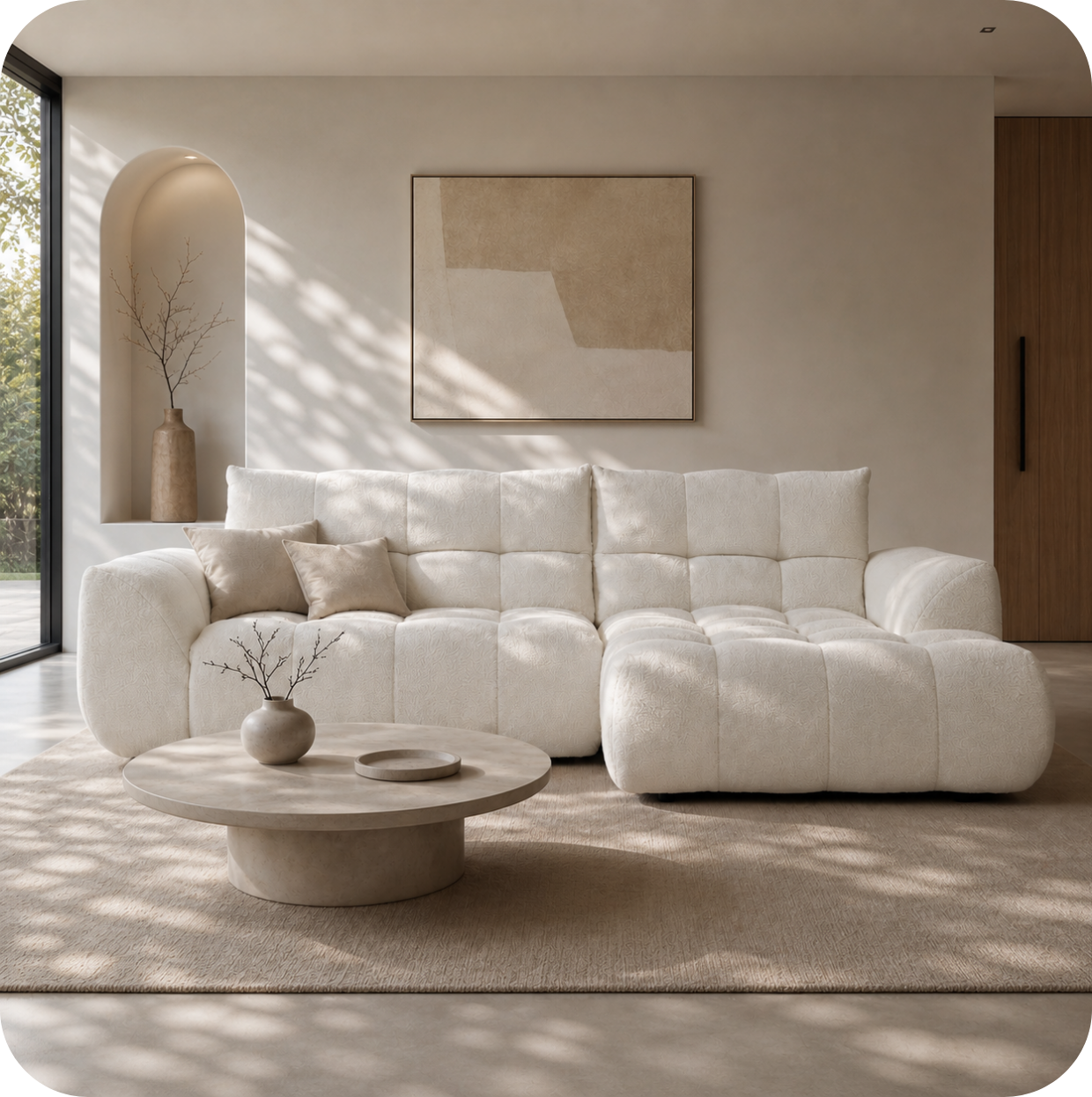
Merlot Modular Sofa — from EUR 1,190
The Merlot's performance fabric is designed to withstand the demands of daily family life while remaining beautiful. Apply a fabric protector spray when the sofa is new (test on an inconspicuous area first), and reapply every 6–12 months or after a thorough clean. This significantly reduces the penetration of spills and makes spot-cleaning easier.
How to Remove Common Stains
Red wine: blot (do not rub) immediately with a clean white cloth to absorb as much liquid as possible. Mix one tablespoon of washing up liquid with one tablespoon of white vinegar and two cups of cold water. Apply to the stain with a clean cloth, blotting from the outside in. Rinse by blotting with cold water and allow to dry. Coffee: blot immediately, then treat with a solution of cold water and mild detergent. For set coffee stains, a mixture of equal parts white vinegar and cold water is effective. Grease or oil: sprinkle baking soda or cornstarch on the stain and leave for 15 minutes to absorb the oil. Vacuum off, then treat with a small amount of washing up liquid on a damp cloth. Blood: use cold water only — hot water sets blood stains permanently. Blot with cold water and a small amount of hydrogen peroxide for white or light fabrics (test first on a hidden area). Pet stains: blot liquid immediately, then treat with a mixture of water and white vinegar. An enzyme-based cleaner is most effective for organic stains and odour elimination.
Cleaning by Fabric Type
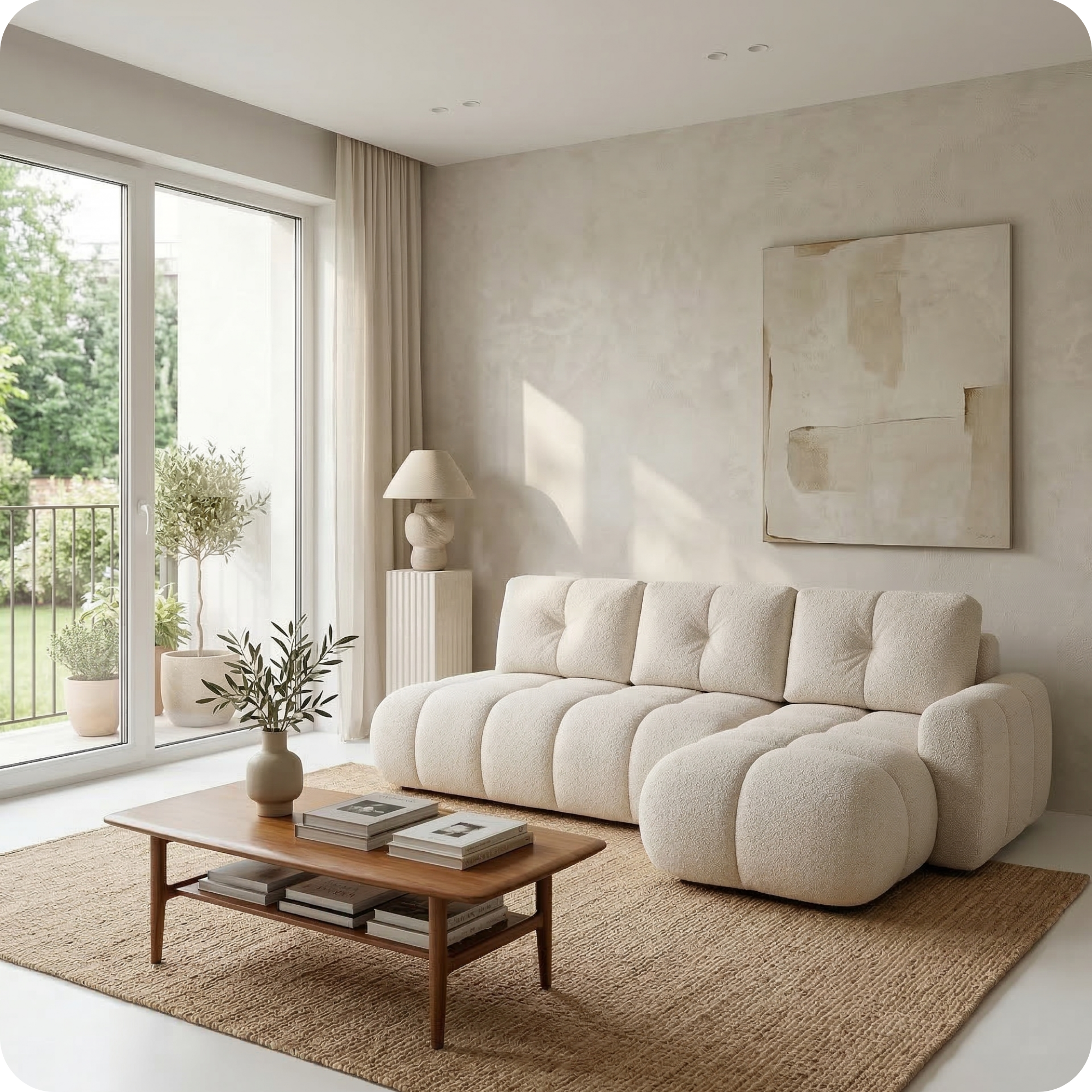
Standard woven fabric (linen, cotton, polyester blends): vacuum regularly, spot-clean with a mild soap solution, and deep clean with a fabric upholstery cleaner as needed. Velvet: vacuum gently with a soft brush attachment in the direction of the pile. Never rub velvet — this damages and crushes the pile permanently. For spills, blot gently and allow to dry naturally, then gently brush the pile back with a soft brush. Bouclé: vacuum with a soft brush attachment, avoiding the rotary brush which can pull and damage the looped texture. Blot spills gently. Bouclé is more difficult to clean than flat-weave fabrics — prevention (fabric protector spray) is particularly important. Leather: wipe with a slightly damp cloth for everyday cleaning, and apply a leather conditioner every 6–12 months to keep the leather supple and prevent cracking. Avoid cleaning leather with water-based products not specifically designed for leather. Faux leather (PU leather): wipe with a damp cloth and mild soap. Avoid harsh chemicals which can degrade the PU coating.

Hinterlasse einen Kommentar
Diese Website ist durch hCaptcha geschützt und es gelten die allgemeinen Geschäftsbedingungen und Datenschutzbestimmungen von hCaptcha.