


How to Make a Living Room Cosier: 10 Ways to Warm Up Your Lounge
Cosiness — hygge in Danish, gemütlichkeit in German — is more than a design aesthetic: it is a physiological and psychological response to a specific set of environmental conditions. Warm light, soft textures, enclosed spaces, natural materials, and the sense that the space has been arranged with care and intention all contribute to the feeling of cosiness. The good news is that most of these conditions can be created or enhanced through relatively straightforward and affordable changes, many of which require no structural work at all. You do not need to knock down walls or buy a new sofa to make a living room feel significantly cosier — in most cases, layering texture, improving lighting, and arranging furniture more deliberately will get you most of the way there.
1. Layer Textures Through Soft Furnishings
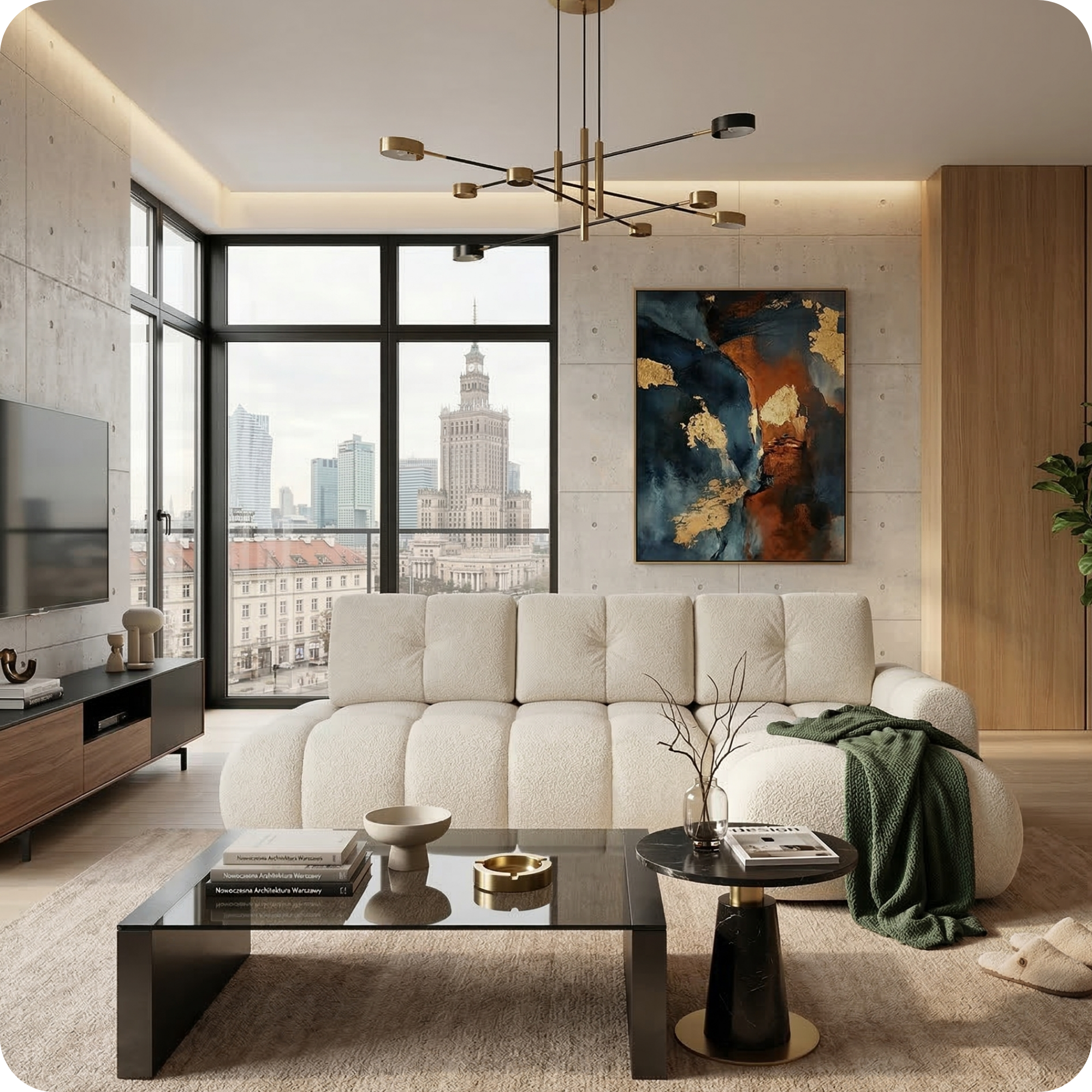
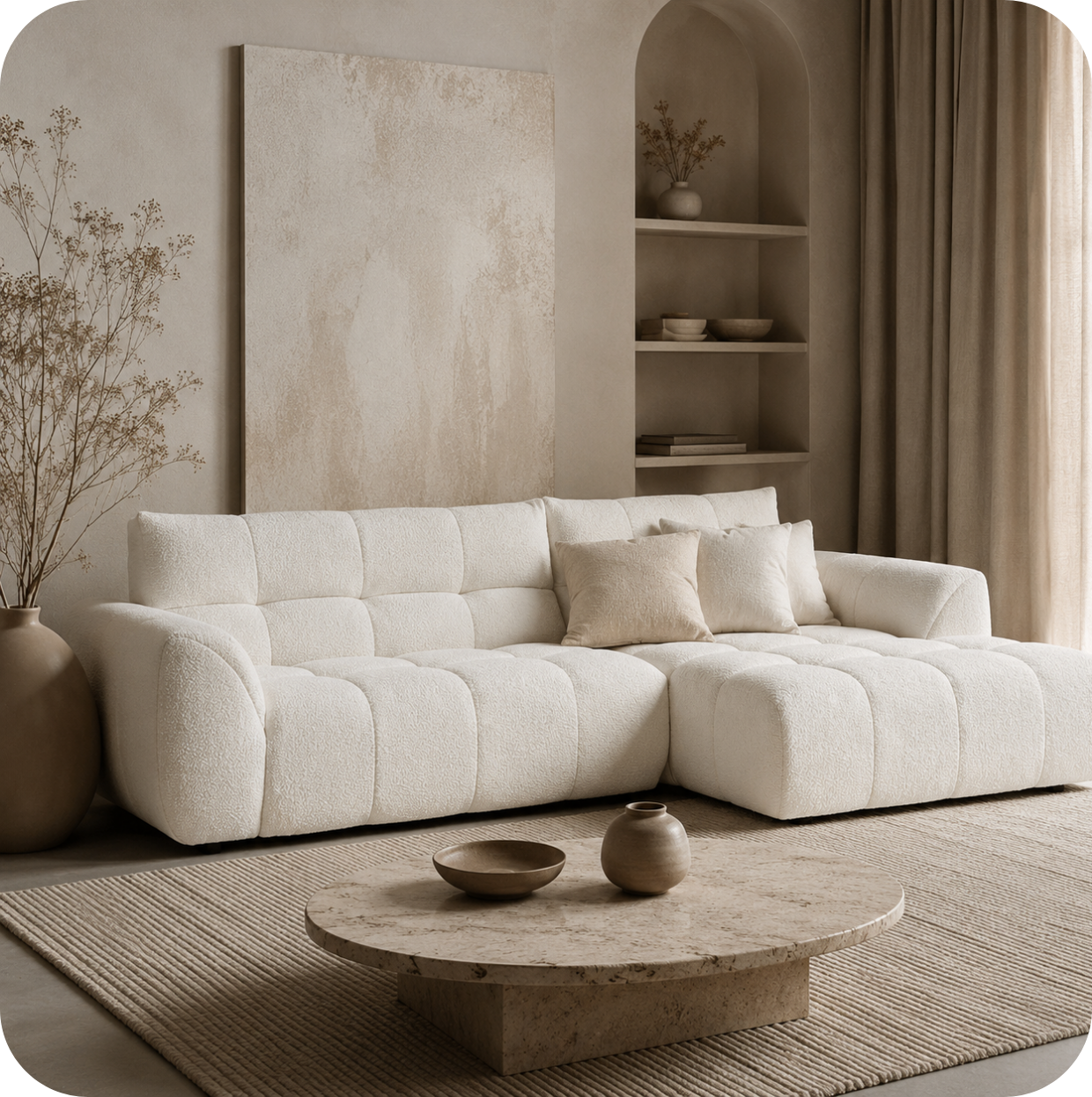
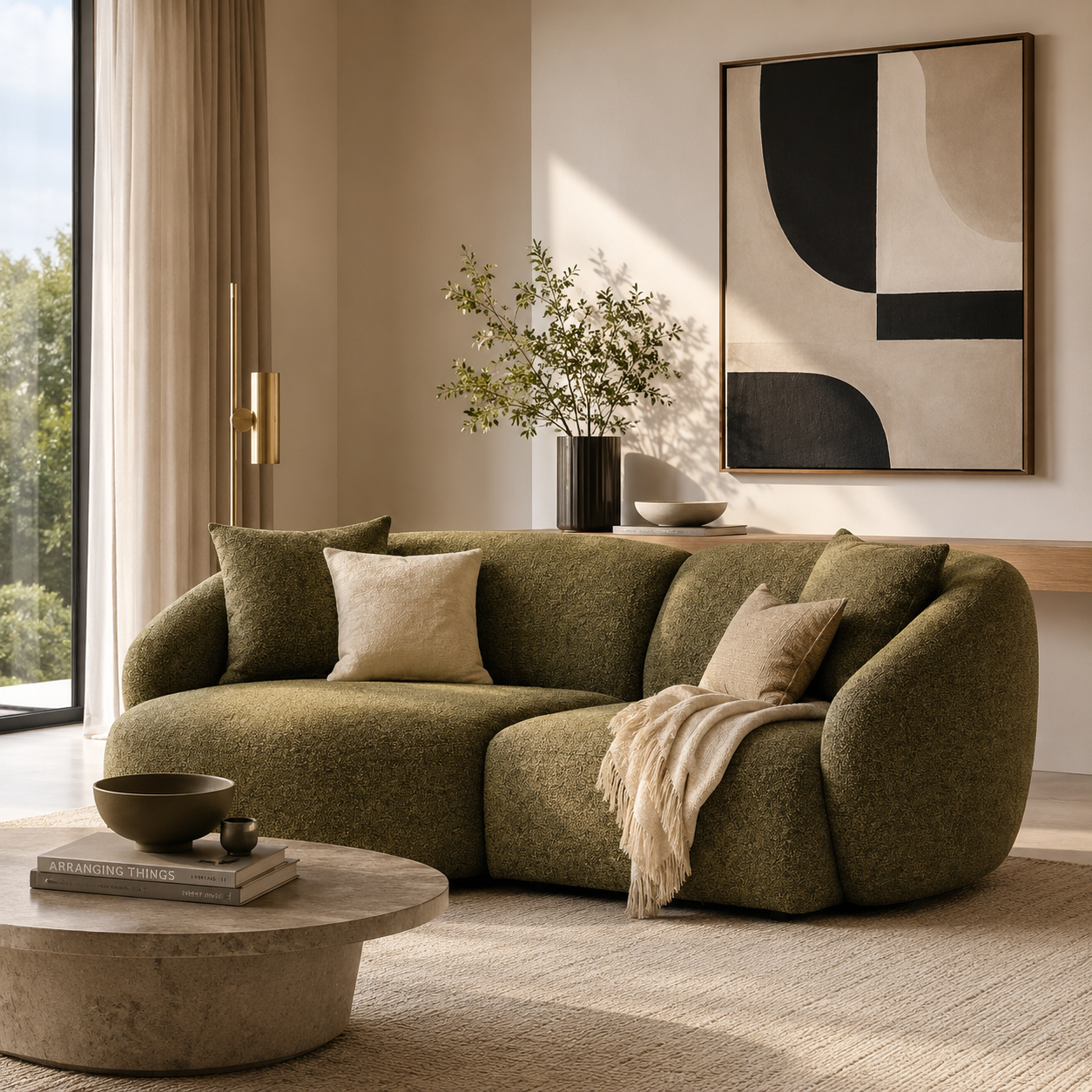
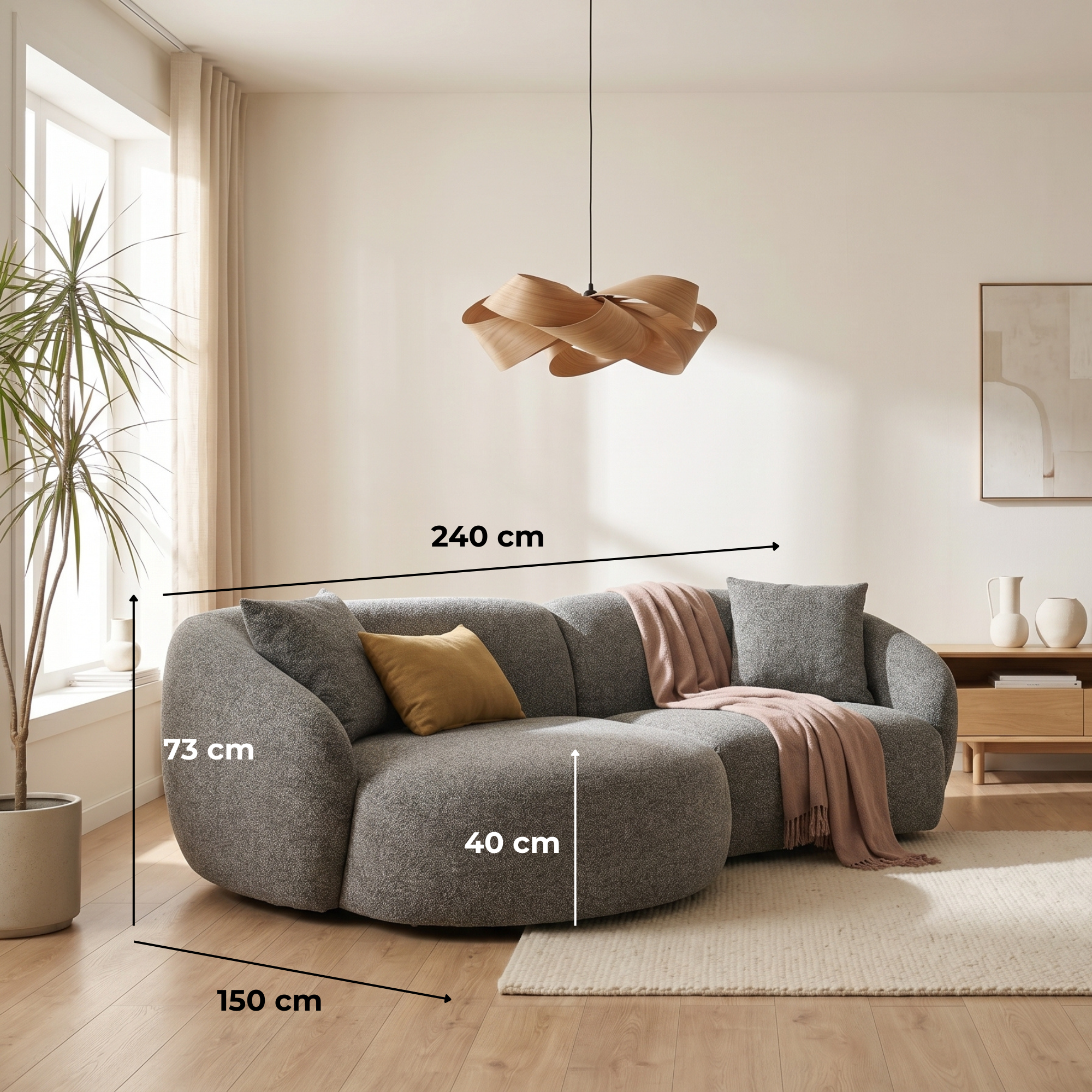
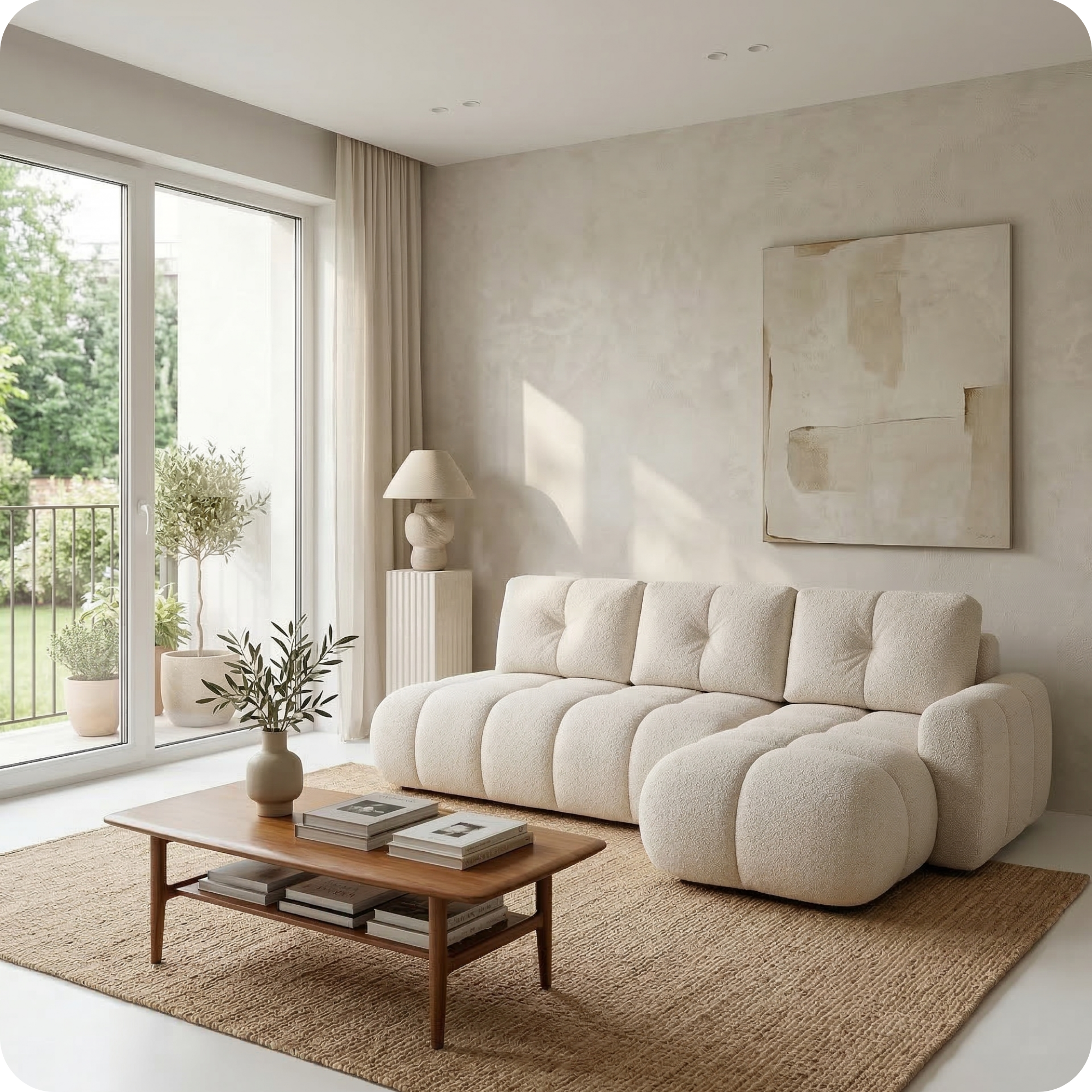
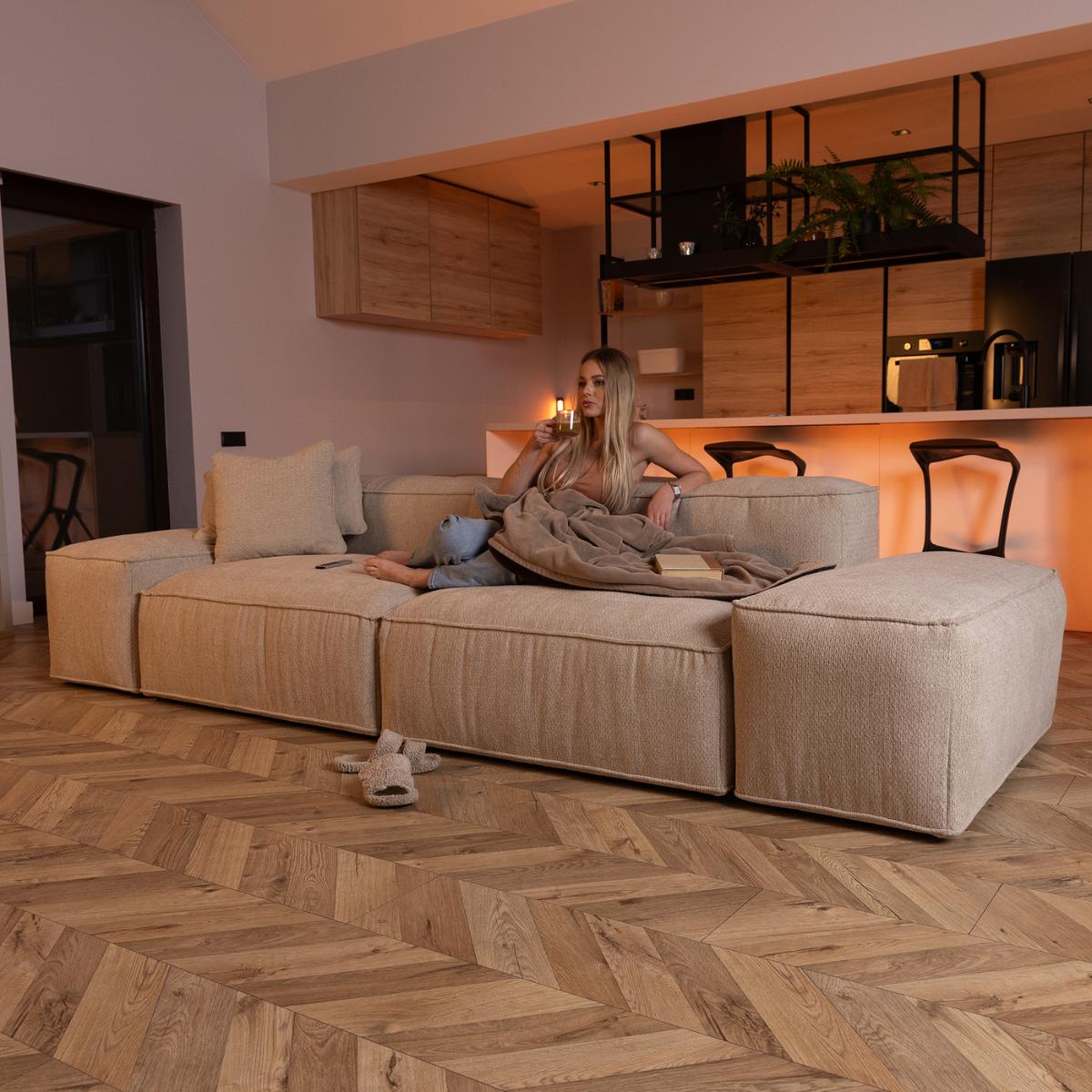
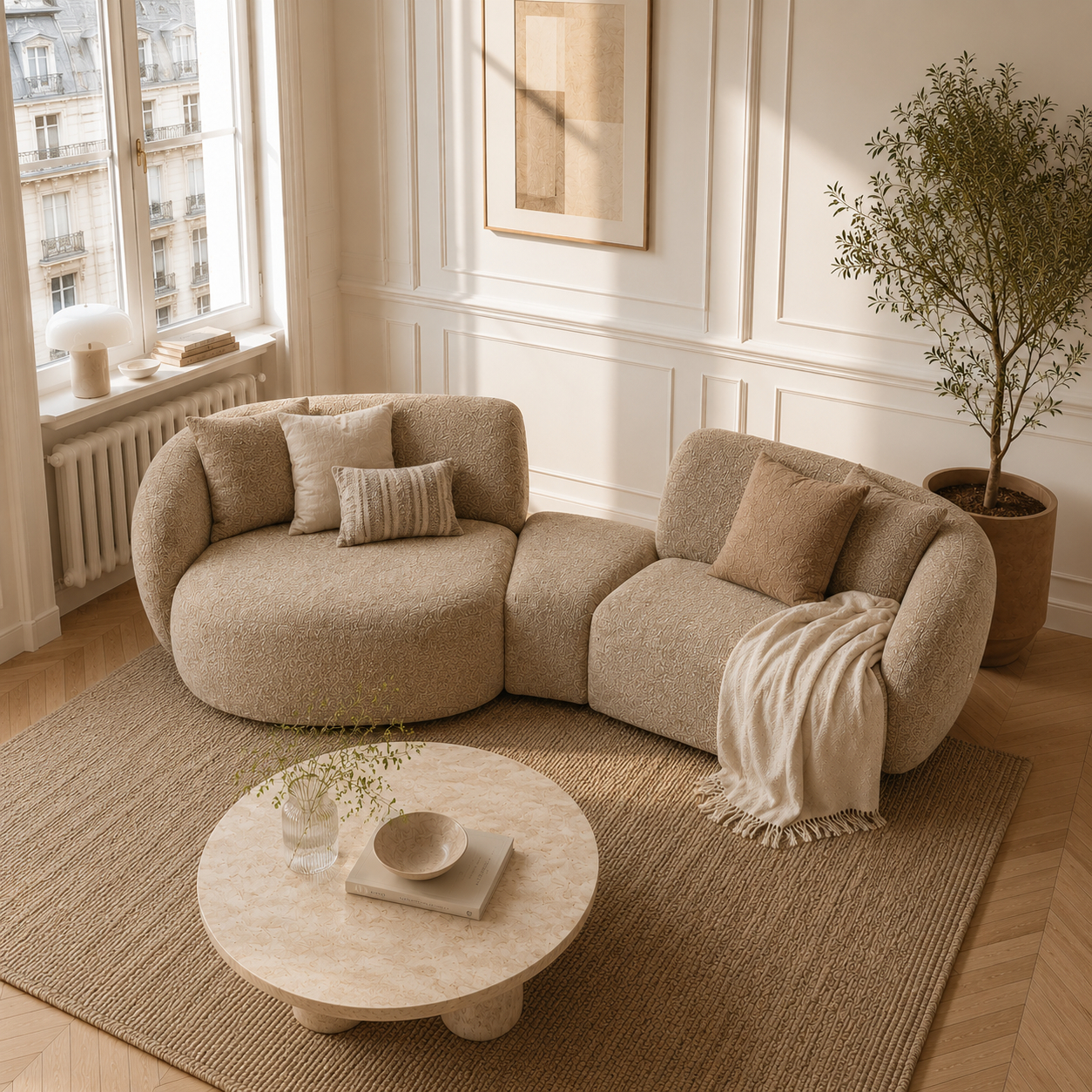
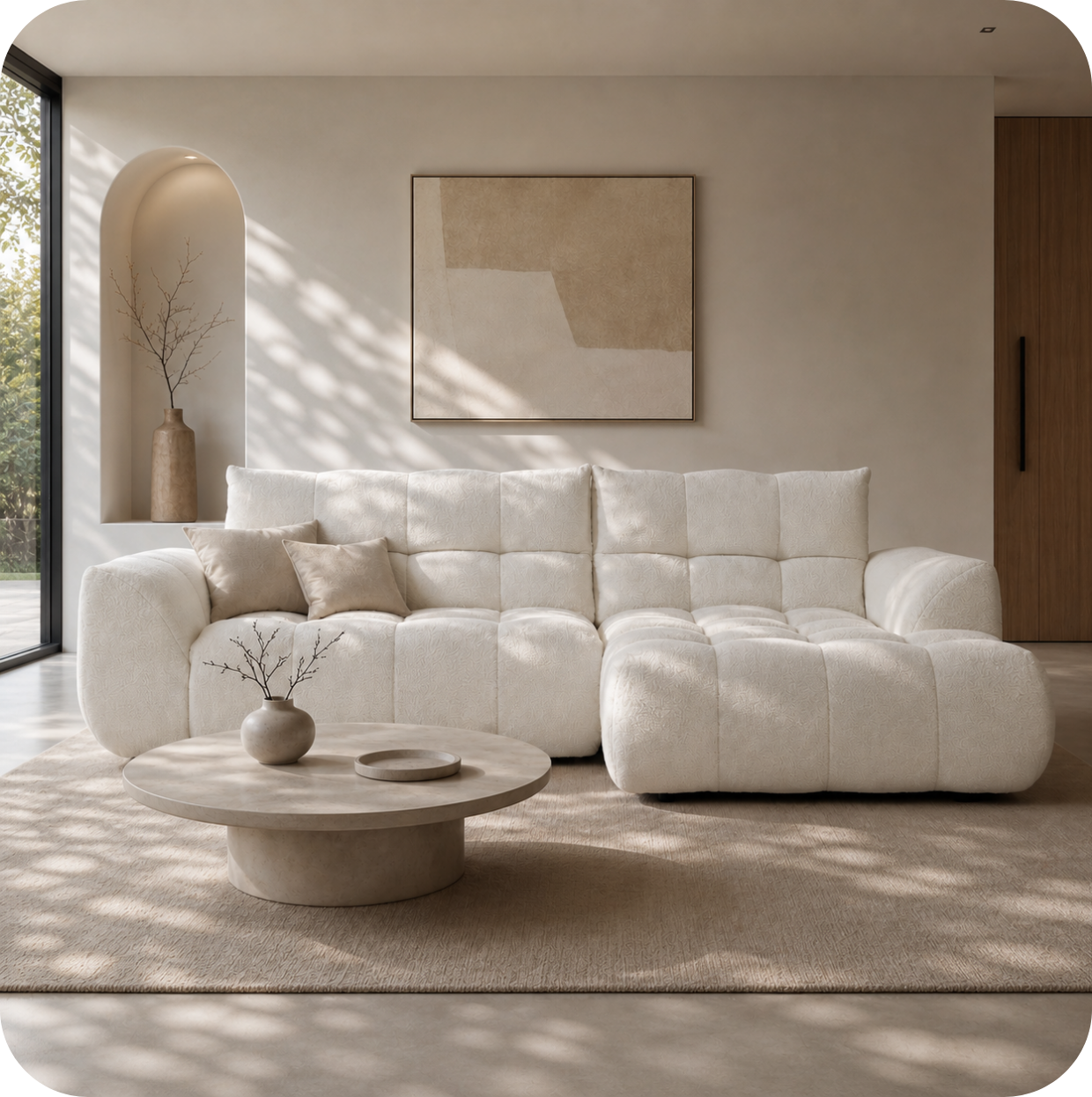
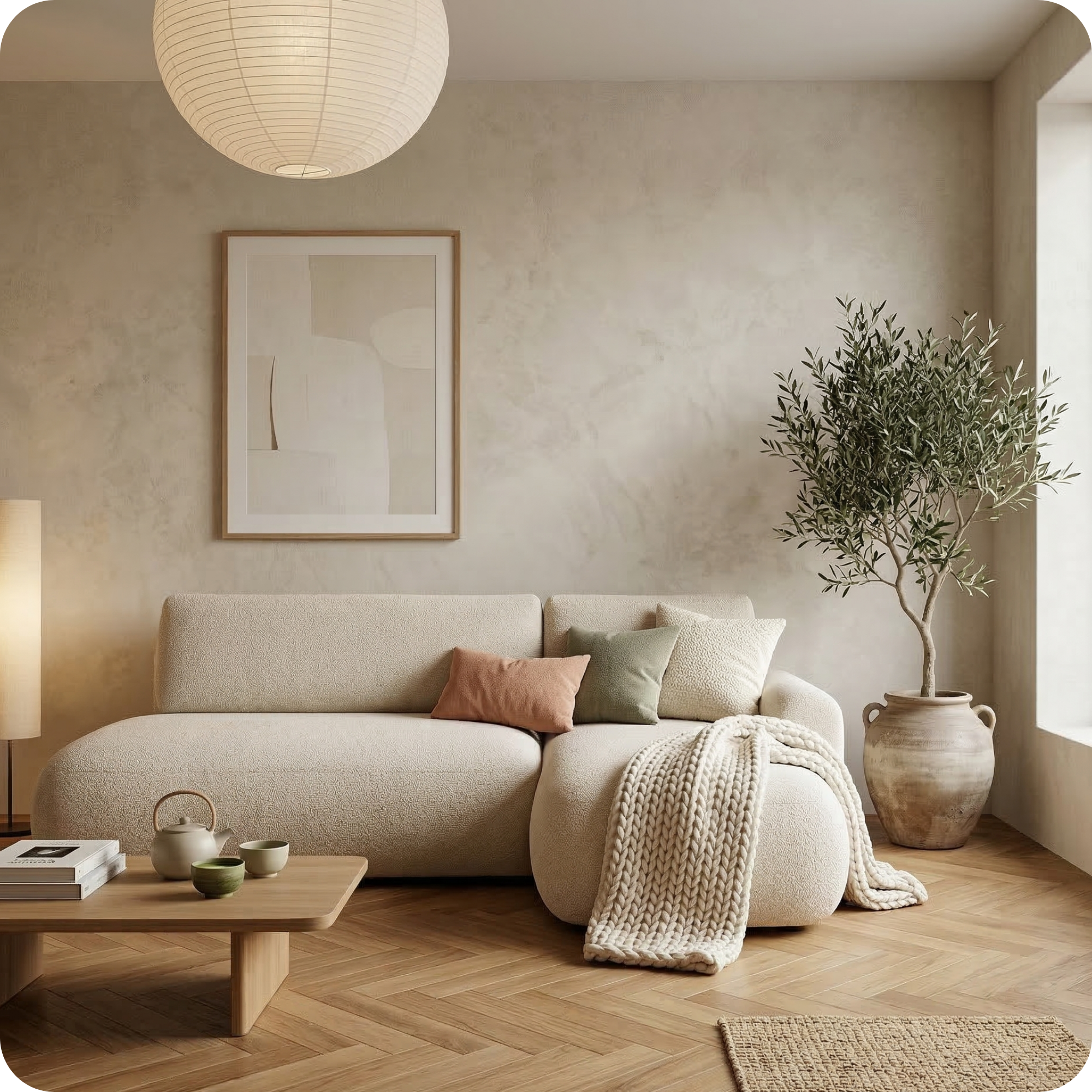
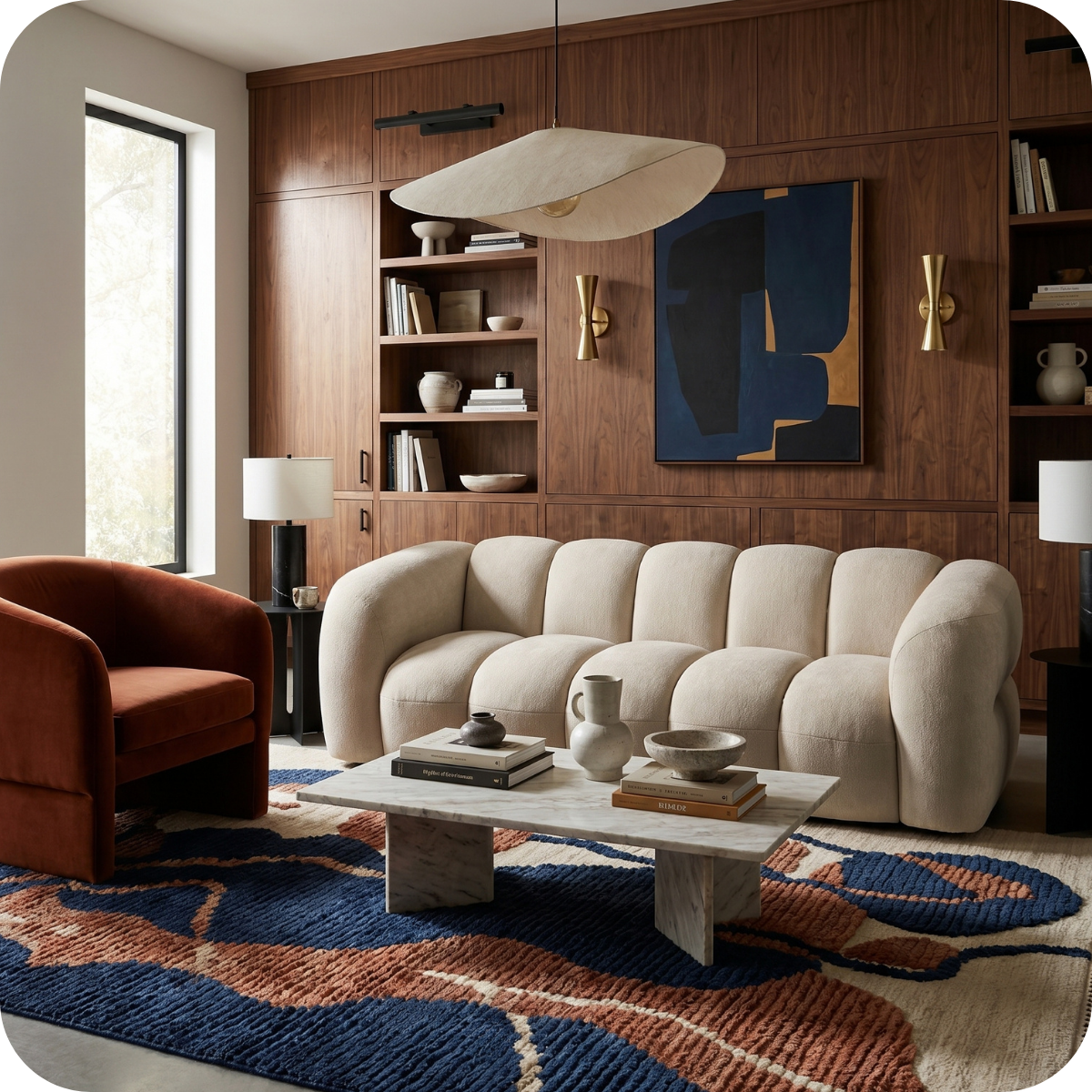
The single most effective way to make a living room cosier is to add more soft texture. Soft textures — velvet, boucle, chunky knit, faux fur, linen, cotton — are processed by the brain as warm and protective, triggering the same neurological response as physical warmth. A sofa with five or six cushions in mixed textures and a throw draped over one arm creates an atmosphere of comfort and invitation that a bare sofa simply cannot match. Add a large, dense rug under the main seating area — both for the physical warmth it provides underfoot and for the way it acoustically softens the room, reducing the echo and hard-surface feel that makes spaces feel sparse and unwelcoming.

Lugano Sofa — Toffee — from €1,299
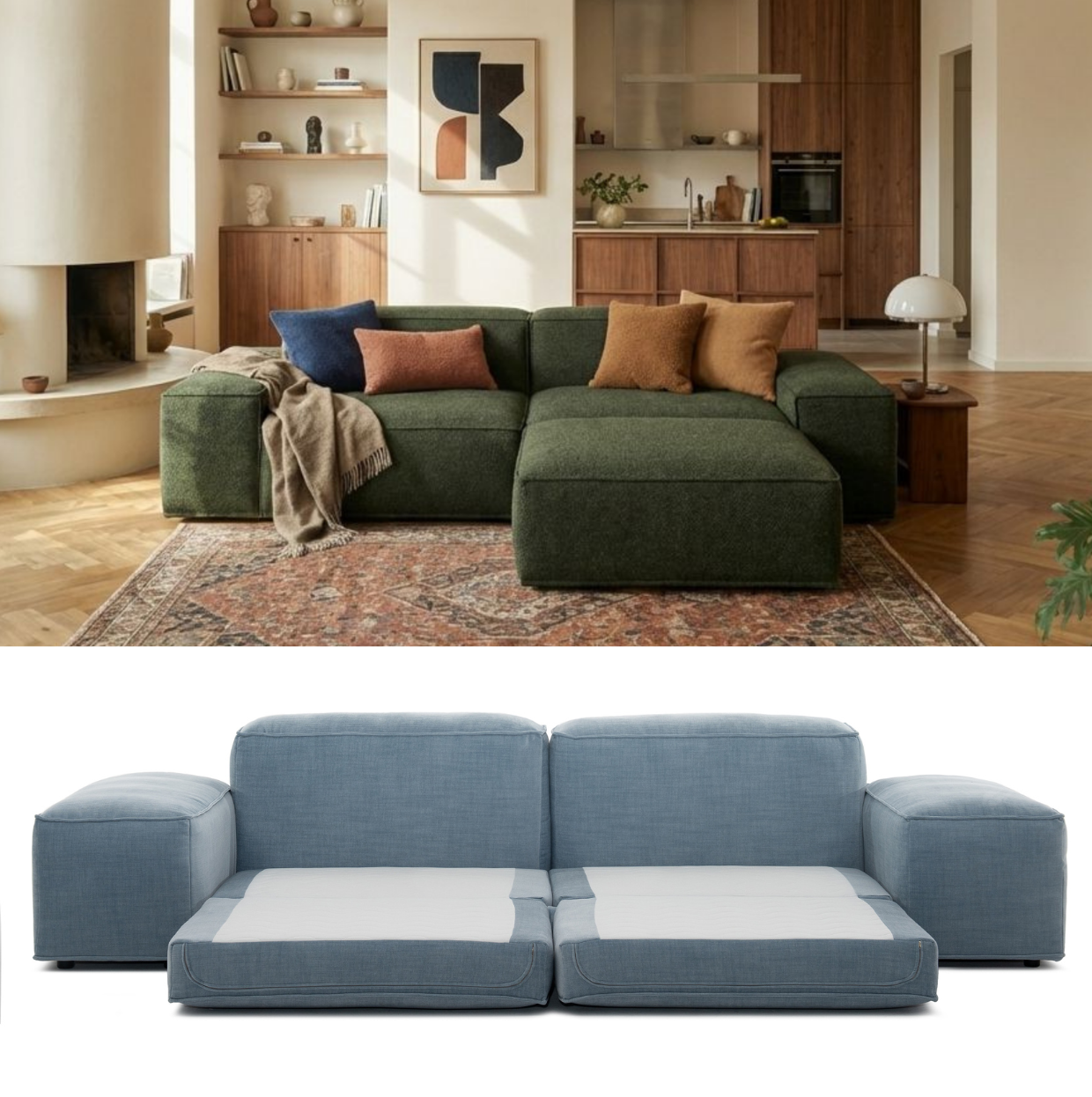
The Lugano in toffee is one of the cosiest sofa colour choices available — warm, rich, and inviting without being heavy or dark. The toffee tone reads as caramel in warm light, deepening to a rich brown in evening light. Pair with cream, ivory, and amber cushions and a warm-toned throw for maximum warmth.

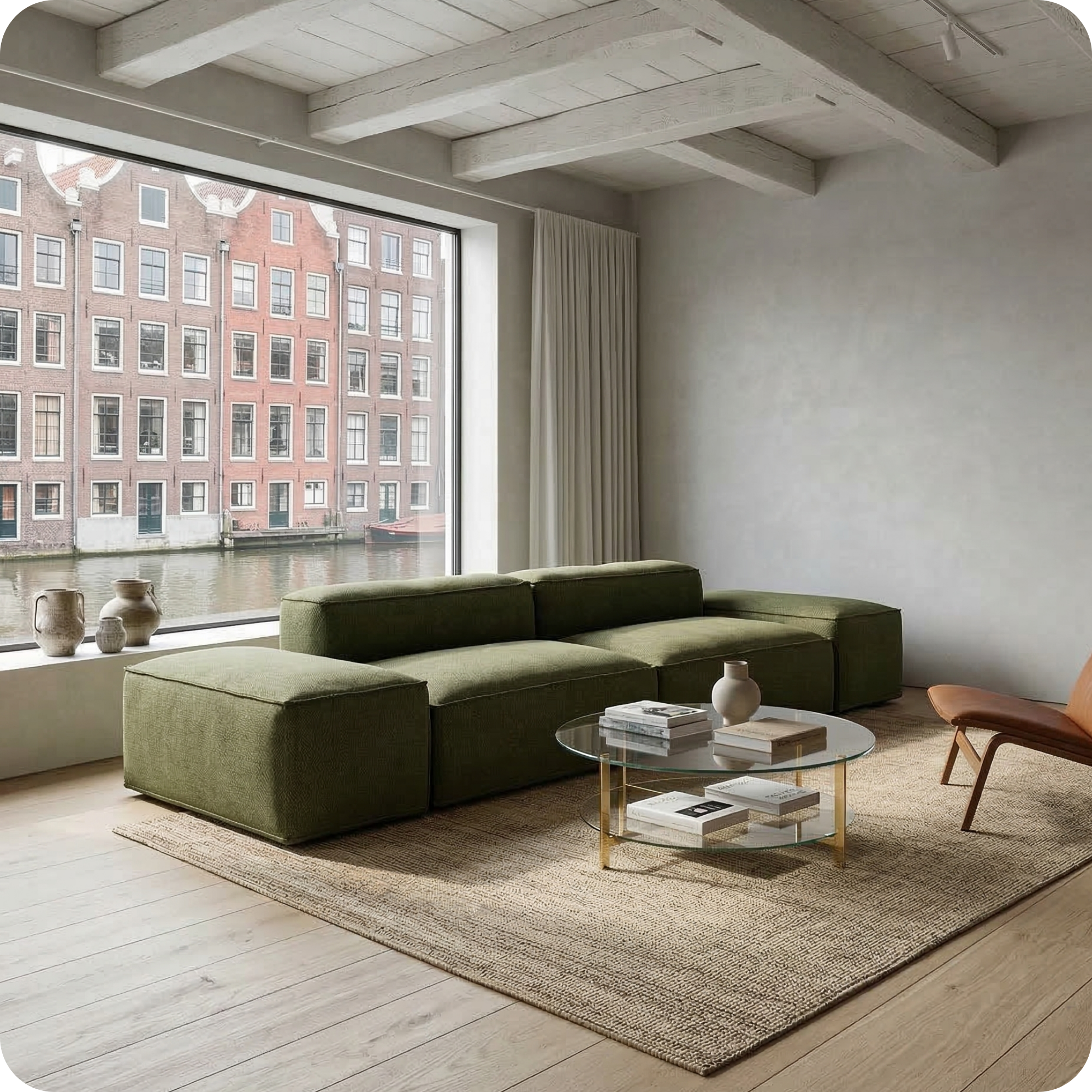
Malbec Modular Sofa — from €2,375
Named after the deep red wine, the Malbec's rich, dark upholstery is intrinsically cosy — it absorbs light rather than reflecting it, which creates a sense of depth and warmth. In a living room with warm lighting and natural materials, the Malbec creates an atmosphere of genuine, enveloping comfort.
2. Warm Up the Lighting
Lighting is arguably the single biggest lever in creating or destroying cosiness. Cool white or daylight-temperature bulbs (above 4000K) create an environment that reads as clinical, functional, or simply unrelaxed. Warm white bulbs (2700K-3000K) create the amber, fire-like glow that the human brain associates with safety and warmth. Switch all your overhead and lamp bulbs to warm white — this single change costs almost nothing and transforms the atmosphere of a room more completely than almost any other intervention. Dimmer switches amplify this effect dramatically: being able to reduce the overhead light to 30-40% in the evening and rely instead on a combination of table lamps and floor lamps creates a layered, intimate lighting atmosphere that overhead-only lighting can never achieve.
3. Create a Seating Arrangement That Faces Inward
Cosiness is partly a function of physical enclosure — the sense of being held within a defined space. A seating arrangement where all the seats face inward toward a central point (a coffee table, a rug, a fireplace) feels fundamentally more cosy than a layout where seats are scattered or all face the same direction toward a television. If you have a corner sofa, position it so the open side of the corner faces the room. If you have a sofa and separate armchairs, angle the armchairs slightly toward the sofa rather than parallel to it — this creates a conversational formation that reads as warm and sociable rather than formal or transient.
4. Add Plants, Candles, and Natural Objects
Natural objects — living plants, candles, wood, stone, ceramics, woven baskets — contribute significantly to the sense of cosiness in a room because they introduce biological complexity and warmth into an otherwise geometric, manufactured environment. A grouping of candles in varying heights on a side table or fireplace creates both warm light and a sense of ceremonial intention. Houseplants contribute oxygen and movement — the slight shift of leaves in air movement is processed subconsciously as life and presence. A stack of books on the coffee table, a ceramic bowl on the mantle, a woven jute basket holding spare cushions — these details create the layered, lived-in quality that distinguishes a cosy room from a staged one.