


Industrial Interior Design: How to Achieve the Industrial Look in Your Home
Industrial interior design draws its aesthetic from the factories, warehouses, and industrial spaces of the late 19th and early 20th centuries. Exposed brick, raw steel, reclaimed wood, concrete floors, and visible ductwork are its hallmarks. Originally the result of converting old industrial buildings into loft apartments, the style has since been replicated in conventional homes and new-build spaces where those raw, unfinished qualities are intentionally designed in. This guide explains the key principles, materials, colour palette, and furniture choices that define industrial design.
The Key Elements of Industrial Interior Design
Exposed materials: the defining quality of industrial design is that materials are left in their natural, unfinished state rather than being covered up. Exposed brick walls, bare concrete floors, visible steel beams, and unlagged pipework are all authentic industrial features. Where the original building does not have these features, they can be replicated: exposed brick wallpaper, polished concrete floors, and metal pipe shelving units are all popular industrial design interventions in conventional homes. Raw textures: rough and smooth textures sit side by side — the roughness of brick alongside the smoothness of steel, the warmth of worn leather alongside the cold precision of metal. Dark, moody palette: industrial interiors typically lean toward dark, neutral palettes — charcoal, dark grey, warm black, deep navy — with contrast coming from the warmth of natural wood, exposed copper, and occasionally warm lighting. Open-plan spaces: industrial design originated in open-plan warehouse spaces and tends to look best in large, open rooms with high ceilings.

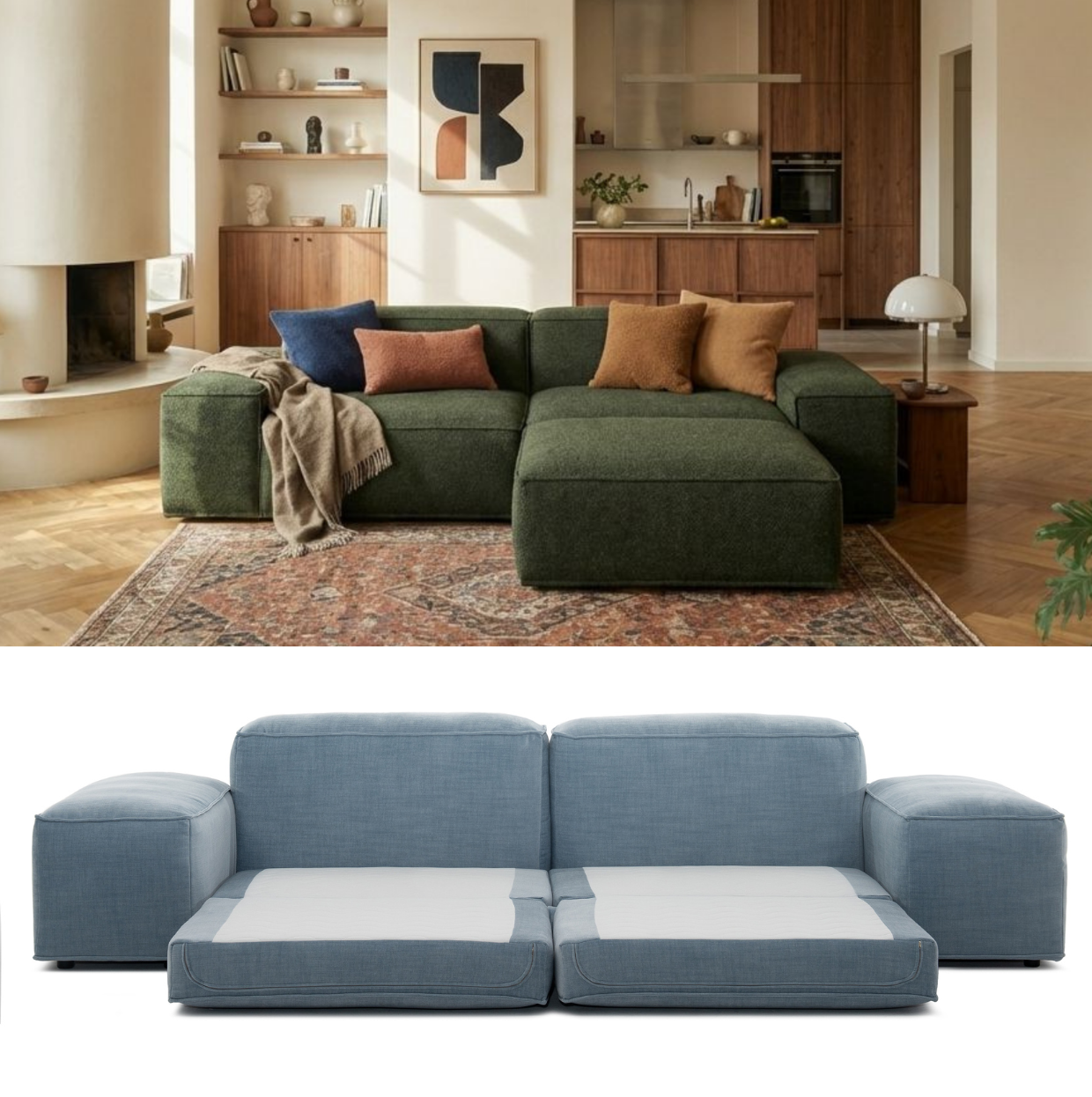
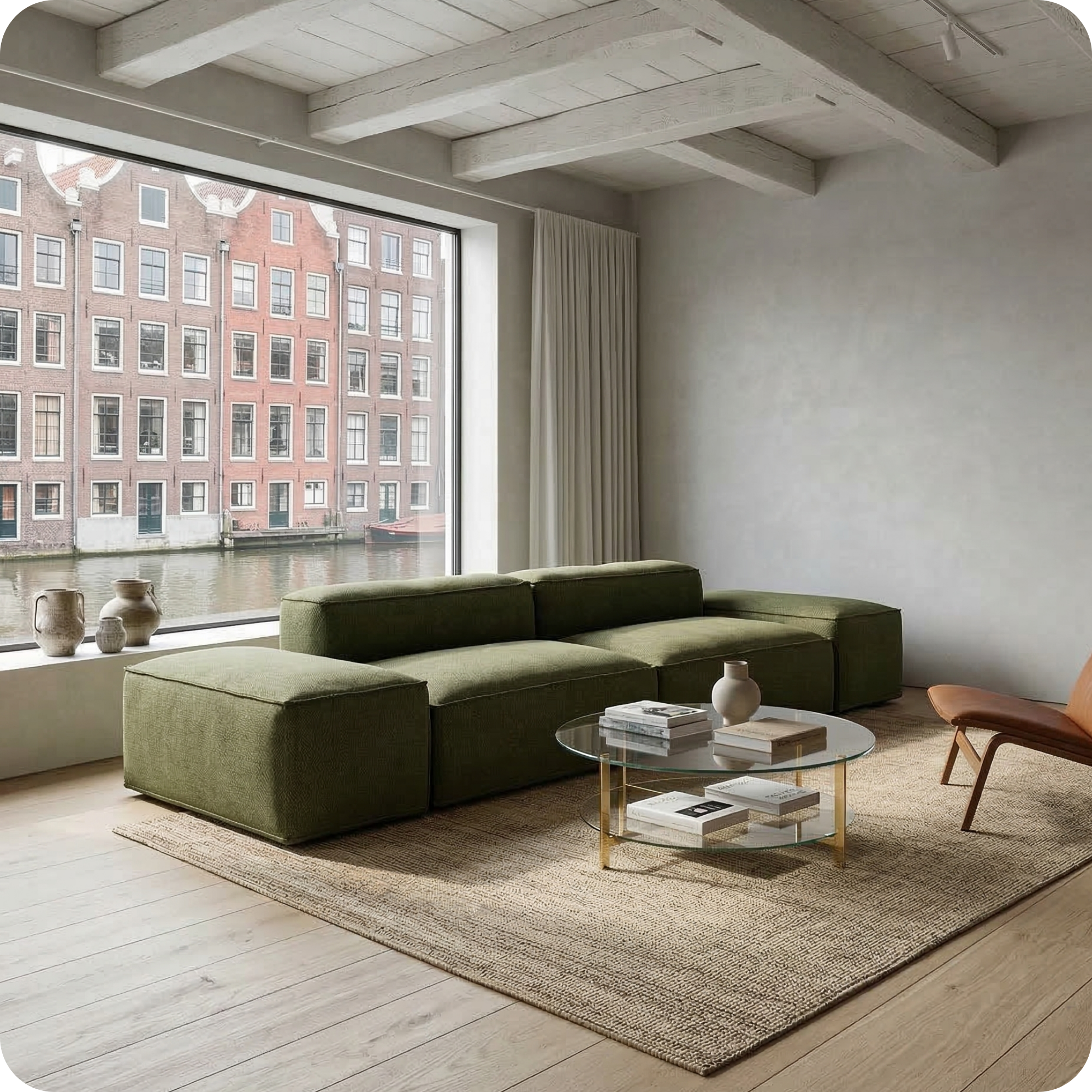
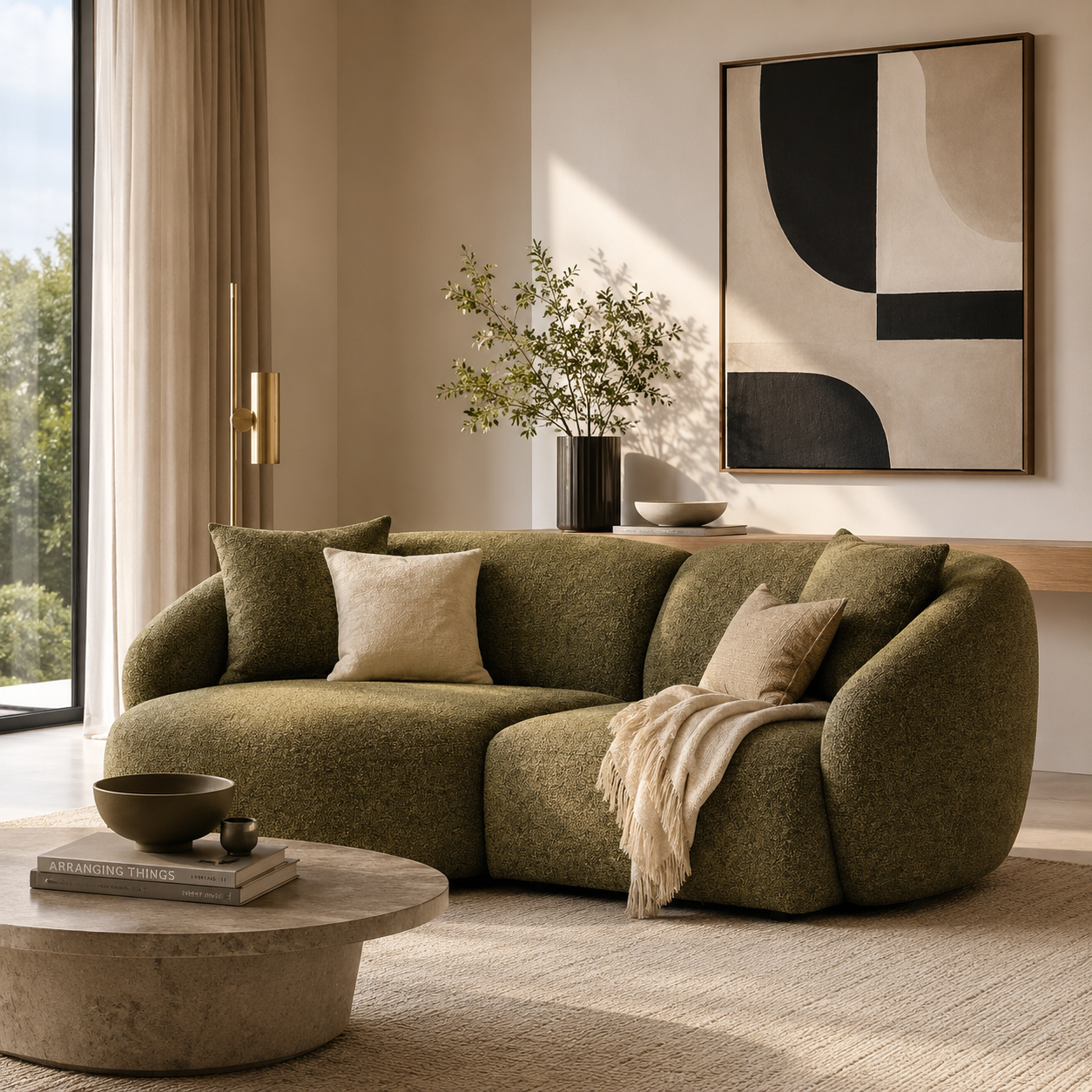
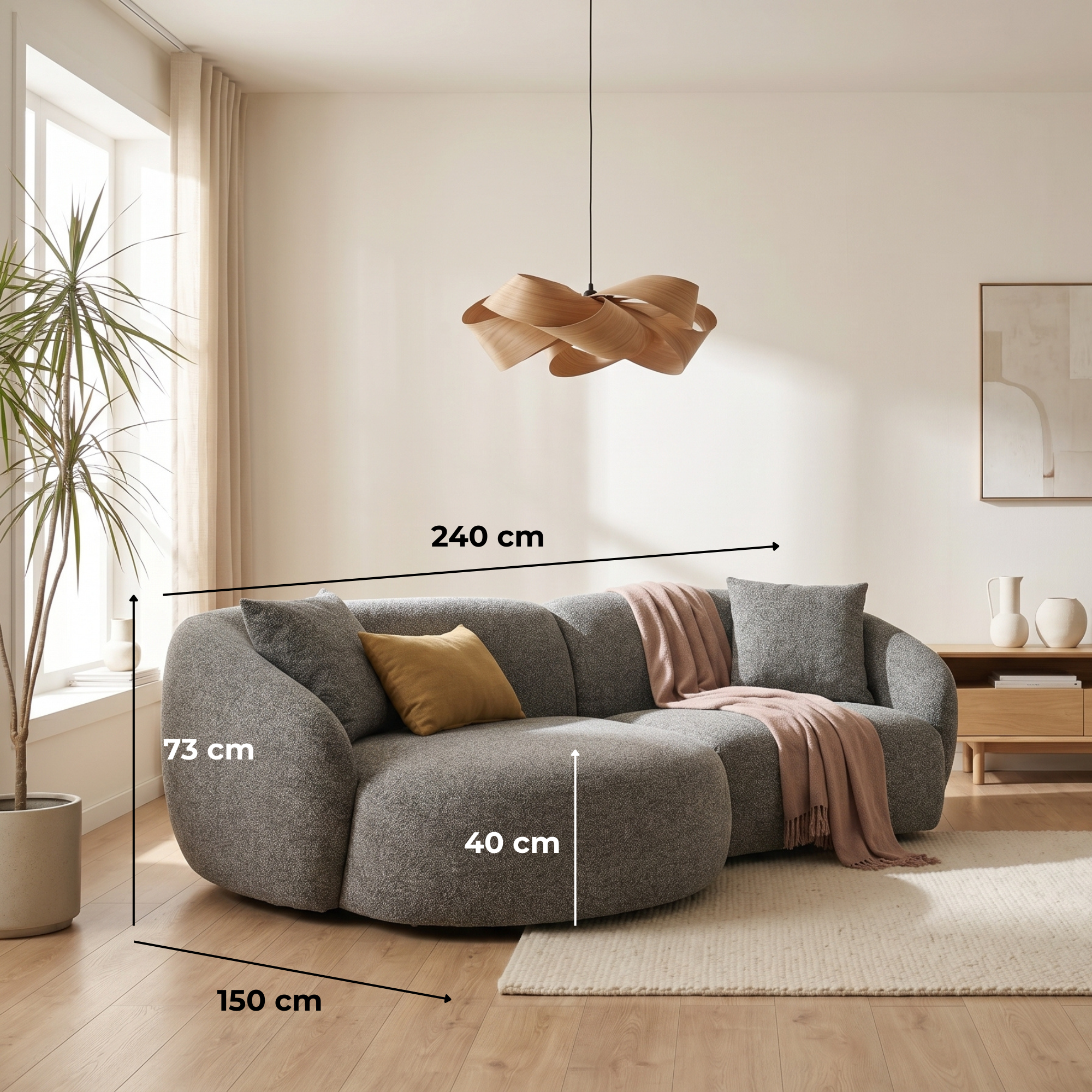
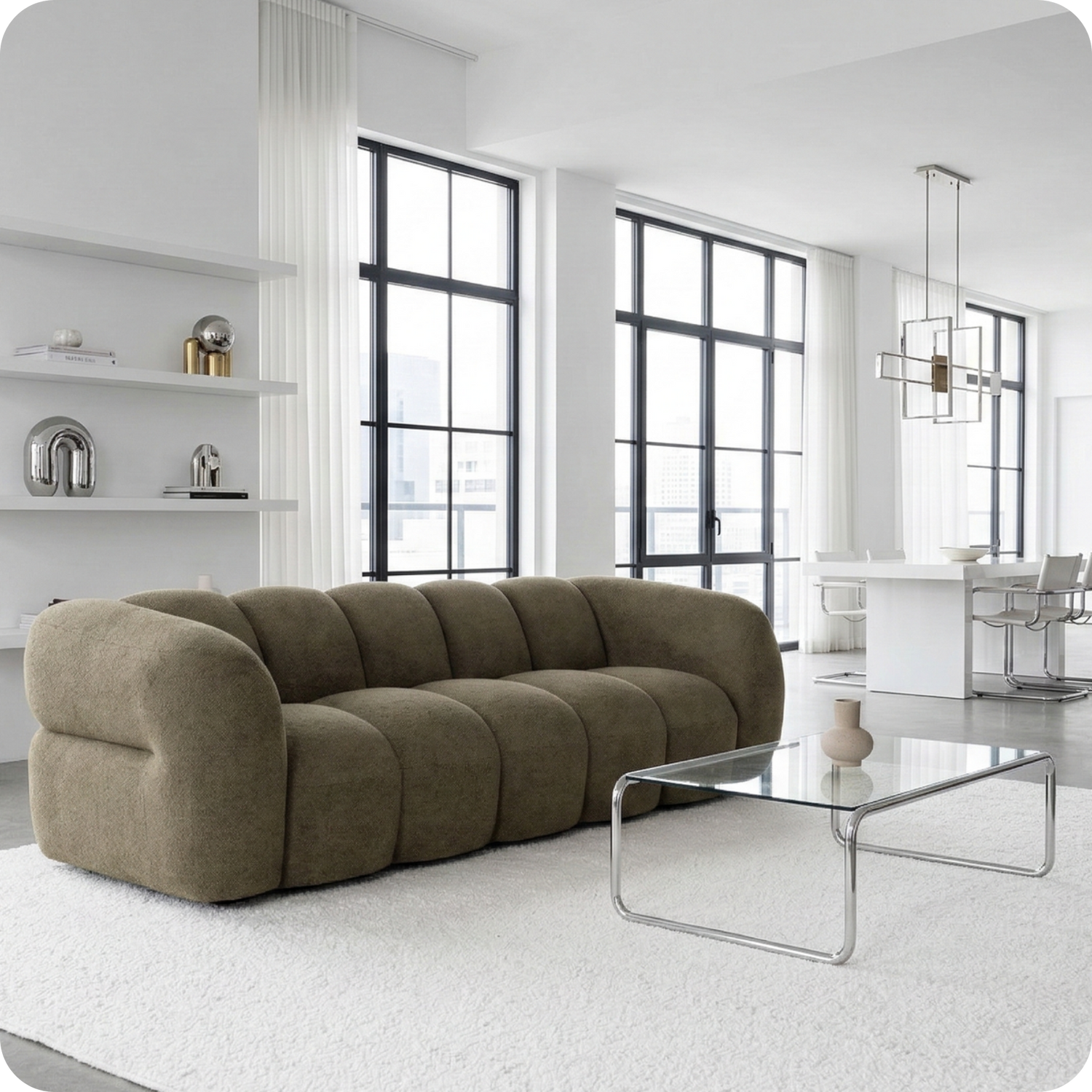
Lugano Sofa — Khaki — from €1,299
A khaki or olive-toned sofa sits naturally in an industrial interior — earthy neutrals bridge the gap between the rawness of exposed concrete and brick and the warmth of natural timber accents. The Lugano's clean, modern profile works well in the loft-style spaces that suit industrial design best.

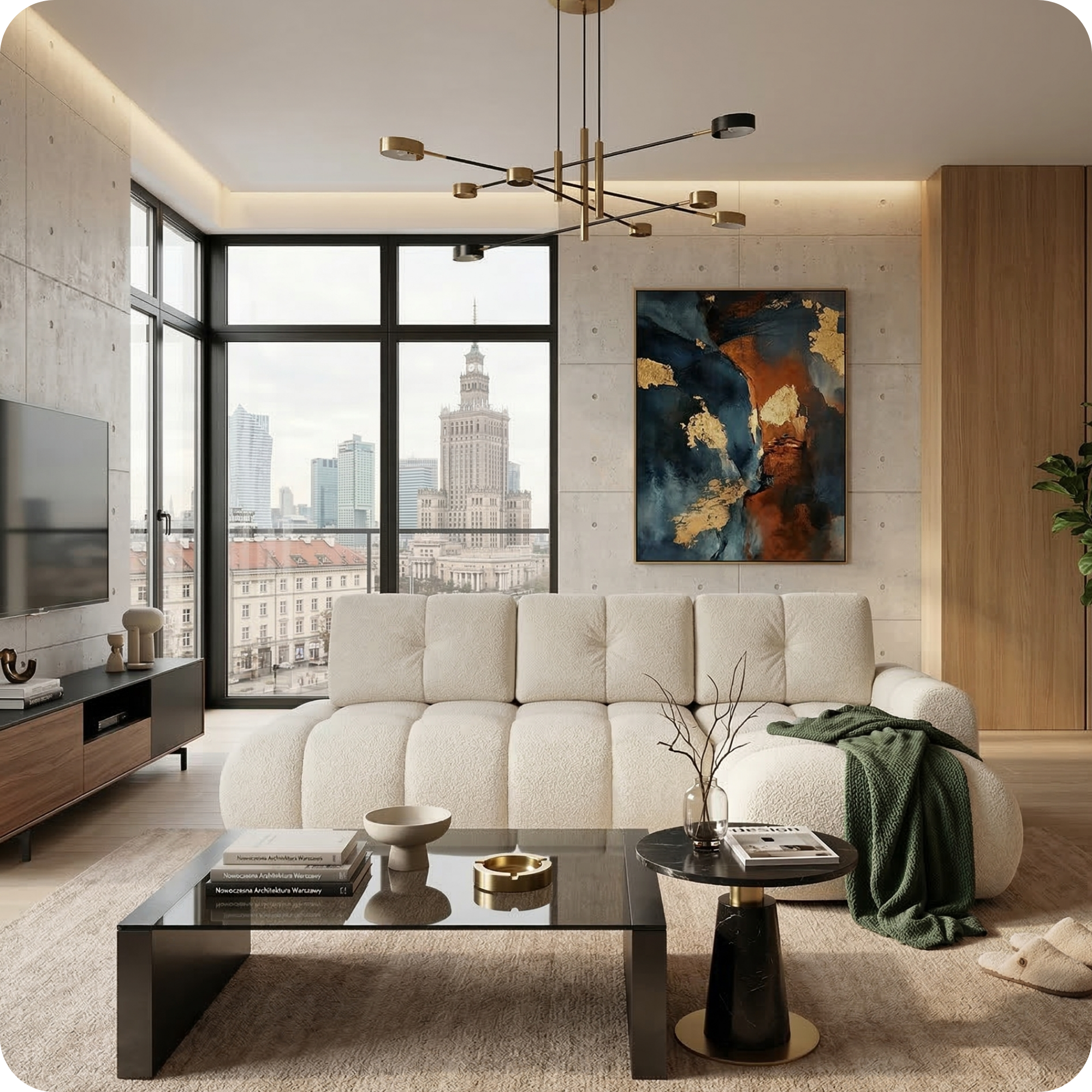
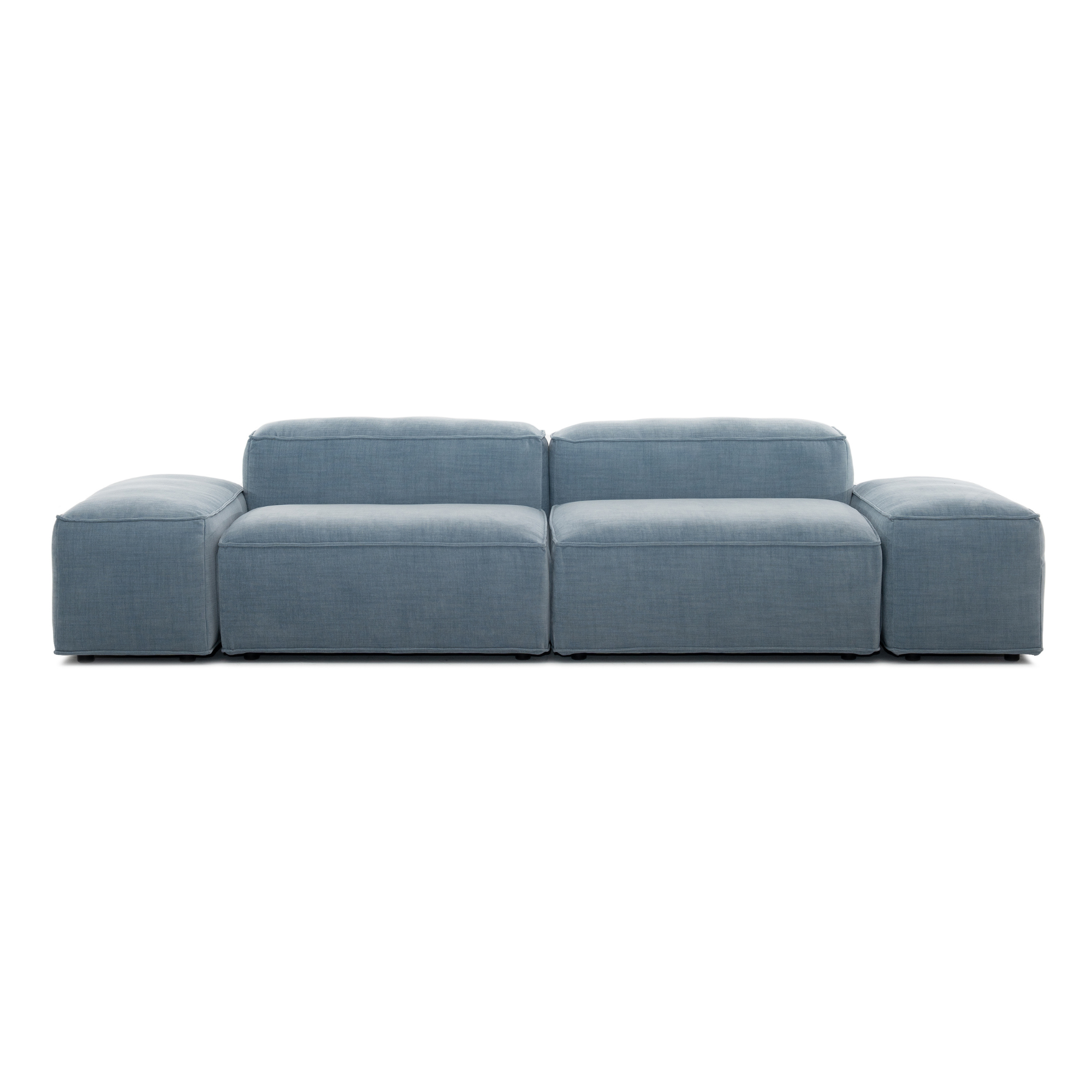
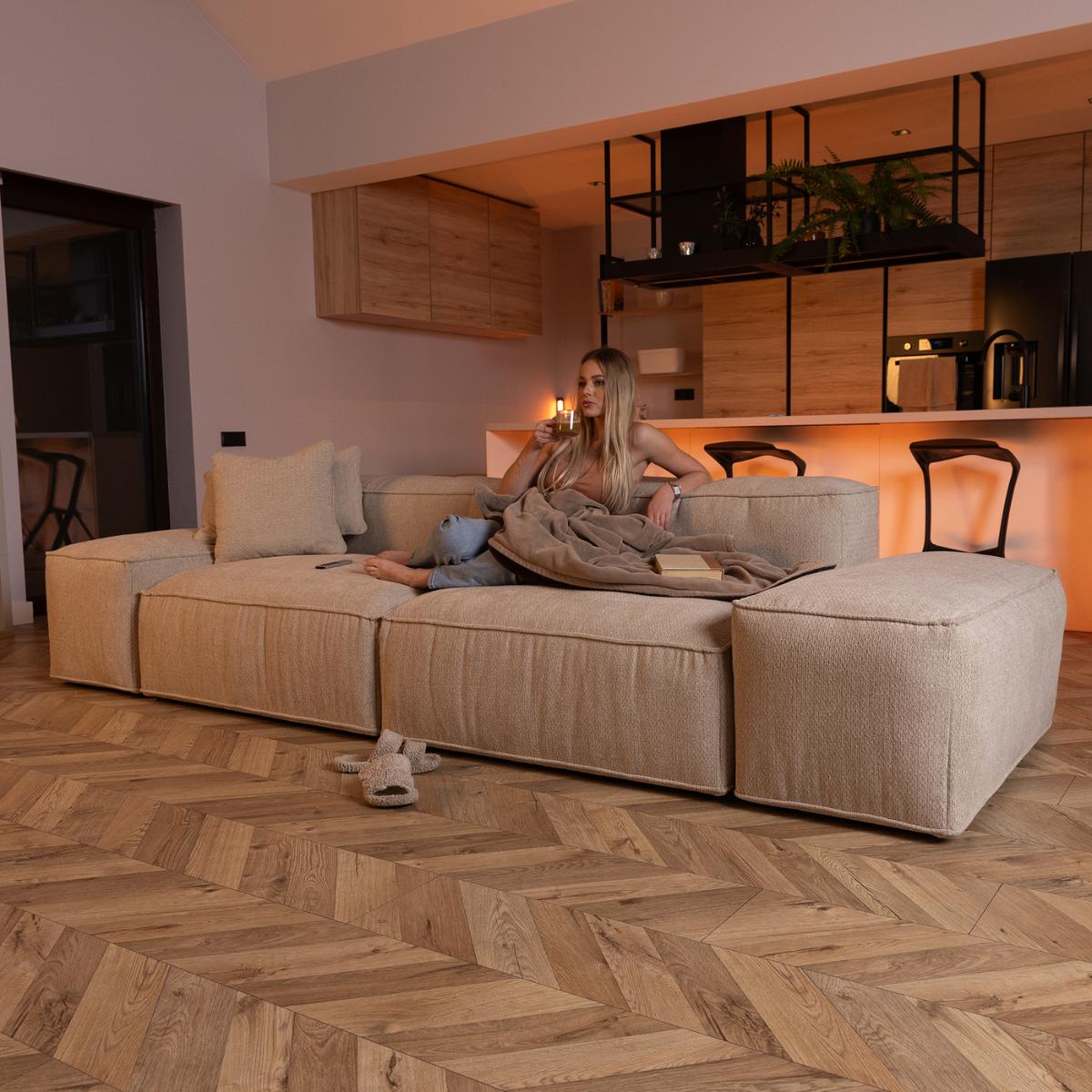
Malbec Sofa — from €2,375
The deep, rich tone of the Malbec is a natural fit for industrial interior design. Positioned against exposed brick or raw concrete, with metal-framed lighting overhead, it anchors the living area of a loft-style space with warmth and quality.
Industrial Design Materials and Furniture
Steel and iron: metal is the most definitive industrial material. Steel-framed shelving, iron pipe leg tables, and metal pendant lights are all essential industrial furnishing elements. Reclaimed wood: the contrast of weathered, natural timber against raw steel and concrete is central to the industrial aesthetic. Reclaimed wood dining tables, worn hardwood floors, and wooden shelving on metal brackets are all appropriate. Leather: worn leather upholstery — particularly in dark brown, tan, or black — reads as authentically industrial. Concrete: polished concrete floors, concrete coffee tables, and concrete-effect tile are all popular industrial design choices.
Industrial Design Lighting
Lighting is especially important in industrial interiors, which often feature dark walls and low-light spaces. Key choices: factory-style pendant lights — metallic shades in black, bronze, or gunmetal; Edison bulb filament lights; metal pipe wall sconces; wire cage pendants. Warm bulb temperatures (2,700–3,000 K) counteract the coldness of raw materials and create a welcoming atmosphere in what could otherwise feel harsh.