

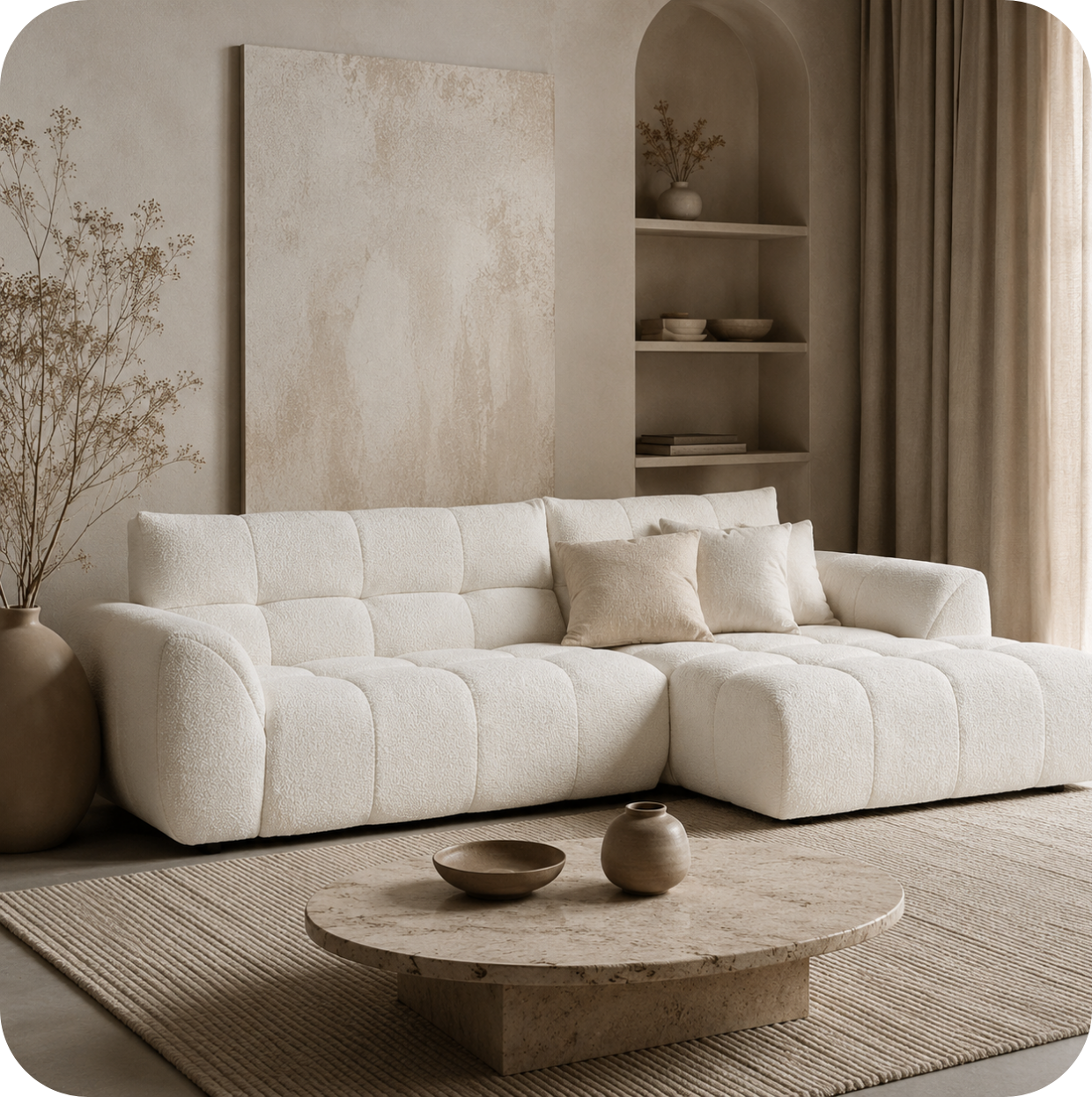
Living Room Cushion Ideas: How to Style Cushions Like an Interior Designer
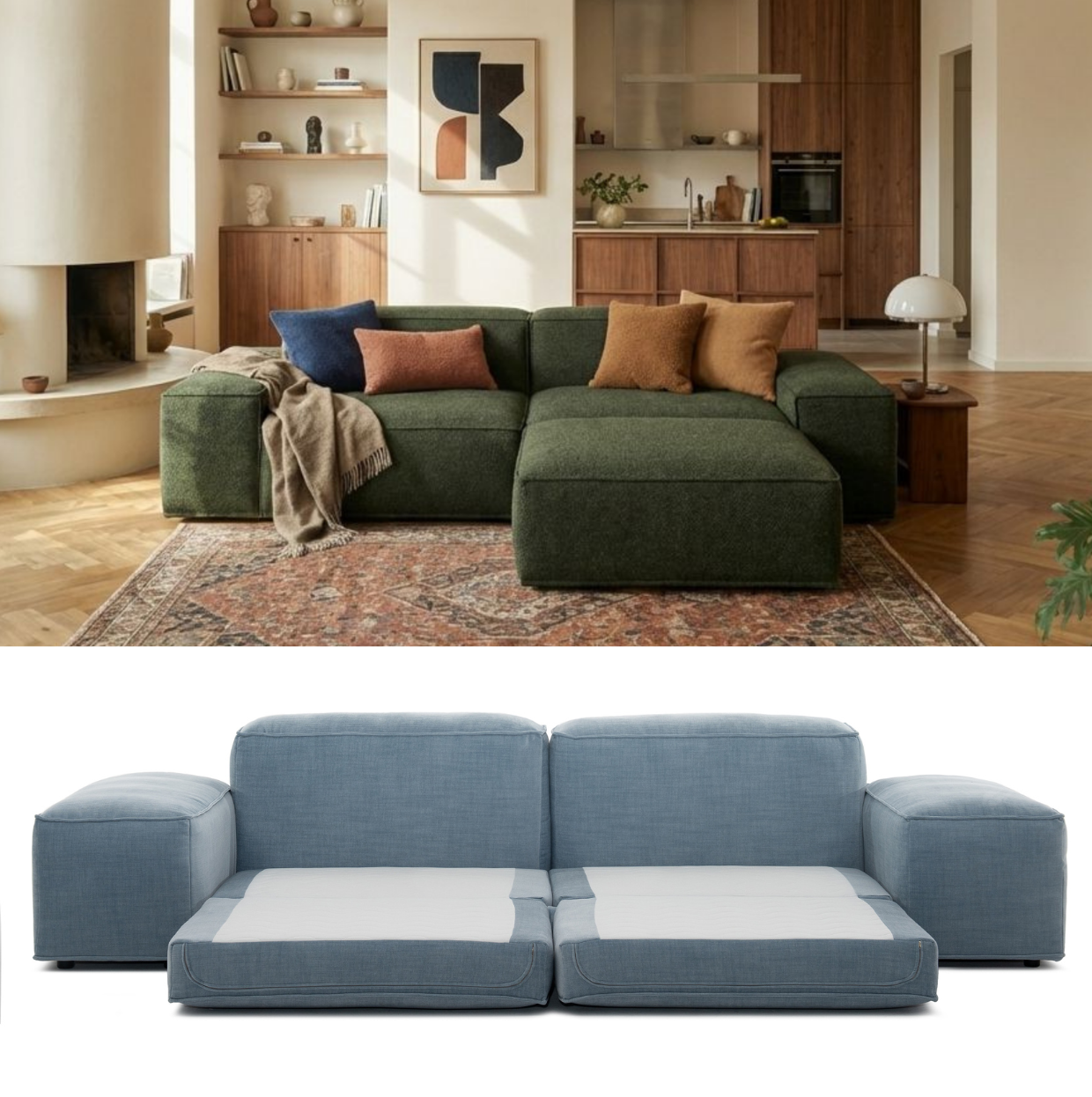
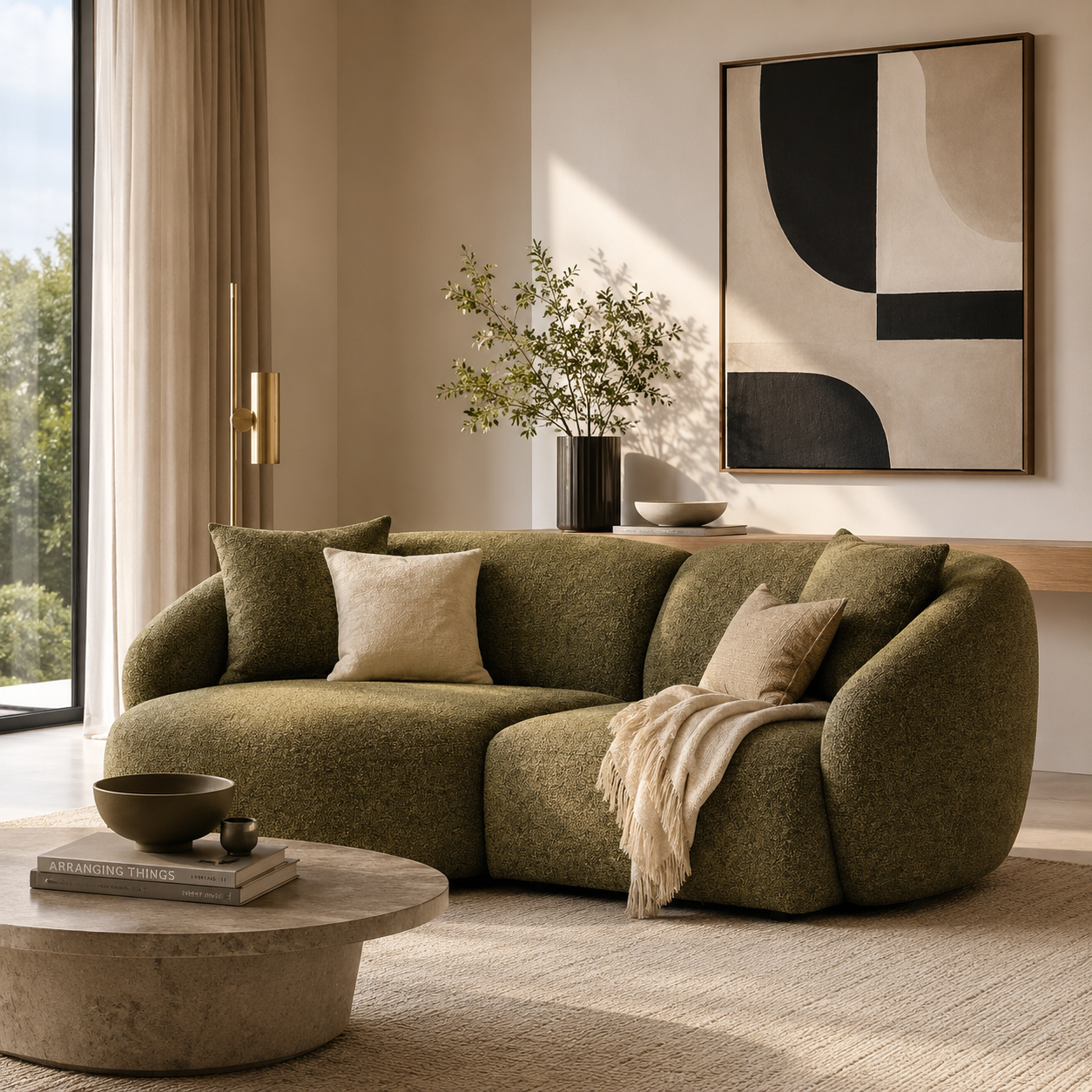
Cushions are the single most cost-effective tool for transforming the look and feel of a living room. A well-curated cushion arrangement can make a sofa feel luxurious, ground a colour scheme, introduce pattern and texture, and signal a room's overall design sensibility — all without a single piece of furniture being moved. Yet despite this power, cushion styling is something many people approach haphazardly, accumulating a mix of sizes, shapes, and patterns without a coherent plan. This guide shows you how professional interior designers approach cushion arrangement so you can achieve a polished, intentional result.
The Rule of Odd Numbers and the Right Sizes
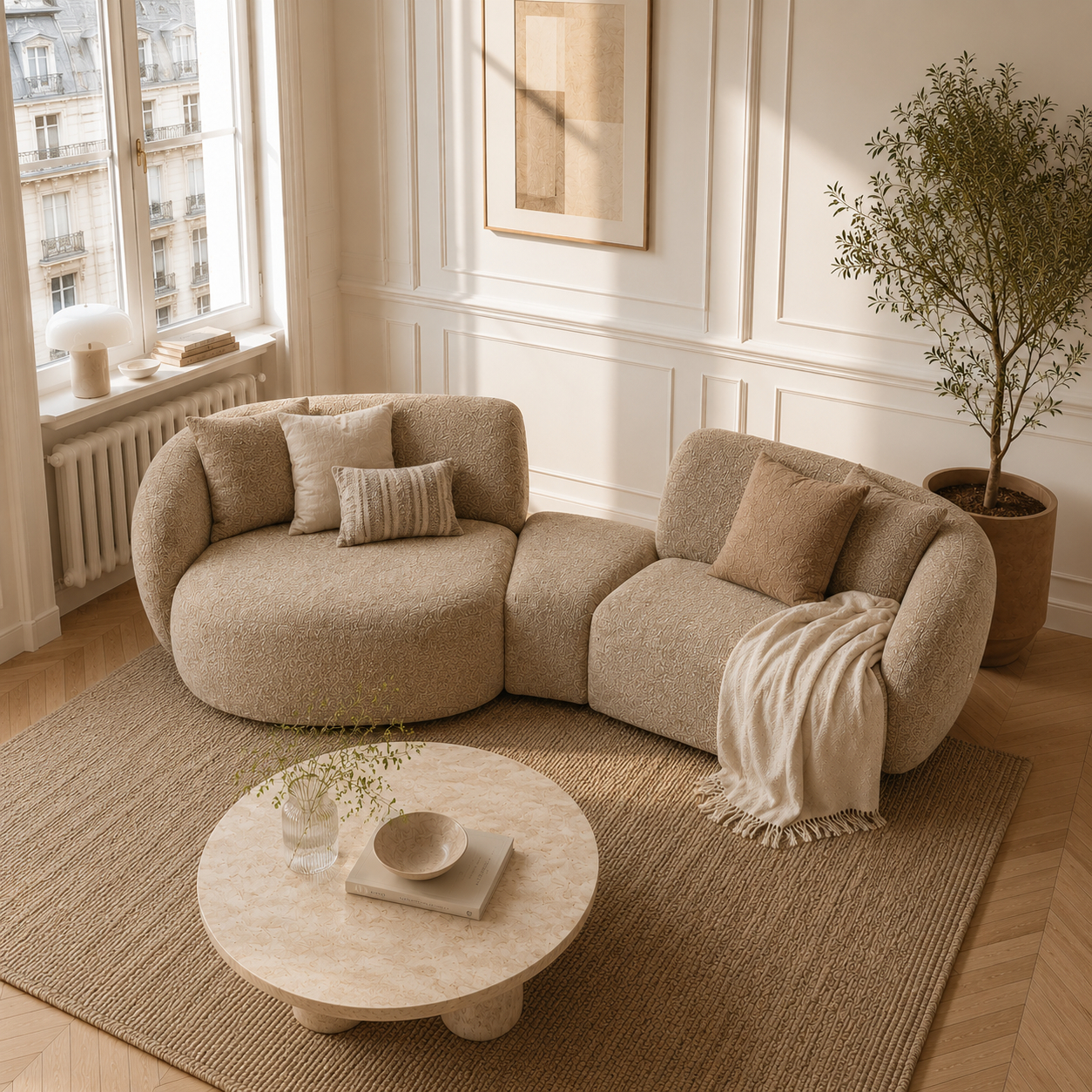
Odd numbers of cushions — 3, 5, or 7 — almost always look better than even numbers on a sofa. This is because asymmetry reads as more natural and less rigid to the eye. On a standard three-seat sofa, a grouping of 5 cushions — typically two larger square cushions (55-60cm), two medium cushions (45-50cm), and one rectangular lumbar cushion (30x50cm) — creates a layered, professional look. On a corner sofa or L-shape, a larger grouping of 7-9 is appropriate. Avoid all cushions being the same size; variation in scale adds visual depth and interest. The lumbar cushion (oblong) is particularly versatile — it works as a centrepiece, adds a contrasting pop of colour or pattern, and is practical as lower-back support.

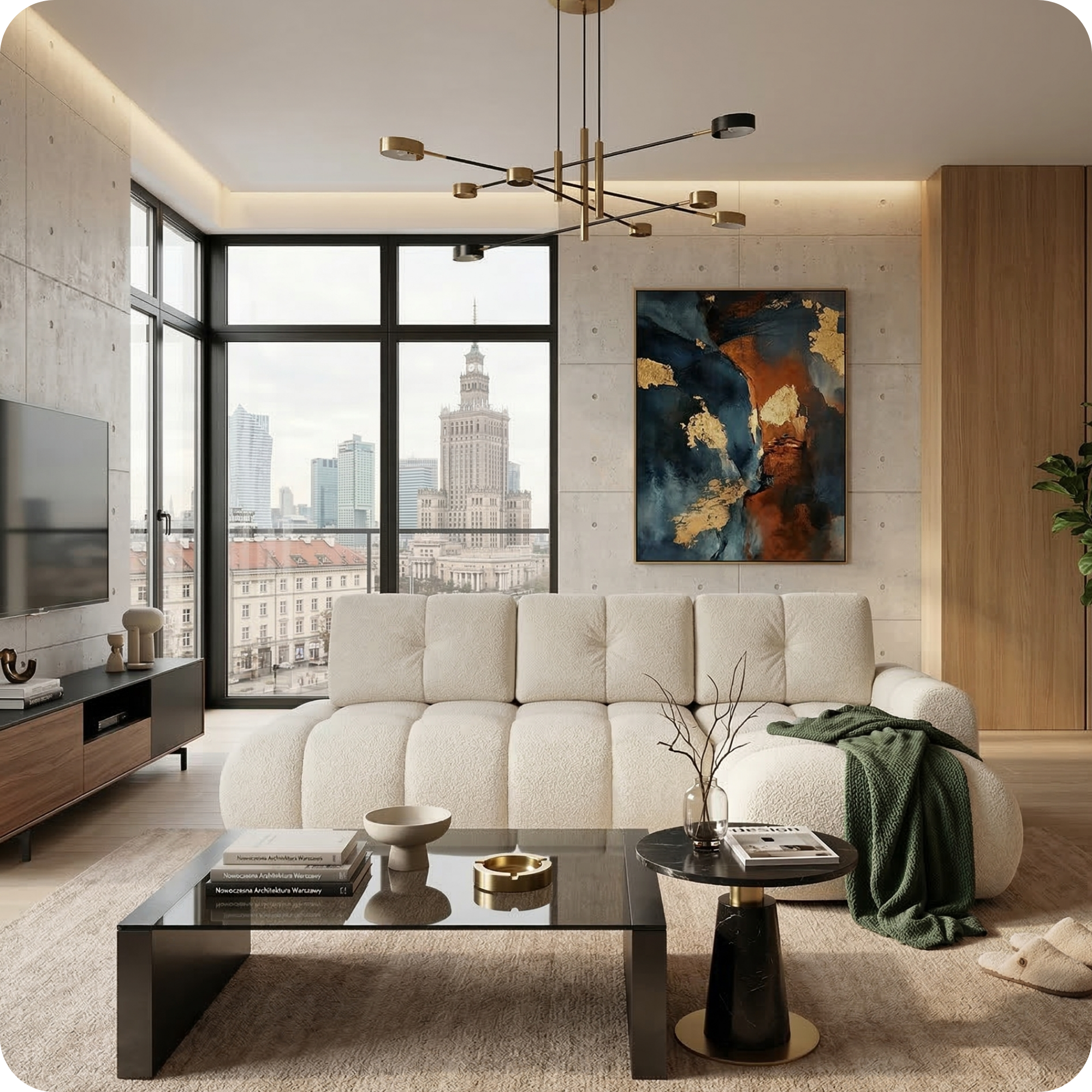
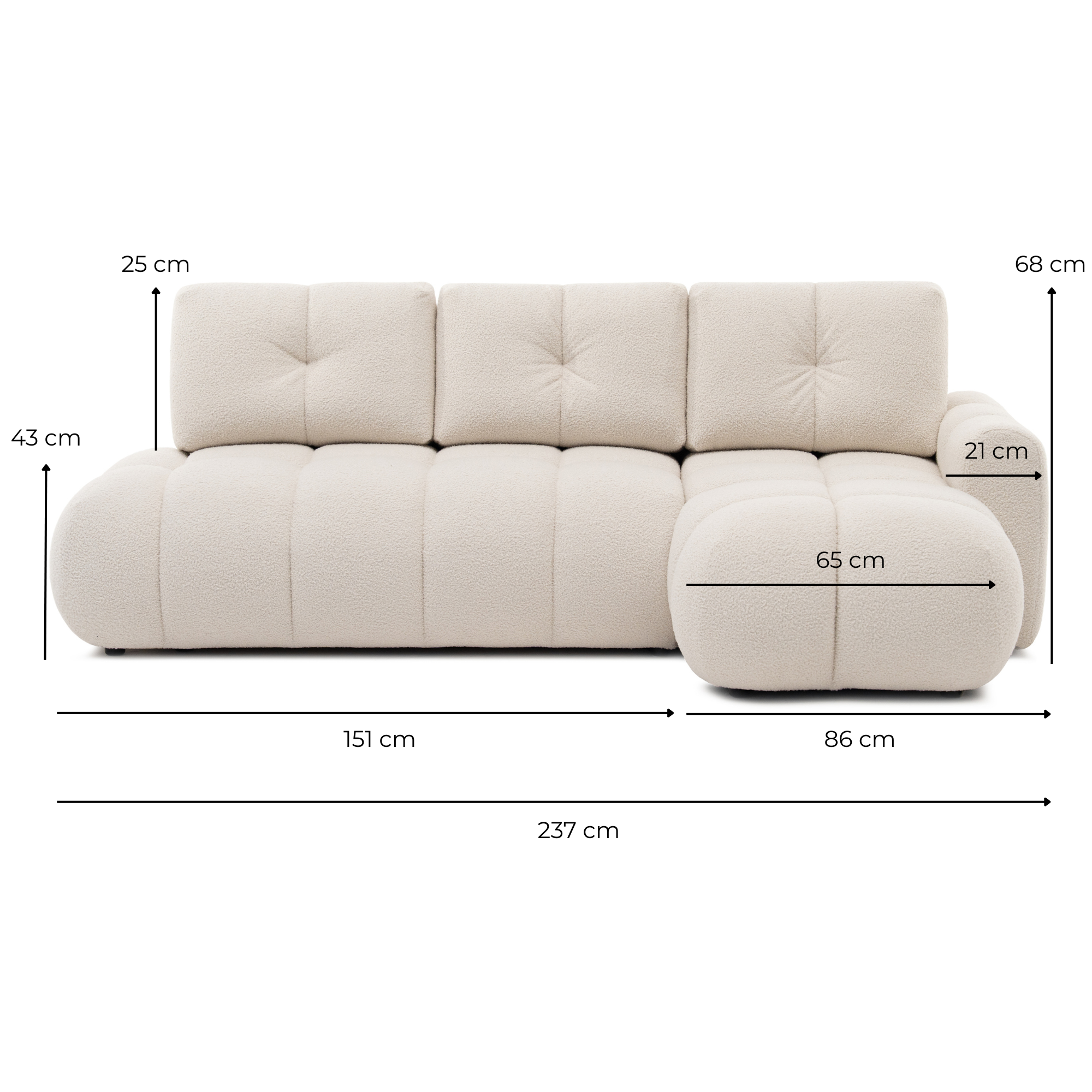
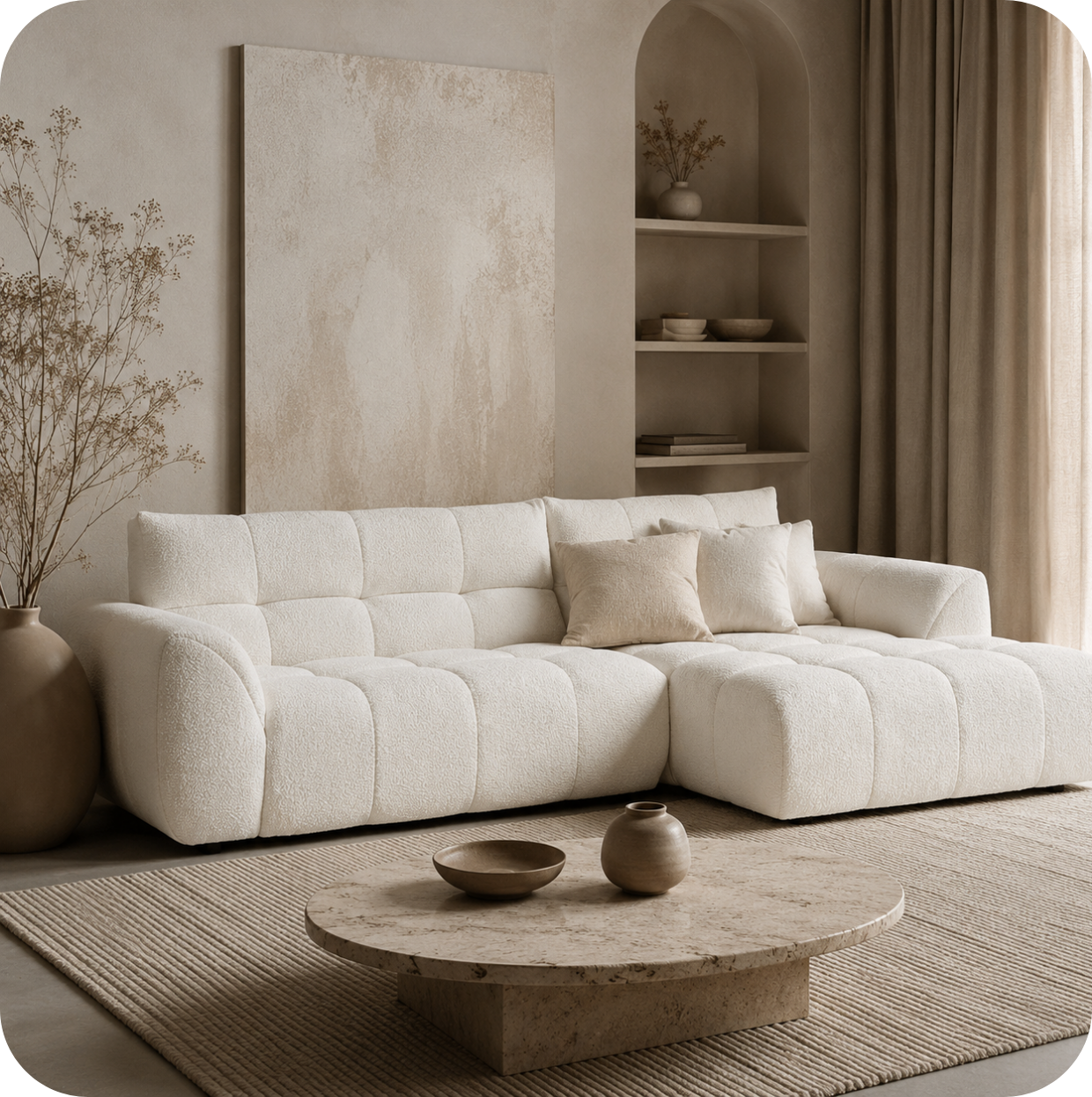
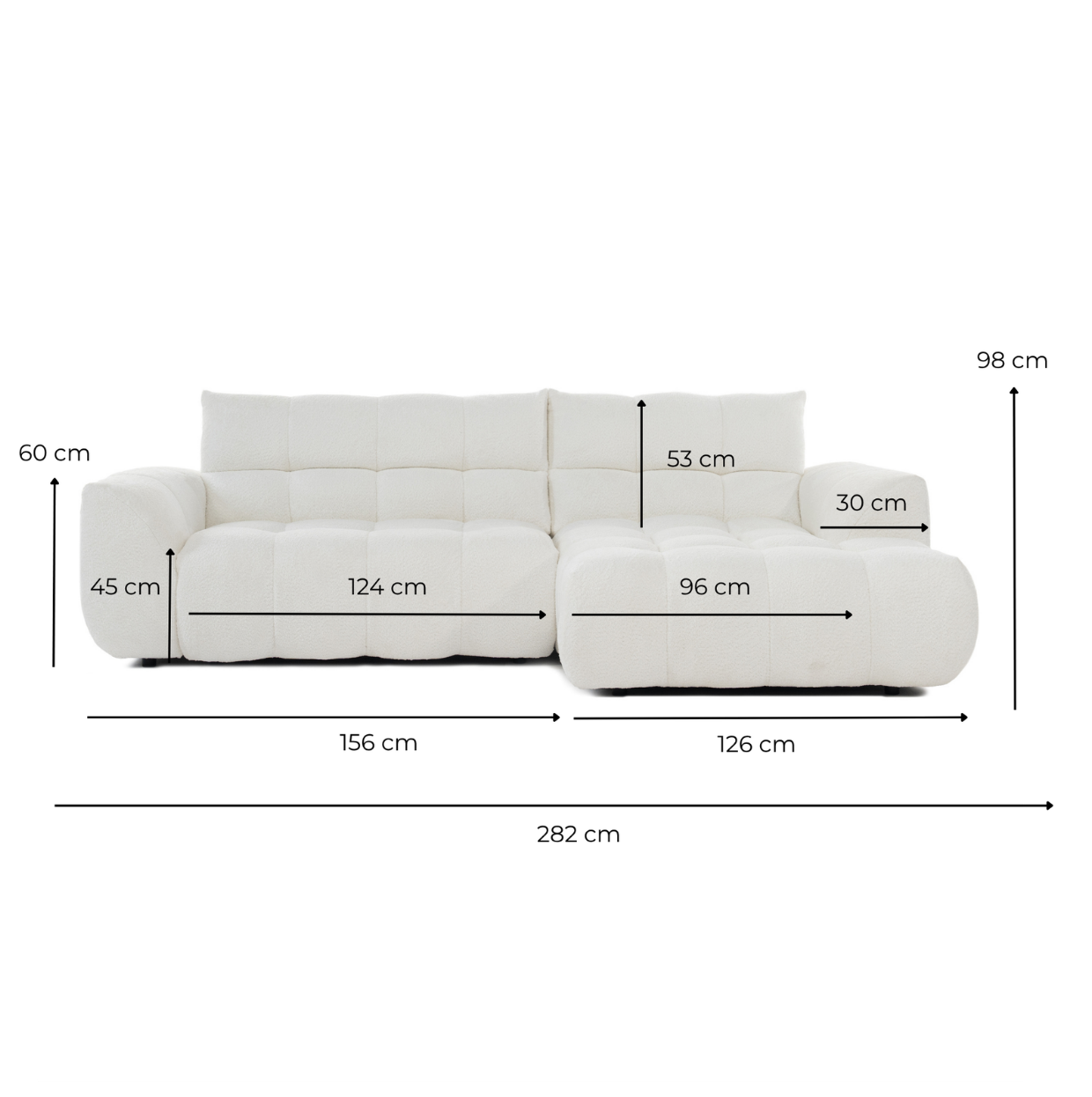
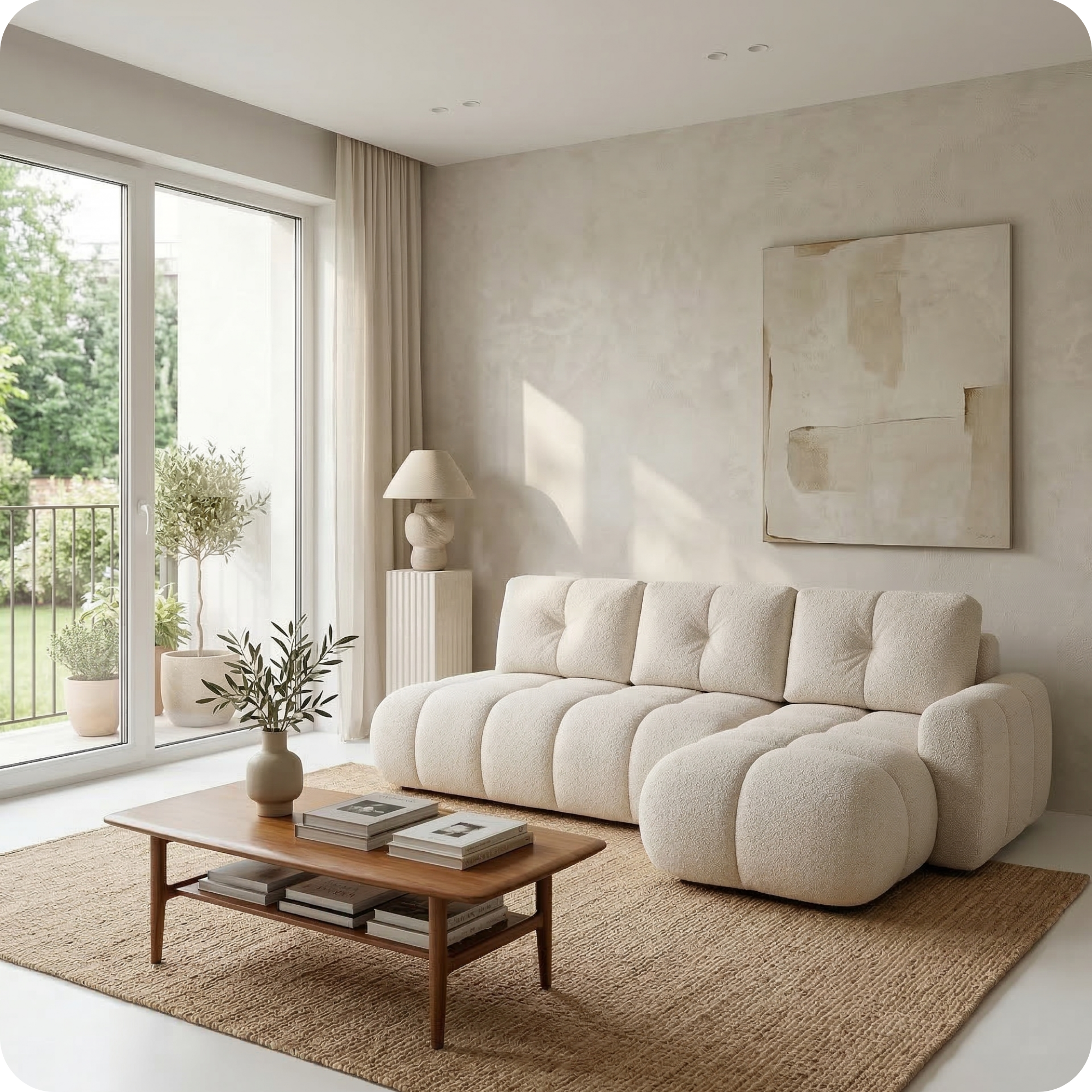
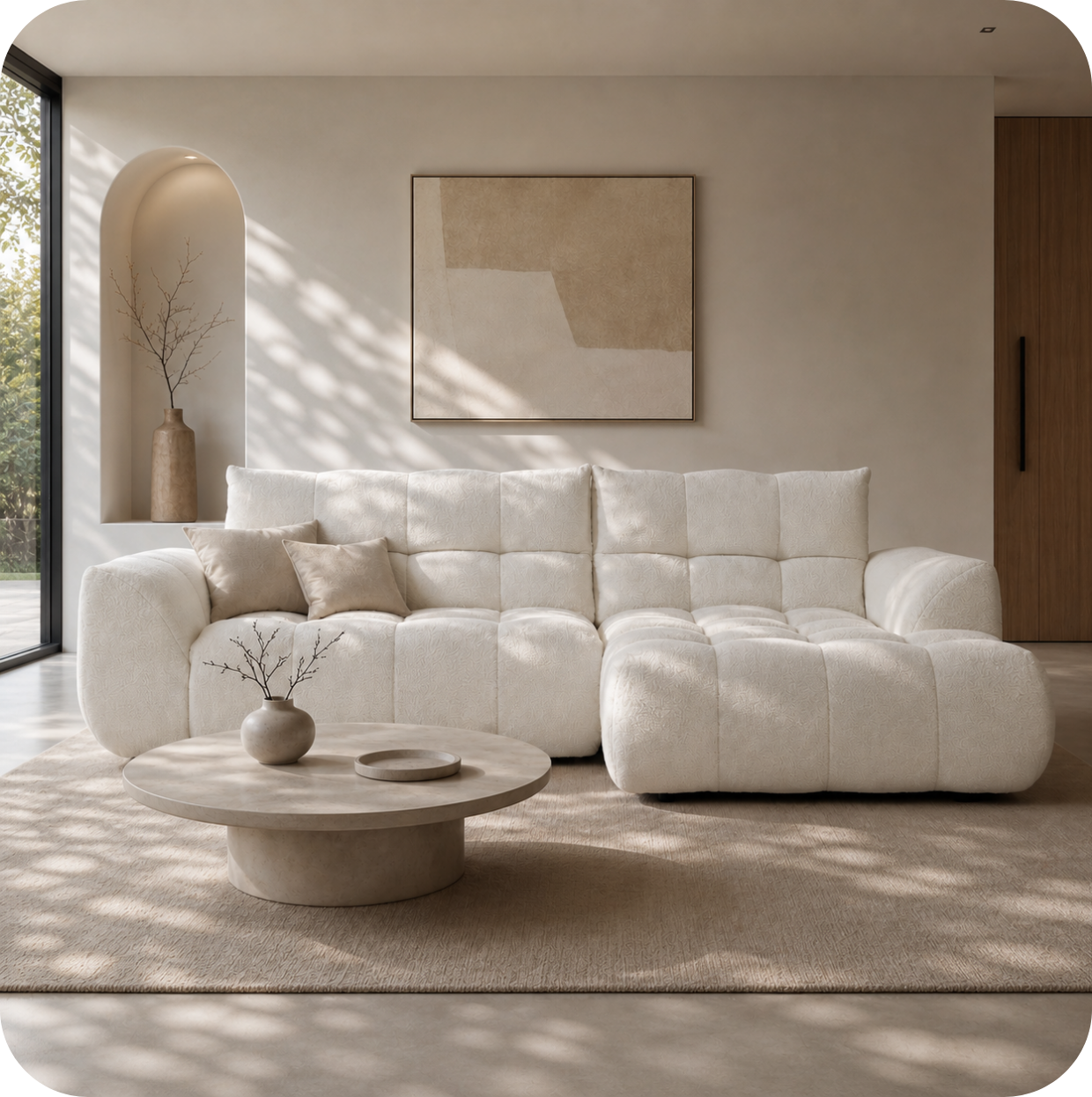
Asti Corner Sofa — from EUR 1,290
The generous proportions of the Asti corner sofa create the perfect canvas for a layered cushion arrangement. On a corner sofa of this scale, a grouping of 7-9 cushions — mixing sizes, textures, and a complementary colour — creates a luxurious, hotel-style effect without over-stuffing.

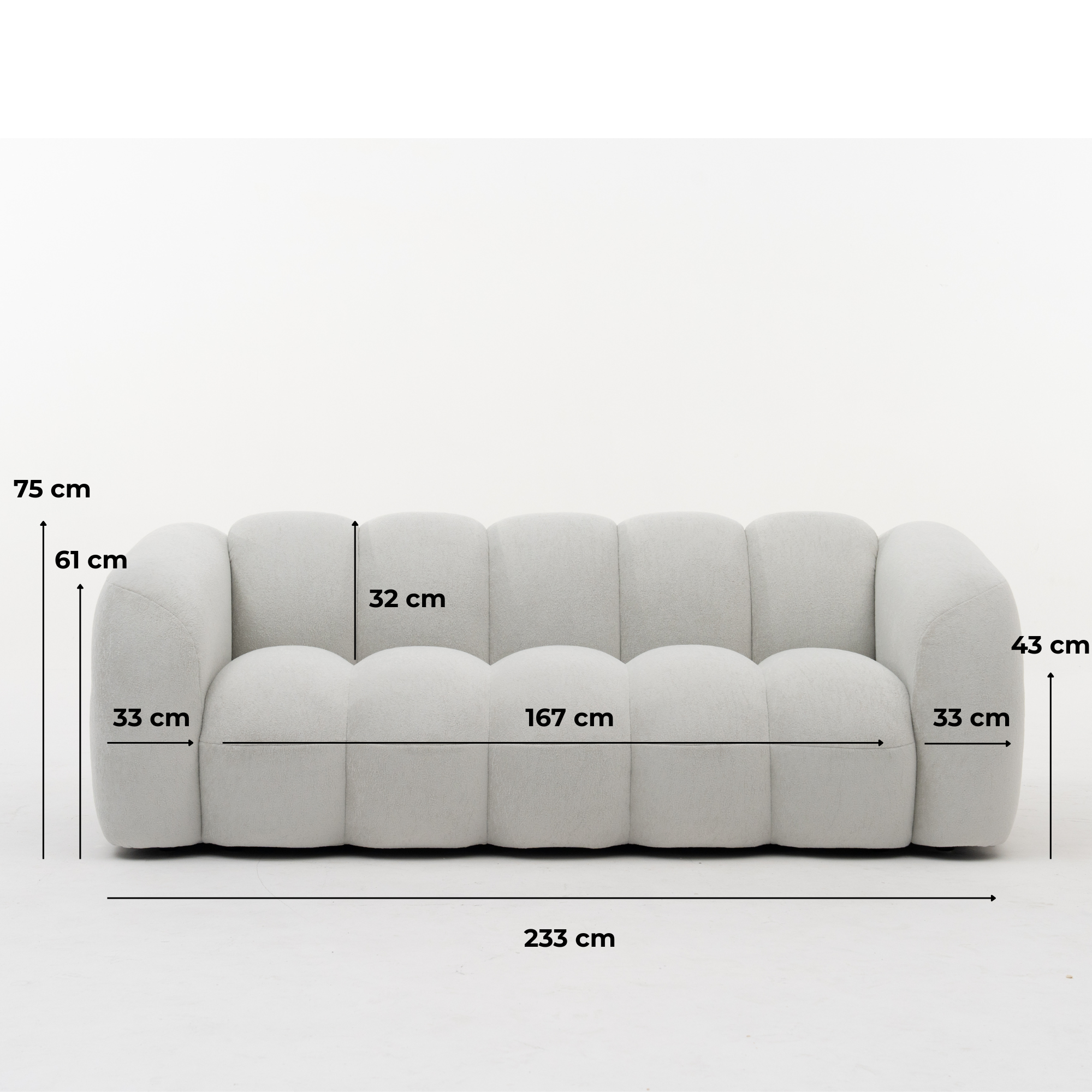
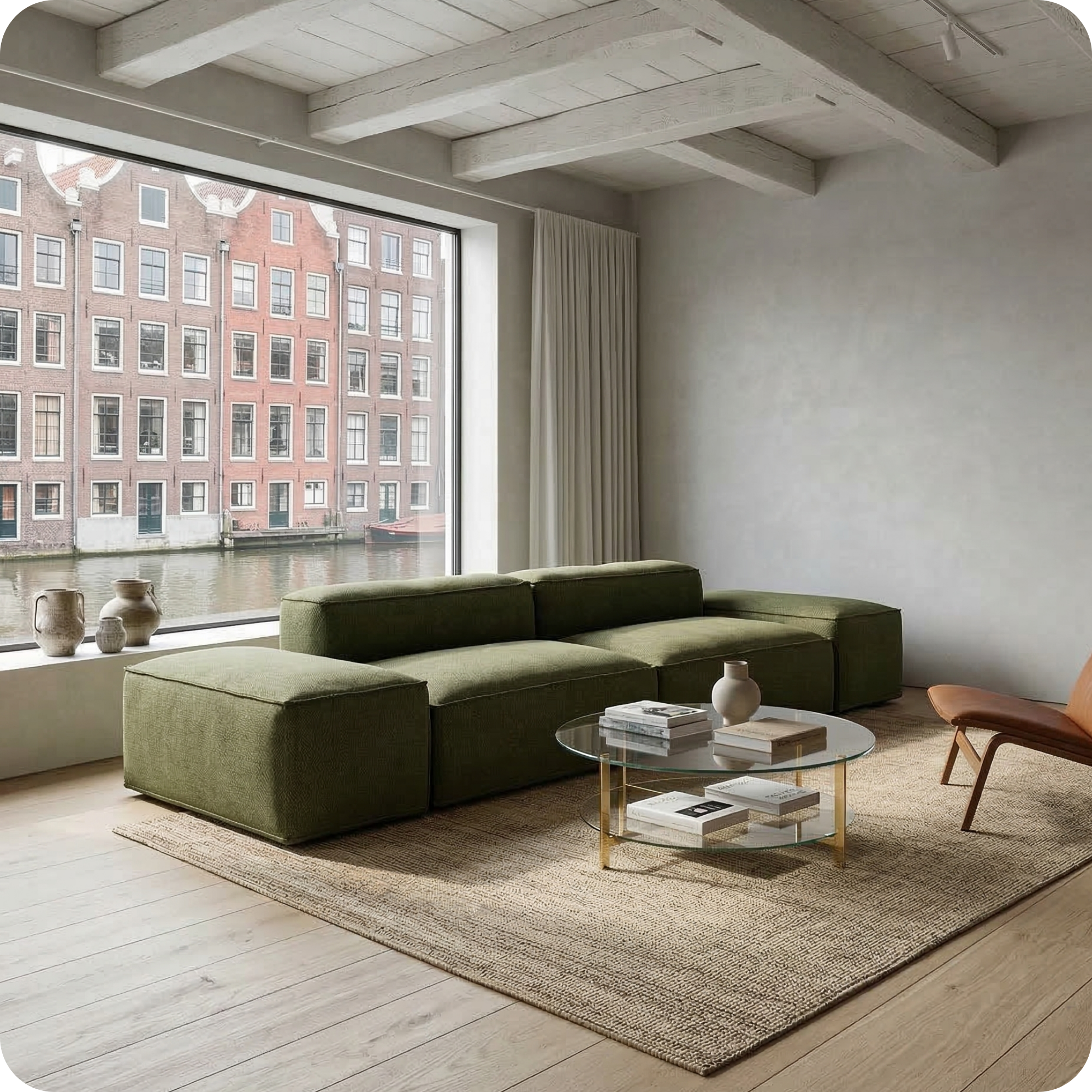
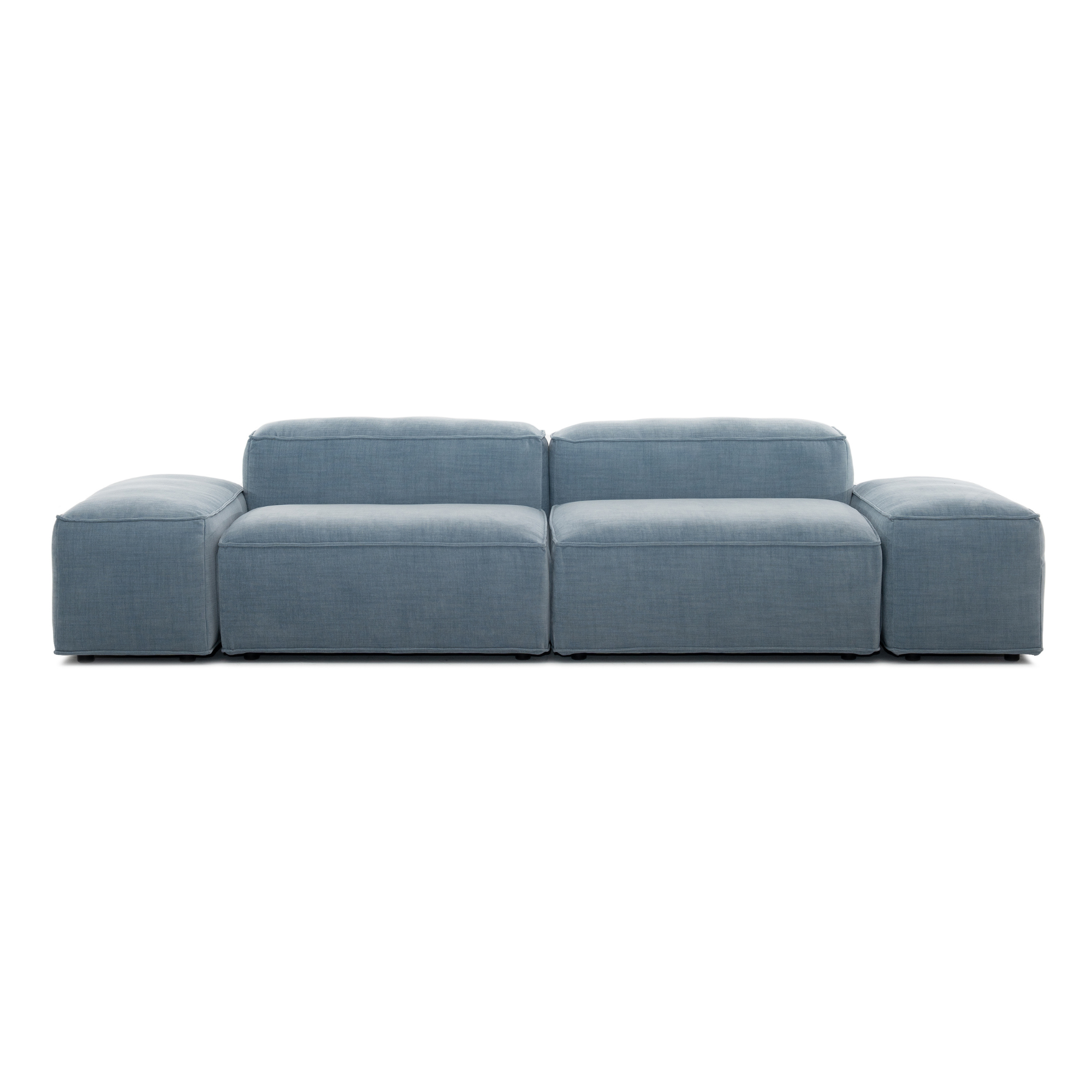
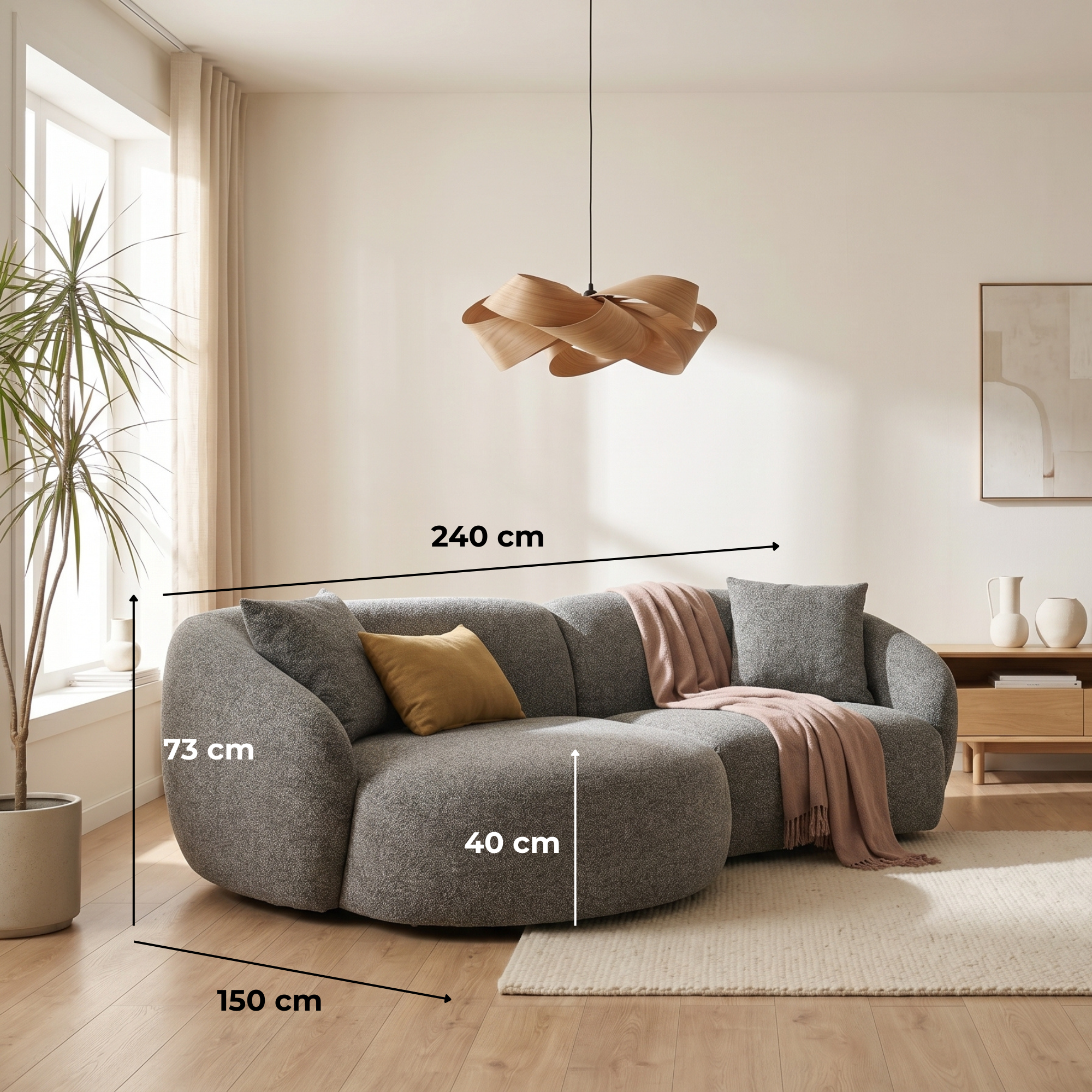
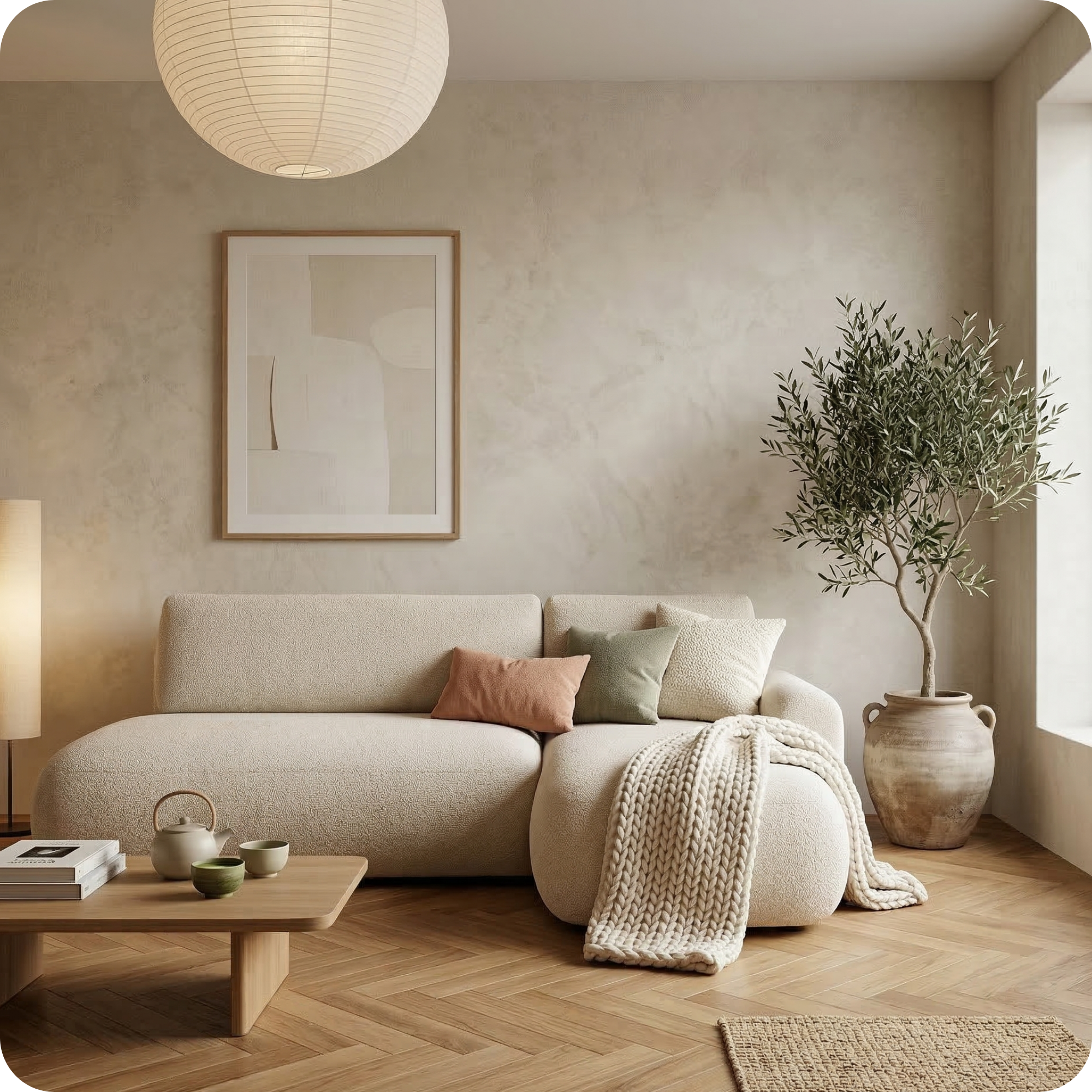
Lugano Sofa in Light Grey — from EUR 790
On a light grey sofa like the Lugano, almost any cushion palette will work. Consider building a tone-on-tone arrangement in ivory, warm white, and pale beige for an elegant minimalist look, or introduce deep navy, forest green, or terracotta for high-contrast drama.
Mixing Patterns and Textures
The most common mistake in cushion styling is choosing cushions that all match exactly. Coordinated does not mean identical — in fact, a degree of considered contrast is what elevates a cushion grouping from forgettable to interesting. The principle is to vary texture and pattern while keeping colour consistent. Choose one dominant colour and then select cushions in different patterns — a solid, a geometric, and a botanical or textured weave, for example — all within the same colour family. Textures to mix include velvet (adds luxury and depth), linen (casual and natural), boucle (tactile and contemporary), embroidered fabric (adds craft and detail), and knitted cotton (relaxed and inviting).
Colour Strategies for Cushion Groupings
There are three reliable colour strategies for cushion groupings. The first is tone-on-tone: all cushions in varying shades of one colour — this reads as elegant and sophisticated. The second is the complementary accent: cushions predominantly in the sofa colour or neutrals, with one or two accent cushions in the room's accent colour — this is versatile and easy to update seasonally. The third is the bold statement: a neutral sofa with cushions in a bold, high-contrast colour (deep jewel tones, rich terracotta, or forest green) — this makes the sofa a room centrepiece and works particularly well in otherwise neutral rooms.