


Living Room Storage Ideas: How to Declutter and Style Your Living Room
The living room is the hardest room in the house to keep tidy because it serves so many functions simultaneously — it's a social space, a relaxation zone, an entertainment hub, and often a homework area, reading nook, and temporary dumping ground all at once. Effective storage in the living room is not just about having enough of it — it's about integrating storage into the room in a way that looks intentional rather than reactive. These ideas will help you design storage that solves the practical problem without compromising the aesthetic.
Built-In Shelving: The Gold Standard
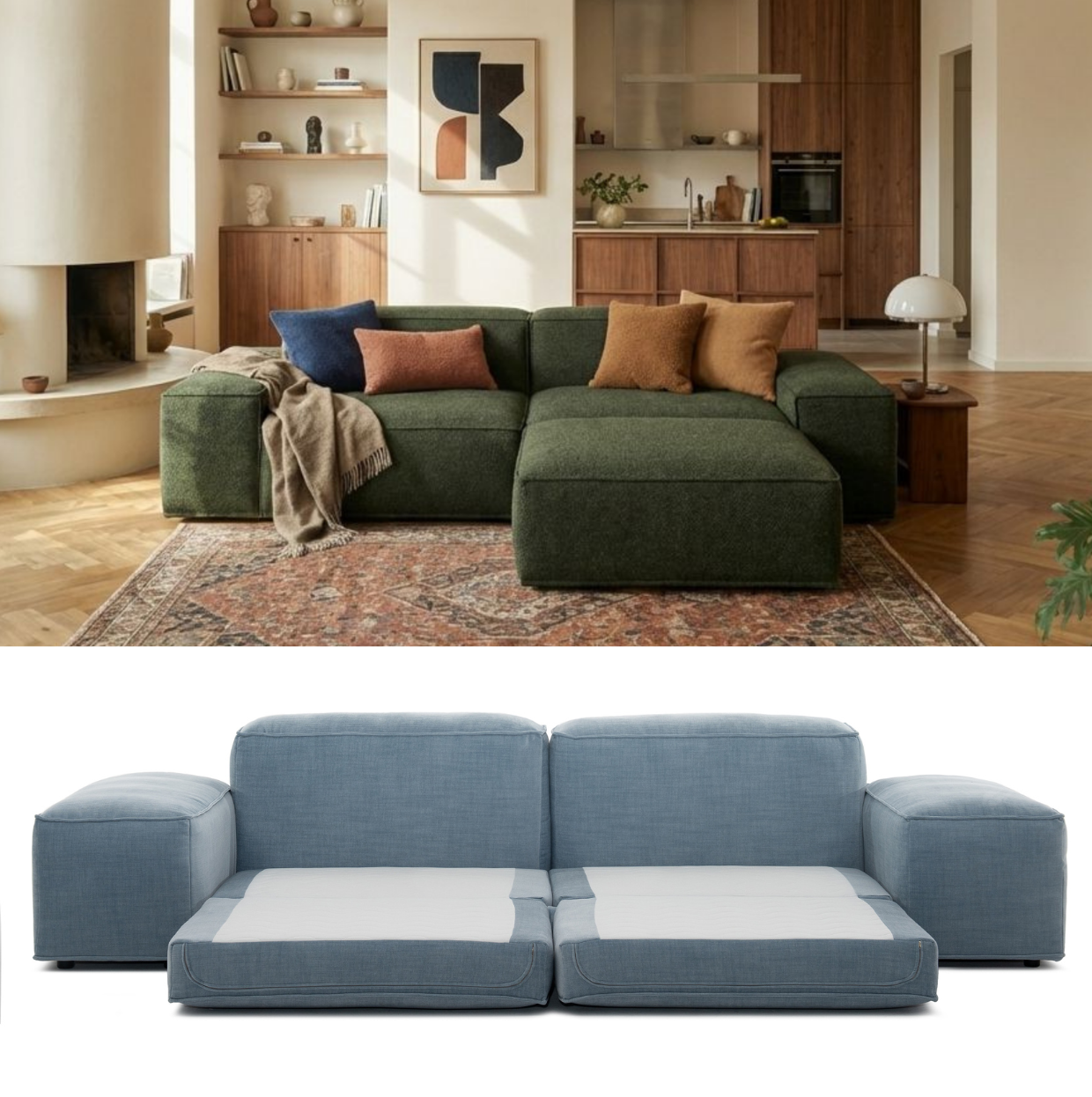
Purpose-built shelving on either side of a chimney breast or fireplace is the most effective single storage intervention in a living room. It maximises an otherwise awkward alcove space, creates a symmetrical and architectural feel, and allows a mix of open display shelves and closed cupboards below. The open shelves handle books, plants, art objects, and curated display; the closed cupboards hide everything that doesn't need to be seen — cables, games, charging cables, remote controls. If budget allows, this is the upgrade with the highest return on liveability.
Media Storage: Solving the Cable and Tech Problem
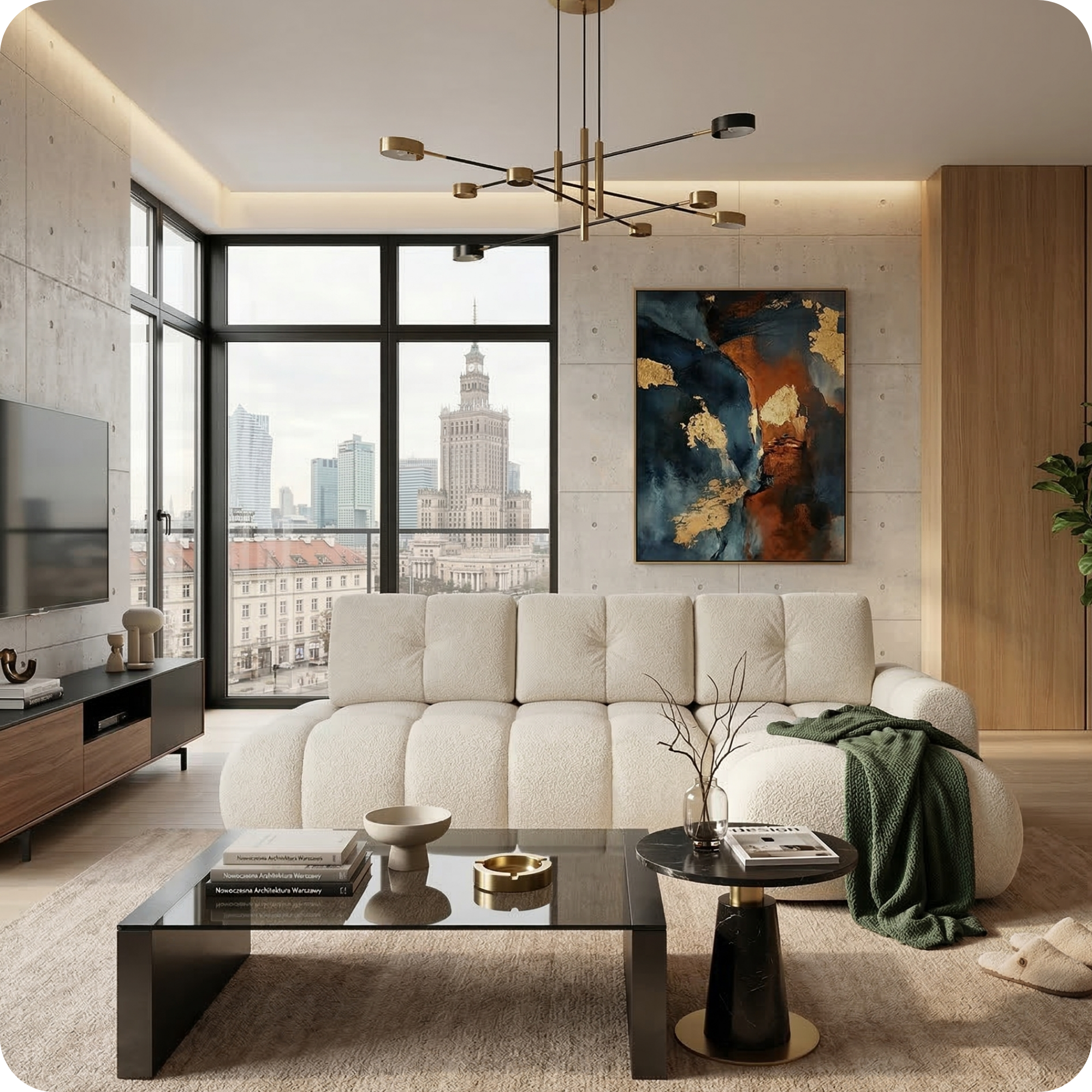
The TV and everything around it — games consoles, streaming sticks, soundbars, remotes, cables — is the biggest source of visual clutter in most living rooms. A well-designed media unit with cable management cuts through this instantly. Look for a media unit with: at least two enclosed sections for hidden storage of devices; rear cable ports or openings for cable routing; adequate depth for your specific equipment; and enough surface area around the TV for a soundbar and one or two accessories without looking cluttered.
Coffee Table Storage
Many coffee tables include a lower shelf or drawer — these are worth prioritising over tables with no storage. A lower shelf on a coffee table is ideal for magazines, books, and remotes that you use daily and want accessible but not visible at all times. If your coffee table has no storage, an ottoman that opens at the top serves the same function and provides additional seating. A small tray on the coffee table surface also helps enormously — anything contained within a tray reads as styled rather than scattered, even if the objects themselves are everyday items like a candle, a remote, and a book.

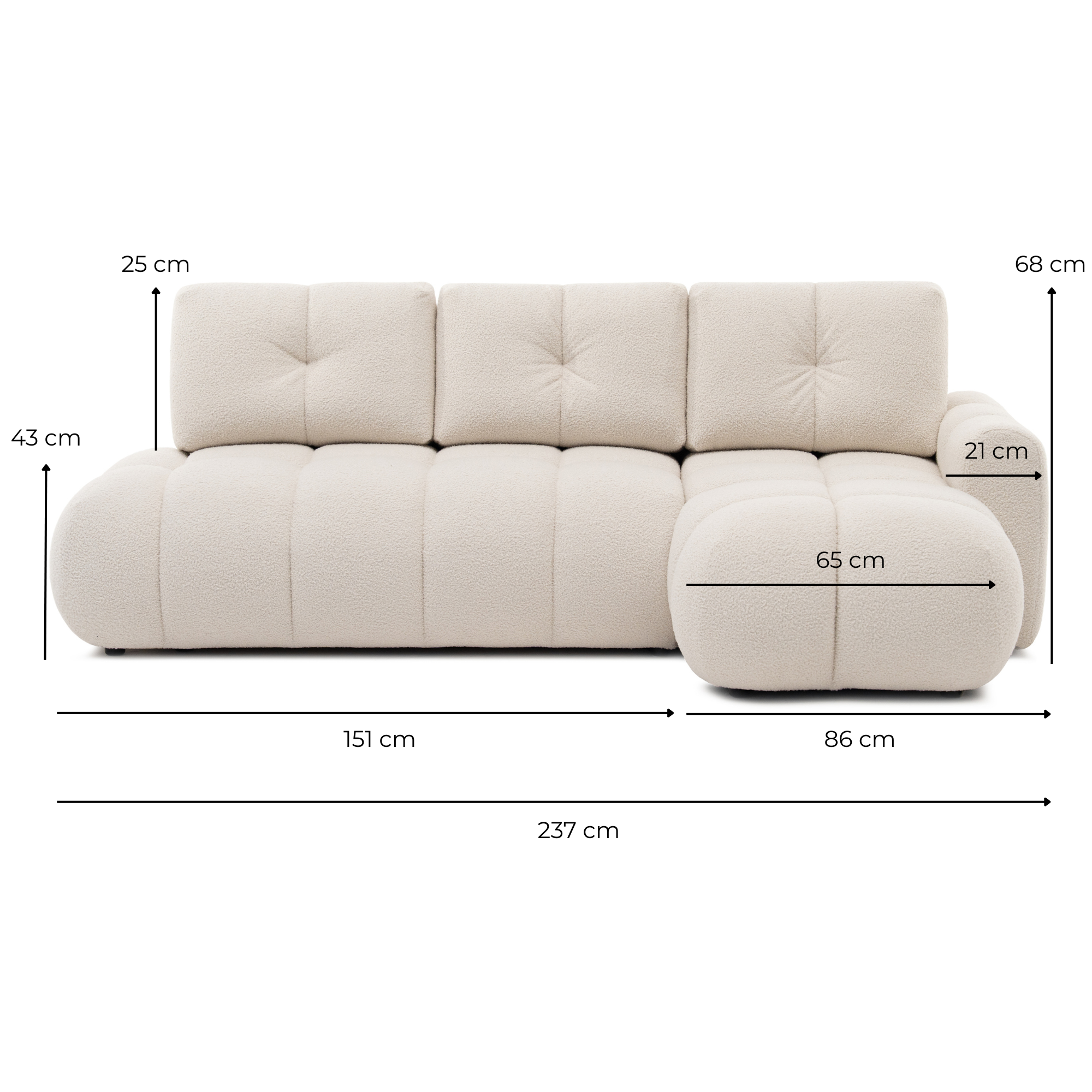
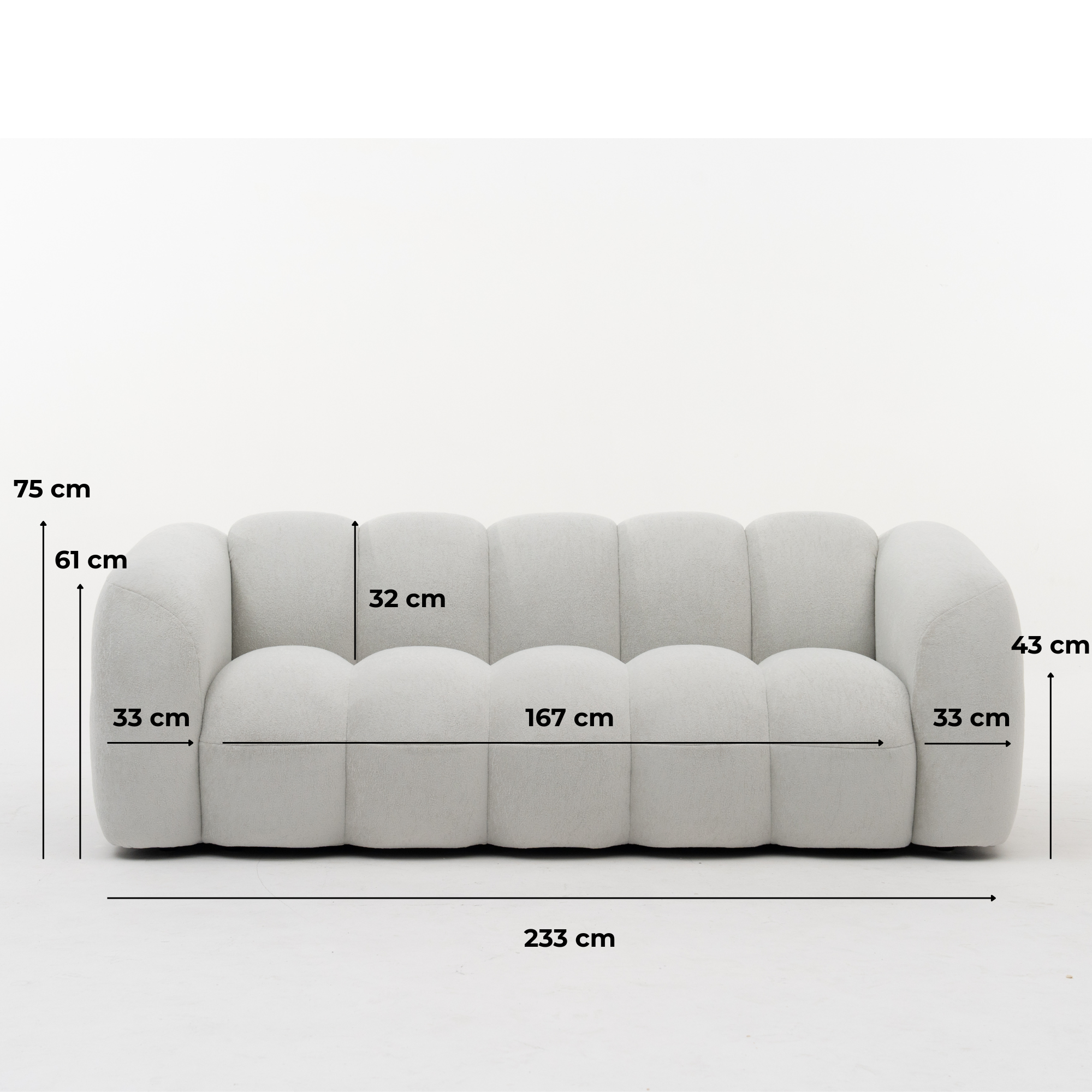
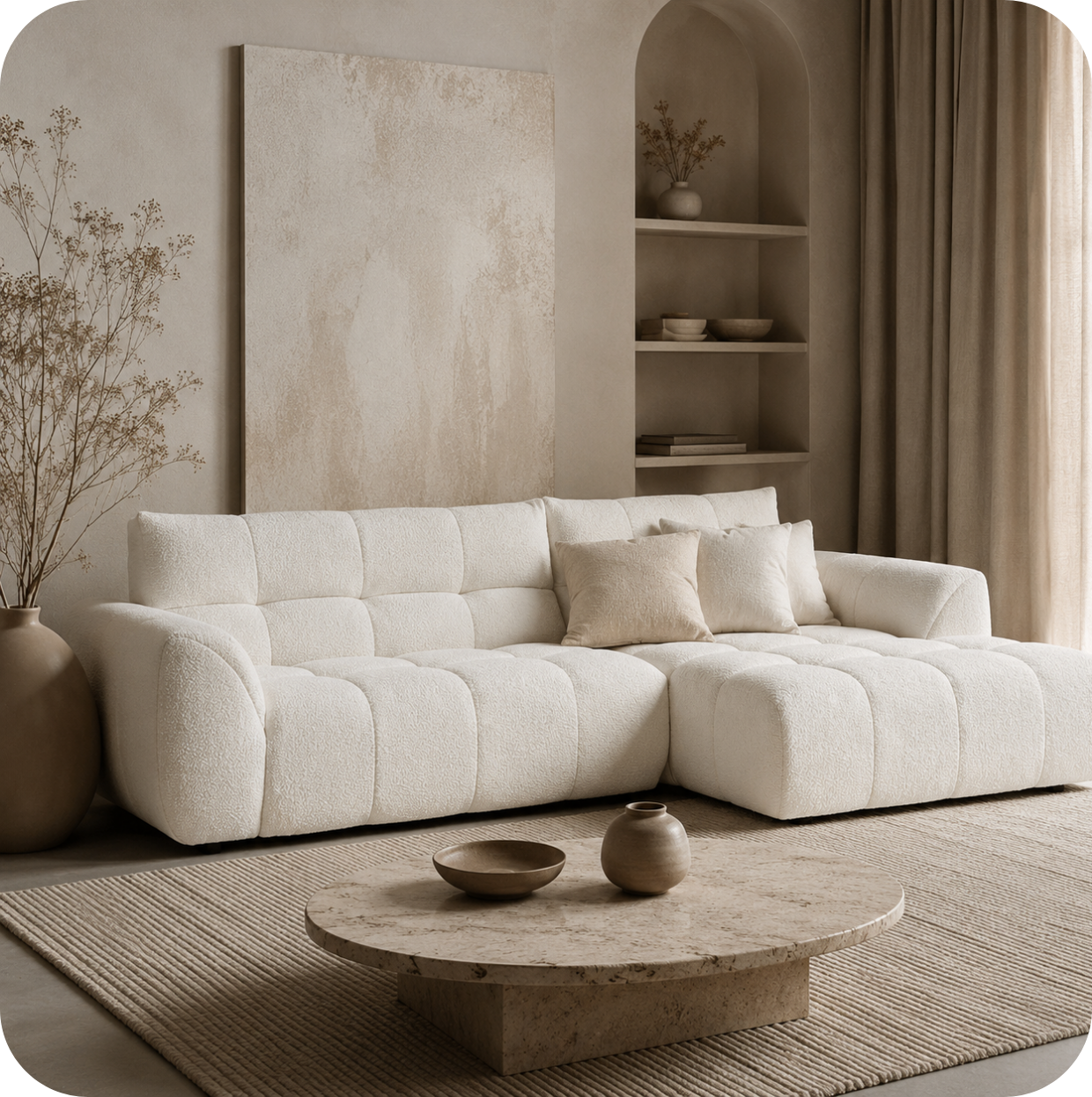
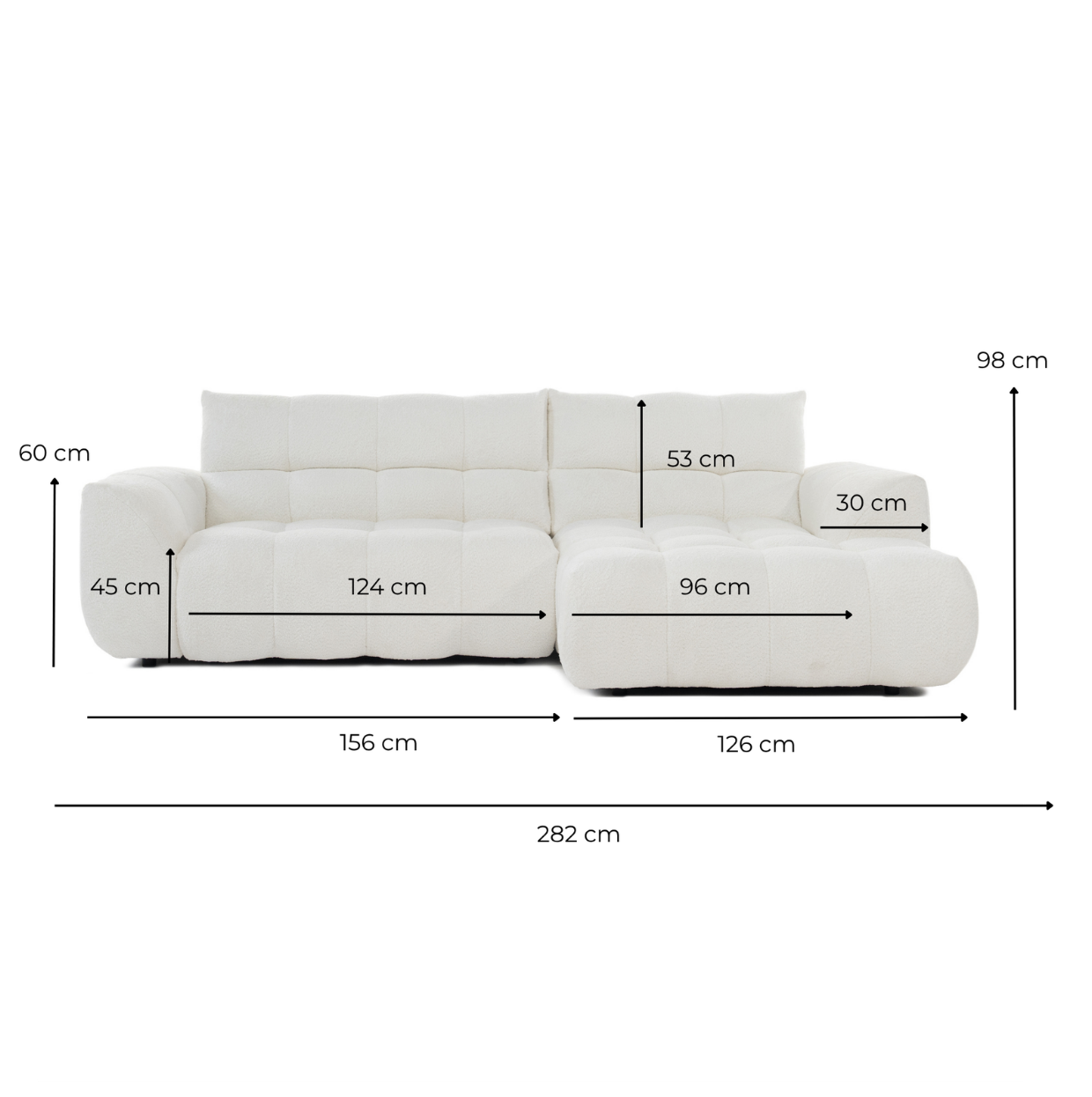
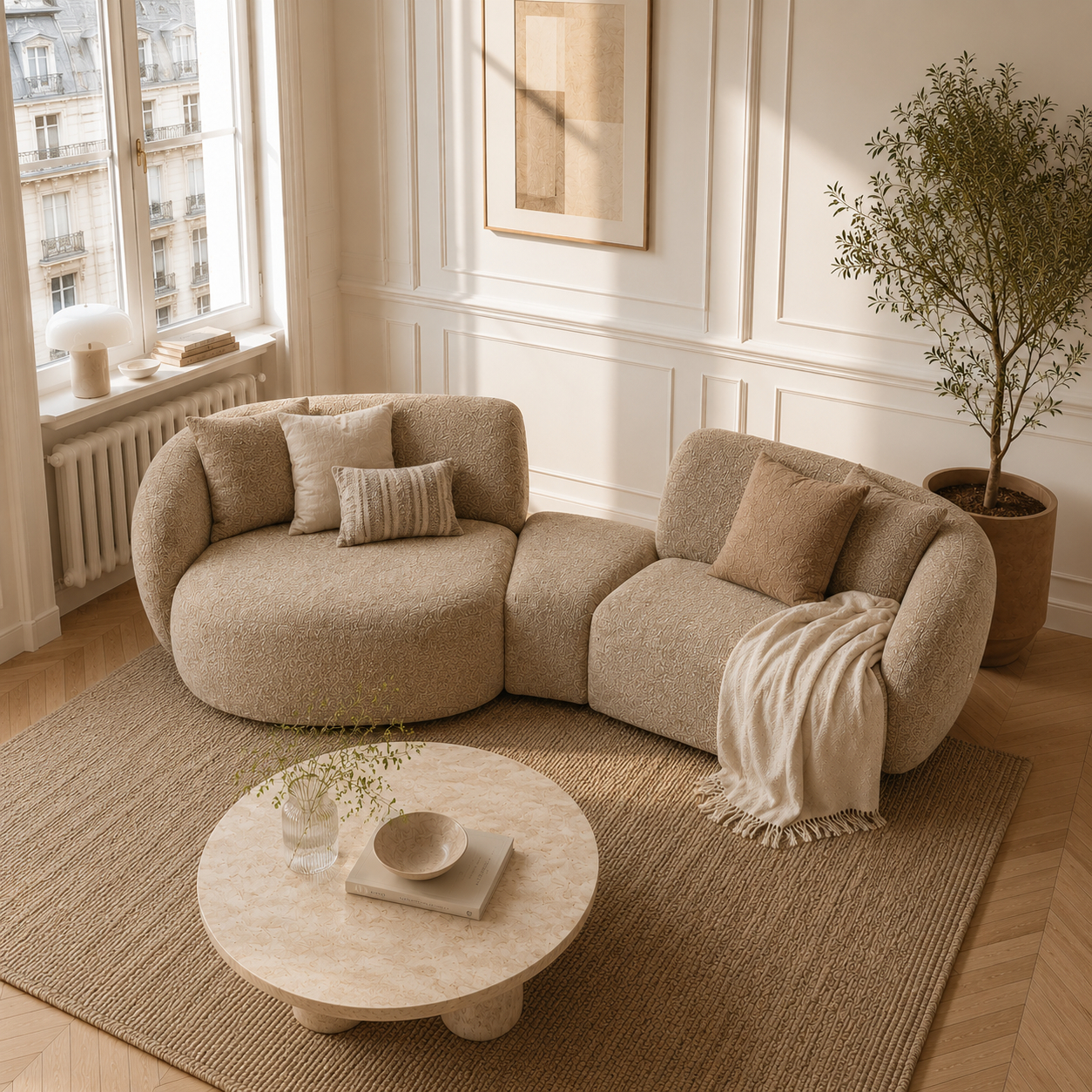
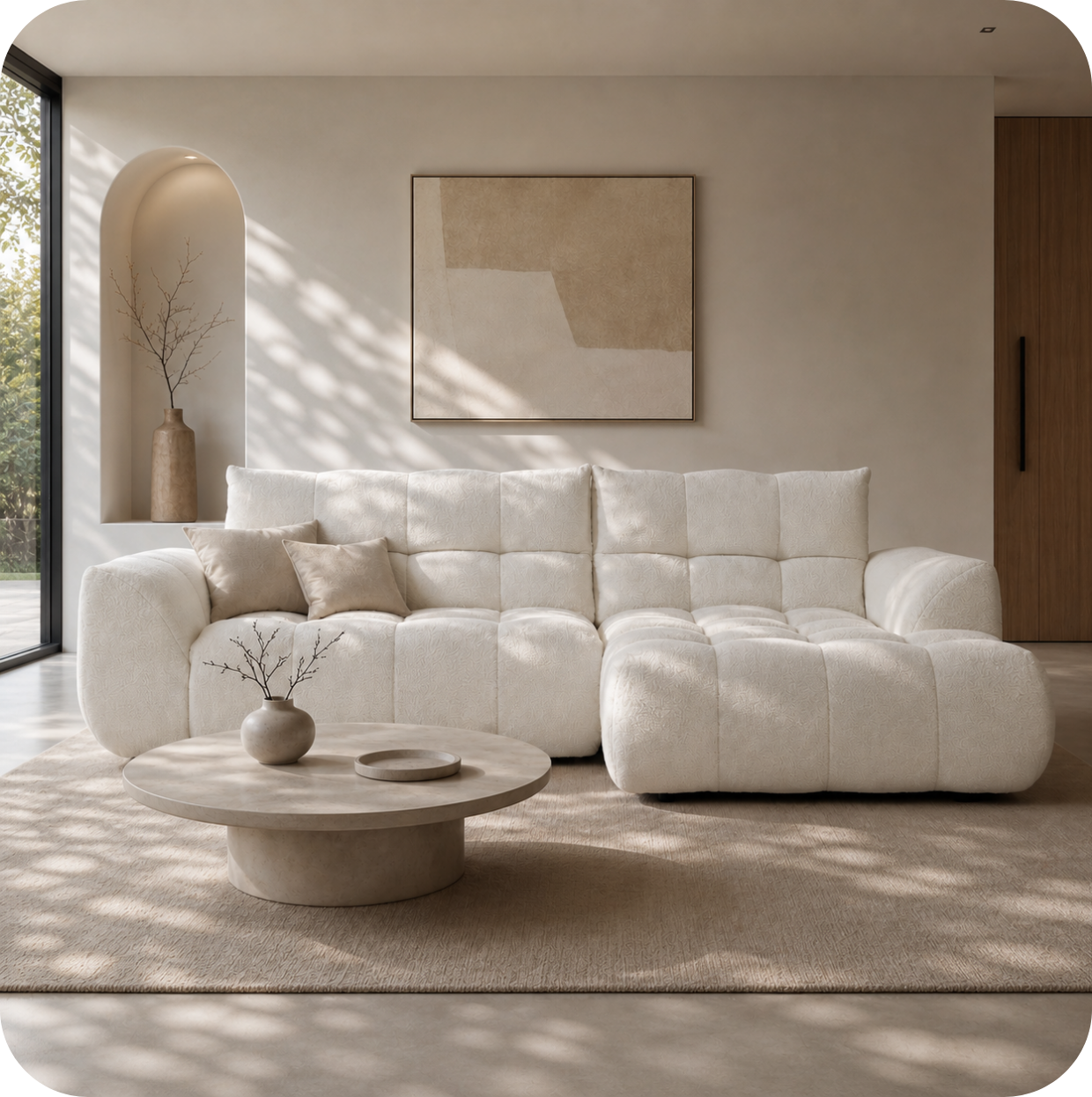
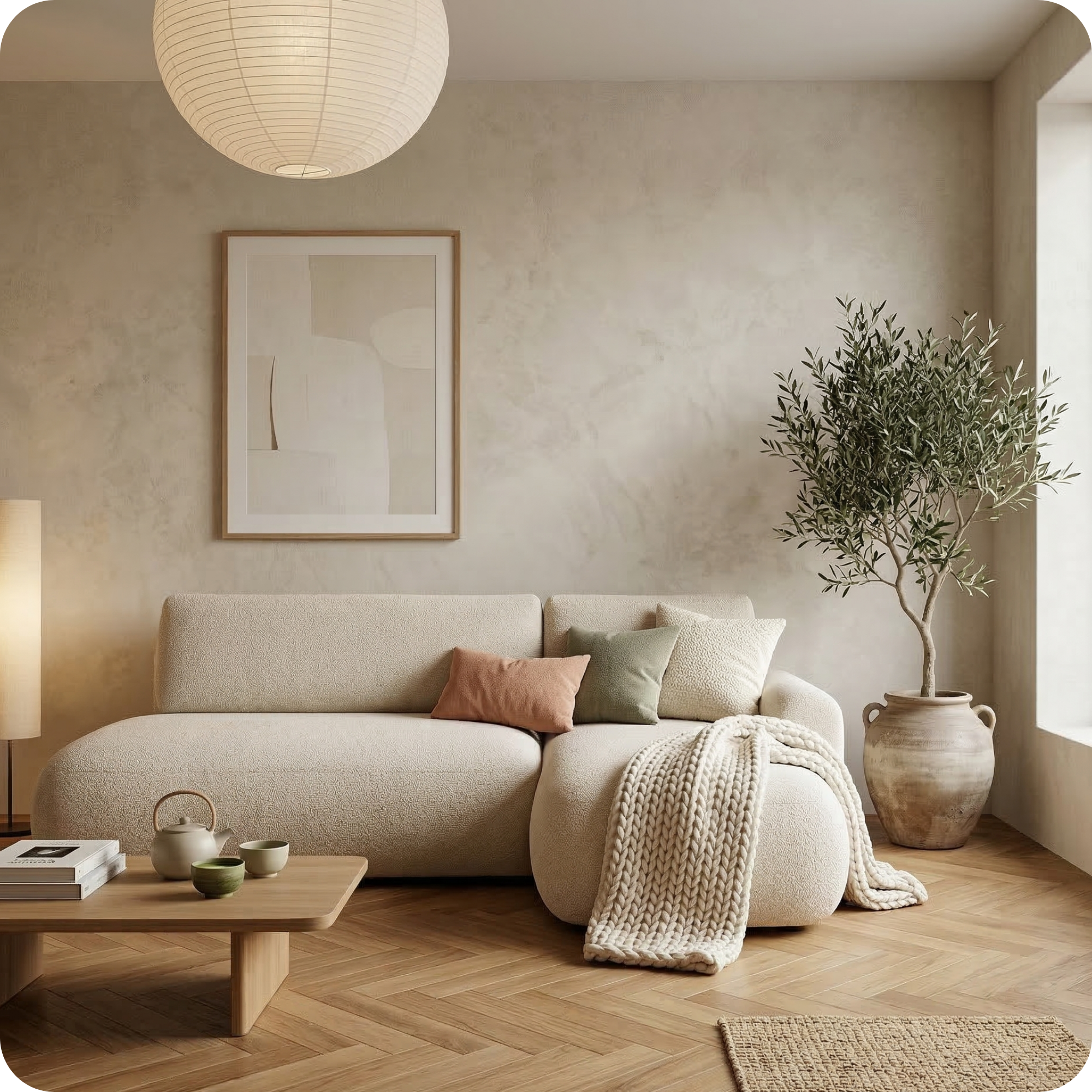
Corner Sofas at Furni — from €999
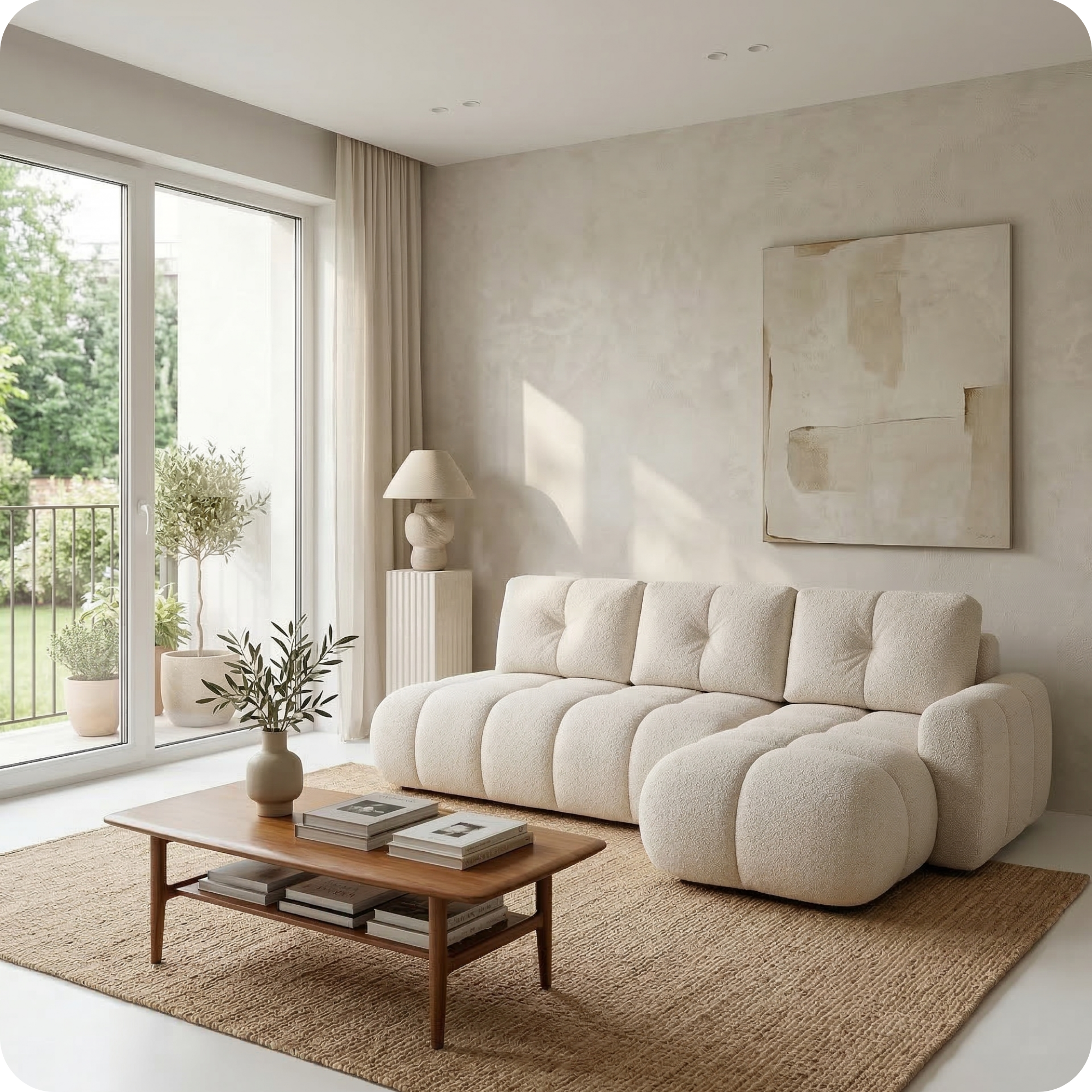
When planning living room storage, always consider the sofa's relationship to the storage pieces around it. A corner sofa changes the room's circulation pattern and available wall space significantly — some storage pieces that work well with a standard 3-seater become inaccessible or visually awkward beside a corner configuration. Plan storage and sofa placement together, not separately.

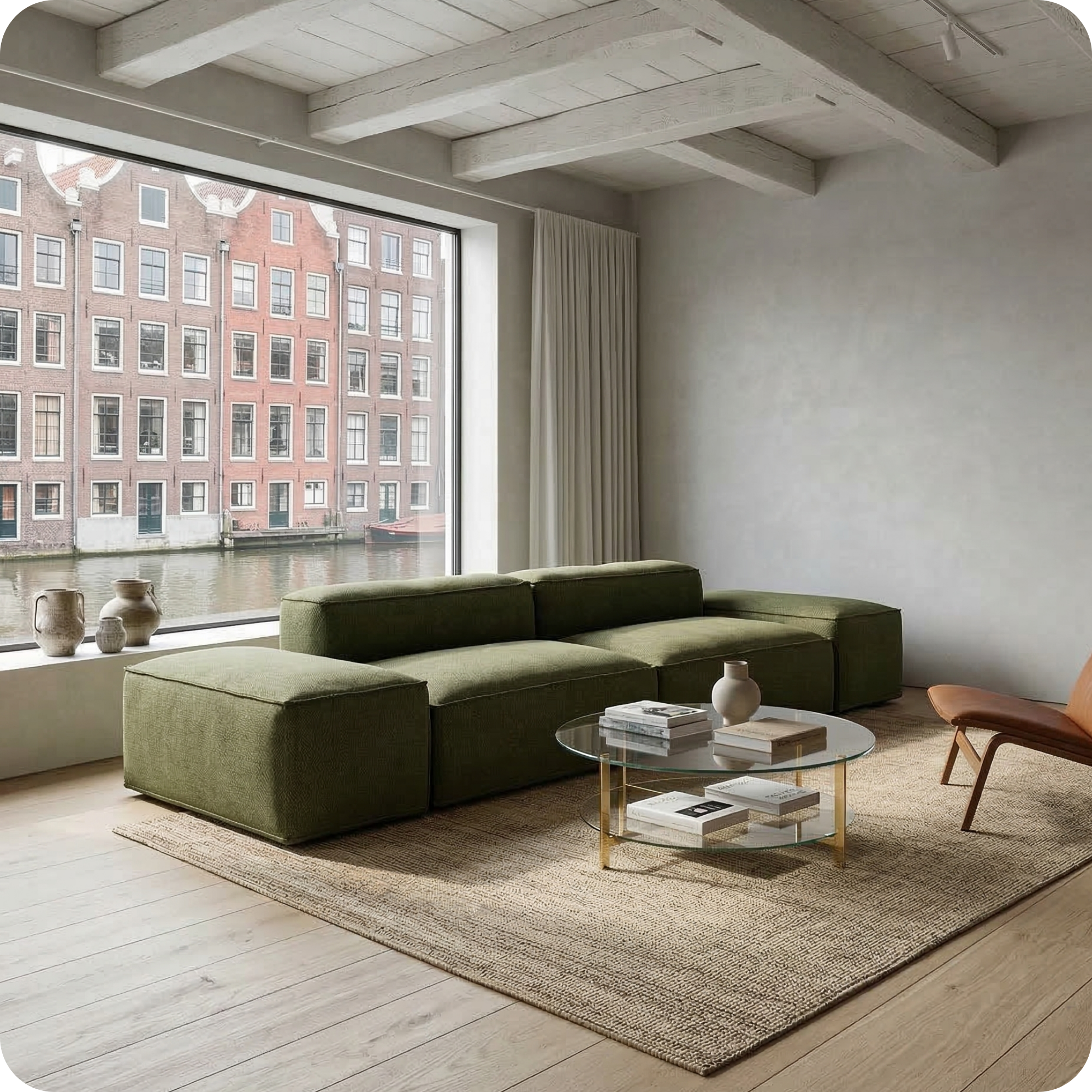
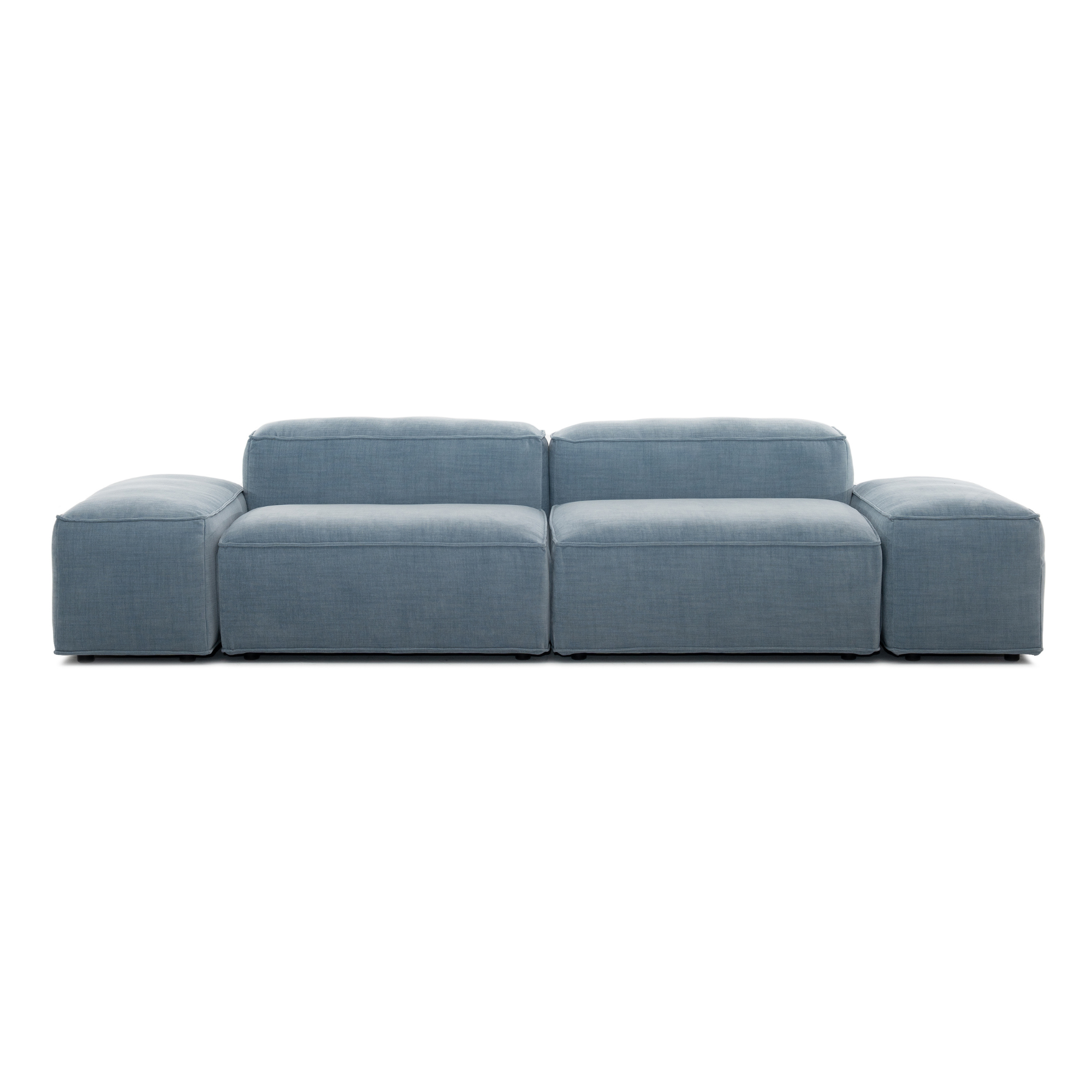
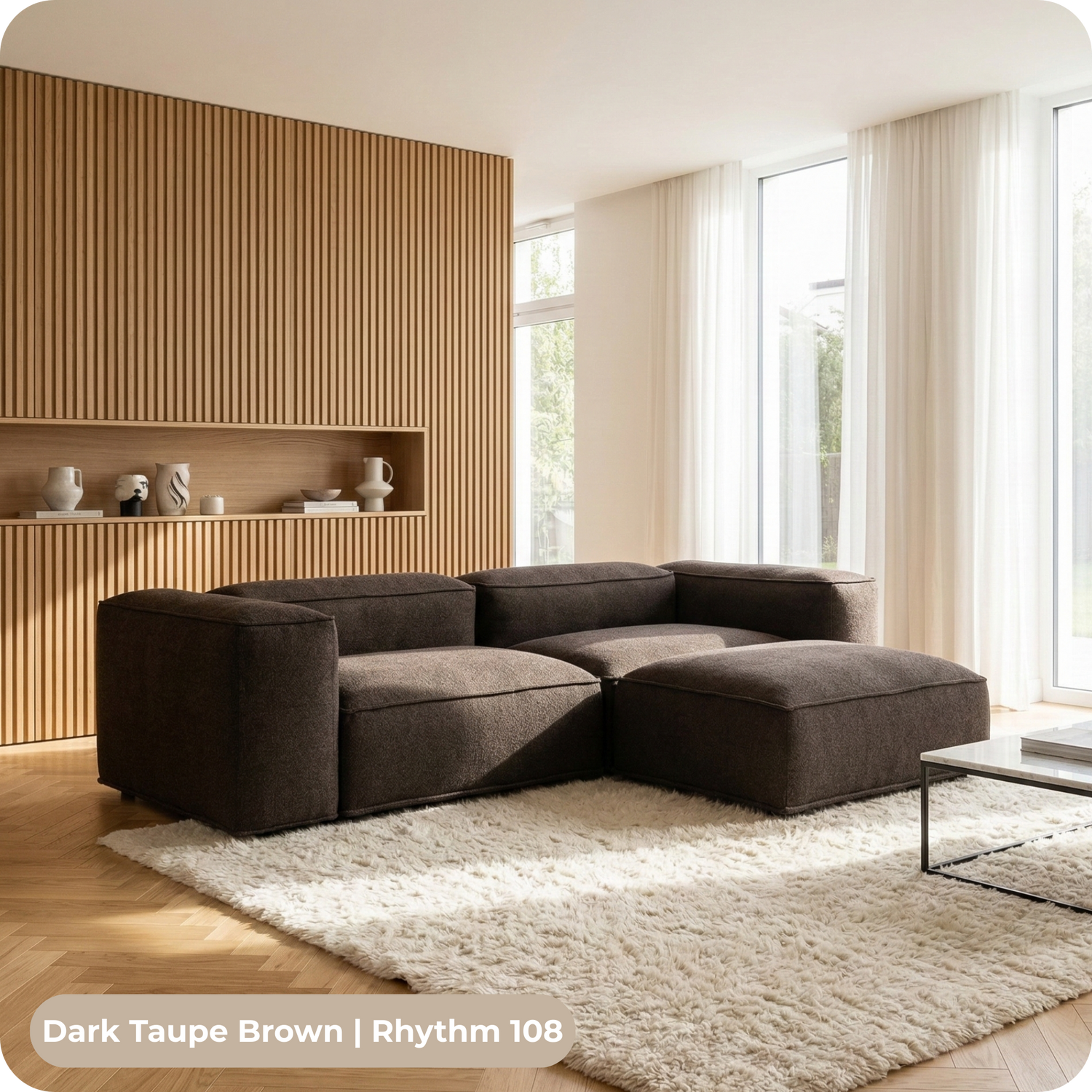
Merlot Modular Sofa — from €1,532
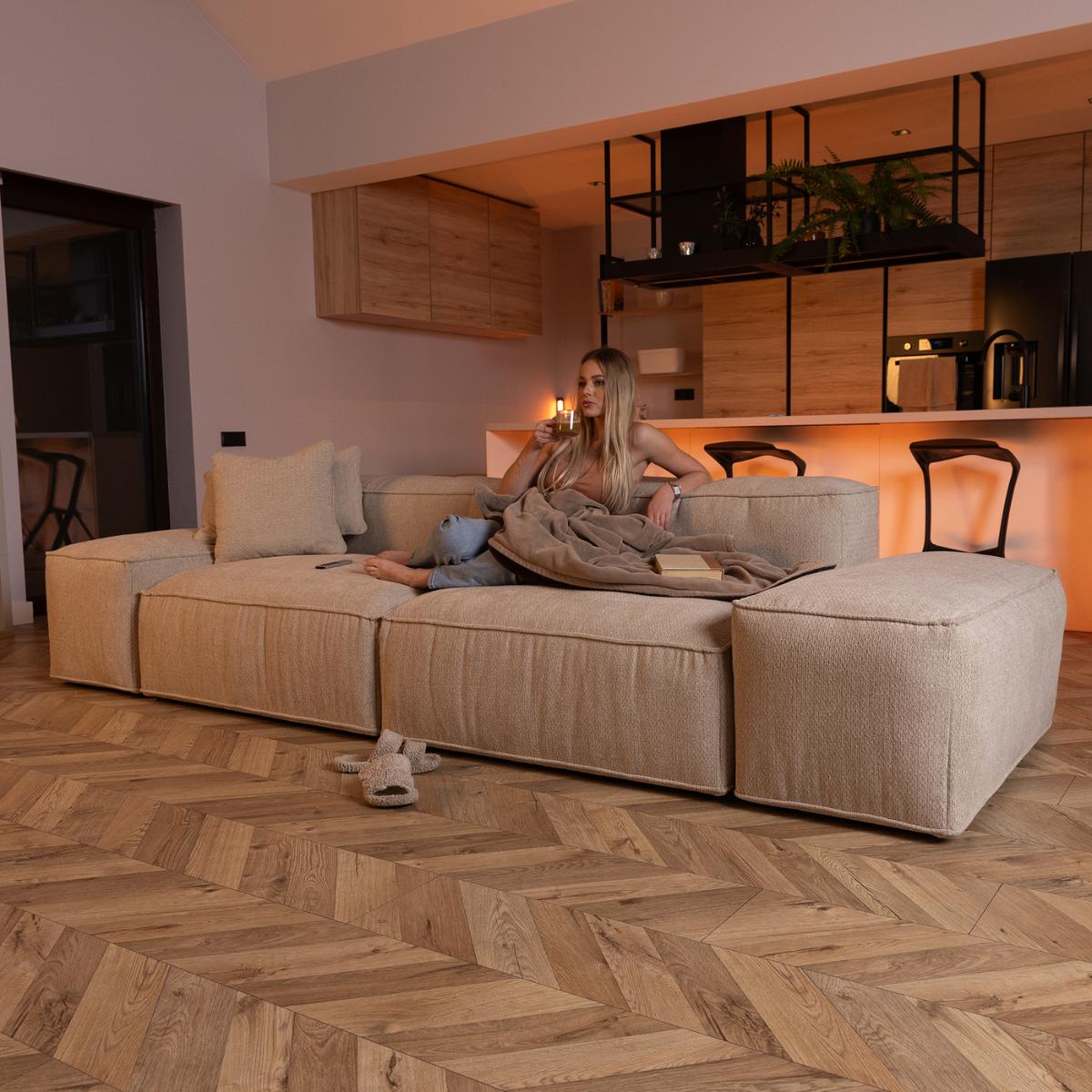
The Merlot's low-profile design leaves more visual breathing room in the room and creates space for open shelving behind it without blocking light or sightlines. Its modular format also means it can be positioned to work with different storage layouts as your needs change — a significant advantage in rooms that evolve over time.
Behind-the-Sofa Storage
The space behind a sofa that's positioned in the middle of the room rather than against a wall is one of the most underused storage opportunities in interior design. A slim console table placed directly behind the sofa — about 10-15cm from the sofa back — can hold lamps, books, and decorative items. It creates a natural boundary between the sofa and the room behind it, and the surface is useful without being visually intrusive. A console table here also creates a secondary circulation path, making the room feel larger and more usable.
Baskets and Bins: Flexible Visible Storage
Woven baskets, fabric storage bins, and lidded boxes are the living room's most versatile storage tool. They're visible but can be styled to look intentional, they hold a surprisingly large volume of miscellaneous items, and they can be relocated as needed. Place a large wicker basket beside the sofa for throw blankets; use a lidded rattan box on a lower shelf for remote controls; stack two or three different-sized baskets in an empty corner for a textured, organic display. The key with baskets is consistency of material or colour — three different basket styles in different colours reads as clutter, while three different baskets in the same natural tone reads as a considered collection.
The 80/20 Rule for Open Shelving
Open shelving is a polarising element in living rooms because it can look either beautifully curated or hopelessly cluttered, with very little middle ground. The 80/20 rule helps: fill no more than 80% of any open shelf, leaving at least 20% of the space empty or air. This applies to each shelf individually, not the overall unit. Empty space on a shelf makes everything on it look more deliberate and considered. Everything on an open shelf should be something you actively enjoy looking at — if you're keeping something on a shelf because it has to go somewhere, it belongs in closed storage.