

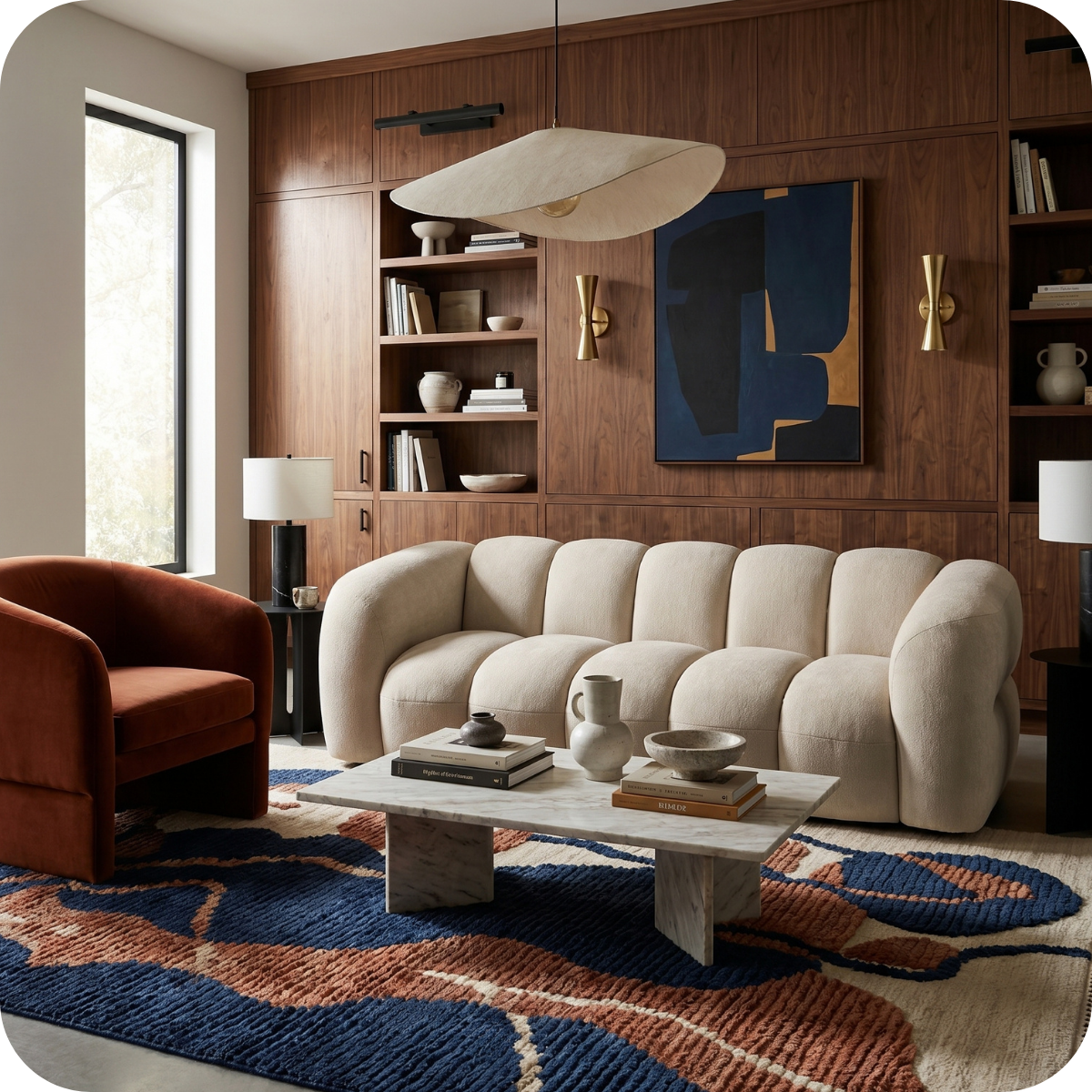
Mid-Century Modern Living Room Ideas: Timeless Style From the 1950s and 60s
Mid-century modern — the design style associated with the period from approximately 1945 to 1969, when American and Scandinavian designers produced some of the most enduring and influential furniture and interior design of the twentieth century — has never really gone out of fashion. The style's core principles are so fundamentally sound that they continue to feel fresh and relevant seven decades later: clean, functional forms that serve human scale; the marriage of modern materials and manufacturing techniques with organic, humanist curves; and a colour palette that manages to feel simultaneously of-its-period and timelessly liveable. A mid-century modern living room is a room of considered restraint: everything has purpose, nothing is fussy, and the result is both elegant and deeply comfortable.
The Mid-Century Modern Colour Palette
The mid-century palette is one of the most distinctive in design history. Warm neutrals — walnut brown, warm cream, wheat, and tan — form the base. Against these, the period's signature accent colours were warm, organic, and earthy: burnt orange, mustard yellow, avocado green, teal, rust red, and dusty rose. These are not the bright, sharp versions of these colours but muted, aged, almost dusty iterations — colours that have been taken one step back from full saturation and gained wisdom and warmth as a result. Contrasts in mid-century interiors tend to come from material rather than colour — the warm amber of walnut wood against a cream upholstery, the darkness of a cast-iron lamp base against a white wall.

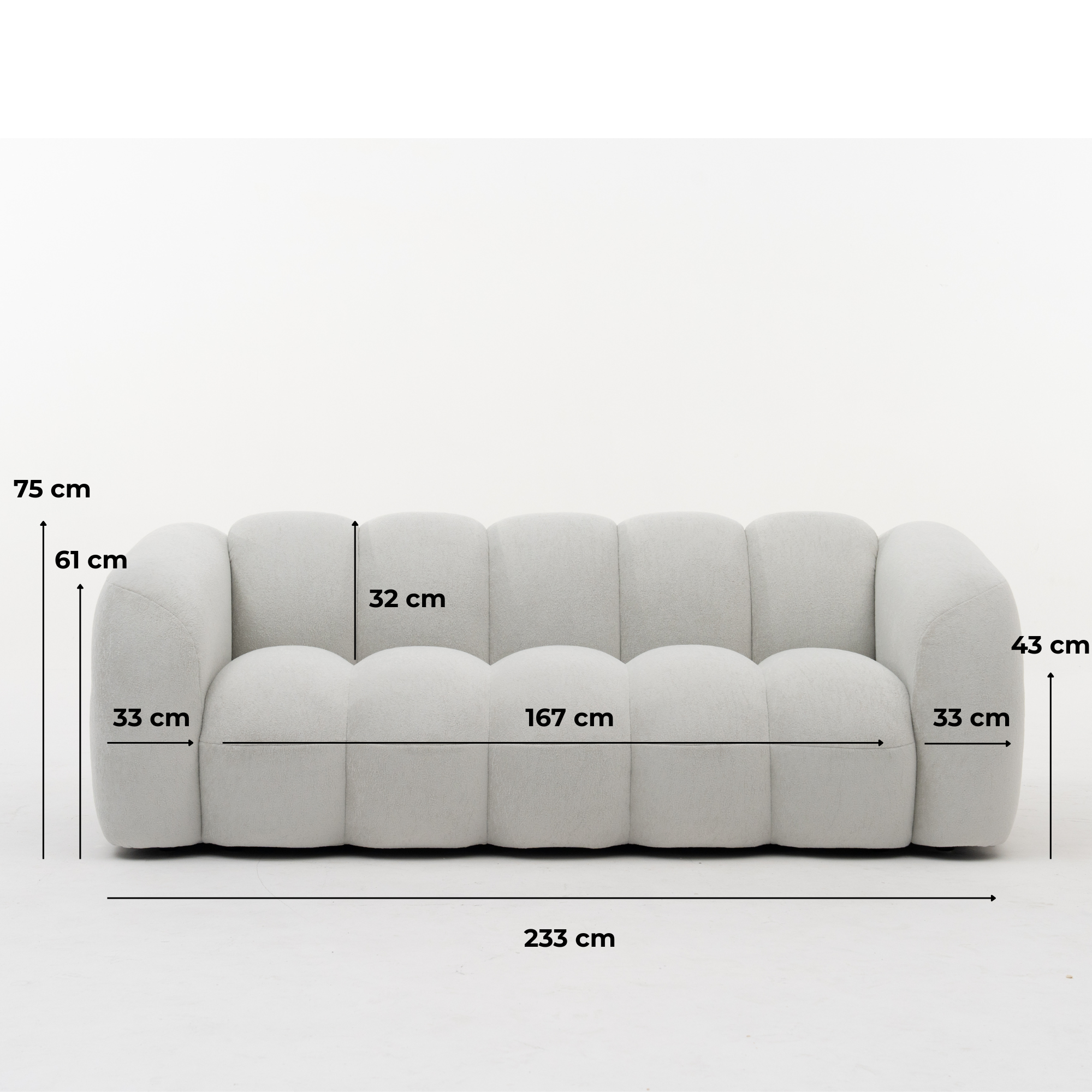
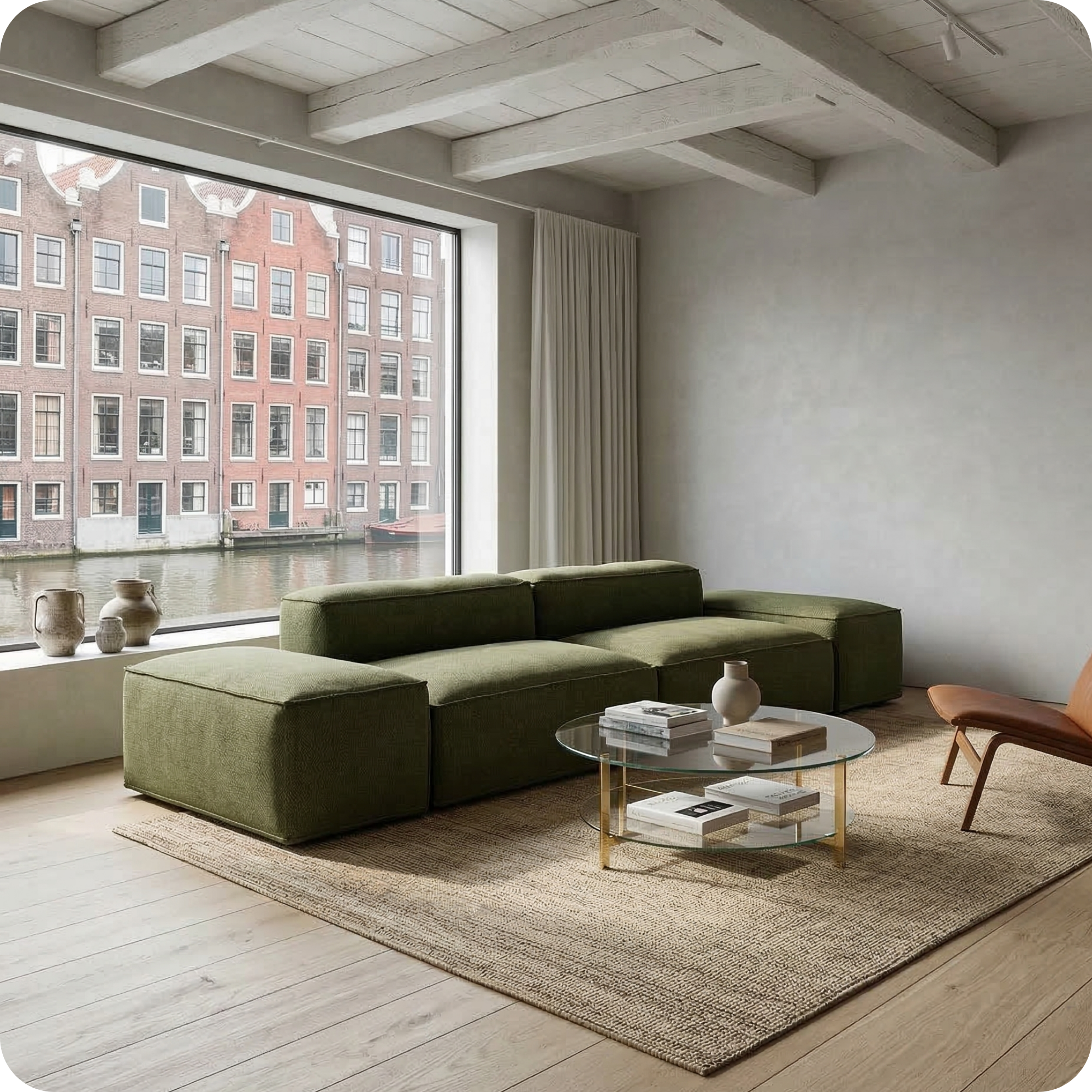
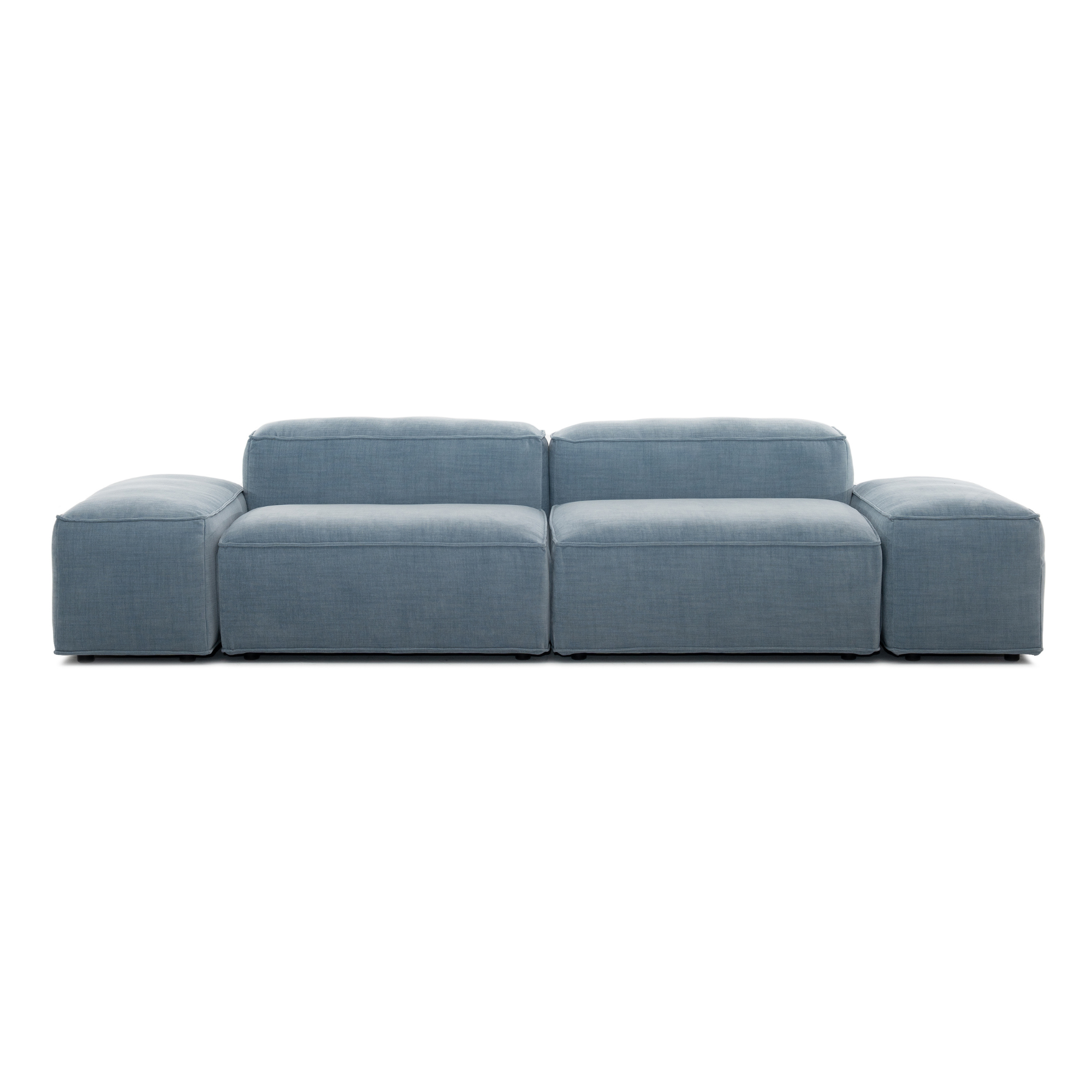
Lugano Sofa — Toffee — from €1,299
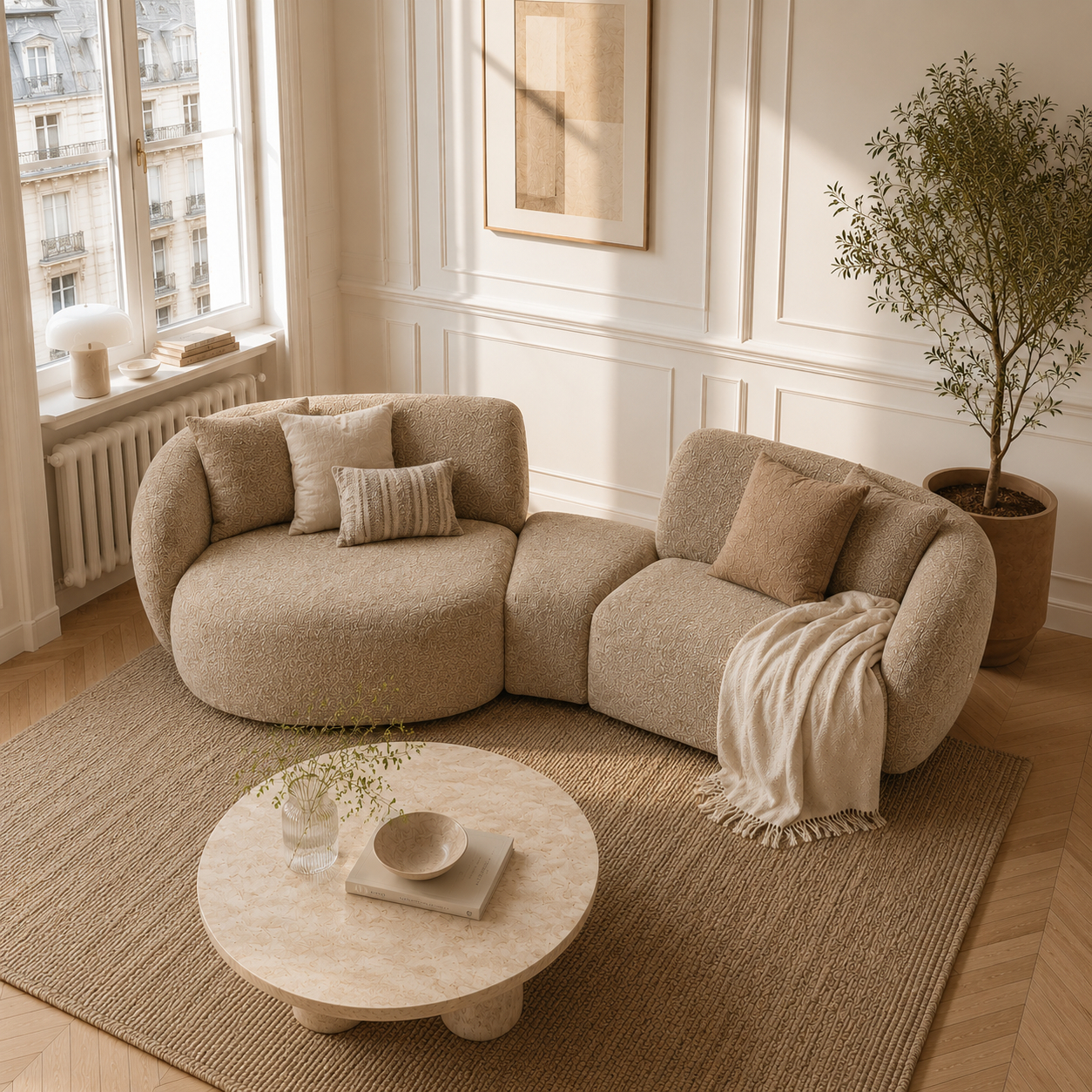
Toffee — the warm amber-brown that sits at the heart of mid-century colour language — is one of the most naturally period-appropriate sofa tones for a mid-century modern living room. The Lugano in toffee brings the warm caramel quality of the era to a clean, contemporary sofa form. Pair with walnut furniture, a geometric-pattern rug in burnt orange and cream, and a classic floor lamp with a cone shade.

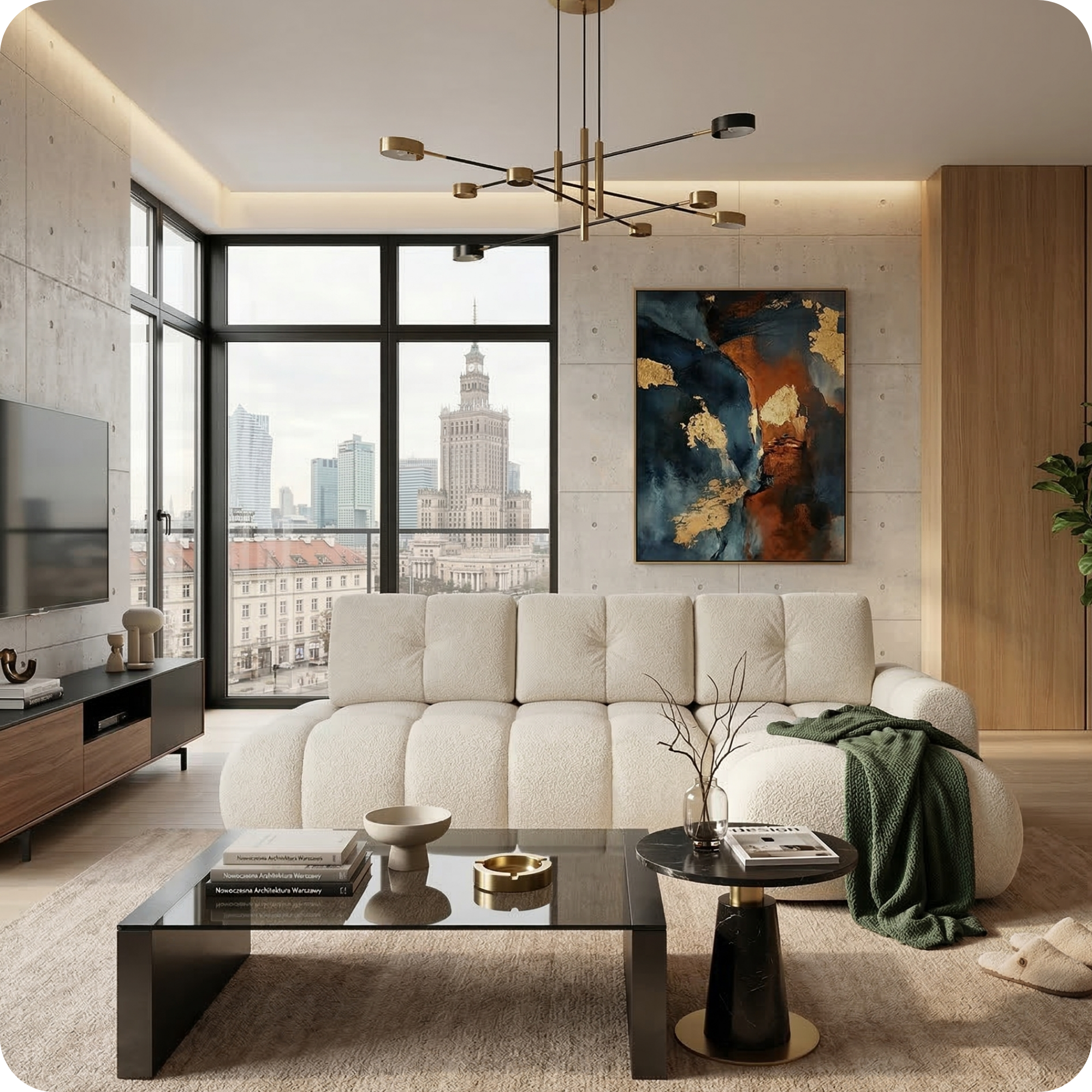
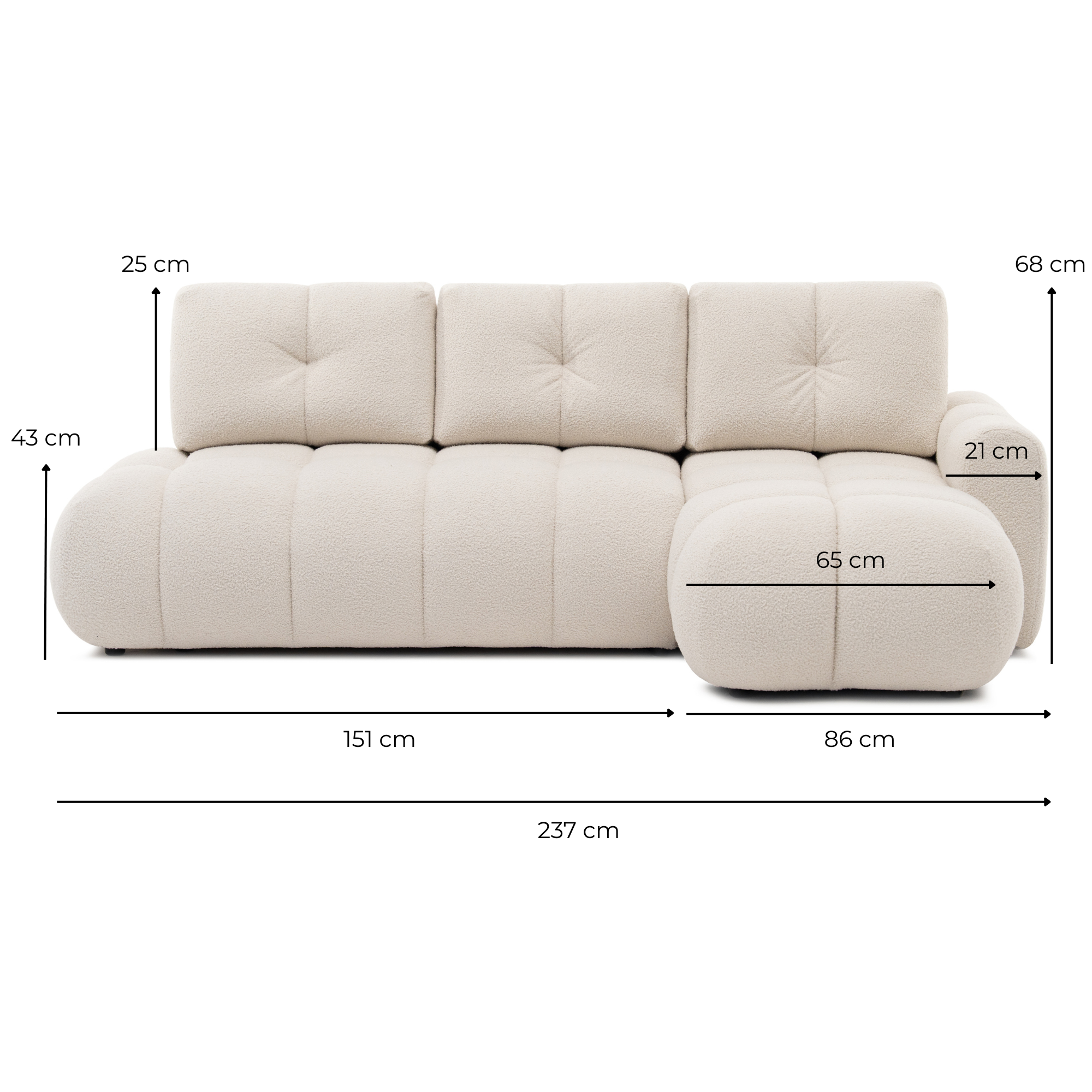
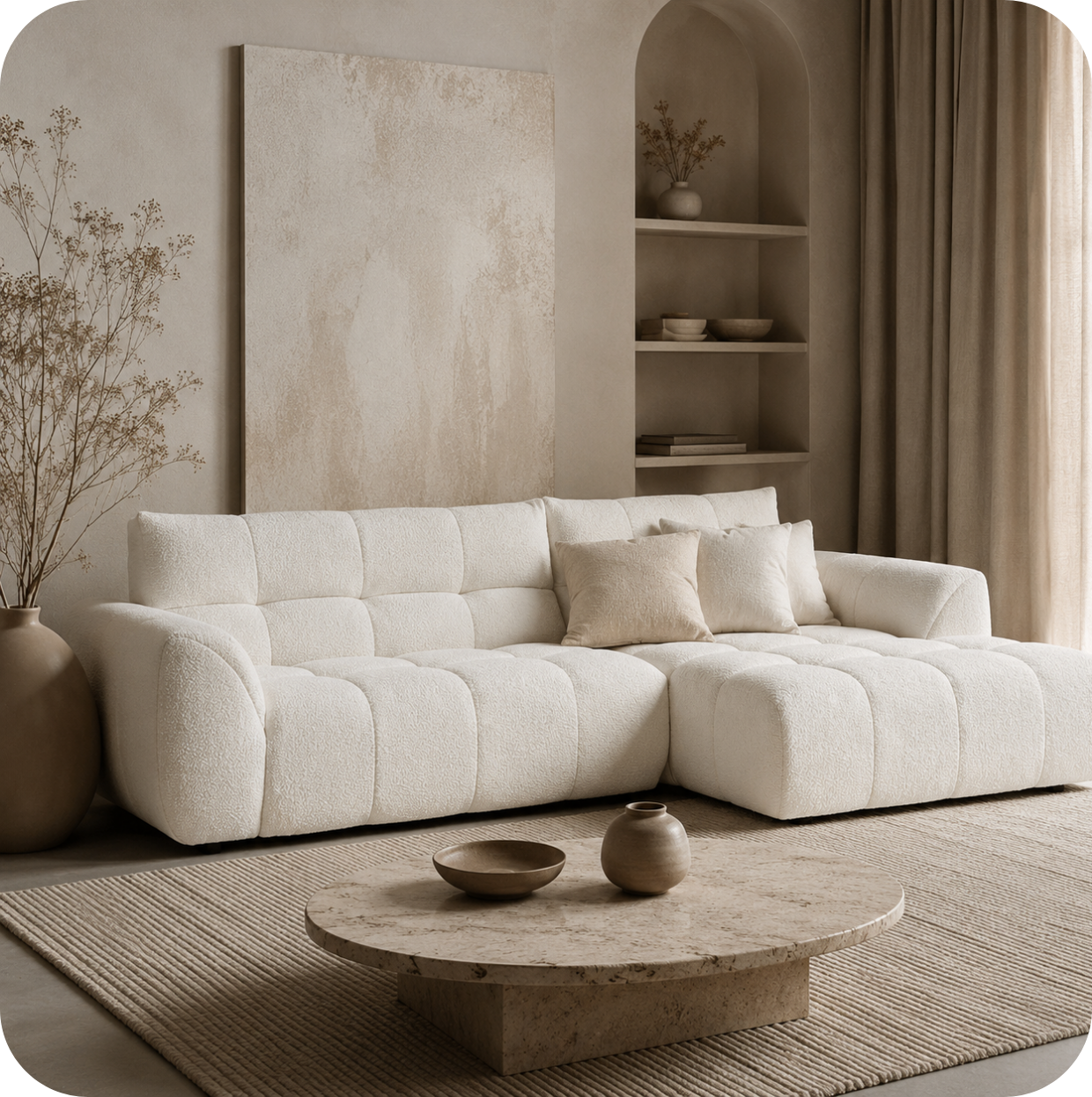
Lugano Sofa — Sand — from €1,299
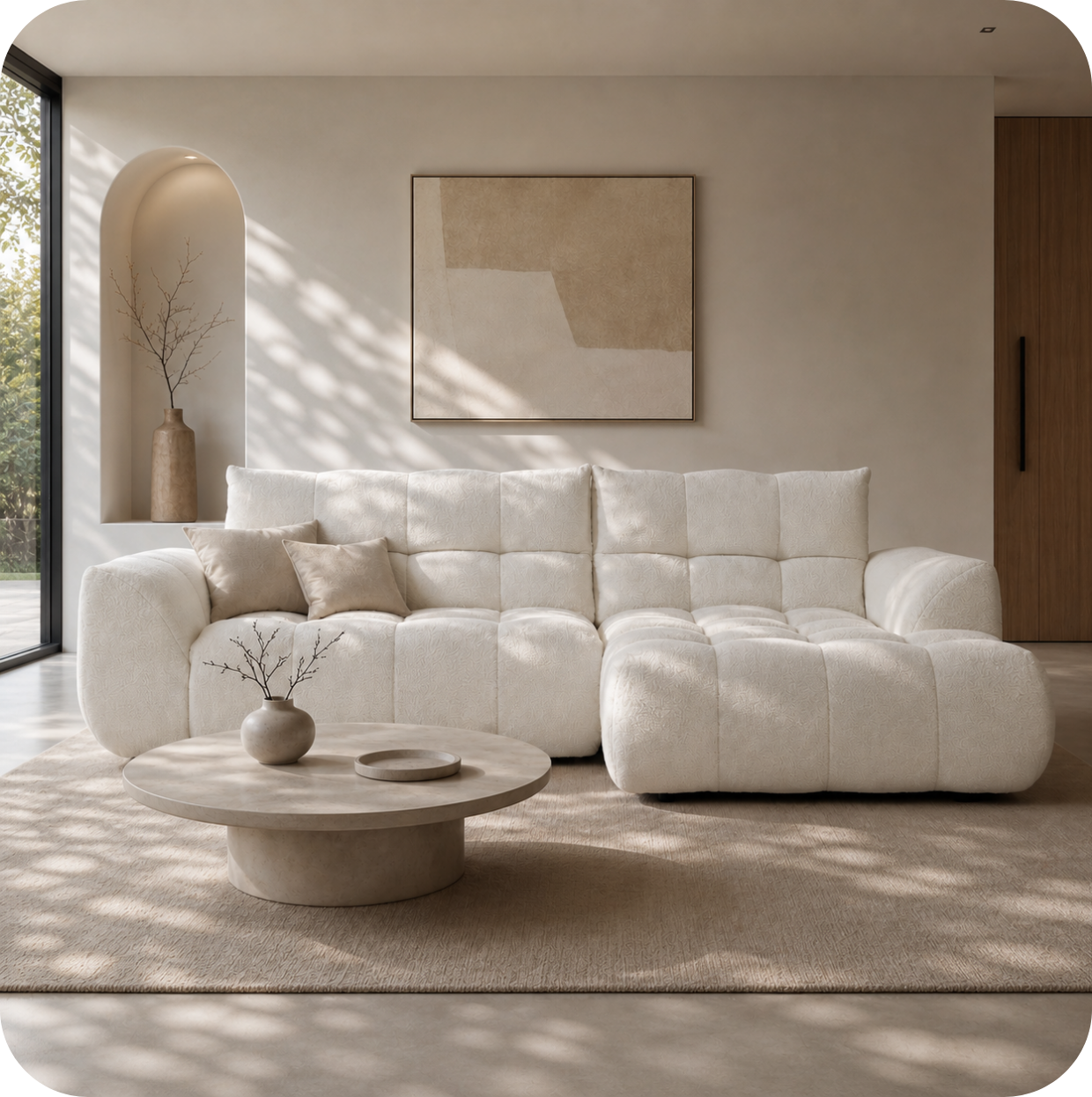
A sand sofa in a mid-century modern living room evokes the warm cream and wheat tones that characterised the era's upholstery. The clean, low-profile form of the Lugano is sympathetic to mid-century proportions. Add mustard yellow cushions, a walnut or teak sideboard, a sunburst mirror, and warm brass table lamps for the complete mid-century effect.
Mid-Century Modern Furniture
The defining furniture forms of mid-century modern design are immediately recognisable: sofas and chairs with clean, linear silhouettes and tapered wooden legs (the legs are often the detail that most immediately identifies a piece as mid-century); walnut and teak sideboards with sliding or tambour doors and splayed legs; sculptural coffee tables in organic forms; lounge chairs with shell-like organic forms; and storage walls that run the full width of a room. The tapered leg is perhaps the single most important mid-century detail — it creates visual lightness by lifting furniture off the floor and showing floor beneath. In a living room, even the sofa benefits from this treatment, and several contemporary sofas have returned to this principle with great success.
Mid-Century Modern Accessories
The accessory vocabulary of mid-century modern interiors is rich and instantly recognisable. Sunburst mirrors and clocks: a defining decorative motif of the era, bringing geometric radiance to a wall. Ceramic table lamps with organic gourd-like forms in warm glazes. Teak and walnut bowls and decorative objects. Geometric-pattern textiles in the period's signature burnt orange, mustard, and teal colour palette. Abstract or graphic artwork — the poster art and abstract expressionist painting of the era sits naturally in a mid-century interior. Potted plants in ceramic planters — mid-century interiors had a sophisticated relationship with interior planting, particularly with sculptural, architectural plant forms like yucca, snake plant, and palm.