



Modular Sofa Ideas: Why a Modular Design is the Smartest Sofa Choice
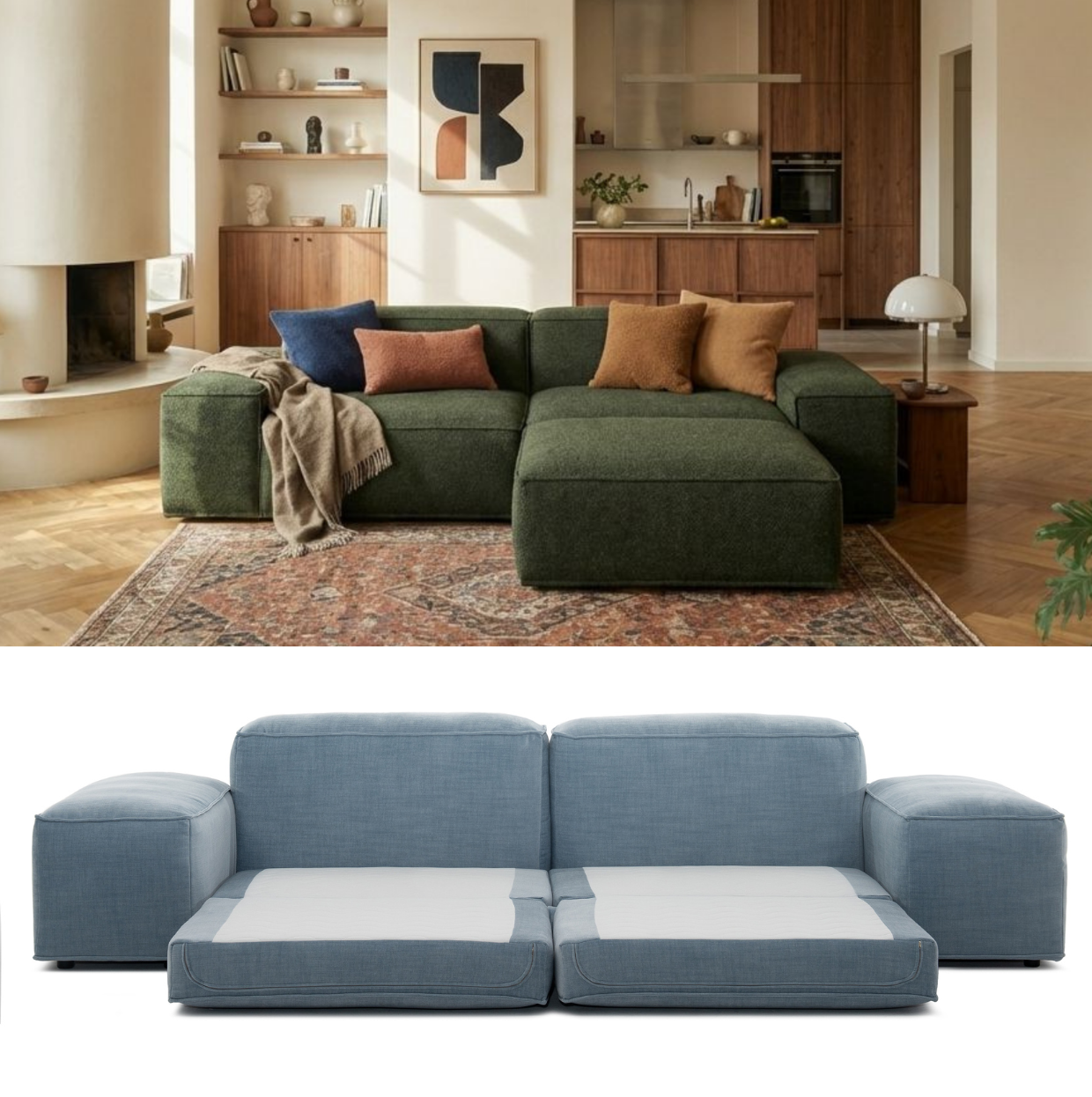
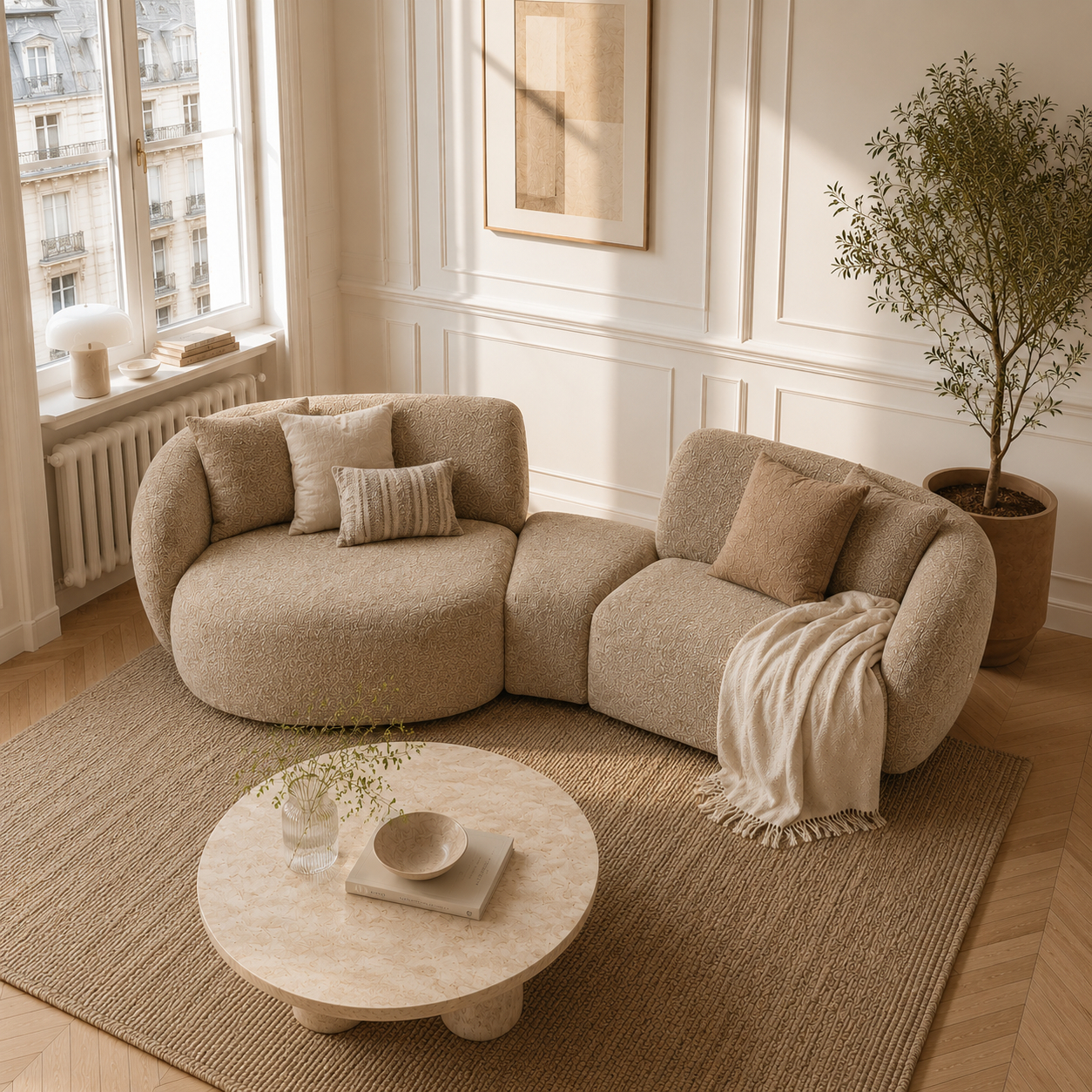
A modular sofa is a sofa system built from individual, connectable sections — seats, back units, corner pieces, ottoman elements, and armrests — that can be combined in different configurations to create anything from a compact two-seater to an expansive U-shape or island sofa. The core appeal is flexibility: unlike a fixed sofa, a modular can be reconfigured when you move home, rearranged to suit a different room layout, expanded with additional sections as your family grows, or broken into separate pieces for different rooms. For modern homes where spaces evolve over time, a modular sofa is arguably the most rational long-term furniture investment.
The Key Advantages of a Modular Sofa
The primary advantage of a modular sofa is adaptability. A family who starts in a flat and later moves to a house with a larger living room doesn't need to replace their sofa — they simply add sections. Someone who wants a corner configuration for their current home but a straight sofa for their next can simply reconfigure without buying new furniture. Modular sofas also solve the problem of awkward spaces — add a single seat here, a longchair there, and you can fill a challenging L-shaped room or open-plan space in a way that a single fixed sofa cannot. A third advantage is delivery — individual sections are far easier to carry into a building or up stairs than a single large sofa frame, making modular sofas practical for apartments, narrow staircases, and small lifts.

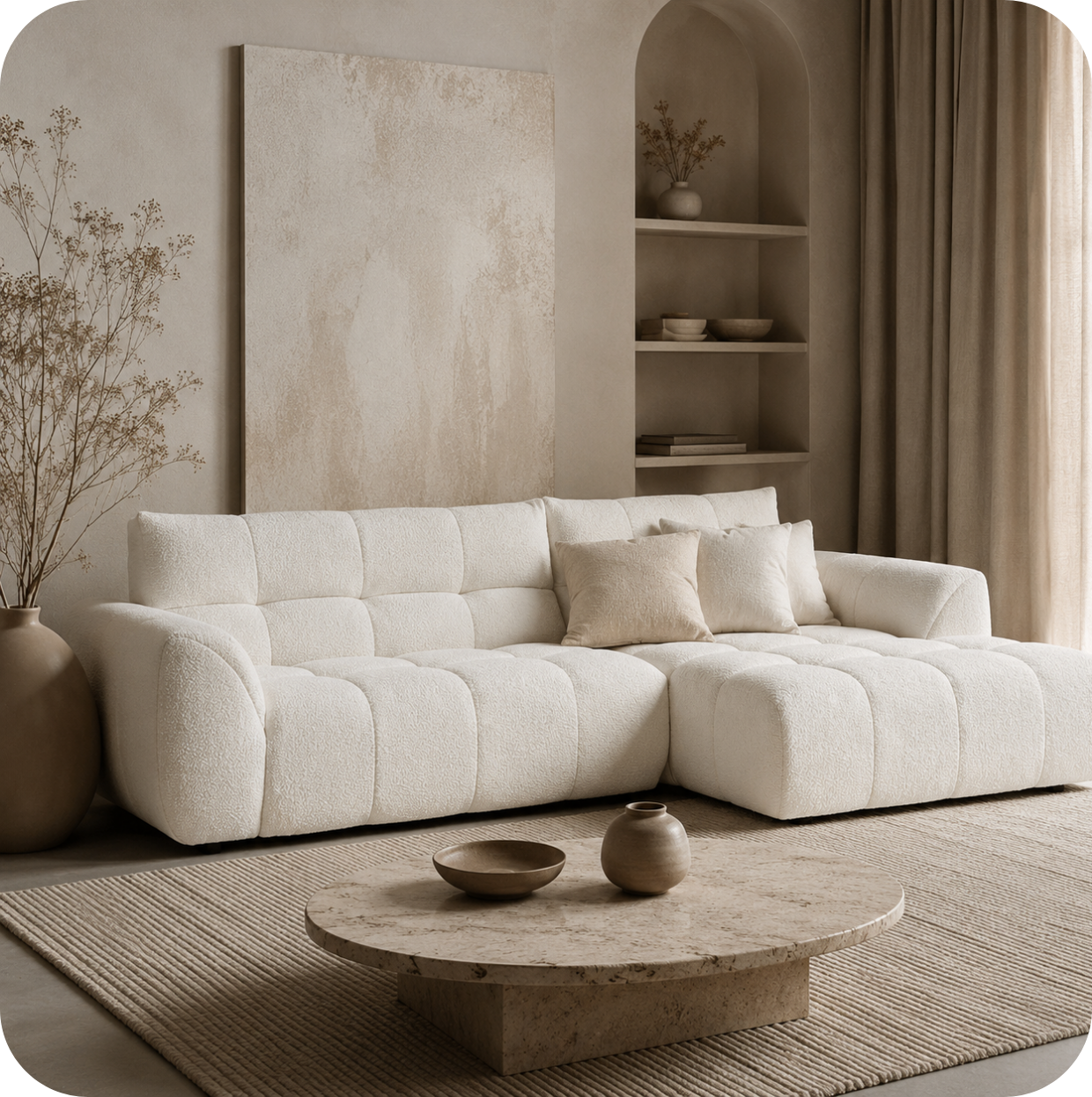
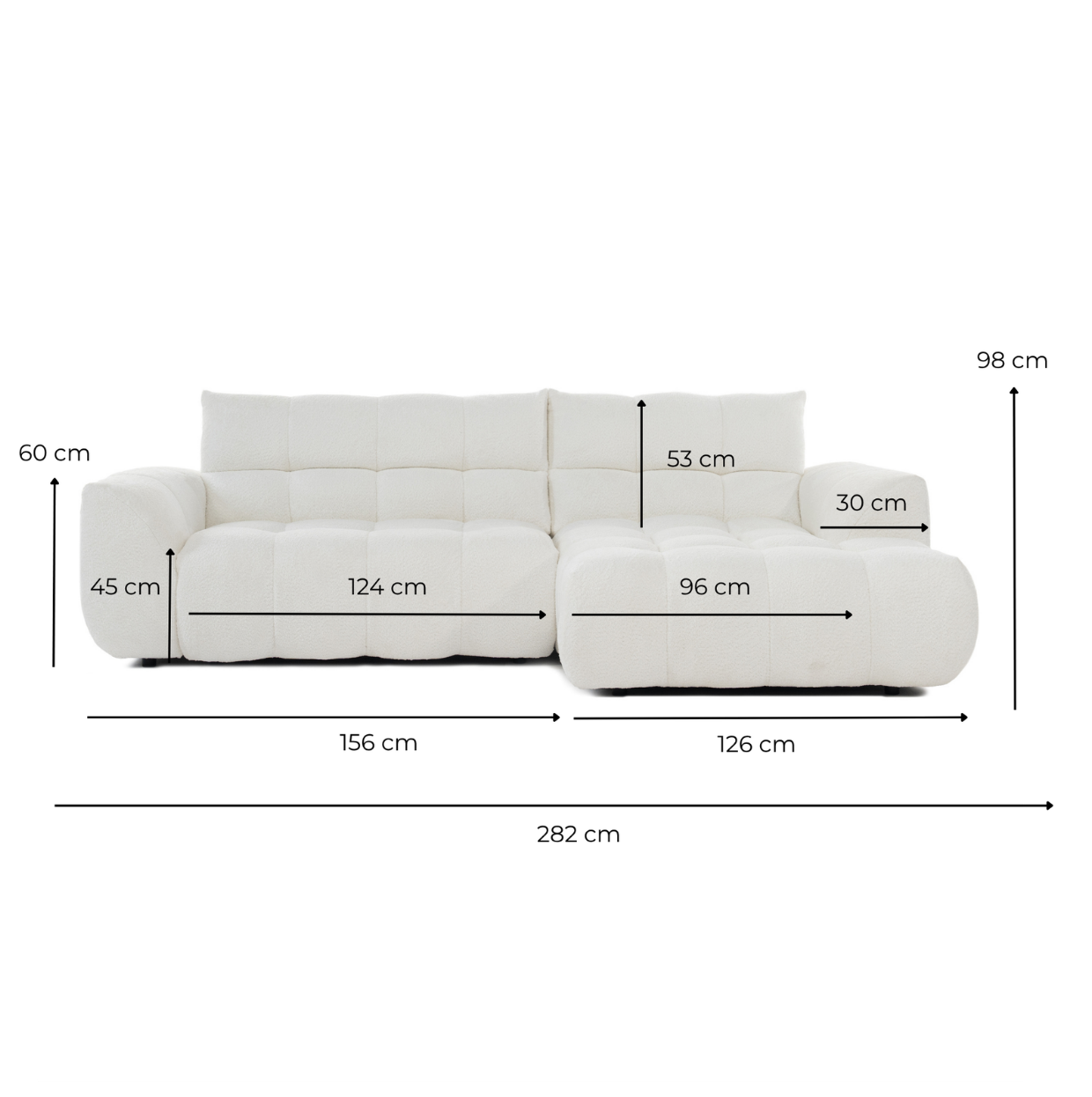
Merlot Modular Sofa — from €1,532
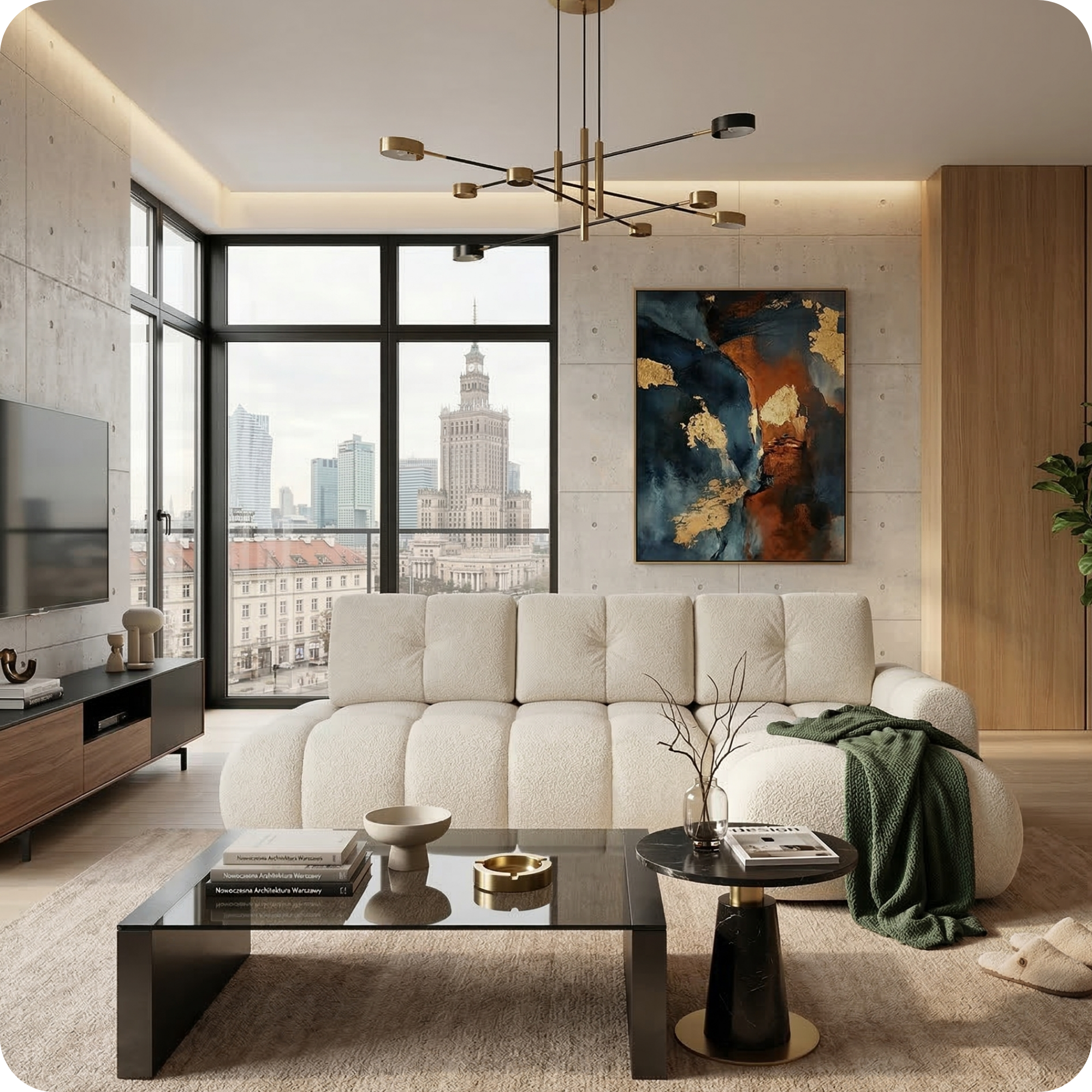
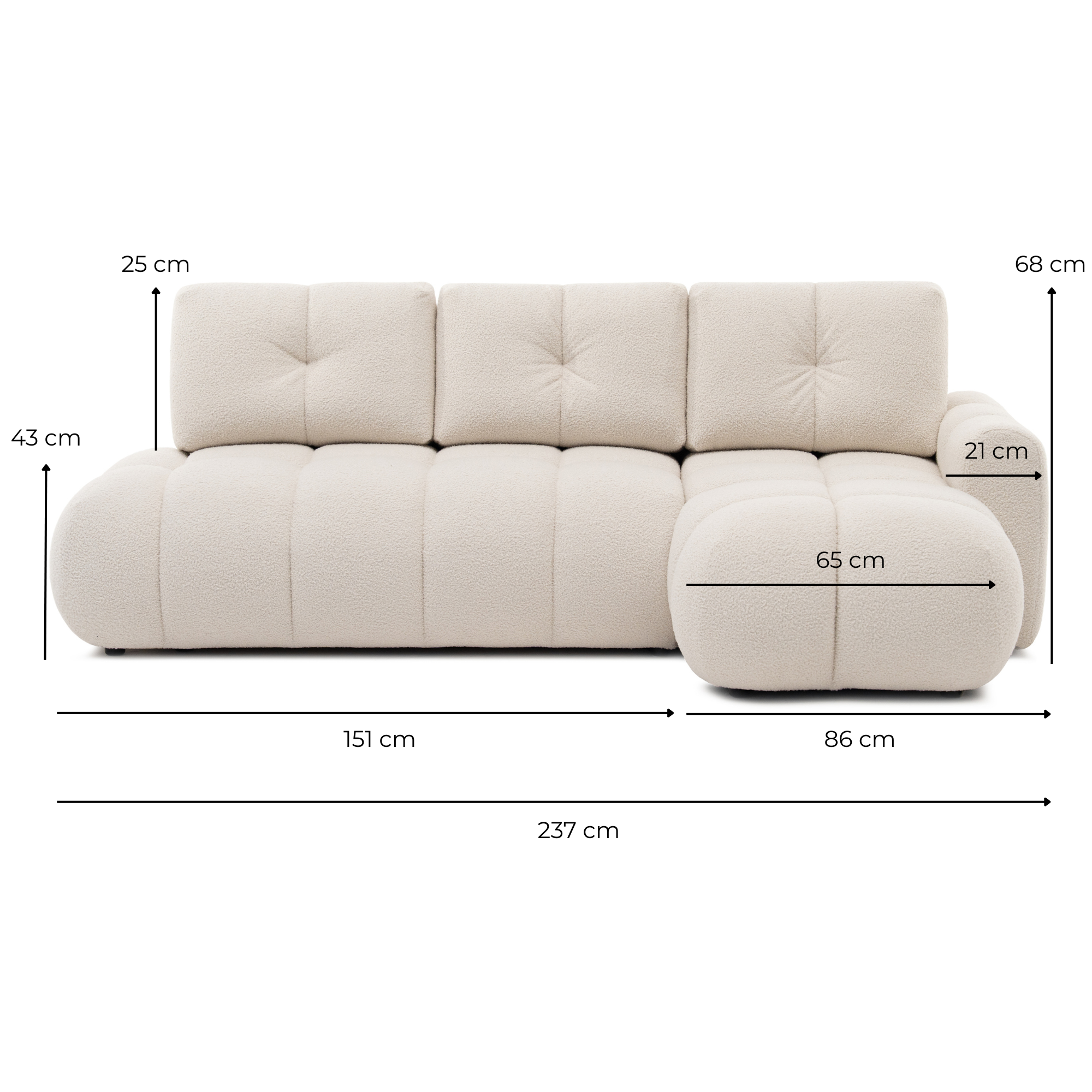
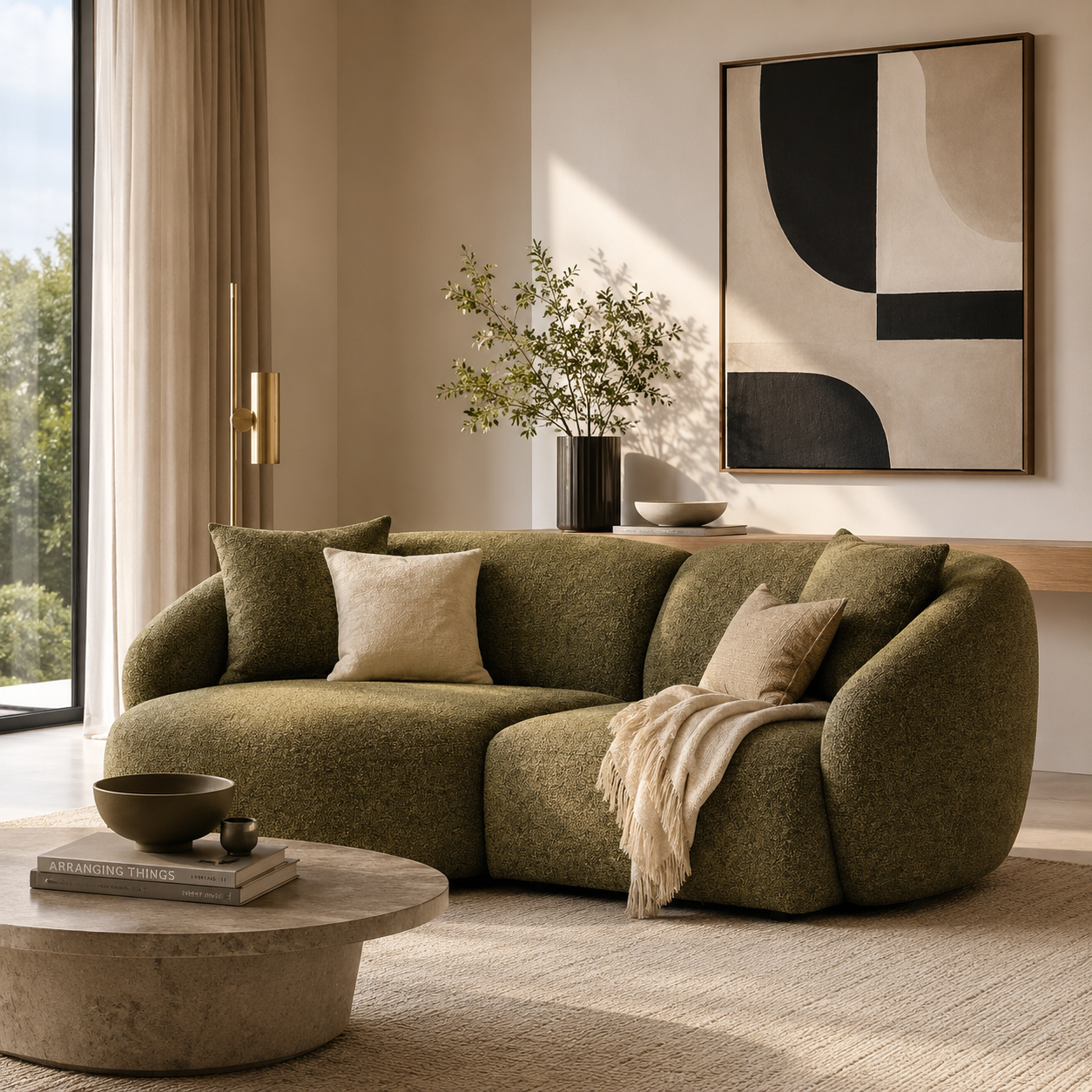
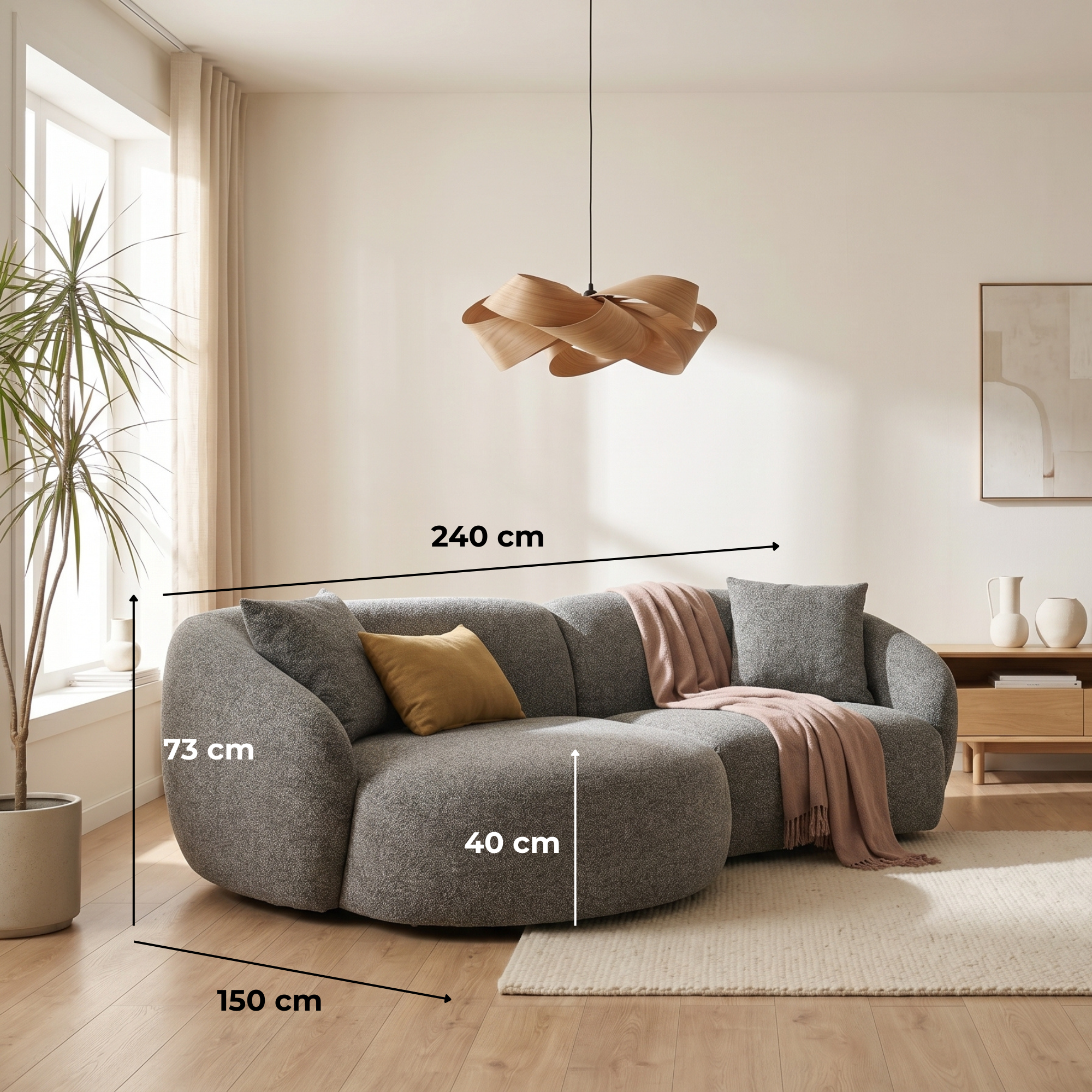
The Merlot is an excellent example of a well-designed modular sofa: individual sections connect firmly and sit flush without visible gaps, the connectors are concealed, and each section has its own leg set so the sofa maintains consistent proportions regardless of configuration. Available as a 3-seater, corner, or extended arrangement.

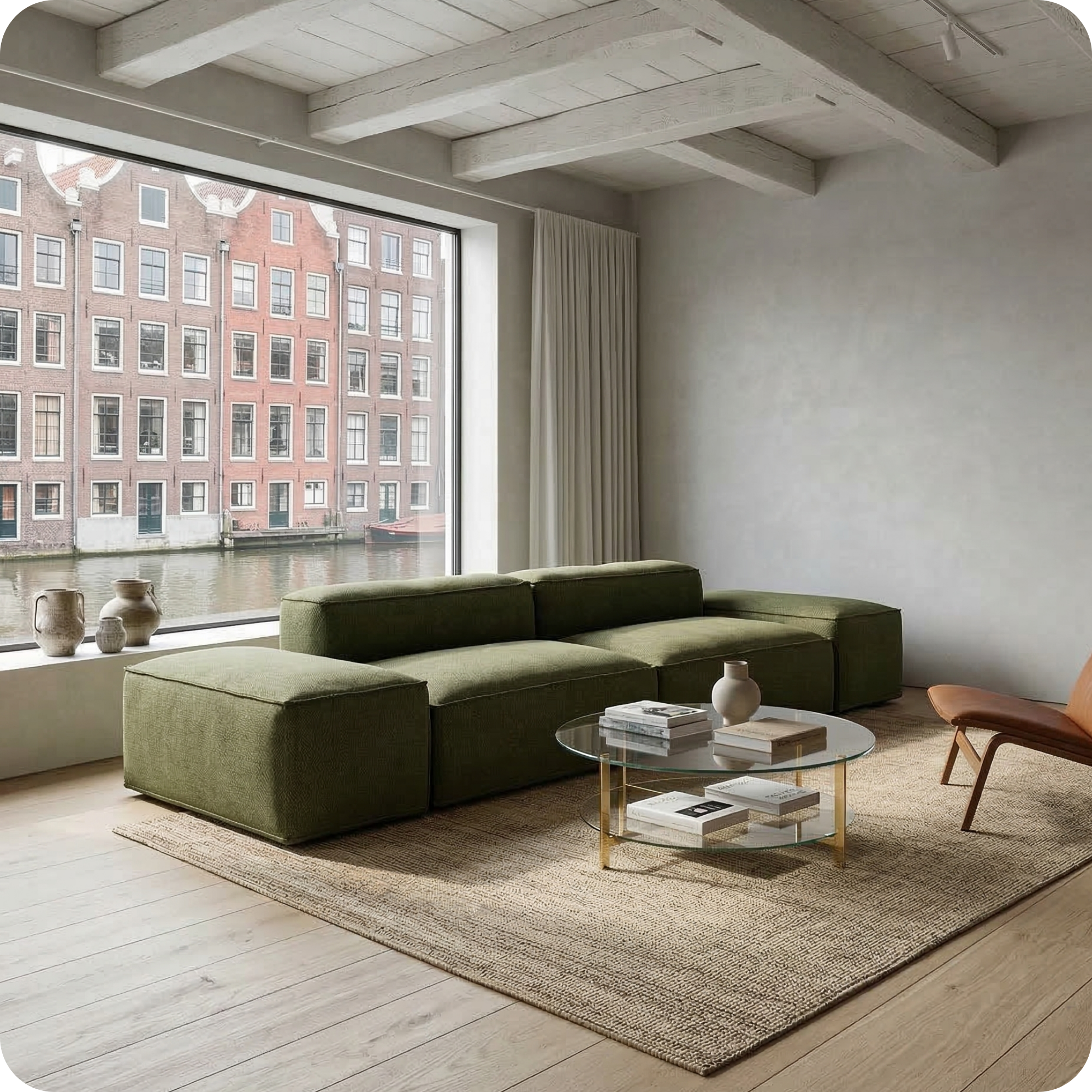
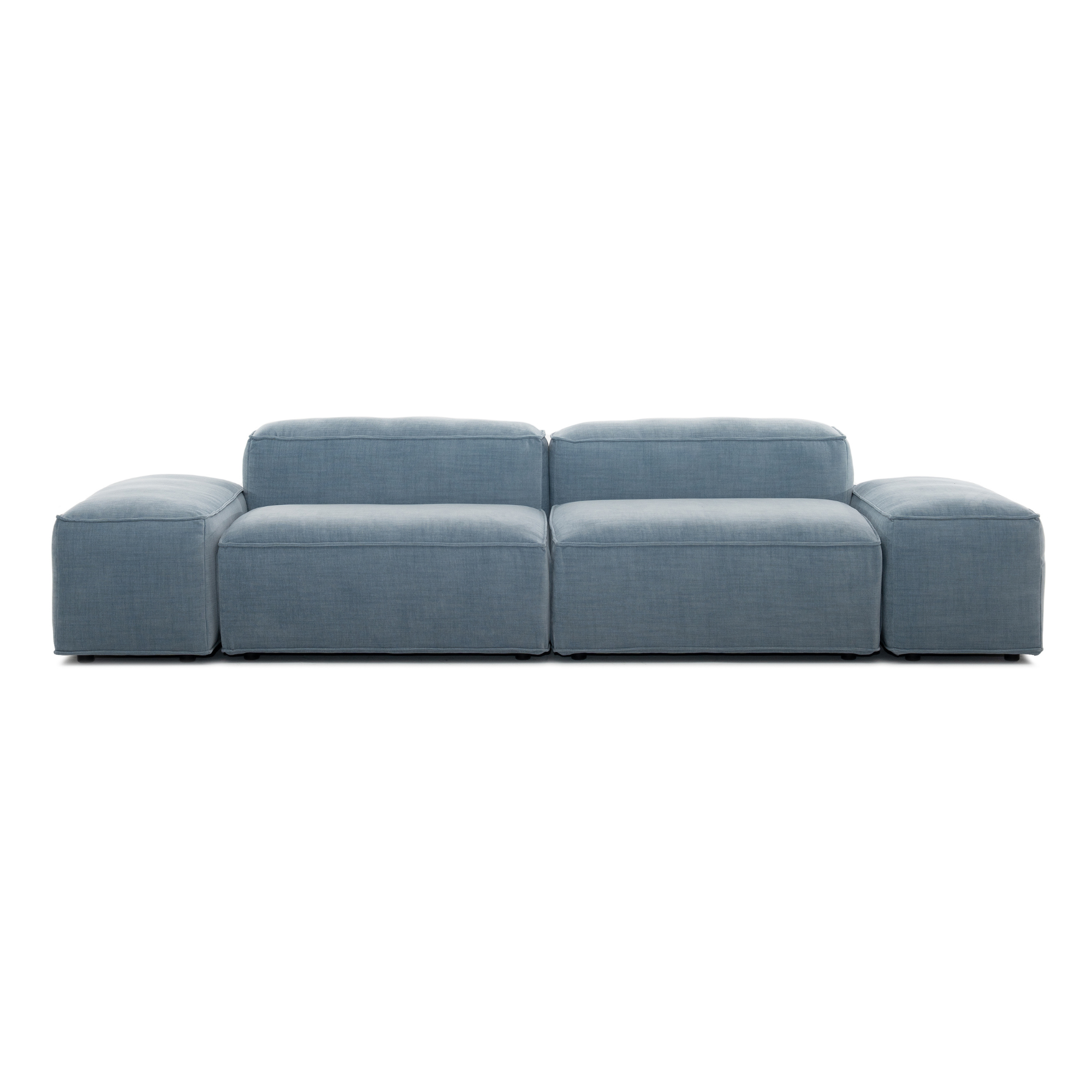
Malbec Modular Sofa — from €2,375
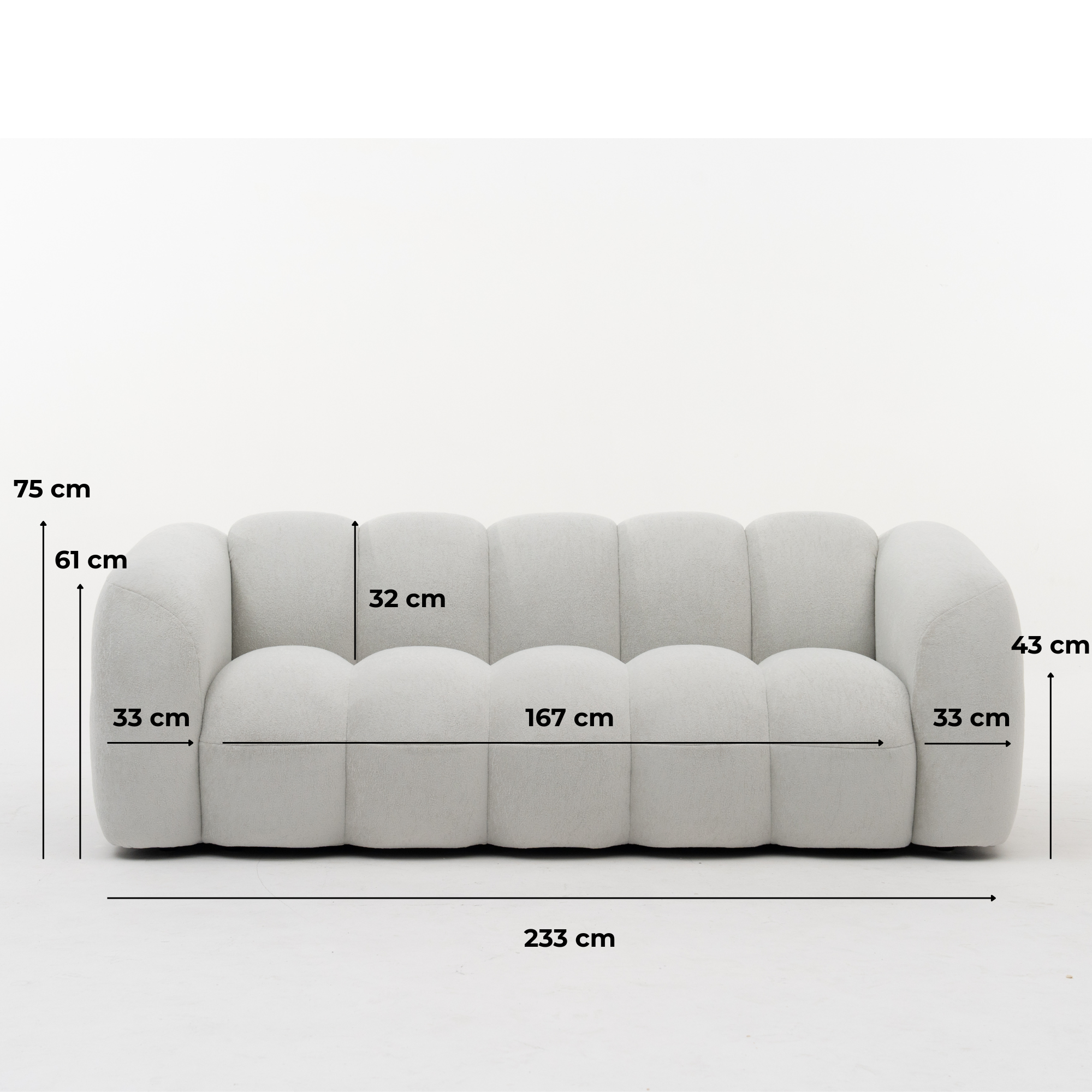
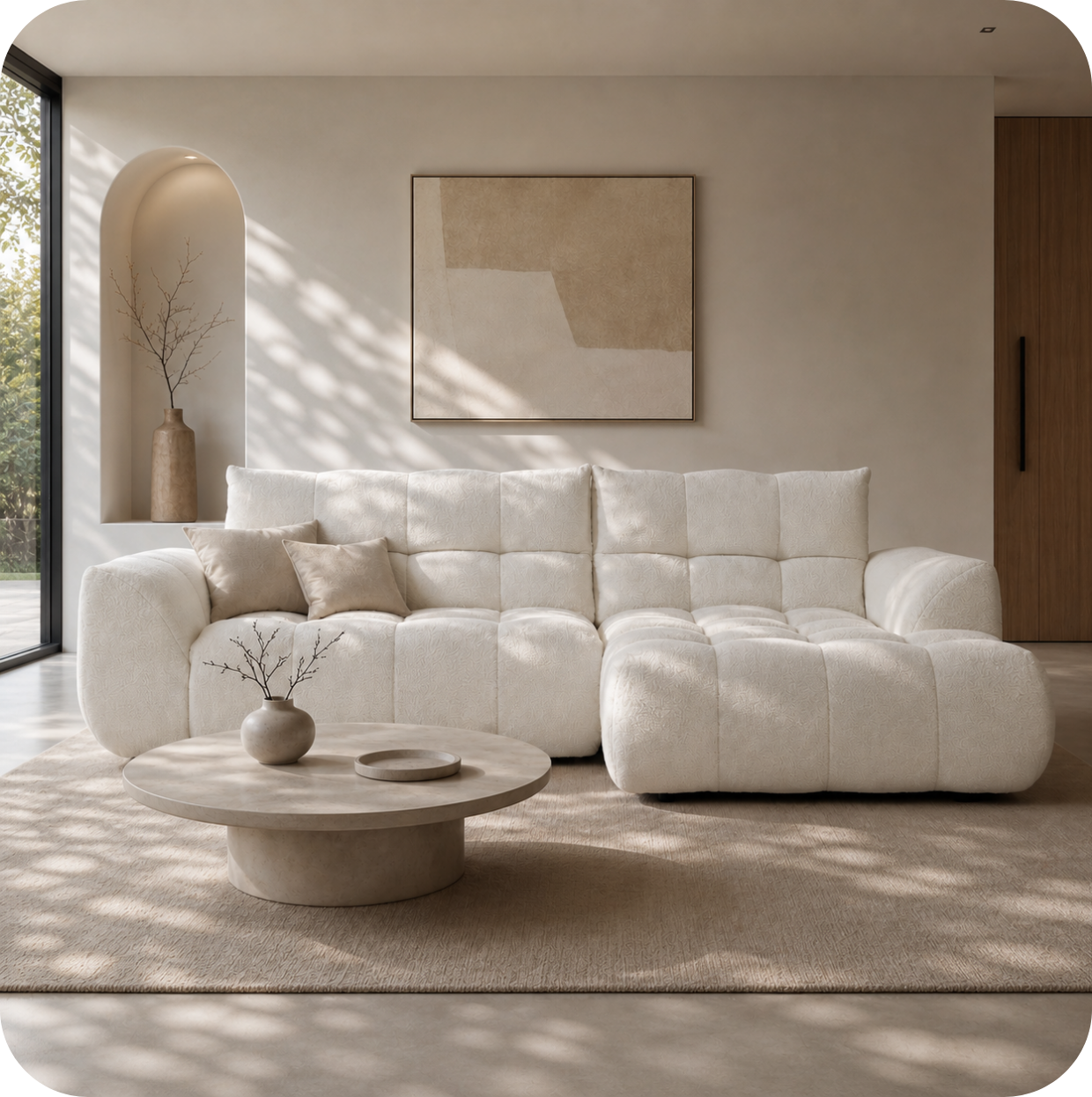
The Malbec's modular system features high armrests that give it a distinctive, architectural quality. The modular construction means the longchair can be positioned on the left or right side, and the system can be extended with additional sections. A versatile choice for living rooms of all sizes.
Popular Modular Sofa Configurations
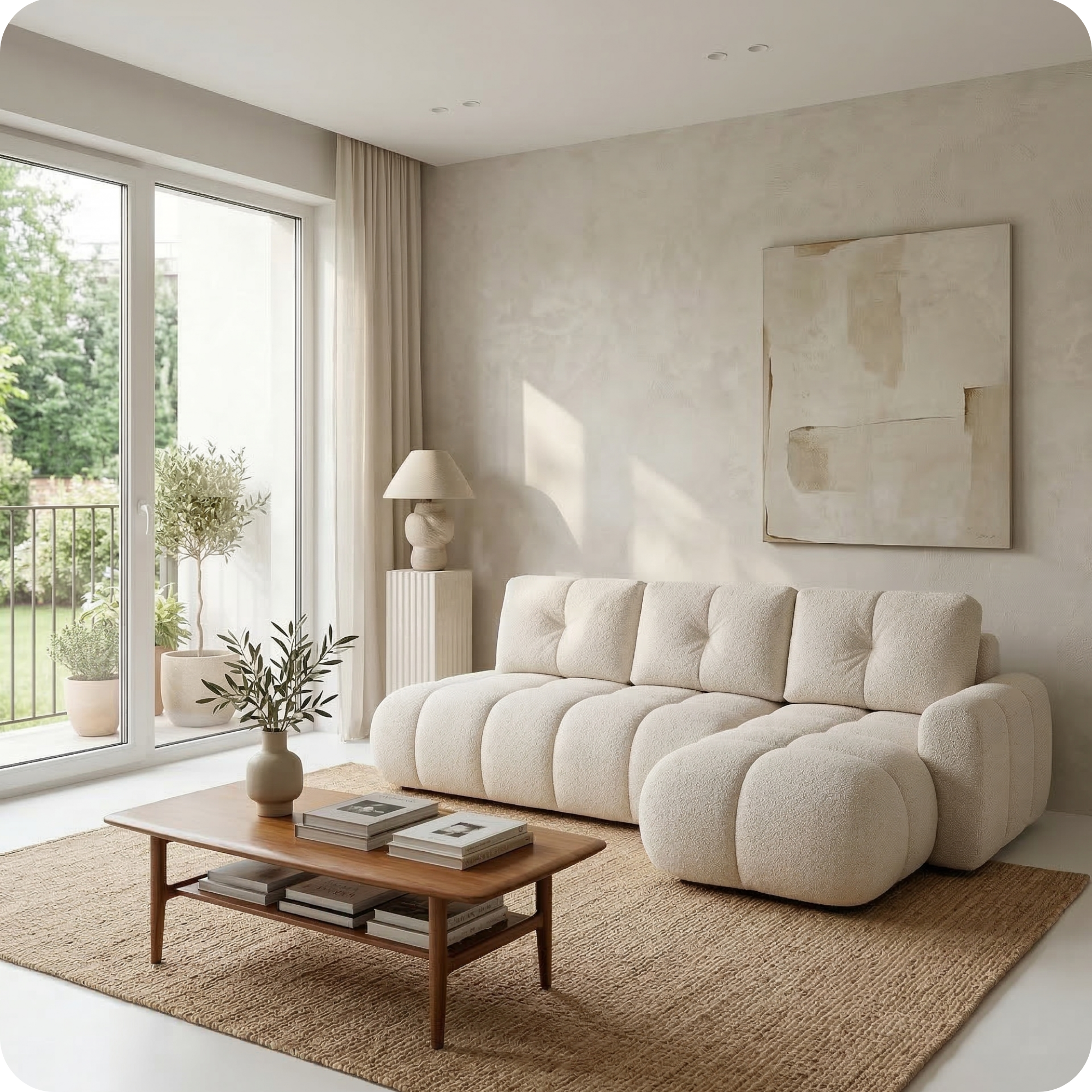
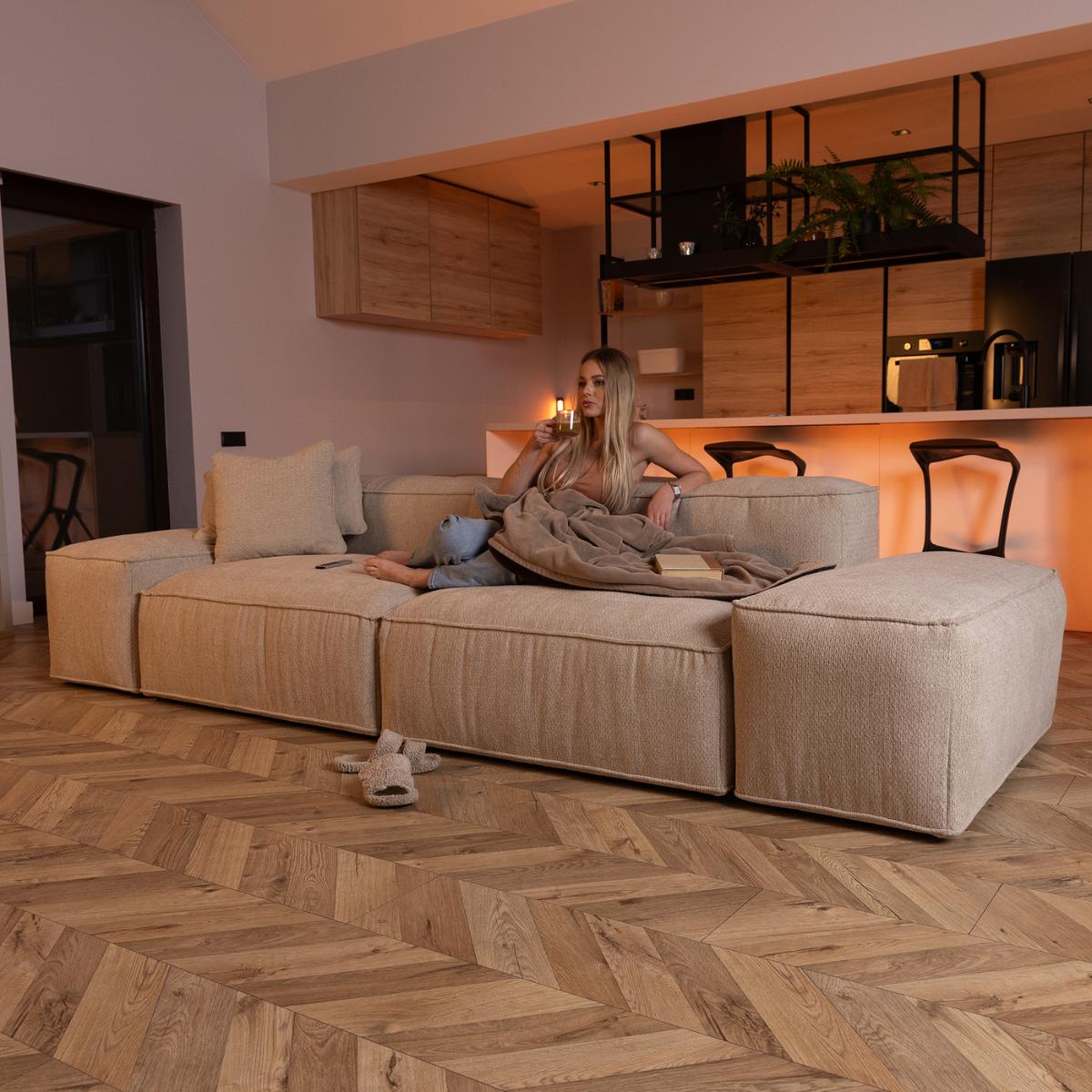
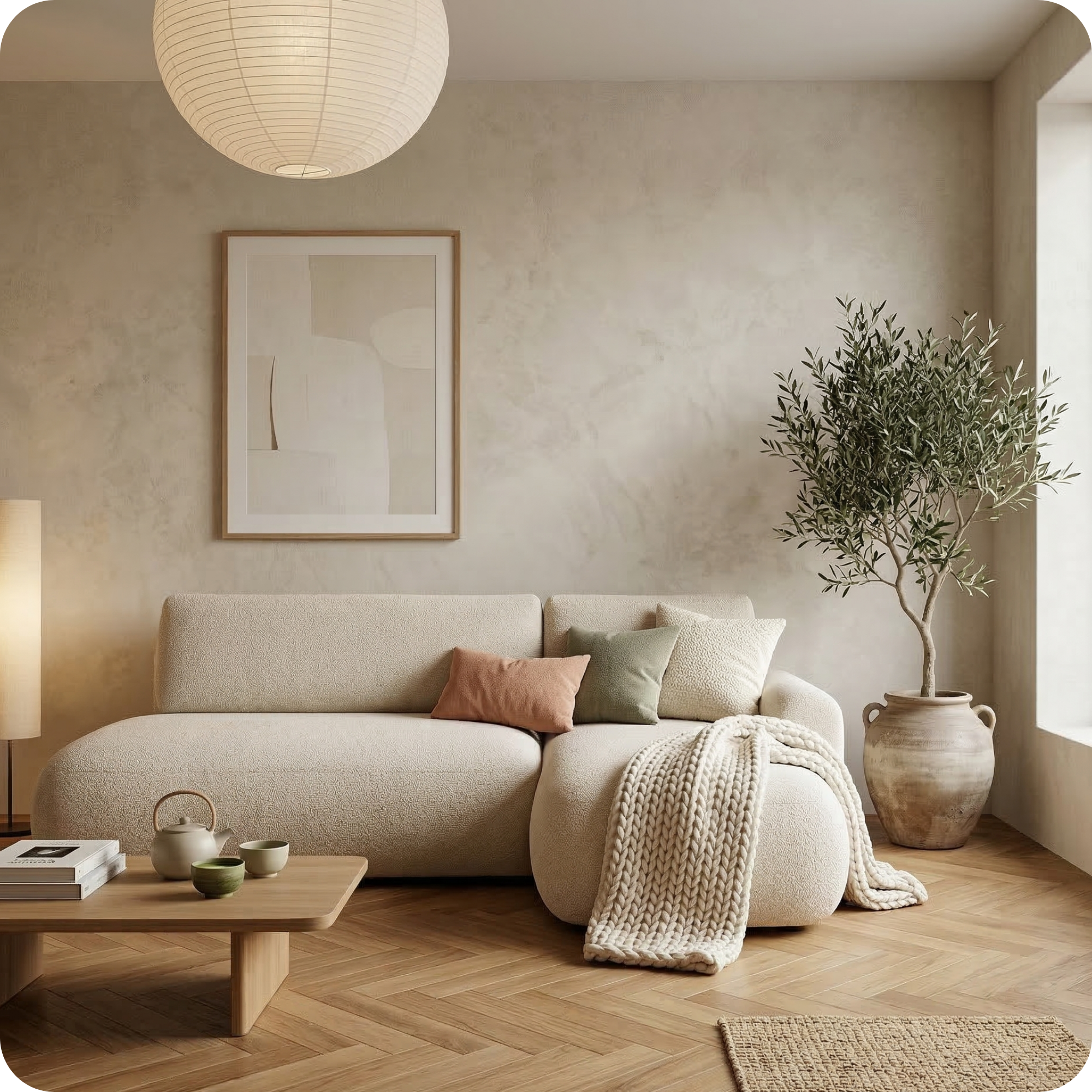
The most common modular sofa configurations are: the L-shape or corner (3 sections forming an L) — the most popular configuration for medium-sized rooms; the straight sofa with footstool (2-3 seat sections plus an ottoman) — more flexible than a fixed sofa and easier to reconfigure; the U-shape (two longchair sections flanking a central seating unit) — creates a fully enclosed seating arrangement ideal for family rooms and media rooms; and the island configuration (a large floating sofa with no back against a wall) — works best in very large open-plan spaces. The right configuration depends on room size, traffic patterns through the space, and how the sofa will primarily be used — for conversation, TV watching, lounging, or a combination.
What to Look for in a Quality Modular Sofa
Not all modular sofas are created equal, and the quality differences are significant. Key indicators of a quality modular system: the individual sections should connect firmly and invisibly, without rocking, shifting, or leaving visible gaps between units; the cushions should be consistent across sections — the same height, firmness, and fill weight so the transition between sections is seamless; the upholstery should be consistent in weave direction and colour across all sections; and the leg design should provide consistent height regardless of section type. Cheap modular sofas often suffer from sections that drift apart over time, cushions of varying firmness, and visible connector brackets — all signs of a system that will not age well.