


Sofa Buying Guide: What to Check Before You Buy a Sofa
Buying a sofa is one of the most significant purchases a household makes — it is a piece of furniture that will be used every day, will define the character of your main living space, and should last a decade or more. Done well, a sofa purchase is a decision you will barely need to think about for ten years. Done poorly, it is a source of ongoing regret: too small, uncomfortable after a few months, or a colour or style that stopped feeling right as soon as the trend moved on. This guide covers every meaningful factor to check before you commit.
Step 1: Measure Everything — Twice
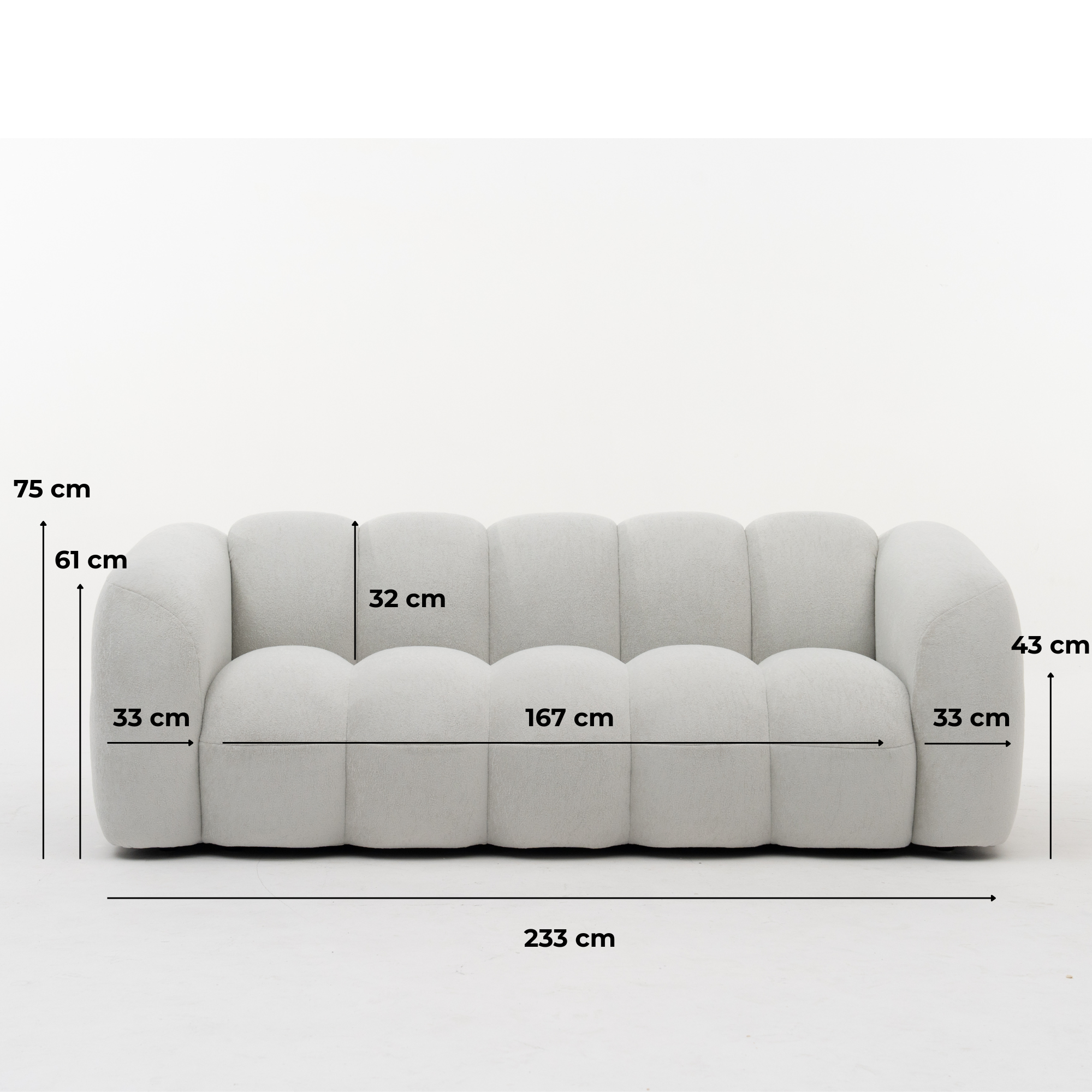
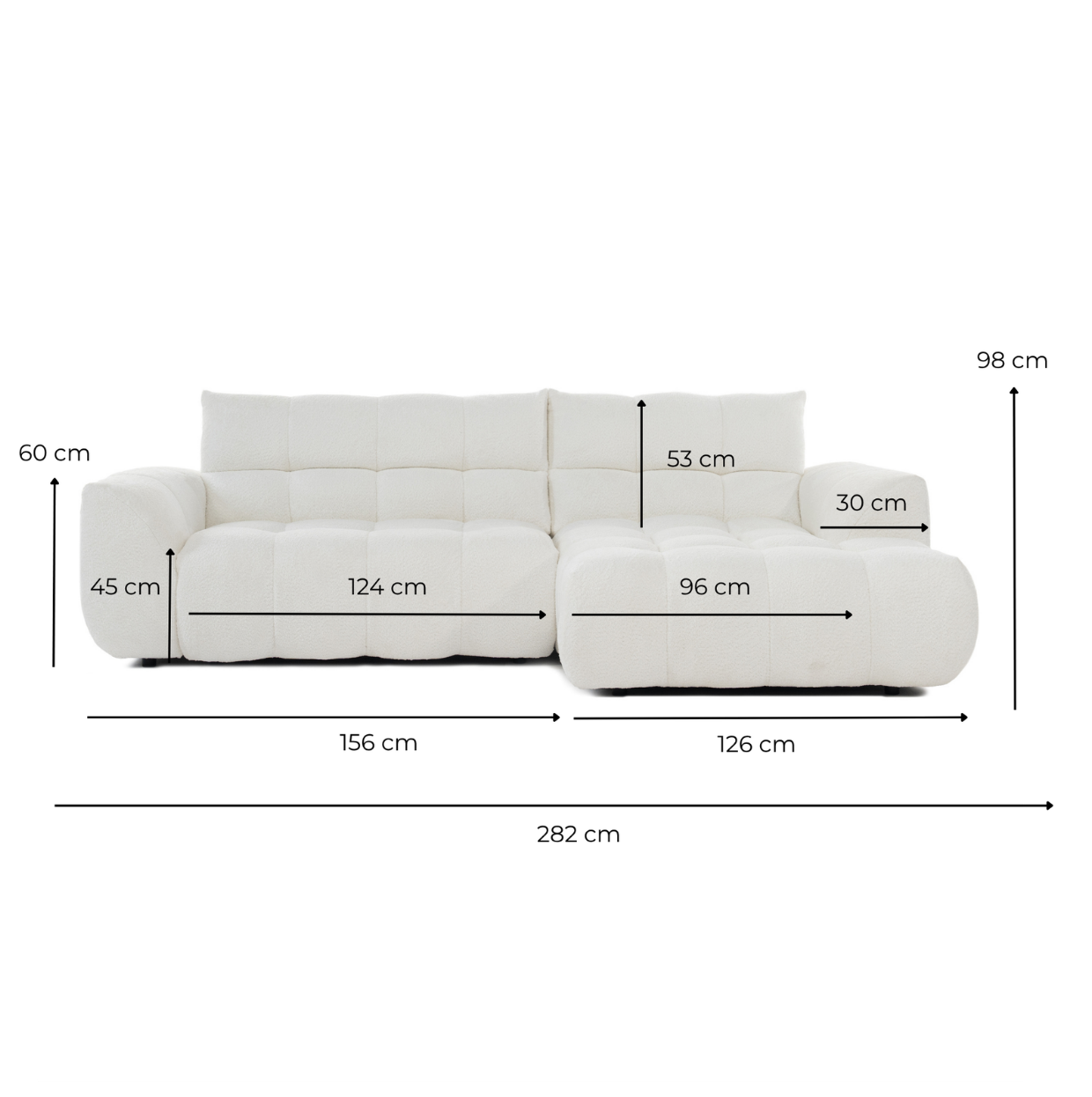
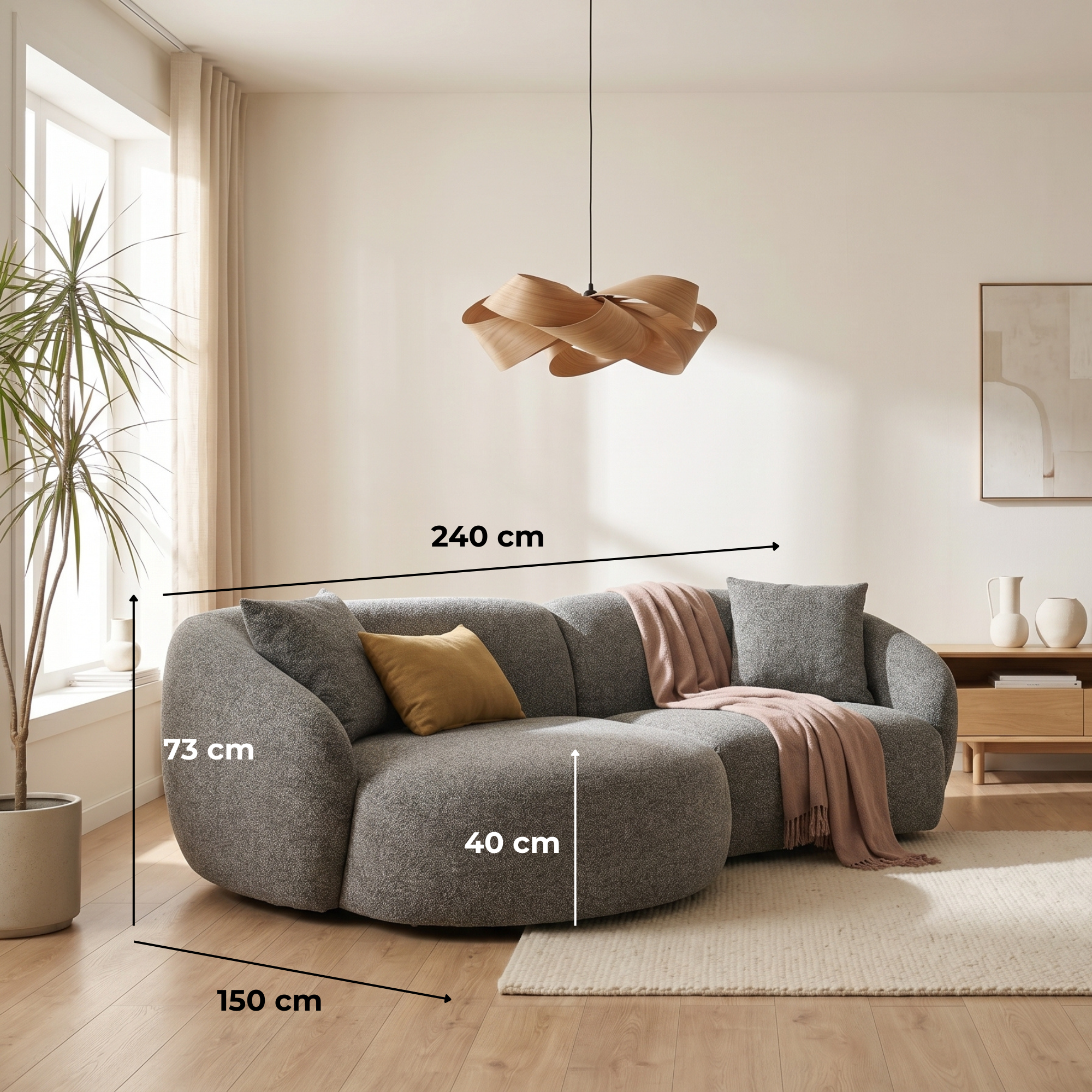
The most common sofa buying mistake is not measuring properly. Before you look at any sofa, establish three critical measurements: the space available in your room where the sofa will sit, including depth and width; the path the sofa will need to travel to get into the room (door widths, staircase widths, corner clearances); and the ceiling height in relation to the sofa height if you are considering a tall-backed or high-arm design. A sofa that cannot fit through your front door is not a hypothetical problem — it is one of the most frequently reported sofa delivery failures. Mark out the sofa's footprint on the floor with tape before ordering to verify it works with the room layout and traffic flow.

Modular Sofas at Furni
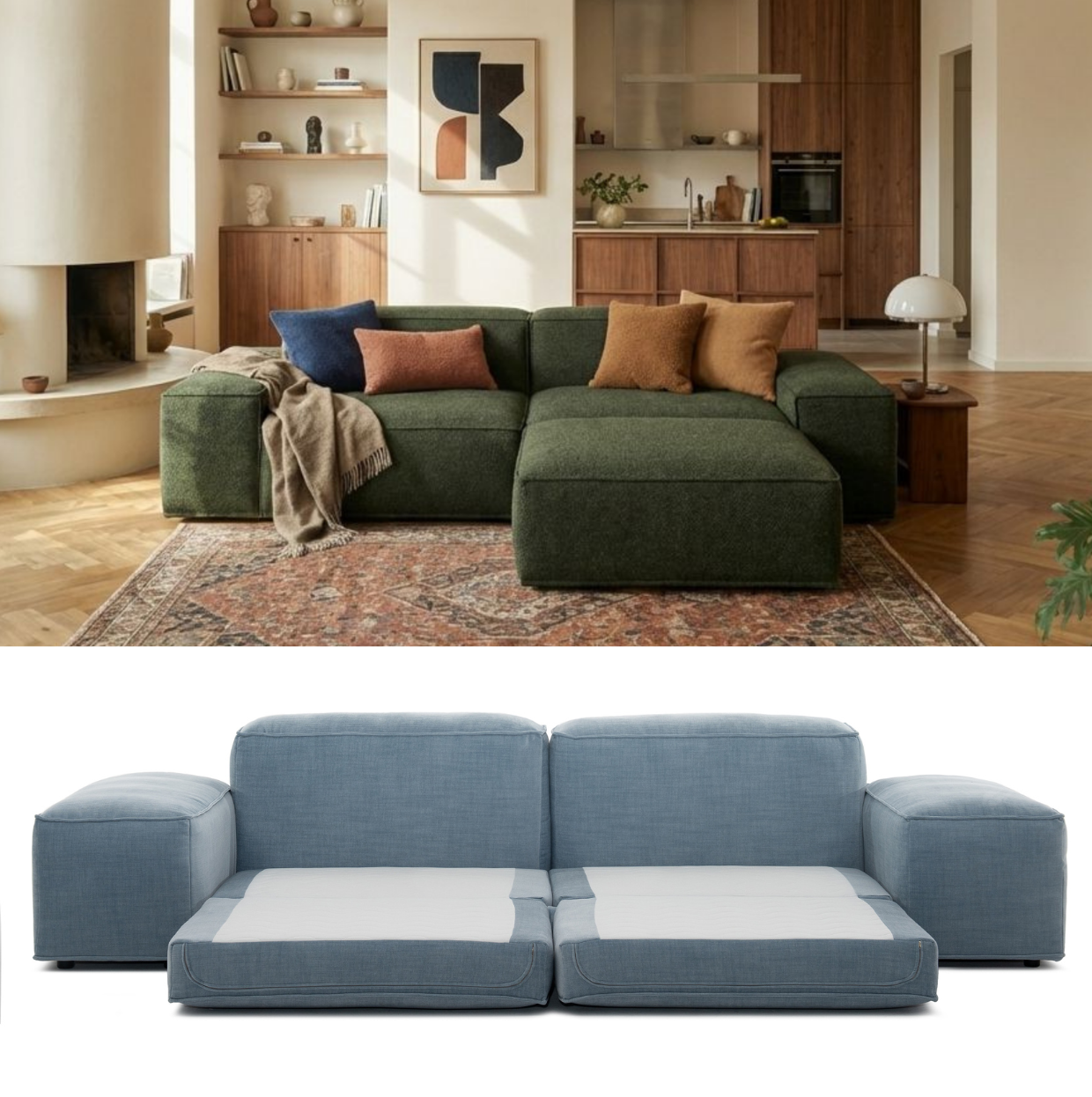
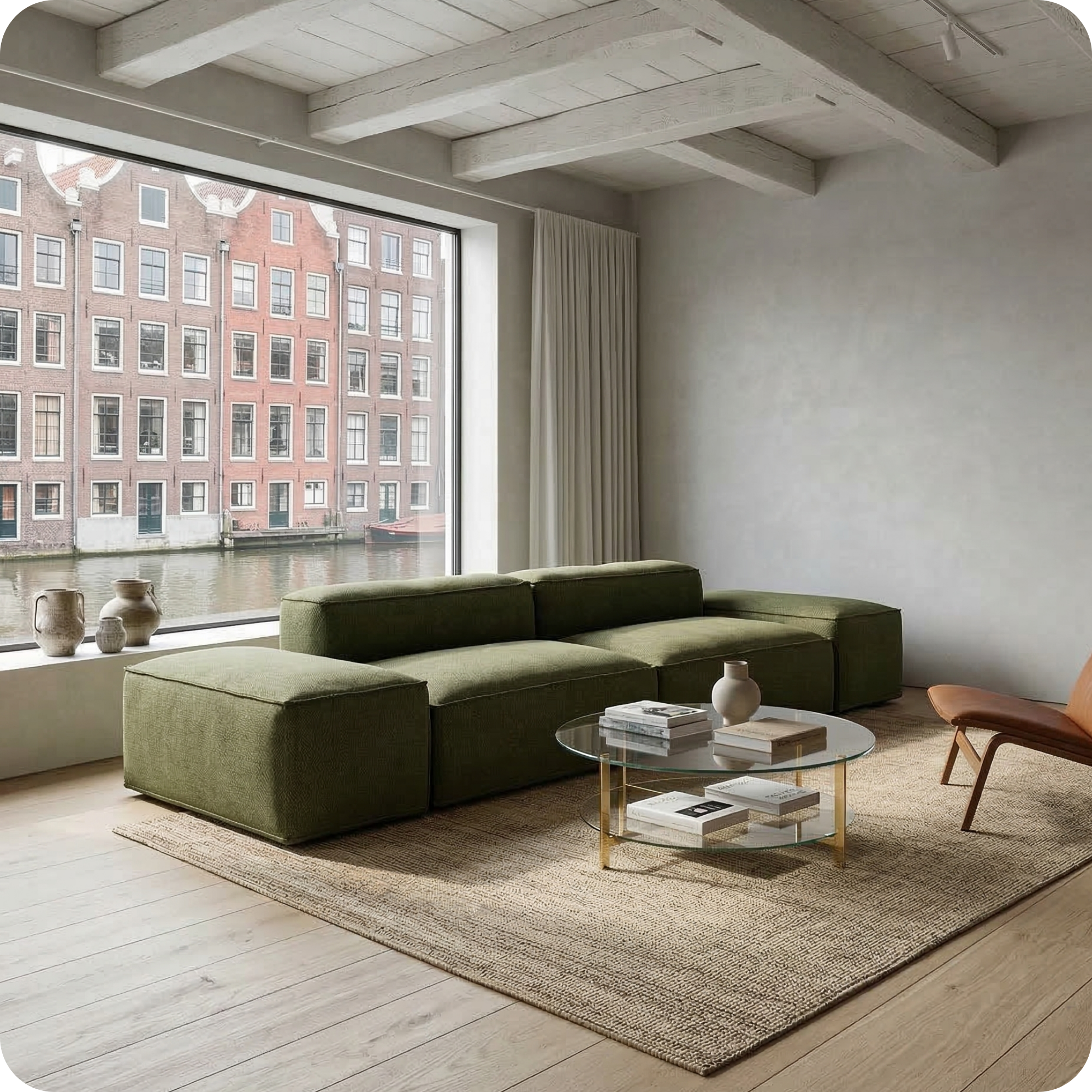
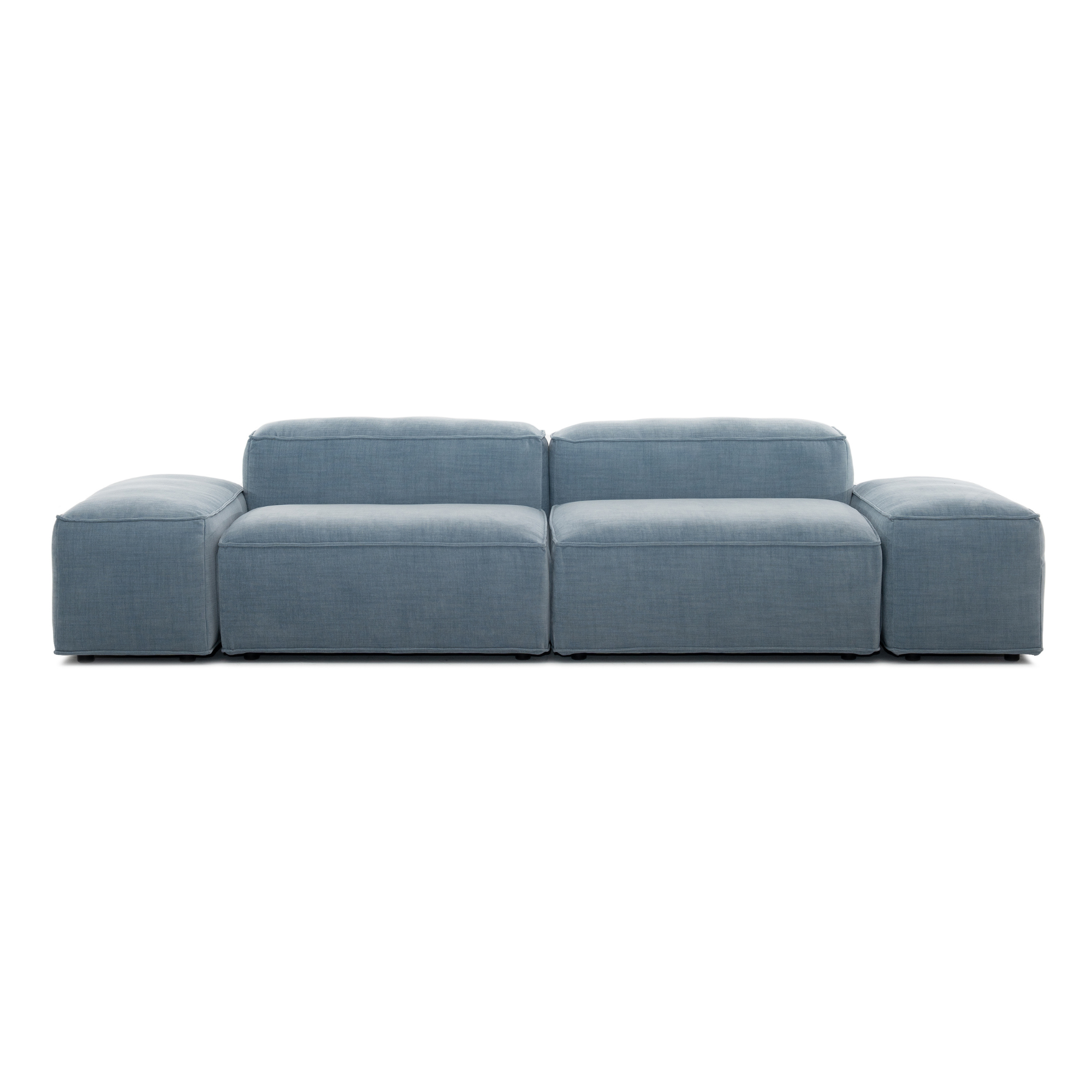
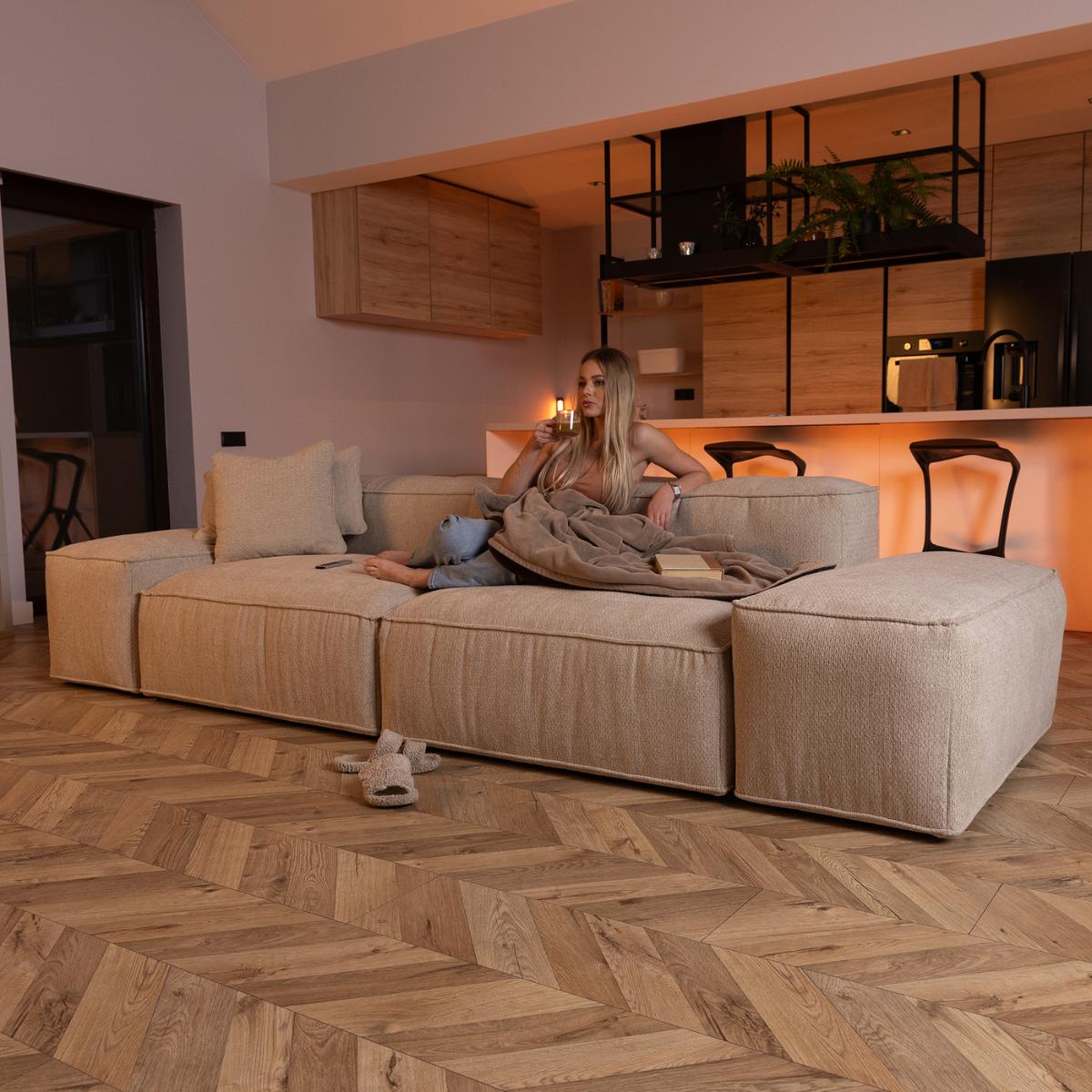
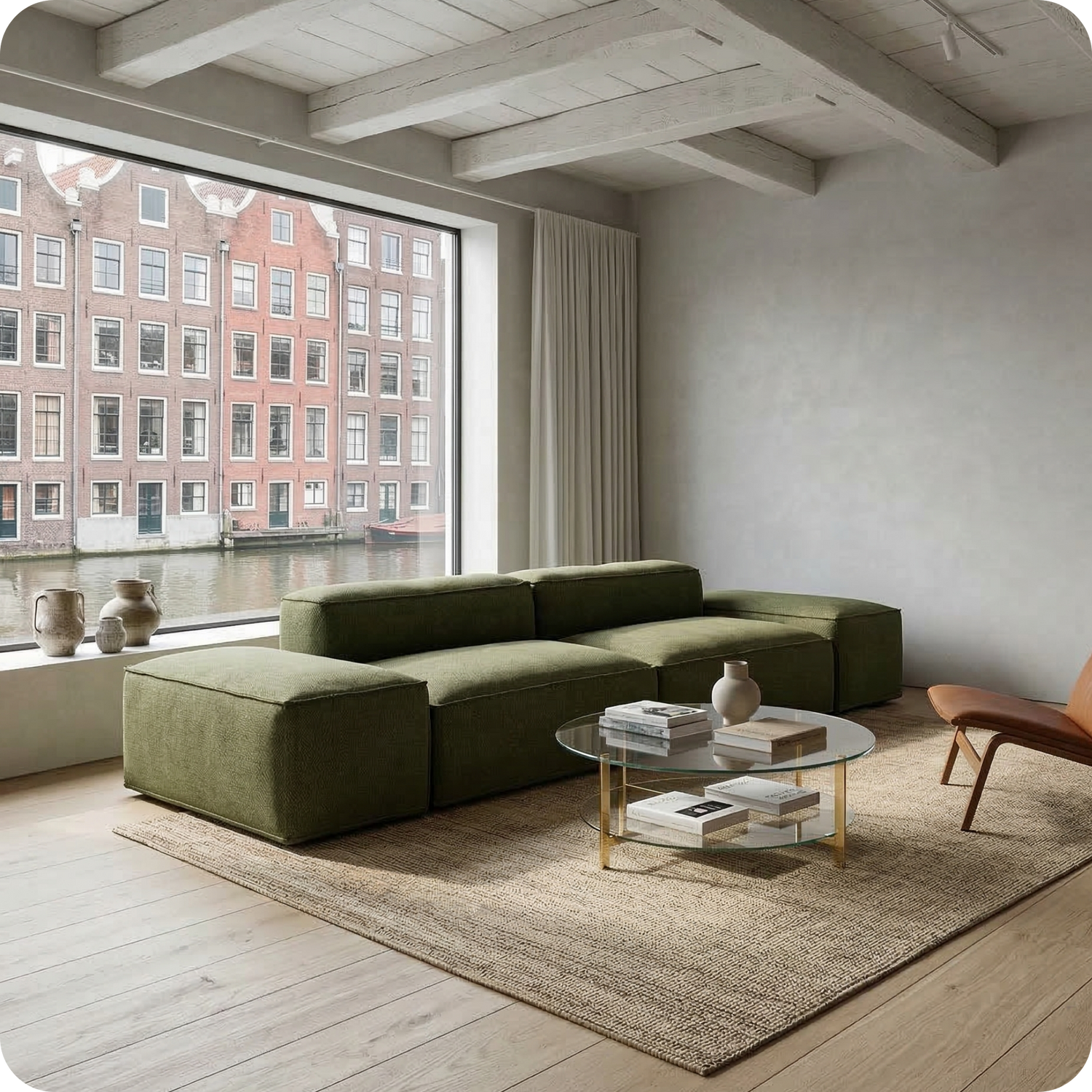
Modular sofas solve the delivery and sizing problem elegantly: each module arrives separately and is assembled in the room, meaning the dimensions of the individual pieces are the constraint rather than the assembled sofa. They also offer the advantage of exact sizing — you configure the sofa to the space rather than the space to the sofa. This is one of the strongest practical arguments for choosing a modular design, particularly in apartments or rooms with restricted access.

Corner Sofas at Furni
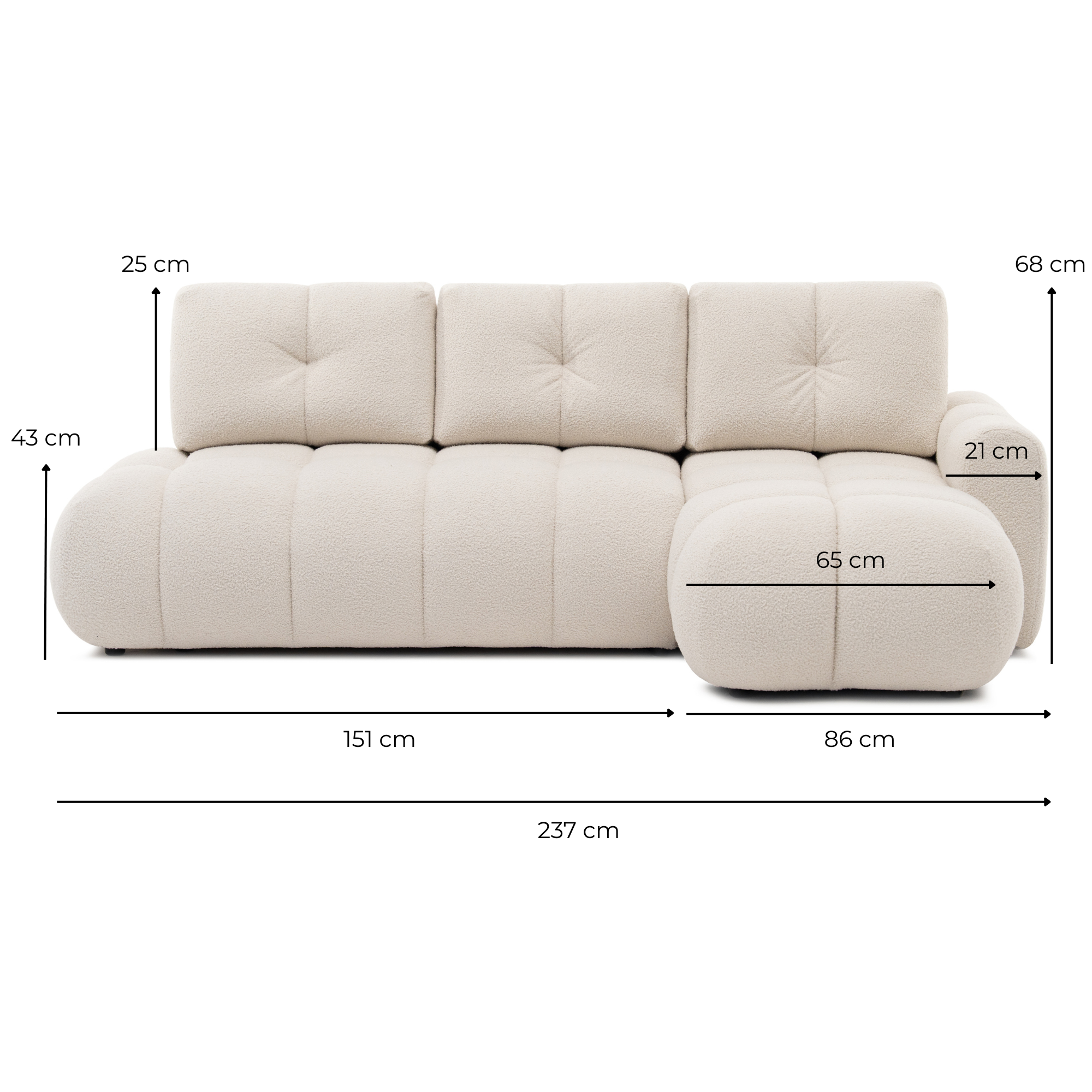
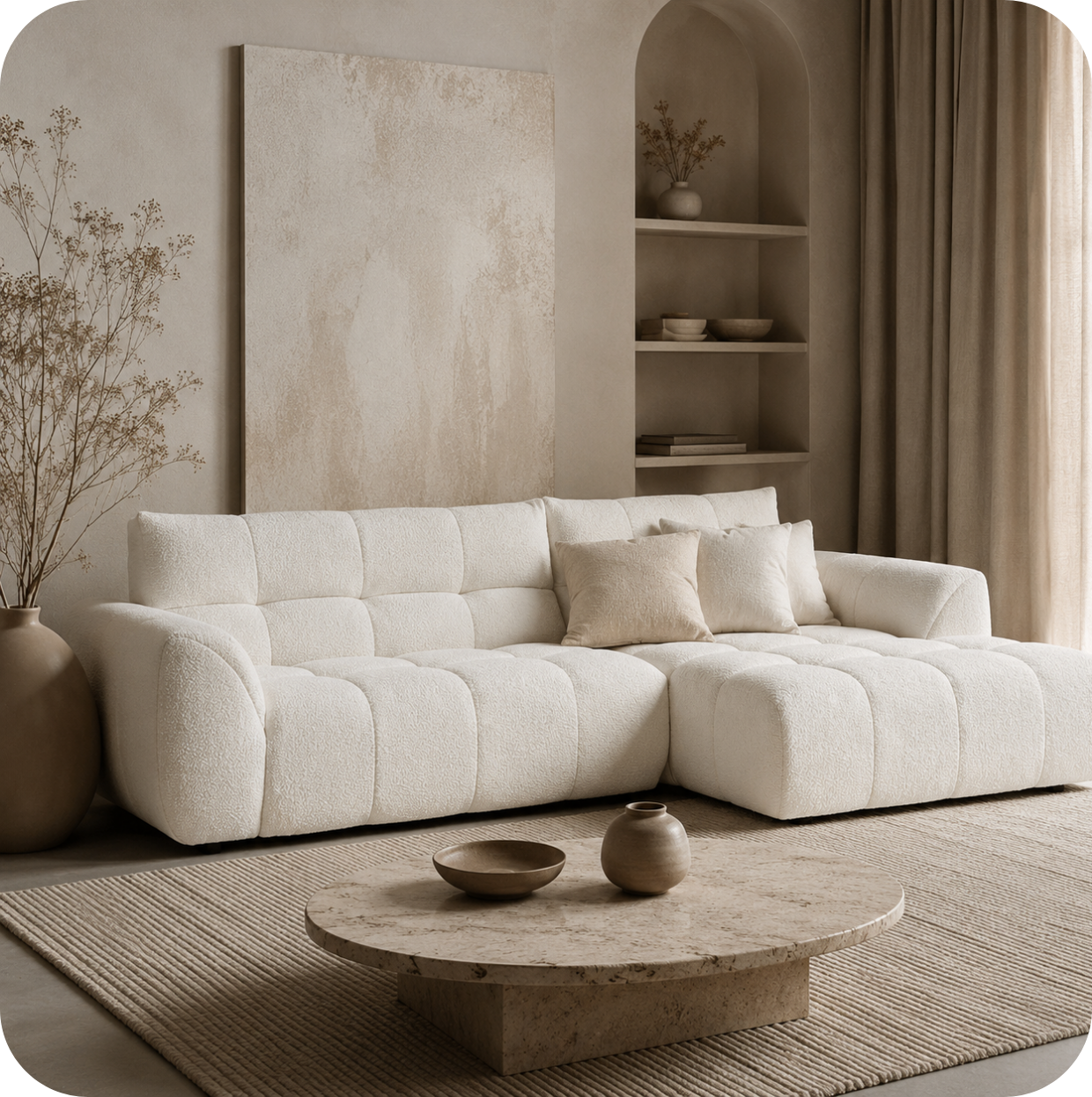
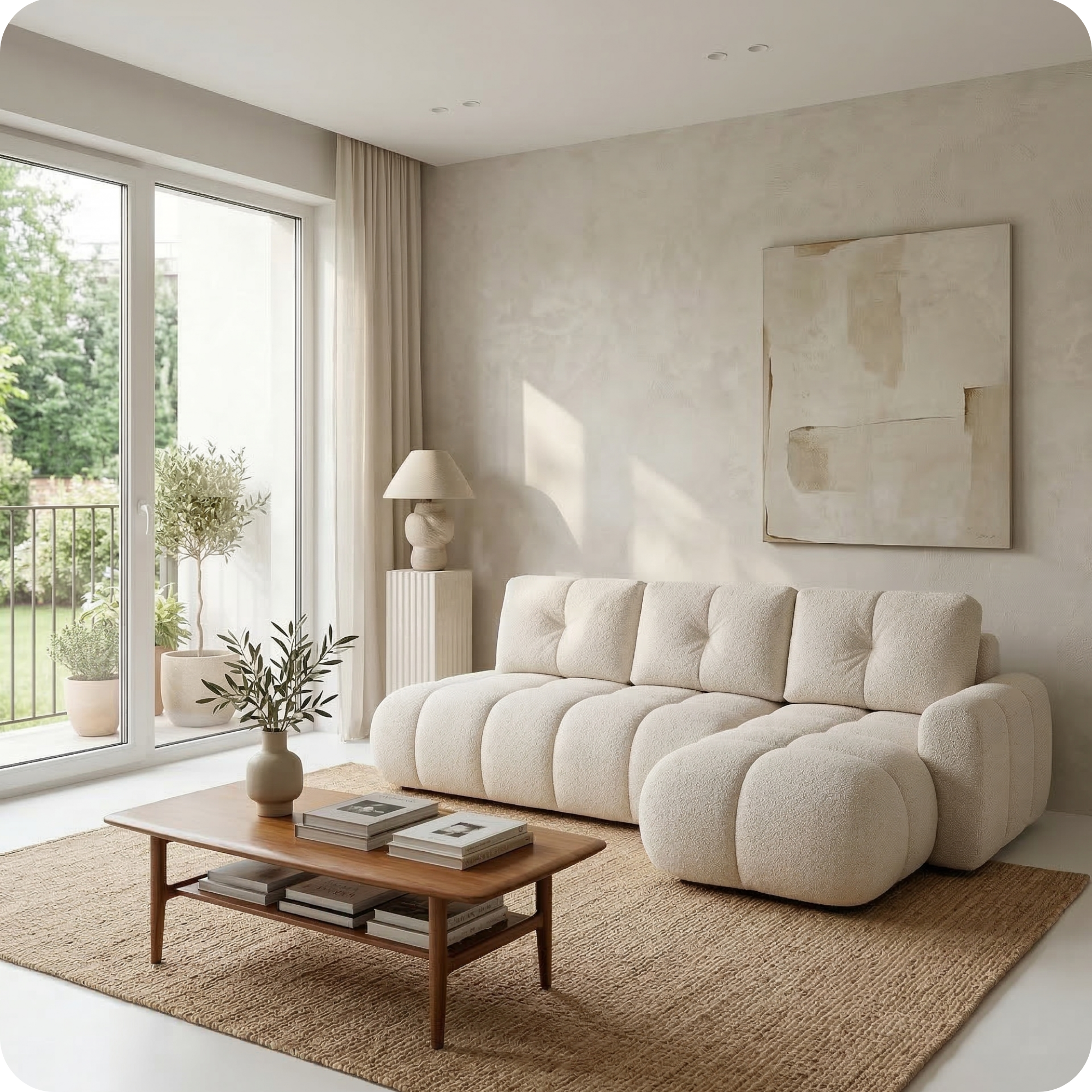
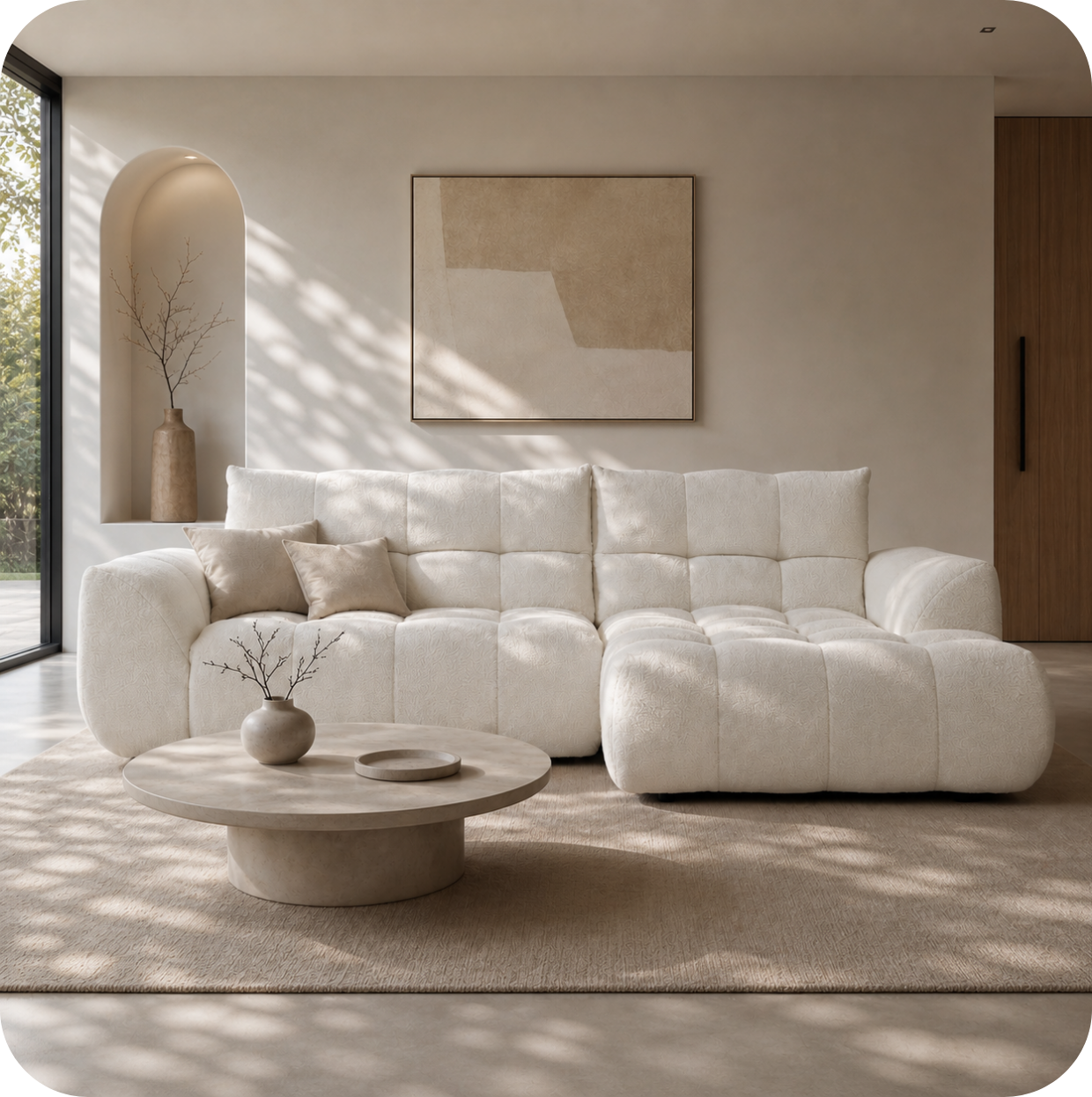
Before buying a corner sofa, establish two critical points: whether you need a left-hand or right-hand facing chaise (when you sit on the sofa, which side does the longchair extend to — and is that the side that suits your room layout?); and whether the corner configuration works with your traffic flow. A corner sofa should channel movement around it naturally, not create a dead end or block access to a key area of the room.
Step 2: Check the Frame and Construction Quality
The frame is the sofa's skeleton — it determines longevity more than any other factor. Hardwood or kiln-dried softwood frames (beech, oak, pine) are the most durable and are used in quality sofas. Particleboard and MDF frames are significantly less durable and will flex and fail over time with regular use. A simple test: sit on the sofa and shift your weight side to side — a quality frame will feel completely rigid with no creaking or movement. Check underneath the sofa if possible: visible corner blocks (triangular or rectangular reinforcement pieces at the corners of the frame) indicate a quality build.
Step 3: Evaluate the Seat Cushions
Seat cushions determine day-to-day comfort more than any other element. High-resilience (HR) foam with a density rating of 28kg/m³ or above is the standard for a quality sofa — it maintains its shape under regular use and does not compress permanently. Lower-density foam (below 20kg/m³) will sag within a year or two of regular use. Feather-topped cushions add a luxurious softness but require more regular plumping. Pocket-sprung seat cushions (individual springs wrapped in fabric) are the highest comfort tier and are found in premium sofas. Sit on the sofa in your normal seated position, hold it for several minutes, and assess whether the depth, height, and firmness genuinely suit how you sit.
Step 4: Consider the Fabric Carefully
Fabric choice affects both appearance and practicality. Performance fabrics — those with a rub count (Martindale) of 25,000 or above — are suitable for everyday use. Fabrics rated 40,000+ are appropriate for households with children or pets. Velvet is beautiful but shows marks easily and requires more care. Linen has a sophisticated appearance but stains more readily. Bouclé is currently very popular but its looped structure can snag. For families with young children or pets, a tightly woven, high-Martindale fabric in a mid-tone colour (avoiding both very light and very dark) is the most practical choice. Ask about removable covers: a sofa with removable, washable covers is a significantly more practical long-term investment.
Step 5: Think About Longevity, Not Just Current Trends
Sofa trends move. A very on-trend colour or silhouette that feels exciting today may feel dated in three to five years. The most reliable approach is to choose a classic, clean-lined silhouette and introduce trend sensitivity through cushions and accessories that can be changed cheaply. Neutral sofas — grey, sand, oatmeal, taupe — give the greatest long-term flexibility. If you want a statement sofa, choose one whose colour or character genuinely reflects your personal taste rather than a passing trend, because the investment is too significant to replace frequently.