


Terracotta Living Room: How to Decorate with Terracotta in 2026
Terracotta has been one of the defining colours of interior design for the past several years — and unlike some trend-led colour moments, it shows no signs of retreating. This endurance makes sense: terracotta is not a trend colour but a fundamental earth tone that has been used in architecture and decoration for millennia, from ancient Moroccan riads to contemporary Scandinavian interiors. It is warm, organic, grounding, and deeply compatible with a wide range of other colours and materials. Understanding how to use it well creates living rooms of genuine character and warmth.
What is Terracotta, Exactly?
Terracotta — from the Italian for "baked earth" — describes a range of warm, orange-red earth tones that evoke fired clay, Mediterranean tiles, and sun-baked earth. It sits on the spectrum between burnt orange and warm rust, passing through clay, ochre, and amber along the way. The key quality is warmth: terracotta has a yellow-red warmth that reads as immediately inviting and organic. Different rooms and different light conditions call for different points on the terracotta spectrum — in a bright, south-facing room, a deep clay terracotta reads richly; in a north-facing room, a lighter, more amber-toned terracotta warms the space without overwhelming it.
Terracotta as the Sofa Colour
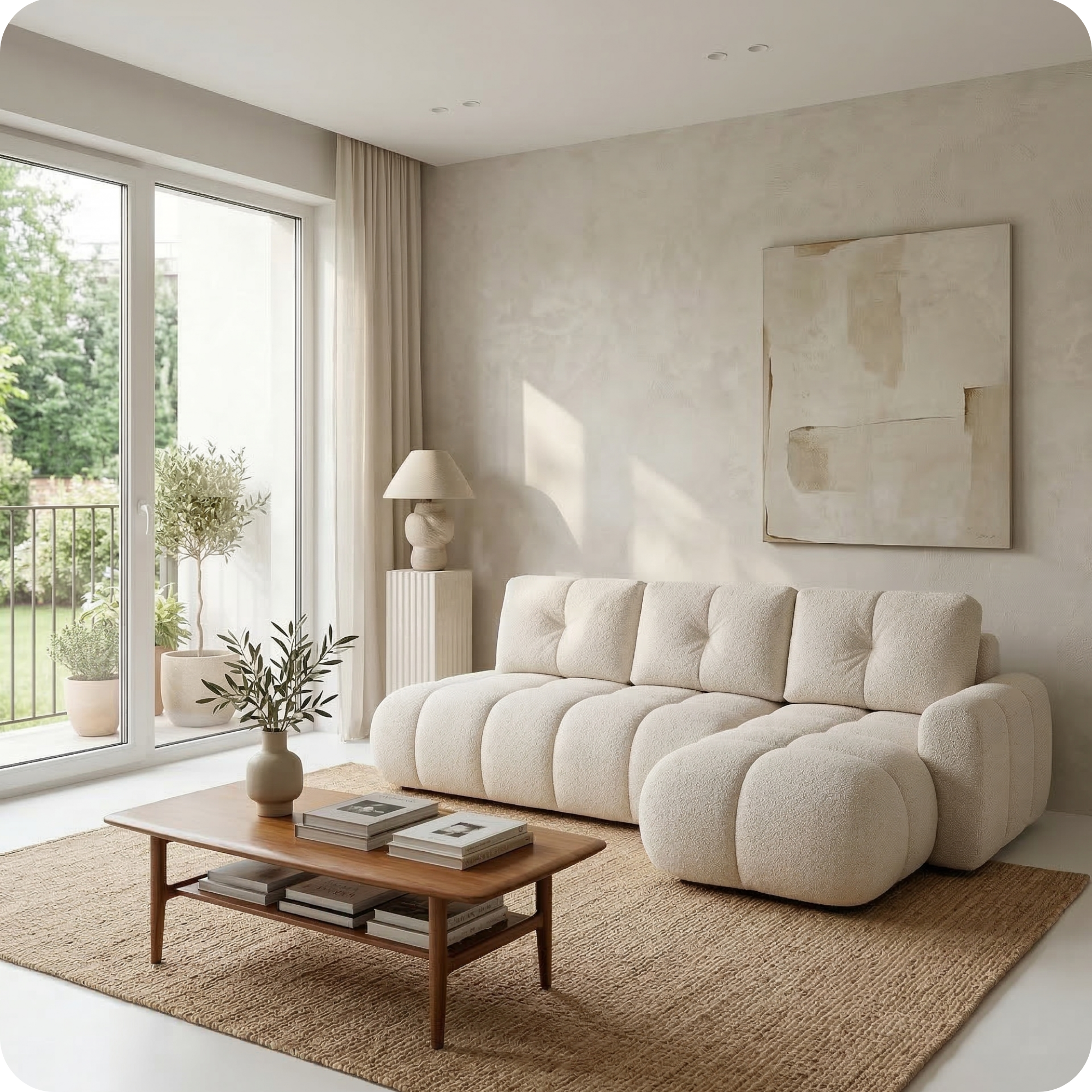
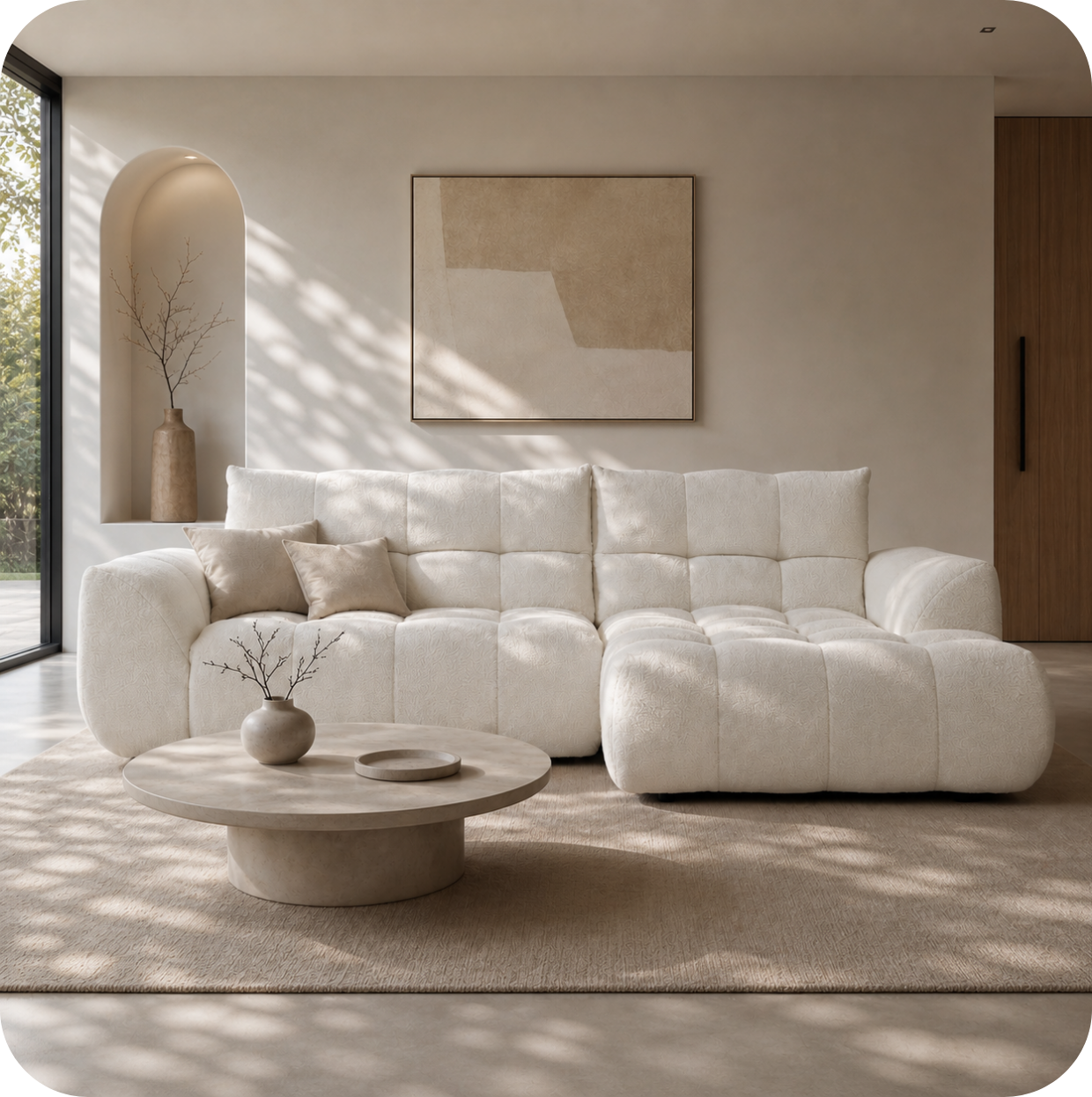
A terracotta sofa is the boldest way to commit to the trend — and the most impactful. A terracotta upholstered sofa immediately defines the room's colour story and creates a warm, inviting anchor. The key styling question is what to pair it with. The most successful terracotta sofa pairings: cream or warm white walls (letting the sofa read as the dominant colour statement), natural wood and wicker accents, botanical green plants, warm brass metallics, and cushions in complementary earthy tones — deep teal, burnt orange, warm mustard, dusty pink, and warm tan all work beautifully alongside terracotta upholstery.

Malbec Modular Sofa — from EUR 1.590
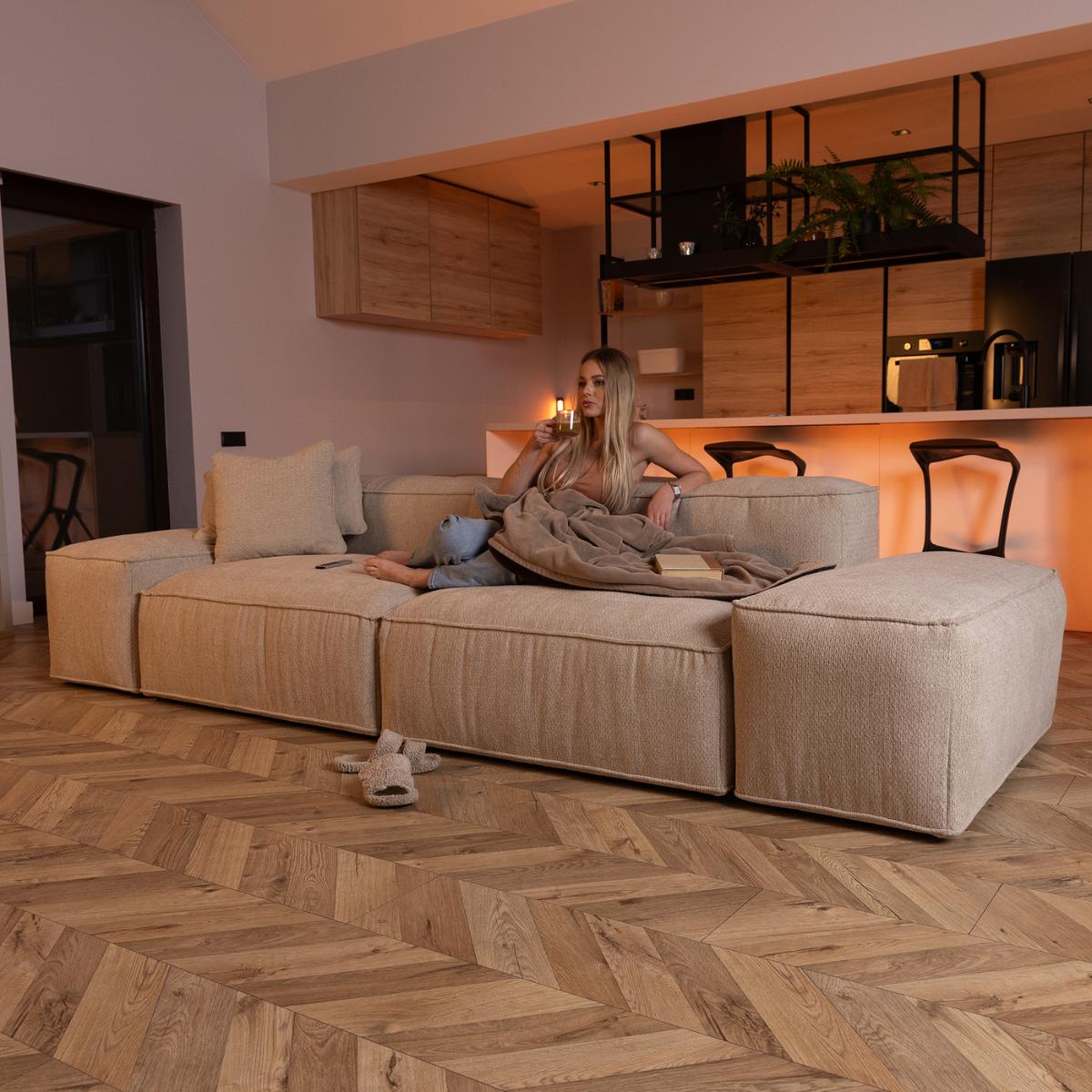
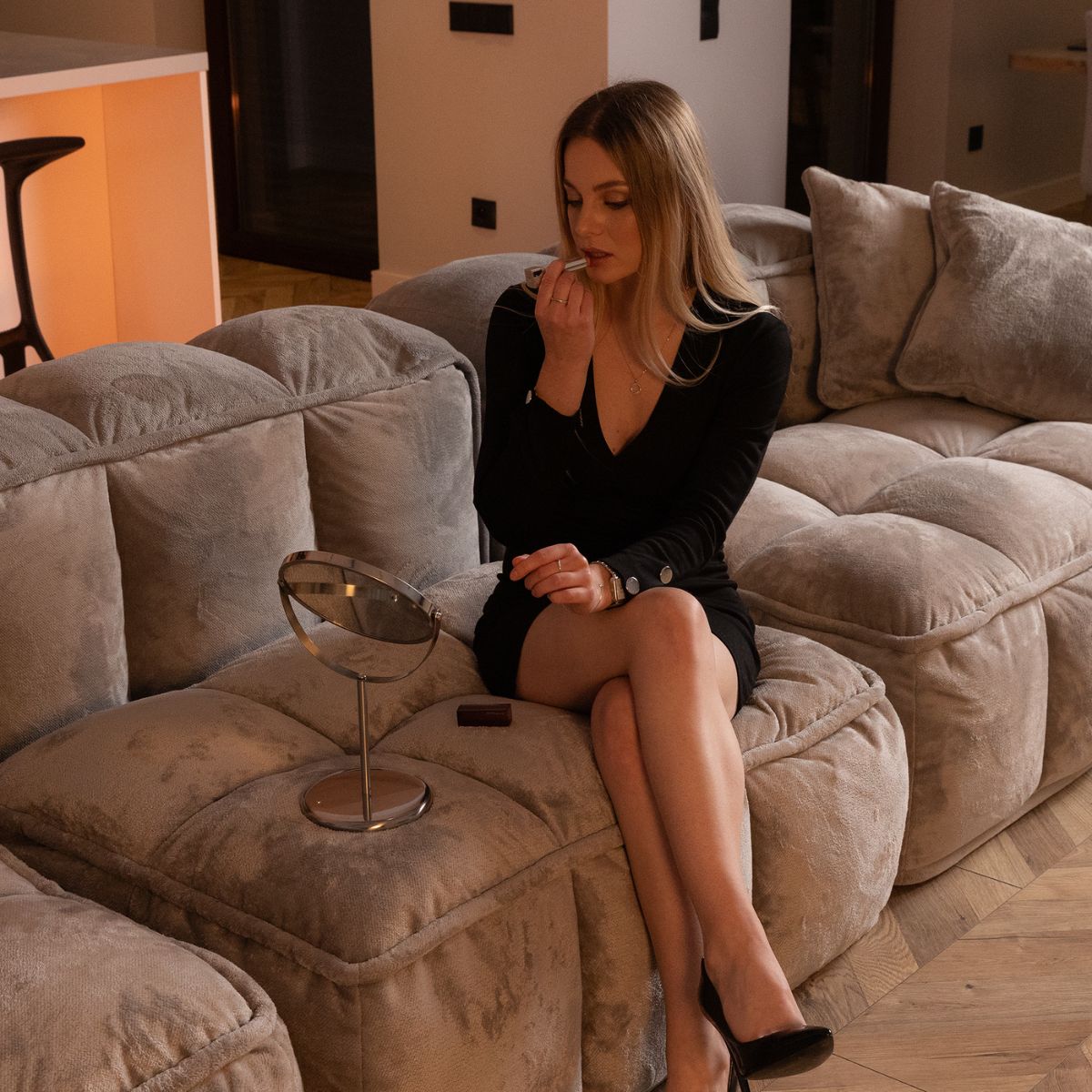
The Malbec's deep, warm wine colour sits in the same earthy spectrum as terracotta — the rich red-brown tone shares terracotta's warmth and grounding quality. In a terracotta-themed living room, the Malbec becomes the warm anchor around which all other earthy, organic elements build: woven rugs, natural ceramics, trailing plants, and warm amber lamp light create the full layered effect of a well-considered terracotta interior.

Lugano in Toffee — from EUR 990
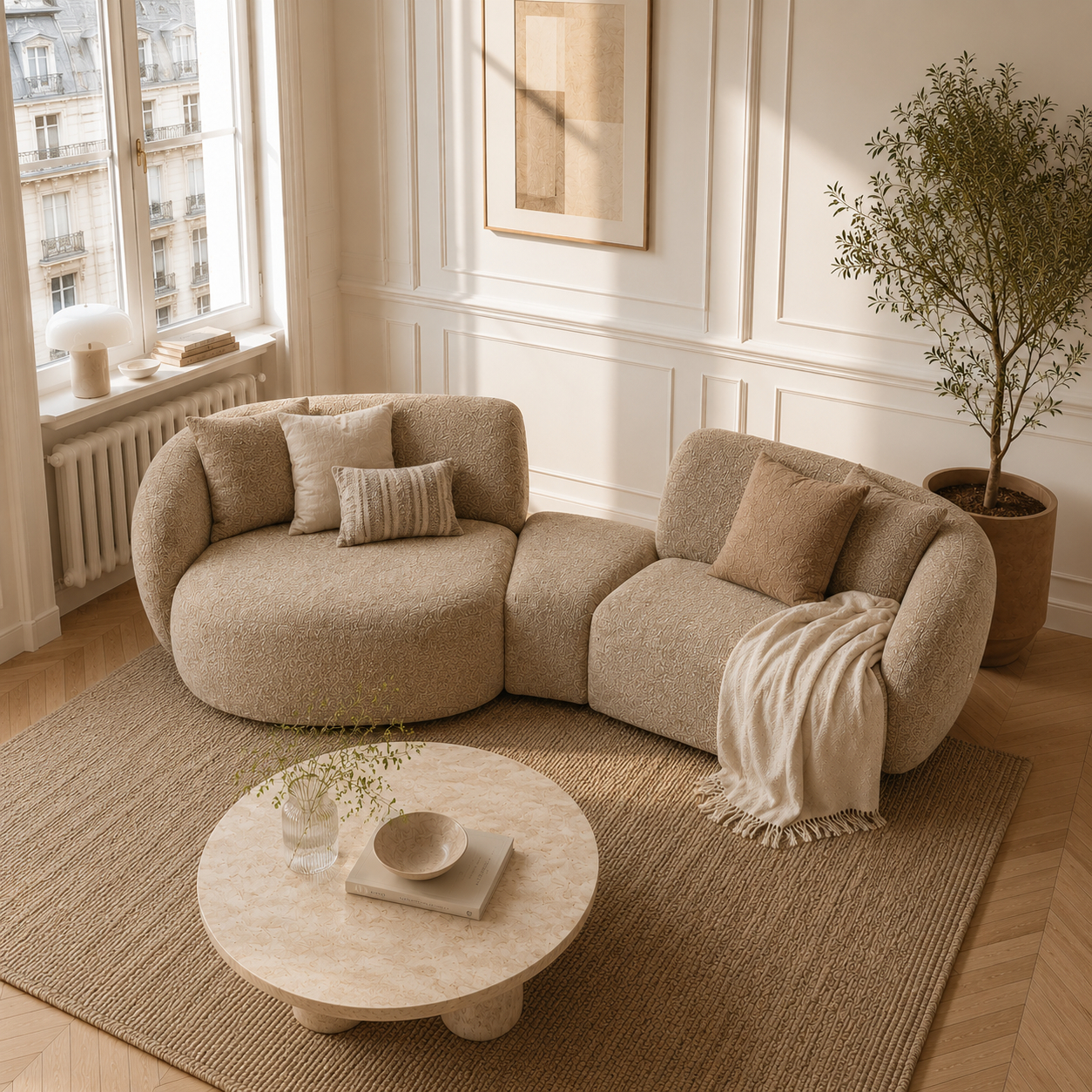
In a terracotta living room, the Lugano's toffee tone serves as a warm, complementary neutral anchor — sitting firmly within the earthy, amber-warm spectrum that terracotta decorating calls for. Paired with terracotta-toned cushions and a warm-patterned kilim rug, the toffee Lugano creates a complete earthy, organic colour story without the need for any cool or contrasting tones.
Terracotta as the Wall Colour
Terracotta walls are one of the most transformative single decorating choices you can make. A full terracotta wall — or all four walls — creates an enveloping warmth that is genuinely distinctive. The key is choosing the right tone: a mid-depth clay terracotta (not too orange, not too pale) works in most orientations. On south-facing walls with direct sunlight, a slightly cooler, more muted terracotta prevents the room from feeling hot; in north-facing rooms, a warmer, more amber terracotta fights back against the cool ambient light. Against terracotta walls, a neutral cream or greige sofa becomes more interesting than it would on white walls; a teal or forest green sofa creates a striking complementary contrast.
Terracotta as an Accent Colour
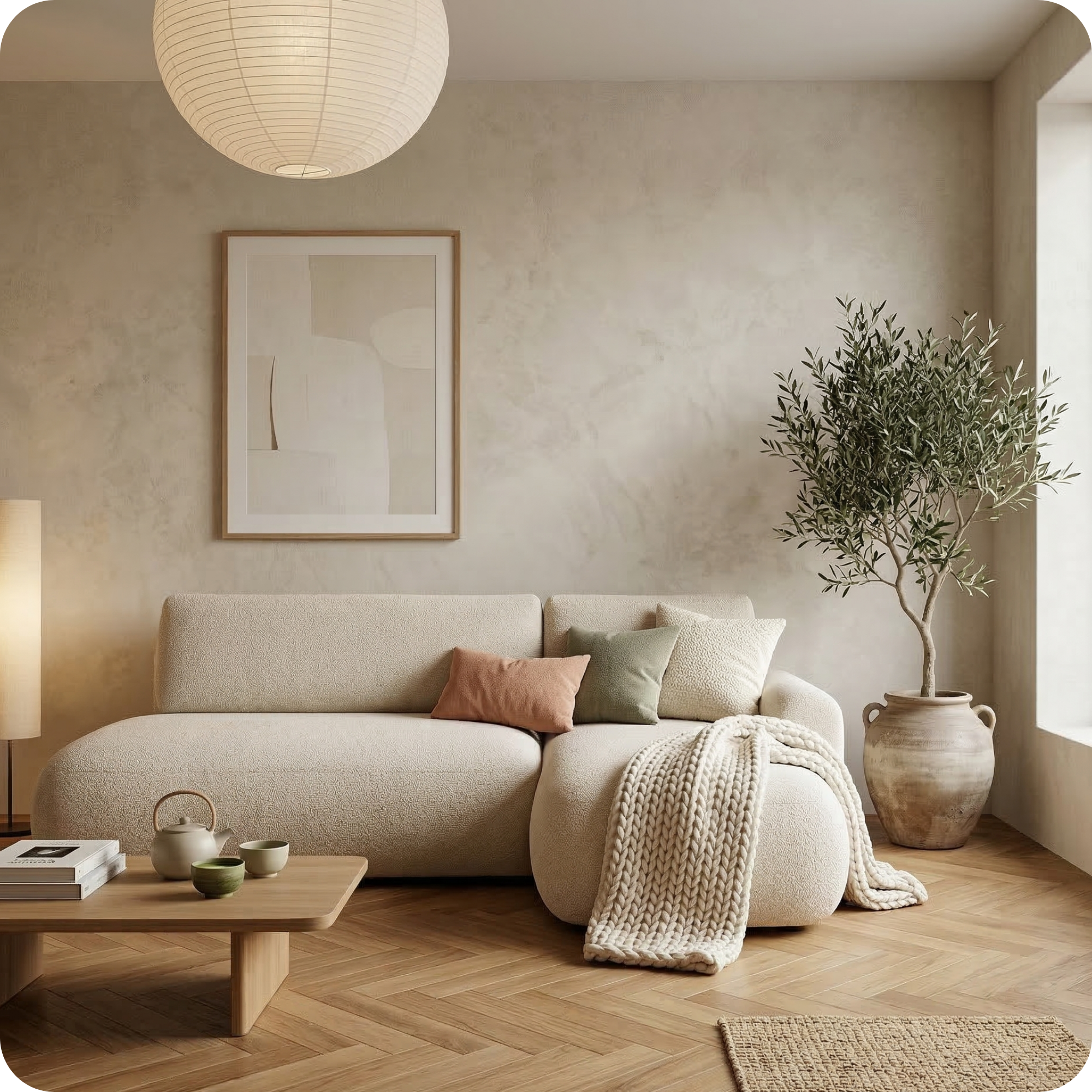
The most flexible way to use terracotta is as an accent colour — in cushions, throws, rugs, ceramics, and artwork — against a neutral base. This approach works in virtually any style of living room. A grey sofa with terracotta cushions is a universally appealing combination. A natural linen sofa with terracotta and warm botanical cushions reads as effortlessly chic. Even a dark navy sofa with a terracotta cushion or two adds warmth without changing the room's dominant colour story.
Material Companions for Terracotta
Terracotta comes fully alive when surrounded by the right materials: natural jute and sisal rugs, rattan and wicker furniture, unglazed terracotta pots with trailing plants, raw linen and cotton textiles, rough-textured ceramics, and warm natural wood. All of these materials share terracotta's earthy, organic quality — they are all made from earth, clay, or plant material, and they reinforce the grounded, natural warmth that makes terracotta such a compelling interior choice.

Hinterlasse einen Kommentar
Diese Website ist durch hCaptcha geschützt und es gelten die allgemeinen Geschäftsbedingungen und Datenschutzbestimmungen von hCaptcha.