

Burnt Orange Living Room Ideas: How to Decorate With Burnt Orange at Home
Burnt orange — a deep, warm orange that reads more brown than bright, closer to rust, terracotta, or spiced amber than to a traffic cone or citrus fruit — is one of the most versatile and enduring warm accent colours available to living room designers. It sits in the earthy end of the orange spectrum, where the colour has been muted by brown and grey undertones until it loses the alarming brightness of pure orange and gains instead a sophisticated depth that works in both bold and restrained interiors. Burnt orange has strong cultural connections to autumnal tones, the Art Deco period, and 1970s design — all aesthetics that have seen significant revival in recent years — but it also works successfully in entirely contemporary contexts.
Burnt Orange as an Accent Against Neutrals
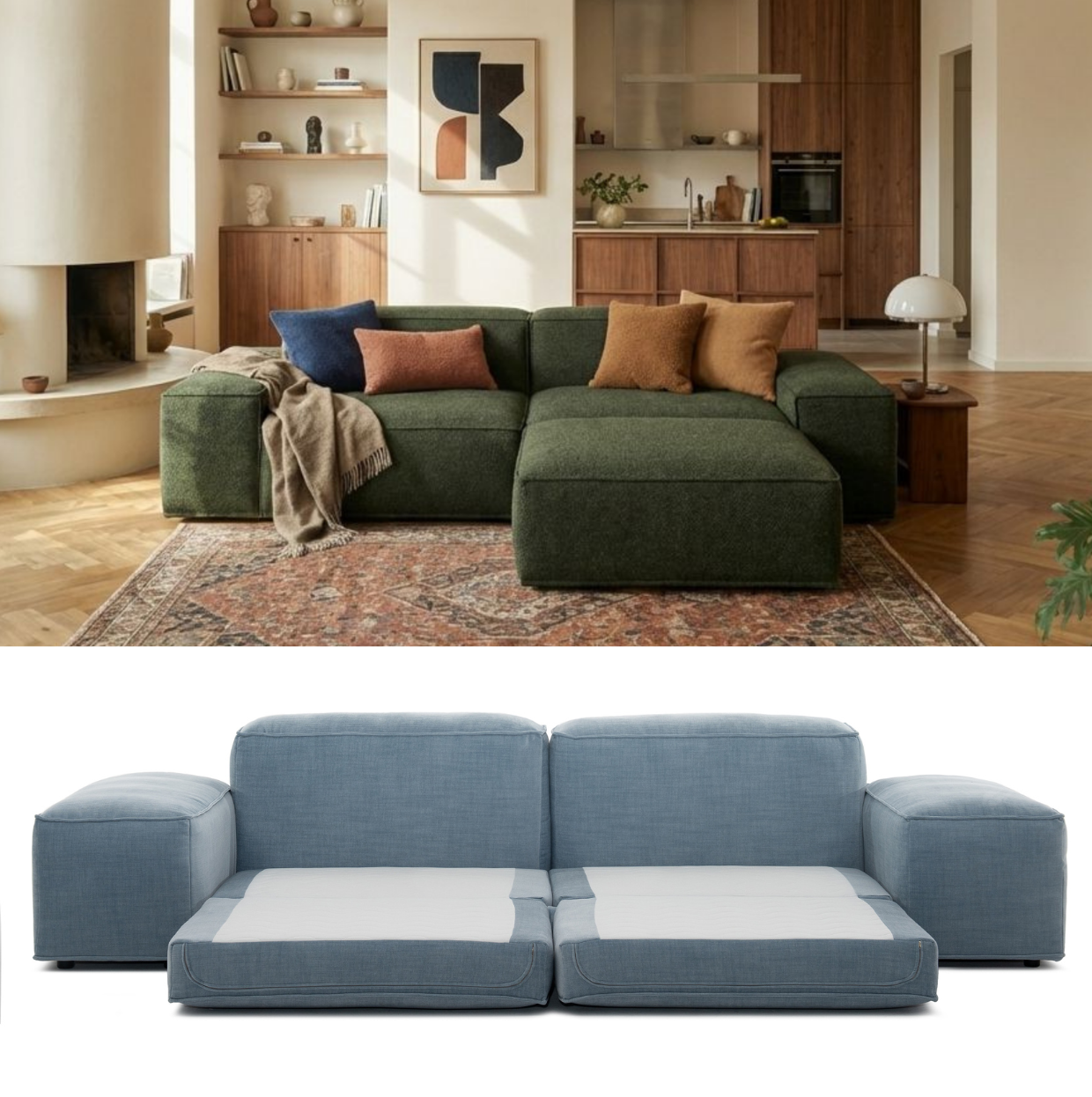
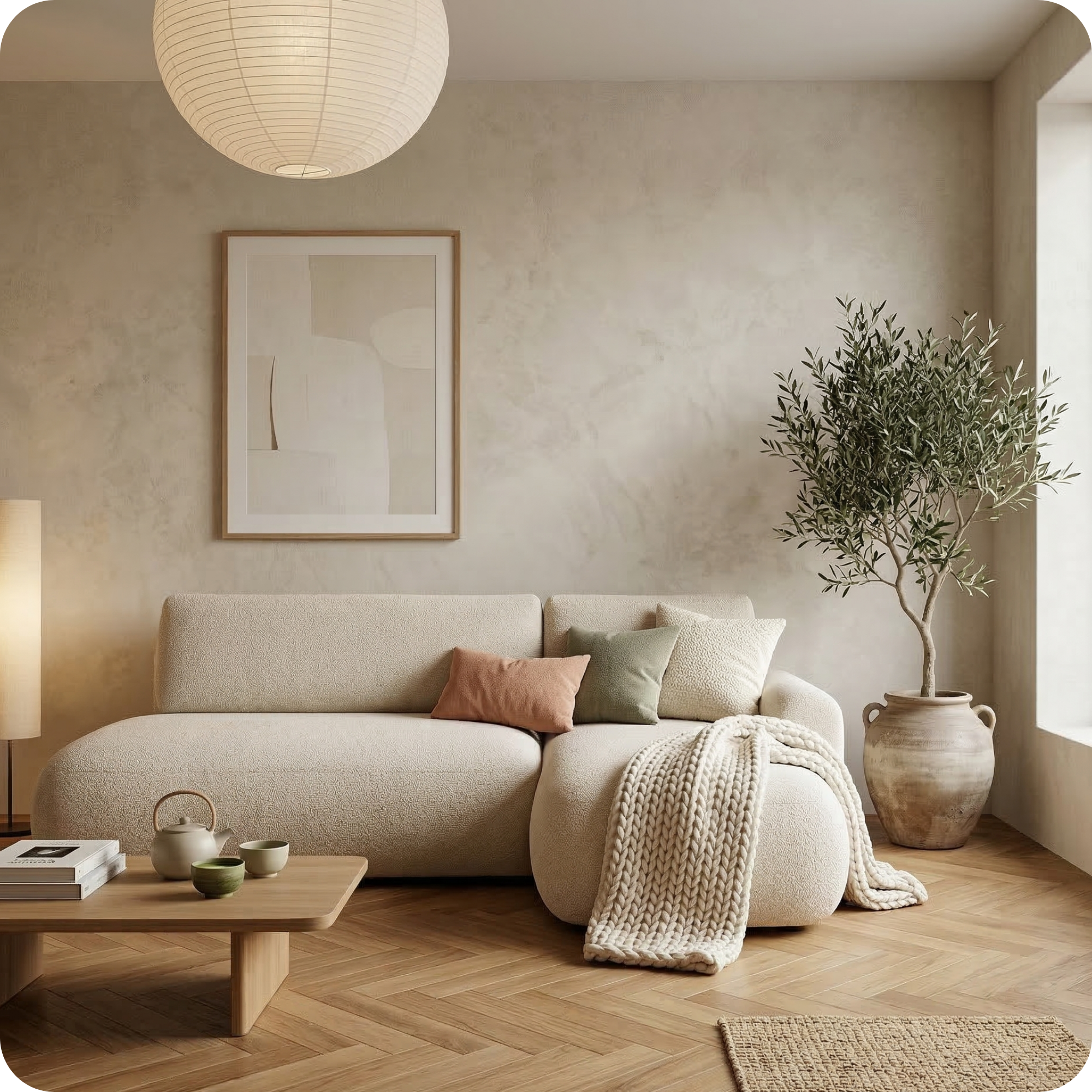
The most accessible route to burnt orange in a living room is through cushions and accessories against a neutral backdrop. A set of three or four burnt orange cushions on a light grey or sand sofa creates an immediate, warm personality shift in the room without any structural commitment. A burnt orange throw draped over the arm of a sofa adds warmth in both visual and physical terms. Burnt orange ceramics — a tall vase, a set of earthenware bowls displayed on a shelf, a cluster of terracotta plant pots — bring the colour in at an intimate accessory scale. In all of these cases, the key supporting elements are warm wood tones and cream or warm white neutrals — these materials reinforce the earthy, naturalistic quality of burnt orange rather than fighting it.

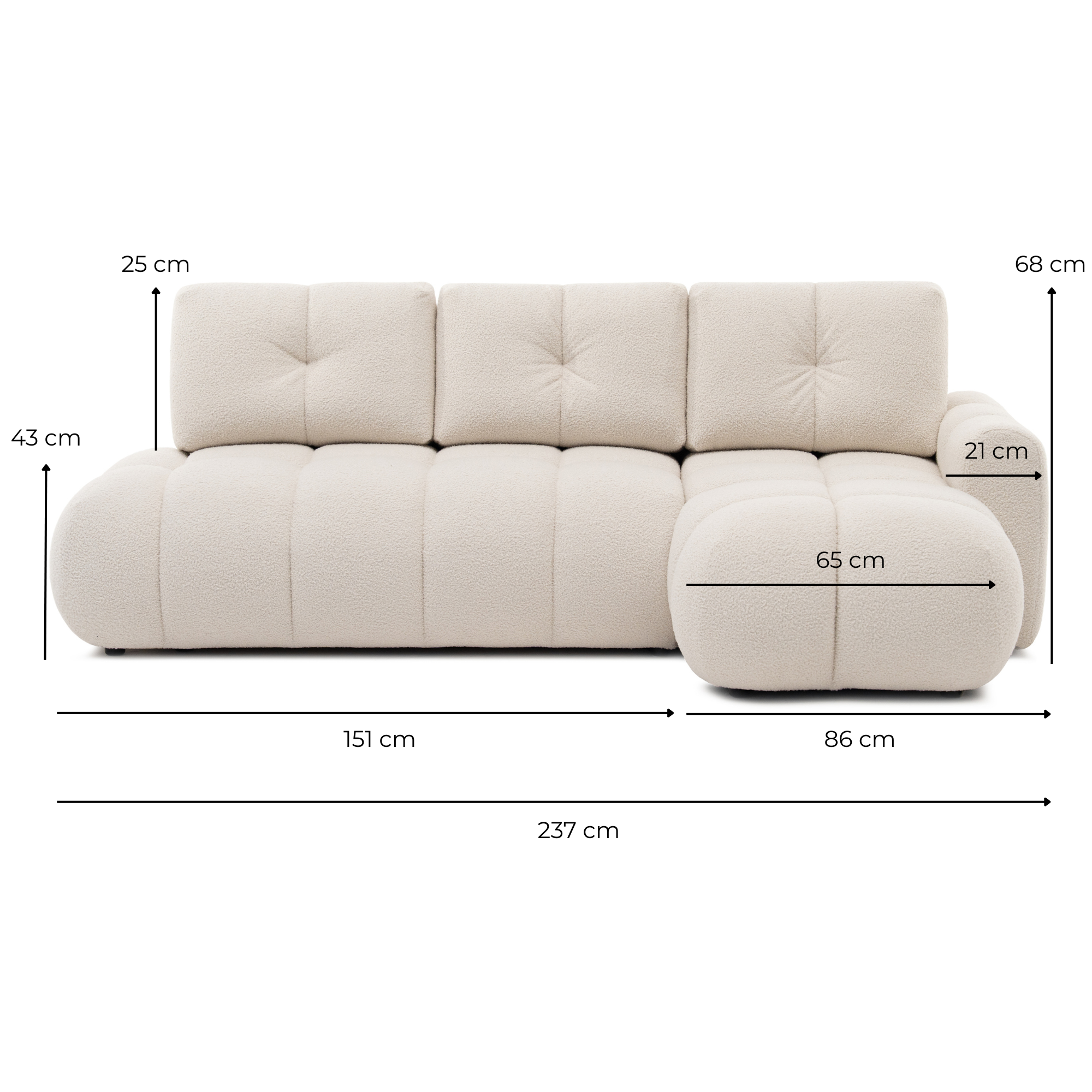
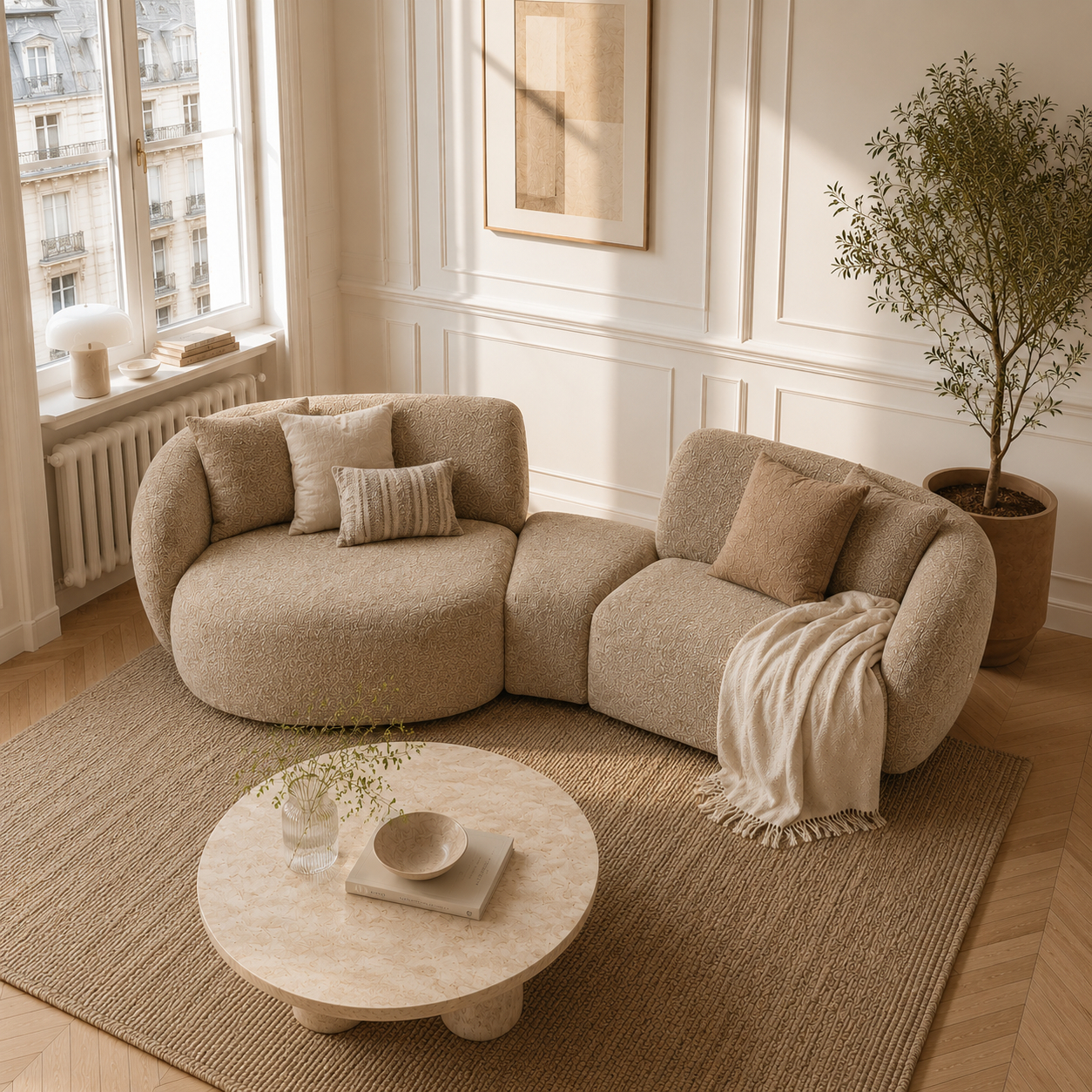
Lugano Sofa — Sand — from €1,299
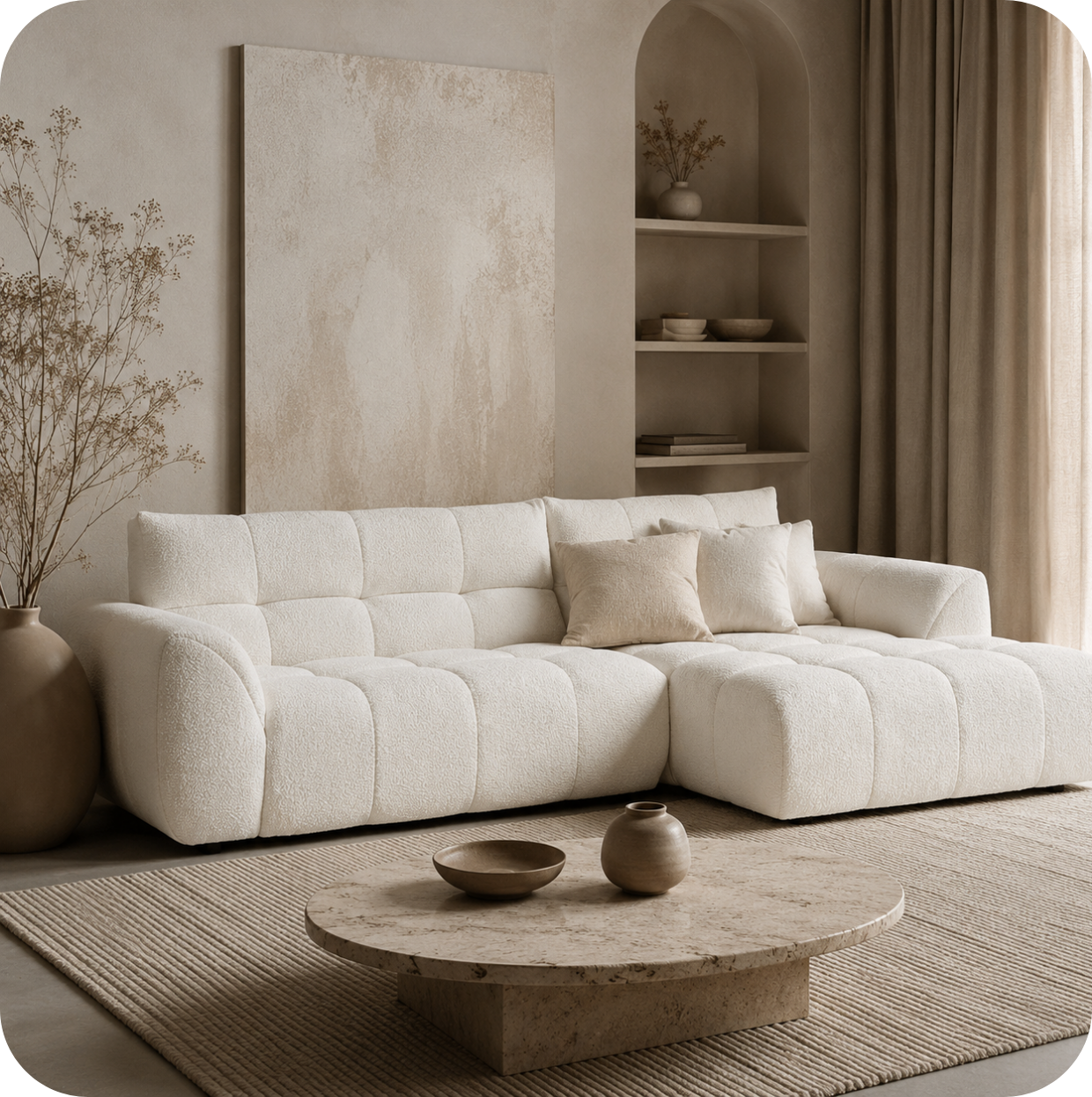
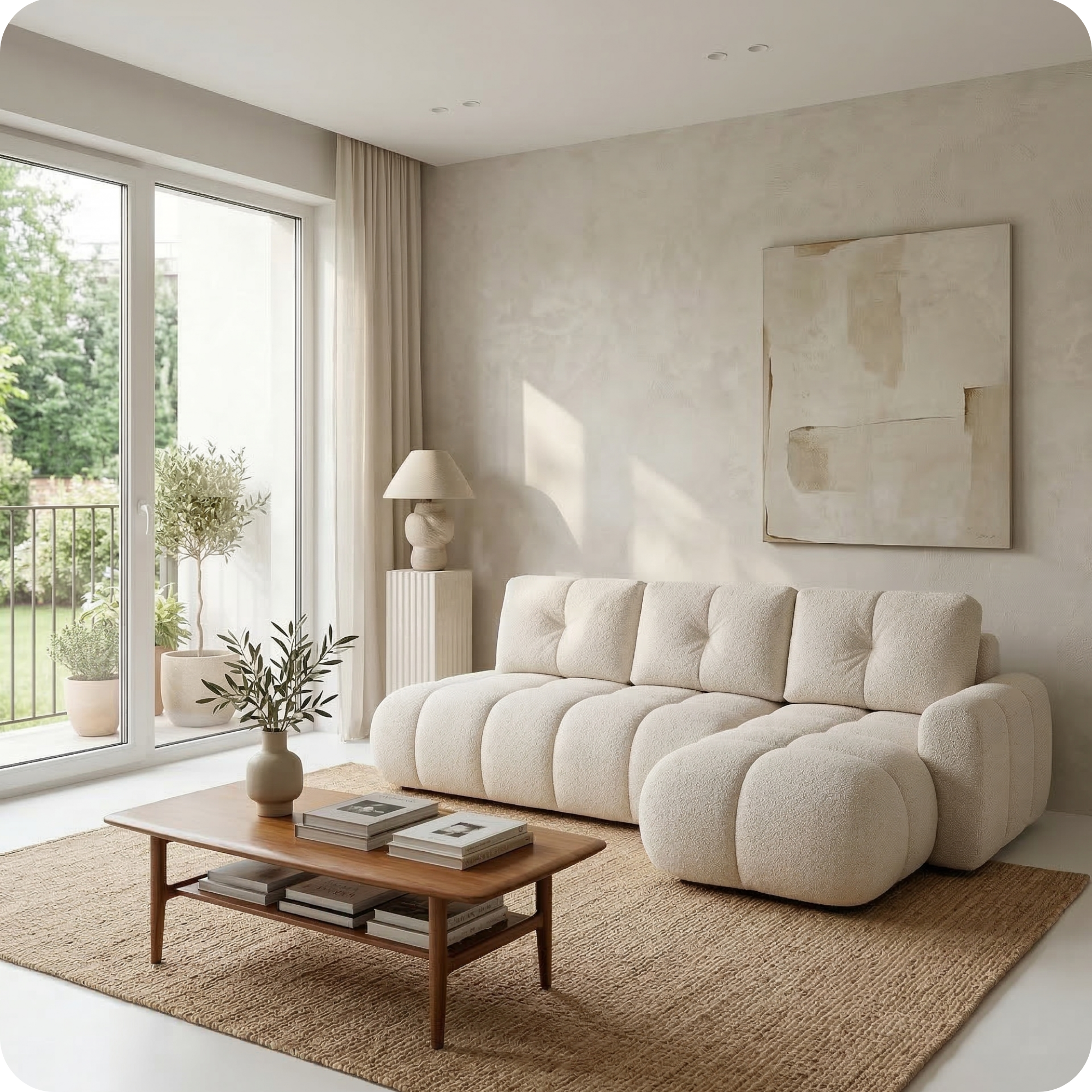
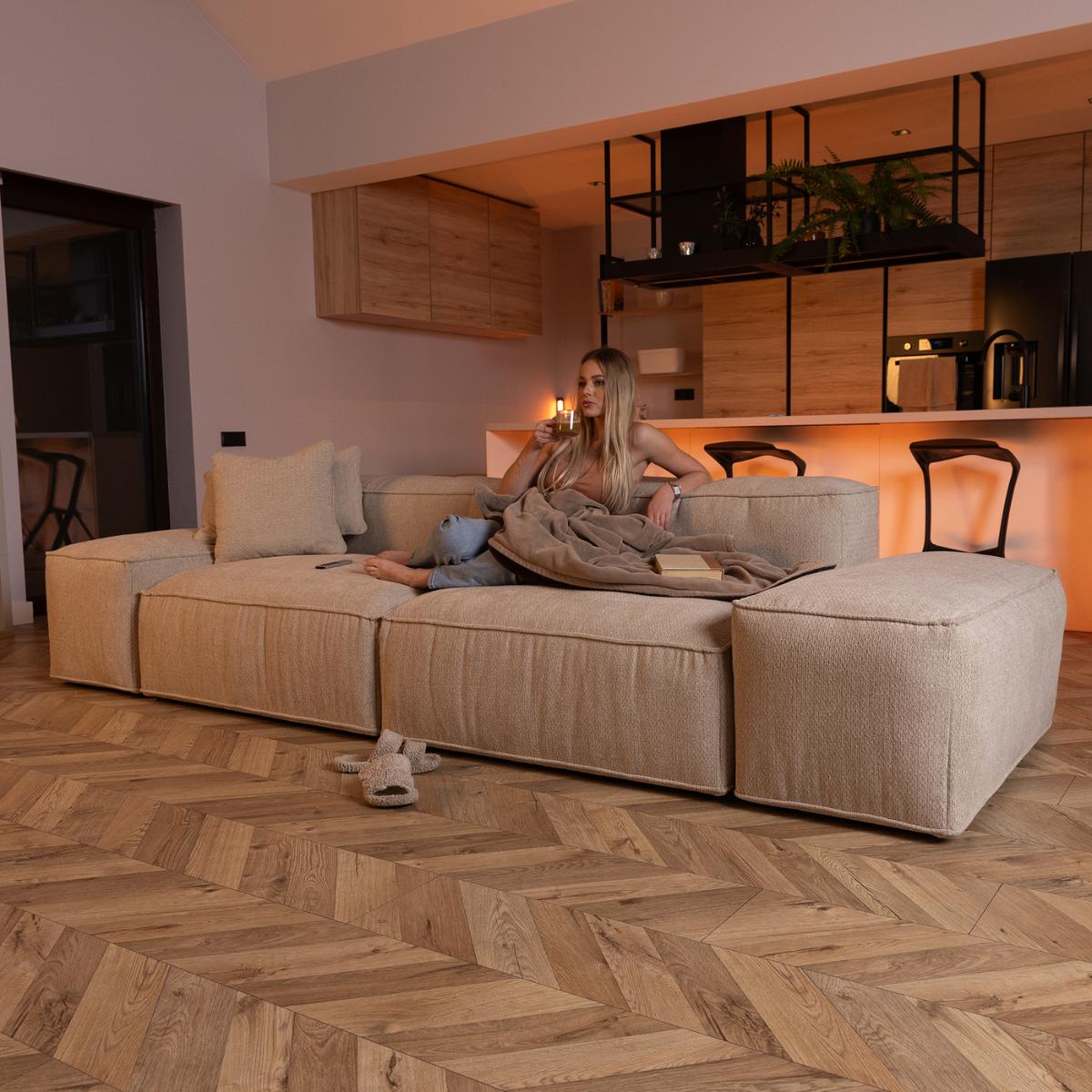
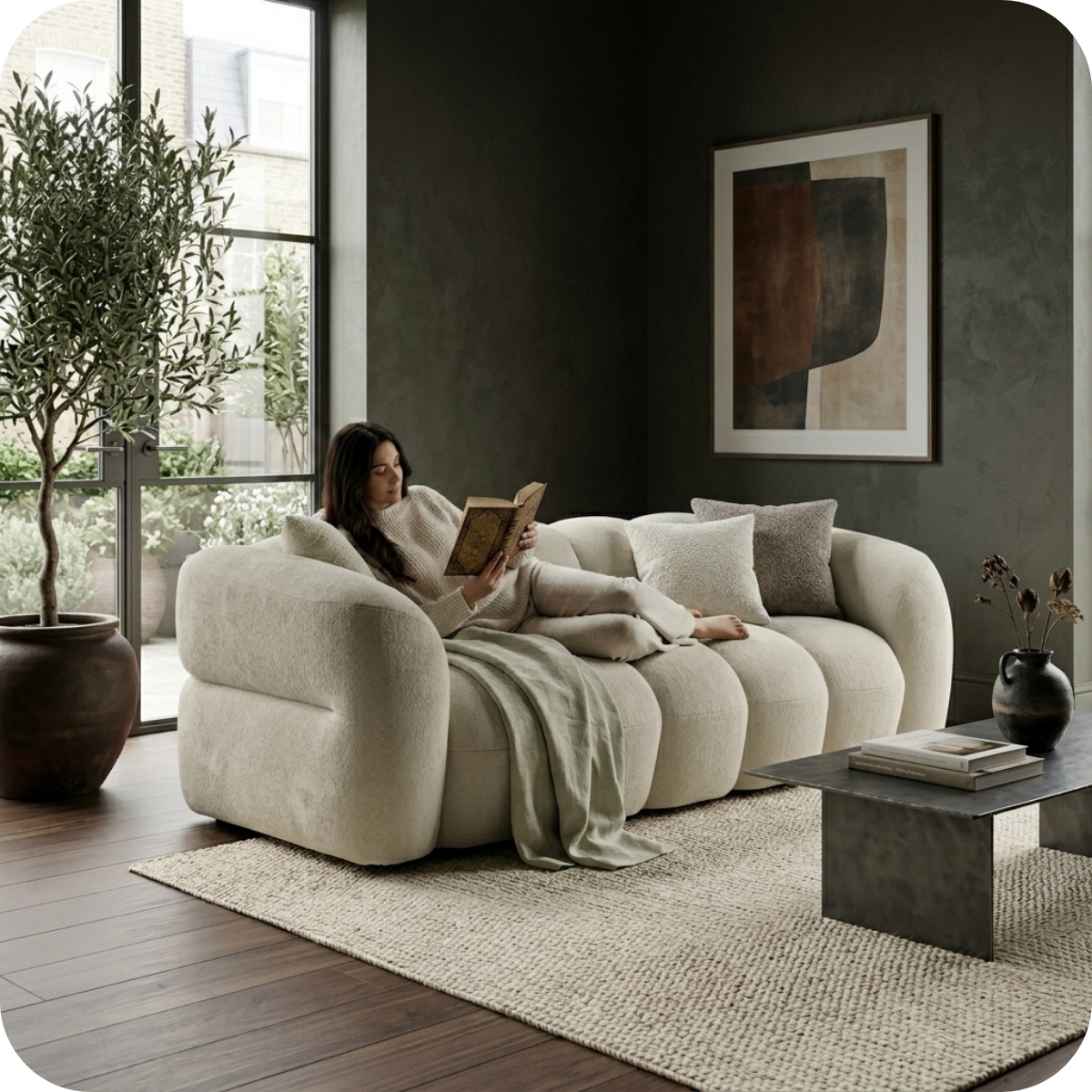
The sand Lugano is one of the most natural backdrops for burnt orange accents — the warm, beige-inflected tone sits in the same earthy family as burnt orange and creates a harmonious, deeply organic palette. Pile with burnt orange and deep amber cushions, add a jute rug and a collection of terracotta vessels for a fully realised earthy result.

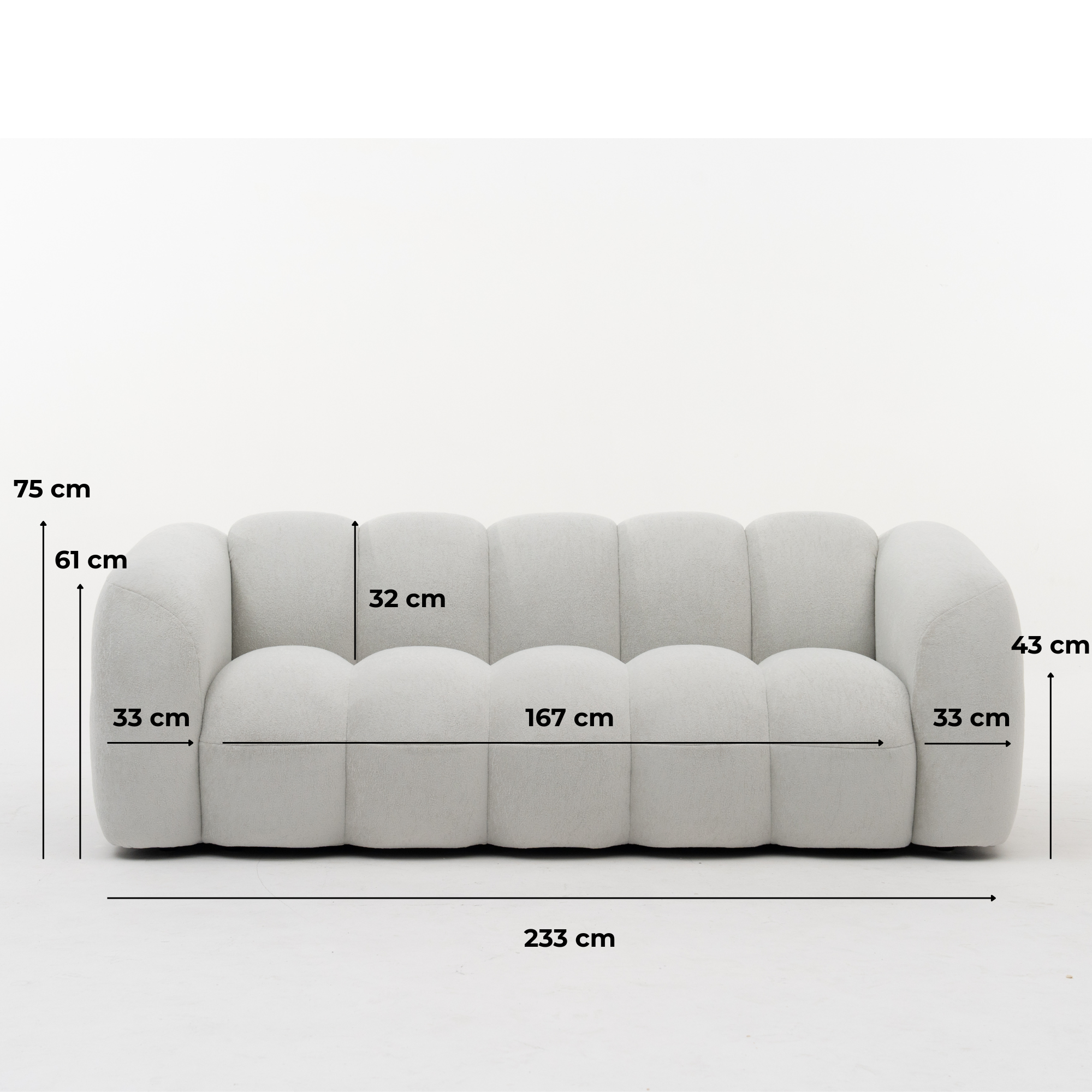
Lugano Sofa — Toffee — from €1,299
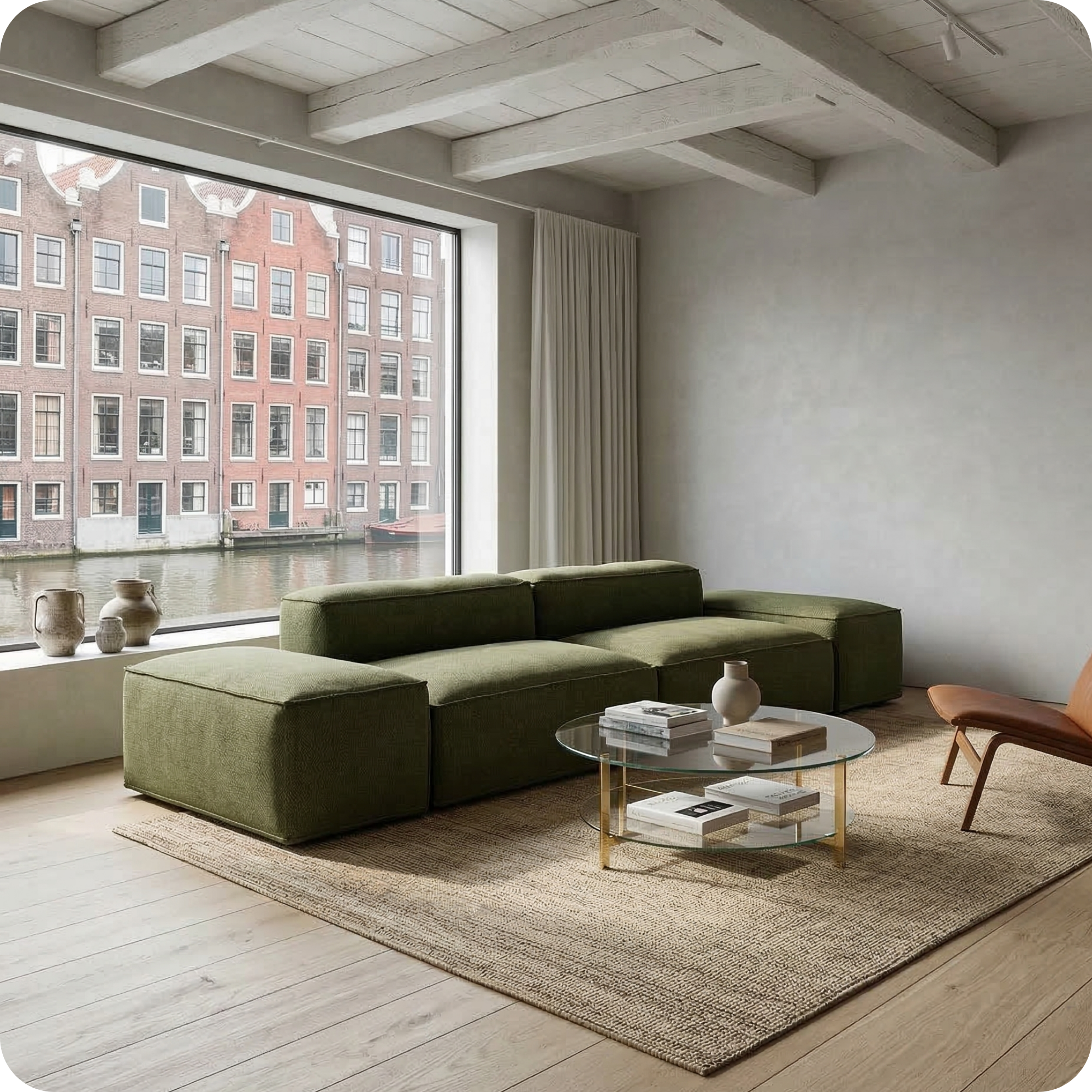
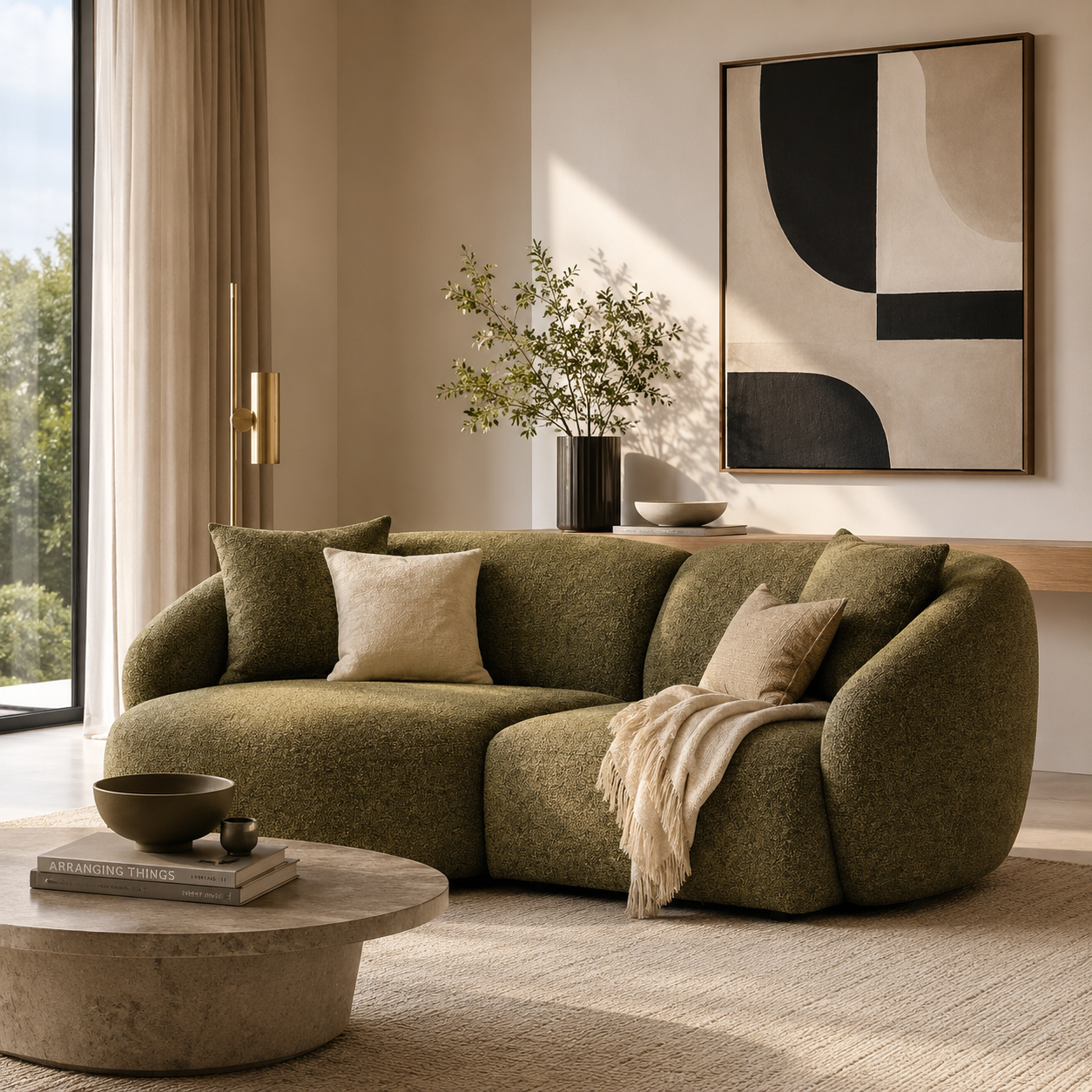
Toffee is the natural next step along from burnt orange — both colours share warm brown and amber undertones that make them deeply compatible. In a toffee and burnt orange room, add sage green or warm olive as a complementary counterpoint, forest green plants, and warm brass accessories.
Burnt Orange as a Wall Colour
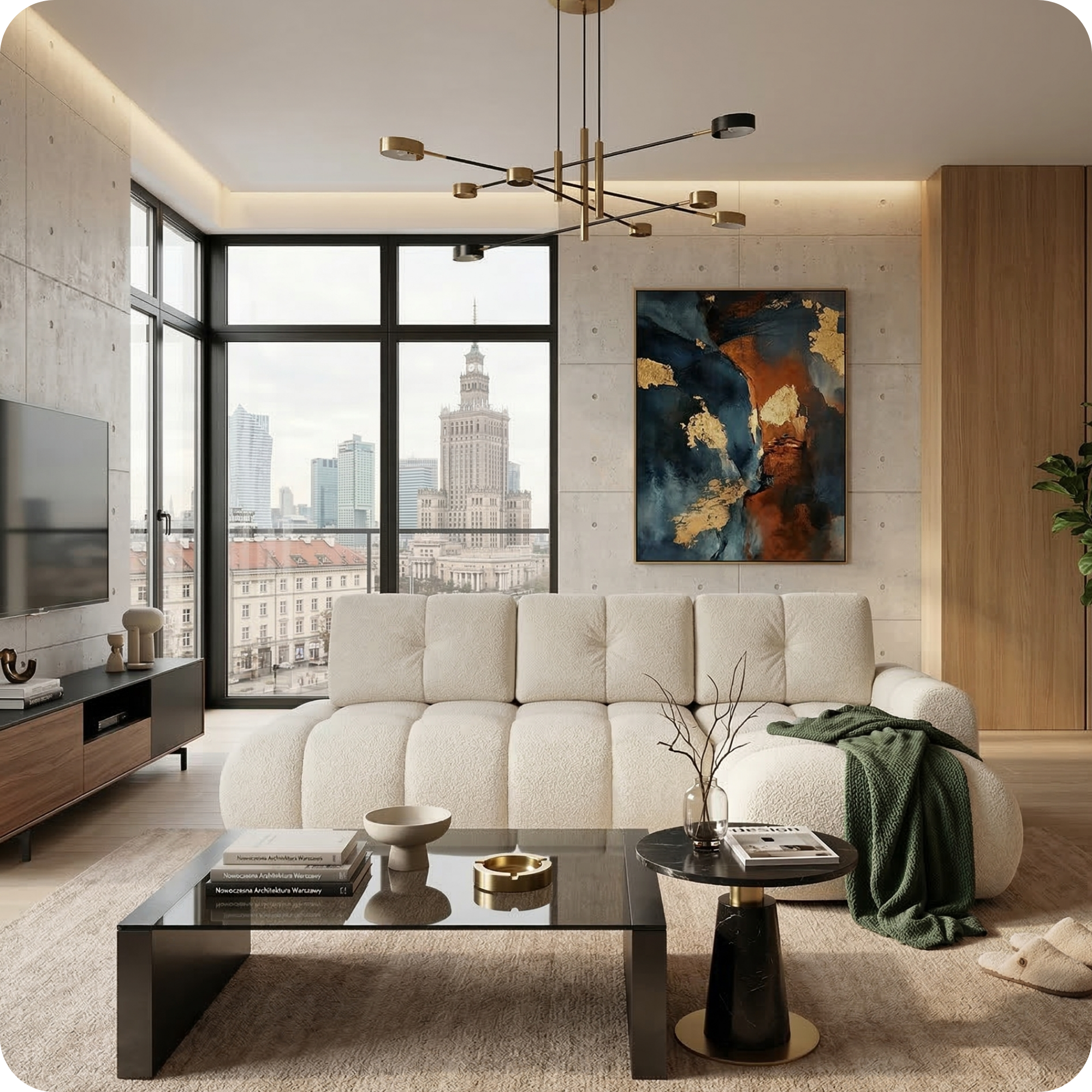
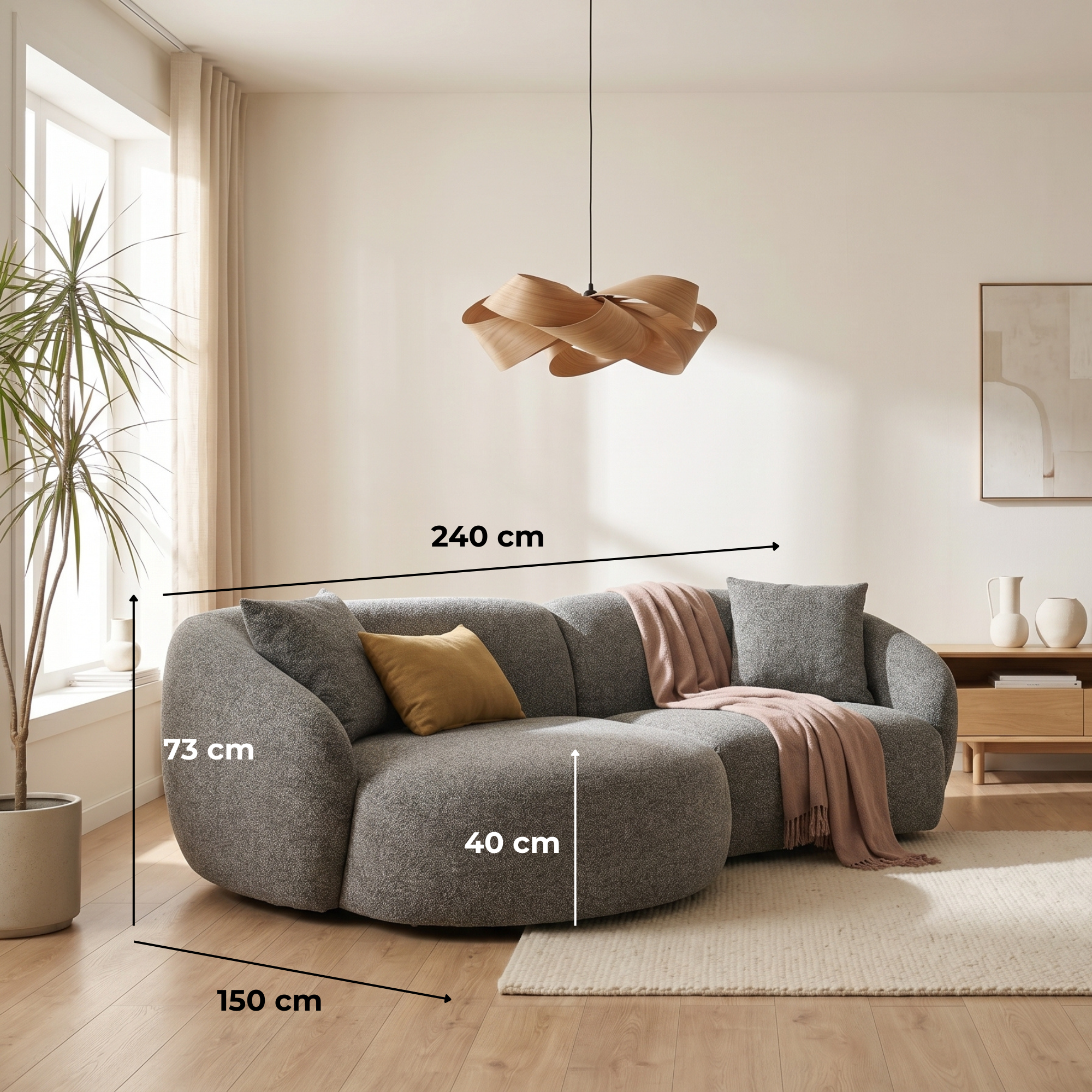
A burnt orange feature wall is one of the most impactful (and somewhat brave) colour choices for a living room — it creates instant drama and warmth, transforming the atmosphere of the space in a single gesture. The key to making it work is contrast: burnt orange walls need either cool relief (a grey sofa, steel or chrome accessories, cool white ceiling) or deep contrast (a near-black or deep charcoal sofa, walnut furniture, dark flooring). Avoid pairing a burnt orange wall with a similarly warm sofa in terracotta or rust tones — the result can be overwhelming. A grey or cream sofa against a burnt orange wall creates a striking, confident composition that reads as deeply considered.
Burnt Orange Colour Combinations
Burnt orange's most successful colour companions in living room design are those that either share its warmth or provide cool, grounding contrast. Sage green and warm olive are the complementary cool tones that work best alongside burnt orange — the herb-garden quality of these greens is a natural partner for the autumnal warmth of burnt orange. Deep navy and teal provide a stronger cool contrast — more graphic, more dramatic. Warm cream, sand, linen, and natural wood provide warmth-to-warmth combinations that keep the palette earthy and organic. Avoid pairing burnt orange with bright or cool white, which makes it look garish; instead keep whites warm and cream-tinted.