


Contemporary vs Modern Interior Design: What's the Difference and Which Is Right for You?
If you've spent any time researching interior design, you've almost certainly encountered the terms "contemporary" and "modern" used interchangeably — but in interior design, these two words describe distinctly different aesthetic approaches. Understanding the difference is genuinely useful: it helps you communicate more precisely what you're looking for, search for the right references, and make more cohesive choices when furnishing and decorating a room. This guide breaks down the key differences between contemporary and modern design, and helps you identify which approach best suits your taste.
What is Modern Interior Design?
Contrary to what the name suggests, "modern" interior design does not mean the latest trends. In design terminology, "modern" refers specifically to the modernist design movement that emerged in the early 20th century — particularly from the 1920s through to the 1970s. Modernist design was a reaction against Victorian-era ornamentation: it championed simplicity, functionality, and the idea that "form follows function." Key characteristics of modern interior design include clean straight lines, flat surfaces with minimal ornamentation, a neutral palette with occasional bold colour accents, natural materials including wood and leather, and iconic mid-century furniture pieces — think Eames chairs, Barcelona chairs, and tulip tables. Modern design celebrates craftsmanship and specific iconic pieces.
What is Contemporary Interior Design?
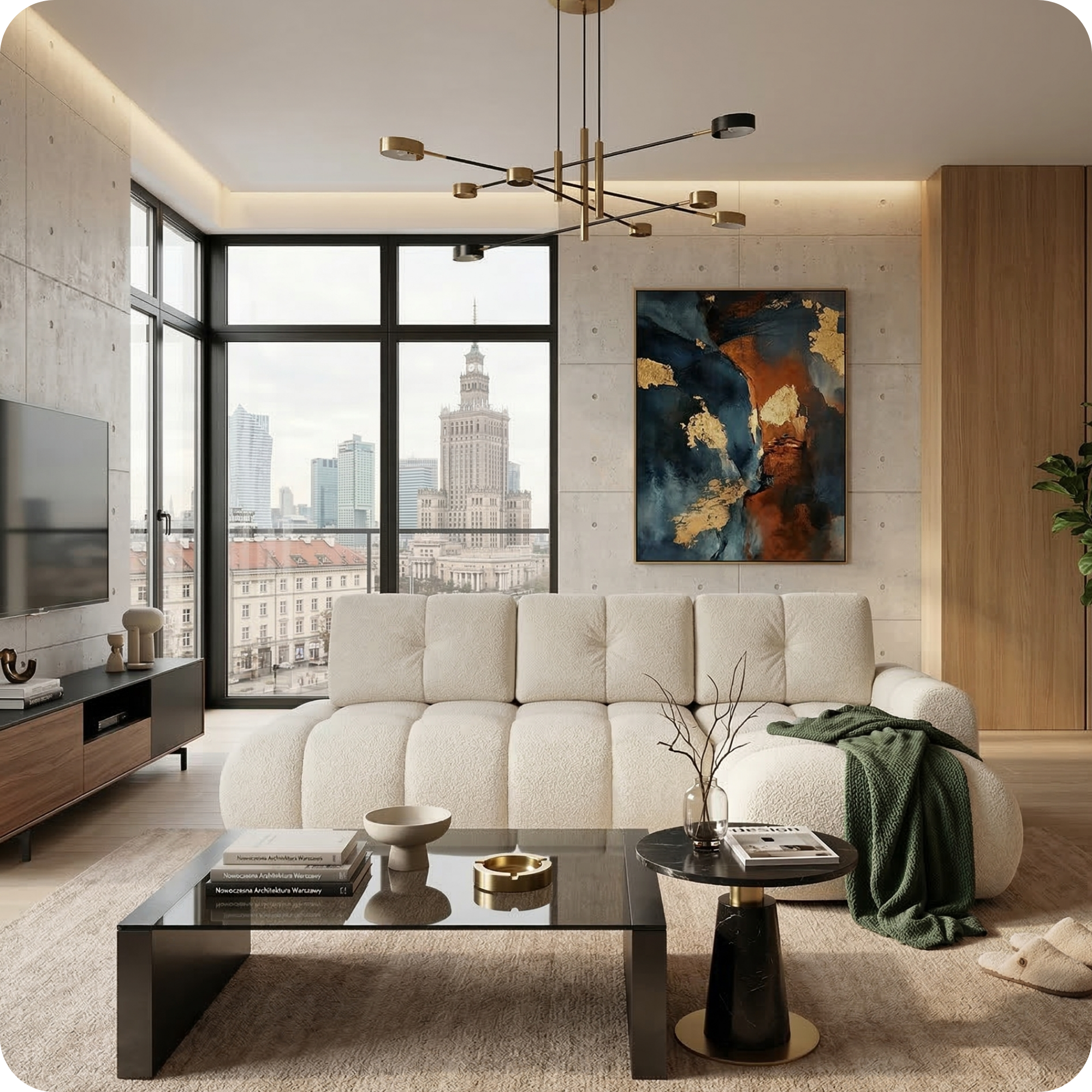
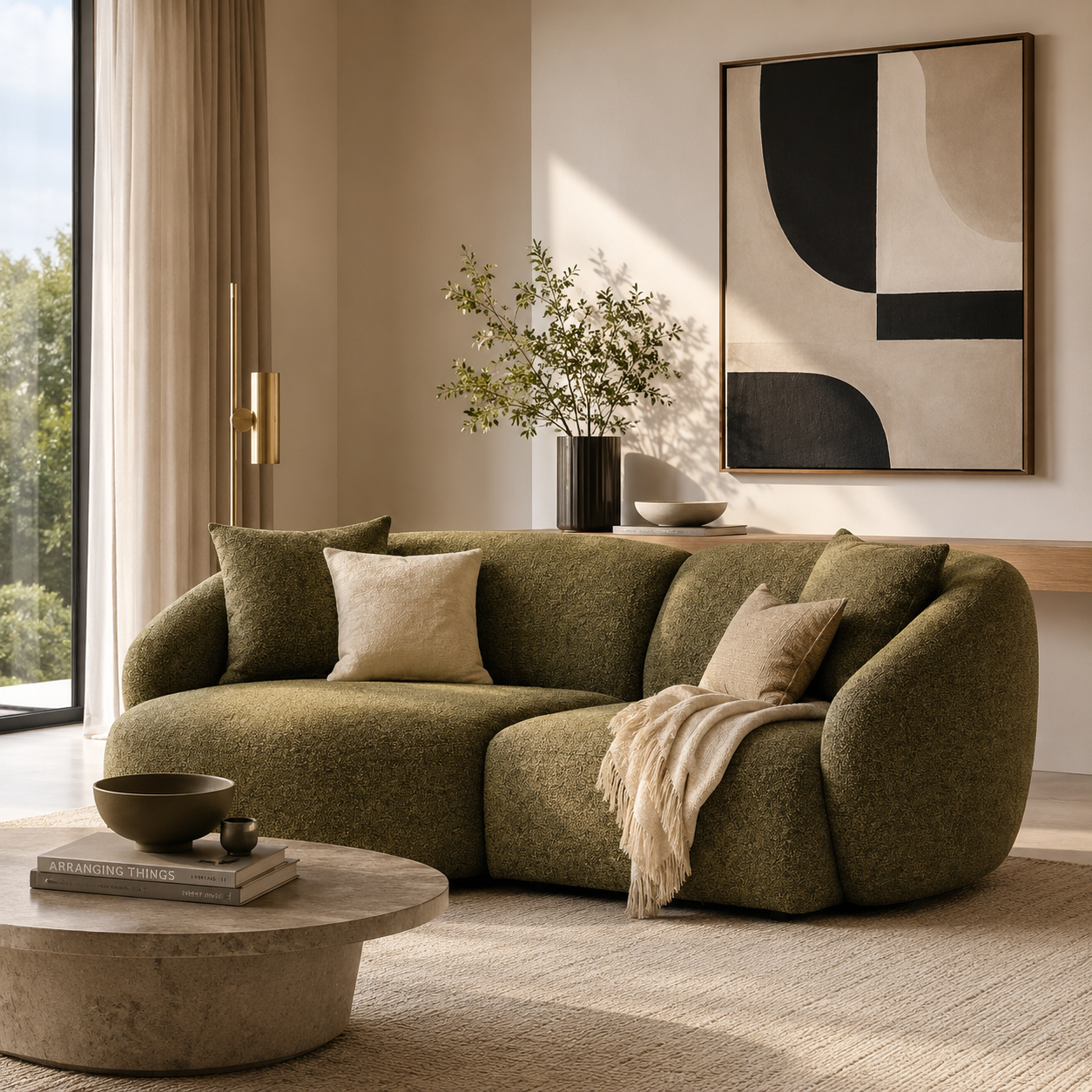
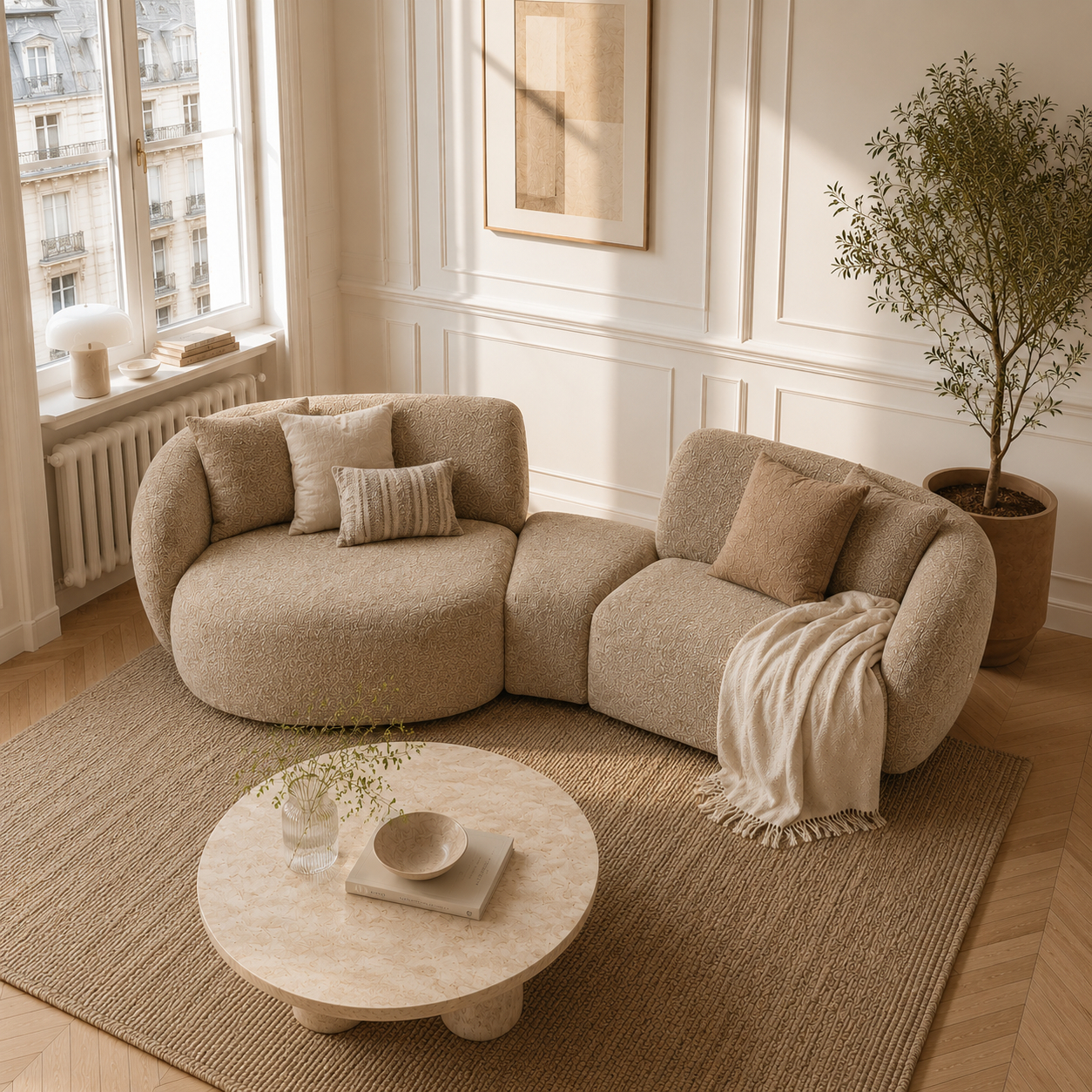
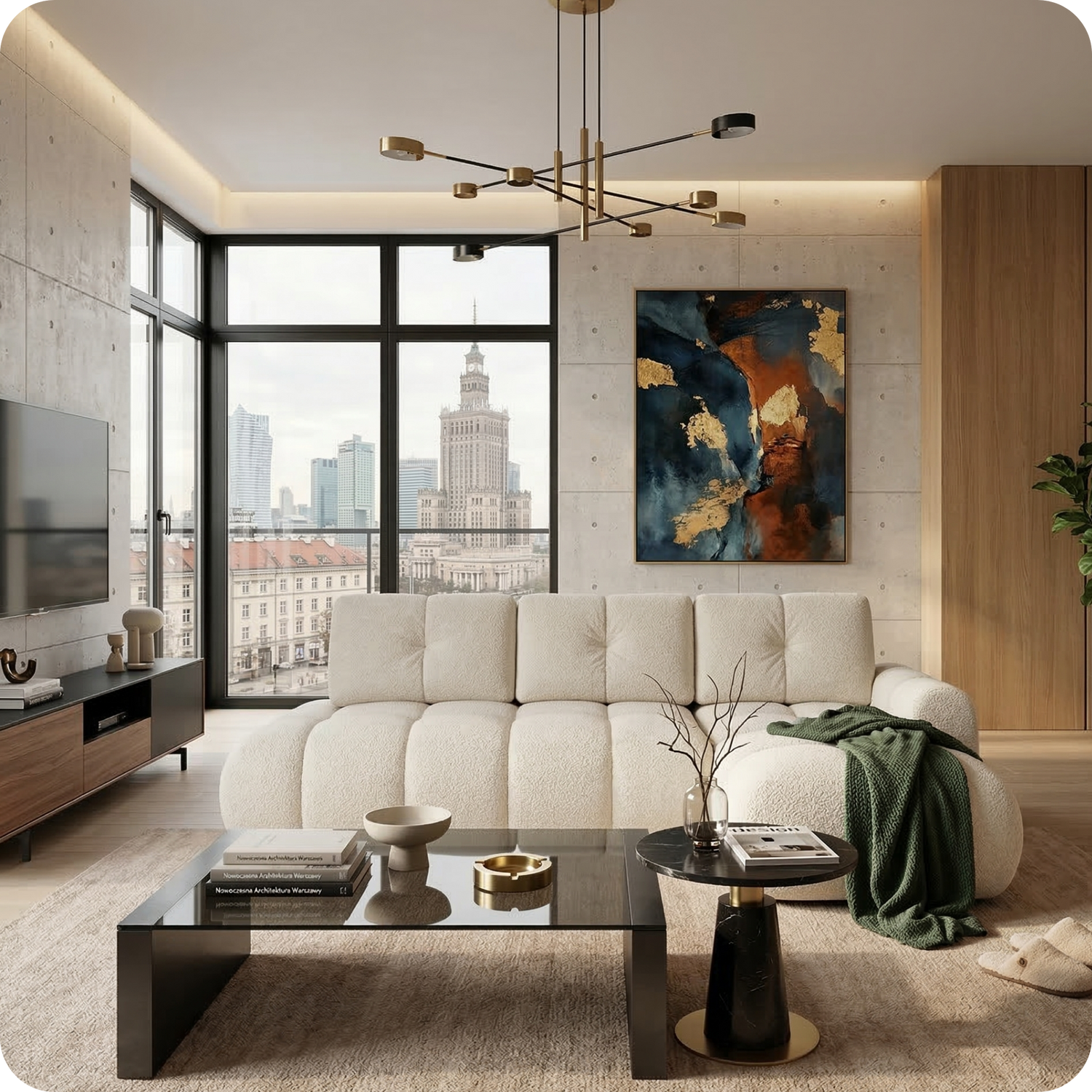
Contemporary design, by contrast, refers to what is current right now — it is a living, evolving style that reflects current design trends rather than a specific historical period. In practice, contemporary design shares some DNA with modern design (clean lines, minimal clutter) but tends to be more eclectic, more flexible, and more fluid. Contemporary interiors often mix curved and straight forms, incorporate a wider range of materials including metals and glass, use a more neutral palette punctuated by texture rather than colour, and are more likely to mix design periods and styles. If a room looks like it could be featured in a current interiors magazine, it is probably contemporary.

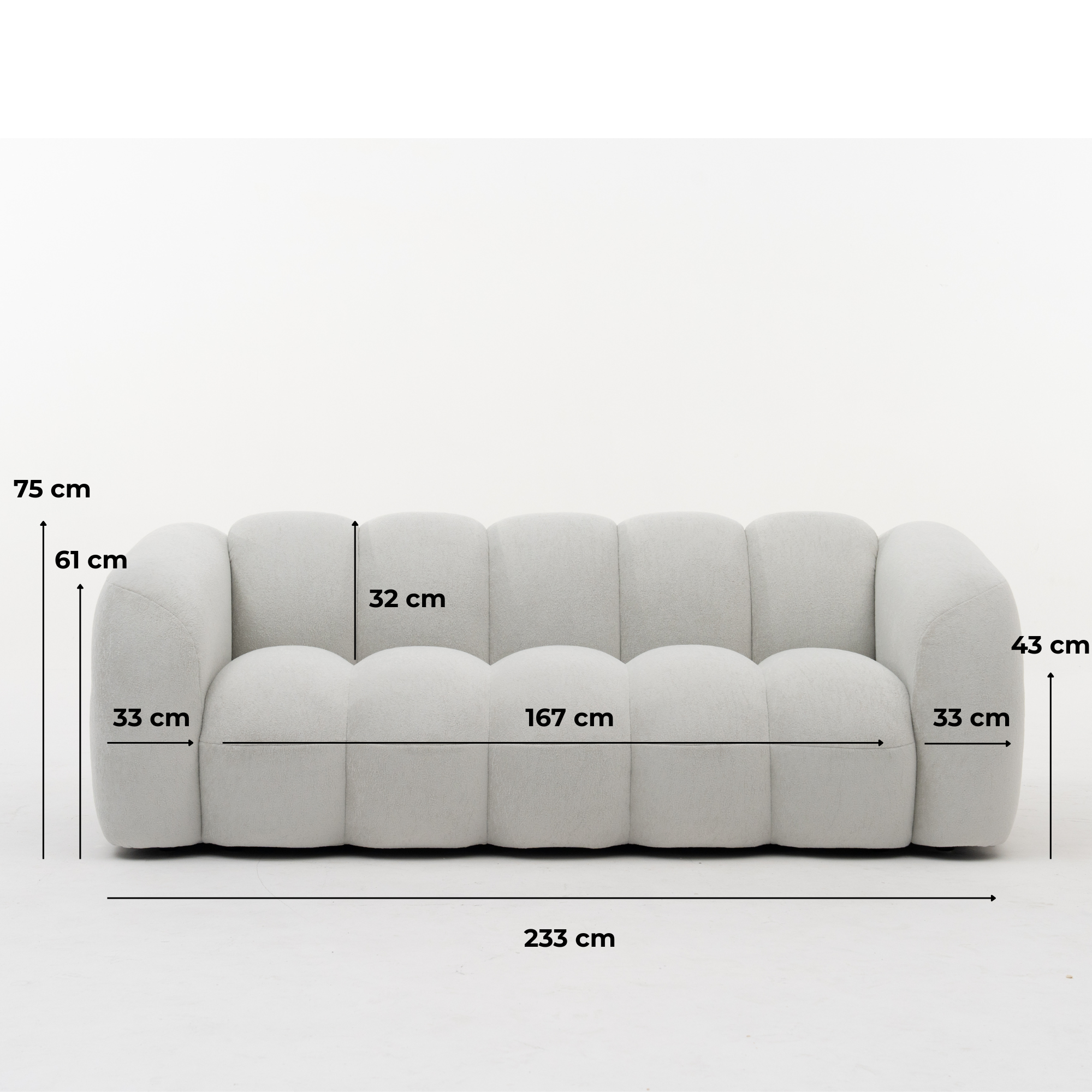
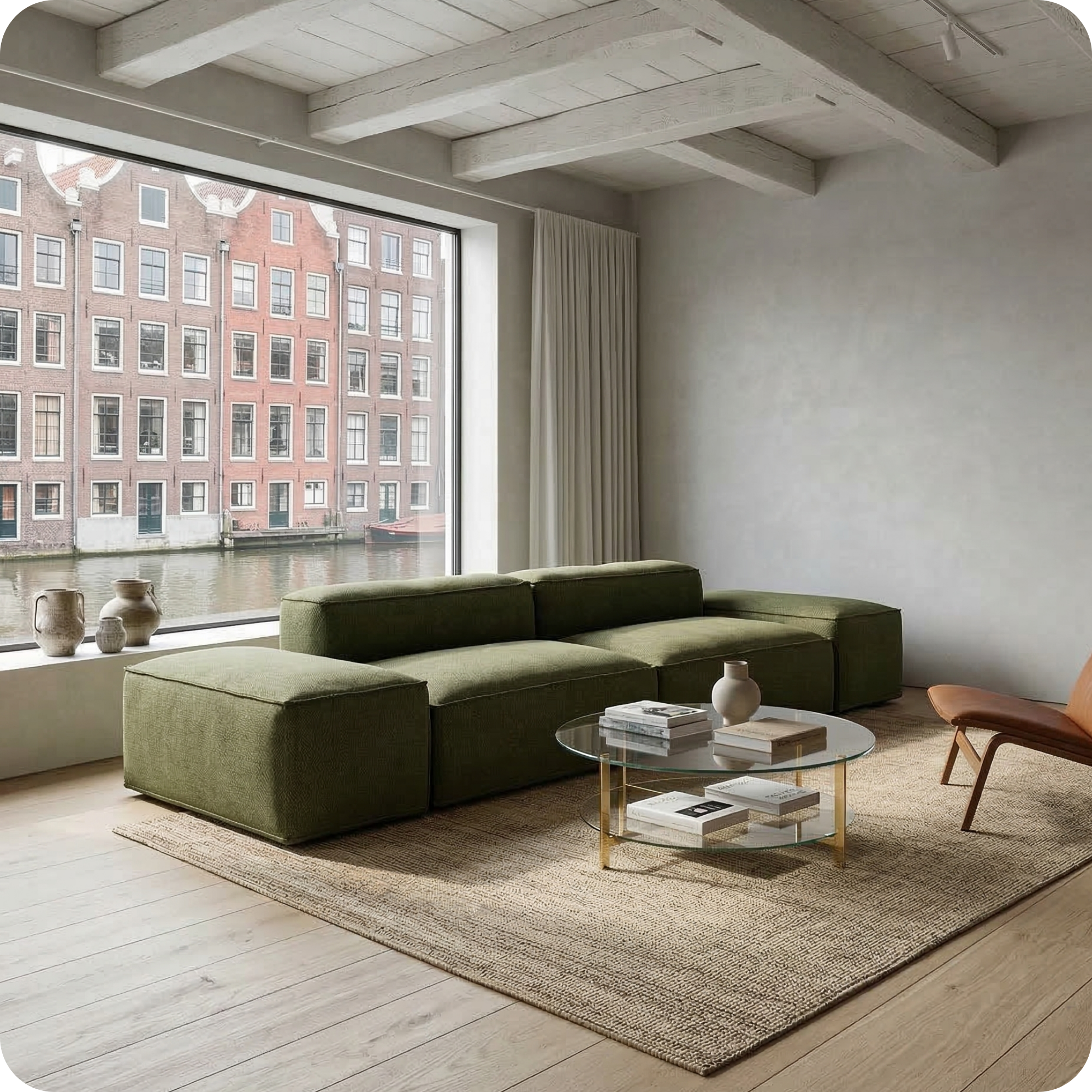
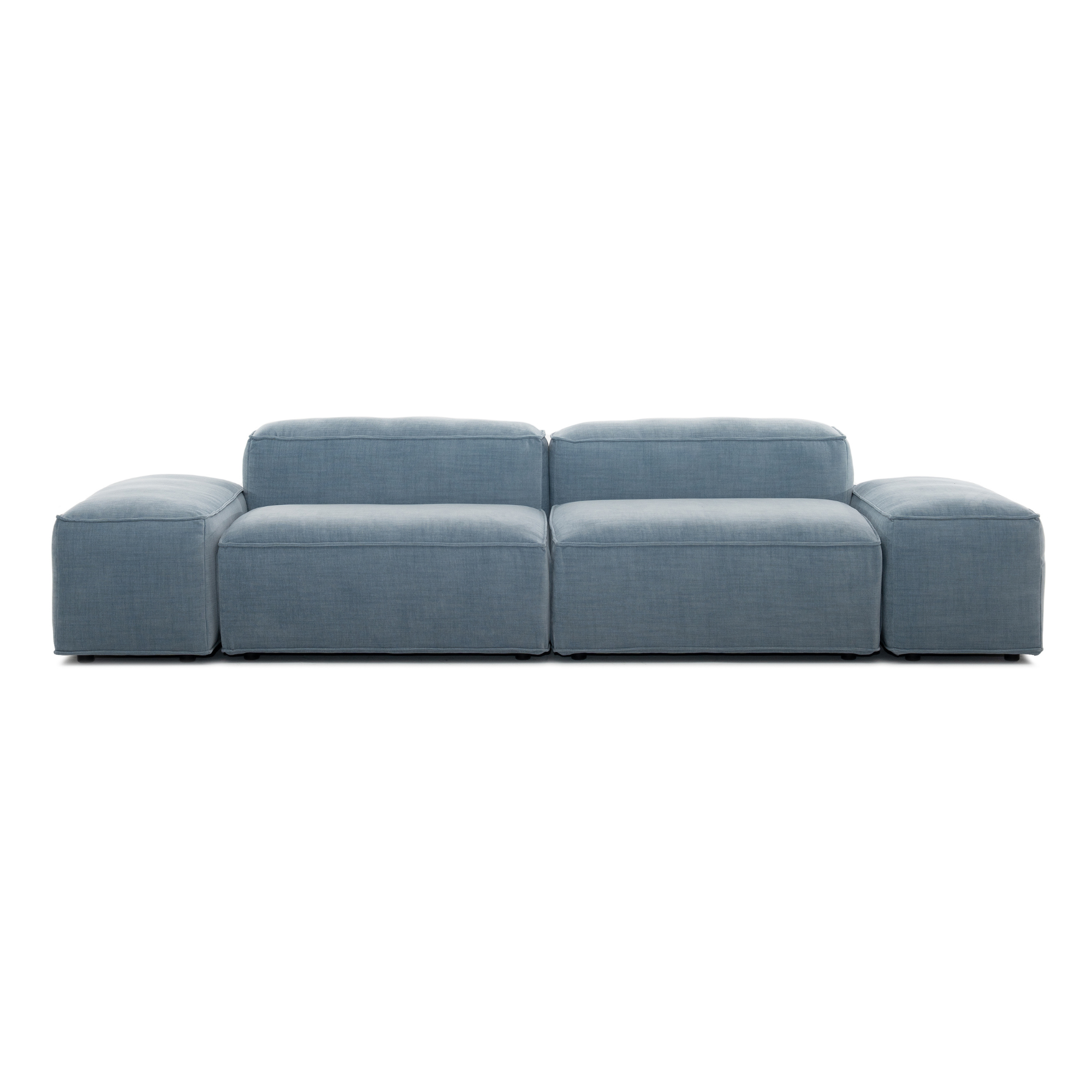
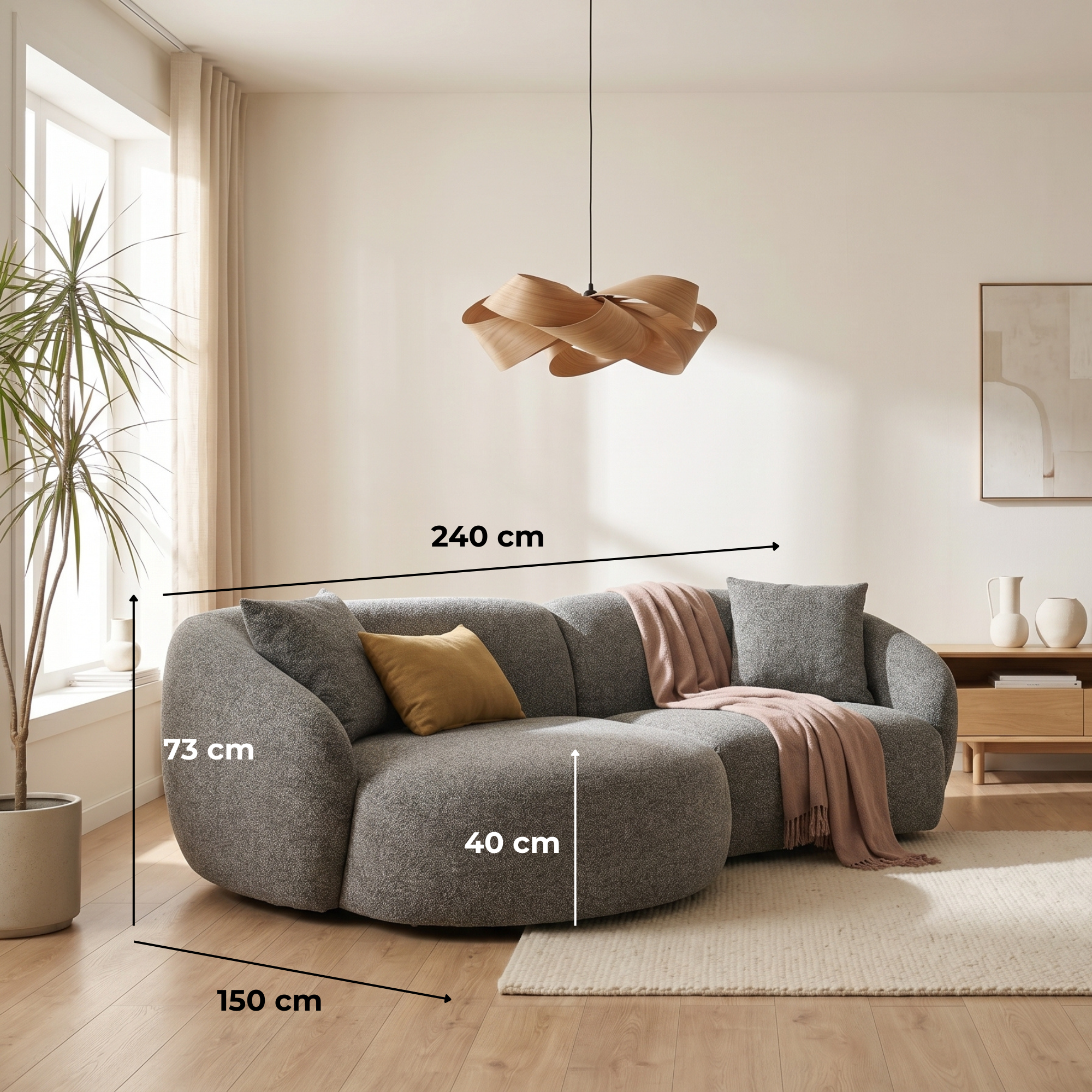
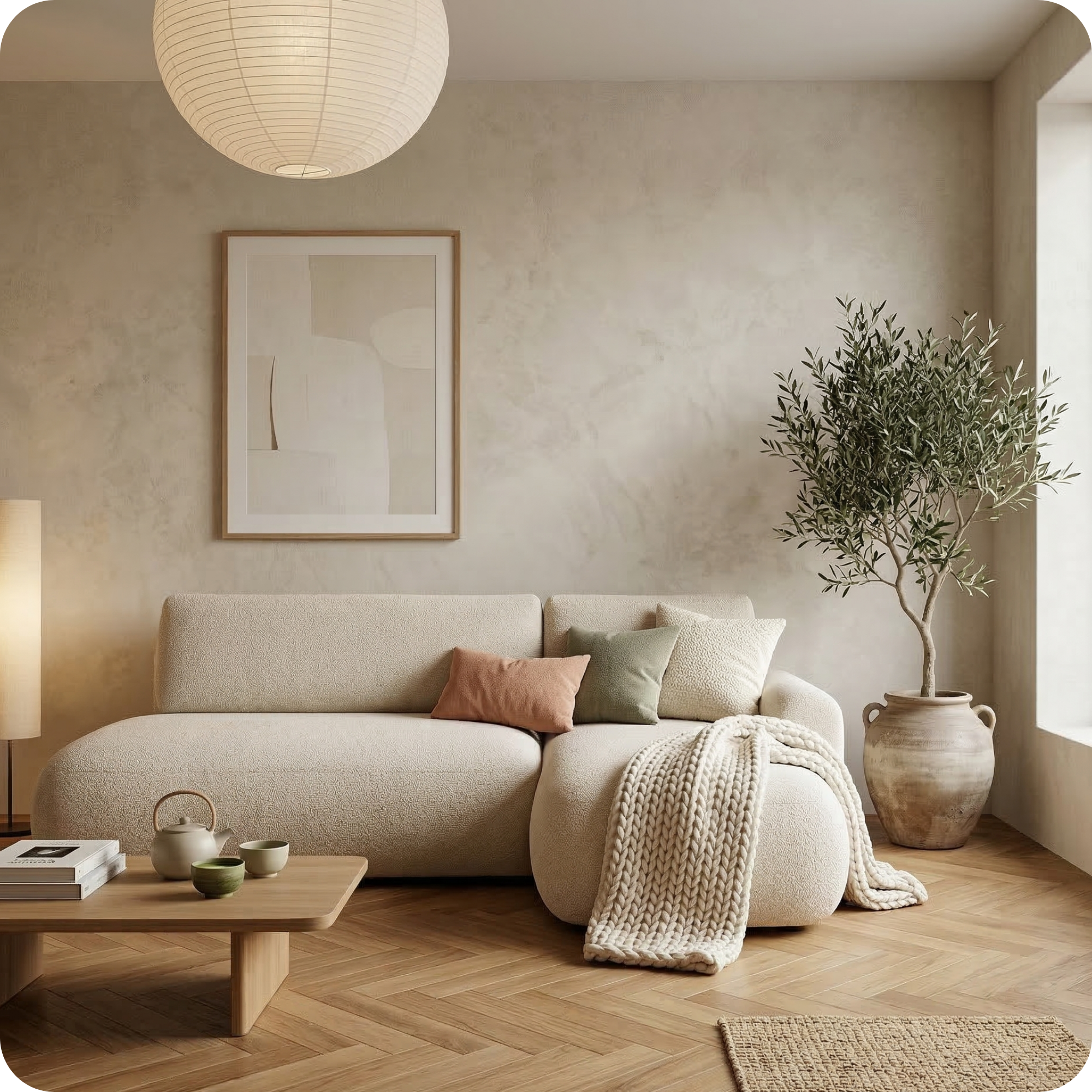
Riva 3-Seater Sofa — from €999
The Riva's clean silhouette and contemporary proportions sit at the precise intersection of modern and contemporary design — minimal in its aesthetic but warm in its character, it suits either approach.

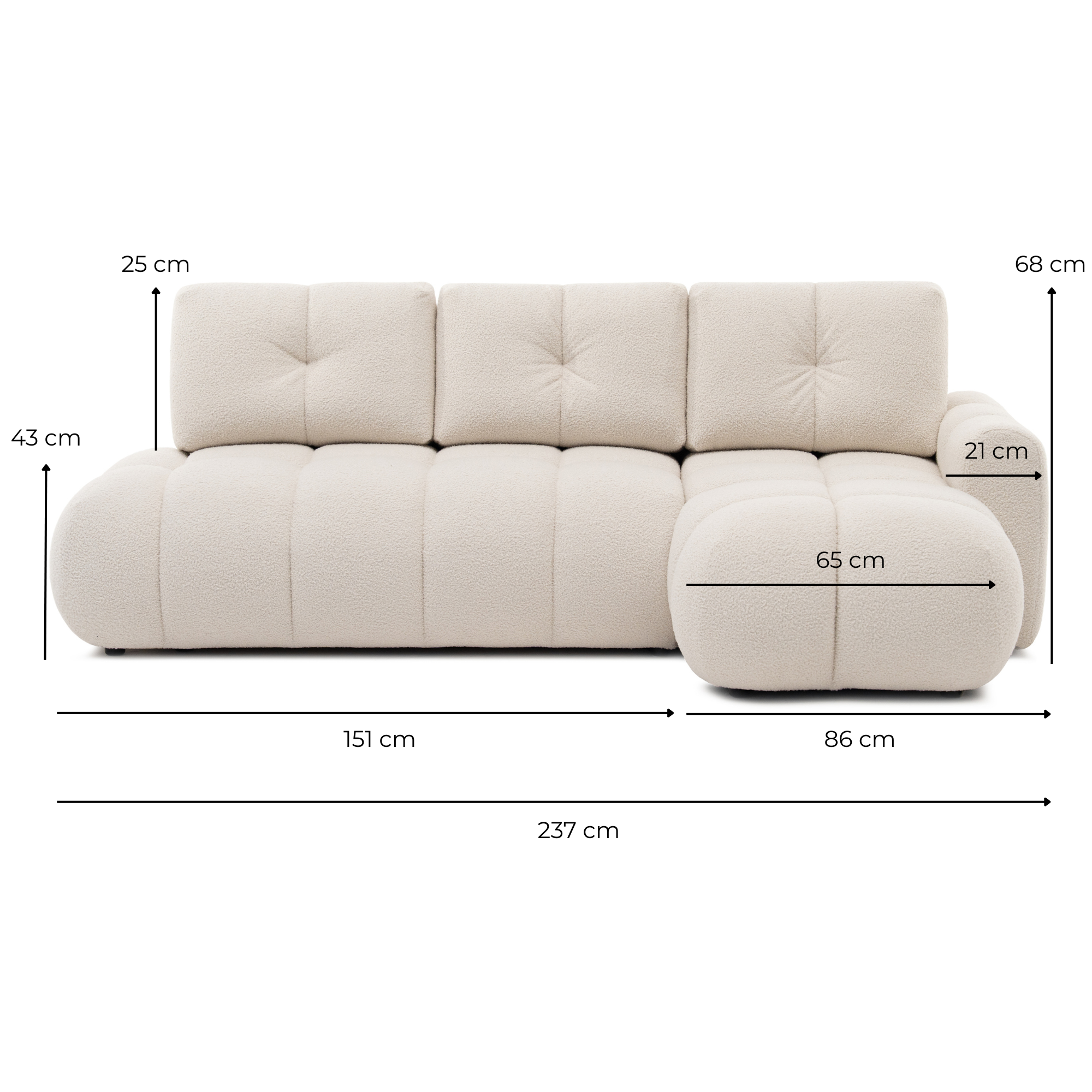
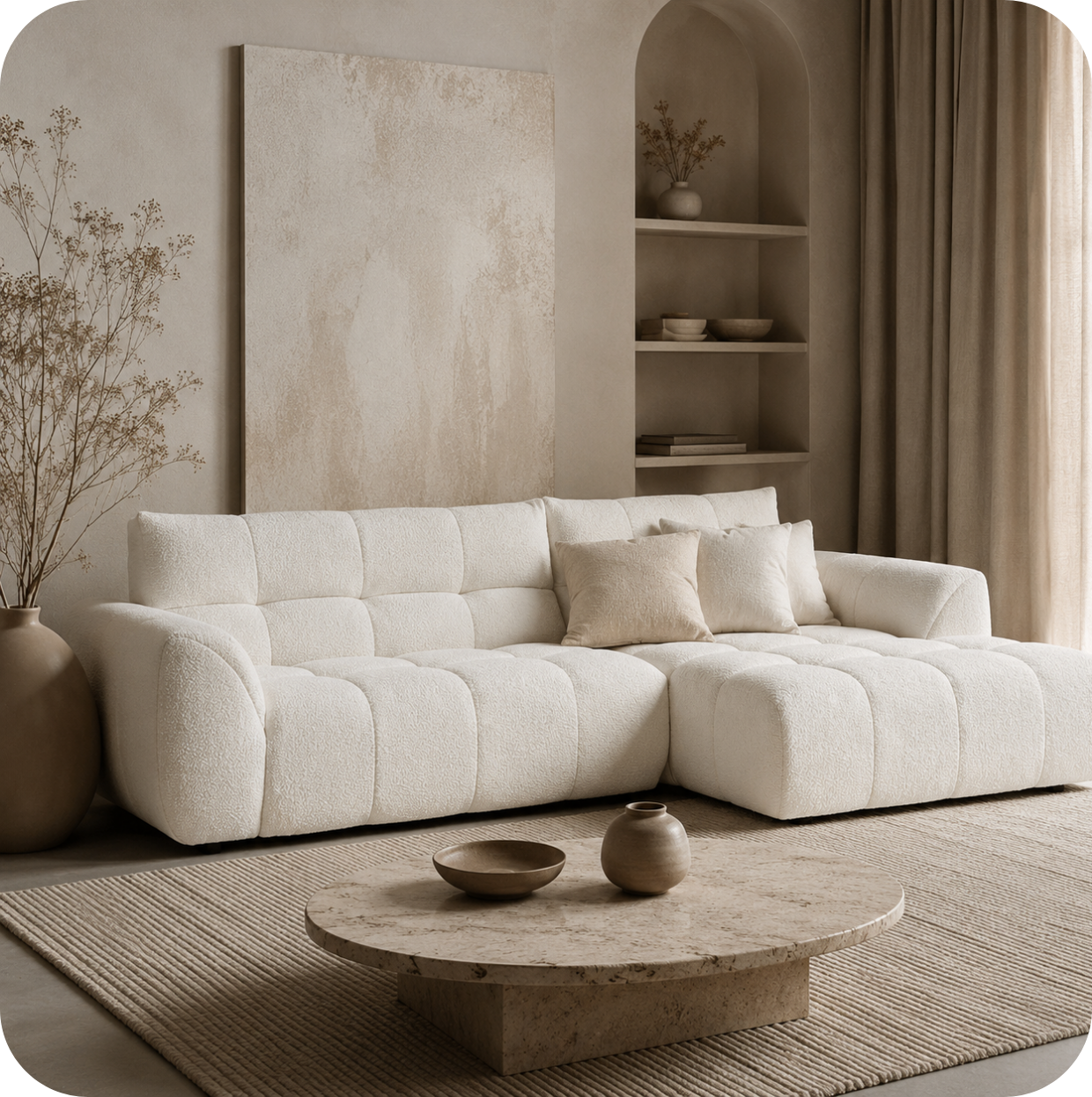
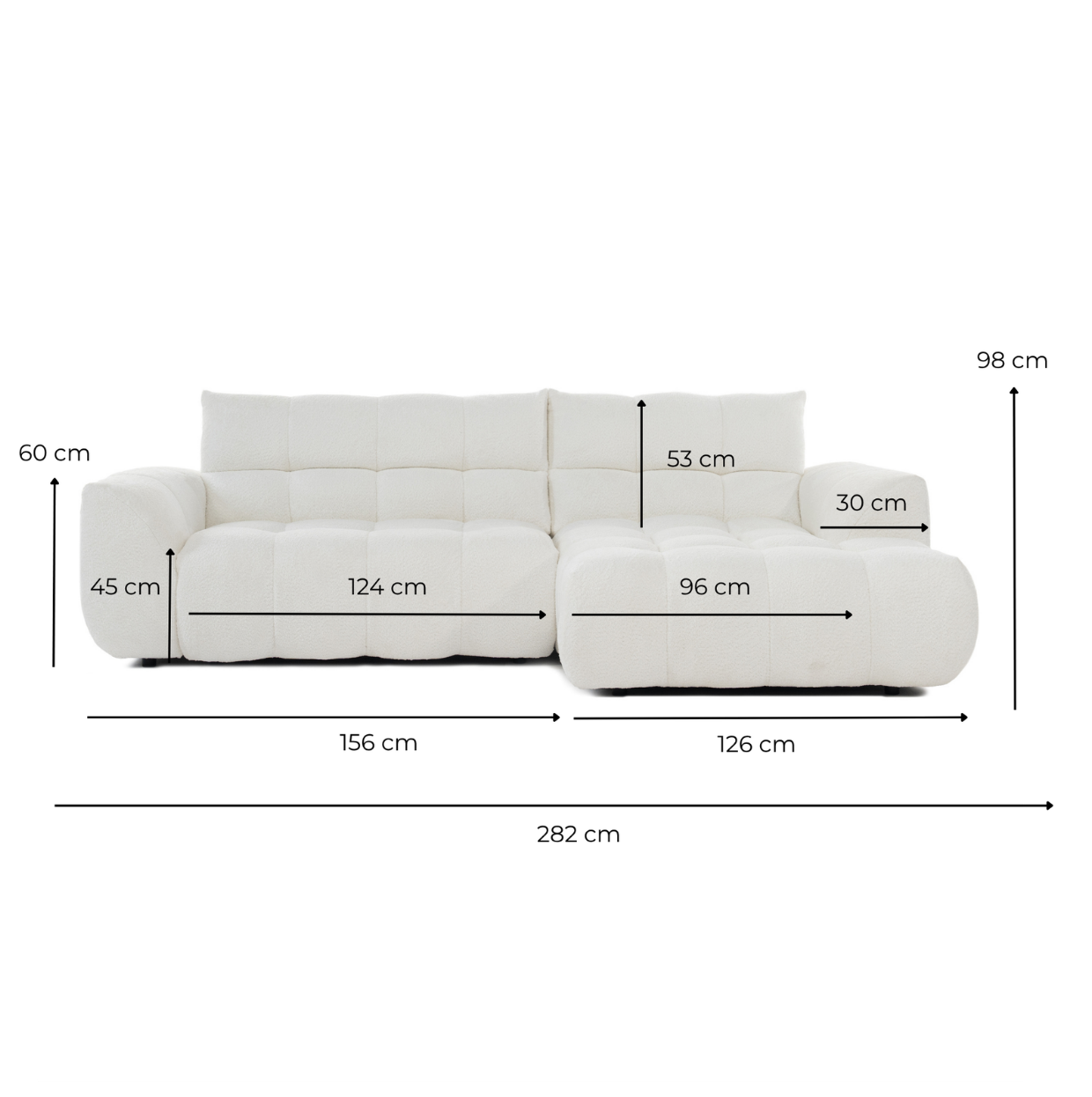
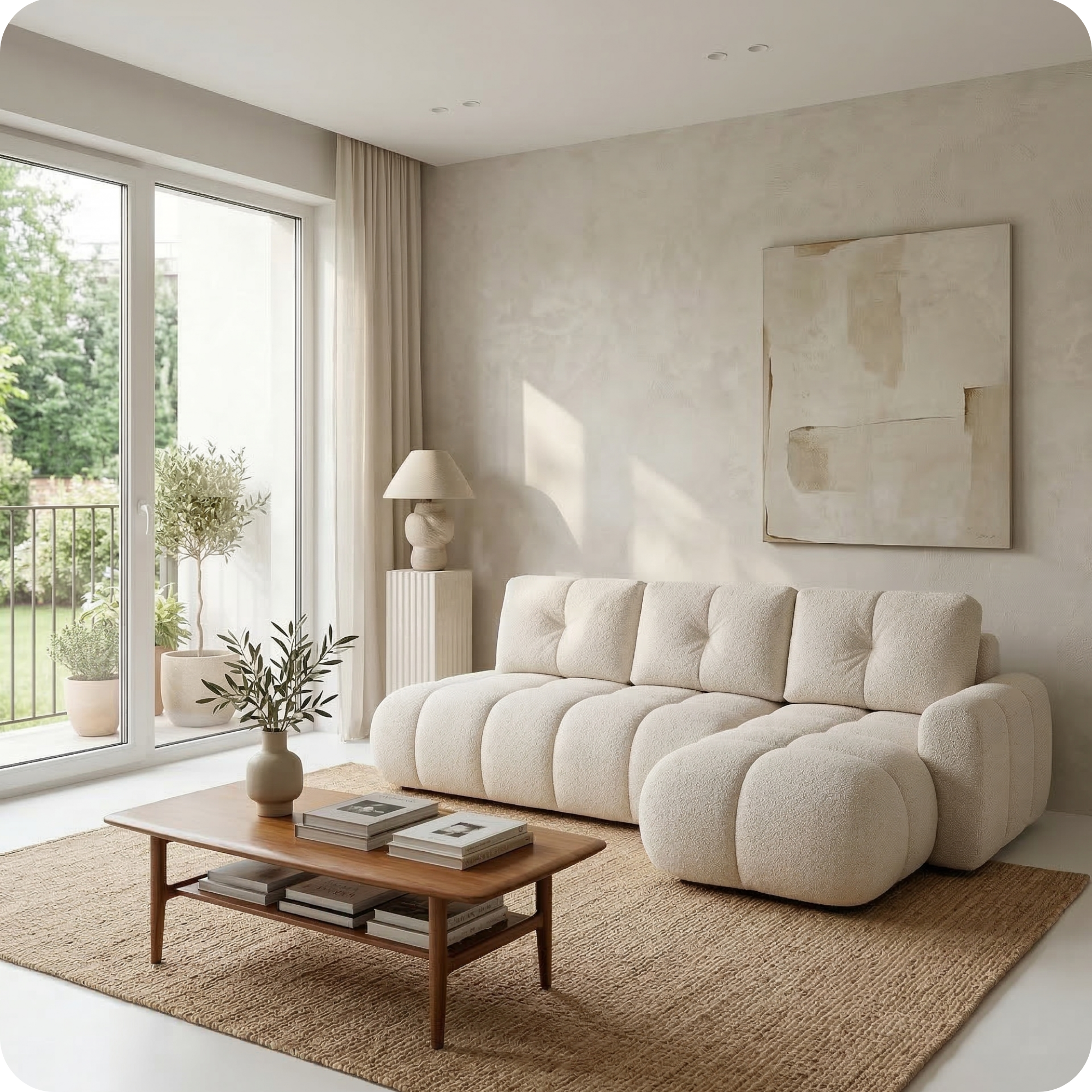
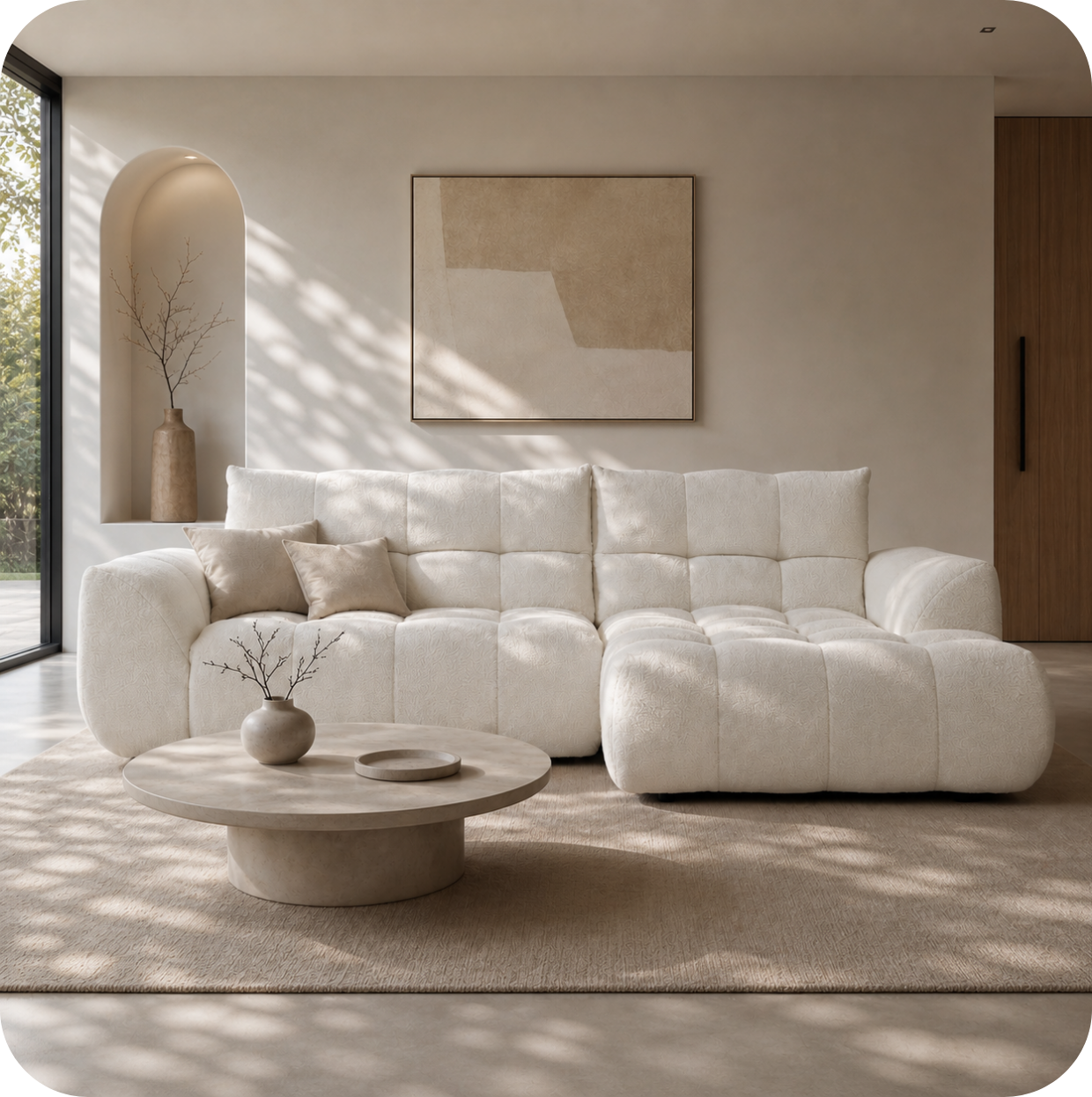
Asti Corner Sofa — from €1,599
The Asti's generous, softly structured form is quintessentially contemporary — its rounded corners and plush depth reflect current design sensibilities while remaining timeless enough to outlast any single trend cycle.
Key Differences at a Glance
Modern design is anchored in a specific historical era (1920s–1970s), uses definitive iconic pieces, and prioritises strict function-follows-form logic. Contemporary design is fluid, current, and more eclectic — it borrows from multiple eras and is willing to mix curved and angular, warm and cool, textured and smooth. Modern design tends to be harder-edged and more precise; contemporary design is softer, more layered, and more willing to incorporate comfort-first choices. Both approaches share a preference for clean spaces and thoughtful editing of accessories and clutter.
Which Style is Right for You?
If you love the idea of a curated room built around iconic design pieces and clear design history, modern design is likely the right approach. If you want a space that feels current, comfortable, and flexible — one that can evolve over time and that doesn't commit to any single era — contemporary design is the better fit. Most real-world living rooms are actually somewhere between the two, borrowing the clean lines of modernism while embracing the softer, more eclectic textures and forms of contemporary design.