


How to Choose Living Room Curtains: The Complete Guide to Curtains, Fabrics, and Hanging Styles
Curtains are one of the most impactful design choices you can make in a living room — they frame the windows, regulate natural light, add colour and texture, and do more than almost any other single element to set the mood and scale of a room. Yet choosing curtains is something many people find surprisingly difficult. There are so many variables: fabric, colour, pattern, length, heading style, and hanging method. This guide walks through every key decision to help you choose the right curtains for your living room.
Start with the Function: Privacy, Light Control, and Insulation
Before thinking about aesthetics, decide what role you want your curtains to play. Privacy: most living rooms need some degree of privacy screening, especially in the evenings. Lining a curtain or using a heavier fabric significantly increases privacy. Light control: if your living room receives strong direct sunlight, thermal or blackout-lined curtains prevent glare and protect upholstery and flooring from fading. Insulation: heavy interlined curtains are one of the most effective ways to reduce heat loss through windows, particularly in older properties.
Curtain Length: The Most Important Measurement
The single most important decision in choosing curtains is their length — and the most common mistake is hanging curtains that are too short. For a living room, there are three main options: floor length (touching or just clearing the floor), which is the most elegant and widely recommended choice; puddle length (fabric pooling on the floor by 10–20 cm), which is deeply luxurious and suits formal or traditional rooms; and sill length, which is practical in rooms where the curtain rod is directly above a radiator or a built-in window seat. In almost every case, floor-length curtains look better than curtains that stop mid-wall below the window.
Curtain Fabric: Weight, Texture, and Drape
The fabric you choose determines how the curtain hangs, how much light it filters, and how it contributes to the room's overall aesthetic. Linen: light, natural, and beautiful — it filters light softly and brings a relaxed, organic quality to the room. Velvet: heavy, luxurious, and excellent for heat and sound insulation — it suits traditional, maximalist, and jewel-toned rooms. Cotton: versatile, easy to maintain, and available in a huge range of colours and patterns. Sheer fabrics: used as a secondary layer behind heavier curtains to diffuse light while maintaining privacy during the day.

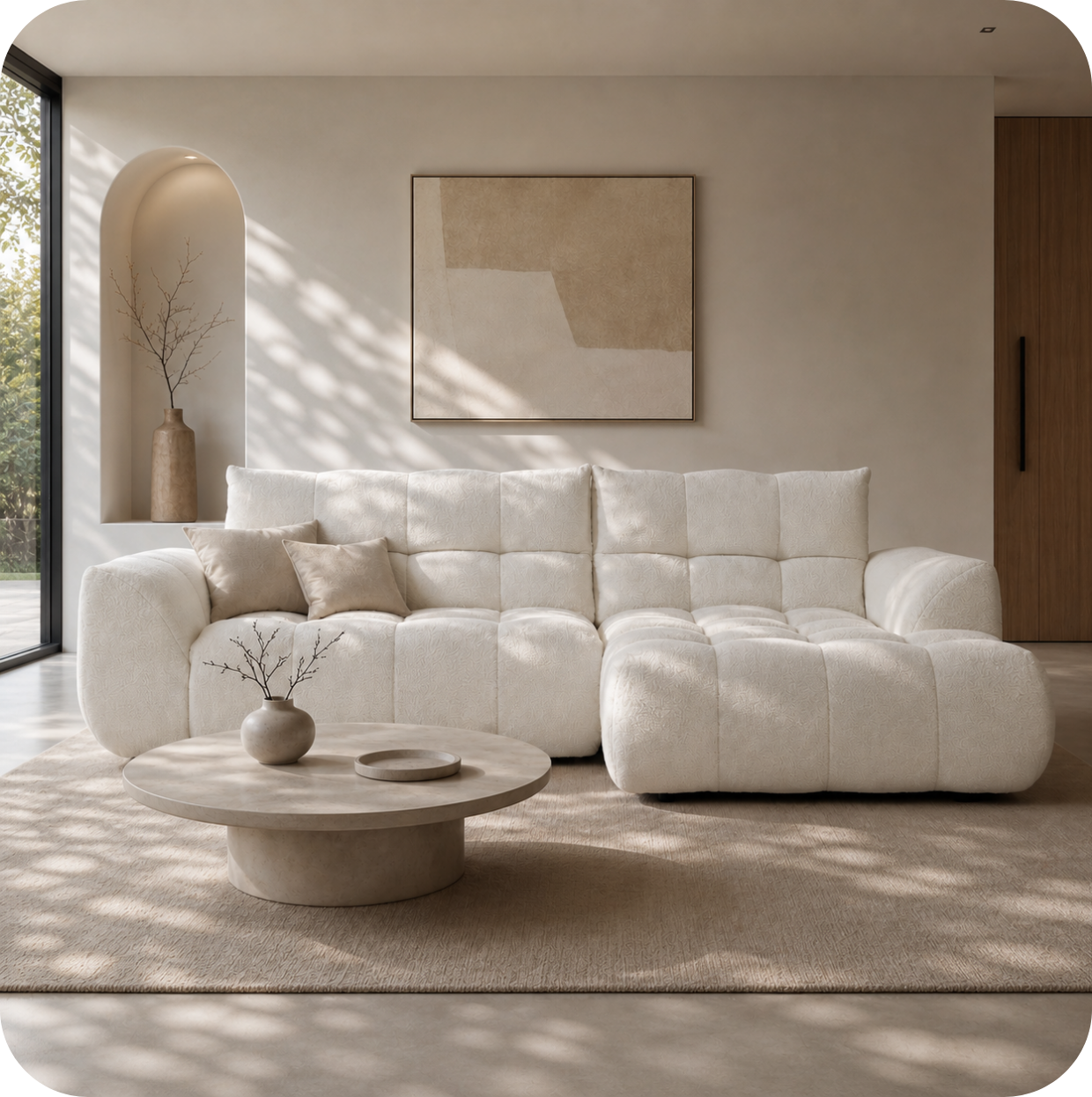
Lugano Sofa in Sand — from EUR 790
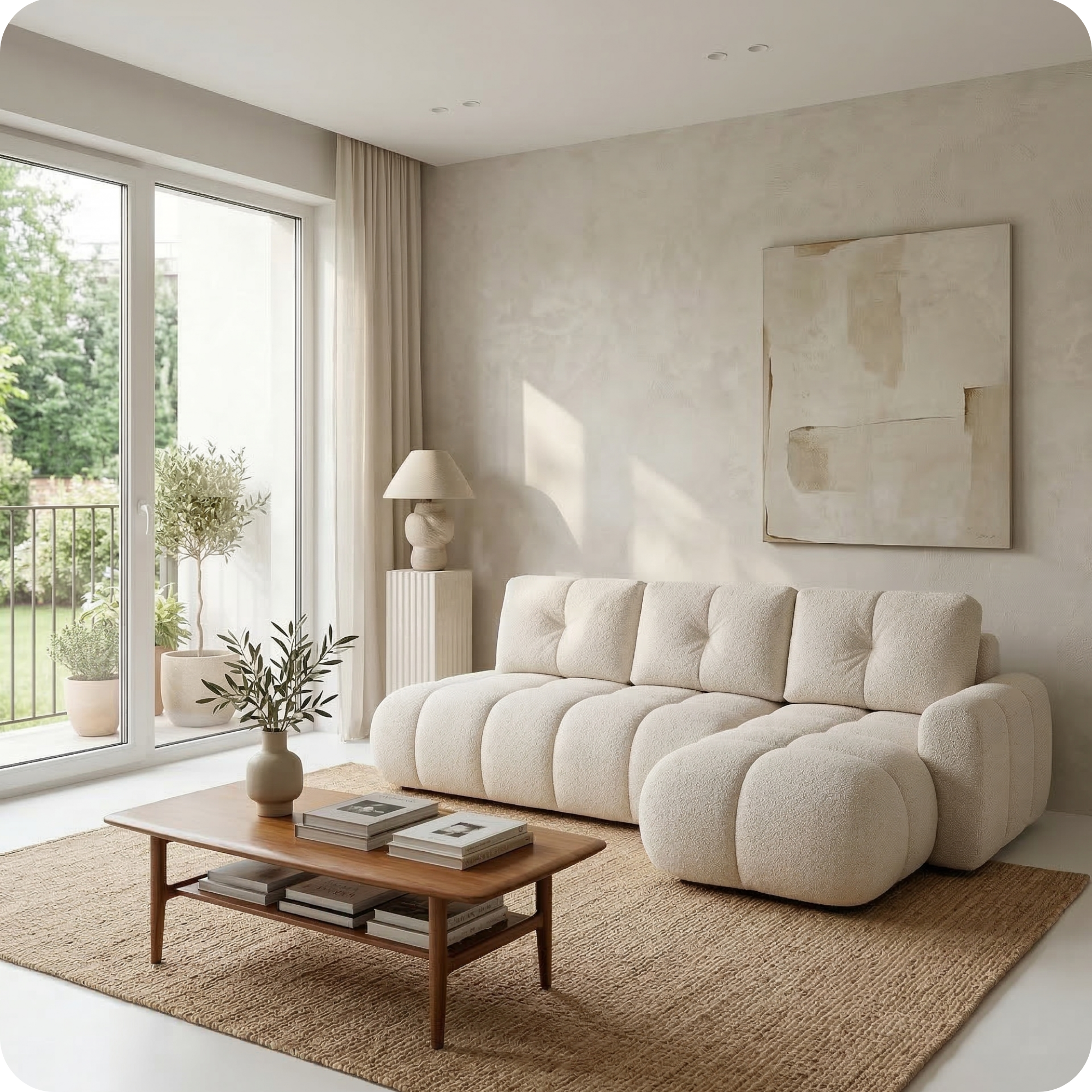
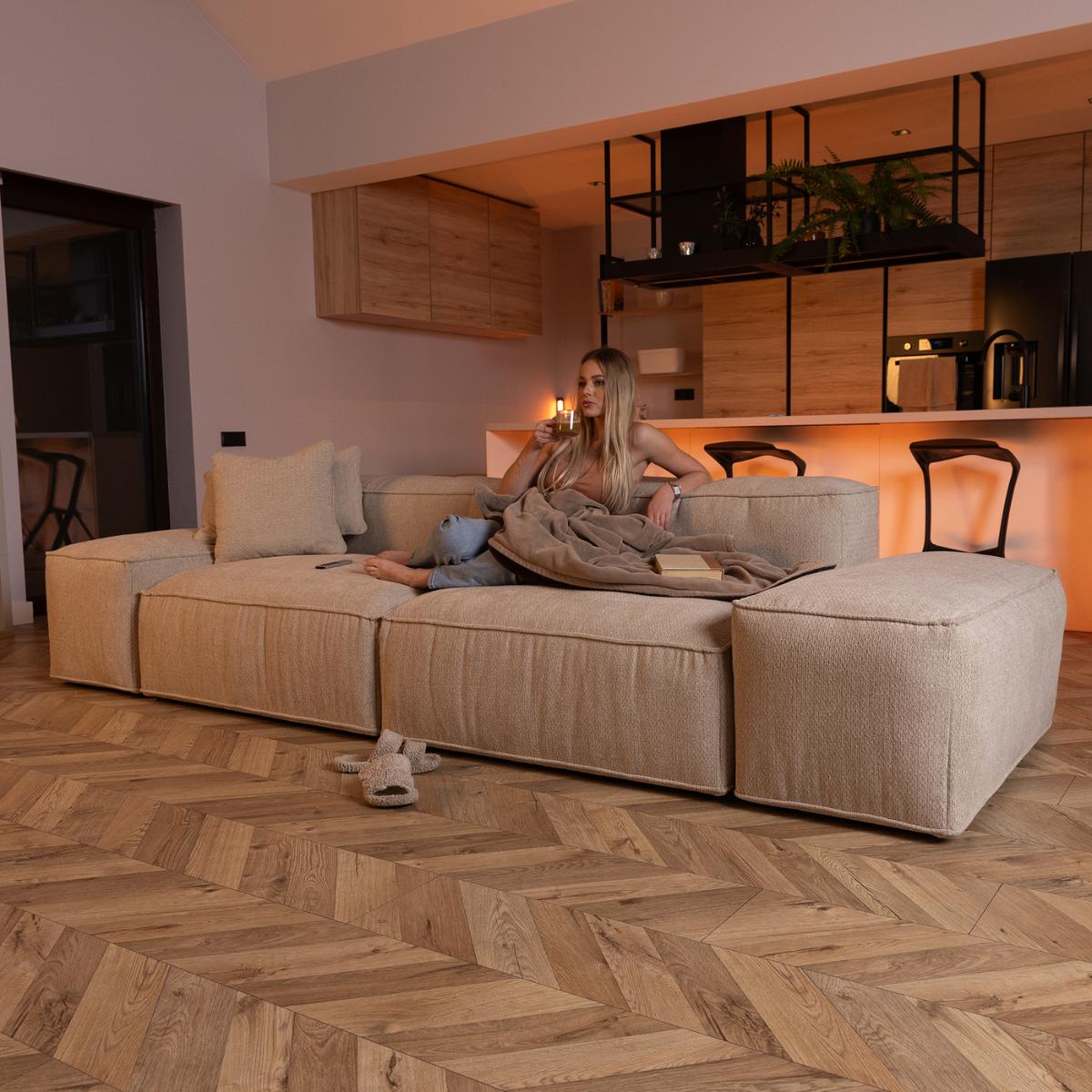
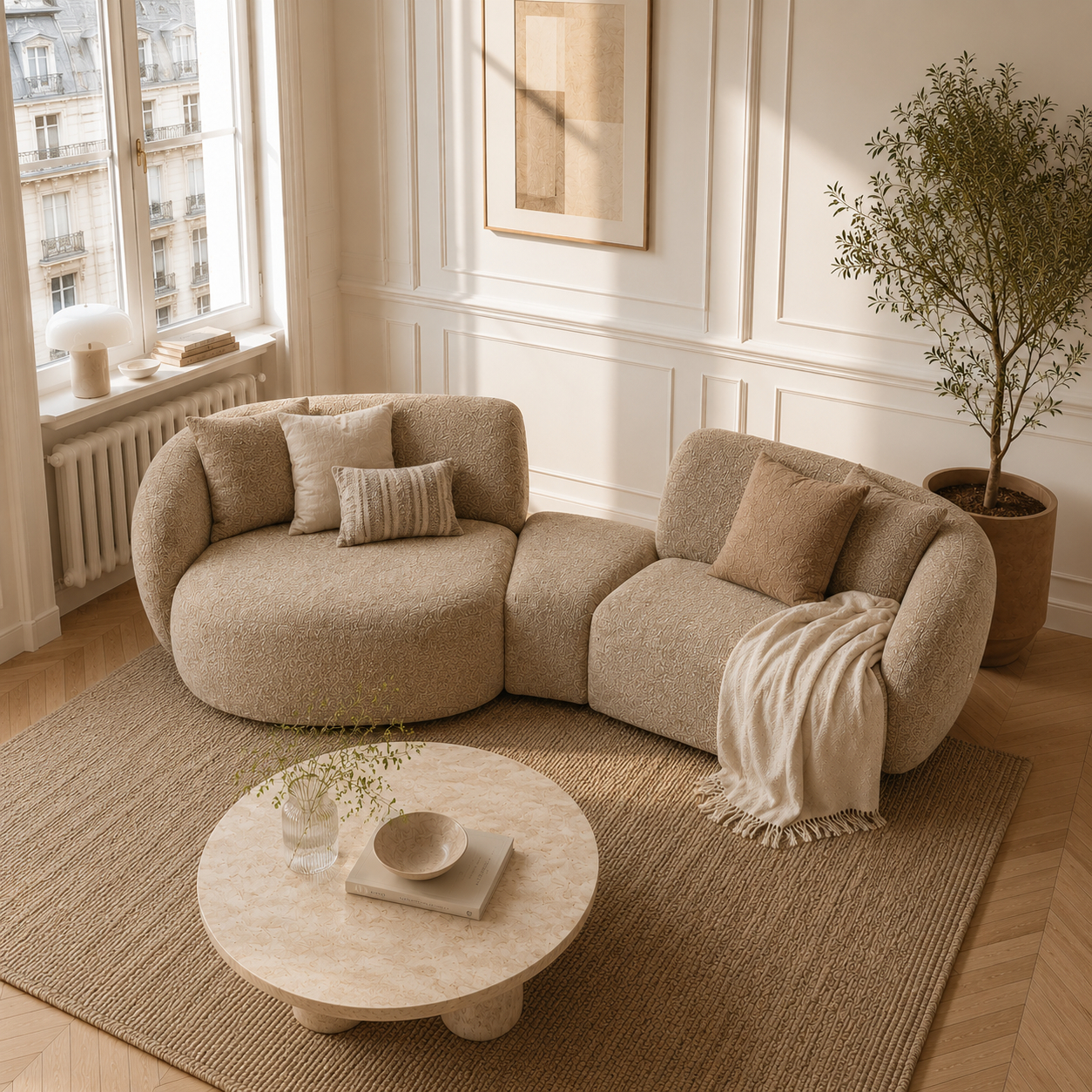
When coordinating curtains with your sofa, the Lugano in sand beige pairs beautifully with natural linen curtains, warm white sheers, or earthy terracotta drapery — any of which will complement its warm neutral tones perfectly.

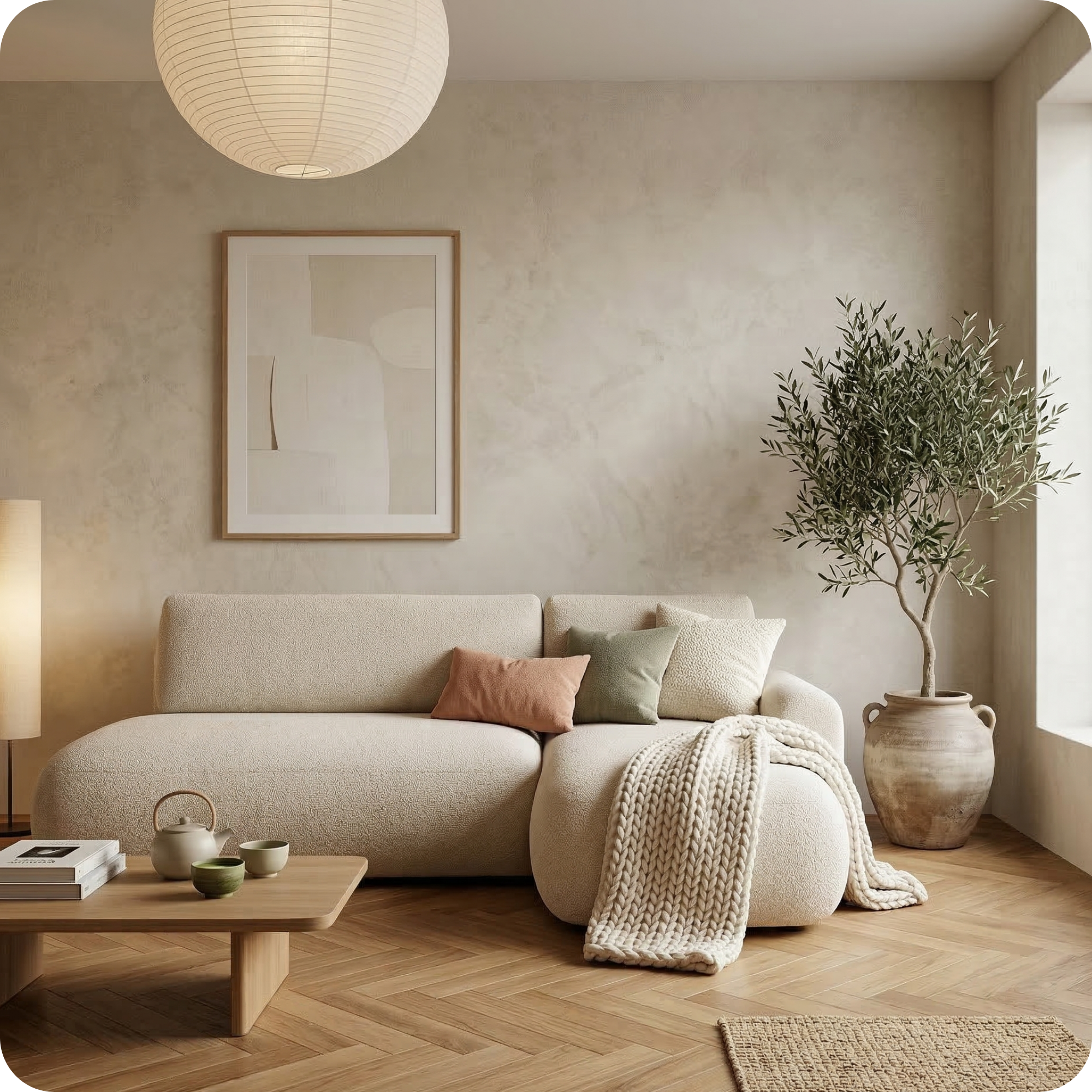
Merlot Sofa in Leaf Green — from EUR 890
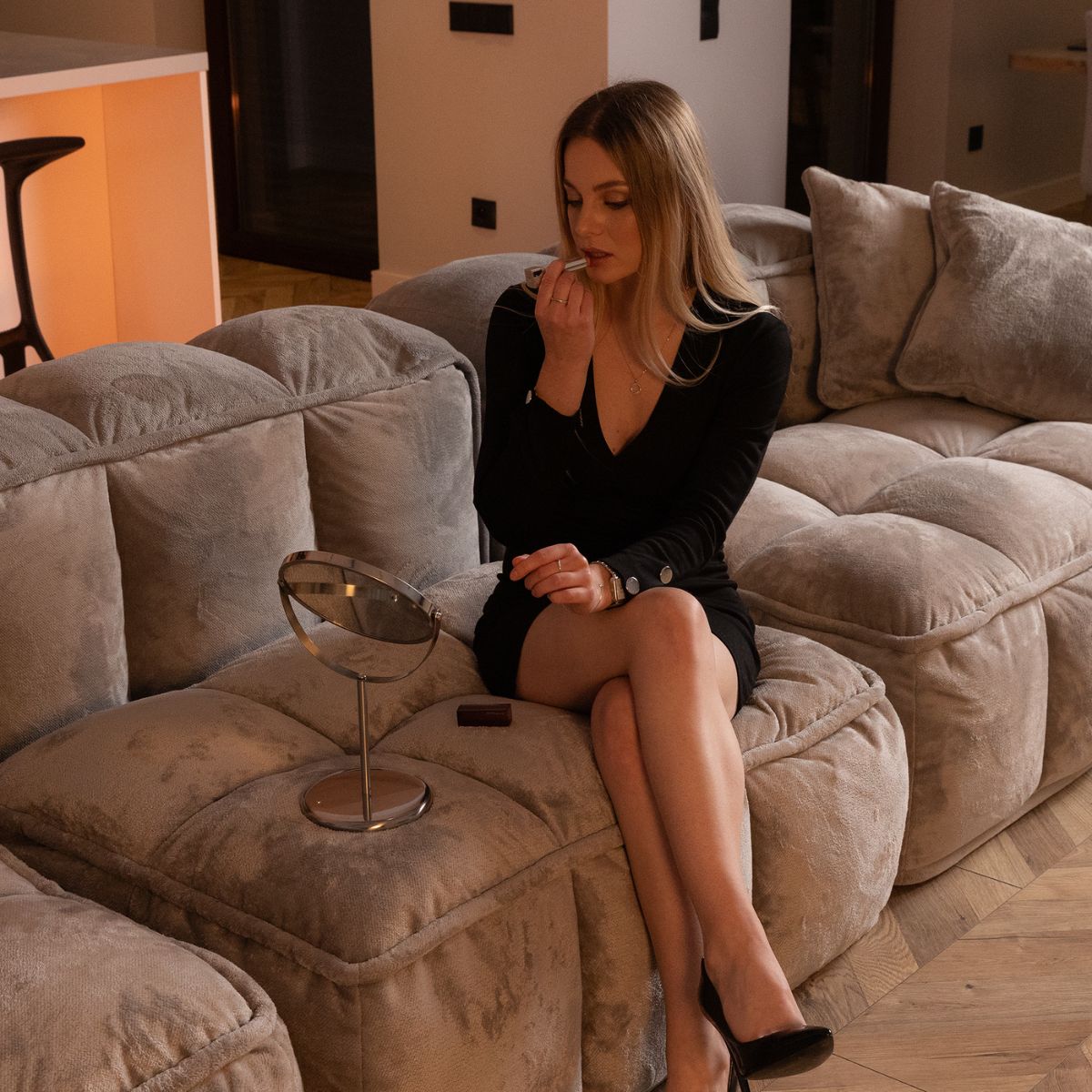
A leaf green sofa creates a bold anchor point for curtain choices. Natural linen or cream curtains allow the sofa to remain the star; dark forest green velvet curtains create a dramatic tonal composition.
How High to Hang Your Curtains
The height at which you hang your curtain rod is as important as the curtain length. The golden rule: hang the rod as high as possible — ideally just below the ceiling, or at ceiling height if you have a cornice. This draws the eye upward and makes the ceiling feel higher and the windows appear larger. A rod hung only a few centimetres above the window frame makes ceilings feel lower and windows feel smaller. Even if your windows are modest in size, hanging curtains at ceiling height creates an impression of grand proportions.

Laisser un commentaire
Ce site est protégé par hCaptcha, et la Politique de confidentialité et les Conditions de service de hCaptcha s’appliquent.