


How to Mix Patterns in Interior Design Without Clashing: The Complete Guide
Mixing patterns is one of the most rewarding — and most feared — aspects of interior design. Done well, it creates a layered, visually interesting space that feels curated and alive. Done poorly, it creates visual chaos that makes a room feel unsettling. The good news is that mixing patterns is not magic; there are clear principles that, once understood, make the process straightforward and even enjoyable. This guide explains those principles and shows you how to apply them in your living room.
The Three Core Rules of Pattern Mixing
1. Vary the scale: the most important rule. When combining two or more patterns, they should be significantly different in scale — one large-scale pattern, one medium-scale pattern, and one small-scale pattern. A large stripe, a medium geometric, and a small floral can all work in the same room because the scale difference prevents the eye from reading them as competing equals. The most common pattern-mixing mistake is combining patterns of similar scale, which creates visual noise. 2. Maintain a consistent colour palette: this is what ties together patterns that might otherwise seem incompatible. If a large floral pattern, a geometric, and a stripe all share two or three of the same colours, the eye perceives the combination as intentional and harmonious. This is why pattern mixing in interior design almost always starts with establishing the colour palette rather than the patterns. 3. Use solid anchors: for every patterned element, include at least one solid-colour element at the same scale. A solid-colour sofa grounds a room full of patterned cushions, rugs, and curtains. A solid-colour rug grounds a room with a patterned sofa and mixed cushions.

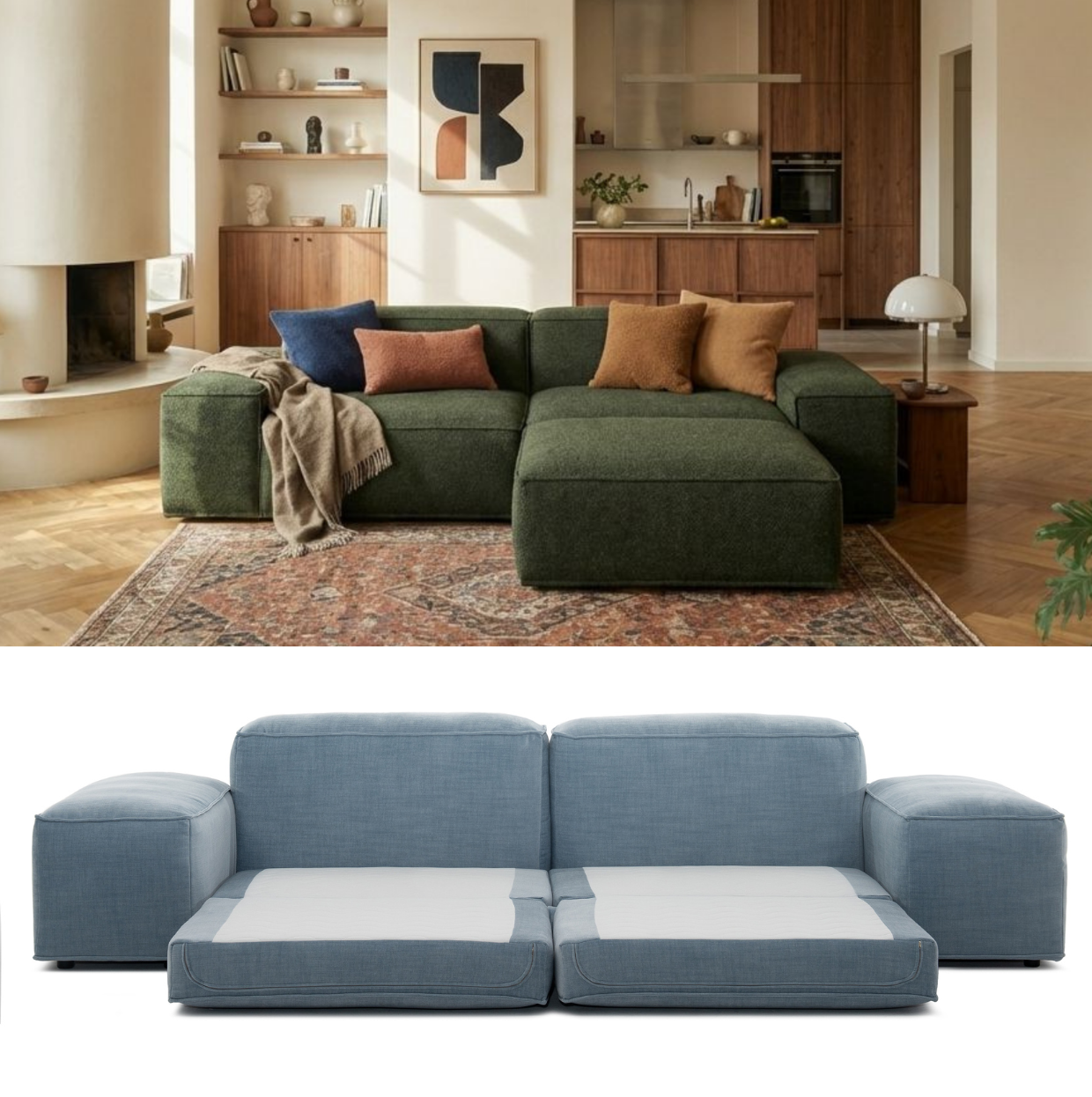
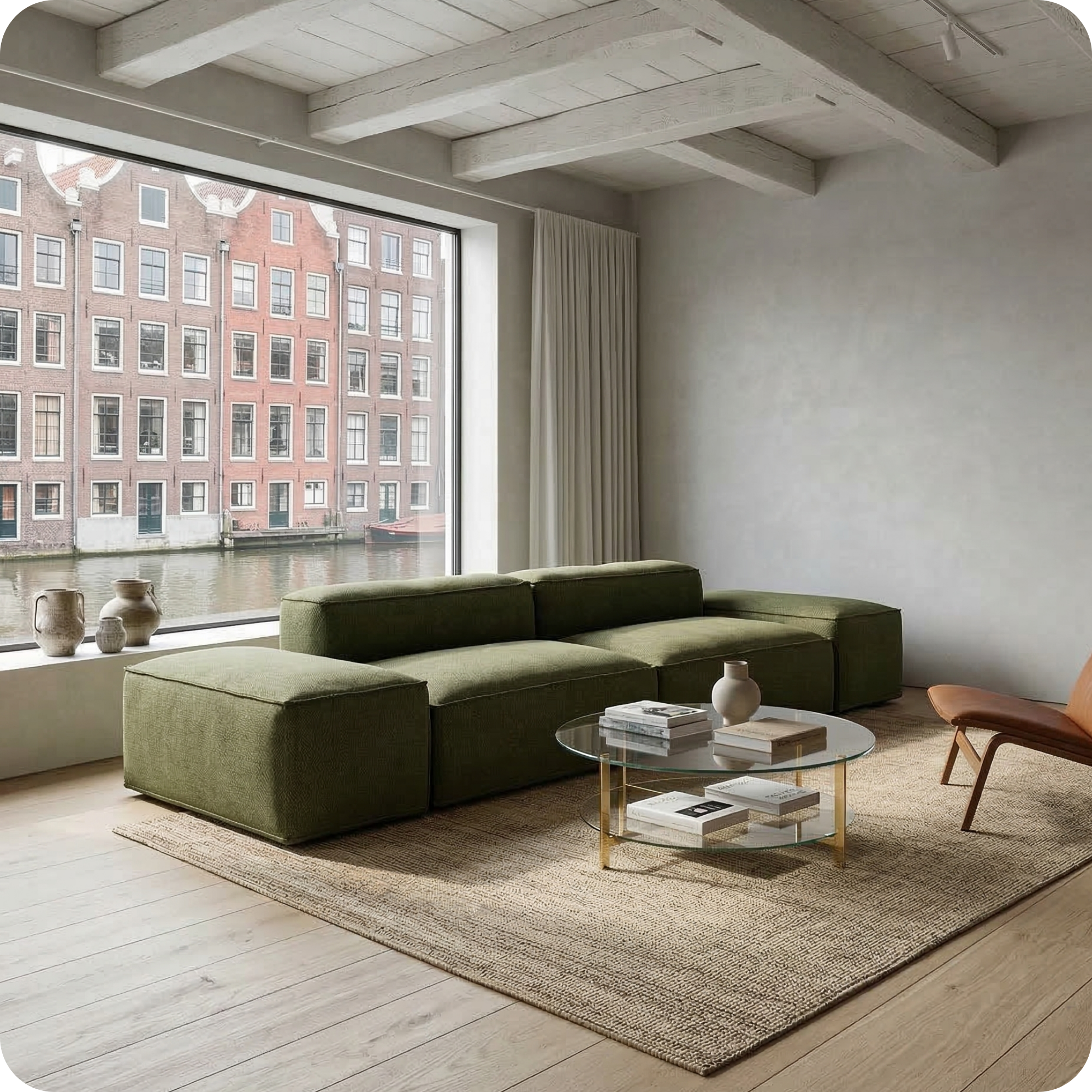
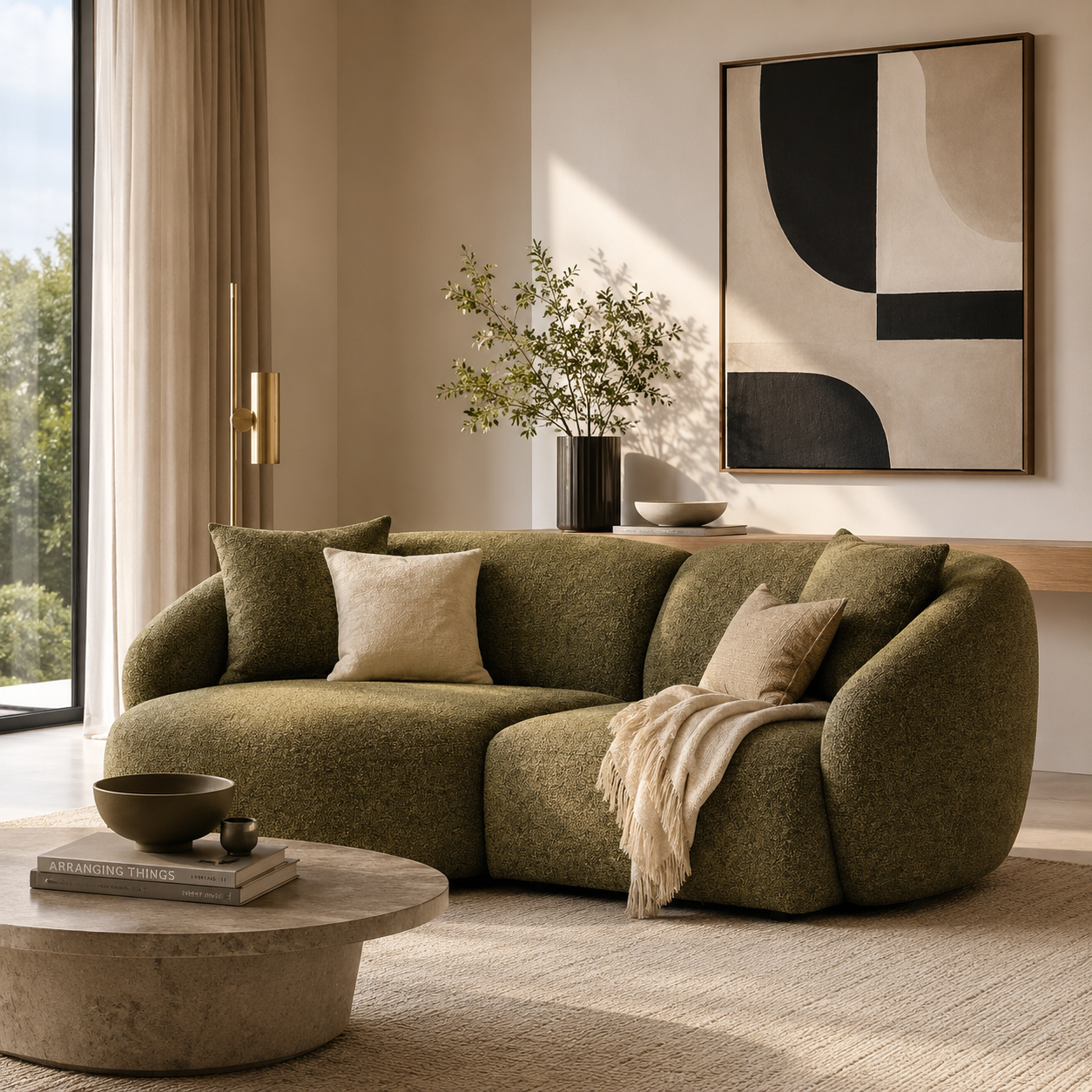
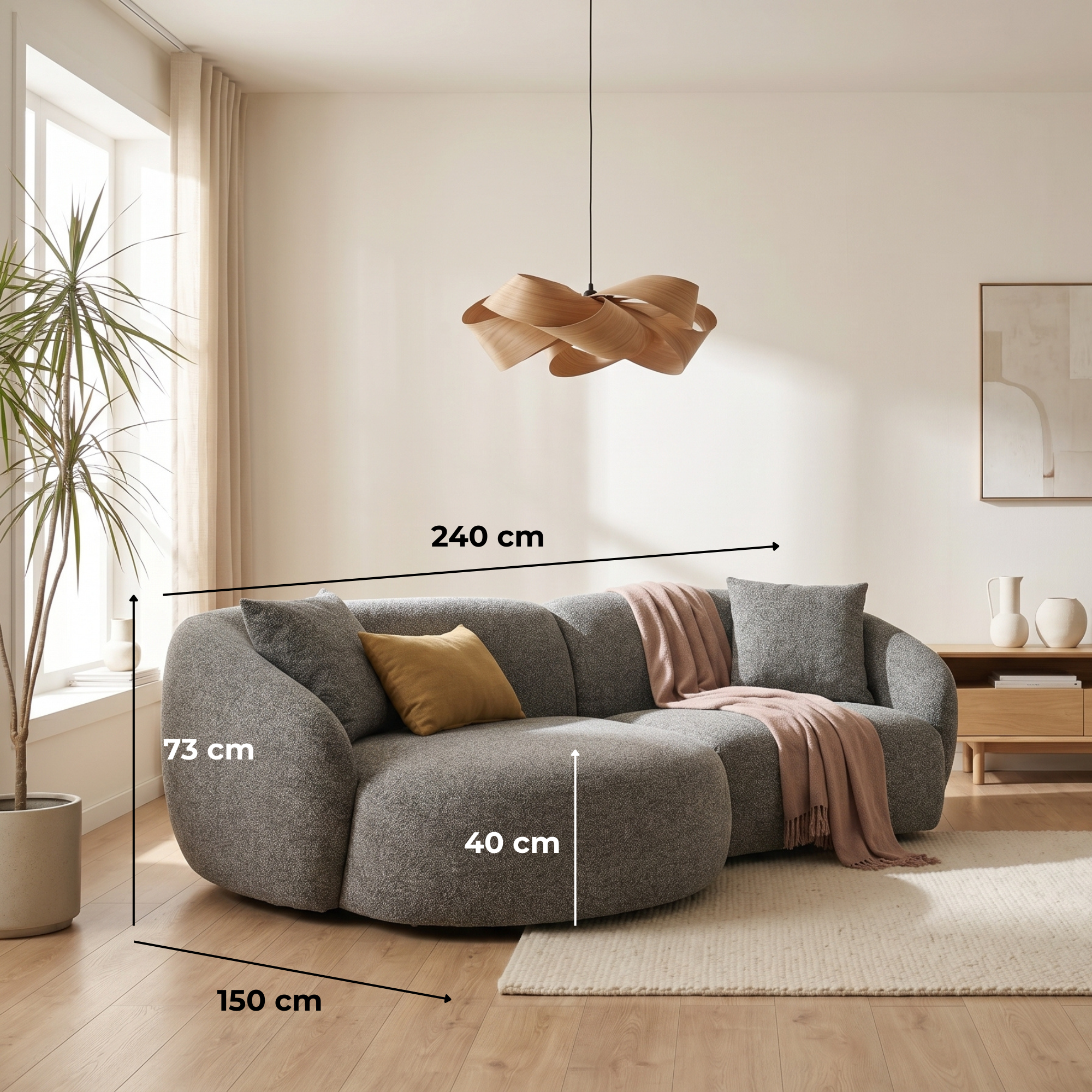
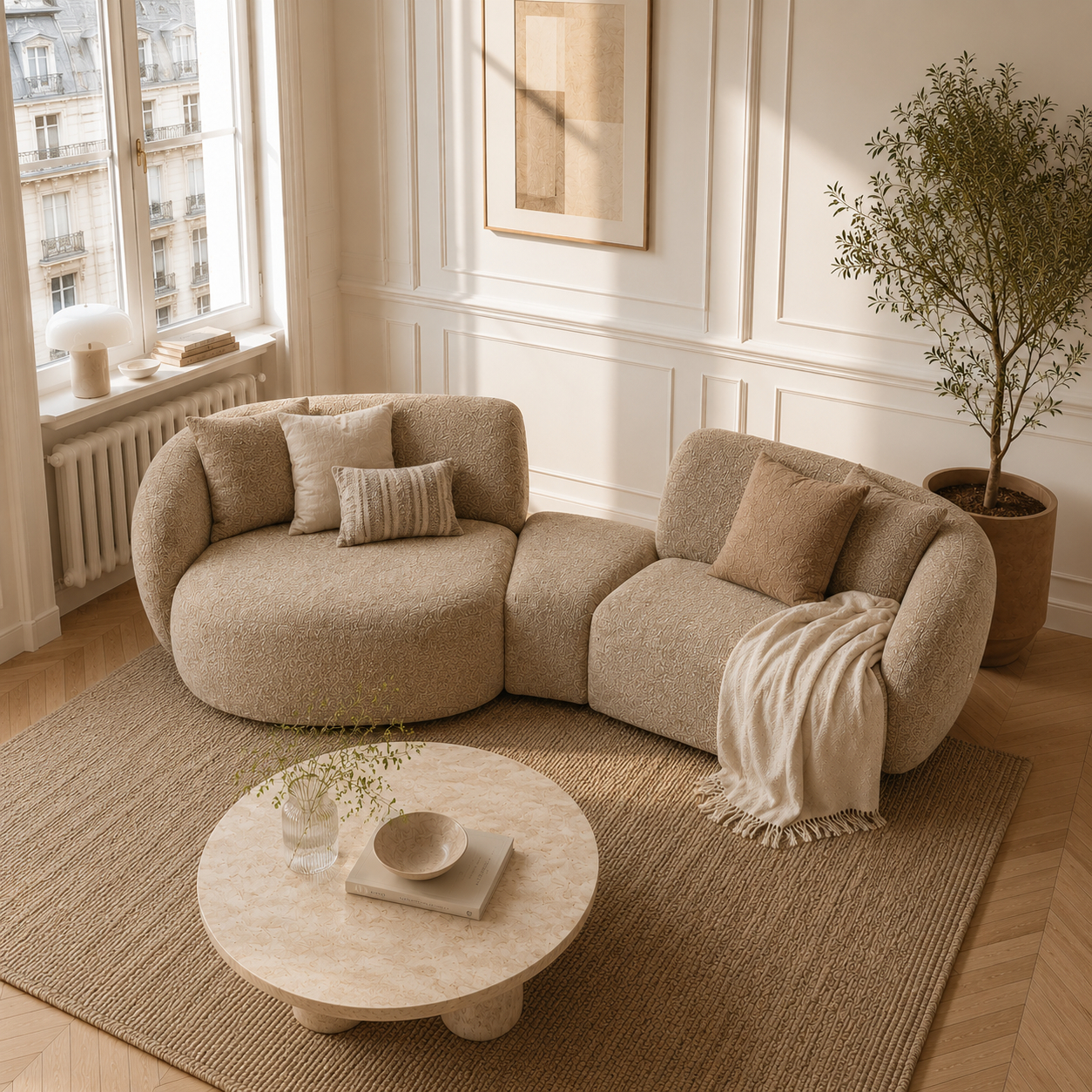
Merlot Sofa — Leaf Green — from €1,532
A solid-colour sofa is the most reliable anchor for a patterned room. This leaf green Merlot becomes the stable visual foundation from which patterned cushions in varying scales — a large geometric, a small floral, a medium stripe — can all be layered without visual conflict.

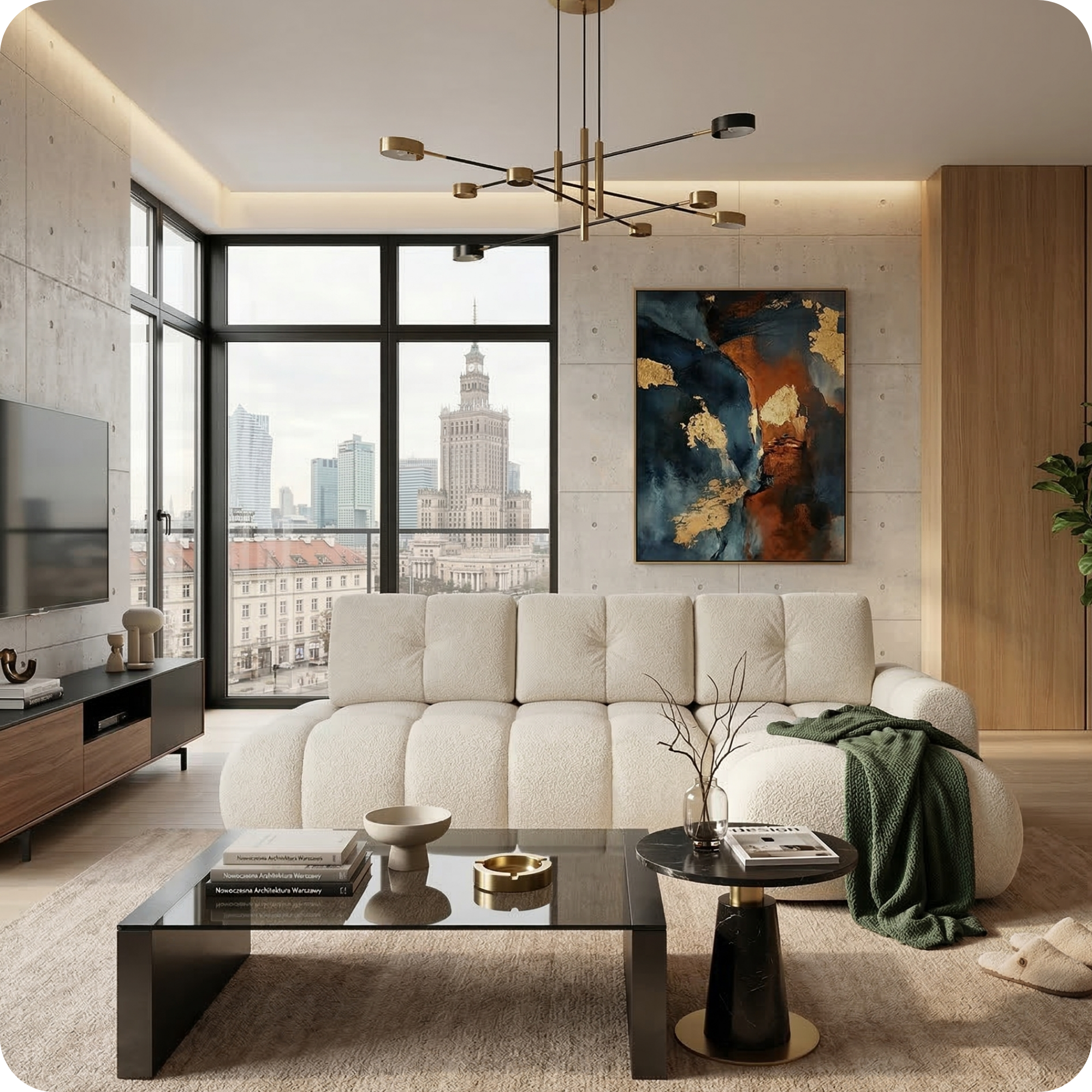
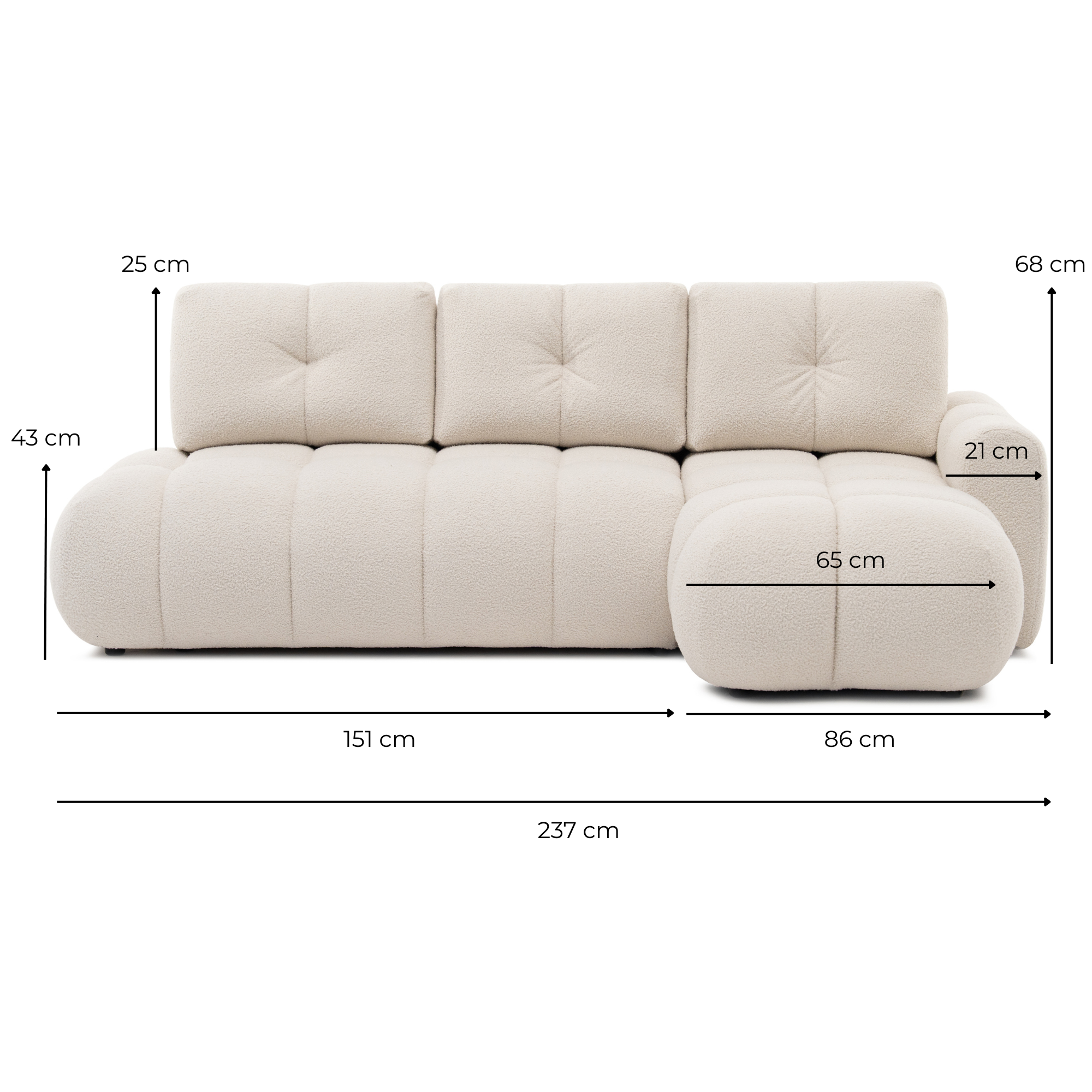
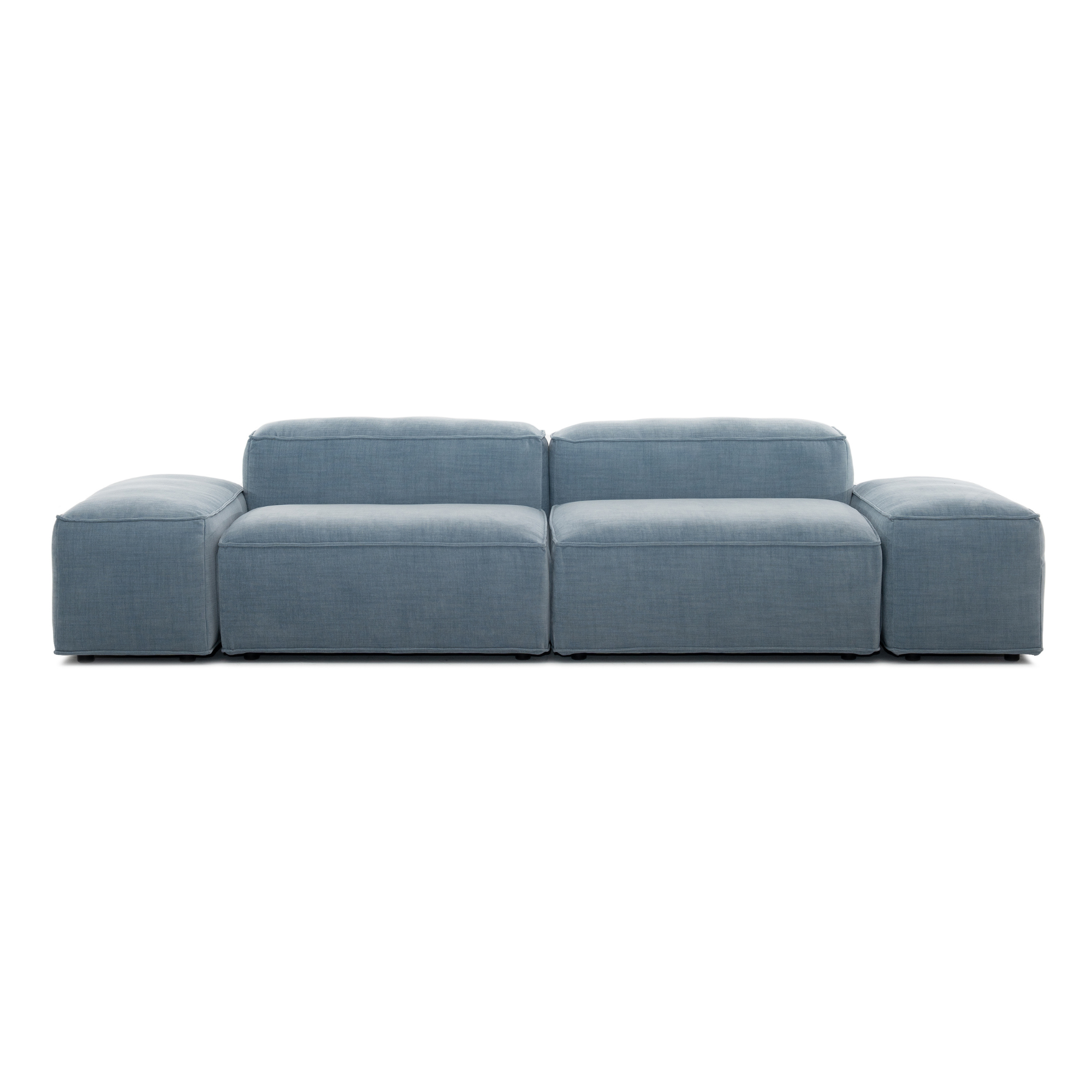
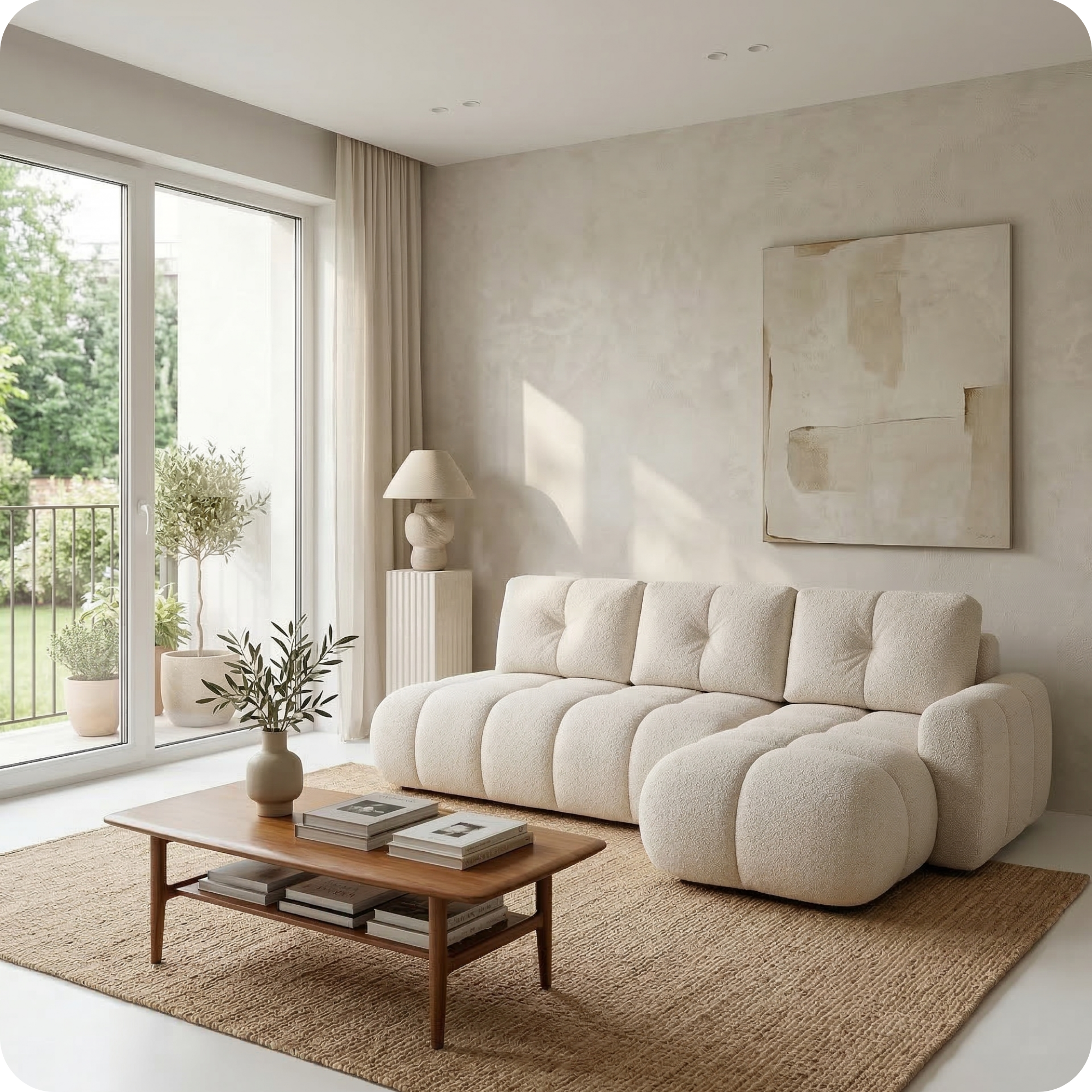
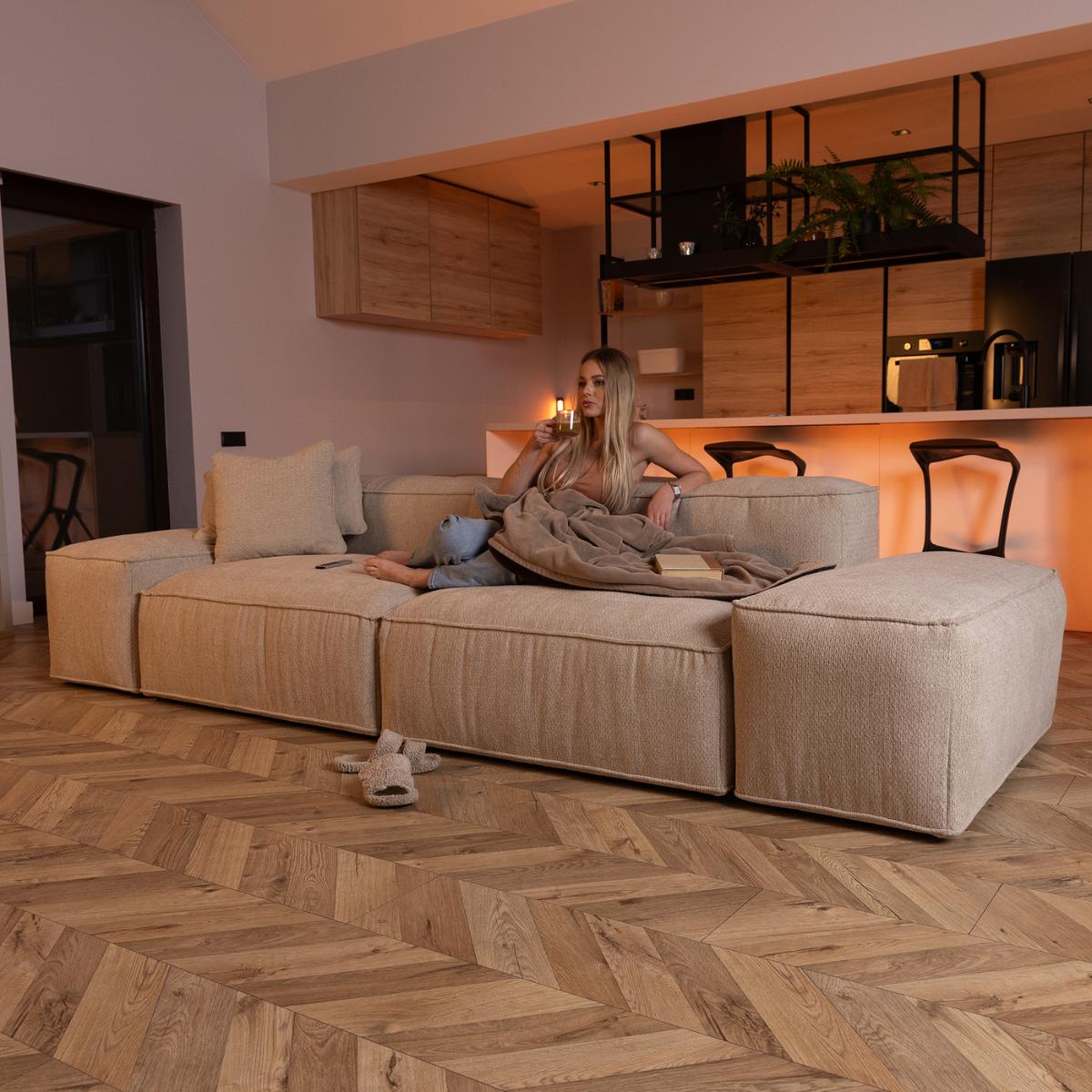
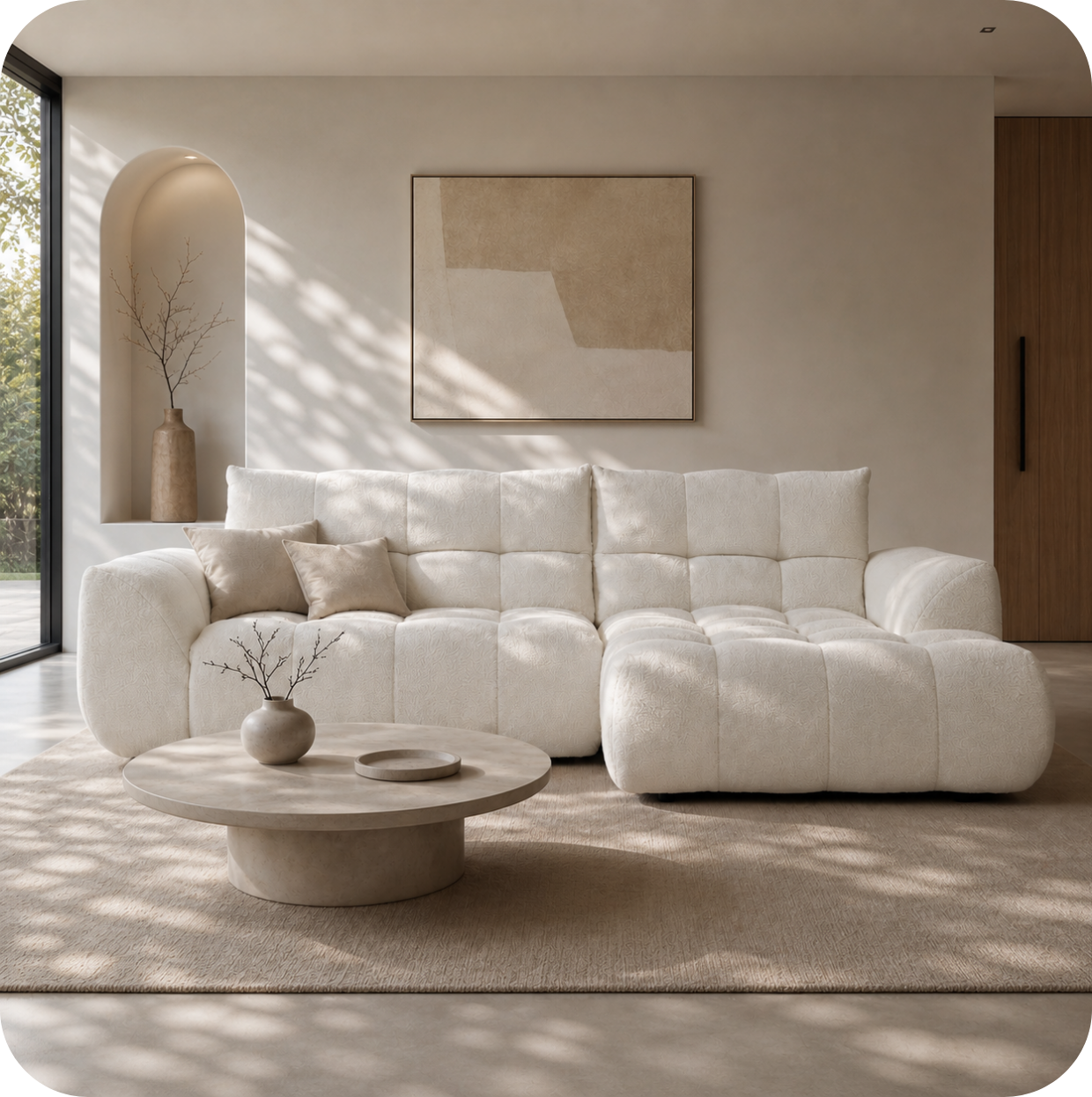
Lugano Sofa — Sand — from €1,299
A neutral sand-coloured sofa is the ultimate pattern-mixing foundation — against this quiet backdrop, patterned cushions, a large patterned rug, and patterned curtains can all coexist because the eye always has a restful place to return to.
Pattern Types and How to Combine Them
Stripes: the most versatile pattern type, stripes mix well with almost anything because their linear structure is very different from most other pattern types. A wide horizontal stripe mixes well with a floral, a geometric, or a botanical. Geometrics: bold geometric patterns (hexagons, diamonds, triangles) mix well with organic, flowing patterns like florals and botanicals — the contrast between rigid geometry and organic form is pleasing to the eye. Florals: pair large-scale florals with small-scale stripes or simple geometrics. Avoid two large florals together. Botanicals: leaf and plant-inspired patterns mix particularly well with other naturalistic patterns and earthy tones — they have a cohesive organic quality. Checks and plaids: pair with stripes (same colour family, very different scale) or with solid companions.
A Simple Pattern-Mixing Formula for Your Living Room
Start with a solid-colour sofa. Add one patterned rug in a large-scale pattern. Add cushions in two complementary patterns at different scales, all sharing the sofa's colour and the rug's colour. Add one patterned throw in a texture-based pattern (herringbone or simple check). The result will be a layered, visually interesting room that reads as intentional and well-designed rather than chaotic.