


How to Style Floating Shelves in a Living Room: What to Put on Shelves
Floating shelves are one of the most popular elements in contemporary living room design — and one of the most commonly styled badly. The appeal is understandable: they add storage, display space, and vertical interest without the visual weight of freestanding furniture. But empty shelves look abandoned, and shelves stuffed randomly with objects look like storage rather than design. The difference between a living room with beautifully styled shelves and one with messy shelves is almost entirely in the editing and arrangement principles applied.
The Rule of Odd Numbers
Objects displayed in odd numbers — threes, fives, sevens — are more visually engaging than those displayed in even numbers. The reason is that odd groupings prevent the eye from splitting the composition symmetrically, creating a dynamic tension that even groupings lack. When styling a shelf, think in groups of three: a tall object, a medium object, and a small object at different heights creates visual rhythm. Two objects of the same height look static; three objects at varying heights look considered.
Vary Height, Depth, and Texture
The most effective shelf styling varies not just height but also depth (some objects pushed forward, some pulled back) and texture (smooth ceramics next to rough-textured books, hard glass next to soft trailing plants). This layering of different qualities — height, depth, texture — creates the richness that makes a shelf look styled rather than simply stored. Flat surfaces without variation look like a display shelf in a shop that hasn't been merchandised.
The Art of Stacking Books
Books are the most underrated shelf styling tool. Mixed arrangements — some standing upright, some stacked horizontally to create a platform for a small object on top — create visual variety and make the shelf look like a working, living space rather than a display. Grouping books by colour creates a deliberately designed quality. Grouping books by size creates a more casual, collected quality. The most liveable shelves combine both approaches.
Leave Breathing Space
The most common mistake in shelf styling is filling every inch. Negative space — empty stretches of shelf between groups of objects — is as important as the objects themselves. The empty spaces give the eye somewhere to rest and prevent the shelf from looking cluttered. A good rule of thumb is to aim for roughly one third of each shelf to be empty space.

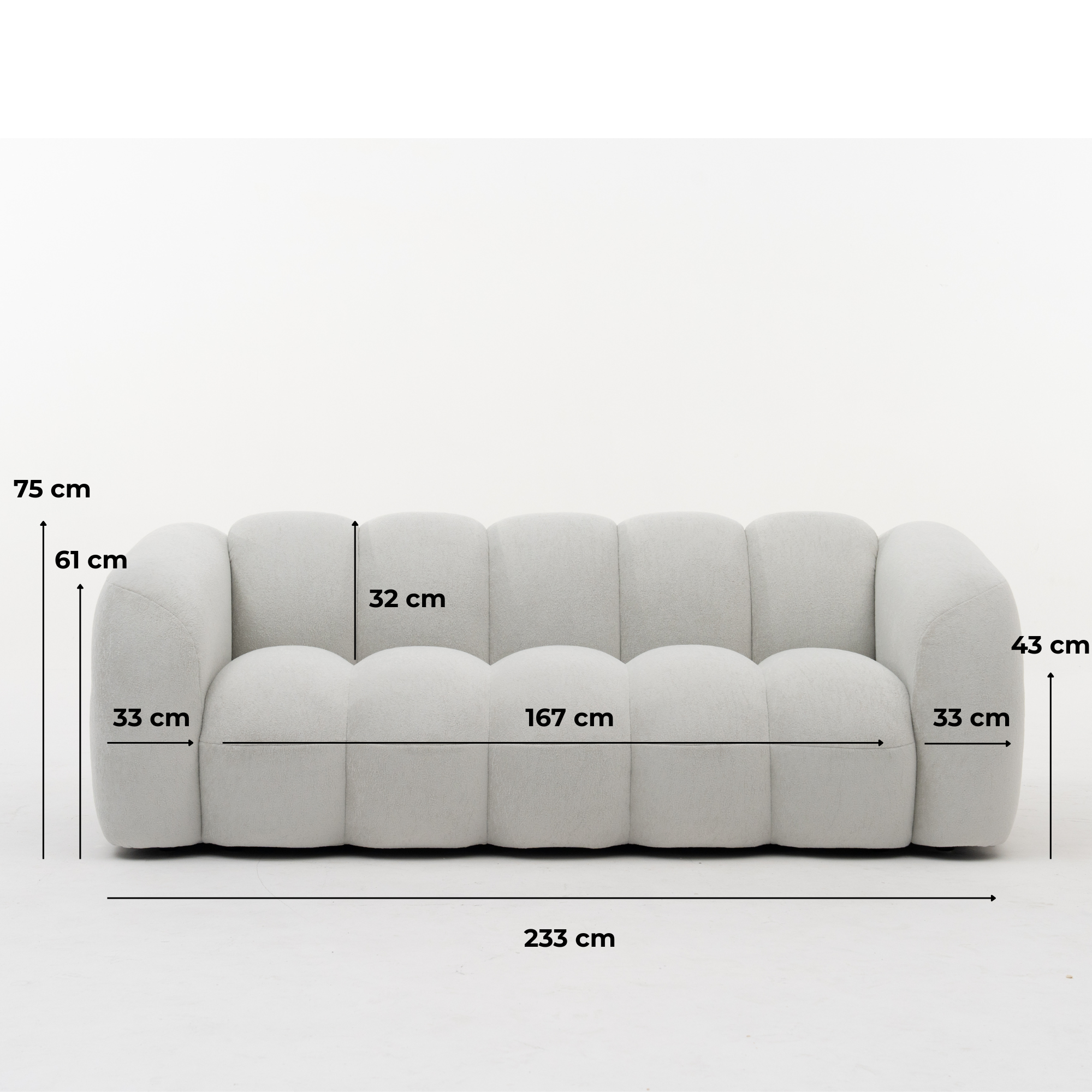
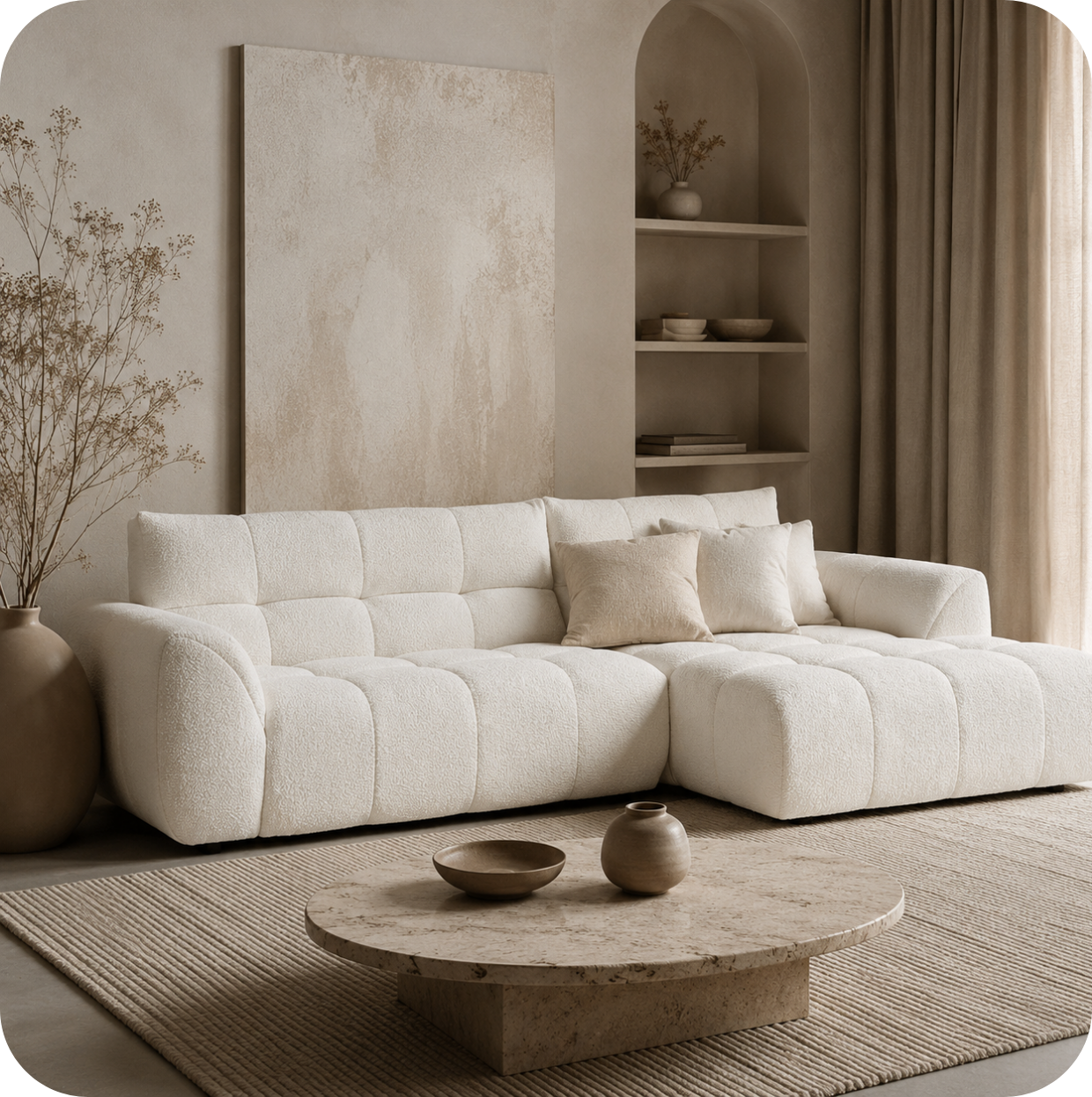
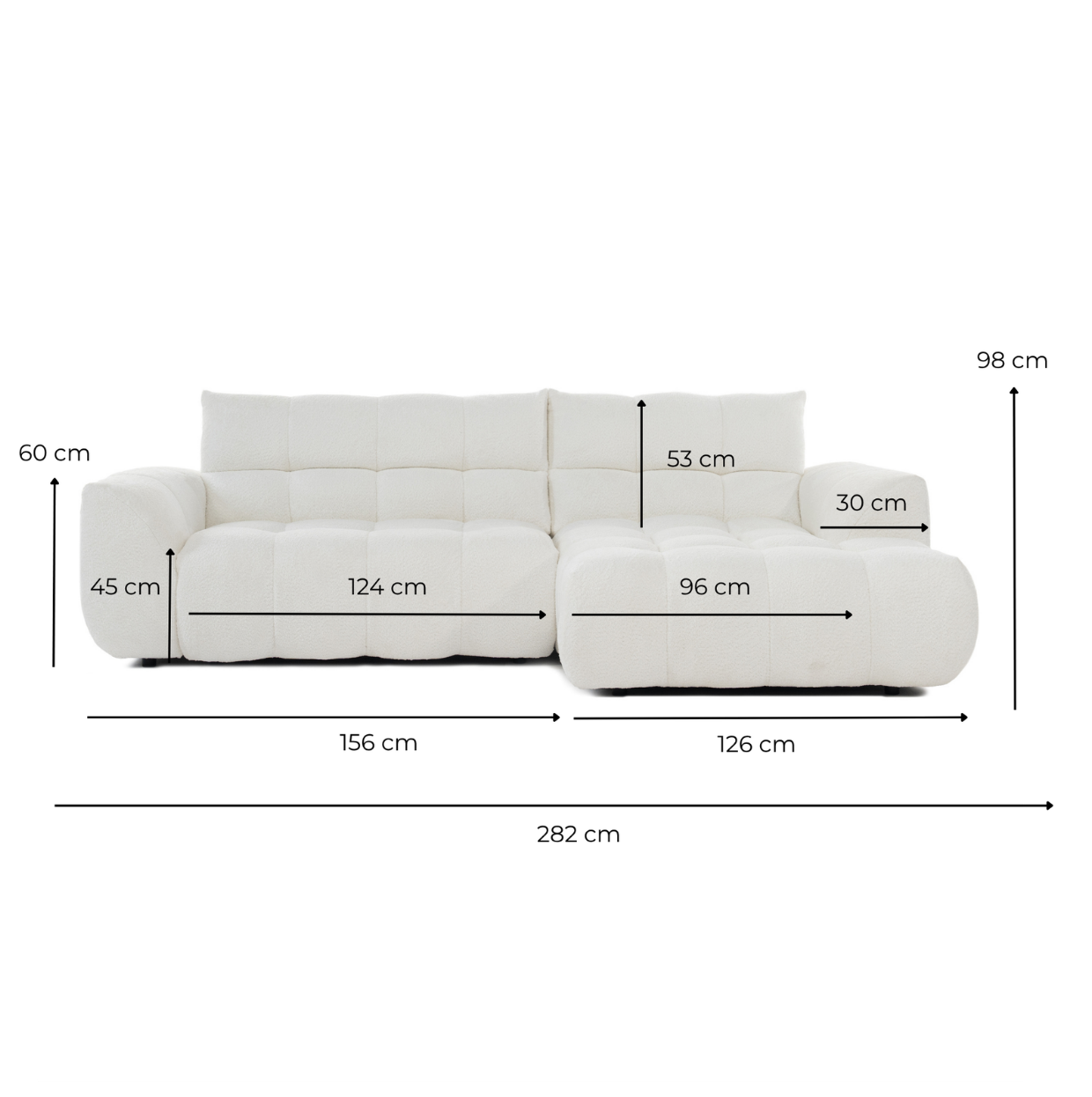
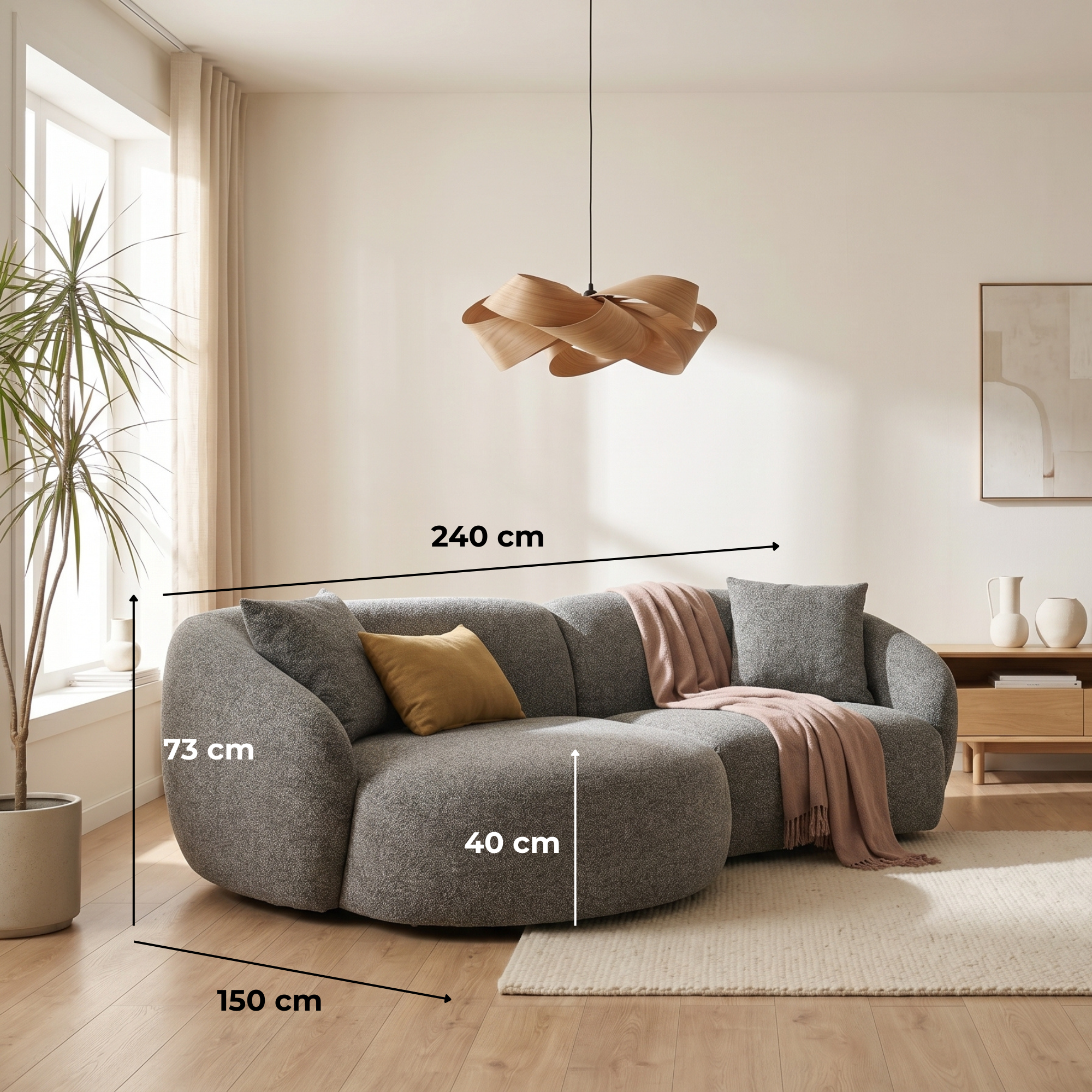
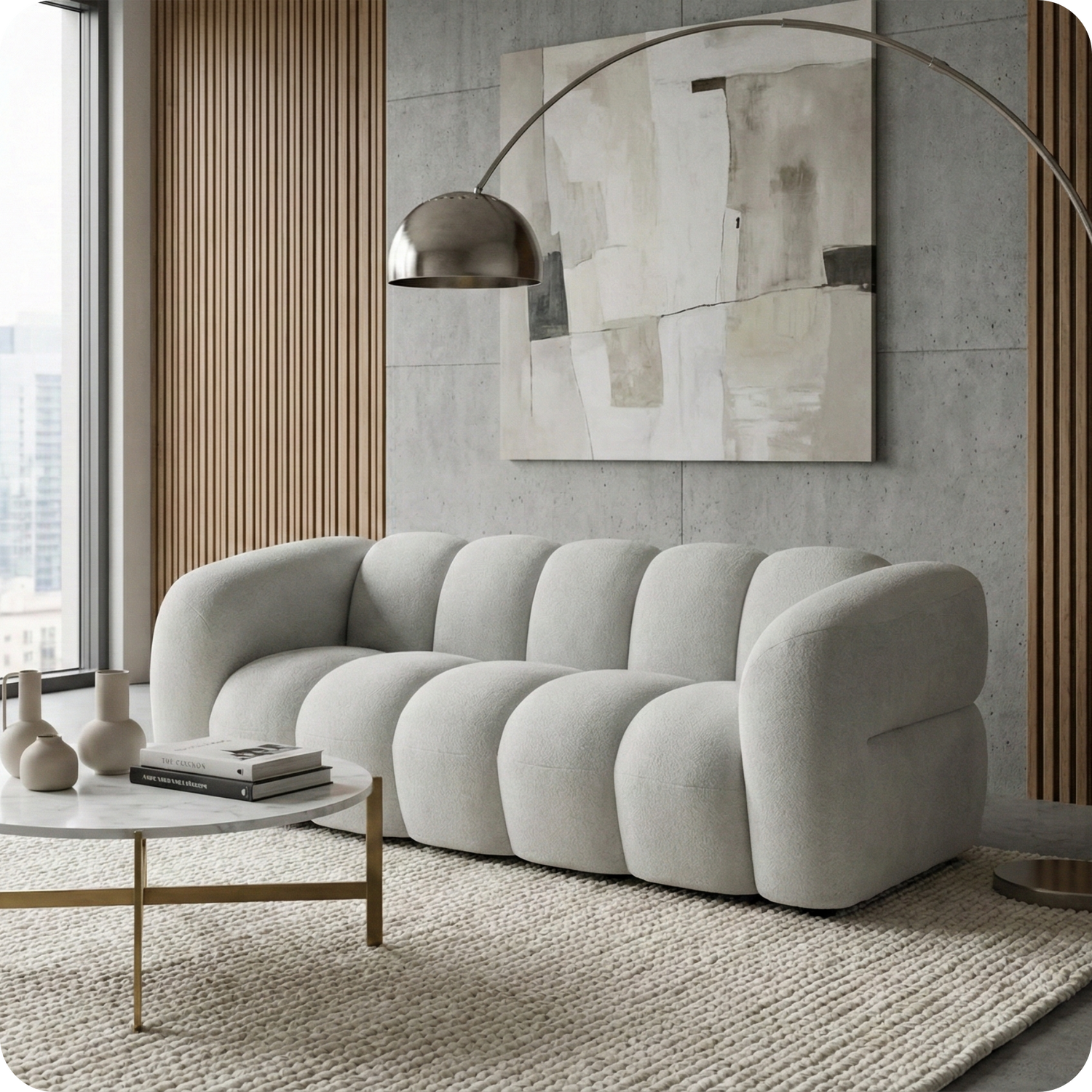
Lugano in Light Grey — from €1,299
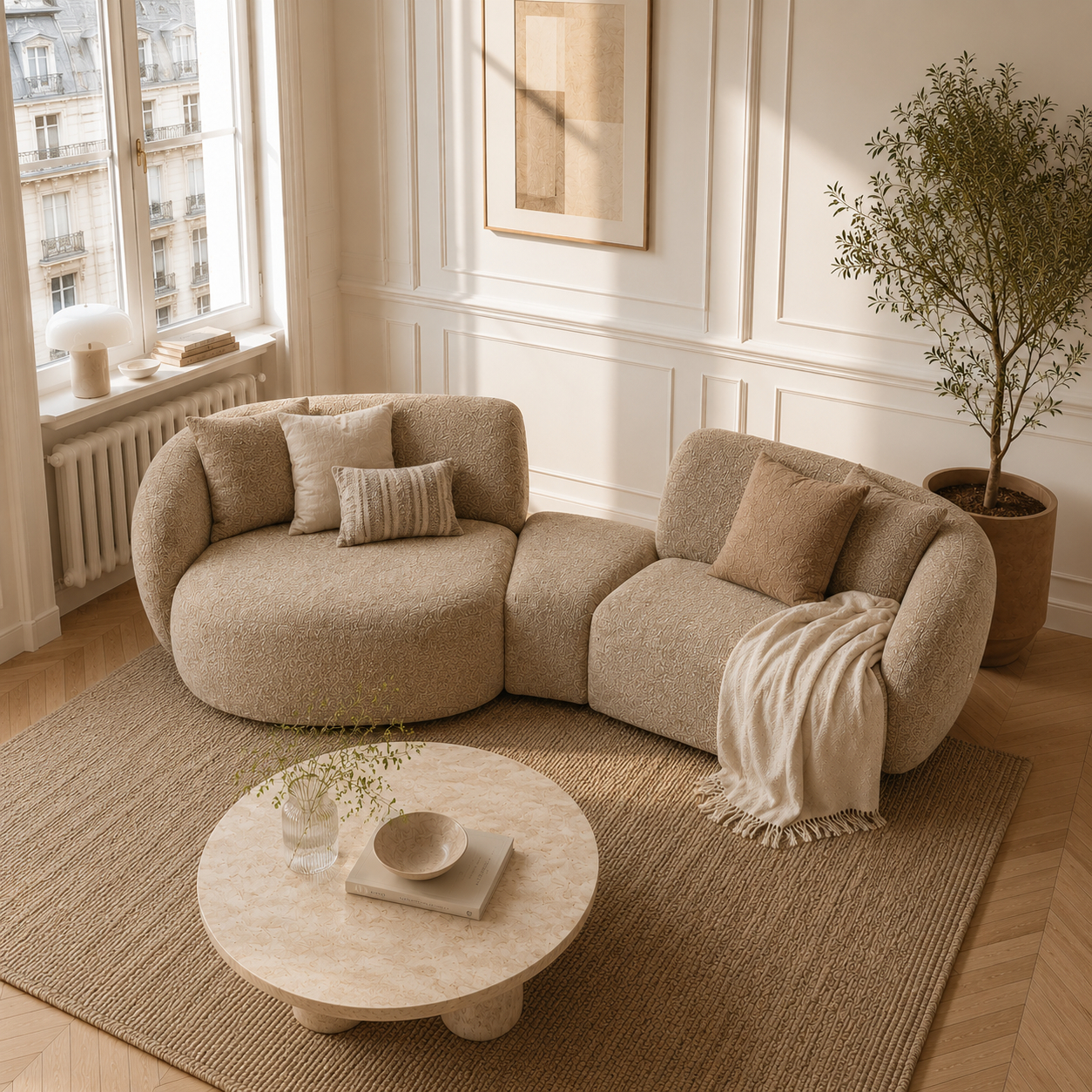
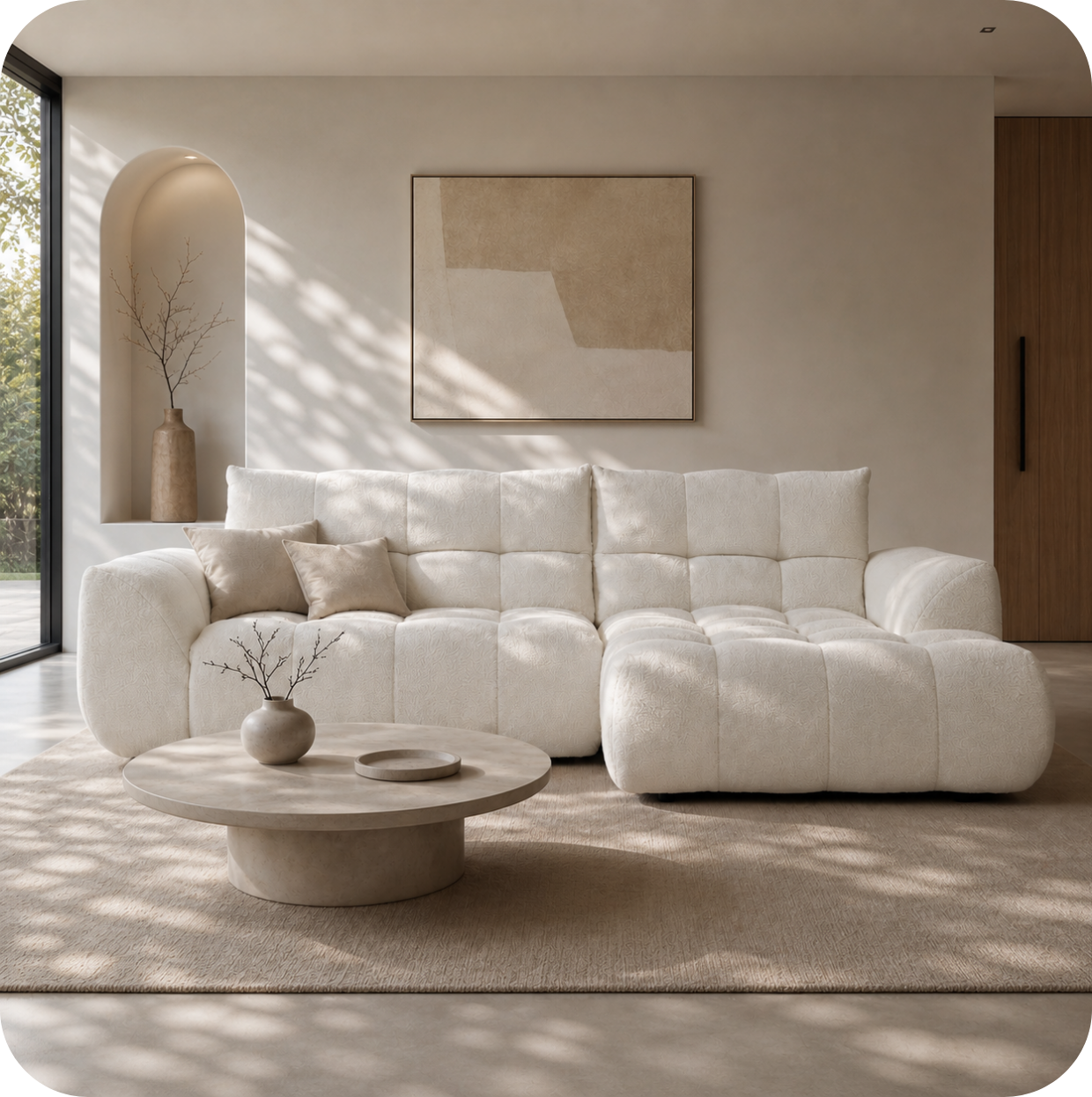
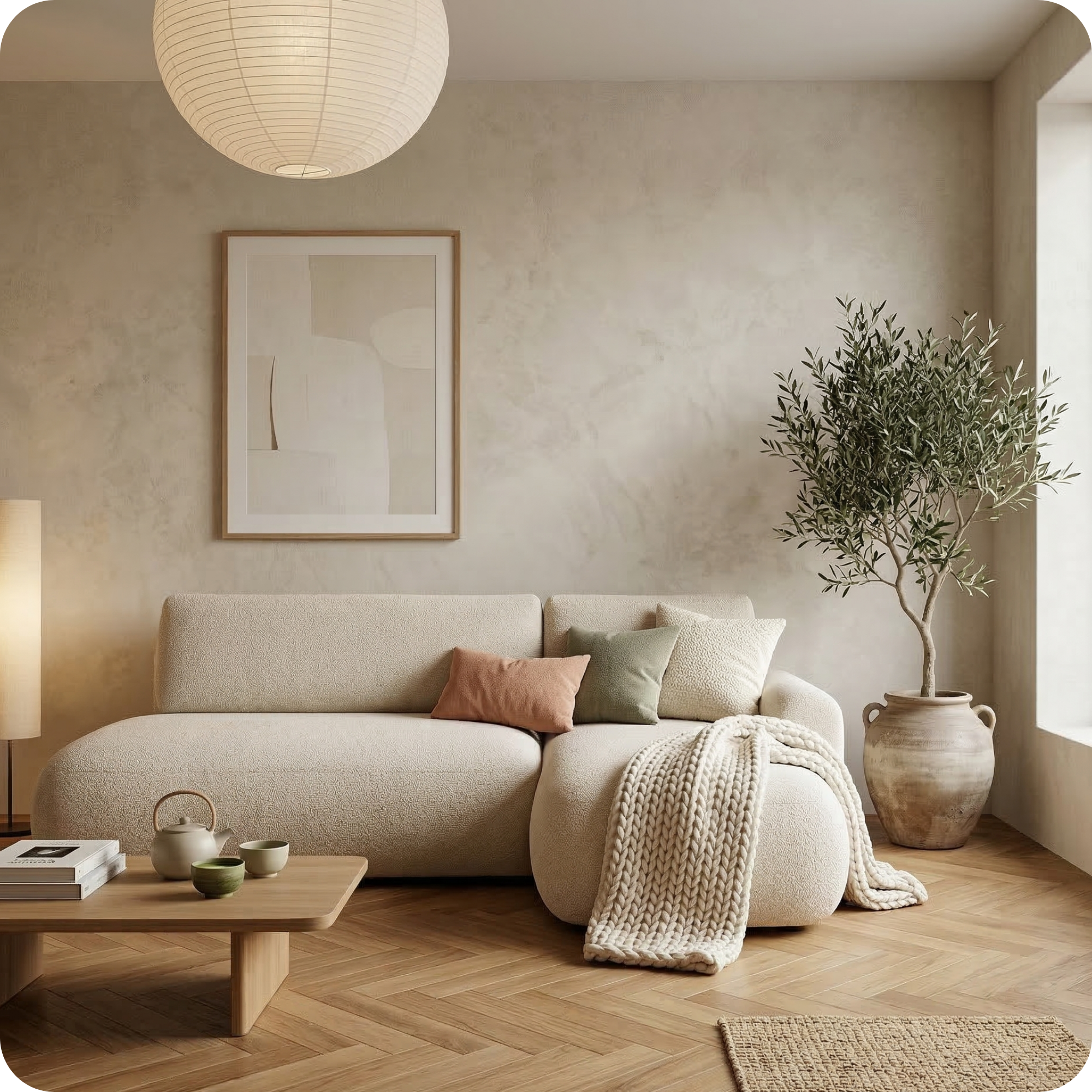
A neutral grey sofa like the Lugano provides the perfect visual anchor beneath a wall of floating shelves. When the shelves above carry books, ceramics, and small plants in a warm palette (terracotta, natural wood, brass), the neutral grey of the sofa below allows the shelf display to read clearly and feel like the intentional focal wall it is. A sofa in a stronger colour beneath heavily styled shelves would create two competing visual focal points.

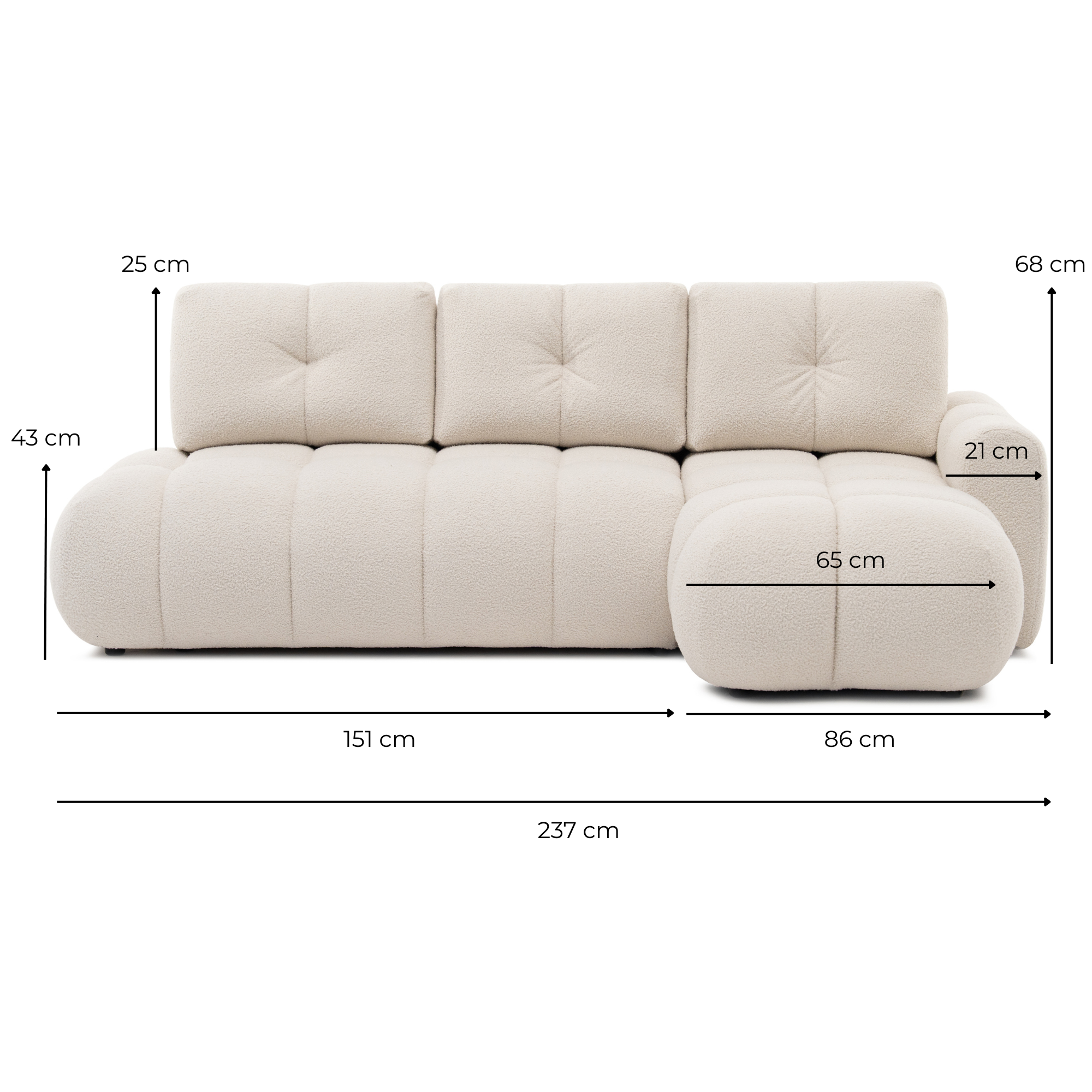
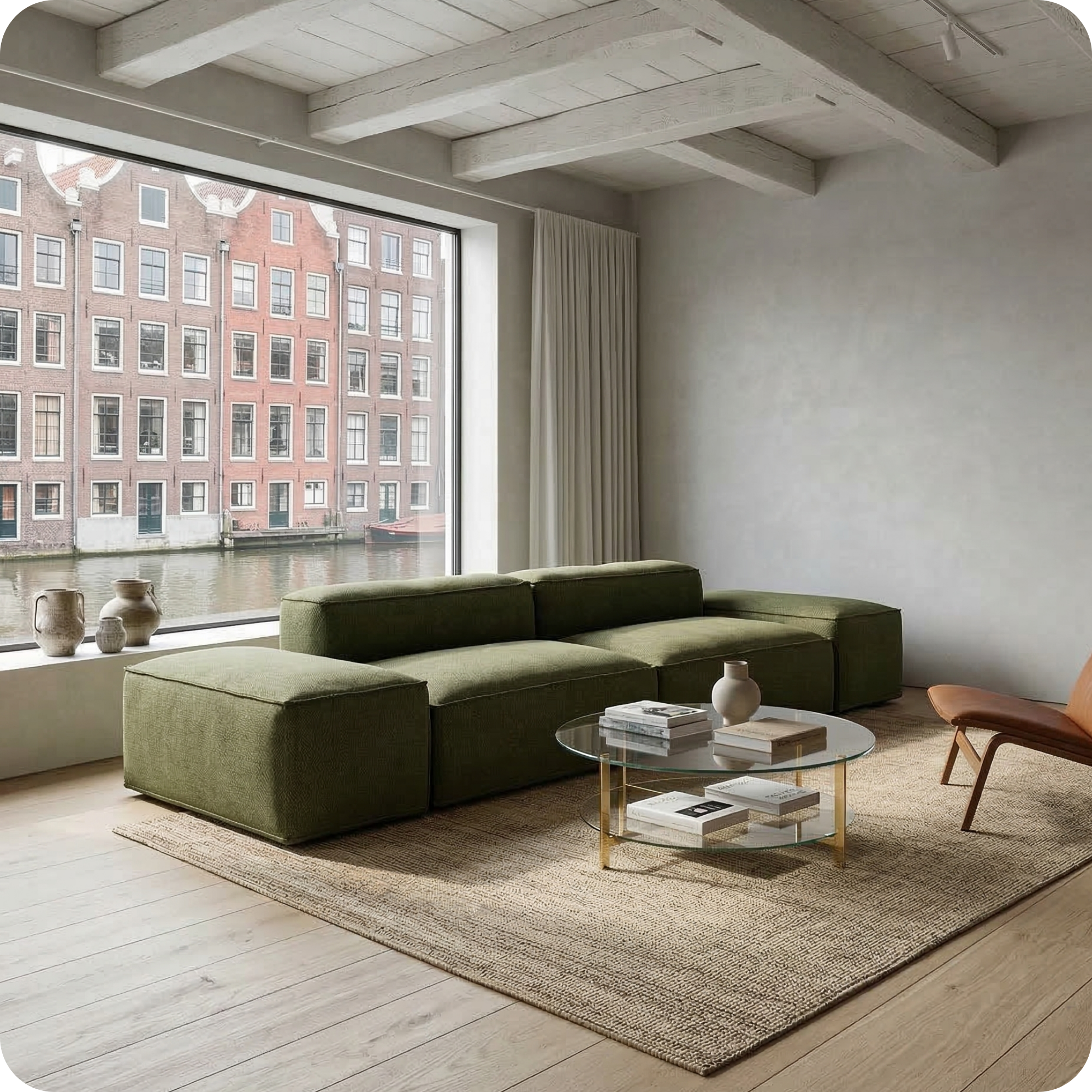
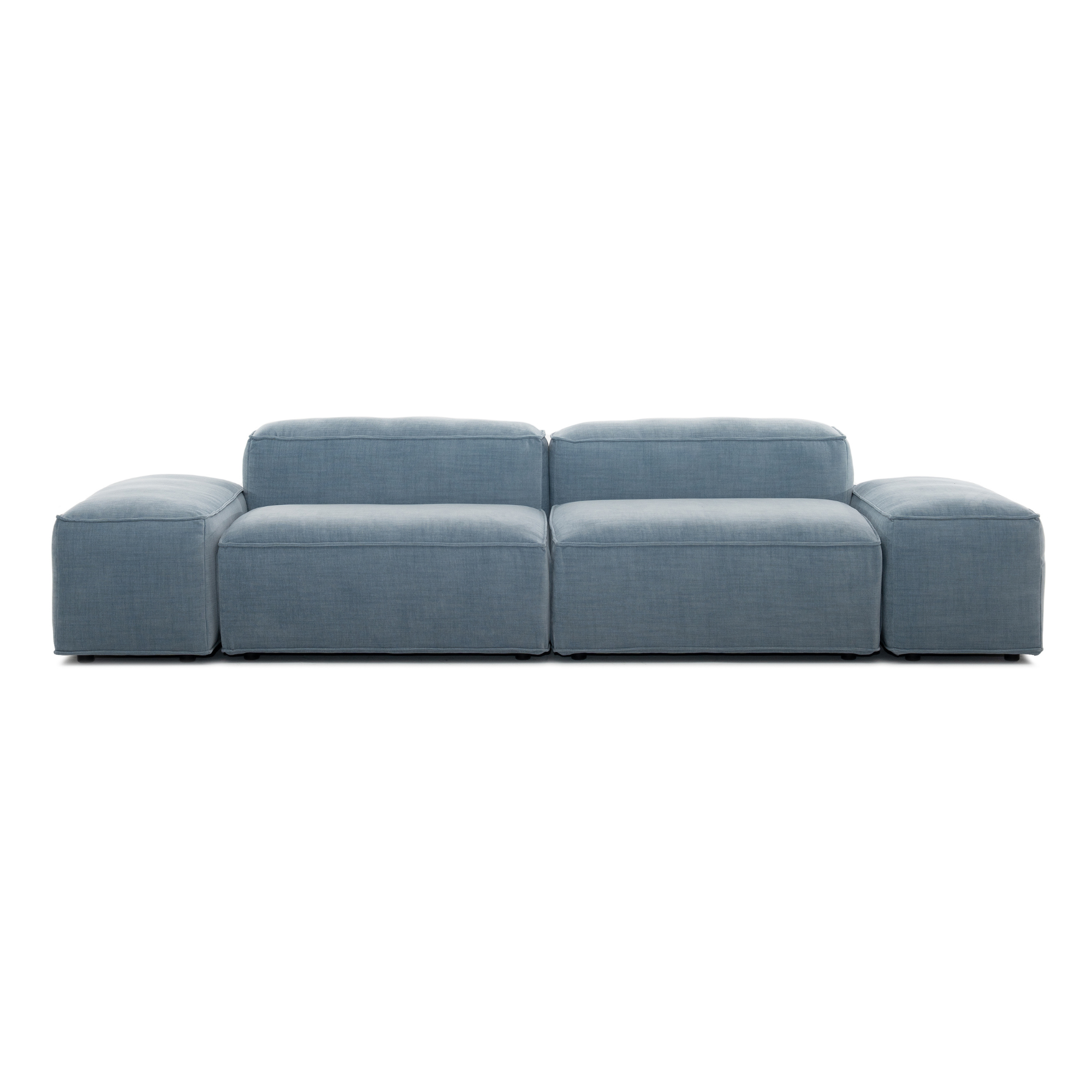
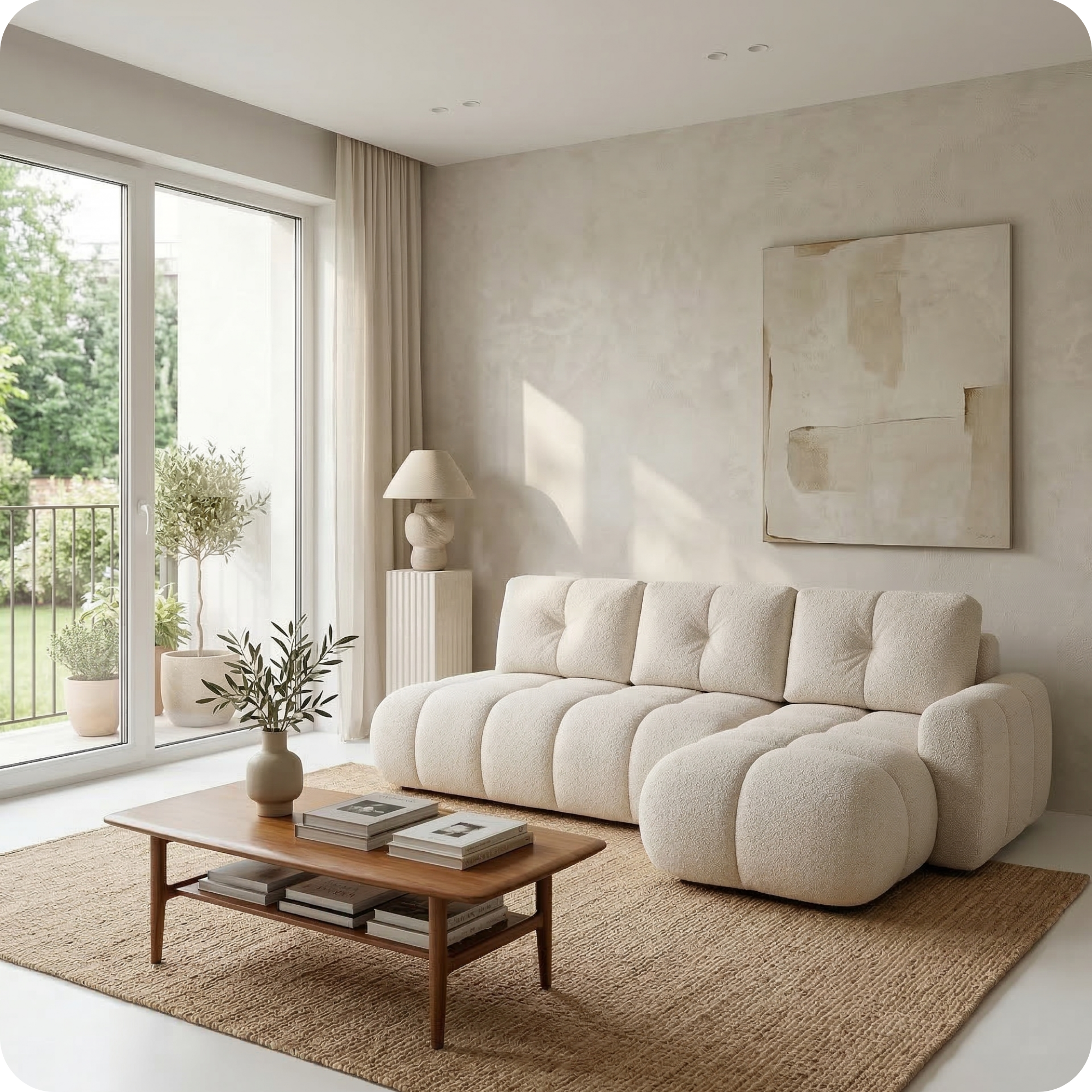
Riva 3-Seater Sofa — from €999
The Riva's clean, unfussy design allows the room styling around it to take centre stage. When positioned against a wall with floating shelves above, the Riva's neutral tone lets the shelf display — books, plants, ceramics, framed art — become the focal point of the wall rather than the sofa itself competing for attention.
What to Put on Shelves: The Core Categories
The most effective shelf displays draw from several core categories of objects: books (horizontal stacks and vertical arrangements), plants (trailing or small-leaved varieties that add organic movement), ceramics (a mix of handmade and geometric, varied in height), framed photographs or small art prints (leaned rather than hung, for an informal quality), candles and candleholders, sculptural objects (figures, abstract forms), and small collections (matchboxes, stones, shells — objects that tell something about the owner's personality).
Create Visual Triangles
Professional stylists arrange shelf objects in visual triangles: placing the tallest object on one side, a medium object in the middle, and a small object on the other side, then repeating across the shelf. This triangular arrangement creates visual movement that pulls the eye across the shelf rather than stopping it at any single point. It also prevents the uniform, flat look that comes from placing objects of the same height in a line.