


How to Style a Gallery Wall in Your Living Room: The Complete Guide
A gallery wall is one of the most personal and visually impactful things you can do in a living room. Done well, it transforms a blank wall into a curated collection that reflects who you are, creates a focal point for the room, and adds depth and texture that a single large print simply cannot achieve. Done poorly, it looks chaotic and unplanned. This guide takes you through every step — from choosing which wall to use, to selecting art, to hanging everything perfectly level.
Choosing the Right Wall for a Gallery
Not every wall suits a gallery display. The best candidates are large, uninterrupted walls — ideally without windows, doors, or architectural features cutting through the space. The wall directly behind a sofa is the most popular choice because it is at eye level when seated and immediately visible when entering the room. A staircase wall is another classic gallery wall location. Avoid walls with radiators, as heat can damage framed art over time.

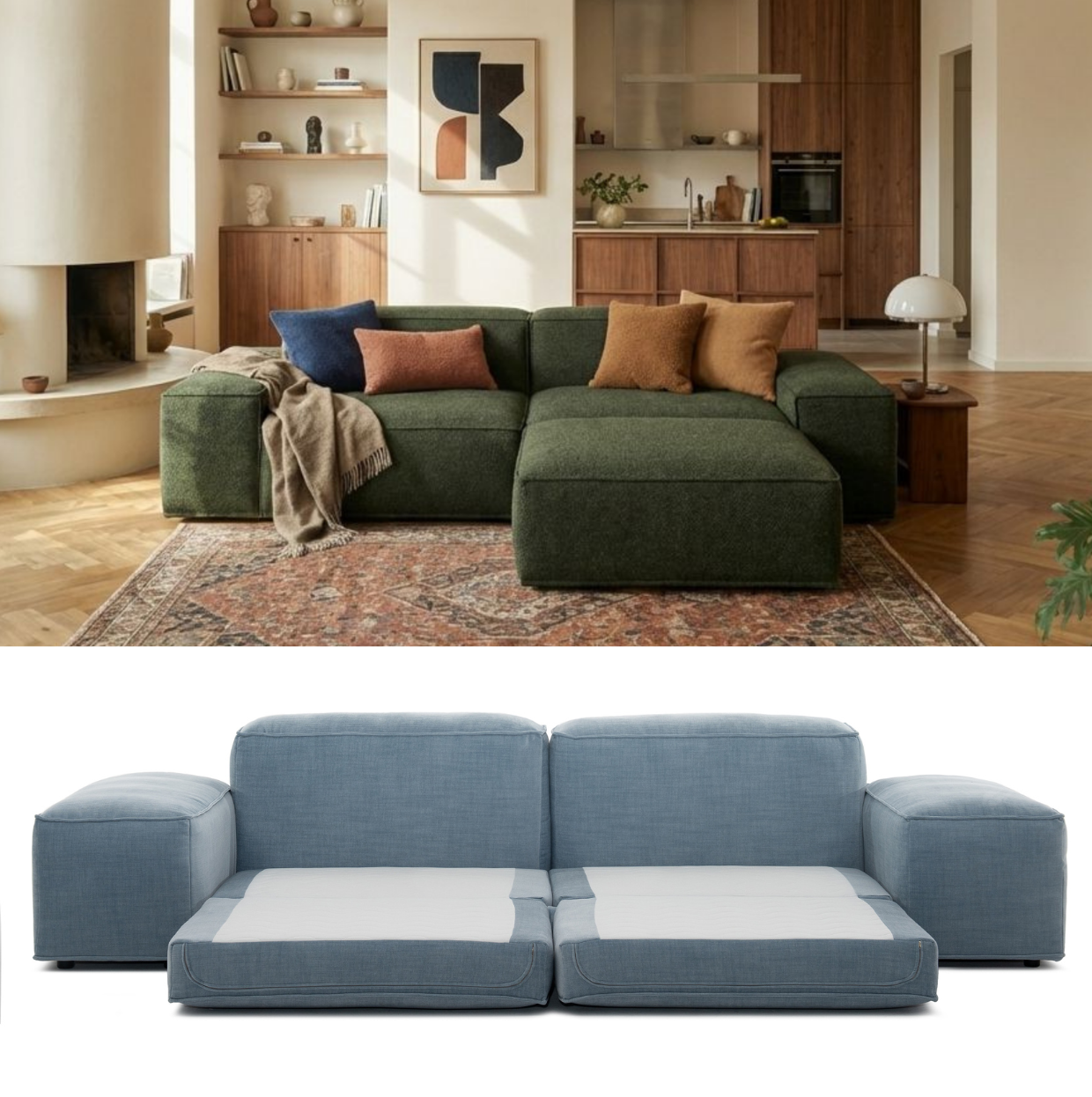
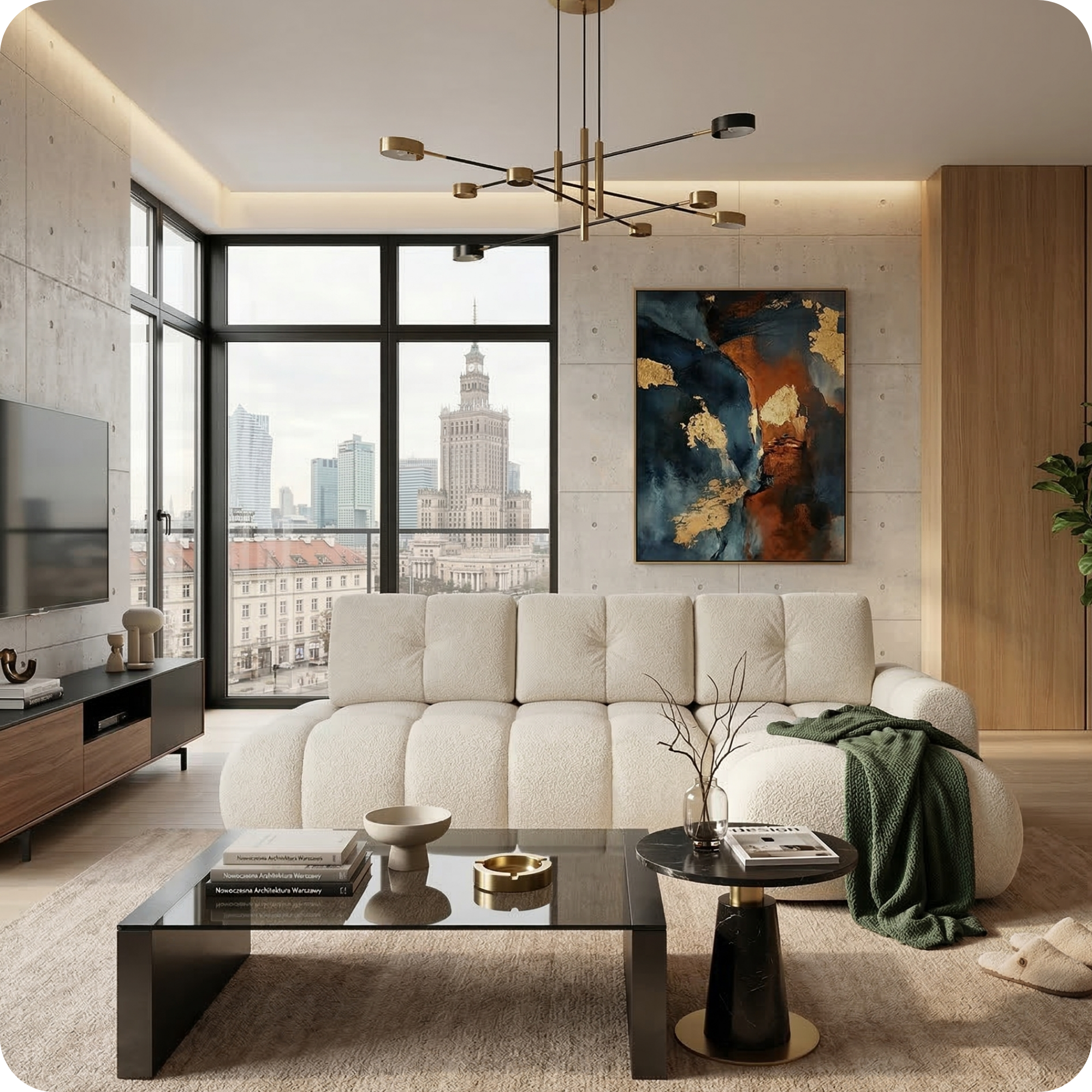
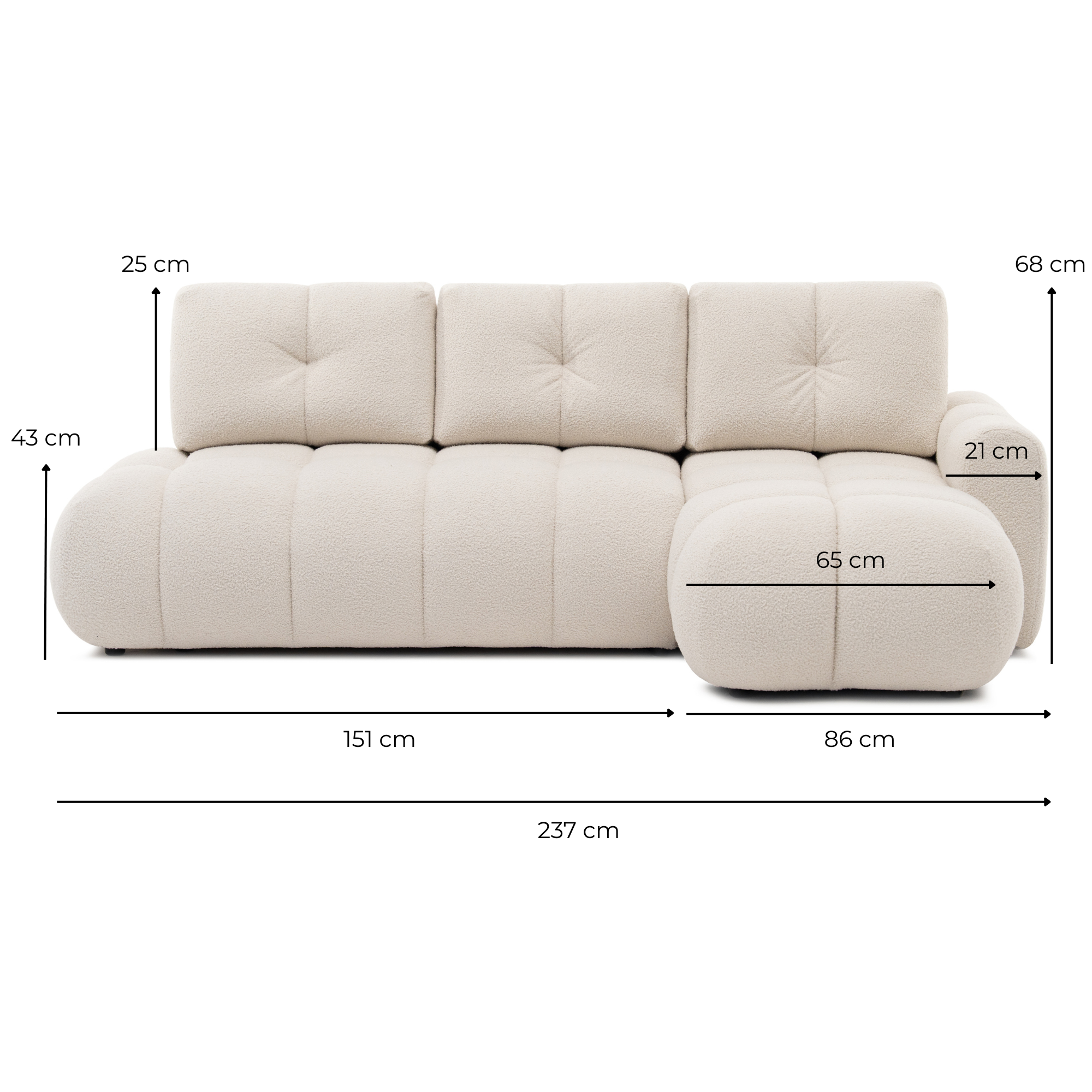
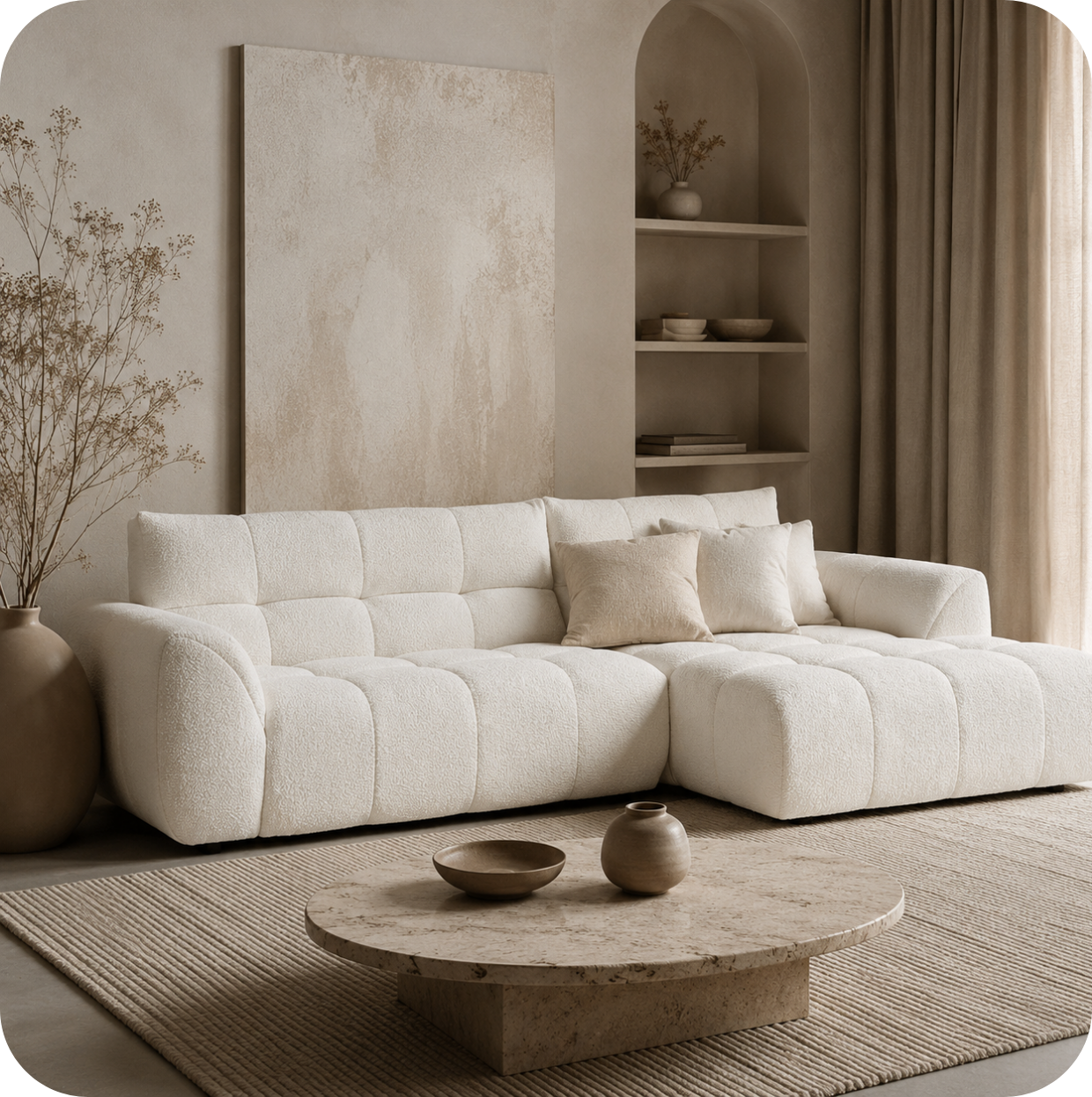
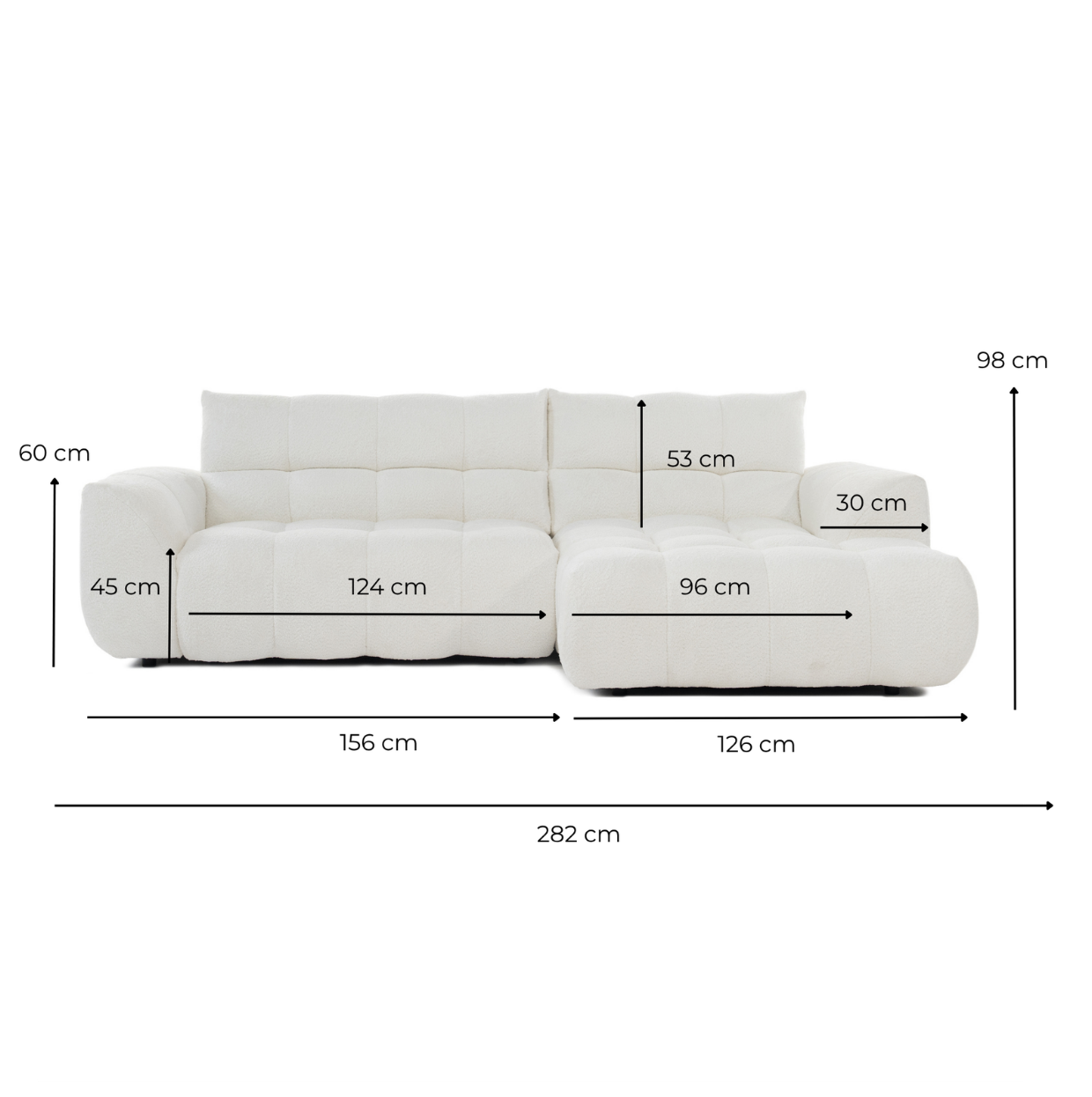
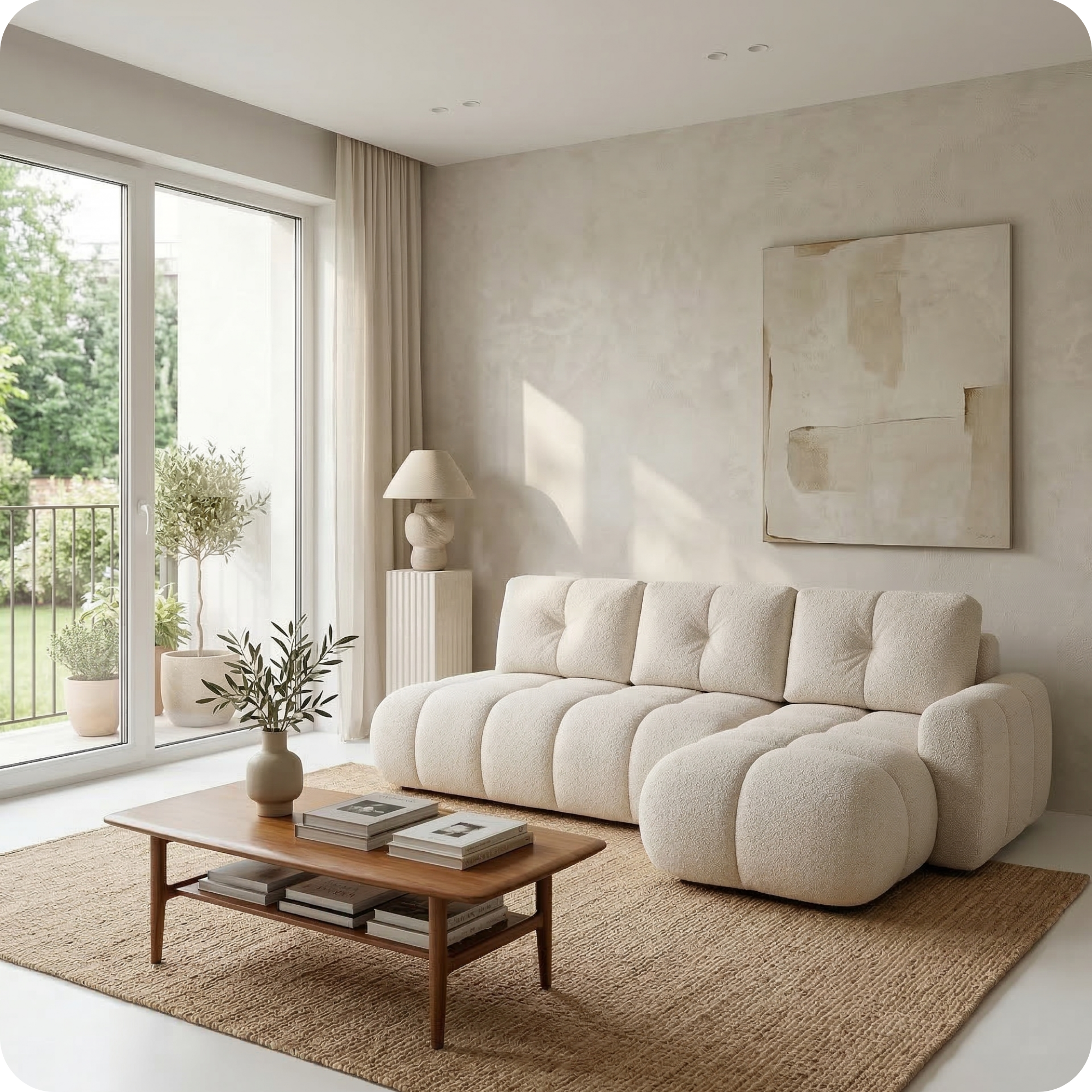
Merlot Corner Sofa — from €1,913
A corner sofa creates a generous expanse of wall space above and beside it — perfect for an expansive gallery wall that anchors the seating arrangement and makes the whole corner of the room feel deliberately designed.

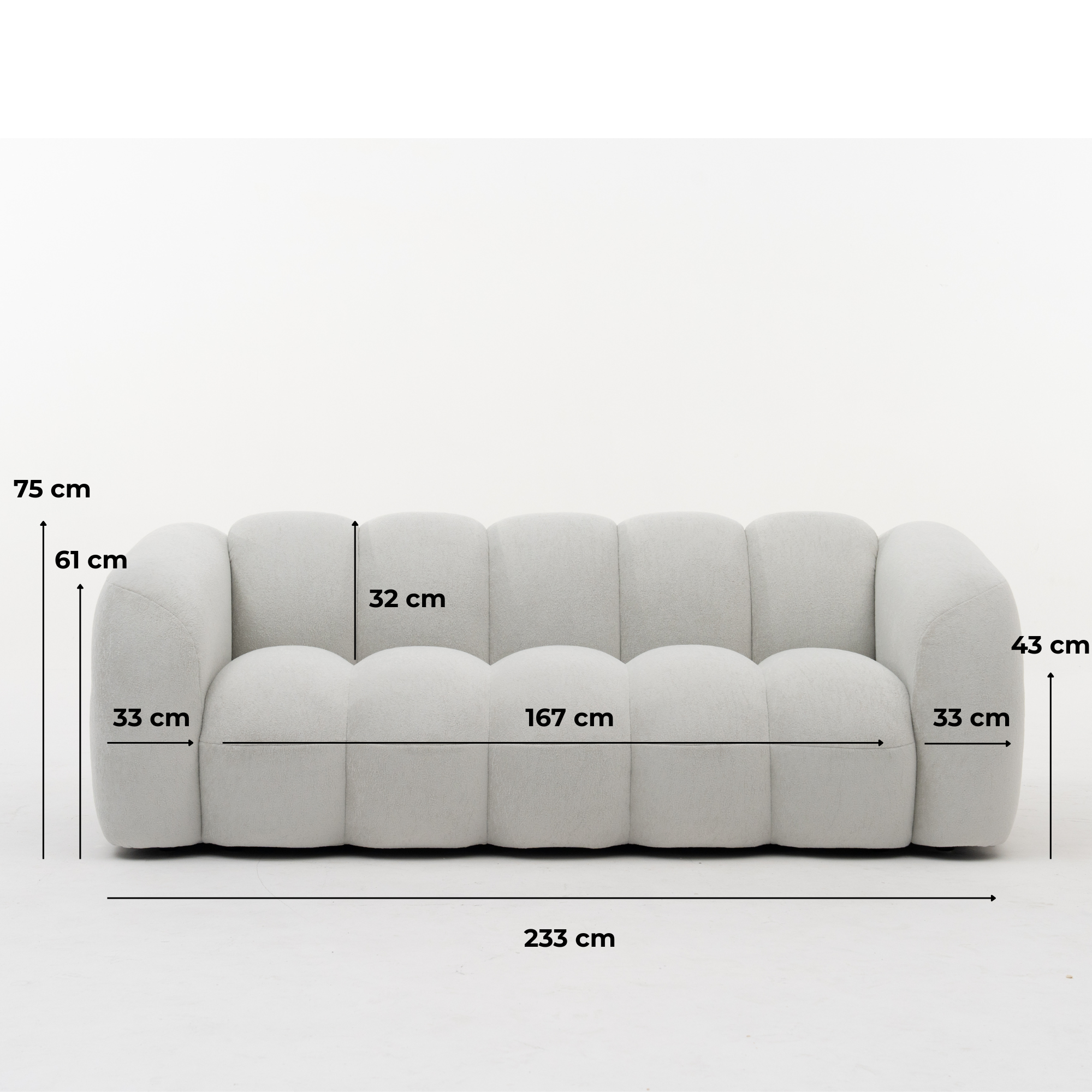
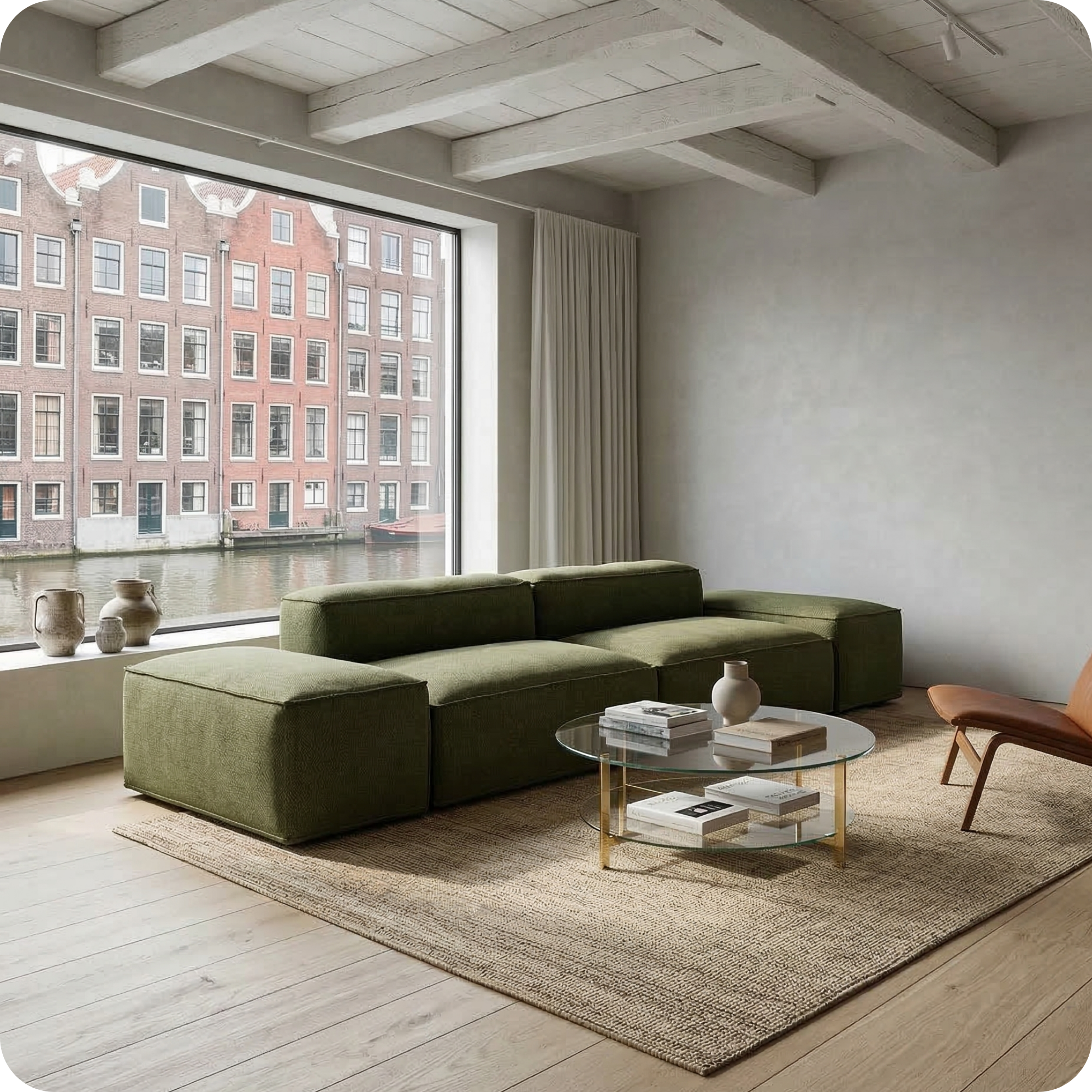
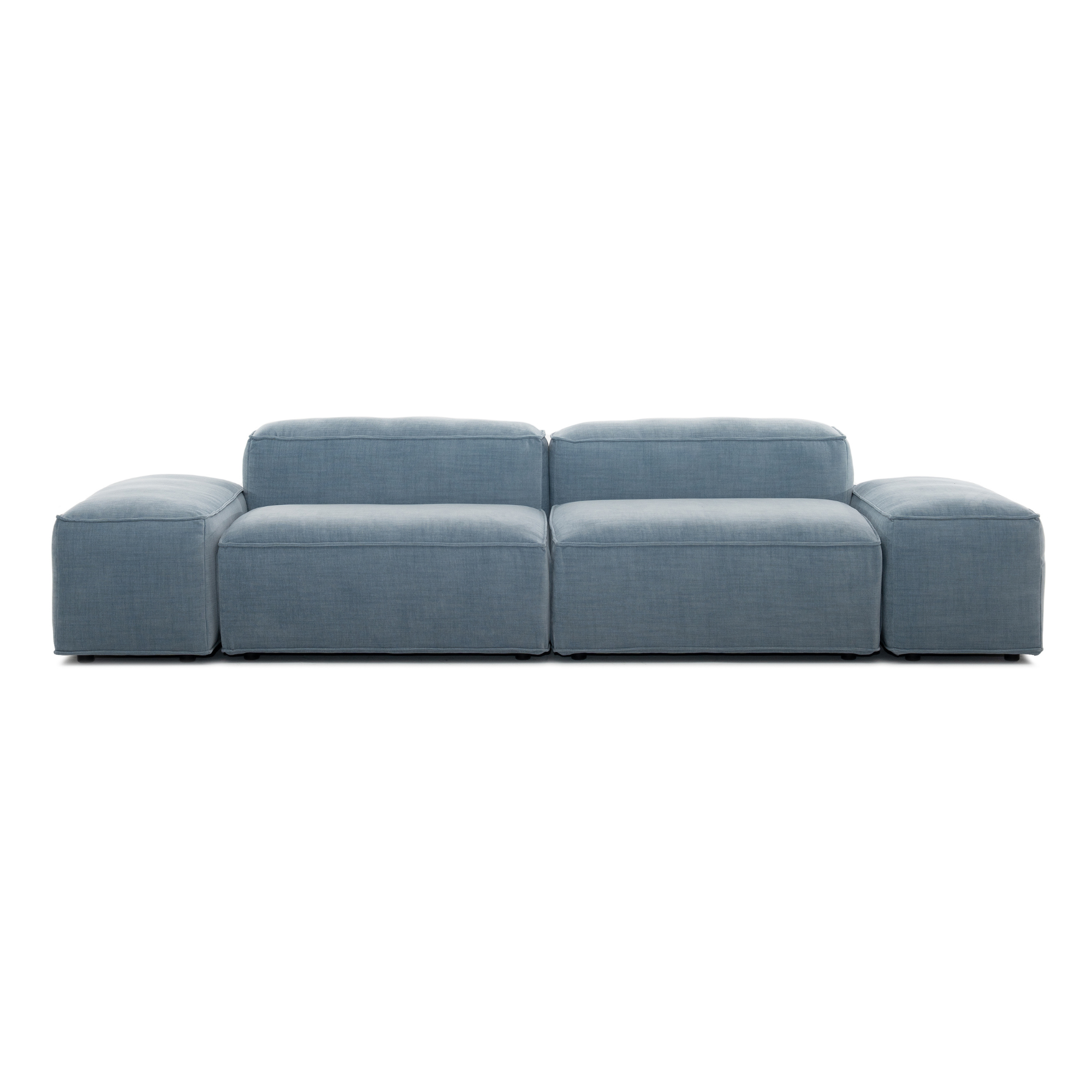
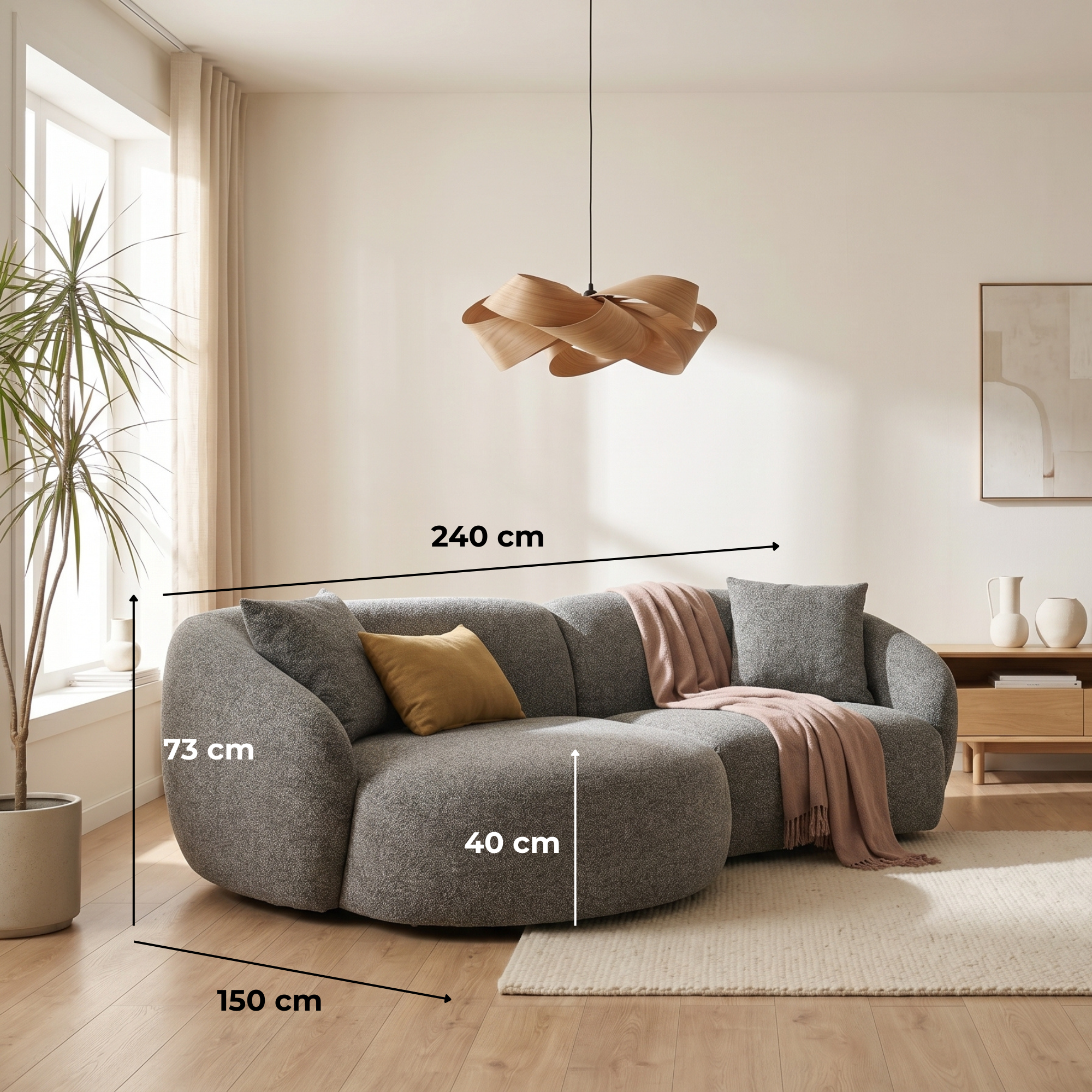
Lugano Sofa — Light Grey — from €1,299
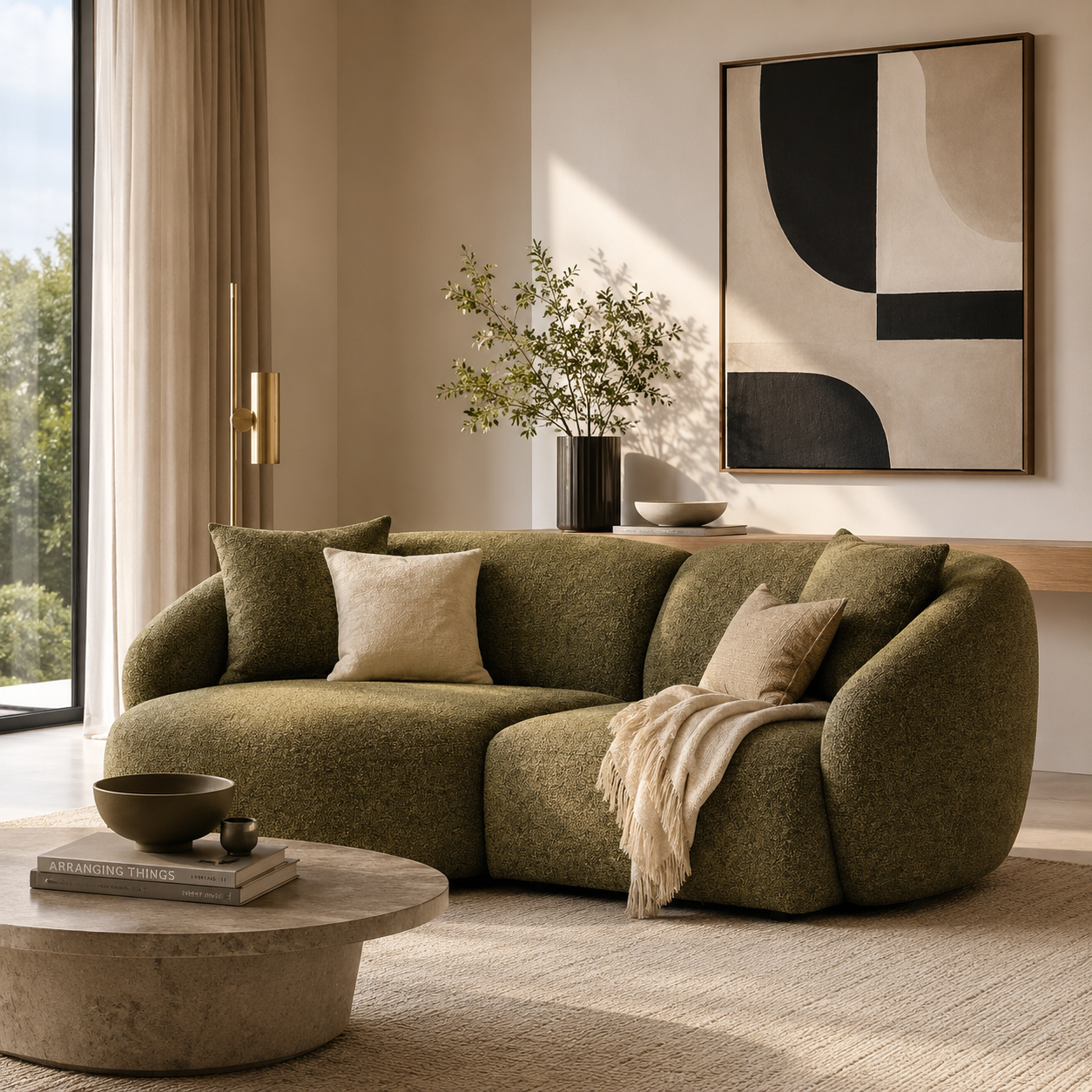
A neutral light grey sofa provides the perfect backdrop for a gallery wall in any colour palette. The clean, understated upholstery keeps the focus on the art while the quality sofa anchors the seating arrangement with quiet confidence.
Planning the Layout
Before putting a single nail in the wall, plan the layout on paper or digitally. A few approaches: the grid — all frames the same size hung in a perfect grid, clean and modern. Salon-style — frames of varying sizes hung asymmetrically, covering as much wall as possible, maximally eclectic. Stacked rows — two or three horizontal rows of art, structured but not as rigid as a grid. The most successful gallery walls mix frame sizes but maintain consistent spacing (typically 5–8 cm between frames) and consistent frame colours or finishes — all black, all natural wood, all gold, all white — to create visual cohesion even when the art itself varies enormously.
Choosing What to Display
Art prints and photography: the most popular gallery wall content. A mixture of photographic prints, illustrations, and typographic prints works well when tied together by a consistent colour palette. Original art: one or two pieces of original art mixed with prints adds authenticity. Mirrors: a framed mirror in a gallery wall reflects light and adds spatial interest. Objects: clocks, decorative plates, woven wall hangings, and sculptural pieces all mix well with flat art. Family photography: personal photographs mixed with purchased art creates a uniquely personal gallery wall. A key principle: choose a consistent palette across all pieces — even wildly different subjects look cohesive when they share the same two or three colours.
Hanging Technique
The most reliable method: cut paper templates of every frame, tape them to the wall in your planned arrangement, then nail through the paper at the hook position before removing the template. This avoids any trial-and-error patching of misplaced holes. Start with the largest piece, position it slightly above centre (the visual centre of a gallery wall should be at eye height — around 145–150 cm from the floor), then build outward. Keep a spirit level and tape measure on hand throughout.