


How to Use Rugs in a Living Room: The Complete Styling Guide
A well-chosen and well-placed rug does more work in a living room than almost any other single element. It defines the seating zone, adds warmth and texture underfoot, anchors the furniture arrangement, reduces noise, and introduces colour and pattern into the space. A poorly chosen rug — too small, wrong colour, wrong placement — can make an otherwise well-furnished room feel unfinished and disconnected. This guide covers everything you need to know.
The Single Most Important Rule: Size
The most common and most damaging rug mistake is choosing one that is too small. A rug that floats in the centre of the room without connecting to the surrounding furniture looks like a postage stamp — awkward, miserly, and visually shrinking. As a general rule, all the front legs of your sofa and accent chairs should be on the rug. Ideally, all four legs of every piece of furniture in the seating group should be on the rug. In a standard living room, this typically means a rug of at least 200cm x 300cm, or larger in bigger rooms.
Rug Placement Options
There are three standard placement approaches for living room rugs. The first — and most forgiving — is all legs on: every piece of seating furniture has all four legs on the rug. This creates the most cohesive, anchored look and requires the largest rug. The second is front legs on: the front two legs of the sofa and any chairs sit on the rug while the back legs do not. This is the most common approach and works well in most rooms. The third — all legs off — is only suitable for very large rooms where the rug sits purely as a decorative centrepiece between the furniture.

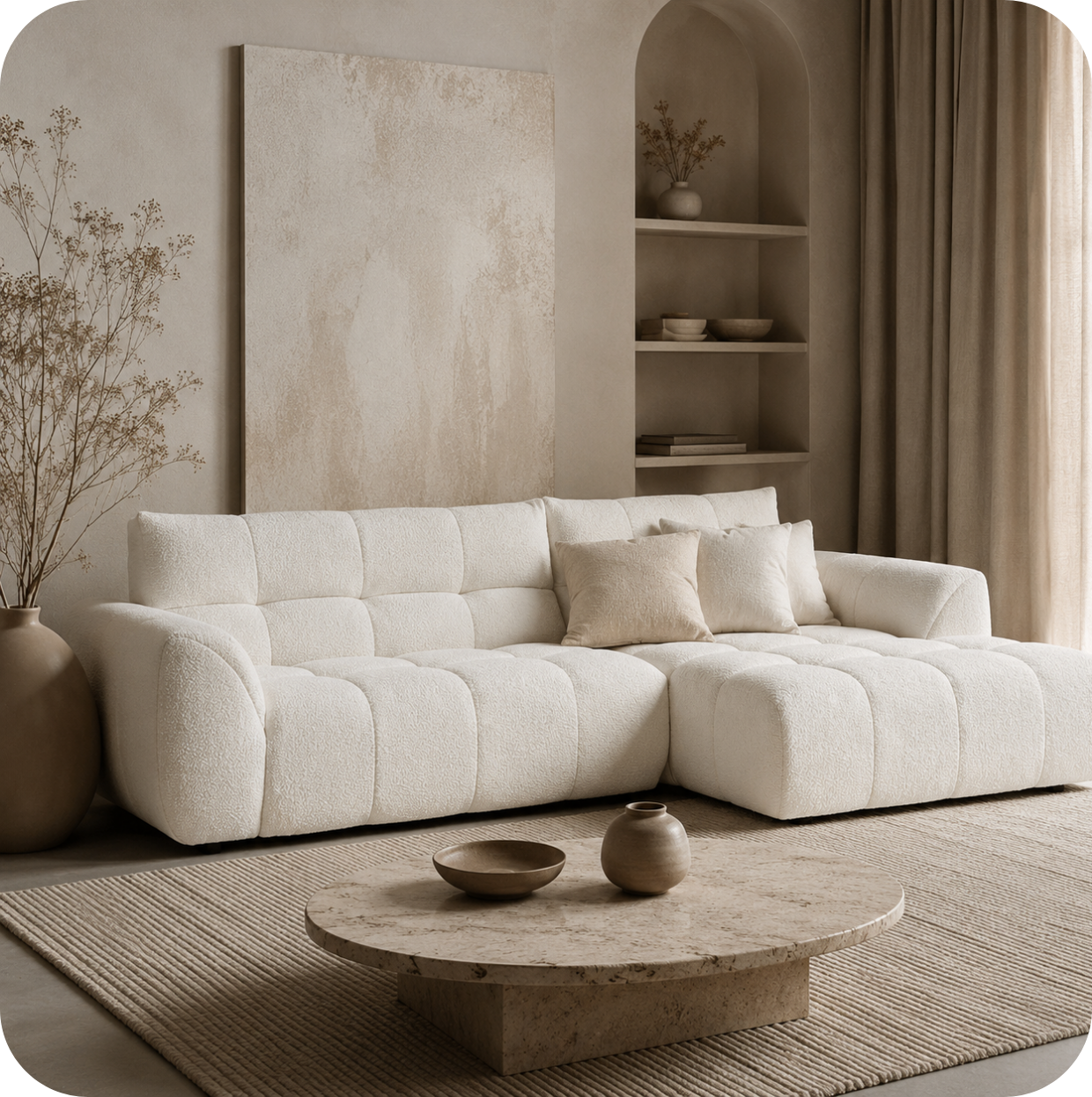
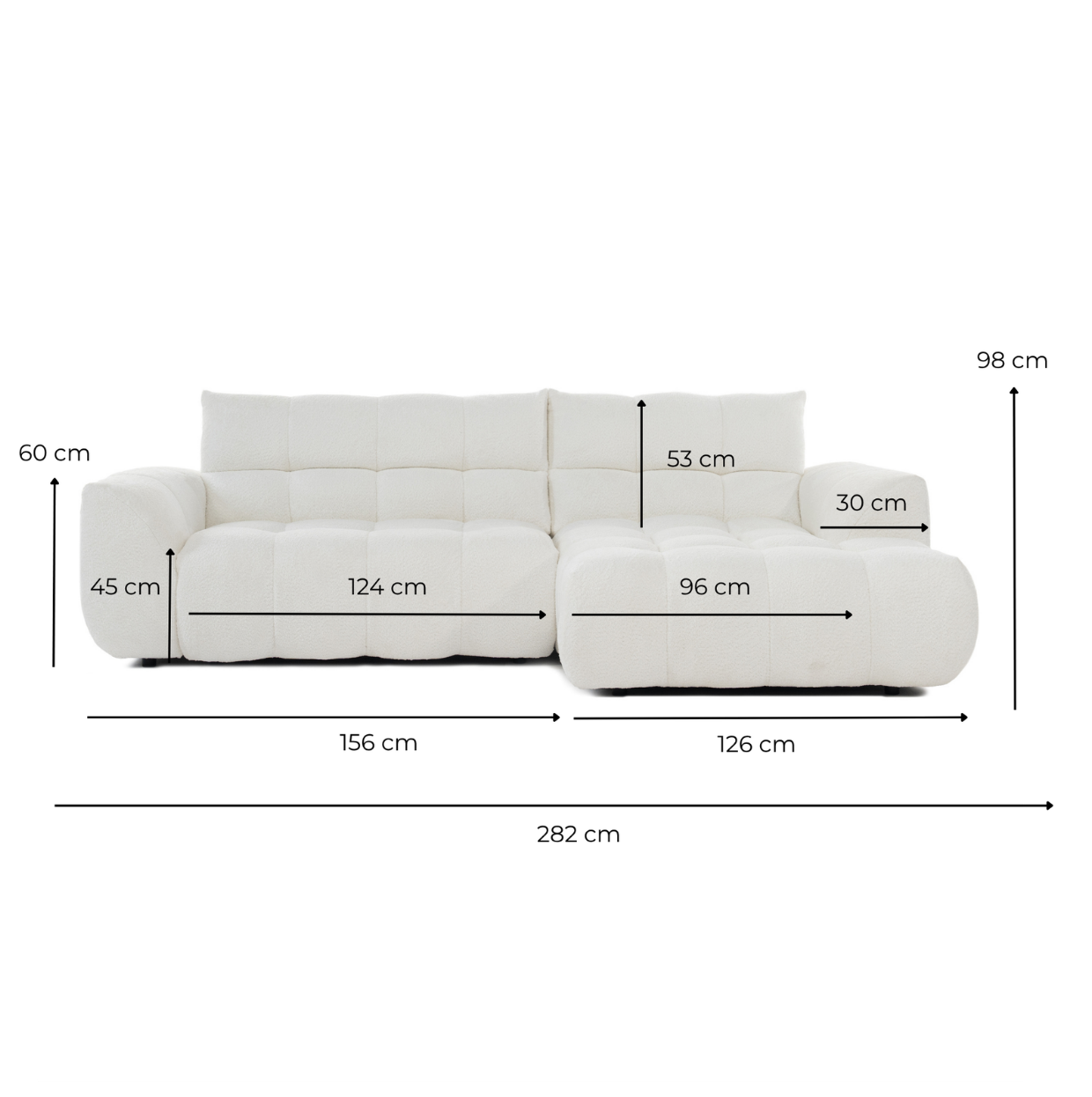
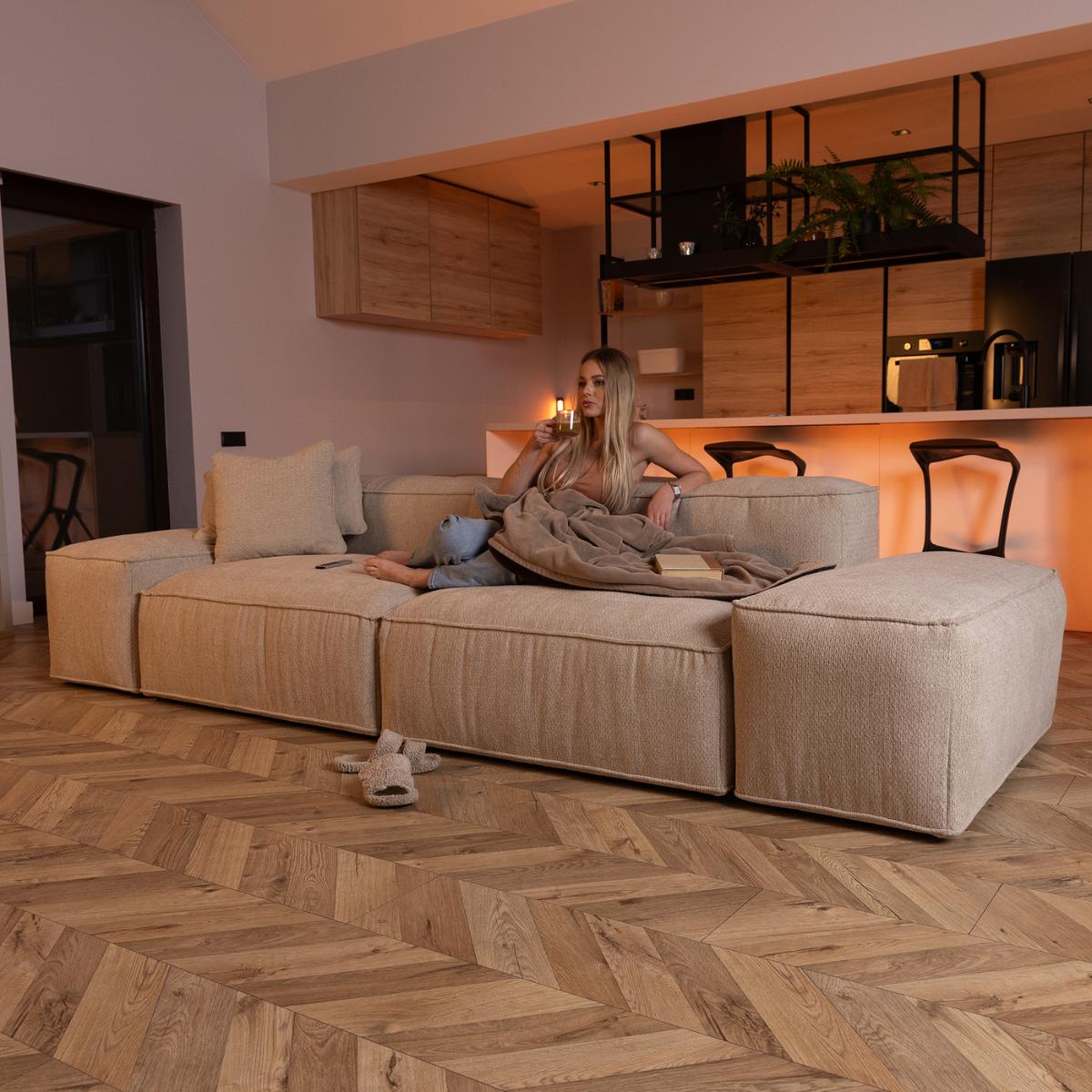
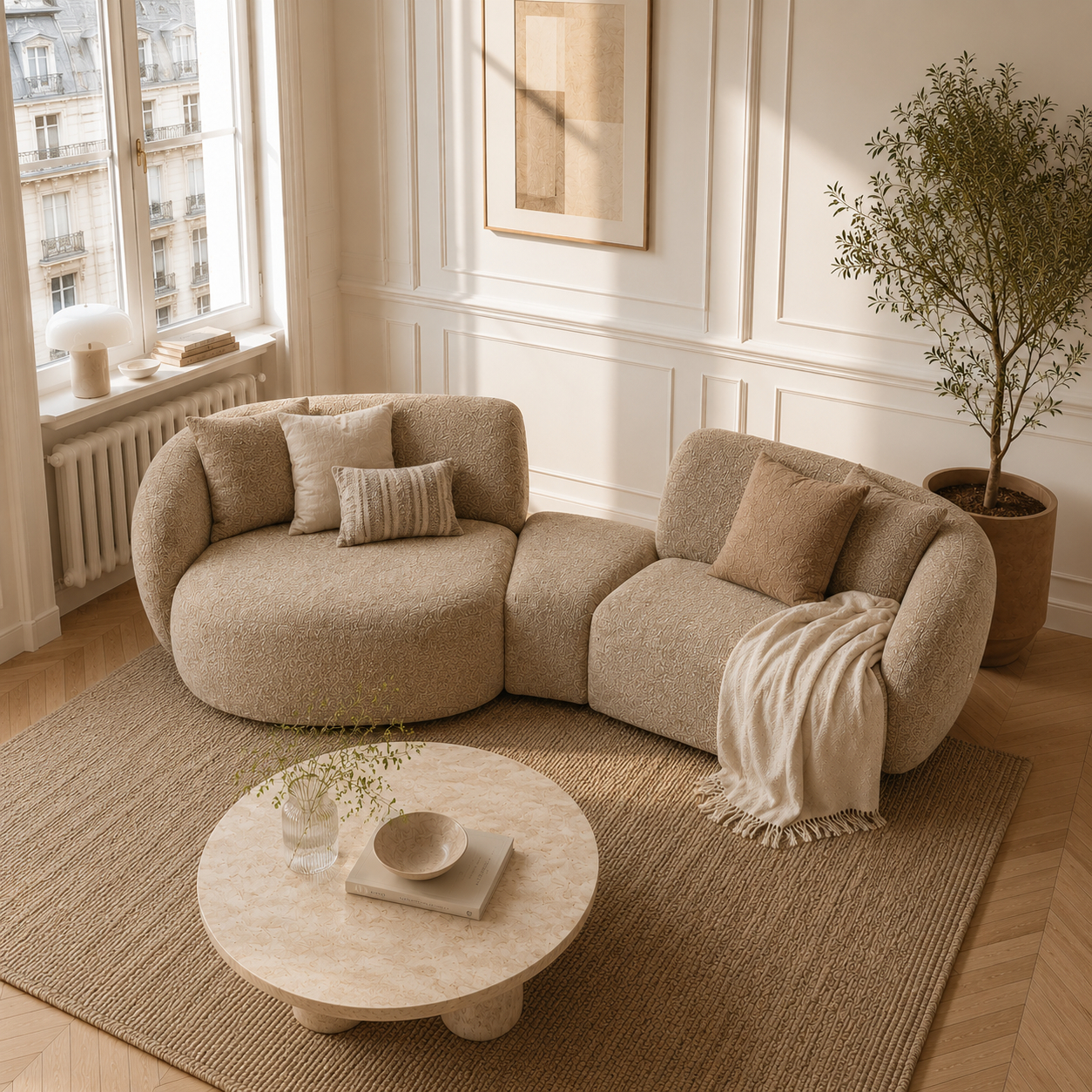
Lugano Sofa in Sand — from €1,299
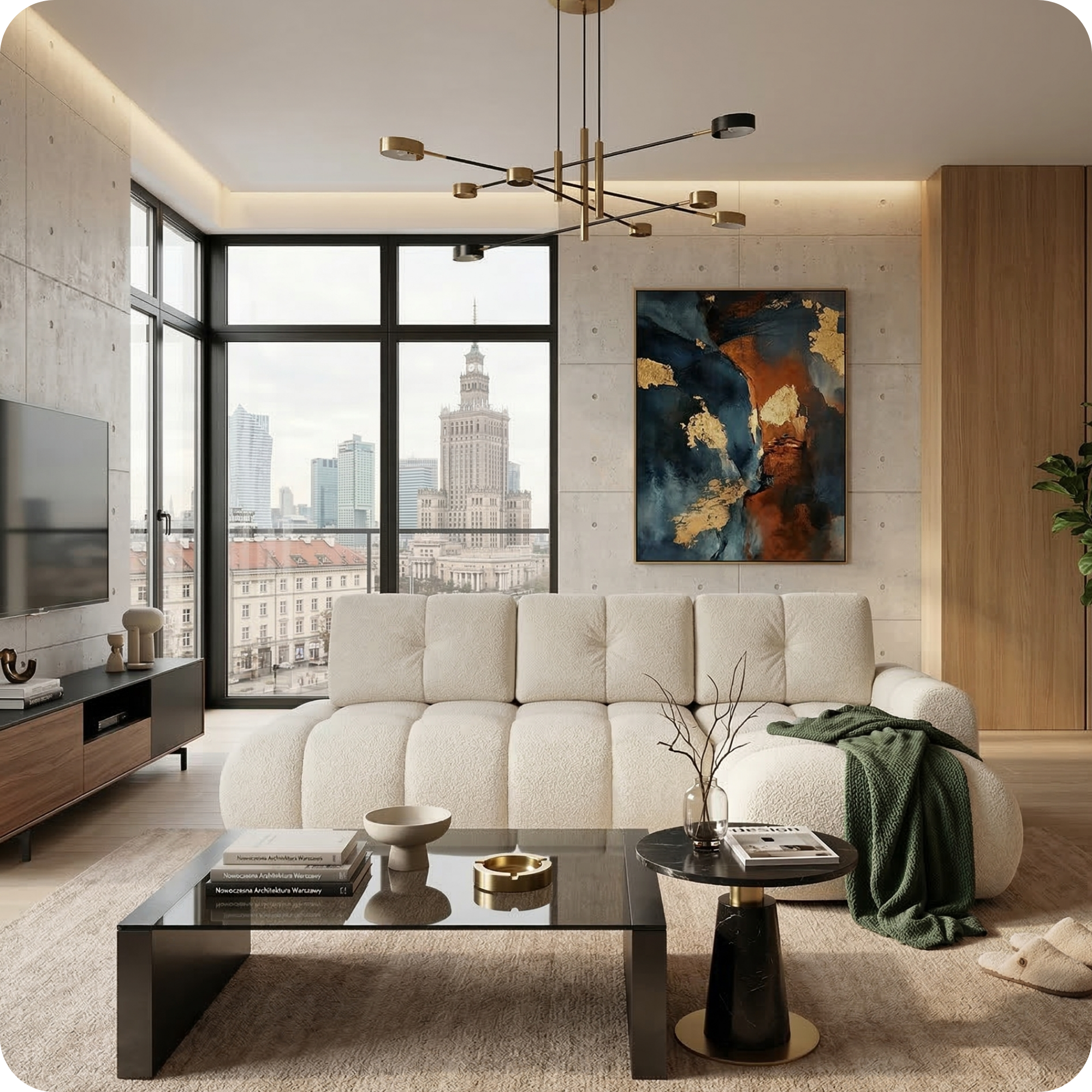
A warm-toned sofa like the Lugano in sand calls for a rug that shares its warmth but brings different texture. A jute or sisal rug in natural tone sits beautifully underneath — the weave texture contrasts with the smooth fabric of the sofa while the warm earth palette stays consistent.

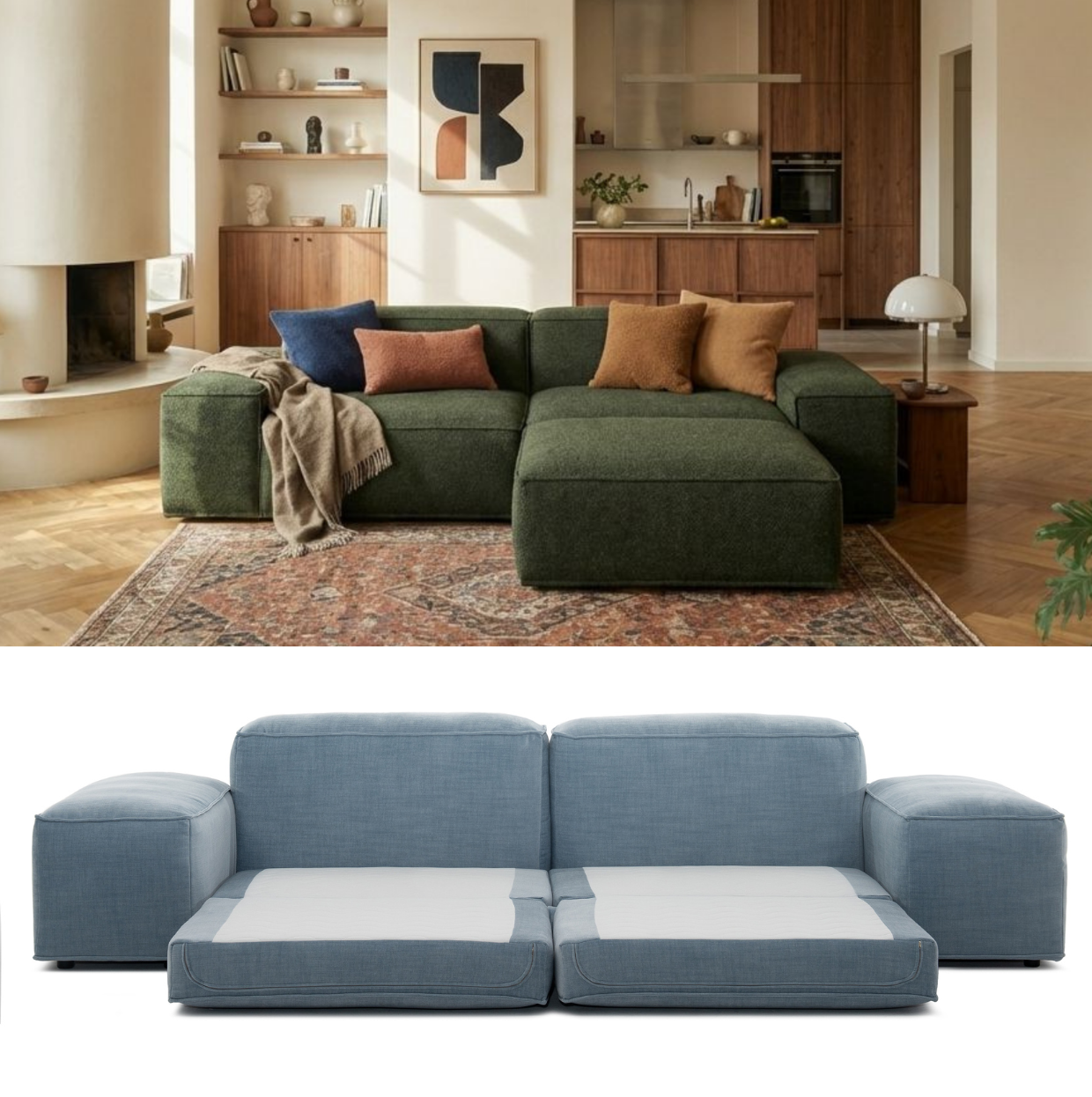
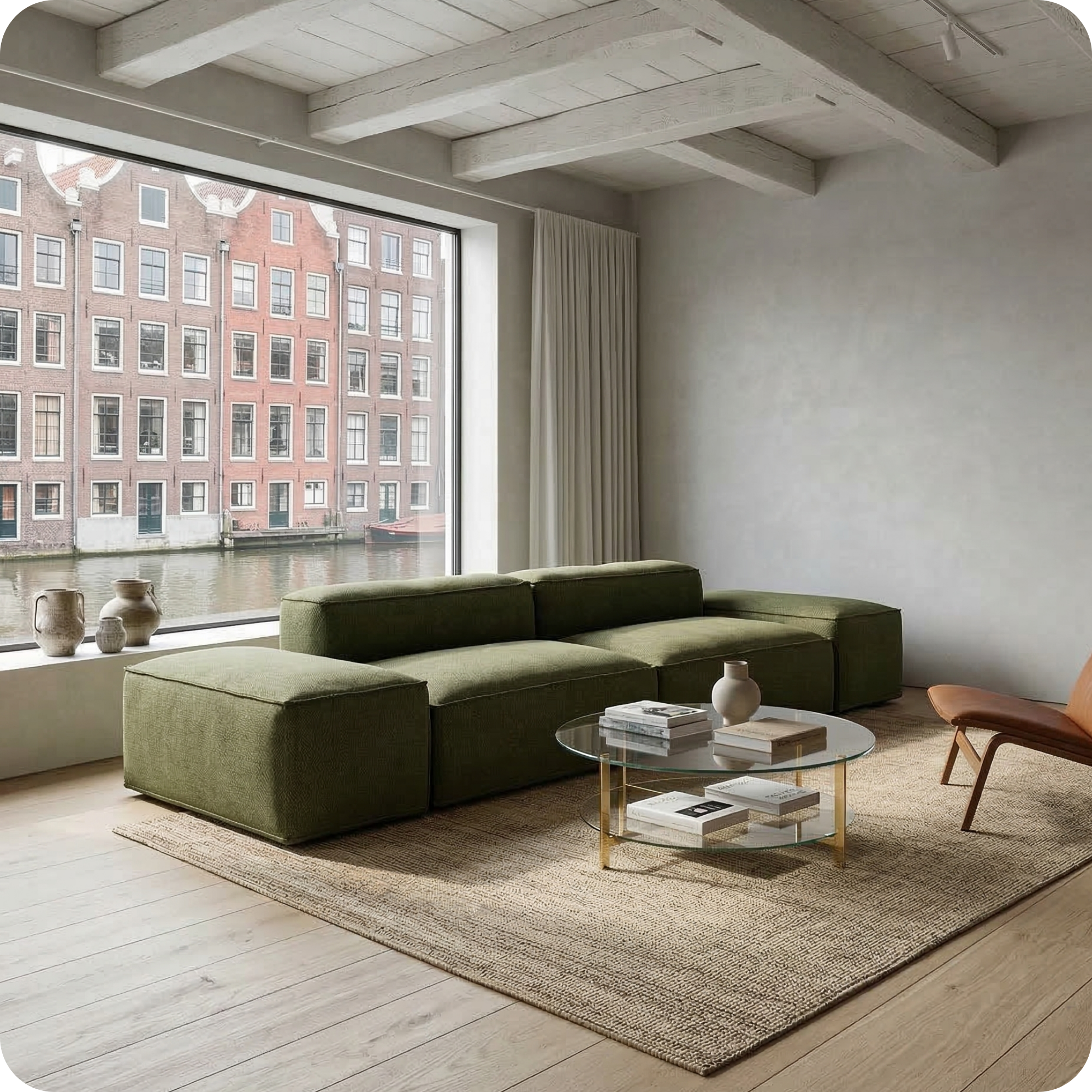
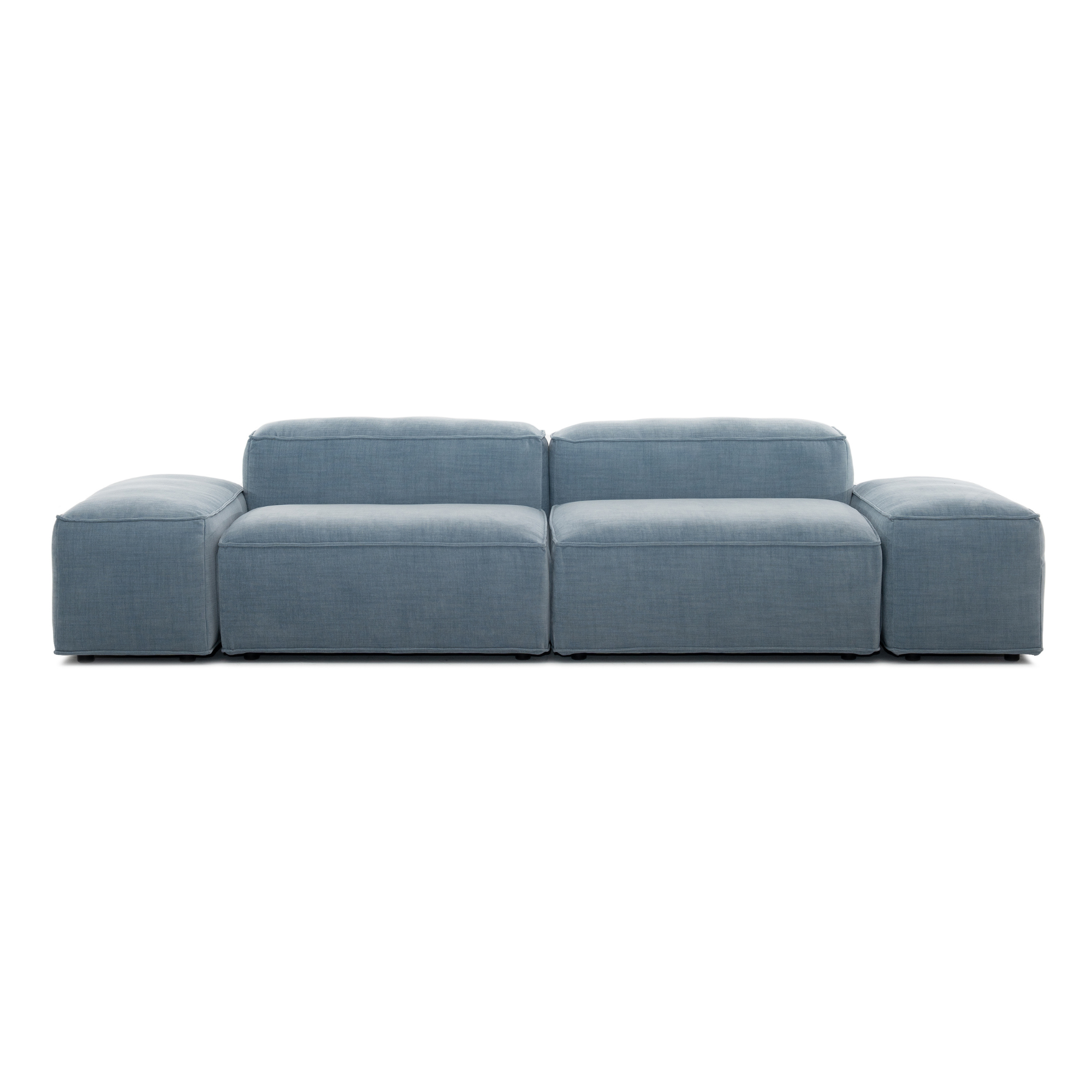
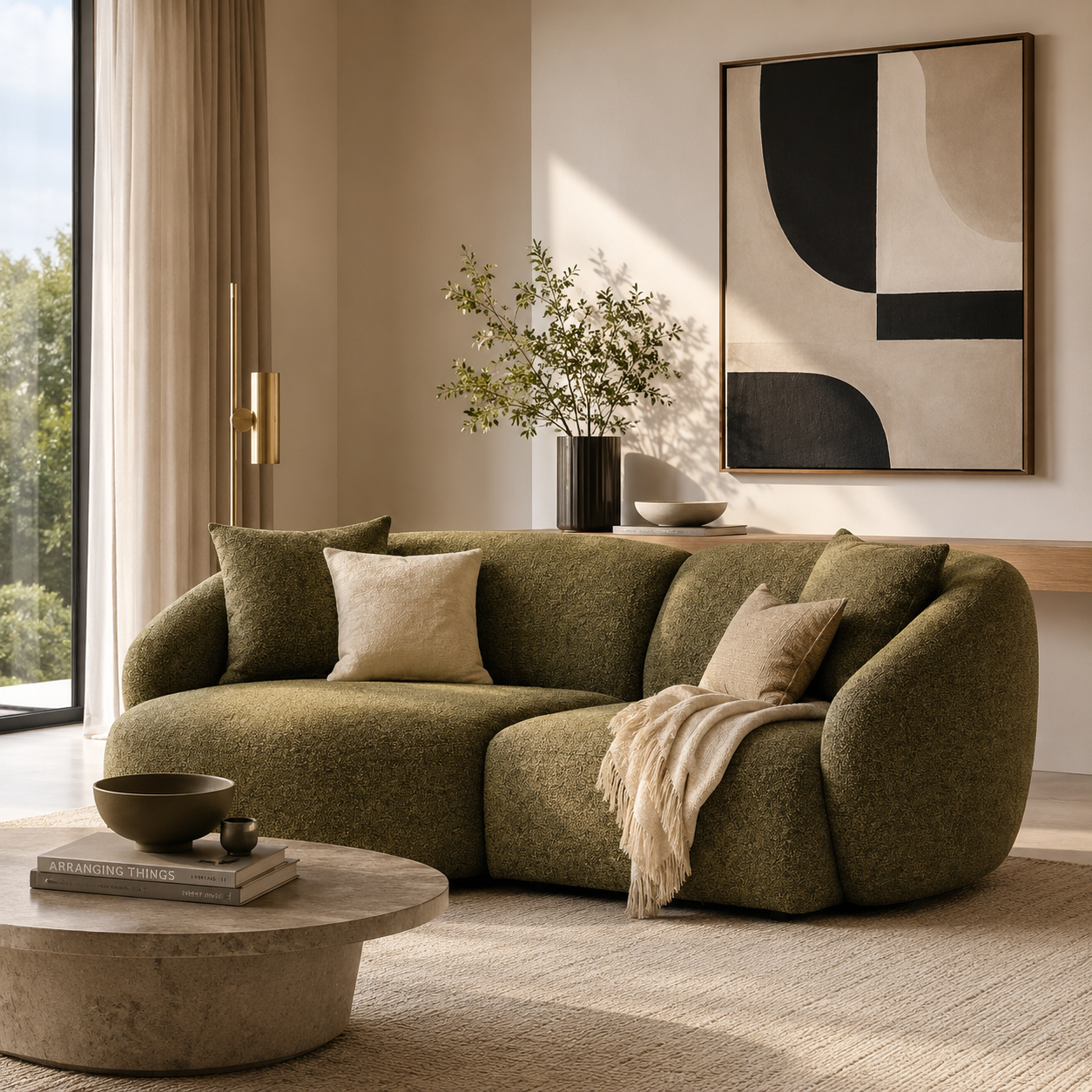
Merlot Modular 3-seater in Leaf Green — from €1,532
A statement sofa like the Merlot in leaf green calls for a rug that grounds rather than competes. A large, plain wool rug in warm cream, off-white, or dark charcoal lets the sofa's colour lead. A subtle geometric pattern in neutral tones also works well — the rug adds texture without visual noise.
Choosing the Right Rug Material
Wool is the gold standard for living room rugs: soft underfoot, durable, naturally stain-resistant, and available in every colour and pile height. Wool rugs tend to be more expensive but last significantly longer and maintain their appearance better than cheaper alternatives. Natural fibre rugs — jute, sisal, seagrass — are excellent in warmer, lighter rooms and in Scandinavian or organic modern interiors; they are less suitable for high-traffic areas or homes with young children as they are harder to clean. Polypropylene and synthetic rugs are the most practical choice for families with children and pets: stain-resistant, easy to clean, and available in convincing wool-look styles.
Rug Pile Height
Low pile rugs (under 10mm) are easier to clean, suit more contemporary interiors, and look sleeker under furniture. High pile rugs (over 25mm) are softer underfoot, add more visual warmth and cosiness, and work particularly well in Scandi, boho, or maximalist rooms. A medium pile (10-25mm) is the most versatile choice — it feels good underfoot and cleans reasonably easily. In rooms with underfloor heating, choose a low pile or flat-woven rug, as thick rugs can insulate against the heat rising.
Rug Colours and Patterns
The simplest rule: if your sofa is a neutral tone, you have the freedom to use a patterned, textured, or coloured rug. If your sofa is a statement colour, a plain or subtly textured rug in a neutral tone is usually the most harmonious choice. A patterned rug under a patterned sofa will almost always feel overwhelming — one should be the hero and the other the supporting act. If in doubt, choose plain and large over patterned and small.
Layering Rugs
Layering a smaller patterned rug over a larger plain rug is one of the most effective boho and maximalist styling techniques. The base rug — typically a large, flat-woven jute or sisal — provides the floor coverage; the upper rug — a Moroccan, kilim, or patterned tribal rug — provides the visual interest. The key is to ensure the base rug is significantly larger than the upper rug and that the two rugs share at least one colour tone.