


Living Room Colour Scheme Ideas: Choosing the Right Palette
Choosing a colour scheme for your living room is one of the most consequential decisions in interior design — the colours you choose will define the mood, perceived size, and overall feeling of the space for years to come. The good news is that there are reliable principles to guide you, and understanding them takes much of the anxiety out of the process. This guide walks through the major living room colour approaches and how to execute each one confidently.
Neutral Colour Schemes: The Foundation of Everything
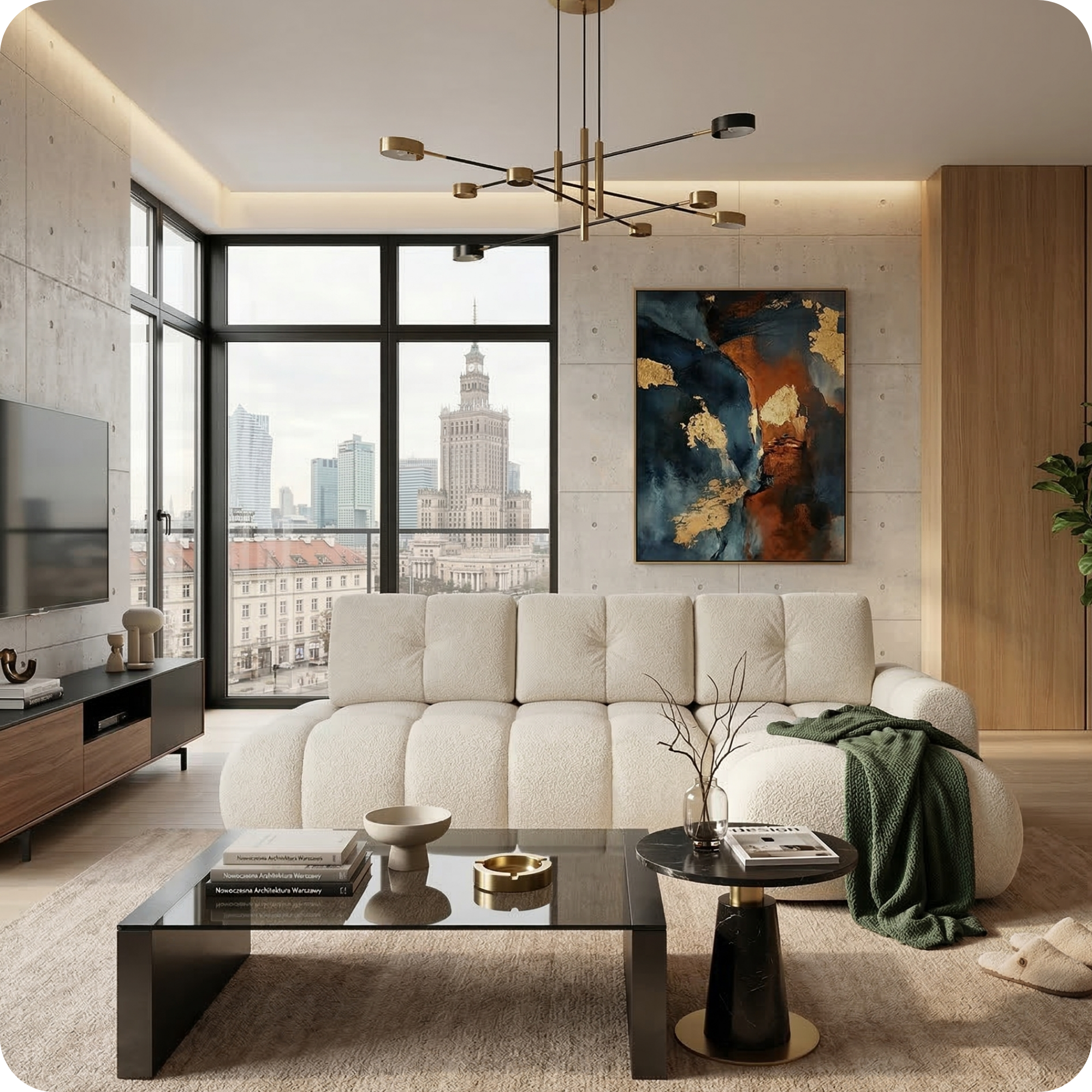
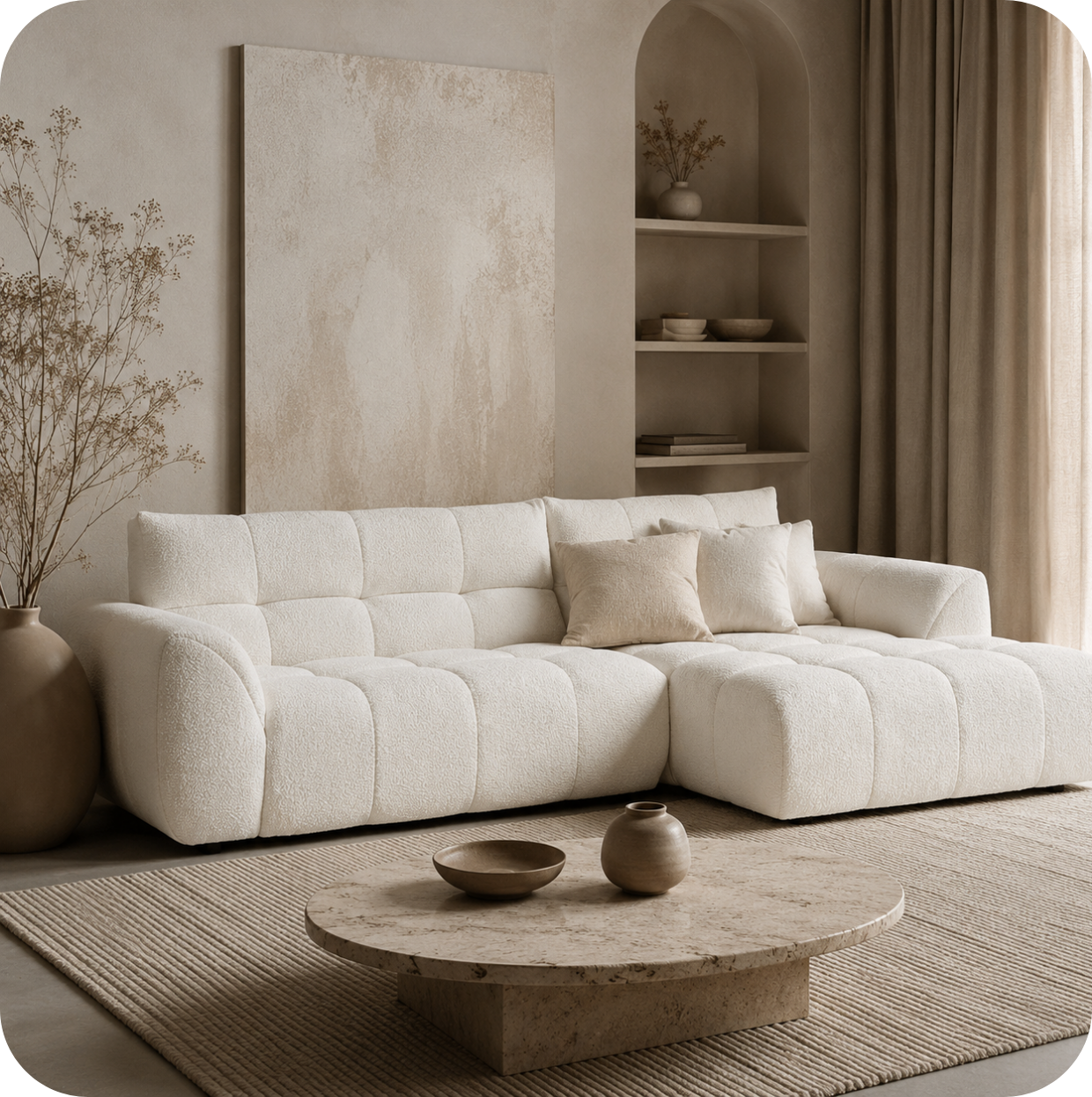
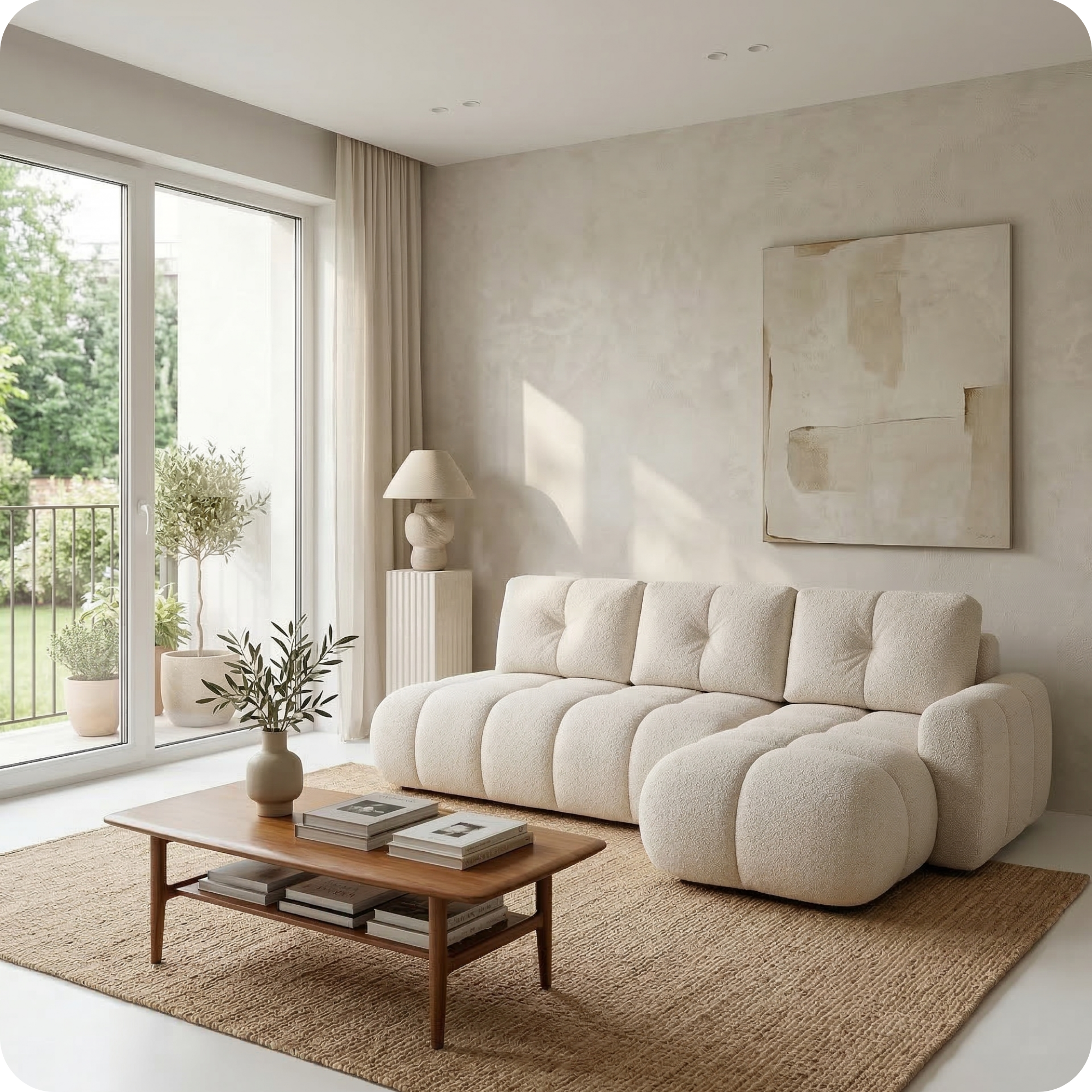
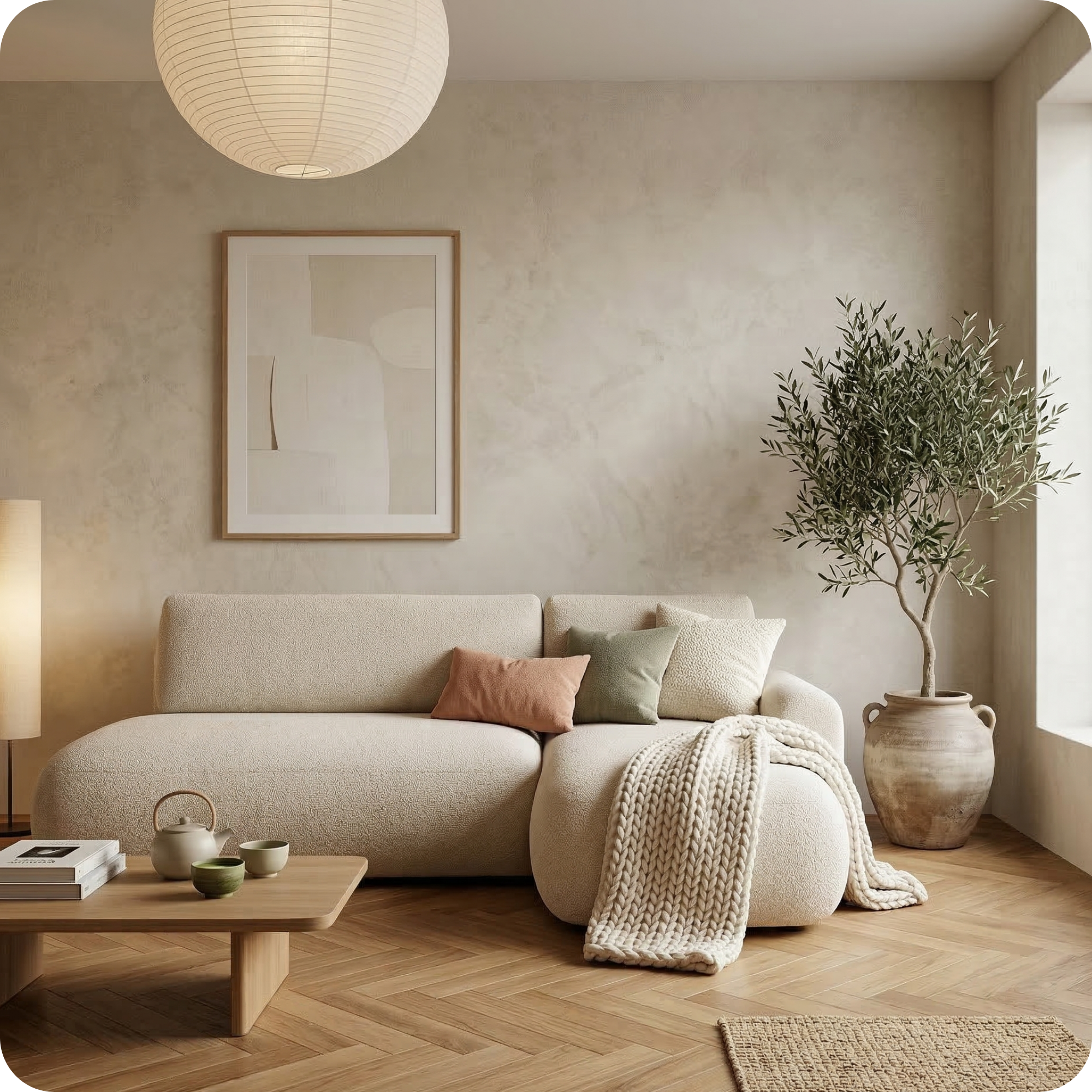
Neutral colour schemes — built around whites, creams, warm greys, greiges, and taupes — are the most enduring and versatile approach to living room colour. A neutral base works with virtually any style of furniture, allows you to introduce accent colours easily through accessories, and ages gracefully. The common mistake with neutral schemes is choosing colours that are too cold — a stark blue-white or a cool grey can feel clinical and unwelcoming. Warm neutrals (cream, warm white, greige, soft sand) are far more livable than cold ones.

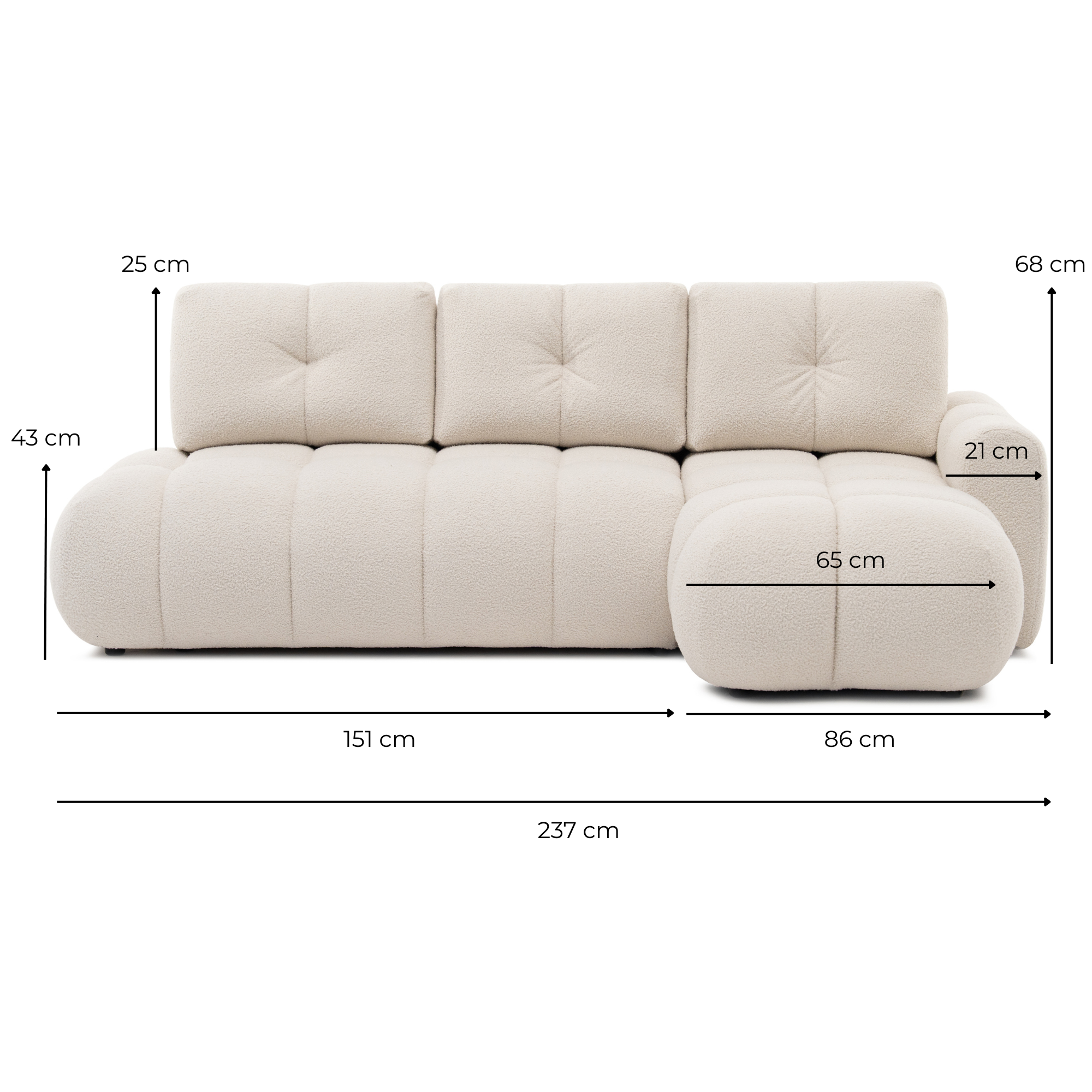
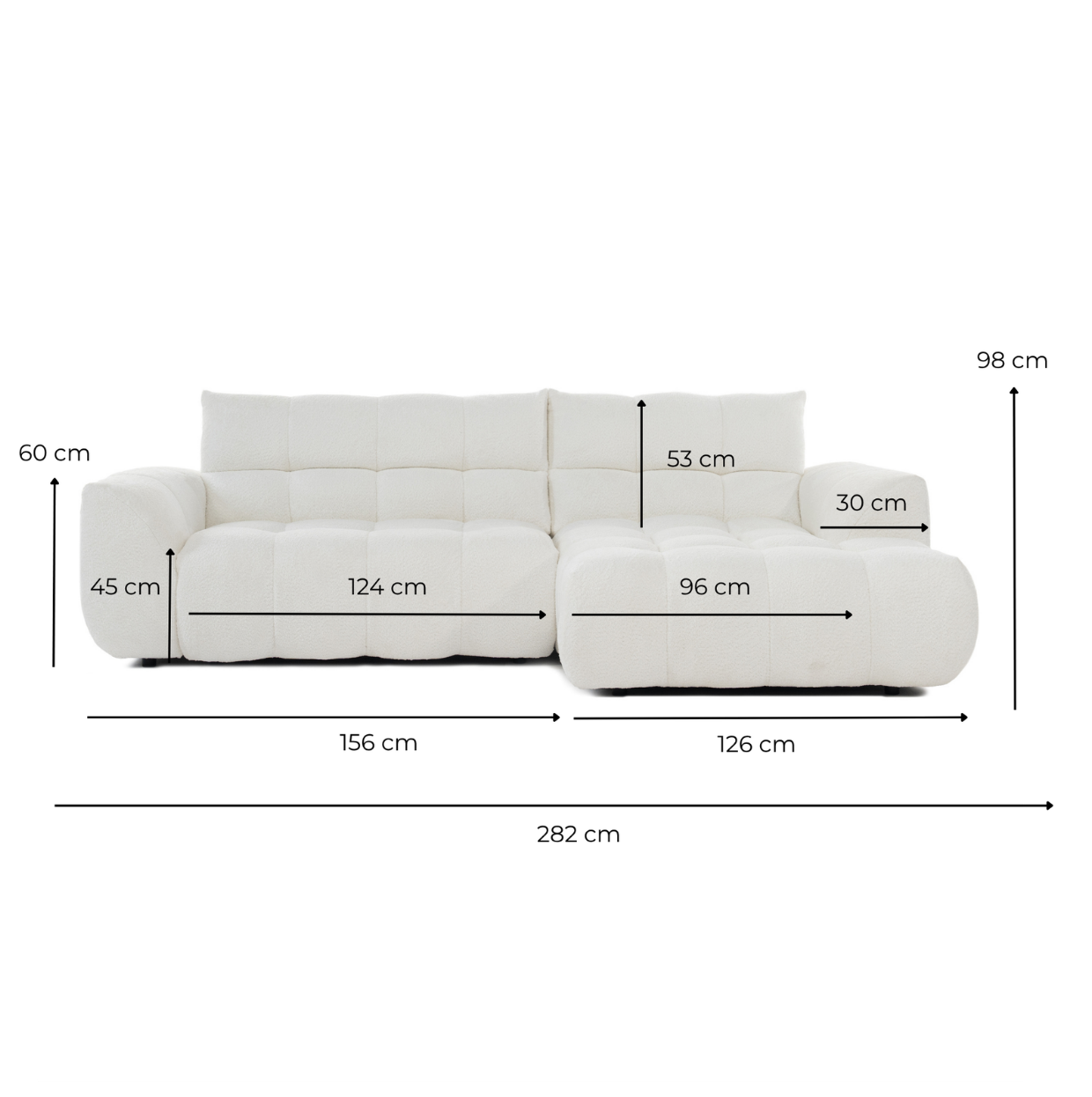
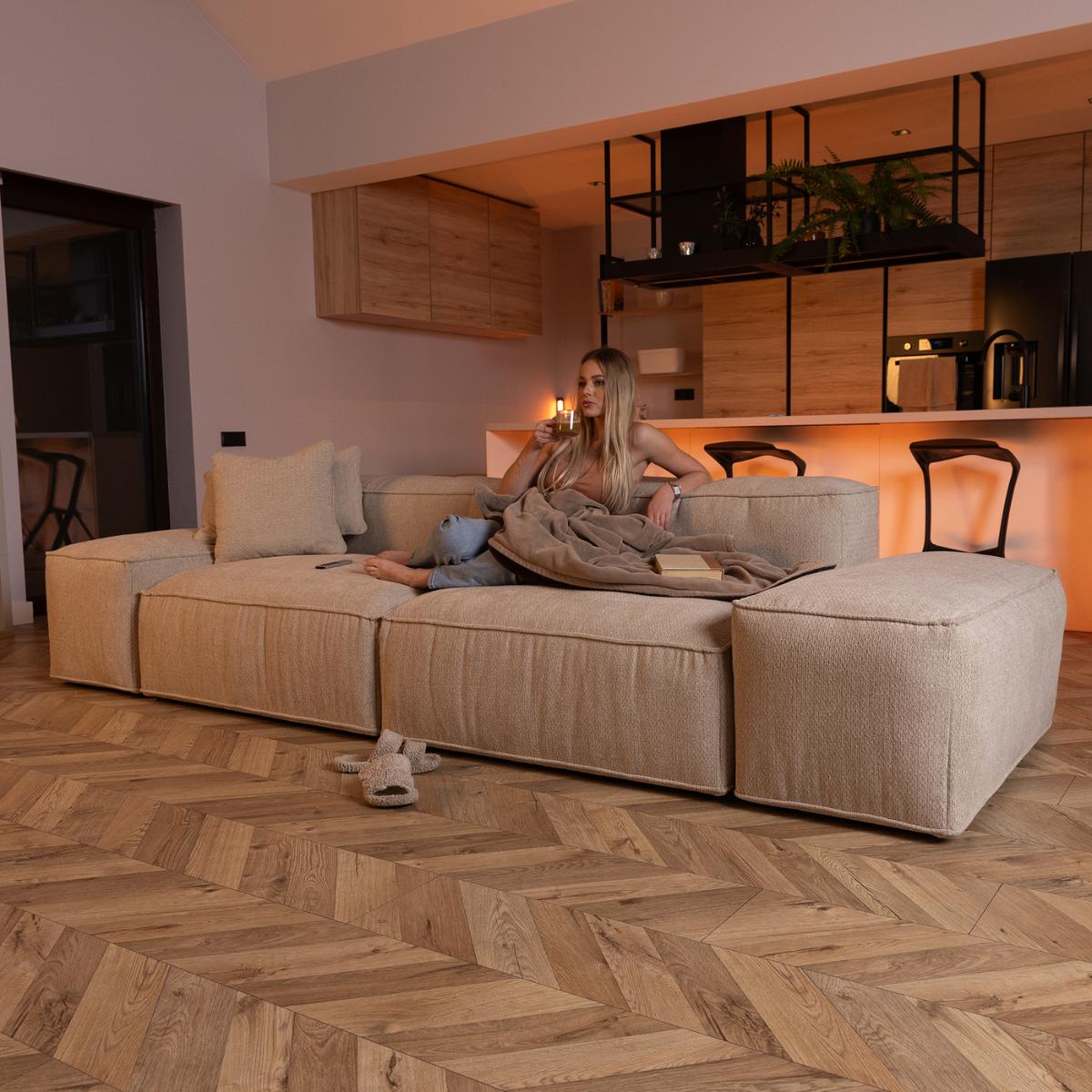
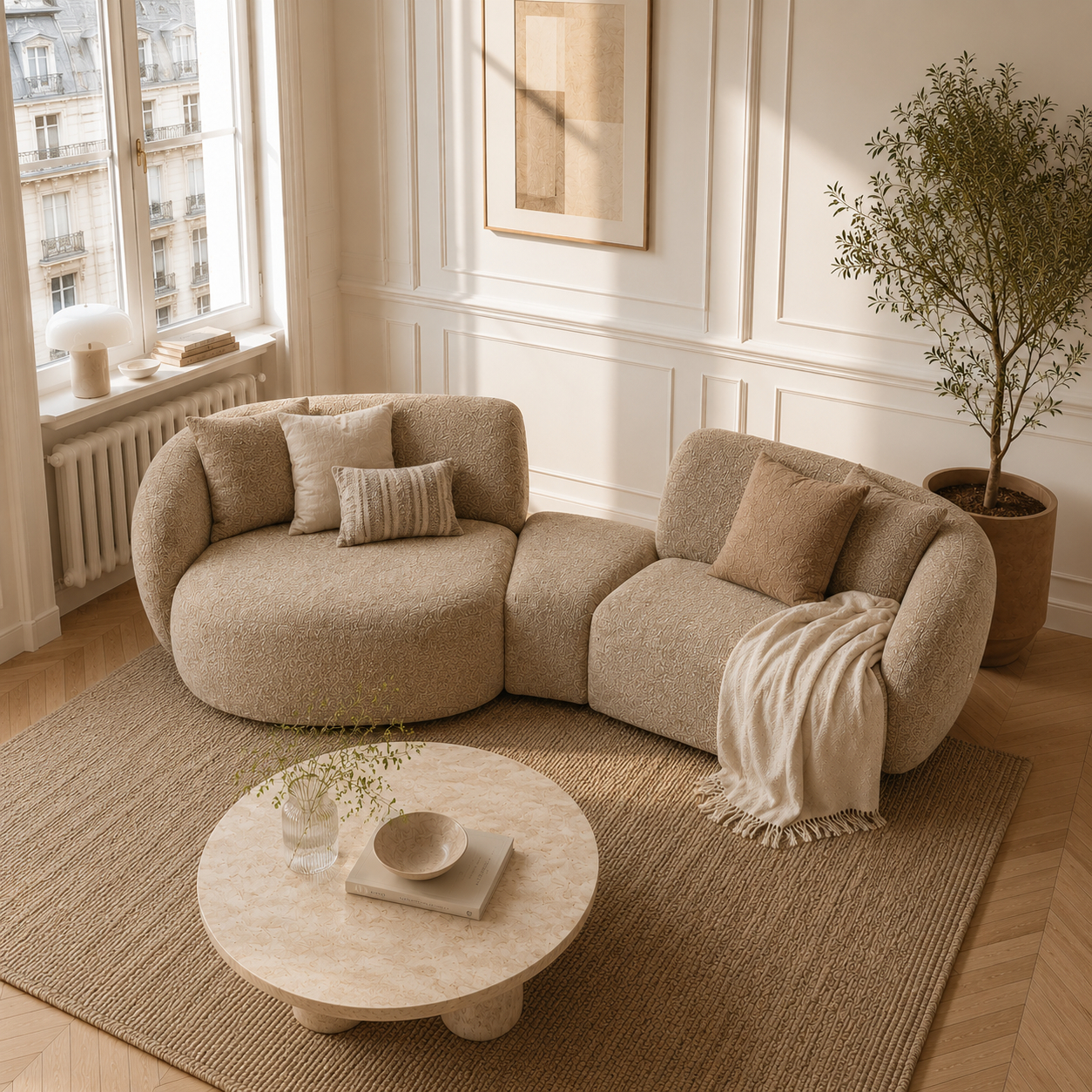
Lugano Sofa — Sand — from €1,299
The Lugano in sand is the ideal anchor for a warm neutral colour scheme — the soft caramel undertones work with cream walls, warm wooden floors, and virtually any accent colour you choose to layer in. It is the sofa equivalent of a perfect neutral base paint: it goes with everything and makes everything else look better.

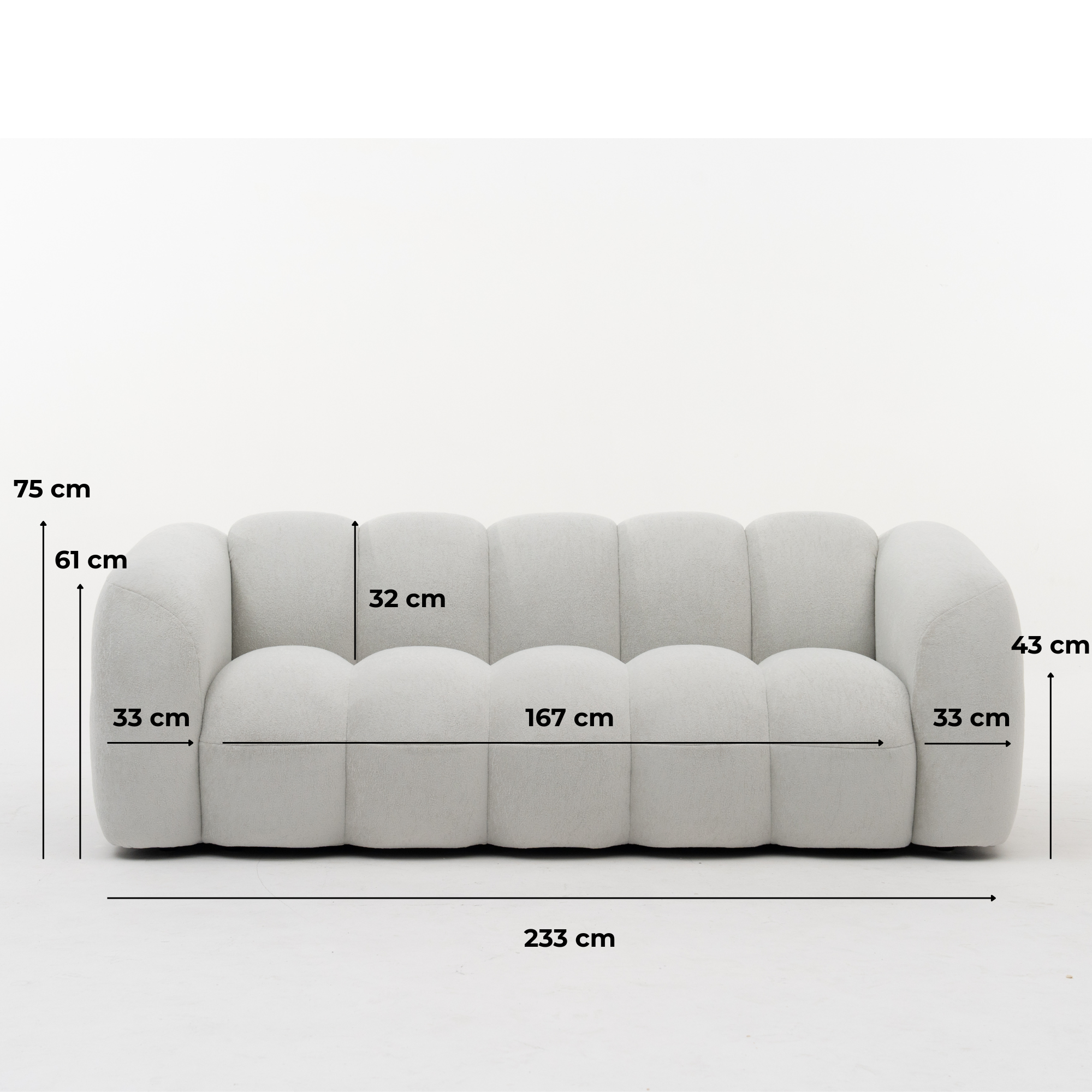
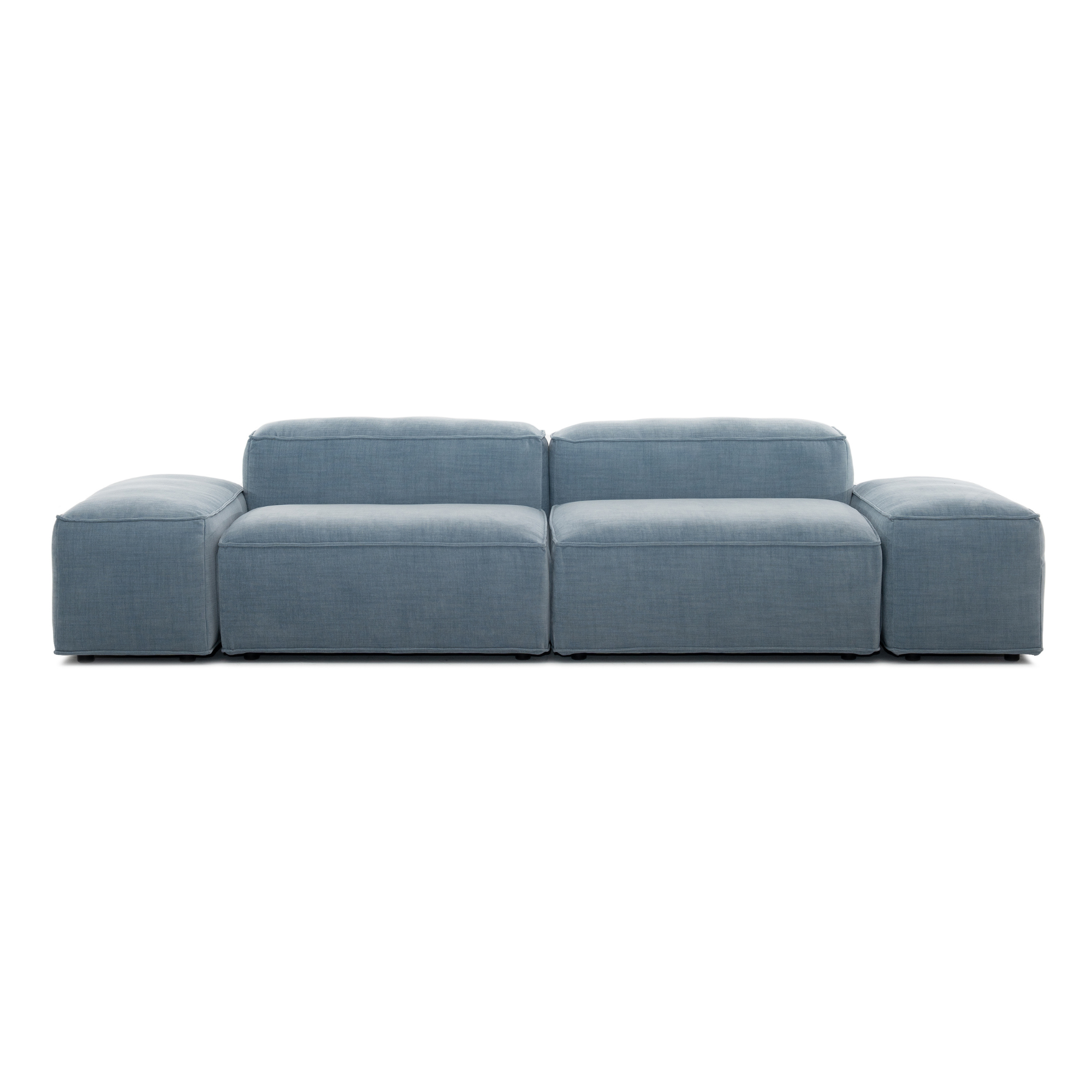
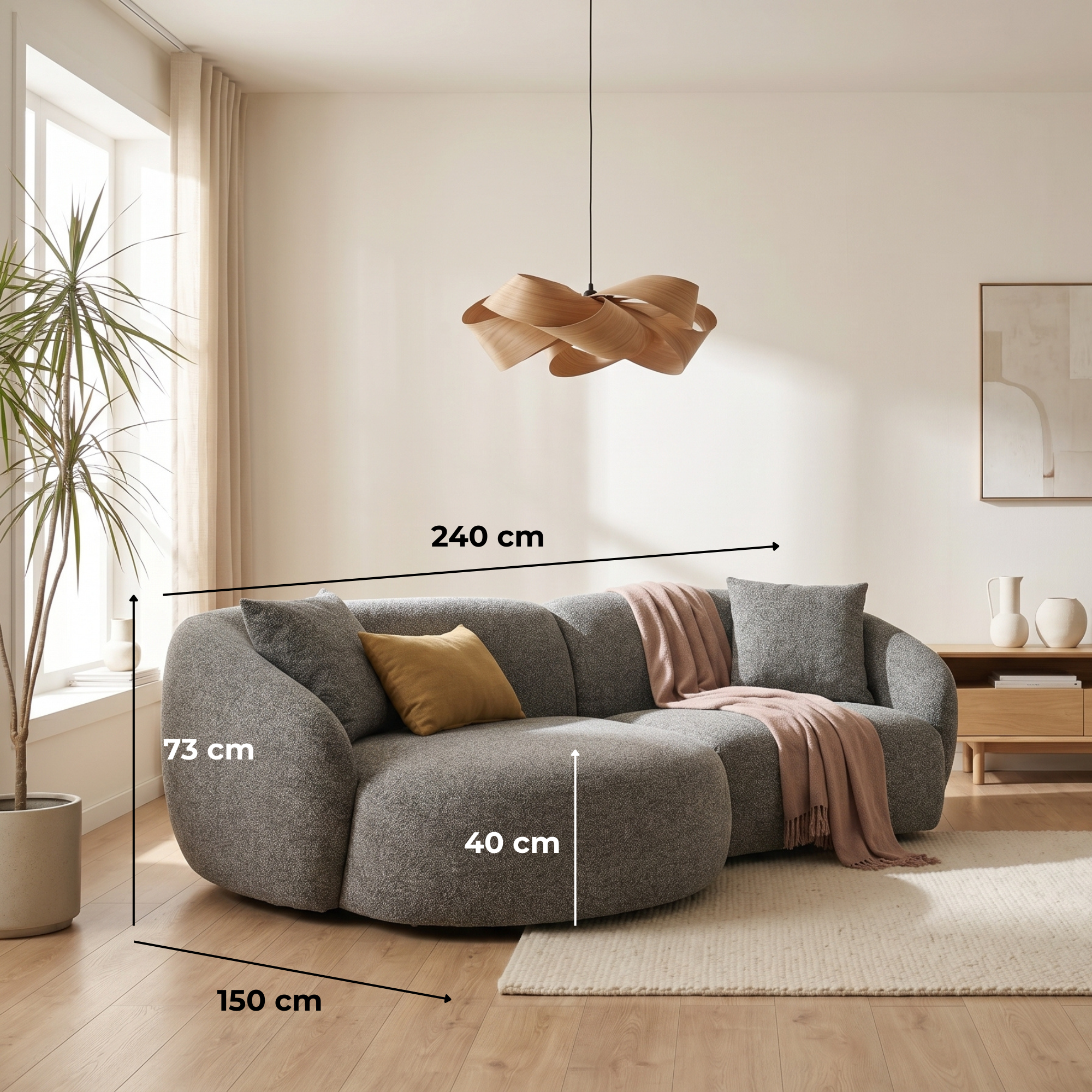
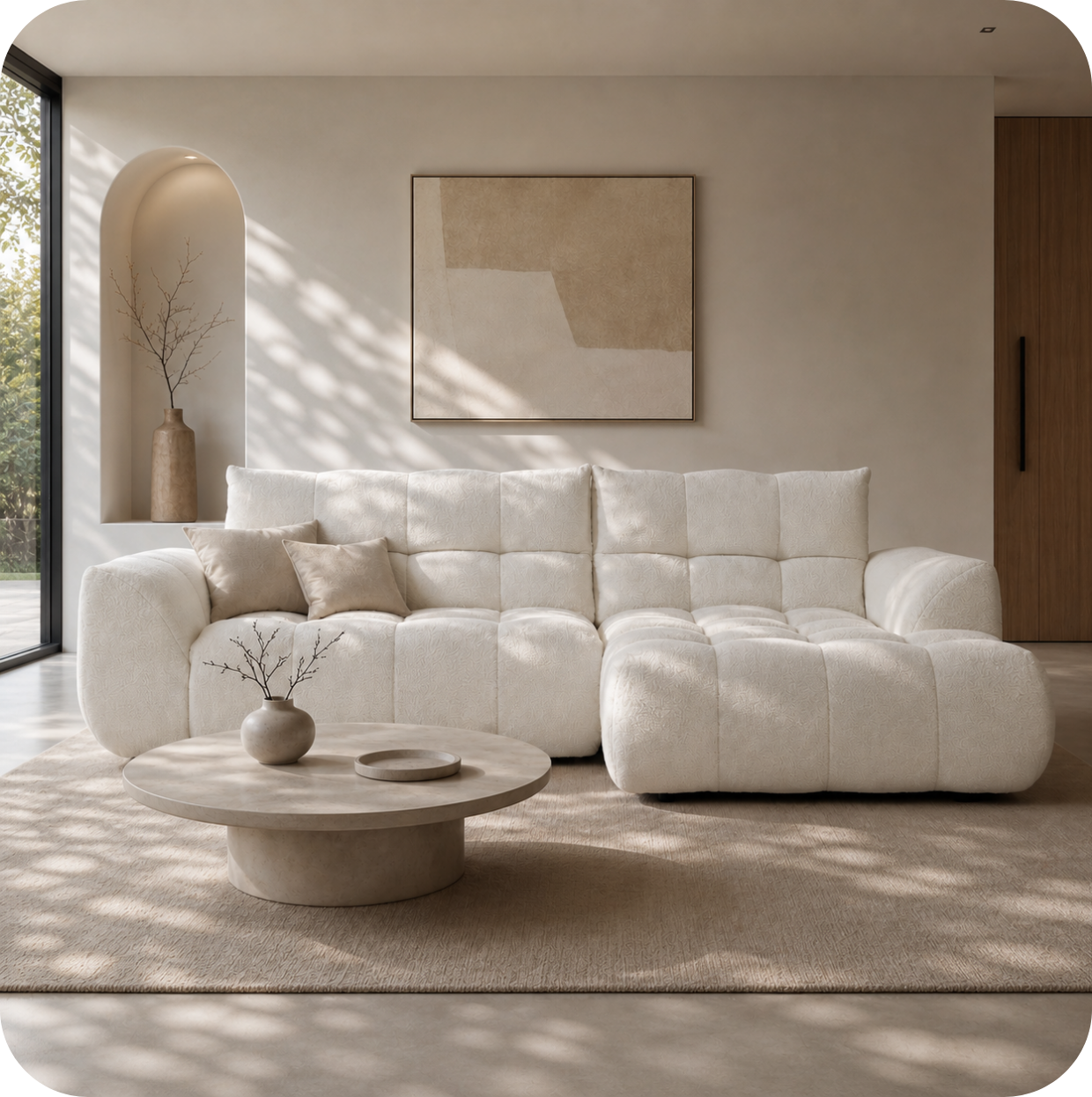
Lugano Sofa — Light Grey — from €1,299
The Lugano in light grey works beautifully in a cool-neutral scheme — grey walls, white accents, dark metal details, and graphic monochrome cushions create a sophisticated, contemporary feel. The key is ensuring the grey has warm undertones rather than cold blue-grey ones, which keeps the room from feeling clinical.
Earthy Tones: The Most Popular Trend
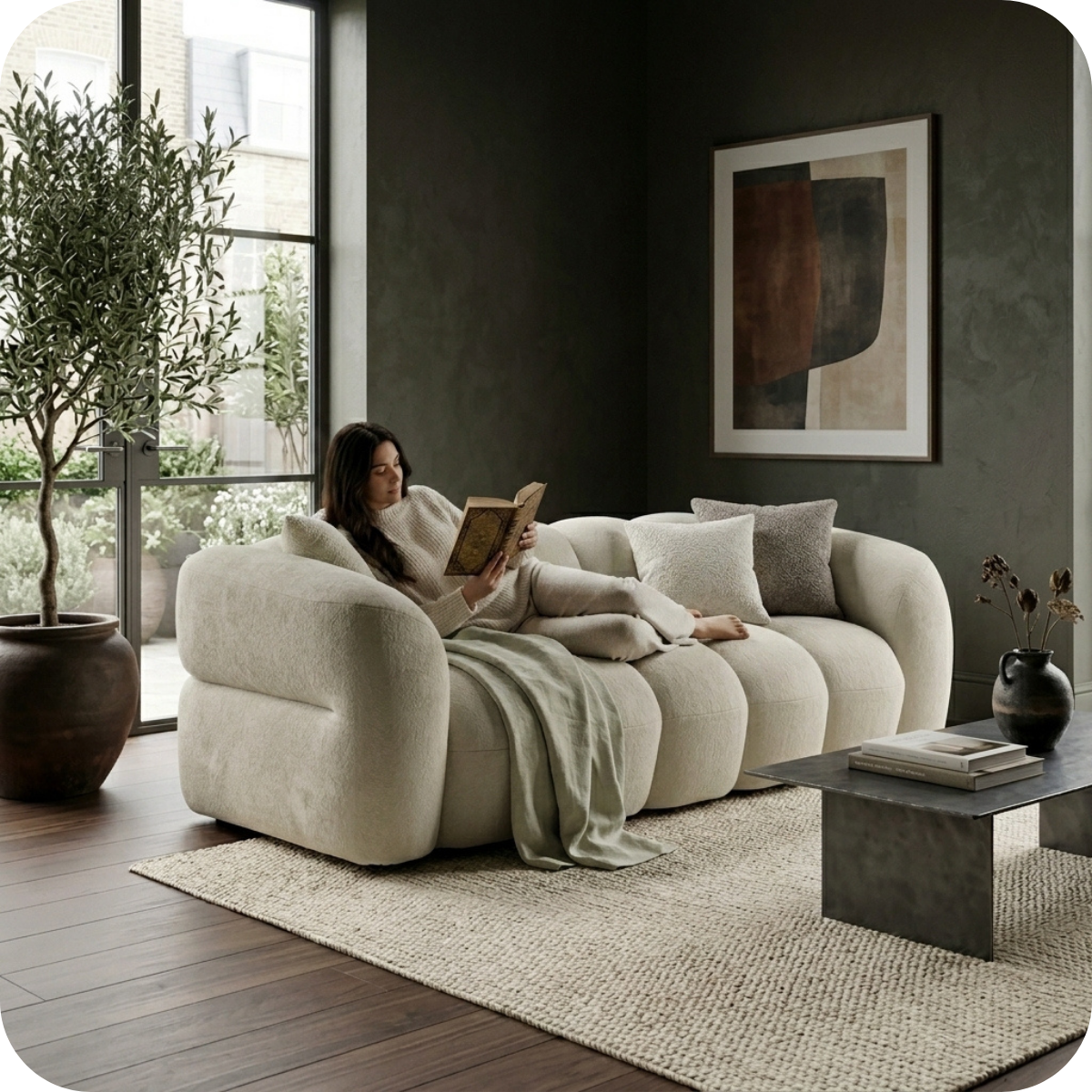
Earthy tones — terracotta, rust, burnt orange, clay, deep green, warm brown — have been the dominant interior colour trend for several years and show no signs of fading. They work so well because they draw on colours found in nature, which create an instinctive sense of warmth and comfort. An earthy living room typically pairs warm terracotta or rust walls with natural wood furniture, linen textiles, and organic accessories. The sofa in an earthy scheme often serves as the neutral anchor — a sand or khaki sofa that grounds the warmer accent colours.
Green as a Neutral
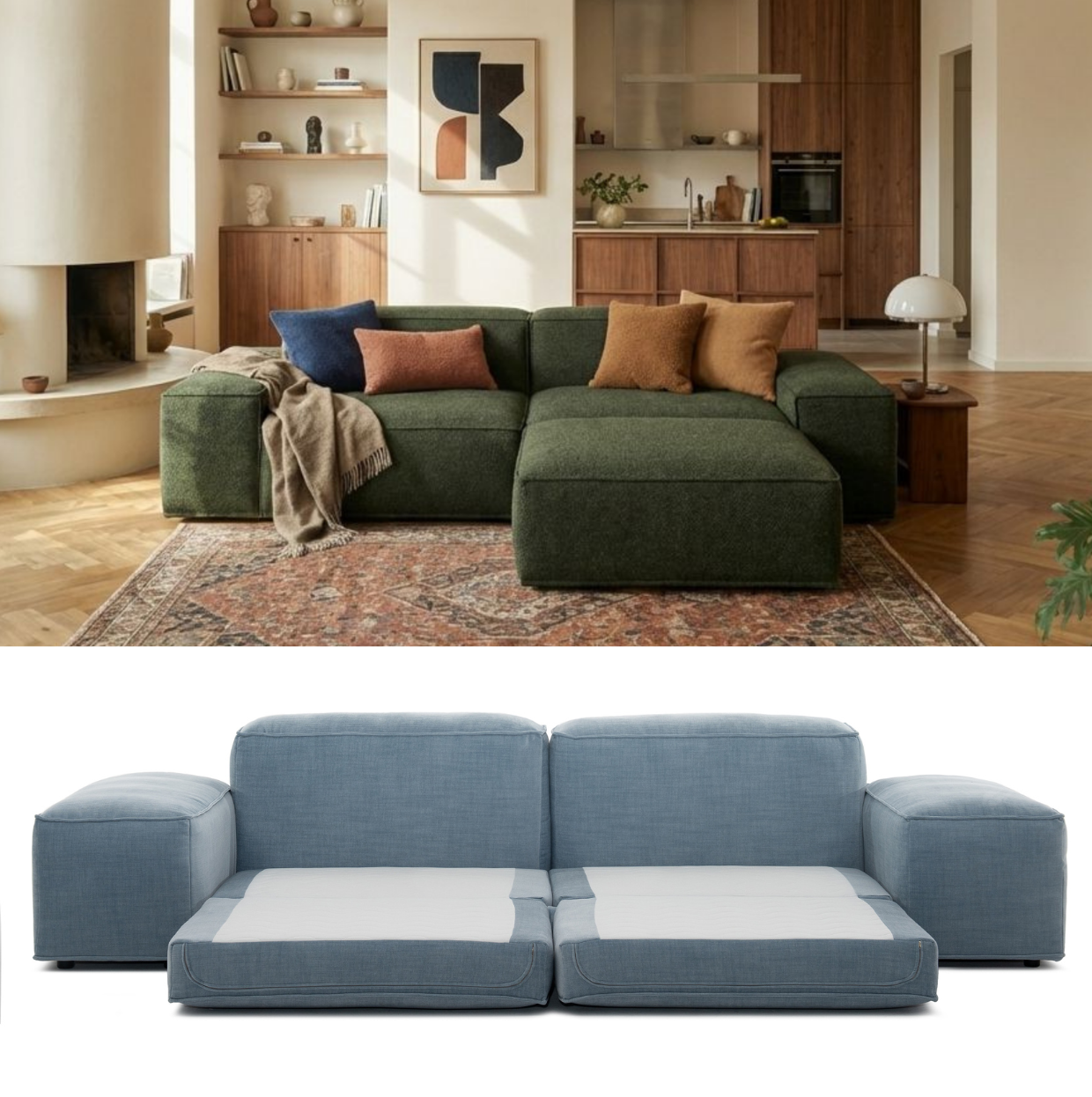
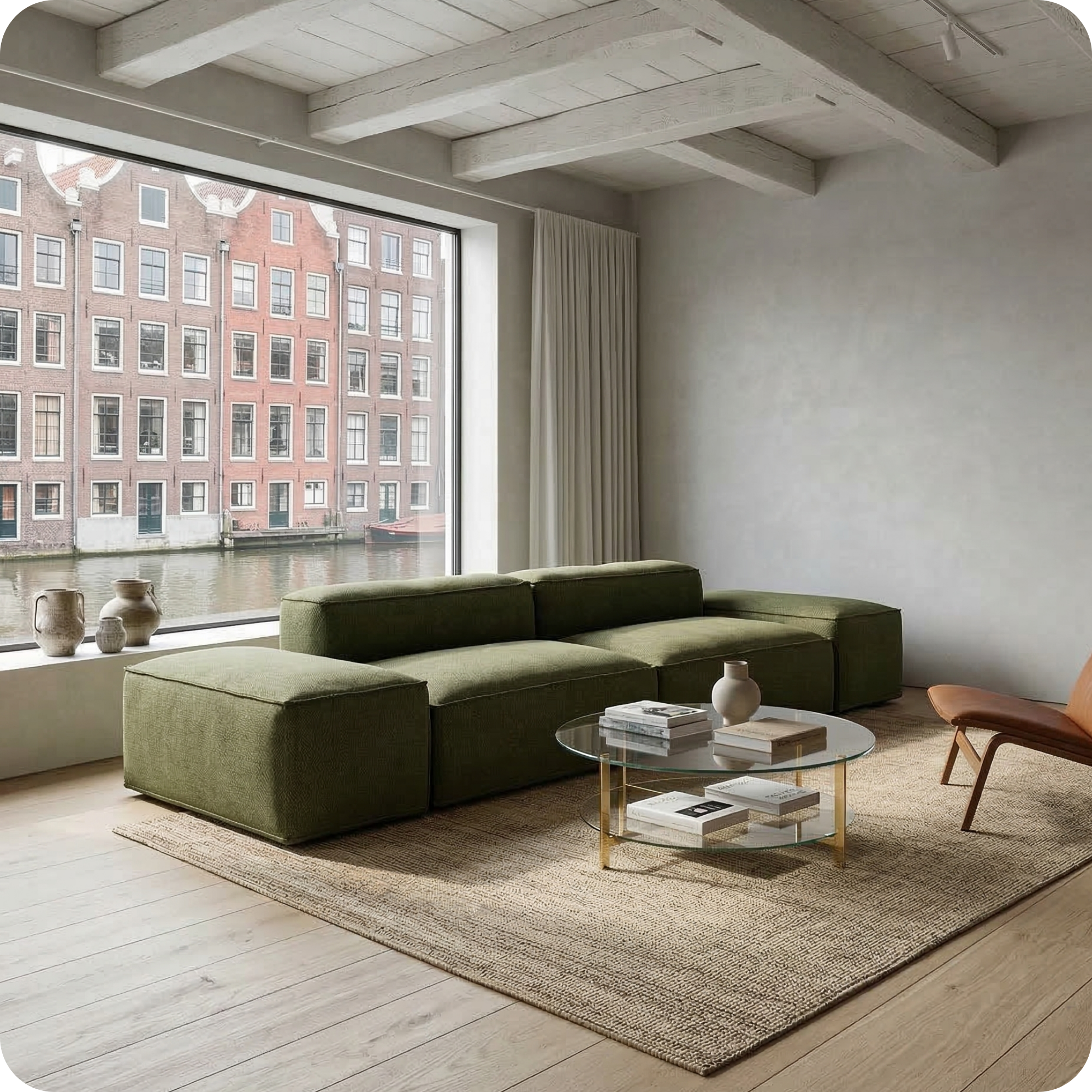
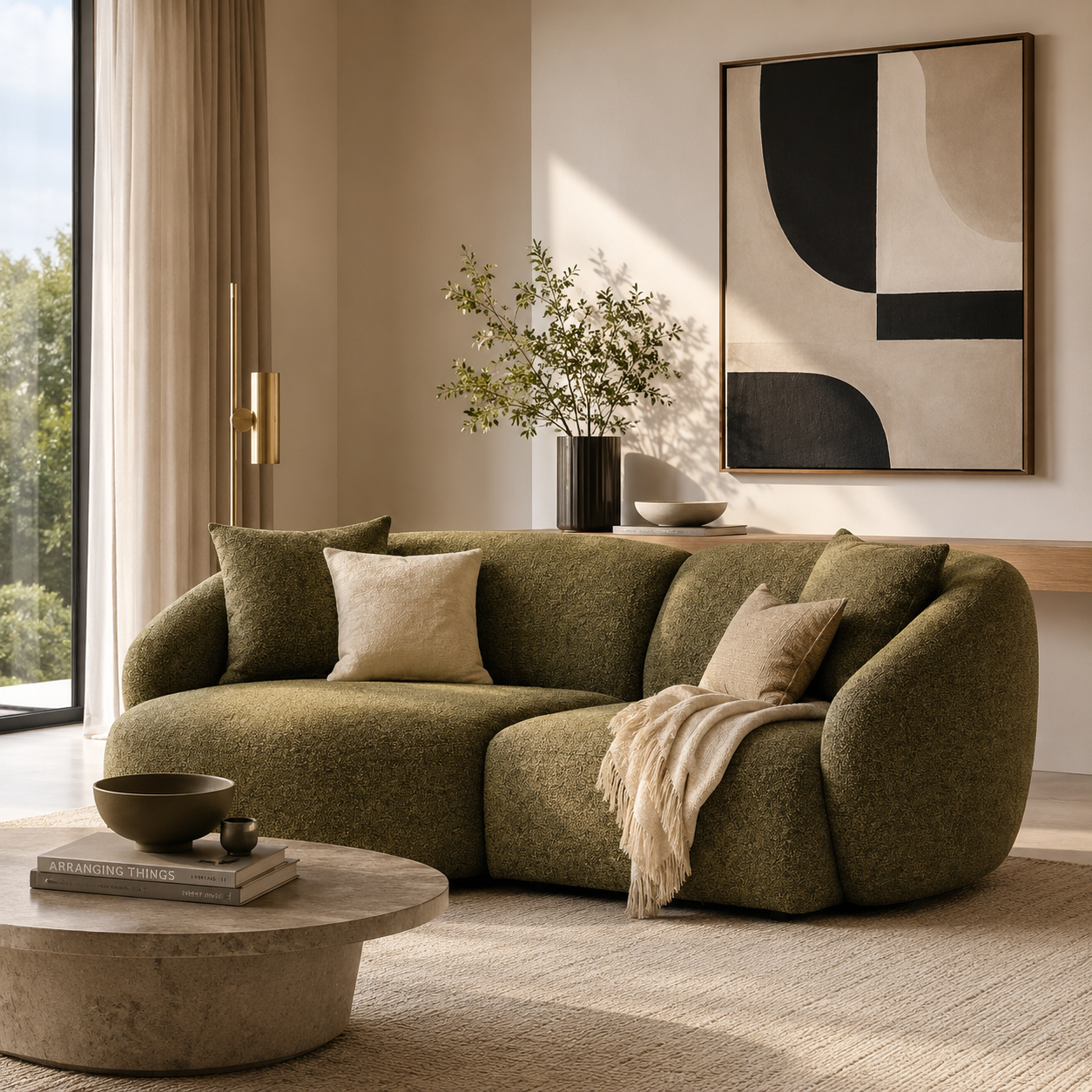
Deep, muted greens — sage, forest green, olive, moss — have crossed over from accent colour to functioning as a neutral in contemporary living room design. A sage green wall reads as a sophisticated neutral that works with almost every other colour: it pairs beautifully with warm wood tones, with blush pink accents, with dusty terracotta, and with navy. A green sofa in a muted tone — forest green, olive — can serve as the central anchor piece around which the rest of the colour scheme is built, providing colour and character without overwhelming the space.
Navy and Deep Blue Schemes
Deep navy or teal living rooms feel dramatic, sophisticated and enveloping. This approach works best in rooms with good natural light — in a dark room, a deep blue can feel oppressive rather than dramatic. In a well-lit room, navy walls or large upholstered pieces in navy create a sense of depth and intimacy. Navy pairs particularly well with warm gold and brass hardware, natural wood, cream or white textiles, and warm terracotta accents. A navy corner sofa with cream cushions and brass-legged furniture is a timeless combination.
How to Choose Your Scheme
The most reliable approach to choosing a living room colour scheme is to start with the largest element — usually the sofa — and build outward. Choose a sofa colour you genuinely love and can live with for ten years. Then select a wall colour that either harmonises with it (similar temperature and tone) or deliberately contrasts it (a complementary accent). Finally, layer in accessories, rugs and cushions to add depth. This order — large anchor first, then walls, then accessories — prevents the most common mistake: choosing a wall colour you love in isolation that then clashes with all your furniture.