

Living Room Mirror Ideas: How to Use Mirrors to Transform Your Space
Mirrors are one of the most powerful decorating tools available — they add light, create the illusion of space, serve as dramatic focal points, and reflect beautiful views back into a room. Yet many people use mirrors timidly: a small mirror here, a decorative accent there, rarely exploiting the full potential of what a well-placed, well-sized mirror can do. Understanding the principles of good mirror placement can help you use this versatile element to its full potential, making rooms feel larger, lighter, and more considered.
The Large Statement Mirror: The Single Most Impactful Choice
If there is one mirror recommendation that holds across almost every living room situation, it is this: when in doubt, go larger. A large mirror — leaning against a wall, hung full-height, or propped behind a console table — has an impact that no small decorative mirror can match. It doubles the apparent volume of a room by reflecting it back, creates a visual focal point, and adds an element of drama and scale that commands attention. In a smaller room, a large mirror is one of the most effective space-expanding tools available. In a larger room, it creates visual interest and acts as a counterweight to oversized furniture.

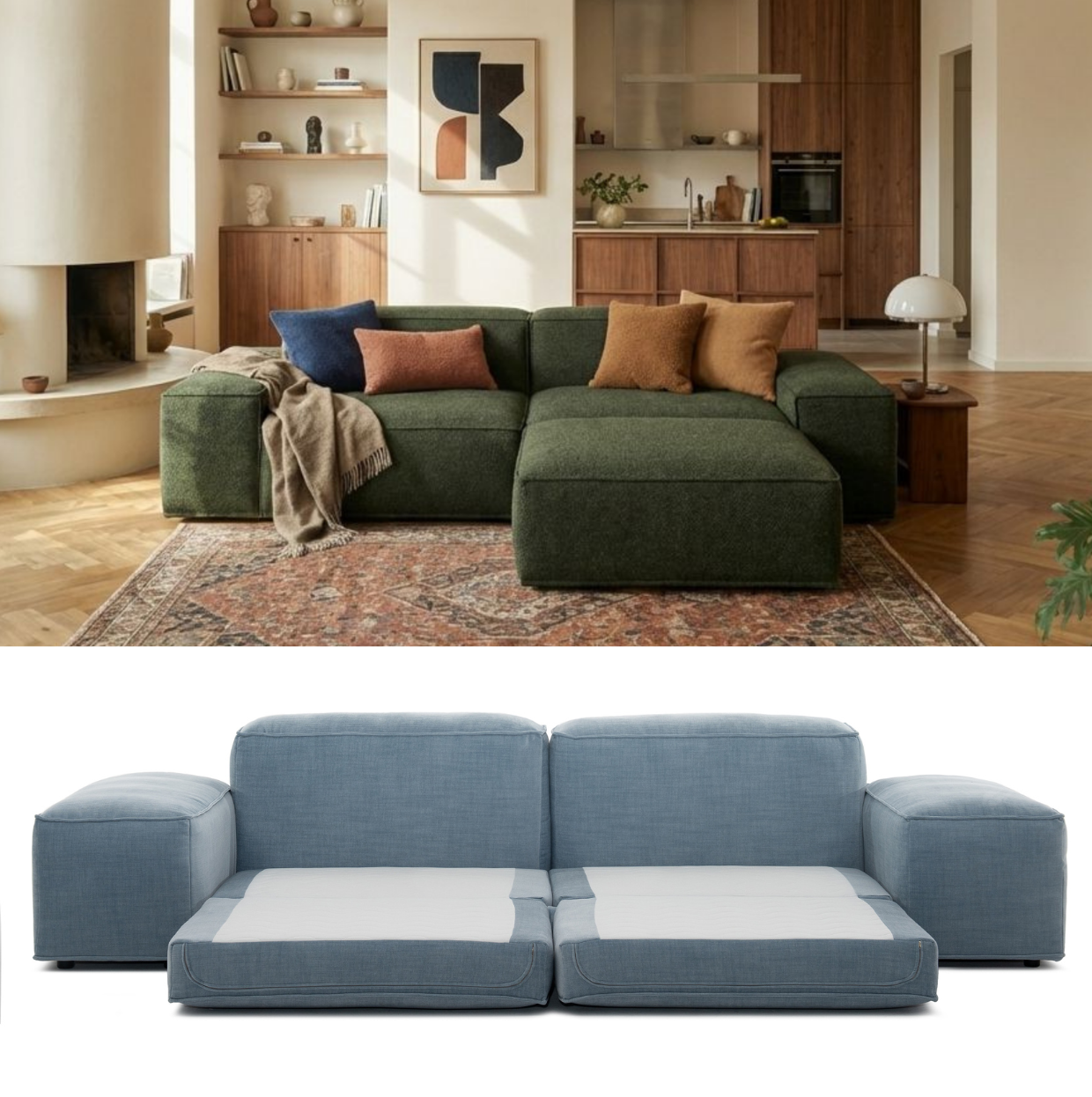
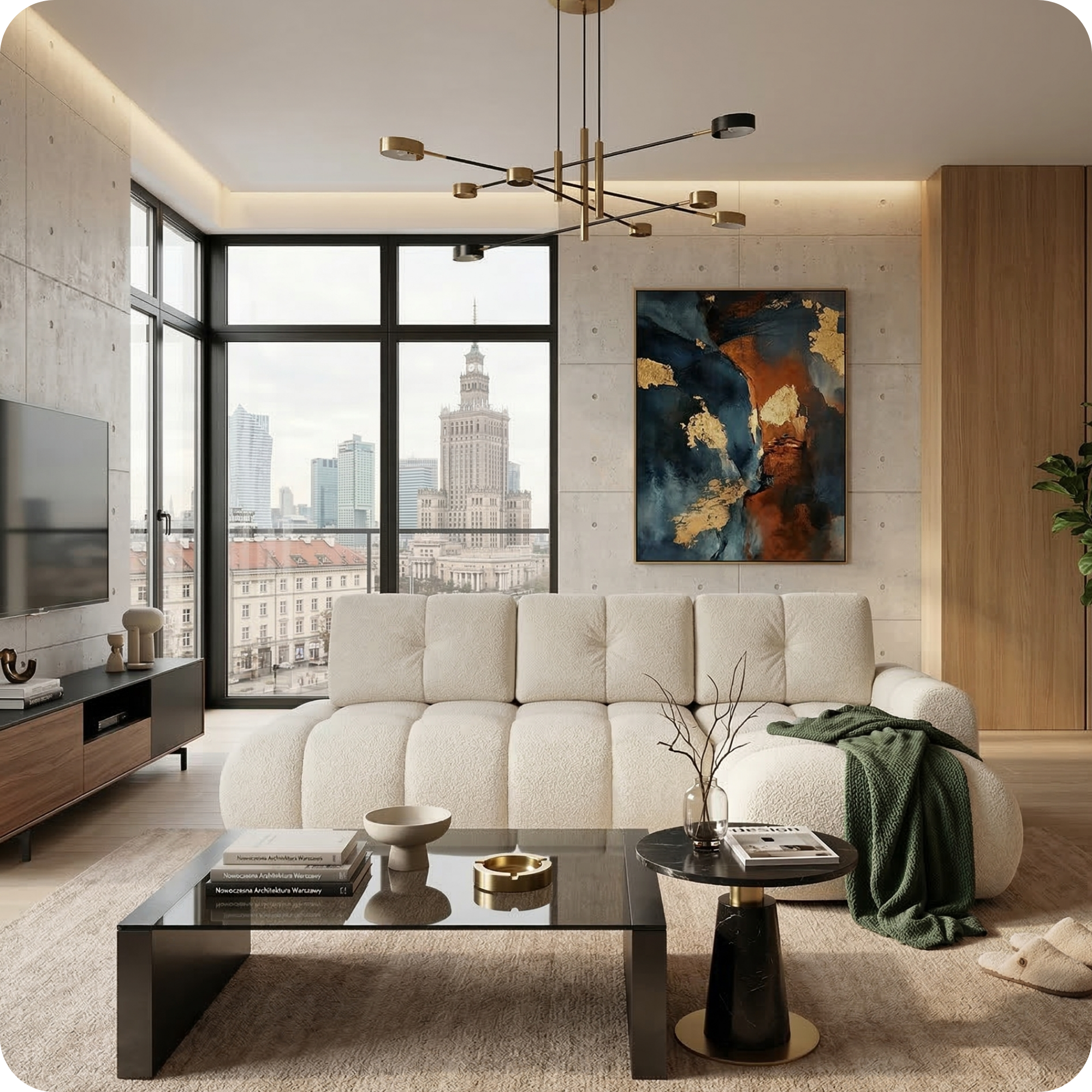
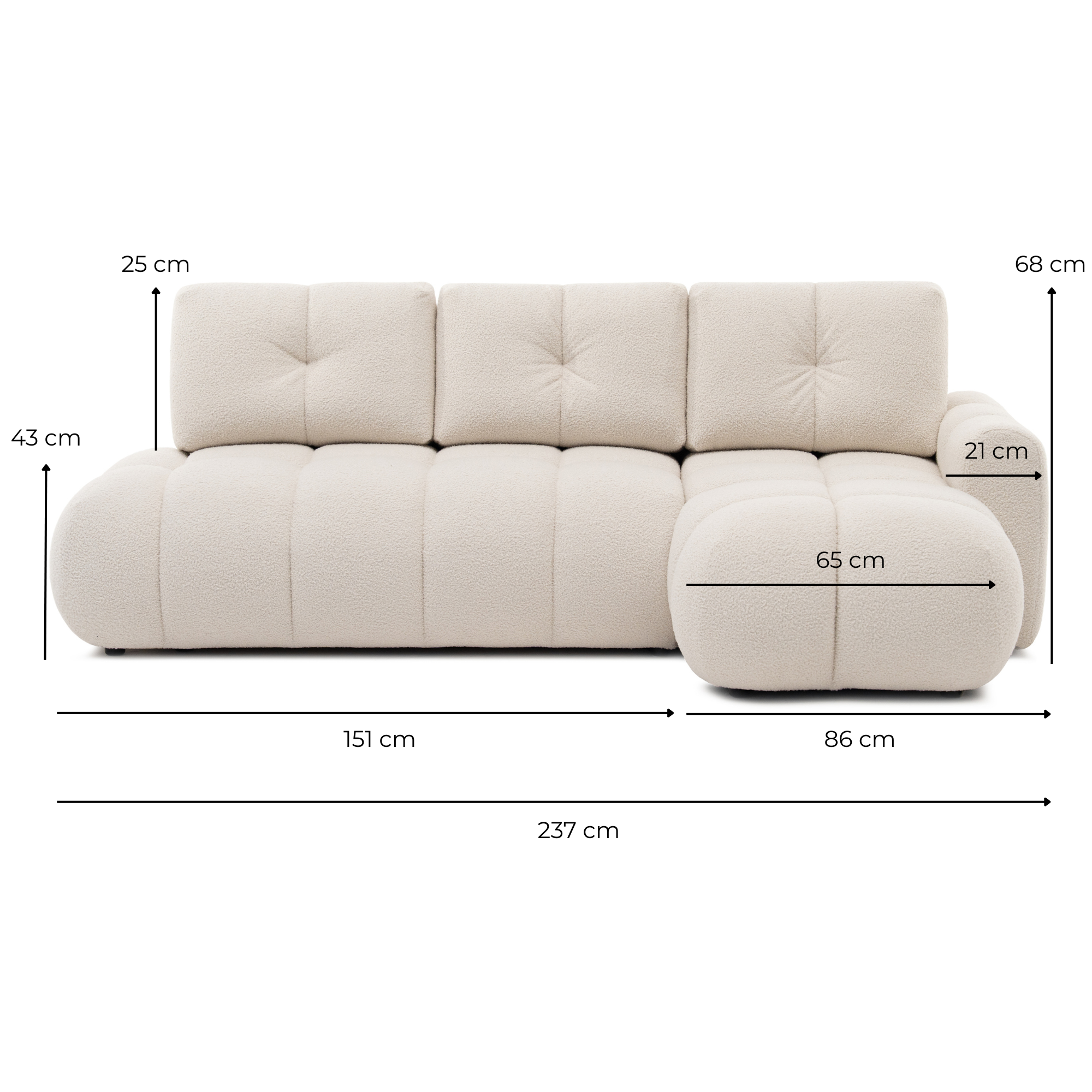
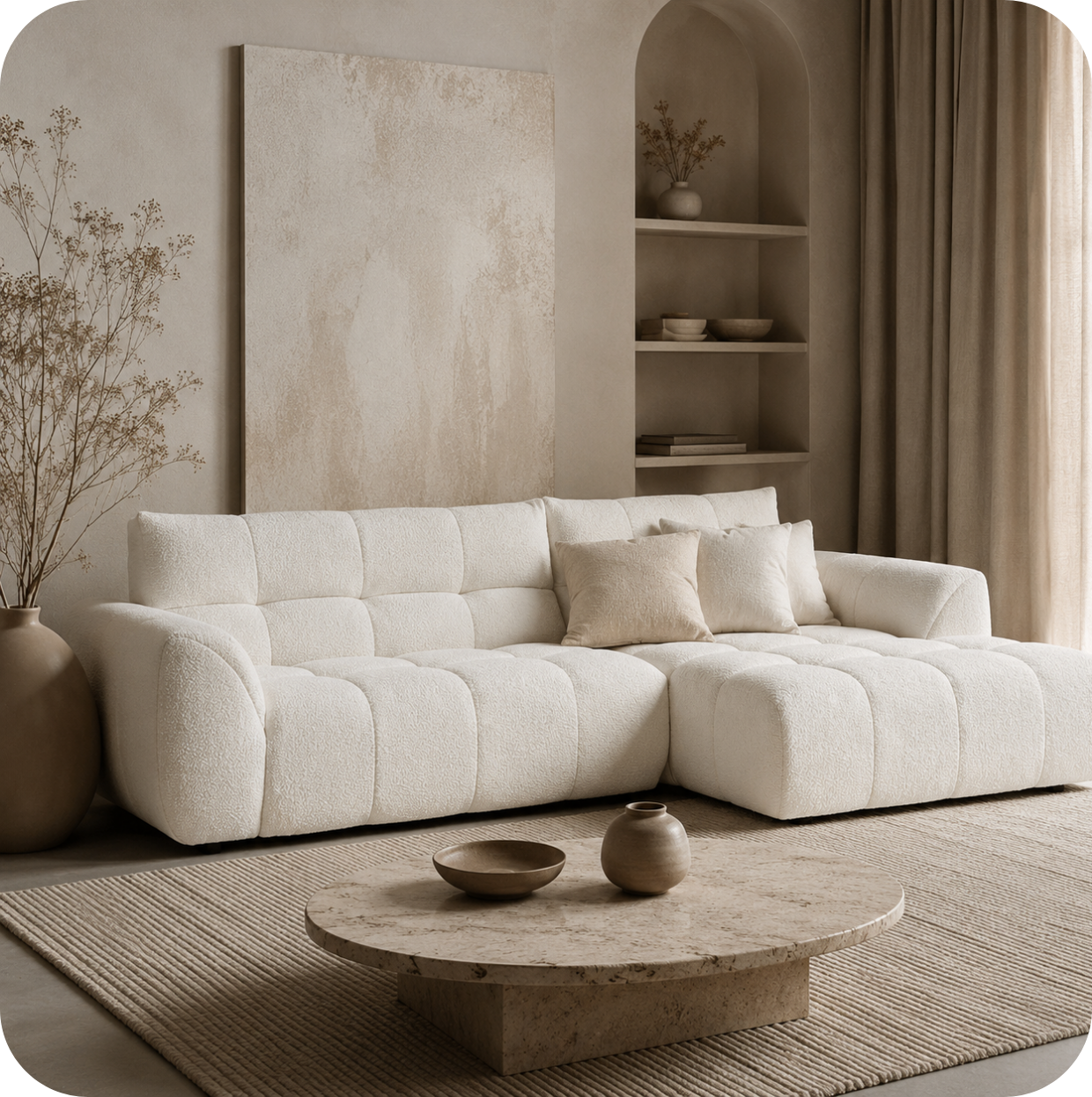
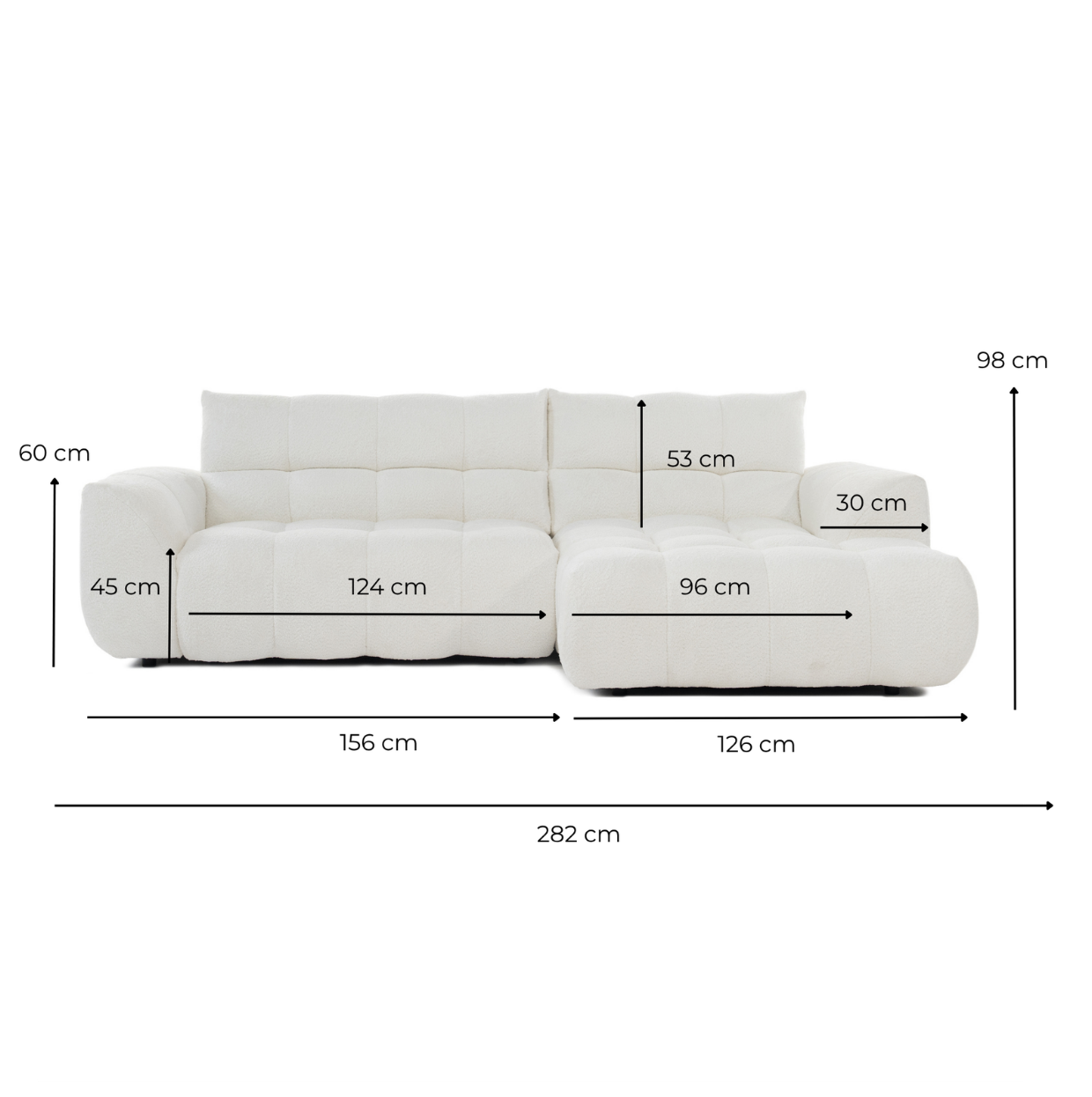
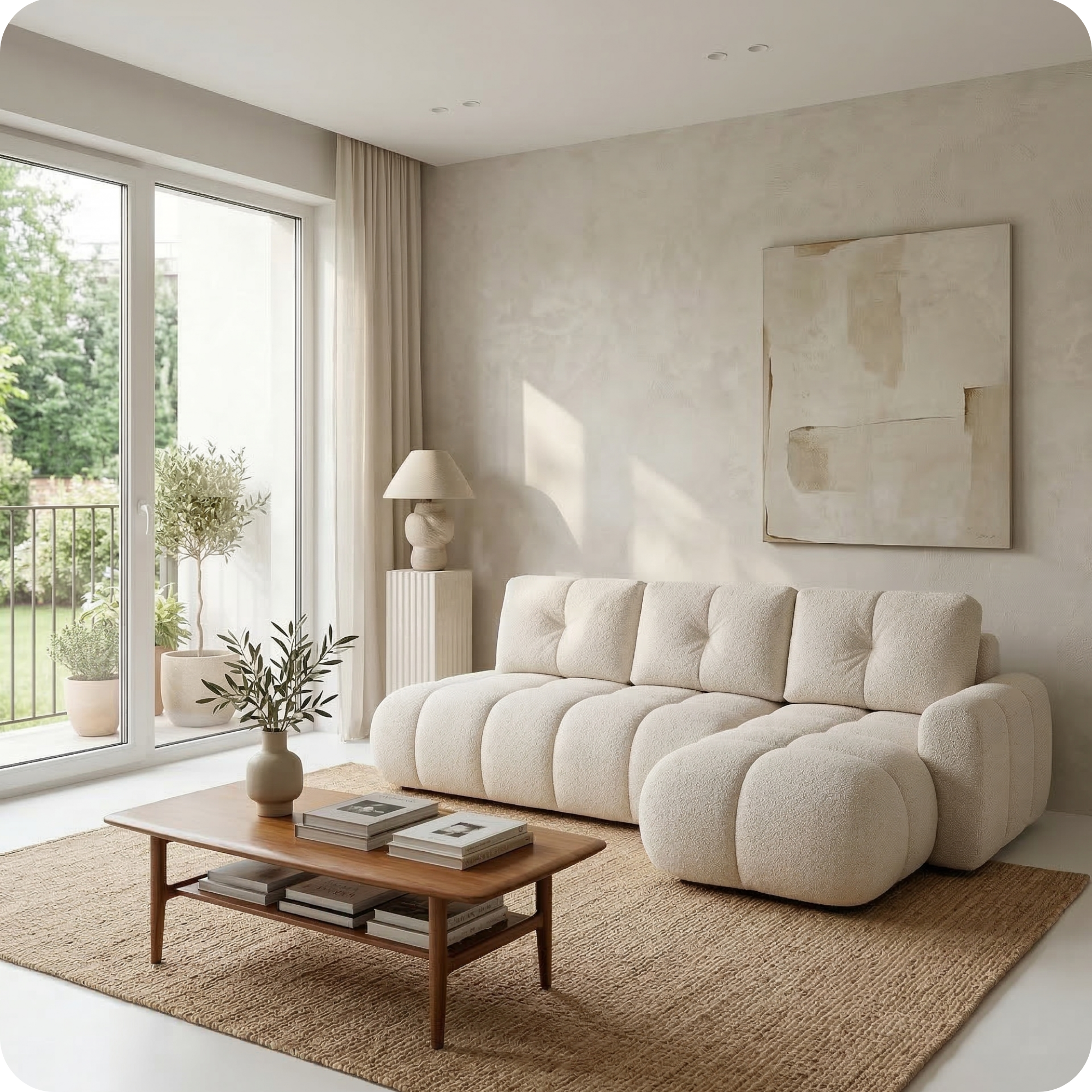
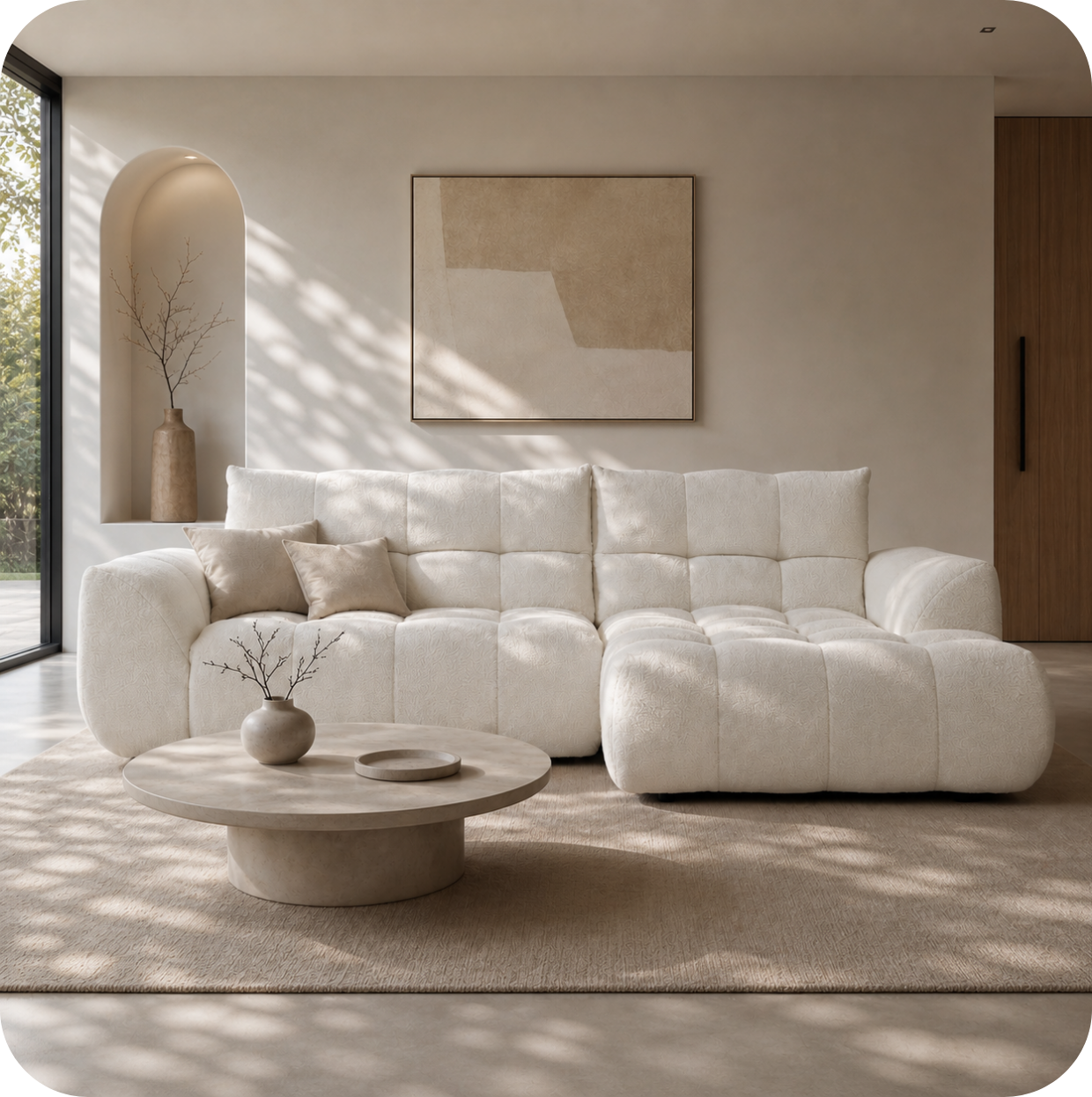
Torino Corner Sofa — from €999
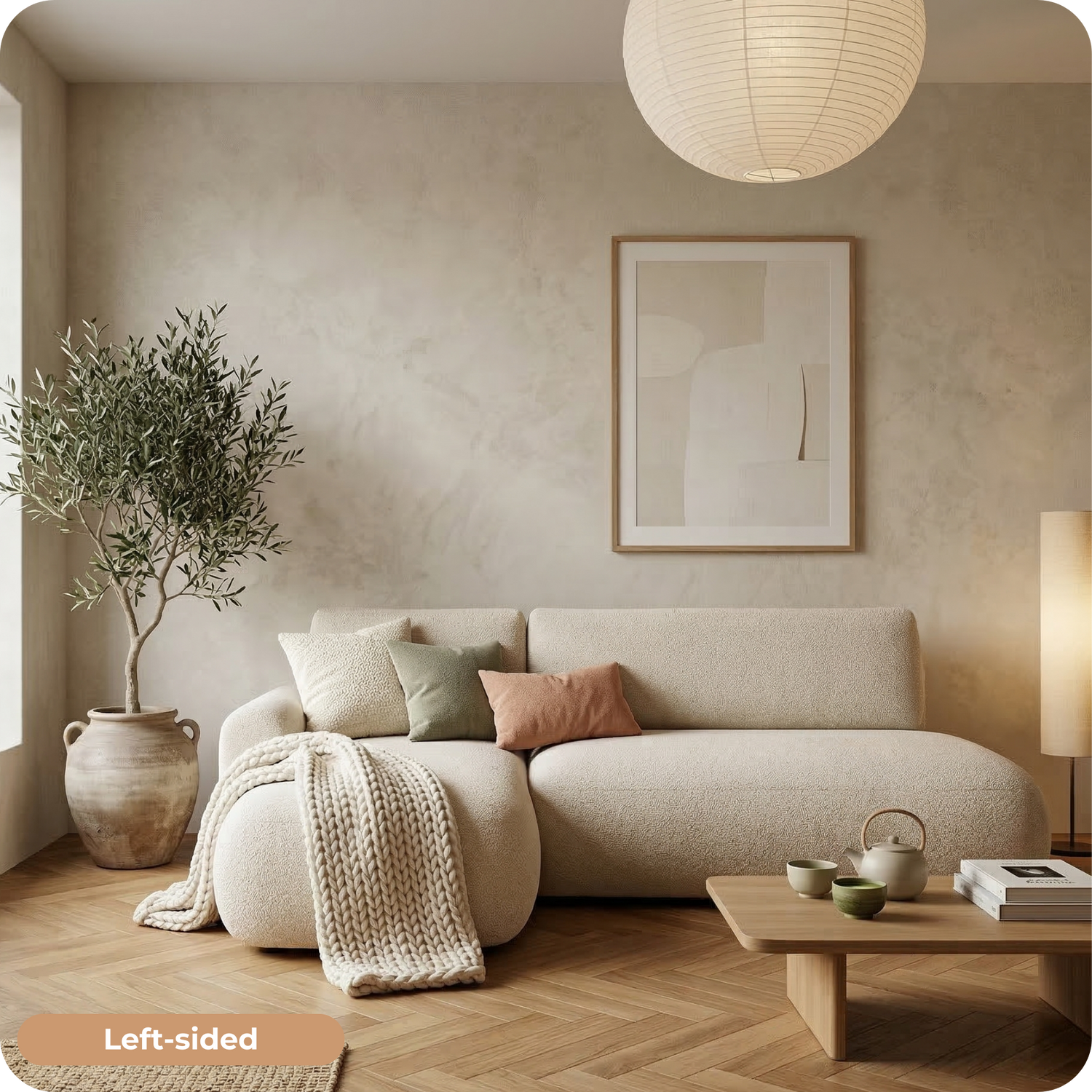
A large floor mirror leaning against the wall behind a corner sofa like the Torino creates one of the most elegant living room compositions — the sofa's generous proportions are balanced by the mirror's height, and the room appears twice as large in the reflection.

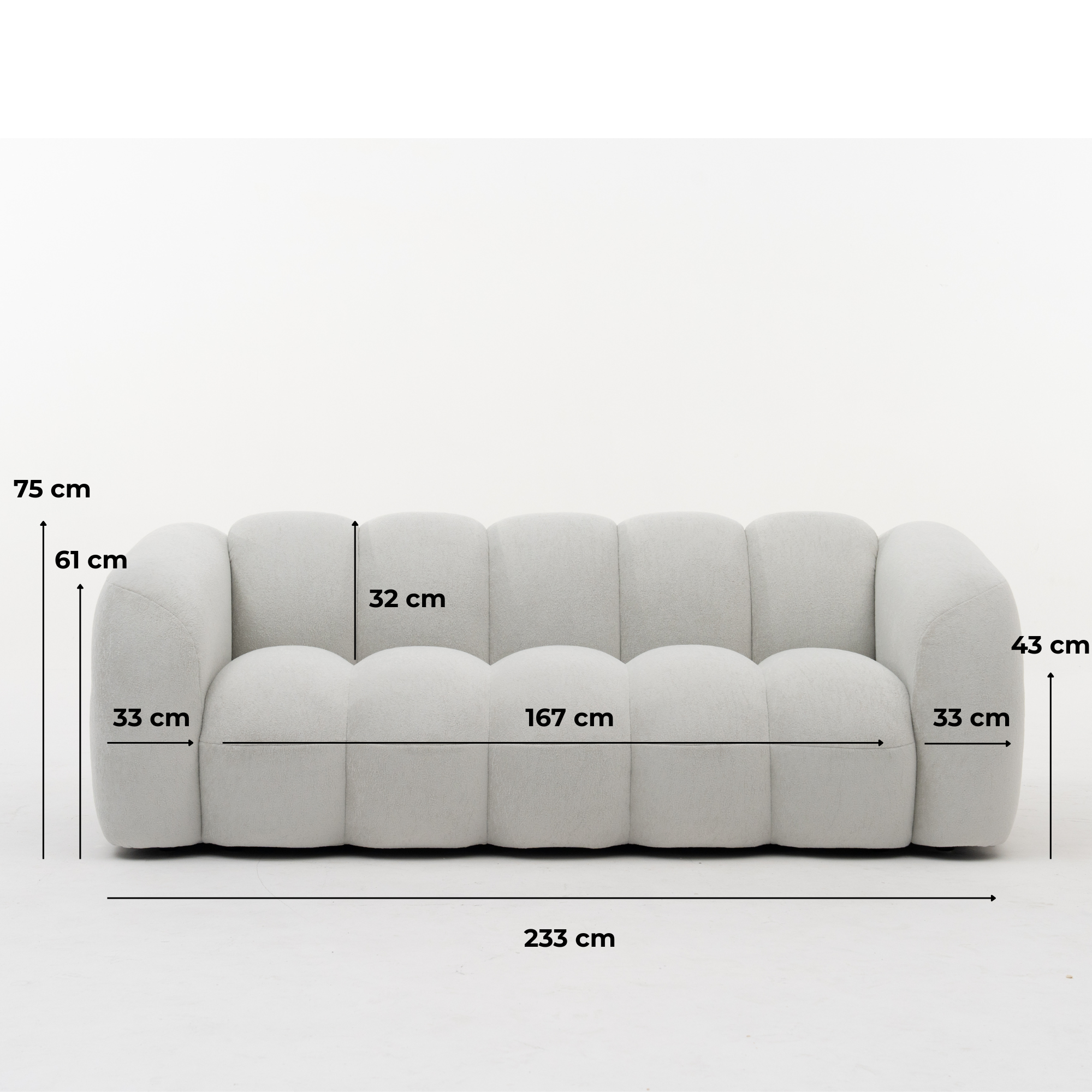
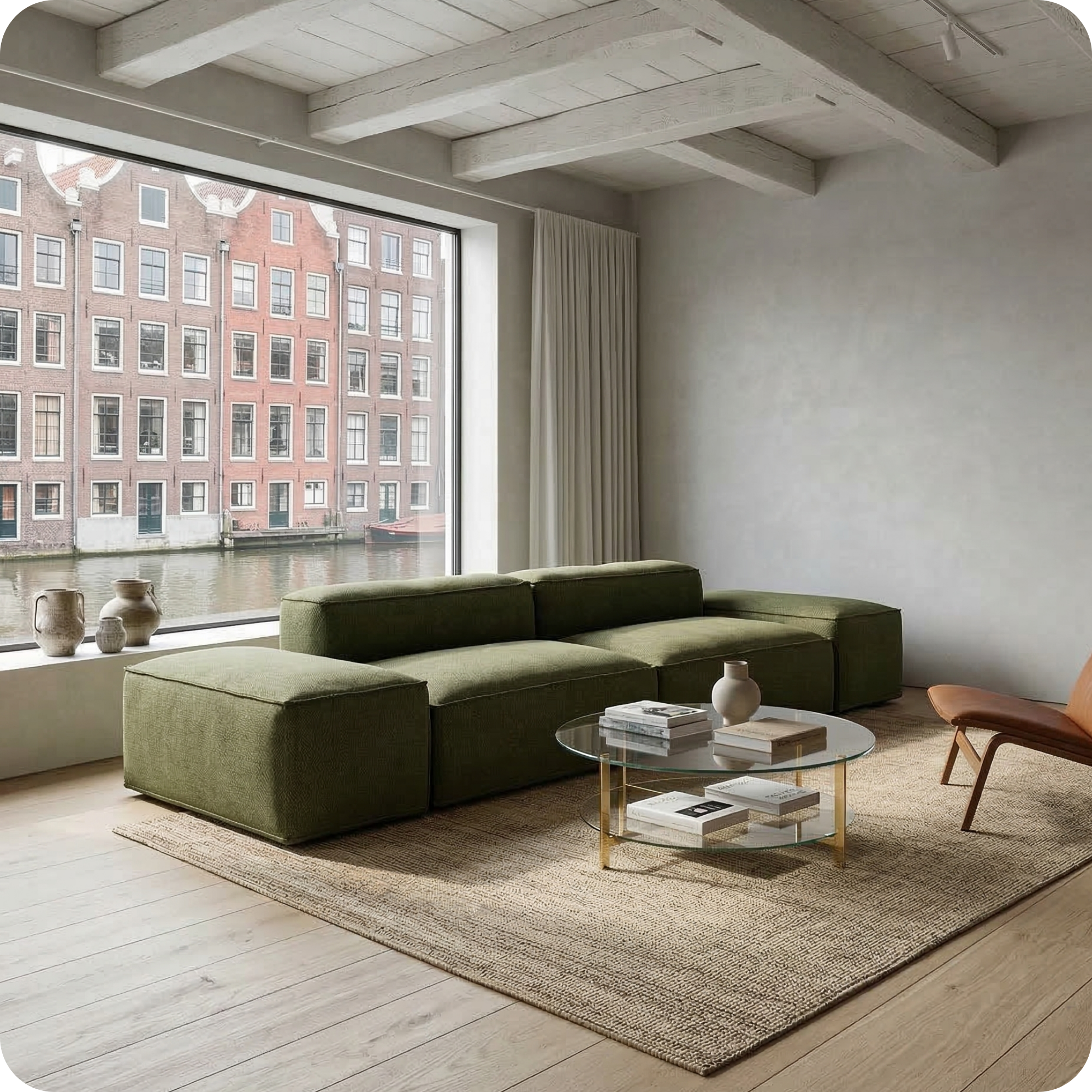
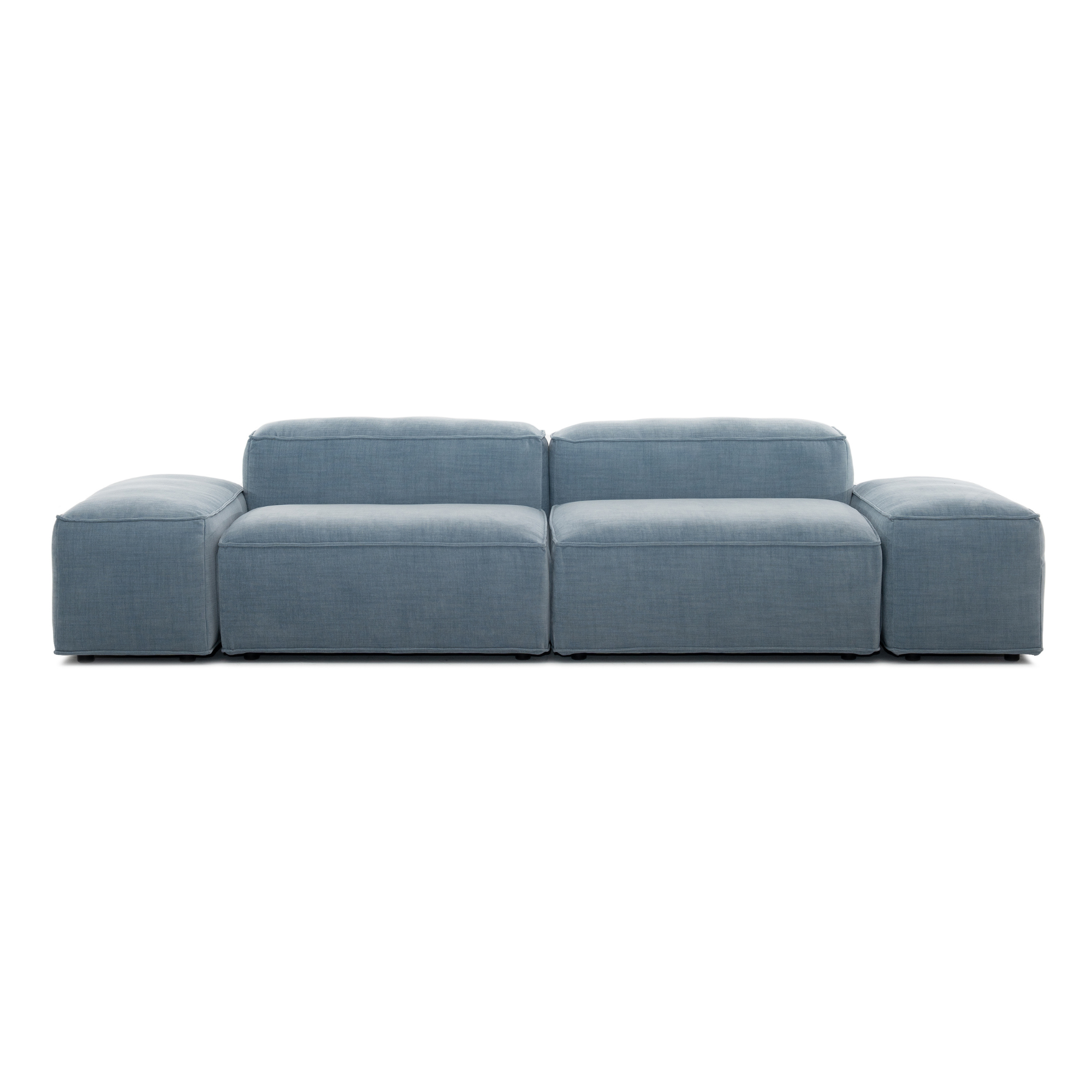
Asti Corner Sofa — from €1,599
A mirror positioned to reflect the window and the Asti sofa doubles the visual impact of both elements — the natural light bounces across the room, and the elegant lines of the sofa appear twice over in the space.
Positioning: Where to Hang or Place Your Mirror
The position of a mirror determines everything — a beautifully framed mirror in the wrong place can make a room feel awkward, while the same mirror well-positioned transforms the space. The most effective mirror position is one where the mirror reflects something beautiful: a window, a view of the garden, a well-styled shelf, a beautiful lamp, or a fireplace. Avoid positioning mirrors so that they reflect an ugly or cluttered area — the mirror will amplify rather than disguise it. Over a fireplace is the most classic living room mirror position — the fireplace creates a natural focal point, and the mirror above it doubles the height of the wall and reflects the room back beautifully. Leaning a large mirror against the wall adjacent to a window catches side light and disperses it across the room.
Mirror Frames: From Ornate to Minimal
The frame of a mirror is as important as the mirror itself in terms of the decorative statement it makes. An ornate gold or brass frame — oval, arched, or sunburst — creates immediate grandeur and works beautifully in maximalist, eclectic, or classically inspired interiors. A simple, clean-lined black or dark wood frame is more contemporary and minimal, suiting Scandi, industrial, or Japanese-inspired spaces. A frameless or slim-profile mirror has an almost architectural quality — it reads less as decoration and more as an extension of the wall itself. For a bedroom or more intimate space, vintage or antique mirror glass — with its characteristic foxing and slight imperfection — adds depth and warmth that modern mirrors cannot replicate.
Gallery Walls of Small Mirrors
Where a single large mirror is not practical or appropriate, a gallery arrangement of several smaller mirrors can achieve a similar visual effect. Mixing mirrors of different sizes, shapes, and frame styles — circles, ovals, rectangles, hexagons — creates an eclectic, collected feel that is particularly effective in bohemian, maximalist, or vintage-inspired interiors. A gallery of mirrors on one wall also maximises the light-amplifying benefit, with multiple reflective surfaces bouncing light around the room from different angles.