


Living Room Shelf Styling Ideas: How to Style Shelves Like an Interior Designer
Shelves are one of the most versatile and challenging elements in any living room. When done well, they are a dynamic, layered display of personality, taste, and creativity — a visual story told in objects, books, plants, and art. When done poorly, they become a dumping ground for clutter that makes the whole room feel disorganised. The difference between a shelf that looks designed and one that looks messy is not the quality of the objects on it — it is the principles applied to how those objects are arranged, mixed, and balanced. Learning these principles is one of the most impactful skills in home styling.
The Foundation: Books as Building Blocks
Books are the most versatile ingredient in shelf styling. They add colour, rhythm, and visual weight, and they allow you to create a stable, organised structure that other objects can be layered against. The key is to vary how books are arranged: some upright and grouped by colour or size, some stacked horizontally to create platforms for smaller objects — a small plant, a ceramic figure, a candle. Avoid organising books too rigidly (perfectly alphabetised shelves can look sterile); the goal is a sense of curated order that still feels personal and alive. Remove book jackets to reveal the more elegant cloth or hardback covers beneath.

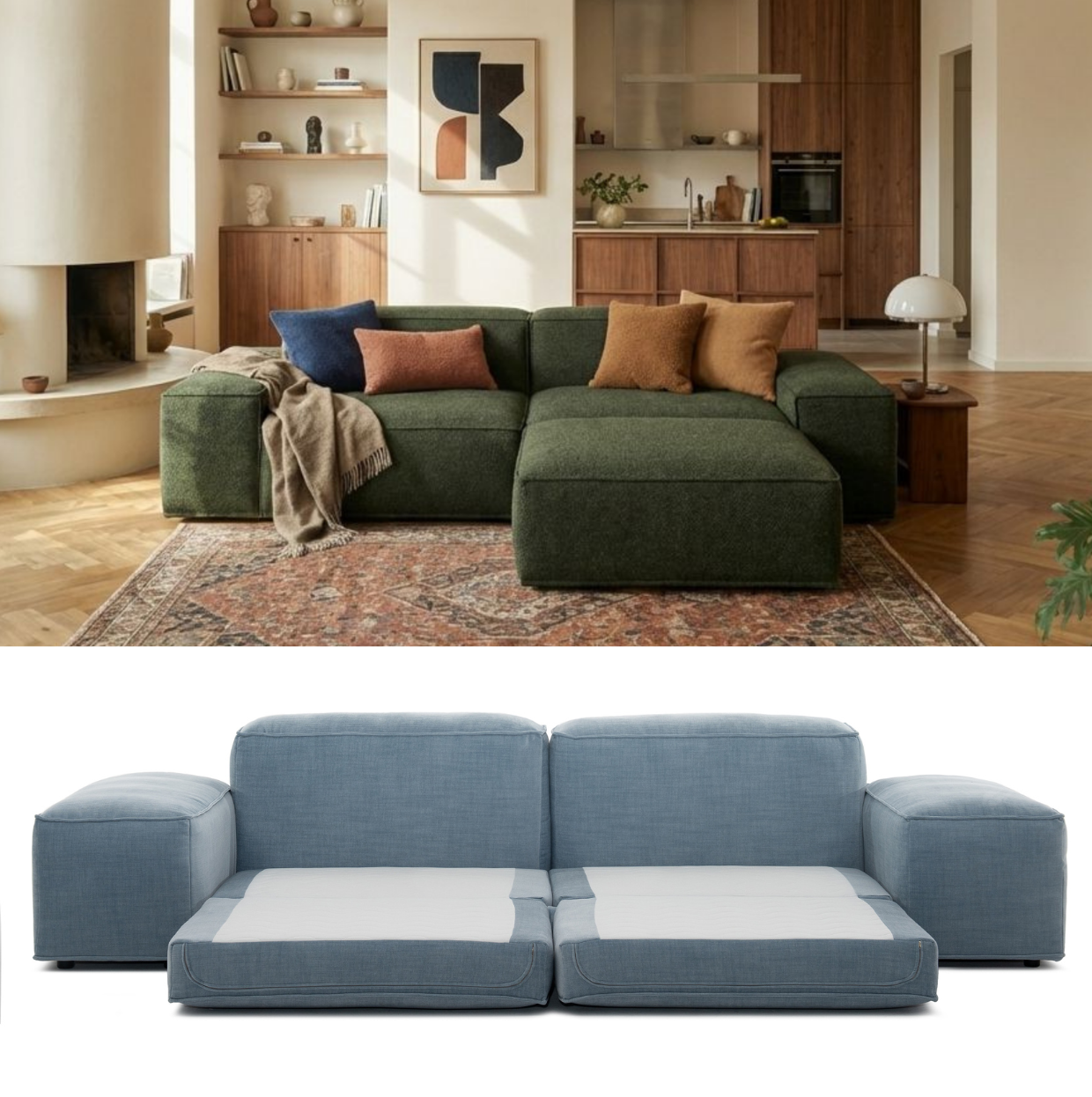
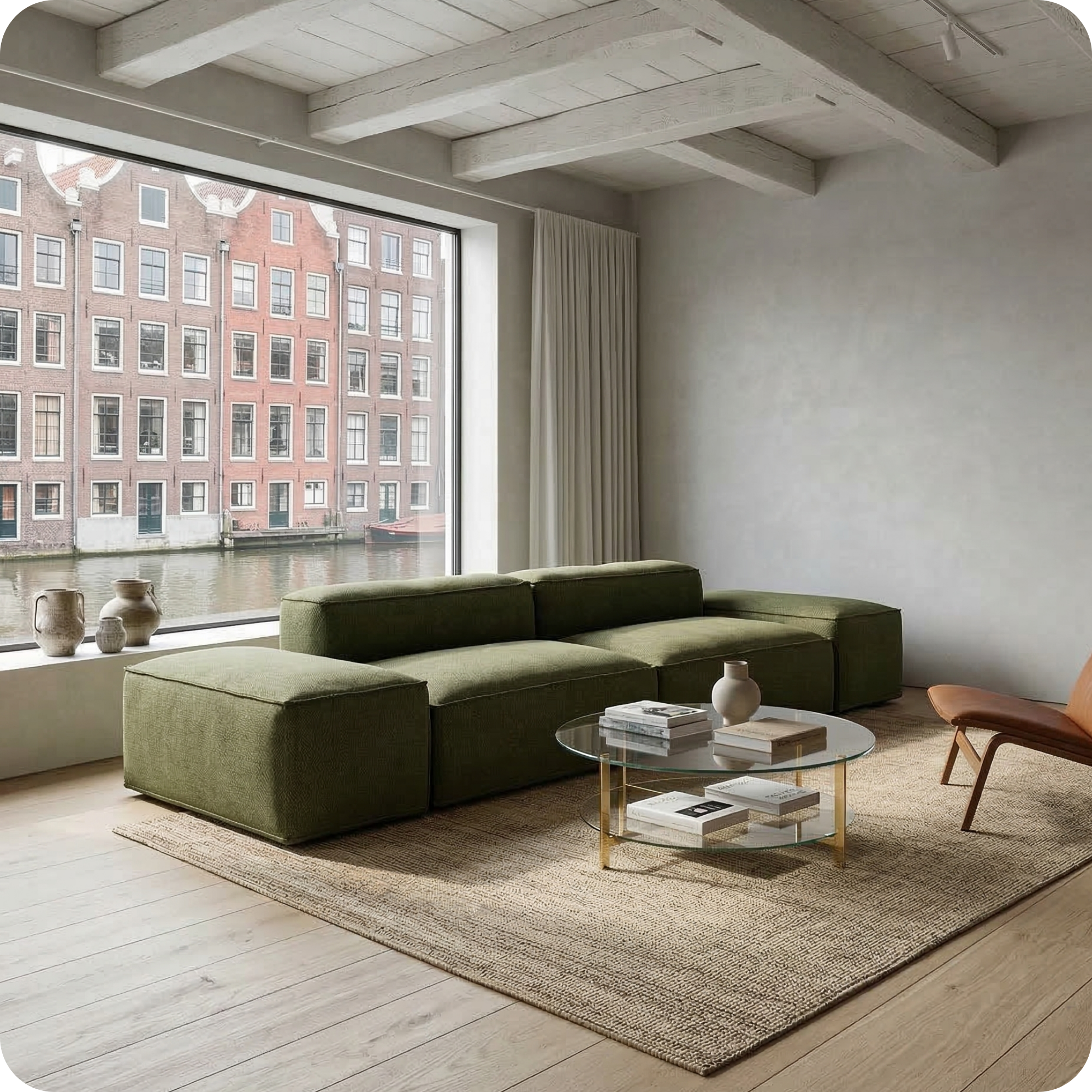
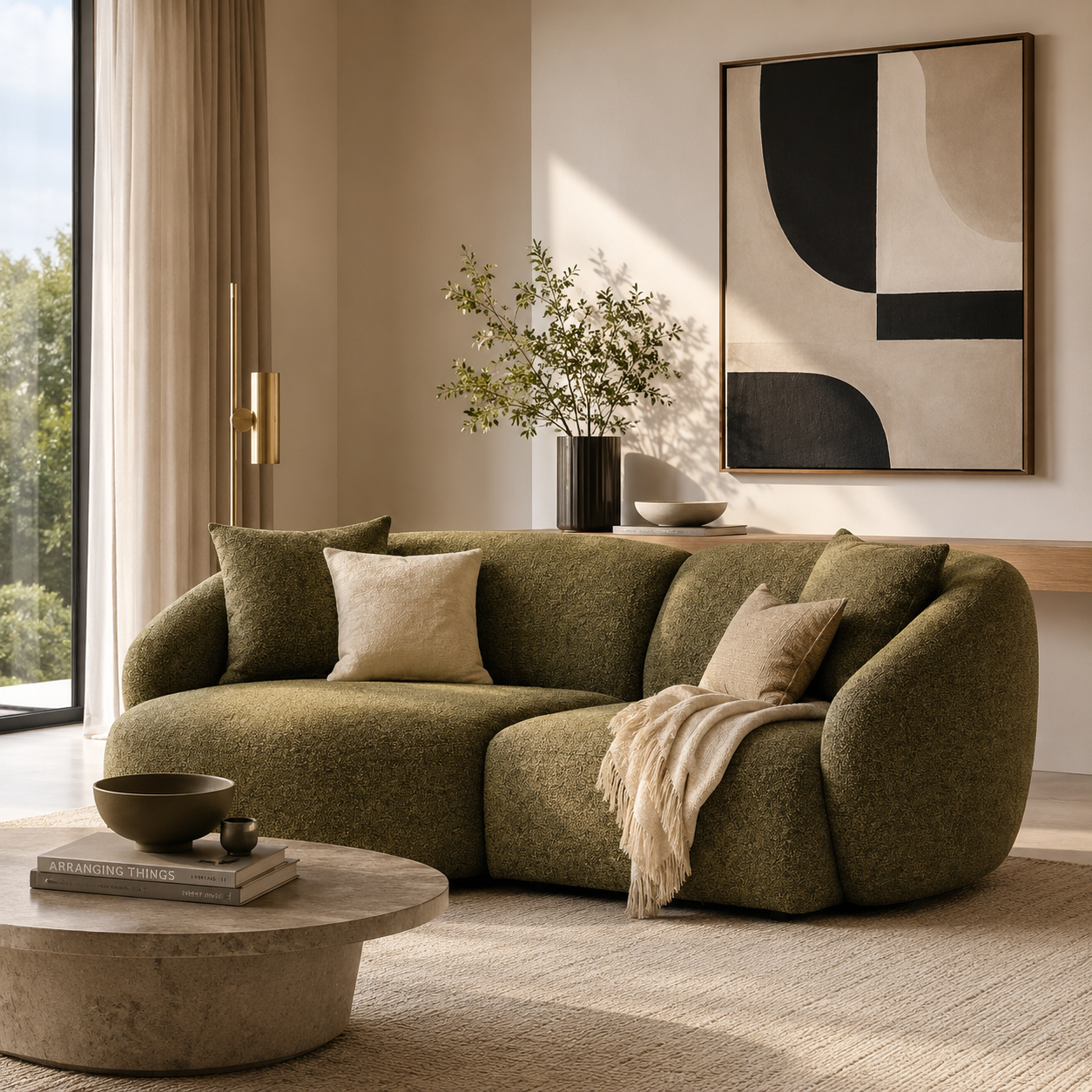
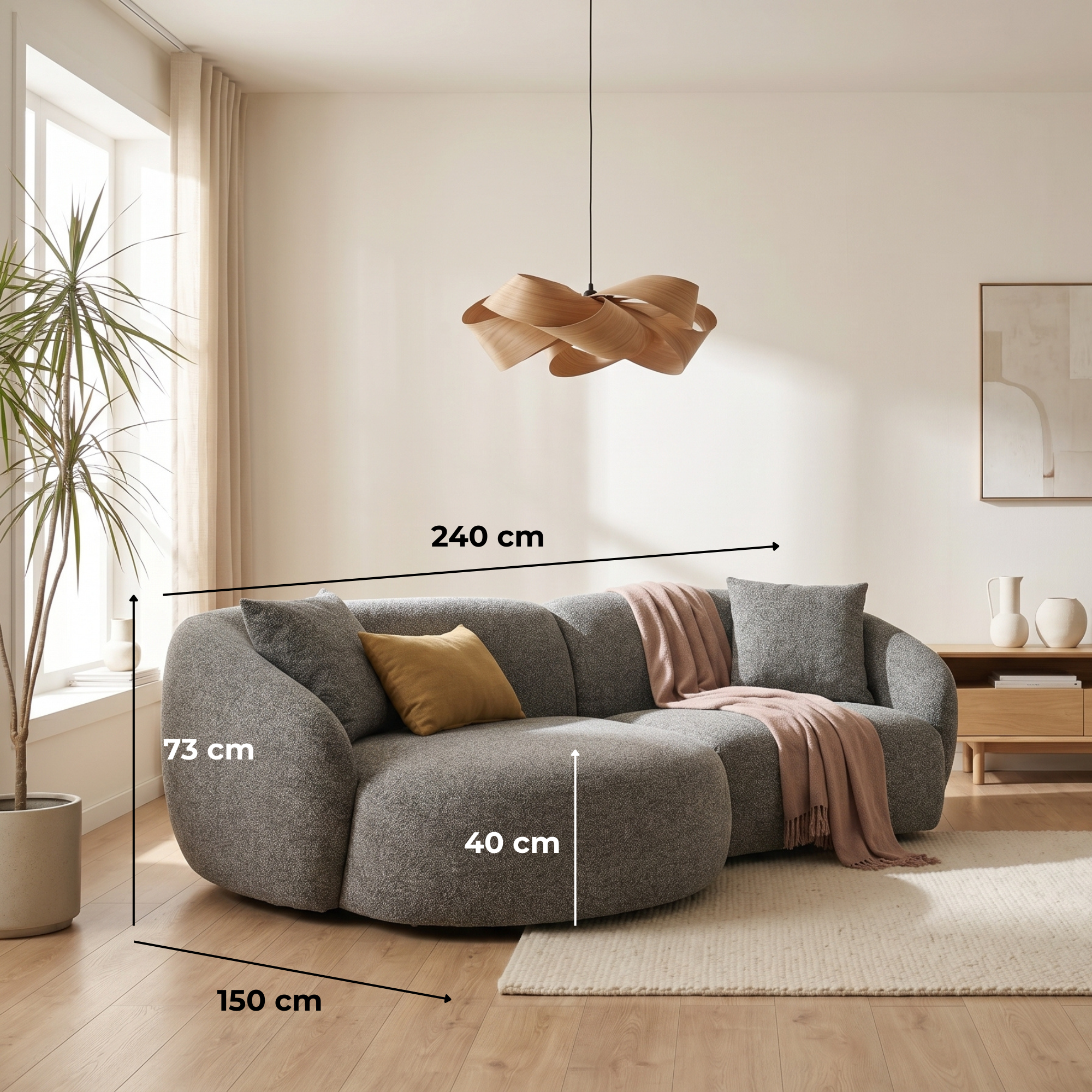
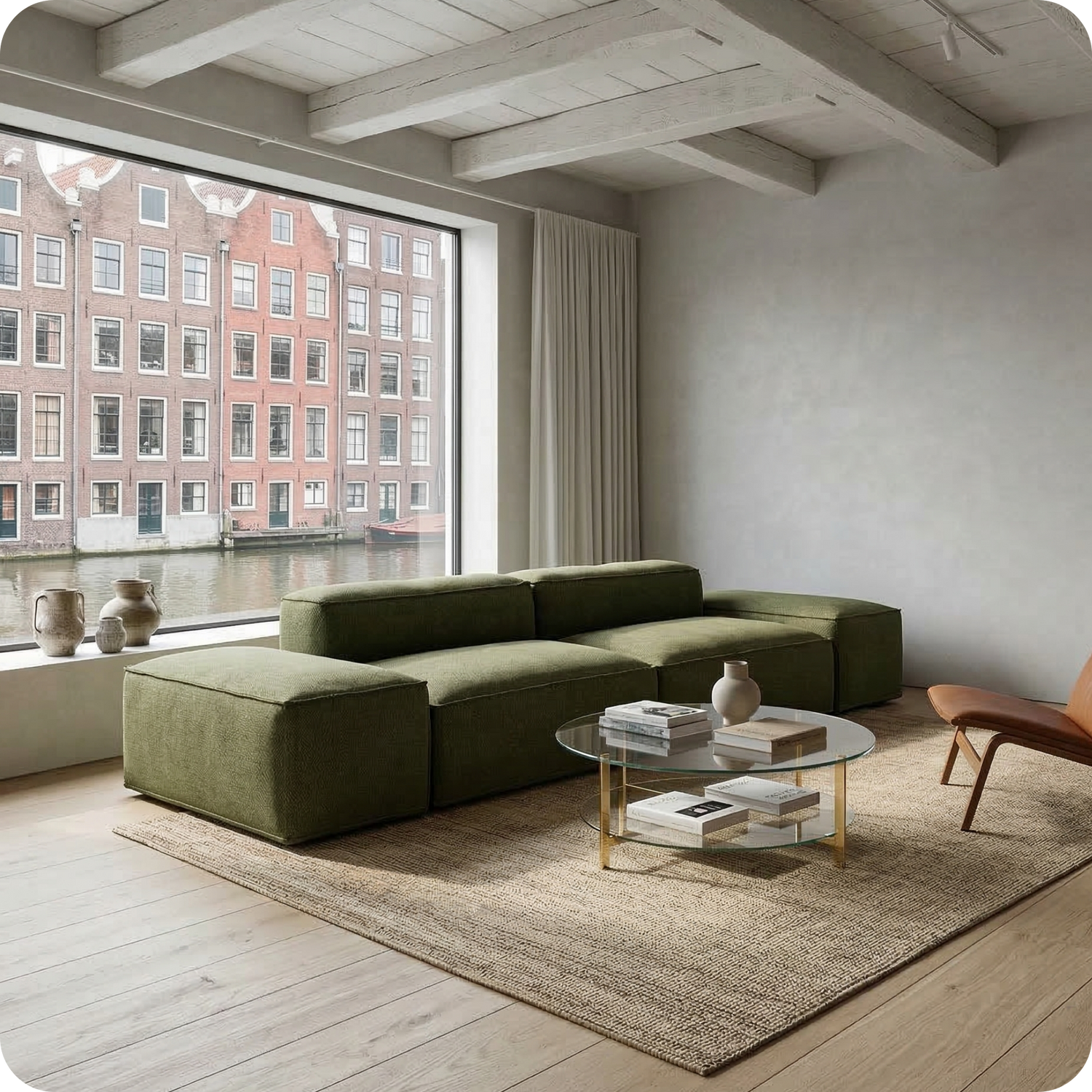
Merlot Sofa in Leaf Green — from €1,532
A rich green sofa creates a beautiful backdrop for shelf styling — the warm botanical colour encourages a shelf palette of natural textures (wood, ceramics, terracotta) combined with plants and a mix of books in neutral and warm-toned covers.

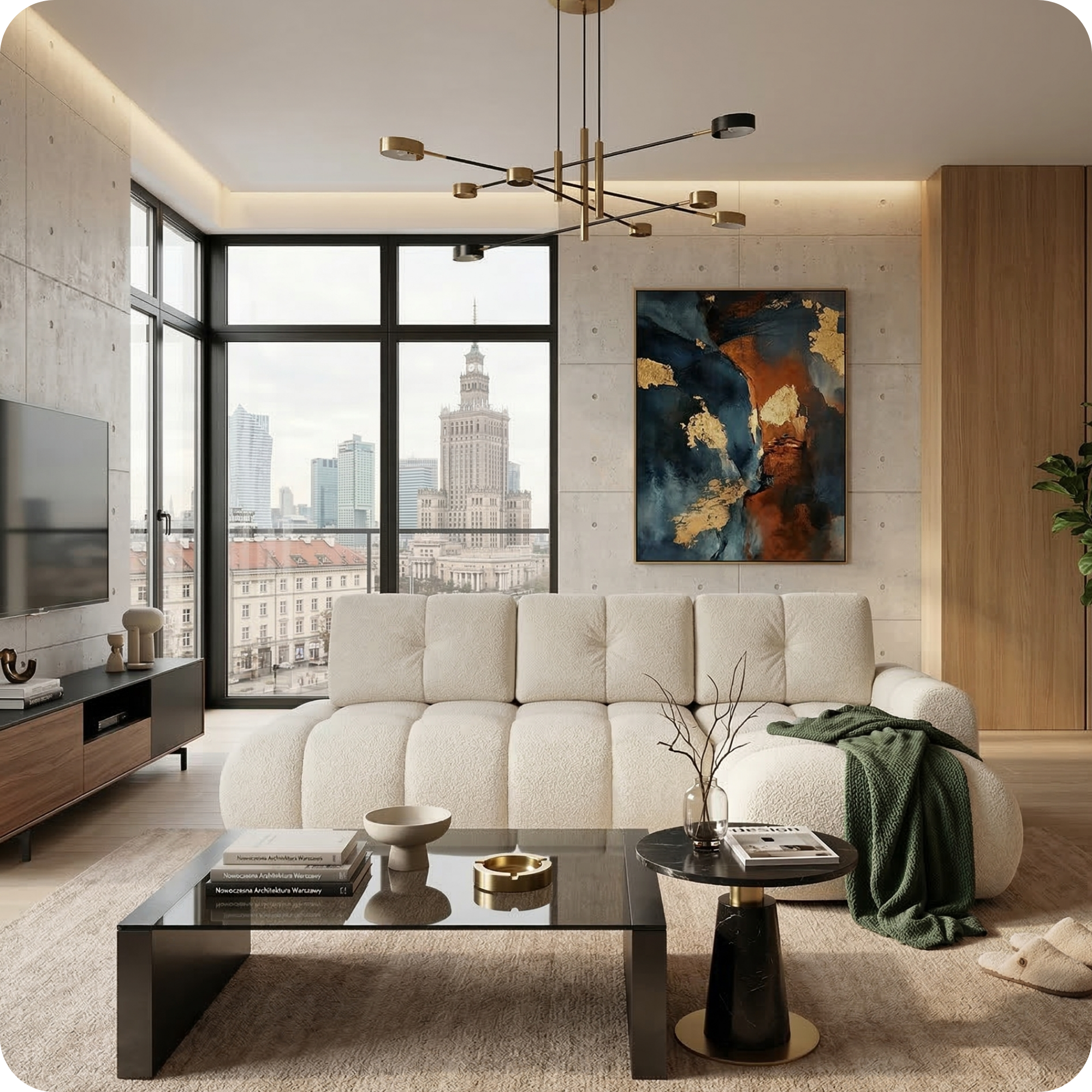
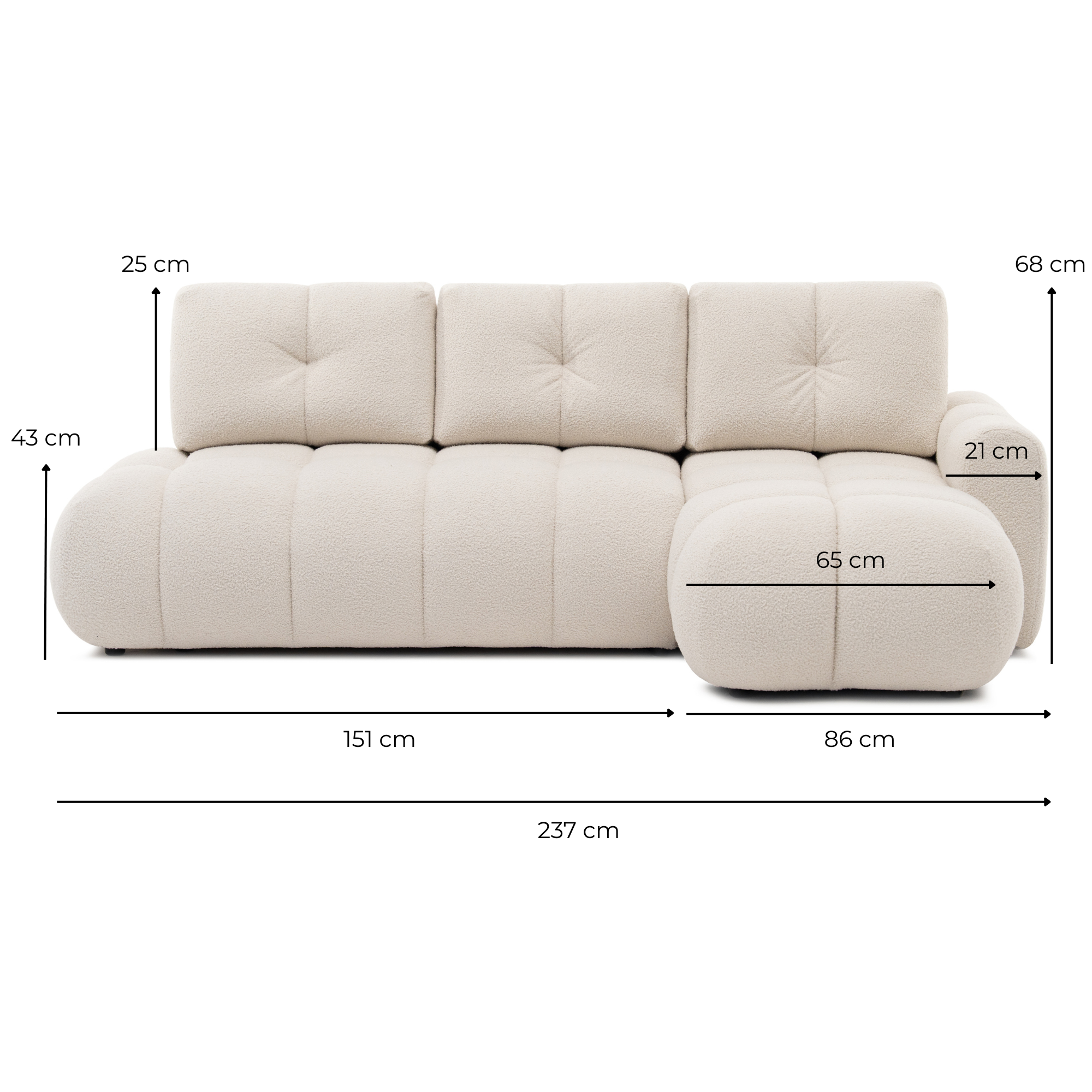
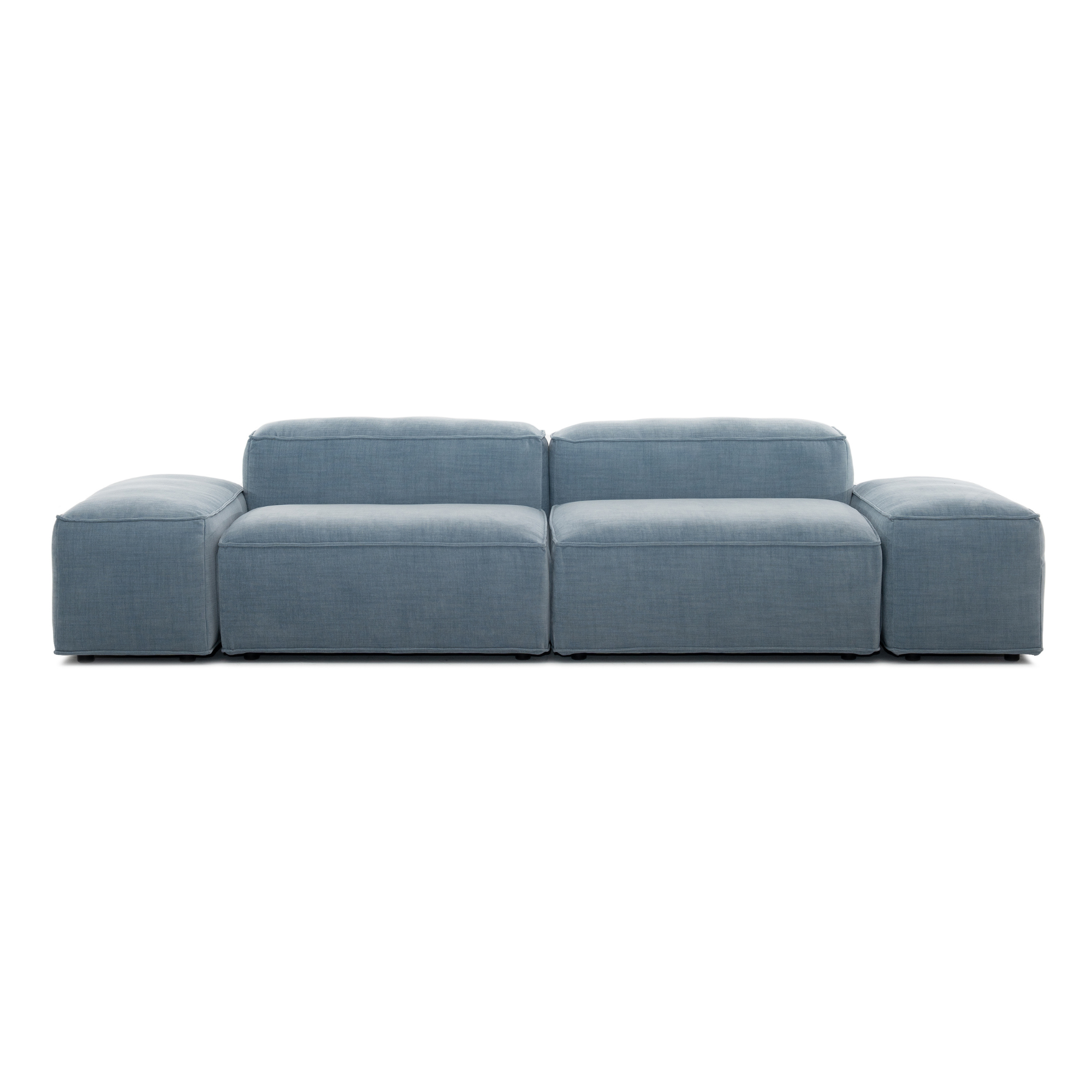
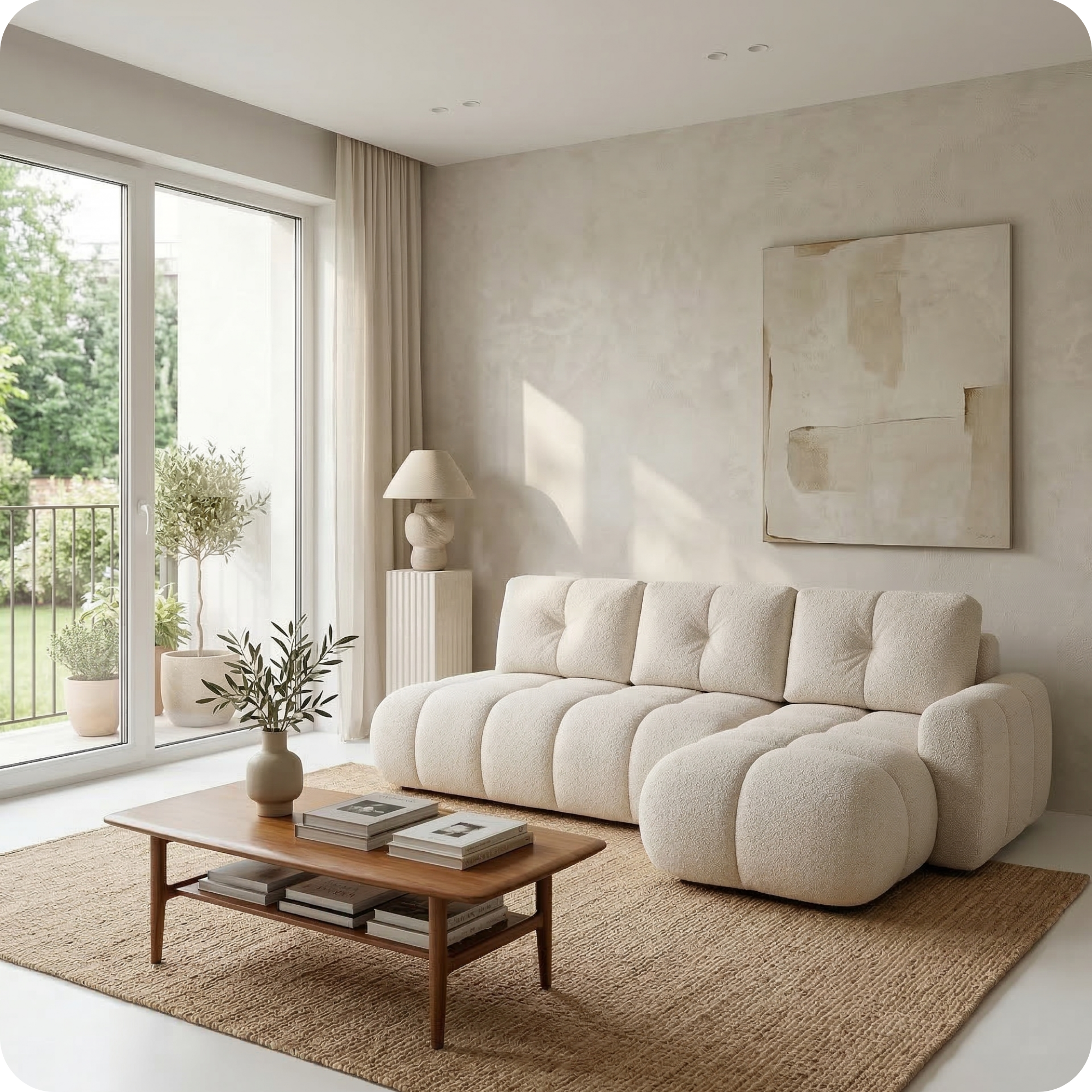
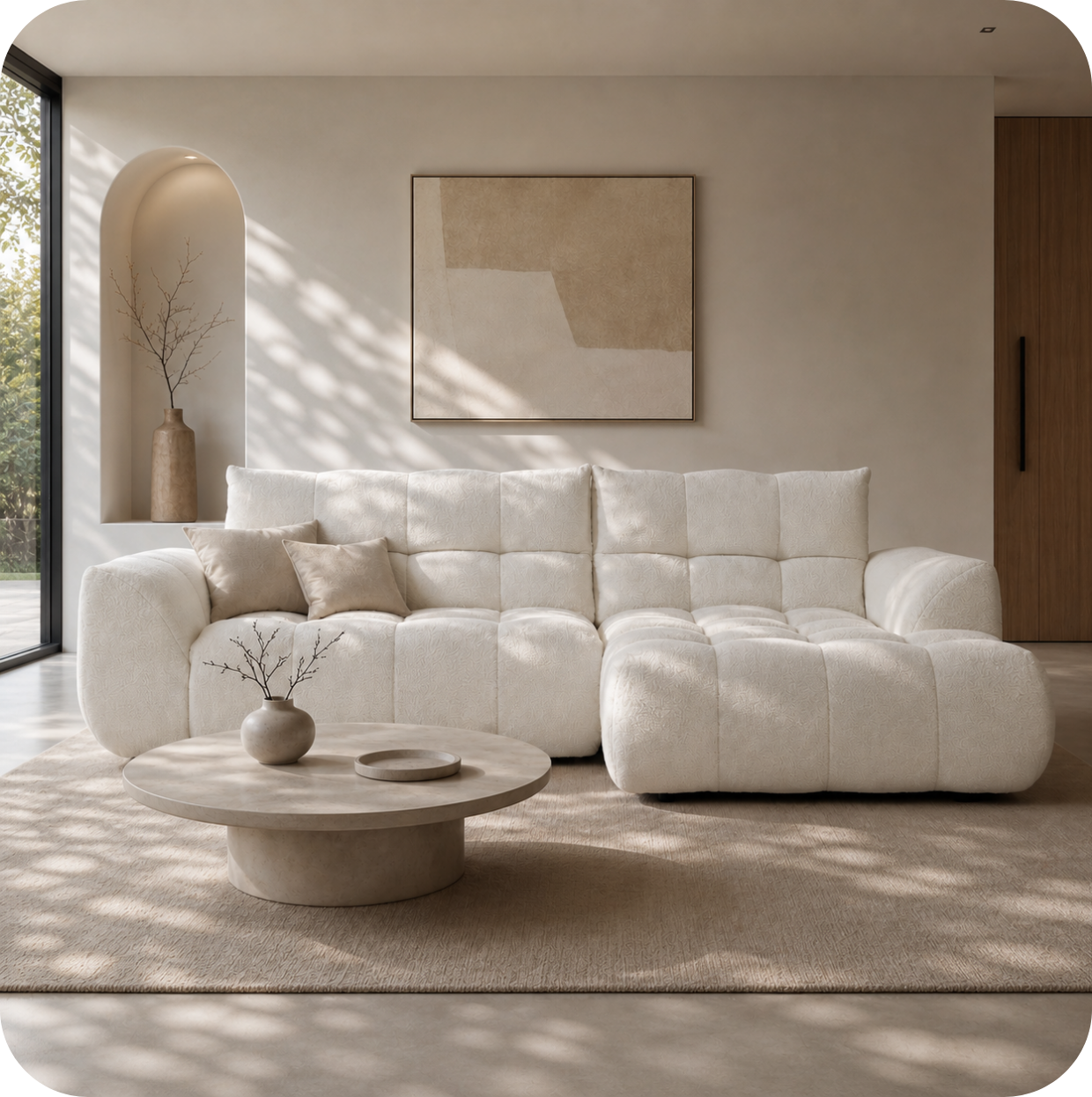
Lugano Sofa in Sand — from €1,299
A sand-toned sofa creates a warm, neutral foundation that allows the shelf styling to lead — pair with shelves displaying ceramics in warm whites and creams, natural wood objects, trailing plants, and books with warm or neutral-toned spines.
The Rule of Odd Numbers and Varying Heights
Two of the most powerful principles in shelf styling: always group objects in odd numbers (one, three, or five rather than two or four), and always vary the heights within each group. Odd number groupings feel natural and dynamic; even numbers feel static and formal. Varying heights — a tall vase, a medium stack of books, and a small object in front — creates visual rhythm and prevents the shelf from looking flat. At the back of each shelf grouping, place the tallest object; in front of it, something medium height; and in front of that, something small. This layered depth creates a sense of visual richness.
Negative Space, Plants, and Art
One of the most important but least intuitive principles of shelf styling is the value of negative space — deliberate empty areas that give the eye somewhere to rest and allow the other objects to breathe. Overstuffed shelves look cluttered regardless of the quality of what is on them; a shelf with breathing room feels curated and considered. Plants are invaluable — a small trailing plant draping over the edge of a shelf adds life and organic movement. Small framed prints or cards propped against books or the back of the shelf add an art gallery quality. The best shelves feel like they are always evolving — swap objects seasonally, add new finds, remove things that no longer inspire you.