


Mid-Century Modern Living Room: How to Create the MCM Look
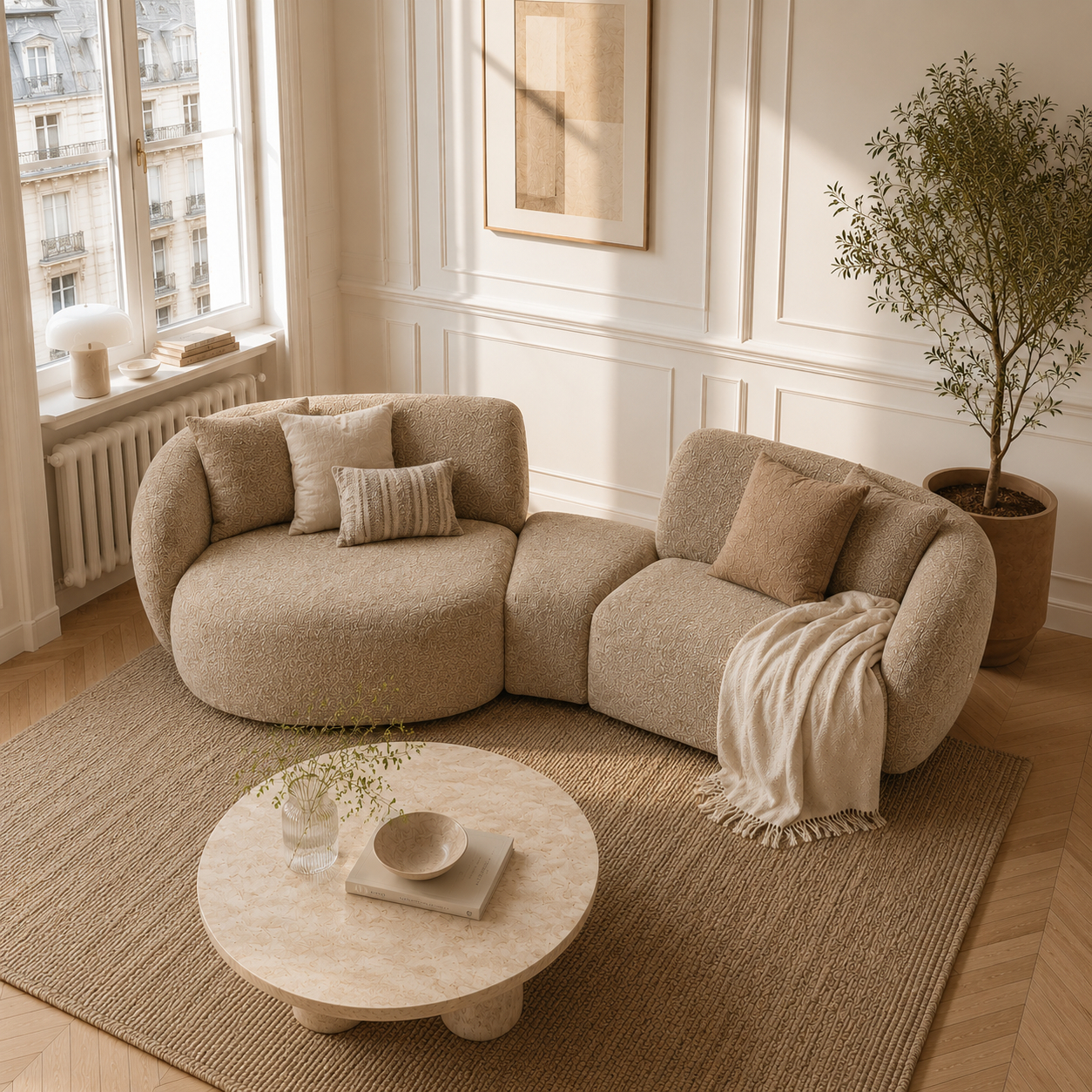
Mid-century modern design — the aesthetic that emerged from American and Scandinavian design studios in the 1950s and 1960s — has been one of the most enduring and consistently influential styles in interior design. Its appeal lies in a set of principles that still feel relevant and desirable today: clean geometric forms, the integration of natural materials (particularly wood), functional simplicity, and an optimism about the relationship between design and daily life. Creating a mid-century modern living room is about understanding those principles and applying them thoughtfully rather than accumulating period props.
The Defining Characteristics of MCM Design
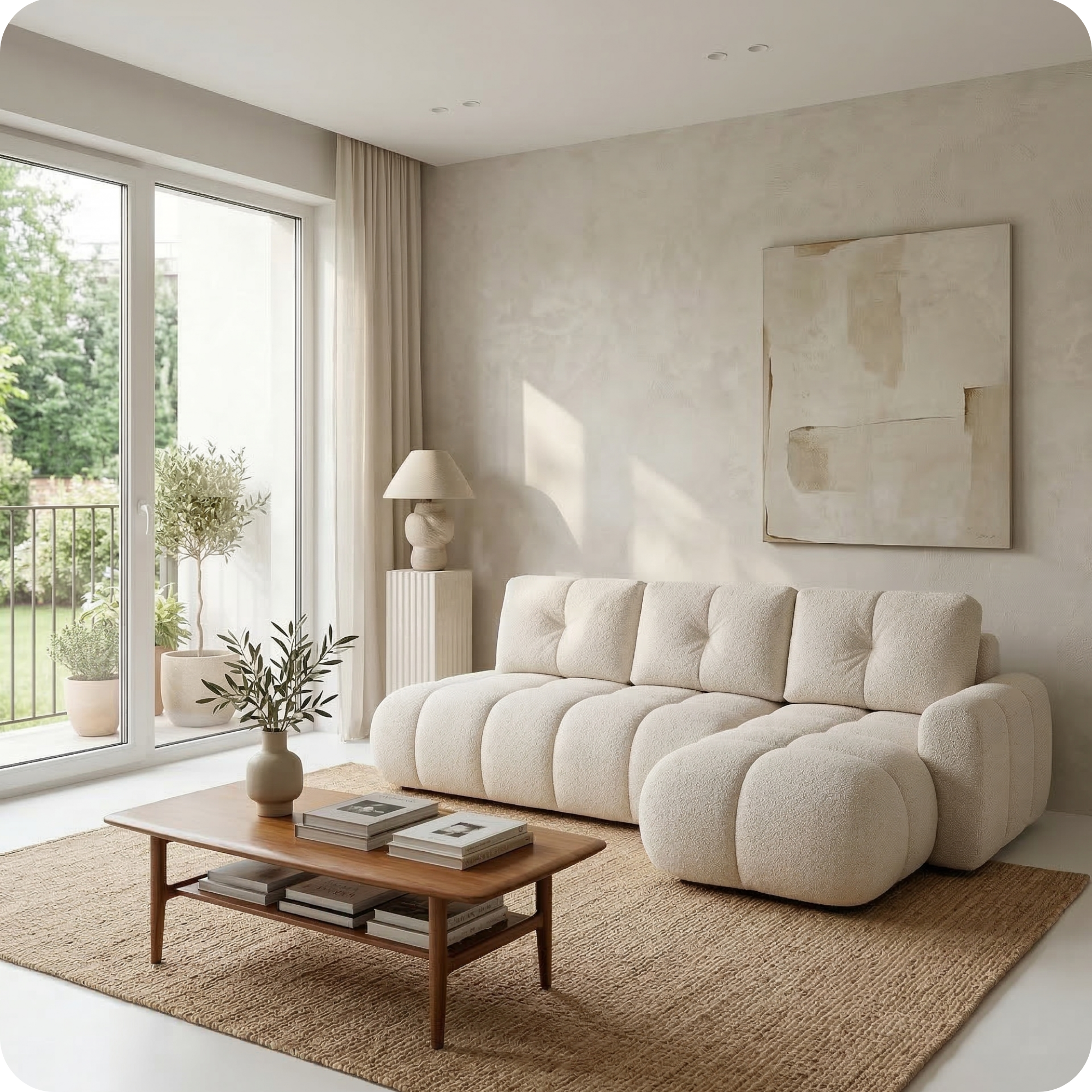
Mid-century modern design is recognisable through several consistent characteristics. The furniture sits low to the ground with tapered or splayed legs that give pieces a floating, lightweight quality — in deliberate contrast to the heavy, floor-hugging furniture that preceded it. Forms are clean and geometric but with occasional organic curves (particularly in chairs and occasional tables). Wood — typically walnut, teak, or light oak — is the dominant material for case goods and furniture legs. Fabrics tend to be solid colours or geometric patterns in a palette of warm neutrals, olive, mustard, rust, and warm orange. Walls are typically white or light neutral, serving as a clean backdrop for the furniture forms.

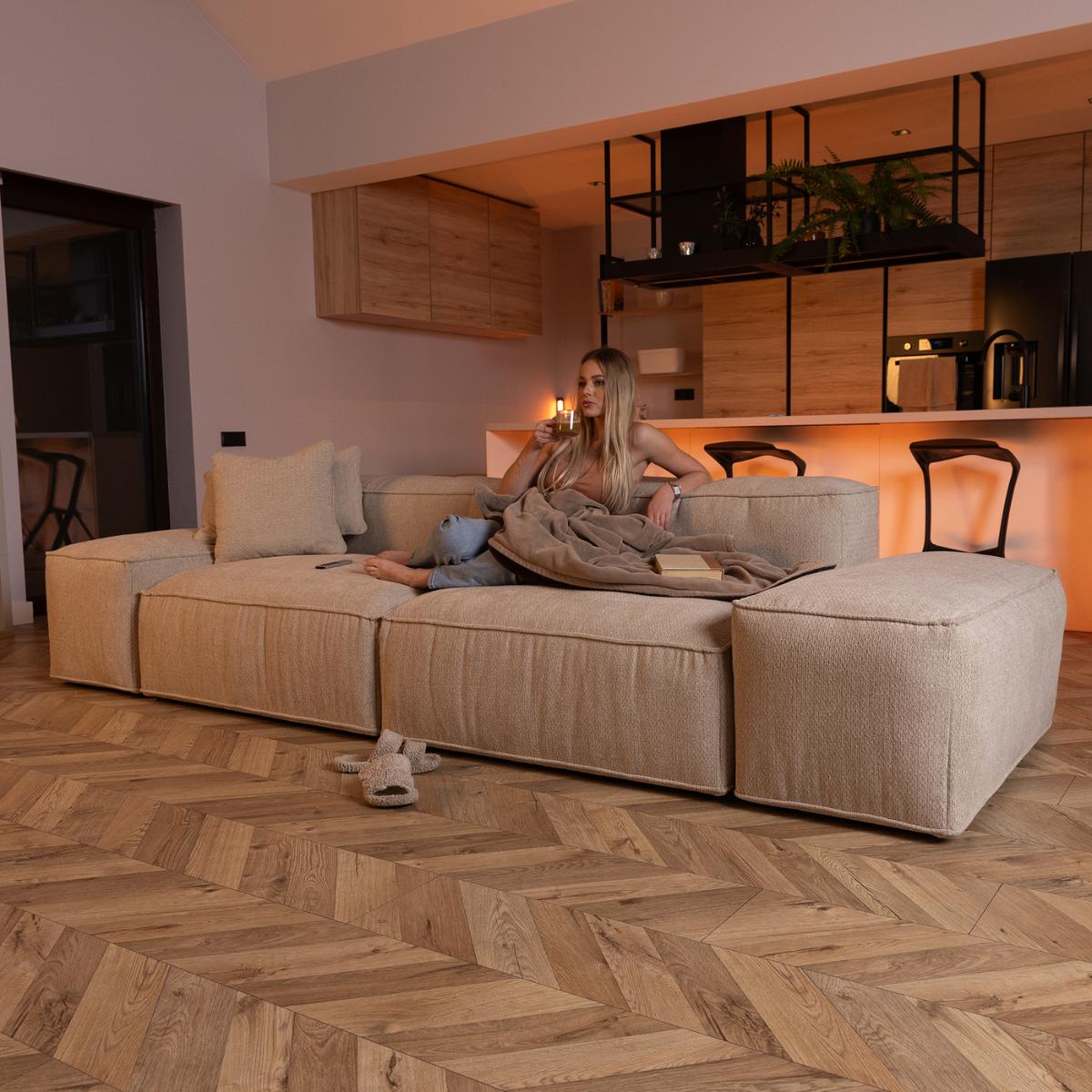
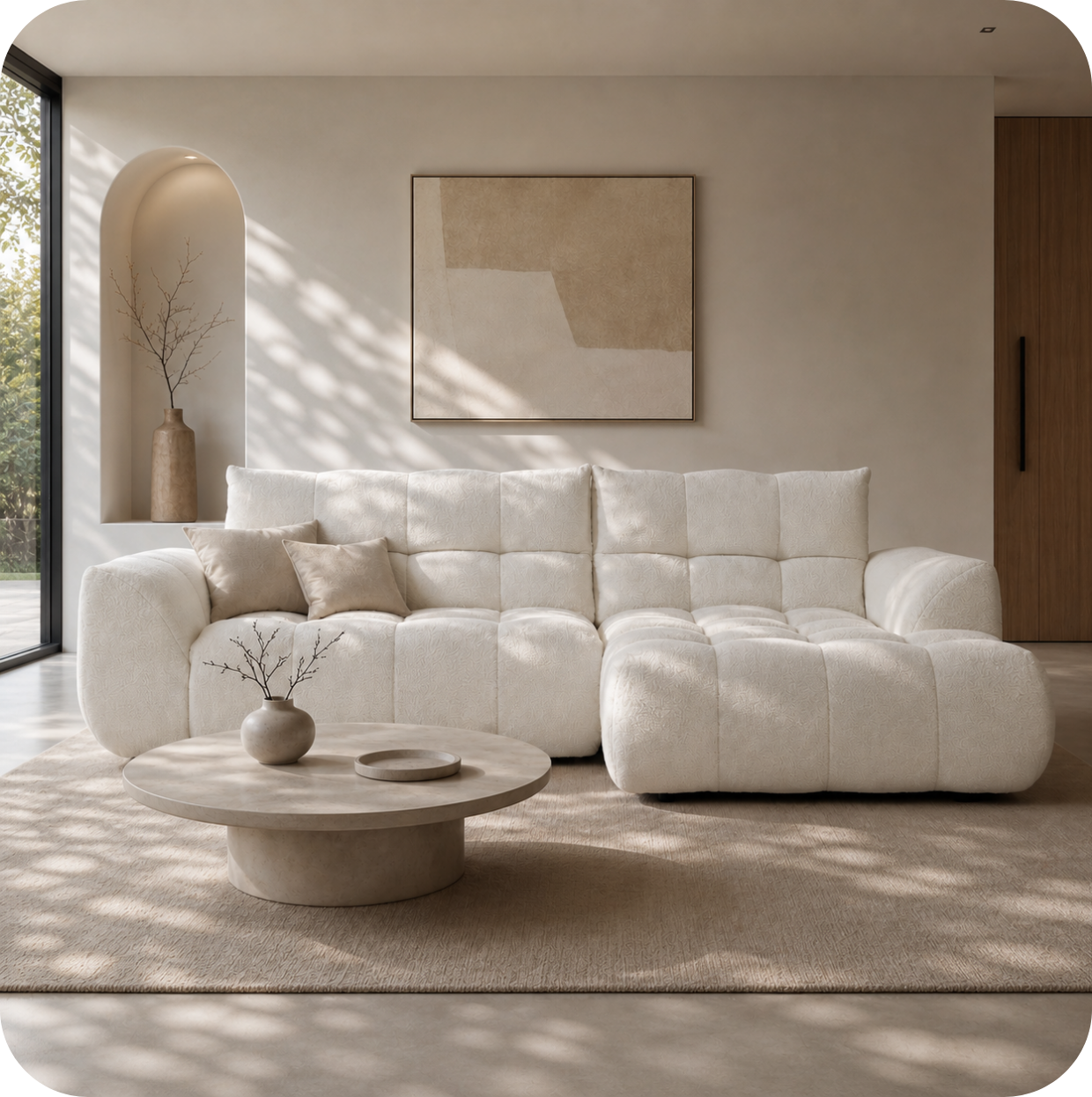
Lugano Sofa in Sand — from EUR 1.290
The Lugano's low-profile, clean-lined design is well-suited to a mid-century modern living room. Its sand colourway references the warm, tonal neutrals of classic MCM interiors, while its contemporary proportions bring the aesthetic into 2026. Pair with a walnut coffee table with splayed legs, a geometric area rug in warm ochre and cream, and a mid-century statement floor lamp (Arco-style or tripod) for an immediately convincing MCM-adjacent room.

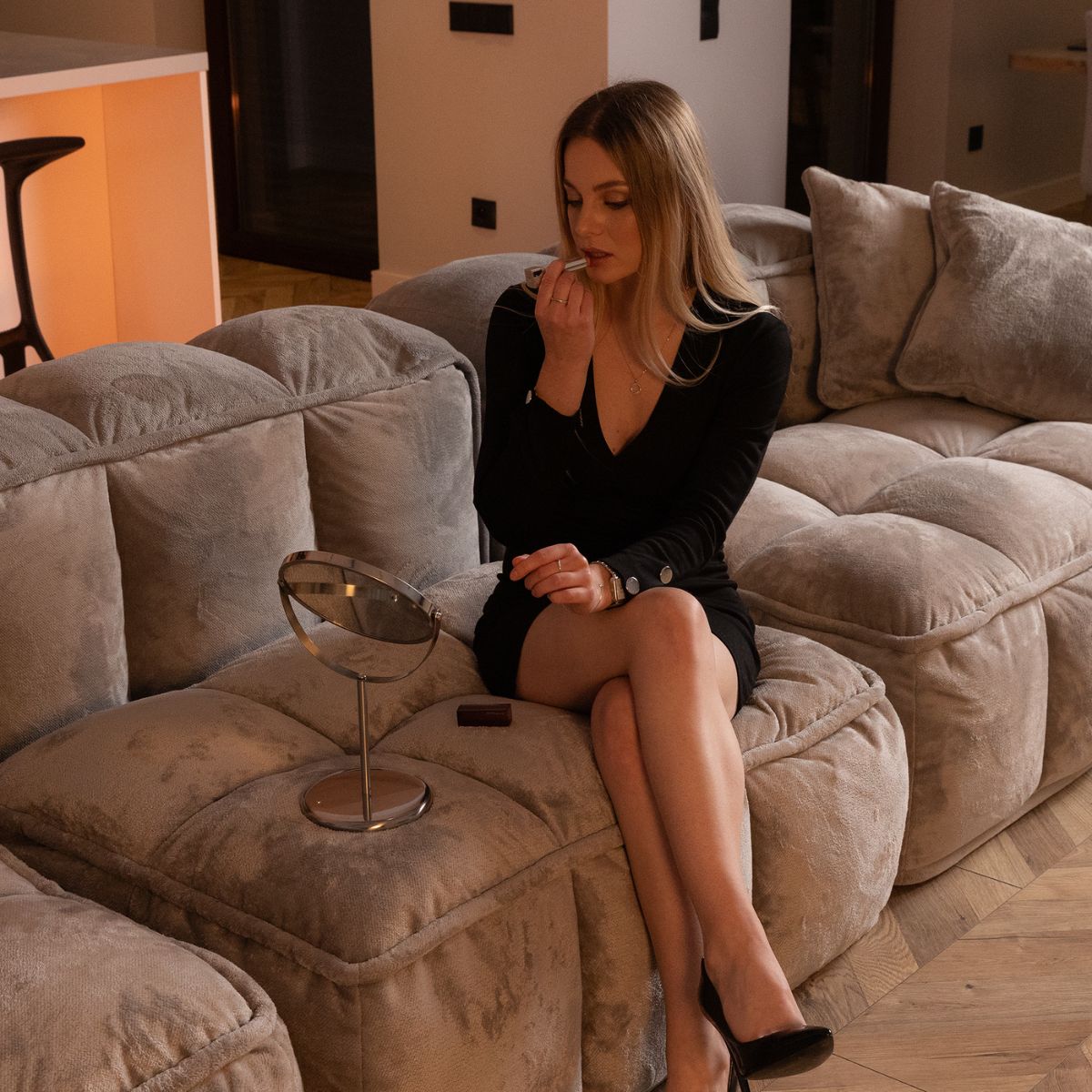
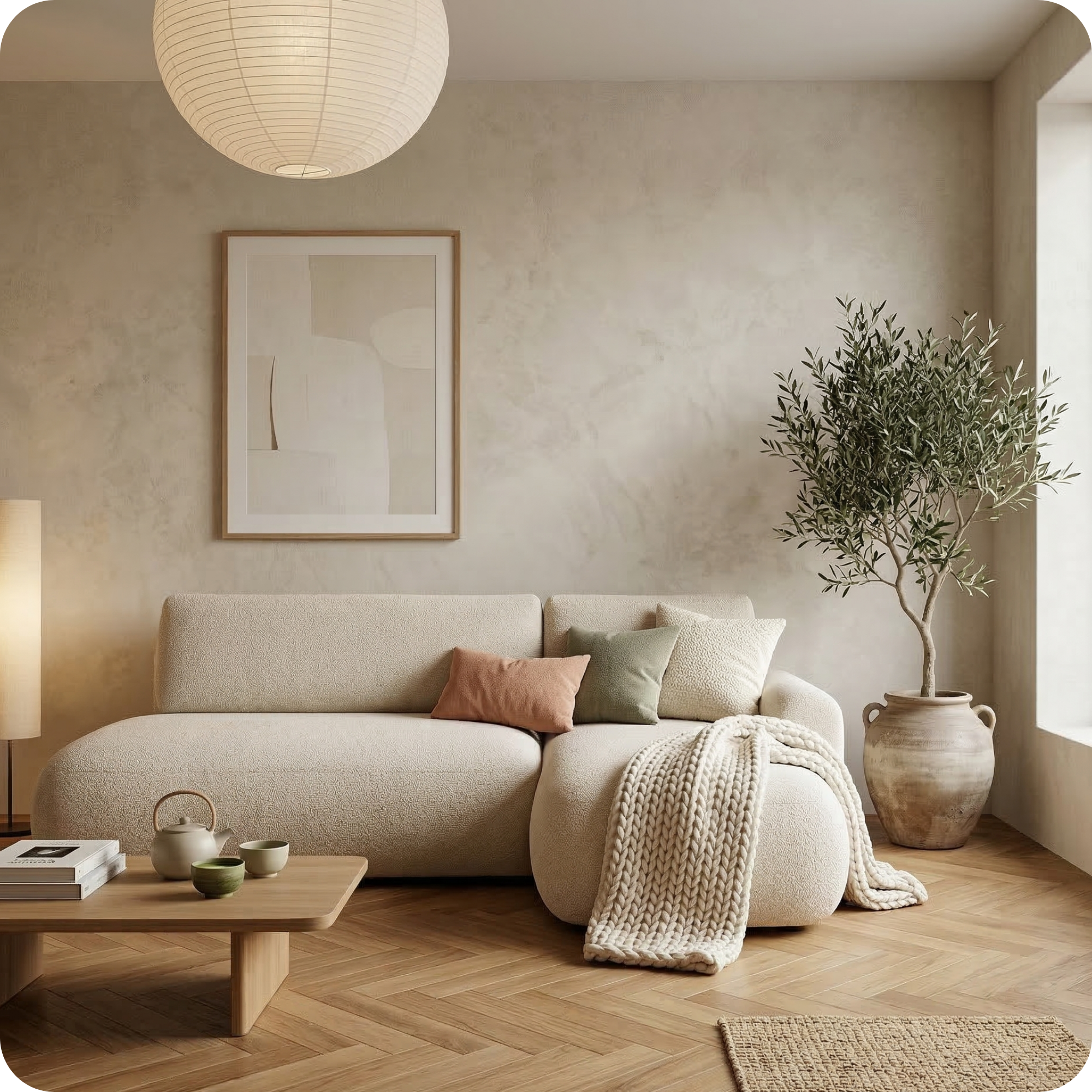
Lugano Sofa in Khaki — from EUR 1.290
Khaki — with its earthy, olive-adjacent green-grey — is one of the most authentically mid-century colours available. In the right setting (walnut furniture, geometric rug, clean white walls), the Lugano in khaki creates a room that feels genuinely rooted in the MCM tradition. Khaki is particularly effective in a living room with warm wood floors and a carefully curated selection of period-appropriate pottery, plants, and graphic wall art.
The MCM Colour Palette
The mid-century modern colour palette has two registers. The first is the neutral base: warm white, cream, oatmeal, and the warm beige of Danish-style interiors. The second is the accent palette: mustard yellow, olive green, rust orange, burnt terracotta, warm teal, and the rich chocolate brown of walnut wood. These are the colours of the 1950s and 1960s — saturated but earthy, warm without being bright, and in a conversation with natural materials. Avoid cool, blue-leaning neutrals (they feel too contemporary-minimalist) and avoid neon or electric versions of these accent colours (they feel like costume rather than design).
Key MCM Furniture Elements
Several furniture types are particularly associated with the MCM aesthetic. The low-slung sofa with clean lines and tapered or visible legs is the central piece. A walnut or teak coffee table — with a simple, geometric form and tapered legs — is the natural companion. A credenza or sideboard in warm wood with sliding doors and tapered legs is one of the most recognisable MCM pieces and provides both storage and a surface for display. Occasional chairs with organic shells or bucket seats on splayed legs add sculptural quality and a secondary seating option. A statement floor lamp with a simple metal stem and a shaped shade completes the lighting layer.
Plants and Accessories in MCM Interiors
Plants are essential in mid-century modern interiors — particularly large-leaf tropical plants (monstera, fiddle-leaf fig, rubber plant) that bring organic form and life into the geometric, design-forward room. Ceramics in earthy tones — warm glazed pottery, textured stoneware bowls — are the most appropriate decorative objects. Framed graphic prints and illustrations in the style of 1950s poster art (clean typography, bold flat-colour graphics) are authentically MCM. Avoid clutter and accumulation — MCM interiors are considered and edited, with each object earning its place.

Laisser un commentaire
Ce site est protégé par hCaptcha, et la Politique de confidentialité et les Conditions de service de hCaptcha s’appliquent.