


Sustainable Living Room Design: How to Create an Eco-Friendly Interior
Sustainable interior design has moved from a niche concern to a mainstream aspiration. More and more people are choosing to furnish their homes with their environmental impact in mind. Creating a sustainable living room doesn't mean choosing between aesthetics and ethics — in fact, the principles of sustainable design and good design overlap considerably: quality over quantity, durability over disposability.
Buy Less, Buy Better and Choose Natural Materials
The most sustainable approach to furnishing a living room is to buy fewer, better things. A higher-quality sofa, made with better materials and construction, can last 10-15 years or more, offering both better value and a far smaller environmental footprint. When choosing furniture and textiles, prioritise natural, renewable or recycled materials: FSC-certified wood, and natural fibres for textiles such as linen, cotton, wool and jute.

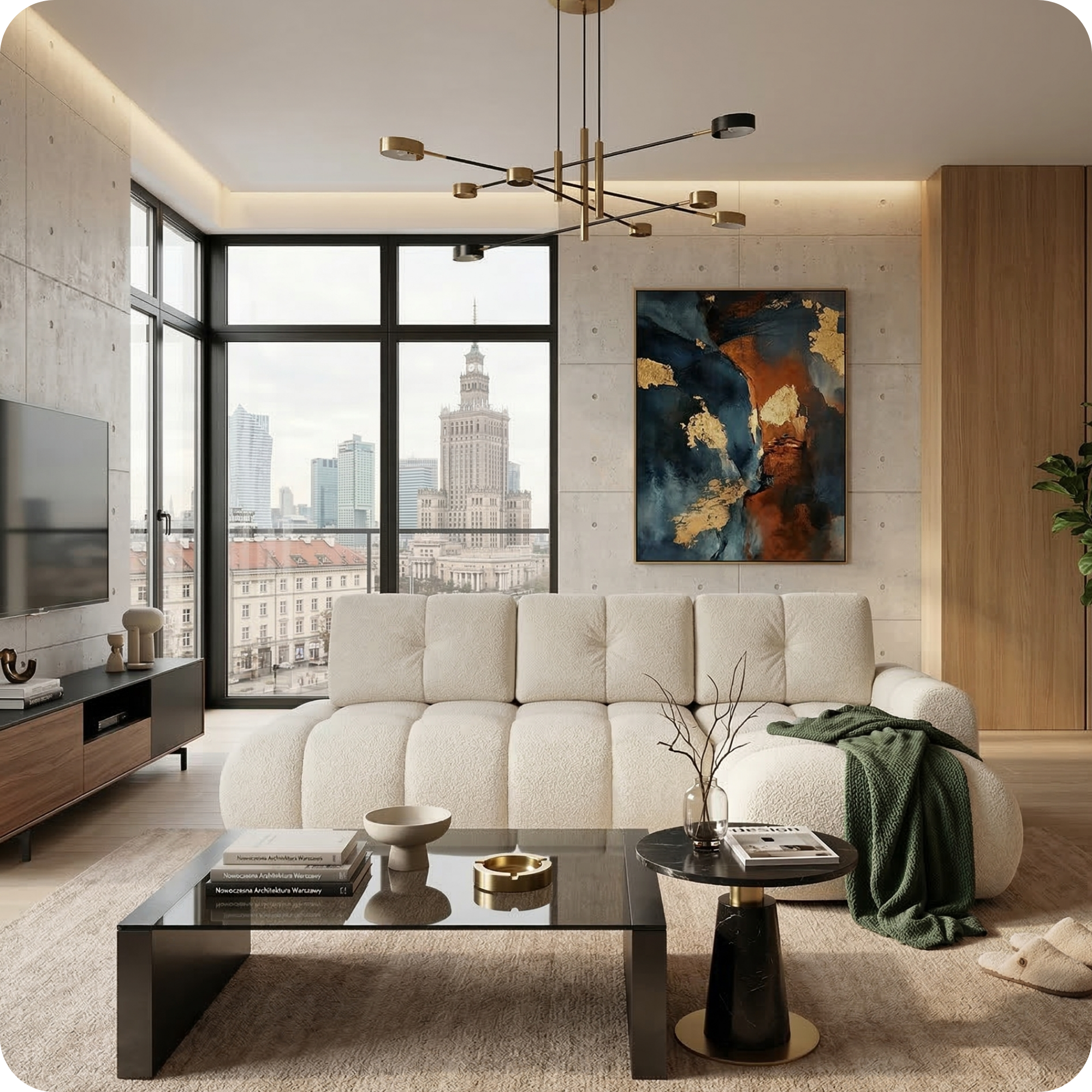
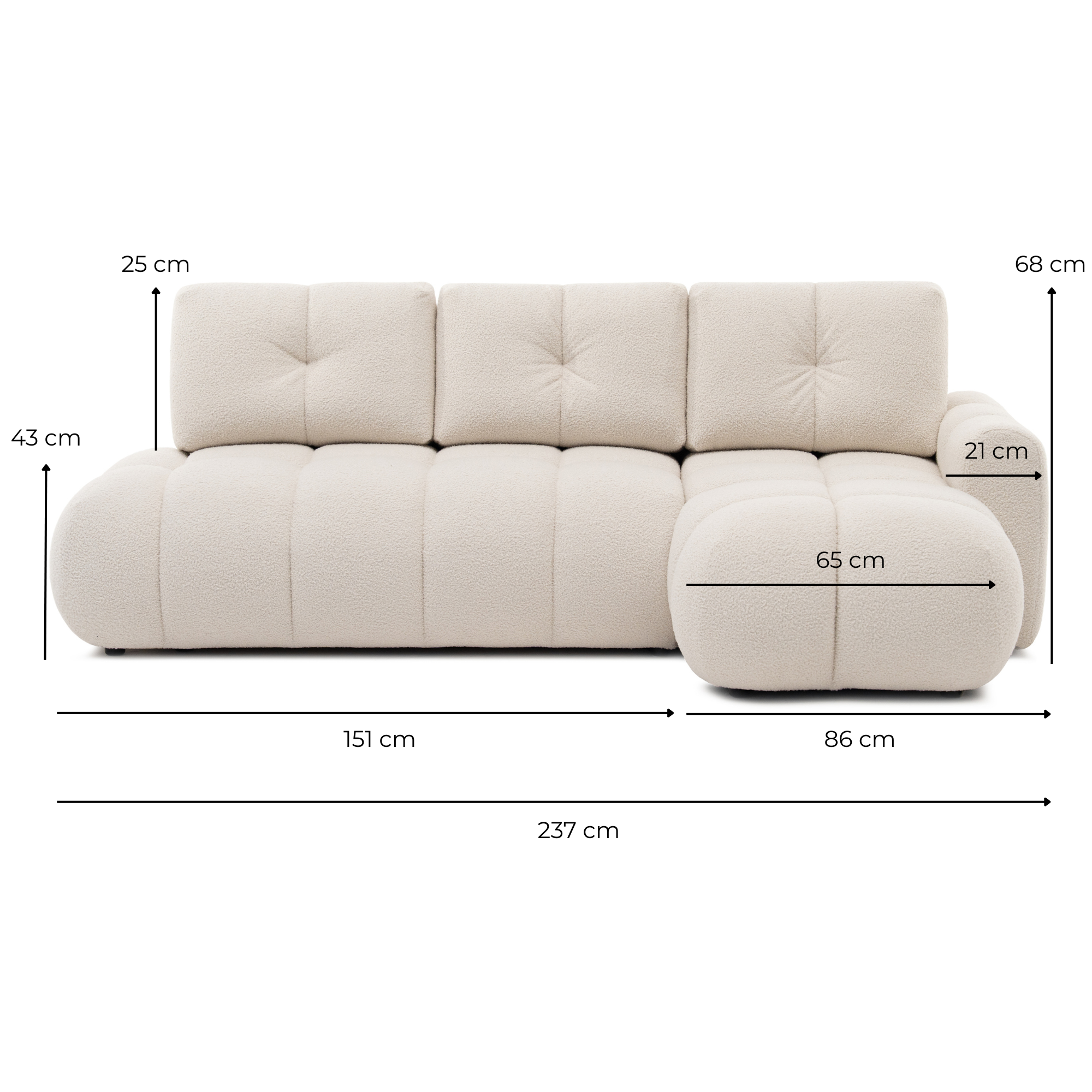
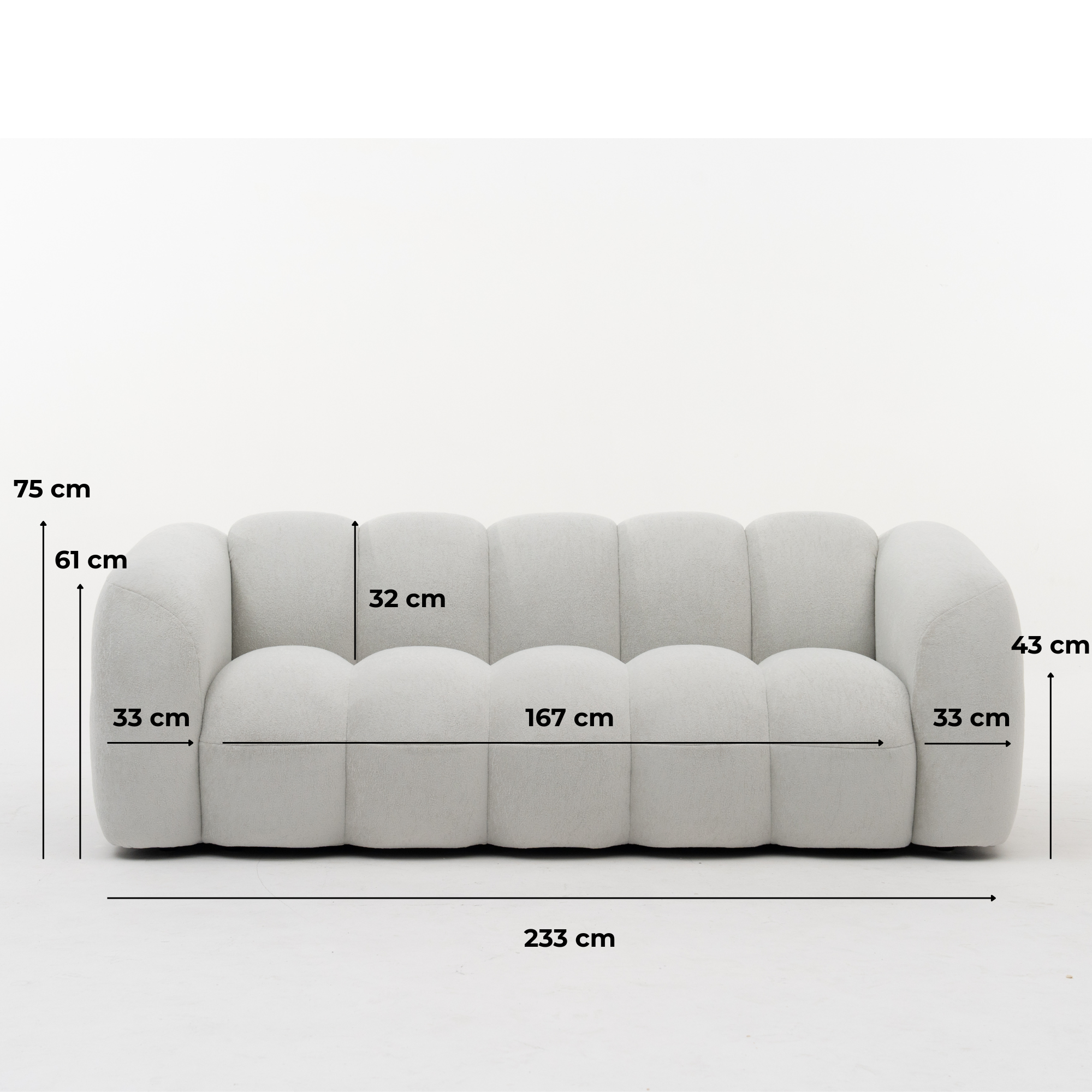
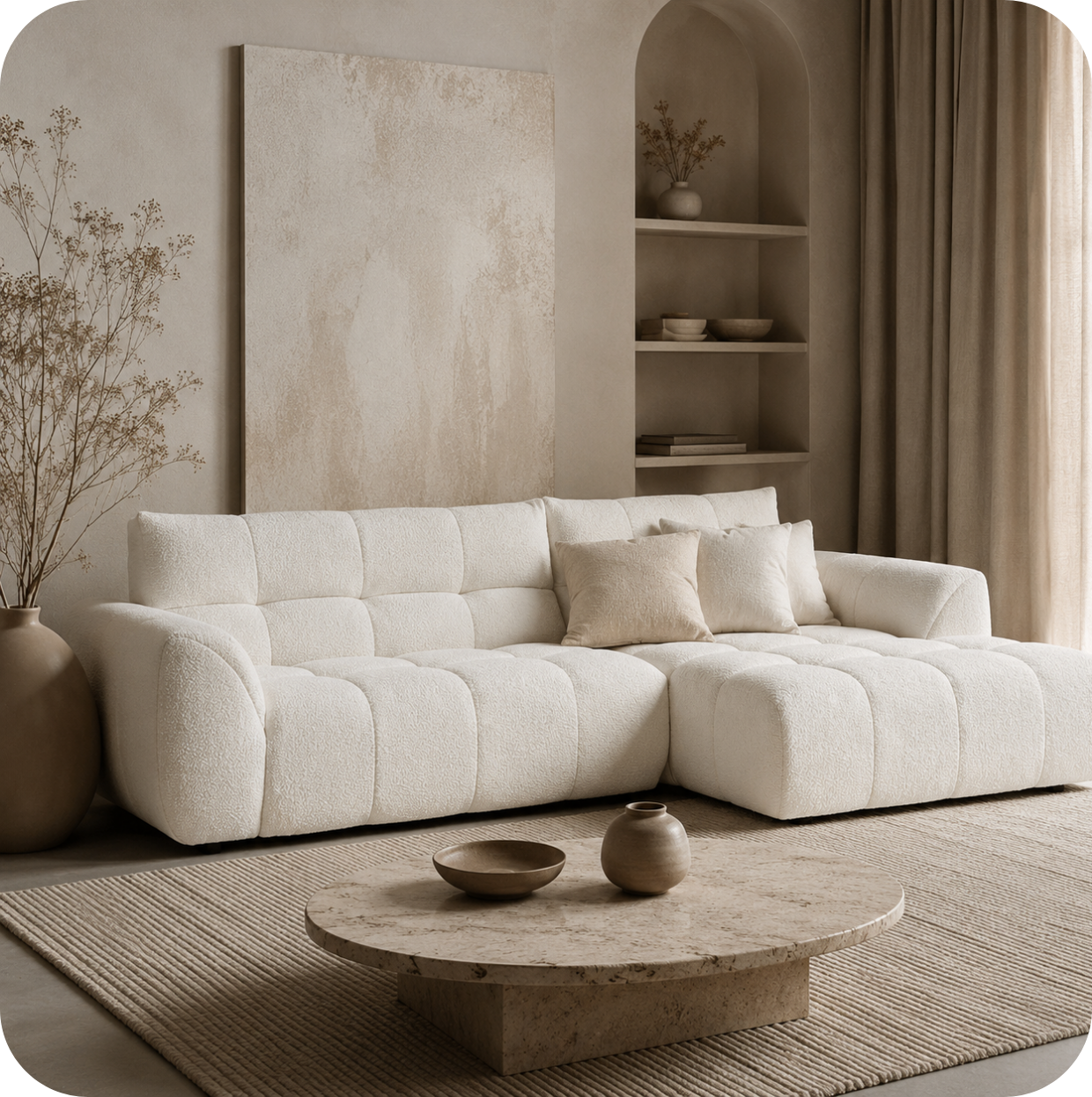
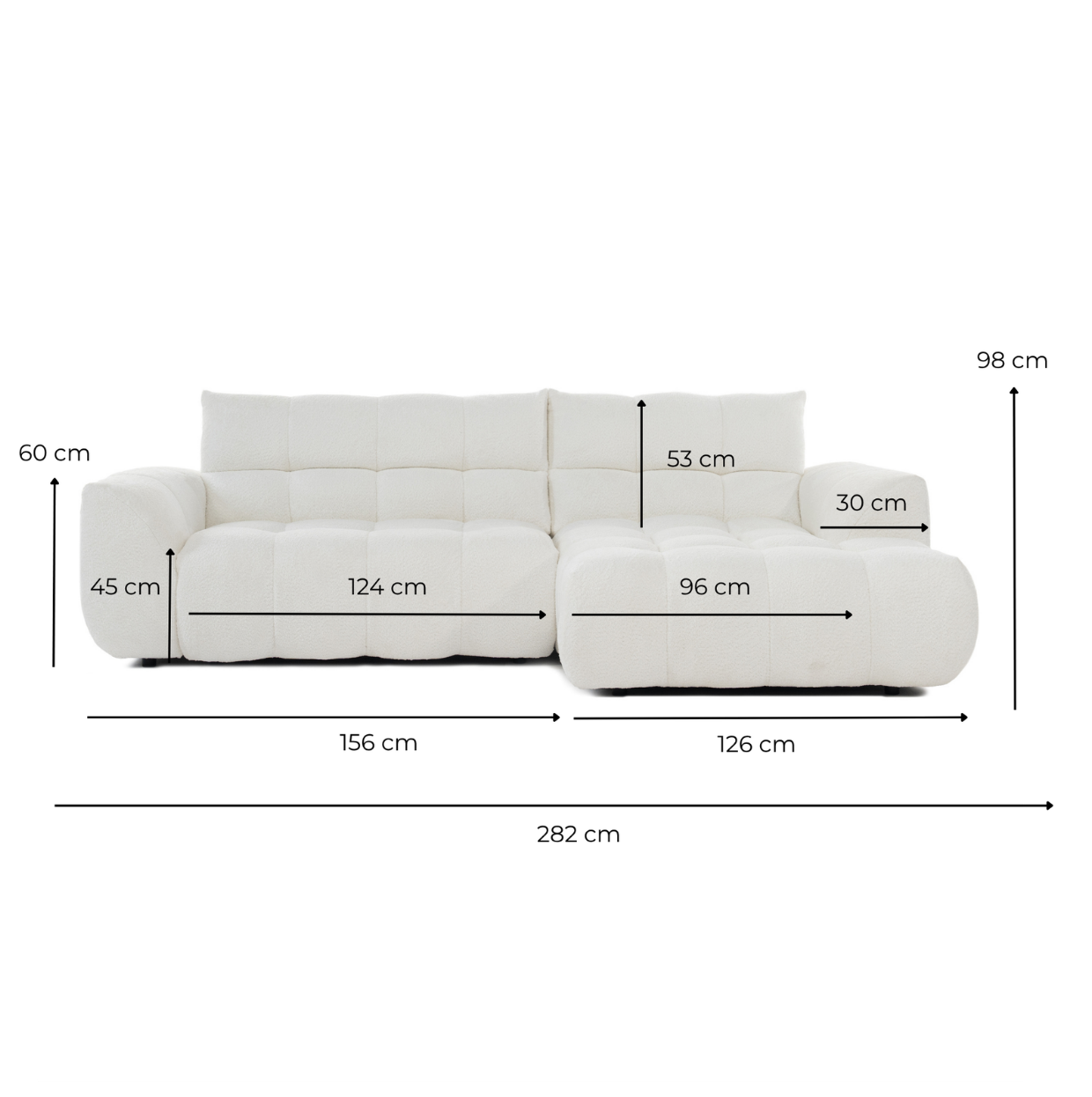
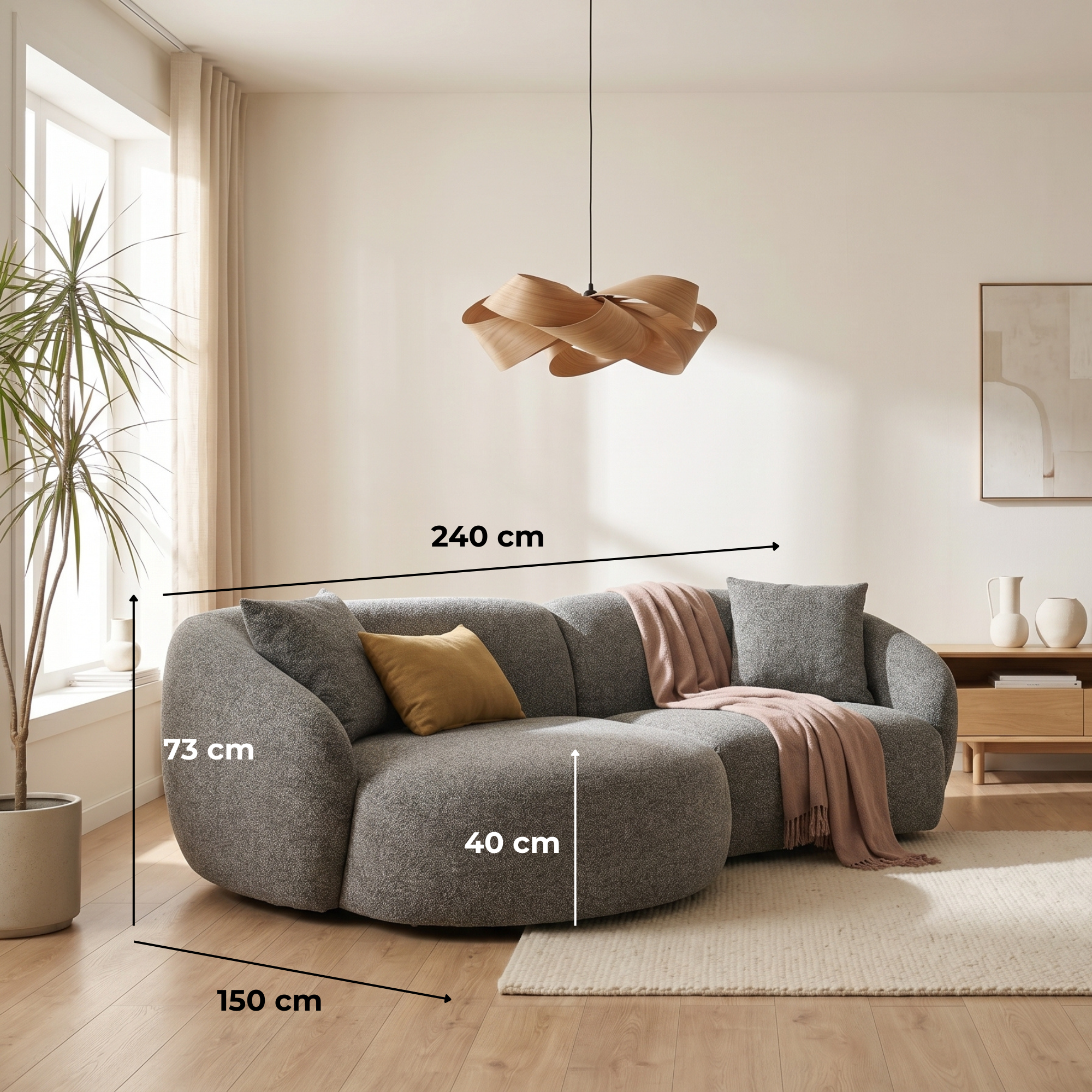
Lugano Sofa in Sand — from €1,299
The Lugano collection is built to last — its quality construction and durable upholstery are designed for a decade or more of everyday use, embodying the sustainable design principle of buying less but better.

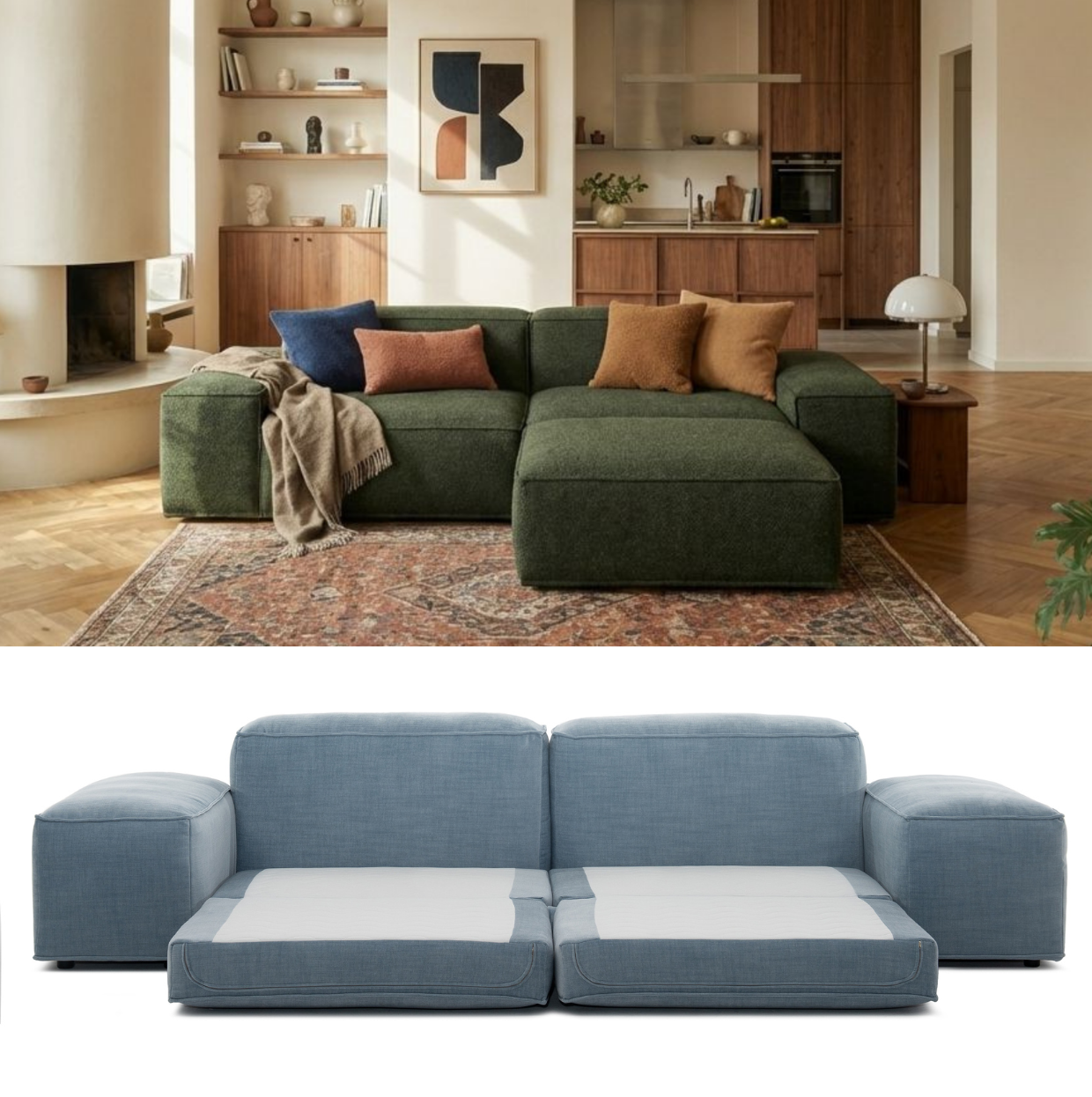
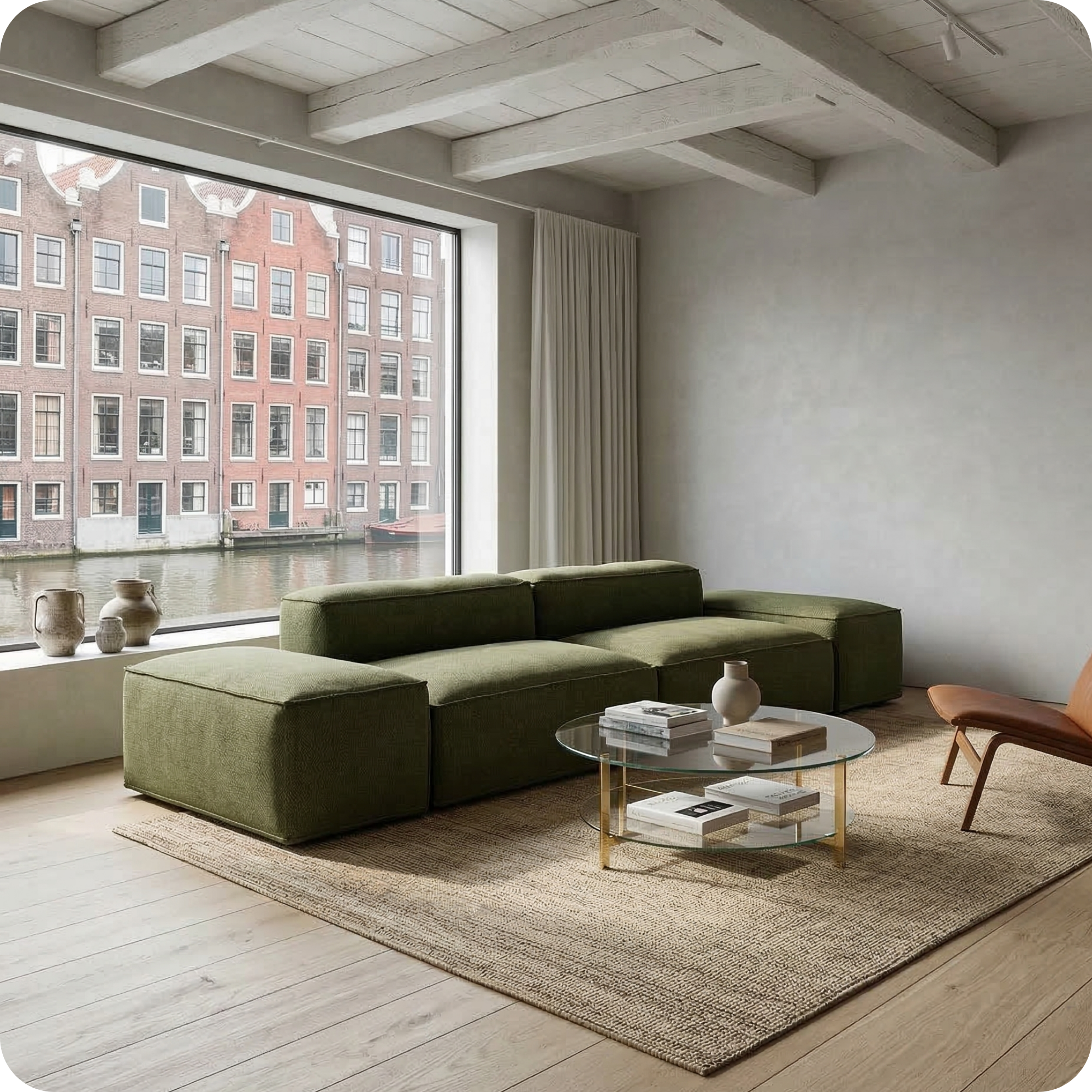
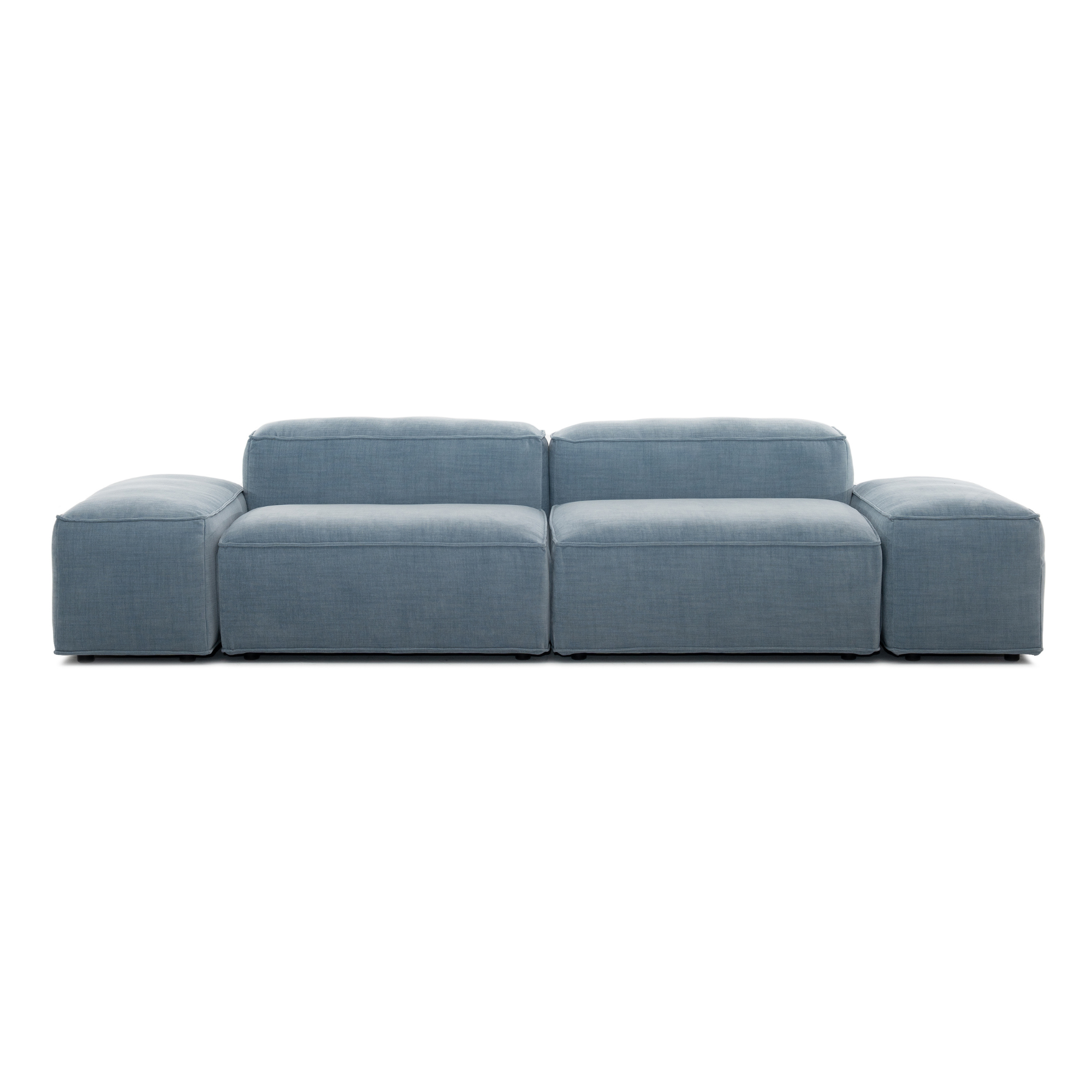
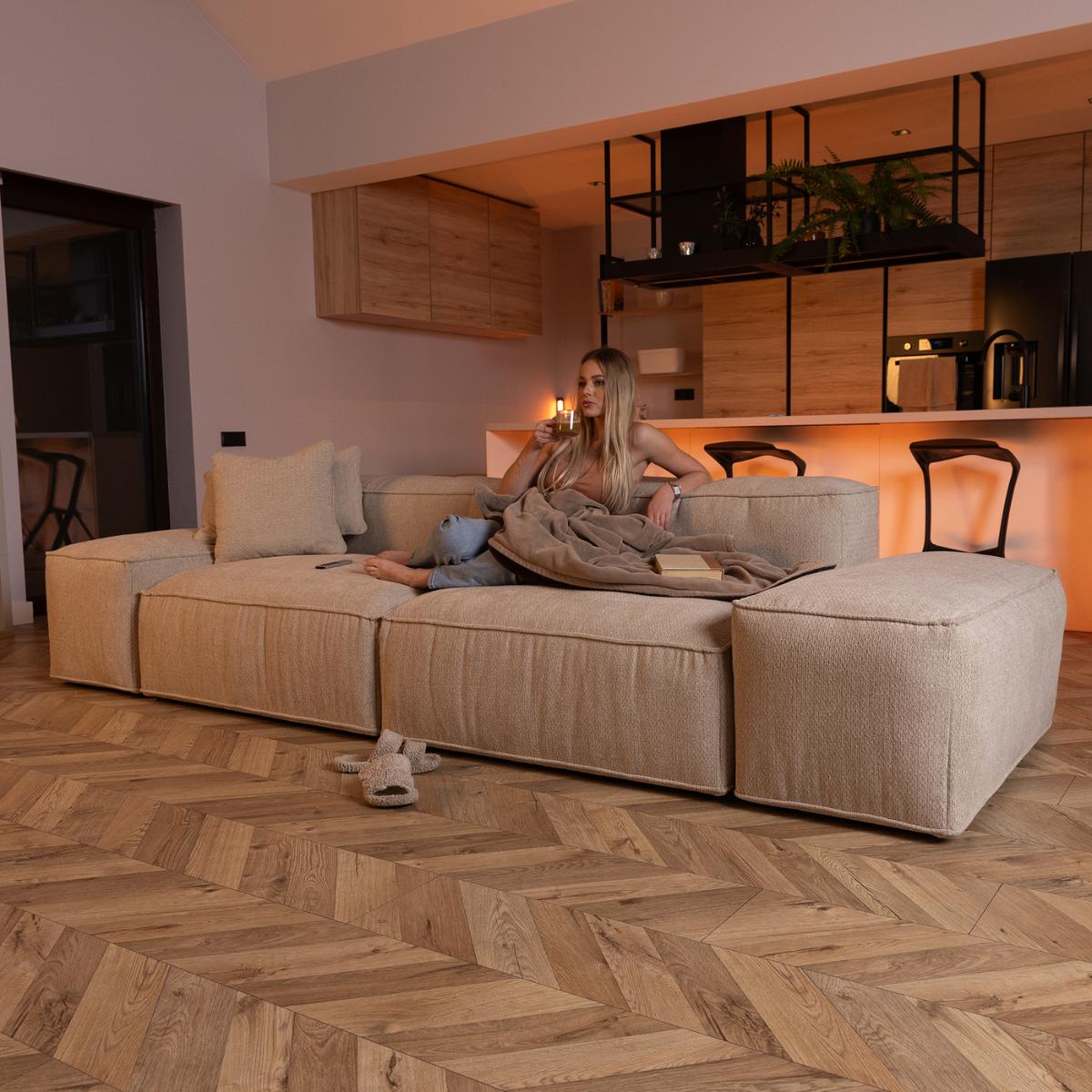
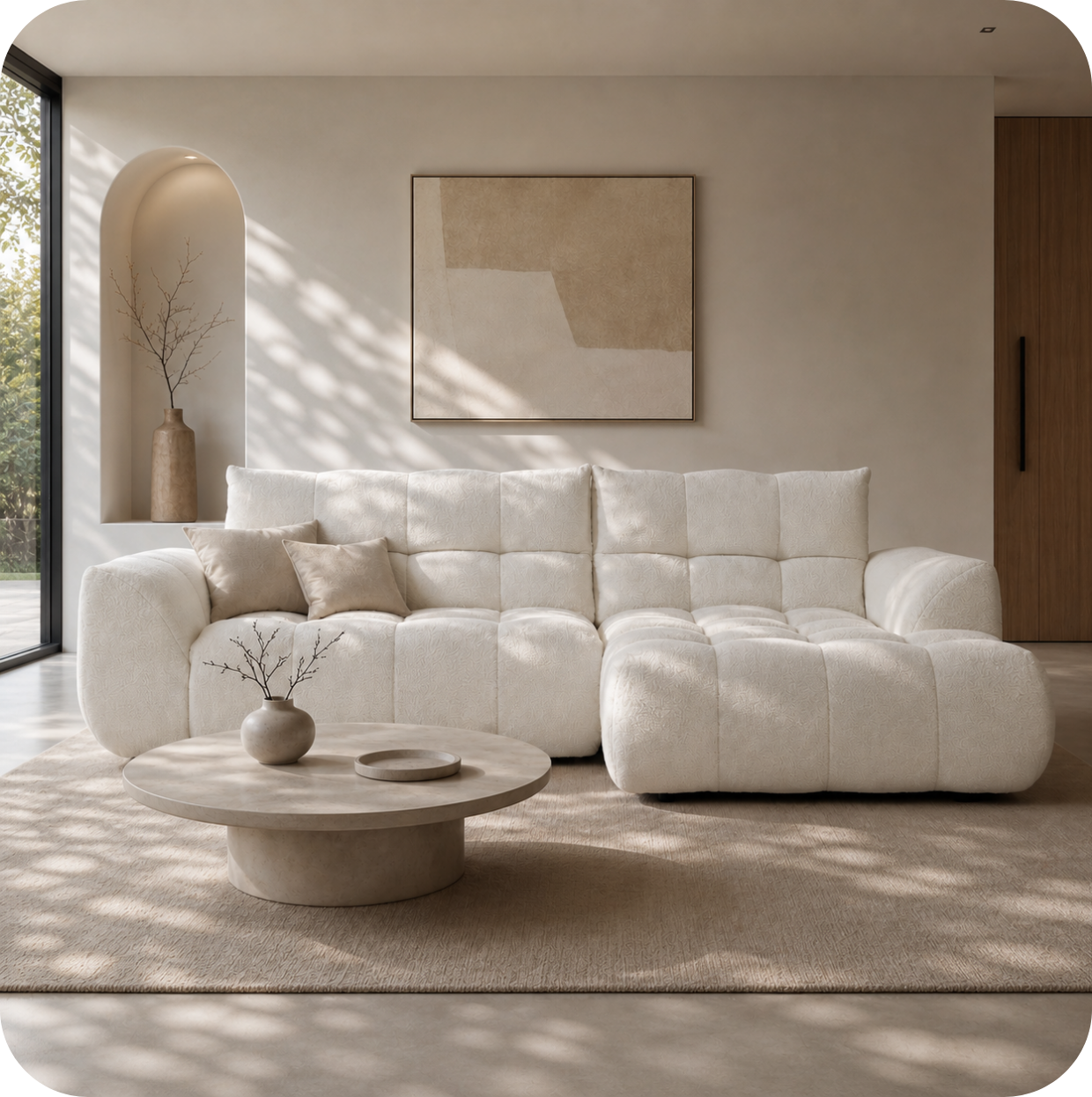
Malbec Modular Sofa — from €2,375
The Malbec's modular construction is inherently sustainable — individual modules can be replaced or reconfigured instead of replacing the whole sofa, extending its useful life.
Second-Hand Furniture and Sustainable Textiles
Second-hand and vintage furniture is the most sustainable option of all. A vintage solid wood sideboard, a pre-loved Chesterfield sofa reupholstered in a beautiful new fabric, or dining chairs from an estate sale — these pieces have a history and character that newly made equivalents simply can't match. Textiles are one of the most environmentally damaging categories in interiors — look for organic cotton, recycled fibre content or natural materials such as linen, wool and jute.