

Sofas for Cat Owners: Scratch-Resistant Fabrics and Practical Tips
If you share your home with cats, choosing a sofa is one of the most important decisions you will make for your living room. Cats scratch, knead the armrests, sleep on the cushions and, sooner or later, leave their mark. The wrong upholstery can mean replacing your sofa after two or three years. The right fabric, on the other hand, will last a decade or more with minimal visible wear. Here is what you need to know.
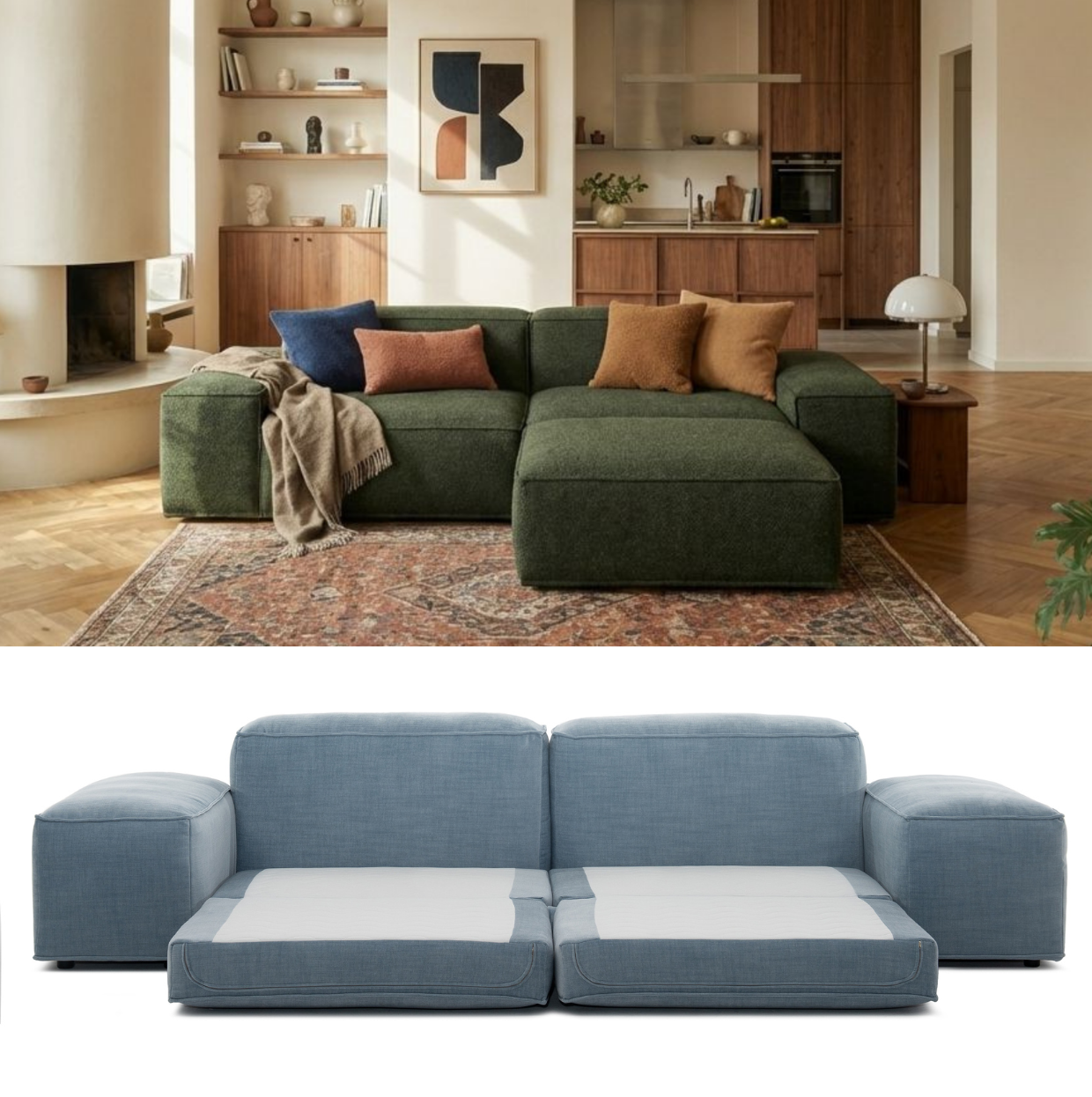
Shop the look: browse our pet-friendly sofas — made in Poland, free delivery to the EU & UK.
Three Key Criteria for Cat-Friendly Sofa Fabrics
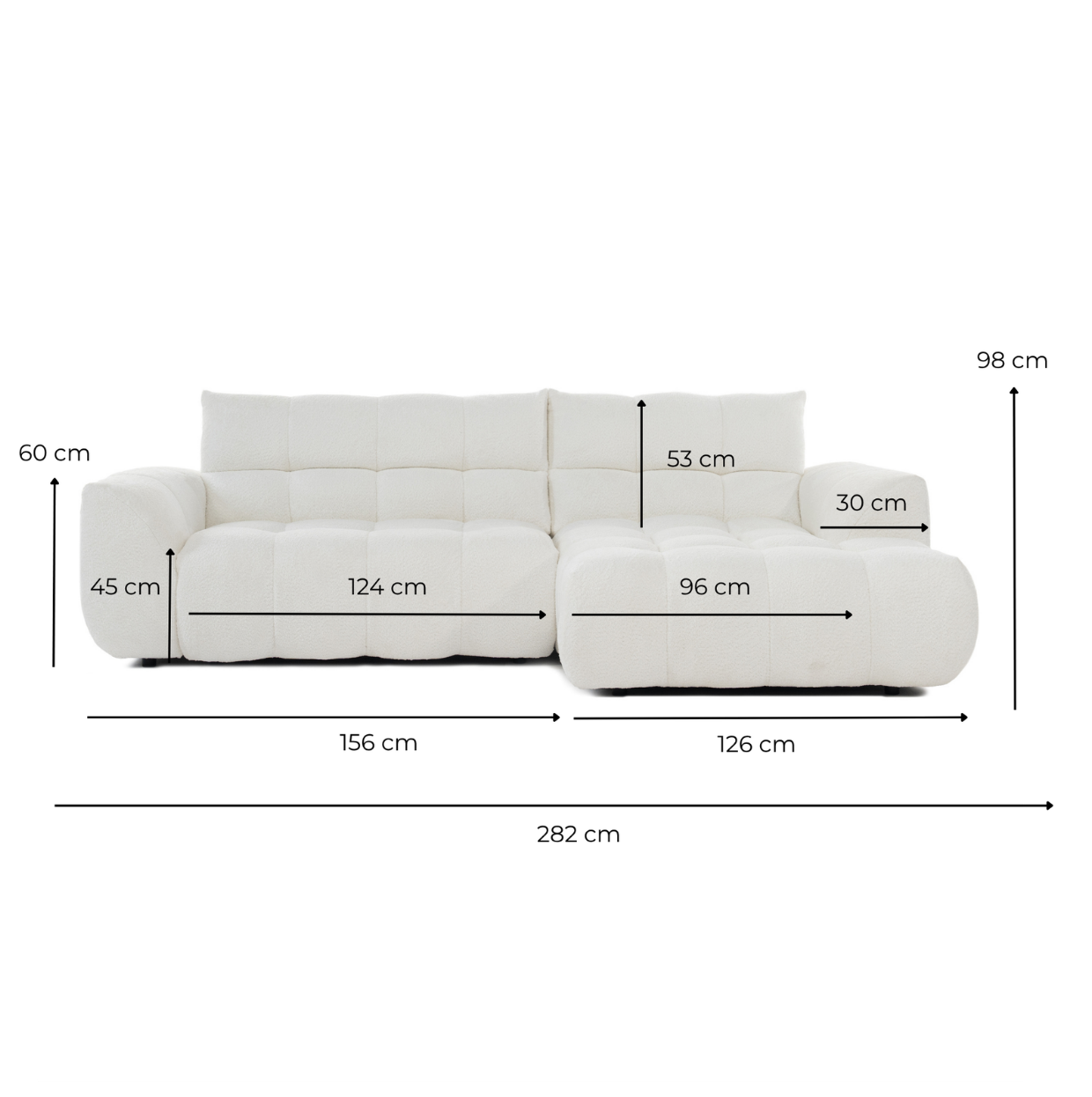
A tight weave: Fabrics with a dense, smooth weave give claws very little to grip. Loose, looped textures such as bouclé or chenille are real scratching magnets and often show damage within just a few weeks.
High abrasion resistance: The Martindale rub test tells you how durable a fabric is. Ratings of 30,000 rubs and above are considered suitable for heavy domestic use. The best cat-friendly fabrics reach 40,000 to 100,000 rubs.
Easy cleaning: Cat hair, muddy paws and the occasional hairball are all part of life with cats. Fabrics that don't trap hair and can be easily wiped or blotted clean will save you a great deal of time and frustration every week.
The Best Sofa Fabrics for Cat Owners
Microfibre: The most widely recommended choice for homes with cats. The fibres are woven so densely that claws tend to slide off rather than snag. Cat hair comes off quickly with a lint roller or a rubber glove. The fabric is soft, durable and available in a wide range of colours.
Leather: Genuine full-grain leather is highly scratch-resistant and the most hygienic surface for everyday life with pets, as hair simply doesn't stick to it. The downside: scratches that penetrate the leather remain permanently visible. Good leather develops a patina over time, which can help disguise minor signs of wear.
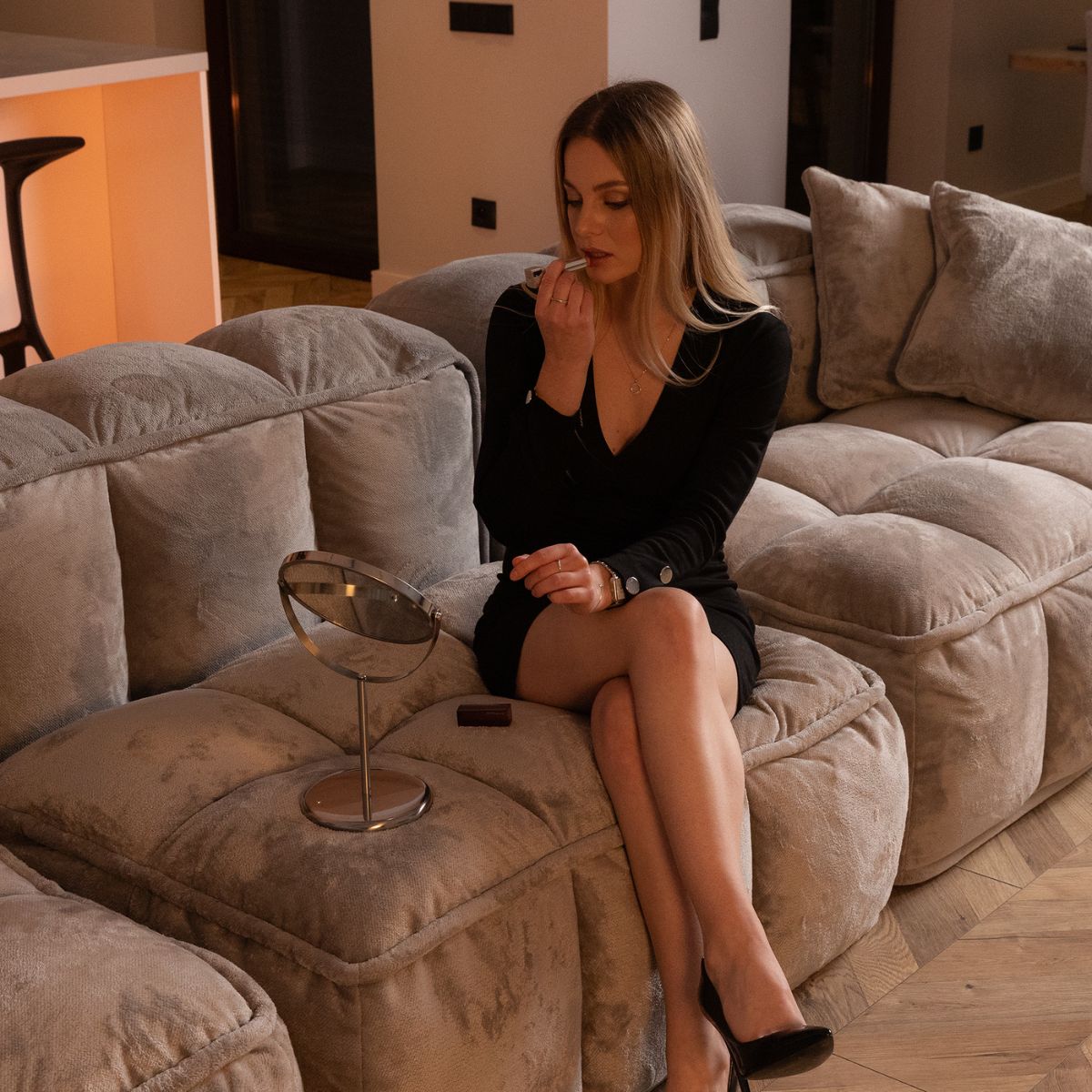
Performance velvet: A modern flat-weave velvet with a stain-resistant finish is surprisingly well suited. Its dense pile offers claws less to grip than ordinary velvet, and loose hair is easily removed with a damp cloth. Classic, untreated velvet, however, is not a good choice.
Performance fabrics (Crypton and similar): Specially engineered, high-performance textiles for heavy-use environments. They are liquid-repellent, tightly woven and easy to clean. Some manufacturers offer them as a premium option, and they are well worth the investment if you have pets.
Fabrics Best Avoided
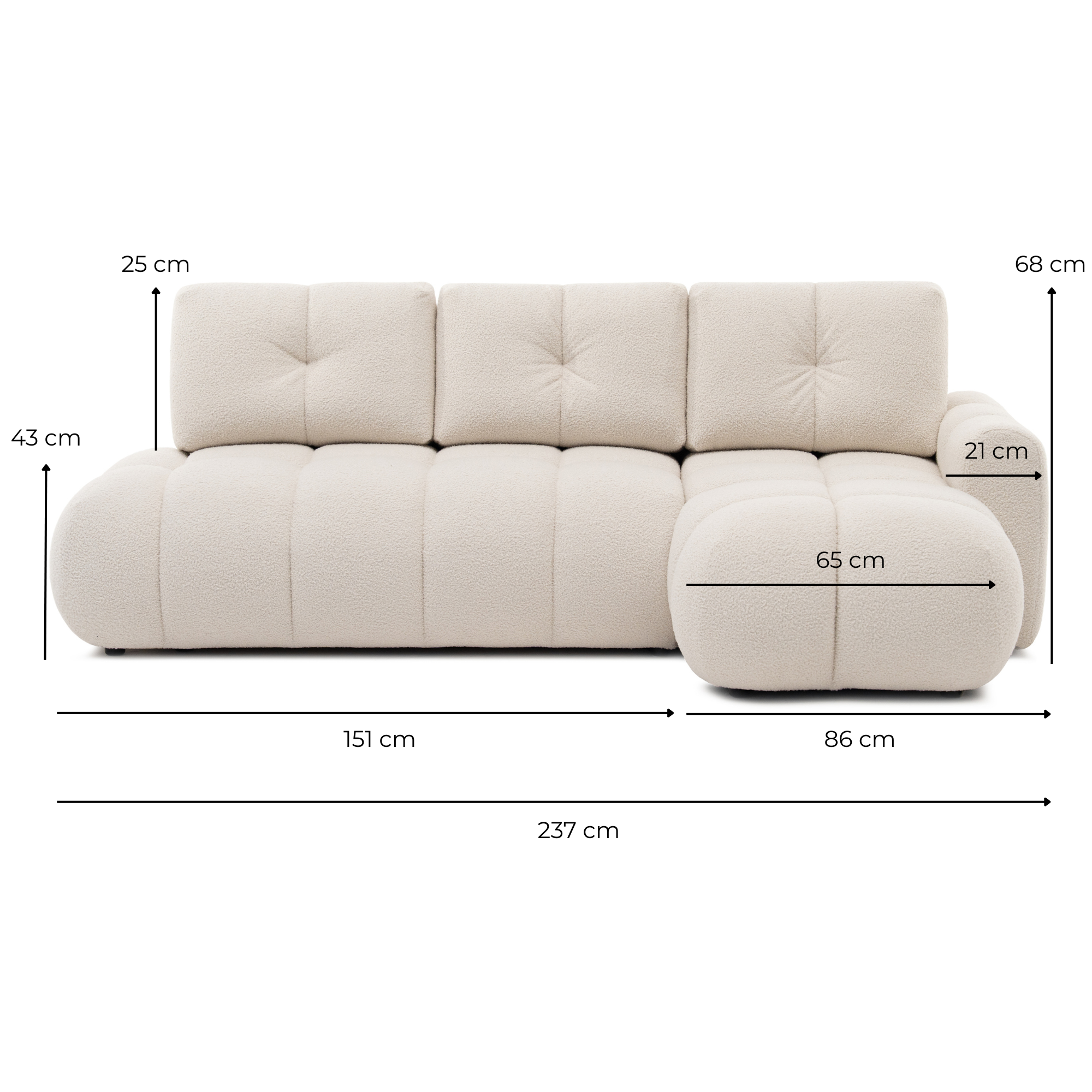
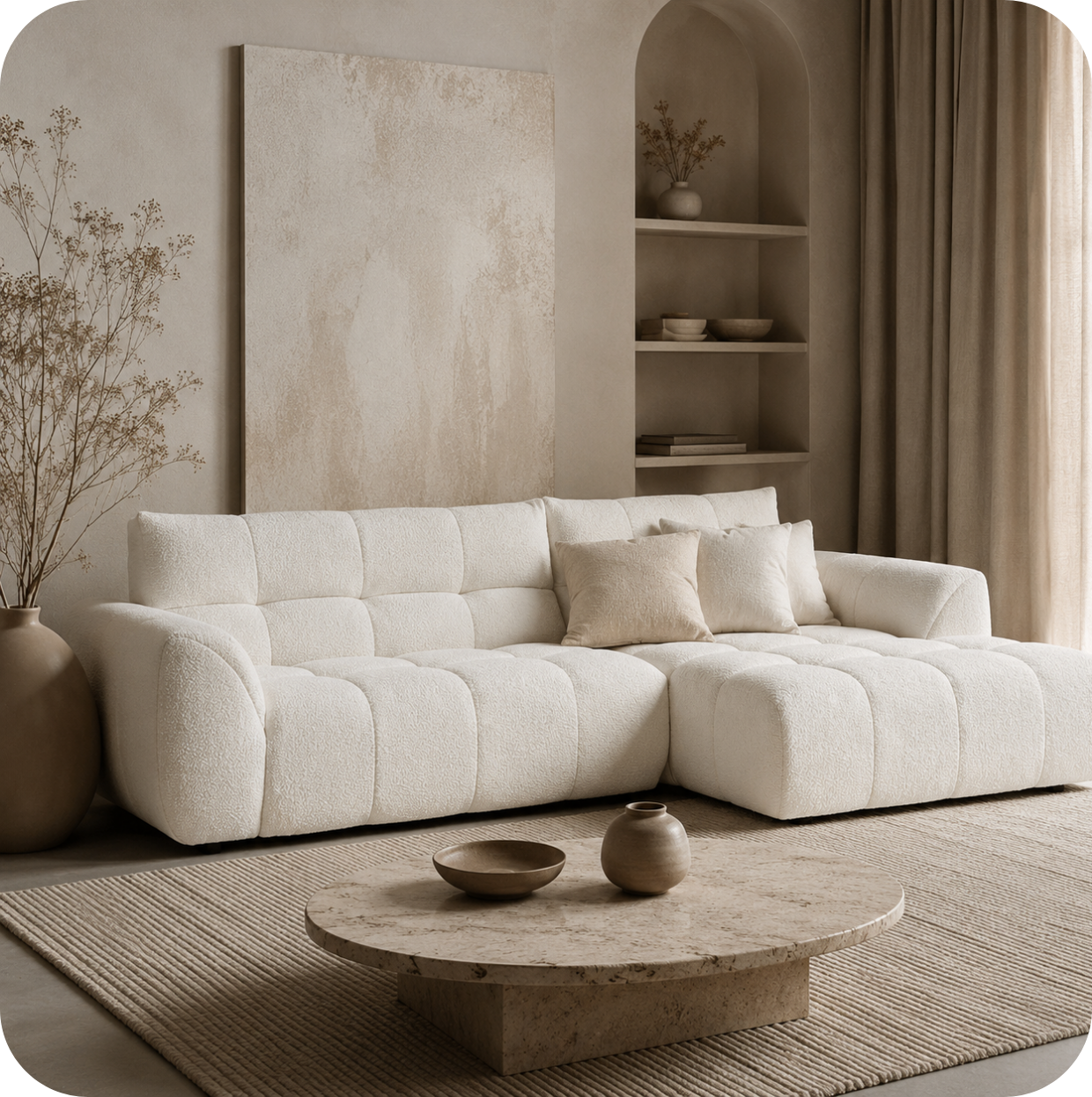
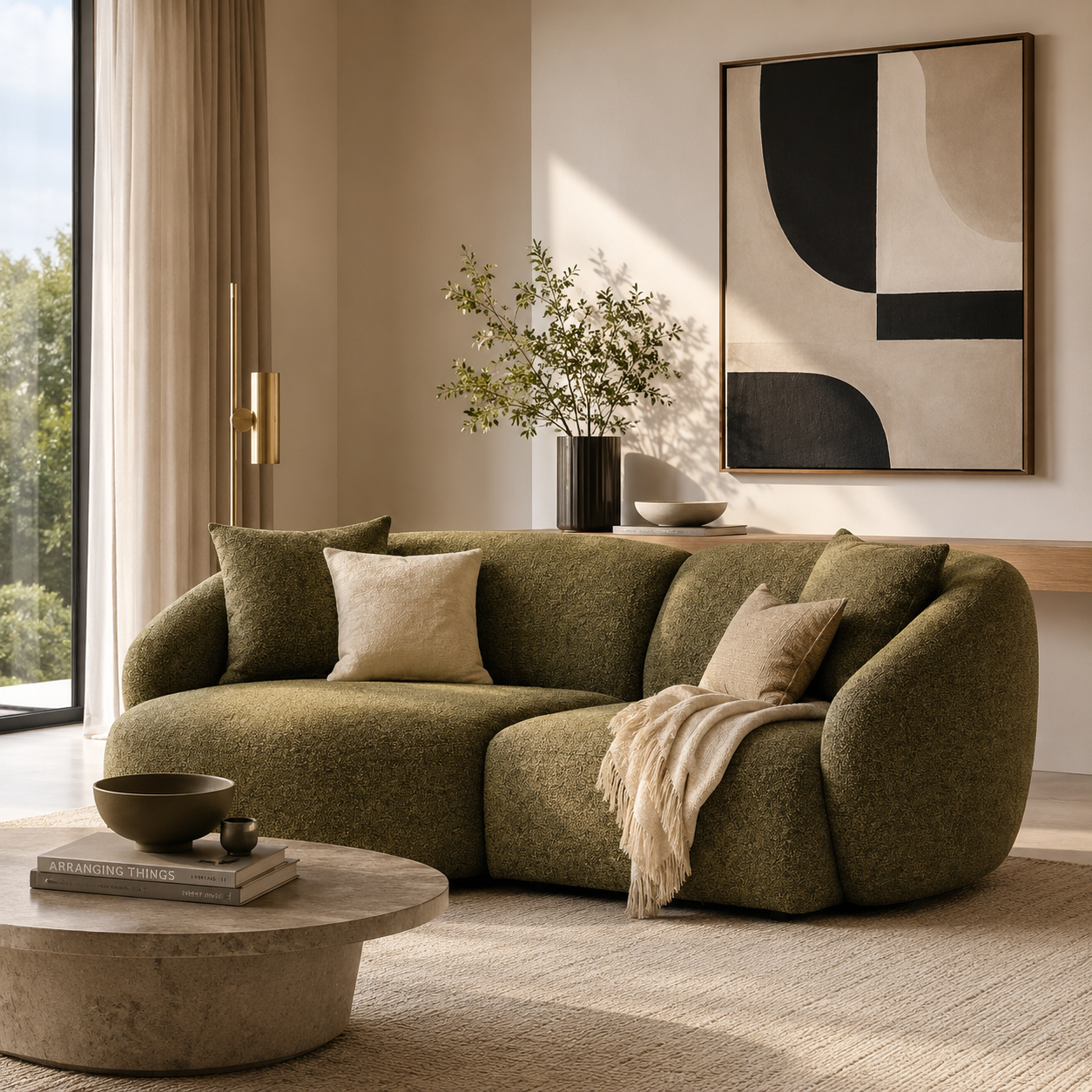
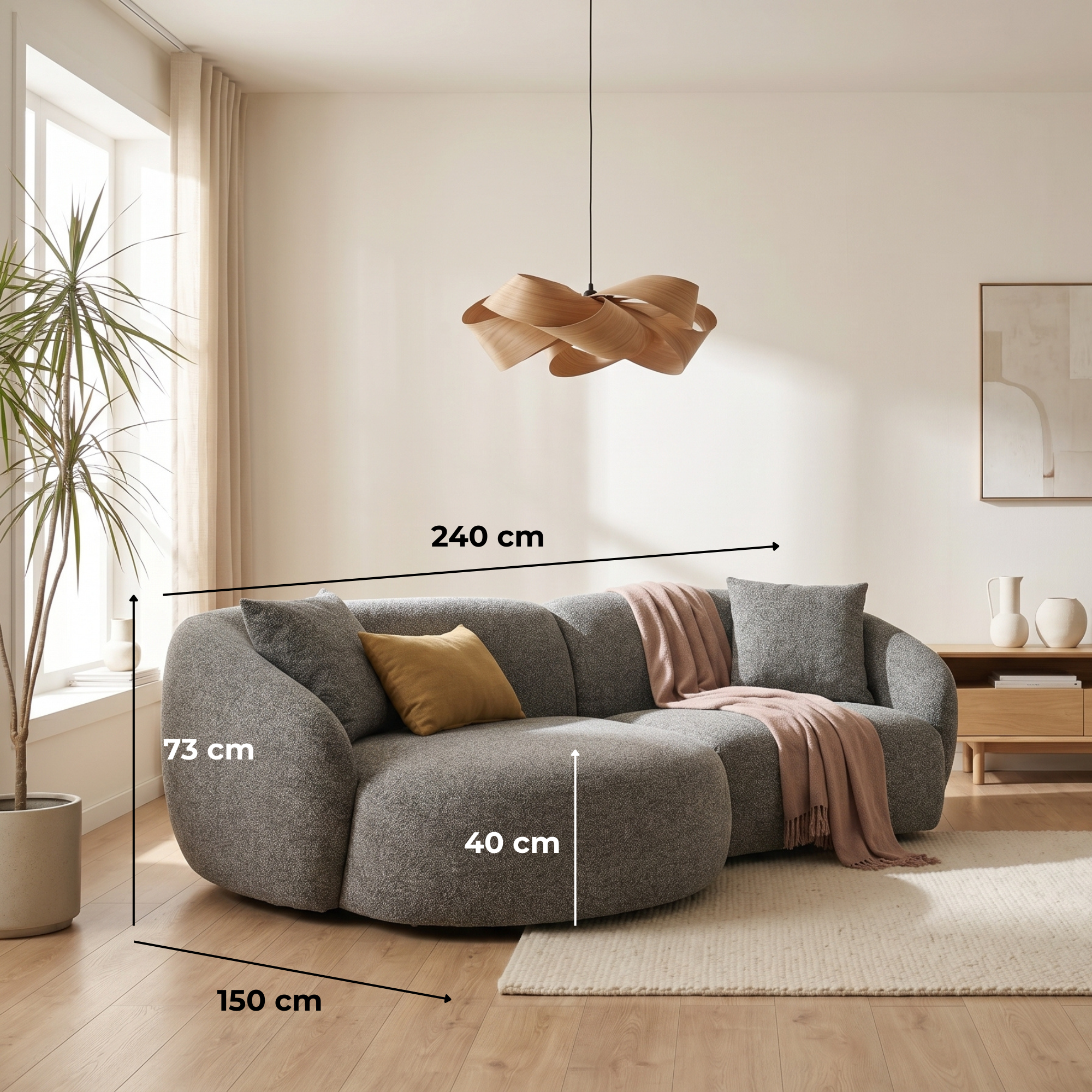
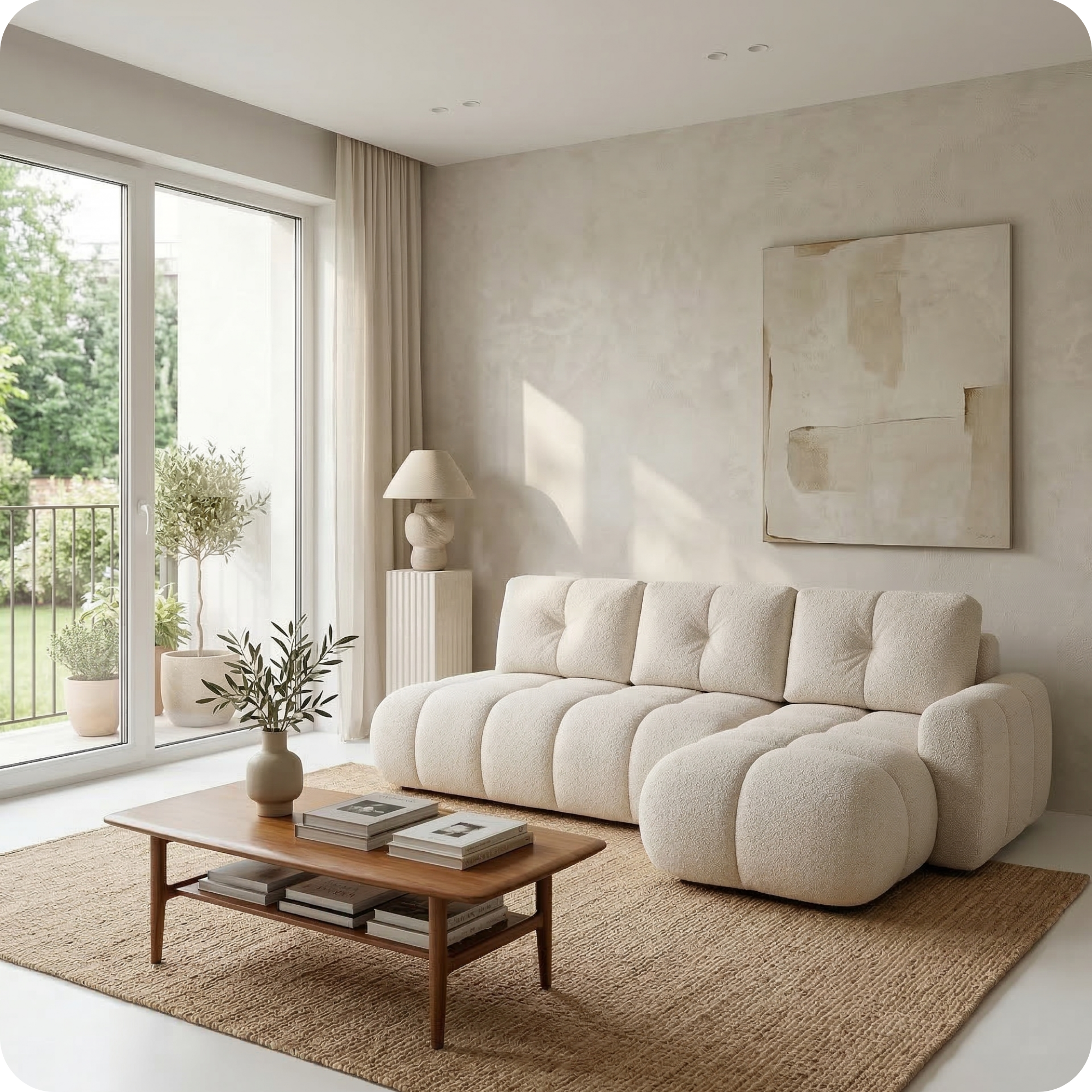
Steer clear of bouclé, chenille and coarsely woven tweeds, as every loop and texture is an open invitation to scratch. Long-pile velvet traps hair deep in its fibres. Linen looks beautiful but is relatively delicate and quickly shows scratches and pulled threads. As a rule, loosely woven or heavily textured fabrics are unsuitable for homes with cats.
Sofa Design Features That Also Help
Sofas with wooden or metal legs have less upholstered surface for cats to scratch than models with a fully upholstered base. Removable, washable covers are a big practical advantage. Armrest protectors, small covers for the most-scratched areas, are an inexpensive addition.
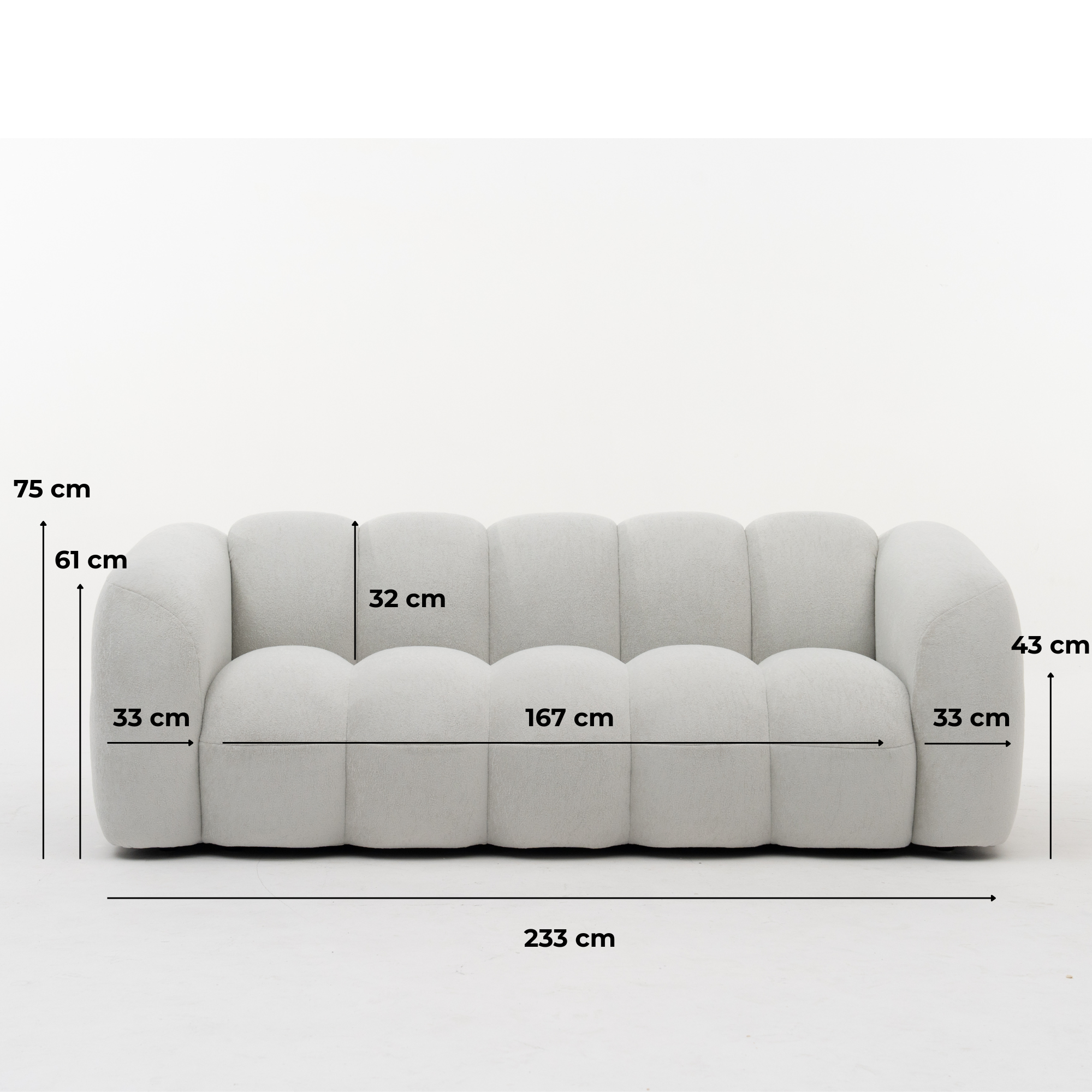
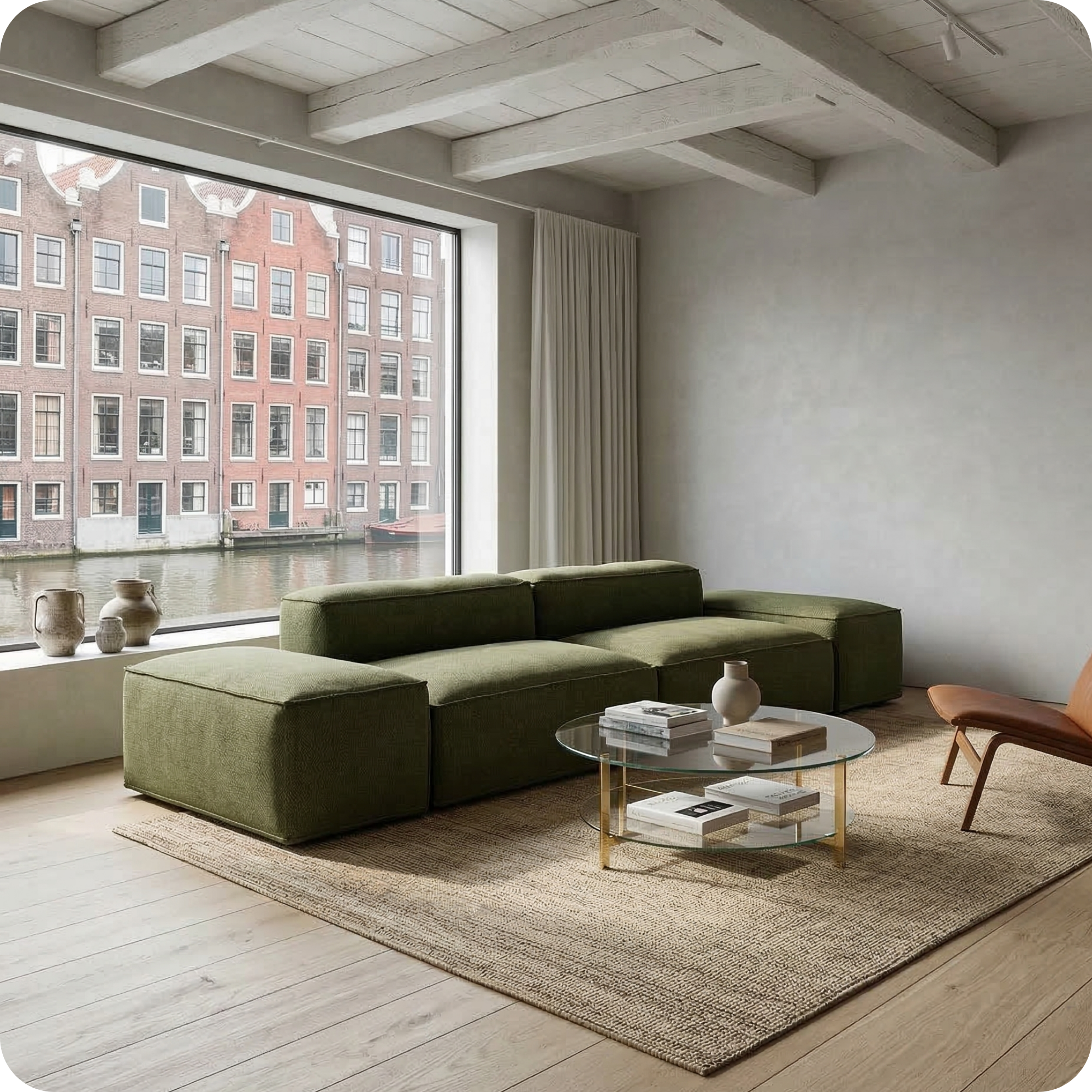
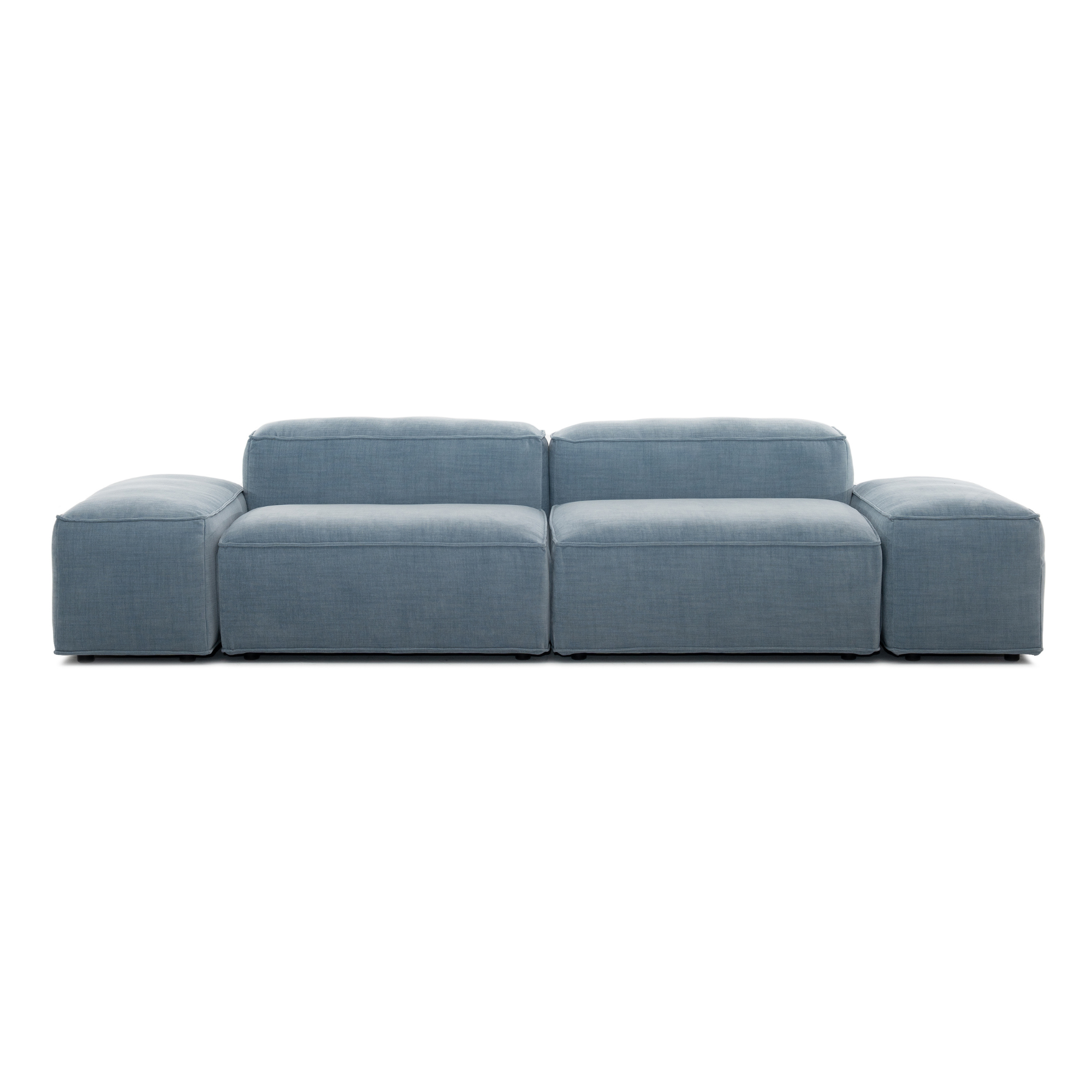
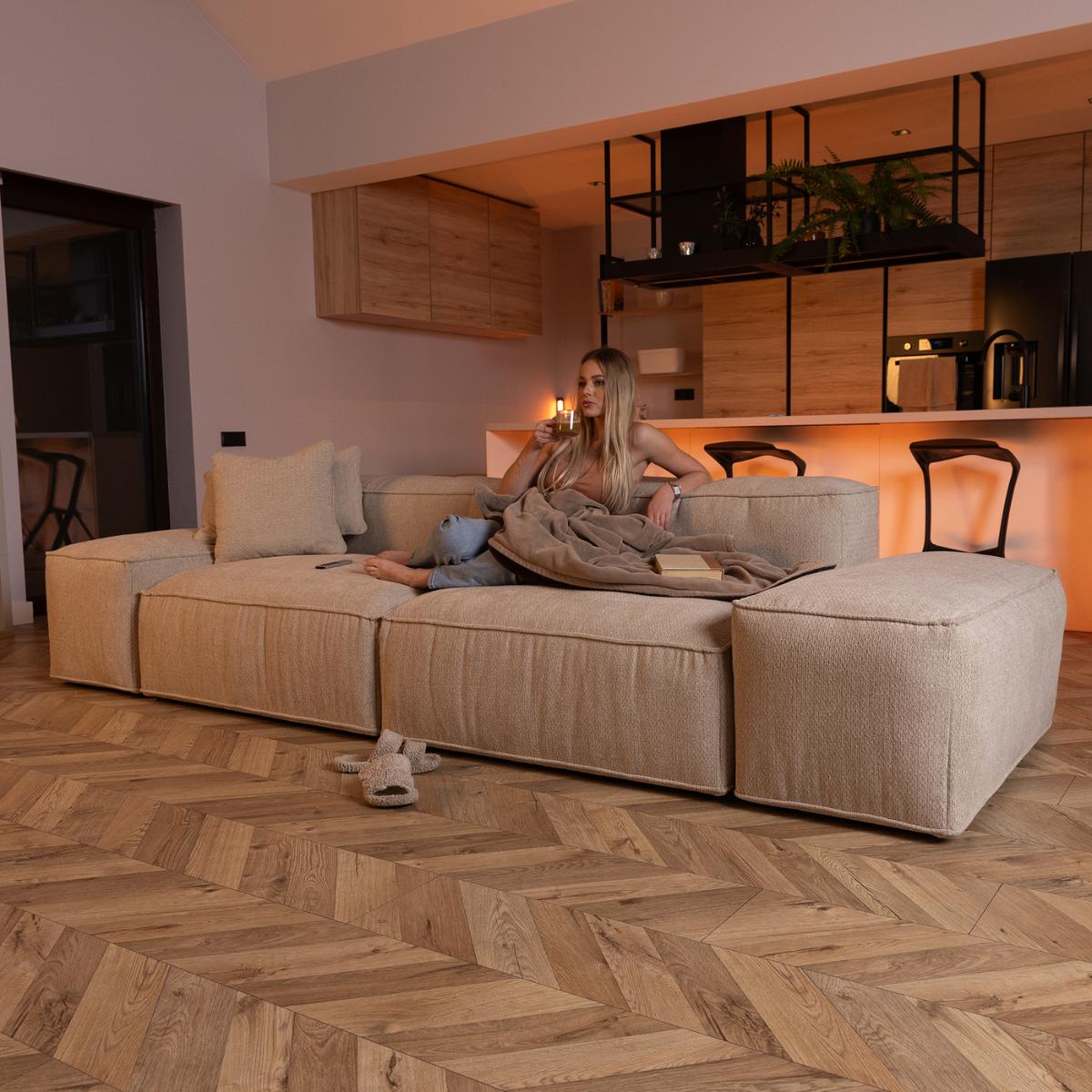
Furni sofas such as the Riva 3-seater and the Torino corner sofa are available in a wide selection of hard-wearing fabrics, chosen specifically for heavy use and easy care.
The Honest Verdict
No fabric is completely cat-proof. The aim is to choose a material that stands up well to everyday life, and to give your cat a more appealing alternative: its own scratching post near the sofa. The best sofa for cat owners is one your cat finds slightly less interesting than the scratching post next to it.