


White Living Room Ideas: How to Design a Bright and Elegant Space
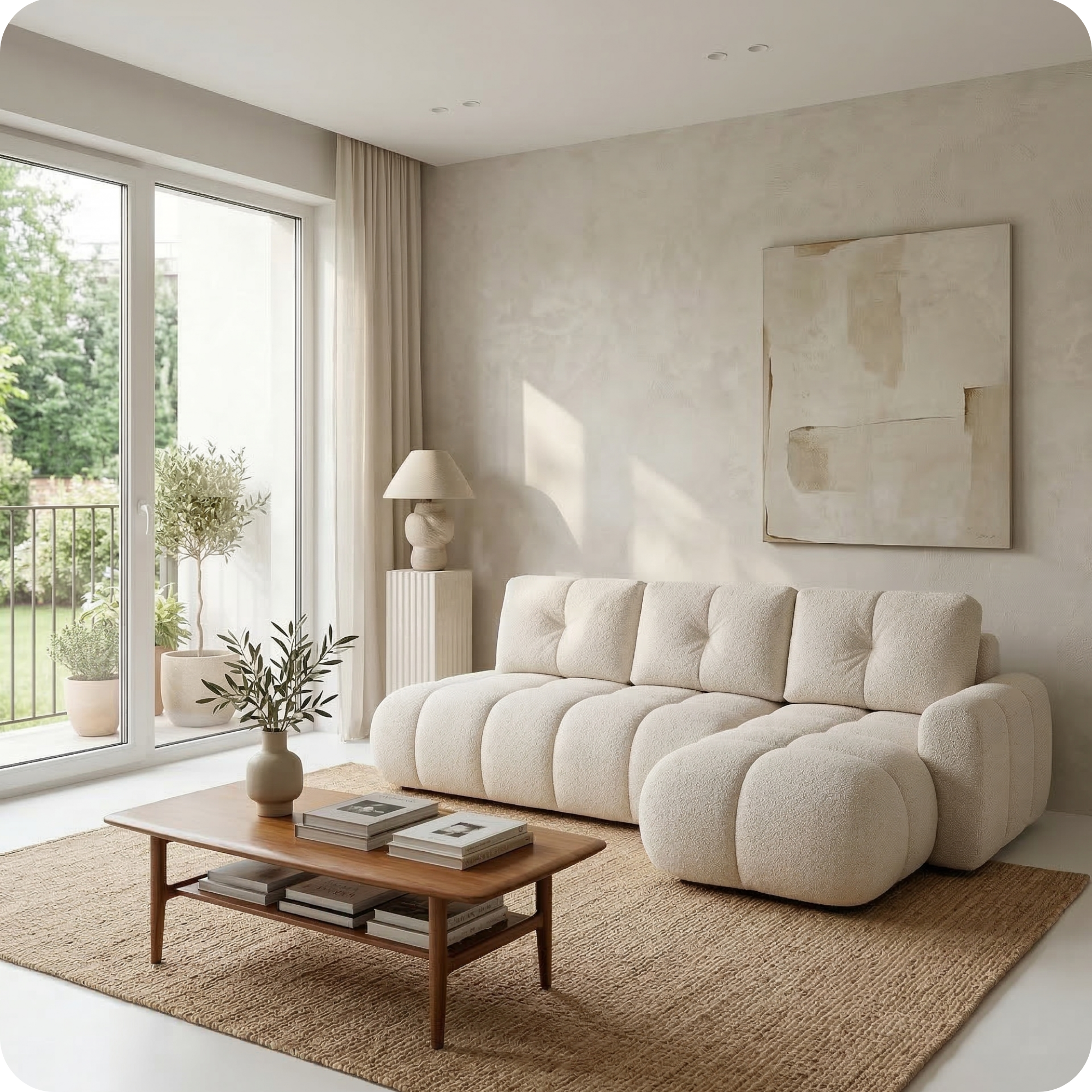
A white living room is not a blank canvas — it is one of the most considered and demanding decorating choices available. White amplifies everything: it makes spaces feel larger and brighter, but it also magnifies any imperfections, creates visual monotony if handled badly, and can feel cold, clinical, and sterile without careful management. Done well, however, a white living room is one of the most timeless, elegant, and versatile interiors imaginable — a space that changes character with the seasons, the light, and the accessories, and provides a perfect backdrop for almost any furniture style and colour.
Choosing the Right White
The biggest mistake in a white living room is treating white as a single colour. There are dozens of distinct whites, each with different undertones that dramatically affect how they look in a room. Cool whites have blue, grey, or green undertones and feel crisp, modern, and airy — they work best in rooms with good natural light and suit contemporary, minimal, and coastal interiors. Warm whites have yellow, pink, or red undertones and feel soft, cosy, and inviting — they are more flattering in rooms with limited light and suit traditional, Scandi, and maximalist interiors. True neutral whites fall between these poles and work in almost any setting. Test extensively — a warm white in a cool north-facing room can look yellow; a cool white in a warm south-facing room can look almost luminous.

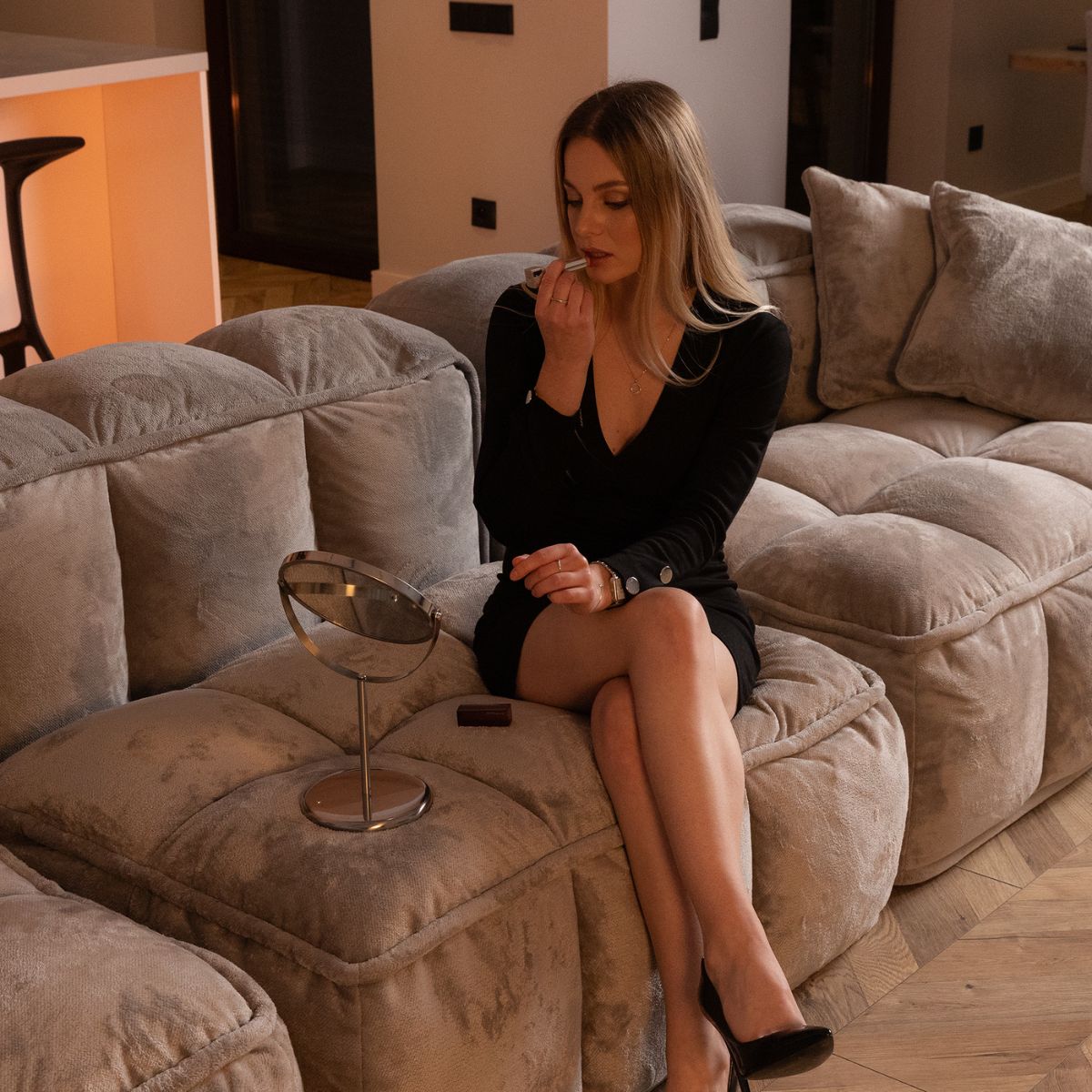
Lugano Sofa in Light Grey — from EUR 790
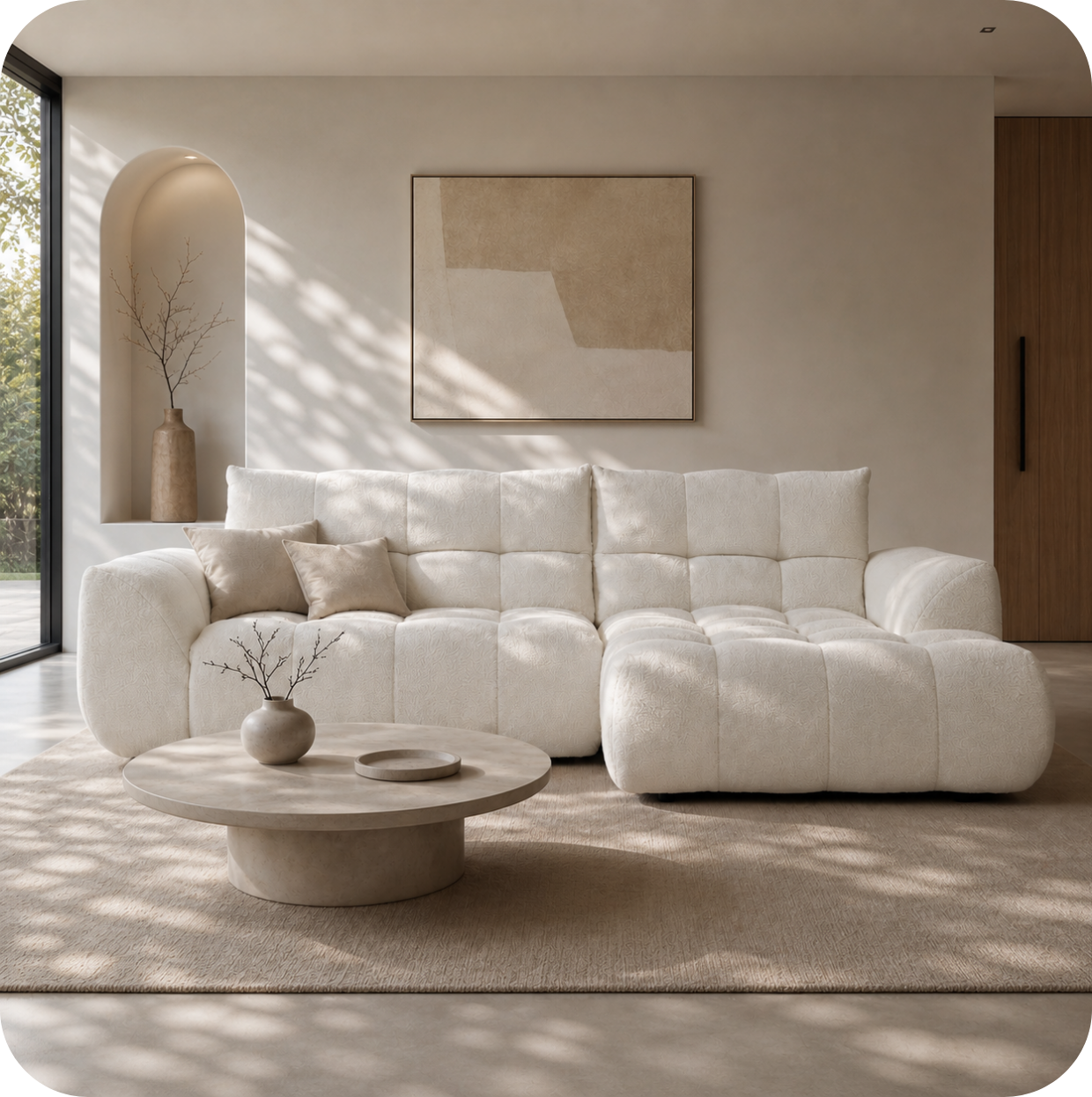
The Lugano in light grey is the perfect sofa for a white living room — the very pale grey picks up and complements the white walls without merging with them, creating a cohesive, tone-on-tone palette that is both sophisticated and serene. Add texture through cushions and a rug to prevent the all-pale palette from feeling flat.

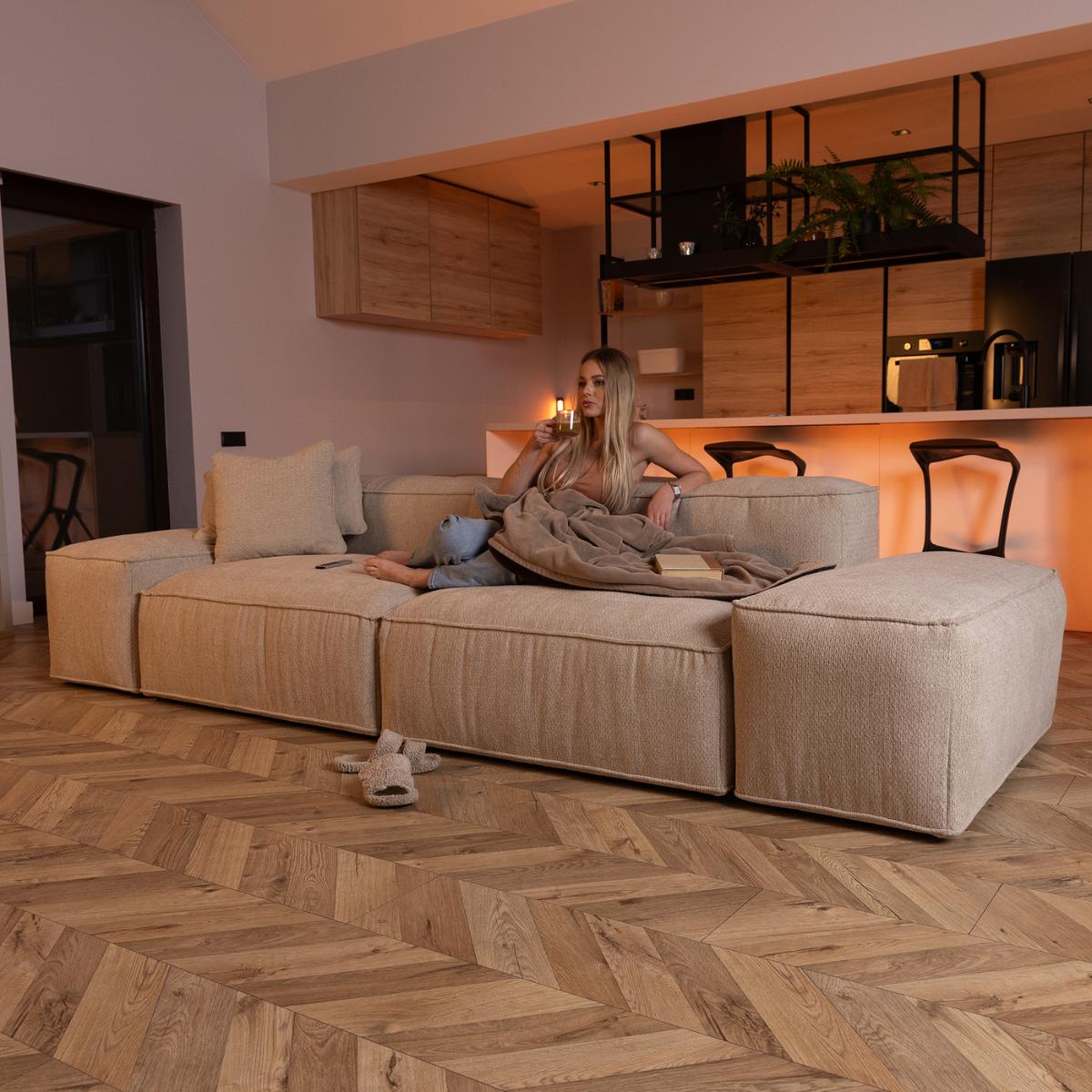
Lugano Sofa in Sand — from EUR 790
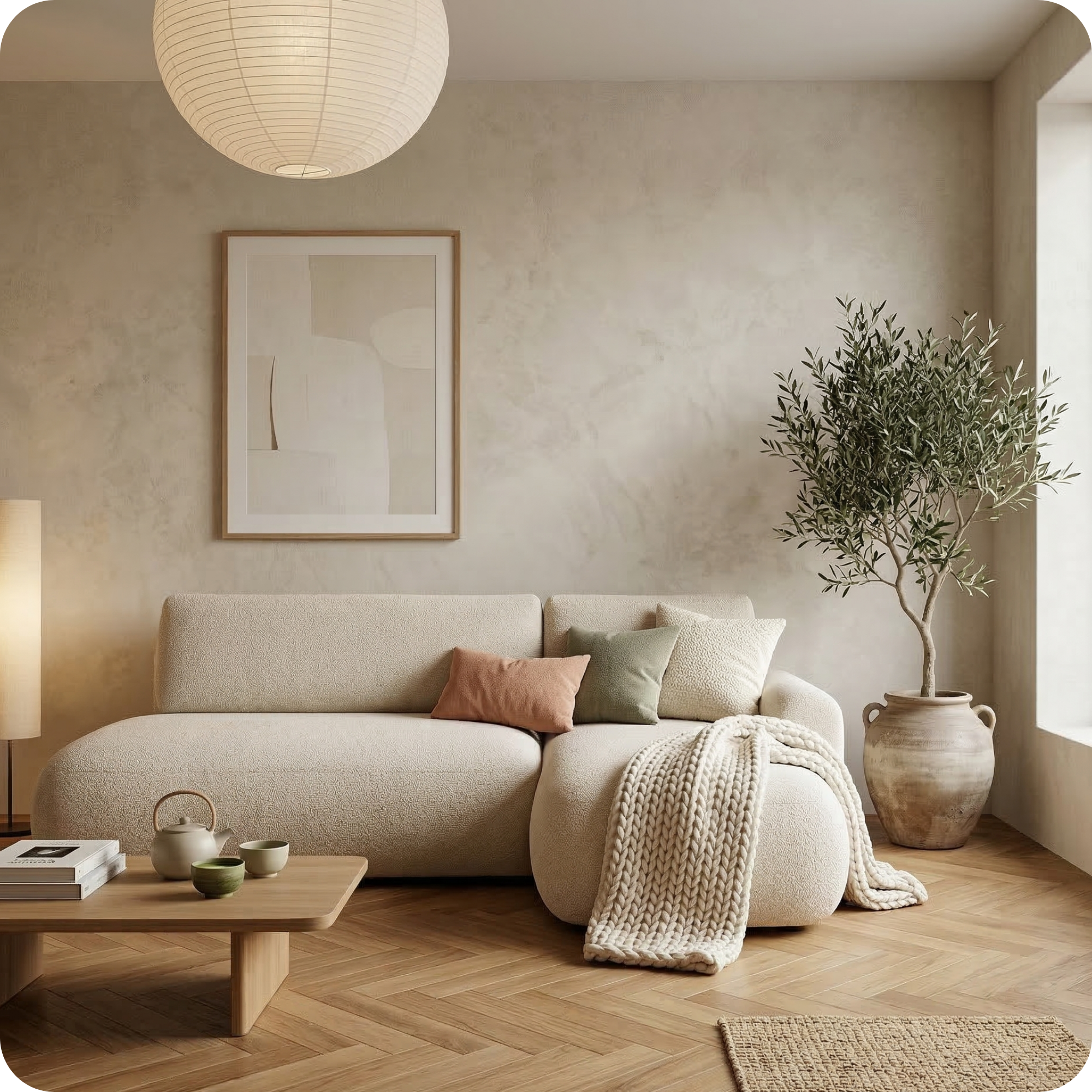
A sand-toned sofa in a white living room creates the ideal warmth and contrast — the biscuity, warm tone of the sand upholstery prevents the all-white space from feeling cold or clinical, while still maintaining the light, bright, open quality of the white palette.
Texture is Everything
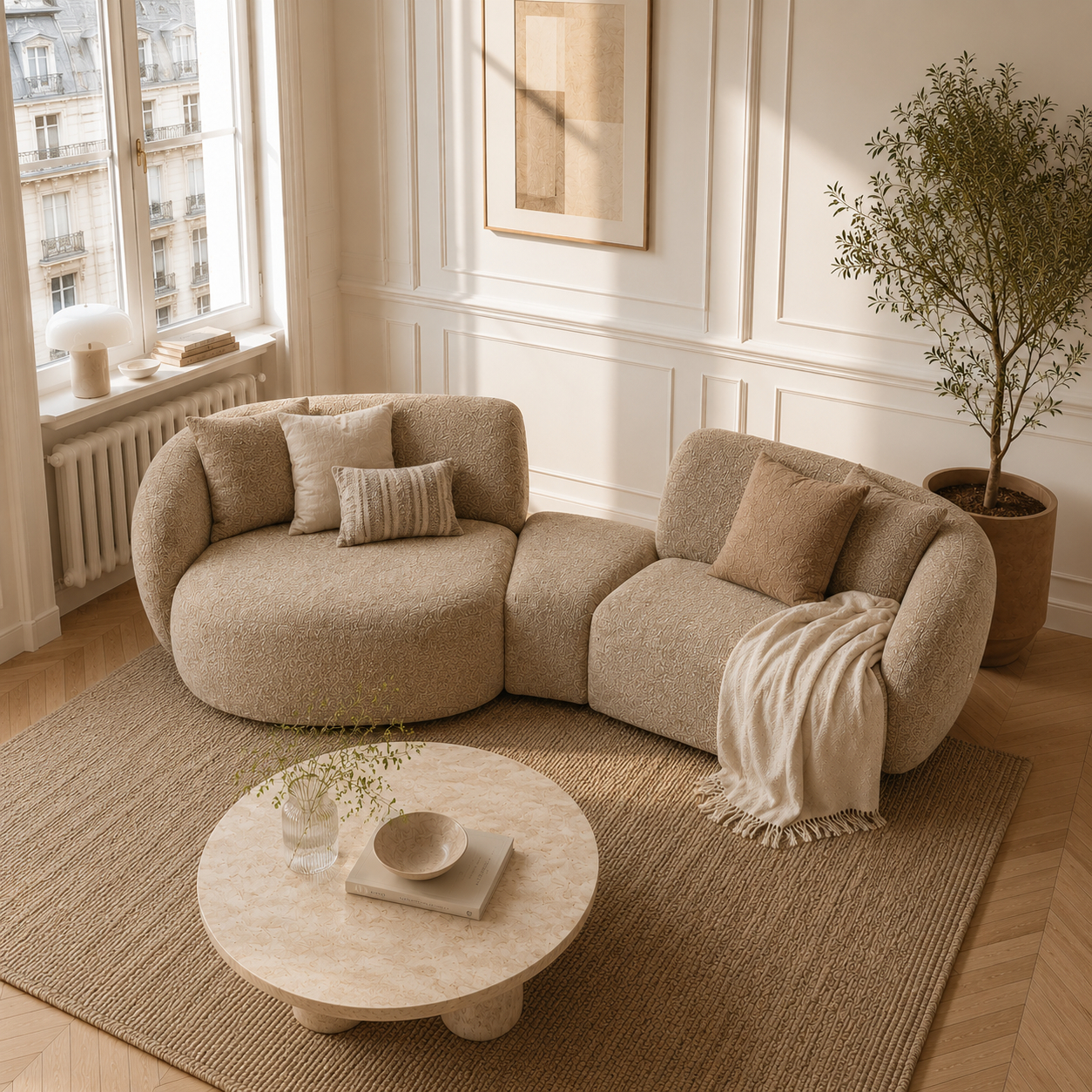
In a white or very pale room, texture becomes the primary decorating tool — when colour is absent, the tactile and visual differences between materials carry the visual interest. A linen sofa against a painted plaster wall against a jute rug creates a rich, layered effect entirely through texture. Layer as many different surfaces as possible: smooth plaster walls, nubby linen cushions, chunky wool throw, polished marble side table, woven rattan stool, rough terracotta plant pot, smooth ceramic vase. The contrast between hard and soft, smooth and rough, matt and shiny creates the visual richness that colour would otherwise provide.
Avoiding the Cold White Trap
The greatest risk in a white living room is coldness. Several specific elements introduce warmth: natural wood (in furniture legs, shelving, coffee tables, flooring) is the most effective warm element against white — the contrast between the cool white and the warm wood creates immediate life. Plants add both colour and warmth. Warm-toned textiles — biscuit, cream, caramel, terracotta — in cushions, throws, and rugs keep the overall palette warm. Warm white light bulbs (2700-3000K) rather than cool daylight bulbs are essential — cool lighting in an all-white room will feel fluorescent and clinical. Finally, introduce one or two deliberate colour accents — a sage green plant, a terracotta vase, a warm rust cushion — to prevent the all-white palette from feeling empty.

Laisser un commentaire
Ce site est protégé par hCaptcha, et la Politique de confidentialité et les Conditions de service de hCaptcha s’appliquent.