


Corner Sofa Buying Guide: Everything You Need to Know
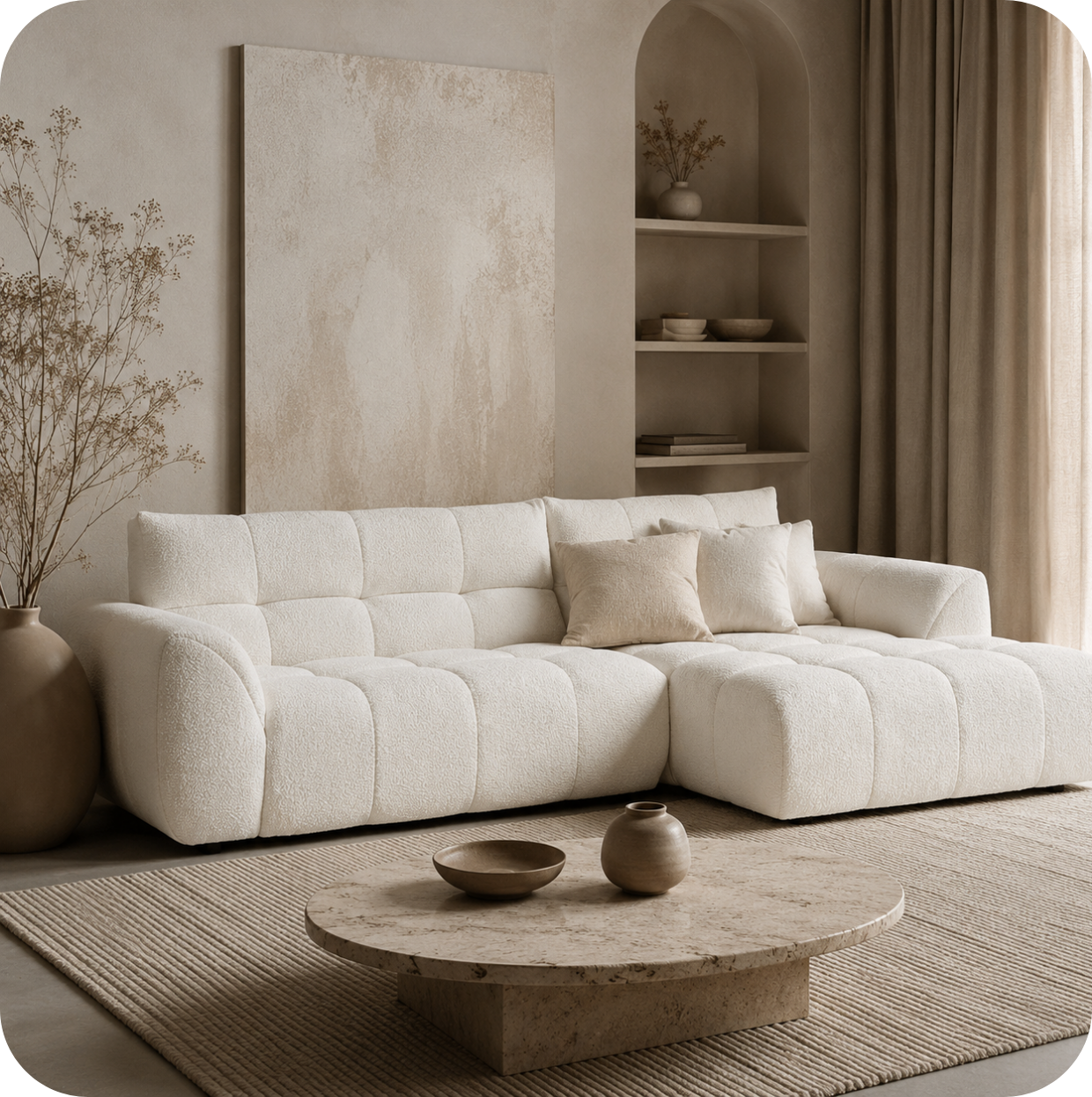
Corner sofas — also called L-shaped sofas or sectionals — are consistently one of the most popular furniture choices for UK, German and Benelux living rooms. They make efficient use of corner space, maximise seating capacity, and create a defined, welcoming seating area in larger rooms. But choosing the right corner sofa requires understanding several key variables that can make the difference between a sofa that fits and feels perfect, and one that overwhelms the room or disappoints in use. This guide covers everything you need to know.
Left-Hand vs Right-Hand Facing: Getting It Right
The most common source of confusion when buying a corner sofa is left-hand facing vs right-hand facing. The convention is: stand with your back to the back of the sofa (as if you were sitting on it) and look toward the chaise or longchair section. If it is to your left, it is a left-hand facing sofa (LHF); if it is to your right, it is a right-hand facing sofa (RHF). Before ordering, physically stand in your room in the position the sofa will occupy and work out which configuration you need for the chaise to be in the desired position.

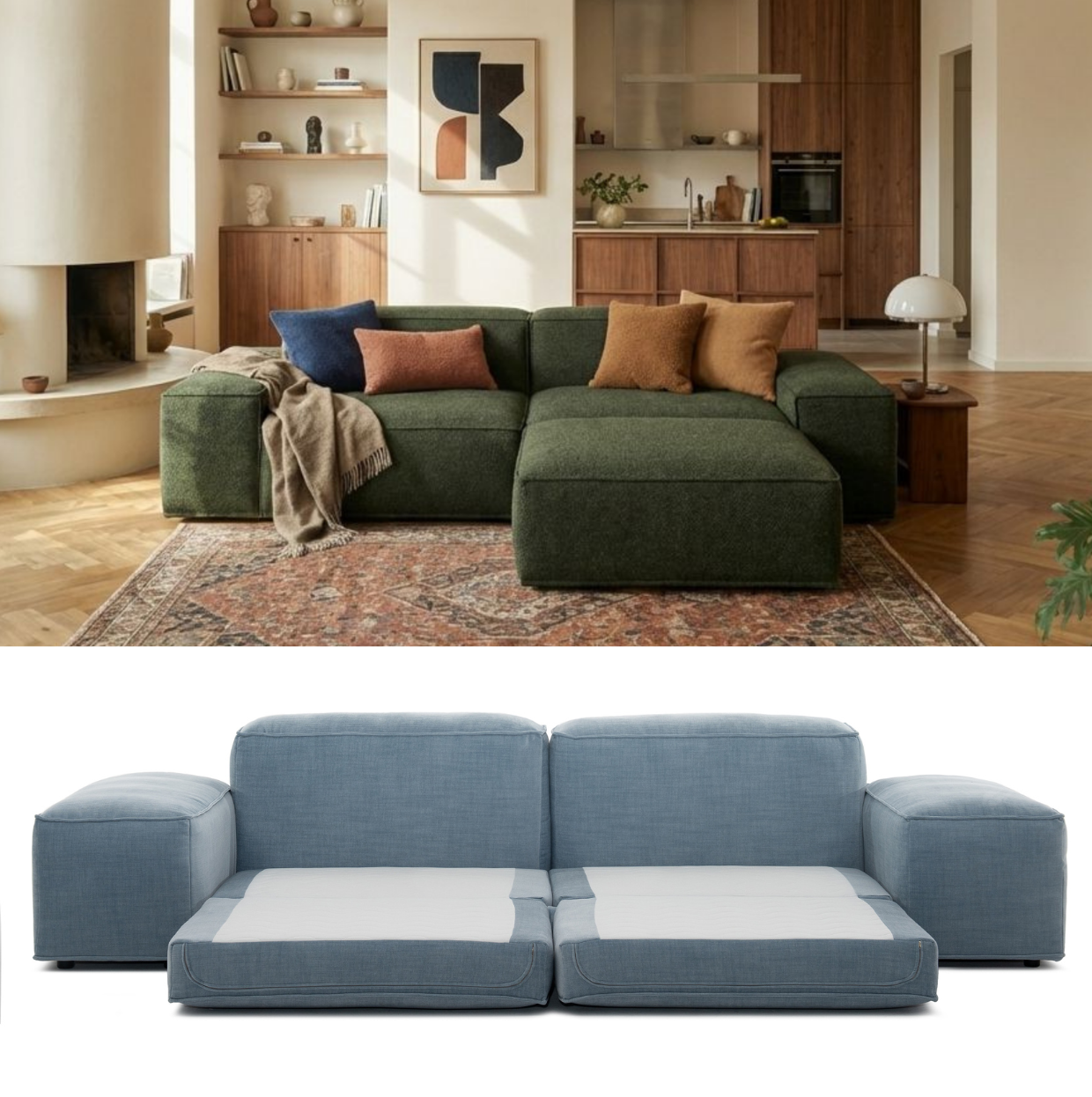
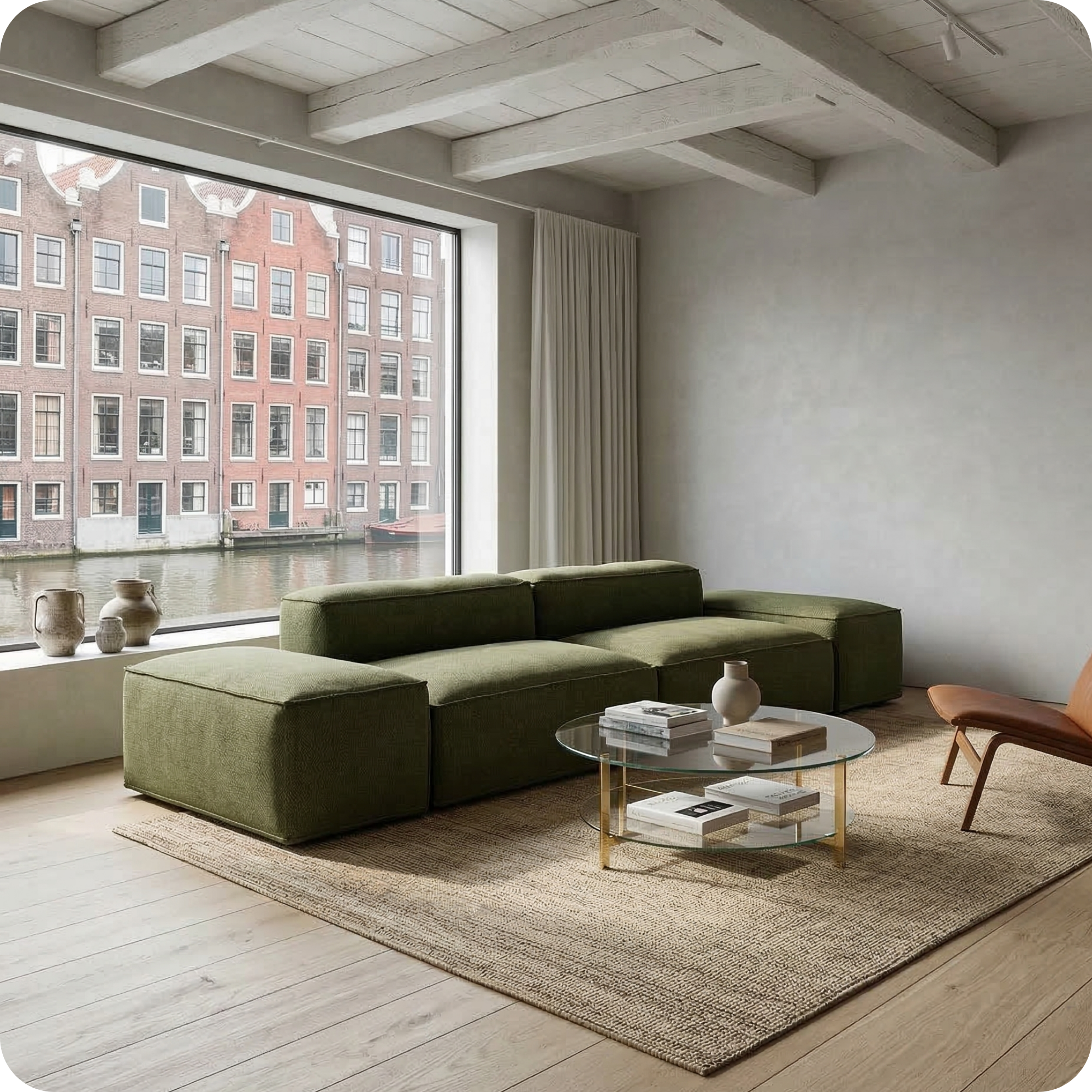
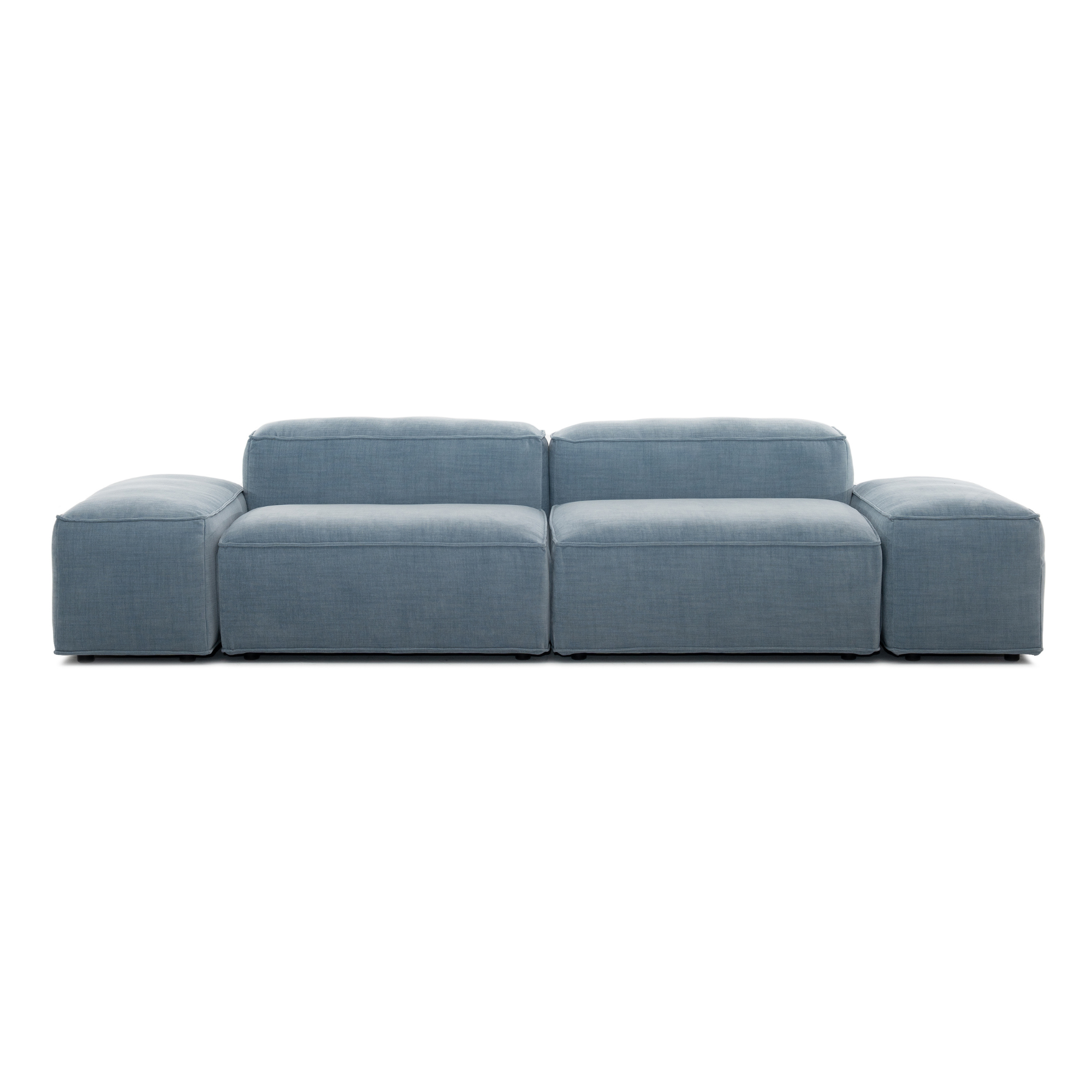
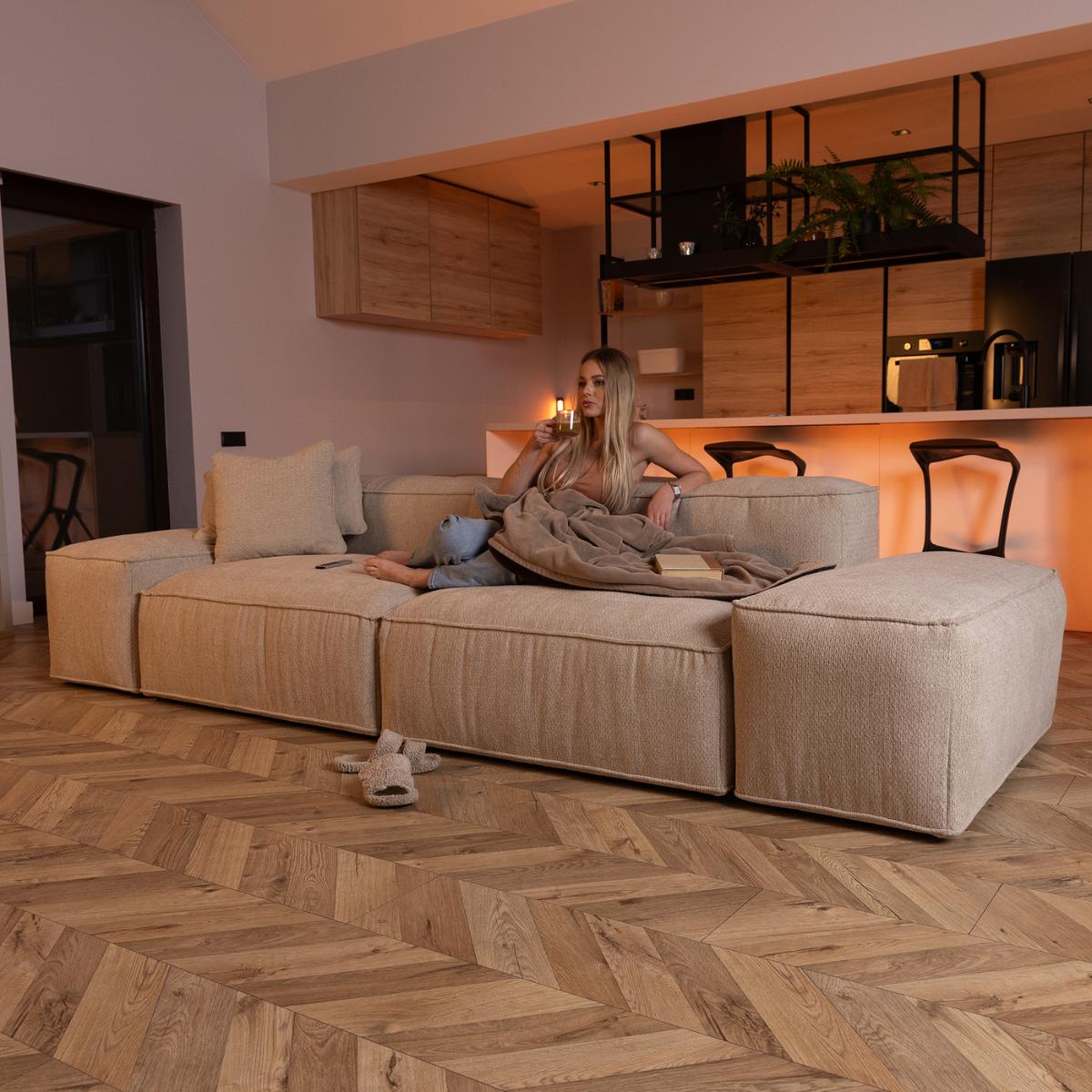
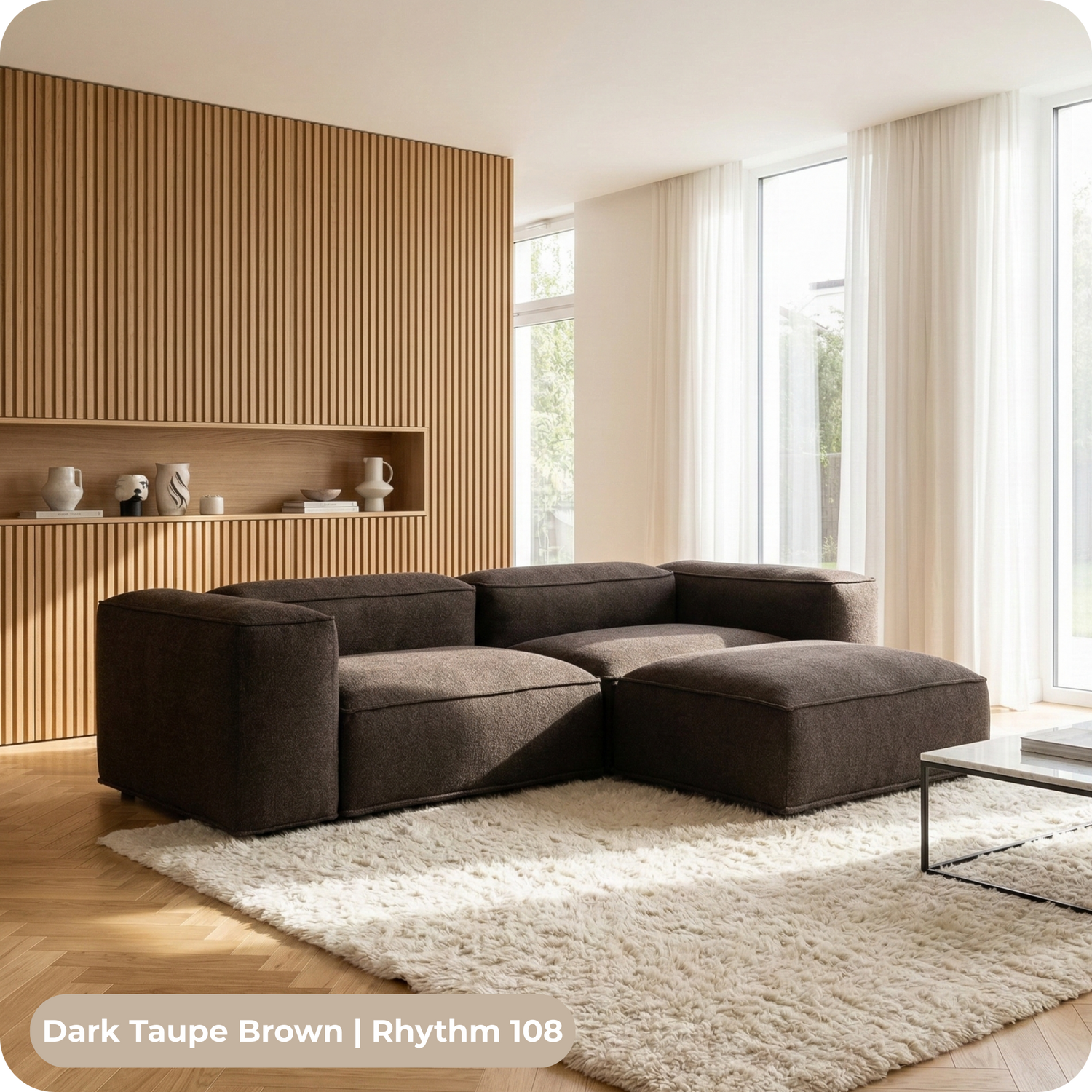
Merlot Modular Corner Sofa — from €1,913
The Merlot corner sofa is available in modular construction, which means the L-shape configuration is flexible — individual sections can be rearranged or expanded as needed. The high armrests create a sense of enclosure that makes corner sofas feel particularly comfortable, providing a back-wall effect on all sides.

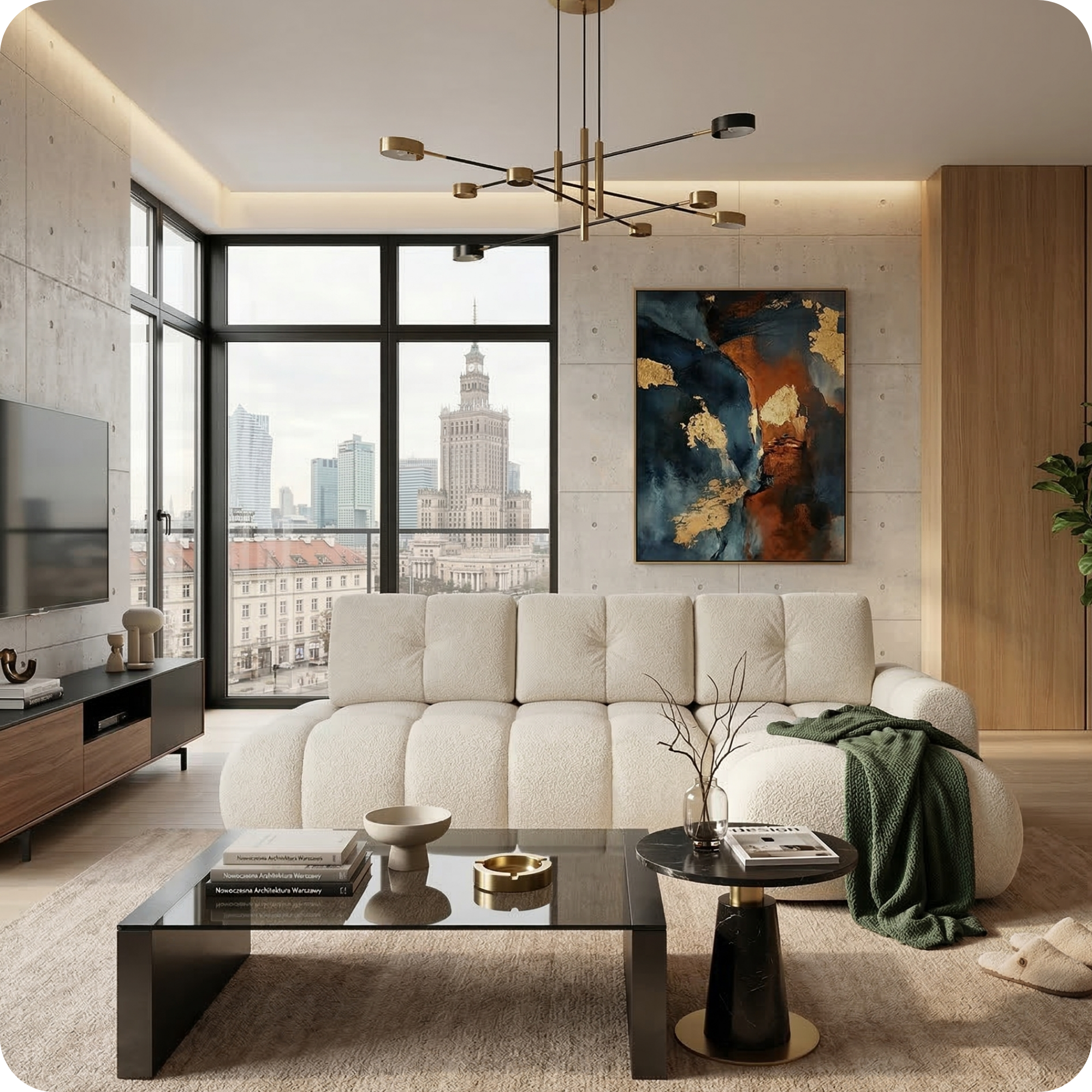
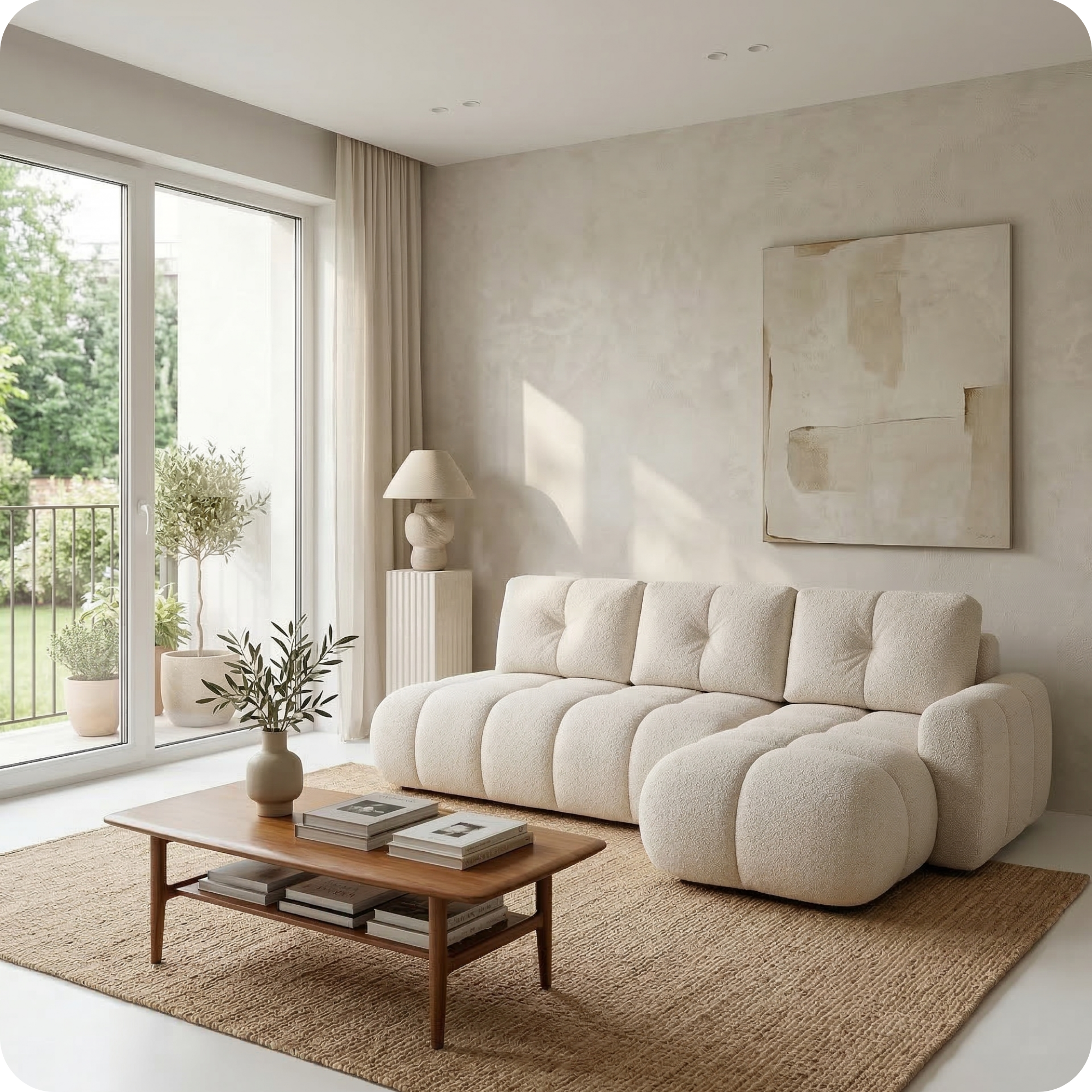
Torino Corner Sofa with Pull-out Bed — from €999
The Torino combines the space efficiency of a corner sofa with the practicality of a hidden pull-out bed — ideal for households that regularly host overnight guests but do not have a spare bedroom. The L-shape provides generous daily seating while the bed mechanism stays completely hidden until needed.
Measuring for a Corner Sofa
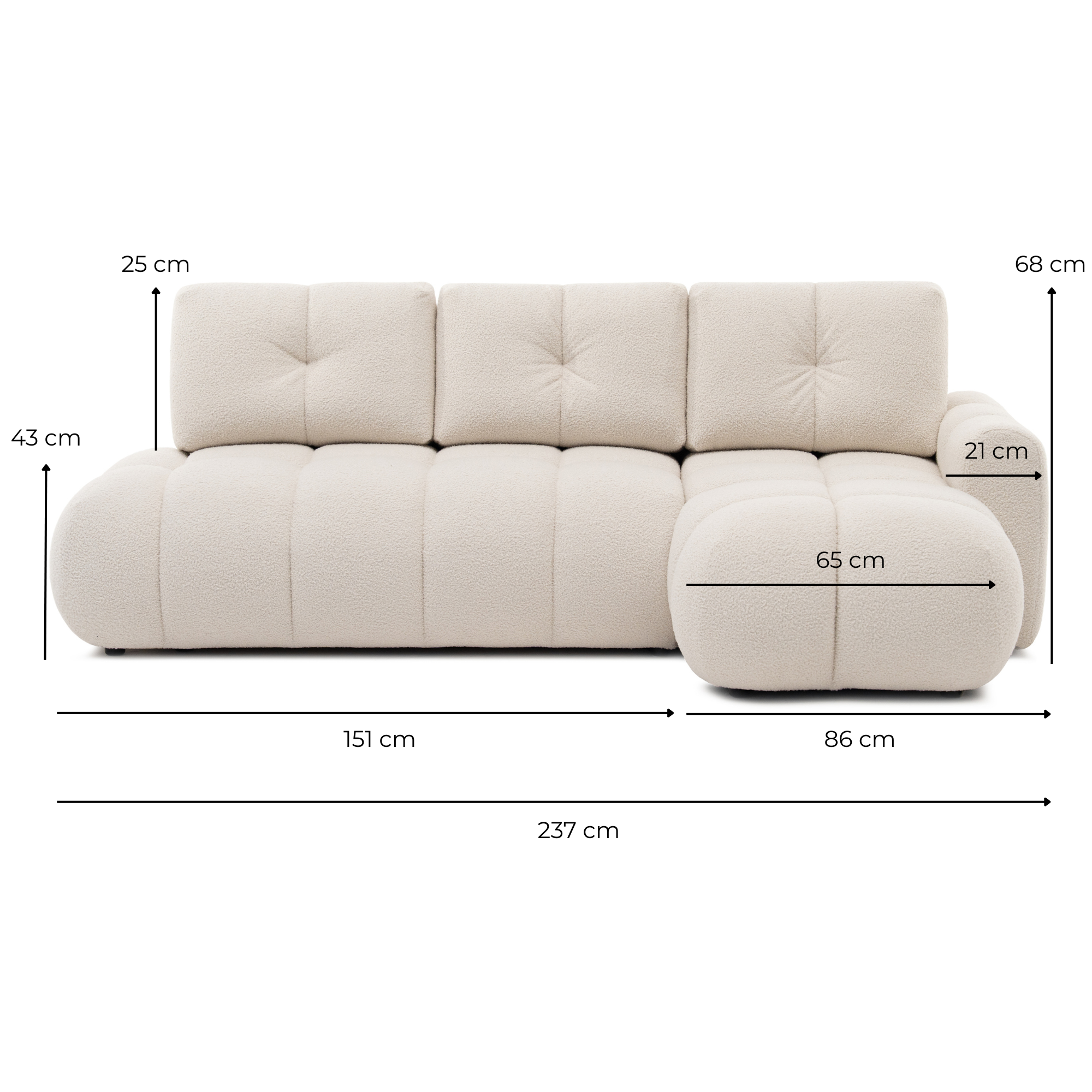
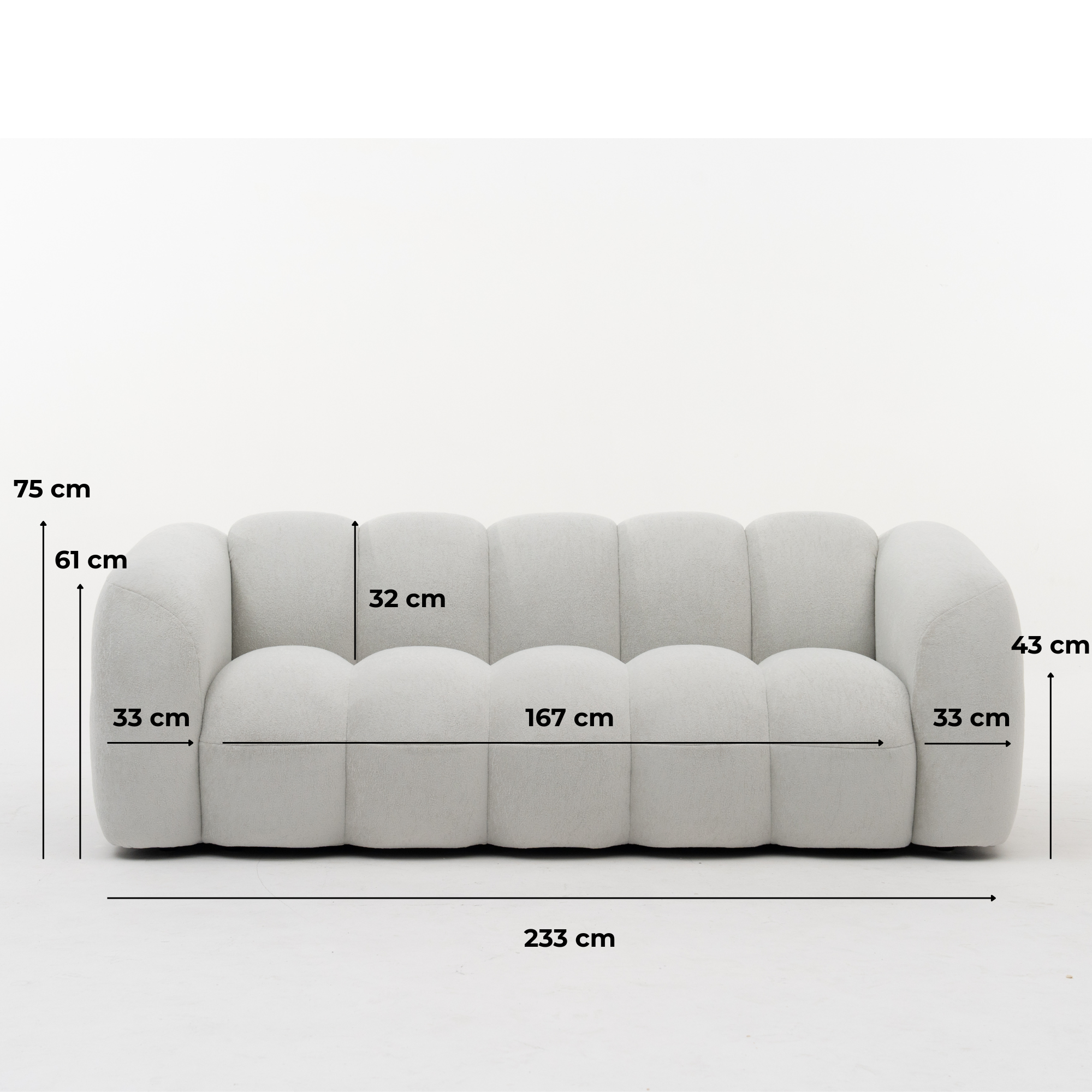
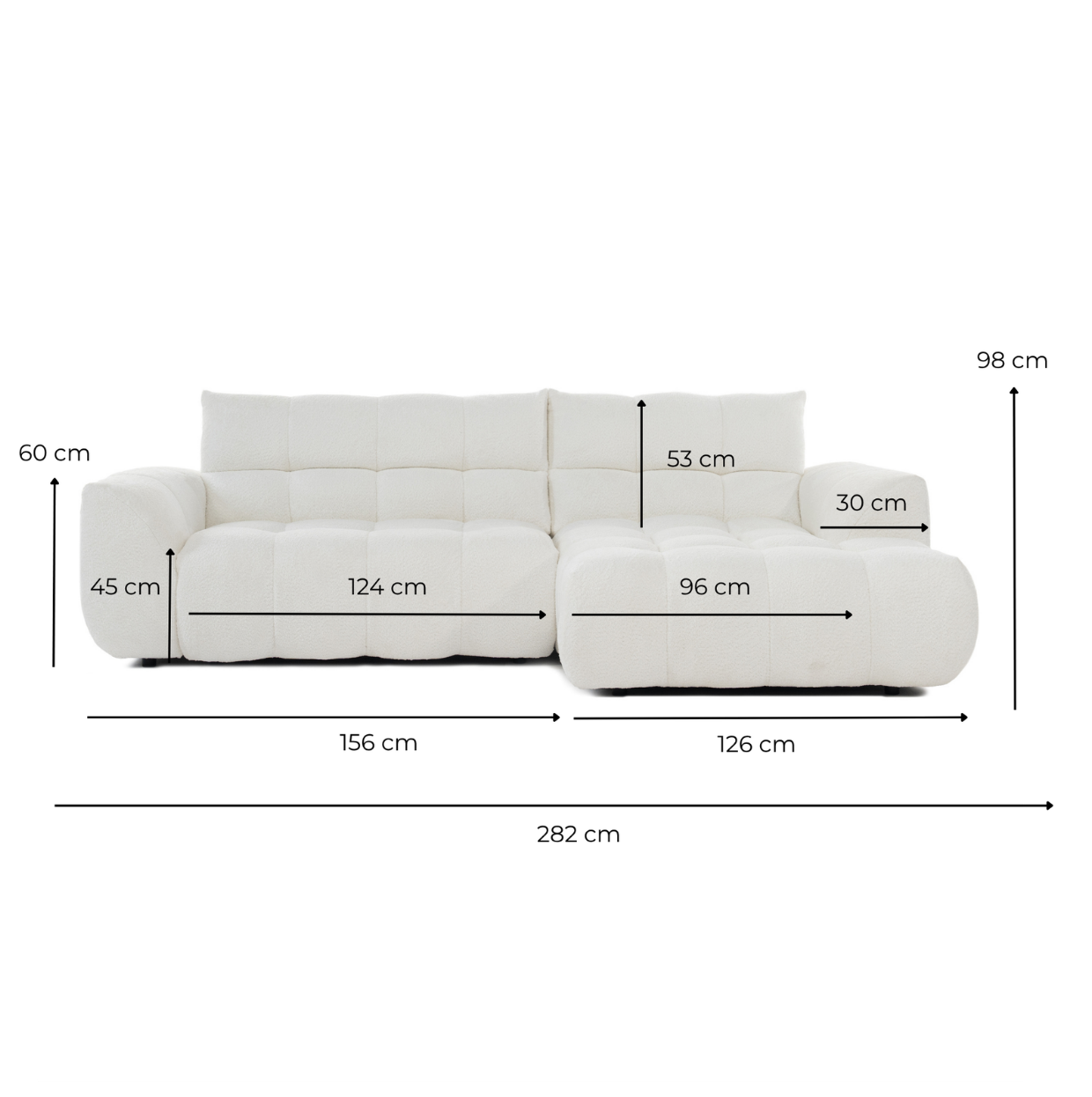
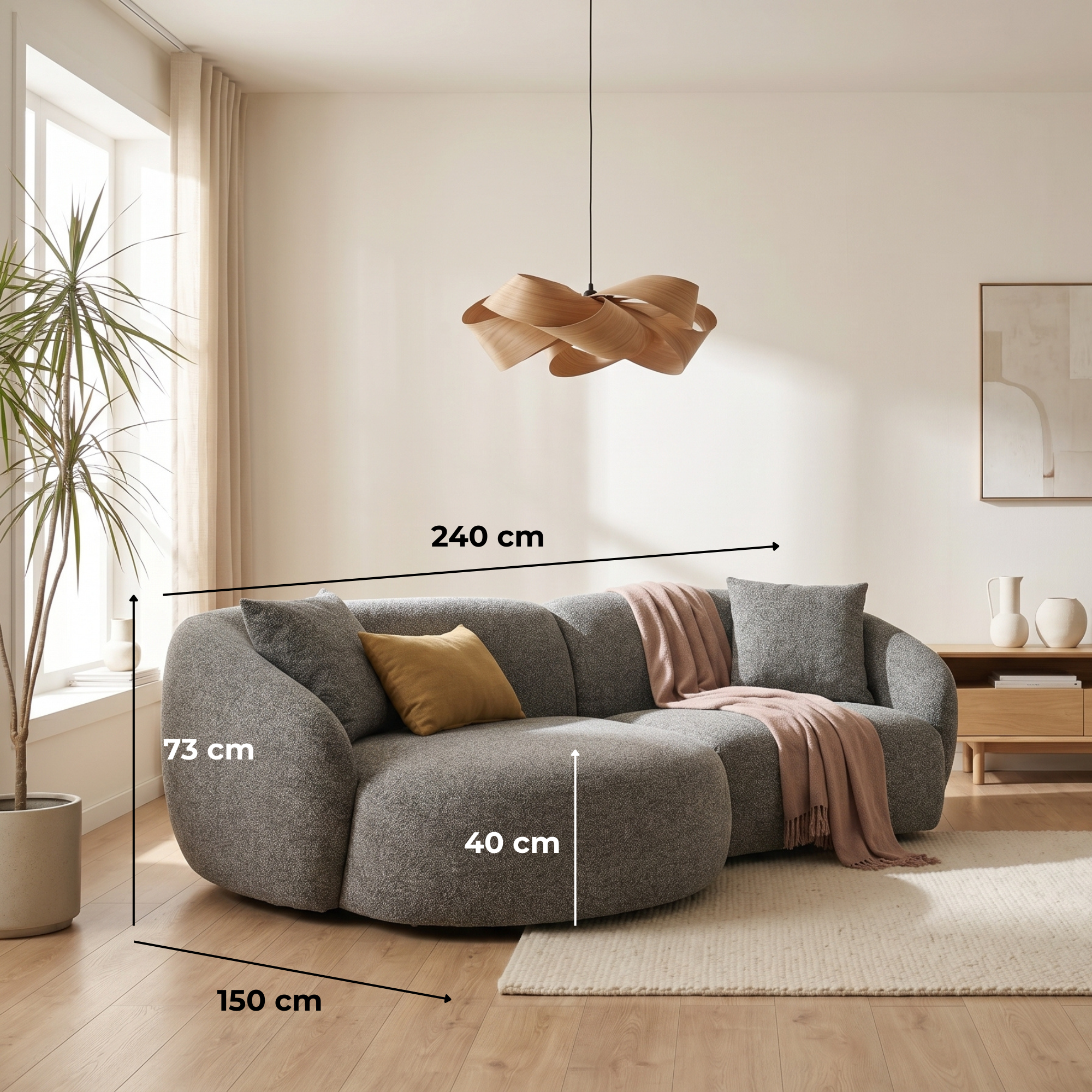
Measuring correctly before buying a corner sofa is critical. Measure both lengths of the L-shape independently: the long side (typically the 3-seater section) and the short side (typically the chaise or longchair). Then measure your room: the wall length available for each arm of the L, and crucially, the distance from the sofa's front edge to the nearest obstruction (coffee table, TV stand, doorway). Leave at least 80-90cm walkway between the sofa front and the coffee table, and at least 60cm between the sofa end and any wall or door frame. Also measure your hallway and doorways — a corner sofa in its assembled form may not fit through the door, but individual sections usually will.
Chaise vs Longchair
The short arm of a corner sofa comes in two main forms. A chaise longue runs to the floor with no armrest, allowing the user to stretch out fully with legs extended. A longchair is similar but typically has a shorter depth and a more defined arm on one end. The chaise is generally preferable for sleeping or full-length lounging; the longchair is often more comfortable for everyday seating as the arm provides additional back support. Choose based on your primary use: if you want to lie fully flat, opt for a full chaise; if you mainly want a generous corner seat, a longchair often feels better day-to-day.
Corner Sofa with Sleeping Function
Many corner sofas offer a built-in pull-out bed — either in the chaise section, in the main body, or both. This is genuinely valuable for smaller homes where the living room doubles as a guest room. The pull-out mechanism should be smooth and straightforward — test it or read reviews before buying. The mattress quality in sofa beds varies significantly: a proper memory foam or sprung mattress topper makes the difference between a comfortable night's sleep and a miserable one. If guests will sleep on your sofa bed regularly, invest in a model with a quality mattress.