



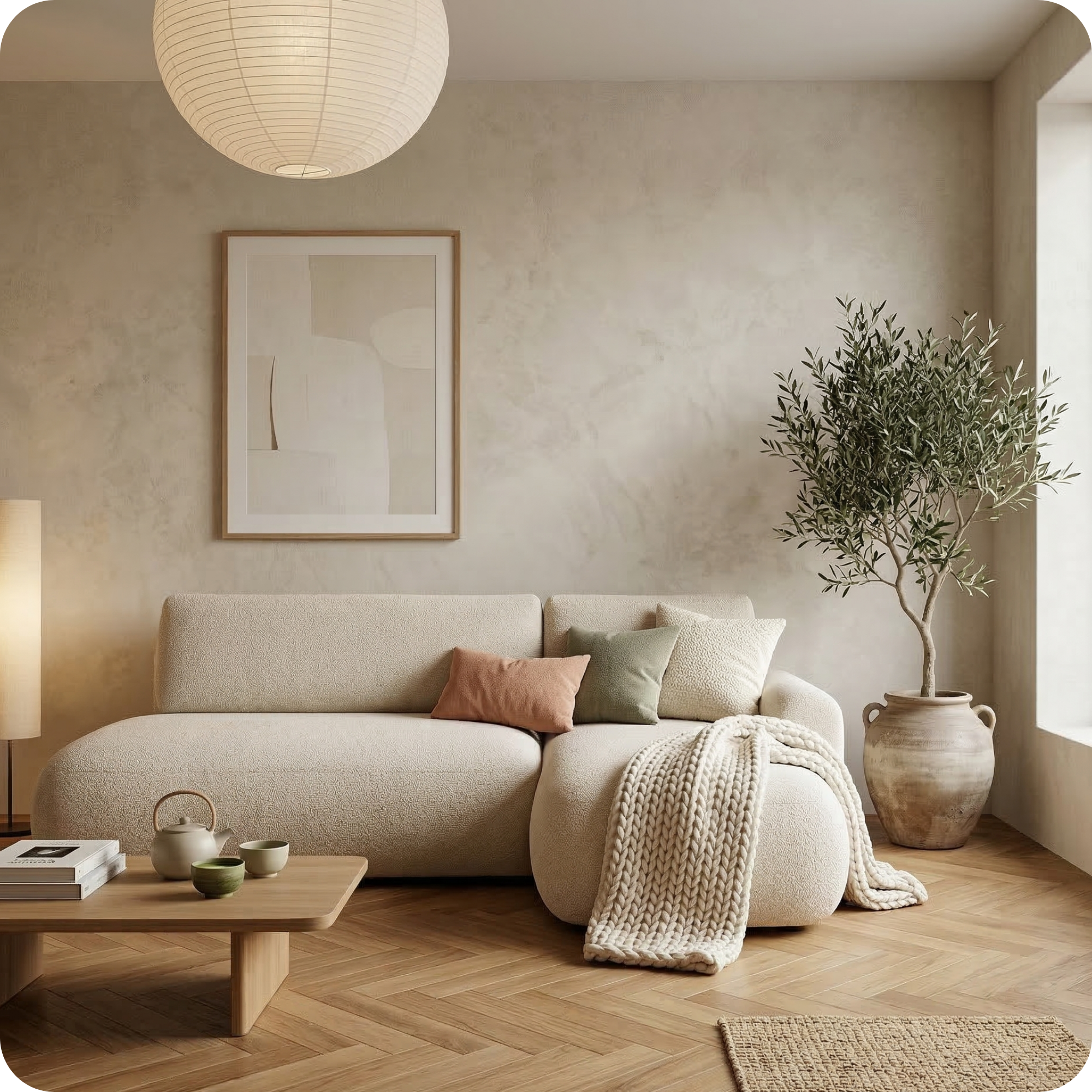
How to Arrange Living Room Furniture: Layouts That Work for Every Room Shape
Furniture arrangement is one of the most impactful decisions you can make in a living room — and one of the most frequently underestimated. Many people choose great individual pieces of furniture but then arrange them in a way that makes the room feel disconnected, cramped, or purposeless. The difference between a living room that feels like a curated, comfortable space and one that merely contains furniture is almost always down to arrangement. This guide explains the principles of effective furniture arrangement and walks through layouts for different room shapes.
The Golden Rules of Living Room Furniture Arrangement
Float furniture away from walls: the most common living room mistake is pushing all furniture against the walls, leaving a wasteland of empty floor in the centre. Counter-intuitively, pulling furniture away from the walls and into the room makes the space feel larger and more purposeful. Create conversation areas: the primary purpose of a living room layout is to facilitate conversation and social interaction. Arrange seating so that people sitting in the room can naturally speak to and see each other without straining — a maximum of 2.5–3 metres between seats is the comfortable conversation distance. Establish a focal point: every living room layout should be organised around a focal point — a fireplace, a large window, a television, or a piece of artwork. The sofa and primary seating should face or angle toward this focal point. Allow for circulation: leave at least 75–90 cm of clear passage between furniture pieces for comfortable movement through the room.
The Most Common Living Room Layouts
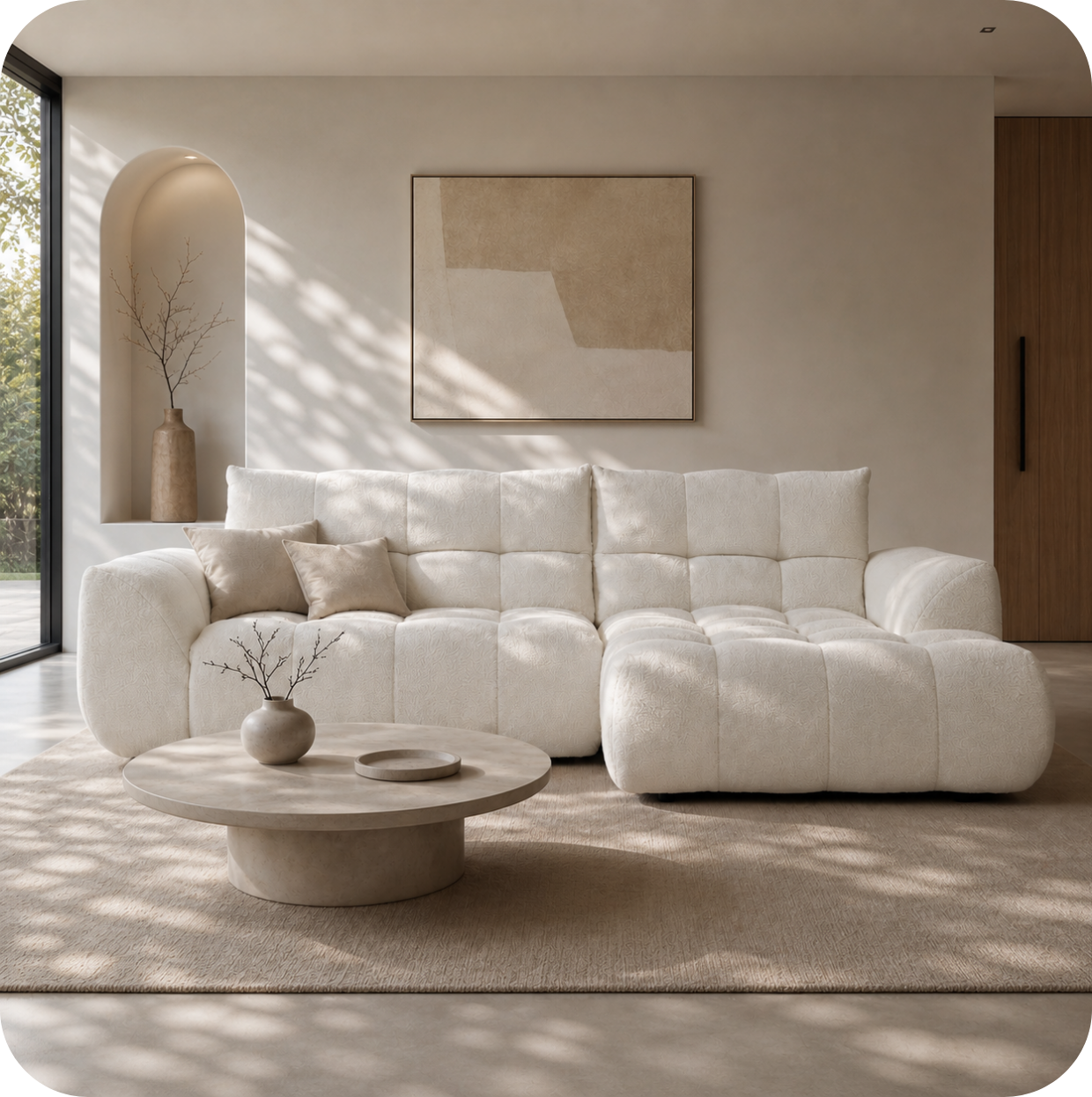
The U-shape: three sides of seating around a coffee table — typically a sofa on one side, two armchairs or a love seat on the opposite side, and an additional seat on the third side. Creates an intimate, conversation-focused space and works well in larger rooms. The L-shape: a sofa and a second sofa or chaise longue arranged at right angles, often with a corner coffee table. Works well in both medium and large rooms and is one of the most natural and comfortable arrangements. The parallel arrangement: two sofas facing each other across a coffee table. Formal and symmetrical, this arrangement suits traditional or classic rooms. The angled arrangement: furniture placed at an angle to the walls — particularly effective in awkward rooms, in open plan spaces, or when you want to create a more dynamic, informal arrangement.

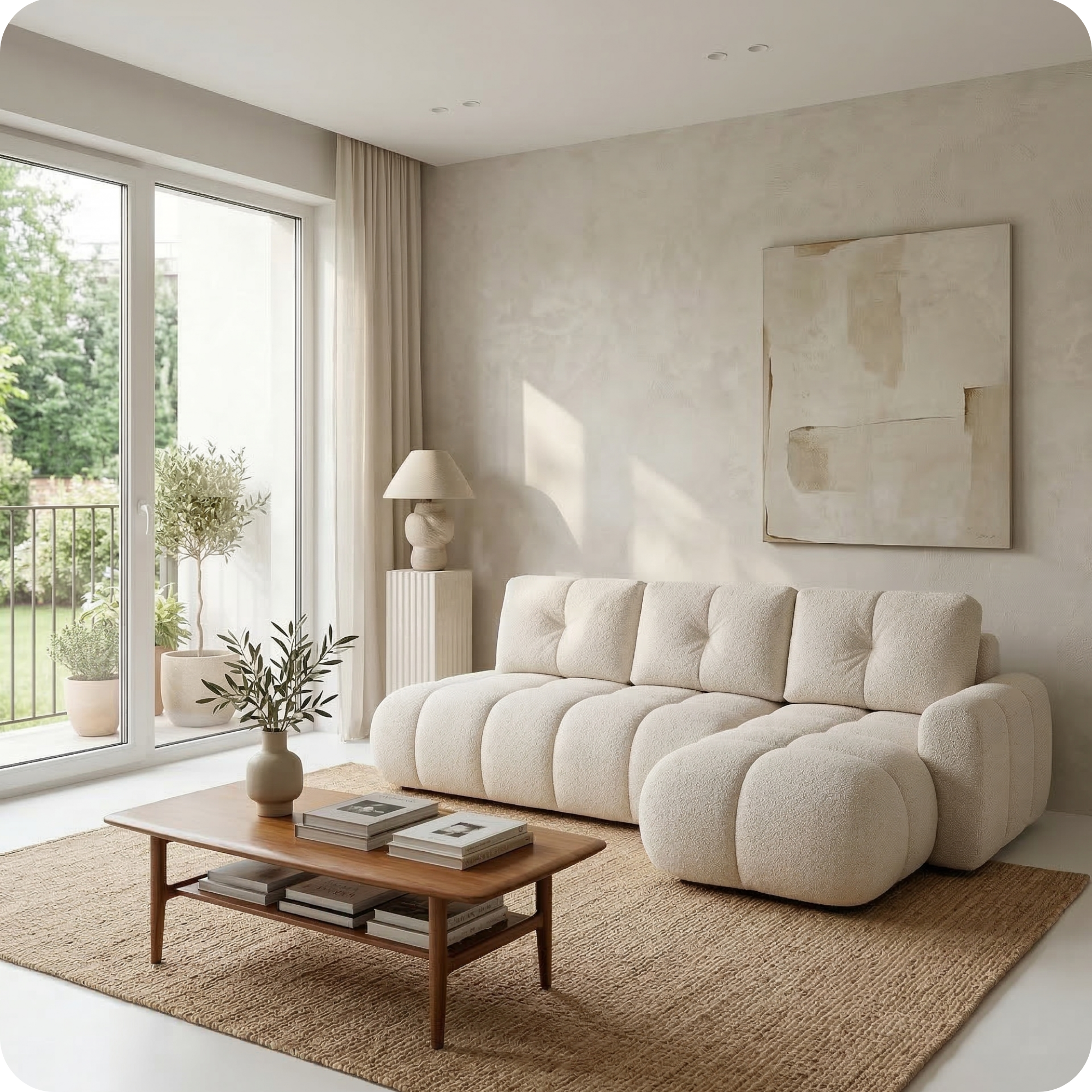
Merlot Corner Sofa — from EUR 1,290
A corner sofa like the Merlot naturally creates a defined seating zone without requiring additional armchairs — the L-shape simultaneously defines the living area, faces the focal point, and creates an intimate, conversation-friendly arrangement.

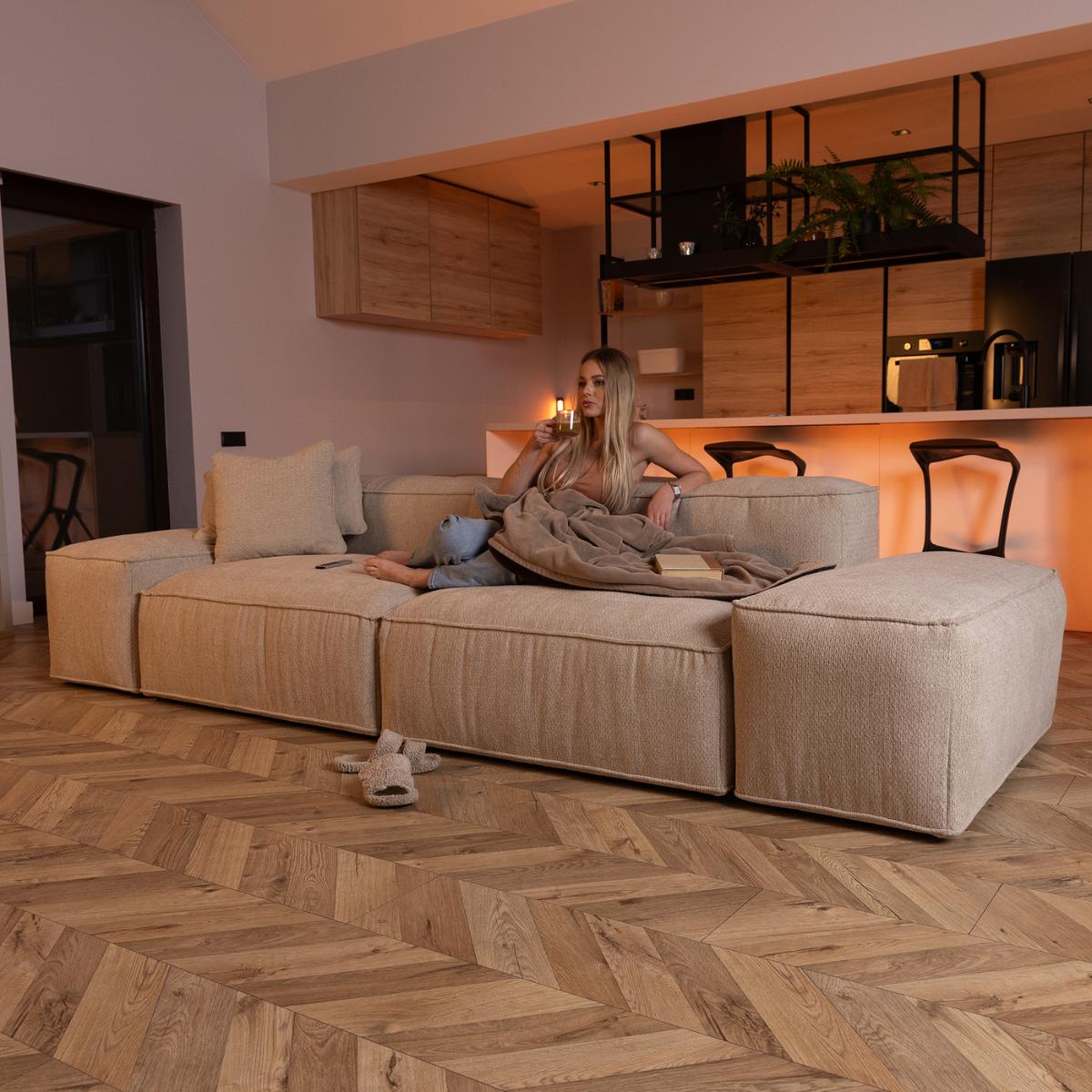
Malbec Modular Sofa — from EUR 1,190
The Malbec's generous, low-profile form is ideal for floating arrangements — pull it away from the wall into the centre of the room, pair it with a round coffee table and a rug, and watch the space come alive with purpose and balance.
Rugs: The Secret Weapon of Furniture Arrangement
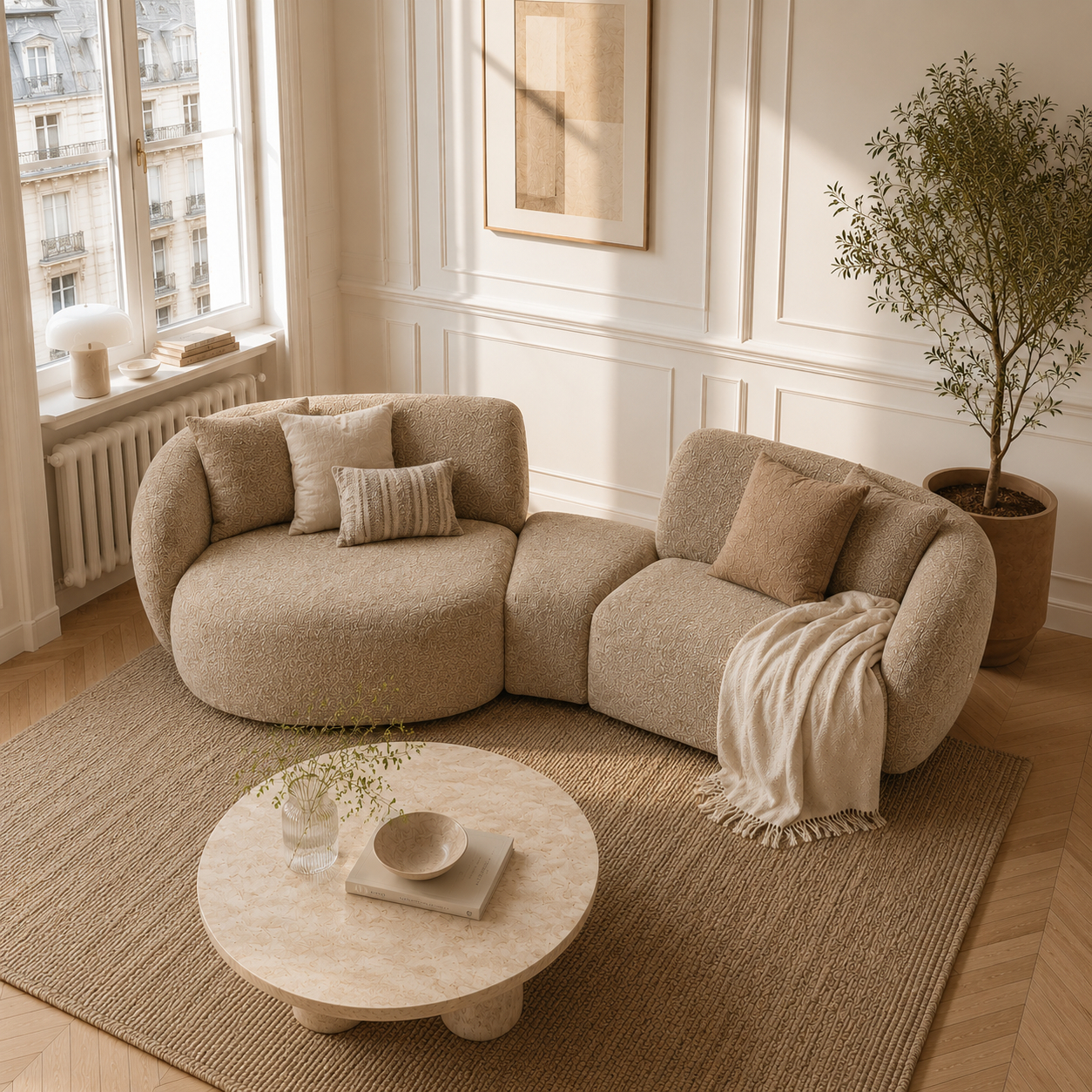
A rug is one of the most powerful tools in furniture arrangement because it defines the boundaries of the seating zone visually. The golden rule: all the main seating pieces (or at least their front legs) should sit on the rug. A rug that is too small — with only the coffee table on it, or no furniture on it at all — looks like a postage stamp and makes the seating arrangement feel disconnected. Choose a rug that is large enough to anchor all the main seating pieces, and the furniture arrangement will immediately feel intentional and cohesive.

Leave a comment
This site is protected by hCaptcha and the hCaptcha Privacy Policy and Terms of Service apply.