


How to Choose a Sofa: The Complete Sofa Buying Guide
Choosing a sofa is one of the most significant home furnishing decisions you will make — not because it is expensive (though it often is), but because you will spend more time with your sofa than almost any other piece of furniture in your home. The right sofa will serve you well for a decade or more; the wrong one will be a constant reminder of the decision made in haste. This guide covers every dimension of the decision: size, configuration, fabric, comfort, quality, and style — so you can choose with confidence.
Step 1: Measure Your Room and Plan Your Space
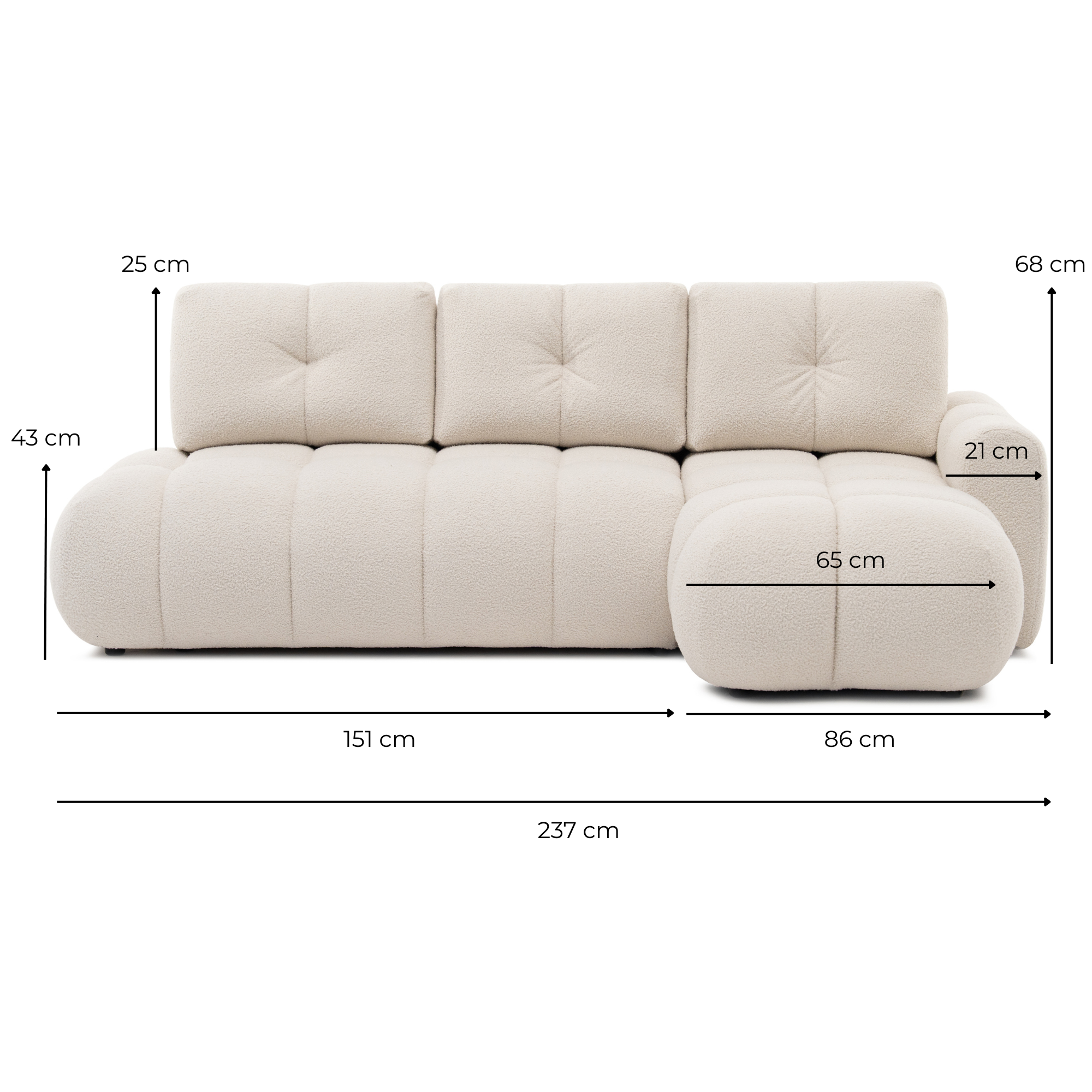
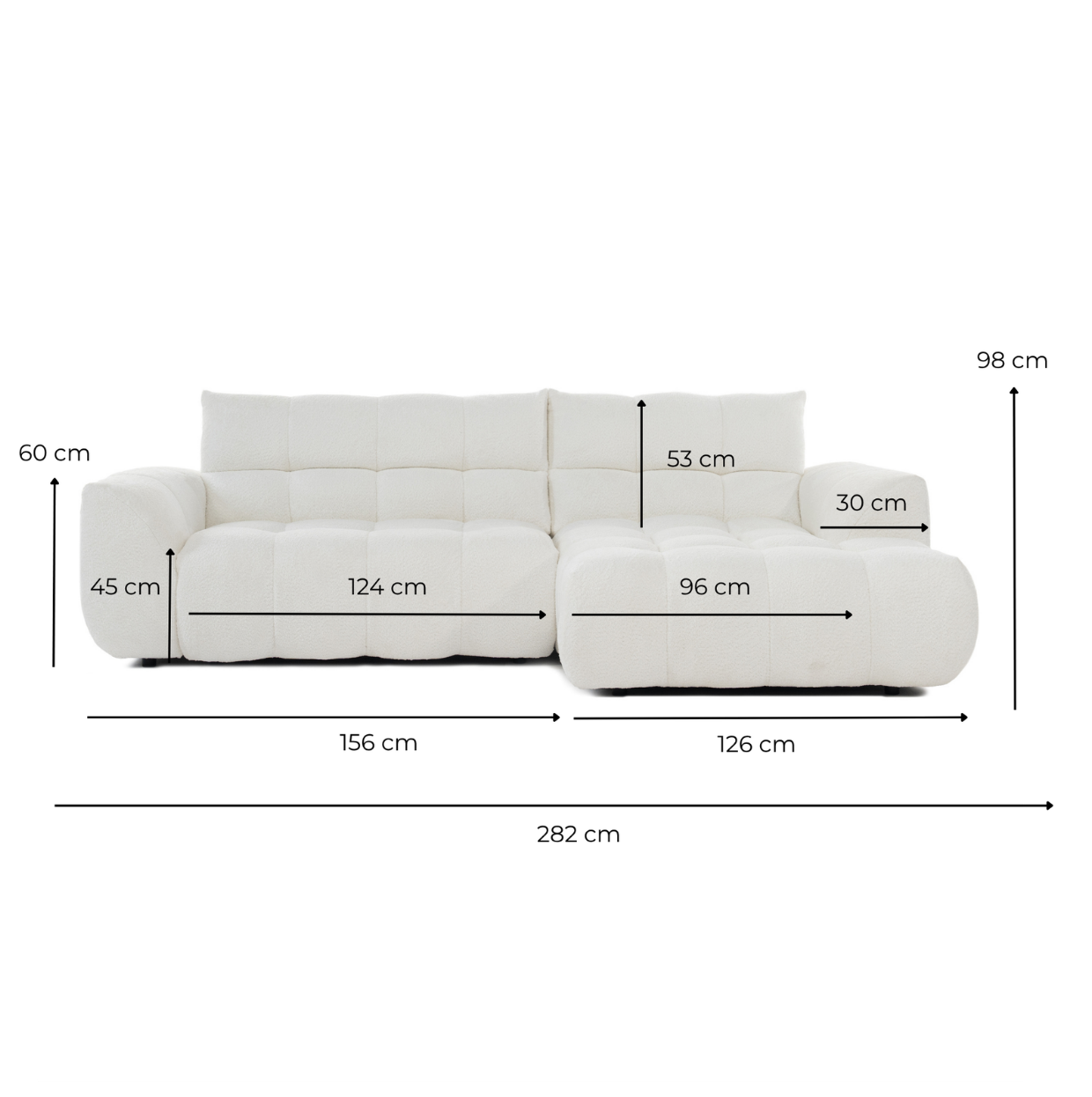
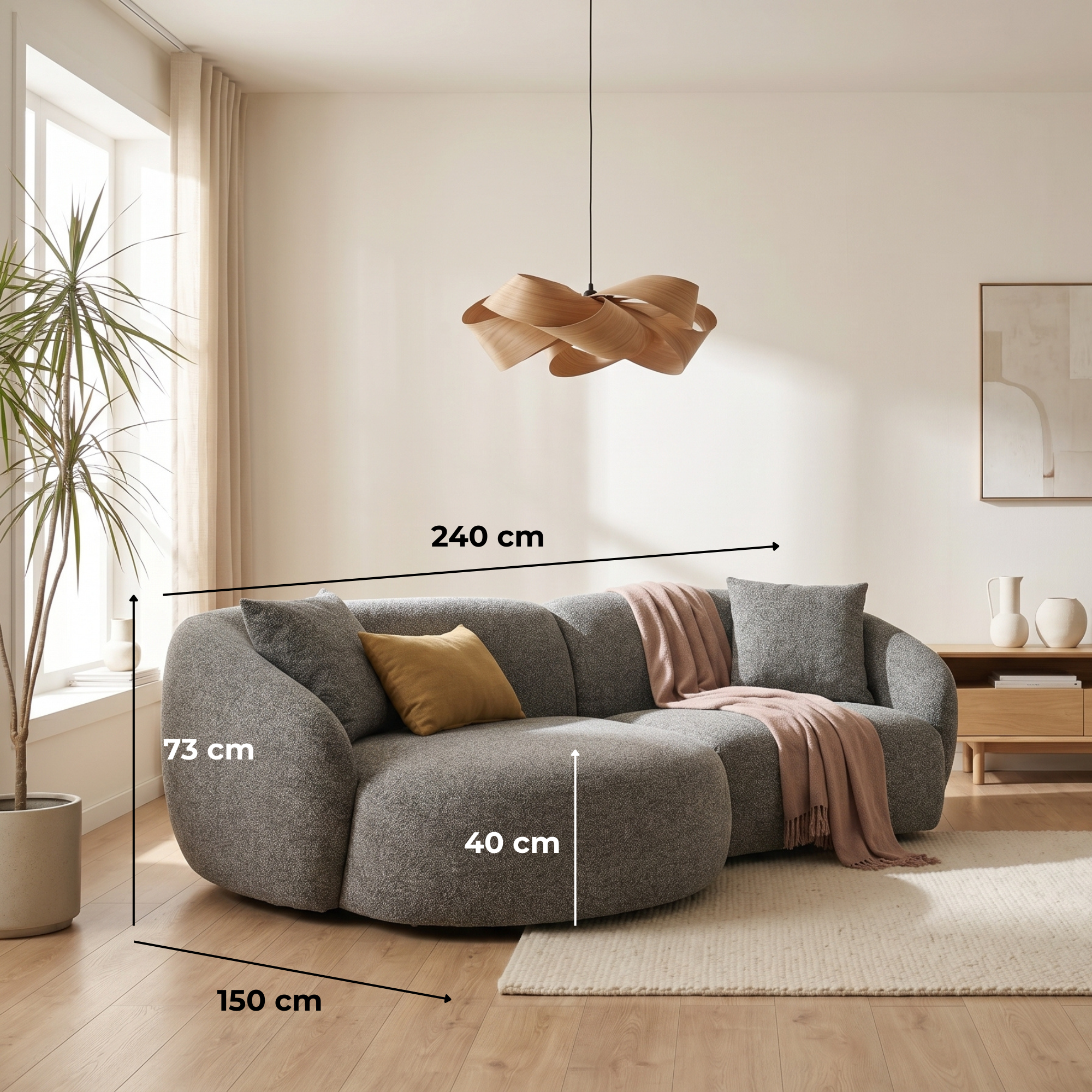
Before you look at a single sofa, you need to know your room dimensions and understand how a sofa will interact with the available space. The most important measurement is not the room itself but the clearance: how much space will remain in front of, beside, and behind the sofa once it is in place. The industry rule of thumb for minimum circulation space in front of a sofa is 90cm — less than this and the room will feel cramped. Mark your intended sofa position on the floor with masking tape before you order, and live with it for a day or two to sense whether the scale is right. Remember also to measure doorways, staircases, and corridors — many sofa returns are caused by pieces that fit the room perfectly but cannot be moved through the building to get there.

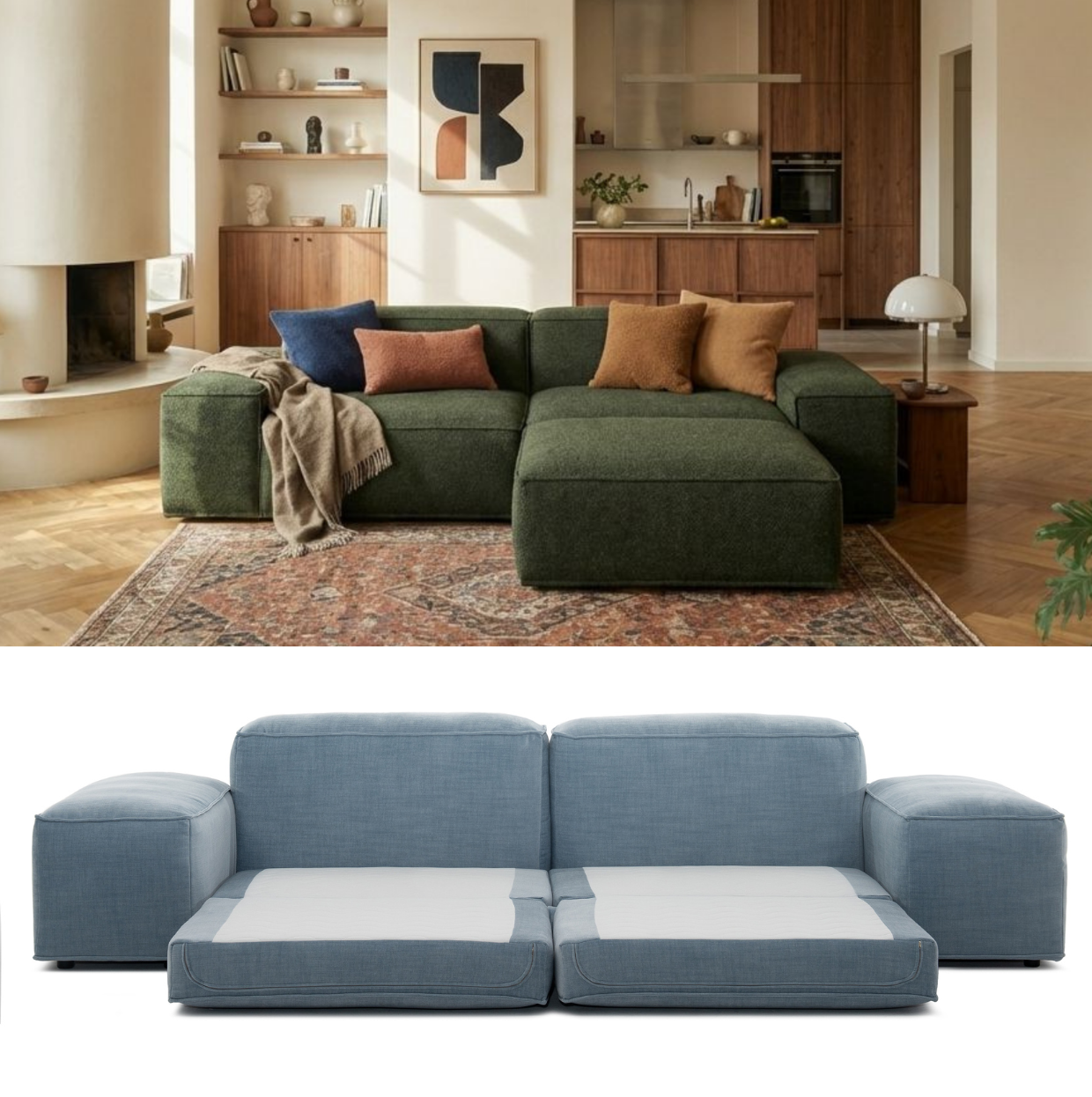
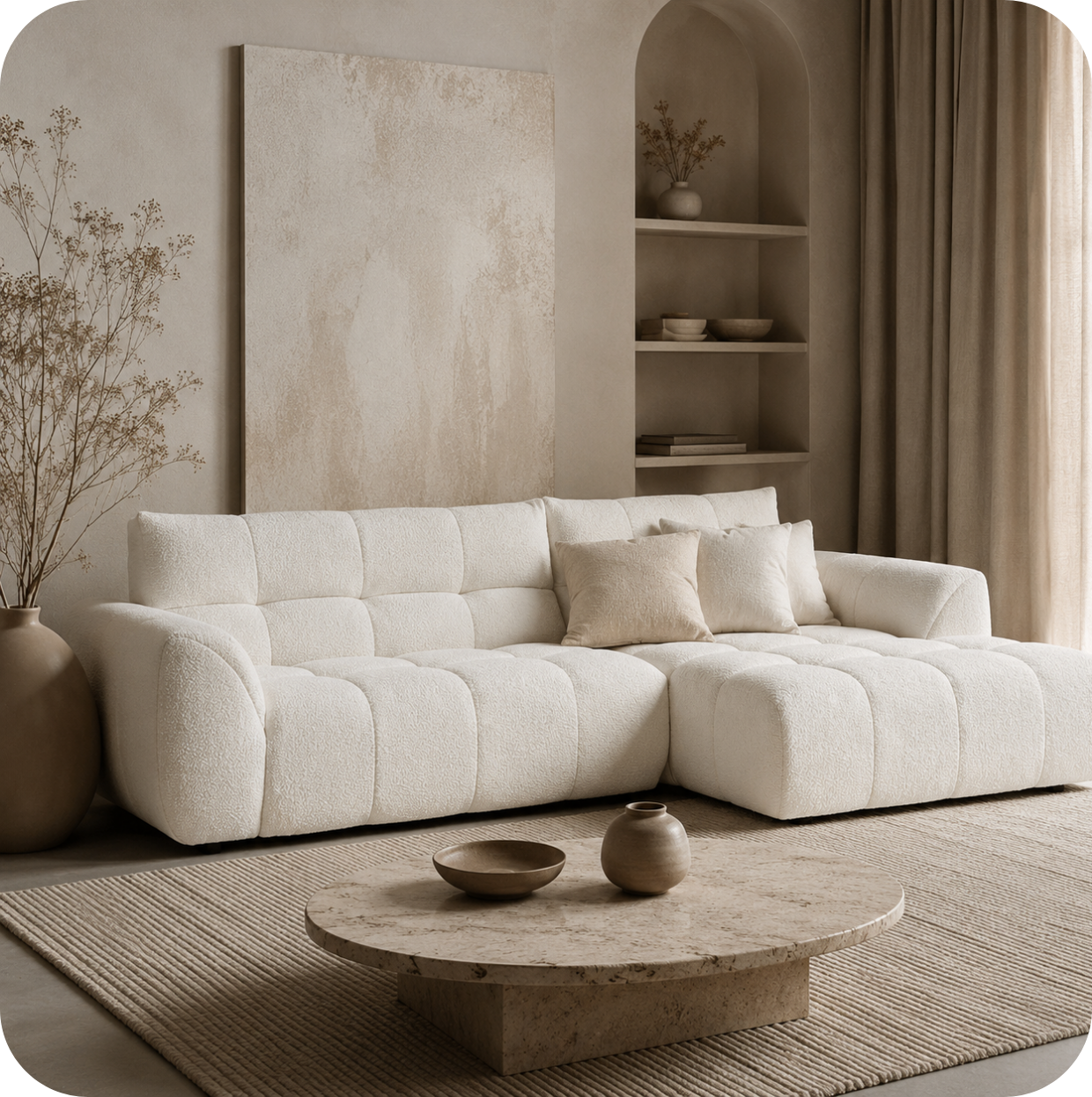
Riva 3-Seater with Pull-Out Bed — from €999
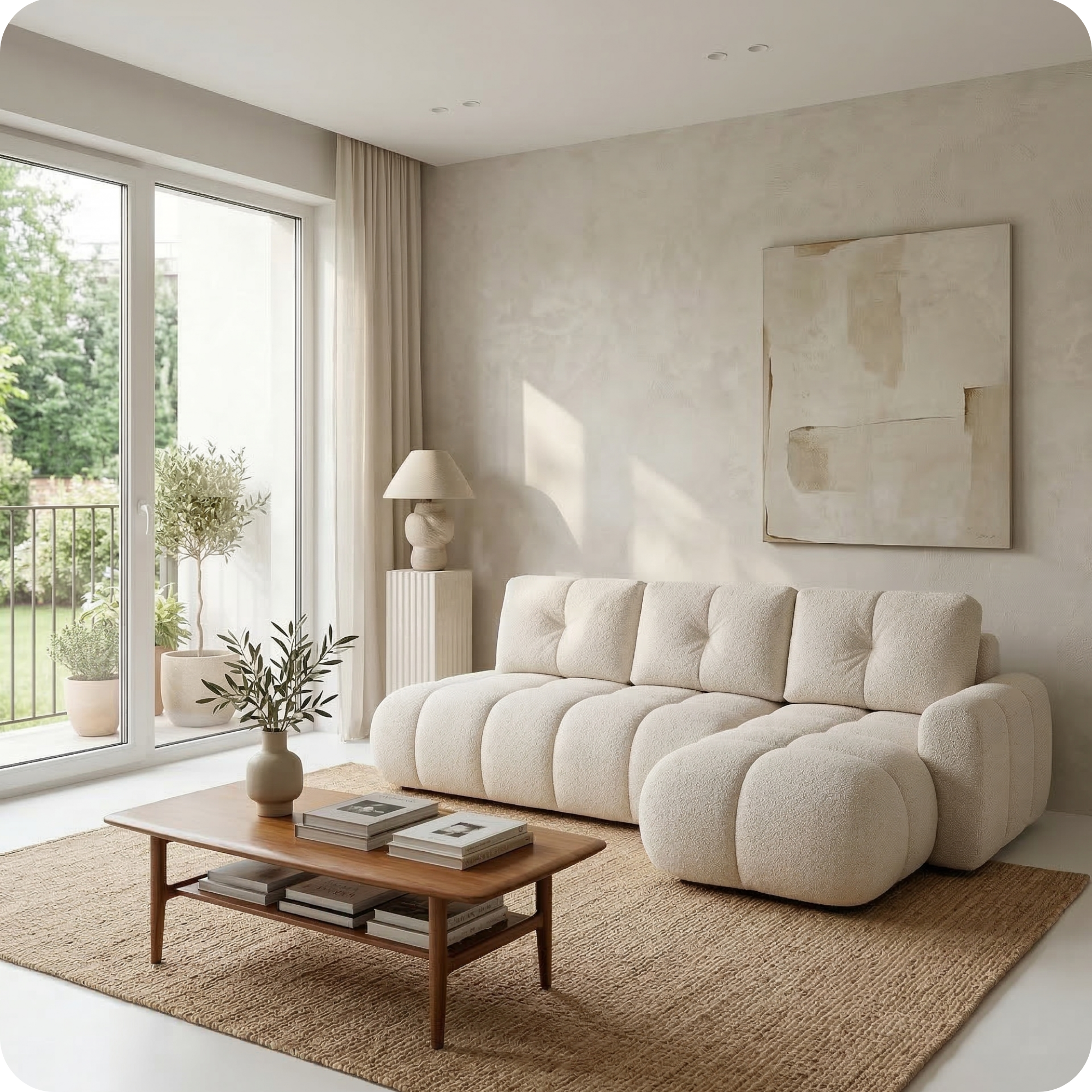
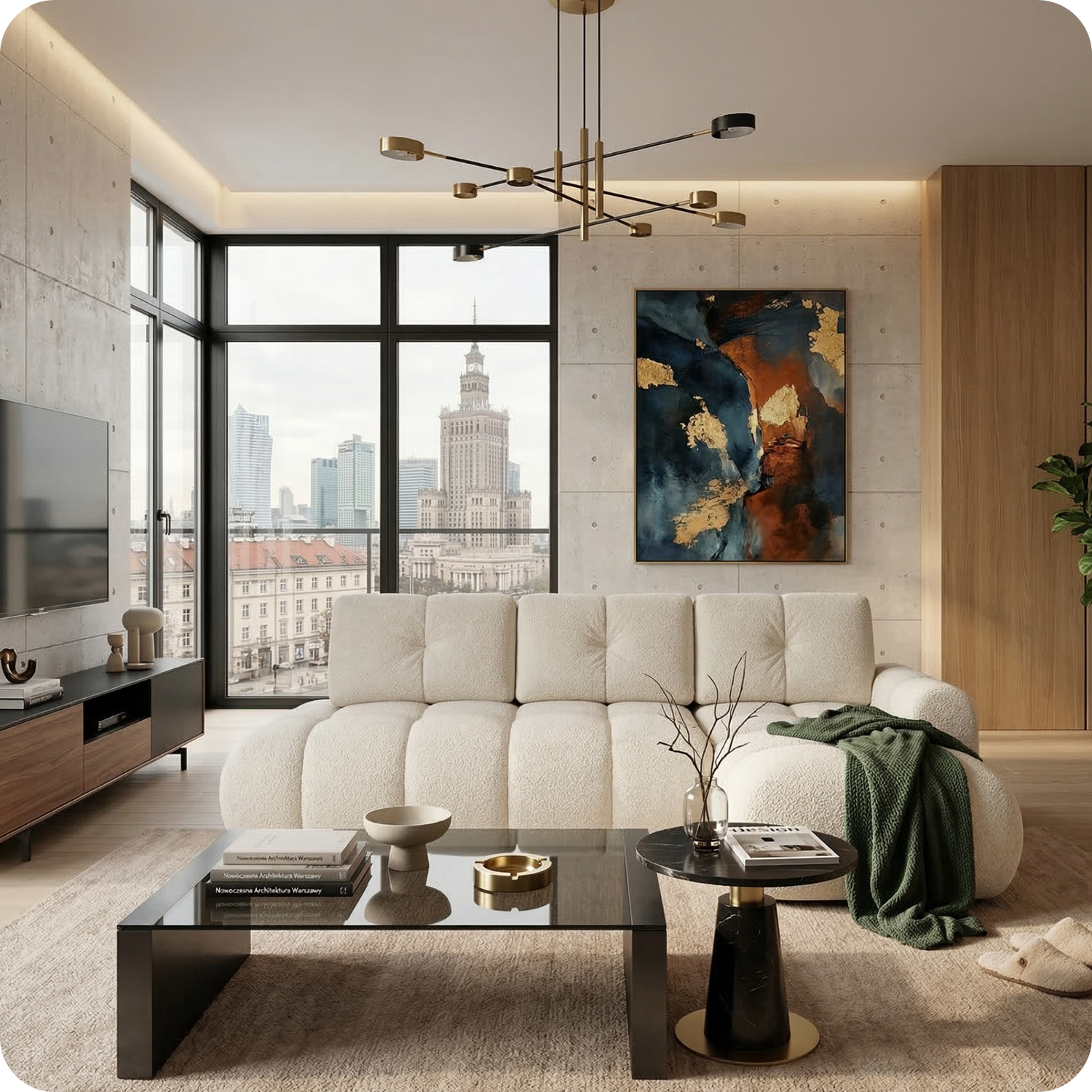
If your guest sleeping capacity matters as much as daily comfort, the Riva solves both needs in a single elegant piece. As a sofa, it is a beautifully proportioned 3-seater with the clean lines and generous seating depth that make it the anchor of a well-considered living room. As a guest bed, it pulls out to a full sleeping surface without requiring the visual compromise that sofa-beds once demanded.

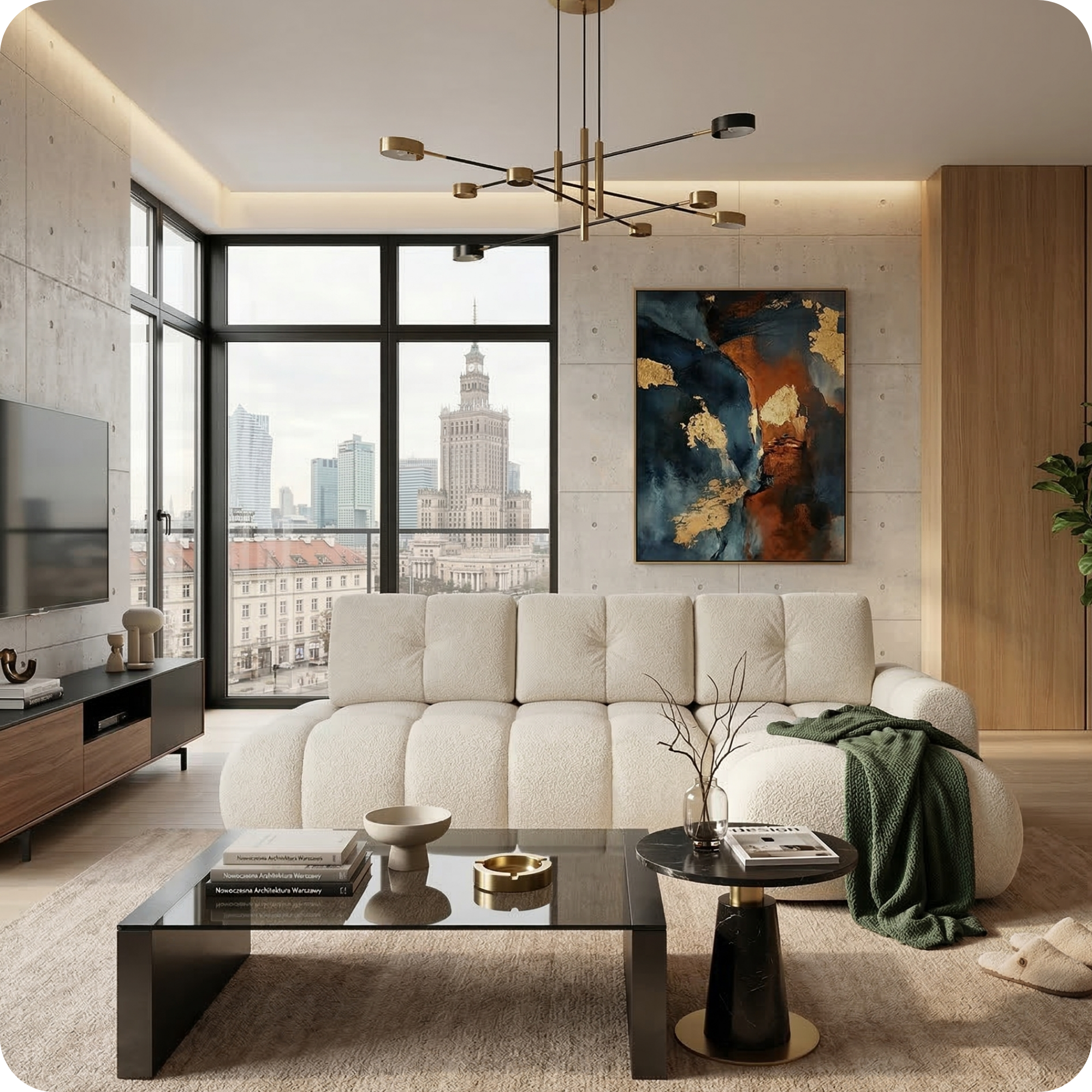
Lugano Sofa in Toffee — from €1,299
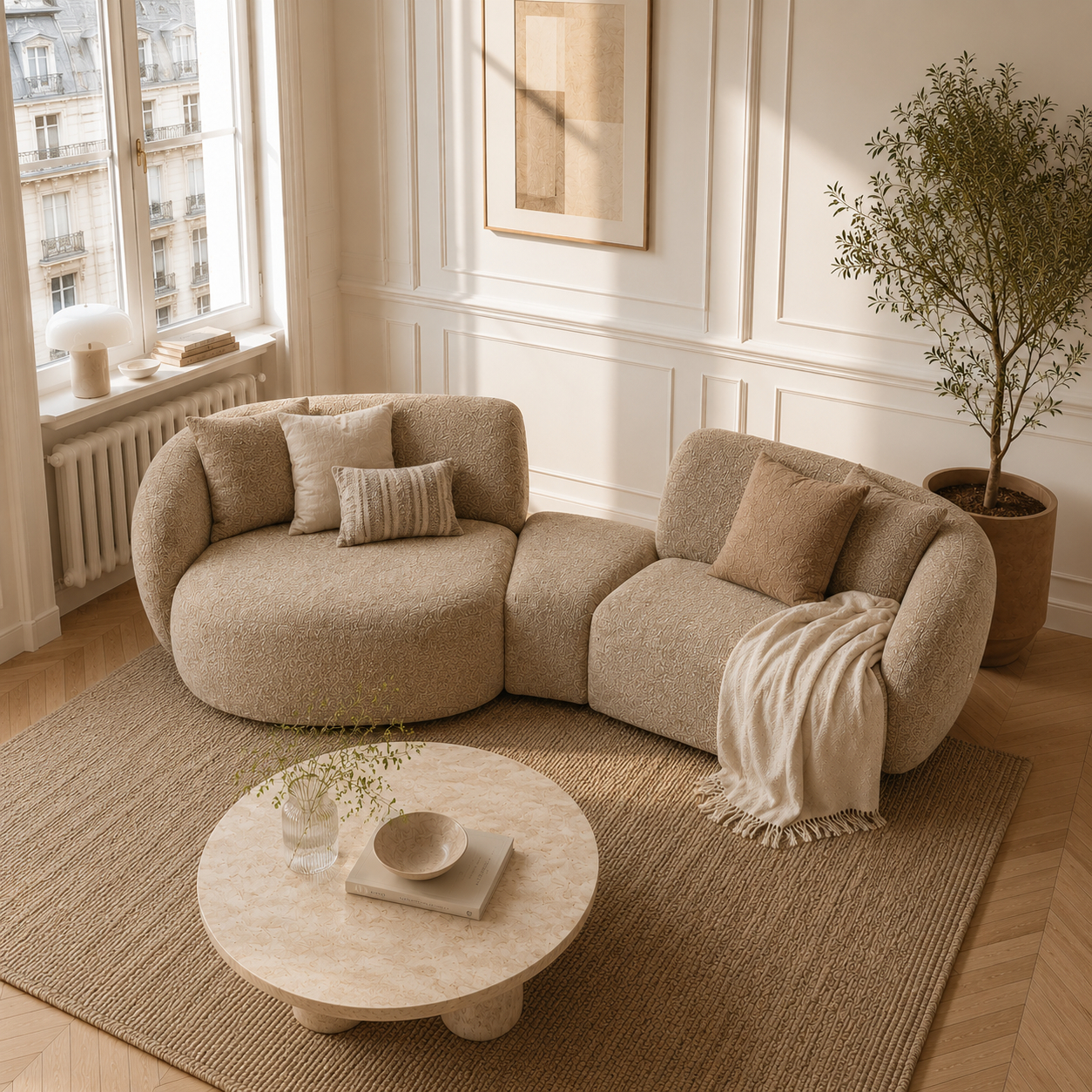
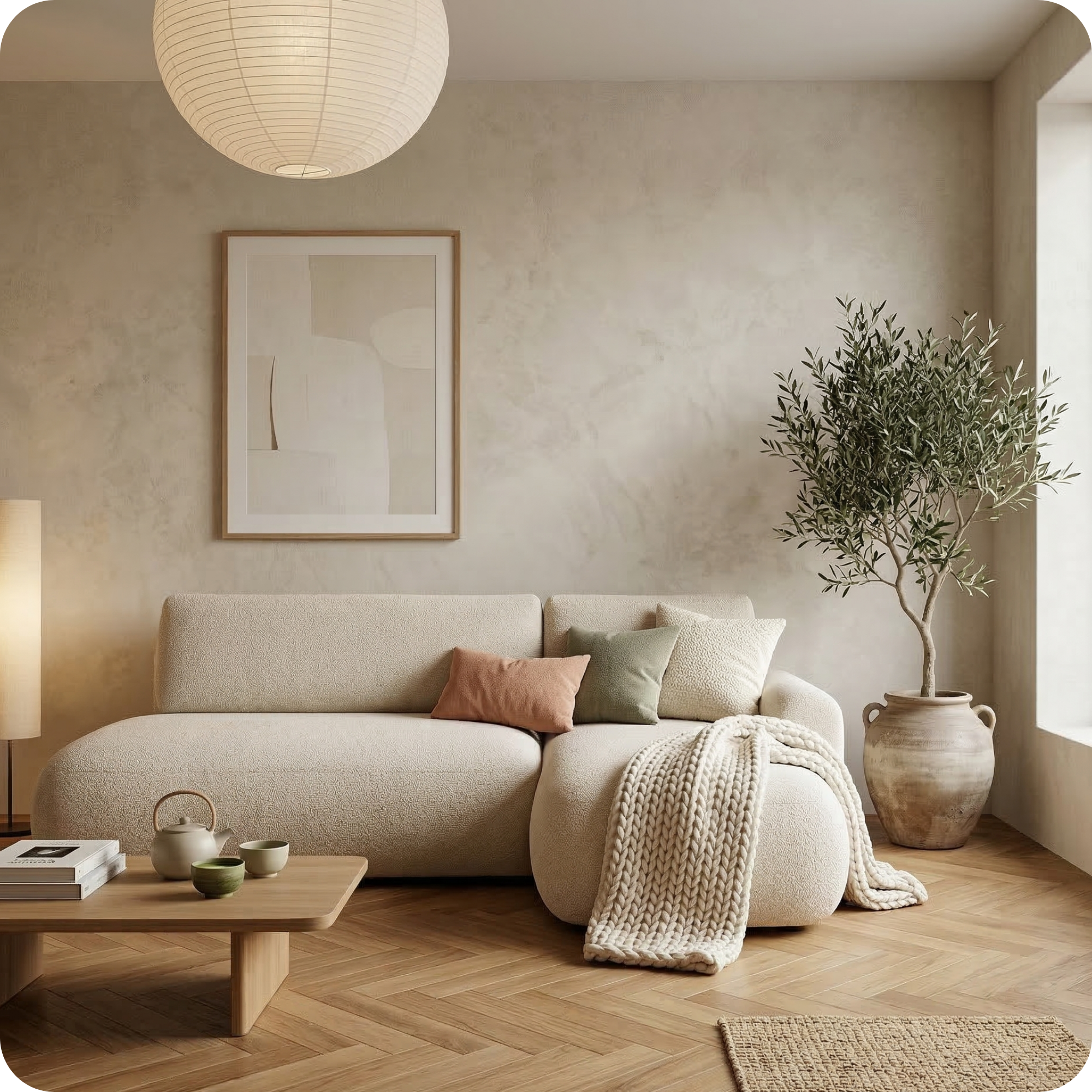
The Lugano is the sofa that rewards careful size consideration: its clean, compact footprint makes it versatile across room sizes, while the generous seat depth and comfort specification mean it never reads as a compromise. The toffee colourway is warm enough to anchor a neutral room without dominating it — proof that a carefully chosen sofa does not need to be the loudest thing in the room.
Step 2: Choose Your Configuration
Sofa configuration — the basic shape and type — should be driven by how you actually use your living room and who uses it with you. The main configurations to consider are: a standard 3-seater (the most versatile format, works in almost any room); a corner sofa or L-shaped sofa (maximises seating, defines zones in open-plan rooms, provides a longchair for one person); a modular sofa (flexible by design, can be reconfigured as needs change); and a sofa with pull-out bed (adds sleeping capacity without a dedicated guest room). Think about your real usage before your aspirational usage: if you rarely entertain but frequently lie on the sofa to watch television, a corner sofa with a chaise is a far better choice than a formal 3-seater and armchair combination.
Step 3: Select Your Fabric
Fabric selection has two dimensions: aesthetics and practicality. Aesthetically, the main fabric families for contemporary sofas are: bouclé (textured, wool-like loops — luxurious, soft, excellent for neutral palettes); velvet (rich, lustrous, vibrant colour depth — requires more maintenance but stunning when kept well); linen and linen-blend (natural, relaxed, breathes well, ages gracefully — the choice of Scandinavian and slow-living interiors); and performance fabrics (woven to resist staining, pilling, and wear — ideal for homes with children, dogs, or heavy everyday use). Practically, consider your household: pets with claws and velvet or bouclé are a difficult combination; performance fabrics exist precisely to handle the realities of life with animals and young children.
Step 4: Test and Evaluate Comfort
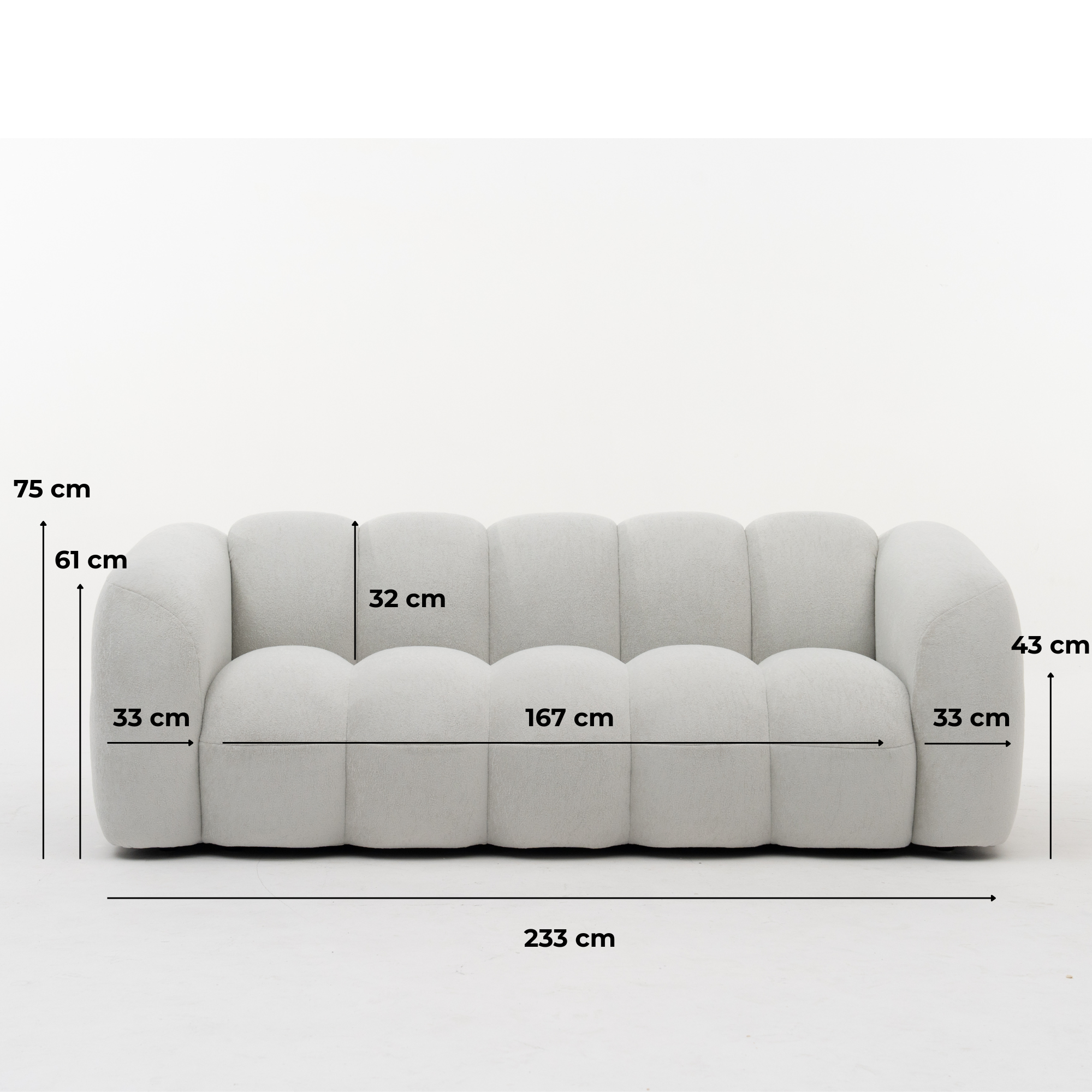
Comfort is both physical and durational. A sofa that feels immediately plush and yielding when you first sit on it may feel sunken and unsupportive after two hours — while a sofa that feels firm initially often proves the more comfortable long-term choice because the foam retains its shape and support over time. When testing a sofa, sit on it for at least ten minutes. Check that your feet reach the floor comfortably, that your lower back is supported, and that the armrests sit at a natural height for resting your arms. If you tend to lie on the sofa rather than sit, test the depth of the seat: you want enough room to extend your legs without falling off the edge of the seat cushion.

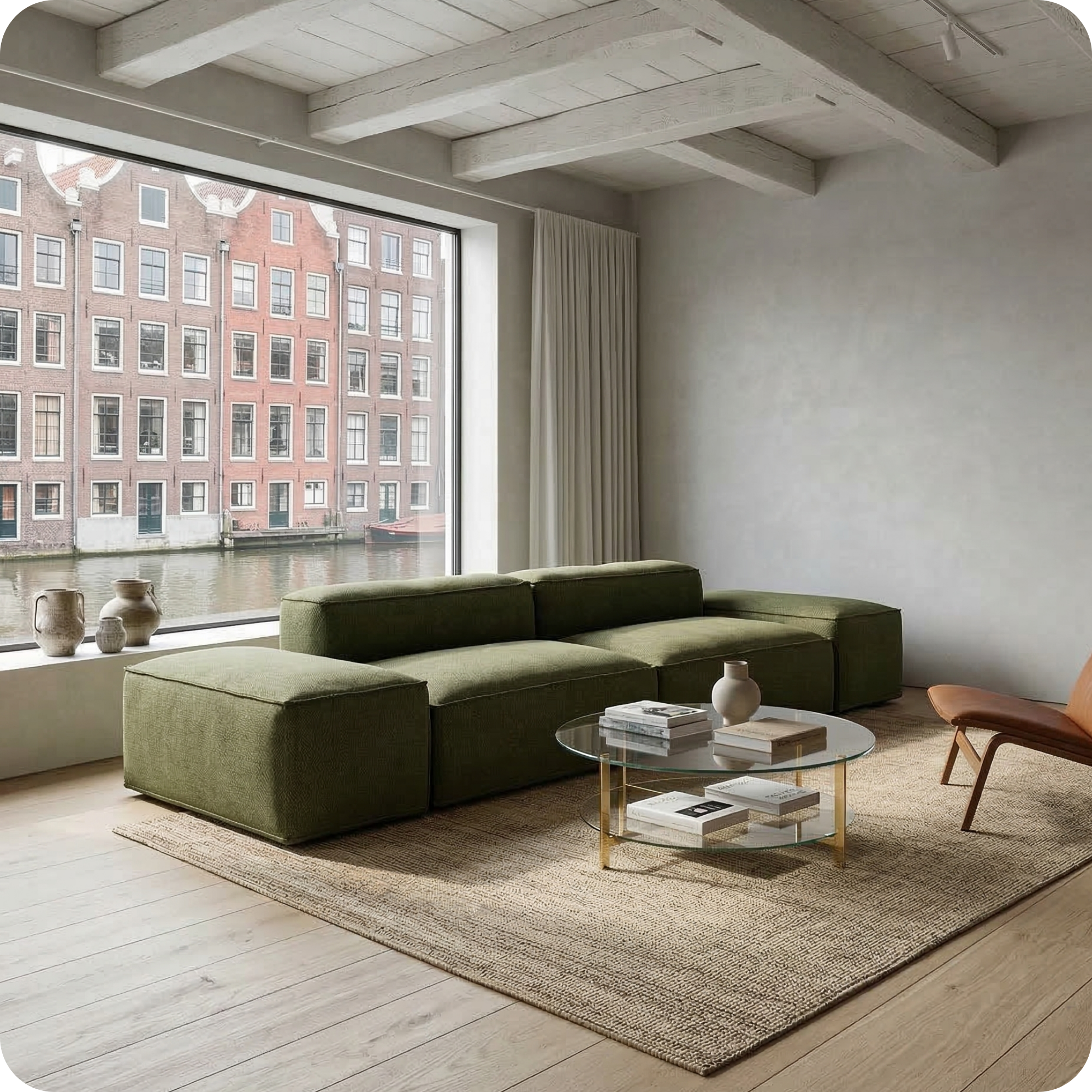
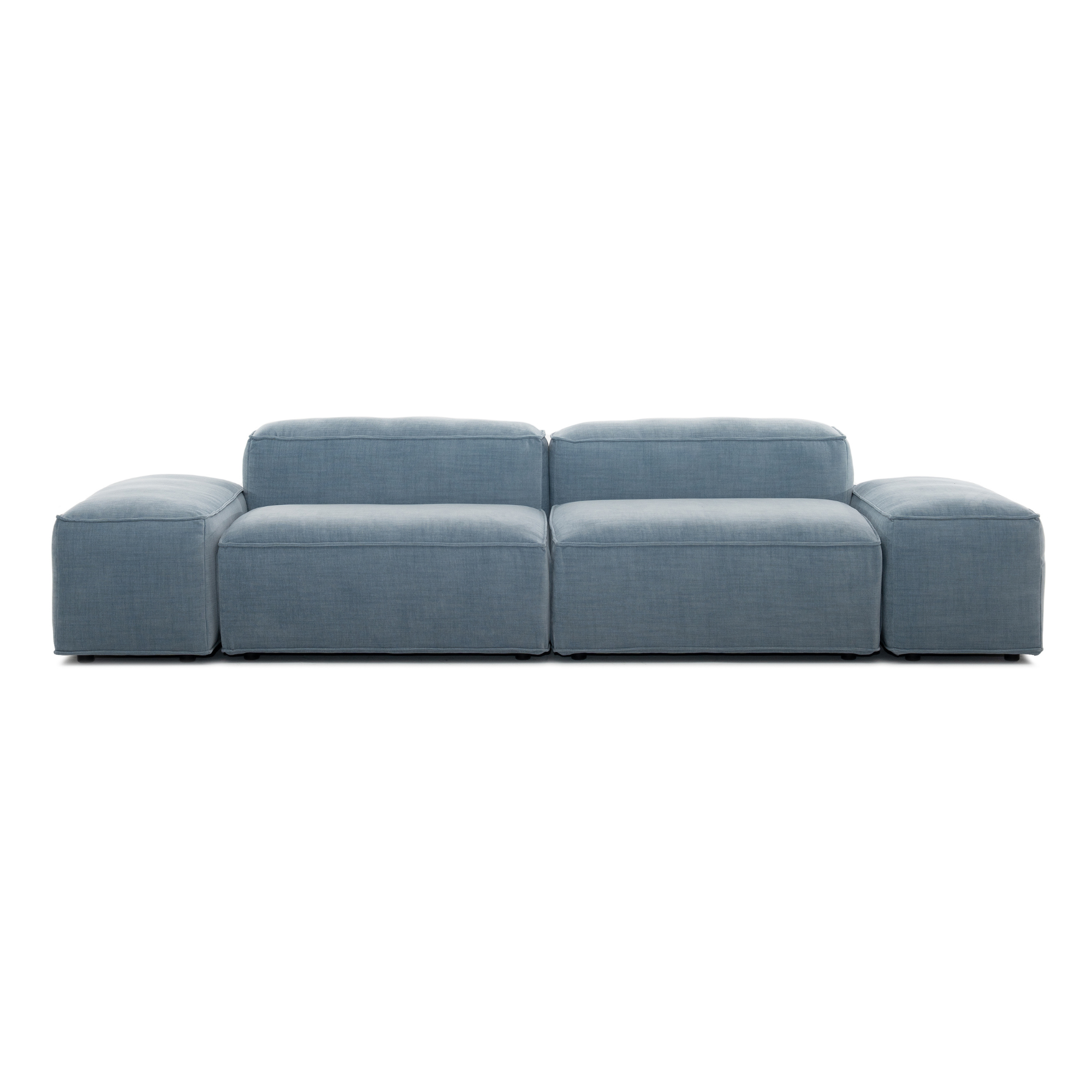
Merlot Modular Sofa — Low Armrests — from €1,532
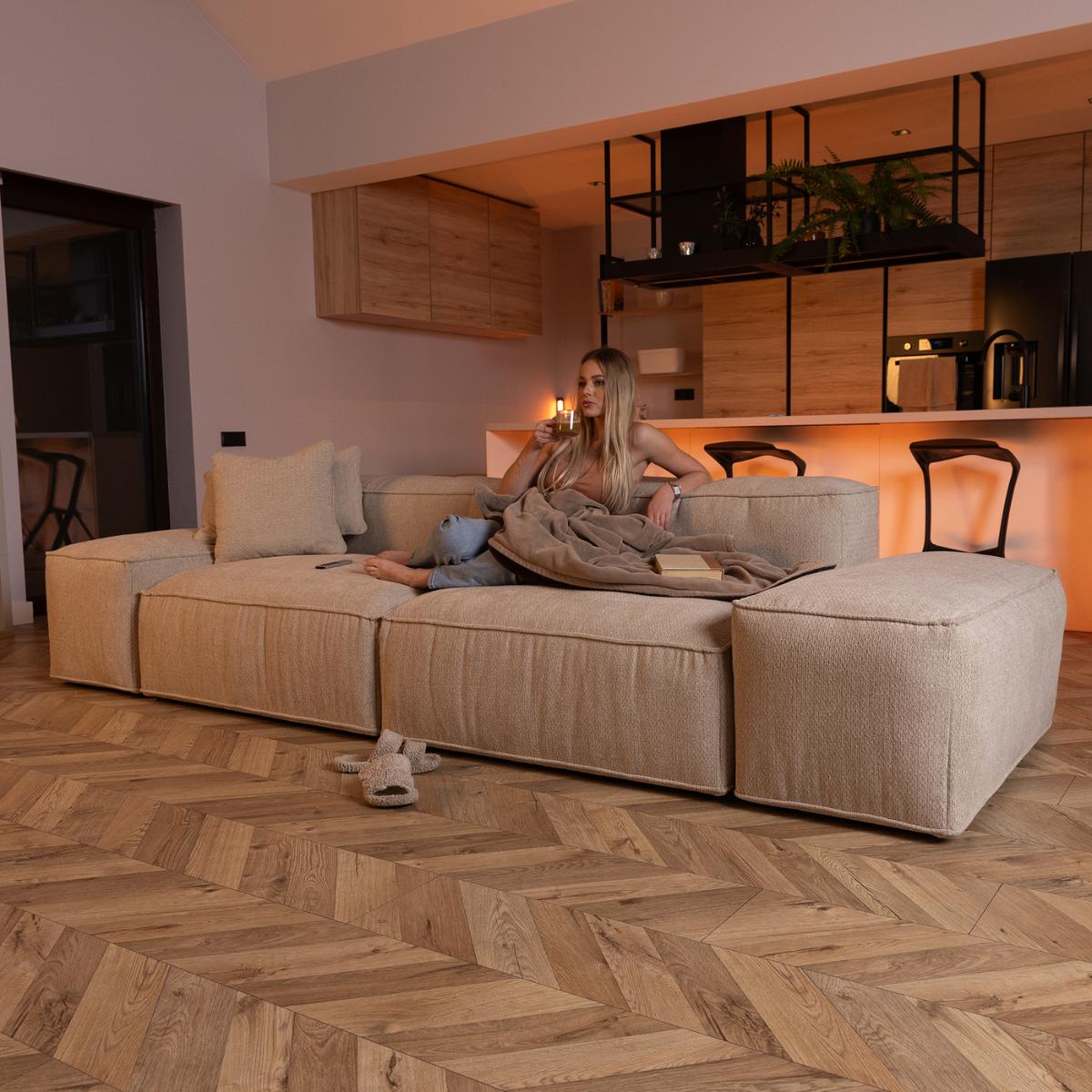
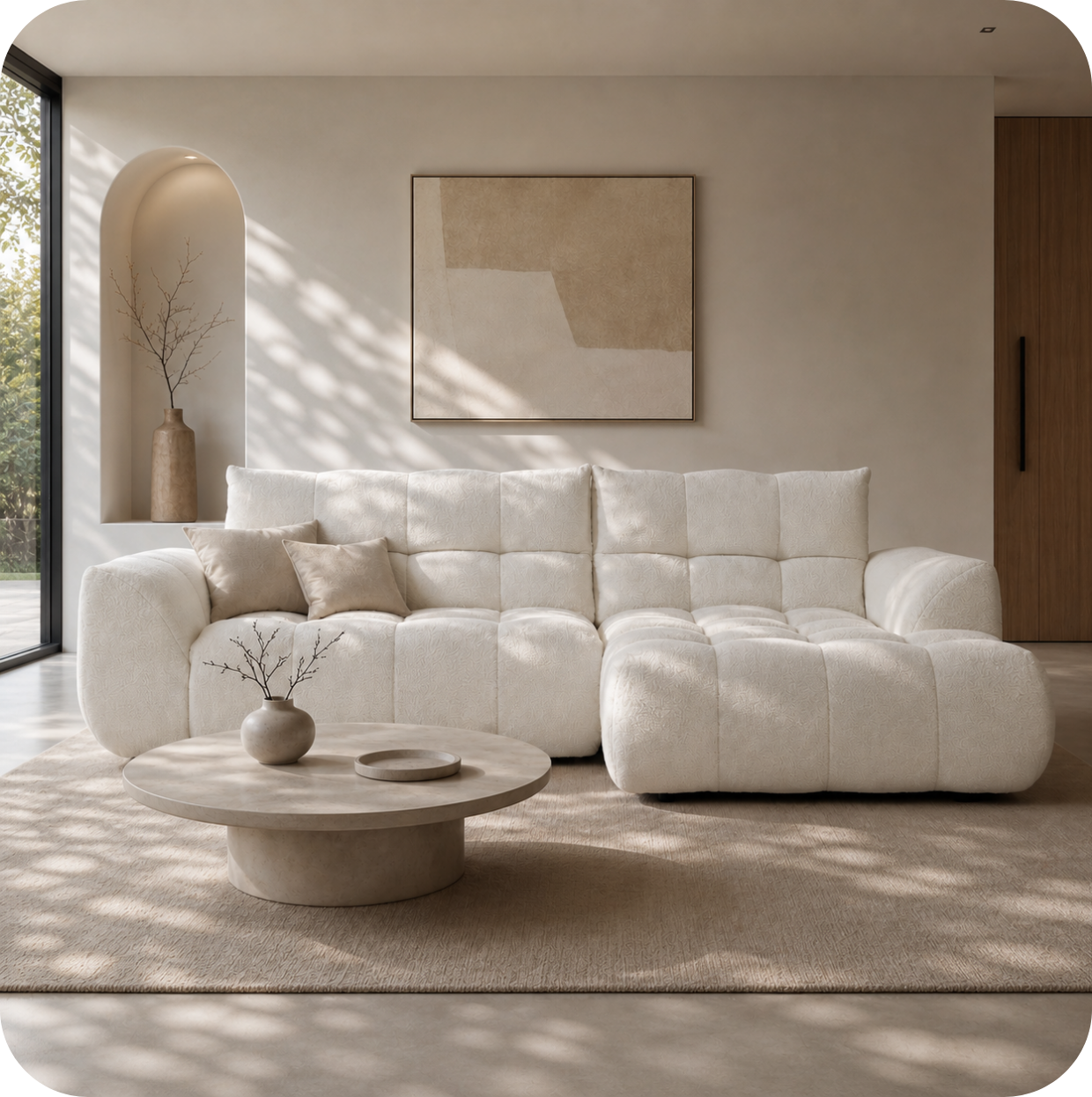
The Merlot with low armrests demonstrates the ergonomic logic of armrest height: the low armrest gives the sofa a contemporary, open profile that makes even a mid-sized room feel more spacious, while providing just enough lateral support for comfortable seated use. If you tend to lie rather than sit, the low armrest also makes a natural headrest.
Step 5: Assess Quality and Longevity
Quality in a sofa operates on three levels: the frame (should be solid hardwood or high-grade engineered wood — avoid chipboard or softwood frames that will flex and weaken over time); the suspension system (eight-way hand-tied springs or sinuous springs are the benchmarks — both provide consistent, durable support; webbing-only suspension is a compromise); and the foam specification (higher-density foam retains its shape and resilience for longer — look for a seat foam density of at least 30kg/m³ for a sofa that will last a decade). Ask about the frame and foam specifications before you buy; a supplier confident in their quality will provide this information readily.