


How to Choose a Sofa Colour: The Complete Guide for 2026
The sofa is typically the largest single item in a living room and the most expensive to replace. Choosing its colour is therefore one of the highest-stakes decorating decisions most people make. Get it right and the sofa becomes the foundation around which everything else coheres. Get it wrong and the room can feel permanently off, with the sofa dominating in the wrong way for years. This guide walks through every factor you should consider when choosing a sofa colour — from the practical (light, dirt, resale) to the decorative (complementary colours, room style) — so you can make a confident, informed decision.
Start With Your Room's Light
The most important single factor in choosing a sofa colour is the light quality of your room — specifically whether it faces north or south. In a south-facing room with warm, direct light, cool colours (grey, blue, petrol, green) come alive and appear richer without looking cold. Warm colours (ochre, terracotta, burnt red) in south-facing rooms can feel slightly overwhelming or dominant. In a north-facing room with cooler, indirect light, warm colours are transformative — they fight back against the cool ambient light and make the room feel inviting. Neutral greiges and mid-grey sofas in north-facing rooms can make the space feel quite flat, while cream, ochre, or warm terracotta sofas lift the warmth significantly.
Consider Your Existing Colour Scheme
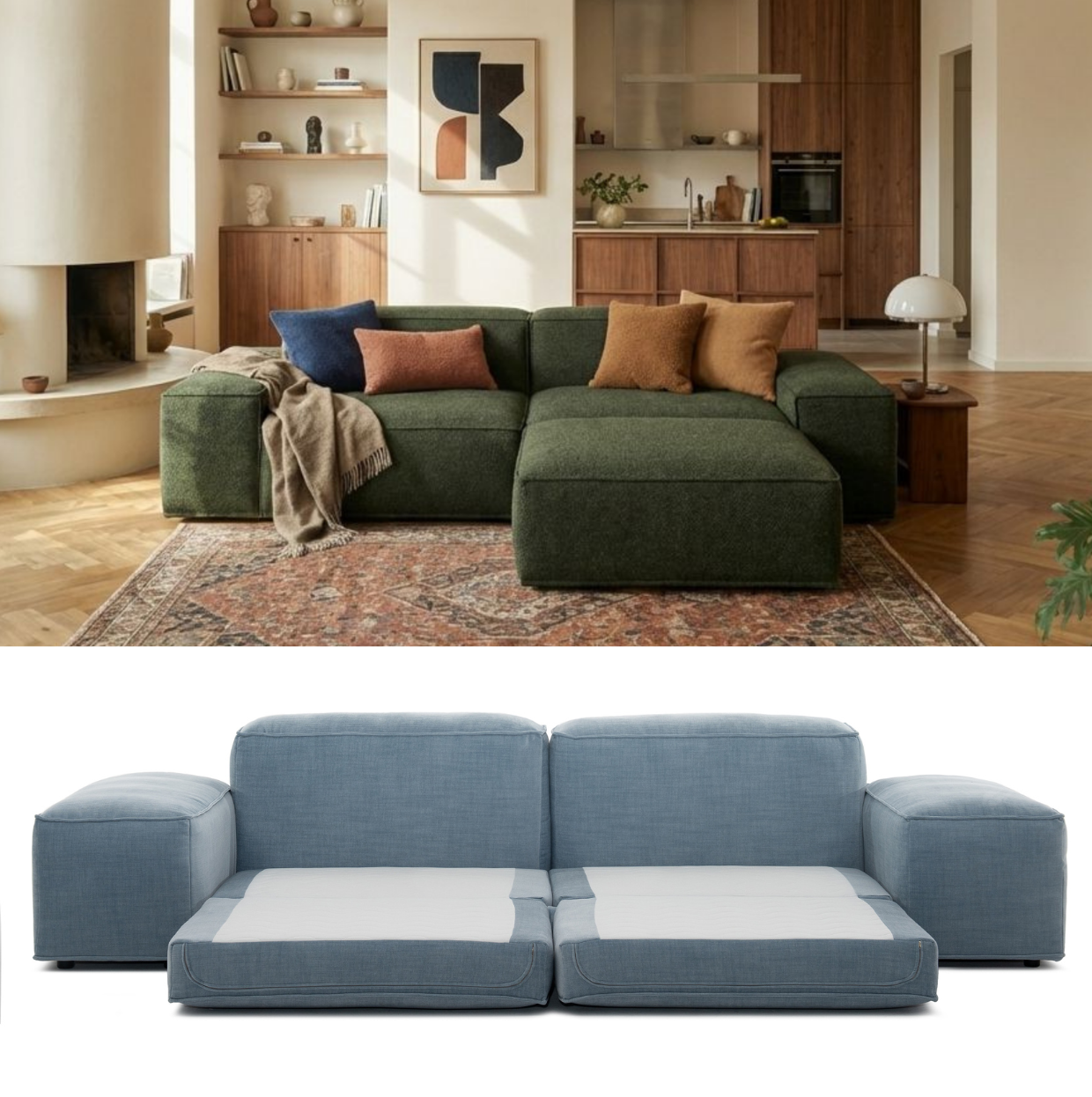
Unless you're furnishing from scratch, your sofa colour needs to work with what's already there — flooring, wall colour, and any existing large furniture pieces. The most reliable approach is to identify the undertone of your floor and walls first. Warm-toned floors (honey oak, warm beige carpet, warm terracotta tiles) pair most naturally with sofas in warm tones: cream, sand, caramel, ochre, terracotta. Cool-toned floors (grey-washed oak, white concrete, cool grey tiles) give you more flexibility and work well with grey, blue, petrol, or forest green sofas.
Neutral vs. Bold: The Core Decision
The first major fork in sofa colour choice is between neutral and bold. A neutral sofa (grey, cream, sand, beige, charcoal) gives you maximum flexibility. You can change your accent colours — cushions, throws, rugs, artwork — seasonally or when your taste evolves, without the sofa becoming dated. A bold sofa (velvet emerald, petrol blue, burnt terracotta, mustard, forest green) makes a stronger statement and creates a more distinctive, designed-feeling room. The trade-off is reduced flexibility: your accent colours are more constrained by the bold sofa's dominant presence, and the room's style becomes more fixed.

Lugano in Sand — from €1,299
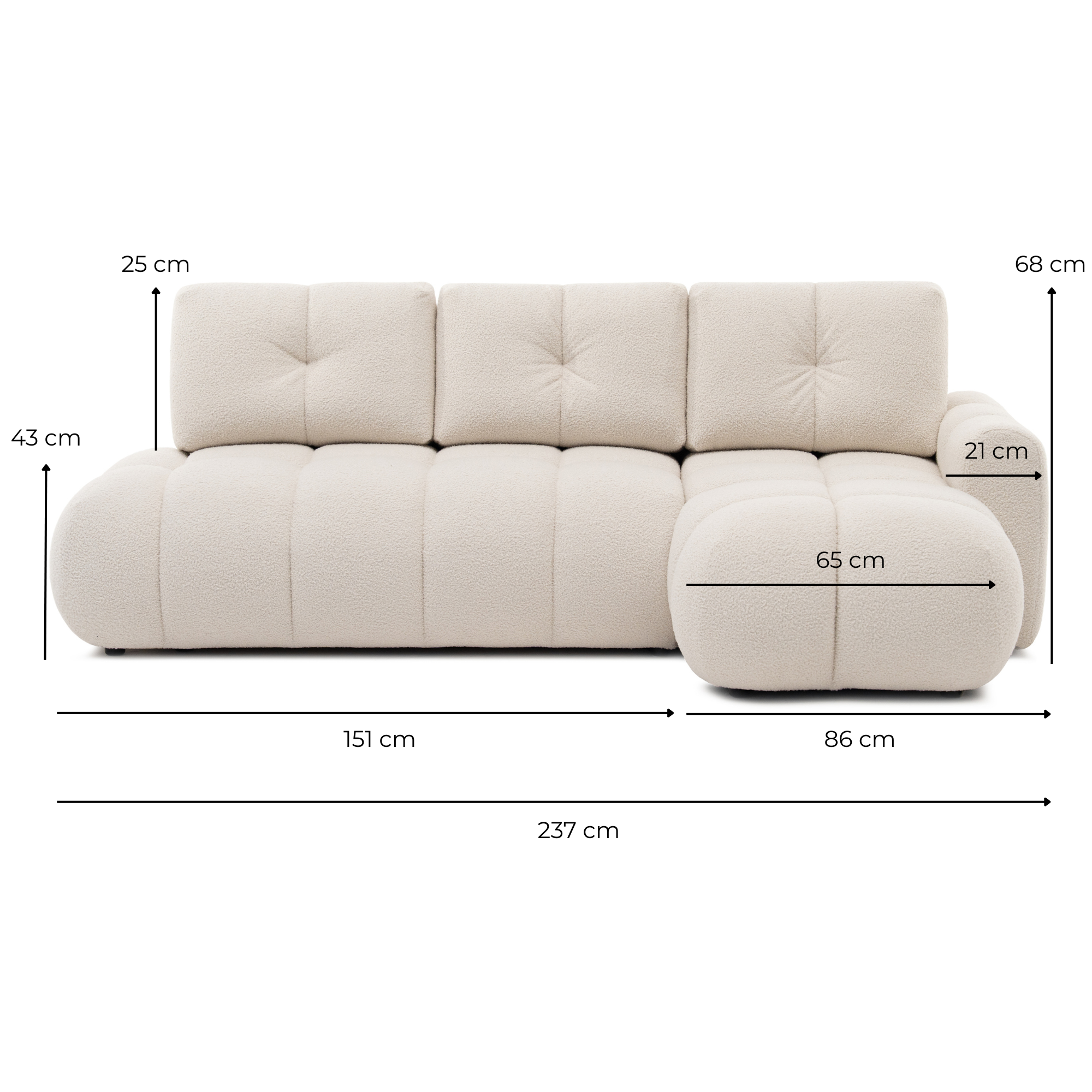
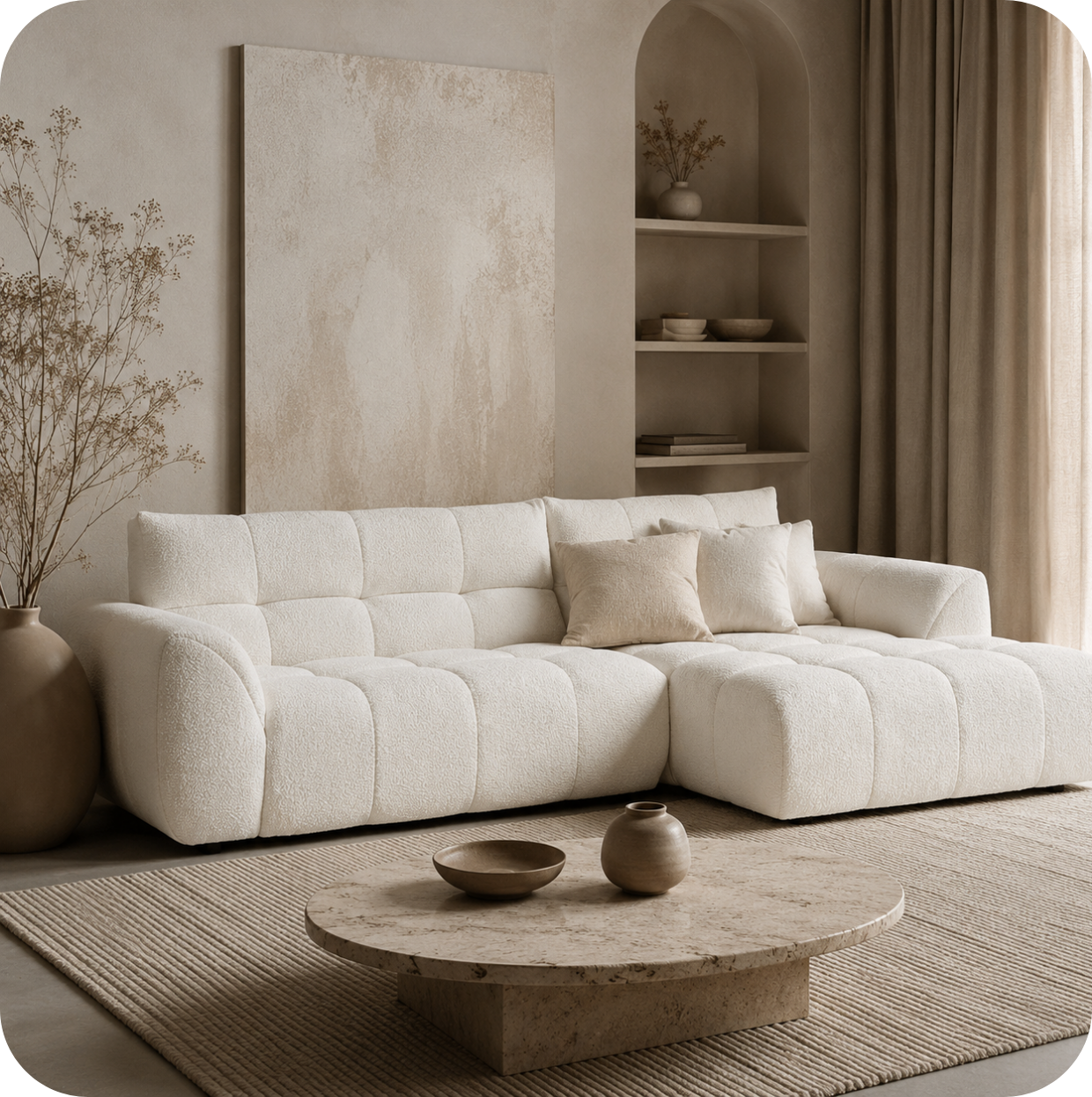
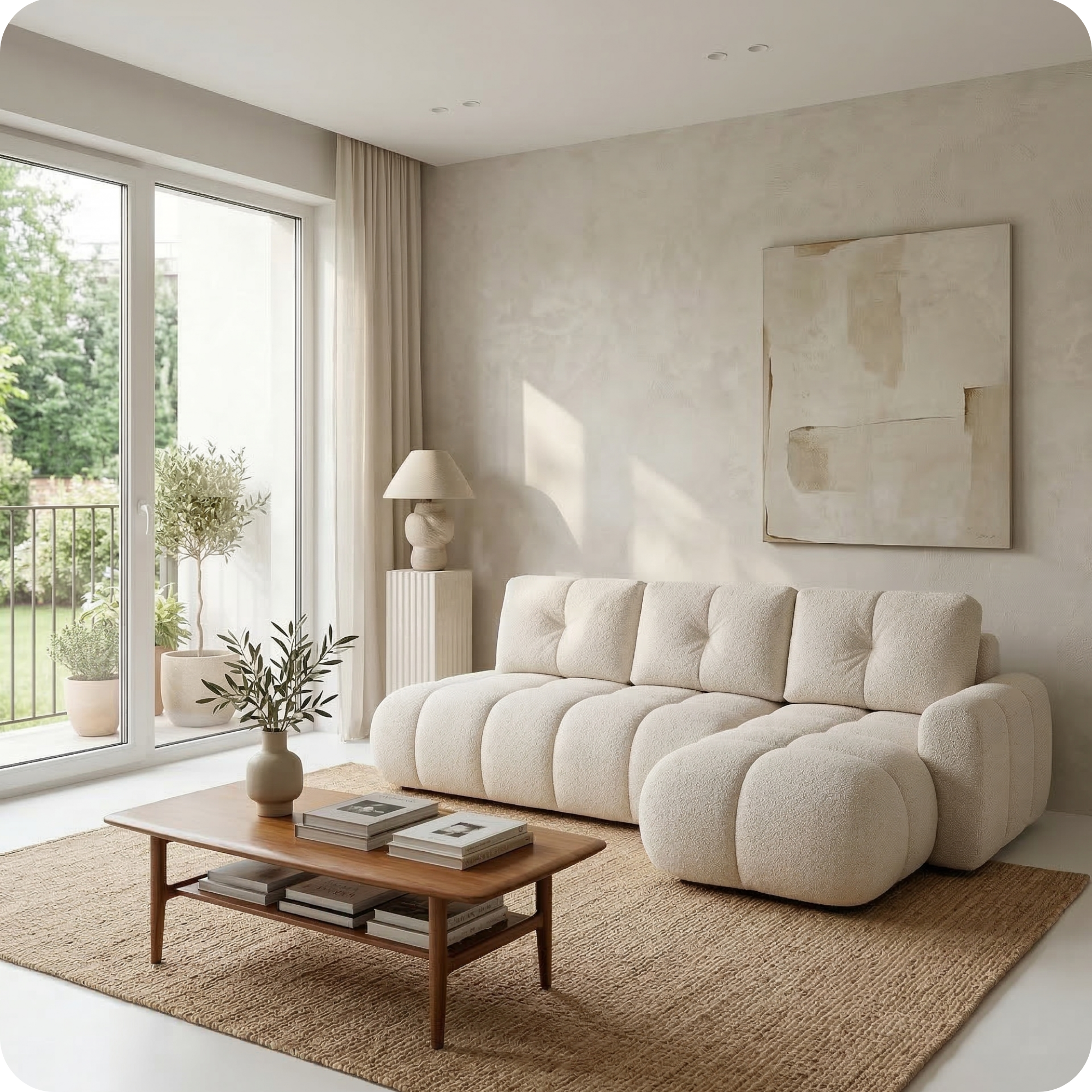
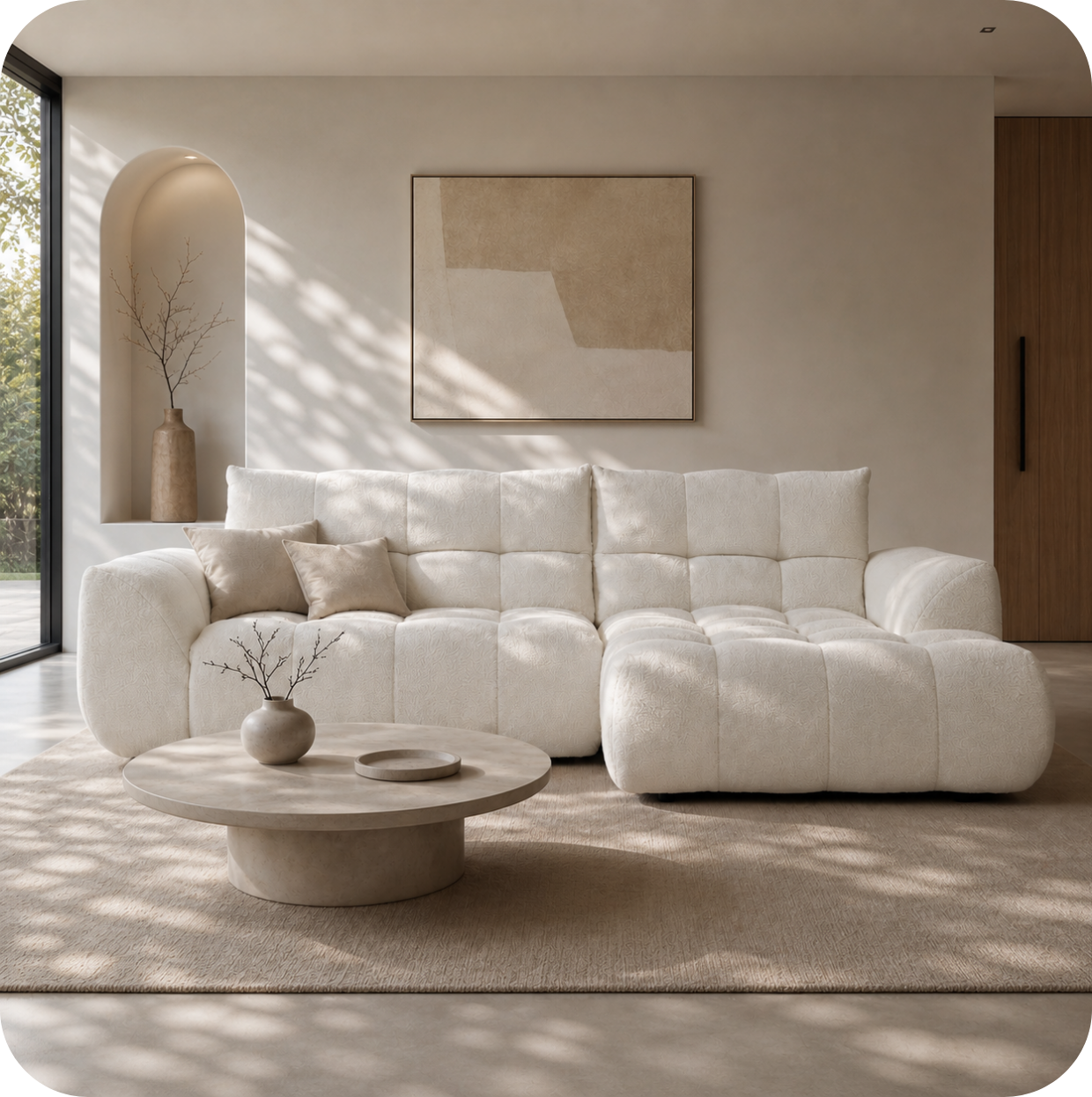
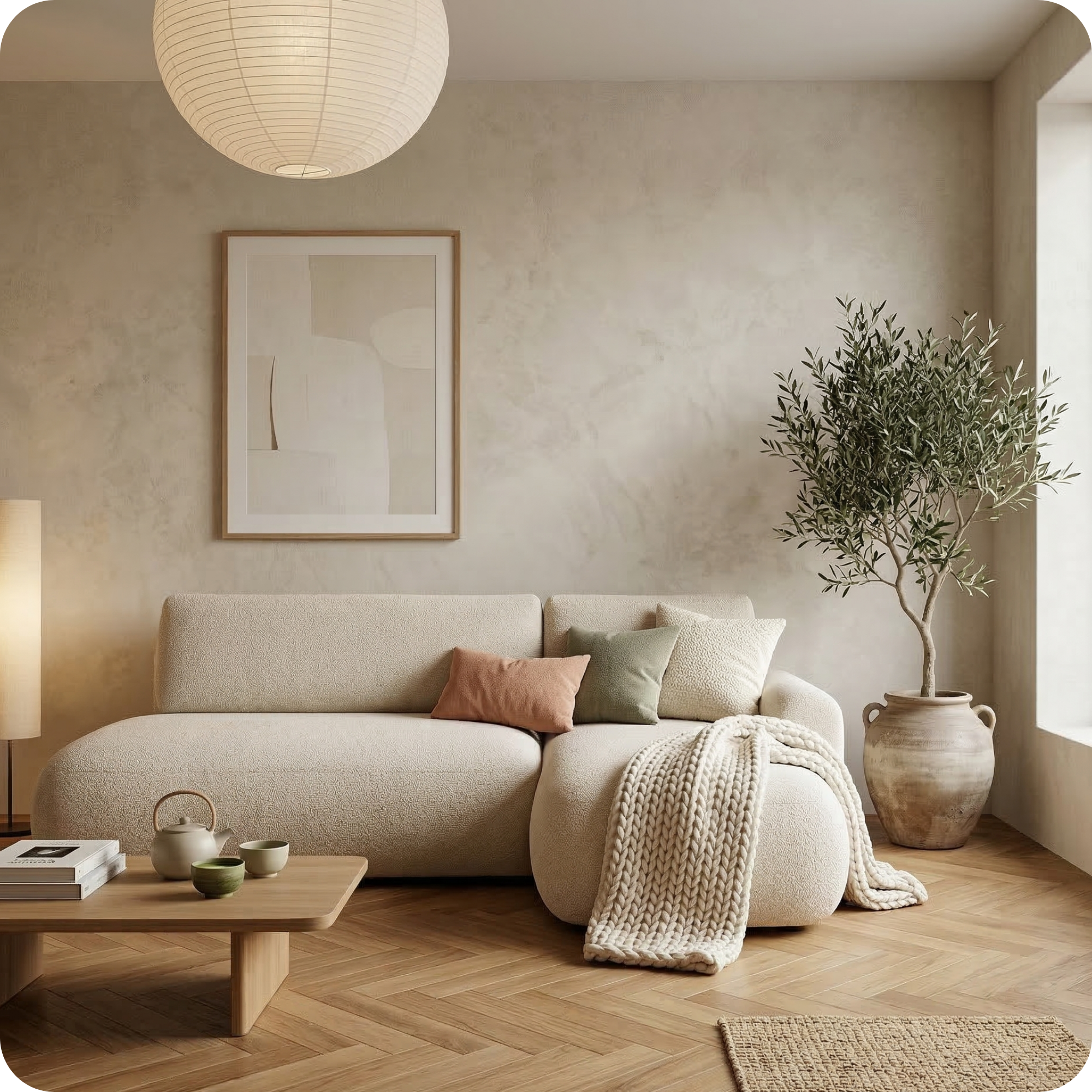
A neutral sand tone that adapts beautifully to a wide range of room styles and colour schemes. Sand is a warmer alternative to beige — it has more golden yellow in its composition and therefore works especially well in rooms with warm flooring and warm wall colours. It pairs naturally with natural linen, warm timber, terracotta accents, and brass metalware.

Lugano in Light Grey — from €1,299
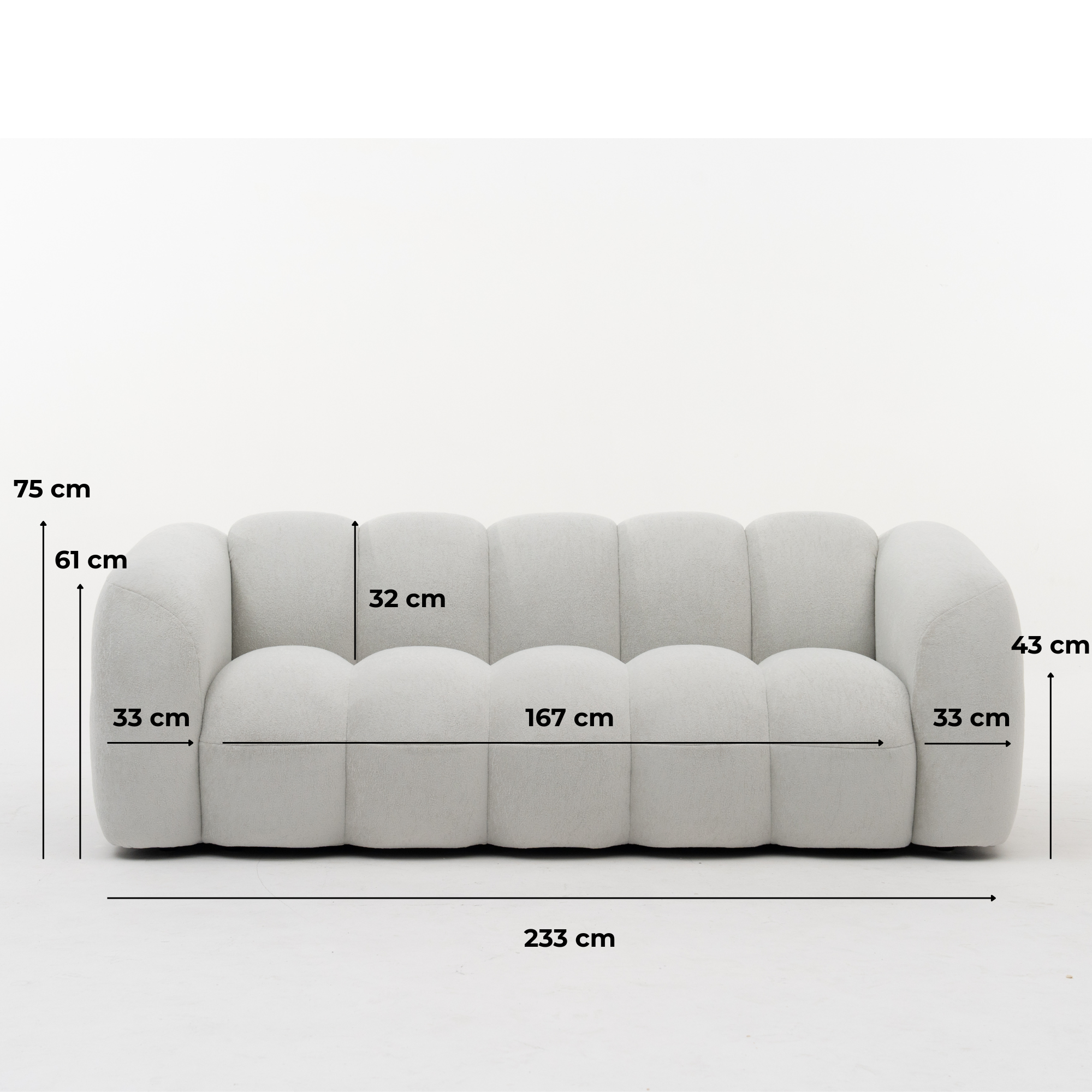
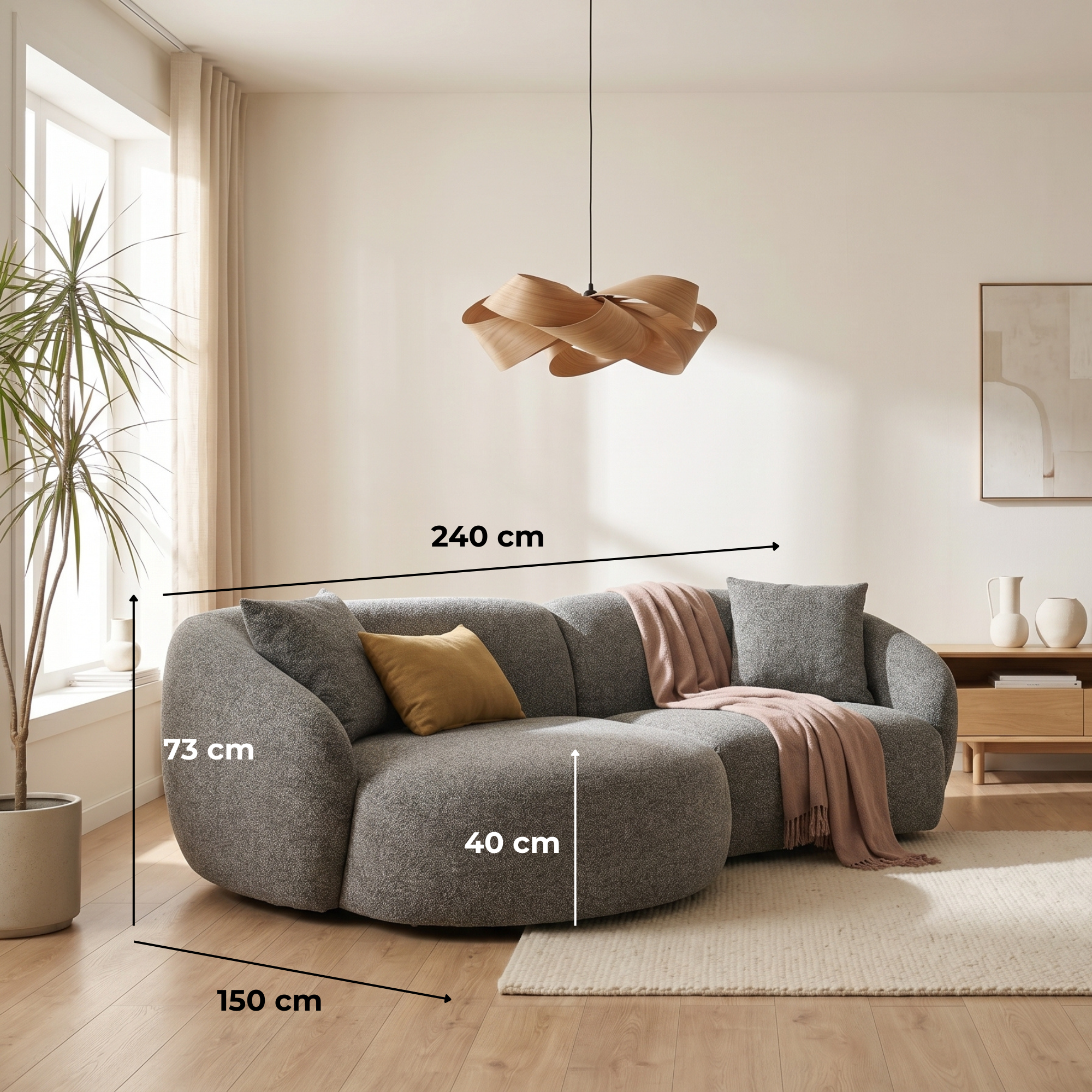
The most versatile neutral in contemporary living room design. Light grey with warm undertones bridges the gap between cool and warm — it works in both north and south-facing rooms and pairs with virtually any accent colour. Charcoal or dark grey options add a more dramatic register while retaining all the flexibility of a neutral.
Think About Longevity
A sofa is a five-to-ten year investment. A colour that feels fresh and exciting today needs to still feel right in five years. Certain colours have proved extremely durable design choices over decades: charcoal grey, warm cream, teal/petrol, deep forest green, and warm terracotta have all maintained relevance across multiple trend cycles. Avoid colours that feel specifically tied to a very particular moment in design — blush pink-beige (millennial pink) and extremely pale grey-white, for example, were ubiquitous in the mid-2010s and now can feel slightly dated. Deeper, more saturated colours and classic neutrals tend to age better than very pale or on-trend fashion colours.
Practical Factors: Children, Pets, and Daily Use
The practical reality of your household matters enormously for sofa colour. For homes with young children or pets, mid-tone colours in the warm taupe, warm grey, or warm greige range are the most forgiving — they mask the kinds of everyday soiling that light creams and bright whites show immediately. Very dark colours (charcoal, navy) show pet hair and light-coloured debris very clearly. Very light colours (cream, ivory, pale sand) show everything. Medium-tone warm neutrals hit the sweet spot of being stylish while being practically forgiving.

Lugano in Khaki — from €1,299
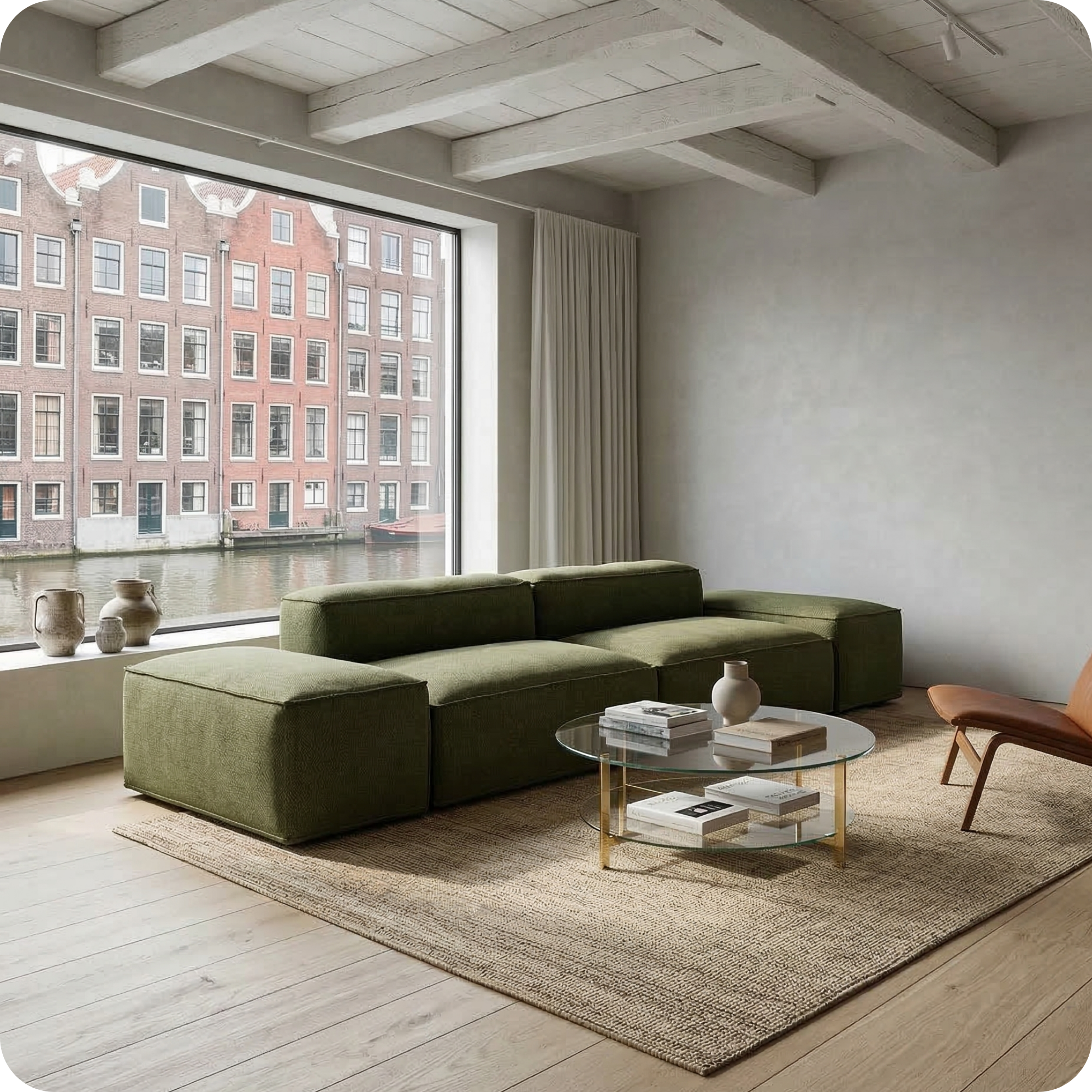
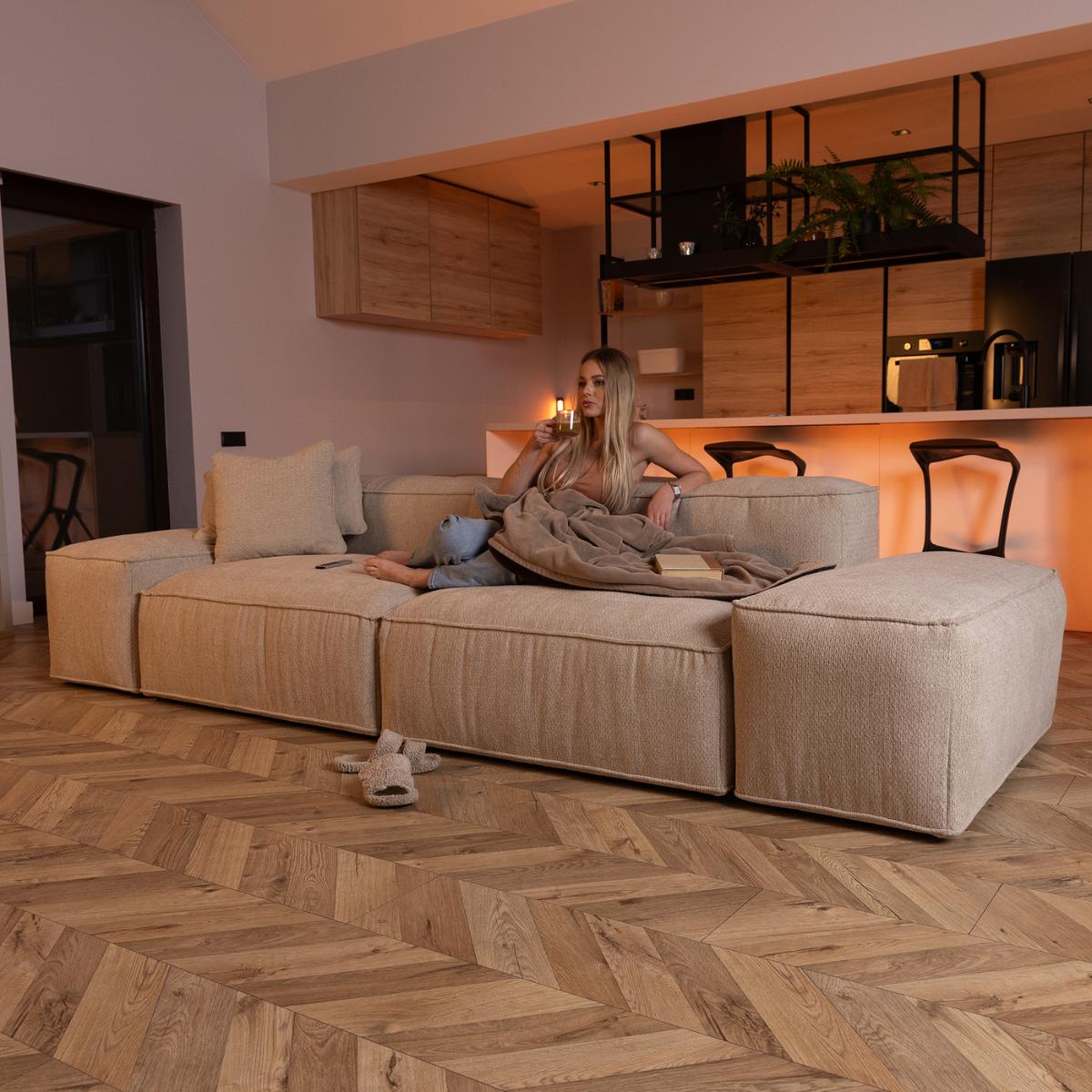
A practical, earthy mid-tone that sits between green and warm grey. Khaki is one of the most underrated sofa colour choices for family homes: it has enough depth to hide everyday marks while its warm-green undertones keep the room feeling fresh. It pairs naturally with warm wood tones, cream, and burnt orange accent colours.

Lugano in Toffee — from €1,299
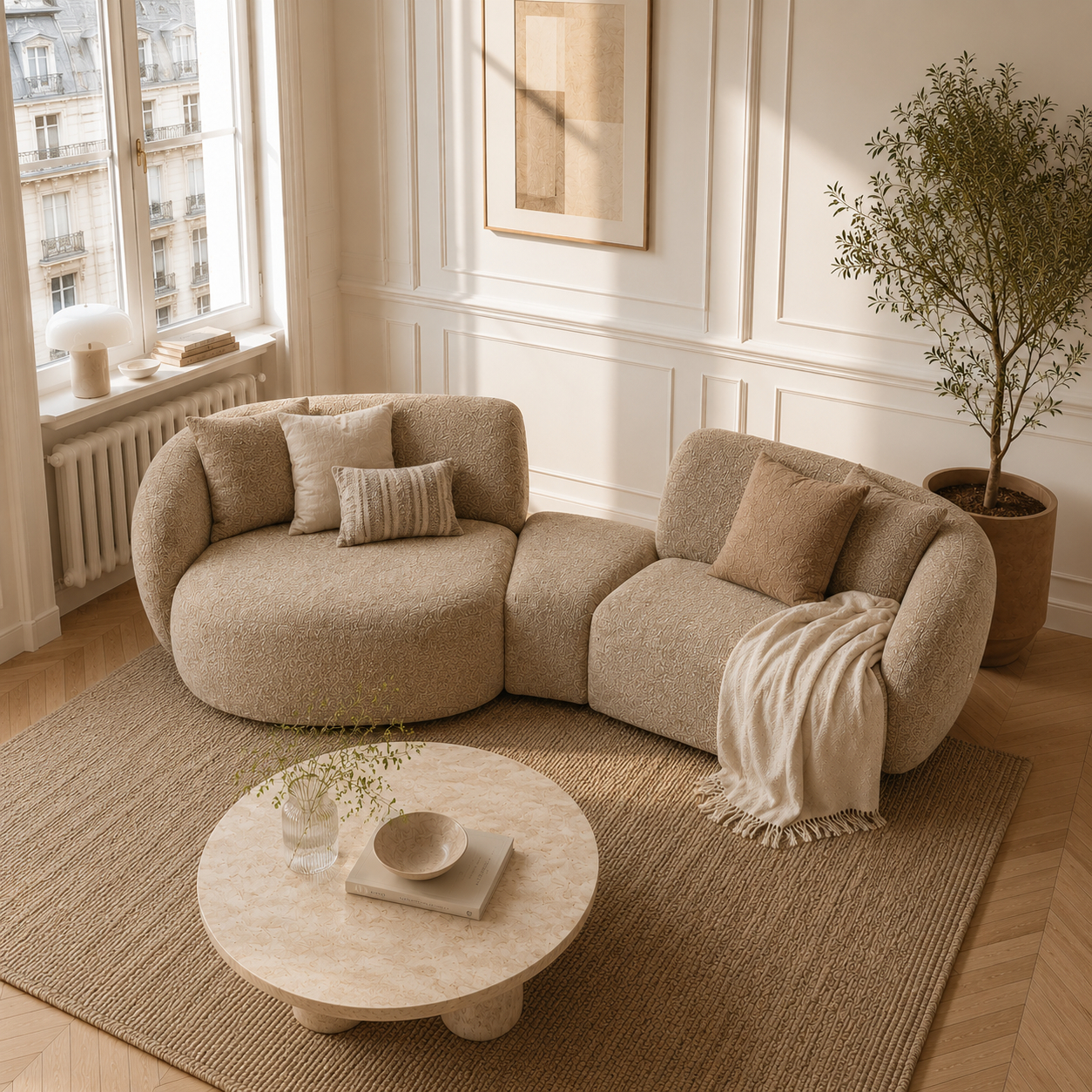
A rich warm caramel that brings immediate warmth and cosiness to any room. Toffee is an excellent choice for north-facing rooms and for homes with cool, light-toned flooring — the warm caramel immediately counterbalances the coolness of both. It also ages beautifully: the warmth of the colour deepens the room's character over time.
A Quick Decision Framework
If you're still deciding, use this simple framework. South-facing room: consider bold or cool-toned (petrol, forest green, grey). North-facing room: lean warm (sand, cream, toffee, terracotta). Children or pets: mid-tone warm neutrals. Statement room: bold velvet in emerald, petrol, or deep teal. Maximum flexibility: light grey with warm undertones. Long-term investment that won't date: charcoal, warm grey, sand, or deep forest green.