



How to Choose a Sofa Colour: The Complete Guide to Picking the Right Shade
Choosing a sofa colour is one of the most consequential decorating decisions you will make. The sofa is typically the largest single piece of furniture in the living room, and its colour sets the tone for everything around it — the wall colour, the rug, the cushions, the furniture. Get the sofa colour right, and the rest of the room flows naturally from that foundation. Get it wrong, and no amount of clever accessorising will fully fix the mismatch. This guide walks through the key considerations when choosing a sofa colour, from the practical and logistical to the purely aesthetic, so you can make a decision you will love for years to come.
Consider Your Existing Room First
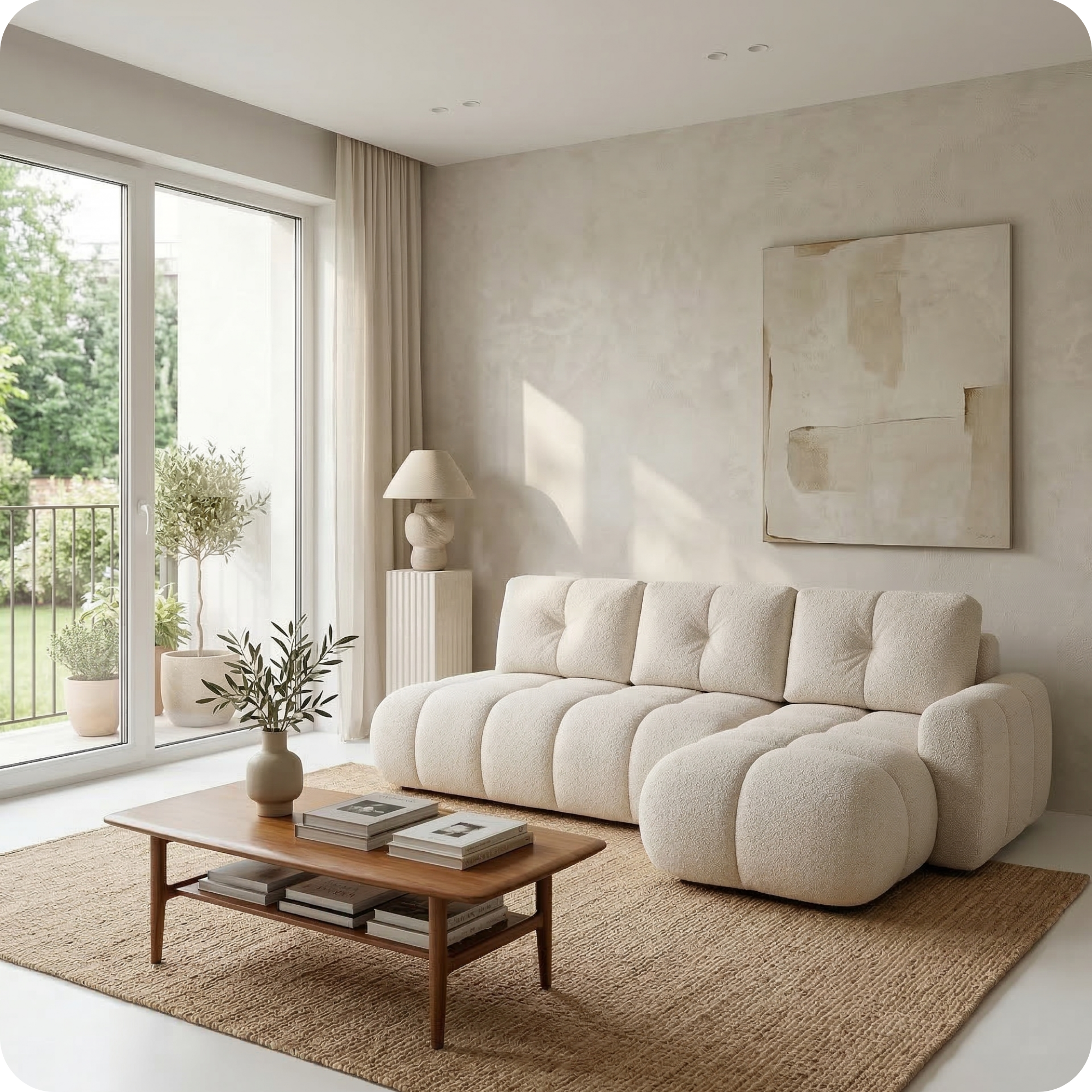
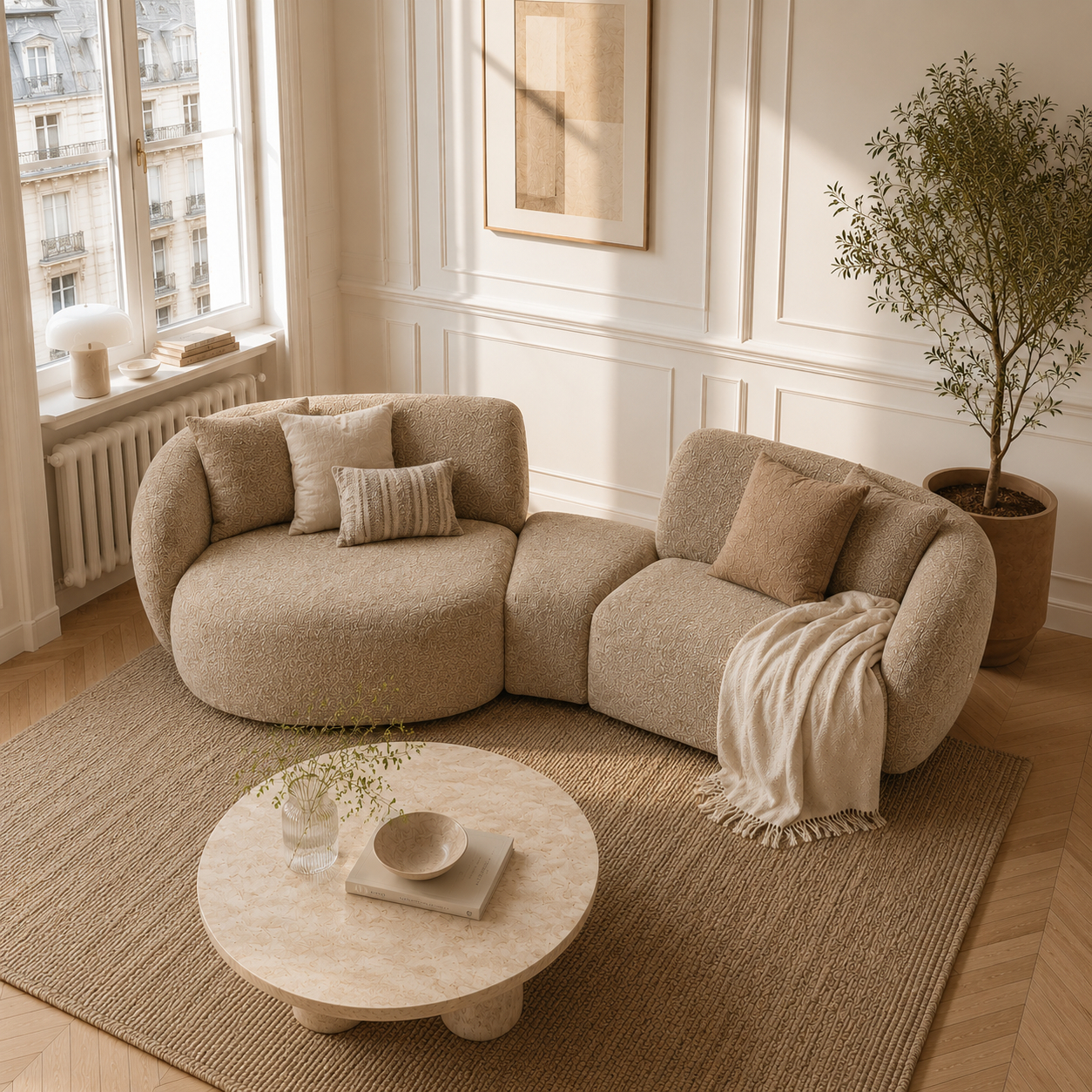
Before you choose a sofa colour, take stock of what you already have in the room — or what you are planning to keep. The wall colour is usually the most important fixed element; the sofa needs to work with it, not fight it. Similarly, if you have existing flooring — wood, stone, tile, or carpet — the sofa colour should be chosen with the flooring in mind. Think about the overall temperature of the room: warm rooms (yellow-toned walls, orange wood, terracotta tiling) call for warm sofa tones (sand, toffee, warm grey); cool rooms (white walls, pale grey stone, blue-grey accents) work better with cool sofa tones (light grey, pale linen, dusty rose).

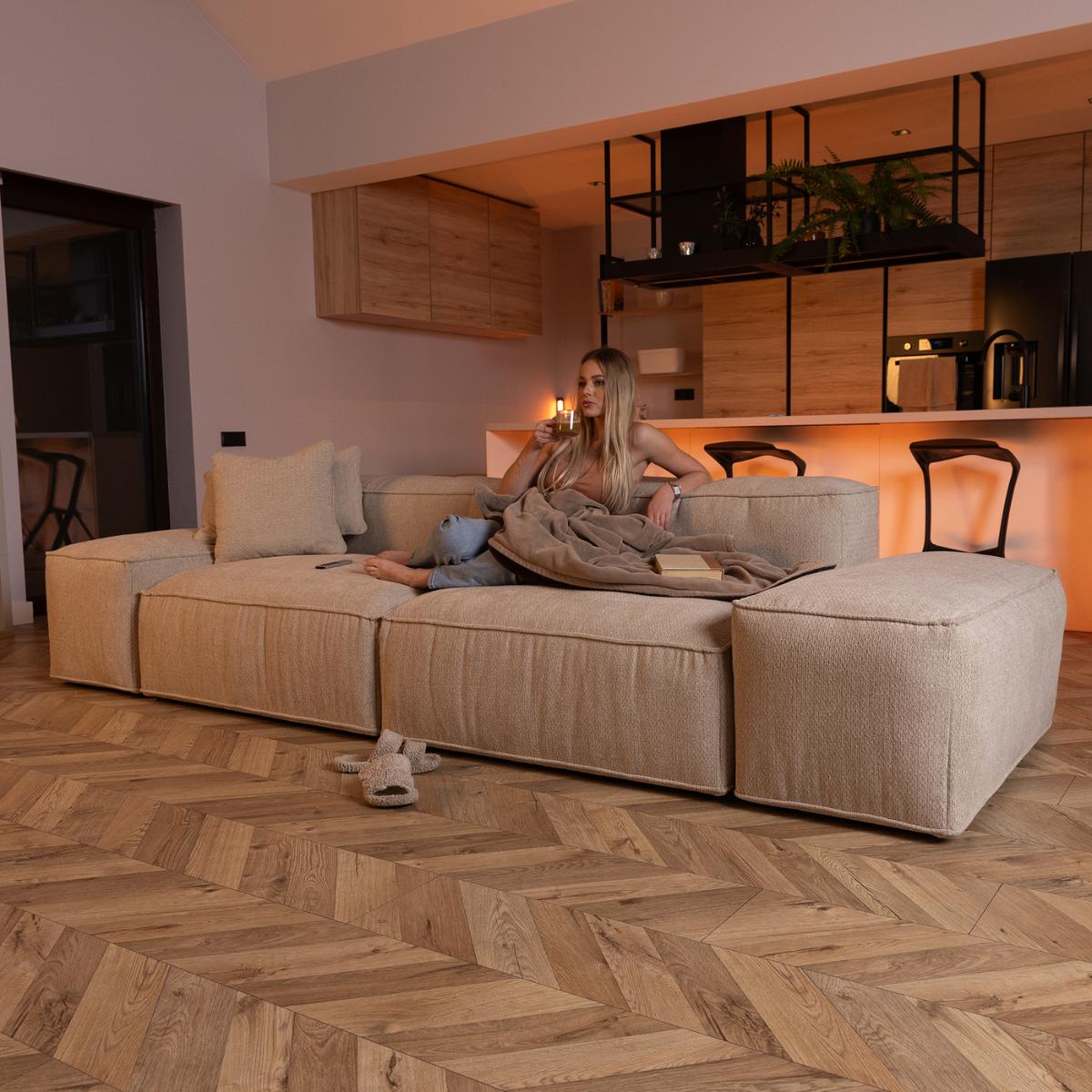
Lugano Sofa in Sand — from EUR 790
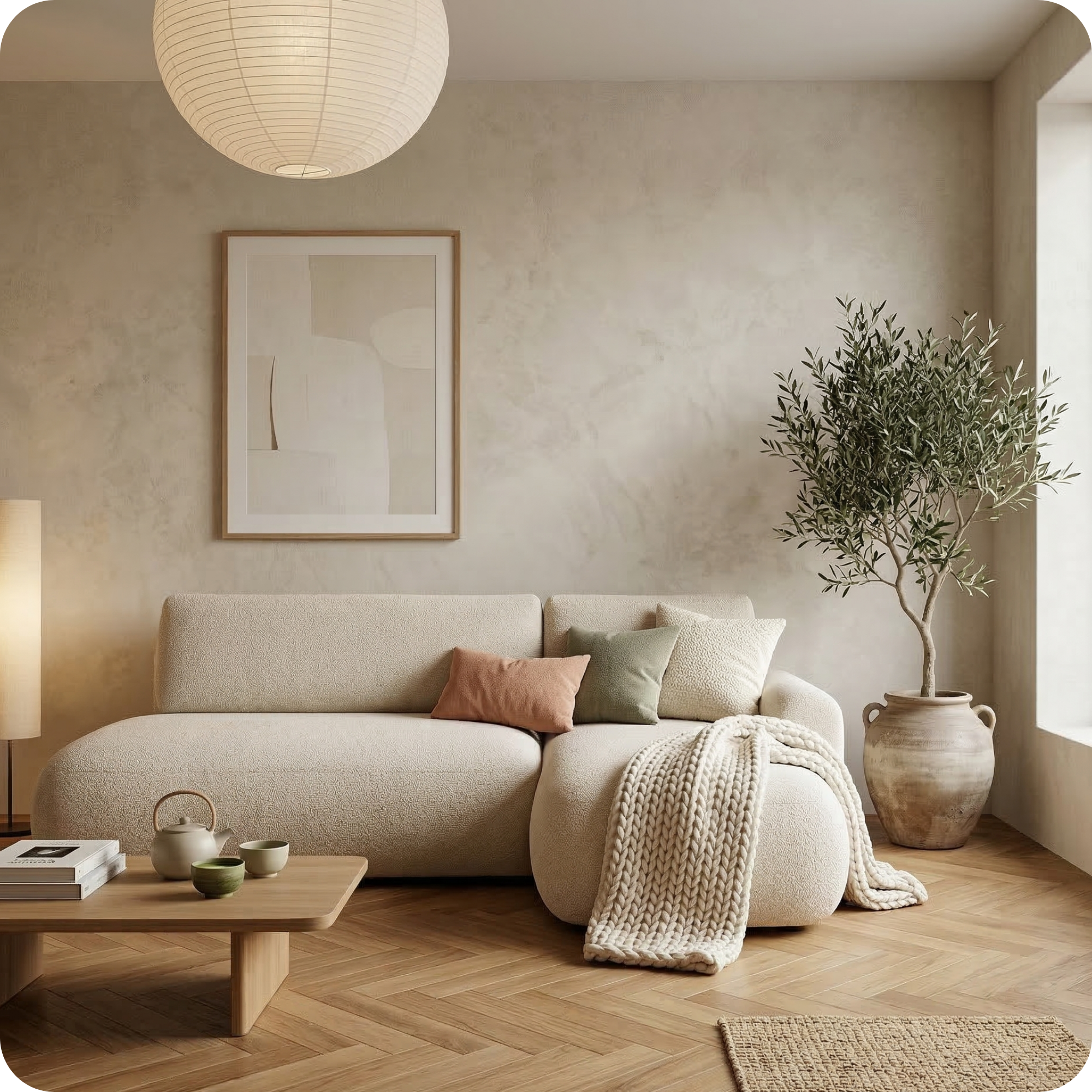
Sand is one of the most universally versatile sofa colours — its warm, neutral tone works in both warm and cool rooms, adapts to any wall colour, and provides an inviting base from which to layer in accent colours and textures.

Merlot Sofa in Leaf Green — from EUR 1,090
A statement colour sofa like the Merlot in leaf green works best in a room with a neutral background — white walls, natural wood — where the colour has space to breathe and be fully appreciated without competing with other strong elements.
The Case for Neutral Sofa Colours
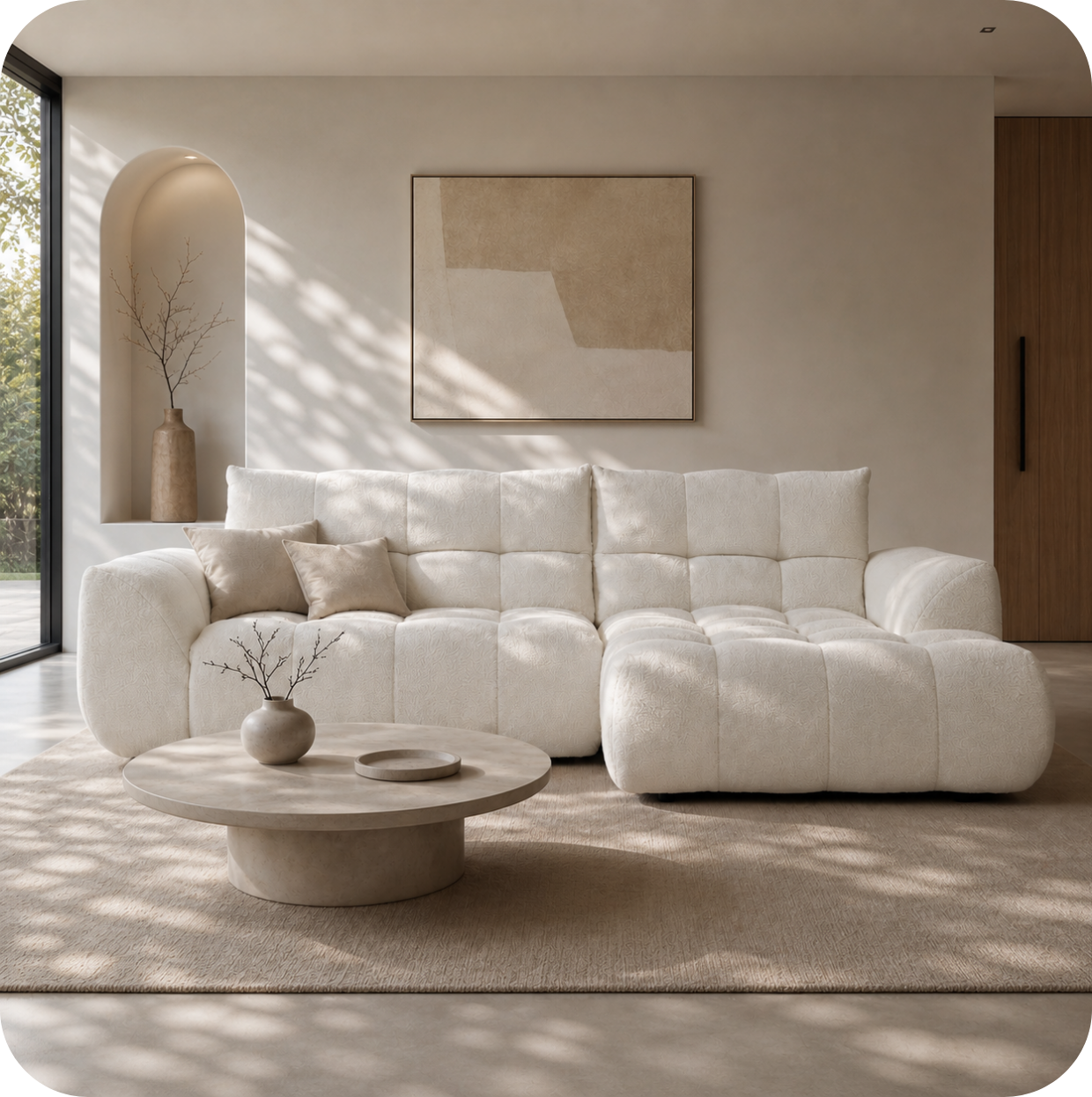
Neutral sofa colours — grey, beige, sand, cream, warm taupe, off-white — are by far the most popular choice, and for very good reason. A neutral sofa is the most flexible foundation for a living room: it can be dressed up or down with cushions and throws, it adapts as your taste evolves over the years without requiring a complete living room redesign, and it reduces the risk of a poorly judged colour that you might tire of. Light grey is the most popular sofa colour in contemporary interiors — it is fresh, clean, and works with virtually every other colour. Sand and warm beige feel cozier and more inviting than grey, and suit warmer, more natural interiors. Off-white and cream are the most elegant and light of the neutrals.
The Case for Statement Sofa Colours
A boldly coloured sofa — forest green, deep teal, rich terracotta, navy blue — is a more committed choice but can create an interior of far greater personality and distinction. The key to making a statement sofa work is restraint elsewhere: keep walls and flooring relatively neutral to give the sofa colour space to breathe. Accent the sofa with cushions that are in the same colour family but different tones, or in complementary colours that create tension and interest without competing. A statement sofa also tends to date the room more quickly — it is worth choosing a shade with genuine staying power rather than a colour that is simply on trend at the moment of purchase.
Light, Durability, and Children or Pets
Two practical considerations deserve mention. First, light: fabric colours look significantly different in different lighting conditions — always see a sample swatch in your actual room at different times of day before committing. A fabric that looks warm and inviting in the showroom may look cold and flat in your north-facing living room. Second, lifestyle: if you have children or pets, very pale or very dark sofa colours both show marks and pet hair more readily than mid-tones. A warm mid-grey, warm sand, or toffee-toned fabric is generally more forgiving than pure white, cream, or very dark navy or charcoal.

Leave a comment
This site is protected by hCaptcha and the hCaptcha Privacy Policy and Terms of Service apply.