



How to Create a Cosy Living Room: 10 Styling Tips for Maximum Comfort
There's a reason that "cosy living room" is one of the most searched interior terms every autumn and winter. The desire for a living room that genuinely feels warm, enveloping, and comfortable — a retreat from the world — is deeply human. But cosiness isn't just an emotional quality: it can be deliberately created through specific design and styling choices. These ten tips cover the most effective levers for transforming a living room into a space that immediately reads as warm, inviting, and genuinely restful.
1. Warm the Light
The single fastest way to make a room feel cosier is to change its lighting. Overhead ceiling lights — even warm-toned ones — create a flattening, uniform illumination that makes spaces feel functional rather than intimate. Replace or supplement overhead lighting with multiple lower light sources: floor lamps, table lamps, wall lights, and candles. The key principle is to keep the light low and varied — multiple pools of warm light at different heights create the sense of enclosure and warmth that makes a room feel cosy rather than cold.
2. Invest in the Right Sofa
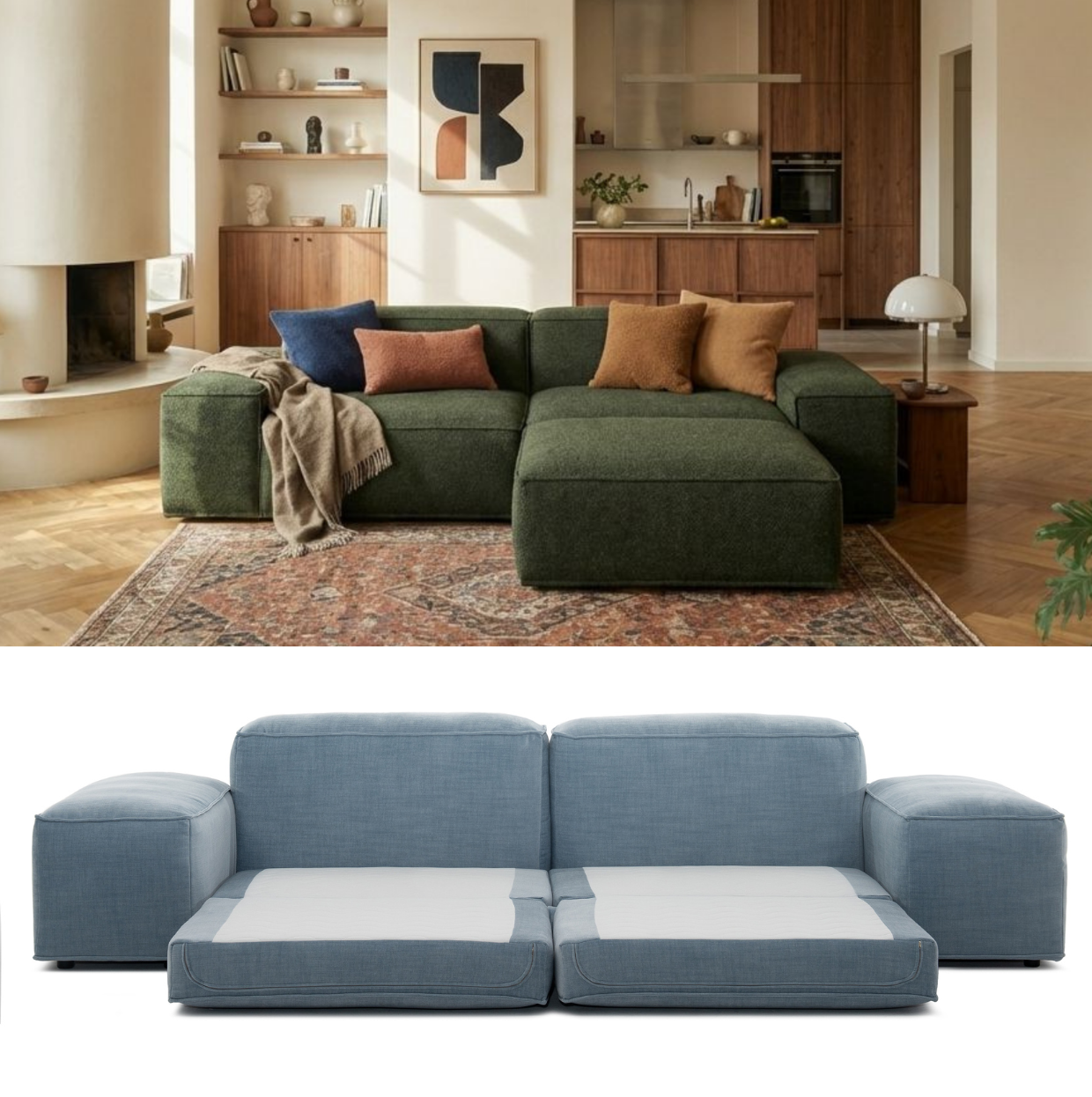
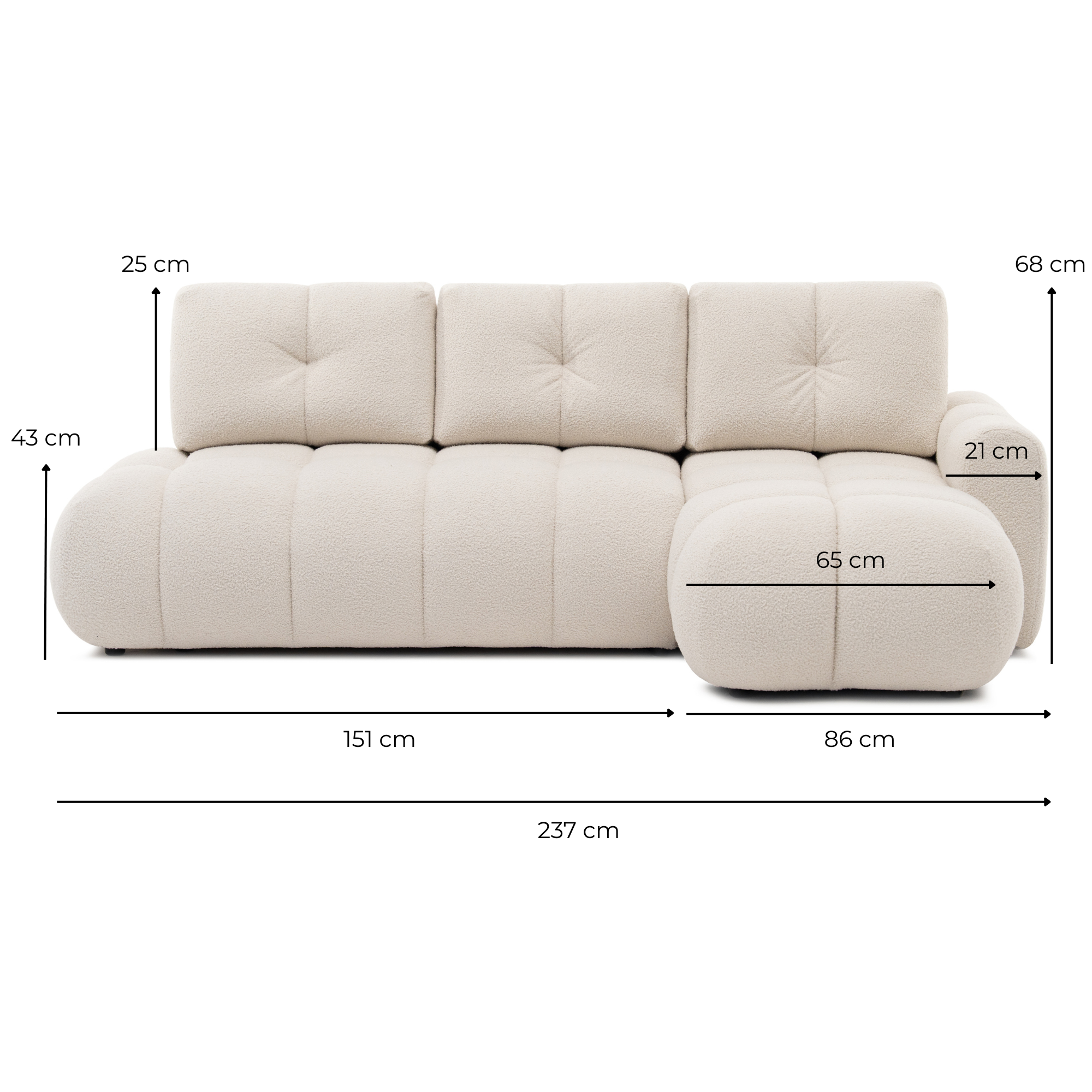
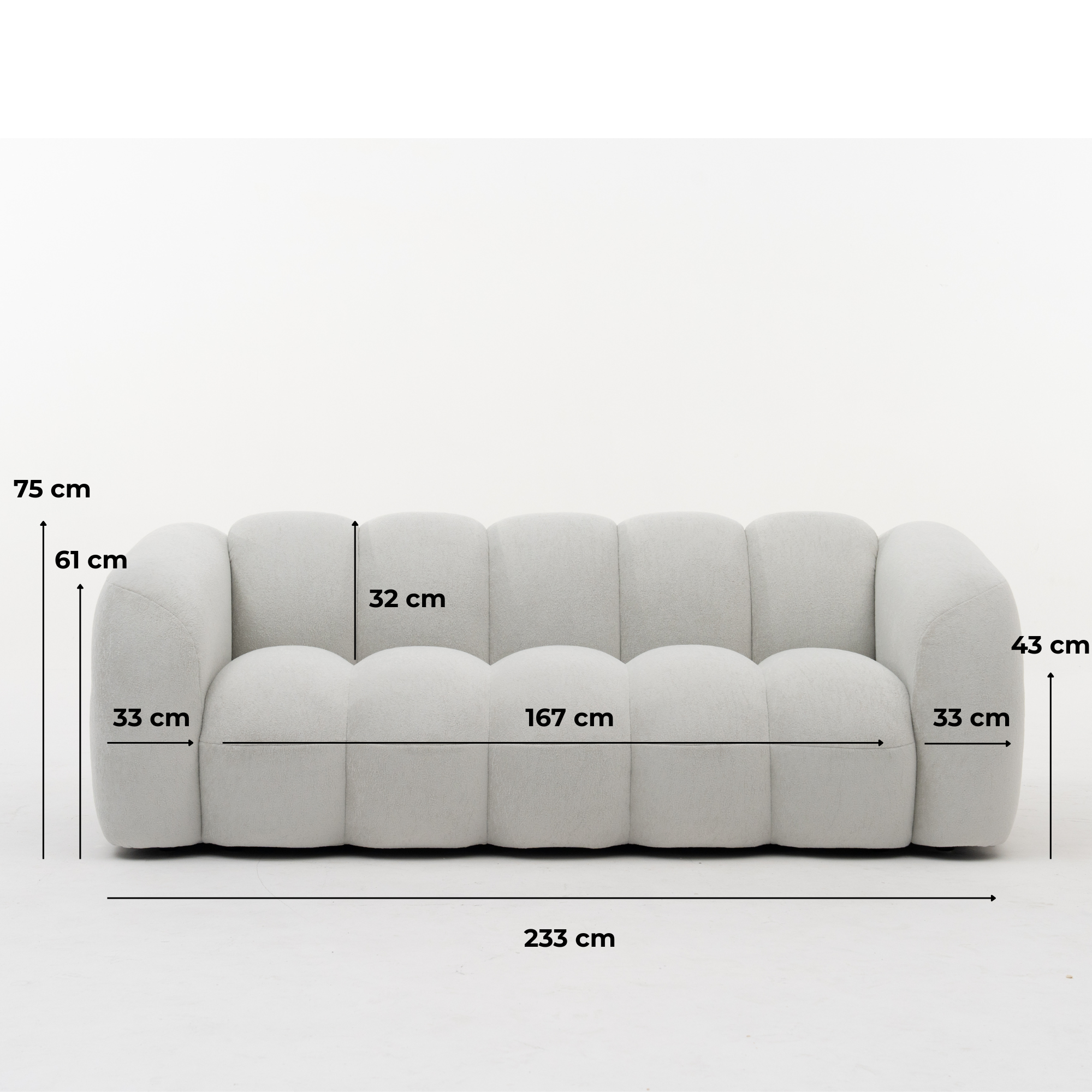
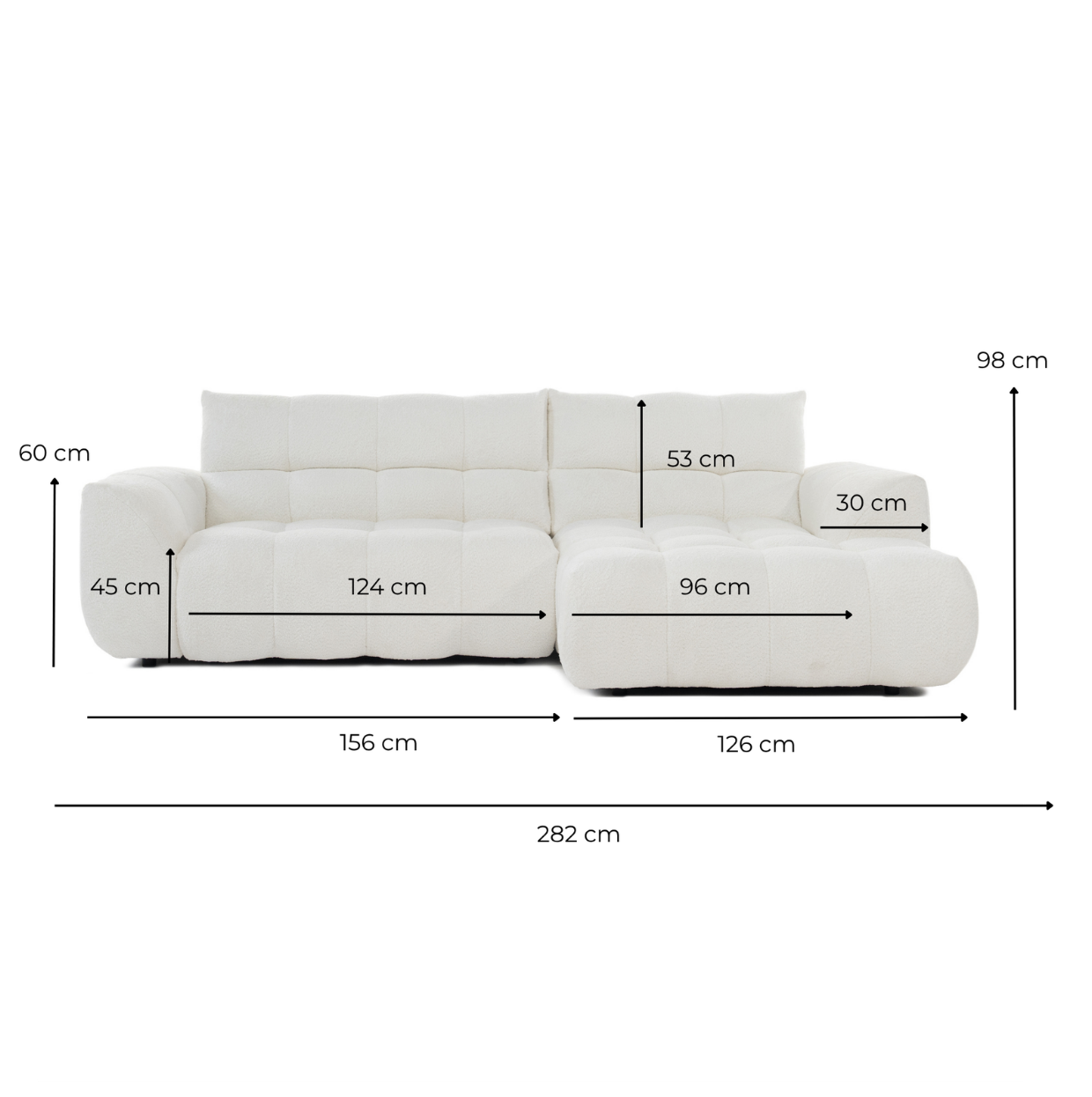
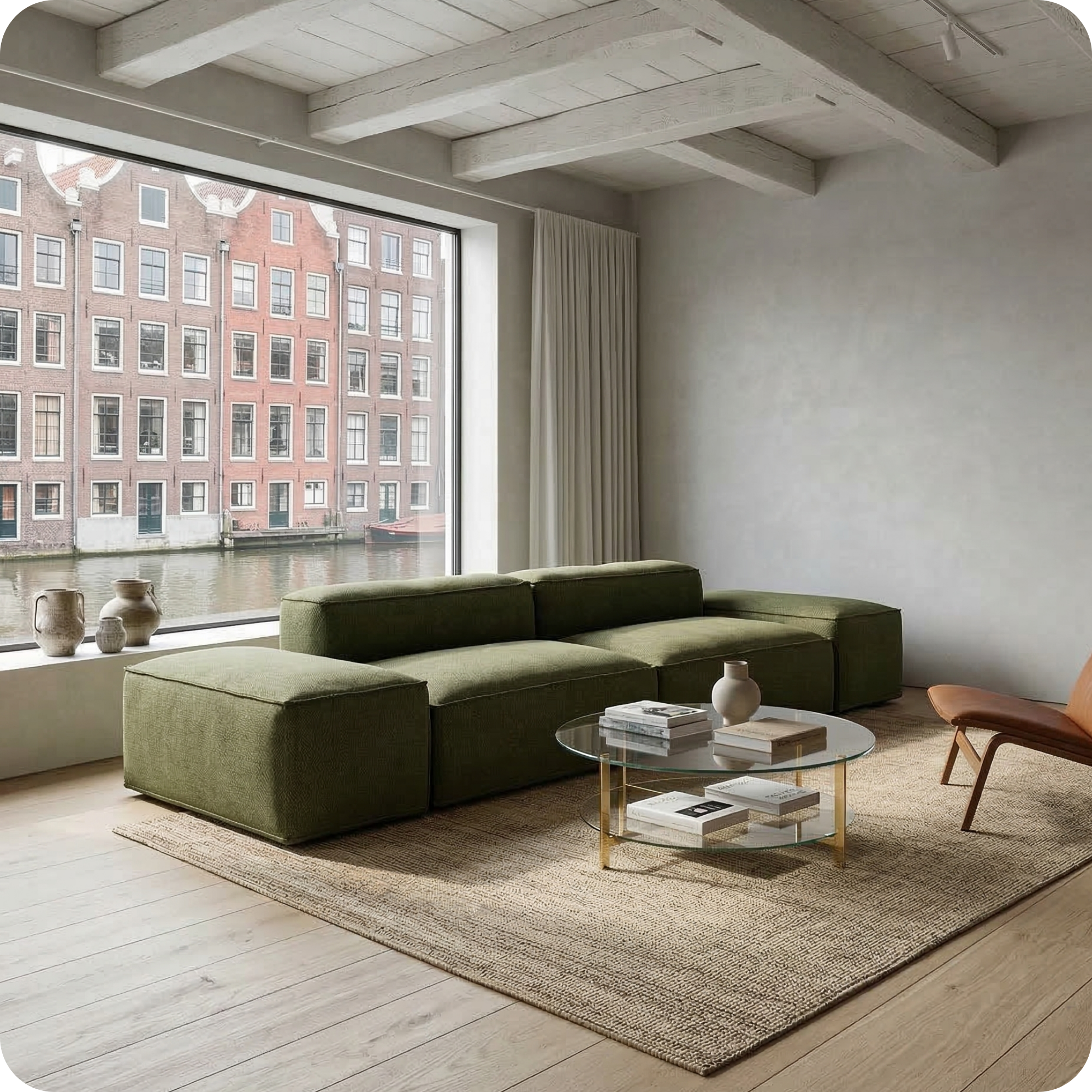
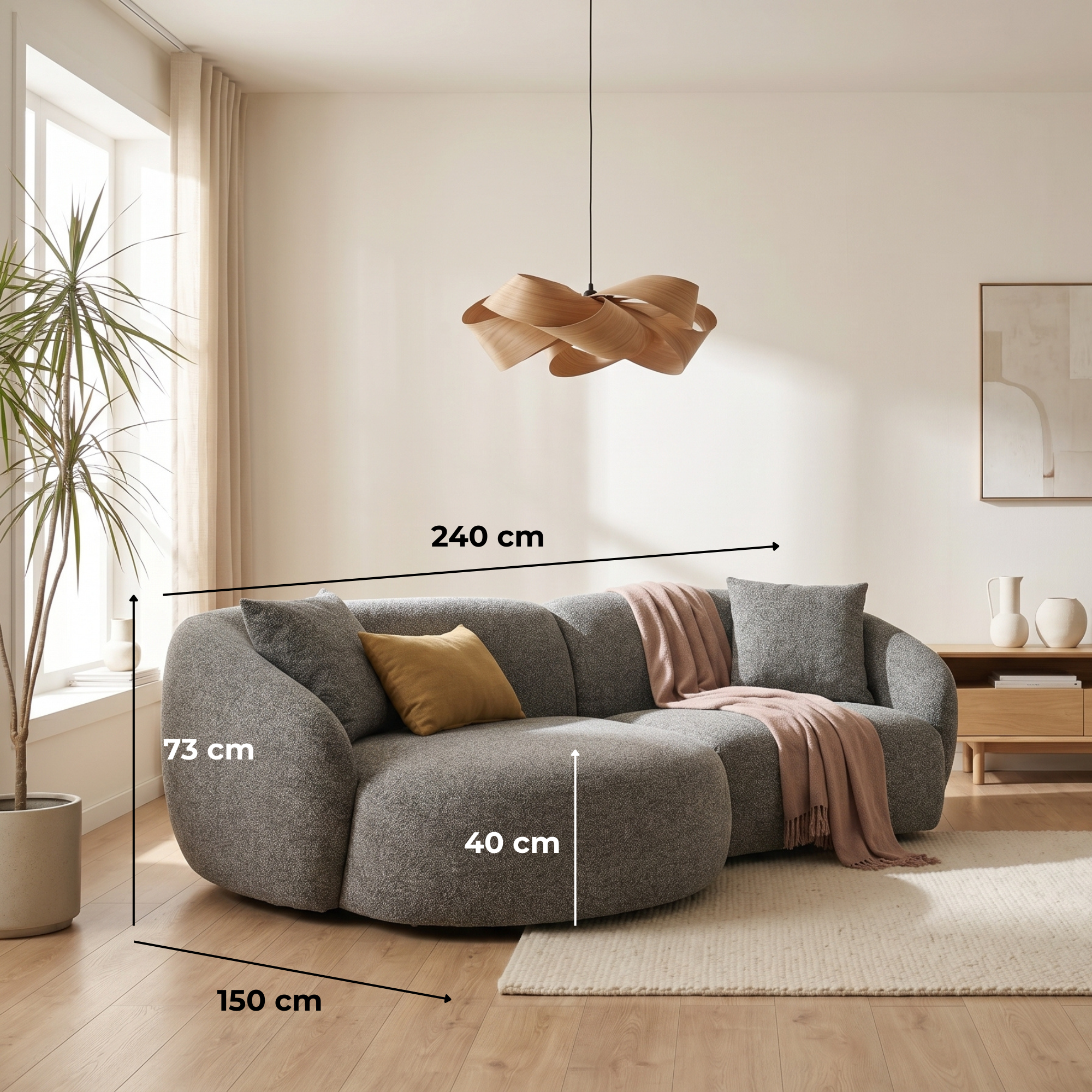
The sofa is the engine of cosiness in any living room. A sofa that's too small, too firm, or too shallow to truly sink into will undermine the feeling of comfort regardless of how well the rest of the room is styled. The qualities that make a sofa feel cosy: generous seat depth (at least 65-70cm from front to back), ample cushion softness, wide and generous armrests that you can actually lean against, and an overall scale that feels proportionate to the room. A sofa that looks slightly large for a room often feels significantly more comfortable than one that looks slightly small.

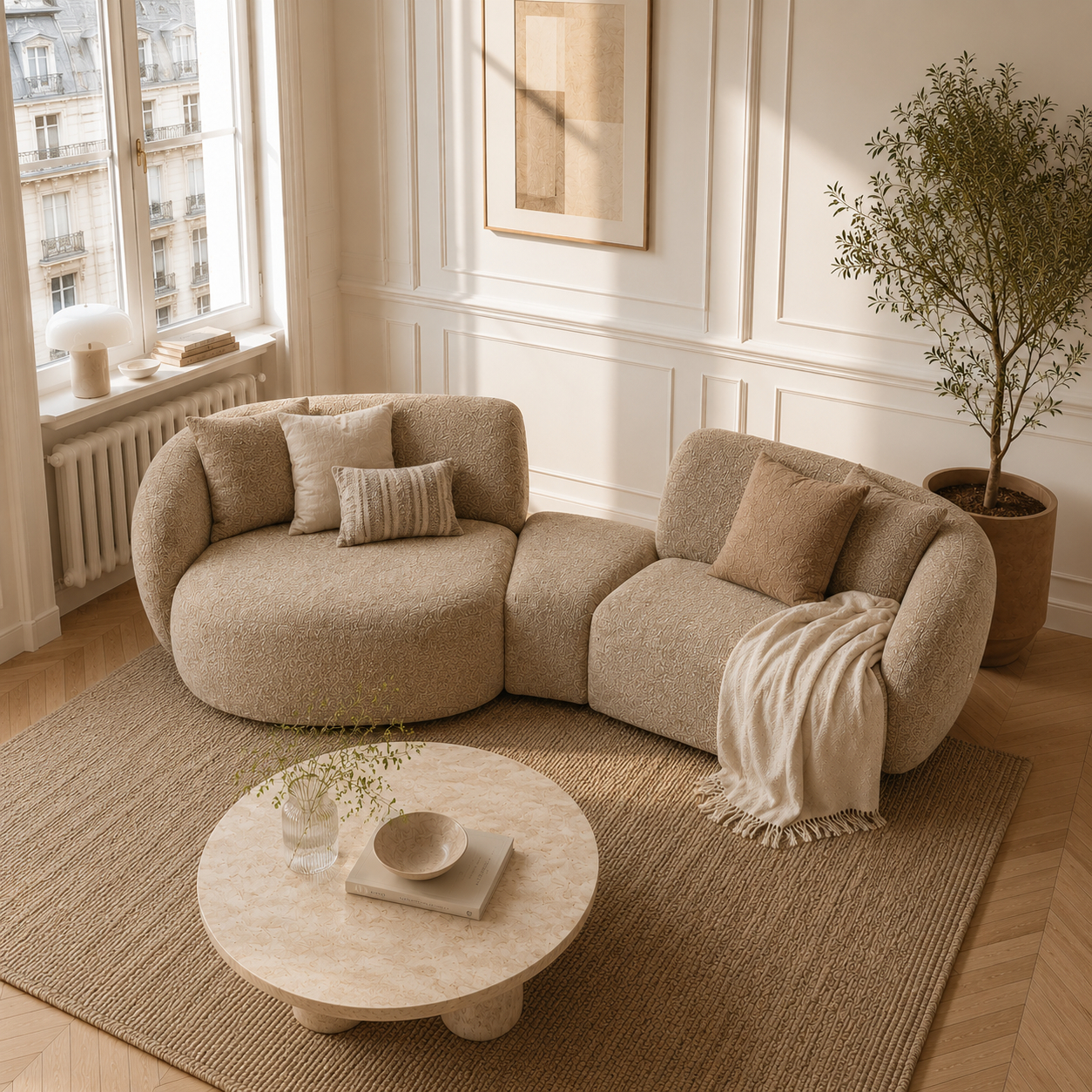
Lugano in Toffee — from €1,299
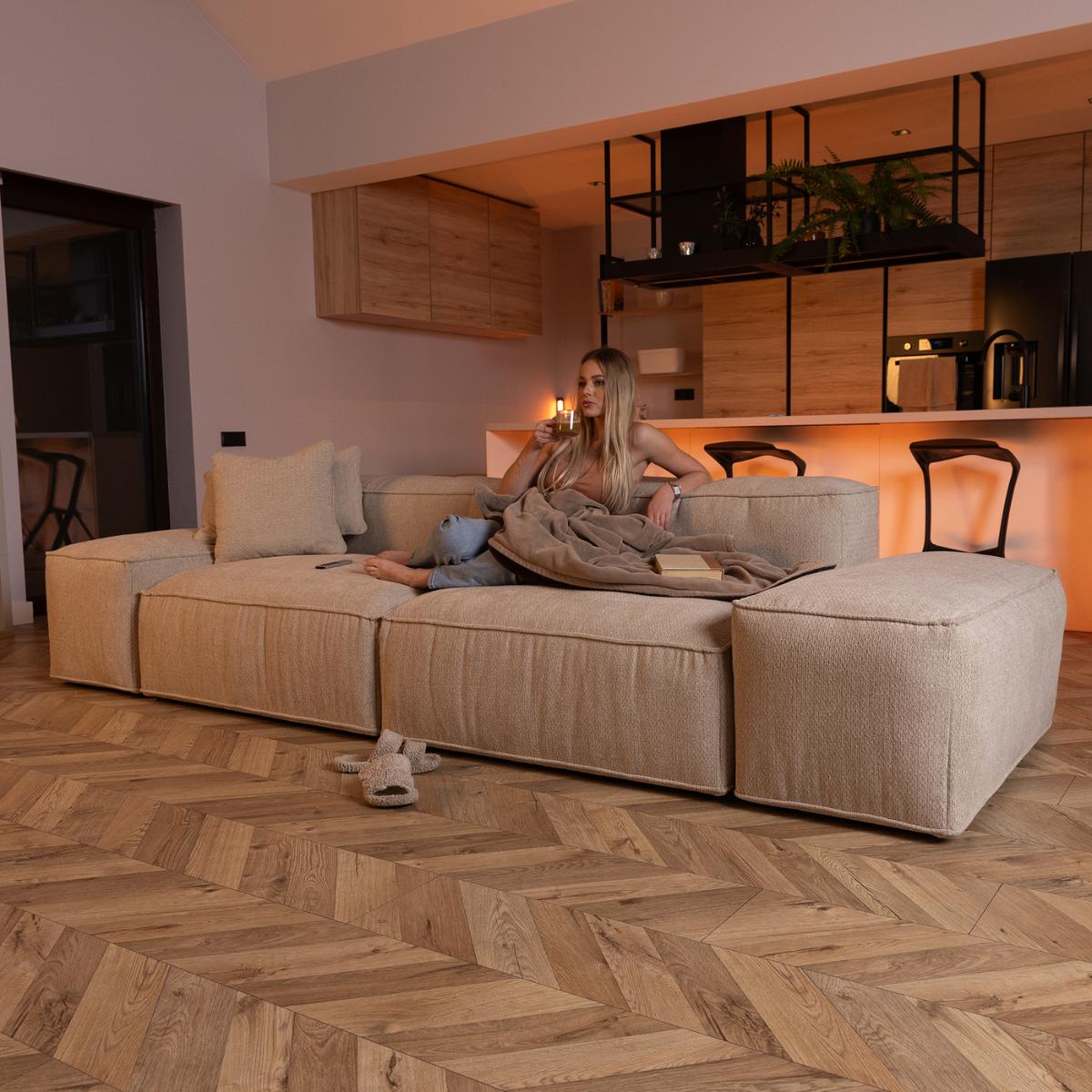
The Lugano's toffee colour is almost custom-made for cosy living rooms: its warm caramel tone reads as inviting, comfortable, and homely in a way that cool colours rarely achieve. The Lugano's generous proportions — deep seat cushions, ample armrests, and a substantial yet approachable scale — make it the kind of sofa you genuinely want to sink into at the end of the day. Its deep, generous seat depth means you can sit with your legs tucked up without losing back support.

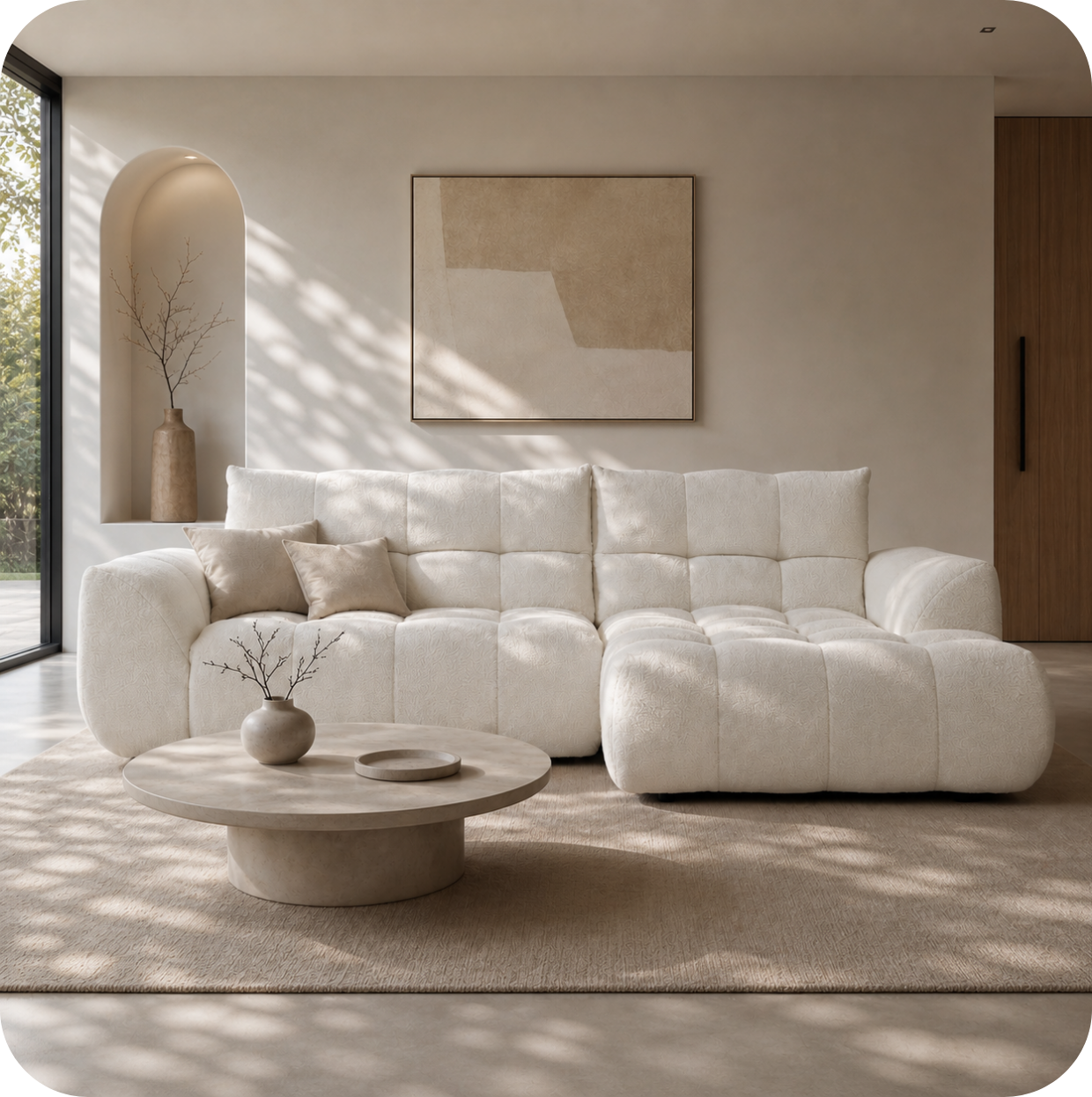
Merlot Corner Sofa — from €1,913
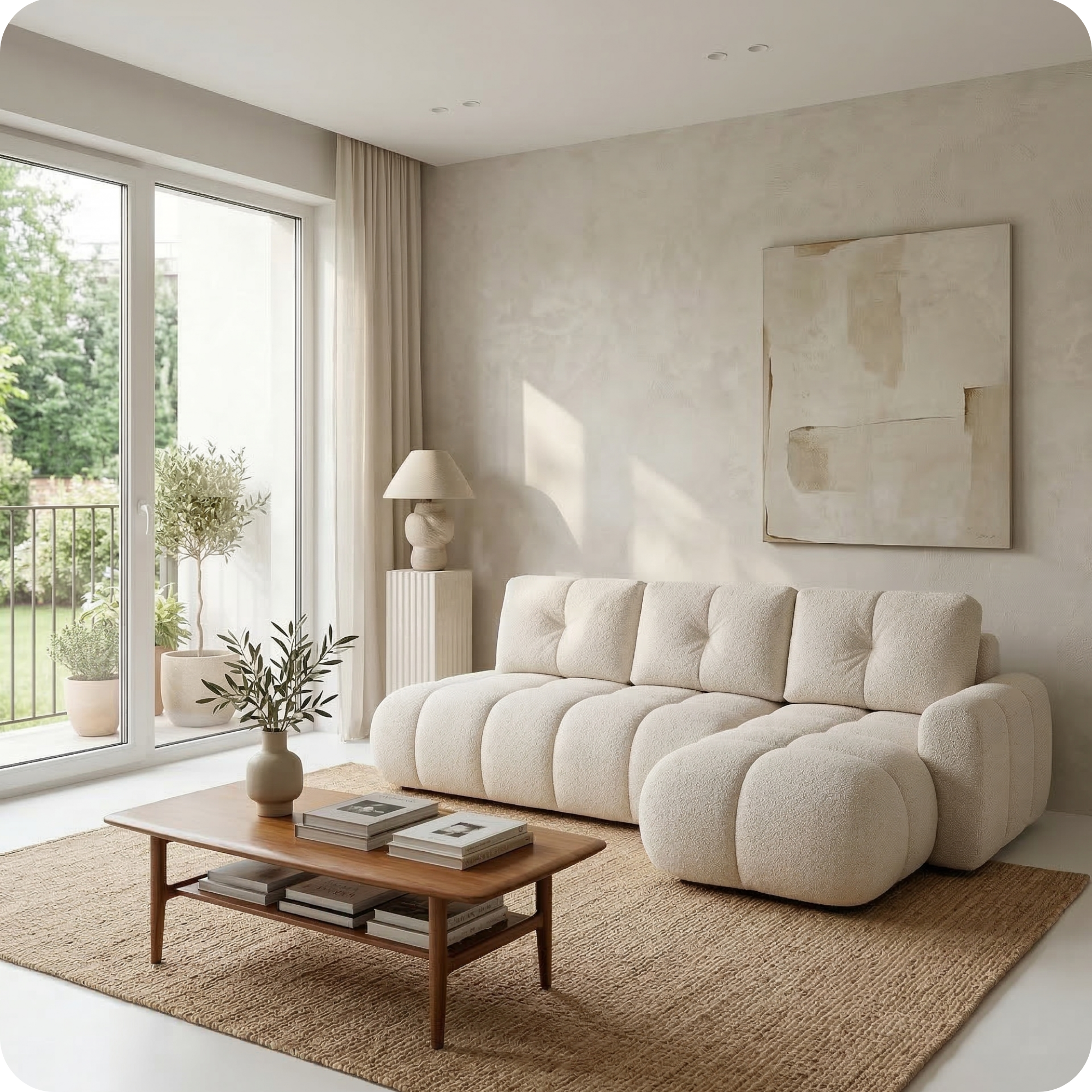
A corner sofa creates cosiness through its physical form: the L-shape encloses the seating area and creates a sense of being held by the room rather than simply sitting in it. The high armrests of the Merlot corner configuration add to this feeling of enclosure — they create side walls for the seating zone that amplify the feeling of warmth and containment that is fundamental to cosiness.
3. Layer Textiles Generously
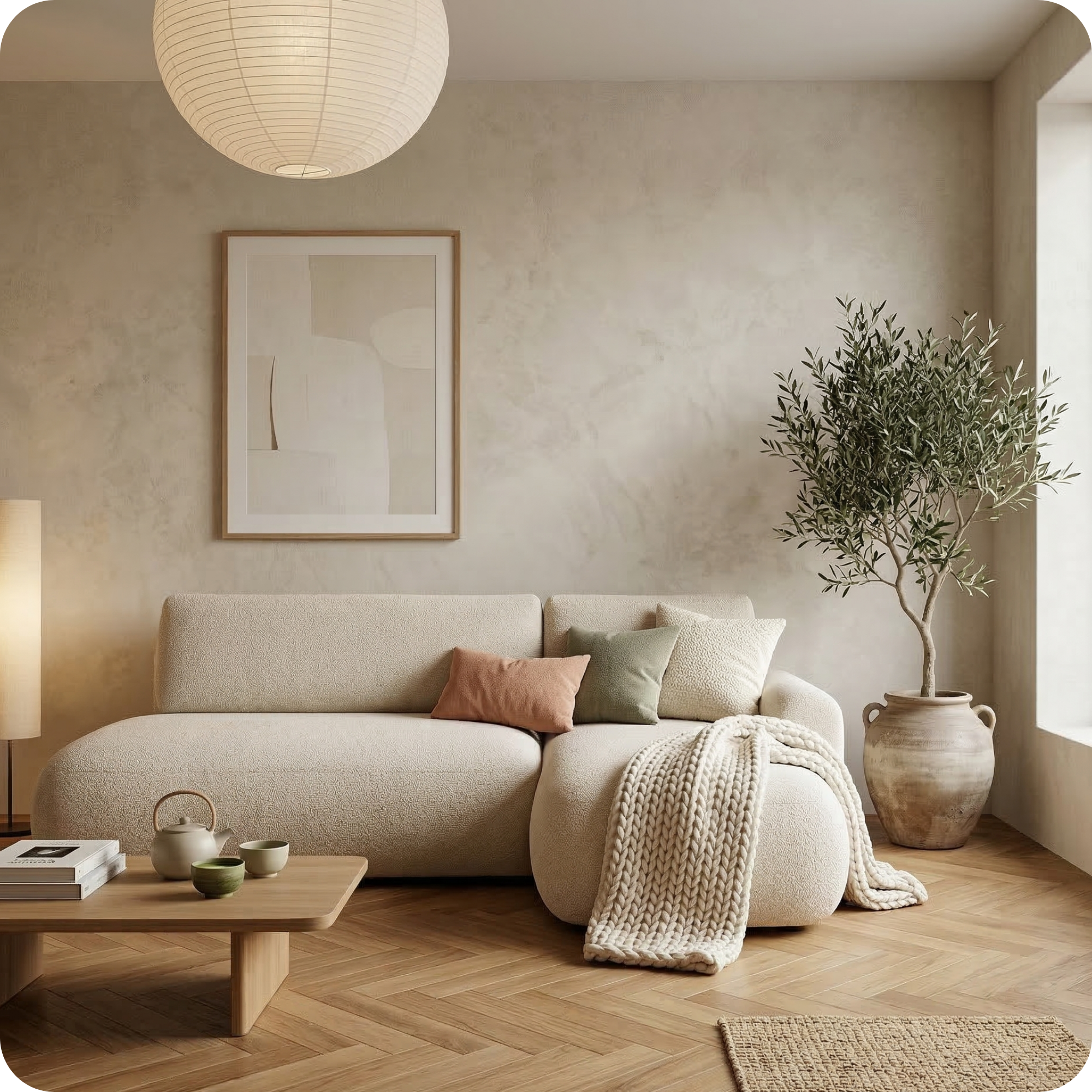
Cosiness is largely textural: the physical sensation of soft, warm materials creates the psychological sense of comfort. Layer cushions on the sofa in multiple textures (smooth velvet with chunky knit, linen with faux fur), add a throw that's genuinely large and warm rather than decoratively thin, and ensure the rug is large enough to encompass the whole seating area. The tactile richness of a well-layered living room is one of its most powerful cosy signals.
4. Lower the Ceiling with Warm Colour
High ceilings can feel dramatic but also cold. Dark, warm wall colours — deep terracotta, rich forest green, warm tobacco brown, dusty plum — bring the ceiling visually lower and create a sense of enclosure that is one of the key qualities of a cosy room. You don't need to paint all four walls: even one dark feature wall behind the sofa immediately changes the room's warmth register.
5. Bring in Warm Wood
Natural wood surfaces — a warm oak coffee table, wooden picture frames, a reclaimed wood shelf — add organic warmth that no synthetic material fully replicates. Rooms without any wood can feel cold and hard regardless of their colour scheme. Even small amounts of natural wood (a single timber-legged side table, a wood-framed mirror) change the room's warmth quality significantly.
6. Add Plants — Especially Trailing Varieties
Plants add life, movement, and the soft organic quality that makes a room feel genuinely inhabited rather than staged. Trailing plants on shelves (pothos, string of hearts) add particularly cosy movement because they reach beyond their containers toward the room — creating a sense that the space is alive and growing.
7. Create a Focal Point
Cosy rooms have a clear sense of where to direct your attention — a fireplace, a TV wall flanked by bookshelves, or a large piece of art above the sofa. A room without a focal point can feel disorienting. A fireplace, real or electric, is the ultimate cosy focal point — both the visual anchor and the literal source of warmth.
8. Fill Bookshelves
Books make a room feel inhabited, intellectual, and genuinely lived in. Filled bookshelves are one of the strongest single contributors to the cosy quality of a room. Even one well-filled shelf behind or beside the sofa changes the room's character significantly — from functional space to personal retreat.
9. Use Scent Deliberately
Scent is the most immediate emotional trigger. Warm, woody scents — sandalwood, cedar, vetiver, amber — create a sense of warmth that bypasses cognitive evaluation entirely. A diffuser or candle with a warm, grounding scent is one of the least expensive and most immediately effective cosy interventions.
10. Reduce Visual Clutter
Paradoxically, a cosy room needs editing as well as abundance. Too many unrelated objects create visual noise that makes a room feel unsettled rather than restful. The principle is deliberate abundance: lots of the right things — textiles, plants, books, warm objects — rather than random accumulation. Ensure that everything visible in the room contributes positively to its warmth and comfort, and conceal or remove what doesn't.