


Industrial Living Room Design: How to Create the Urban Loft Aesthetic
Industrial interior design draws its character from the repurposed factories, warehouses, and mills that became some of the most sought-after living spaces in cities across the world from the 1970s onward. The raw, unfinished quality of these buildings — exposed brick, concrete floors, metal beams, and large warehouse windows — became not just acceptable but actively desirable, and the industrial aesthetic has been one of the most enduring in contemporary interior design. This guide explains how to create a genuine industrial living room, whether or not you happen to live in an actual loft.
The Core Materials of Industrial Design
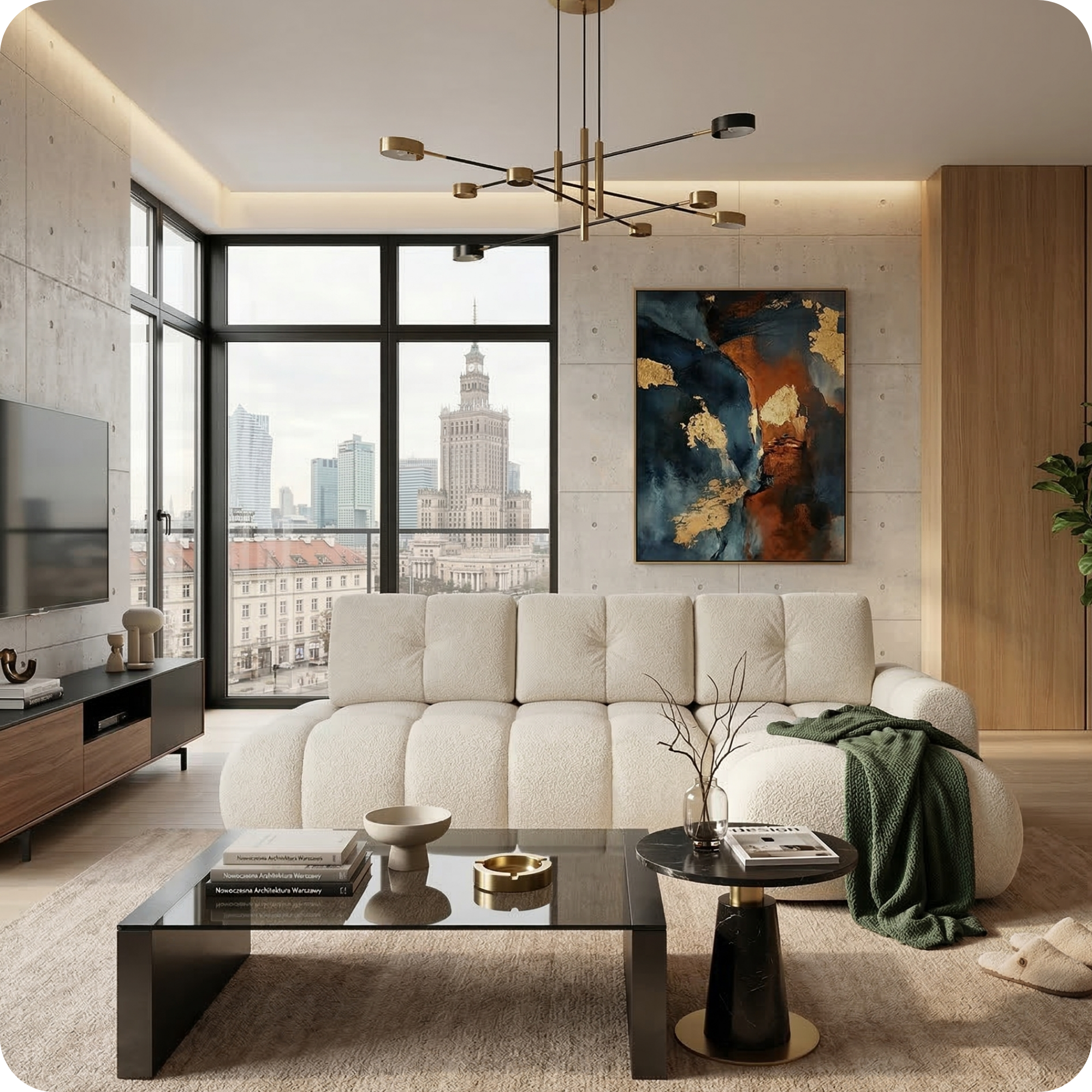
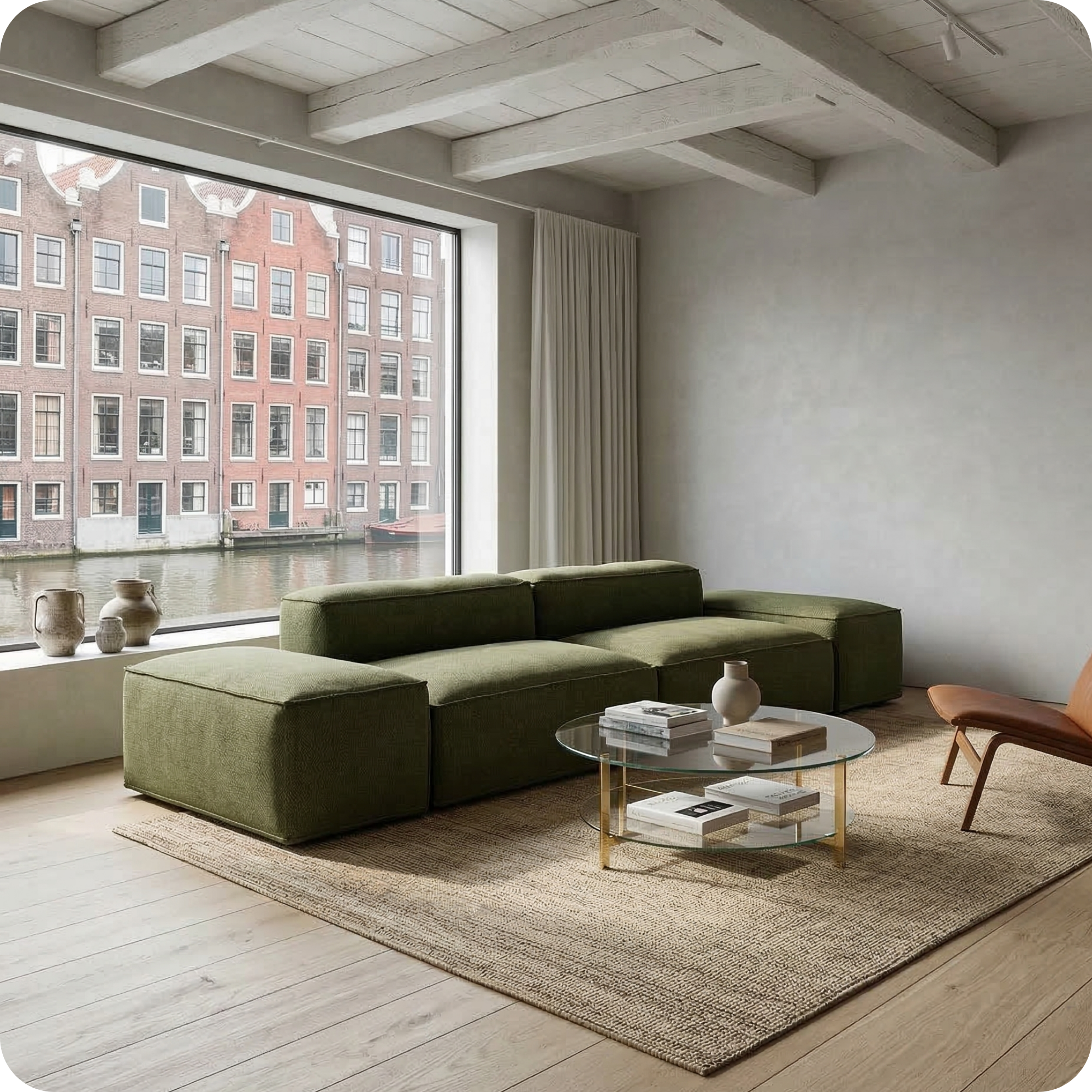
Industrial design is defined by its honest celebration of raw, utilitarian materials. Exposed brick — either original or applied as brick slip tiles — is perhaps the most recognised industrial element. Polished or raw concrete on floors, walls, and surfaces brings weight and permanence. Raw or blackened steel appears on shelving, light fittings, window frames, and furniture legs. Distressed leather ages beautifully in an industrial scheme. Reclaimed wood — salvaged timber with history and patina — provides warmth against the harder industrial elements. The golden rule of industrial design is that materials should look like what they are: no veneers, no painted-over surfaces that pretend to be something they're not.
The Industrial Colour Palette
Industrial colour is muted, gritty, and urban. Charcoal, slate grey, dark anthracite, warm black, and deep navy form the darker end of the palette. These are balanced by warm, neutral tones — aged plaster, concrete grey, raw timber, and warm brick red — that prevent the scheme from becoming oppressively dark. Aged brass, bronze, and copper add warmth and richness in metallic accents. The palette is never bright or cheerful — even the warmer tones are slightly muted, slightly aged, slightly weathered.

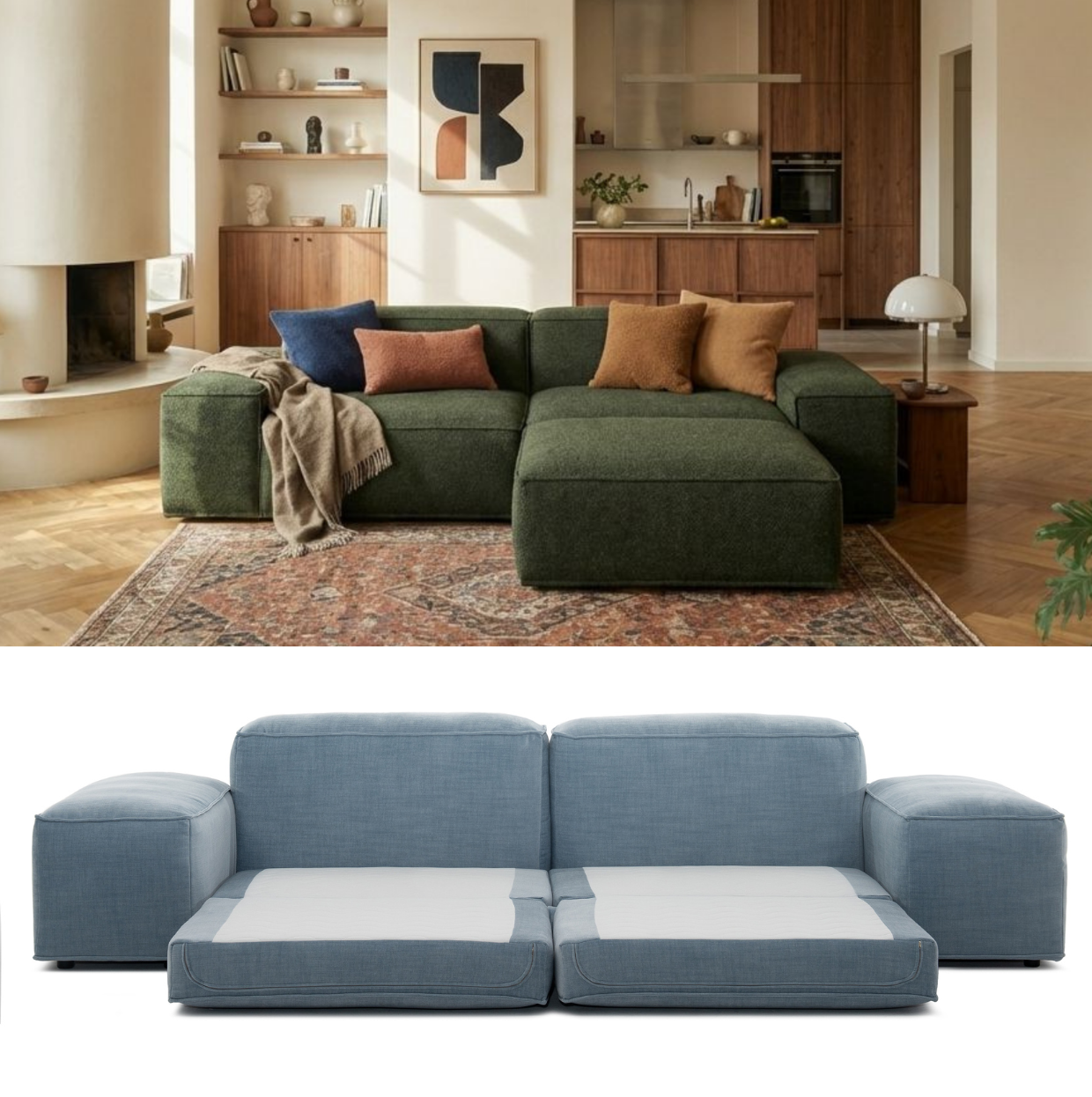
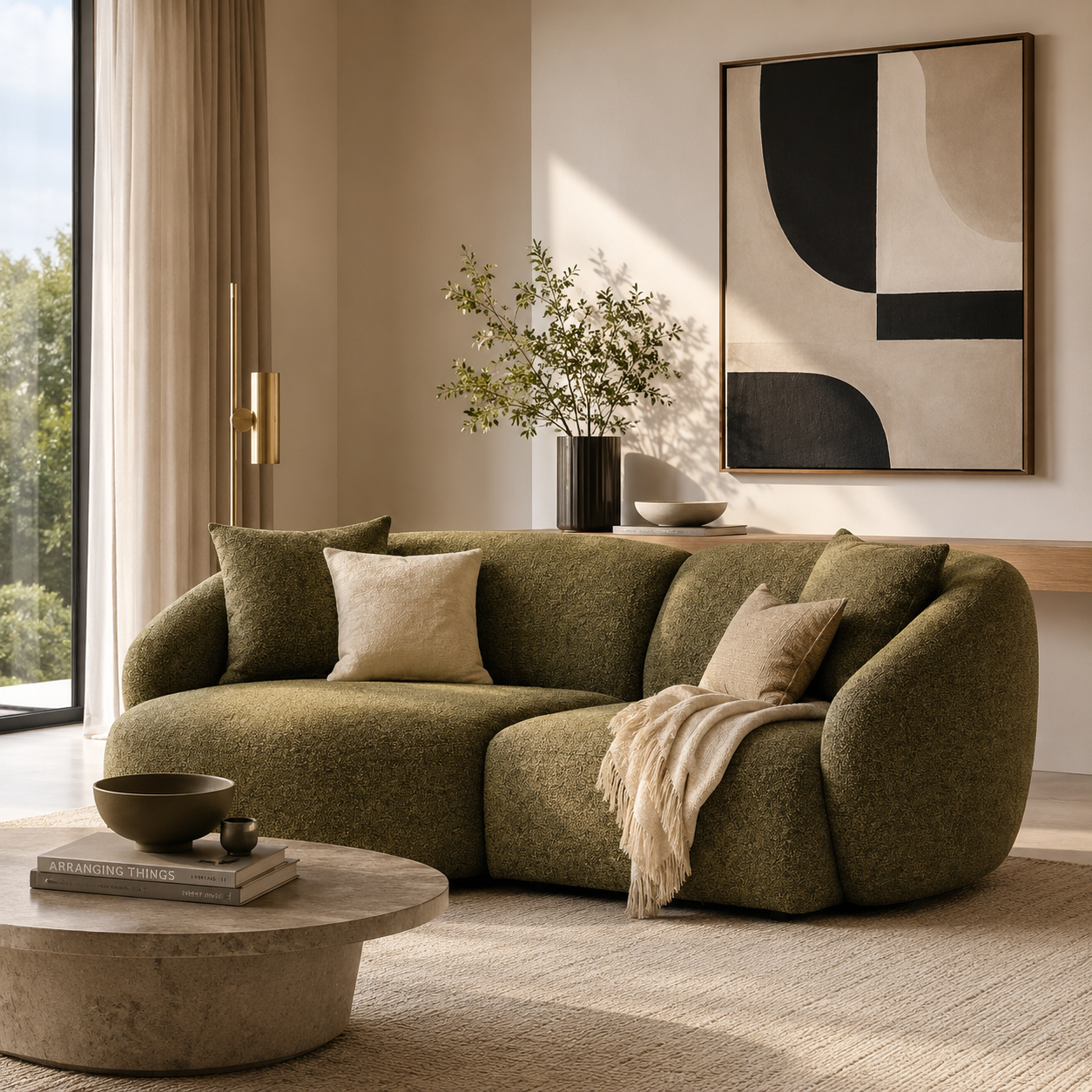
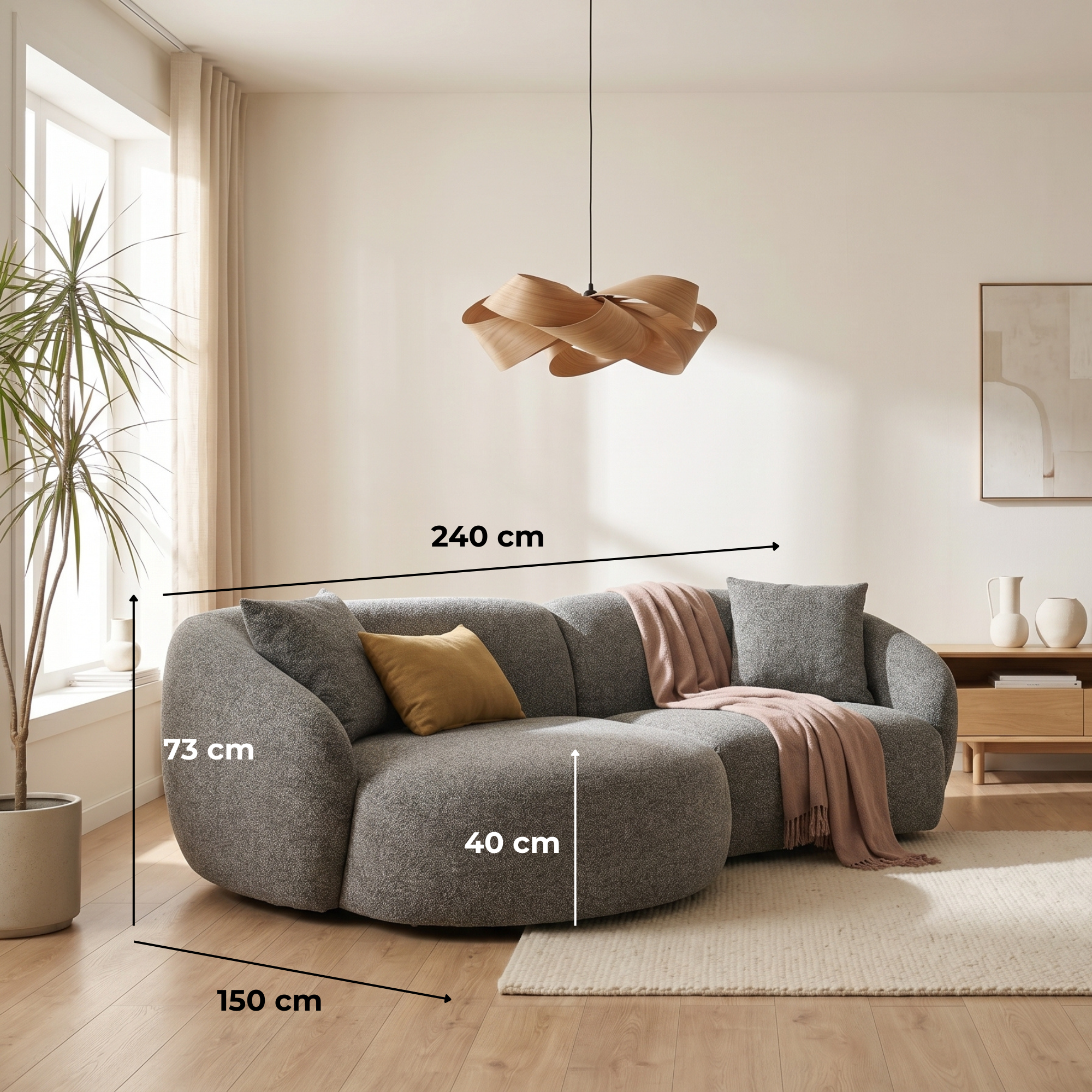
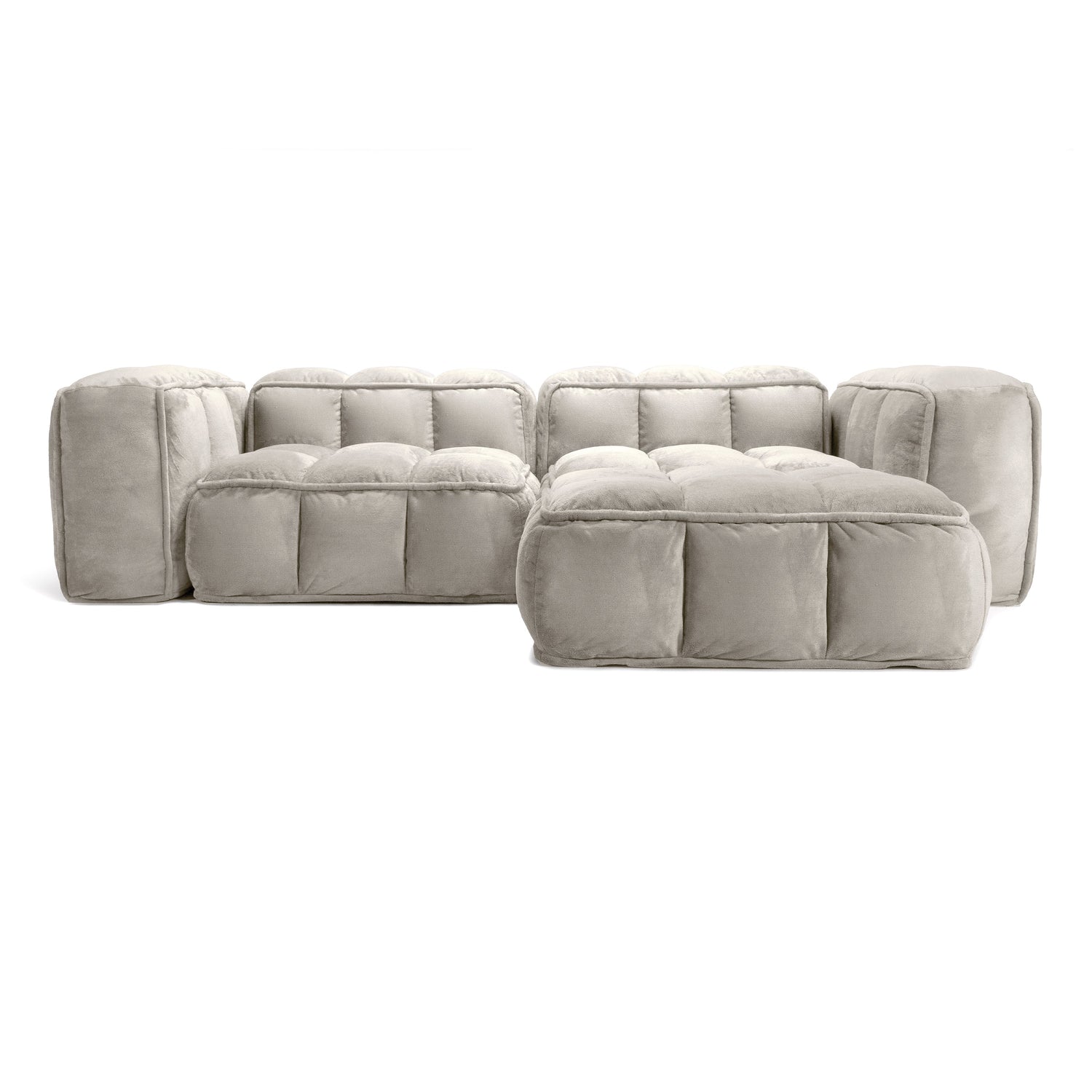
Malbec Modular Sofa — from €2,375
The Malbec's deep, rich colouring and substantial modular form have a natural affinity with industrial interiors — its warm, dark tones work beautifully against exposed brick, concrete, and black metal shelving in an urban loft scheme.

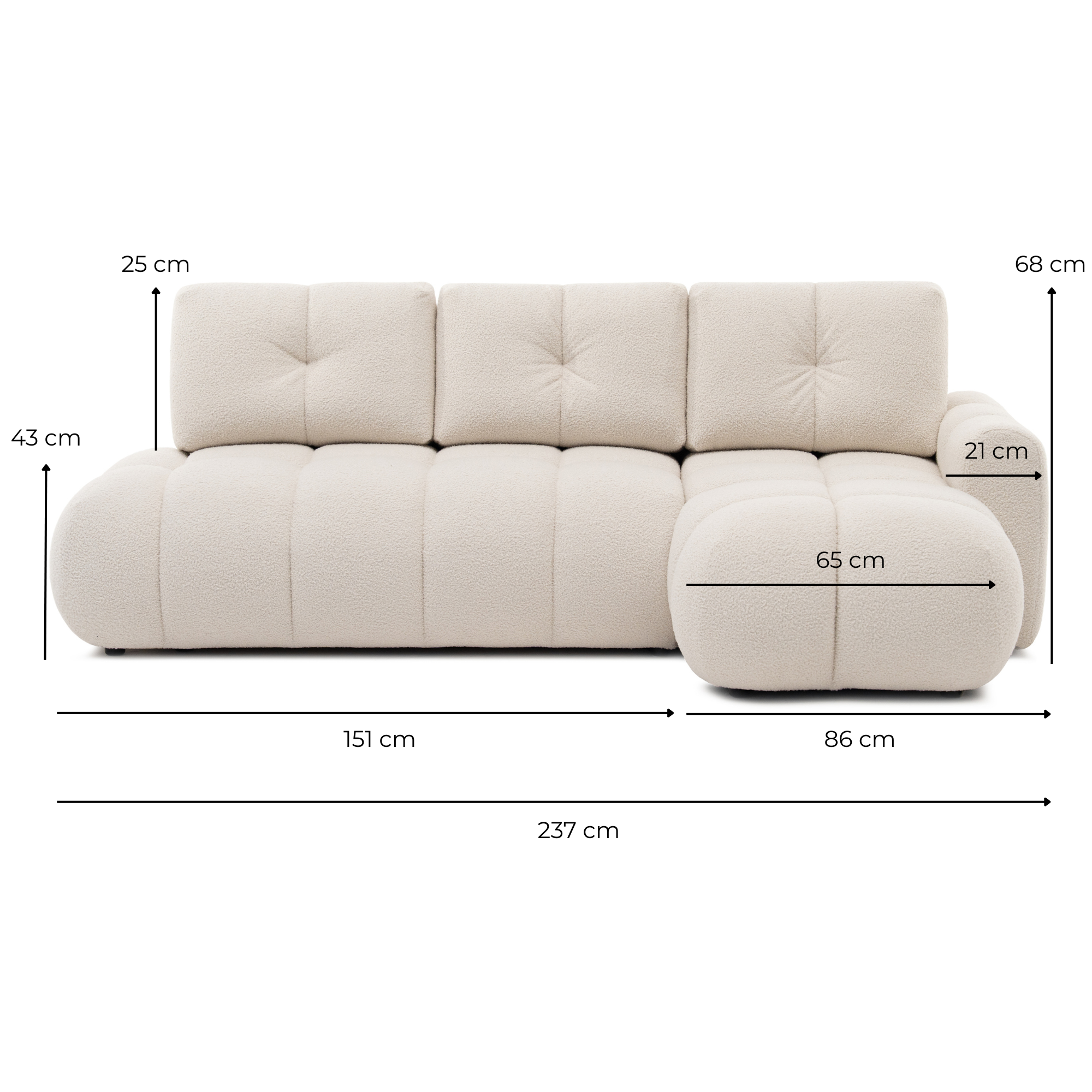
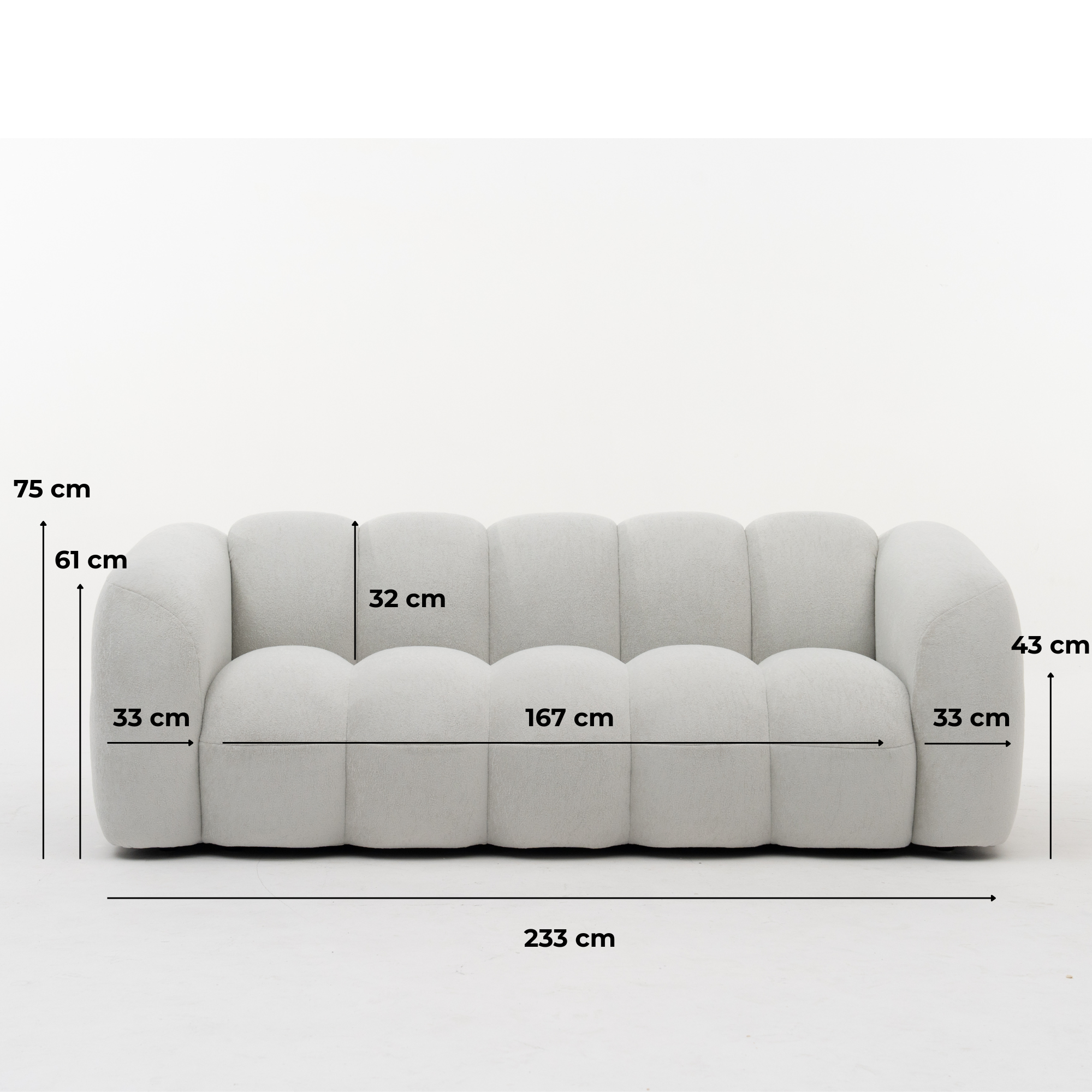
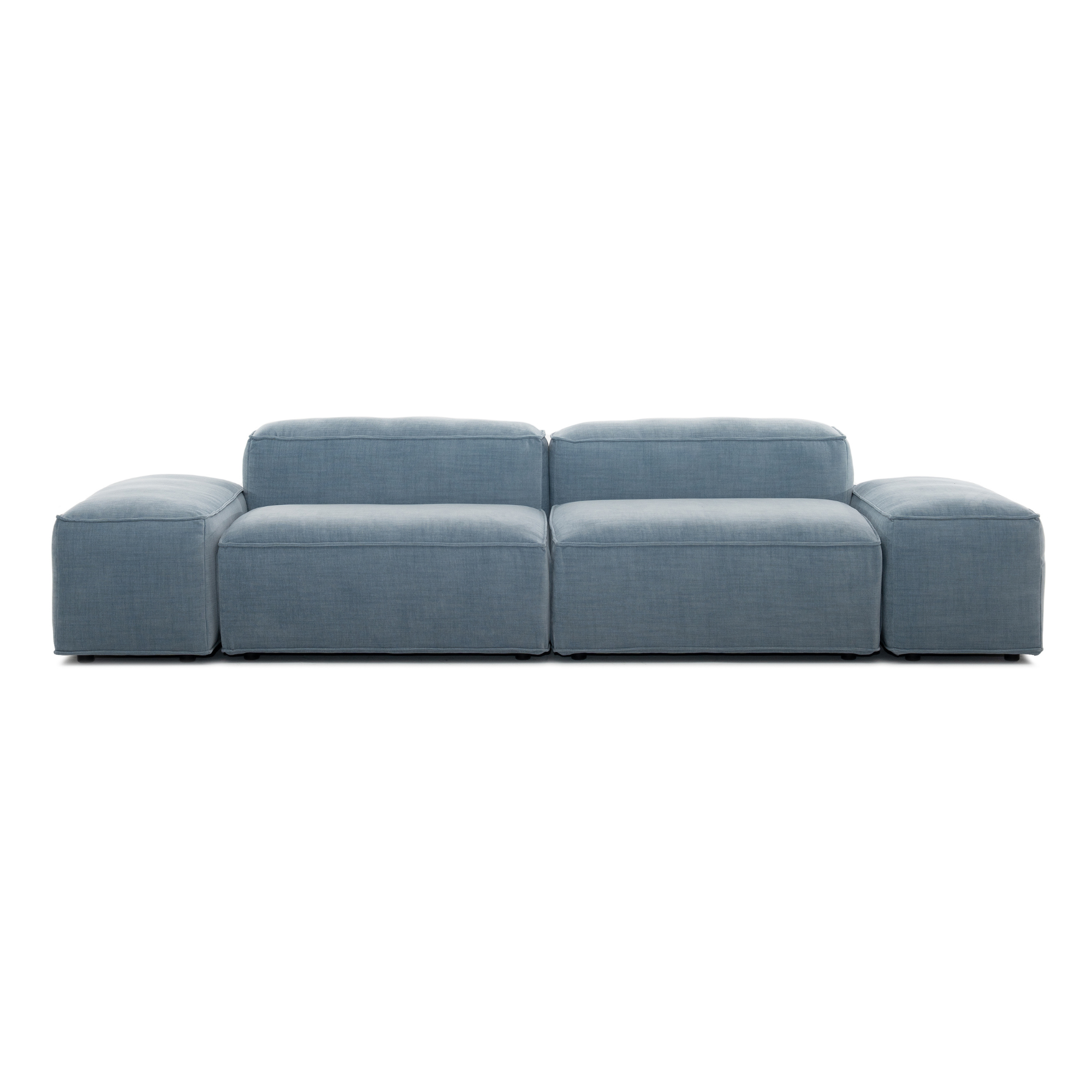
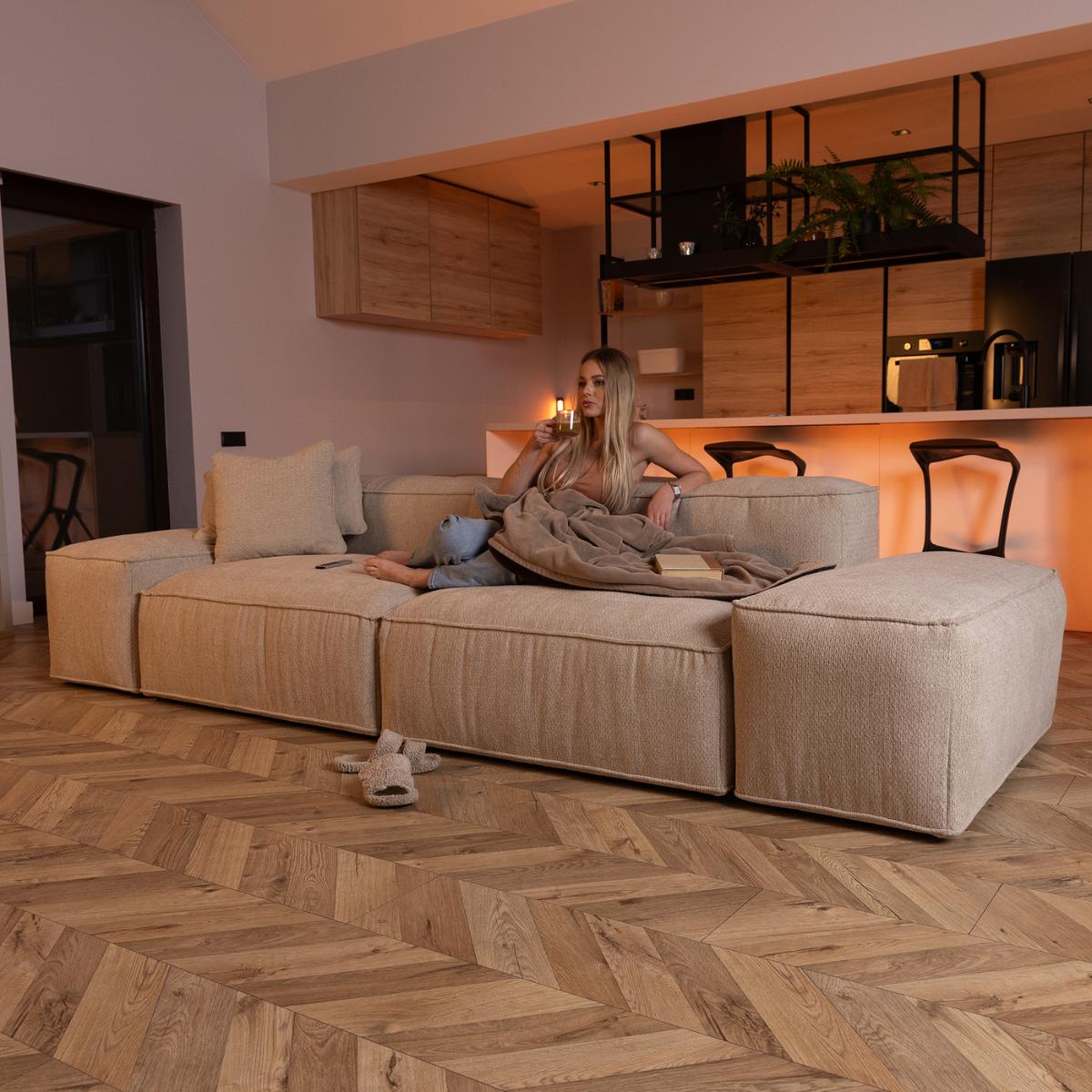
Lugano Sofa in Khaki — from €1,299
Khaki provides the warmth that industrial schemes need to prevent them from feeling too cold. The Lugano's clean form and warm muted upholstery creates a human, liveable counterpoint to the harder industrial elements of concrete and metal.
Industrial Furniture: Form and Function
Industrial furniture typically combines metal and wood — steel frames with reclaimed timber tops on coffee tables and side tables, metal-legged dining chairs with leather or wooden seats, shelving in blackened steel. Sofas lean toward generous, unstructured forms — deep seats, substantial cushions, leather or heavy cotton upholstery that improves with use. Vintage and industrial-inspired lighting is crucial: exposed filament bulbs, black powder-coated metal pendants, and aged brass wall sconces are all defining elements.
Softening Industrial: Adding Warmth Without Losing Character
The most common failure of industrial-inspired living rooms is taking the aesthetic too far — ending up in a space that feels uncomfortable and genuinely cold to inhabit. The key is strategic softening: introducing warm materials and textures that complement the industrial elements without erasing them. A large, worn leather sofa with a wool throw. A deep Persian rug that adds colour and warmth on concrete floors. Plants in abundance — the organic quality of greenery is one of the most effective antidotes to the harder industrial materials. Warm, layered lighting — particularly candles and warm-toned floor lamps — transforms an industrial room from a concept into an actual home.