

Living Room Without a TV: How to Design a Beautiful Screen-Free Lounge
The decision to design a living room without a television is increasingly common — and for good reasons. Without a screen as the room's default focal point, you are forced to make more considered, more personal choices about what the room is actually for. The result, when done well, is a space that feels genuinely designed rather than assembled around a black rectangle, and a room that invites conversation, reading, music, and relaxed time rather than passive viewing. This guide shows you how to design a screen-free living room that feels complete, inviting, and intentional.
What Replaces the TV as a Focal Point?
The first and most fundamental question in designing a TV-free living room is: what does the room face toward? Without a screen, the room needs a different anchor. The most powerful alternatives are an architectural fireplace or fire surround — real or decorative — which provides a natural gathering point and a source of warmth and movement. A large piece of art above a console, mantle, or low unit creates a strong visual anchor; the art should be substantial enough to hold the wall (ideally 80cm+ wide). A window with a well-framed outdoor view and a window seat becomes a genuinely beautiful focal point. A large bookcase or library wall — particularly floor-to-ceiling — draws the eye and fills the wall with texture, colour, and personal meaning. A statement sofa with confident styling facing the room's best natural feature can itself become the focal point.

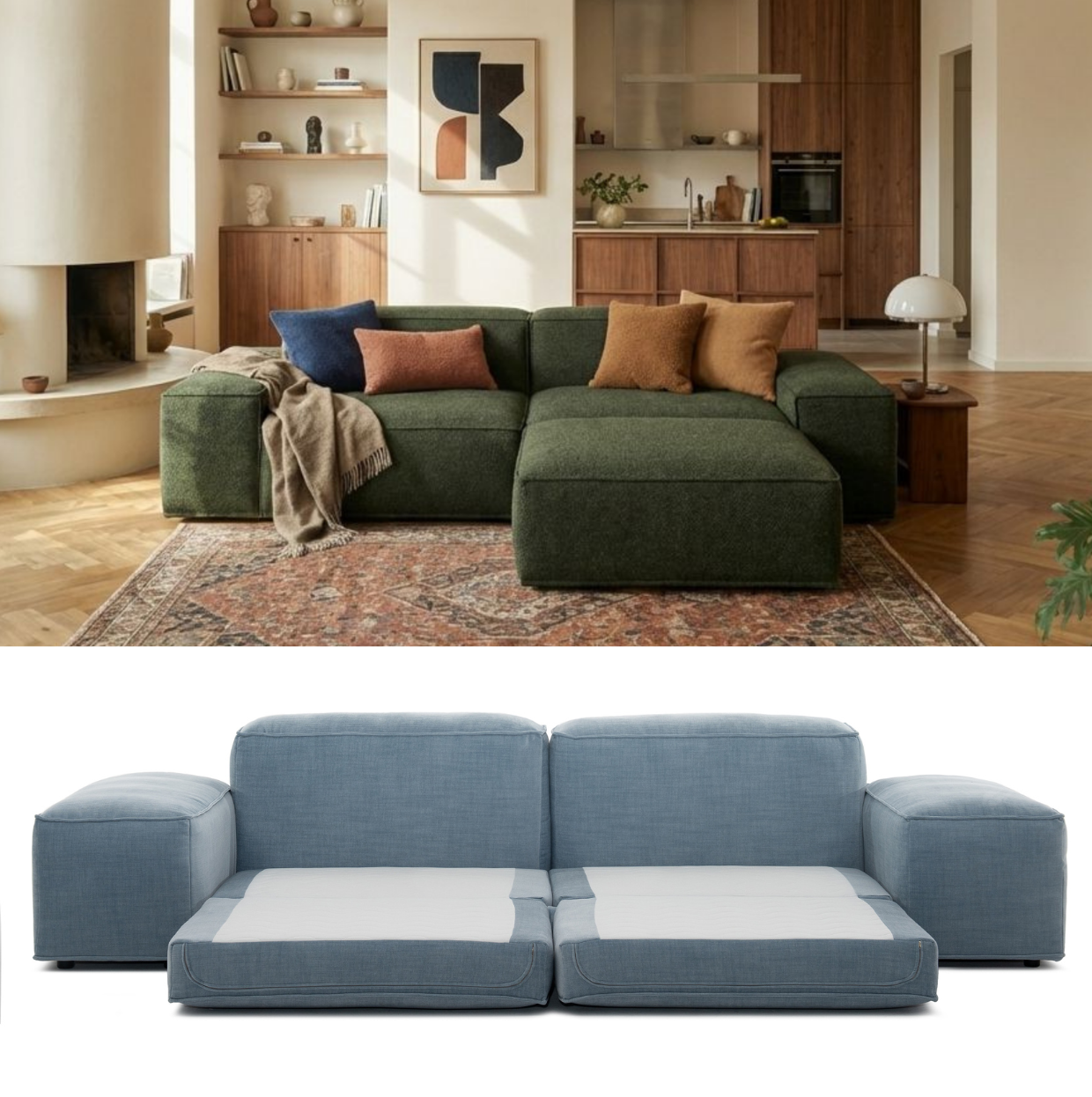
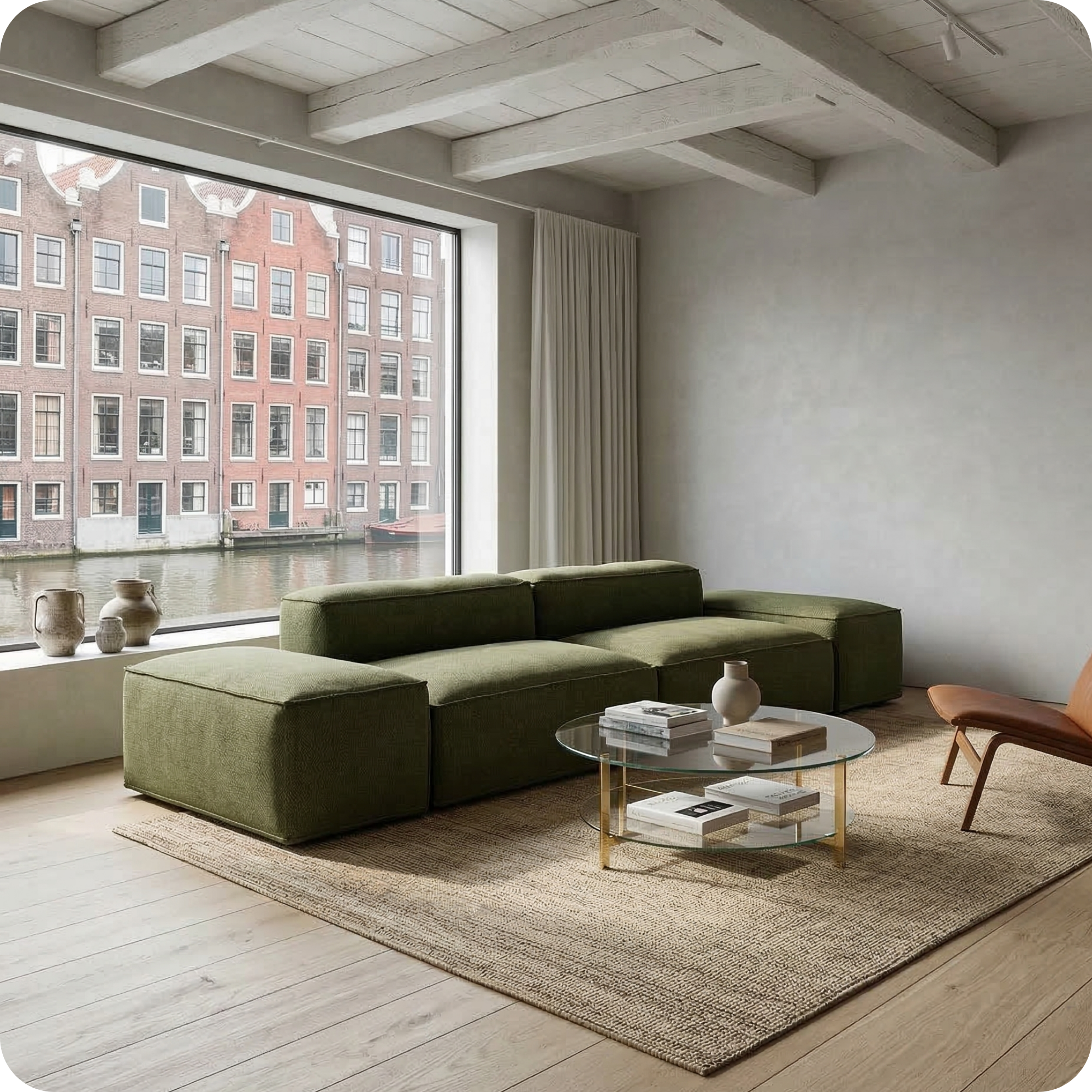
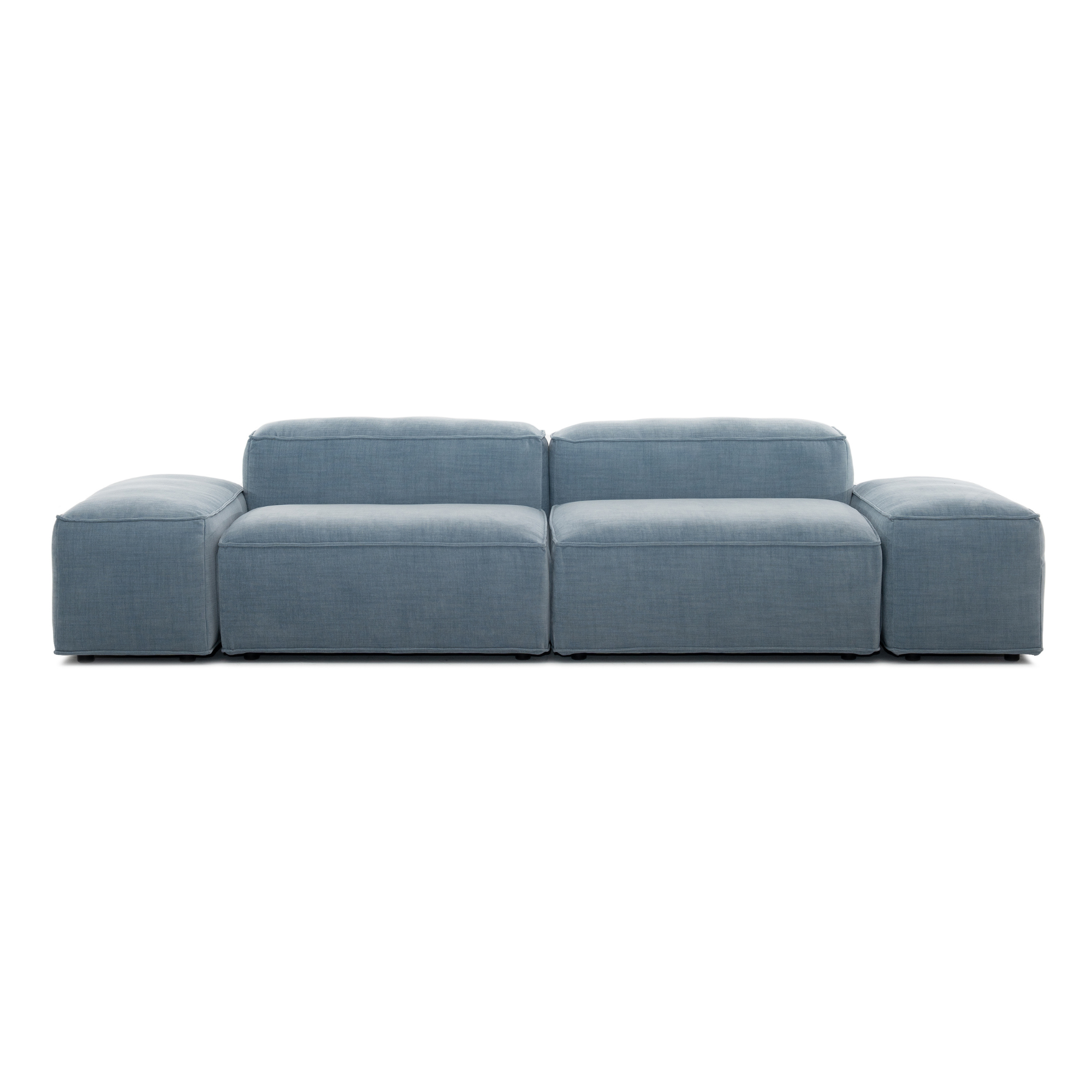
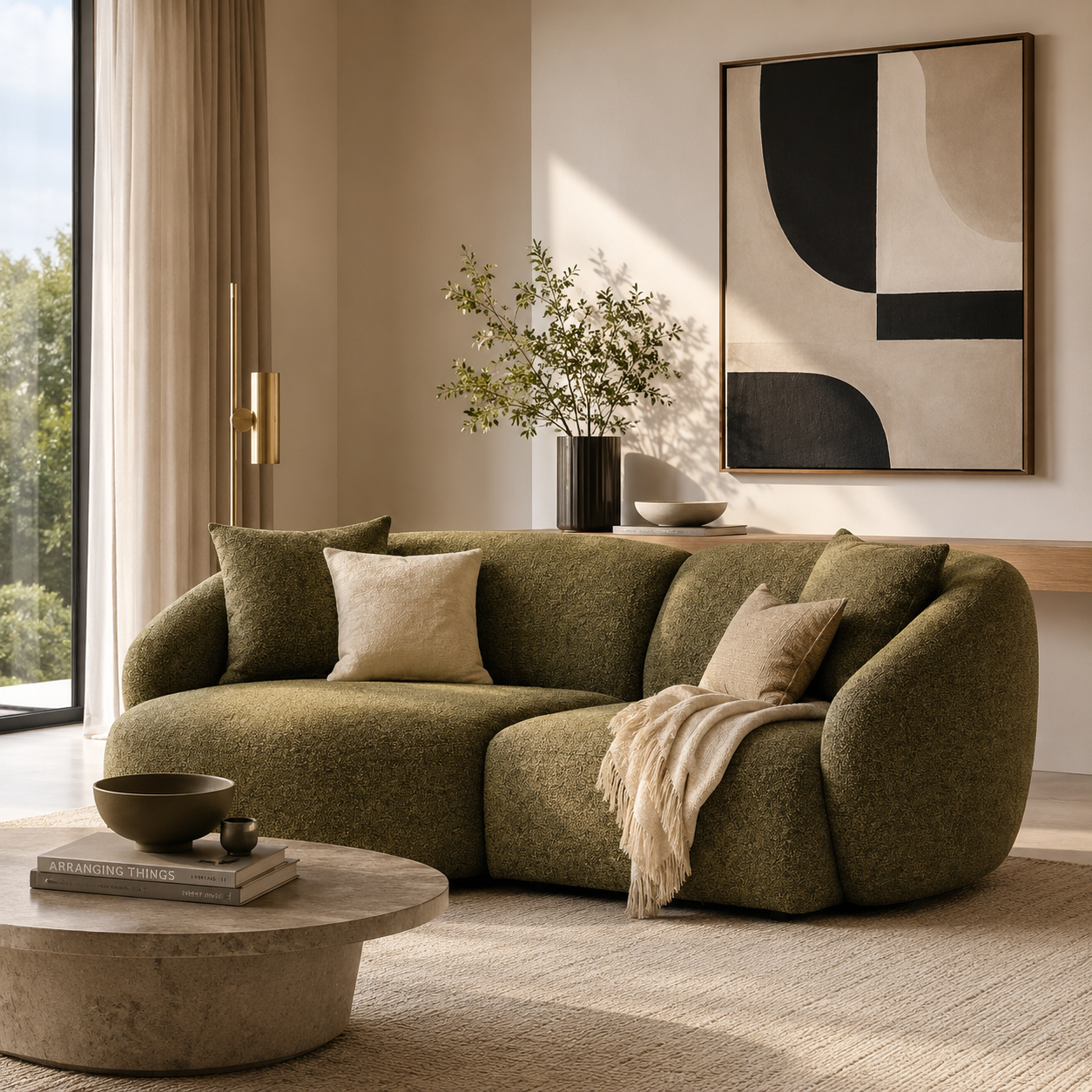
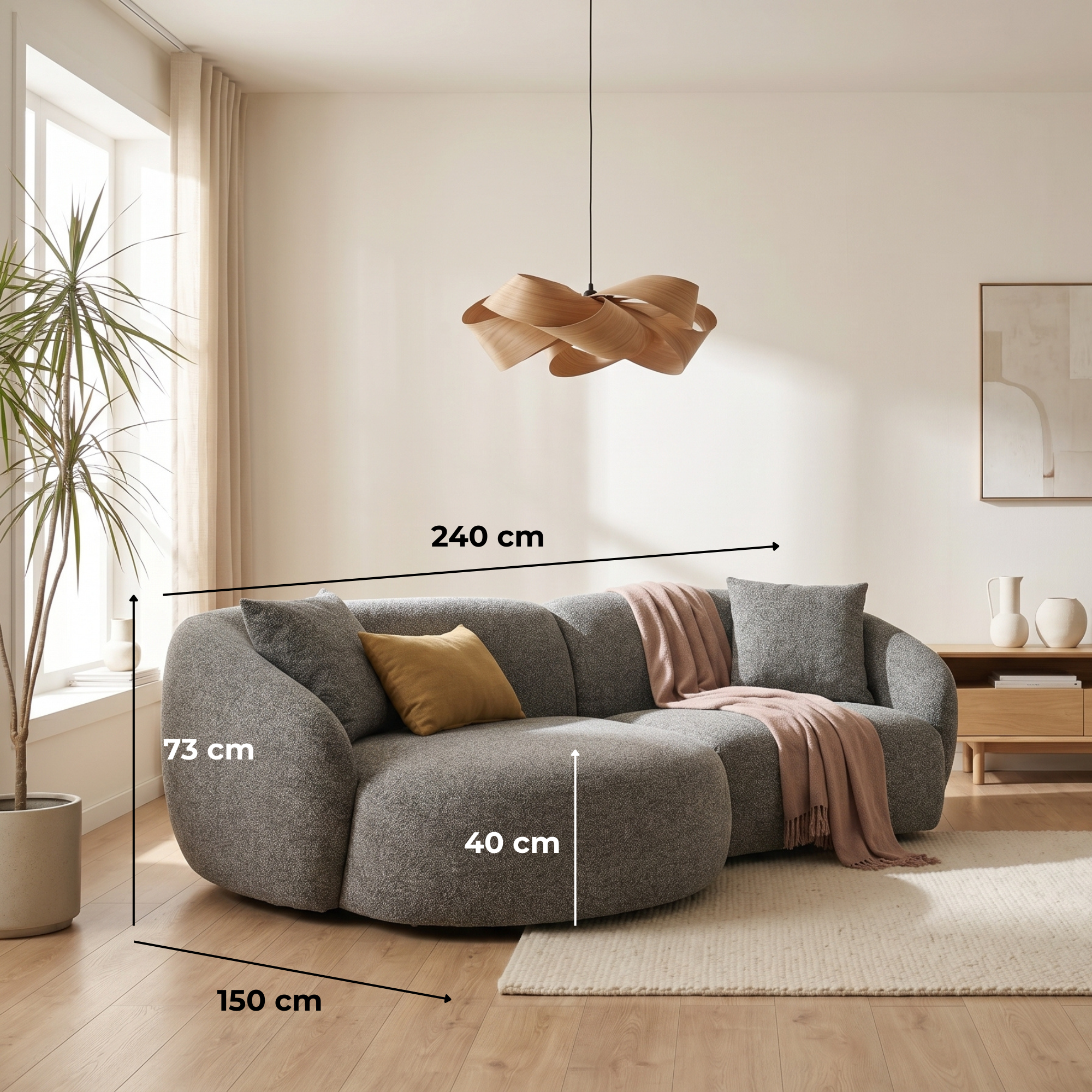
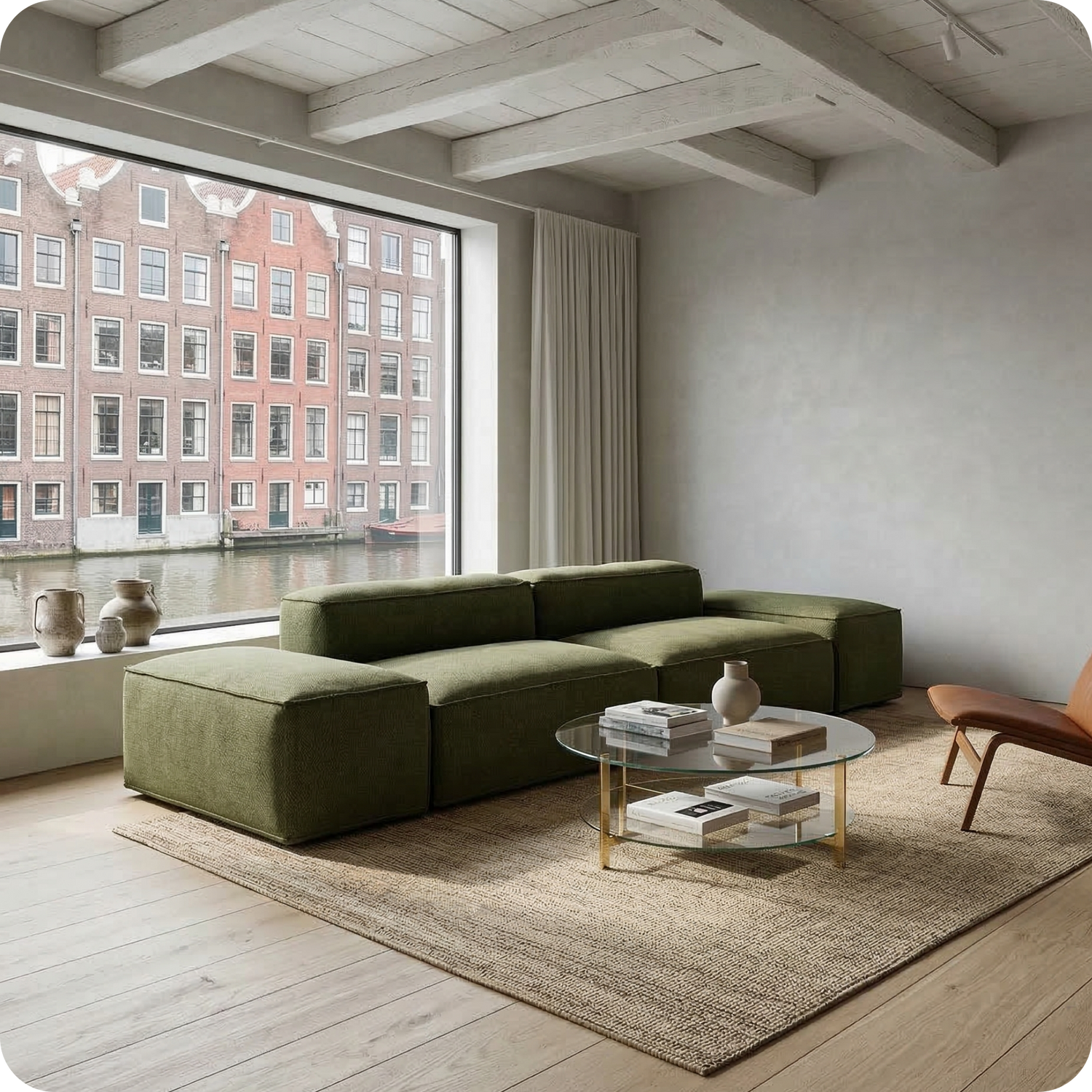
Merlot Modular Sofa — Leaf Green — from €1,532
In a TV-free living room, a bold sofa colour can become the room's visual statement. The Merlot in leaf green is confident enough to anchor the space as its own focal point — positioned facing a fireplace, large window, or art wall, it creates a room that feels deliberate and characterful rather than defaulting to a screen-centred arrangement.

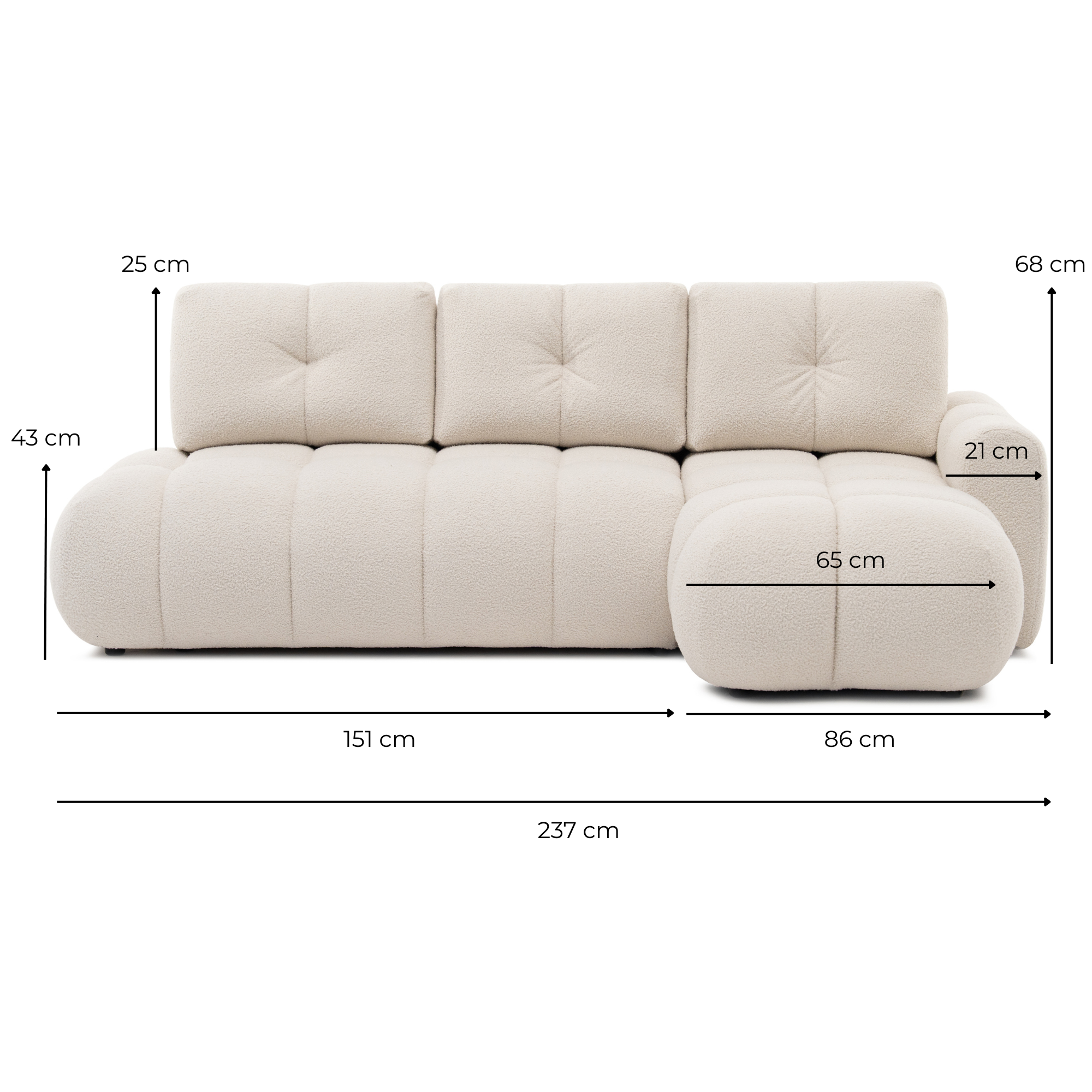
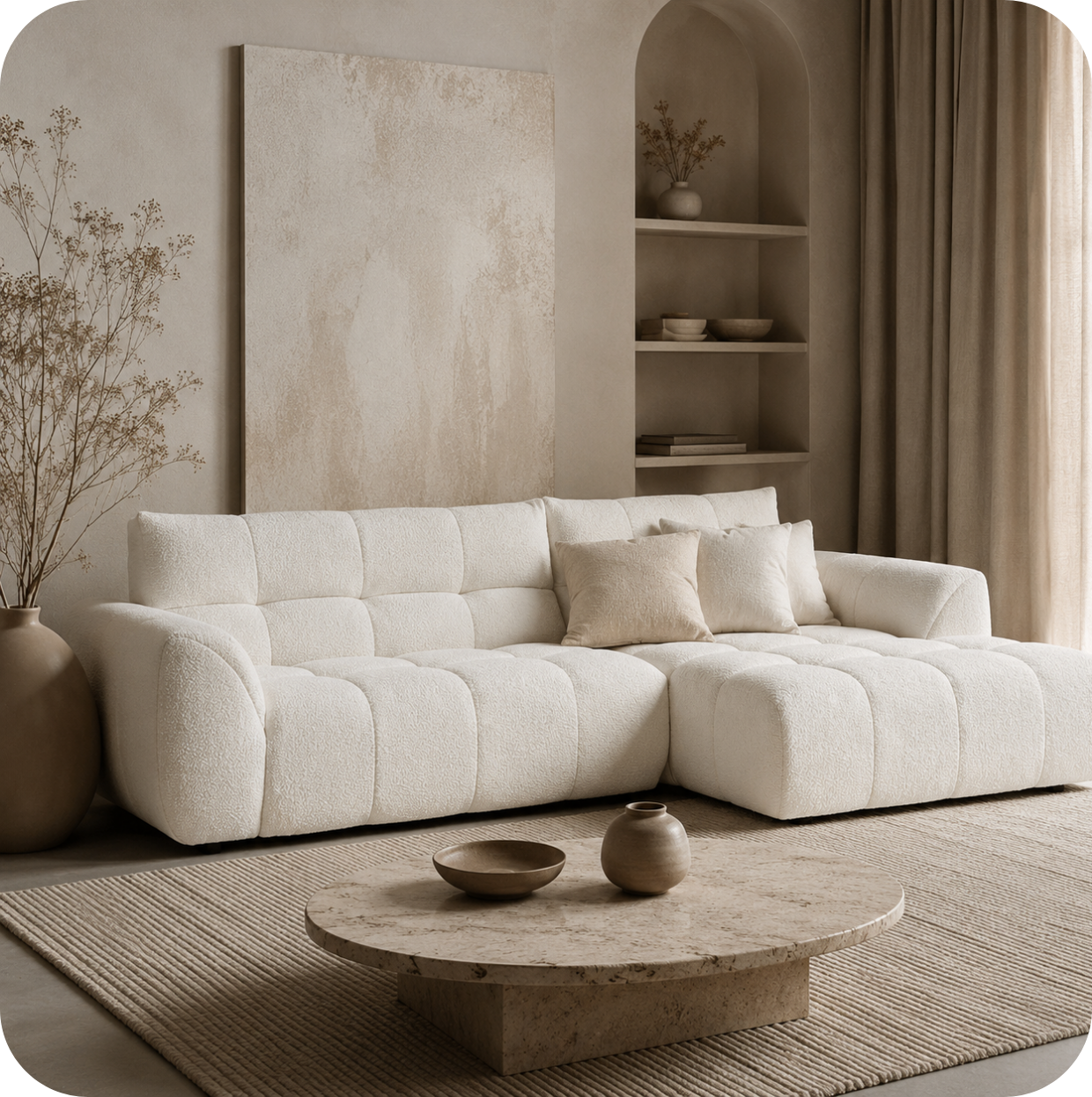
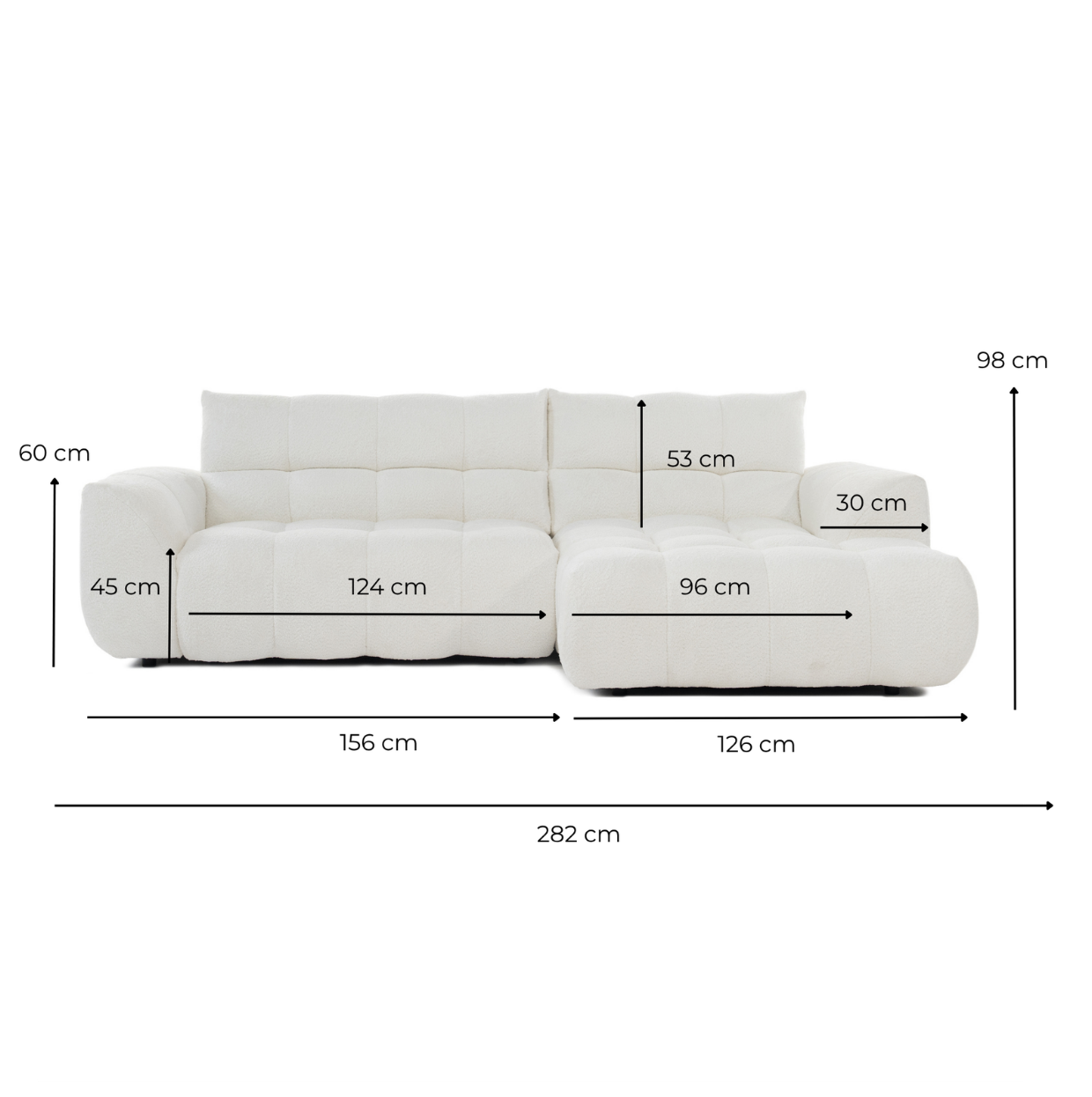
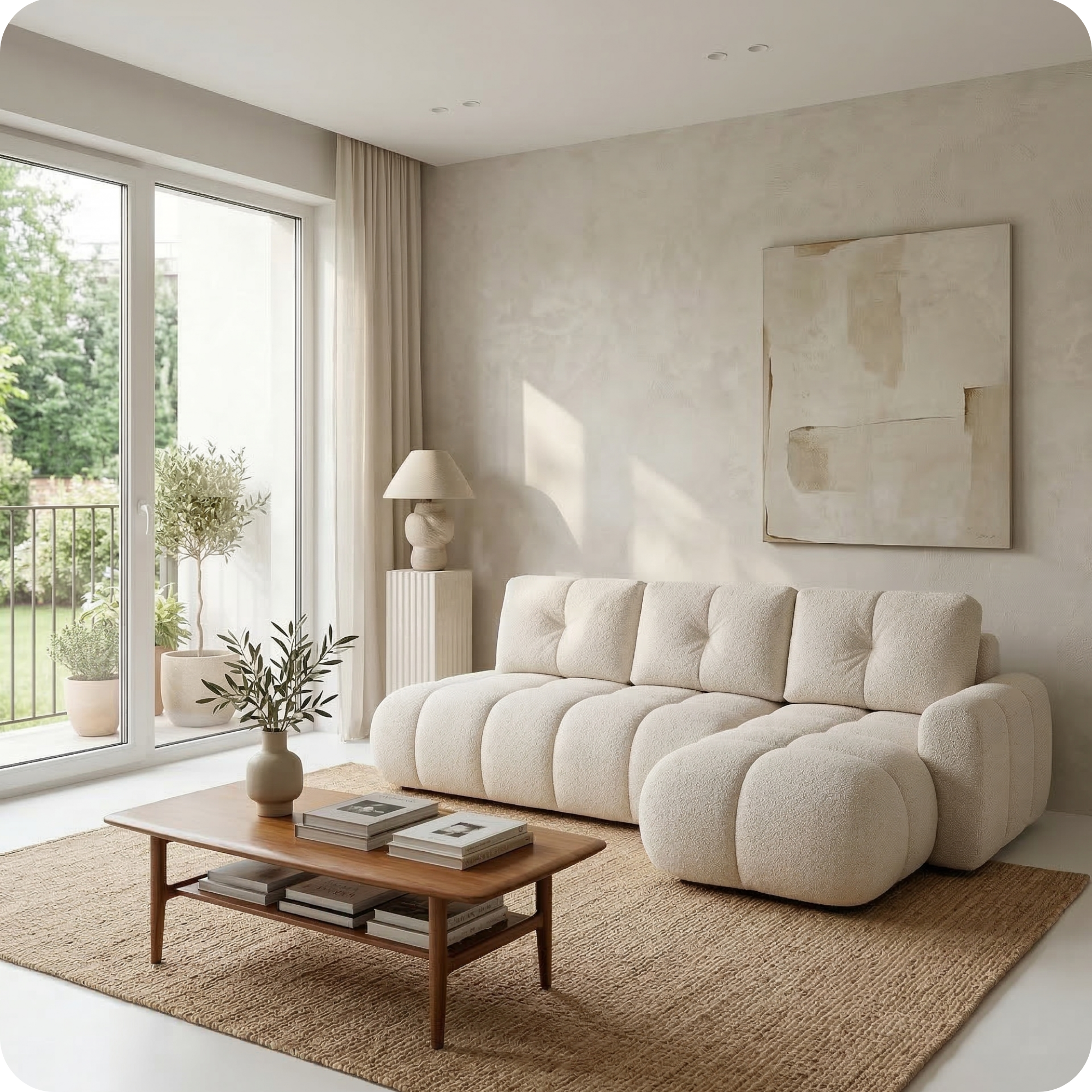
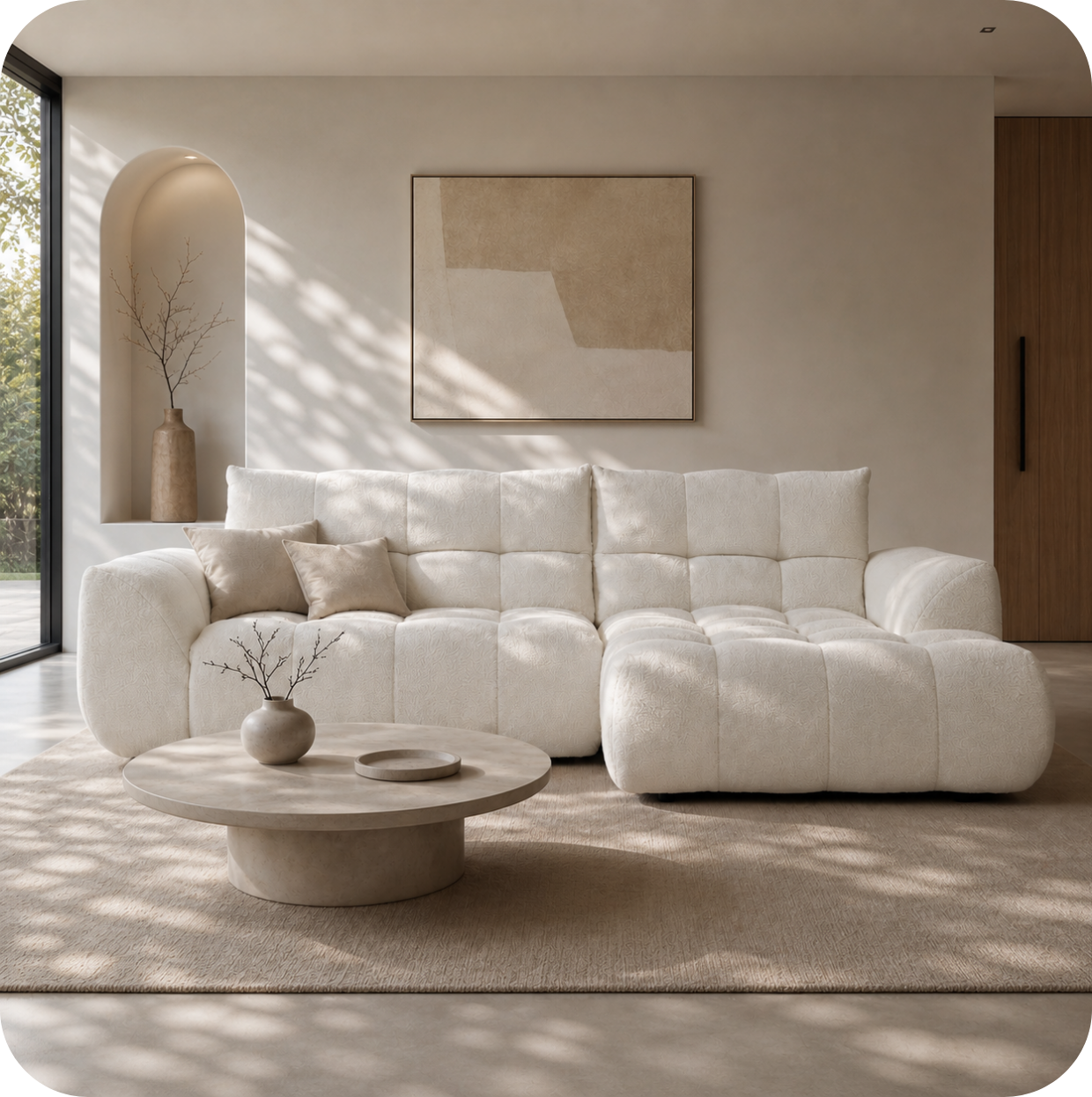
Torino Corner Sofa — from €999
A corner sofa in a TV-free room changes the dynamic completely: without a screen to face, the corner configuration allows people to face each other across the sofa run, making the seating area genuinely conversational rather than screen-directed. The Torino's generous proportions create exactly this kind of gathering-centred atmosphere.
How to Arrange Furniture Without a TV
TV-free furniture arrangements are more free, and more challenging, than screen-centred ones. Without the television as a fixed orientation point, seating can be arranged in more sociable, conversational configurations. One effective approach is the conversation circle: two sofas or a sofa and two armchairs facing each other, with a coffee table in the centre. This creates an intimate, conversation-friendly cluster. A sofa plus a bookcase wall creates a library atmosphere — particularly powerful in combination with good floor lamps and a reading chair. A sofa positioned to face a window or garden view creates a room that is orientated toward the outside world rather than inward toward a screen. The key in all of these arrangements is to ensure clear sightlines and comfortable orientations — people should be able to talk, read, or look at the room's focal feature without awkward head angles.
What to Put on the Walls Instead
Without a TV wall, you have an entire feature wall to use imaginatively. Art is the most obvious solution — ideally one large statement piece or a carefully curated gallery wall. Architectural built-ins (shelving, cabinetry, a media unit that no longer houses a screen) add depth and utility. A large mirror creates light, space, and reflection. A collection of framed prints or photographs in a consistent style and frame colour creates a cohesive gallery. Textured wall panels or large-format tiles create a tactile surface that reads beautifully in photographs and in person. A painted accent wall, particularly in a deep, moody colour, creates drama without requiring any additional objects.
Lighting in a TV-Free Living Room
Without a screen providing ambient light, a TV-free room relies entirely on intentional lighting design. The most important principle is layering: a combination of overhead ambient light, task lamps for reading, and atmospheric floor and table lamps creates a rich, textured light environment. A dimmer switch on the overhead circuit transforms the room's mood at the touch of a switch. Candles on the coffee table and mantle add the kind of natural, flickering light that screens can never replicate. Good lighting is the single most powerful investment in a TV-free living room — it makes the space feel alive in a way that no piece of furniture alone can achieve.