

Maximalist Interior Design: How to Embrace More is More in Your Home
Maximalism is having a significant moment. After years of minimalism dominating interior design — all white walls, bare surfaces, and carefully curated emptiness — a counter-movement has emerged that celebrates abundance, personality, and the sheer visual pleasure of a room that is full of beautiful, interesting things. Maximalism is not the same as clutter or mess — it is a deliberate, considered approach to decoration that embraces pattern, colour, texture, and personal collections as positive design elements. This guide explains how to do maximalism well.
What Maximalism Is (and Isn't)
Maximalism is a design philosophy that says more is more — that a room can contain many colours, many patterns, many objects, and many layers of texture, and that this abundance is the point rather than a problem to be solved. Maximalism is not the same as hoarding or clutter. The difference is intention: a maximalist interior is deliberately and thoughtfully composed, where every object has been chosen and placed with purpose. Maximalism celebrates pattern mixing, bold colour, personal collections, and visual richness. It is, at its best, an expression of a life fully lived and a personality fully expressed.

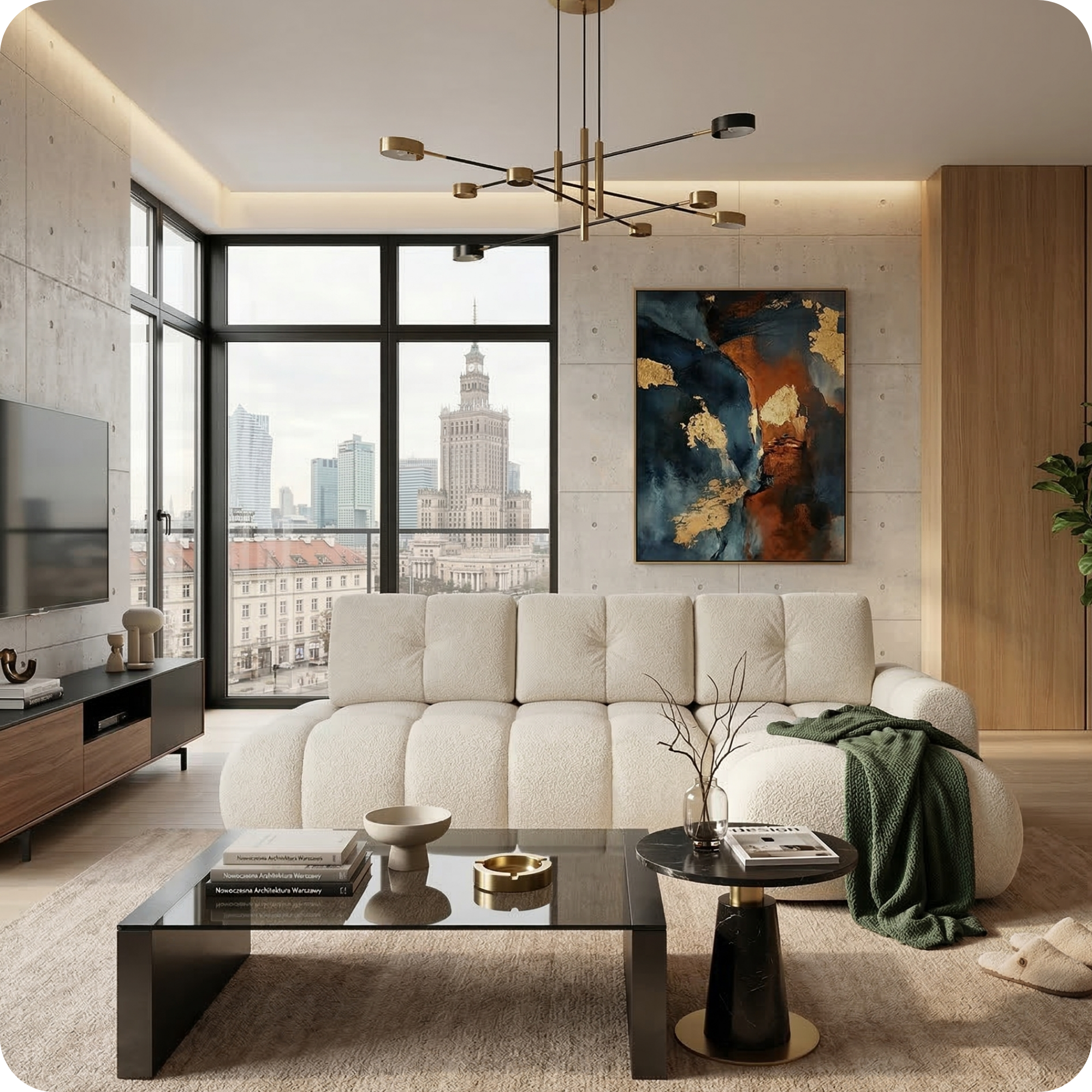
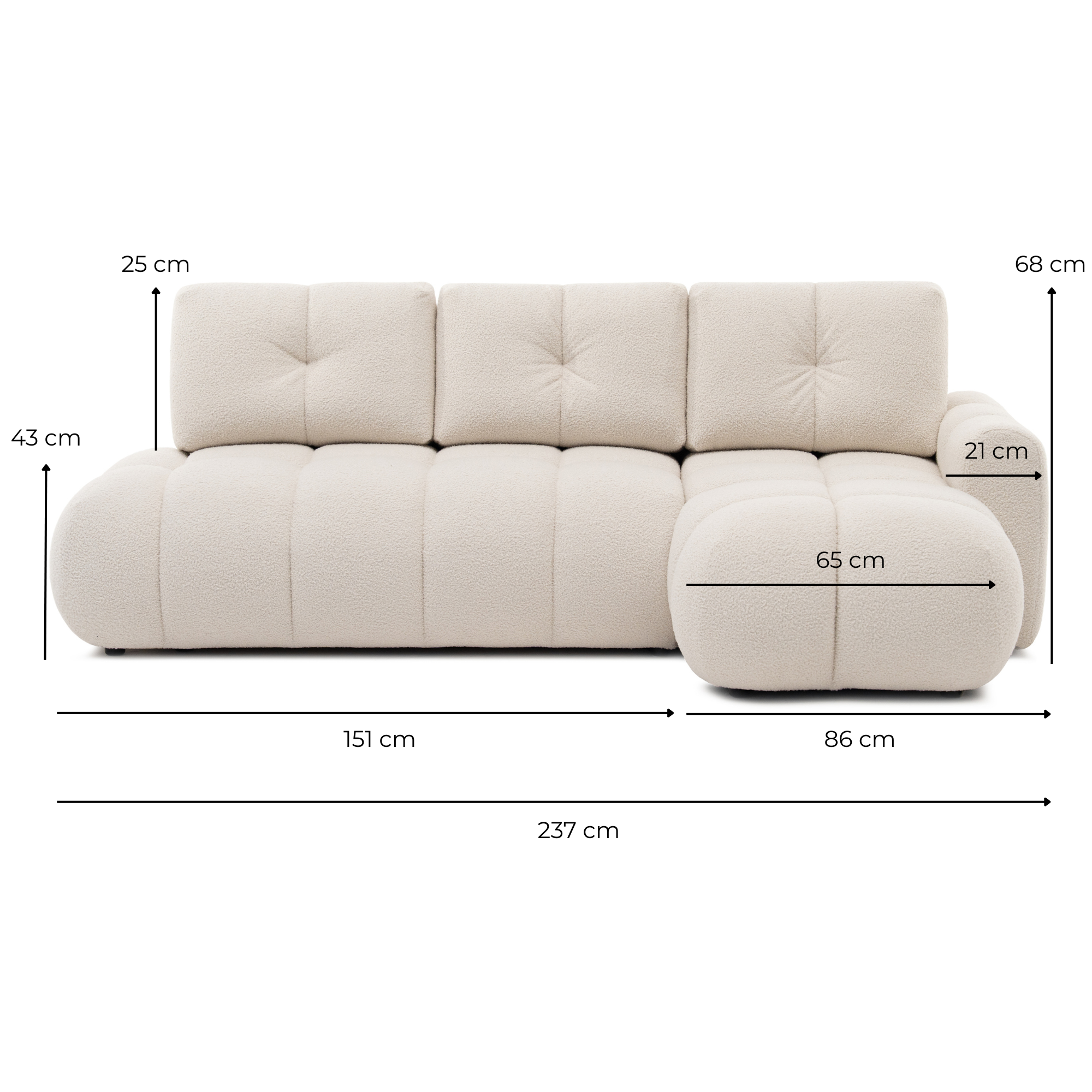
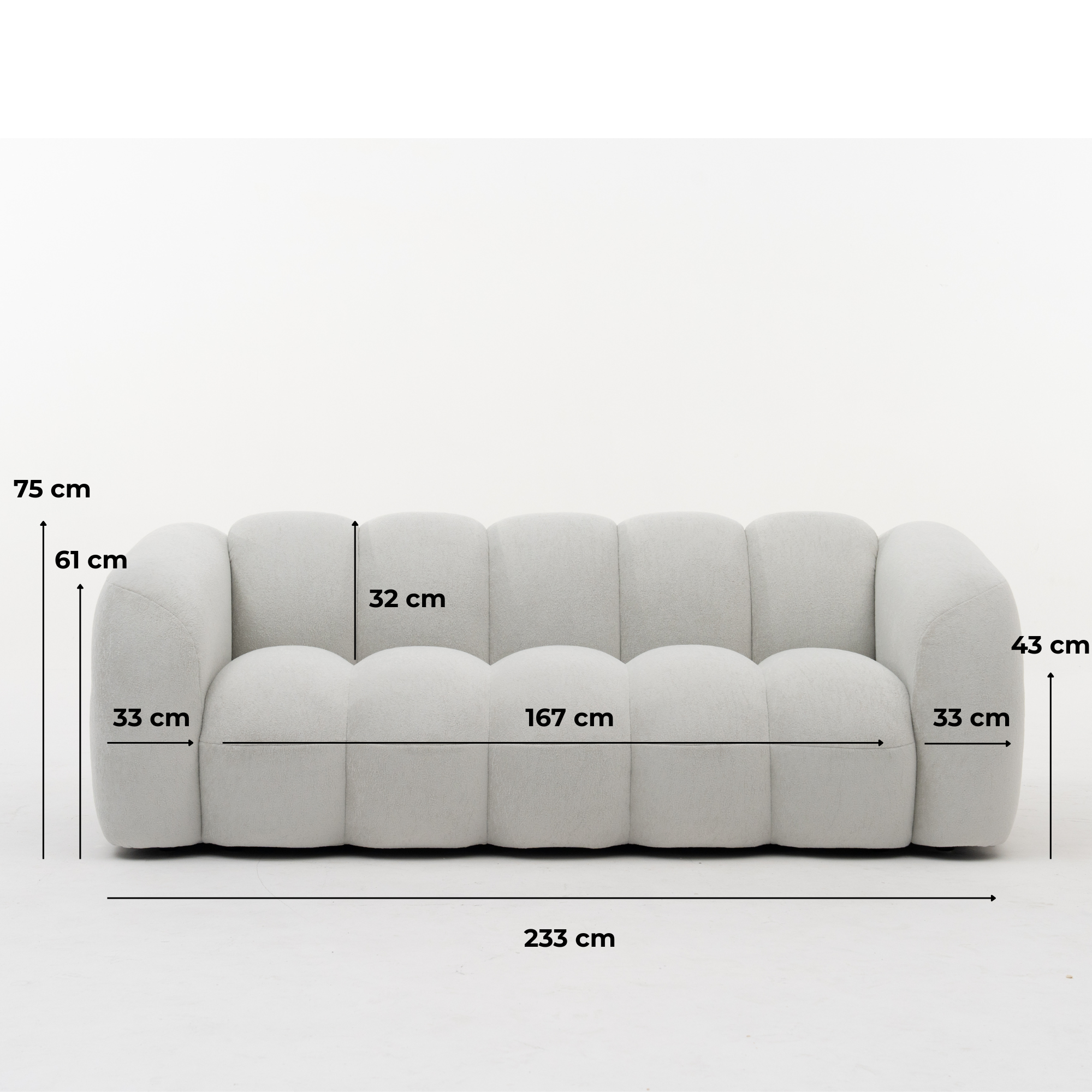
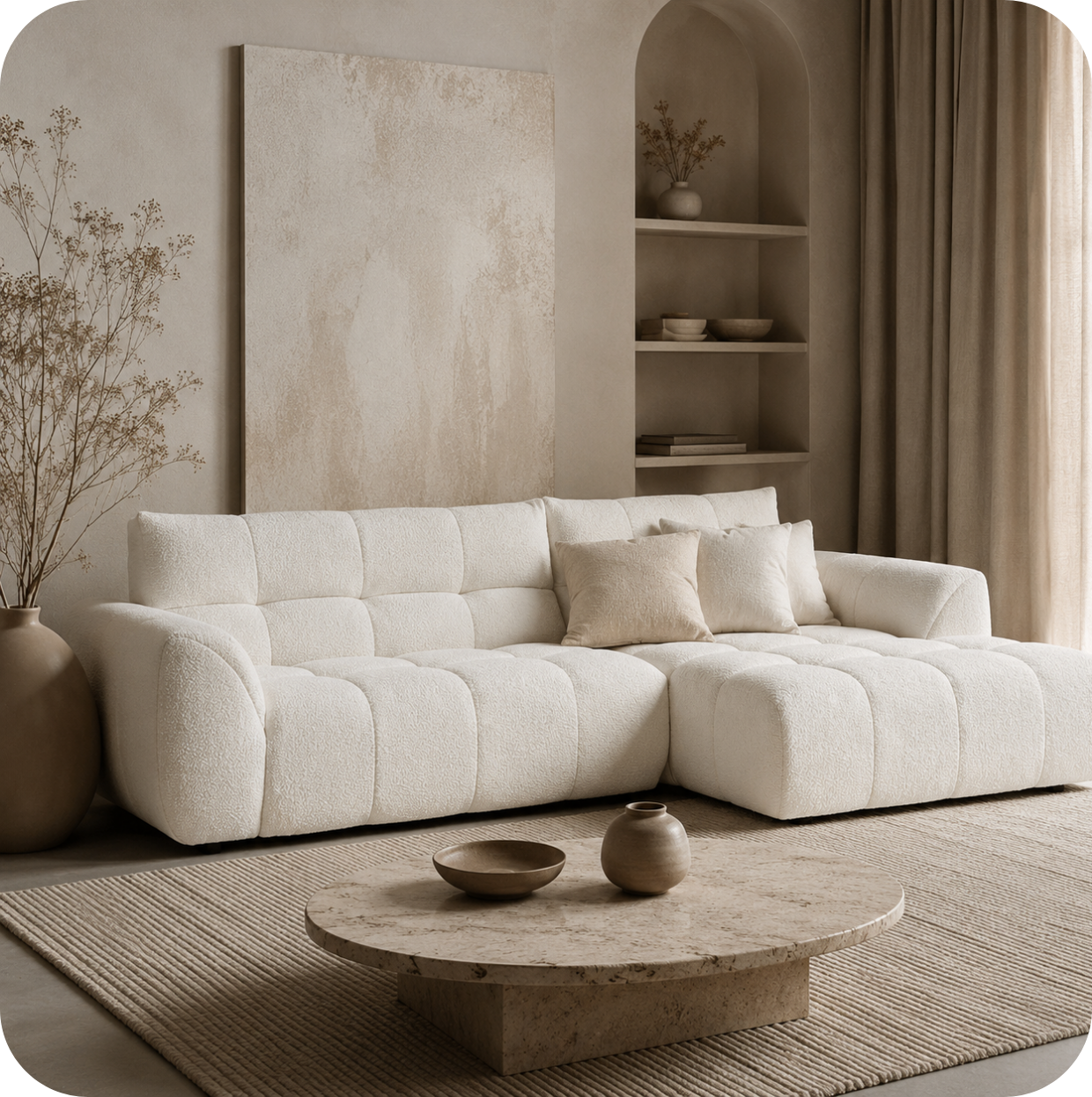
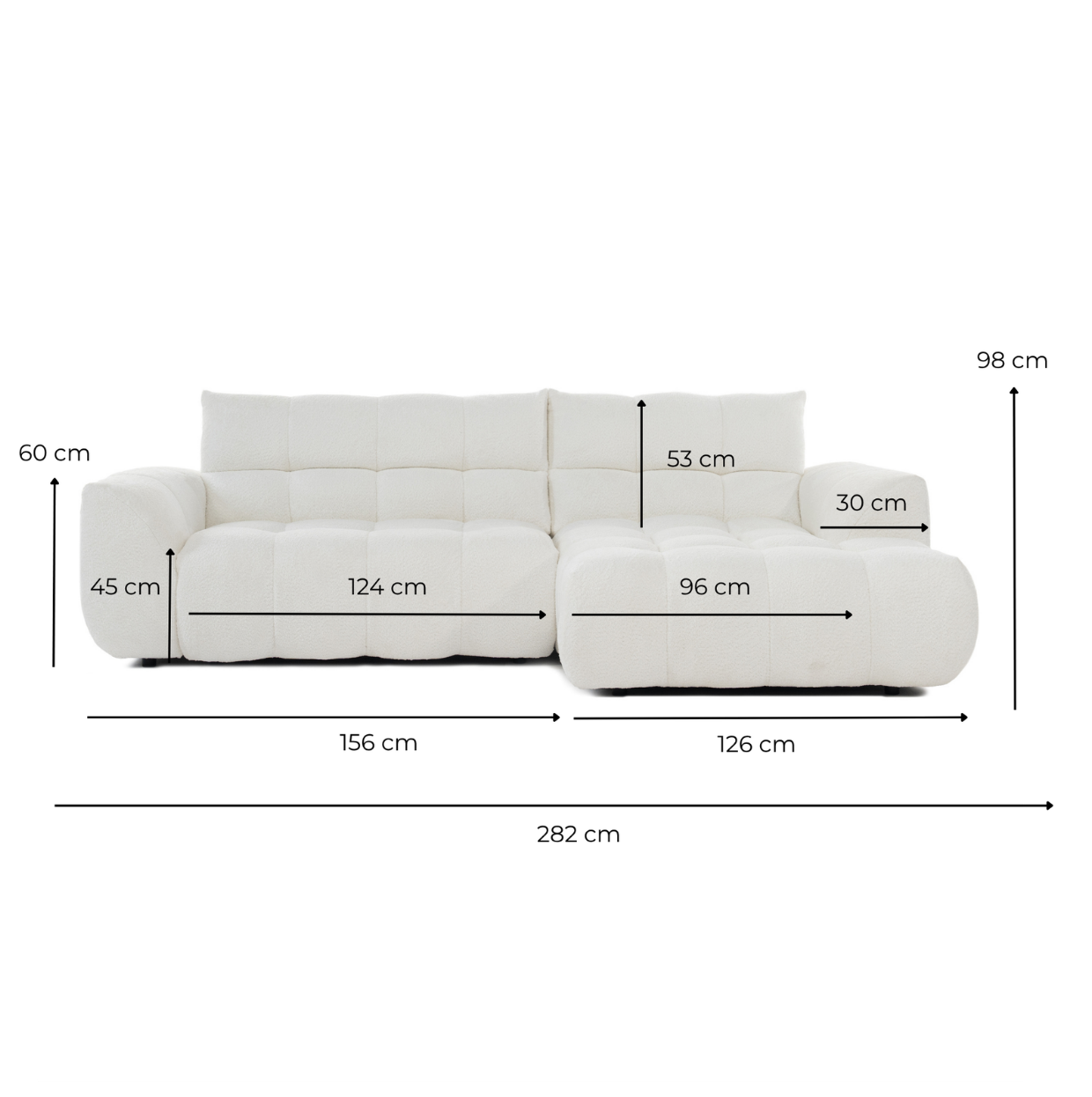
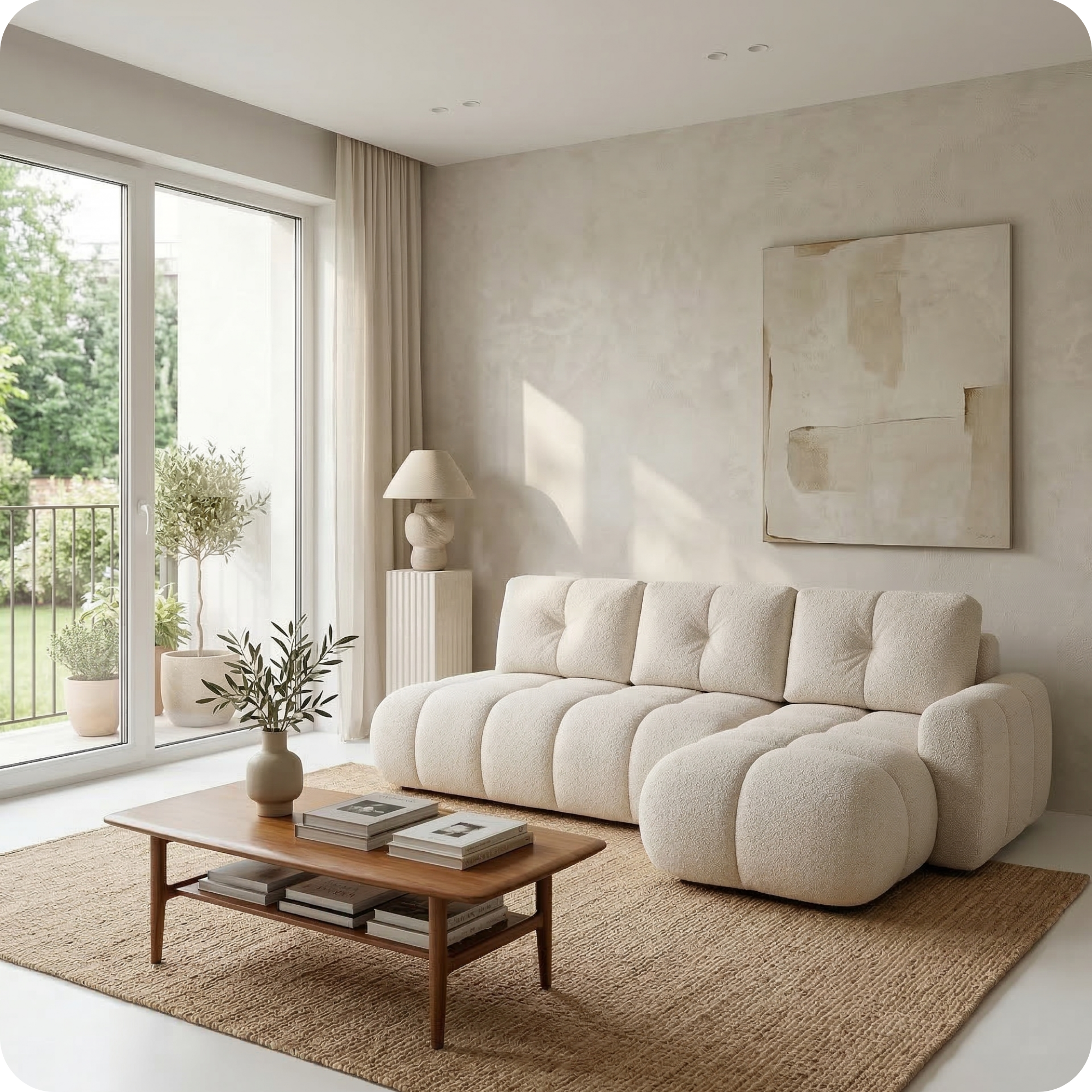
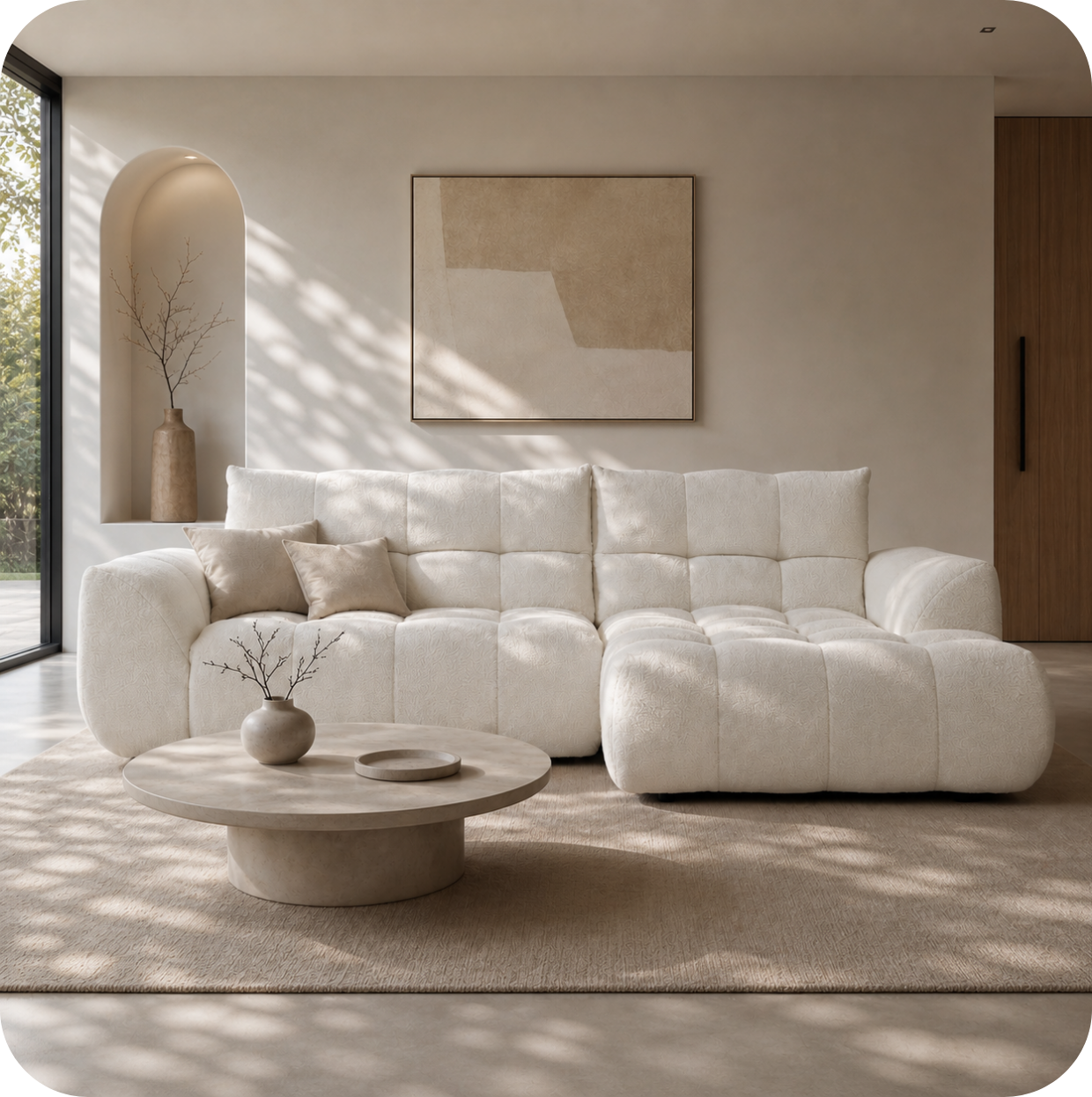
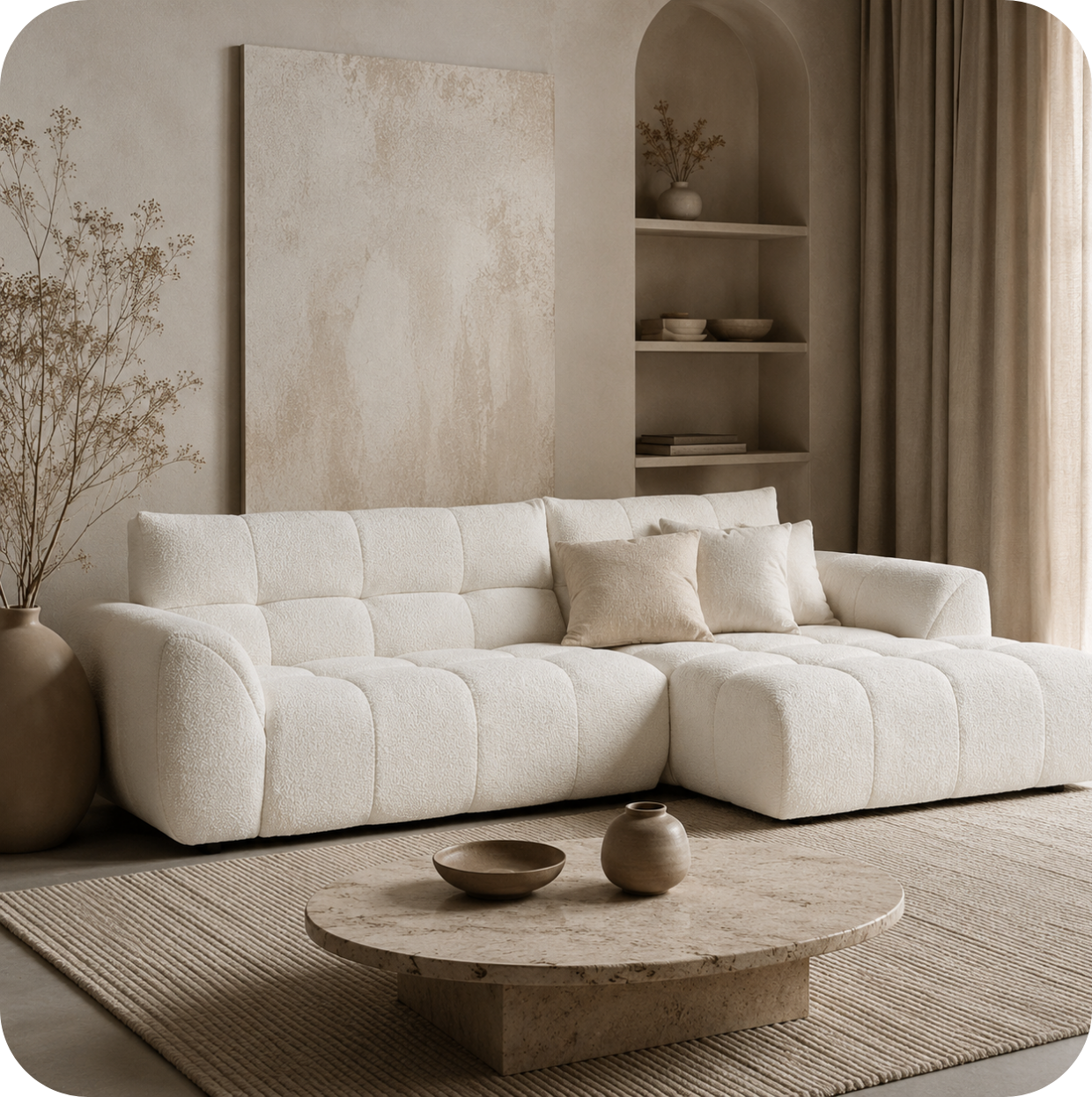
Asti Corner Sofa — from €1,599
In a maximalist interior, the sofa is often the anchor — the piece of furniture large enough to hold its own against bold wallpaper, layered rugs, and walls full of art. The Asti's generous proportions and strong profile make it a sofa that can anchor even a very busy room while remaining comfortable and inviting.

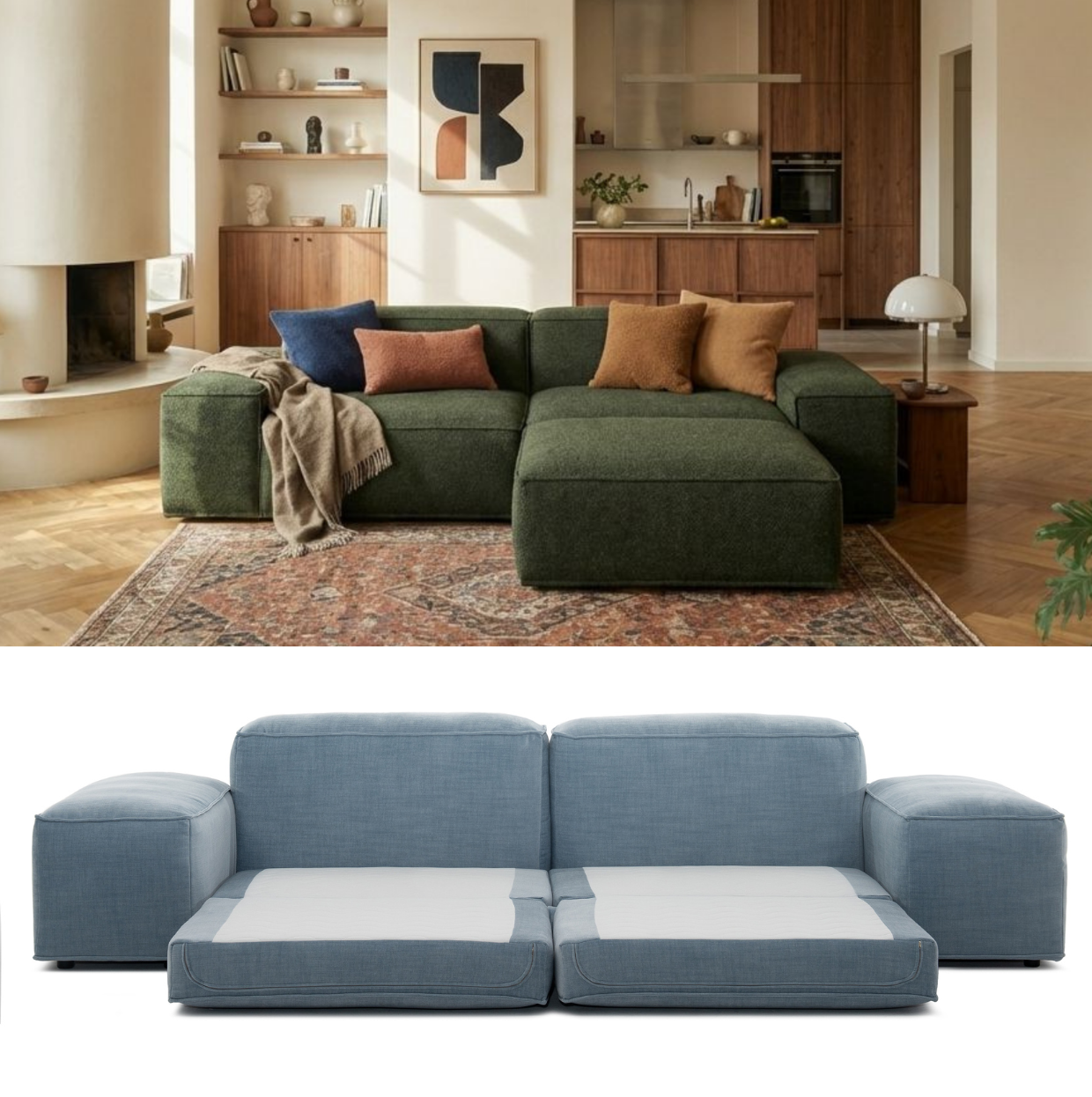
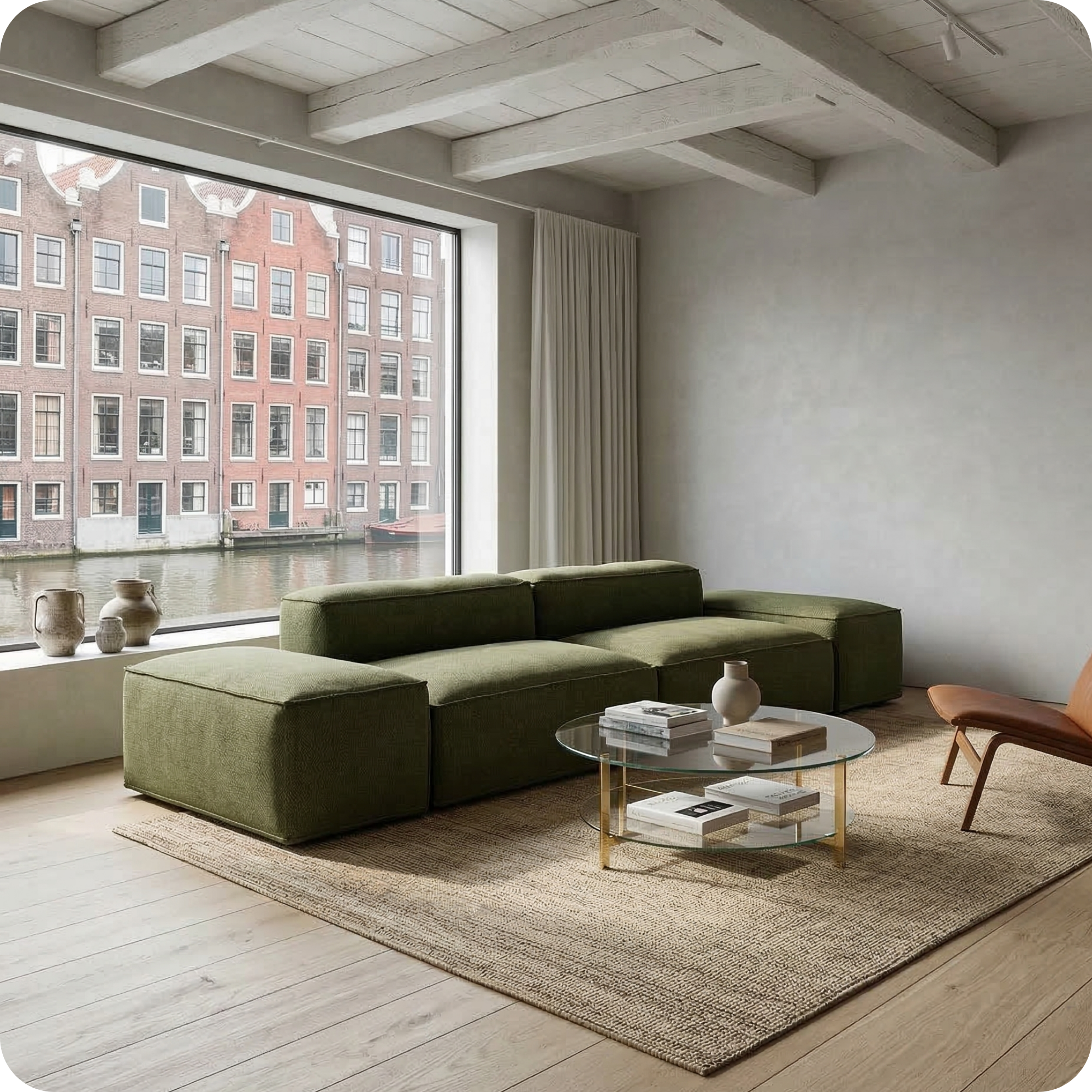
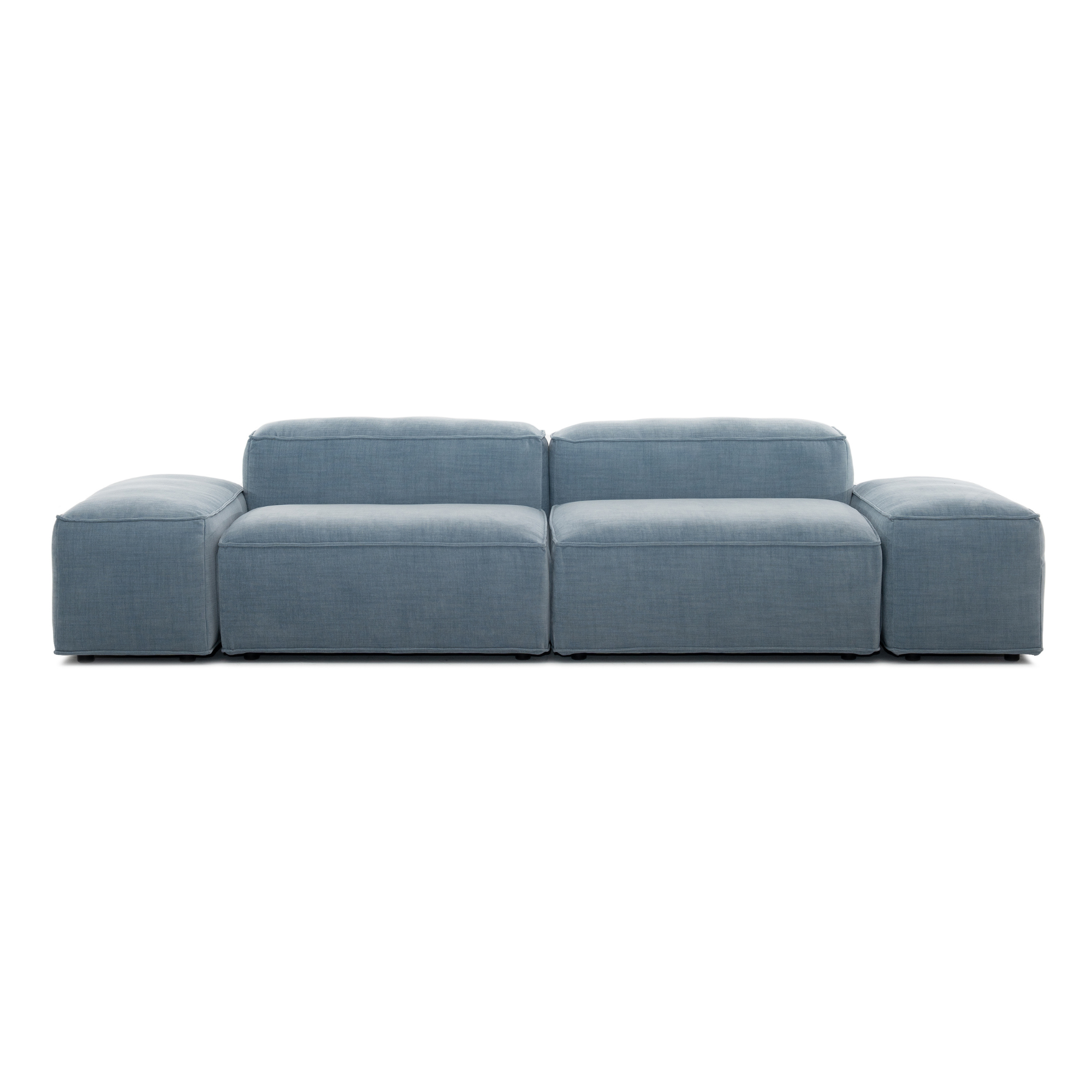
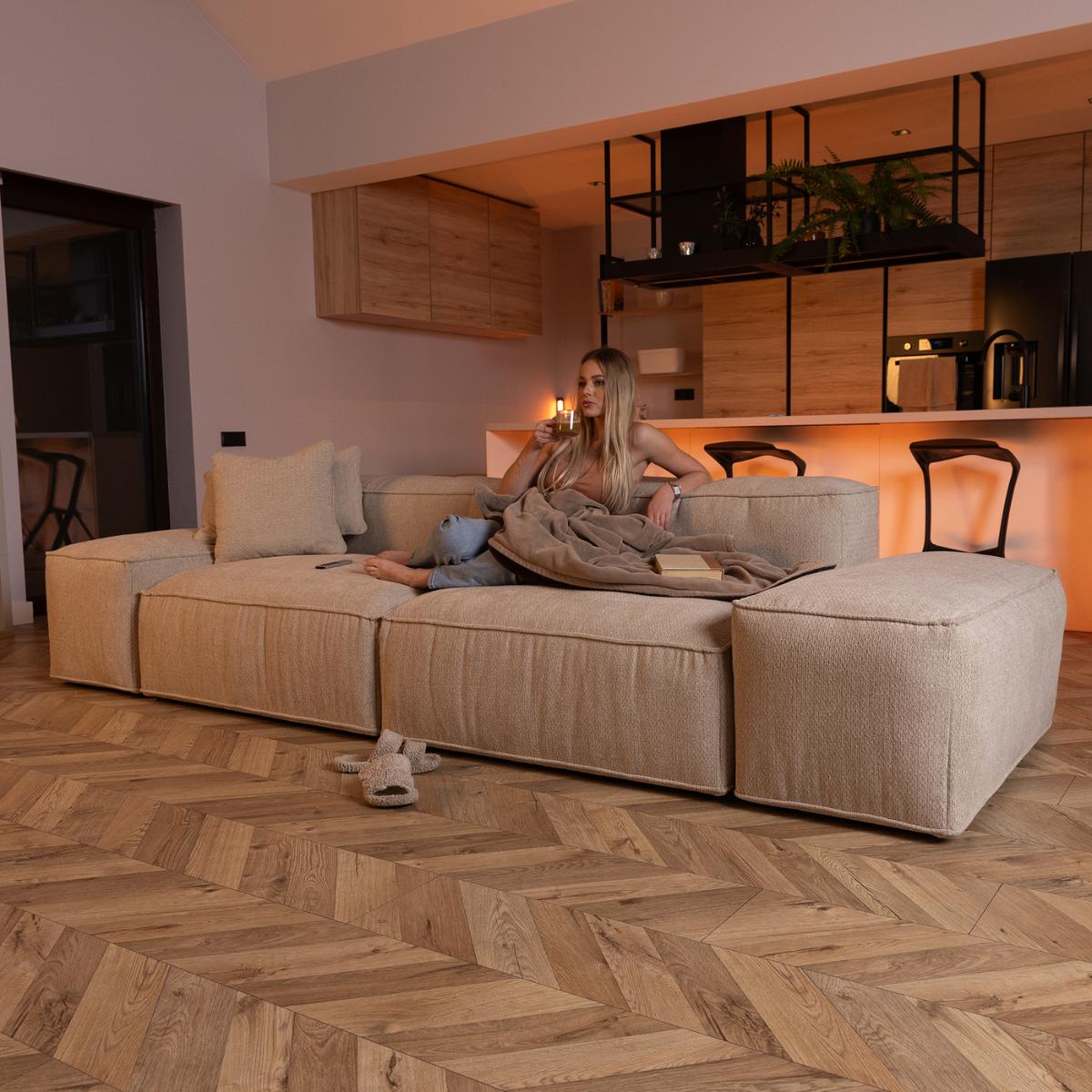
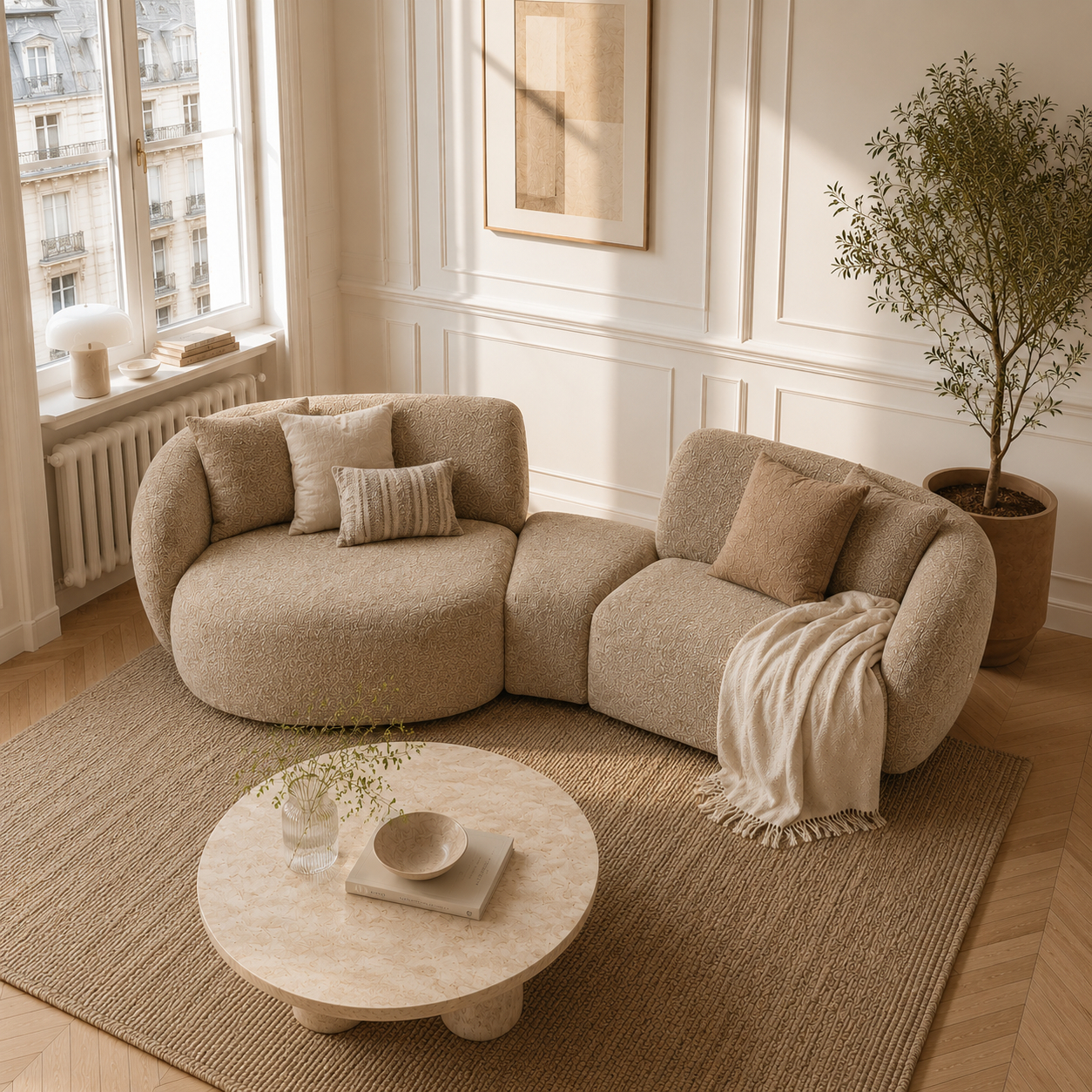
Malbec Modular Sofa — from €2,375
The Malbec's warmth and richness make it naturally at home in a maximalist interior. Its characterful upholstery holds its own in a room layered with pattern and colour, while its modular construction allows you to configure it exactly as the room requires.
The Rules of Maximalism: How to Avoid Chaos
Maximalism has rules — they are just different rules from minimalism. The most important is cohesion: a successful maximalist interior has an underlying order that gives the eye somewhere to rest. This is typically achieved through a consistent colour palette. Even in the most pattern-heavy, object-laden maximalist interior, the colours tend to repeat — the same terracotta appears in the rug, the cushions, the ceramics, and the artwork. This repetition creates visual rhythm and prevents the room from feeling random. Pattern mixing is a maximalist skill: the key is to vary the scale (a large floral print, a small geometric, a medium stripe) and maintain a consistent colour palette across the patterns so they read as a collection rather than a conflict.
Where to Start: A Maximalist Framework
If you are new to maximalism, start with one room and build gradually. Begin with a bold, well-chosen sofa — a large corner sofa or an armchair in a statement fabric. Add a large, patterned rug. Introduce a gallery wall of art, prints, and photographs. Layer cushions and throws in complementary but varied patterns and textures. Add plants, ceramics, books, and collections to surfaces. Each layer should add something to the room — more colour, more texture, more personality — without simply adding noise. The test of a maximalist room is that it looks full but not chaotic, rich but not overwhelming.
Maximalist Colour Approaches
Jewel tones: emerald green, sapphire blue, ruby red, amethyst purple — deeply saturated colours that look beautiful together and convey a sense of richness and luxury. Warm earth tones at high saturation: terracotta, mustard yellow, burnt orange, warm chocolate — earthy but vivid. Mixing warm and cool: the most dynamic maximalist interiors often mix warm and cool tones (terracotta and teal, mustard and indigo, coral and sage) and rely on a neutral — natural linen, raw wood, white — to prevent the clashes from becoming overwhelming.