


Mid-Century Modern Sofa Ideas: Retro Elegance for Today's Homes
Mid-century modern design — the aesthetic movement that flourished roughly between 1945 and 1969 — has never really gone away. Its influence persists in contemporary furniture design because its core principles remain genuinely useful: clean lines that never feel cold, organic shapes that reference nature, and a commitment to the idea that everyday objects should be both well-designed and accessible. A mid-century modern sofa brings that legacy of considered design into a modern living room.
The defining features of a mid-century modern sofa
Tapered wooden legs: The most iconic MCM detail. Slender, often angled legs in walnut, teak, or dark-stained oak that lift the sofa off the floor and give it a sense of lightness despite often substantial proportions. Low profile: Mid-century sofas sit relatively close to the ground compared to contemporary deep-cushioned sofas. The seat height is typically 38-45 cm. Structured cushions: Firmly-filled cushions that maintain their shape rather than the sinking softness of contemporary casual sofas. Arm style: Either very low arms (barely raised above seat level) or wide, flat arms (sometimes called "slab" arms) that are characteristic of the era. Colour: Classic MCM palette leans towards warm tones — mustard yellow, burnt orange, avocado green, warm tan, and teal.
Mid-century modern sofa colours
Mustard yellow: The single most iconic MCM sofa colour. Warm, confident, and immediately period-evocative. Works with walnut wood, white walls, and warm brass accents. Burnt orange / terracotta: The earthier MCM option. Period-correct but also feels genuinely current in the mid-2020s. Avocado green: The most retro of the MCM greens — a warm, yellow-green that is unmistakably 1960s but has been rehabilitated in recent years. Teal: A blue-green that reads as both period-correct and sophisticated. Pairs beautifully with walnut and warm brass. Warm camel/tan: The neutral MCM option in leather or leather-look fabric. Timeless rather than retro.

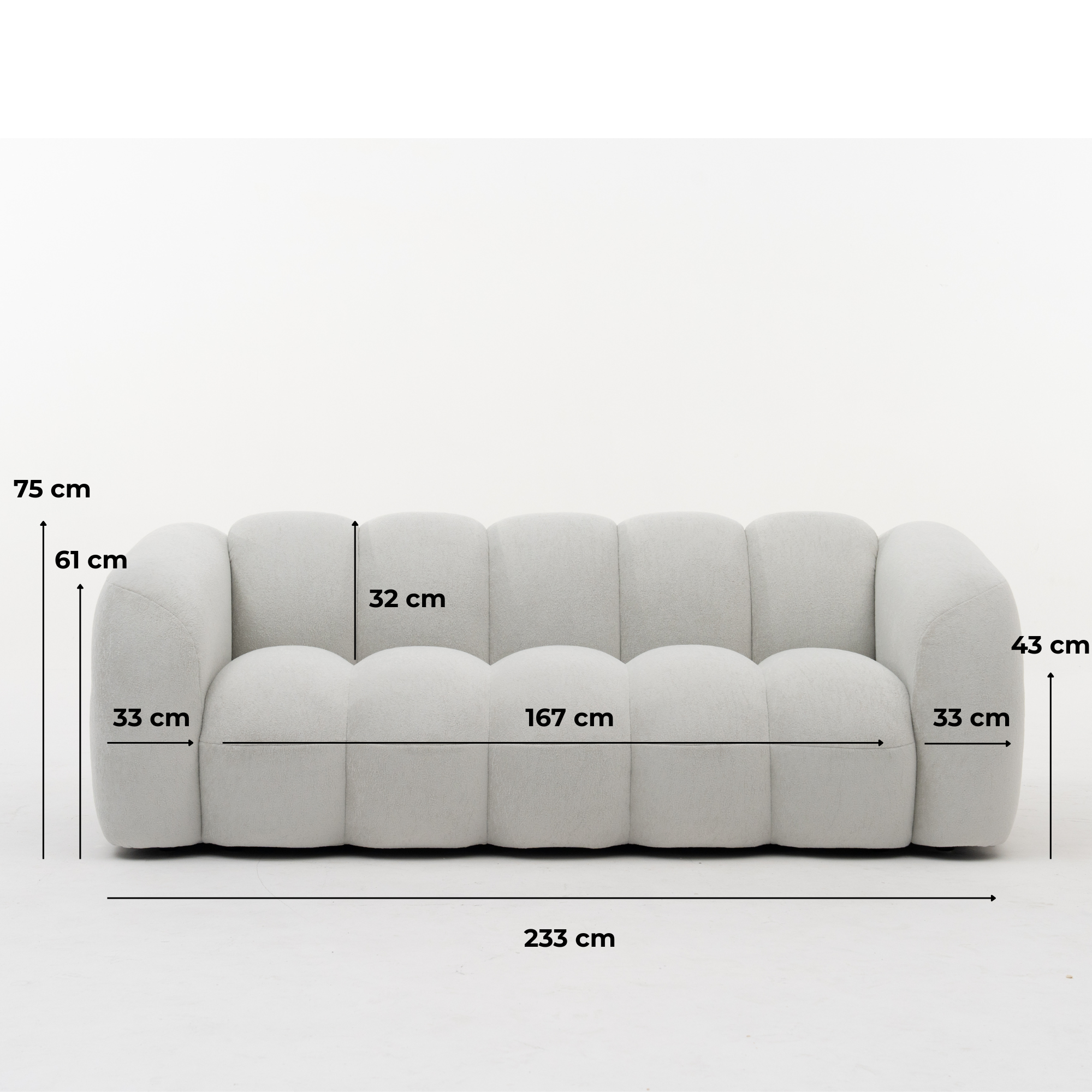
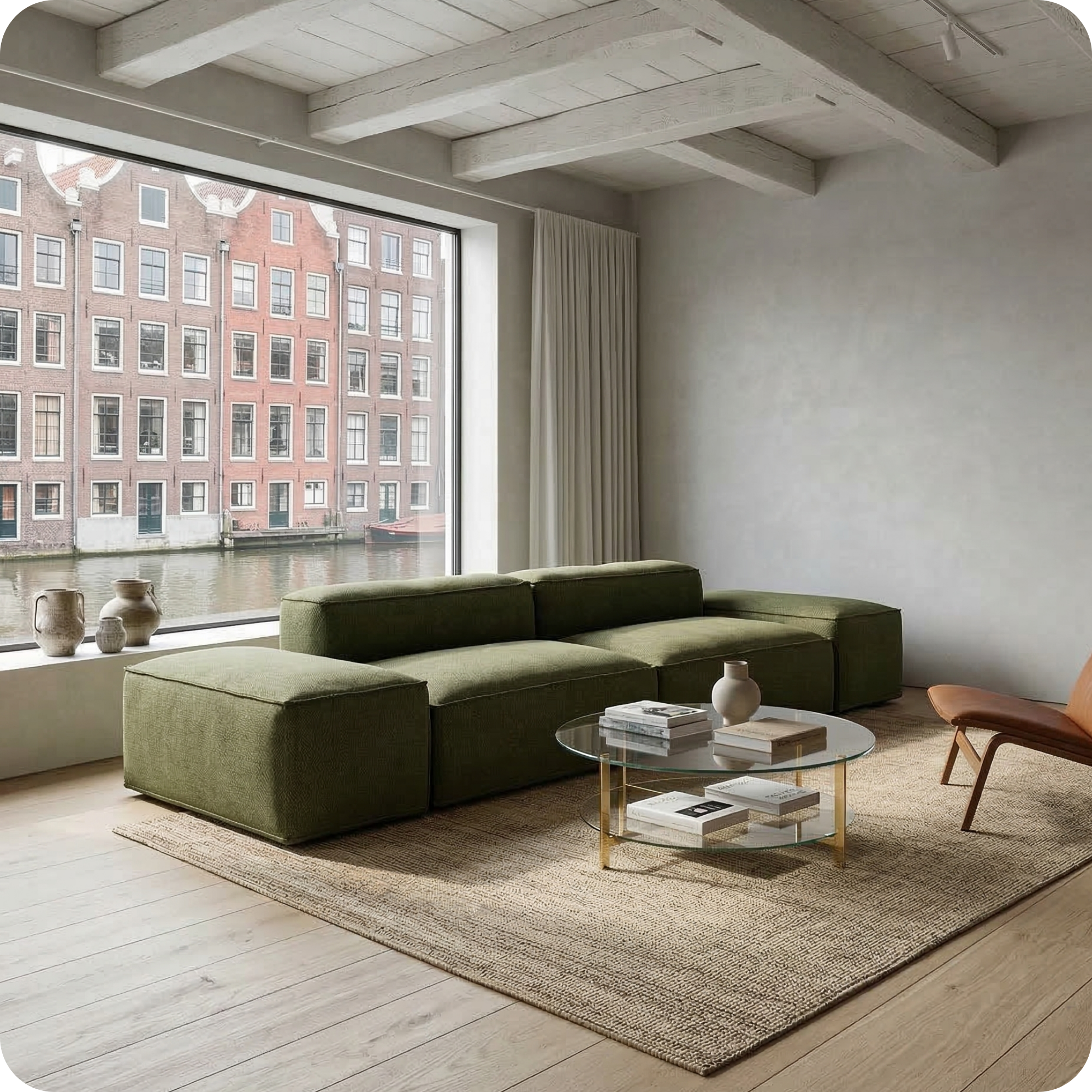
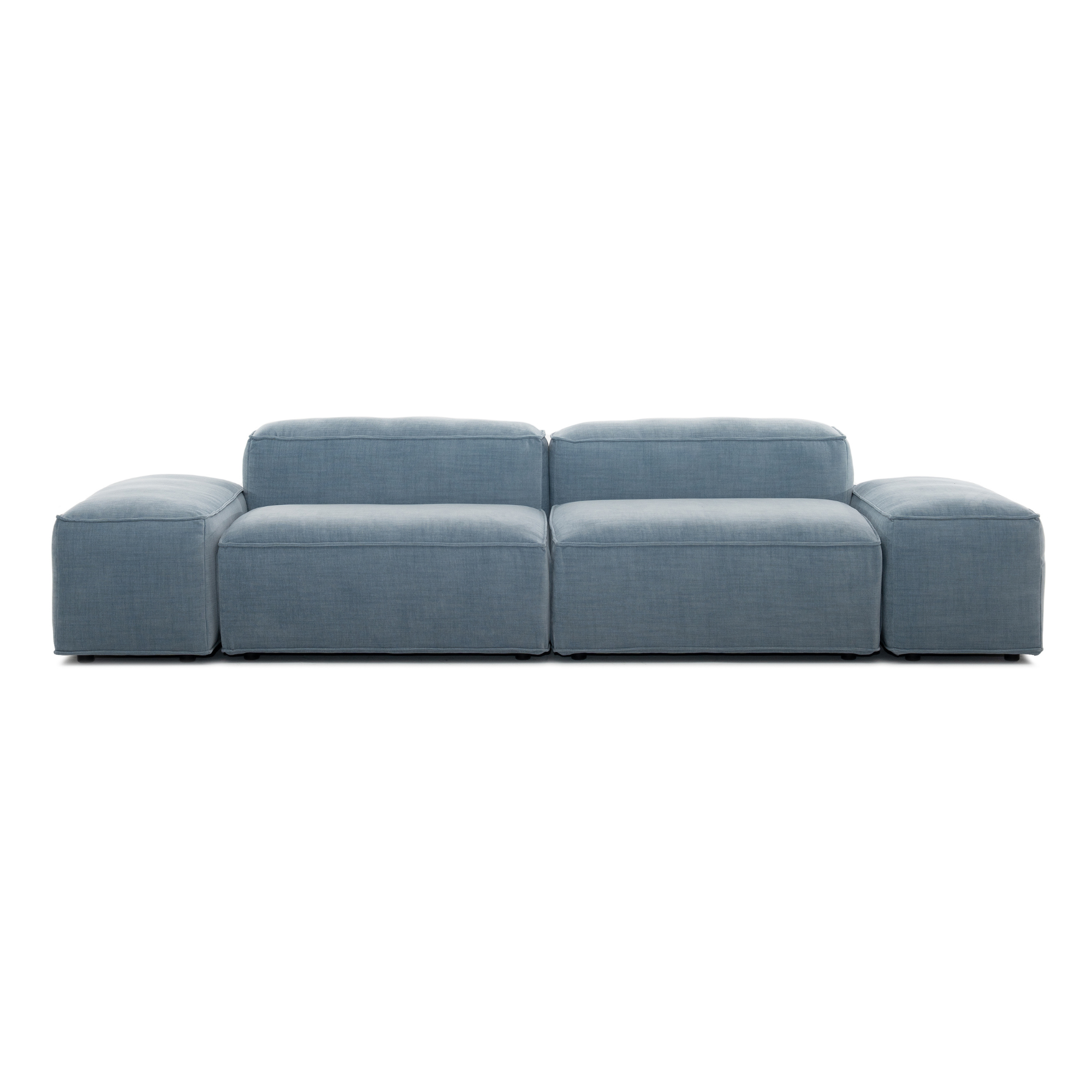
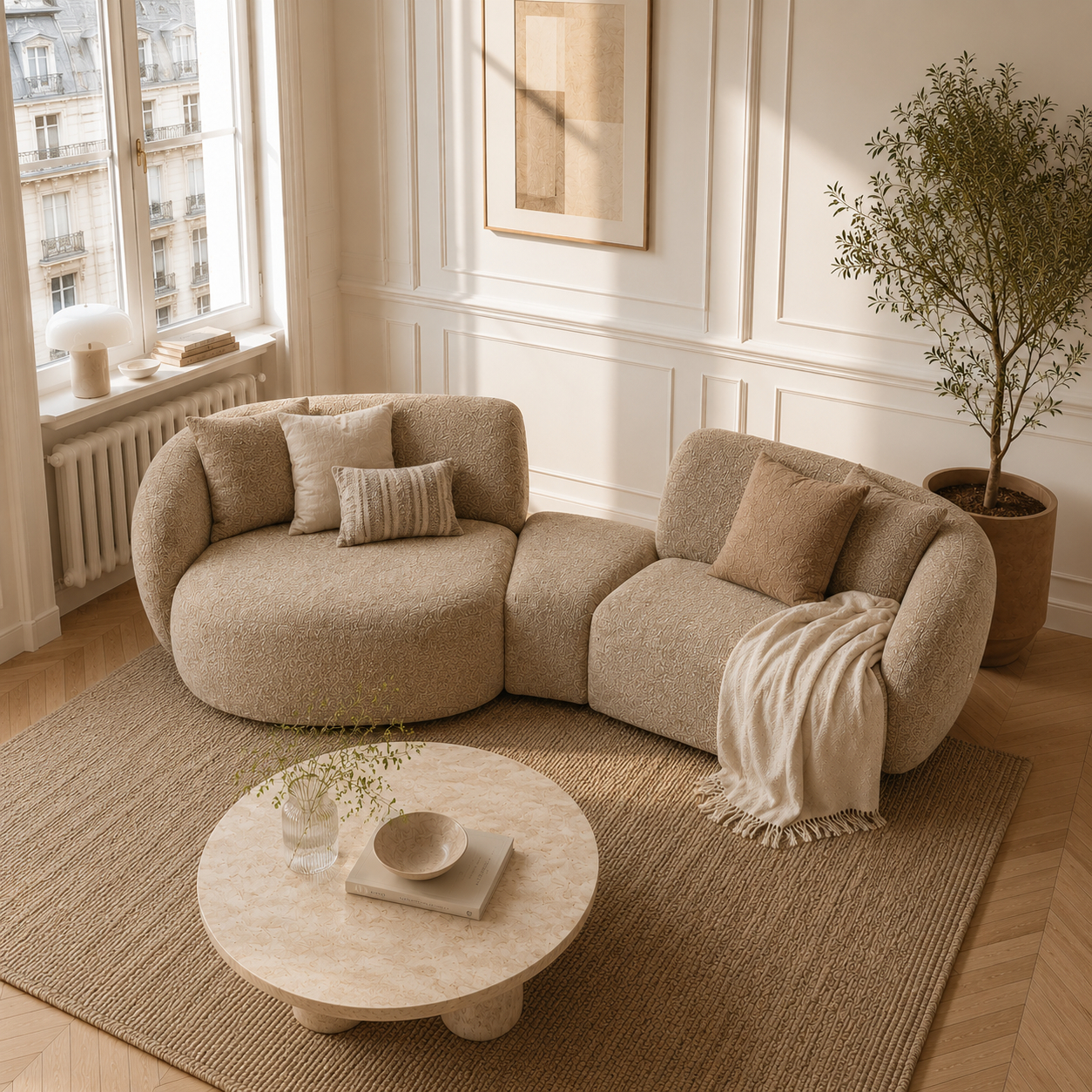
Merlot Sofa — from €1,532
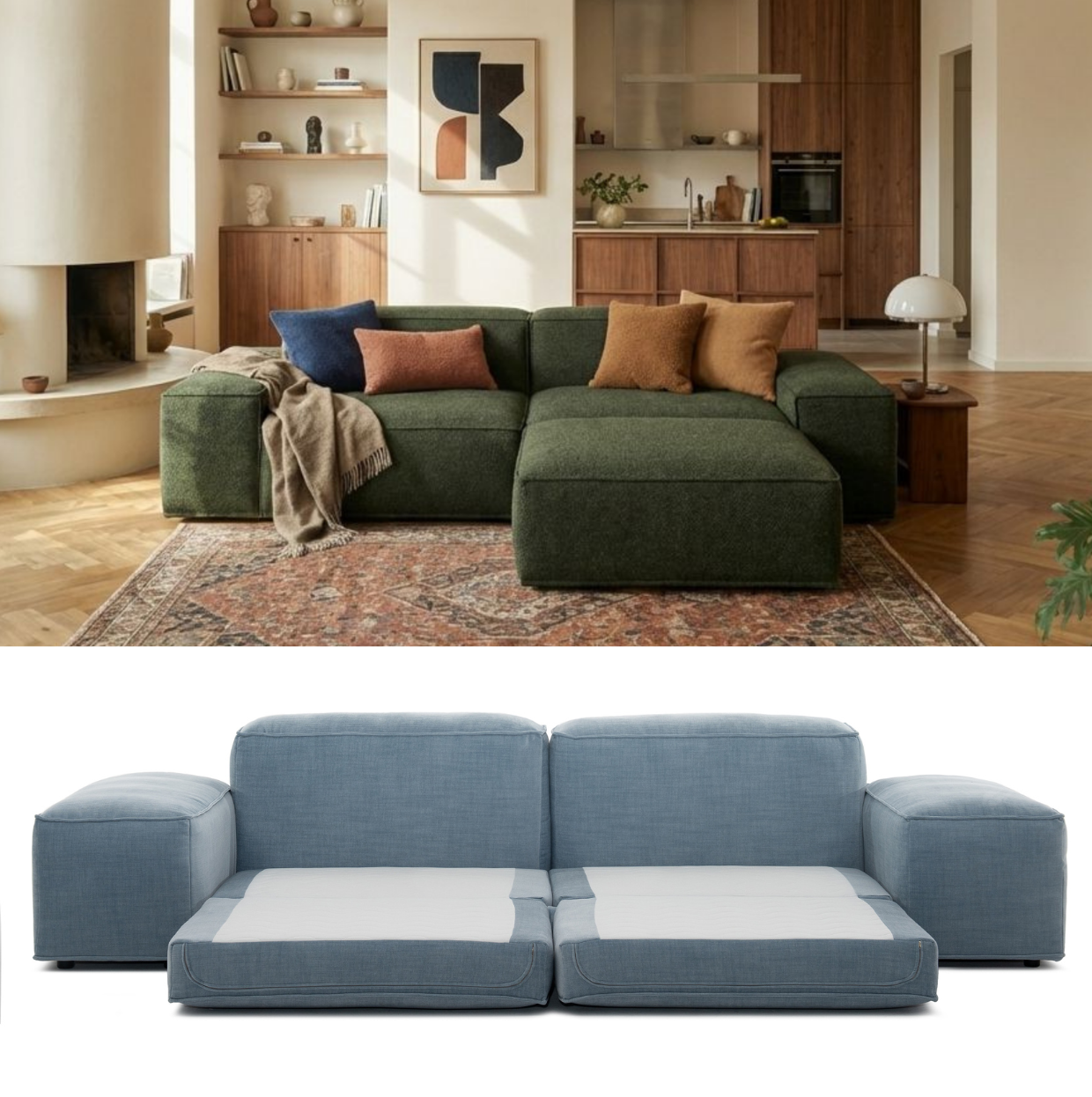
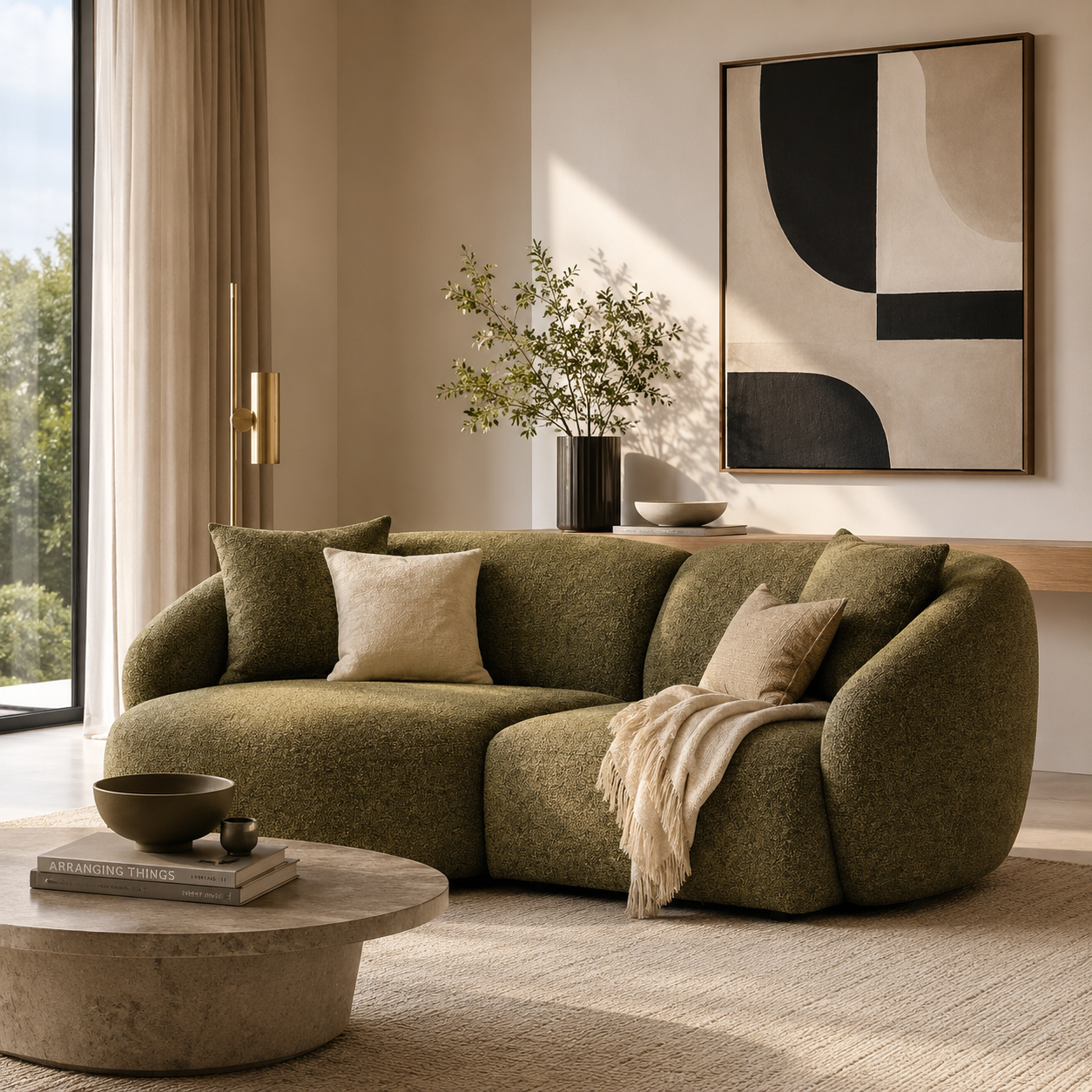
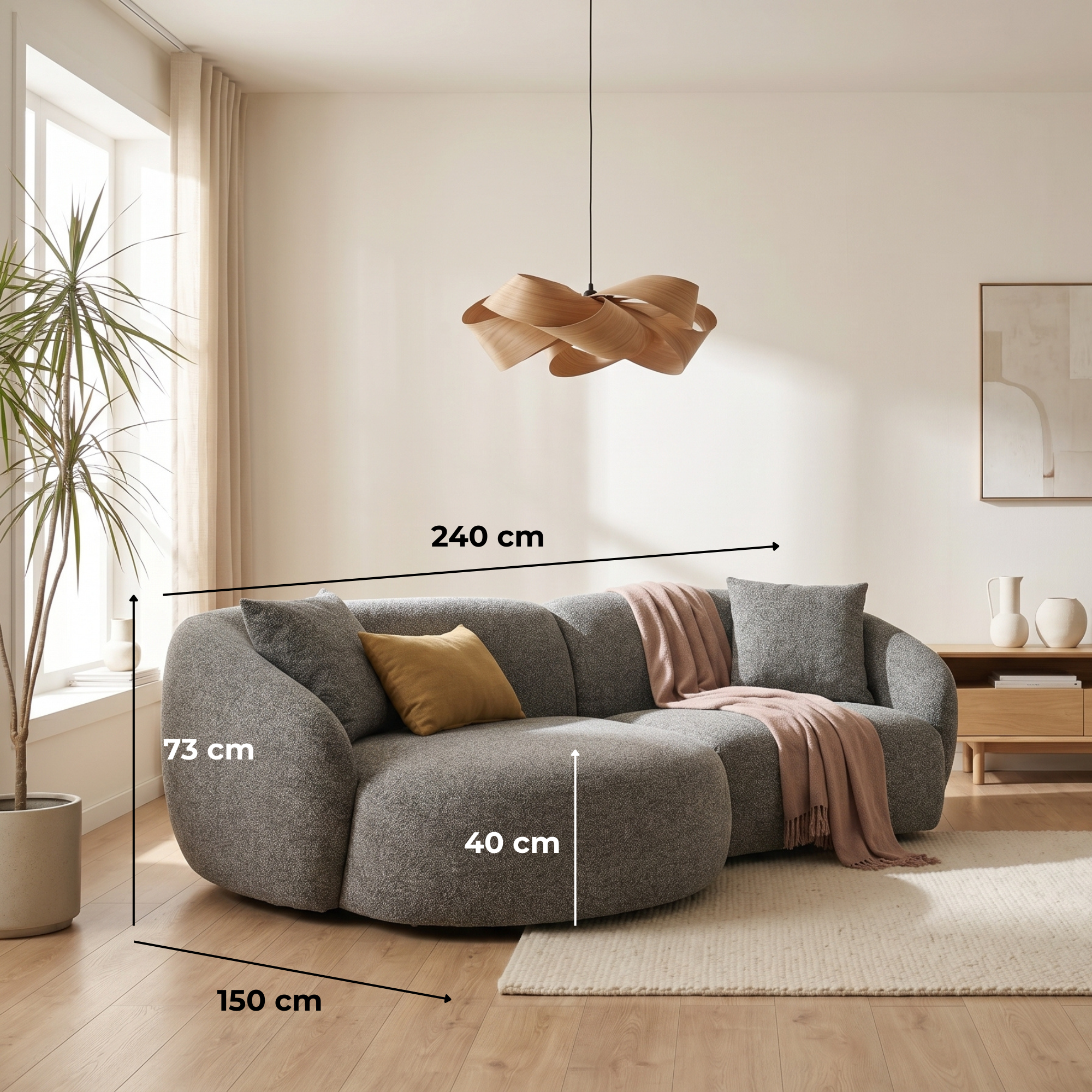
The Merlot's clean, structured silhouette and low arm profile echo mid-century design principles. In a warm tone — leaf green, toffee, or a deep neutral — it channels the considered elegance of 1960s furniture design.

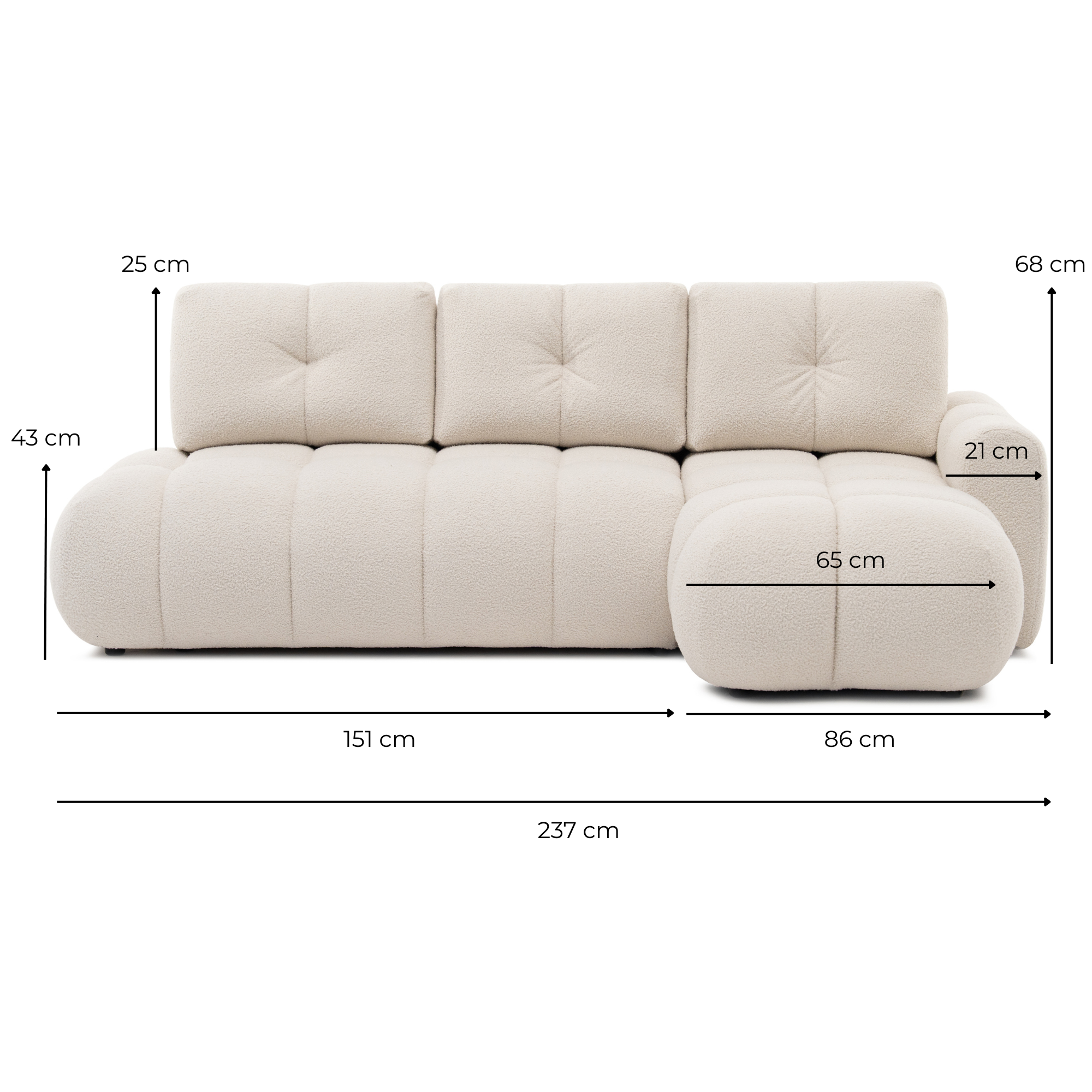
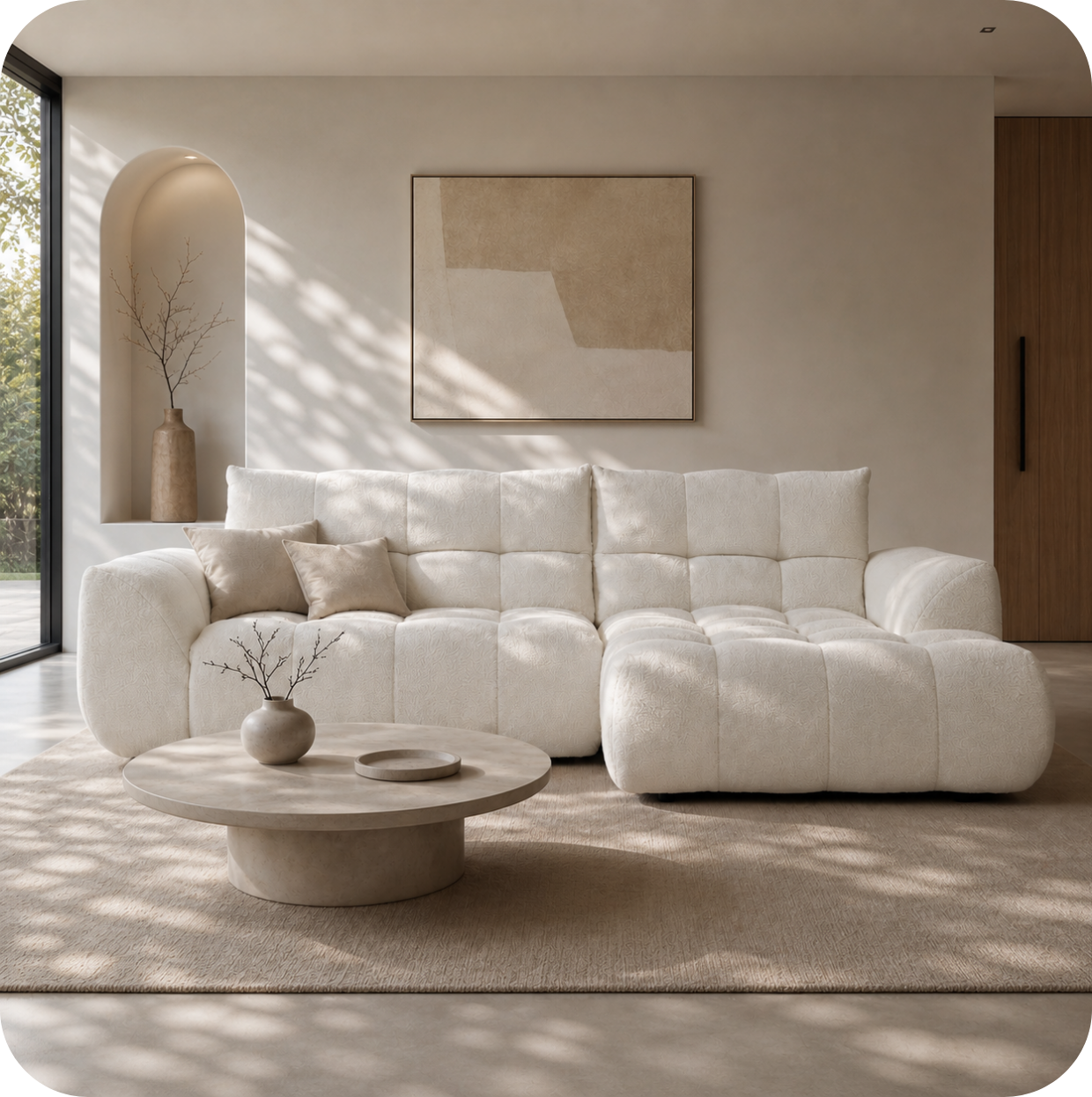
Lugano in Toffee — from €1,299
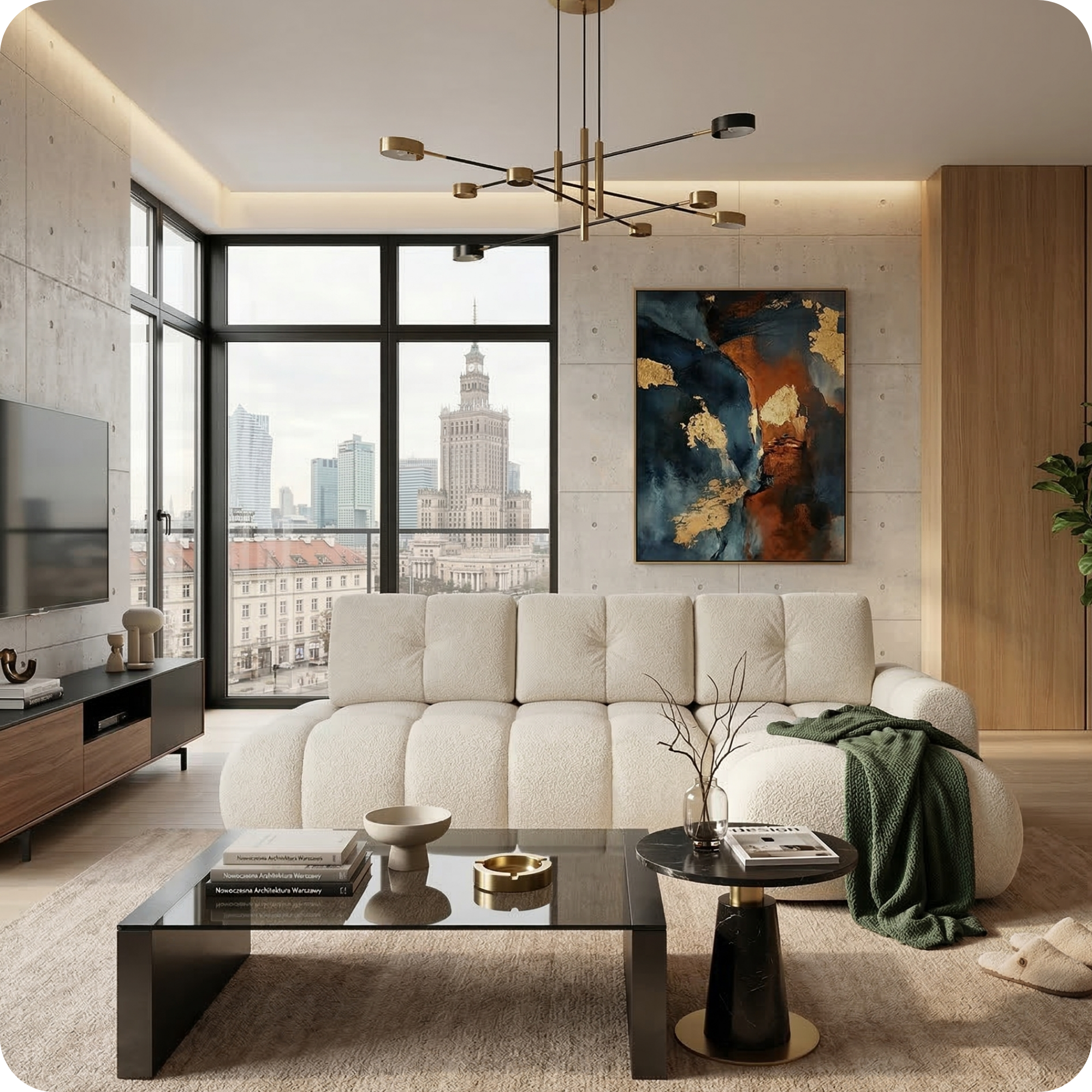
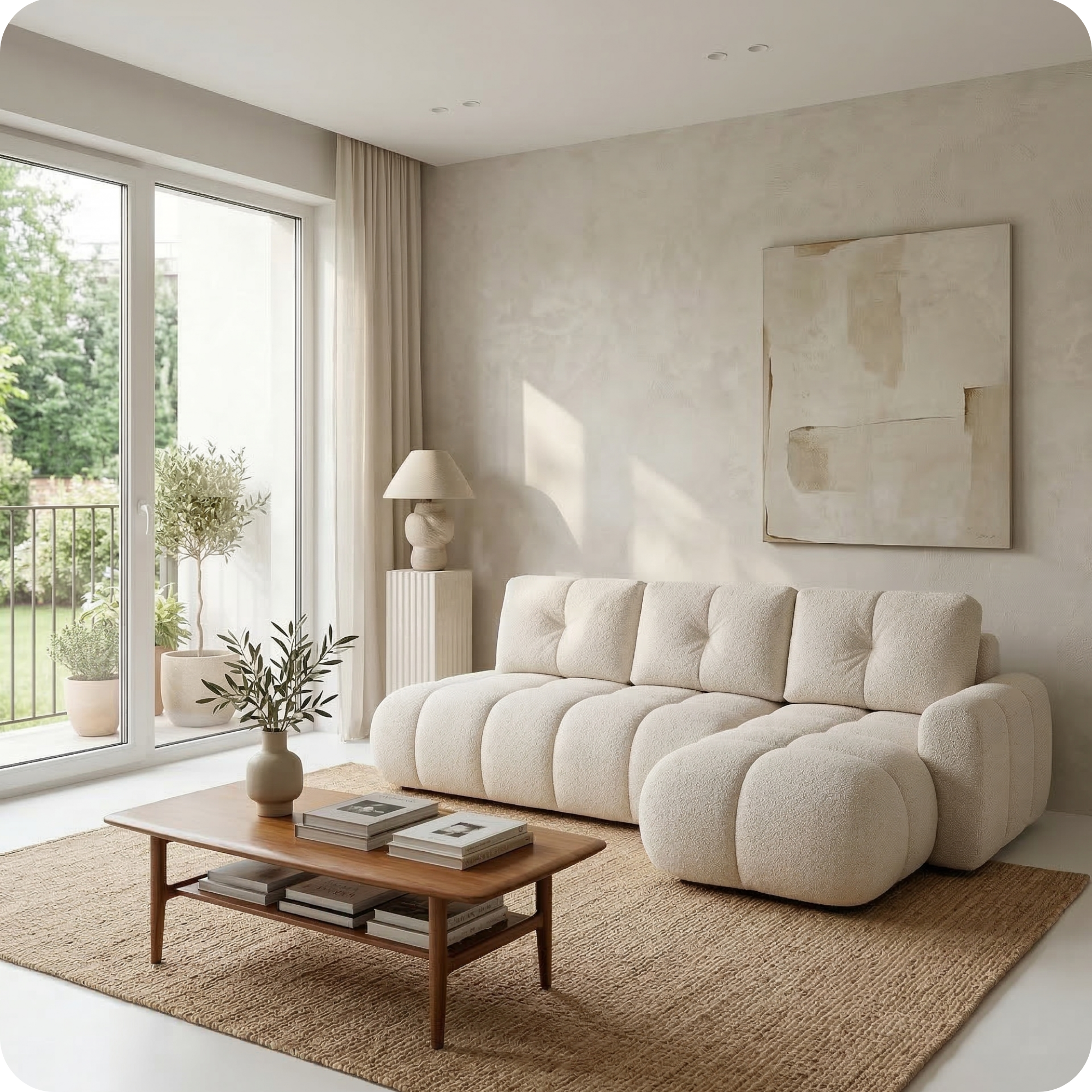
The warm toffee tone of the Lugano sits comfortably within the mid-century colour palette. Pair it with walnut-finish side tables, a geometric rug, and a brass floor lamp for a complete MCM-inspired living room.
What to put around a mid-century modern sofa
The furniture around an MCM sofa should echo its design principles. A low-profile walnut or teak coffee table — slatted top, tapered legs. A pair of occasional chairs in a complementary fabric and MCM silhouette. A sideboard with tapered legs against the wall. A geometric floor or table lamp in brass or brushed copper. A sunburst or starburst mirror or clock. Artwork should be graphic and bold — abstract prints, geometric patterns, or mid-century illustration styles rather than photography or traditional paintings.
The MCM colour palette beyond the sofa
The broader MCM palette in a living room: white or very warm cream walls (slightly warmer than pure white to complement the warm wood tones). Walnut or teak flooring, or a warm oak that reads as period-appropriate. A geometric rug in warm tones — triangles, diamonds, or abstract patterns in mustard, orange, and white. Brass accents throughout (lamp shades, picture frames, vases). Plants — specifically large-leaf tropical plants like the monsteras and rubber plants that were popular in the period — complete the look.
Can you mix MCM with contemporary?
Yes — and this is often the most successful approach. A purely MCM interior can feel like a museum rather than a home. The most effective contemporary MCM interiors take MCM structural elements (the tapered wooden legs, the structured proportions, the warm colour palette) and combine them with contemporary comfort elements: deeper, softer cushions, more generous proportions, and contemporary fabric choices like boucle or performance fabric. The result is an interior that feels timeless rather than period-specific.