


Modular sofa vs sectional sofa: understanding the difference
When you start shopping for a large sofa, you will quickly encounter two terms that are often used interchangeably but mean very different things: modular sofas and sectional sofas. Choosing between them could determine how long your sofa lasts, how easy it is to move, and whether it will still work for you in five years. Here is what you need to know before you buy.
What is a sectional sofa?
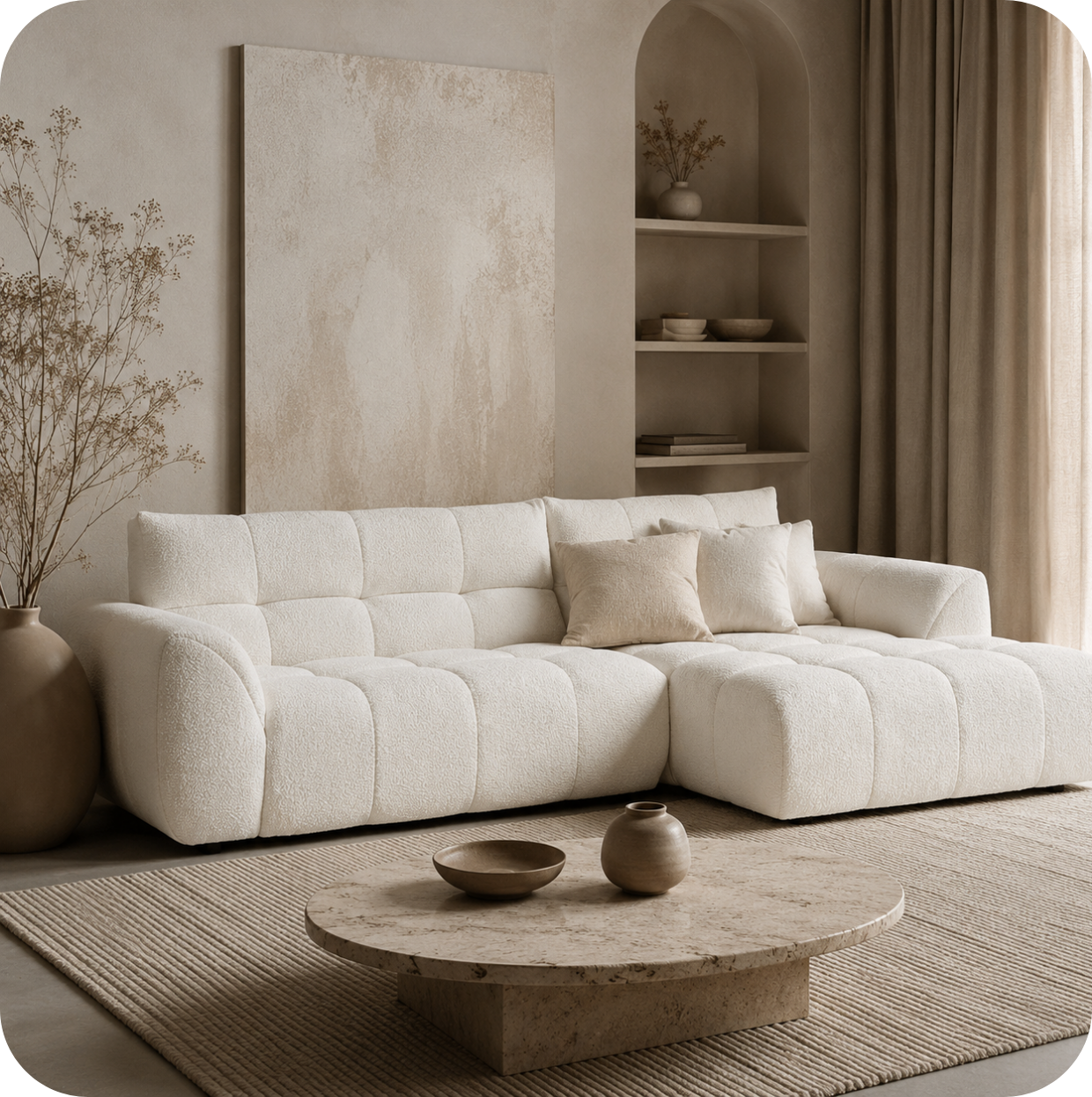
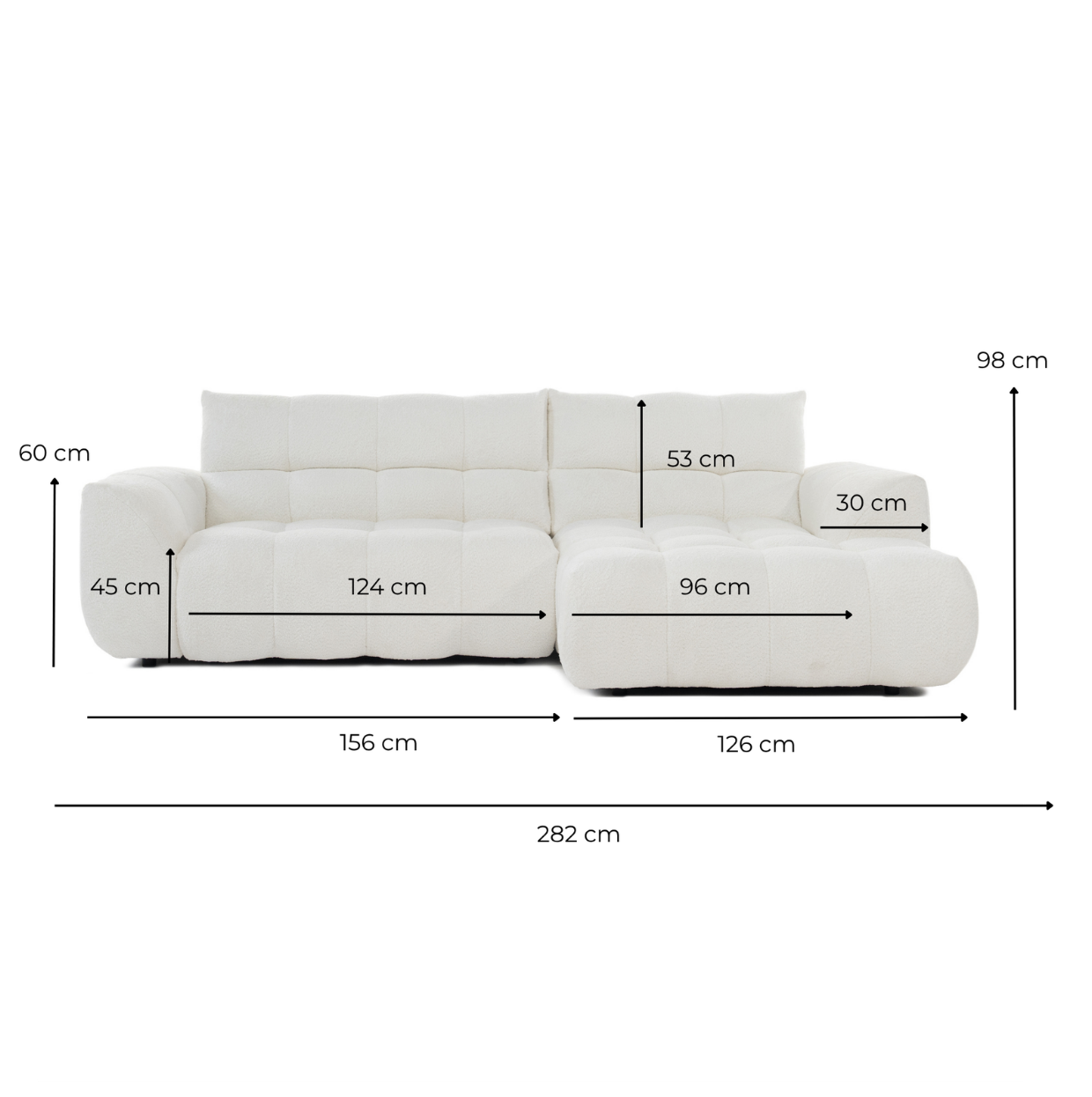
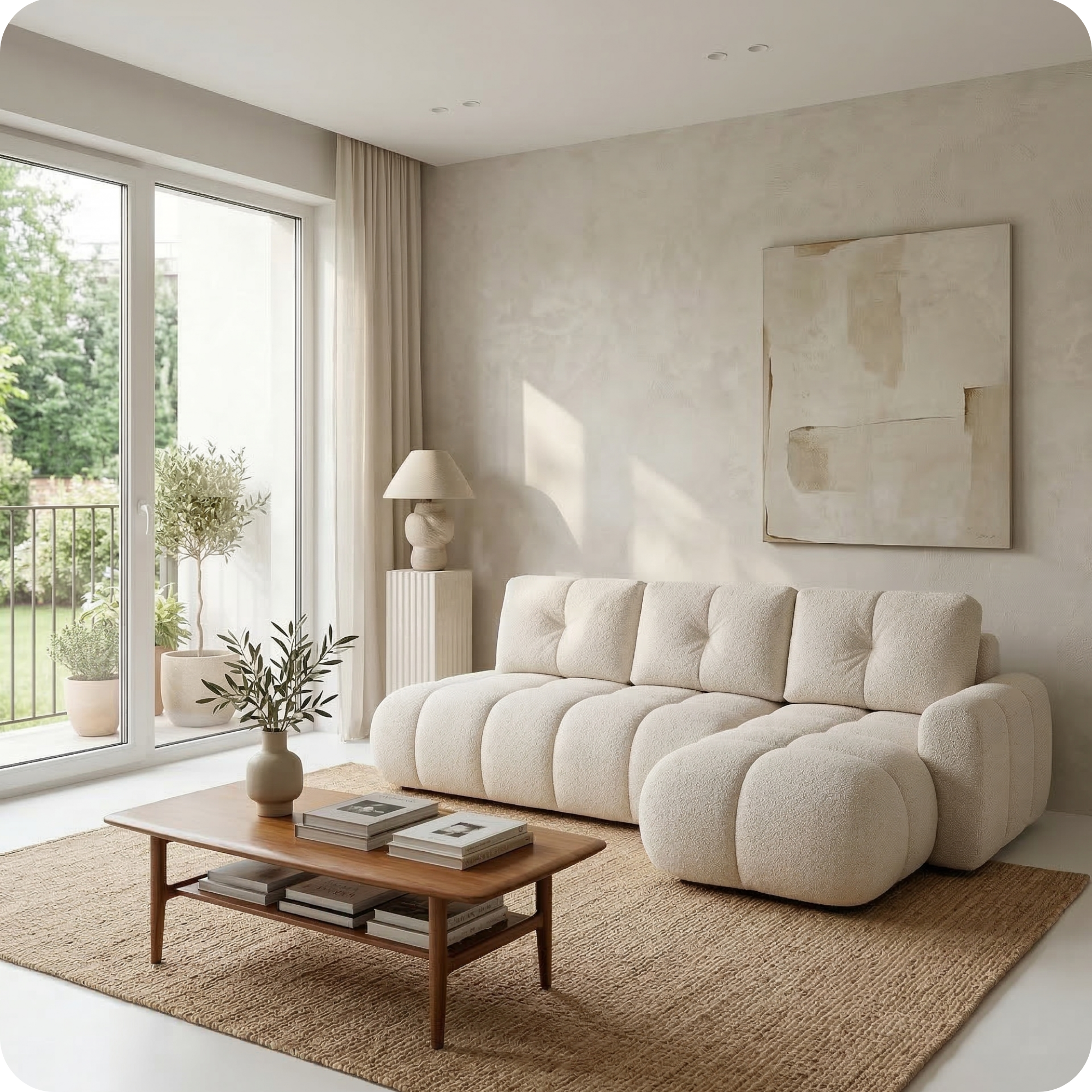
A sectional sofa is a large, multi-piece sofa that forms an L-shape or U-shape. The pieces are pre-configured — a left chaise, a corner unit, a right sofa segment — and typically sold as a set. The key limitation is that the configuration is fixed. If you move to a new home with a different-shaped living room, the pieces may not adapt. The left-hand chaise stays a left-hand chaise, and you cannot rearrange the layout without buying new sections.
What is a modular sofa?
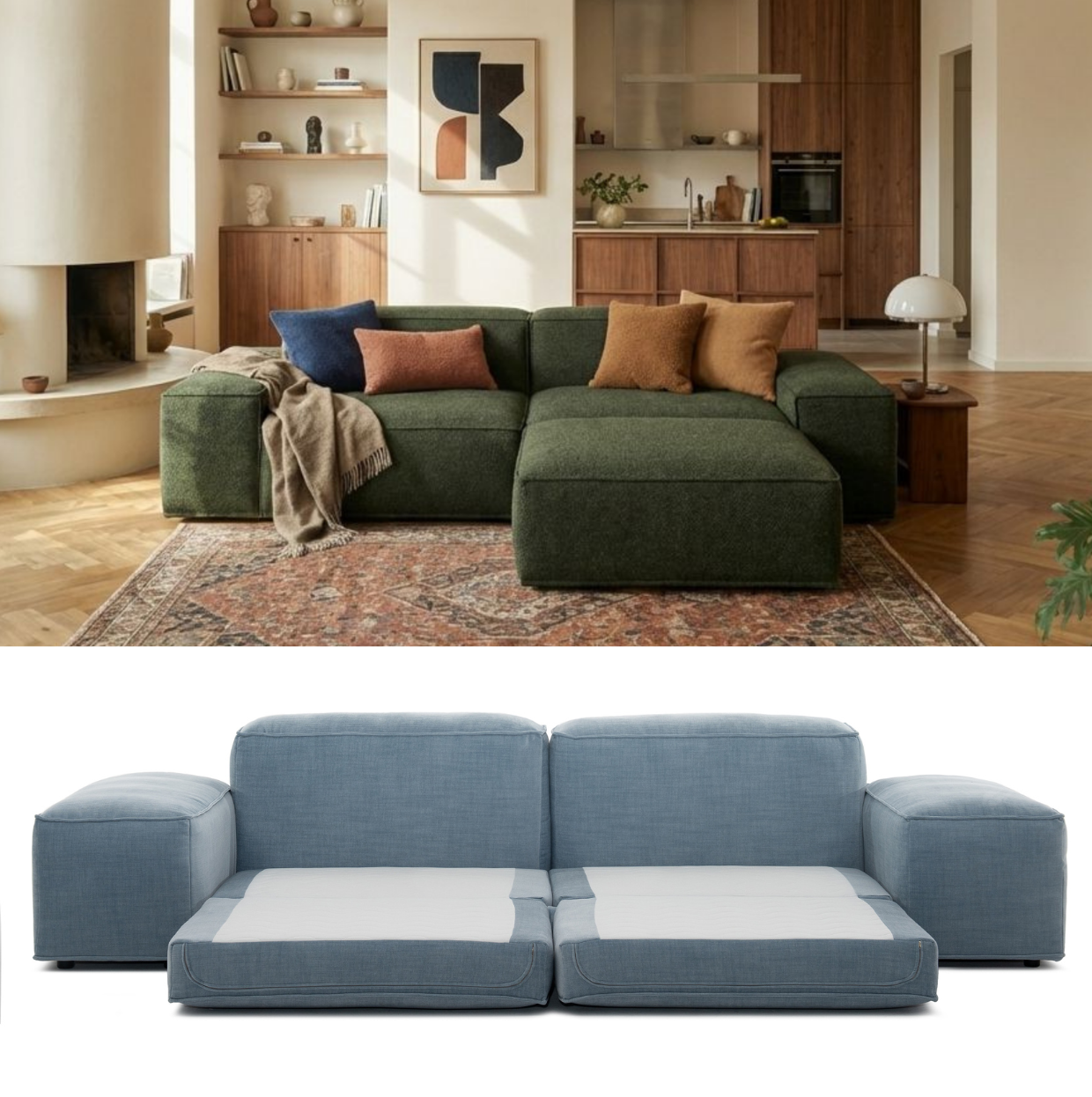
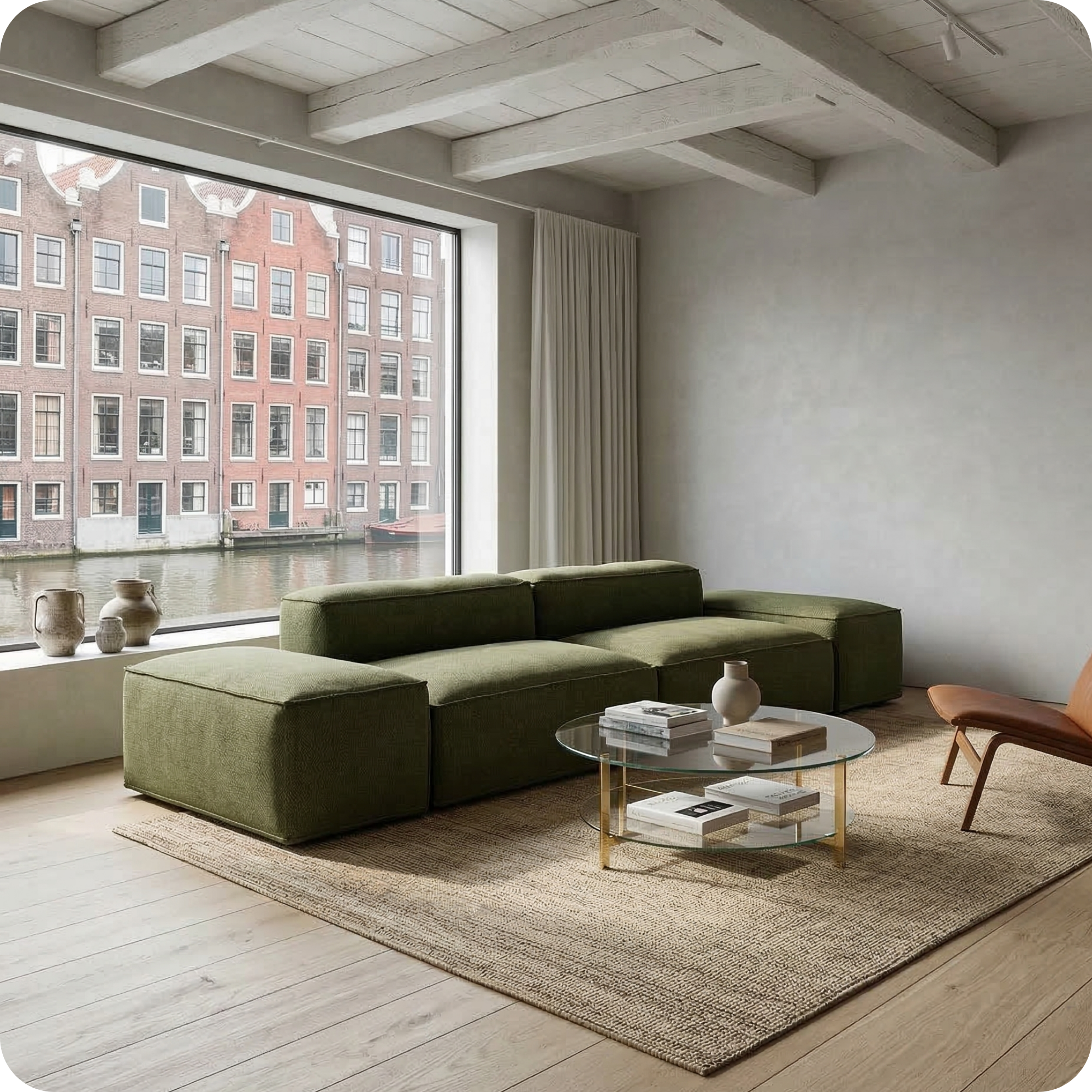
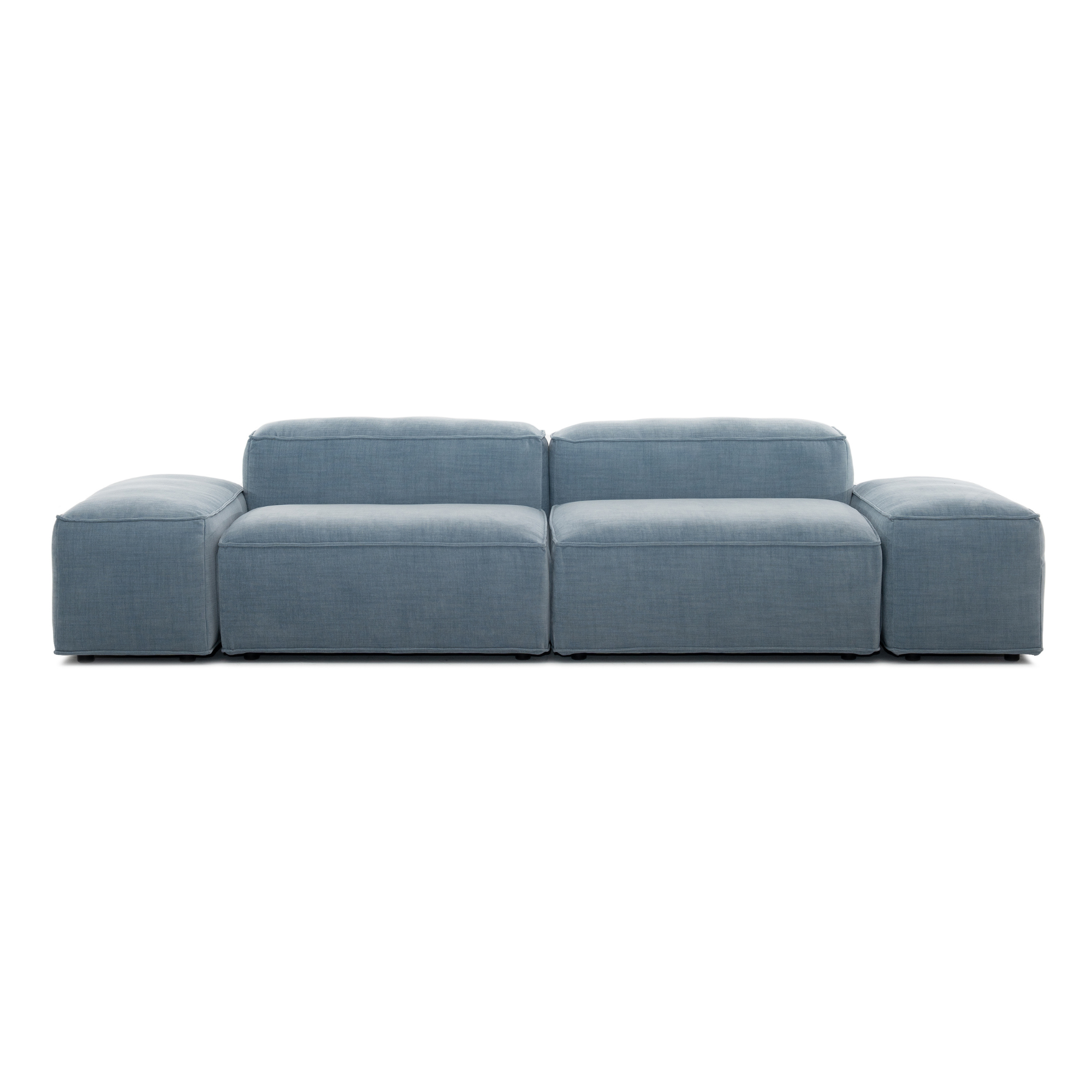
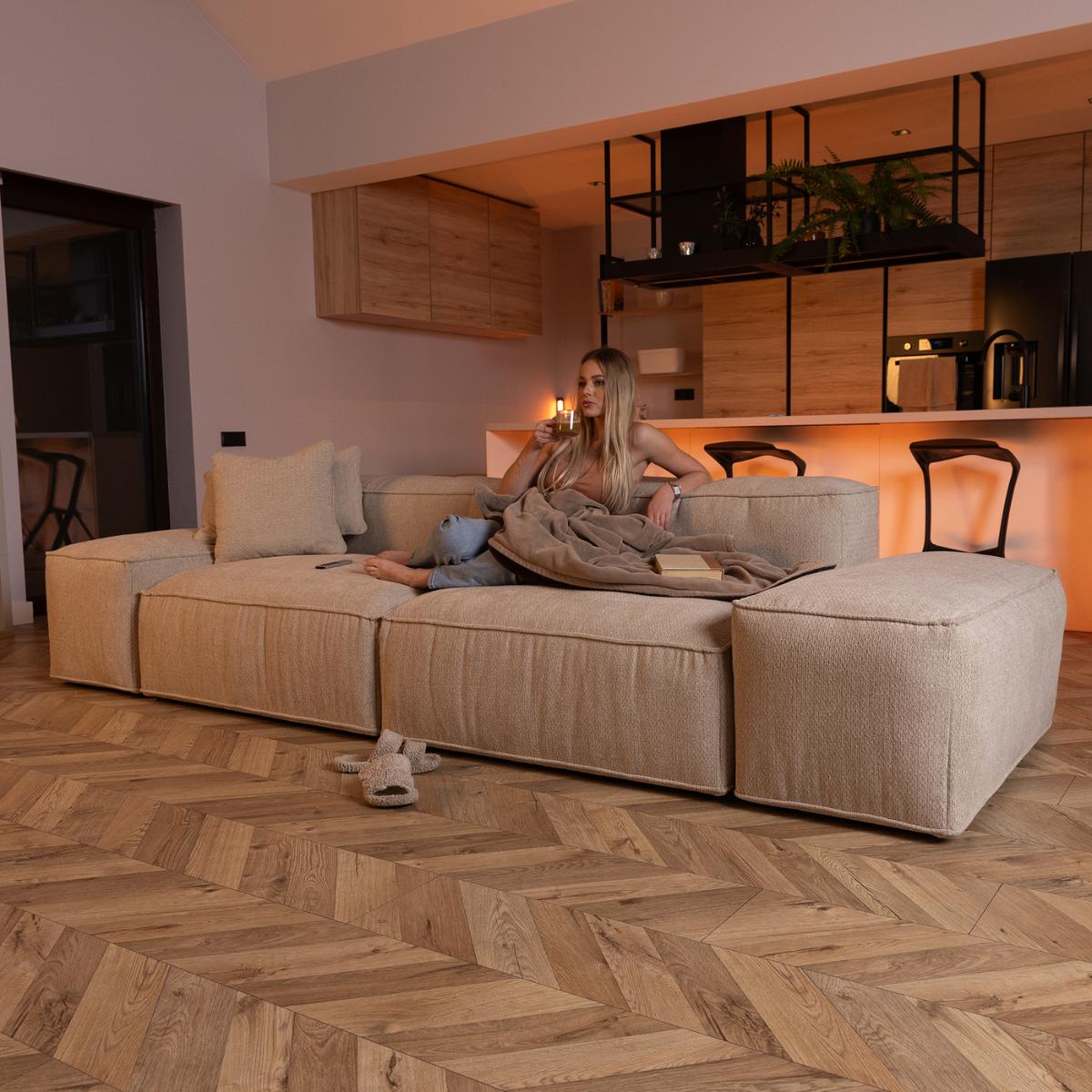
A modular sofa is made of independent, interchangeable units — seats, armrests, corner pieces, ottomans — that can be combined in any configuration you choose. Each module connects to others using a standardised joining system, and you can add, remove or rearrange modules as your needs change.
This is the defining advantage of a modular sofa: it grows with you. Start with a three-seat base for your first flat, then add a corner module and extra seats when you move to a larger house. The sofa adapts; the investment does not go to waste.
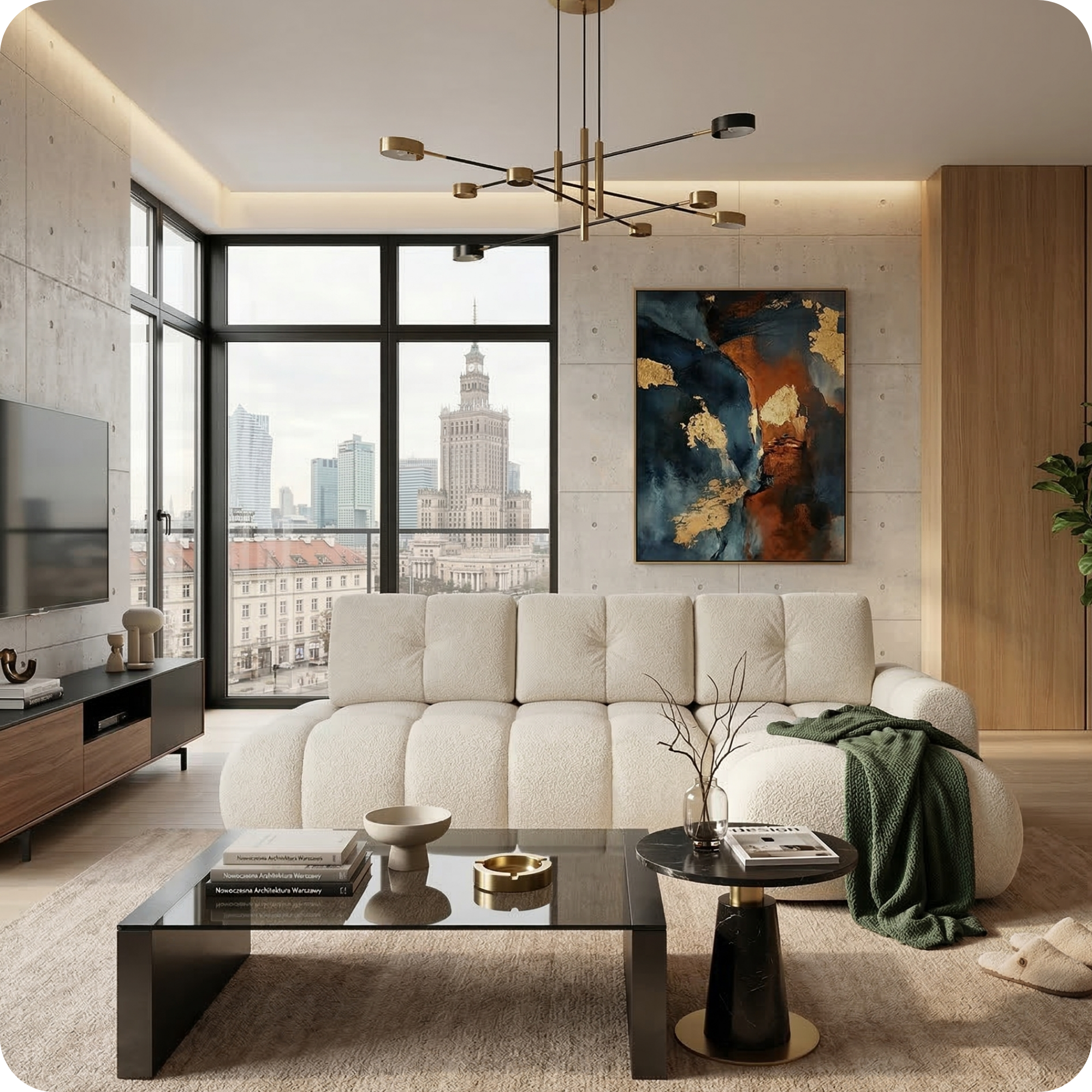
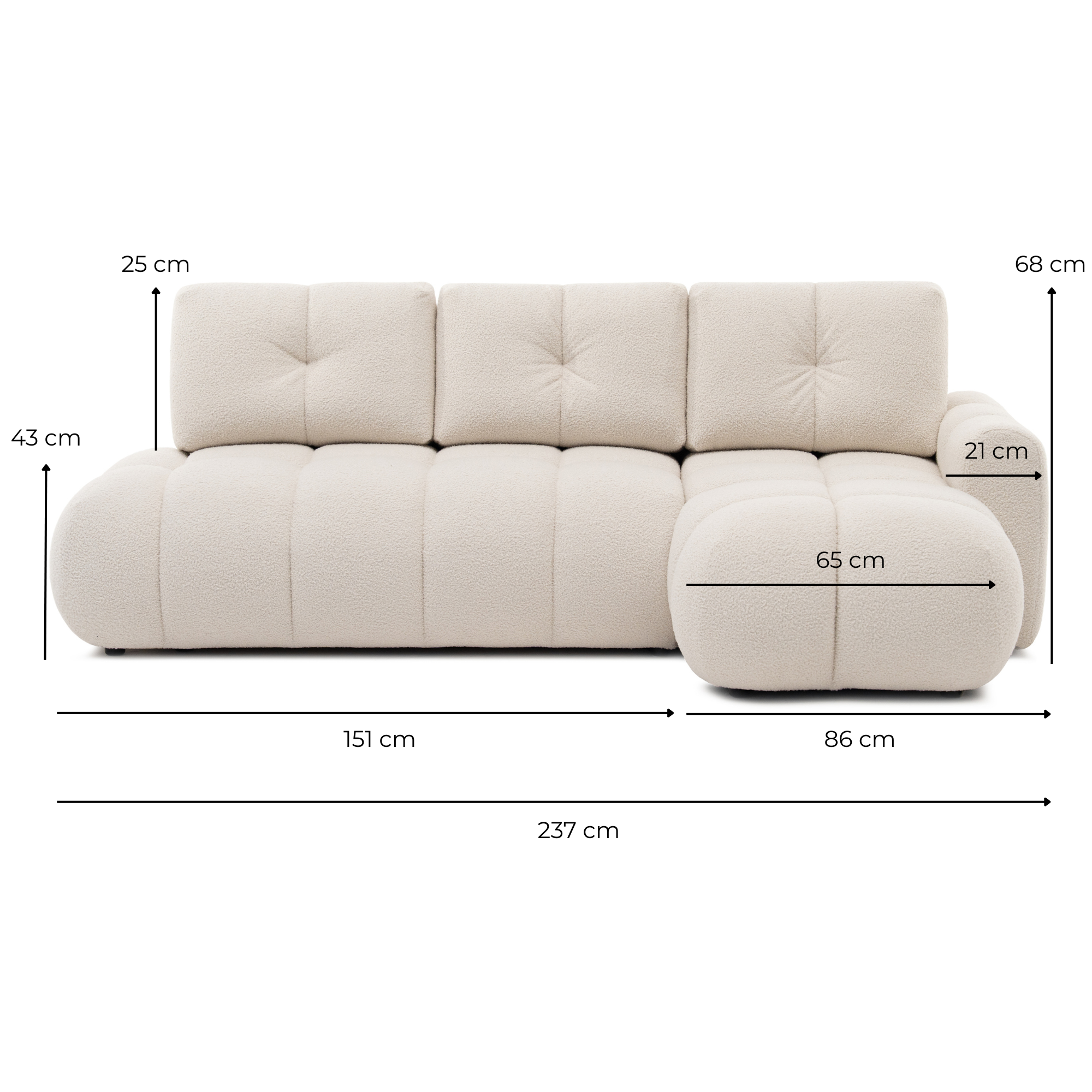
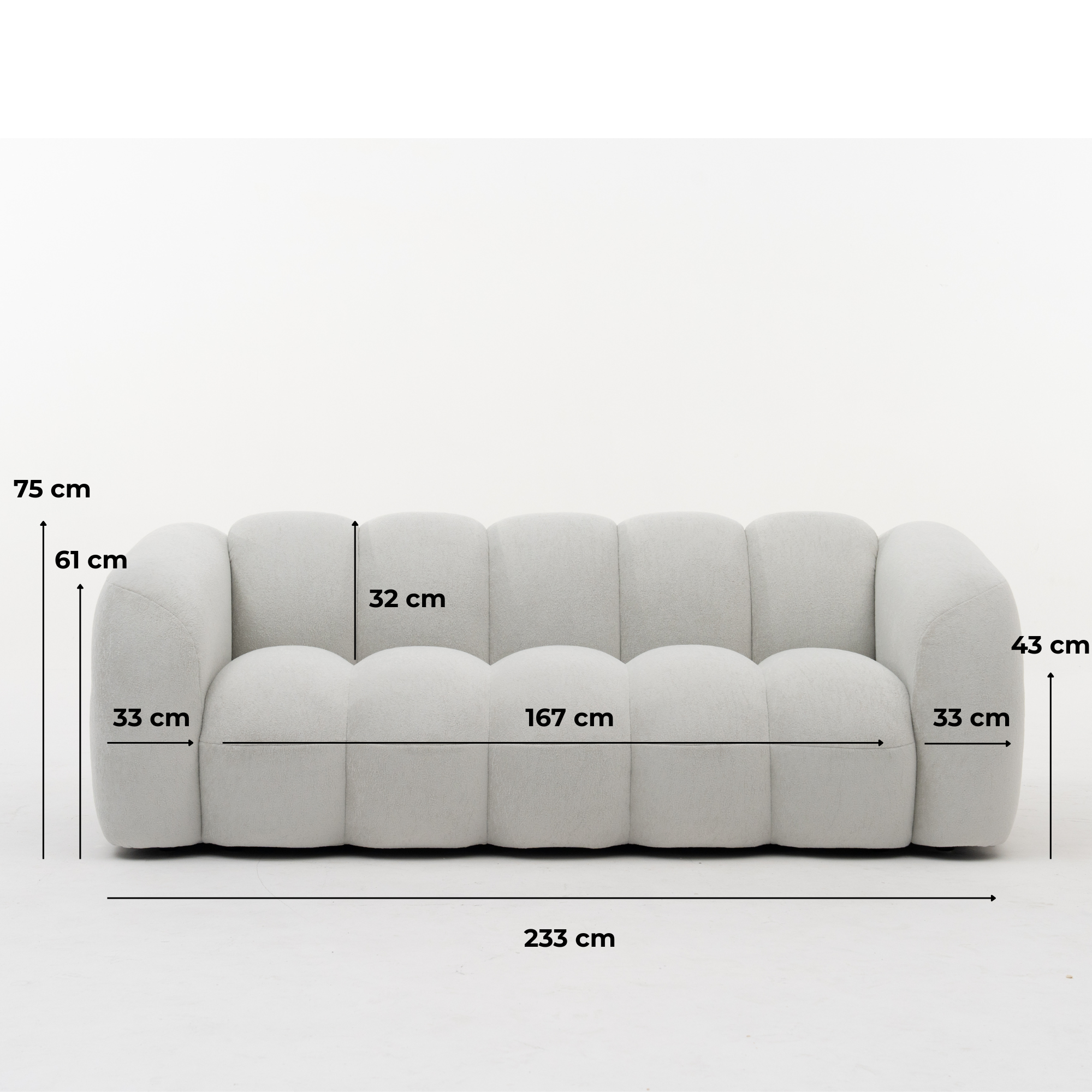
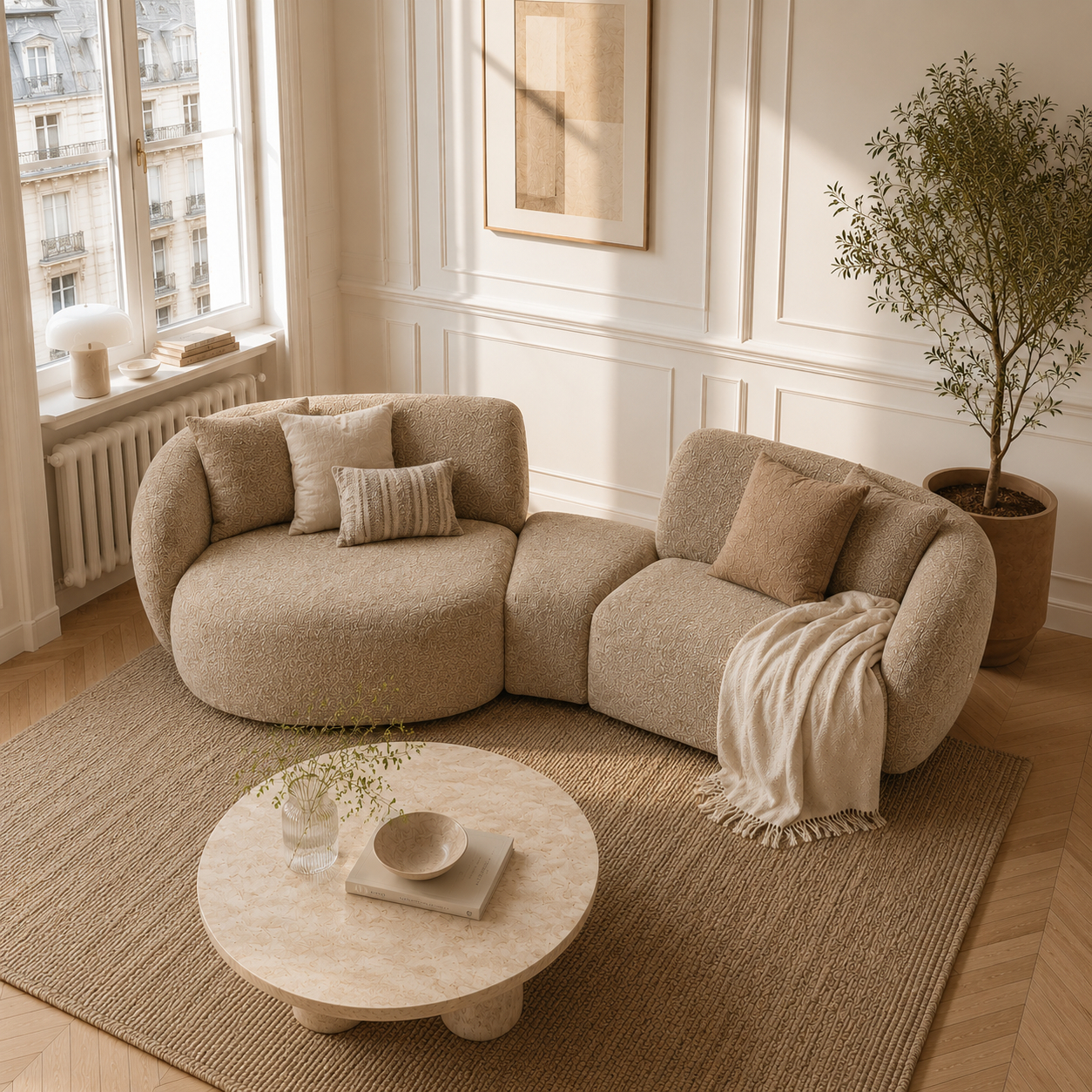
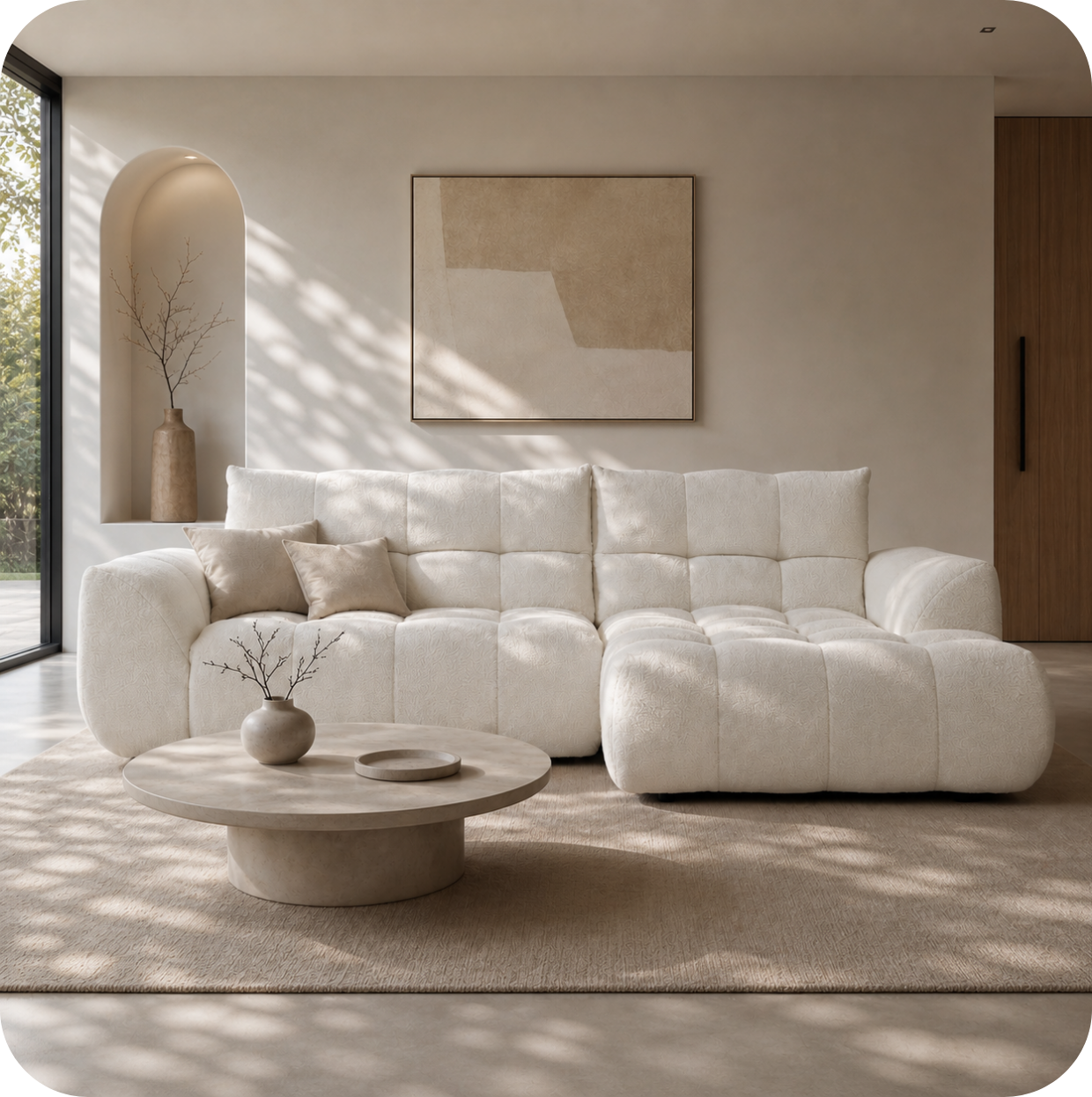
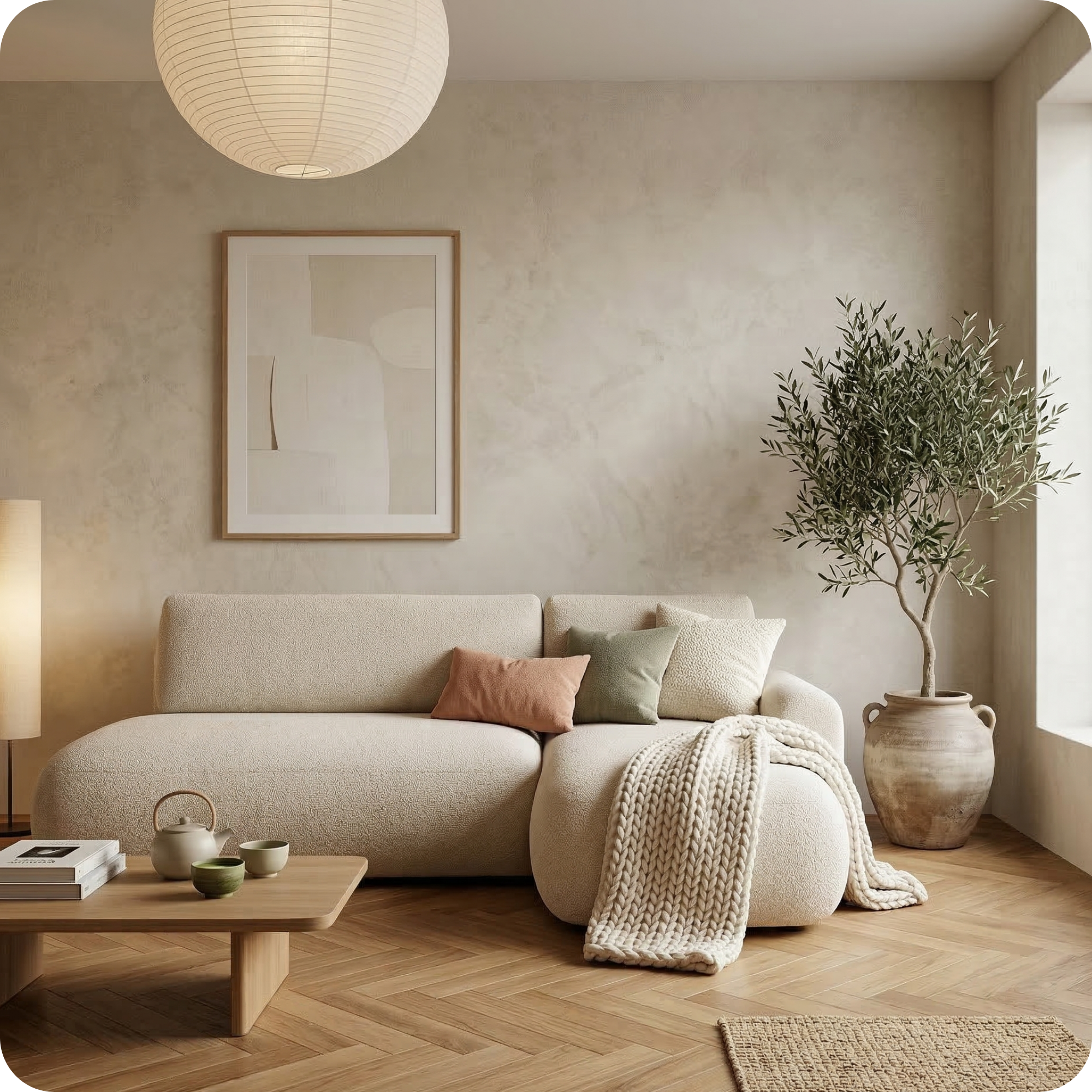
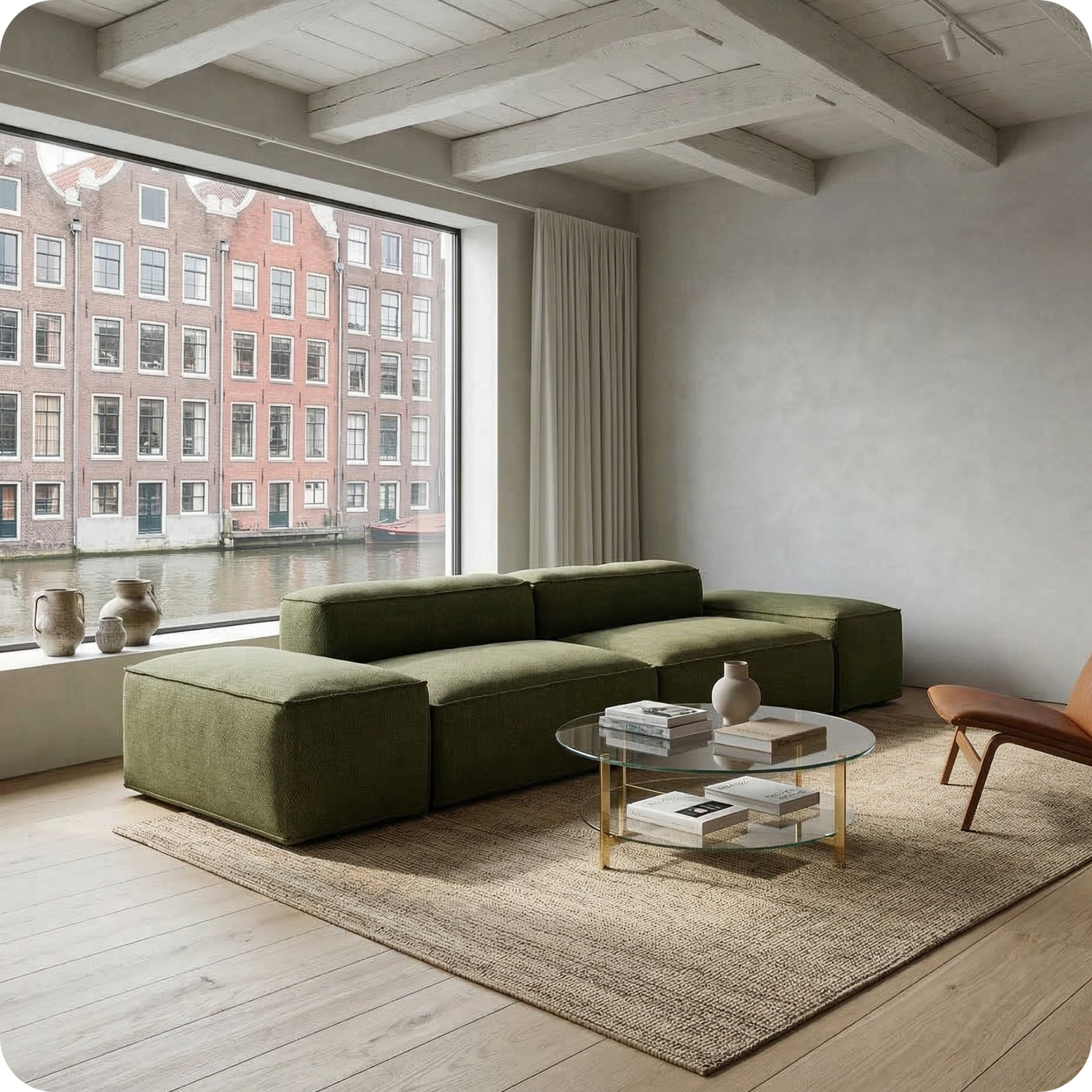
Furni's Merlot modular sofa and Malbec modular sofa are built on exactly this principle — every module is designed to work alone or as part of a larger configuration, with consistent fabric and proportions across all units.
Key differences at a glance
Flexibility: Modular sofas can be reconfigured; sectional sofas cannot. If you move often, redecorate regularly, or want the option to change things later, a modular sofa is the better long-term choice.
Delivery and access: Modular sofas are delivered piece by piece, making them far easier to carry up narrow staircases or through tight doorways. Sectional sofas often arrive as large, rigid sections that can be extremely difficult to manoeuvre in older properties.
Cost of ownership: Modular sofas can cost more upfront because each unit is engineered to function independently. However, the long-term cost is often lower — you replace individual modules rather than the entire sofa if one section wears out.
Aesthetics: Both look great in modern homes. Sectional sofas have a single, unified silhouette. Modular sofas have a more architectural quality that many interior designers now prefer.
Which is right for you?
Choose a sectional sofa if you are certain about your floor plan, value simplicity, and do not expect to move in the next few years.
Choose a modular sofa if you rent, if your household size may change, if your living room is awkwardly shaped, or if you want to build up your sofa gradually. Modular sofas are also significantly easier to transport — something most people only appreciate when they face a narrow staircase on moving day.
At Furni, all sofas are built on a modular logic. Whether you are looking at a compact 3-seater or a generous corner configuration with a longchair, every piece is designed to work as part of something larger — or to stand perfectly well on its own.