


Scandinavian Sofa Ideas: How to Create a Hygge Living Room in 2026
Scandinavian interior design has been one of the world's most exported and imitated design philosophies for decades. Rooted in the Nordic principle of hygge -- a Danish and Norwegian concept of cosiness, warmth, and contentment -- Scandinavian design creates spaces that feel calm, purposeful, and genuinely comfortable to live in.
The Core Principles of Scandinavian Design
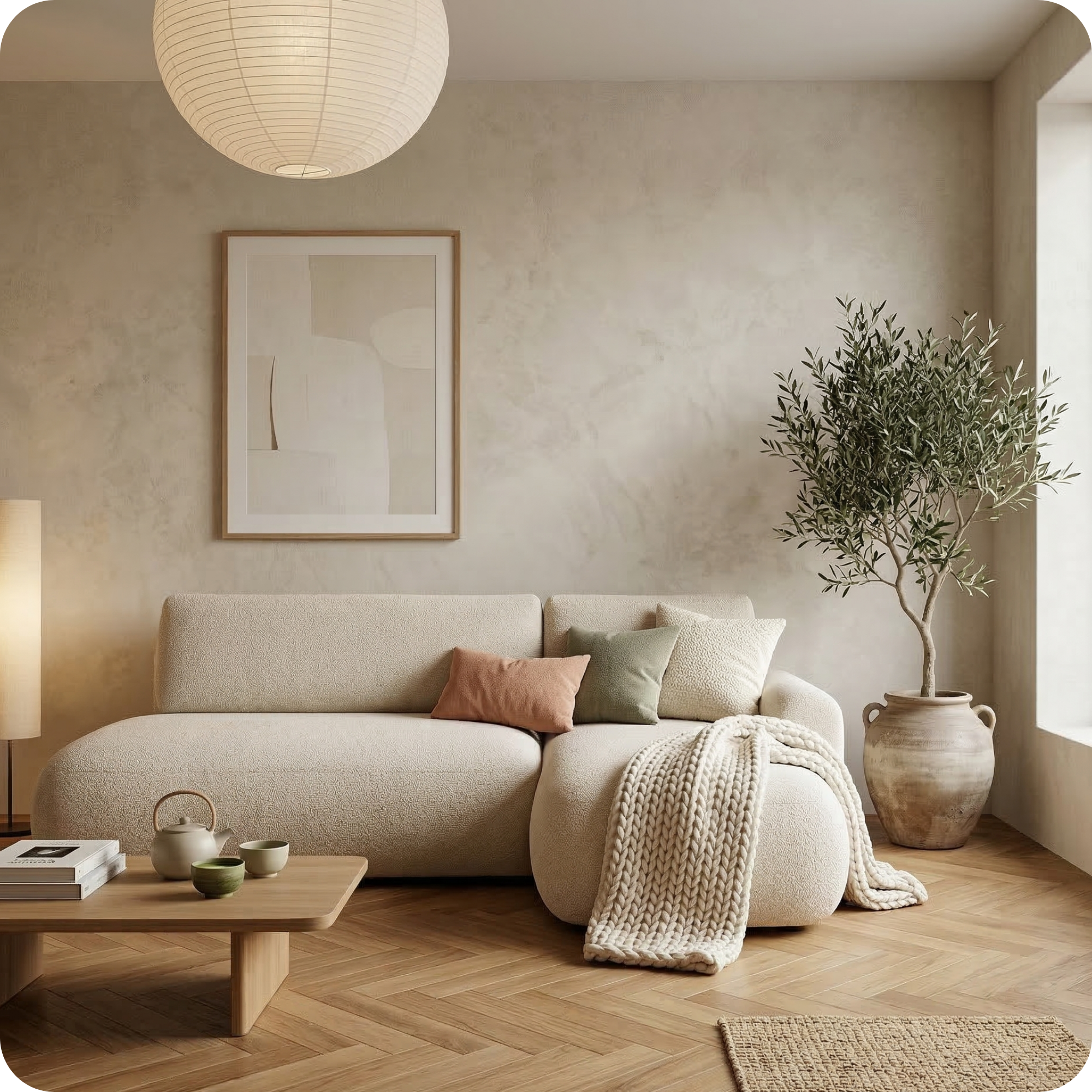
Functional beauty: Everything in a Scandinavian interior should have a purpose. Decoration for decoration's sake is avoided. Natural light: Nordic countries have limited daylight for much of the year, so Scandinavian design maximises light -- large windows, light colours, reflective surfaces. Natural materials: Light pine, birch, and oak in natural finishes. Wool, cotton, linen, and sheepskin in soft furnishings. A restrained palette: Whites, warm greys, soft creams, light sand, pale blush, and muted sage -- with very limited colour accents in soft dusty tones. Hygge elements: Candles, chunky knit throws, plush rugs, and comfortable sofas that invite you to sink in -- the physical embodiment of cosiness.
Best Sofa Styles for Scandinavian Interiors
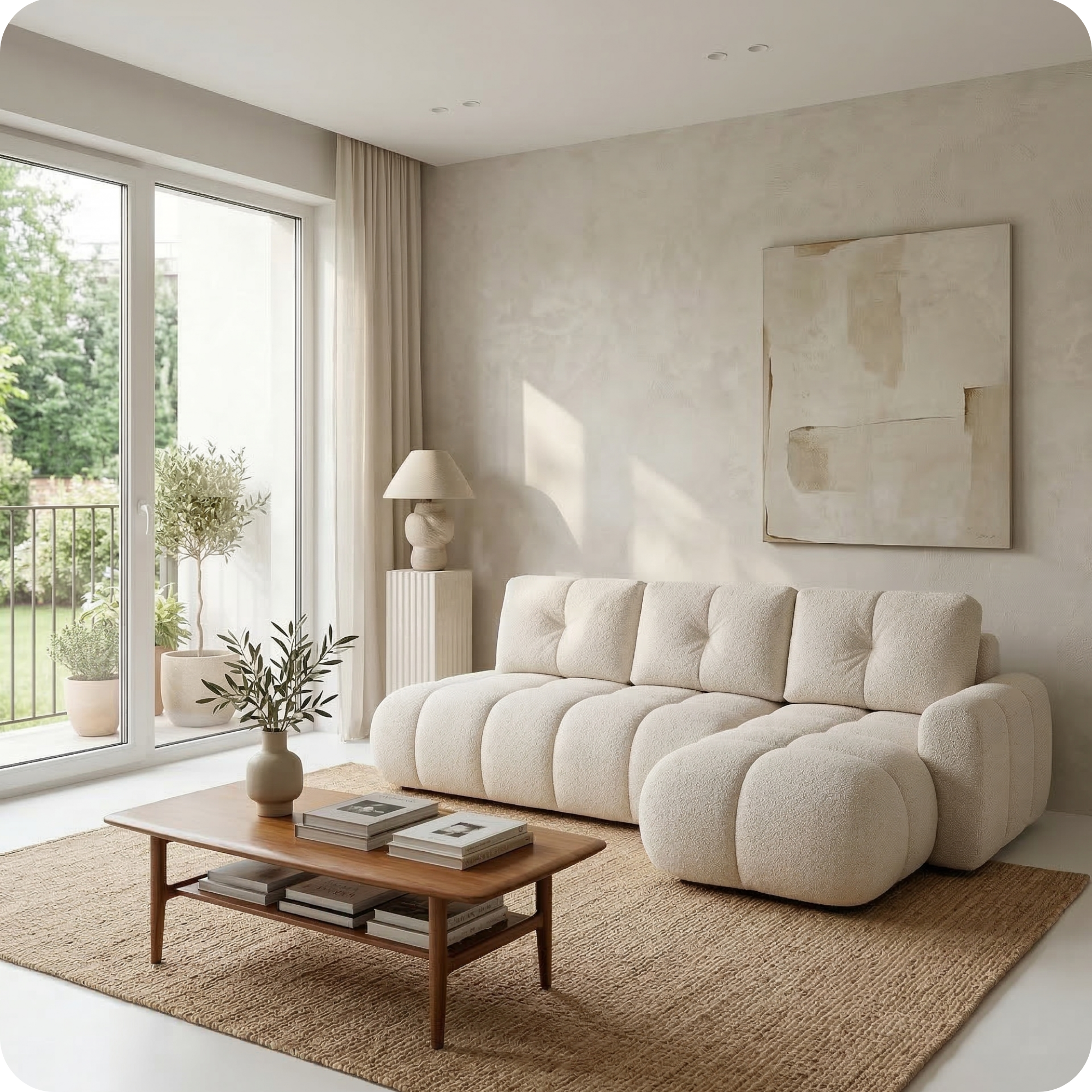
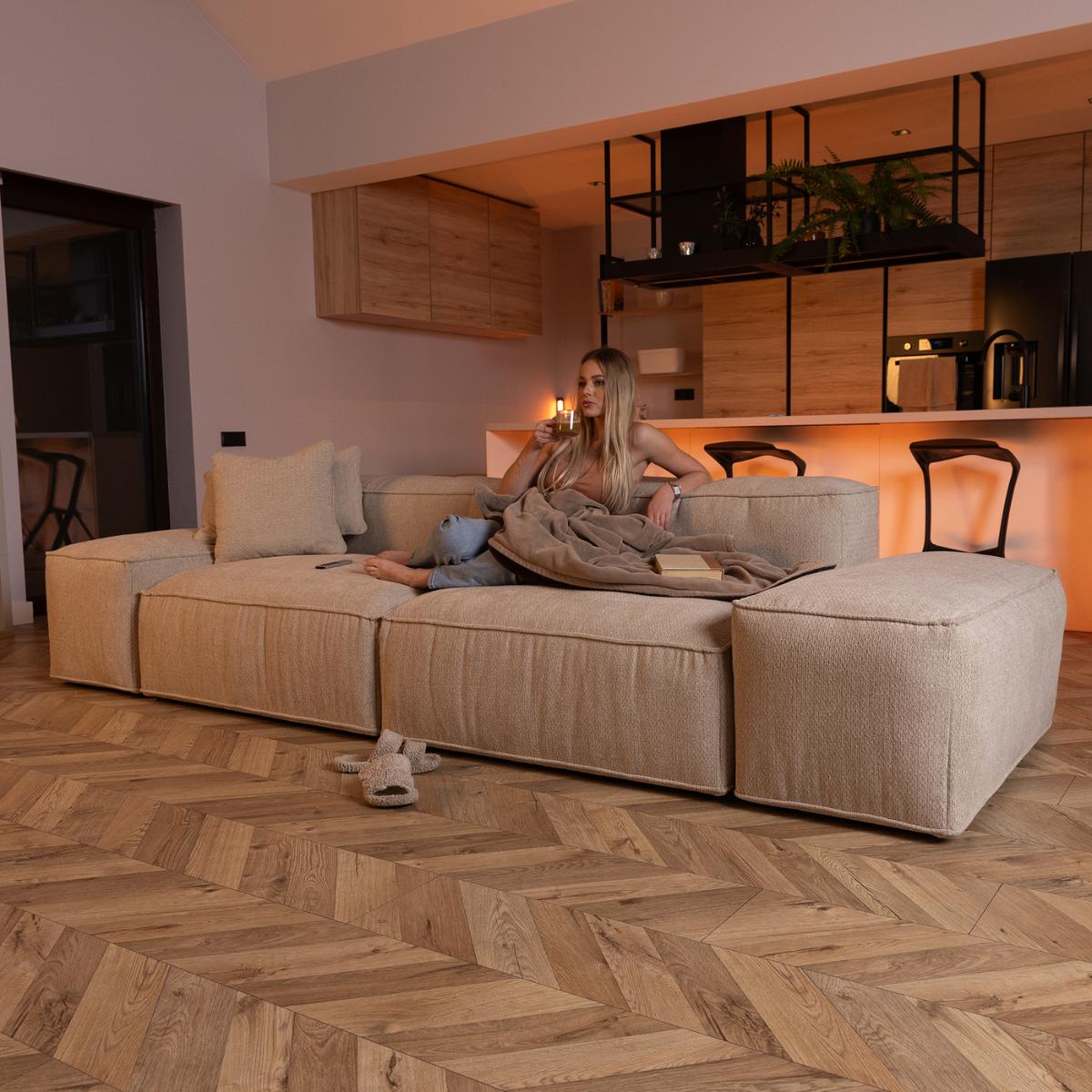
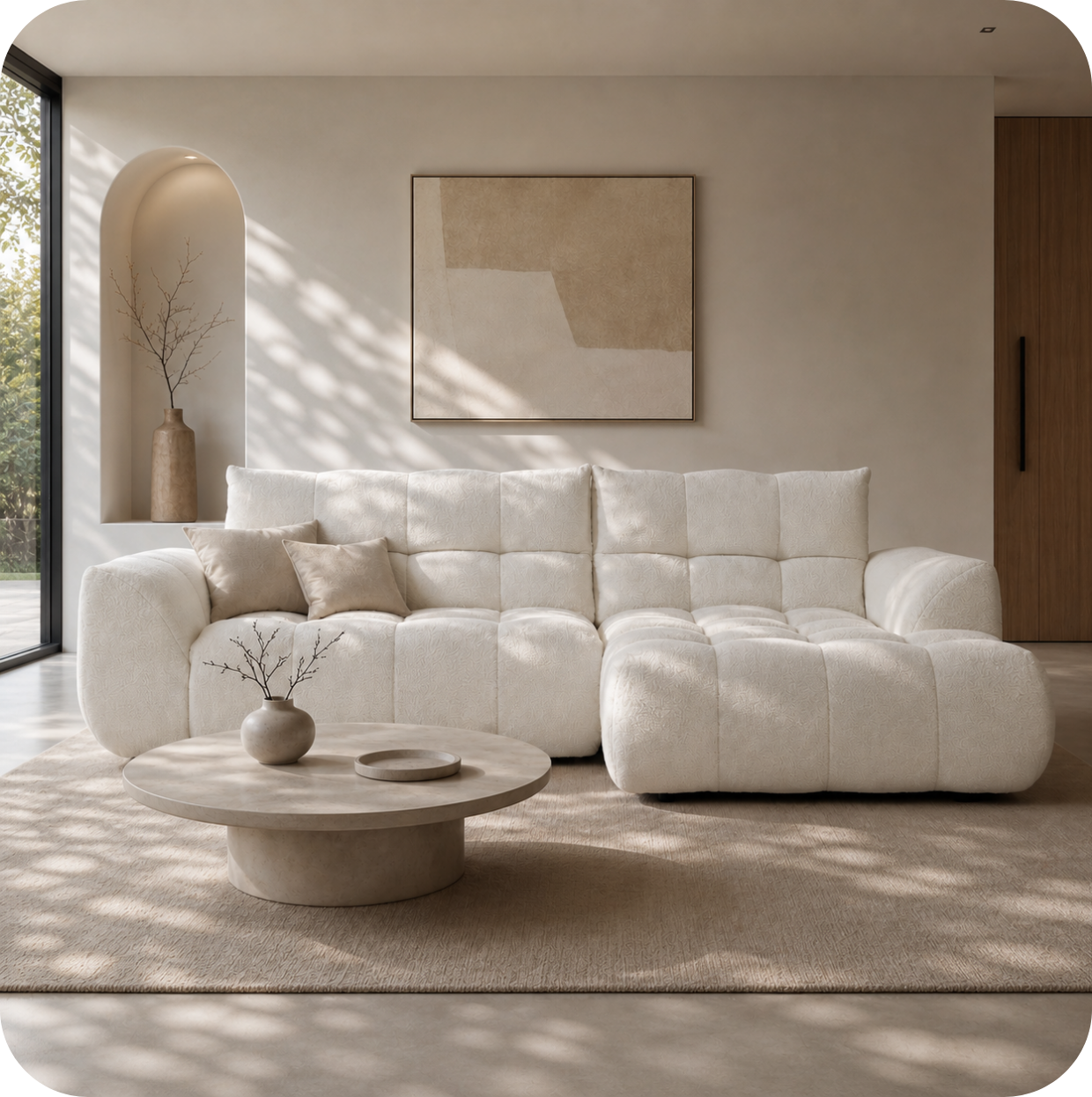
Clean-lined fabric sofa in a light neutral: The quintessential Scandinavian sofa is understated, comfortable, and beautifully made. Light grey, warm white, soft sand, or pale blush in a quality fabric (boucle, chenille, soft textured weave). Low-profile with visible wooden legs: Slim tapered legs in light oak or natural pine are a Scandinavian signature. They create a sense of space and airiness. Modular sofa in a soft neutral: Scandinavian design values adaptability. A modular sofa that can be reconfigured as living needs change is very much in keeping with the philosophy. The L-shape corner sofa: Scandinavian homes are designed for gatherings -- a comfortable corner sofa supports the communal, convivial dimension of hygge.
Colours That Define Scandinavian Sofa Style
Light grey: The most classic Scandinavian sofa colour. Clean, versatile, pairs with every natural material palette. Warm white or cream: Warm (not cool) whites keep the Scandinavian palette from feeling clinical. Soft sand or linen: Warm, organic neutrals that connect to natural materials. Pale blush: A restrained, dusty pink that adds warmth without colour. Muted sage: Soft, earthy green -- one of the most contemporary Scandinavian palette choices.

Lugano Light Grey — from EUR 999
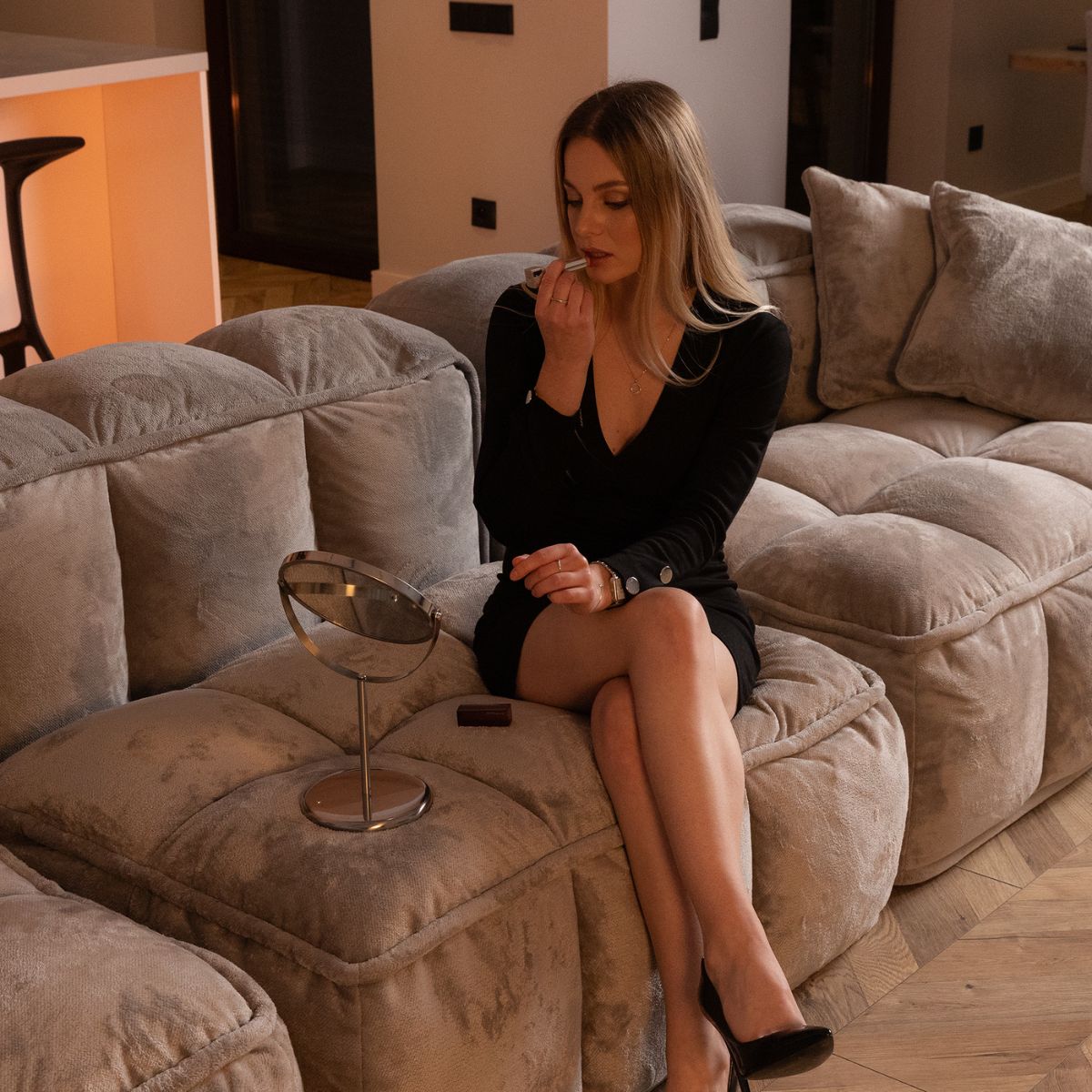
The Lugano in light grey is perhaps the most Scandinavian-aligned sofa in the Furni range. Its clean lines, neutral tone, and plush seat depth are exactly what hygge-inspired living demands.

Lugano Sand — from EUR 999
Sand is a beautifully warm Scandinavian choice -- add a chunky wool throw in soft white, a sheepskin rug, and a few white candles for an effortlessly hygge winter corner.
How to Style a Scandinavian Living Room Around the Sofa
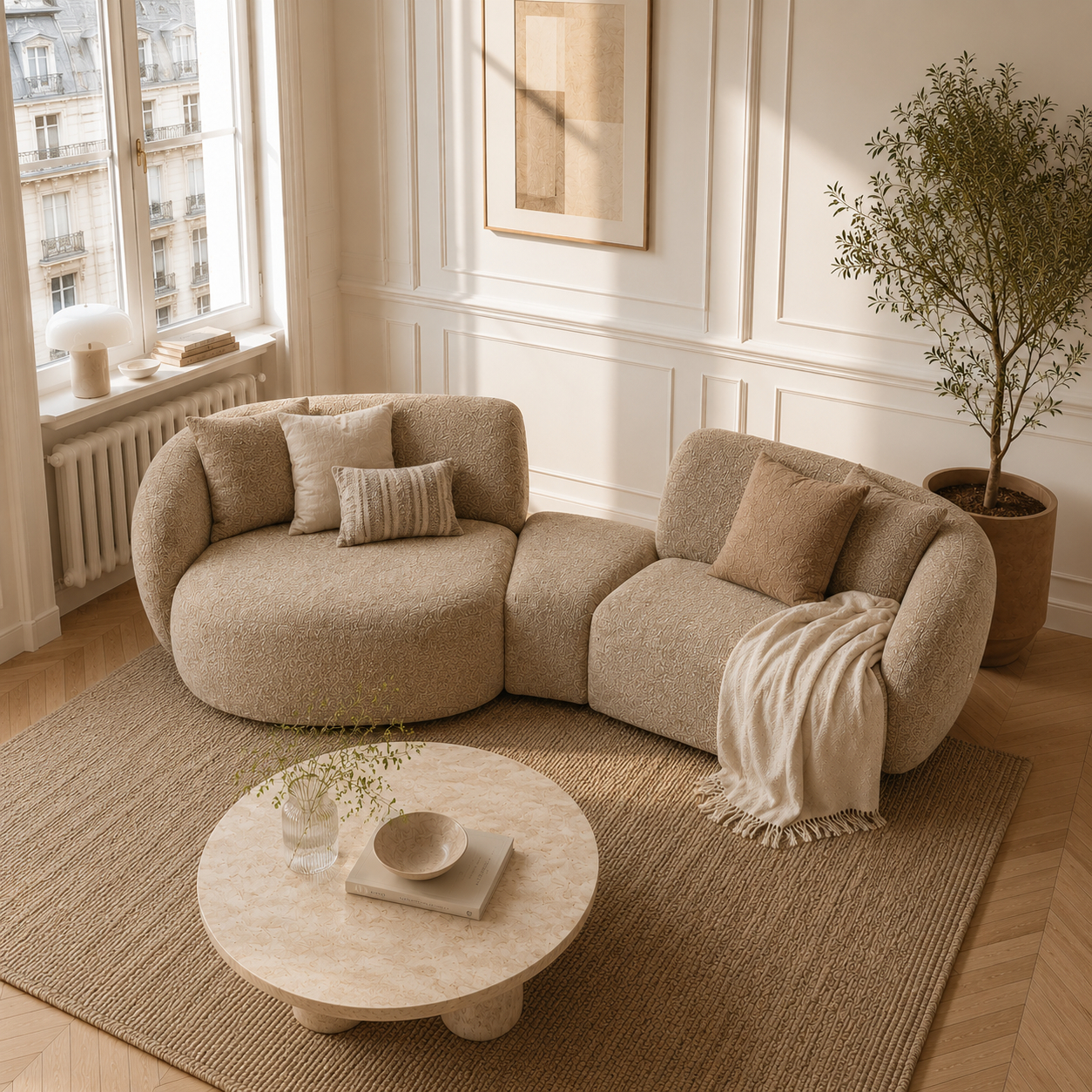
Cushions: Keep it restrained -- 3-5 cushions maximum in soft neutrals, dusty pastels, or one subtle geometric pattern. Linen and soft cotton cushions over synthetic materials. Throws: A chunky knit throw in ivory or soft grey draped over one arm. A sheepskin throw folded on the seat. Layering is fine -- but keep the palette consistent. Rug: A large flat-weave wool rug or a sheepskin rug under the coffee table. Natural and undyed fibres are most authentic. Coffee table: Light oak or birch with clean lines. Round or rectangular -- either works as long as the form is simple. Candles: Central to hygge. A cluster of white or natural wax pillar candles on the coffee table.
What to Avoid in Scandinavian Interiors
Avoid bright, saturated colours. Avoid too many decorative objects -- Scandinavian spaces are curated, not cluttered. Avoid heavy, ornate furniture. Avoid very cool grey or white tones -- Scandinavian whites and greys are warm, not cold and clinical.

Leave a comment
This site is protected by hCaptcha and the hCaptcha Privacy Policy and Terms of Service apply.