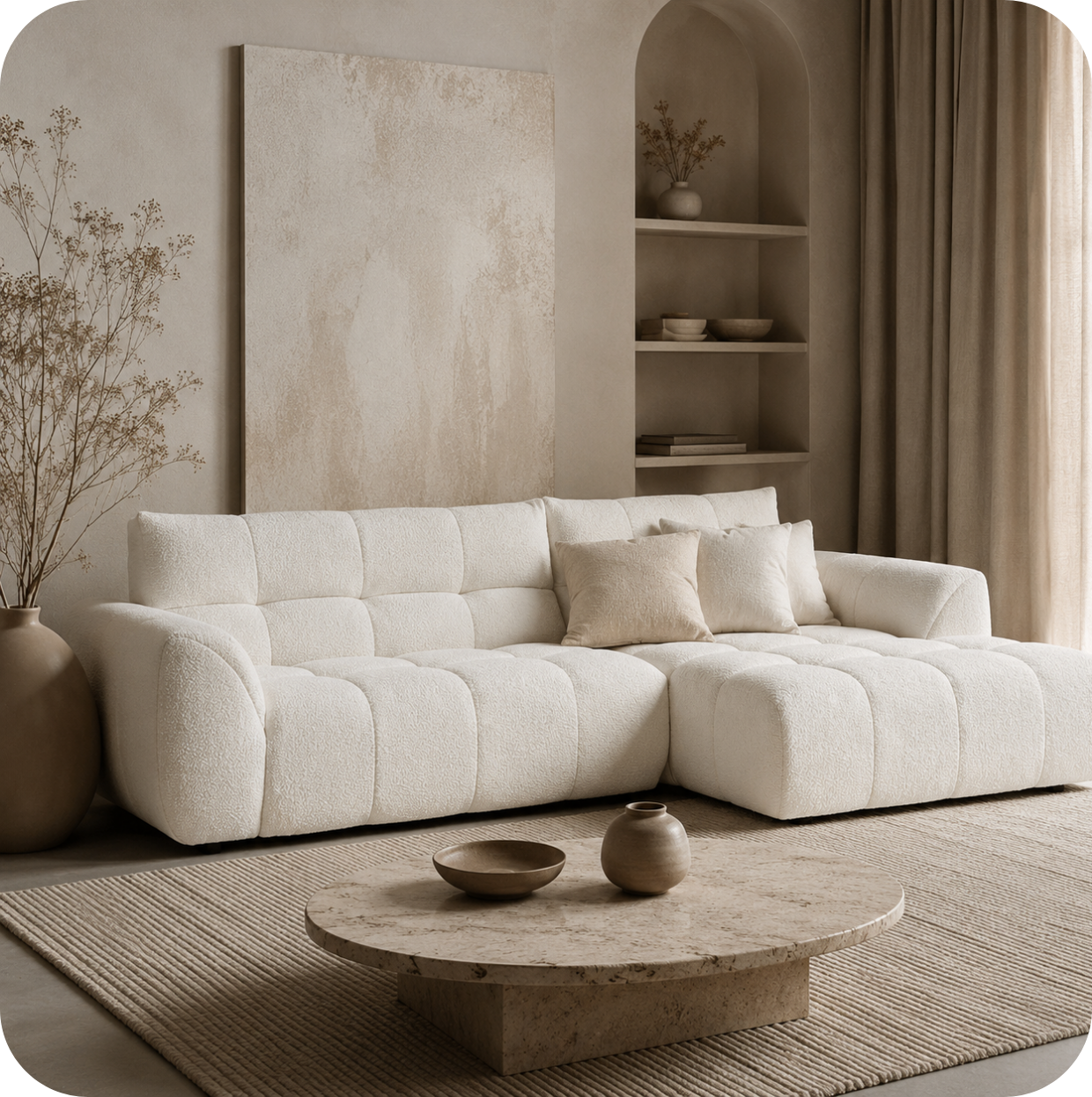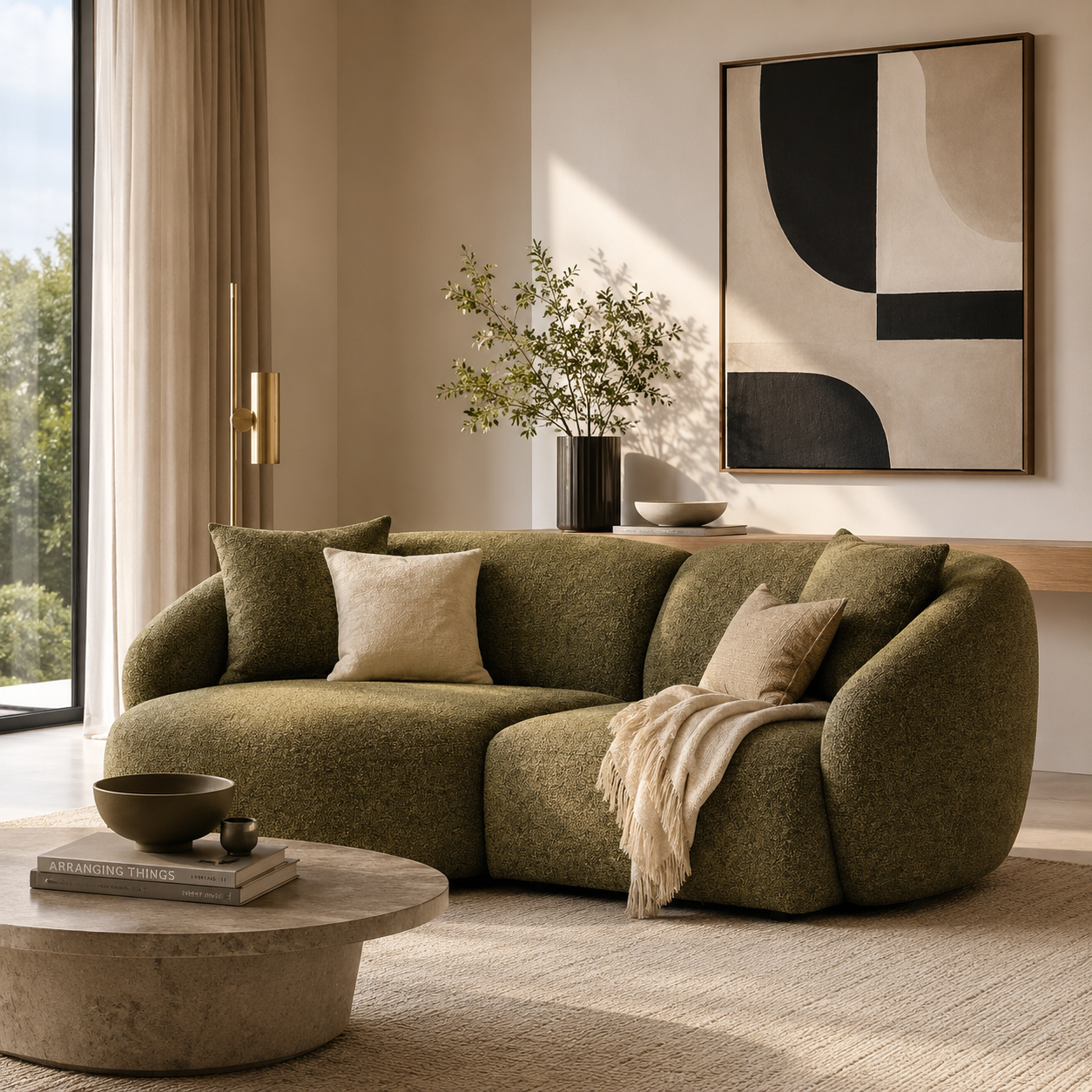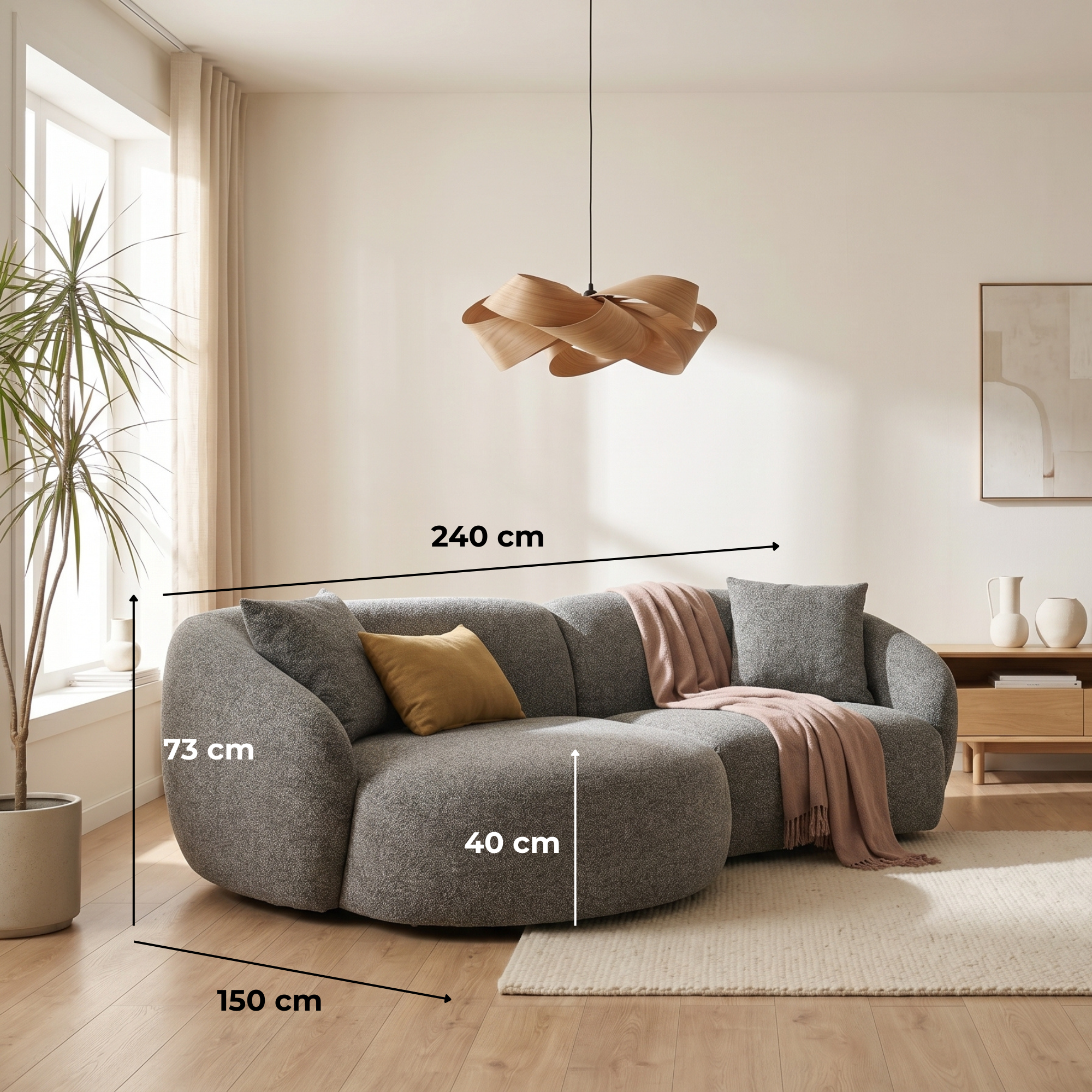

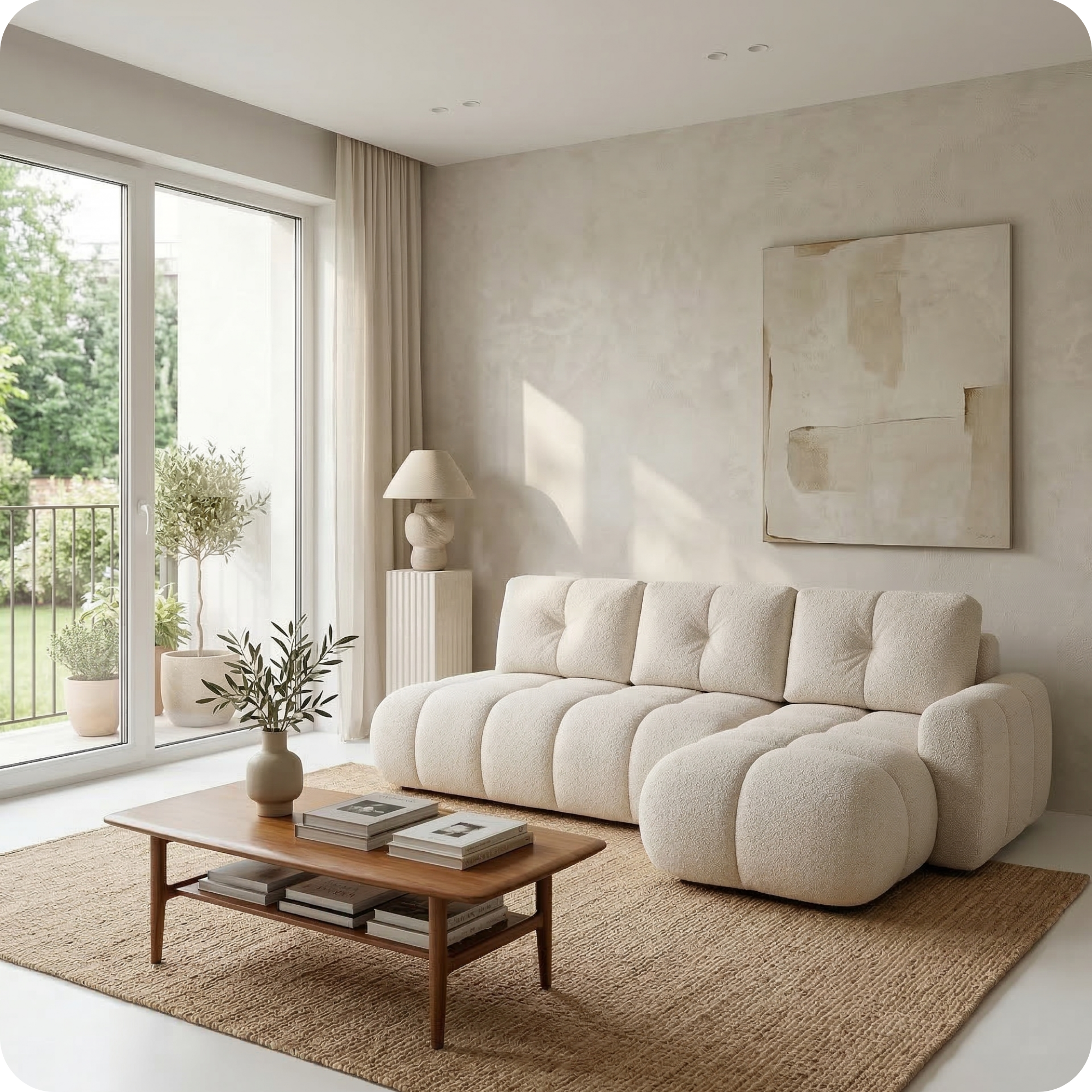

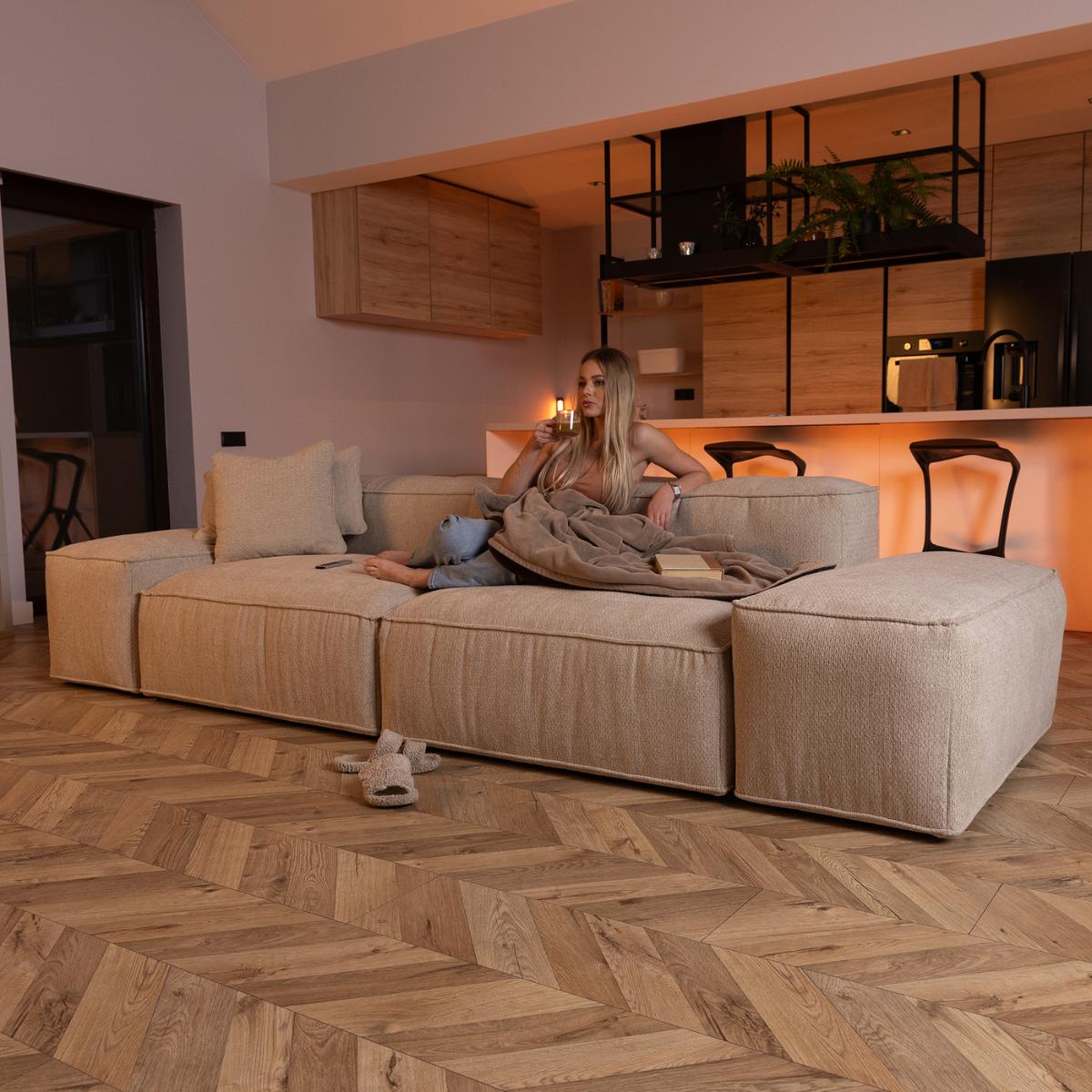

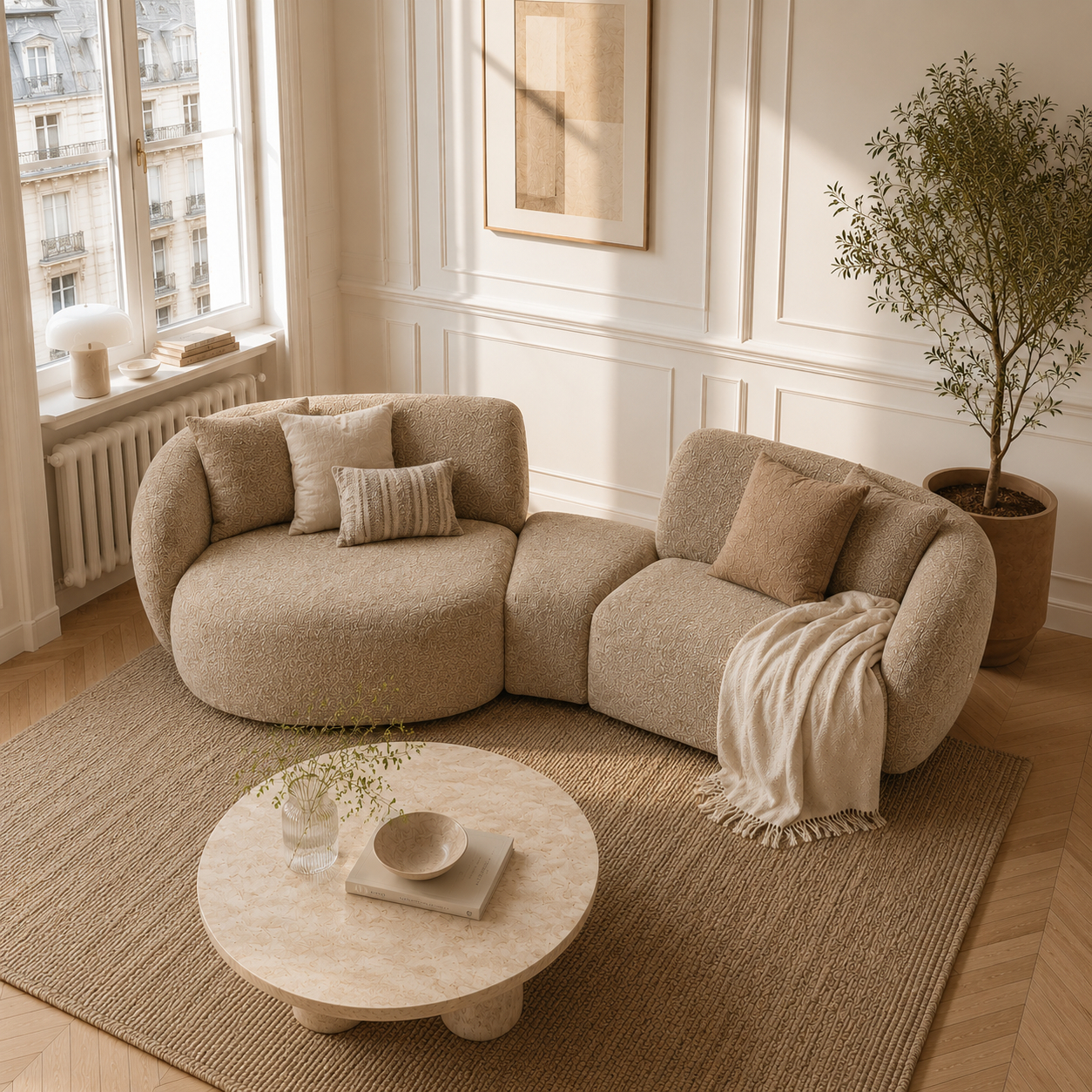
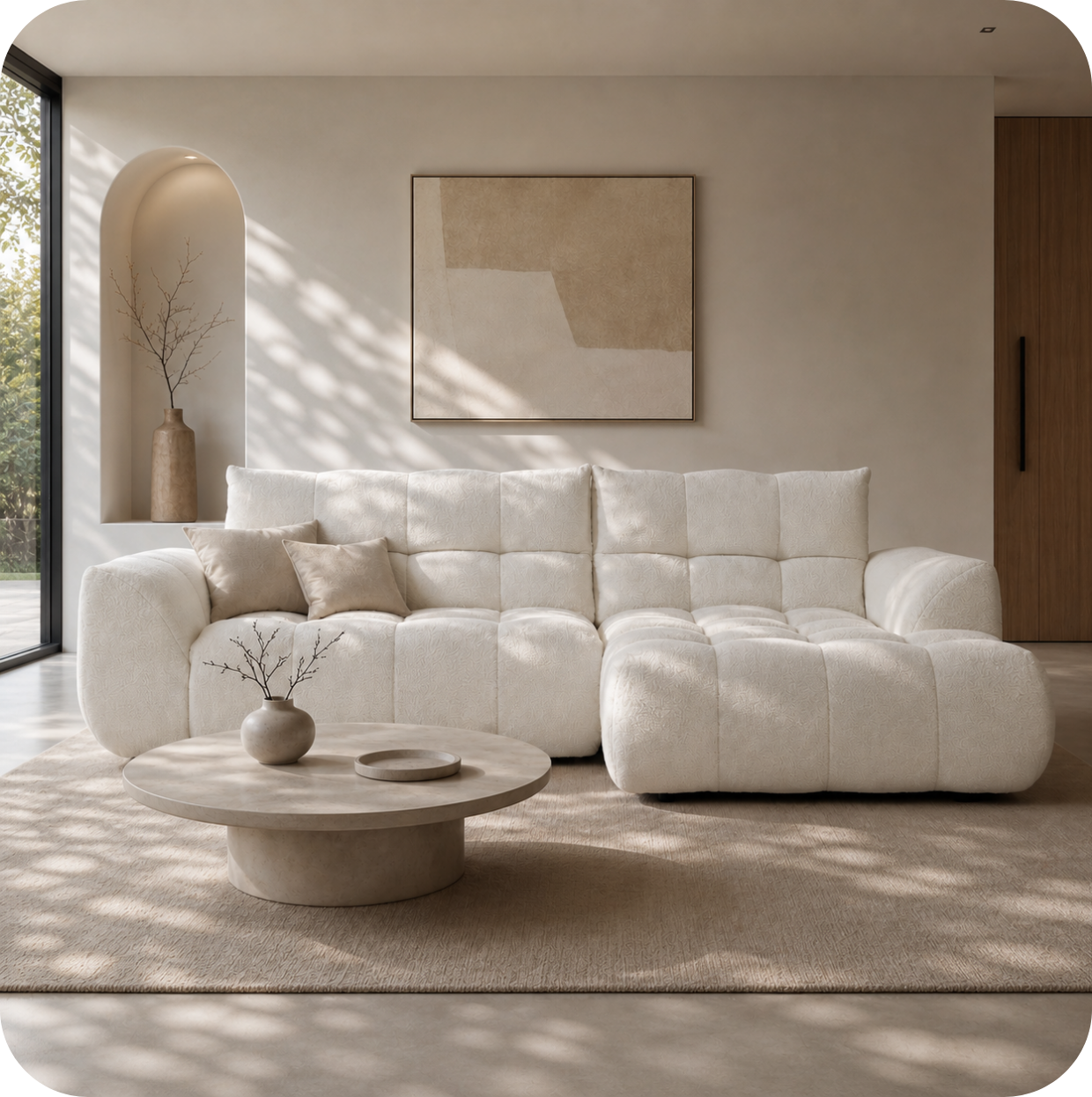
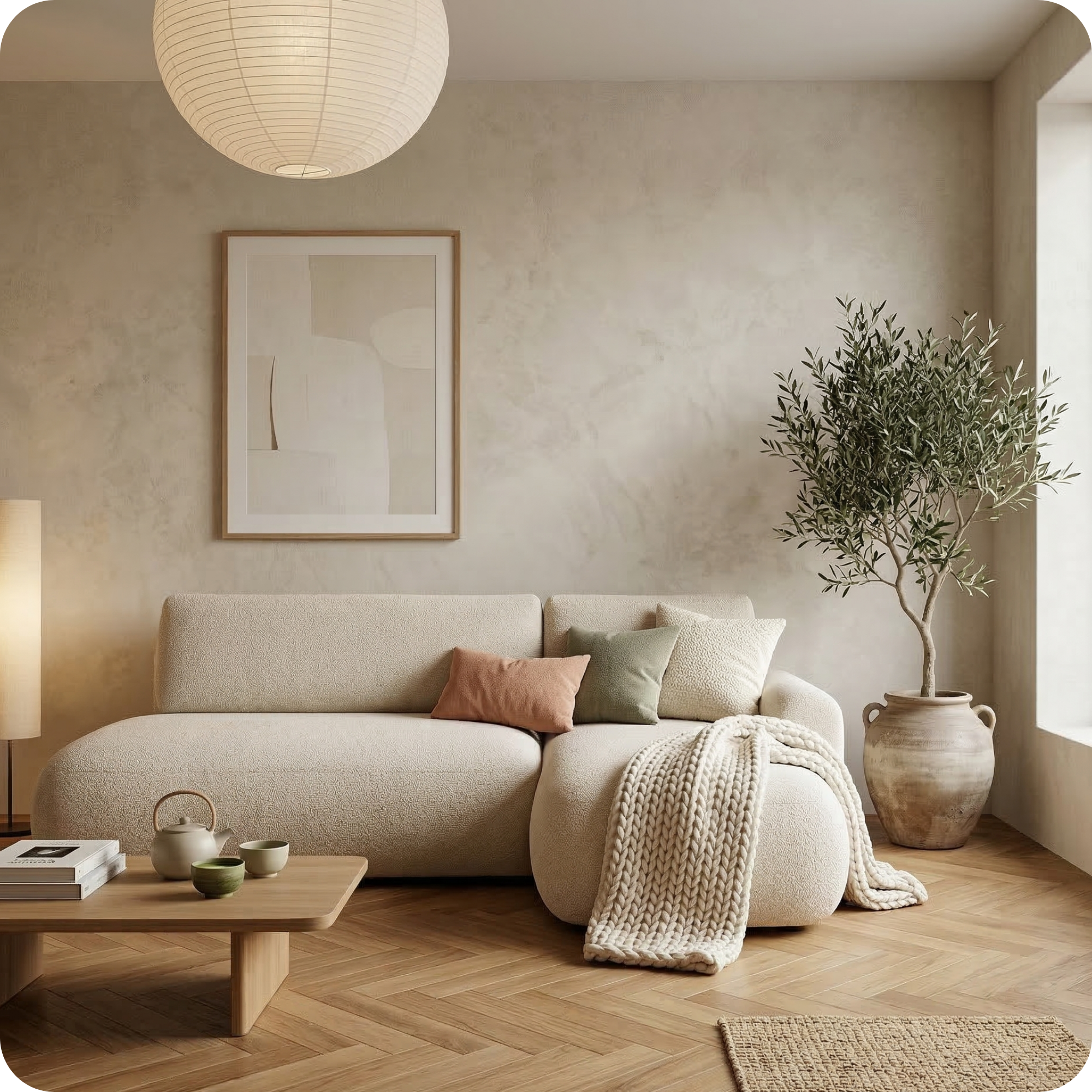
Contemporary interior design refers to a style that reflects what's current right now, rather than one fixed look — in practice today, that means clean lines, a neutral-to-warm colour palette, natural materials, and an emphasis on comfort and function over ornamentation. Because "contemporary" shifts with the decade, it borrows freely from Scandinavian minimalism, Japandi warmth, and mid-century shapes, blended rather than copied outright.
Contemporary vs. modern interior design: what's the difference?
"Modern" refers to a specific historical design movement (roughly 1920s–1950s) with its own fixed rules — clean geometry, chrome, glass, and primary colours. "Contemporary" isn't tied to one era; it describes whatever is current, which today tends to combine modern's simplicity with warmer, more textural materials and softer, rounder forms.
The core elements of contemporary style
- Clean, uncluttered lines — furniture with simple silhouettes and minimal ornamentation, letting the shape and material speak for itself.
- A warm neutral palette — off-white, oat, warm grey and taupe as a base, with one or two deeper accent colours (terracotta, sage, navy).
- Natural materials — wood, linen, boucle, wool and stone, often left visibly textured rather than glossy or heavily lacquered.
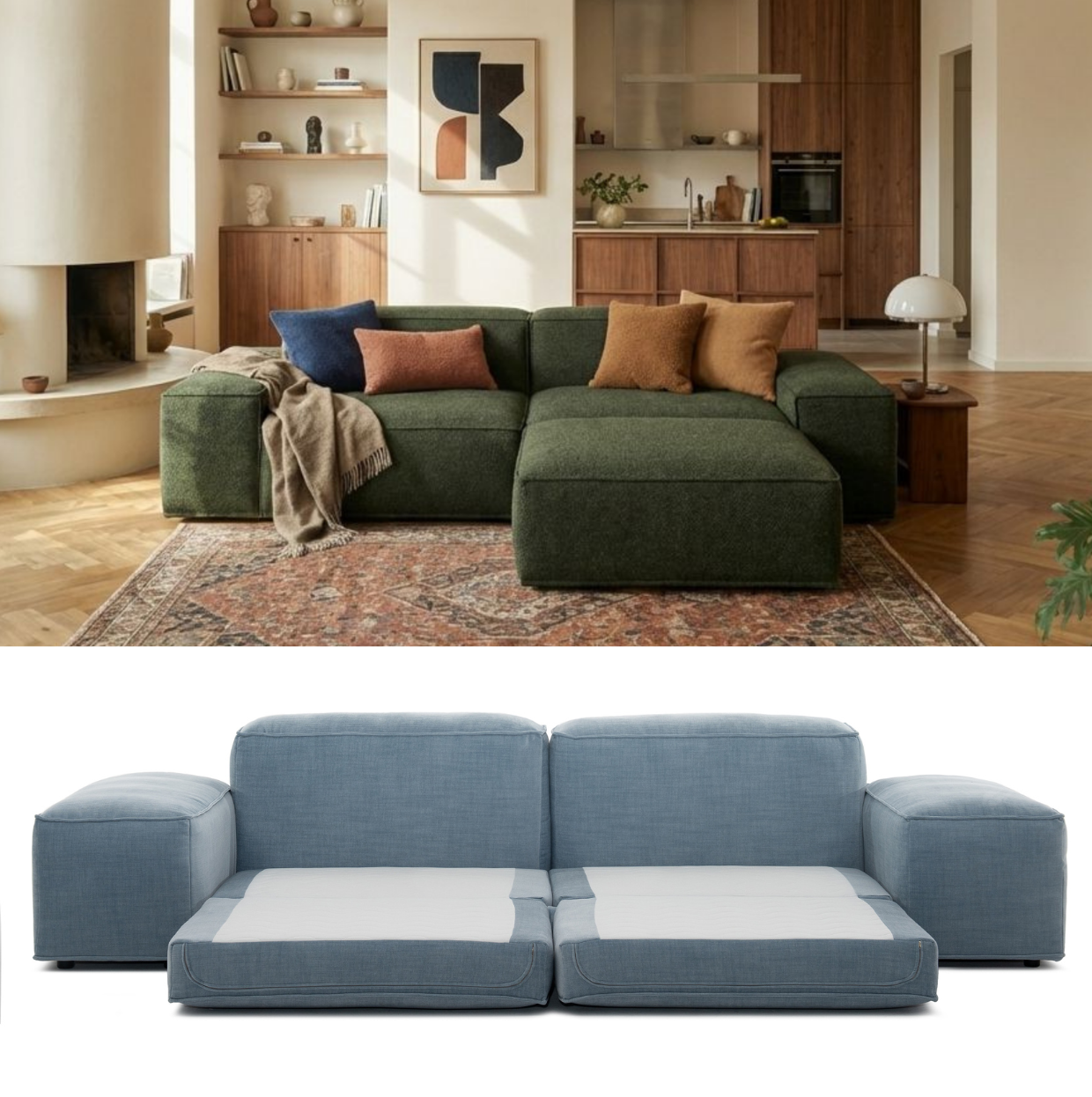
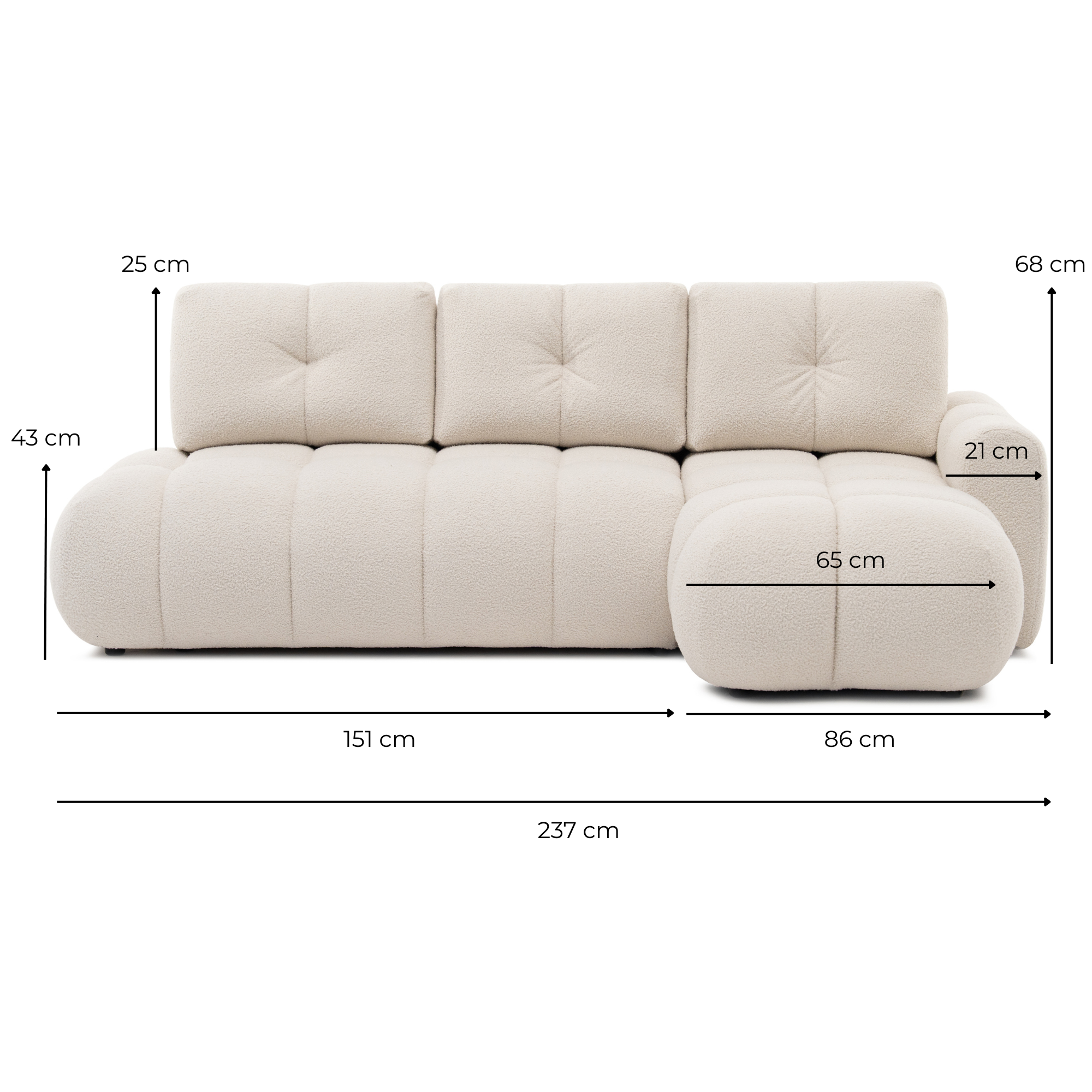
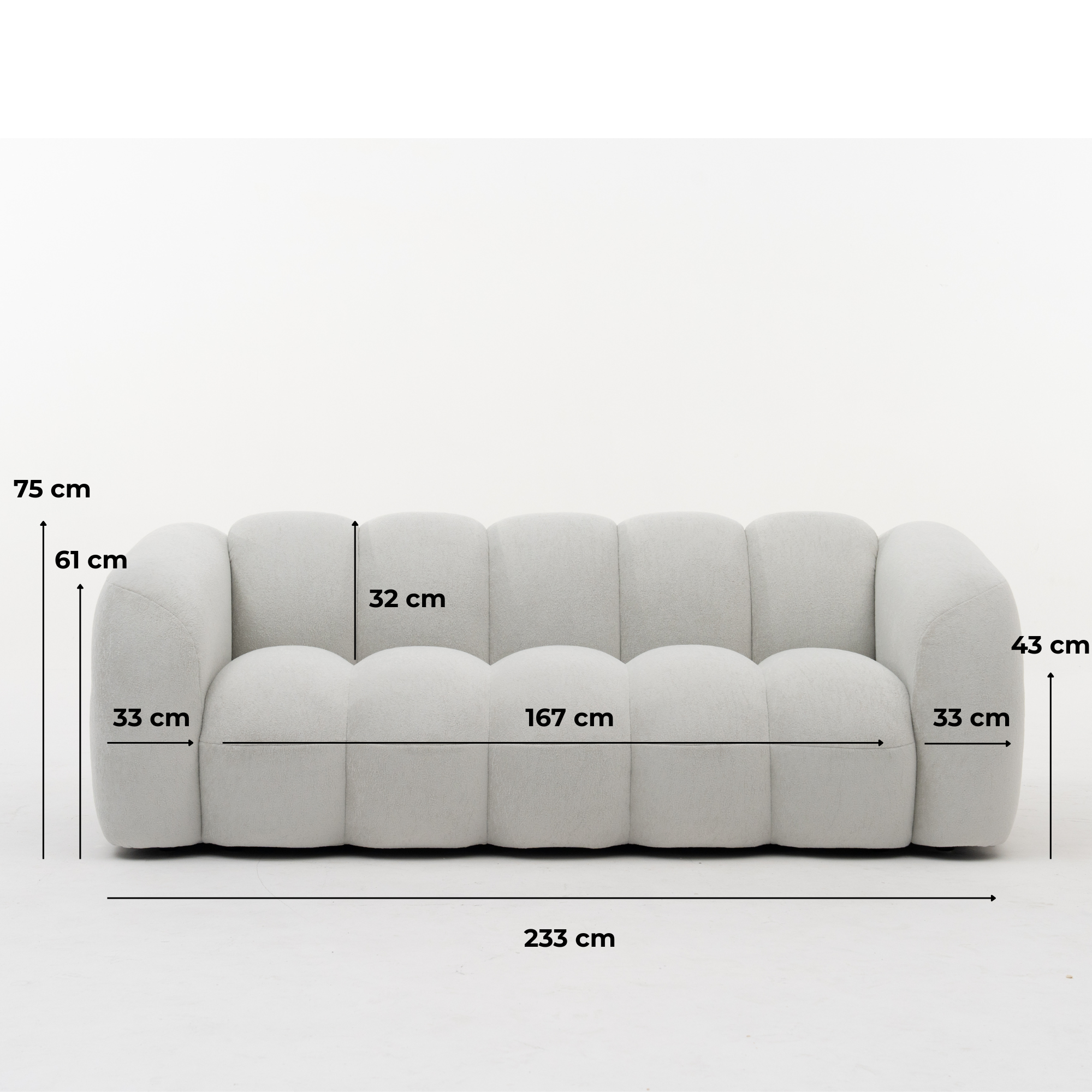
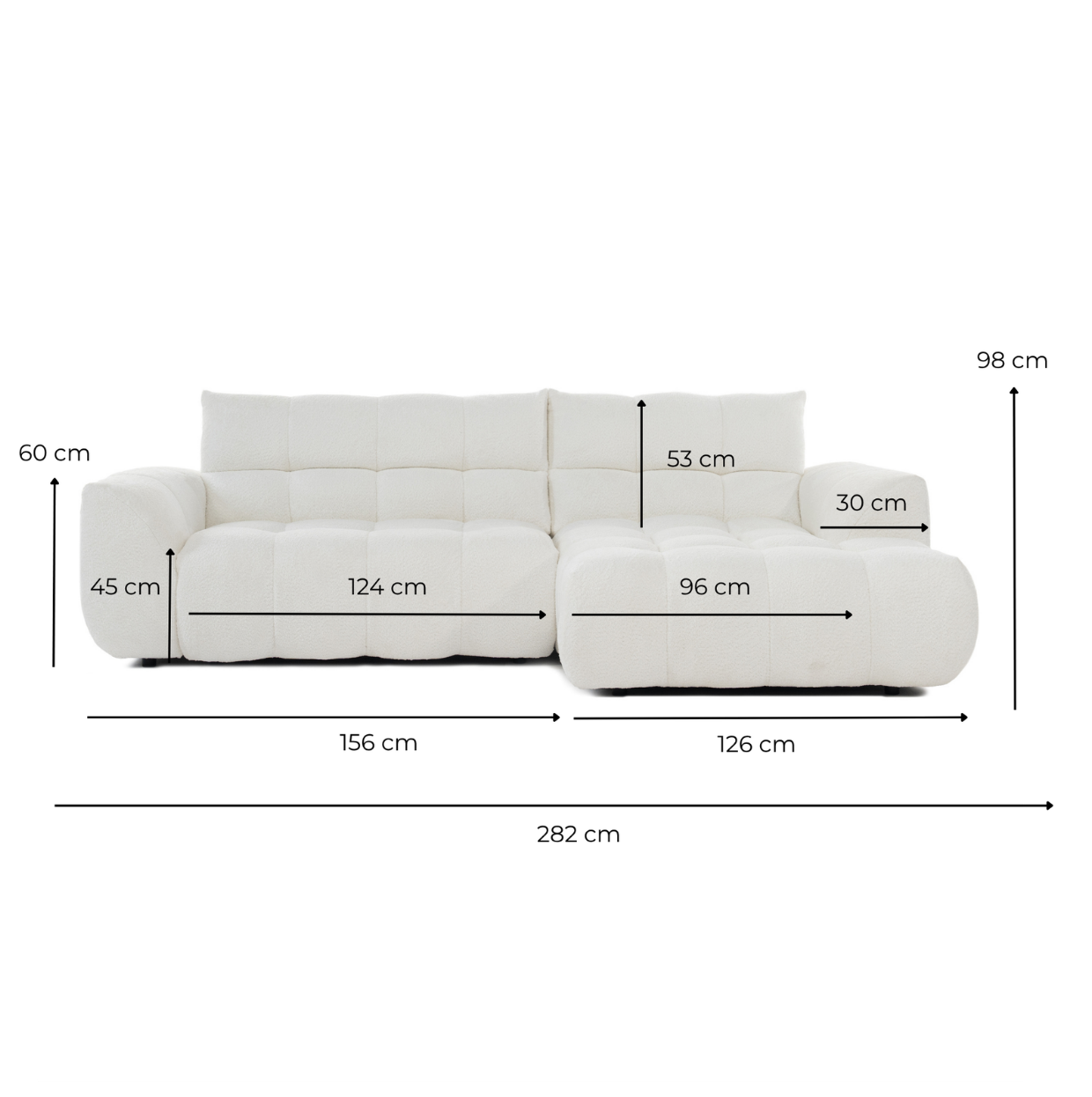
- Low, wide furniture — sofas and coffee tables with a lower profile than traditional pieces, which keeps rooms feeling open.
- Curated, not crowded — fewer, better pieces rather than densely layered decor.
How to create a contemporary living room
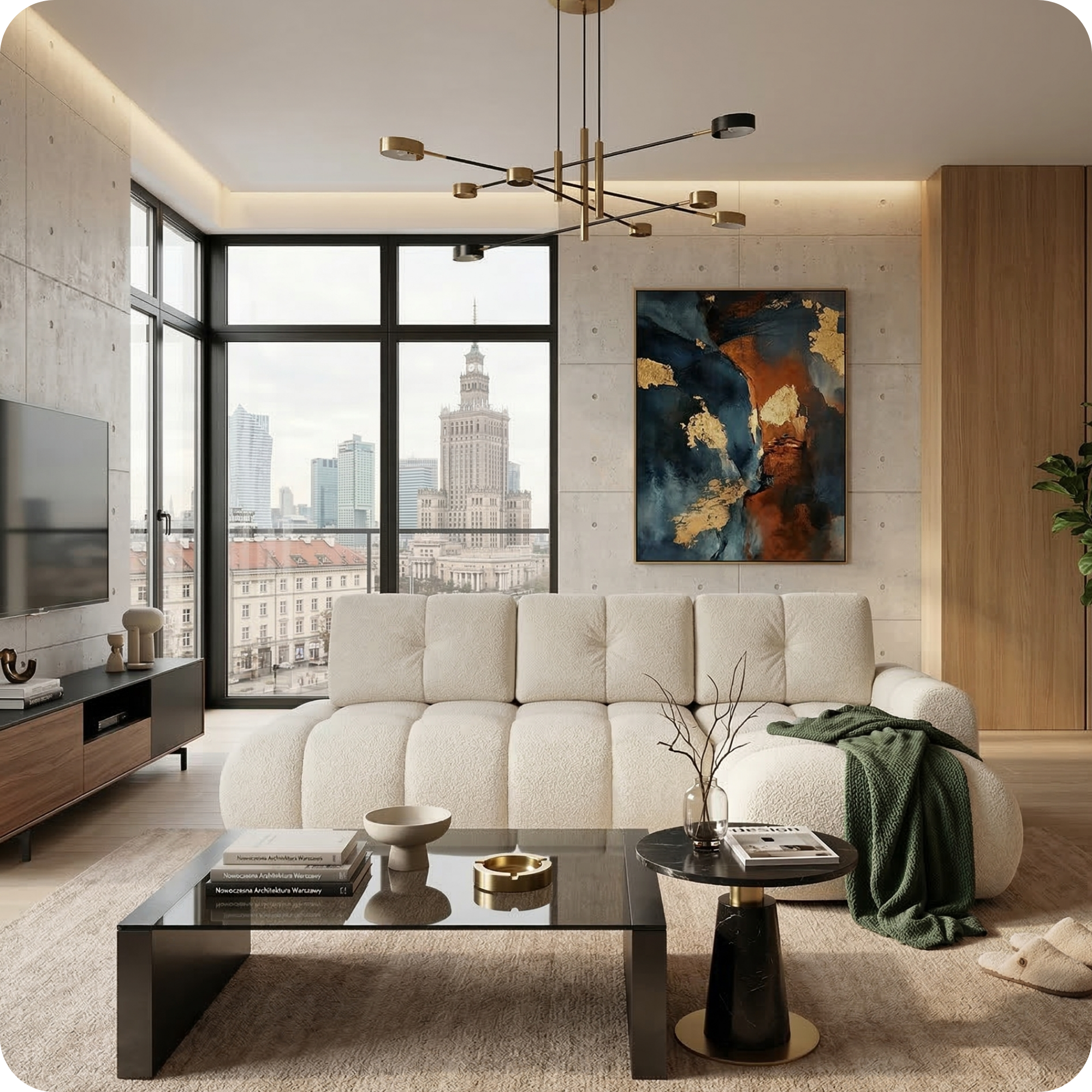
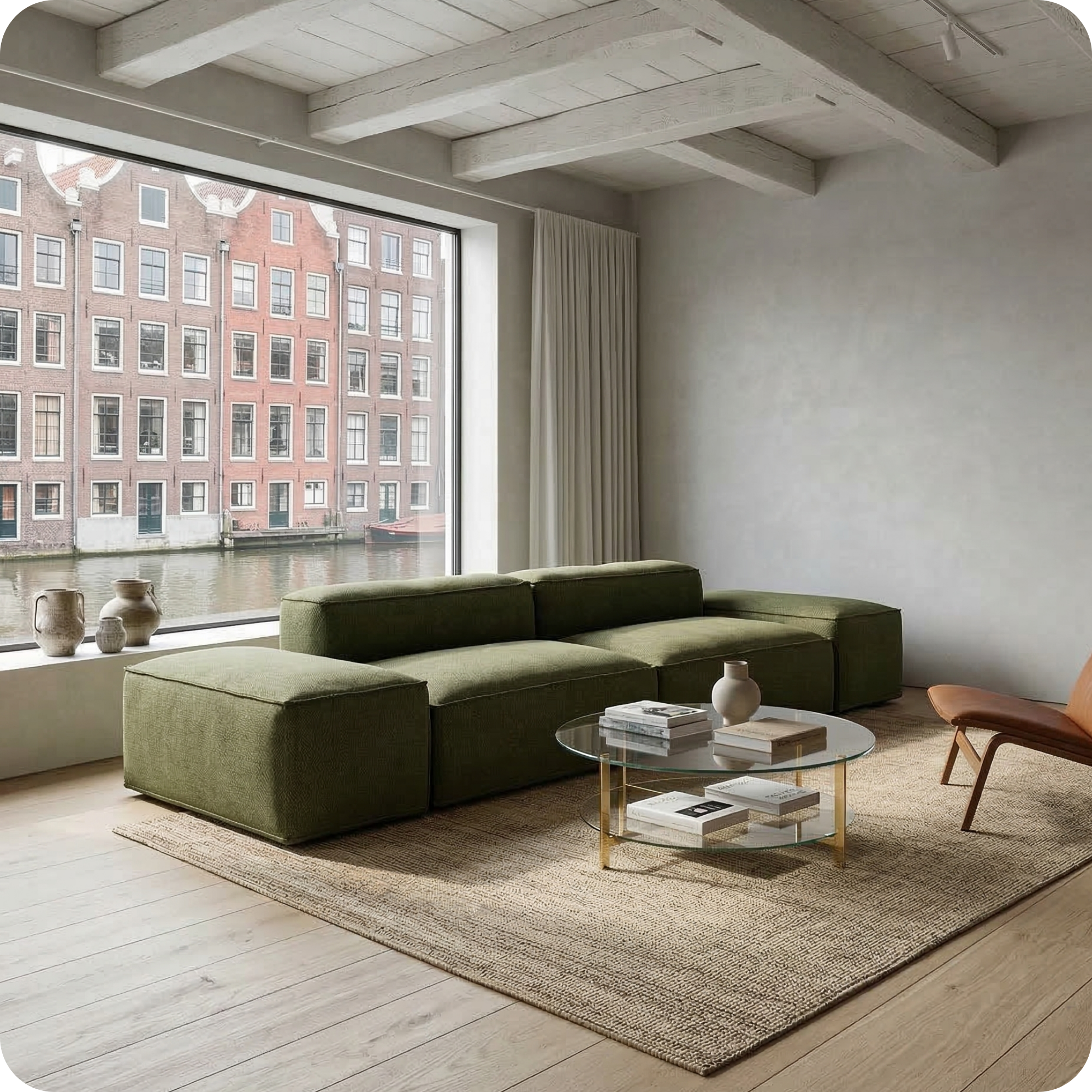
Start with a neutral base for the largest surfaces — walls, flooring, and the sofa — then add warmth and personality through texture and one or two accent colours rather than a busy pattern mix. A low-profile sofa in a warm neutral or muted accent shade, paired with natural wood and a simple, geometric rug, covers most of what defines contemporary style. Keep decorative objects to a considered few, and let materials (a bouclé cushion, a solid oak table, a linen throw) do the visual work instead of ornamentation.
Furni sofas for a contemporary living room

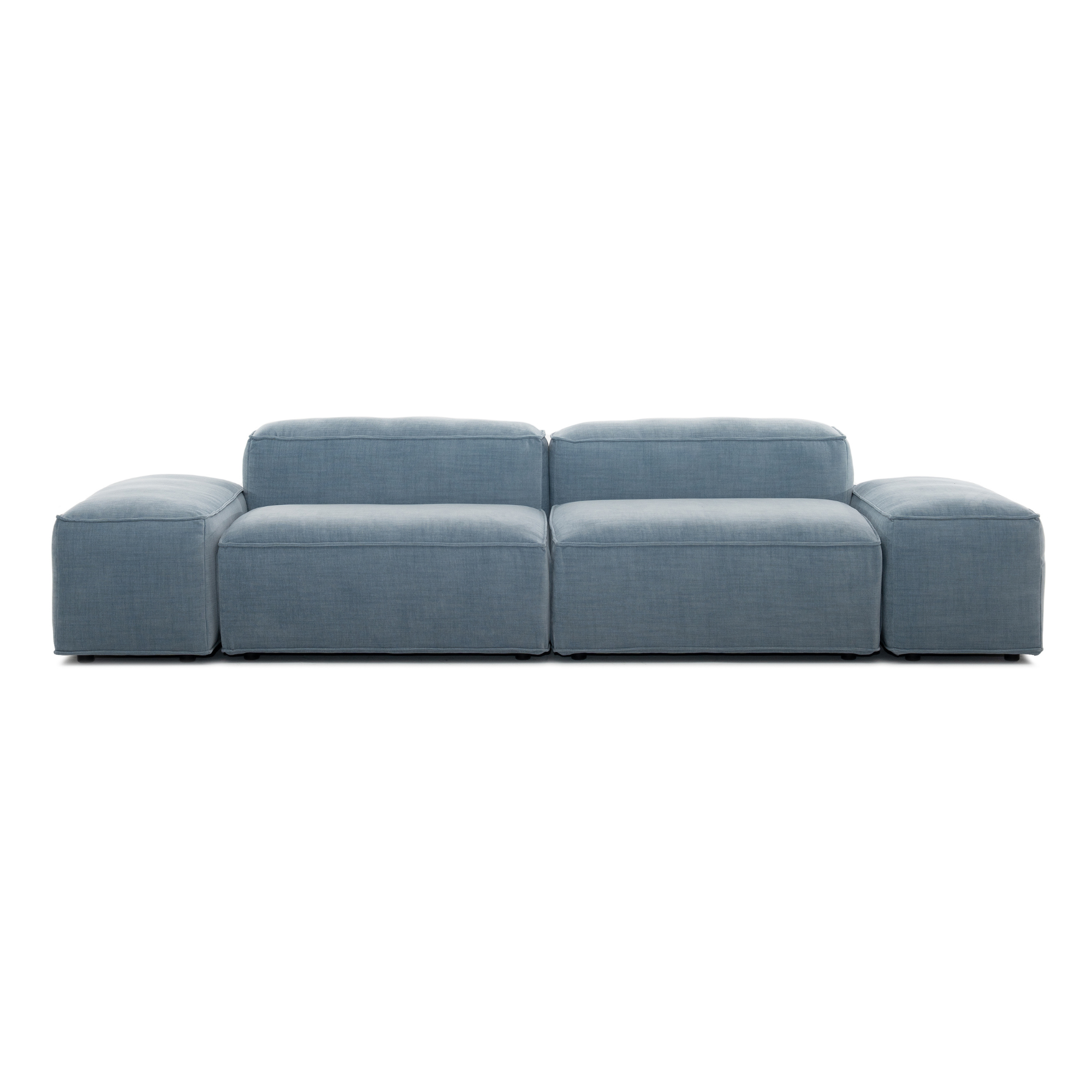
Furni's low-profile modular collections — clean lines, natural fabrics, warm neutral colourways — are built around exactly this kind of contemporary silhouette.
Browse contemporary sofas → · Browse modular sofas →
Frequently asked questions
Is contemporary design the same as minimalist design?
Not quite — minimalism is defined by having as little as possible; contemporary style is defined by clean lines and current trends, but can still include layered textures, warm colour, and a reasonable amount of decor. Contemporary spaces are simplified, not stripped bare.
What colours are used in contemporary interior design?
A neutral base (white, oat, warm grey, taupe) with one or two deeper accent colours — terracotta, sage green, navy or charcoal — is the most common contemporary colour approach today.
What furniture defines a contemporary living room?
A low-profile sofa with clean lines and a natural or matte fabric, a simple wood or stone coffee table, and understated, geometric lighting are the pieces most associated with a current contemporary living room.
All Furni sofas: Free EU & UK delivery · Free fabric samples · 30-day returns · 2-year warranty · Made in Poland.