



How to Make Your Living Room Cosy: 12 Practical Tips for Warmth and Comfort
Cosiness -- the Scandinavian concept of hygge and the Dutch gezelligheid -- is increasingly recognised as one of the most valuable qualities a home can have. A cosy living room isn't just pleasant to be in; it actively reduces stress, encourages connection between people who share it, and makes your home feel like a genuine sanctuary rather than just a place you happen to live. Here are 12 practical, actionable tips for making any living room more cosy.
1. Warm Your Lighting
This is the single most effective change you can make. Replace any cool white or neutral bulbs with warm white equivalents (2700K). Ditch overhead ceiling lights as your primary light source in the evening and switch to floor lamps and table lamps at lower height. The shift from overhead bright light to side-level warm light is transformative for atmosphere.
2. Add Layers of Texture
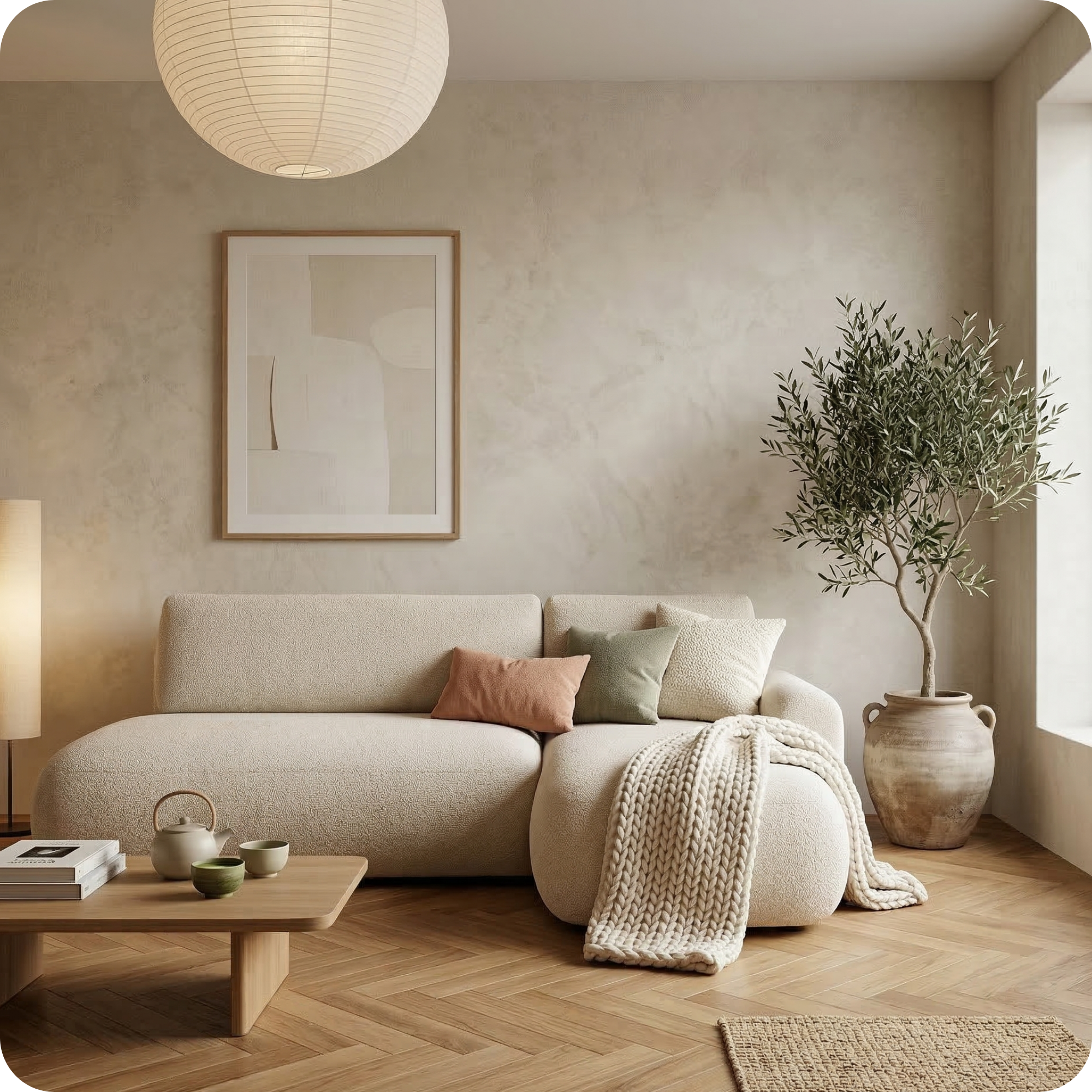
Cosiness is fundamentally a tactile experience. The more varied textures you have in a room -- soft, rough, nubby, smooth, woven, plush -- the more the room engages the senses and feels inviting. Add a chunky knit throw to the sofa, a woven cushion alongside velvet ones, a natural jute rug layered over a softer one.
3. Choose a Generous, Deep Sofa
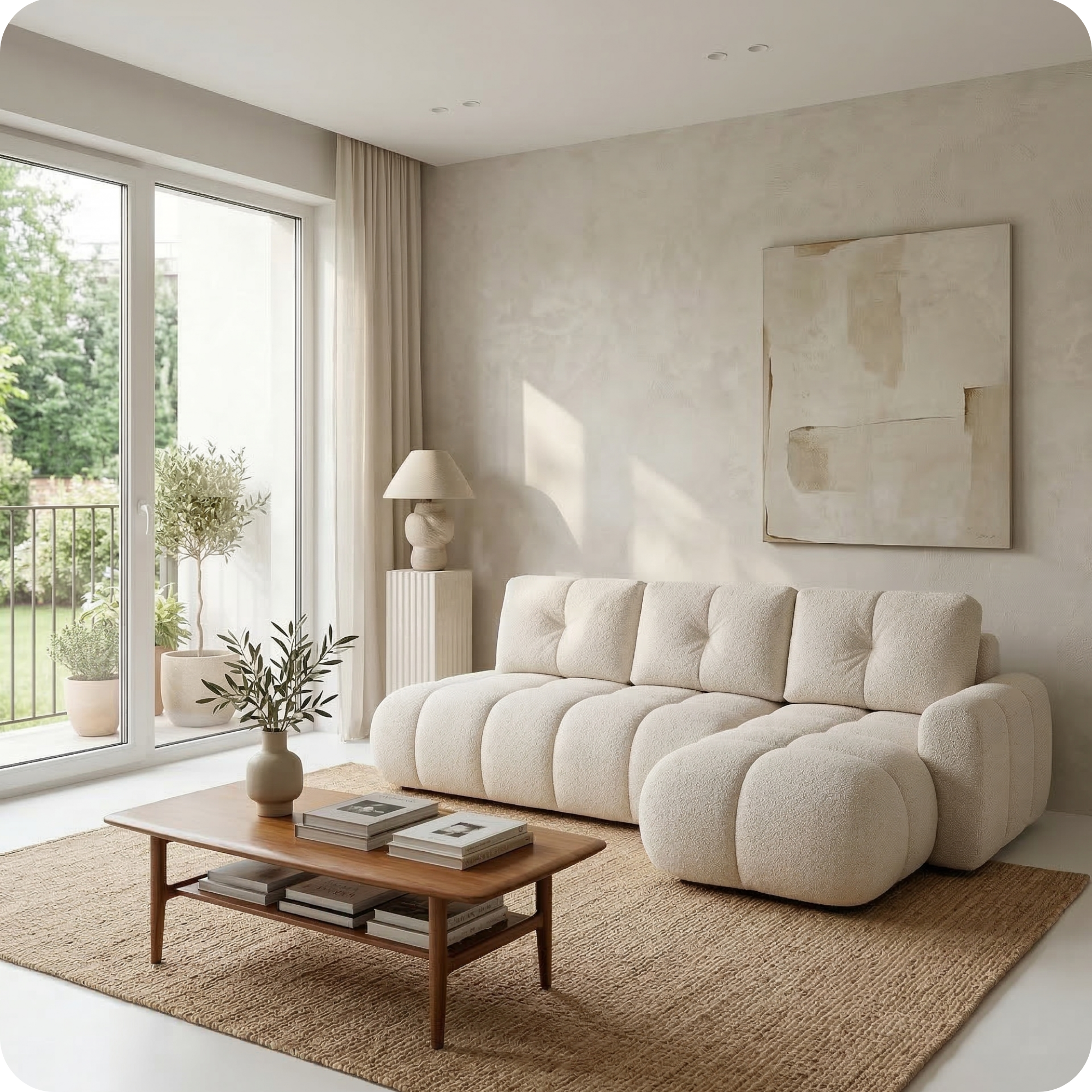
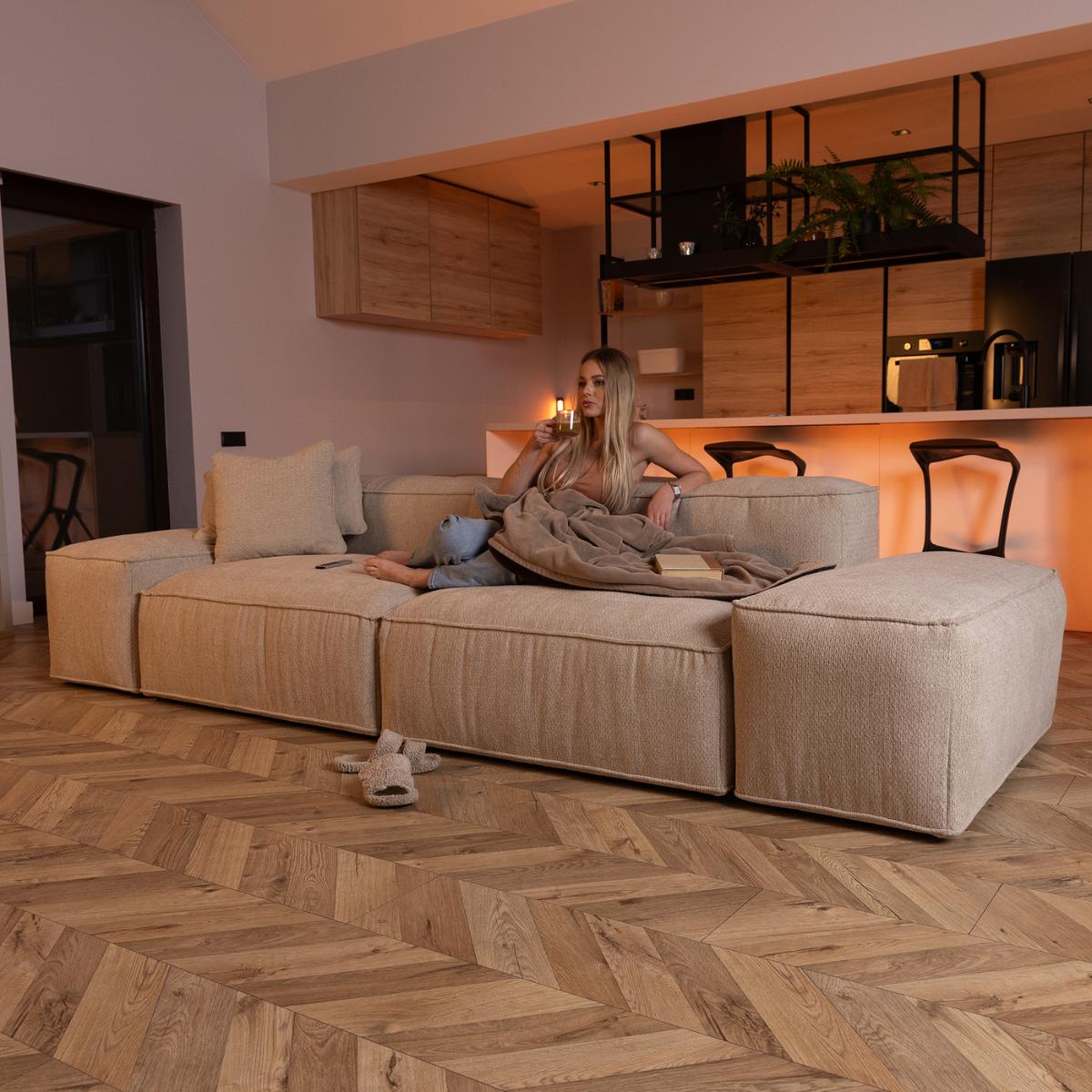
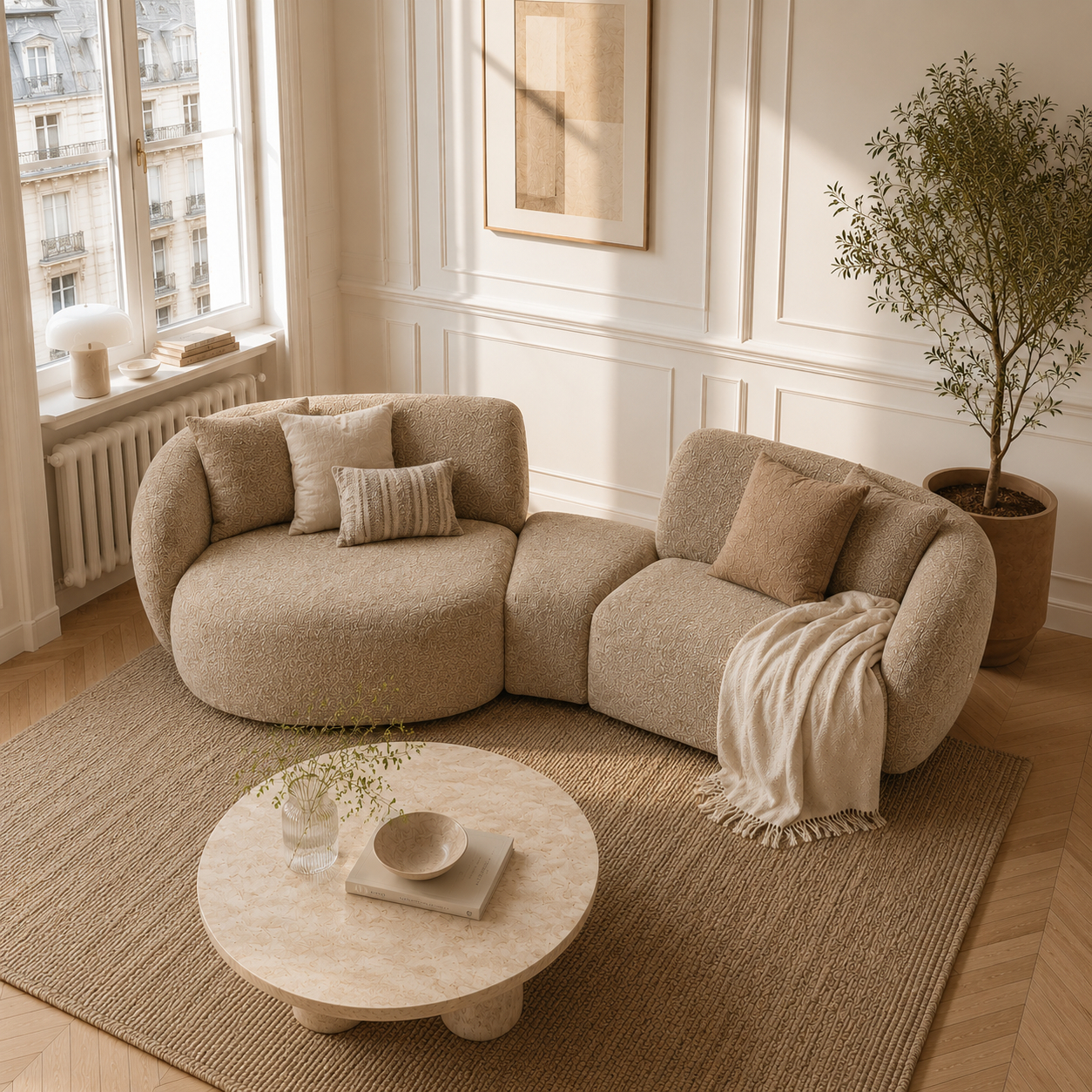
The sofa is the engine of a cosy living room. A deep-seated sofa with generous proportions invites you to sink in and truly relax. Avoid anything too firm or upright -- sofas with reclined back angles and ample seat depth are the foundations of a properly cosy room.

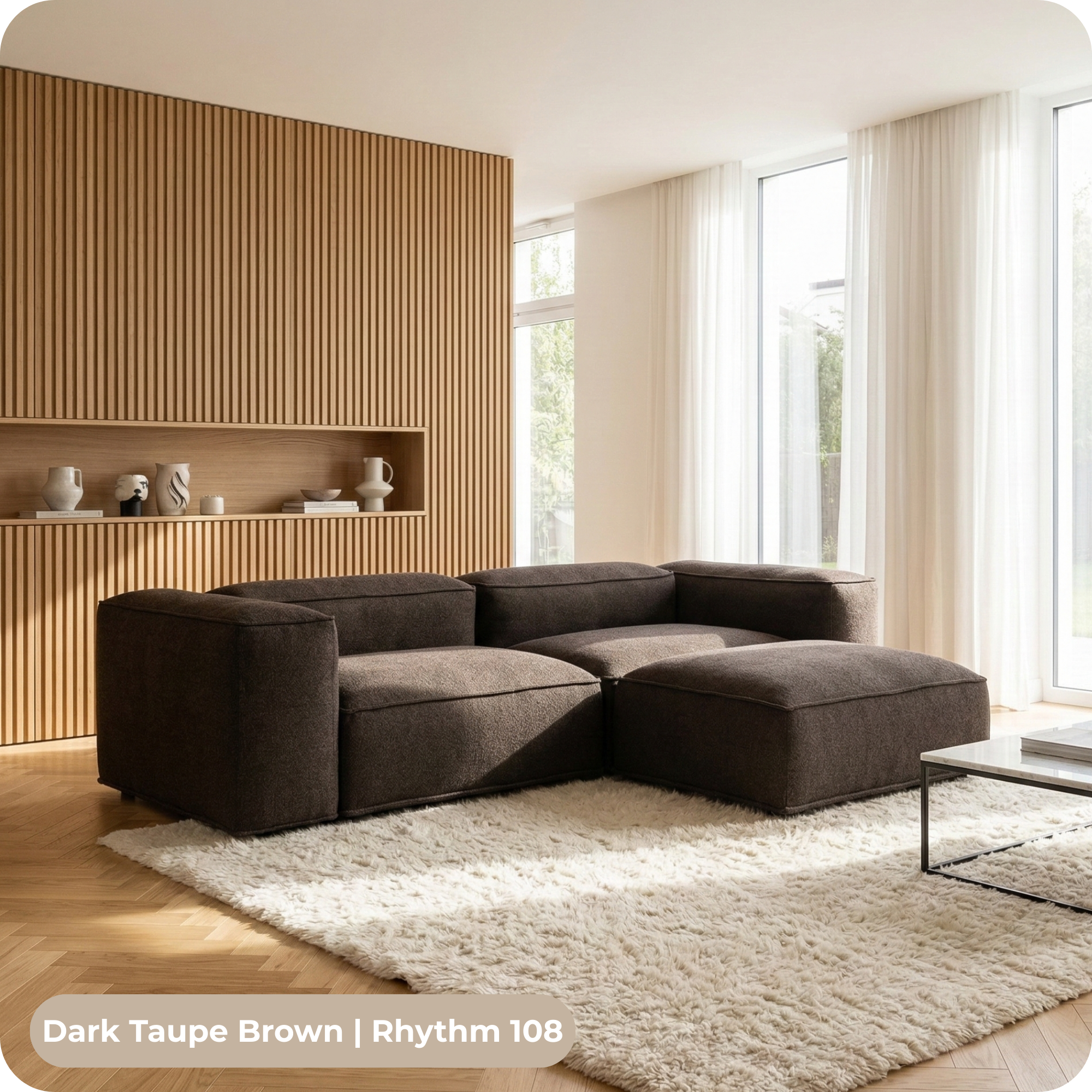
Lugano in Toffee — from EUR 1.090
The Lugano sofa in warm toffee brown is the definition of a cosy sofa: generous proportions, deep seating, and a rich warm colour that anchors the room with instant comfort. Perfect for building a hygge-style living room.

Merlot Corner with Longchair — from EUR 1.590
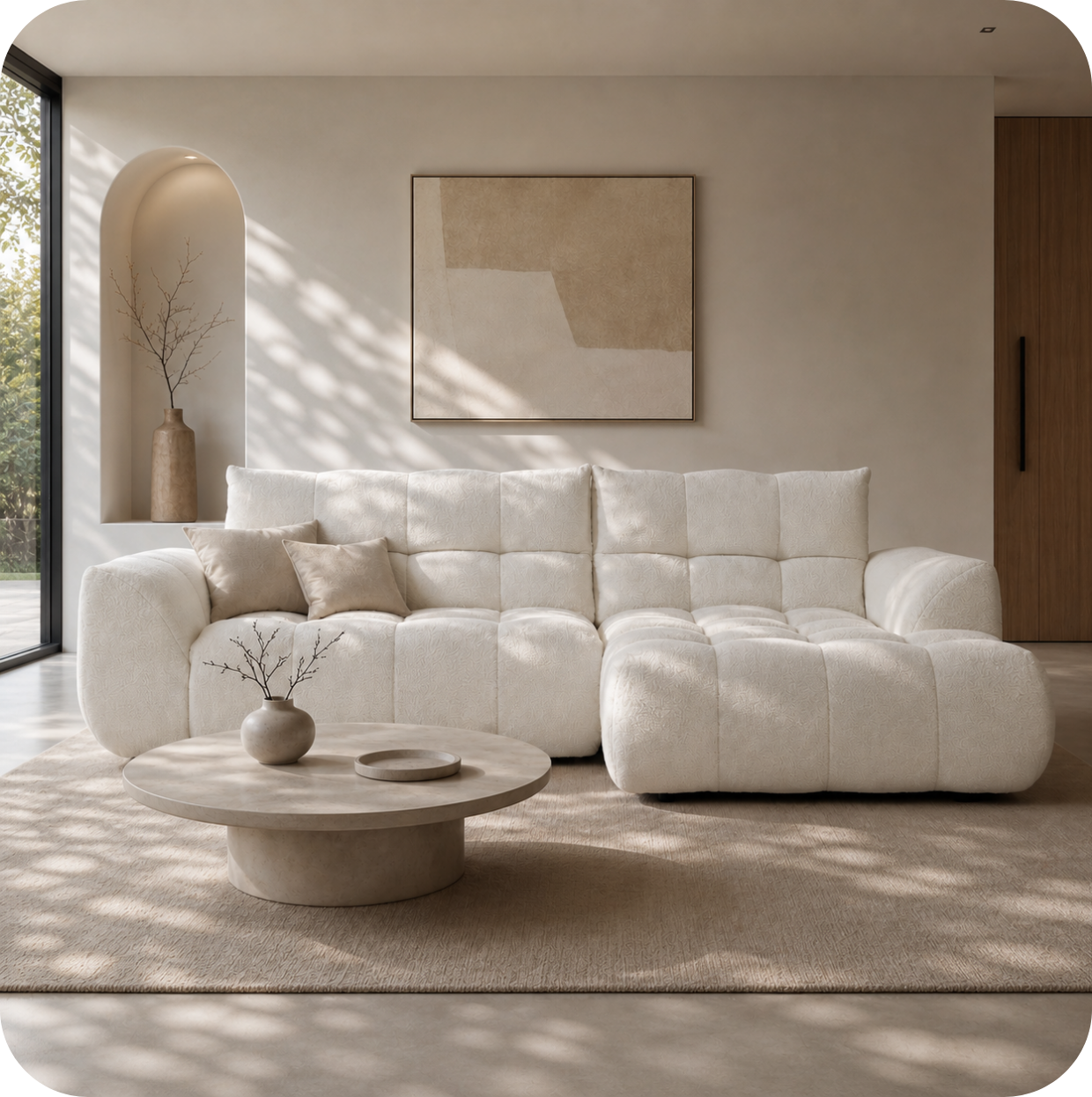
A corner sofa with a chaise longue section like the Merlot is the ultimate cosy setup: you can stretch out fully, have several people seated comfortably, and the enveloping L-shape creates an immediate sense of enclosure and warmth.
4. Bring the Sofa Away from the Wall
A sofa pushed against the wall leaves the centre of the room empty and the seating zone disconnected. Pull it forward so the seating group -- sofa, coffee table, armchair -- forms a coherent, intimate cluster. The enclosed feeling this creates is central to cosiness.
5. Use Warm, Earthy Colours
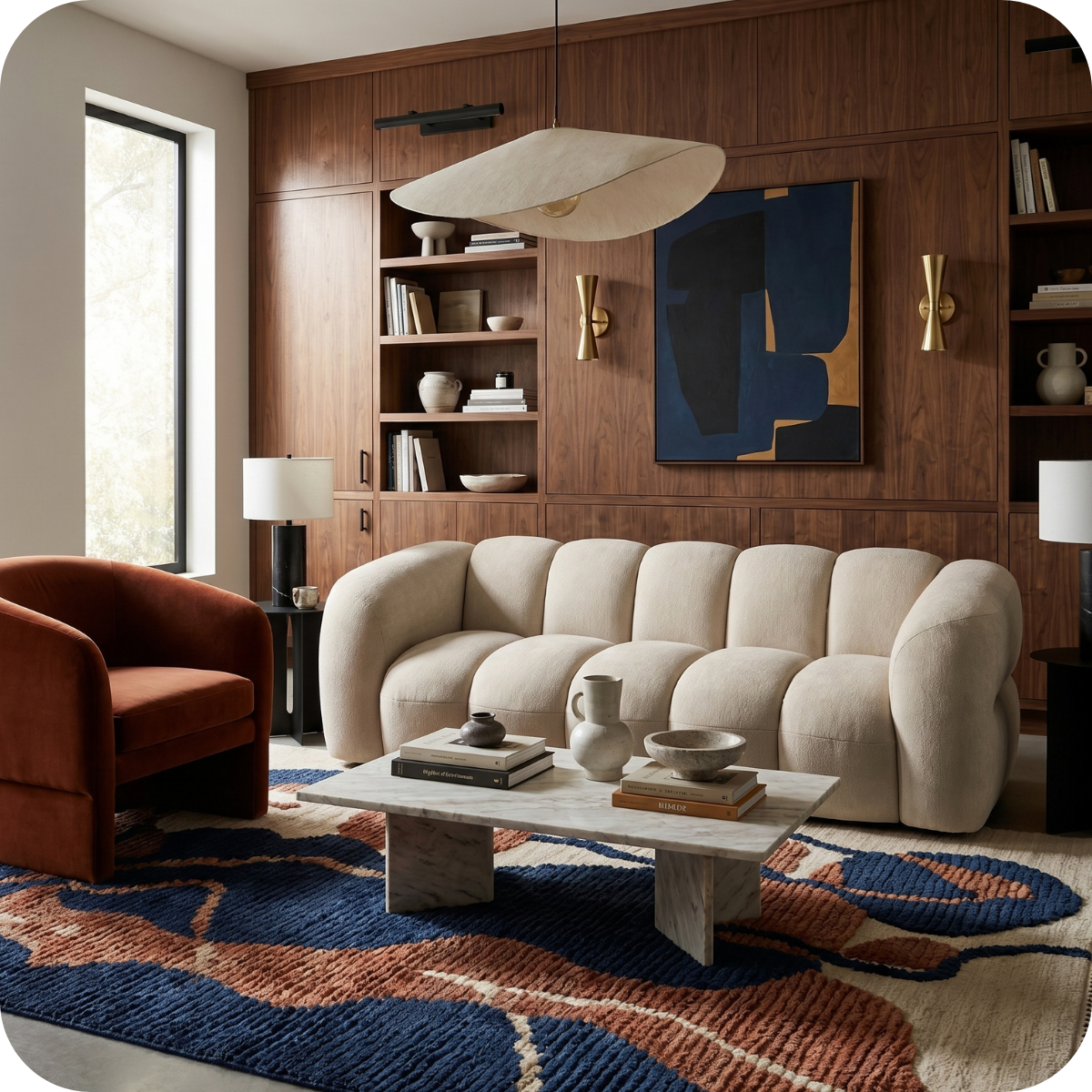
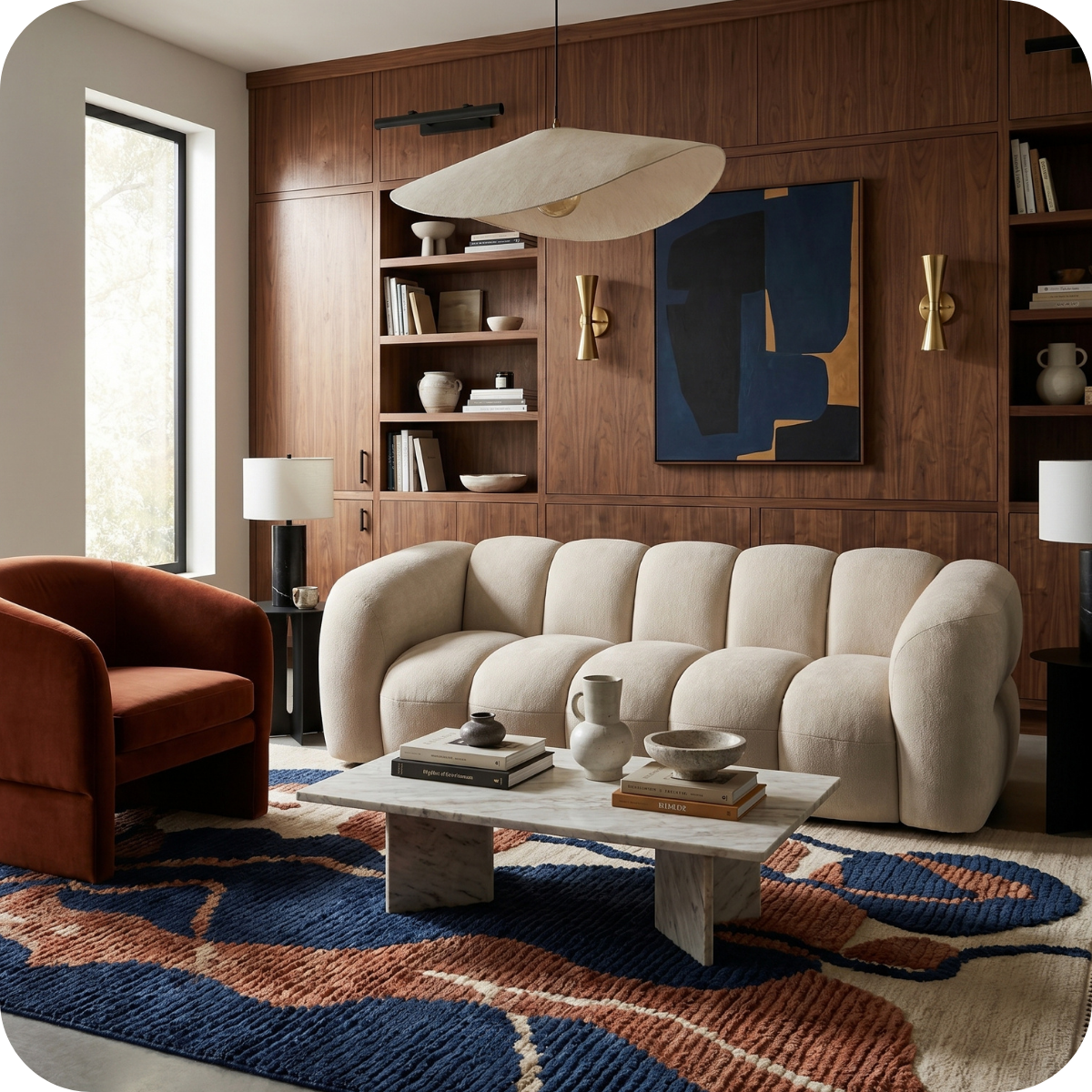
Warm colours -- terracotta, toffee brown, rust, mustard, warm cream, and forest green -- create psychological warmth even before any actual heat source is involved. Cool greys and stark whites can look beautiful but actively work against cosiness. If your walls are cool, introduce warmth through rugs, cushions, throws and upholstery.
6. Add a Large Area Rug
Hard floors -- wood, stone, tile -- are beautiful but acoustically harsh and visually cold. A large, plush rug in a warm tone brings the room together, adds acoustic softening, and provides the satisfying underfoot warmth that is central to the cosy feel.
7. Use Curtains, Not Just Blinds
Full-length curtains that puddle slightly on the floor add softness, drama, and thermal insulation to a room. They frame the windows, add fabric texture, and when drawn in the evening create an immediate sense of enclosure and warmth. Sheer blinds alone can make a room feel clinical; generous curtains transform it.
8. Create a Reading Nook or Corner
A dedicated corner with a comfortable armchair, a side table for a drink, good reading light, and a small stash of books communicates that this is a room made for comfort and enjoyment. It doesn't need to be elaborate -- a single well-chosen chair in the right spot achieves it.
9. Add Candles and Low Light Sources
Candles are the original cosy light source. Groupings of pillar candles on the coffee table, tea lights in lanterns on shelves, and scented candles near the seating area all add an atmospheric warmth that electric lighting alone can't replicate. When candles aren't practical, good quality amber-toned LED candles are an excellent alternative.
10. Include Books and Personal Objects
A room full of neutral, perfectly styled accessories can look beautiful in photographs but feel anonymous and cold in real life. Include things that reflect your actual life -- books you've read, travel objects, family photographs, things you've collected over time. A lived-in room is invariably cosier than a showhome.
11. Bring in Living Plants
Plants add natural life, gentle colour, and an organic quality that softens hard surfaces and adds vitality. A large fiddle-leaf fig or monstera in a terracotta pot in the corner of a living room is one of the most efficient cosy-making additions available.
12. Manage the Temperature Actively
Finally: cosiness requires actual warmth. Use a programmable thermostat to ensure the living room reaches a comfortable temperature before you settle in for the evening. Keep throws accessible (draped over the sofa rather than stored away) for additional warmth as the evening cools. The right ambient temperature is the foundation everything else builds on.

Laat een reactie achter
Deze site wordt beschermd door hCaptcha en het privacybeleid en de servicevoorwaarden van hCaptcha zijn van toepassing.