


Art for Living Room Walls: How to Choose and Hang Artwork at Home
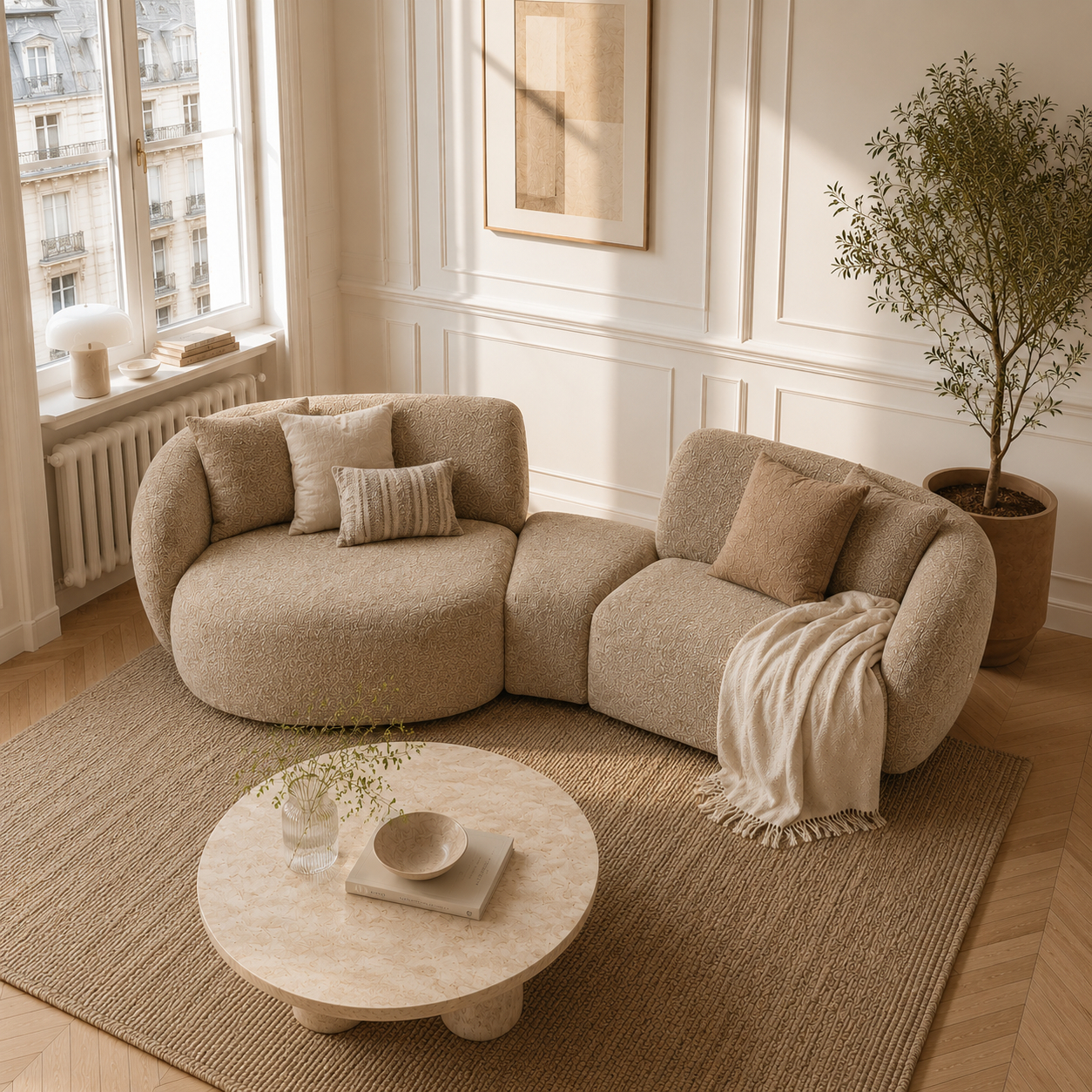
Art is perhaps the most personal element in any room — it is the place where a home stops being a magazine spread and starts becoming a genuine reflection of the people who live in it. Good art — chosen for its resonance rather than its status — transforms a living room from a well-decorated space into a meaningful one. The rules around choosing and hanging art are simpler than most people think, but they are worth understanding because the difference between art that works in a space and art that doesn't is almost always a question of scale, placement, and relationship to the furniture beneath it.
Scale: The Most Common Mistake
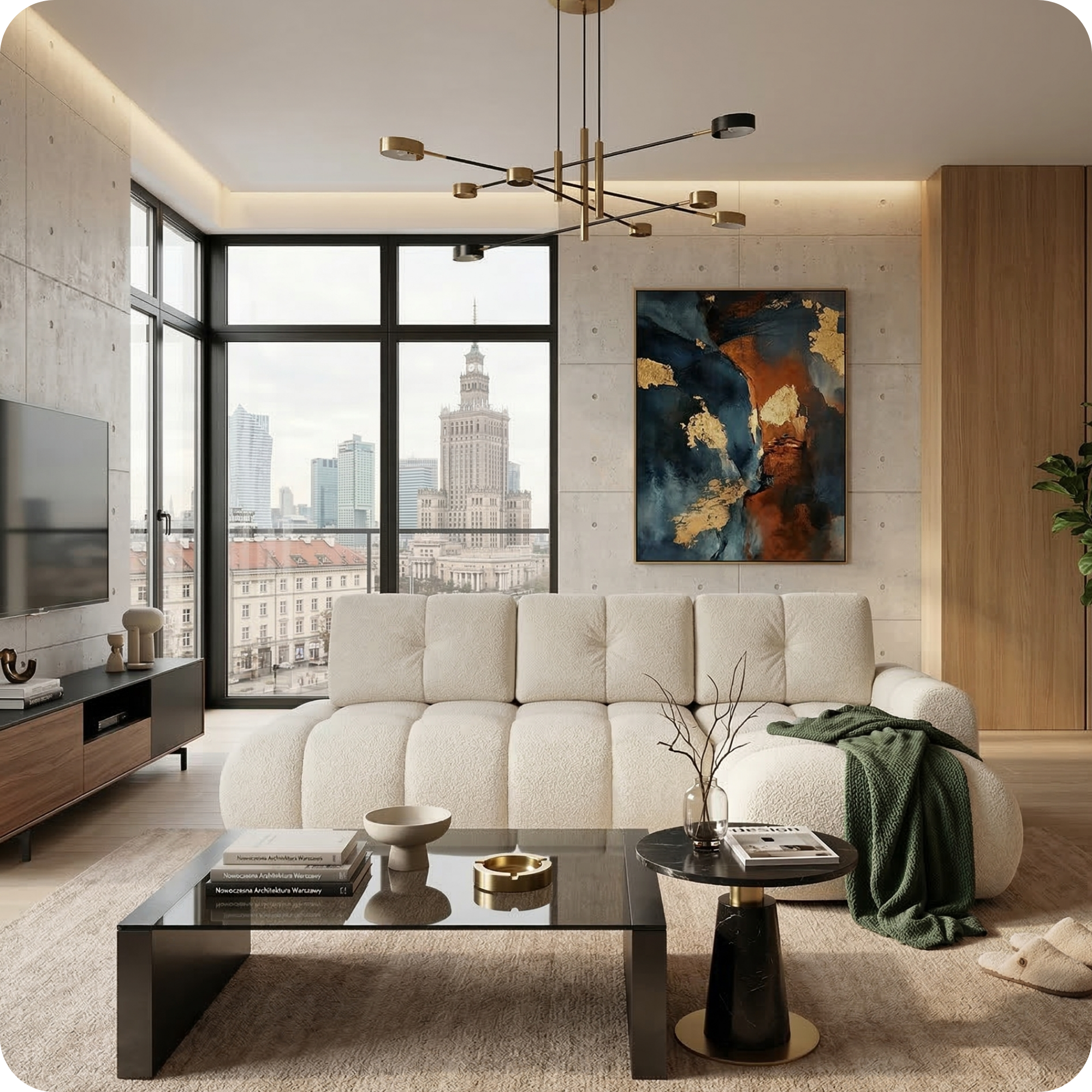
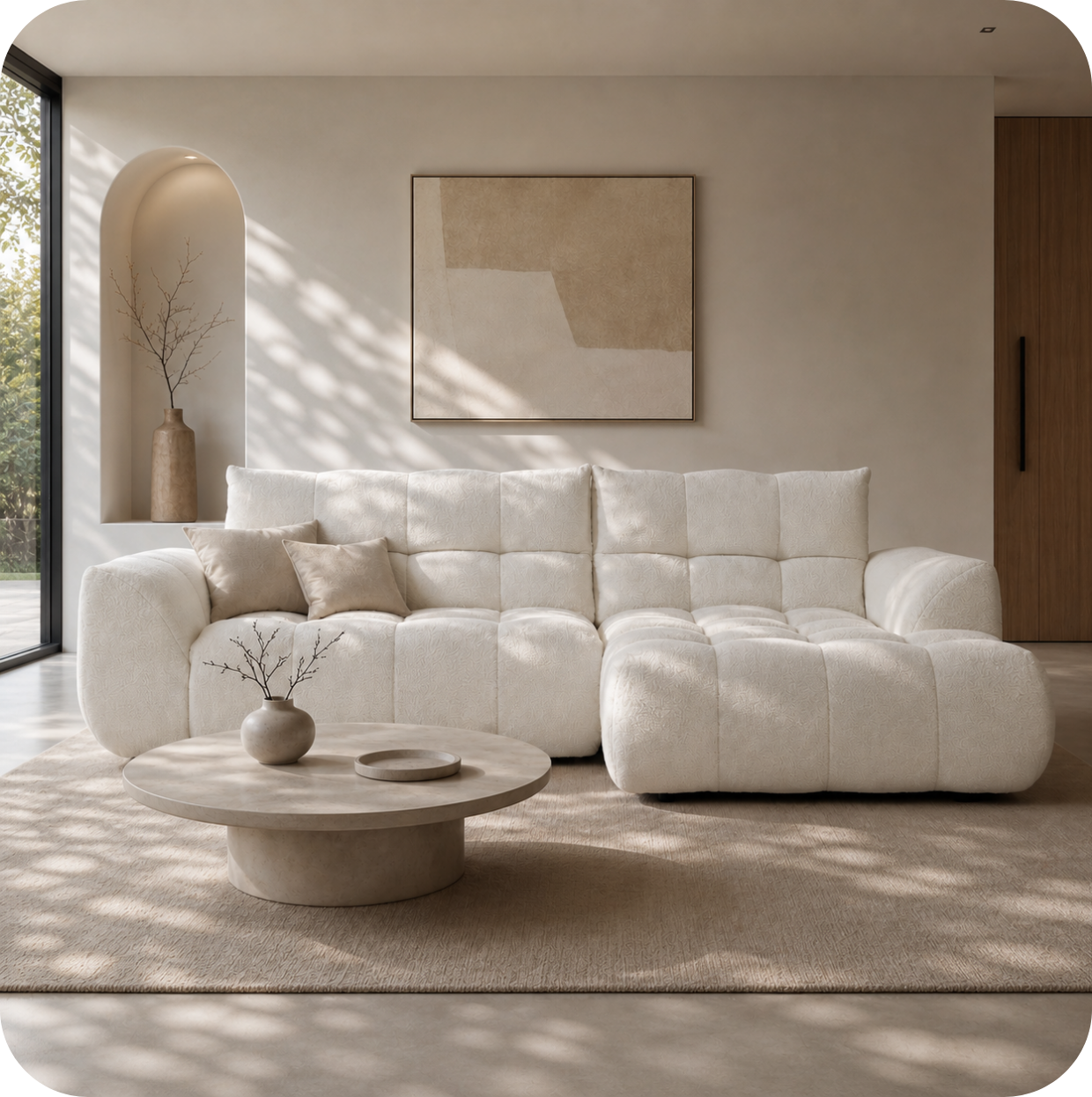
The most universal mistake in hanging art is choosing pieces that are too small. A single A4-sized print on a large wall looks lost and insignificant — it draws attention not to itself but to the emptiness around it. For most living rooms, a single artwork should be a minimum of 60-80cm in its largest dimension; for a feature wall above a sofa, a large canvas or framed print of 100-130cm or more creates the best impact. Alternatively, a gallery wall — a carefully composed arrangement of multiple smaller pieces — can fill a larger wall effectively. When creating a gallery wall, work out the arrangement on the floor first, then transfer it to the wall.

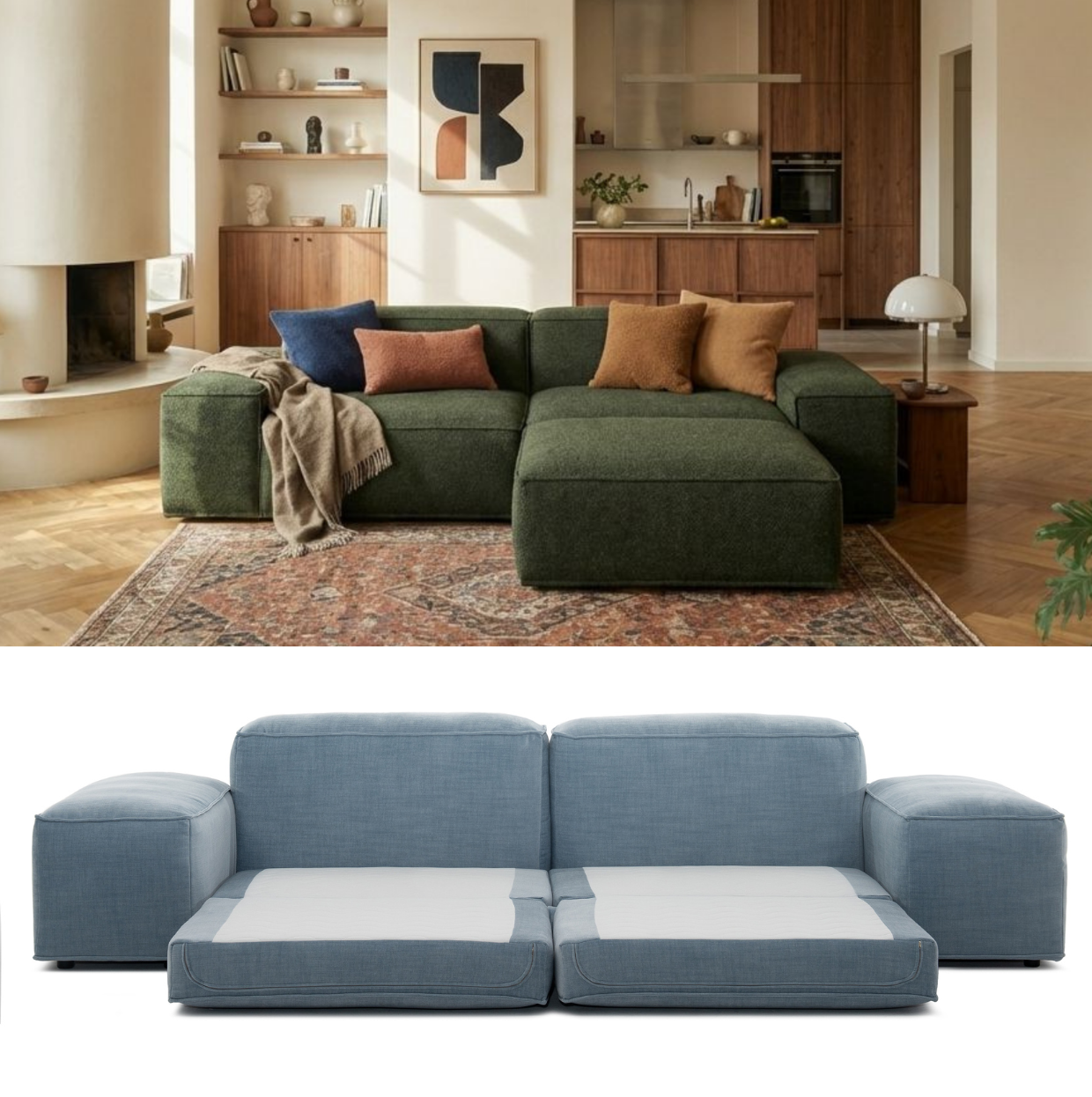
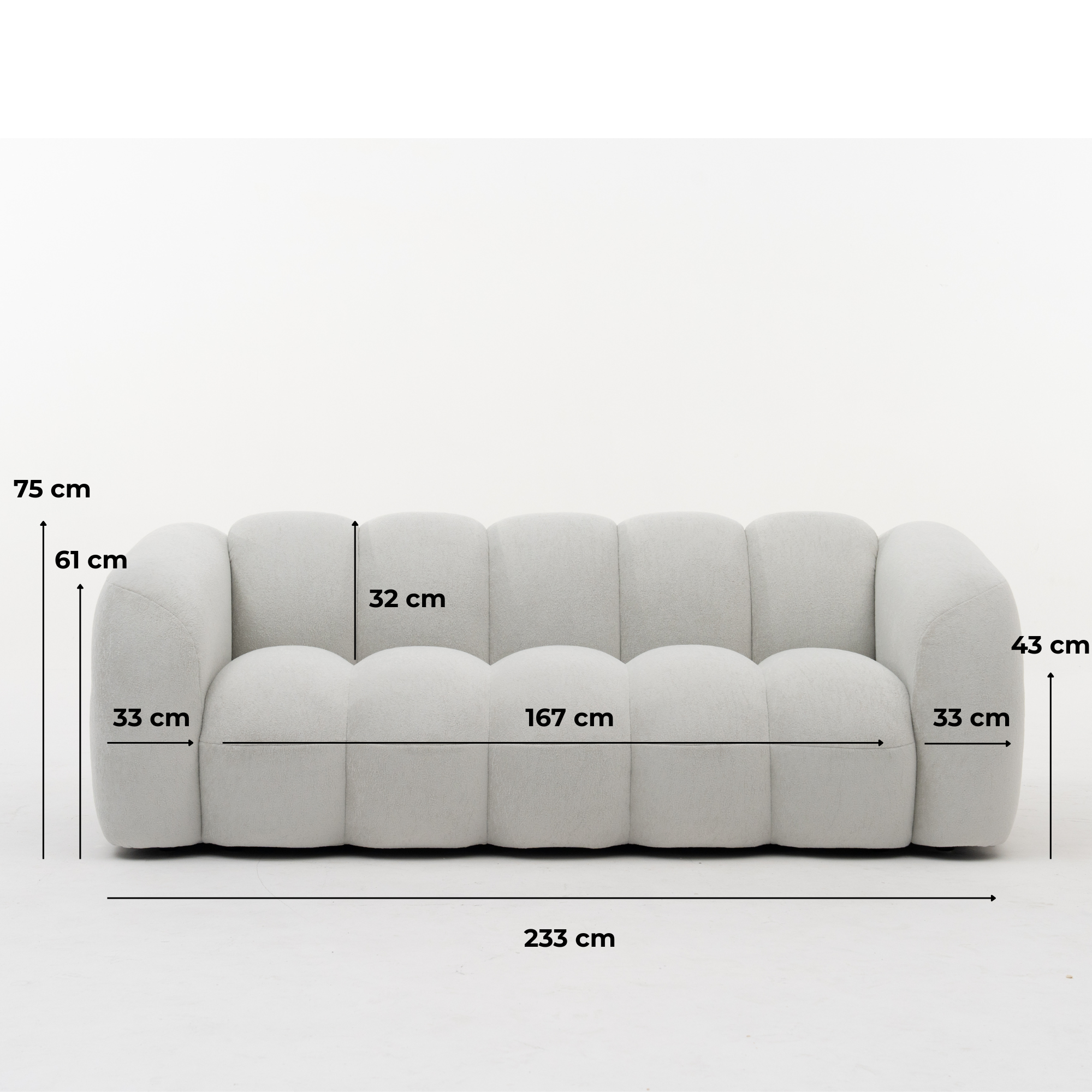
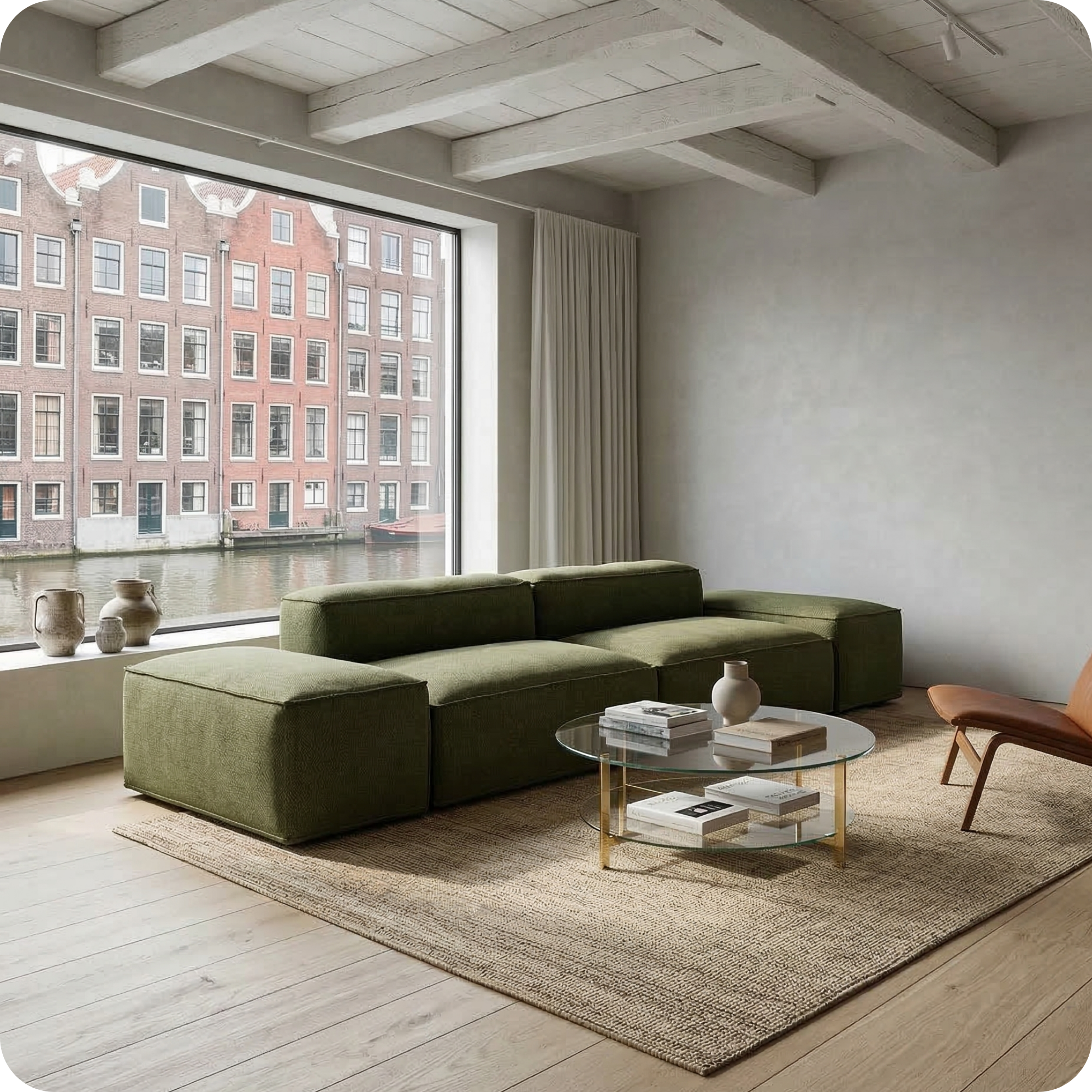
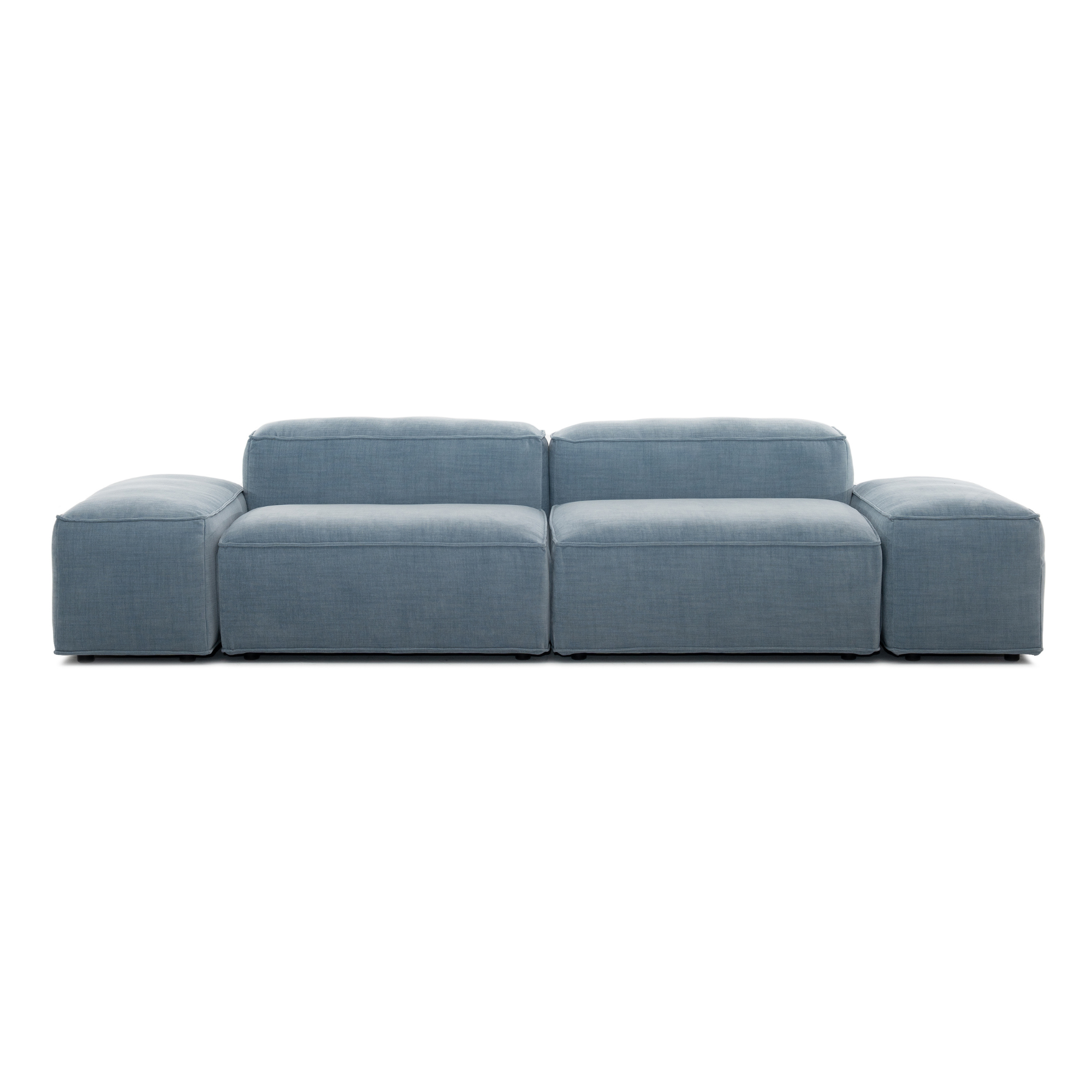
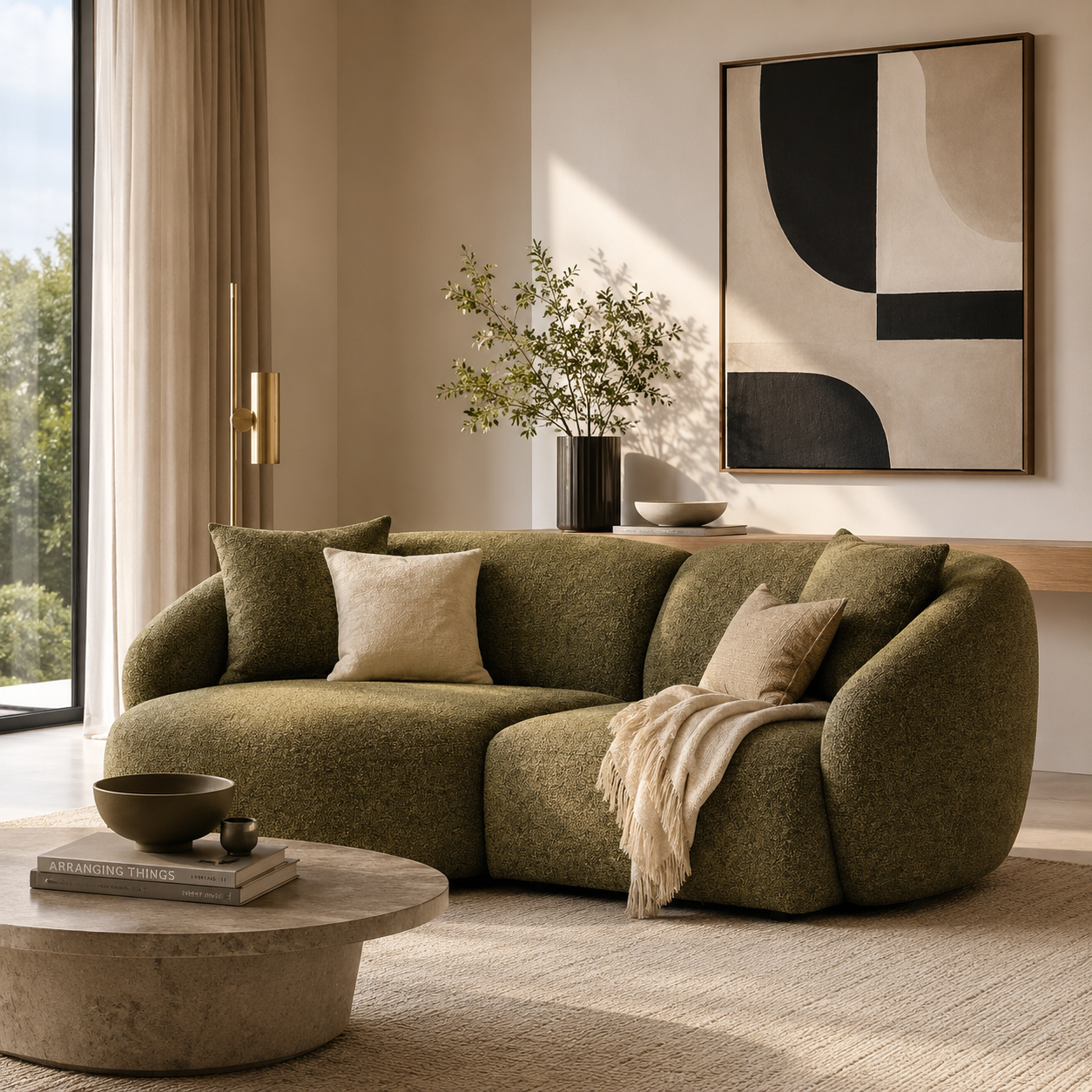
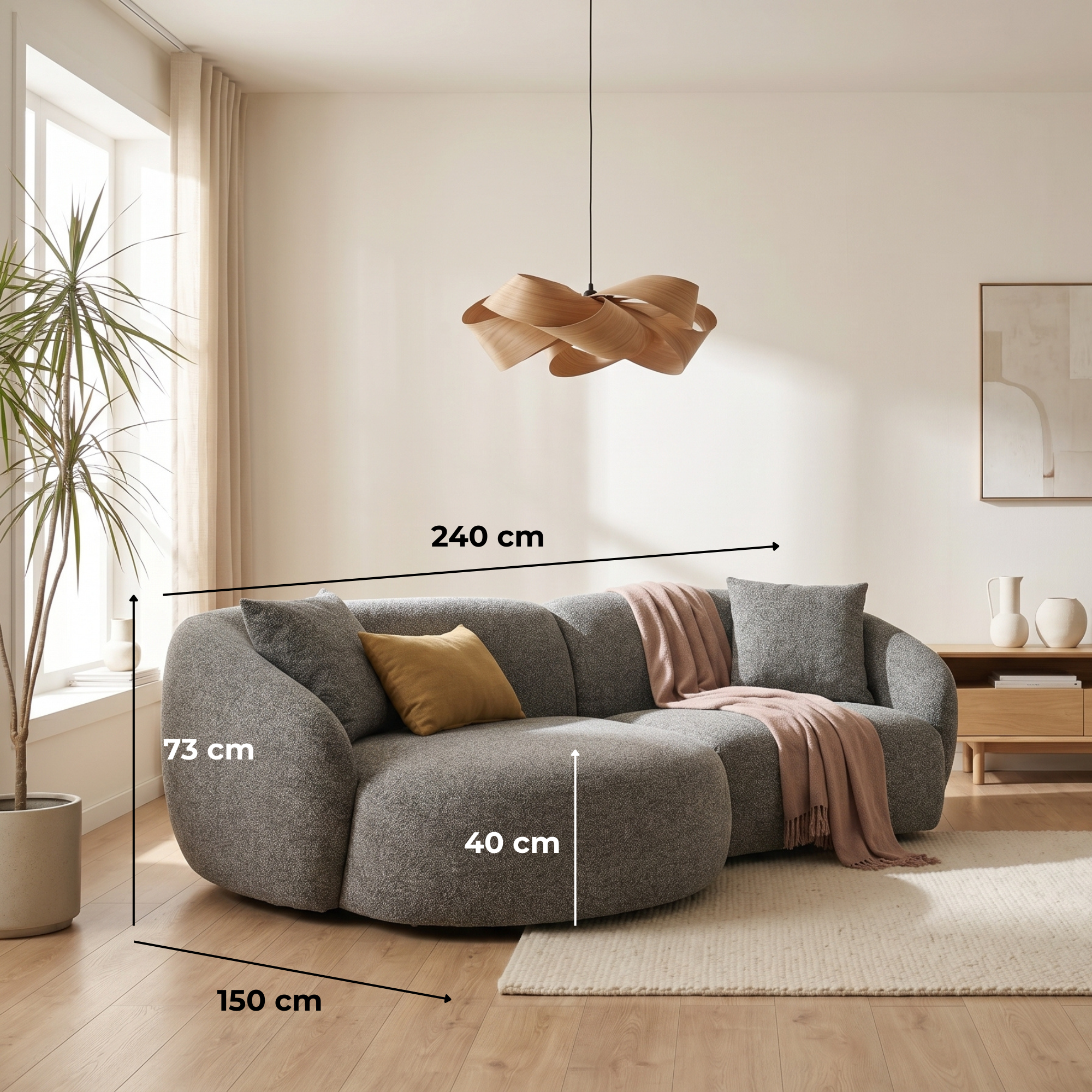
Merlot 3-Seater Sofa — from EUR 1,090
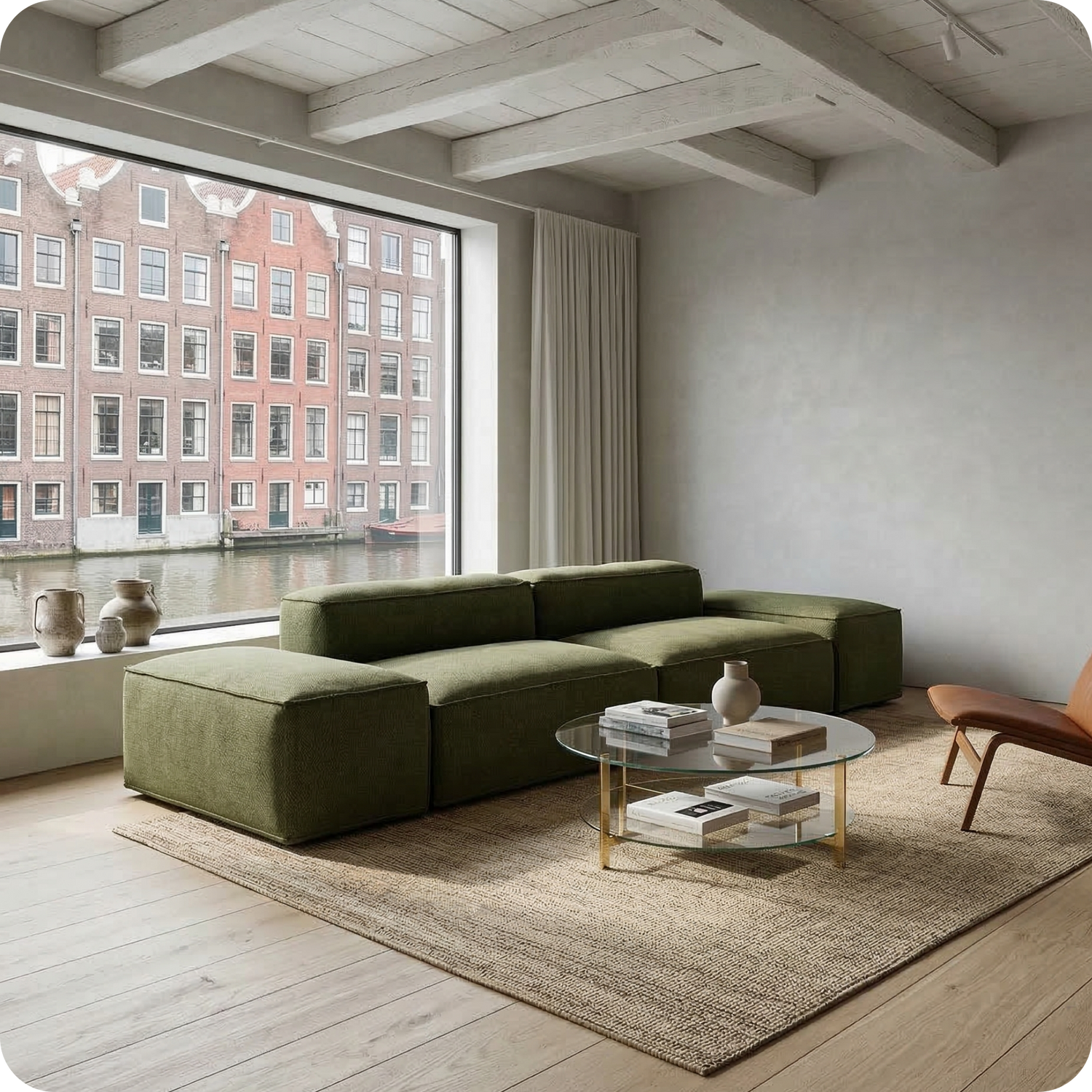
The wall above the Merlot sofa is the perfect location for a statement artwork or gallery wall — the sofa creates a strong horizontal baseline that anchors the art above it. A large abstract canvas in warm tones would complement the leaf green upholstery beautifully.

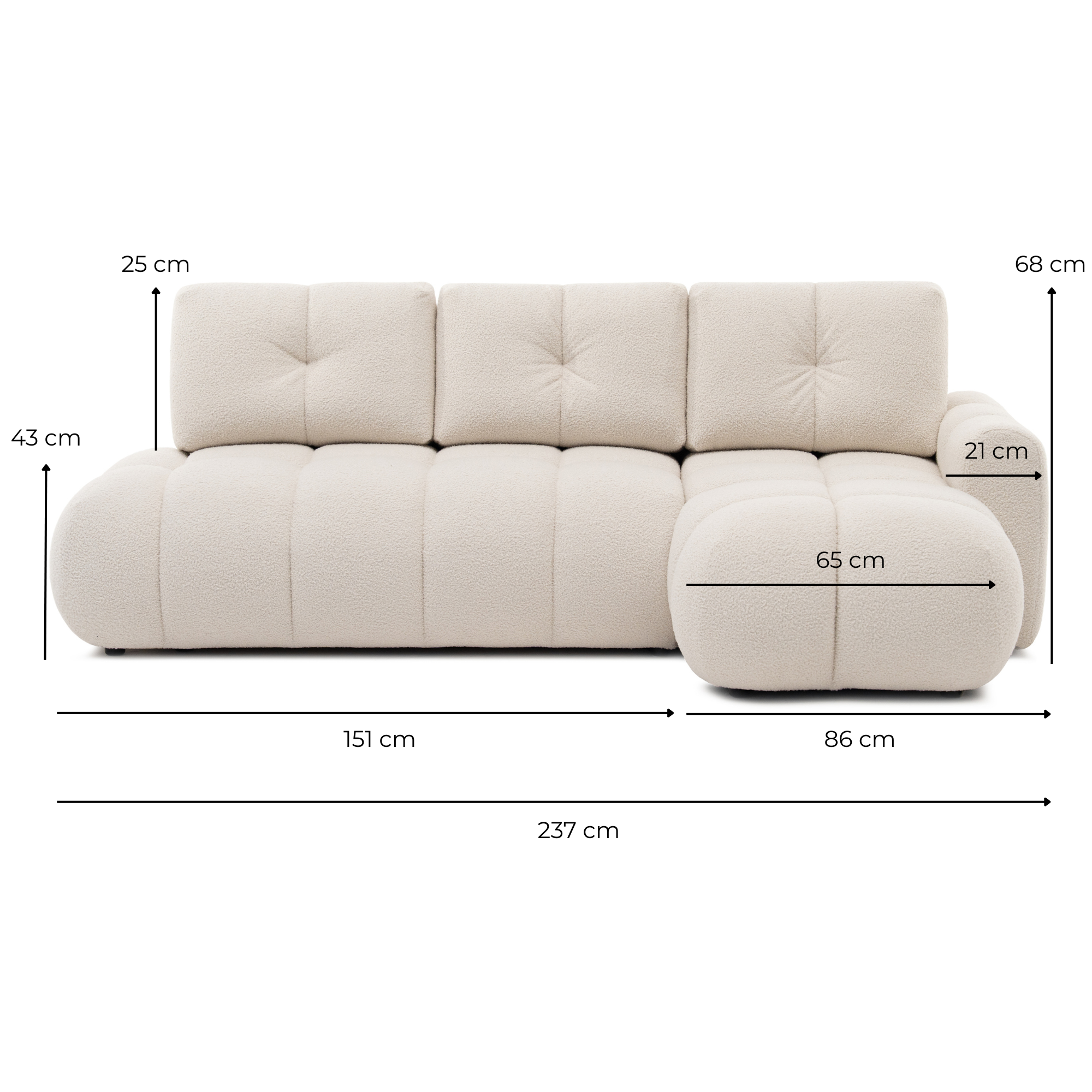
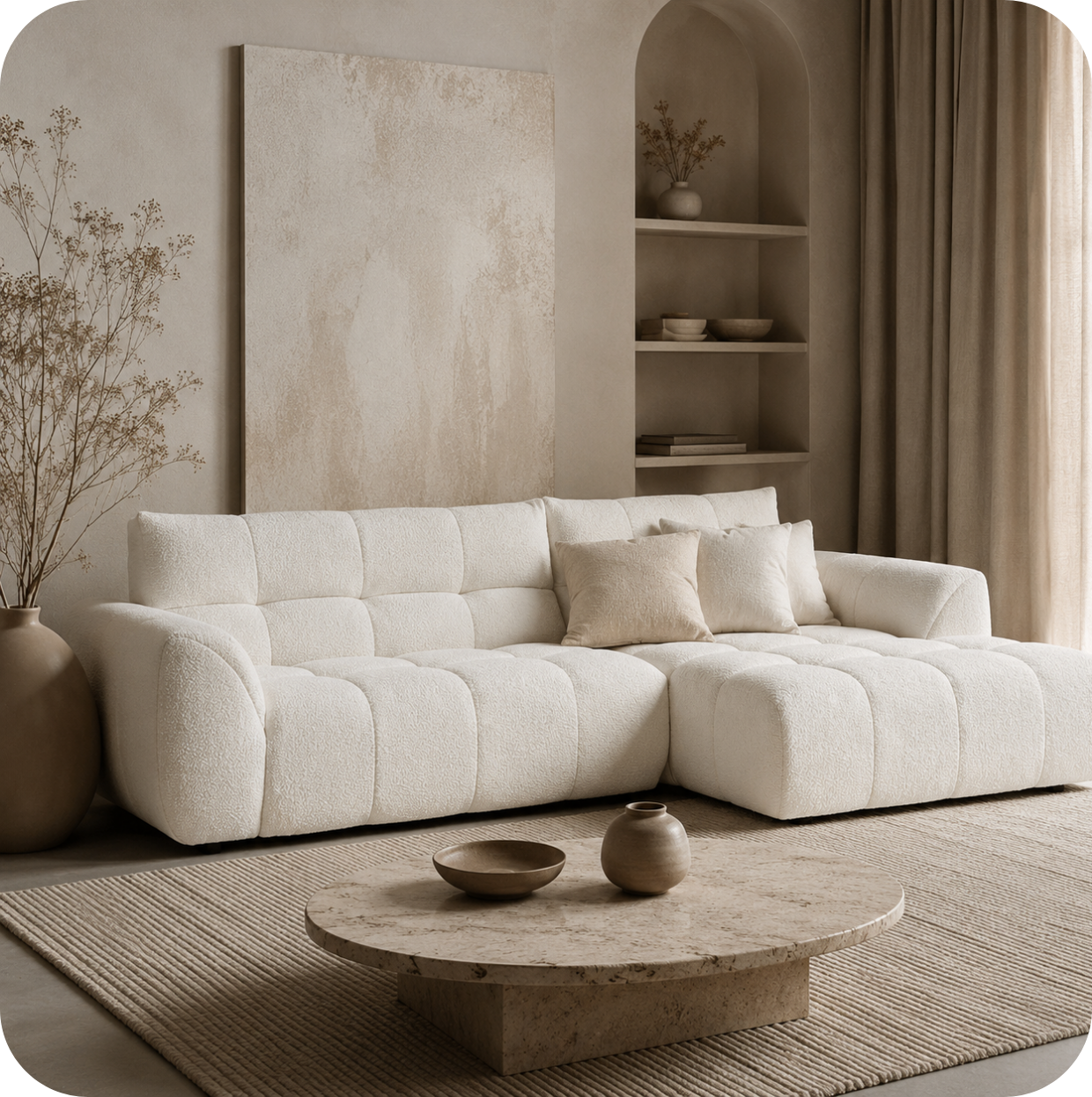
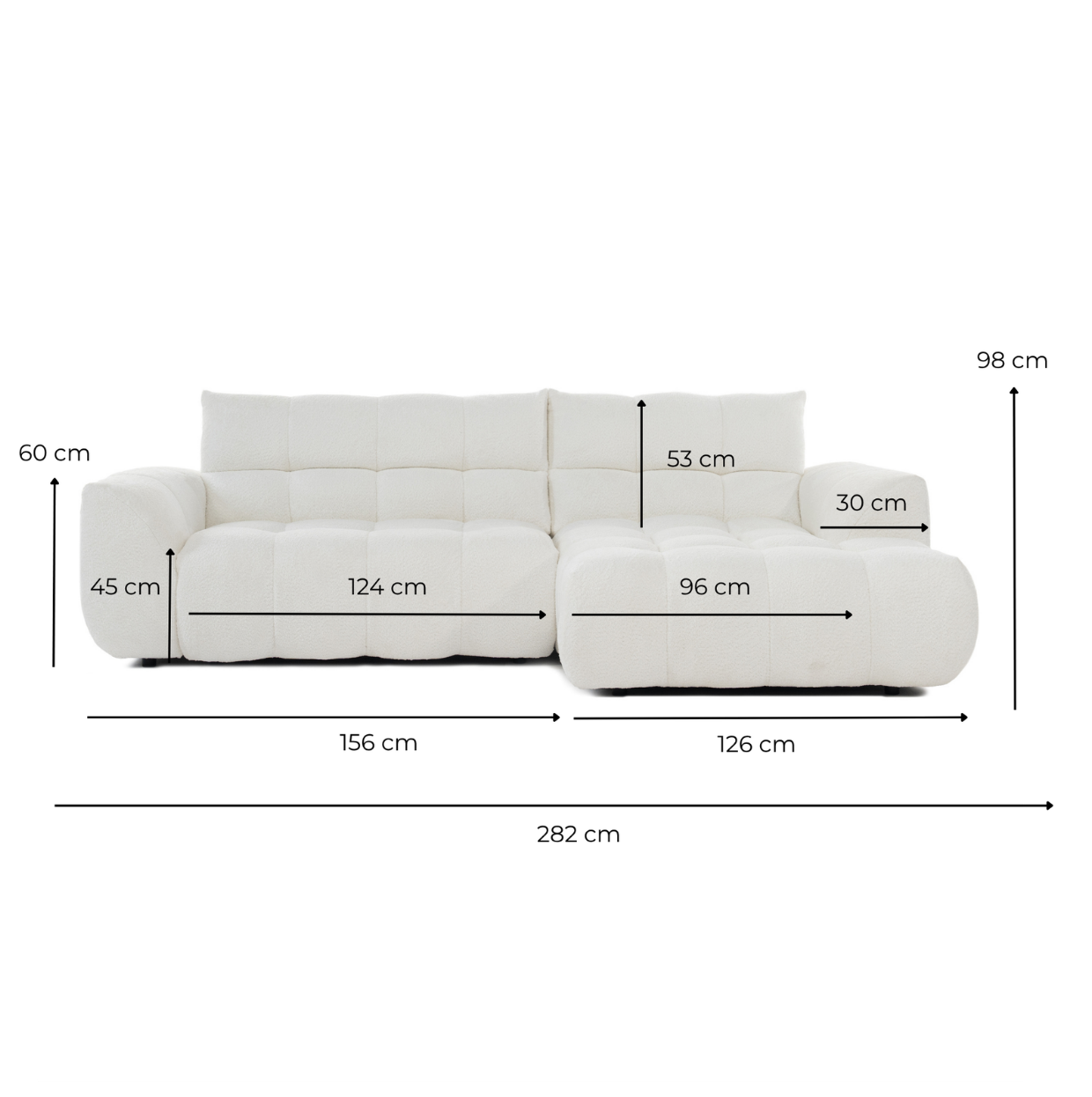
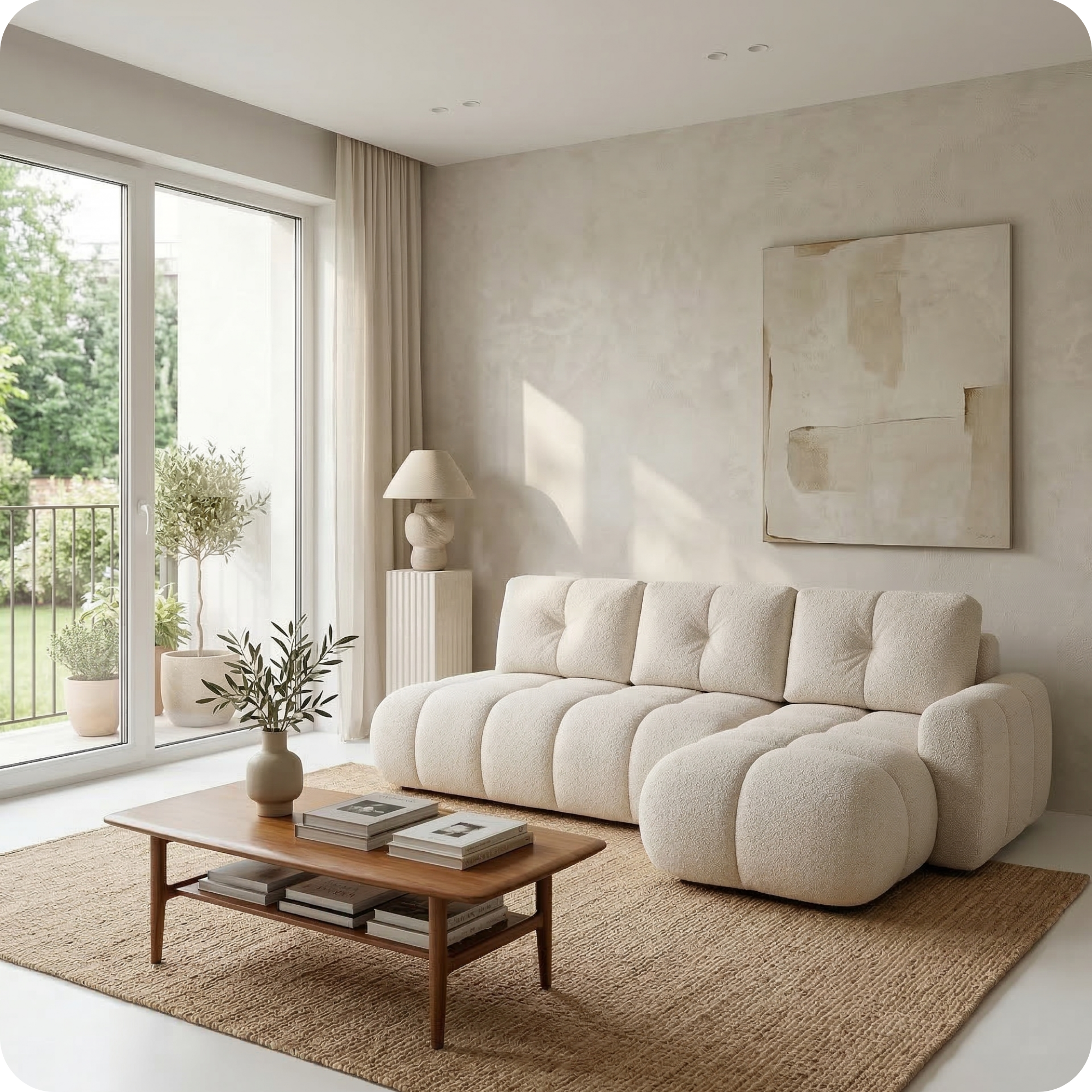
Asti Corner Sofa — from EUR 1,190
The main wall behind the Asti corner sofa's longer section is a natural location for a large statement artwork. The scale of the corner sofa demands an artwork of equal visual presence — a canvas of at least 100x80cm or a carefully composed gallery arrangement works best.
Hanging Height: Eye Level is the Rule
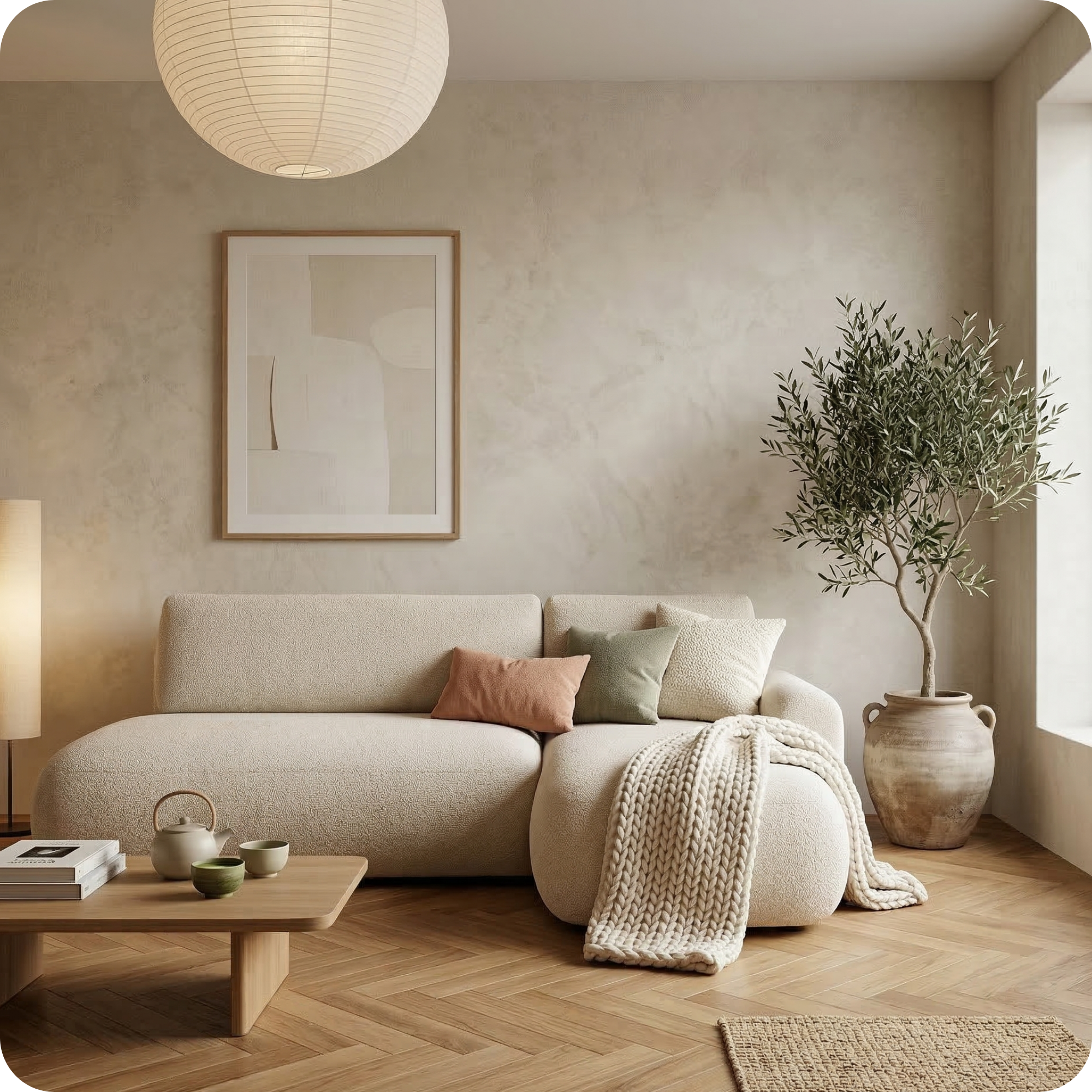
The most important rule of art hanging is that the centre of the artwork should be at eye level — approximately 145-150cm from the floor, which is the average adult eye level when standing. This seems counterintuitive when furniture is present, but it is the rule professional galleries use, and it is the reason gallery-hung art always looks right. When hanging art above a sofa or sideboard, the bottom of the frame should be 15-20cm above the top of the furniture. Avoid hanging art too high — it is one of the most common mistakes in home decorating and creates a disconnected, floating effect.
Choosing Art that Works for Your Space
The best advice on choosing art is to choose what you love rather than what you think you should have. That said, a few practical principles help. Large-scale abstract canvases suit contemporary and minimal interiors. Botanical and nature prints suit organic, Scandi, and biophilic interiors. Photography suits modern and industrial spaces. Traditional oil paintings and prints suit classic and traditional interiors. The colours in the artwork should have some relationship — however loose — to the colours in the room: they do not need to match, but they should not clash. A warm terracotta abstract above a navy sofa creates an interesting contrast; a cold blue abstract above the same sofa would feel disconnected.