


Best Sofa for Elderly People: Comfort, Support and Easy Getting Up in 2026
Choosing a sofa for an elderly parent, grandparent, or for yourself in later life is a fundamentally different exercise from choosing a sofa for aesthetic reasons. The priorities shift: getting in and out safely becomes the primary concern, followed by lumbar and hip support for extended sitting, and fabric durability for daily use. This guide covers what to look for and which sofas from Furni's range best meet these requirements.
The most important feature: seat height
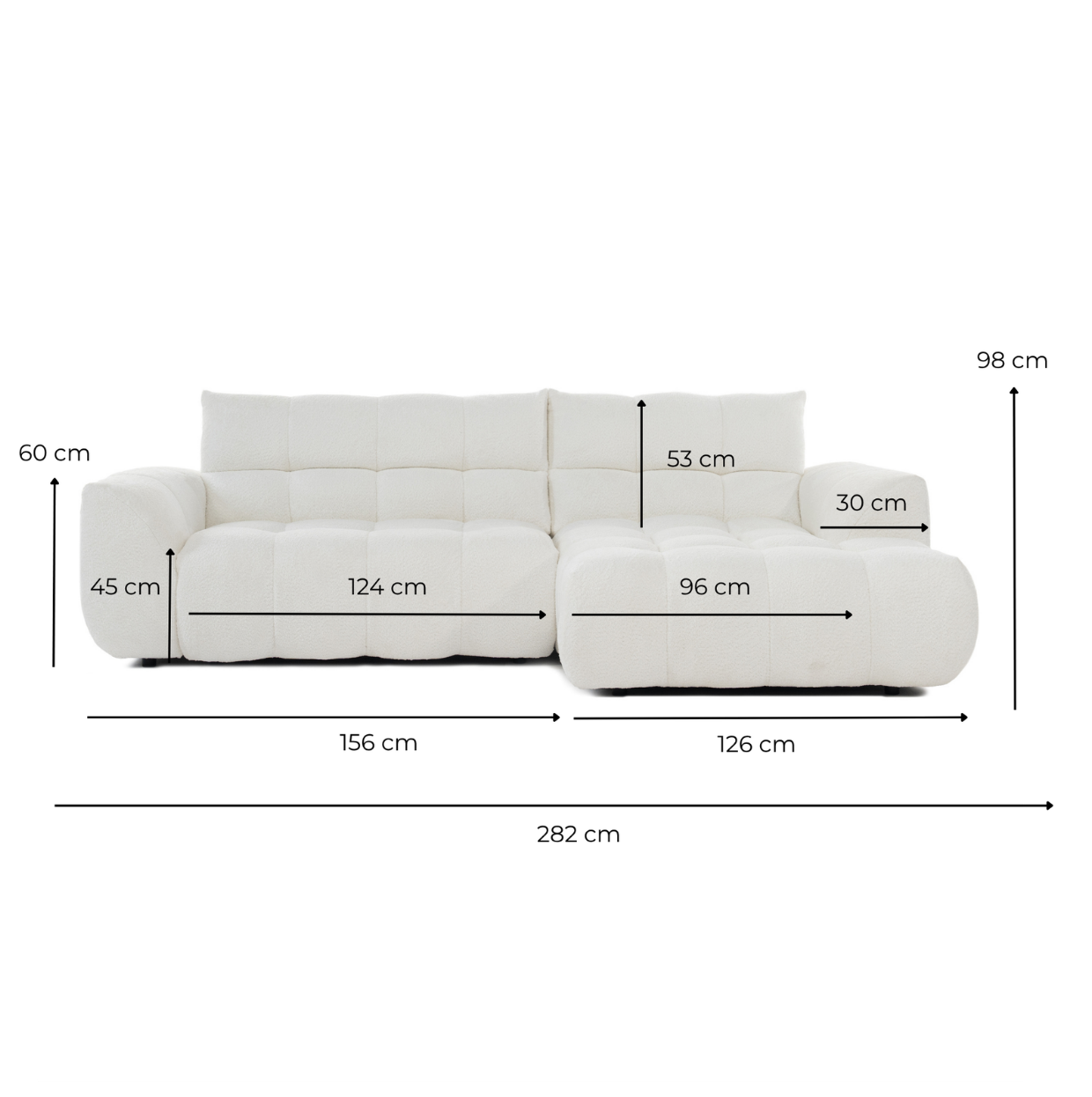
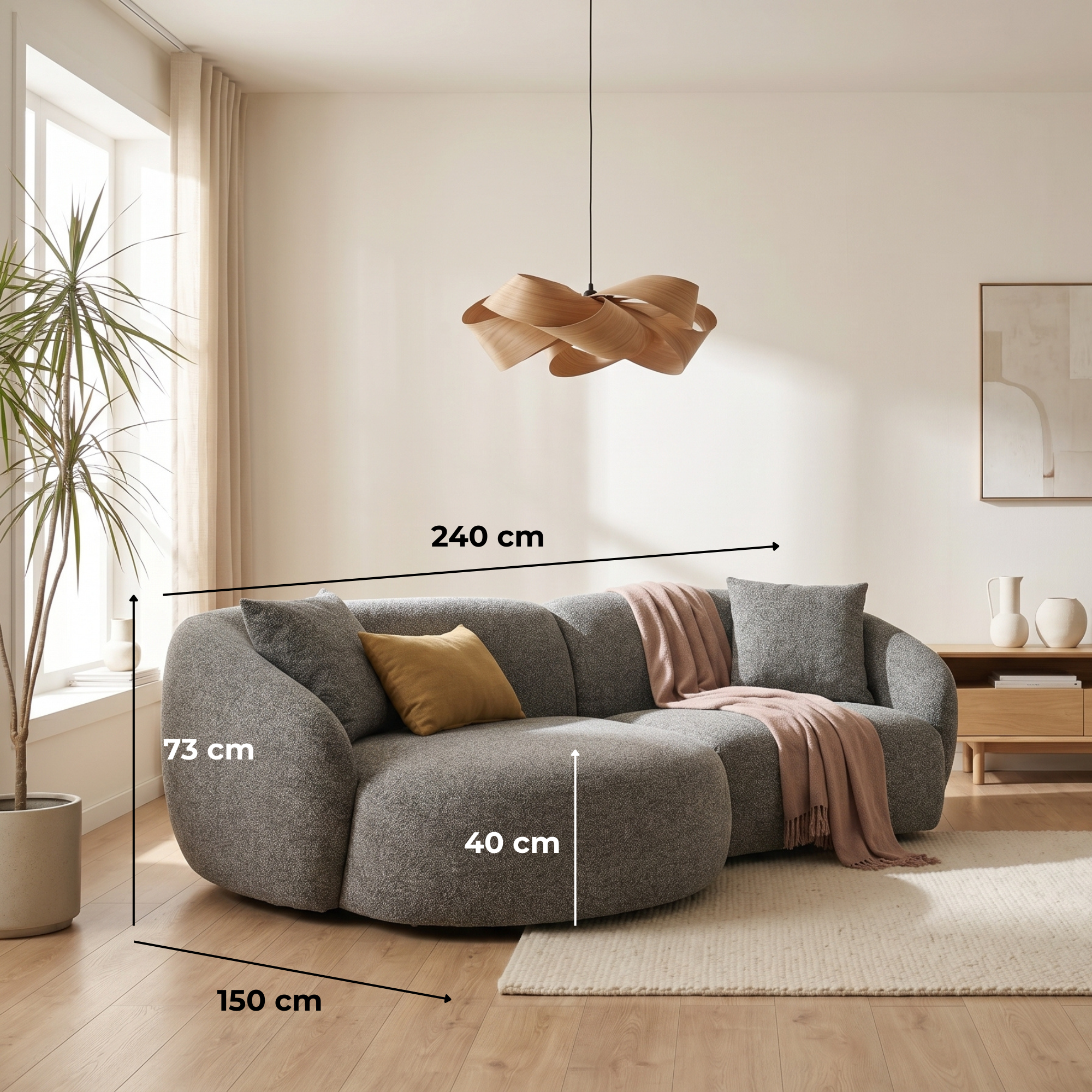
Seat height is the single most important factor for elderly users. The ability to stand up from a sofa becomes progressively more difficult as hip flexor strength and knee joint health decline with age. The ergonomic standard for easy standing is a seat height between 46 cm and 52 cm — close to the height of a standard dining chair. At this height, the knees are at or above hip level when seated, which makes pushing up to standing significantly easier.
Many contemporary sofas have seat heights of 38–42 cm, which look elegant but are genuinely difficult to rise from without strong leg muscles. Low-profile and floor-level sofas, while fashionable, should be avoided entirely for elderly users.
Seat depth: not too deep
Deep-seat sofas (90 cm+ seat depth) that are popular for lounging are problematic for elderly users for two reasons: they encourage a semi-reclined position that is difficult to rise from, and they may leave shorter users with their feet not reaching the floor when seated at the back of the sofa. A seat depth of 60–75 cm allows the user to sit upright with their back against the cushion and feet flat on the floor — the correct posture for easy standing.
Cushion firmness: support over softness
Very soft cushions that compress significantly under body weight require more effort to stand from — the body sinks and must push up through soft foam rather than from a stable platform. For elderly users, medium-firm cushions that retain their shape are preferable to ultra-soft memory foam or down-filled cushions.
Armrests: essential, not optional
Armrests serve as the primary aid for standing — most elderly people instinctively push down on the armrests when rising. Wide, sturdy armrests at a height of approximately 60–65 cm from the floor provide the most useful leverage. Thin armrests, very low armrests, or armrests that angle outward are all less useful for this purpose.
Recommended sofas from Furni

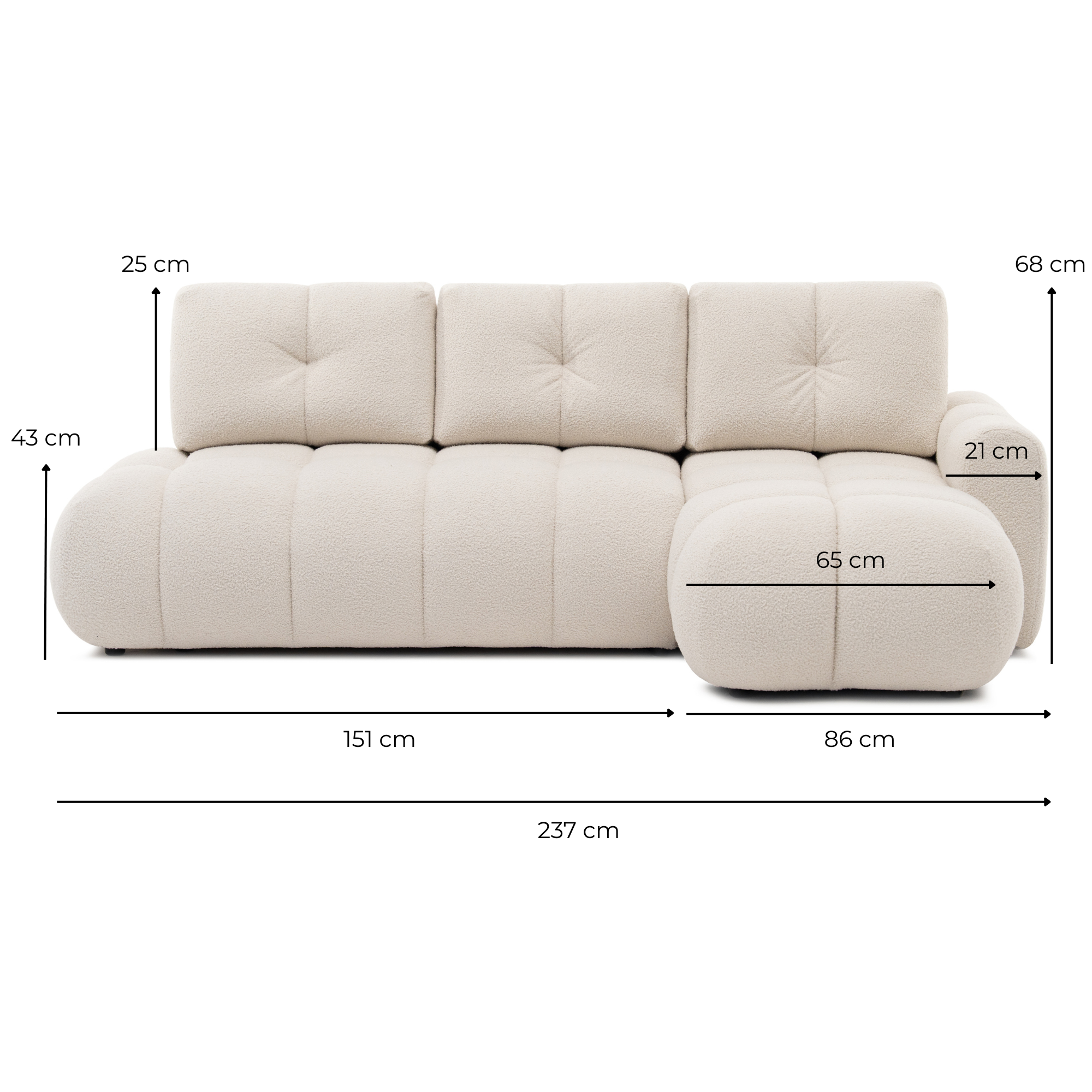
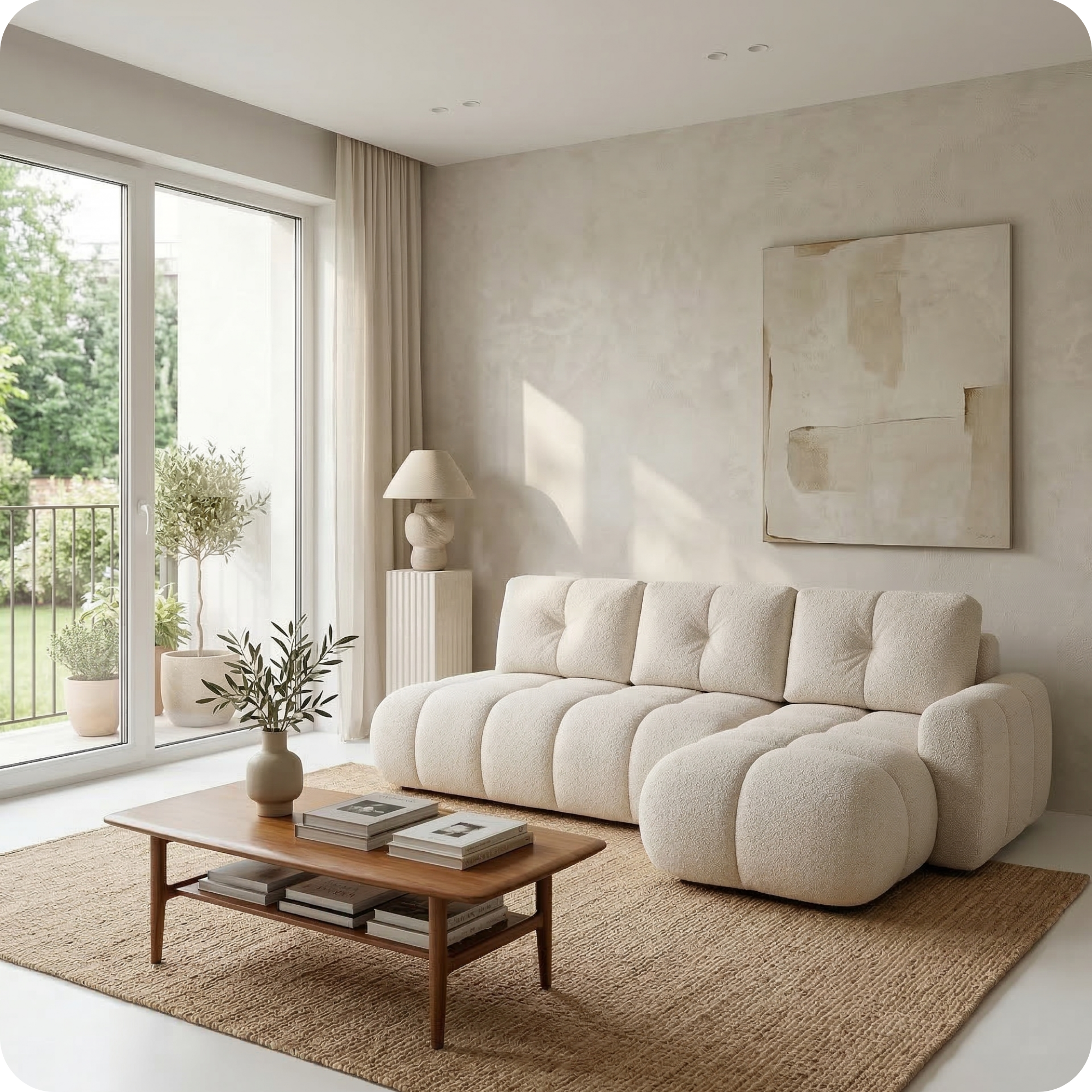
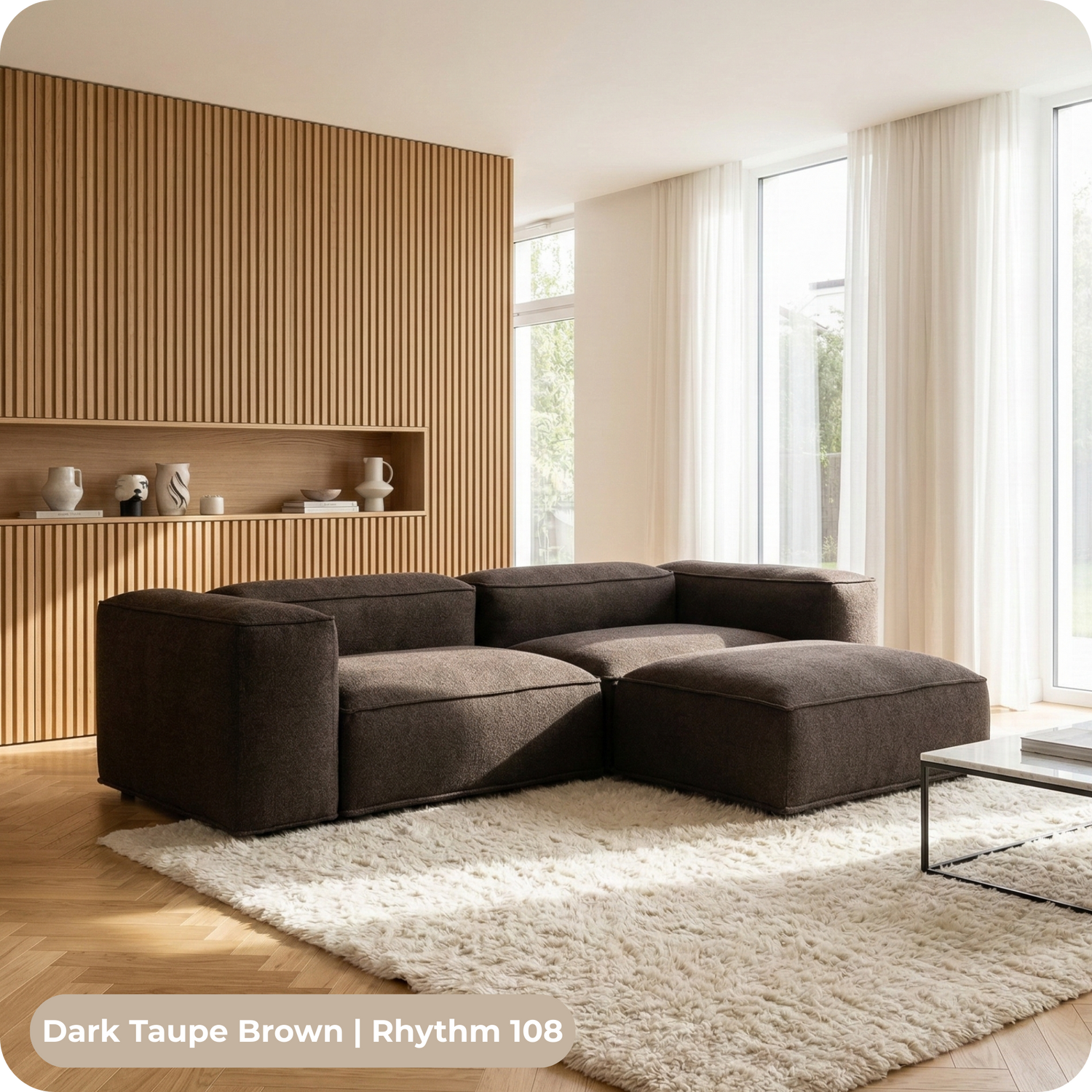
Merlot Corner Sofa — High Armrests — the high armrest variant is specifically suited to elderly users who need a sturdy surface to push up from. The modular design also allows the configuration to be adjusted as needs change over time.

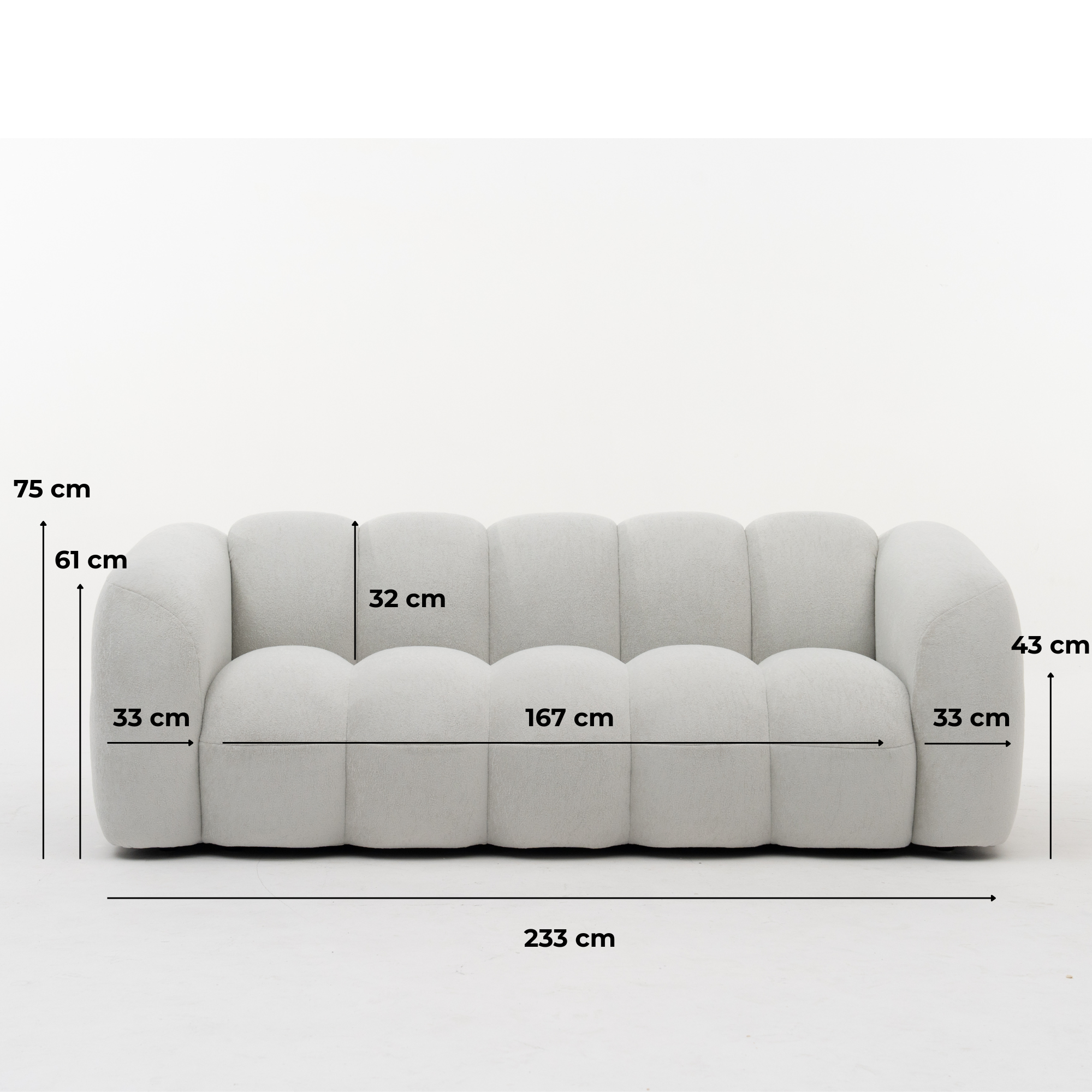
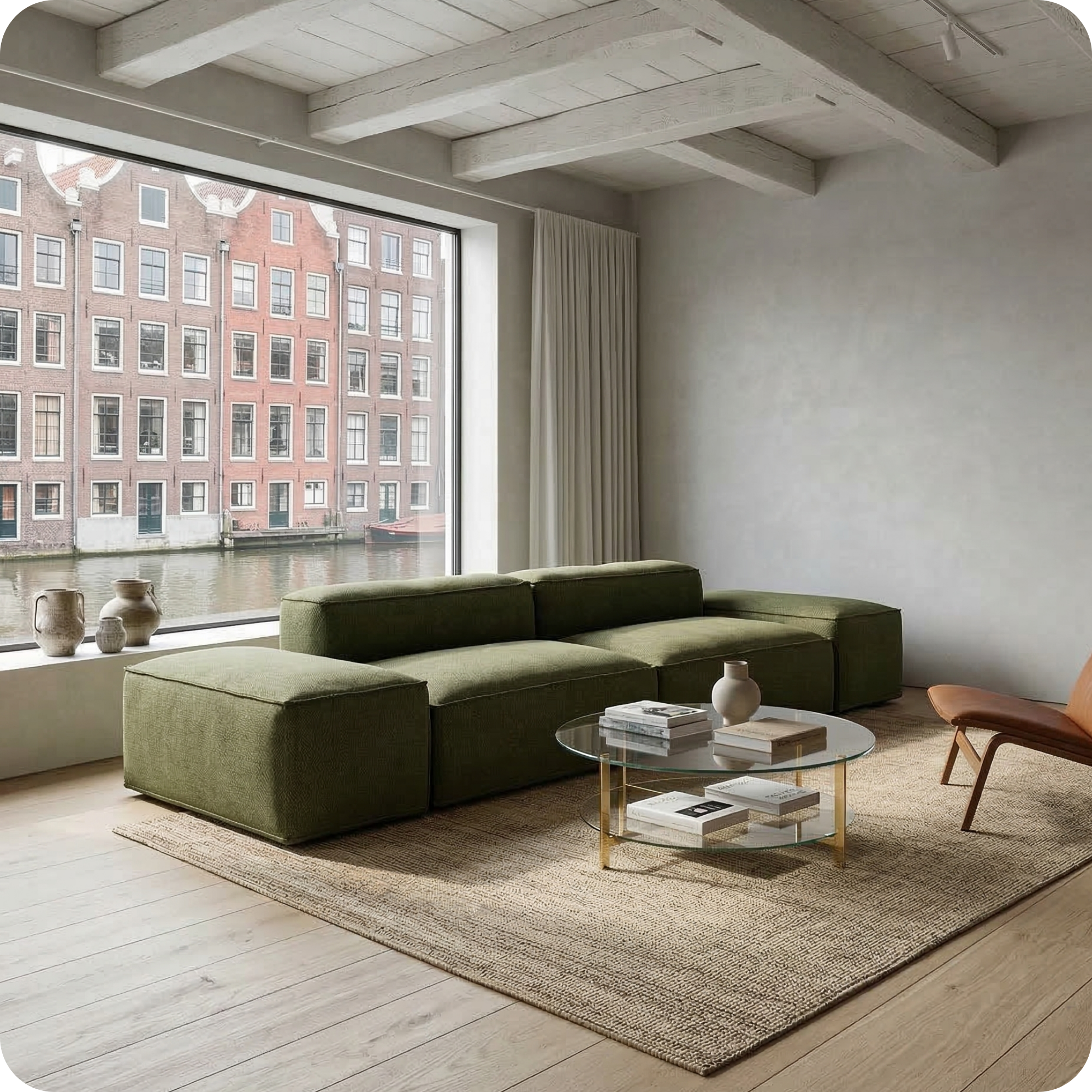
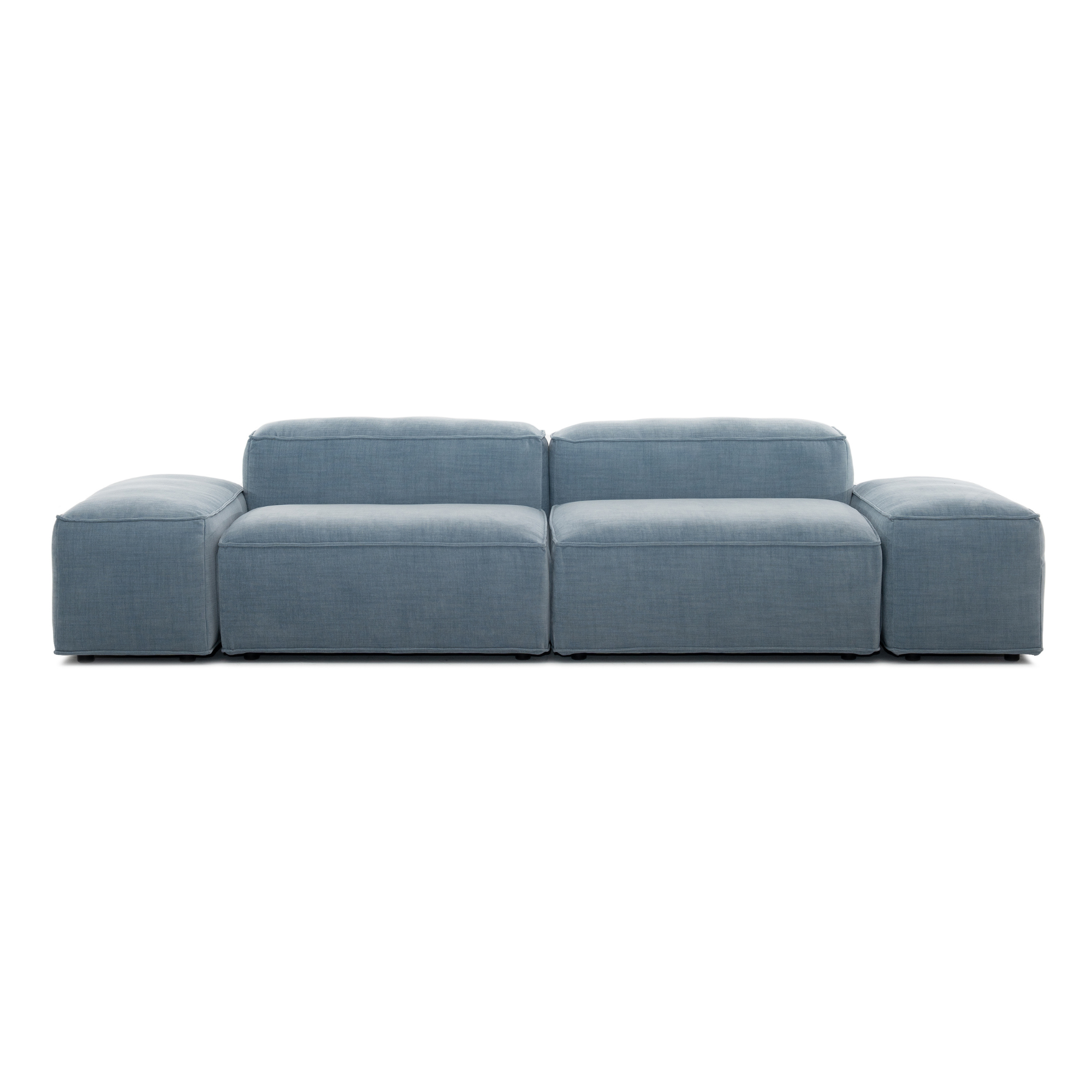
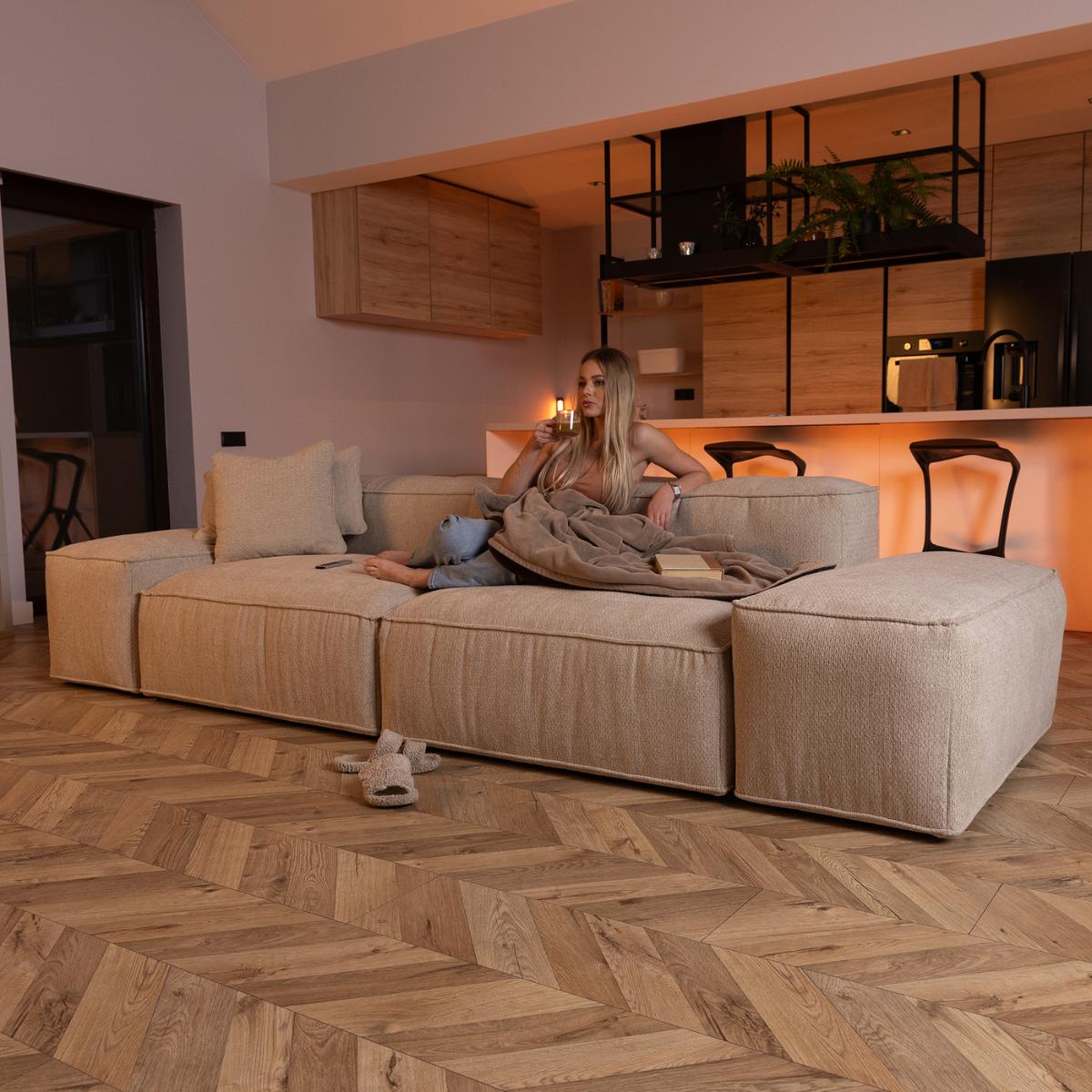
Malbec Modular Sofa — high armrests, firm cushion support, and a seat height suitable for comfortable and safe use by elderly people. Available in a range of fabrics including easy-clean boucle variants.
Fabric considerations for elderly users
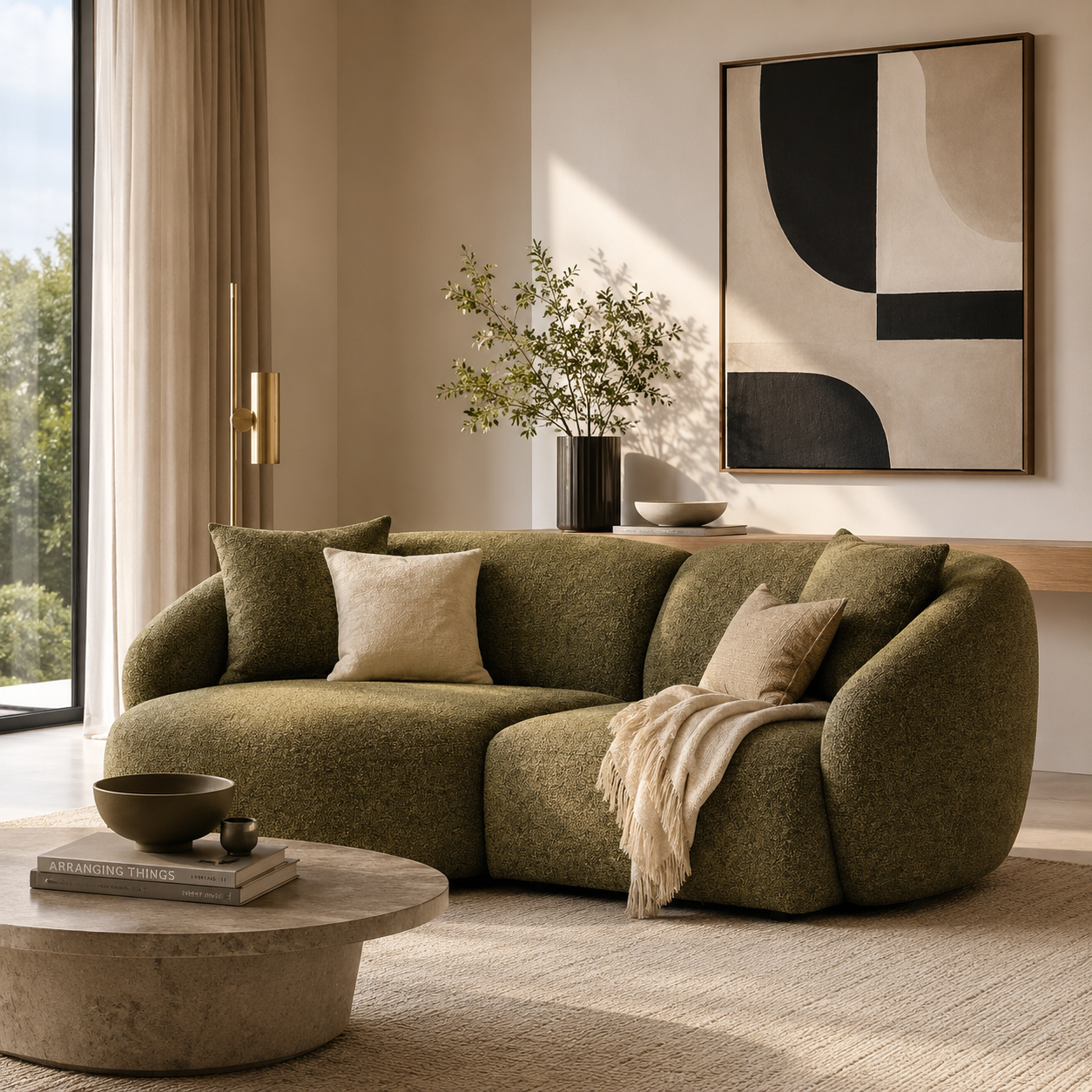
Fabric choice matters for practical reasons beyond aesthetics. Smooth, tight-weave fabrics like boucle and performance chenille allow for easy cleaning — important if medication, food, or liquid spills are a concern. These fabrics also do not catch or pull at clothing, making it easier to adjust position while seated. Avoid loose-weave fabrics that can catch rings or watch straps, and very slippery fabrics (certain velvets) that may cause the user to slide forward in the seat.
Additional practical considerations
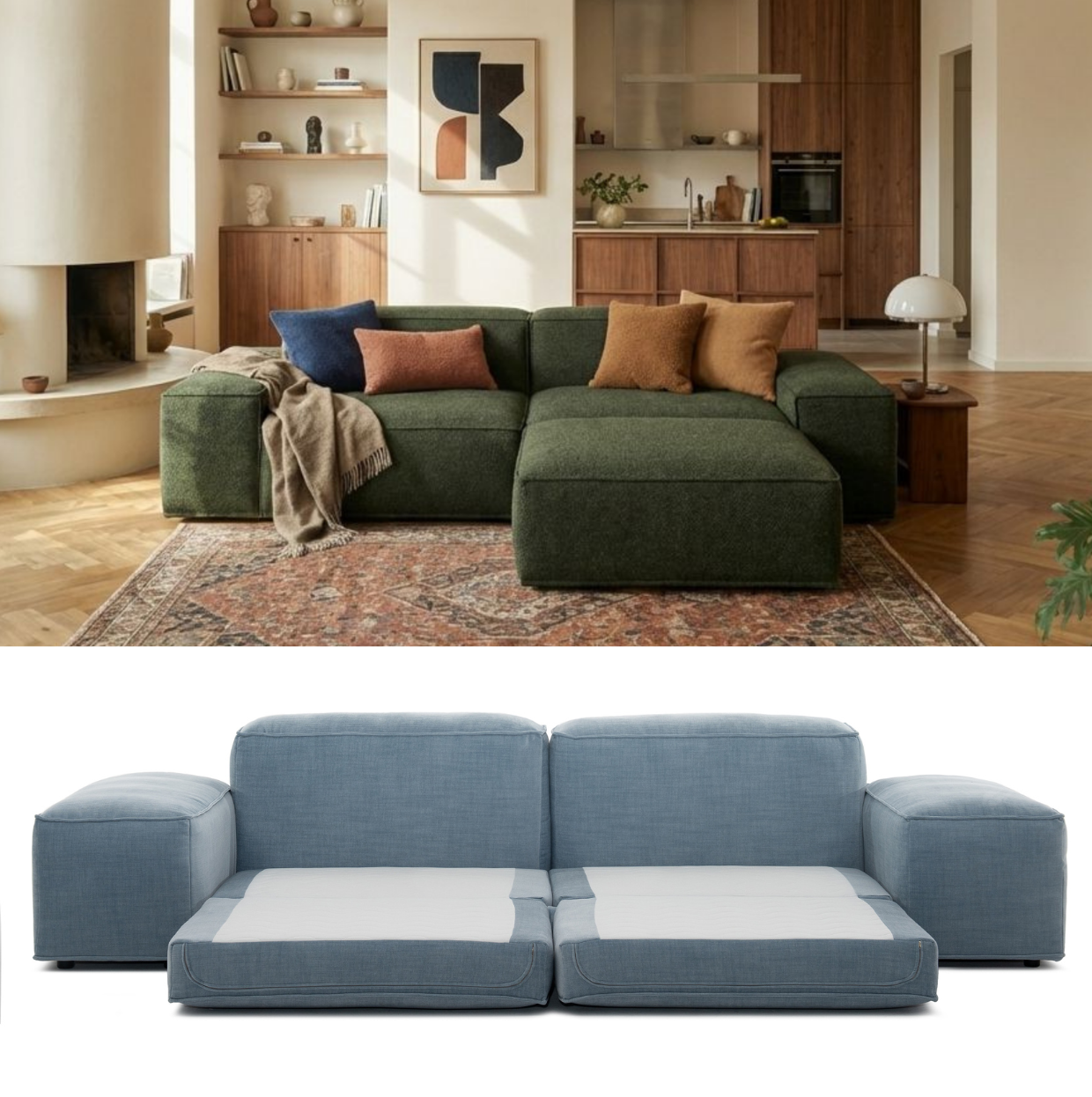
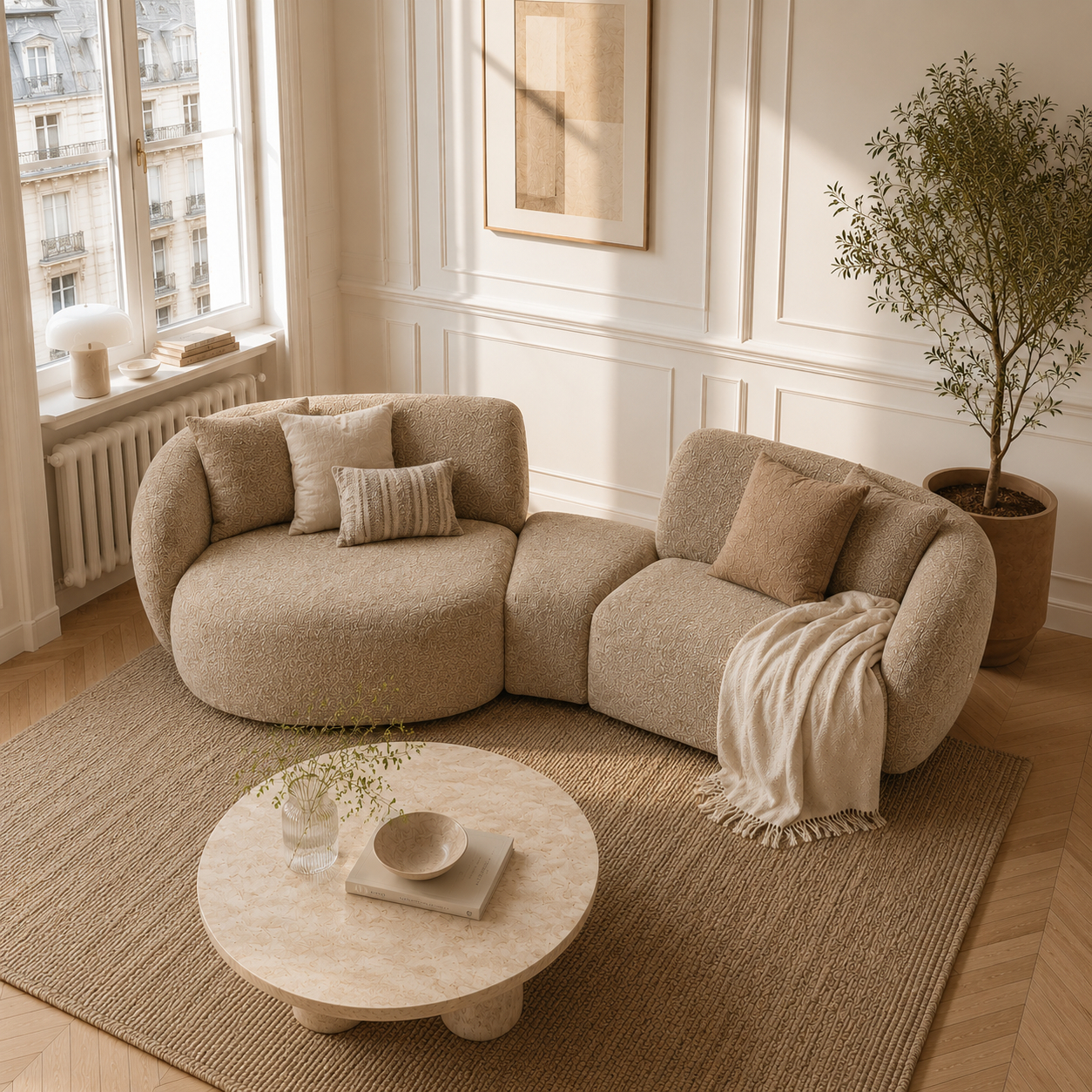
If the sofa will be used by someone who uses a walking aid, ensure there is adequate clear floor space on both sides for the frame or rollator to be placed. If the room is on a different floor from the bedroom, consider whether a sofa bed option such as the Riva sofa bed might reduce the need to navigate stairs at night. Modular sofas are worth considering for elderly users because they can be reconfigured — adding or removing sections, changing the longchair position — as mobility needs change over time without replacing the entire sofa.