



Best Sofas for Back Pain: Ergonomic Comfort and Support
Back pain is one of the most common chronic complaints — and for the millions of people who spend significant time on the sofa watching television, reading or working from home, sofa choice has a direct and significant impact on how their back feels. The right sofa can provide supportive, neutral-spine seating that does not aggravate existing back problems; the wrong sofa can actively make them worse. This guide explains what to look for in a sofa if back comfort is a priority.
Seat Depth and Back Support
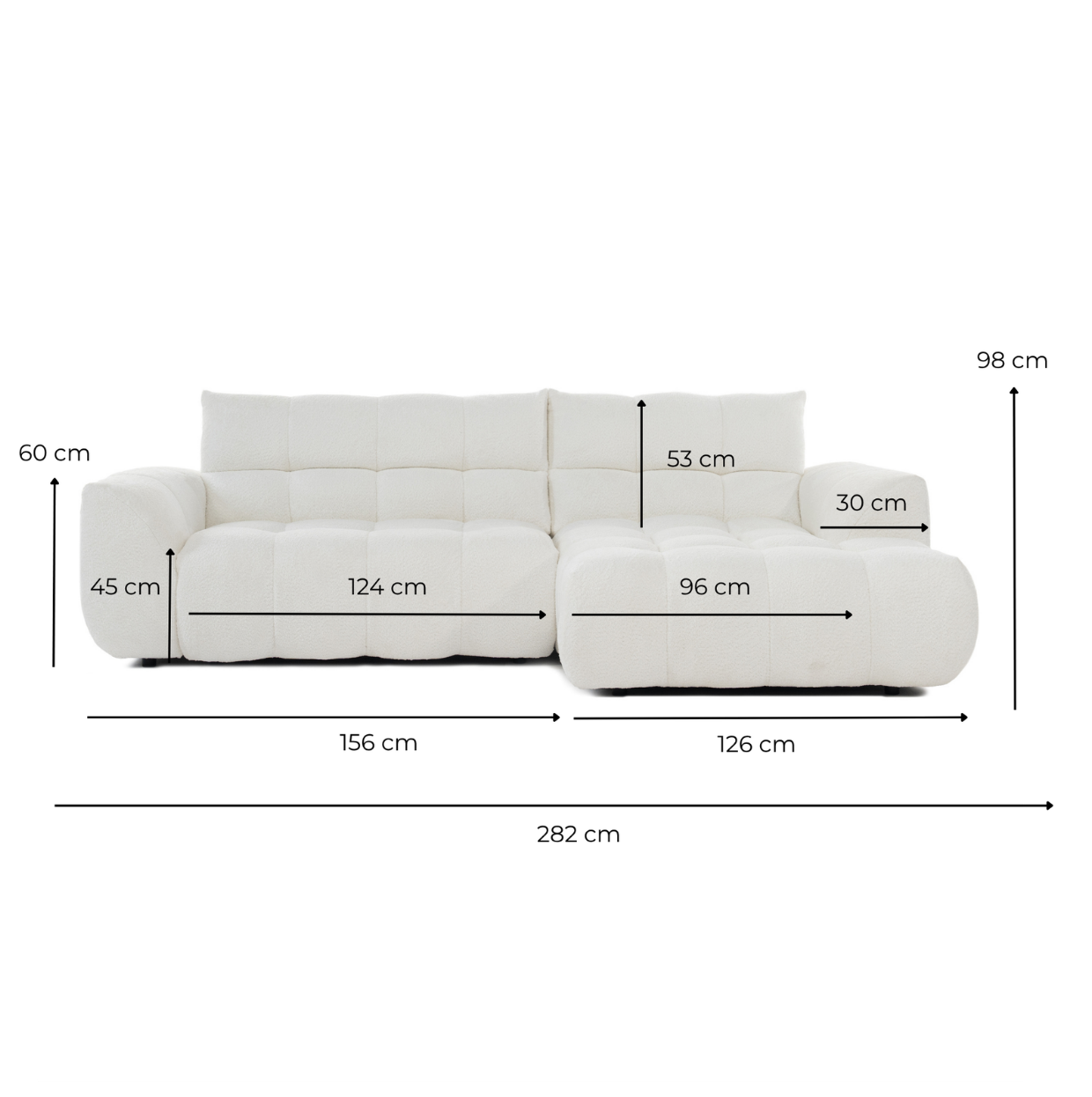
The most important ergonomic dimension of a sofa is seat depth. If the seat is too deep, you either sit bolt upright away from the backrest (losing back support) or you slouch with your lower back rounding (straining the lumbar discs). The ideal seat depth for most adults is 50-60cm — enough to sit comfortably with the backs of the knees at the seat edge and the lower back naturally supported by the backrest. Very deep seats (65cm+) feel luxurious but are only ergonomically comfortable if you use the backrest fully, which requires leaning back rather than sitting upright.

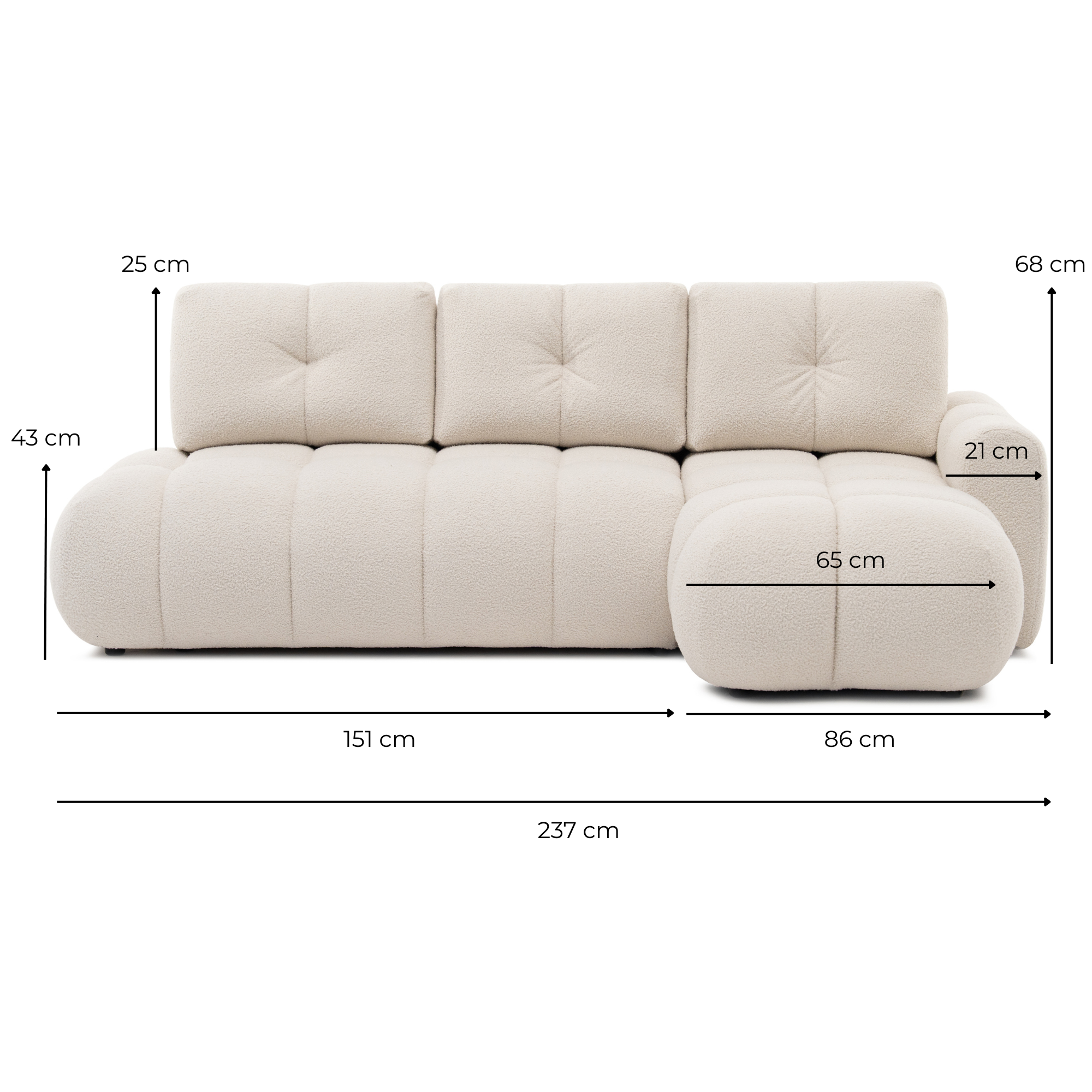
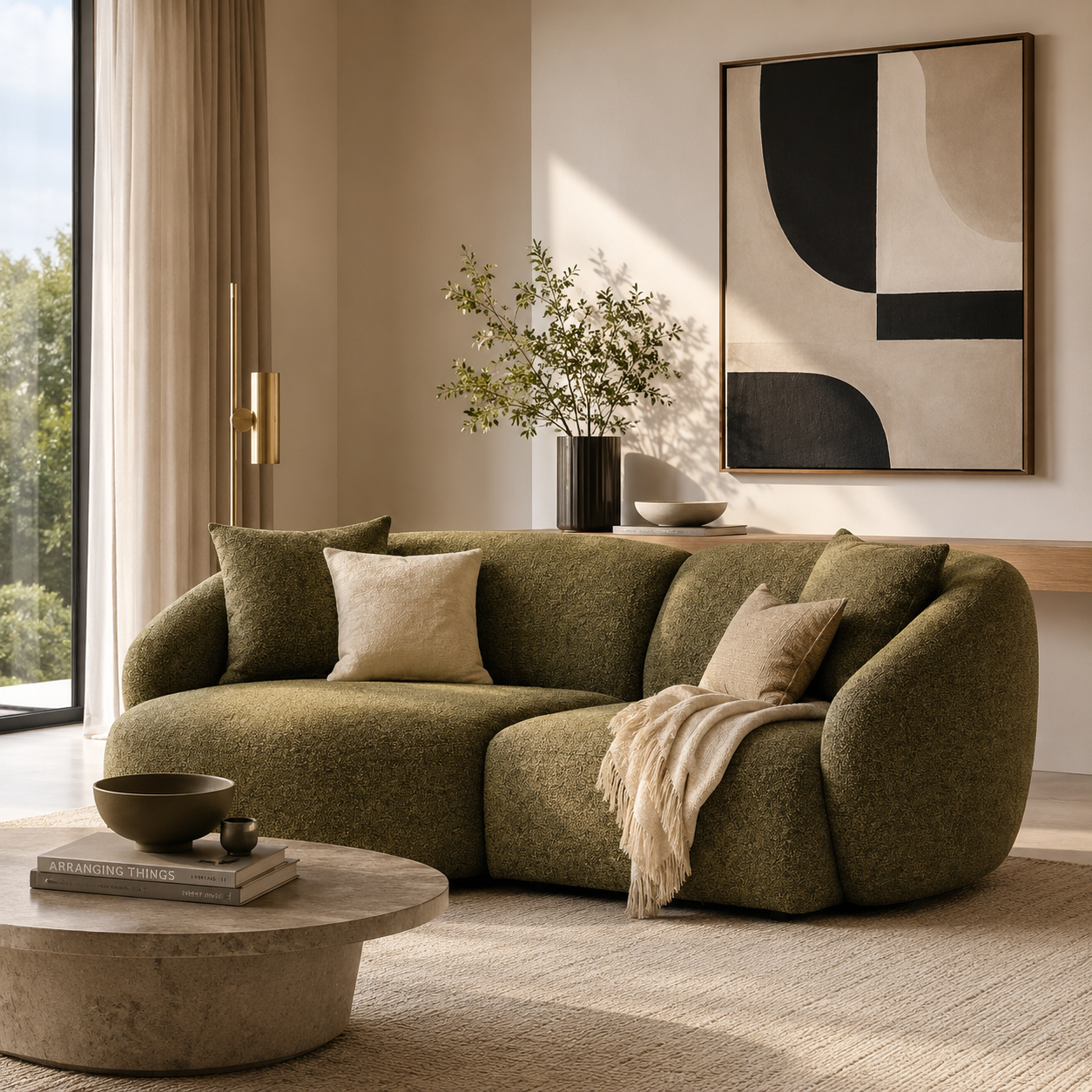
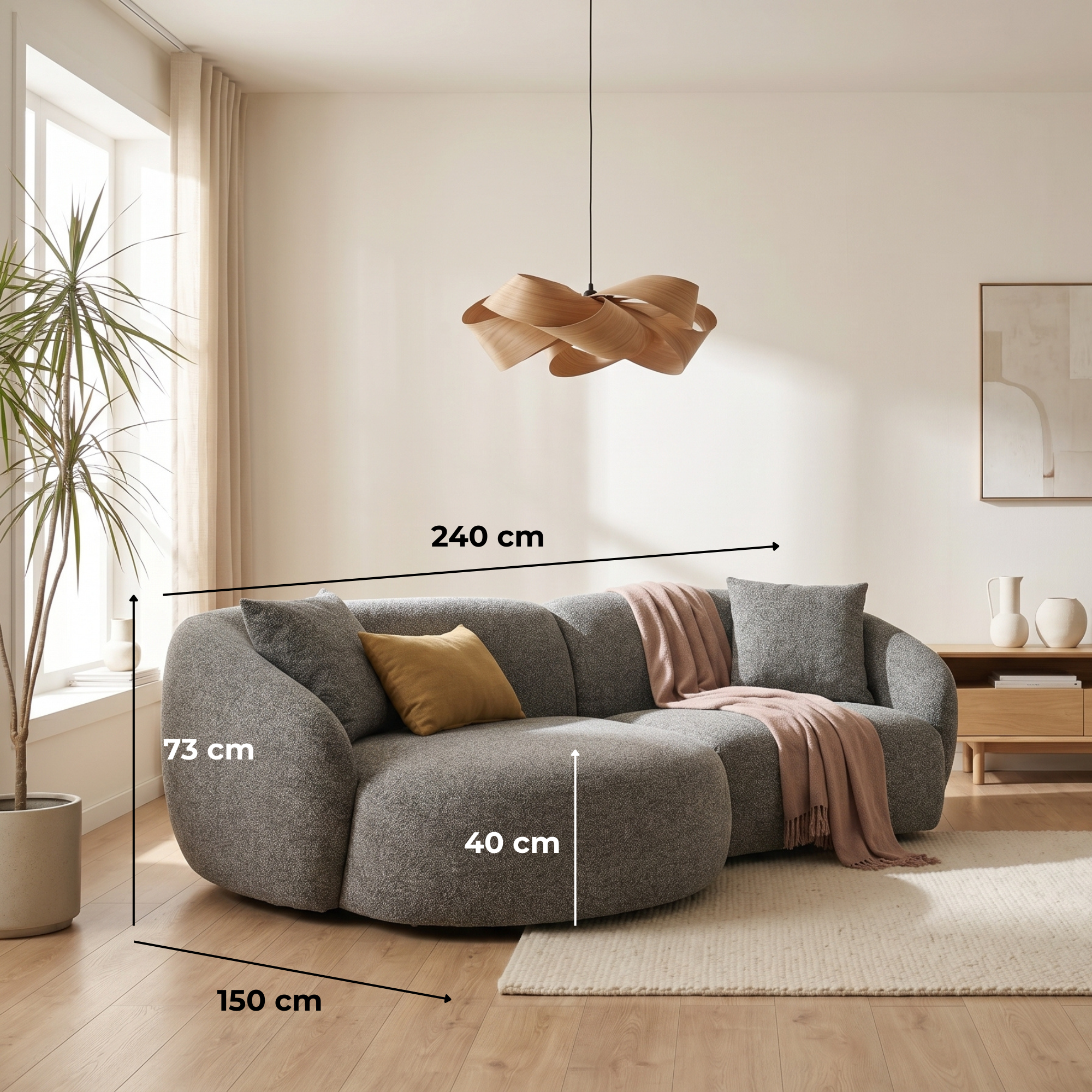
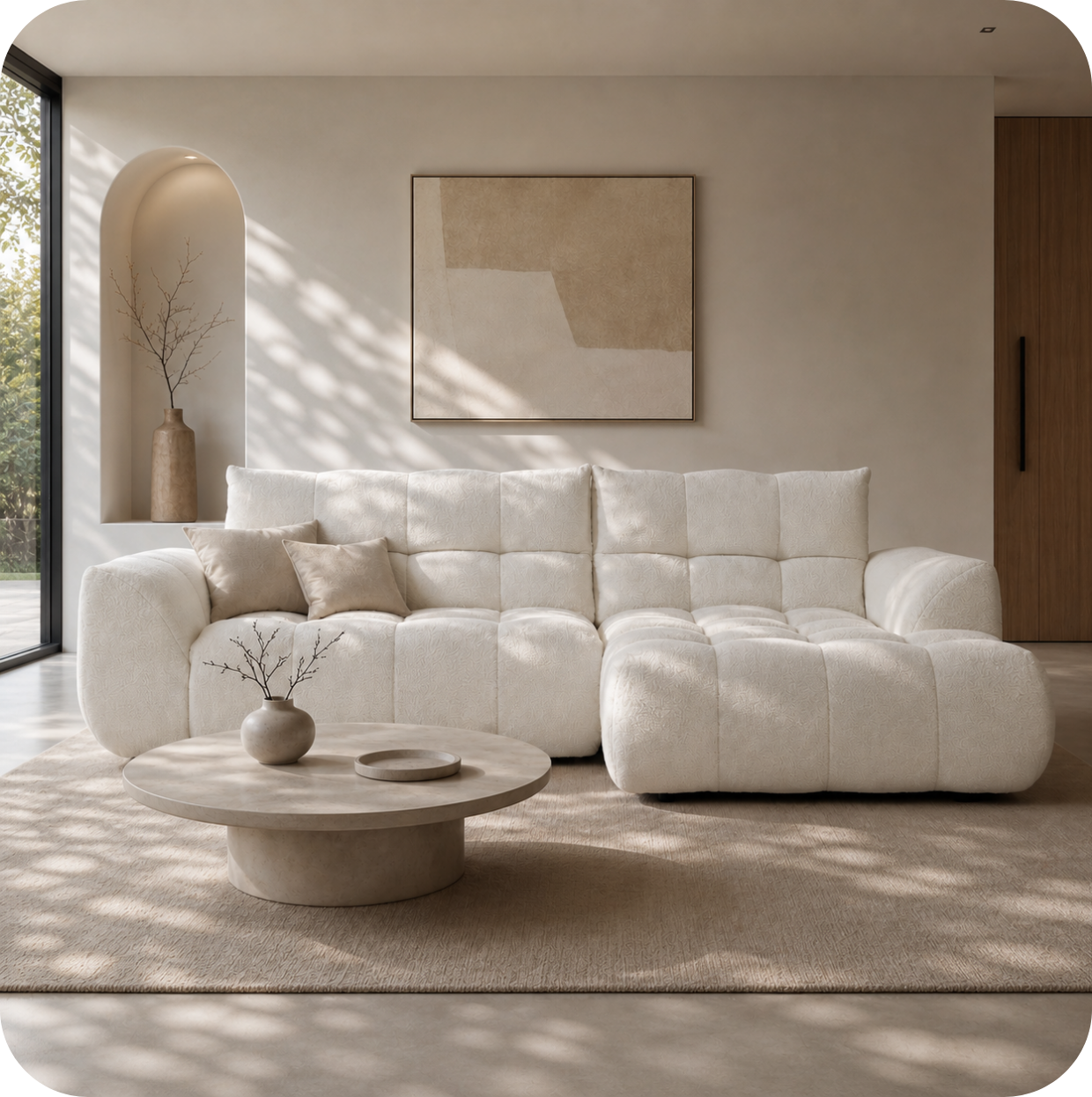
Lugano Sofa — from €1,299
The Lugano's back cushions provide excellent lumbar support — the medium-firm density cushions support the natural S-curve of the spine rather than allowing it to collapse. The seat depth is calibrated to allow proper back-supported seating, and the cushions maintain their shape over time rather than compressing and losing support.

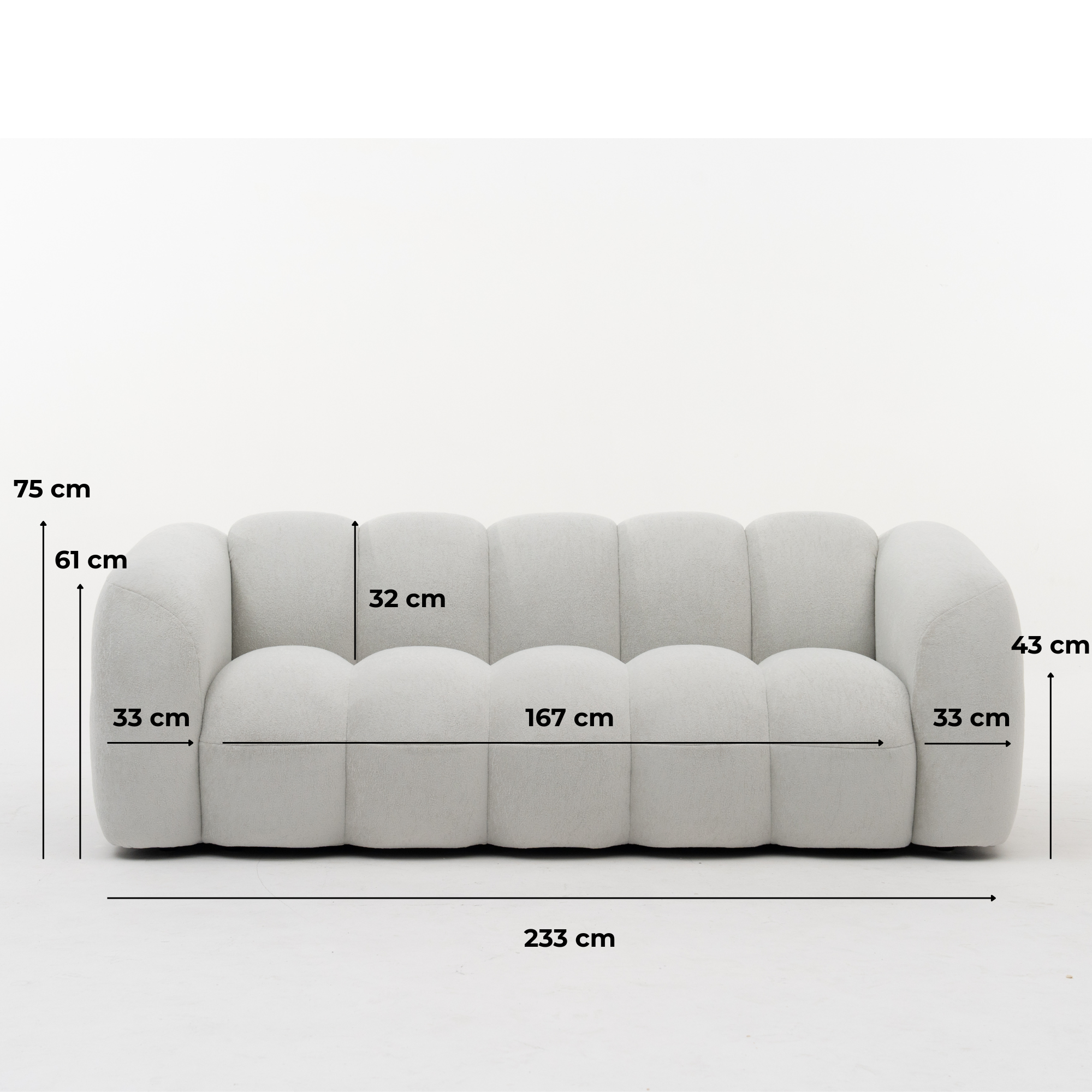
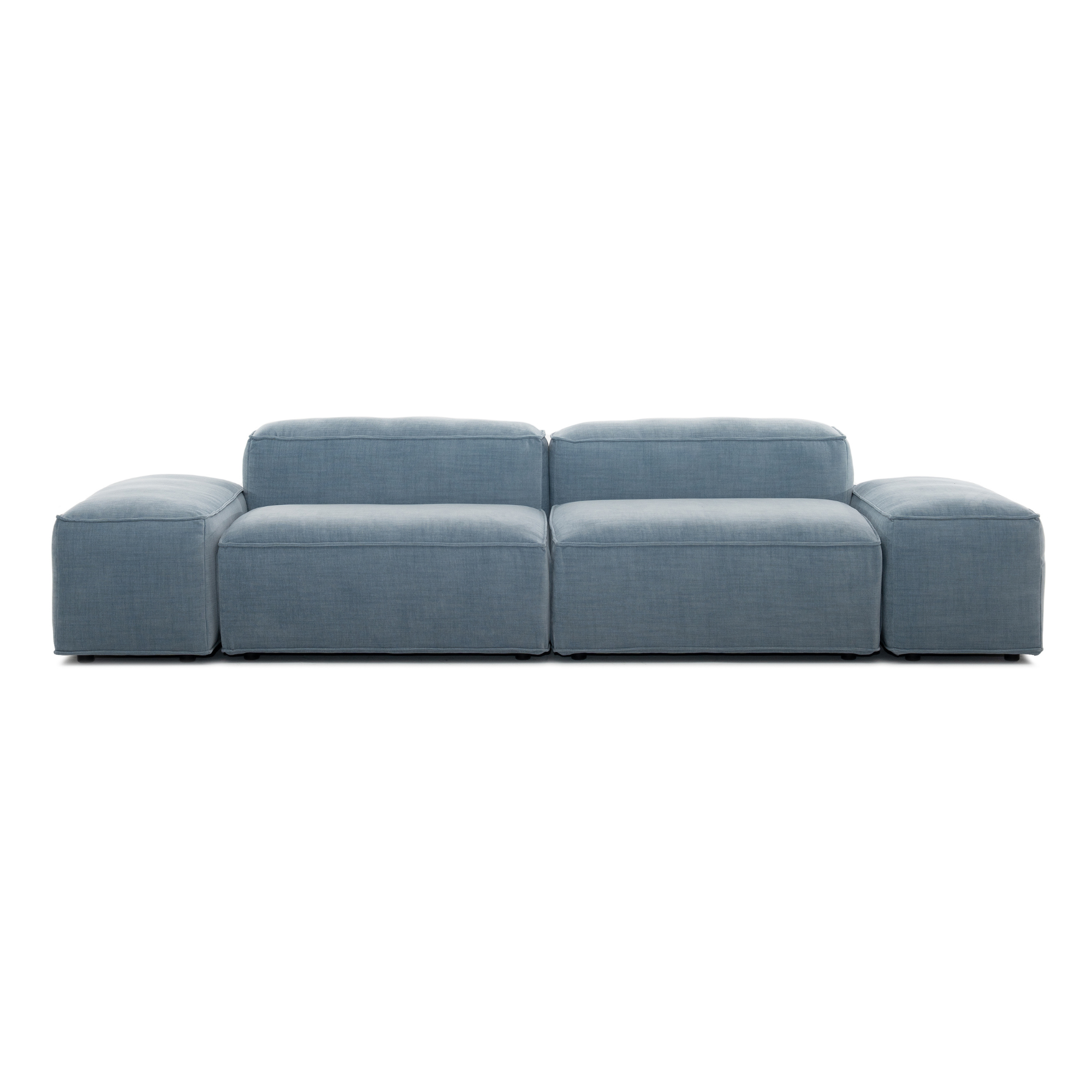
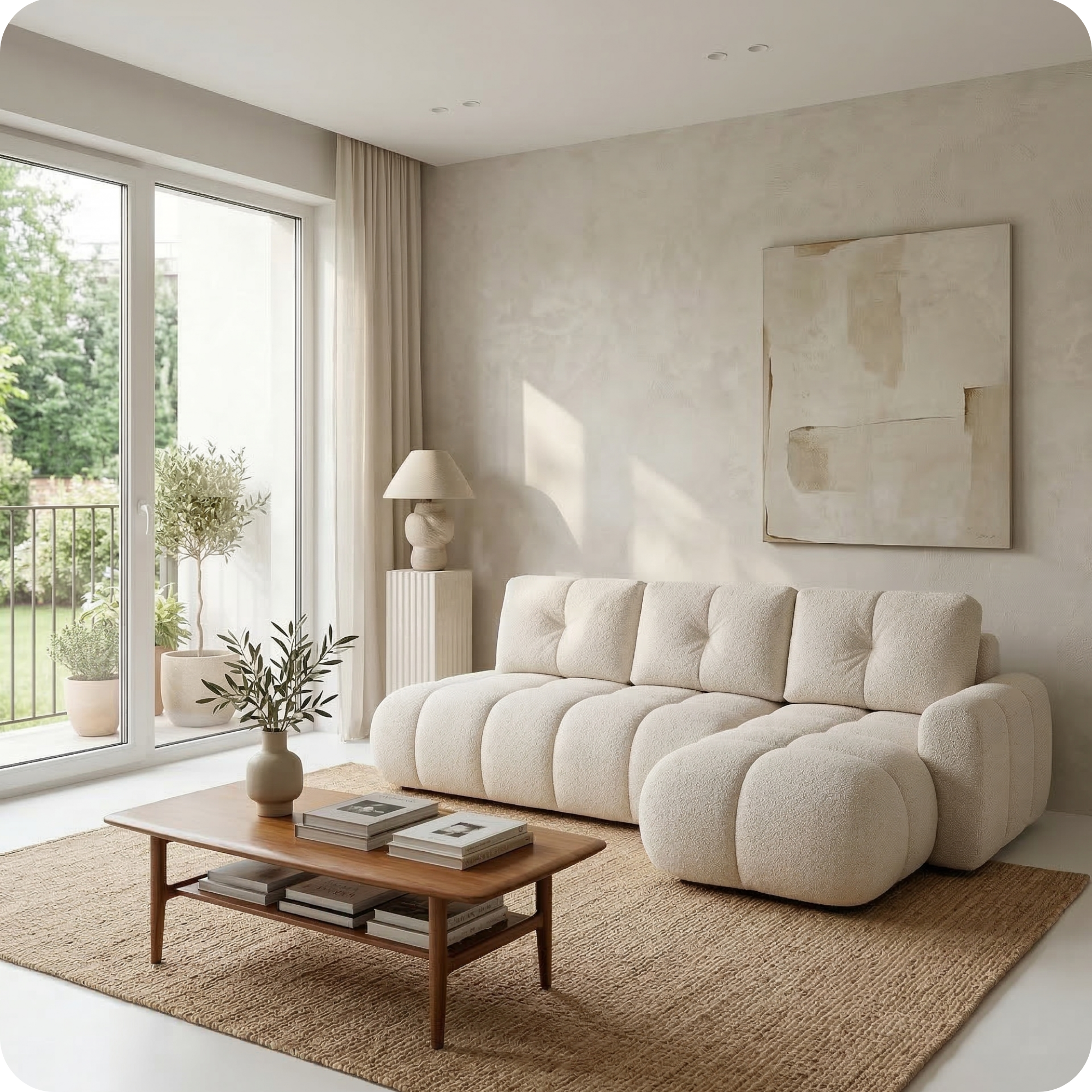
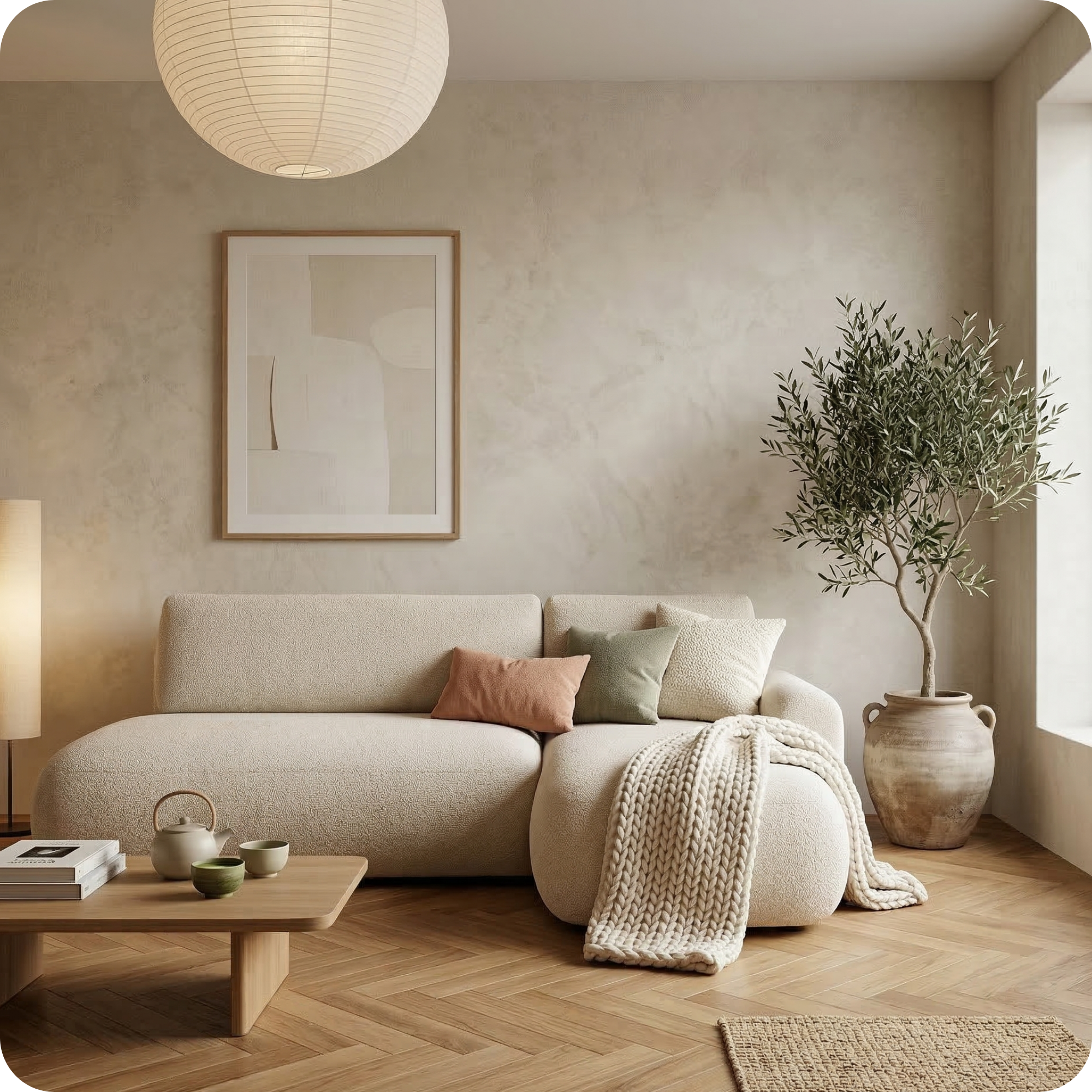
Riva 3-Seater Sofa — from €999
The Riva's medium seat depth and structured back support make it one of the better choices for people who spend extended periods on the sofa. The clean, structured silhouette supports an upright sitting posture naturally, without the overly soft feel that encourages slouching over time.
Seat Height Matters
Seat height — the distance from the floor to the top of the seat cushion — determines how easy it is to get on and off the sofa, and how your hips and knees are positioned when seated. For good ergonomics, the seat height should allow you to sit with your feet flat on the floor and your knees at approximately 90 degrees. For most adults, this means a seat height of 42-47cm. Very low sofas (35-40cm seat height) look sleek but are hard to get out of and put the hip joints in a more closed position that can create hip flexor tightness. Very high sofas leave your feet dangling, which creates pressure under the thighs.
Foam Density and Cushion Specification
The cushion filling is a critical ergonomic factor that is often overlooked when buying a sofa. Low-density foam compresses quickly and loses support; within six months of purchase, a sofa with poor foam spec can feel completely different from how it felt in the showroom. High-density foam (30kg/m³ or higher) maintains its support characteristics for years. The best sofa cushions combine a firm inner foam block with a medium-firm wrap and a soft outer layer — providing both support and comfort. HR (High Resilience) foam provides excellent long-term support and spring.
Armrest Height for Neck Support
For people who suffer from neck or upper back pain alongside lower back problems, armrest height becomes an additional consideration. Armrests that are approximately at elbow height when seated — around 55-65cm from the floor — allow the arms to rest naturally without shrugging the shoulders. Very low armrests provide no arm support; very high armrests force the shoulders up. For anyone who watches television in a head-turned or slightly reclined position, a high-arm sofa that can be used as a headrest on the reclining side is a significant practical benefit.