



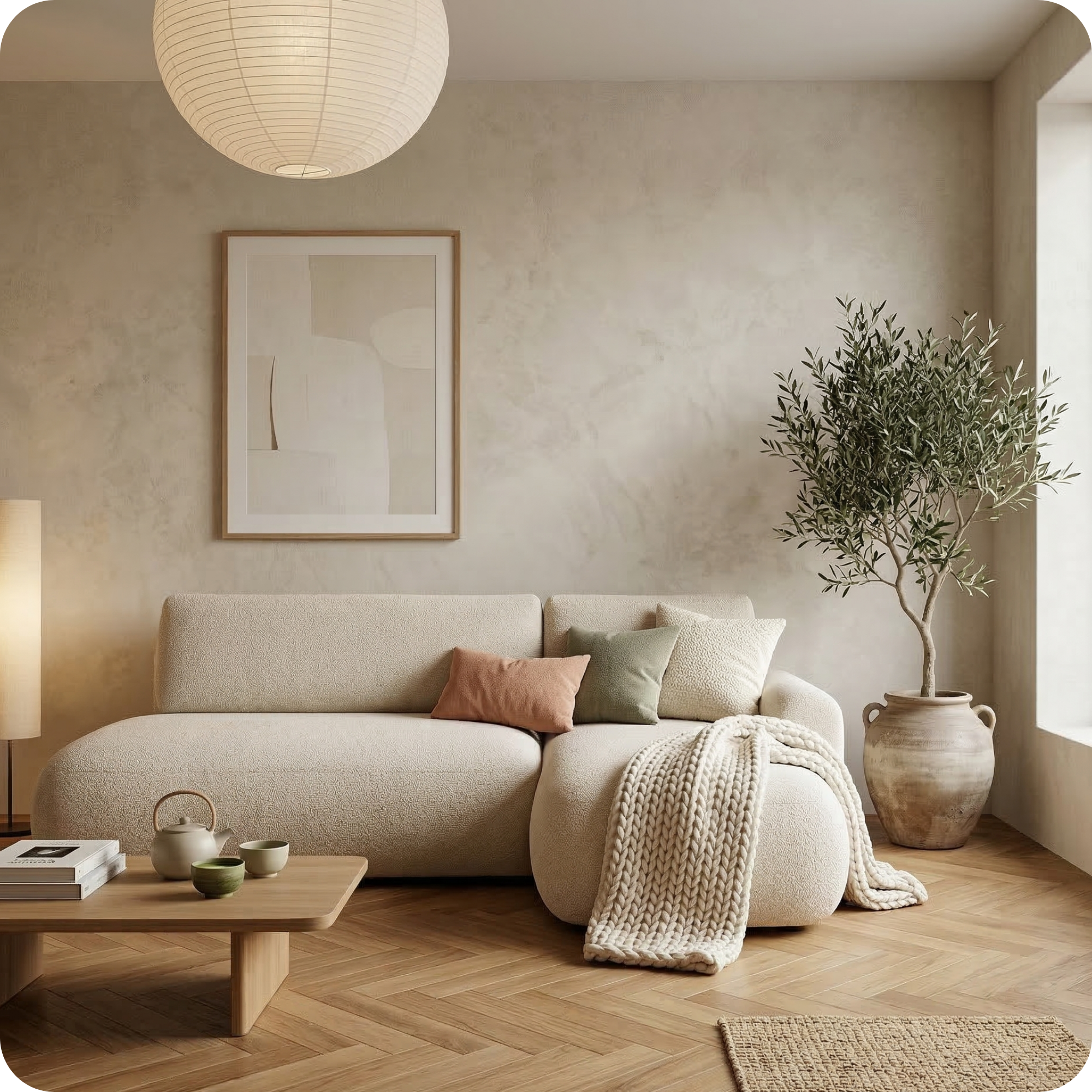
How to Choose a Coffee Table: Size, Shape, Material, and Style Guide
The coffee table is one of the most functional and visually important pieces of furniture in a living room. It anchors the seating arrangement, provides a surface for drinks, books, and decorative objects, and contributes significantly to the overall aesthetic of the space. Choosing the right coffee table involves balancing practical considerations — size, height, clearance, and function — with aesthetic ones — material, shape, colour, and style. Getting this decision right creates a living room that works well and looks considered; getting it wrong can make the space feel cluttered, unbalanced, or incomplete.
Getting the Size Right
Size is the most important practical consideration. The coffee table should be approximately two-thirds the length of the sofa — this creates visual balance without overwhelming the seating or leaving awkward empty space. For a standard three-seater sofa of 210-220cm, a coffee table of around 120-140cm in length is typically right. The height should be approximately the same as — or slightly lower than — the seat cushion height: usually 40-45cm. Leave at least 40-45cm of clearance between the front of the sofa and the back edge of the coffee table, so that people can move around comfortably and cross their legs when seated.

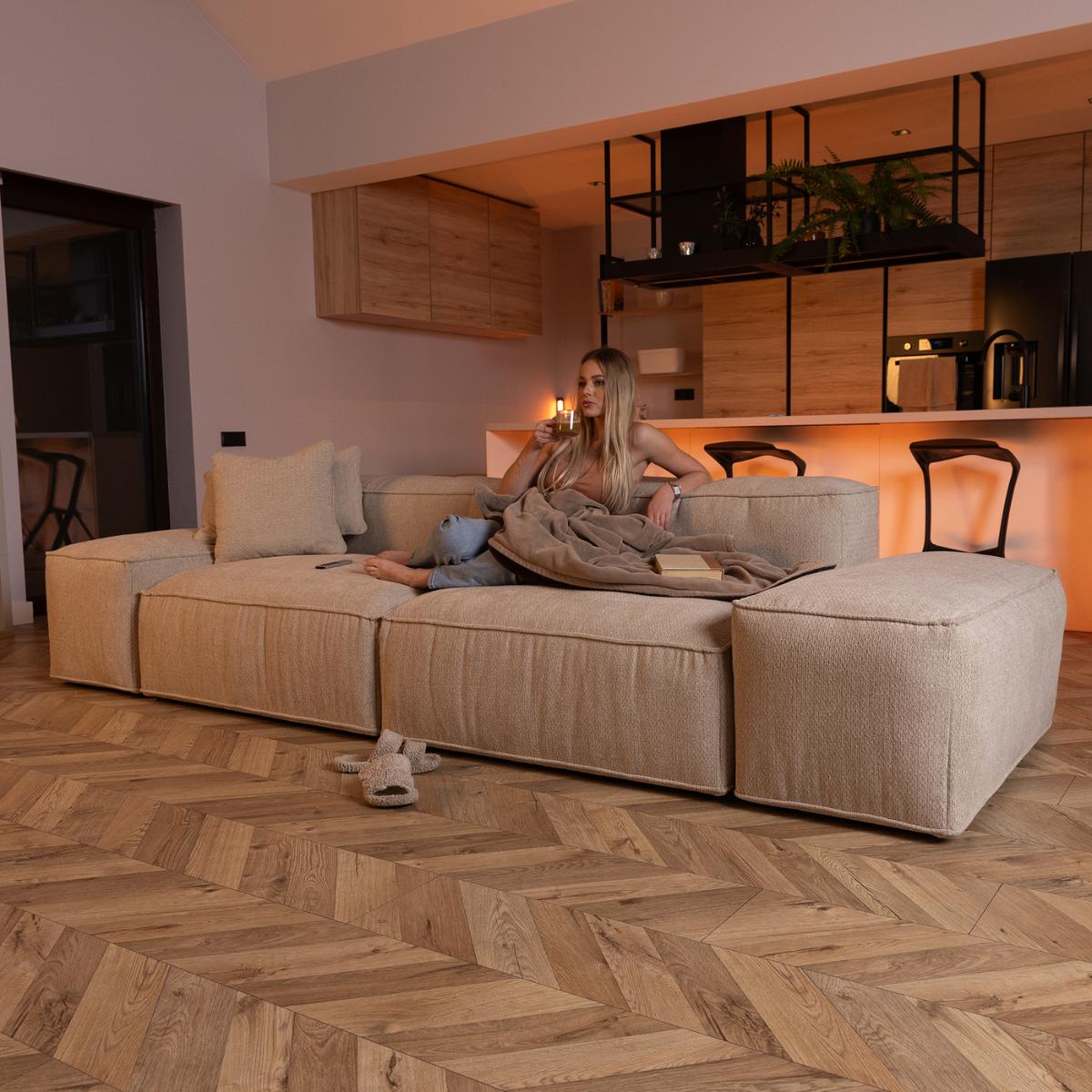
Merlot Modular Sofa — from EUR 1,090
The Merlot's clean, contemporary profile pairs beautifully with a variety of coffee table styles — a solid wood oval table would soften the angular silhouette, while a marble top on a metal base would create a sophisticated, high-end combination.

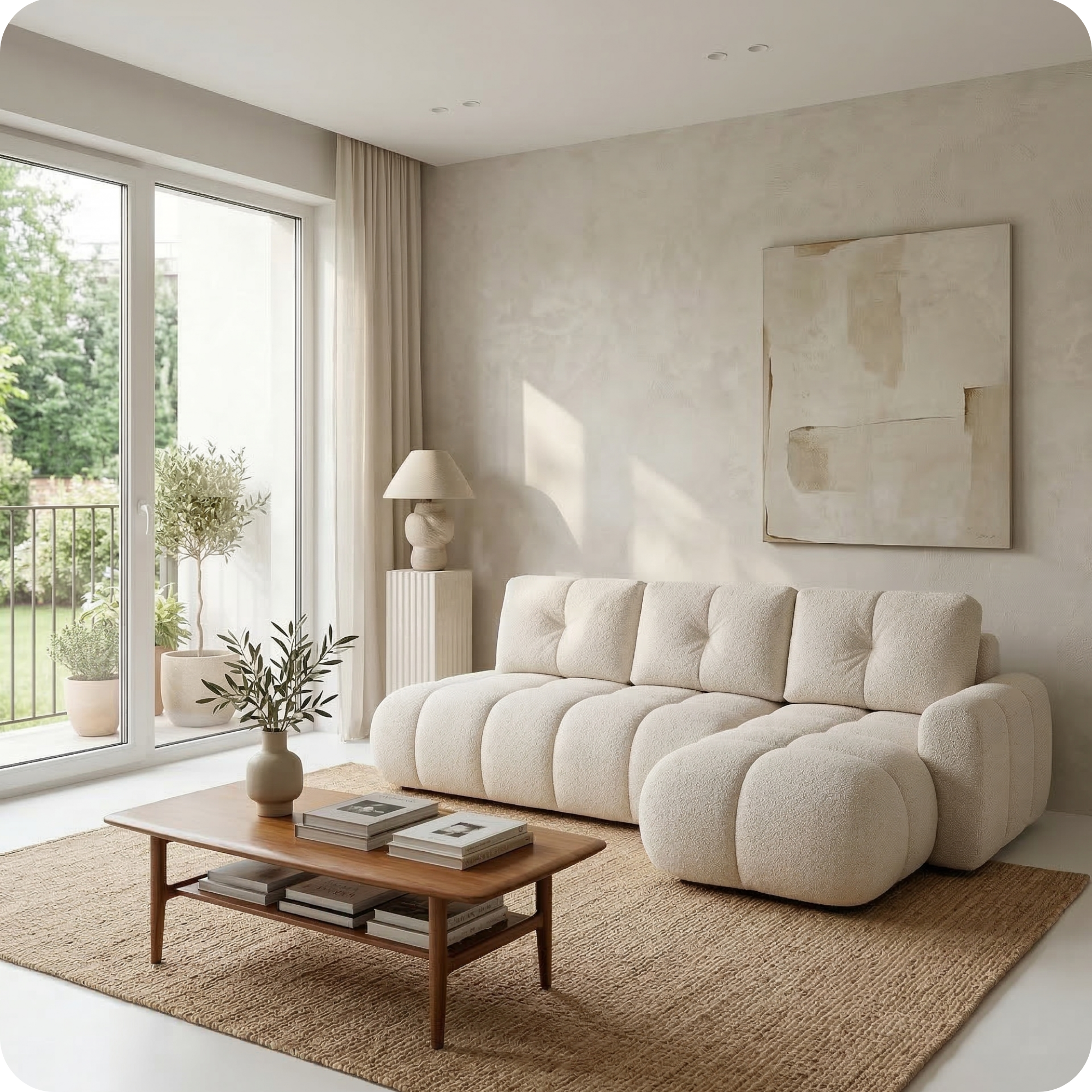
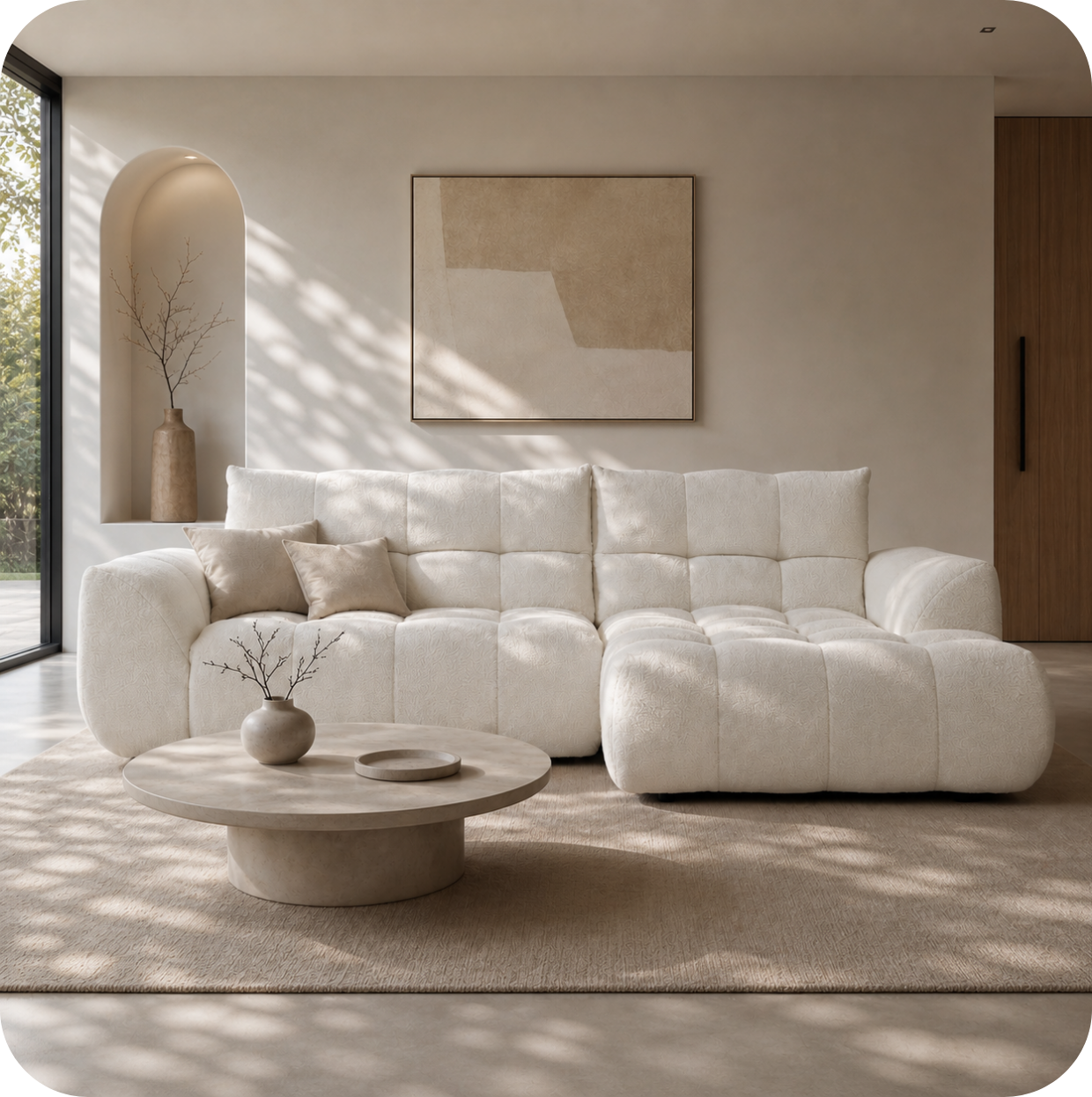
Torino Corner Sofa — from EUR 1,190
With a corner sofa like the Torino, consider a round or oval coffee table — rounded shapes work particularly well in the open space created by an L-shaped sofa configuration, avoiding sharp corners in a high-traffic area.
Shape Considerations: Round, Oval, Rectangular, Square
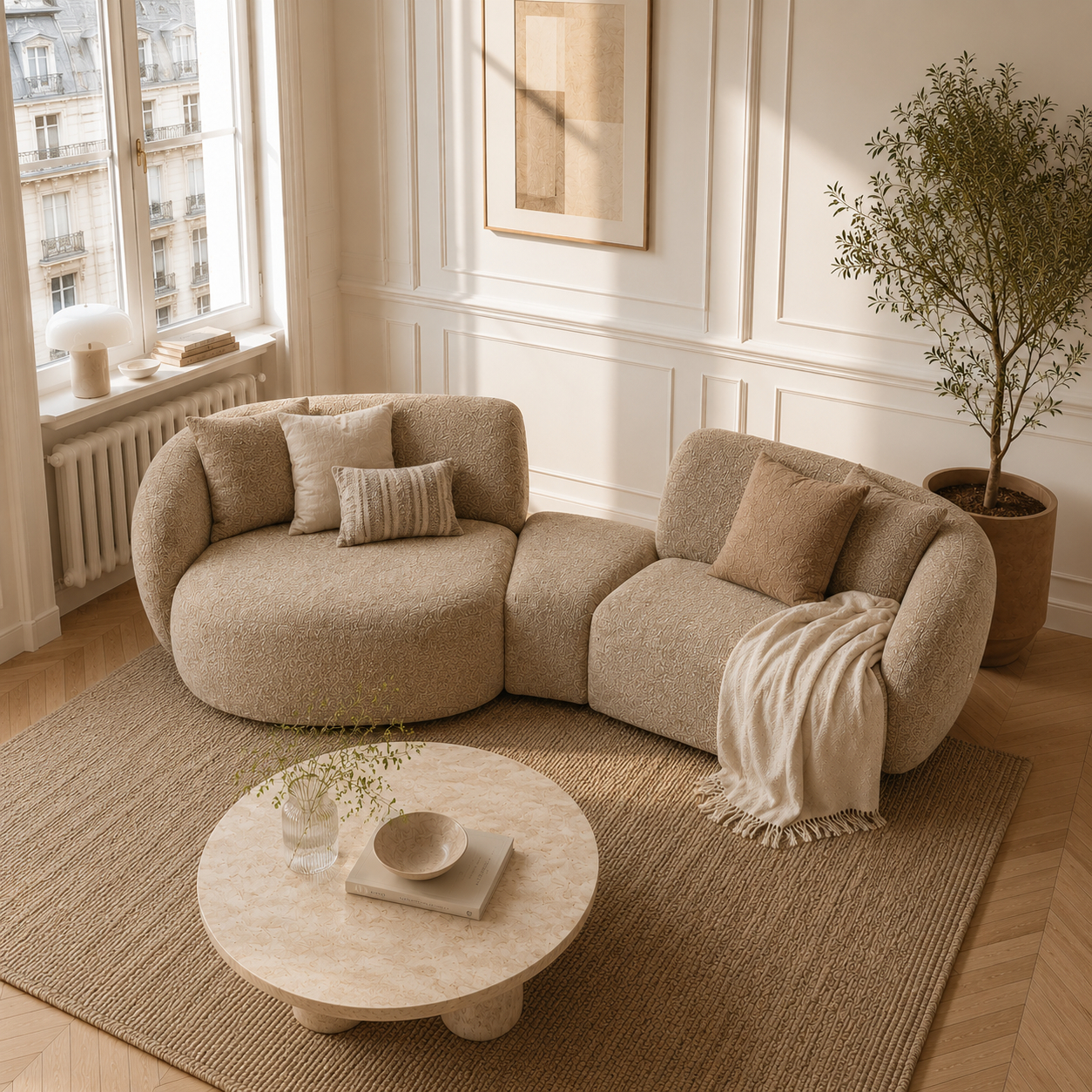
Shape influences both the practical functionality and the aesthetic character of a coffee table. Rectangular and square tables are the most common choice for conventional sofas and tend to create a formal, structured feeling. Round and oval tables are more casual and sociable — they are safer in homes with young children (no sharp corners), and work particularly well with corner sofas and in more relaxed, organic interior styles. Oval tables are a good compromise: they have the practicality of a longer surface but the visual softness of a curved shape. For large L-shaped sofas, consider a cluster of two or three smaller tables of varying heights — this creates a more dynamic, layered look than a single large table.
Materials: Wood, Glass, Marble, Metal, and Rattan
Material choice has the most impact on the style and mood of a coffee table. Solid wood — oak, walnut, pine — is warm, versatile, and durable; it suits most interior styles from Scandi-minimal to traditional. Glass-topped tables create a sense of lightness and are an excellent choice for small rooms, as the visual transparency prevents the table from feeling heavy. Marble creates an immediate sense of luxury and sophistication; it is beautiful but requires more care. Metal frames — in brass, gold, black, or gunmetal — are versatile and create a contemporary, curated look. Rattan and cane tables add a natural, artisanal warmth and suit bohemian and relaxed coastal interiors particularly well.

Zostaw komentarz
Ta strona jest chroniona przez hCaptcha i obowiązują na niej Polityka prywatności i Warunki korzystania z usługi serwisu hCaptcha.