


How to Make a Living Room Feel Cosy: Interior Design Tips
Cosiness in a living room is not about filling it with stuff — it is about the specific quality of warmth, intimacy, and invitation that makes a space feel like it genuinely wants you to stay. Some rooms achieve it effortlessly; others can be expensively furnished and still feel cold or uninviting. The difference almost always comes down to the same handful of design principles: lighting, texture, scale, and the arrangement of furniture around a focal point.
Lighting Is Everything
The single most impactful change you can make to the cosiness of a living room costs almost nothing: turn off the overhead ceiling light and use floor lamps and table lamps instead. Overhead lighting creates a flat, even illumination that eliminates shadow and makes a room feel like an office. Layered, low-level lighting — from the side and from below eye level — creates the warmth and intimacy that makes a room feel cosy. Warm-toned bulbs (2700K–3000K) are essential; cool daylight bulbs (5000K+) are the enemy of cosiness. Candles are the final layer: even a single candle on a coffee table adds a warmth and flickering movement that no electric light replicates.

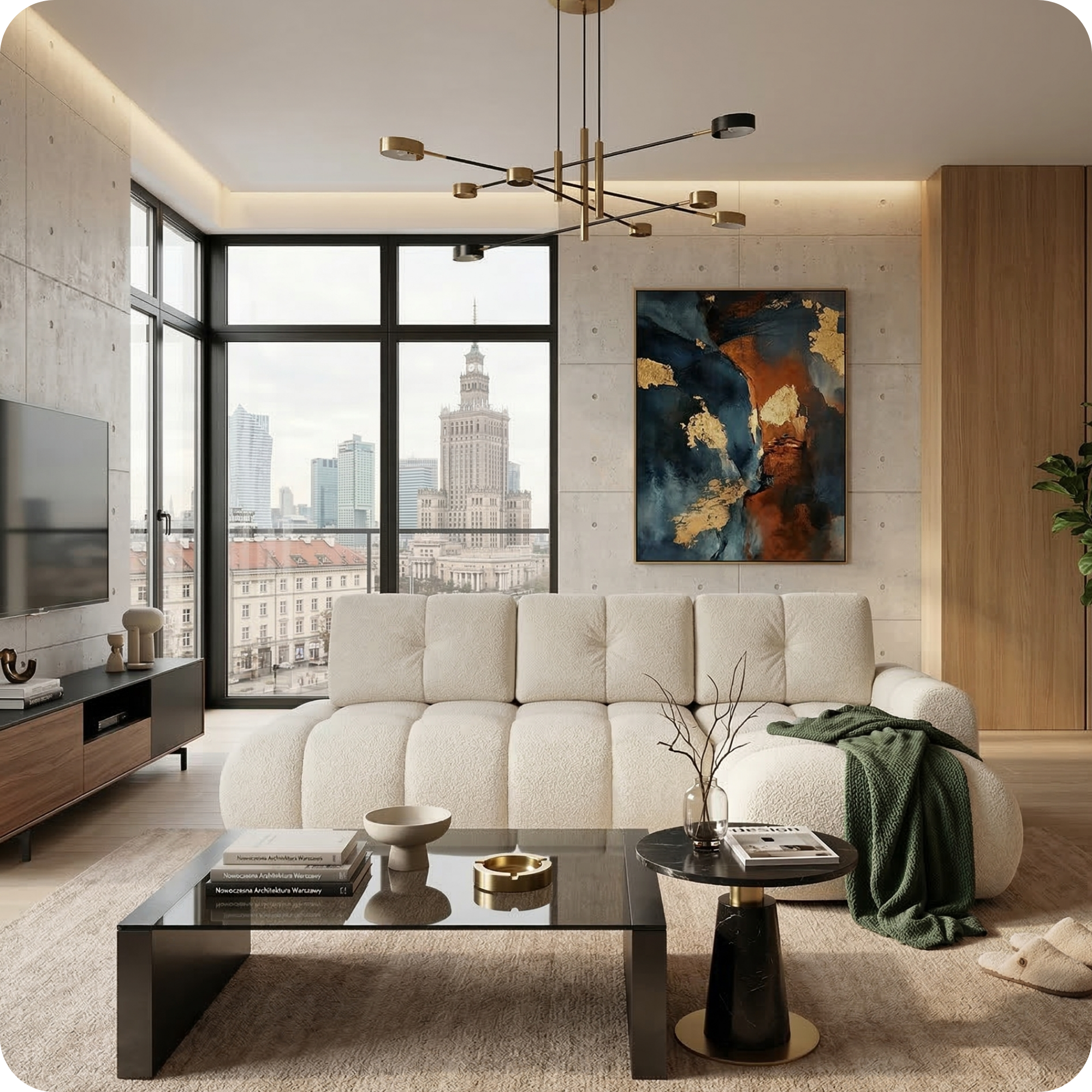
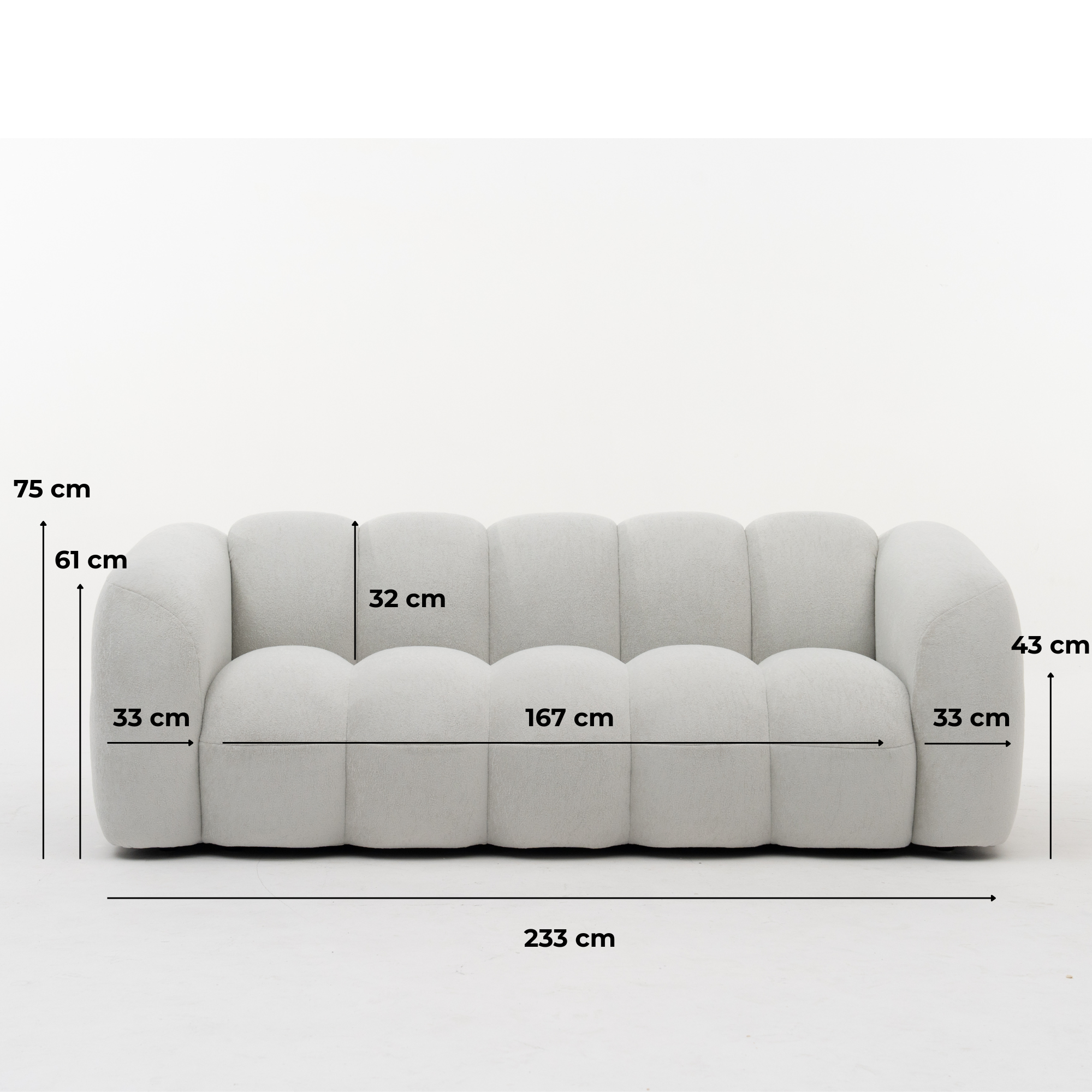
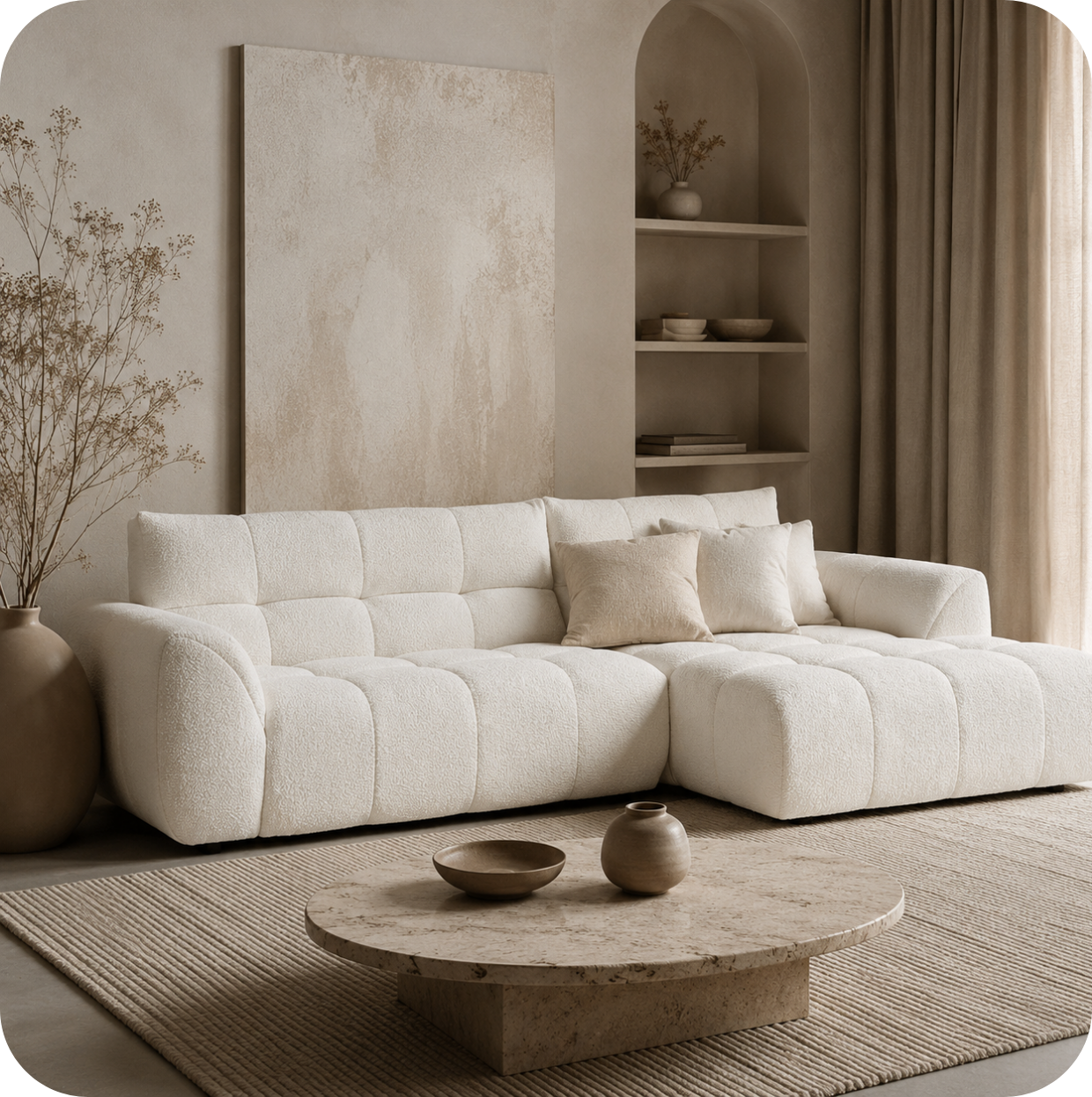
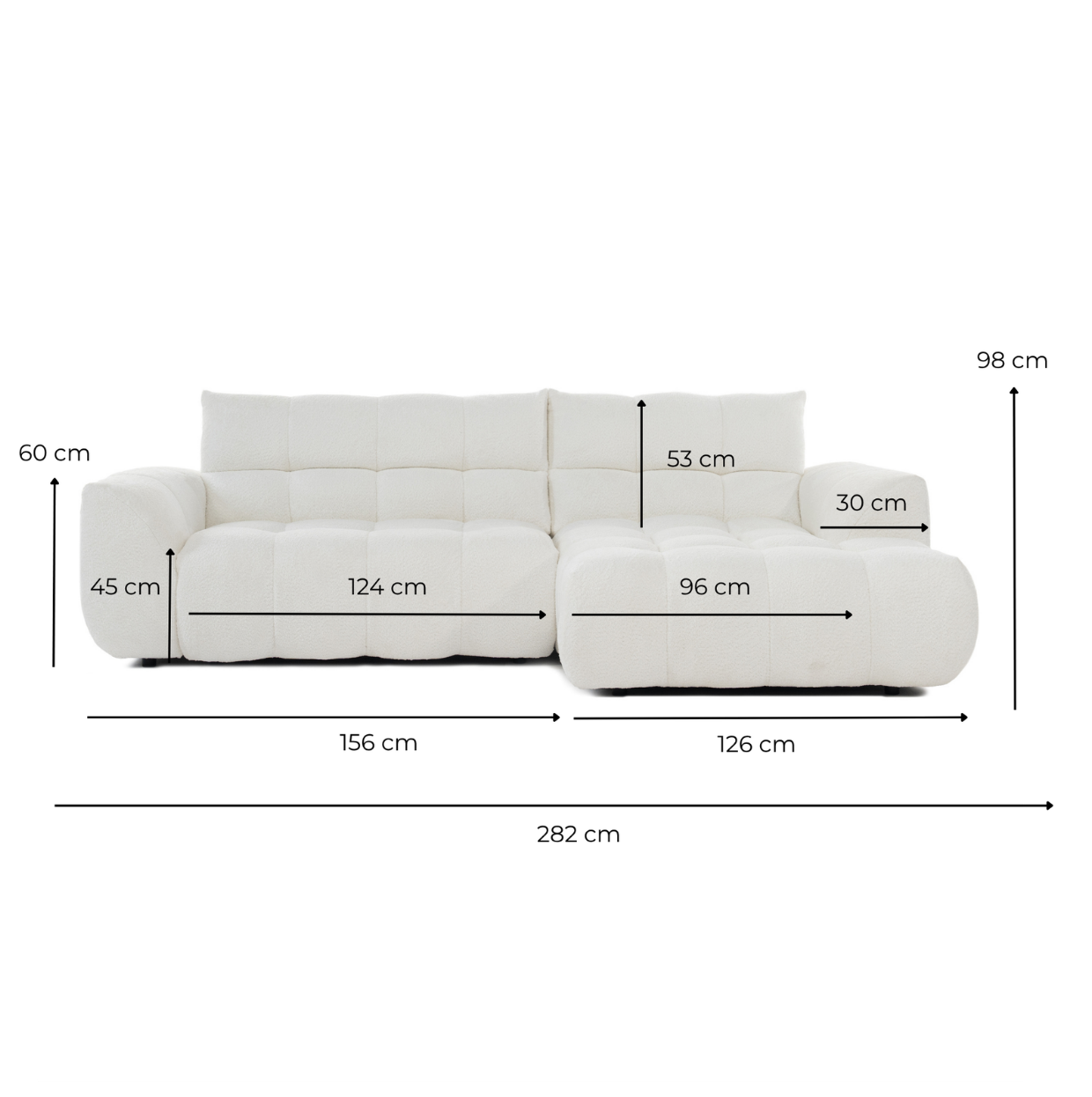
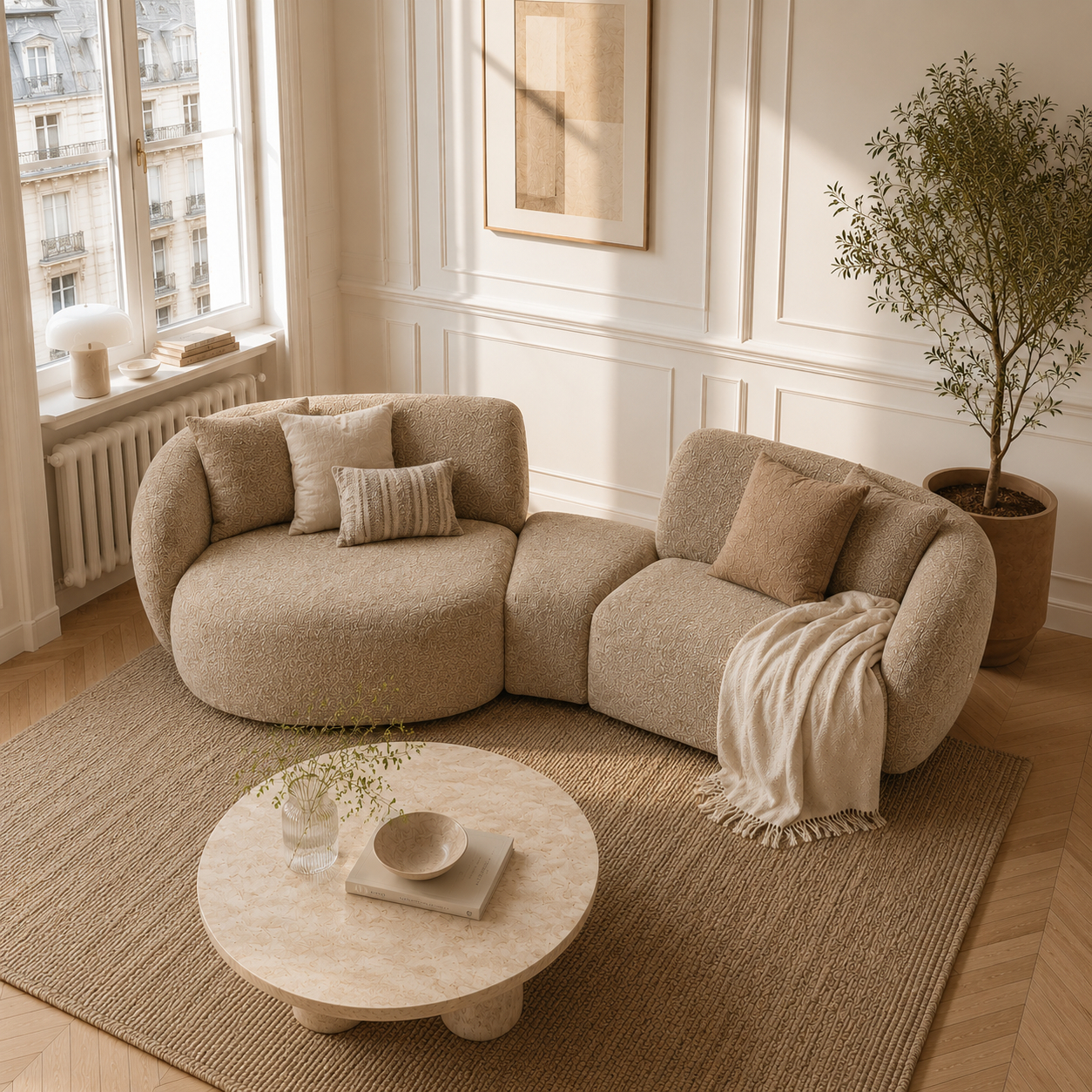
Lugano Sofa in Toffee — from €1,299
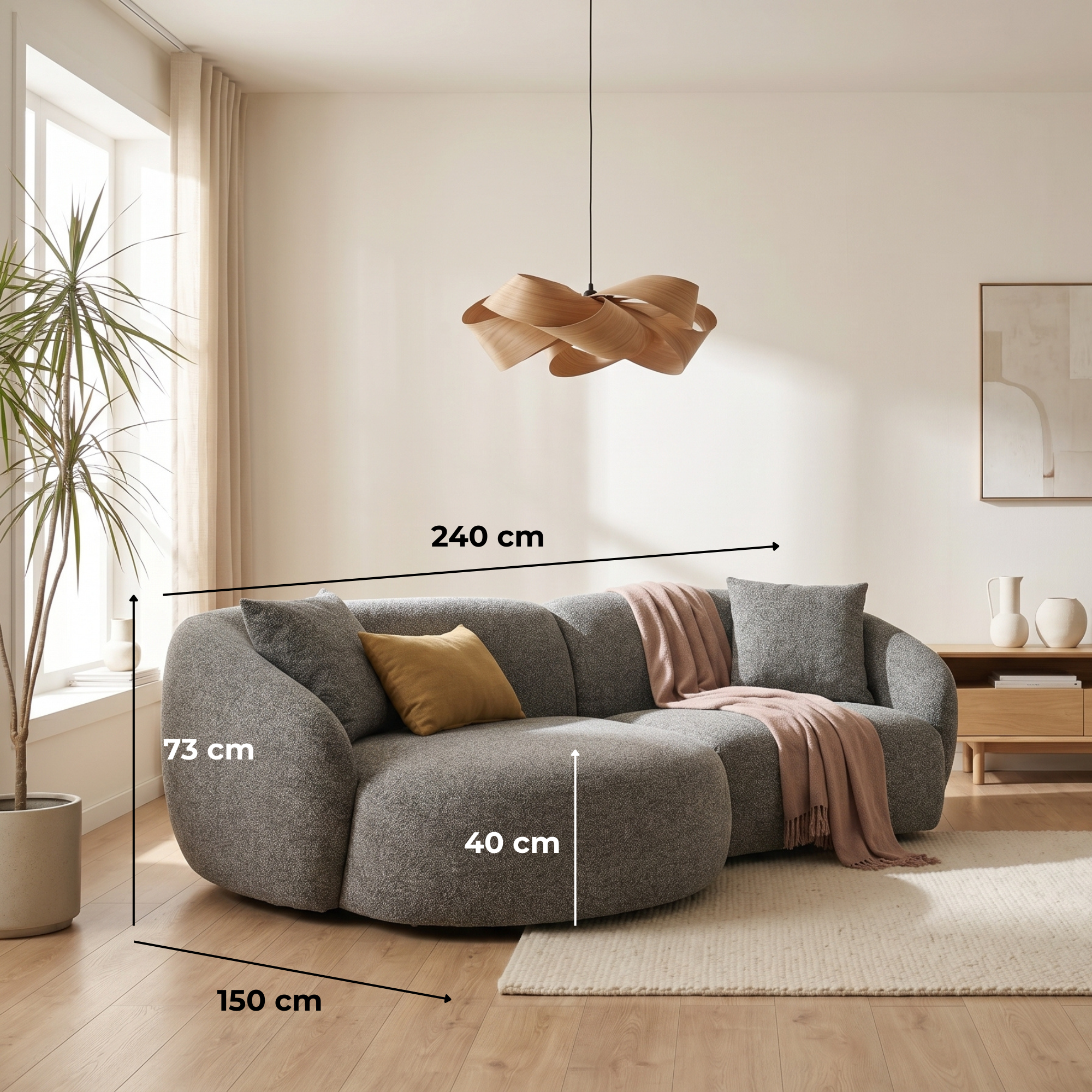
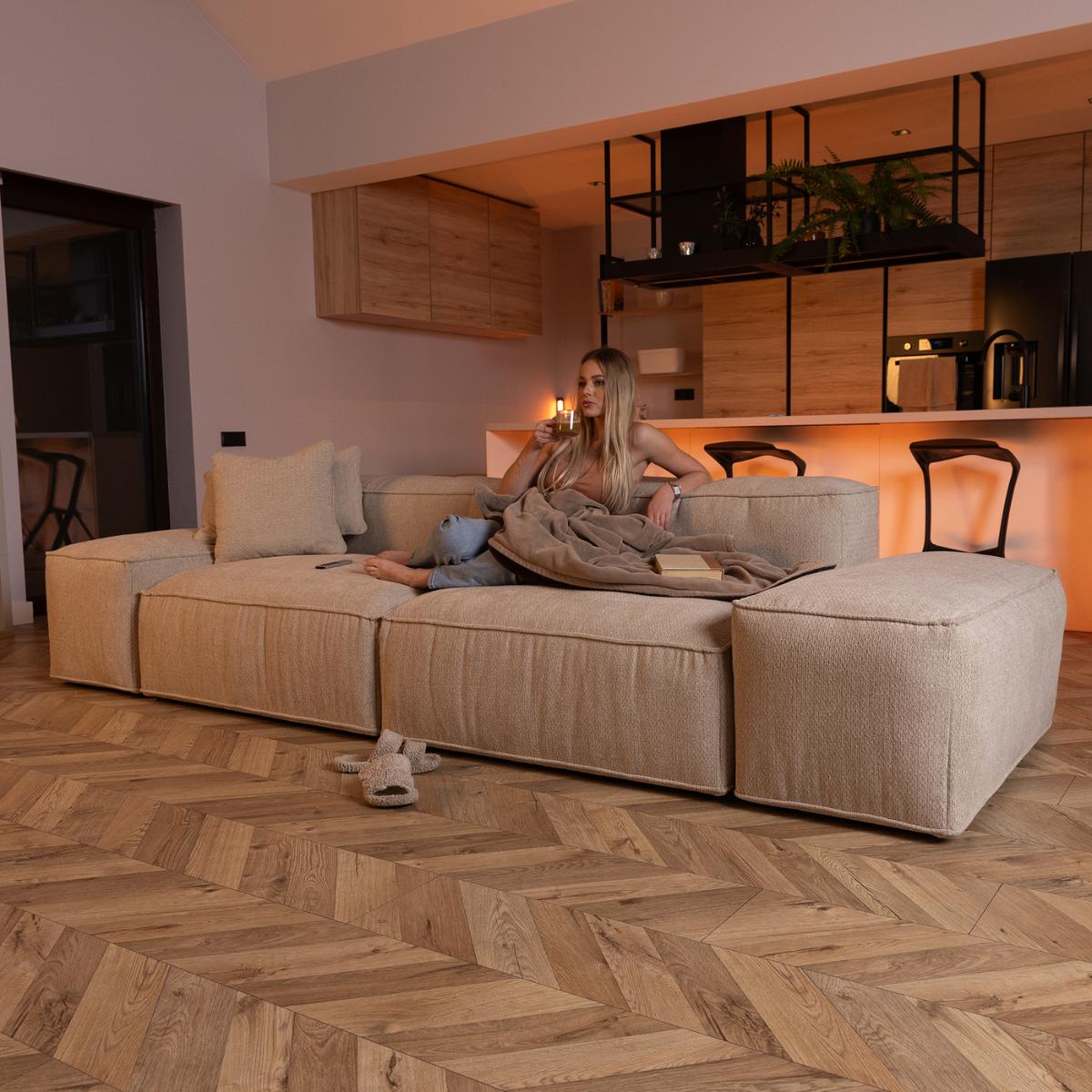
The sofa is the anchor of cosiness in a living room — it needs to be large enough to invite lounging, soft enough to sink into, and positioned to create a sense of enclosure rather than exposure. The Lugano in toffee combines a generous, deep seat with a warm, tactile fabric that invites you to settle in. Position it facing the focal point of the room — a fireplace, TV, or window — and layer with throws and cushions for maximum comfort.

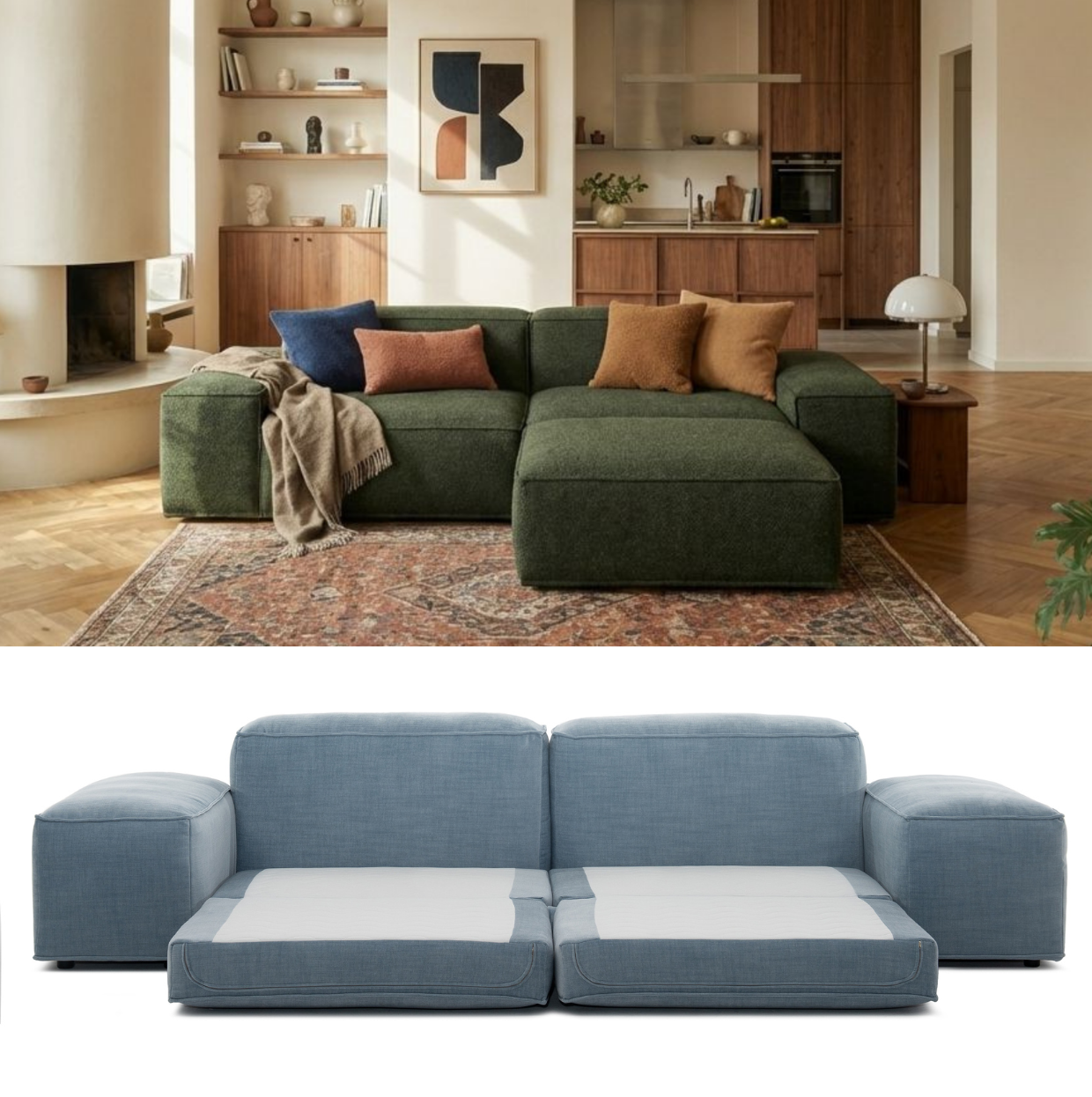
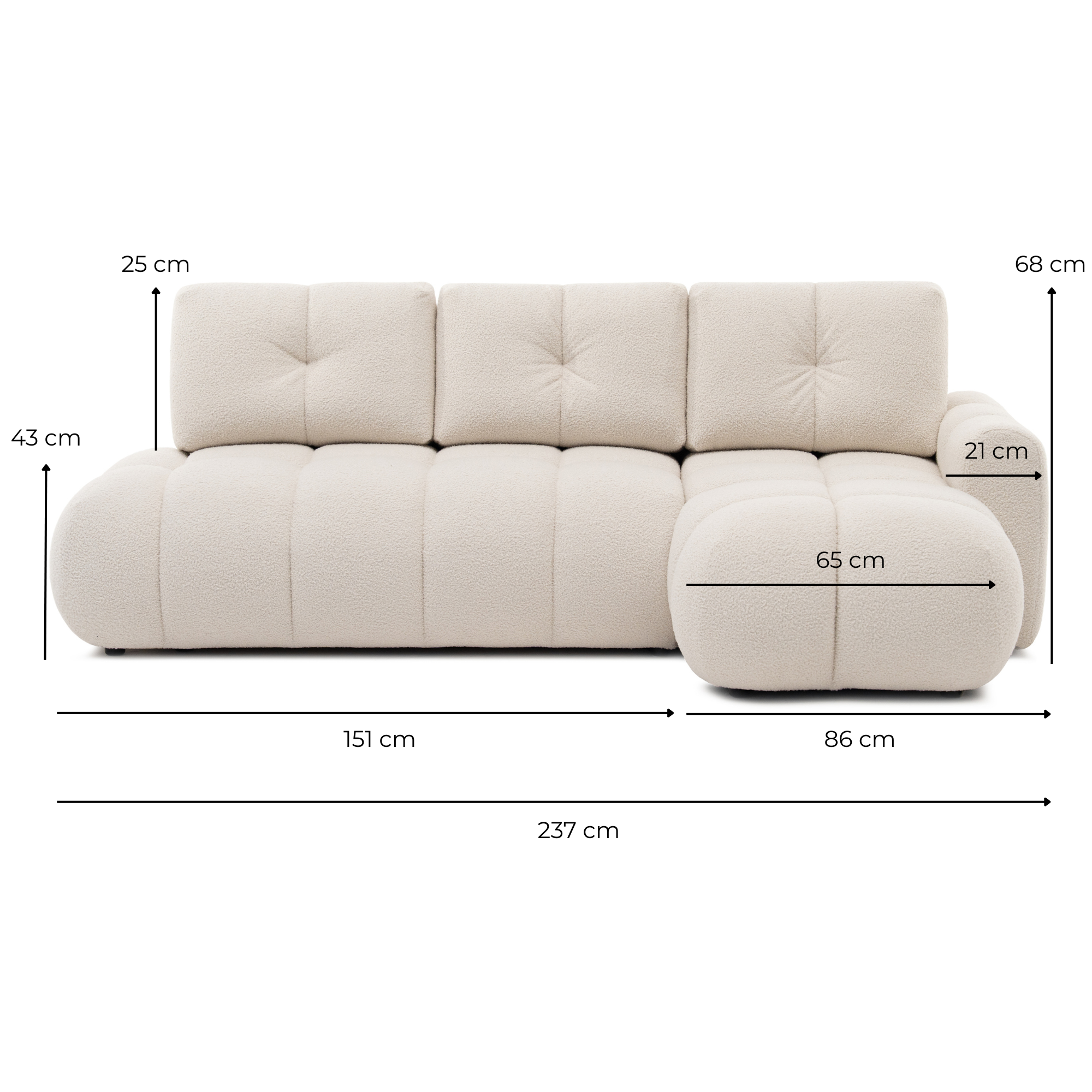
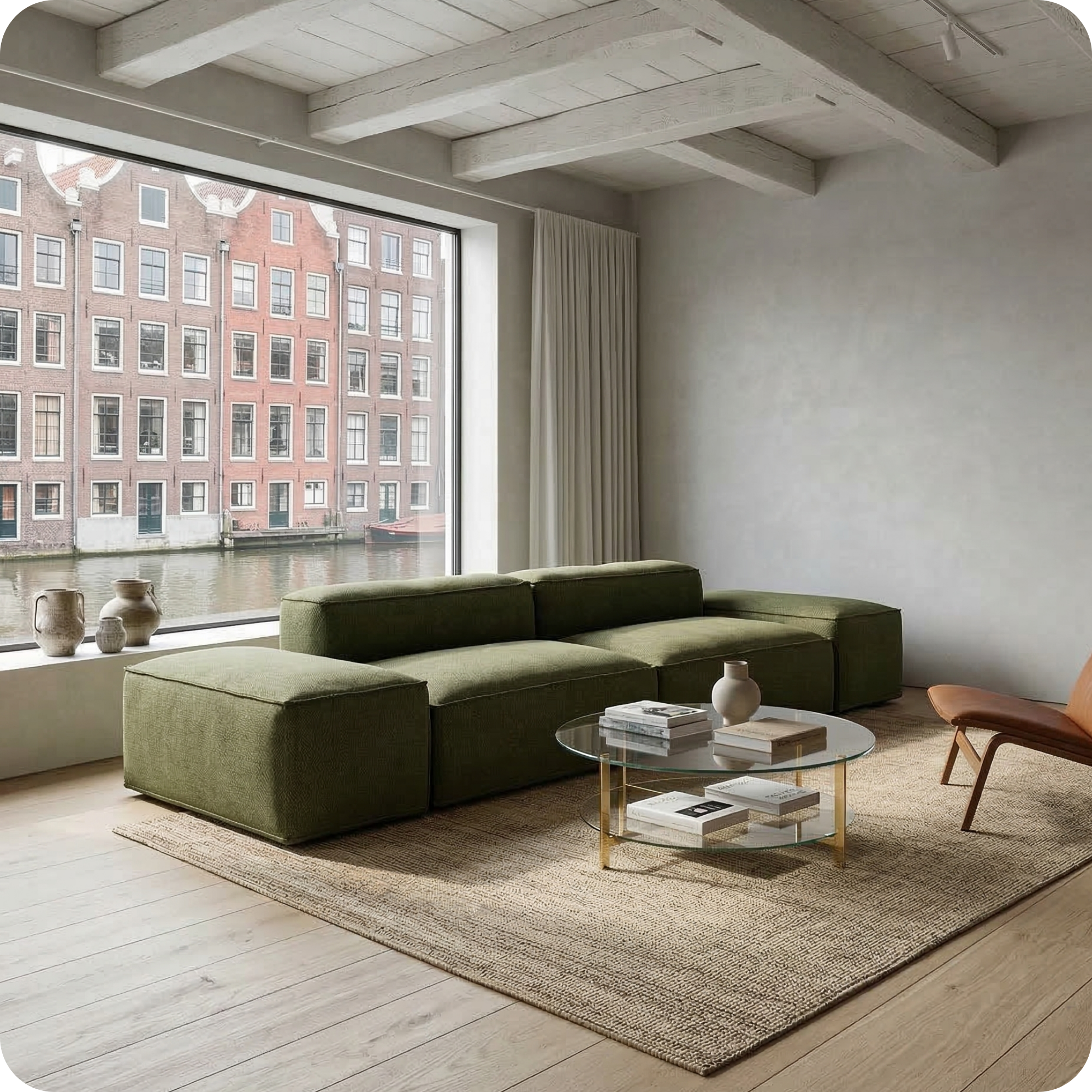
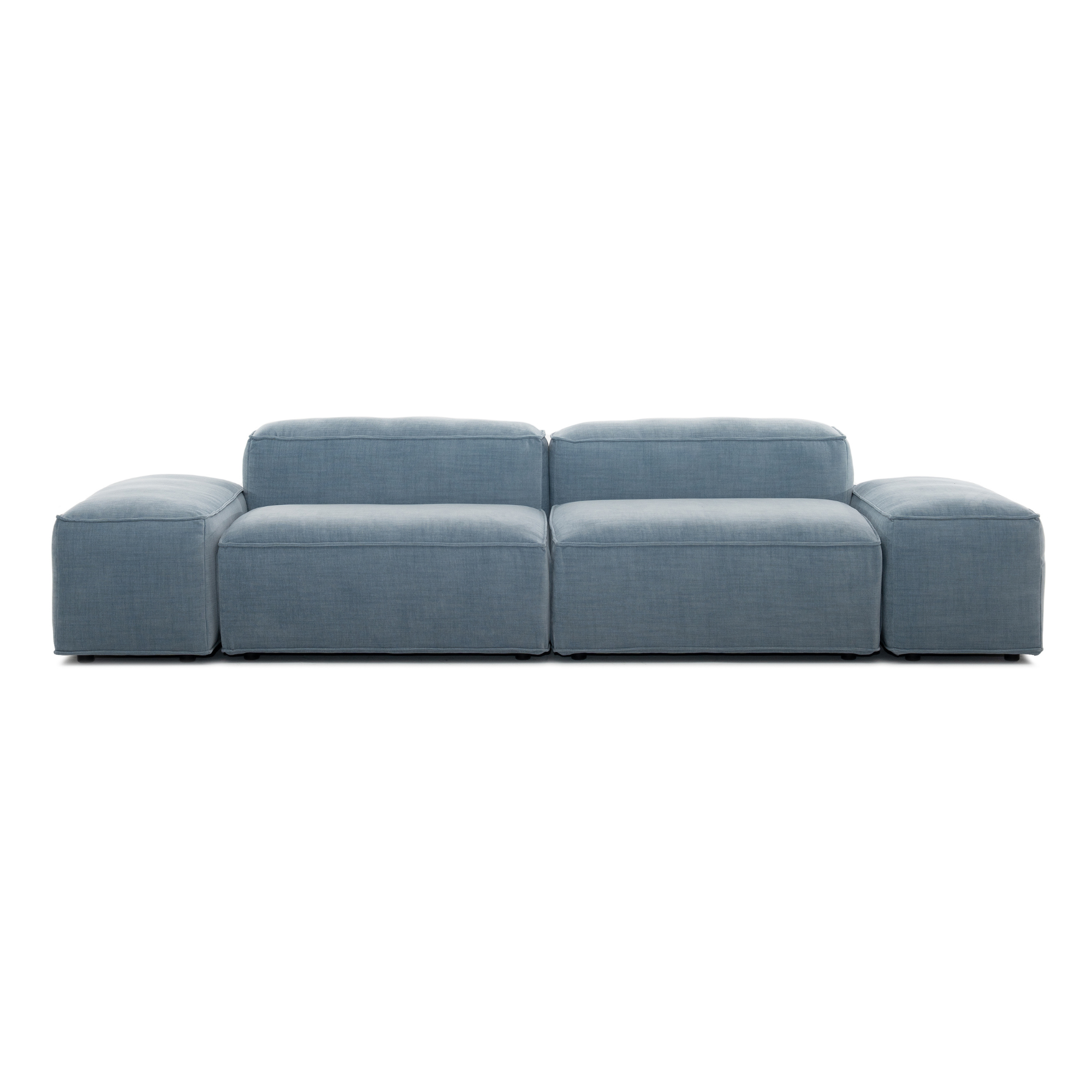
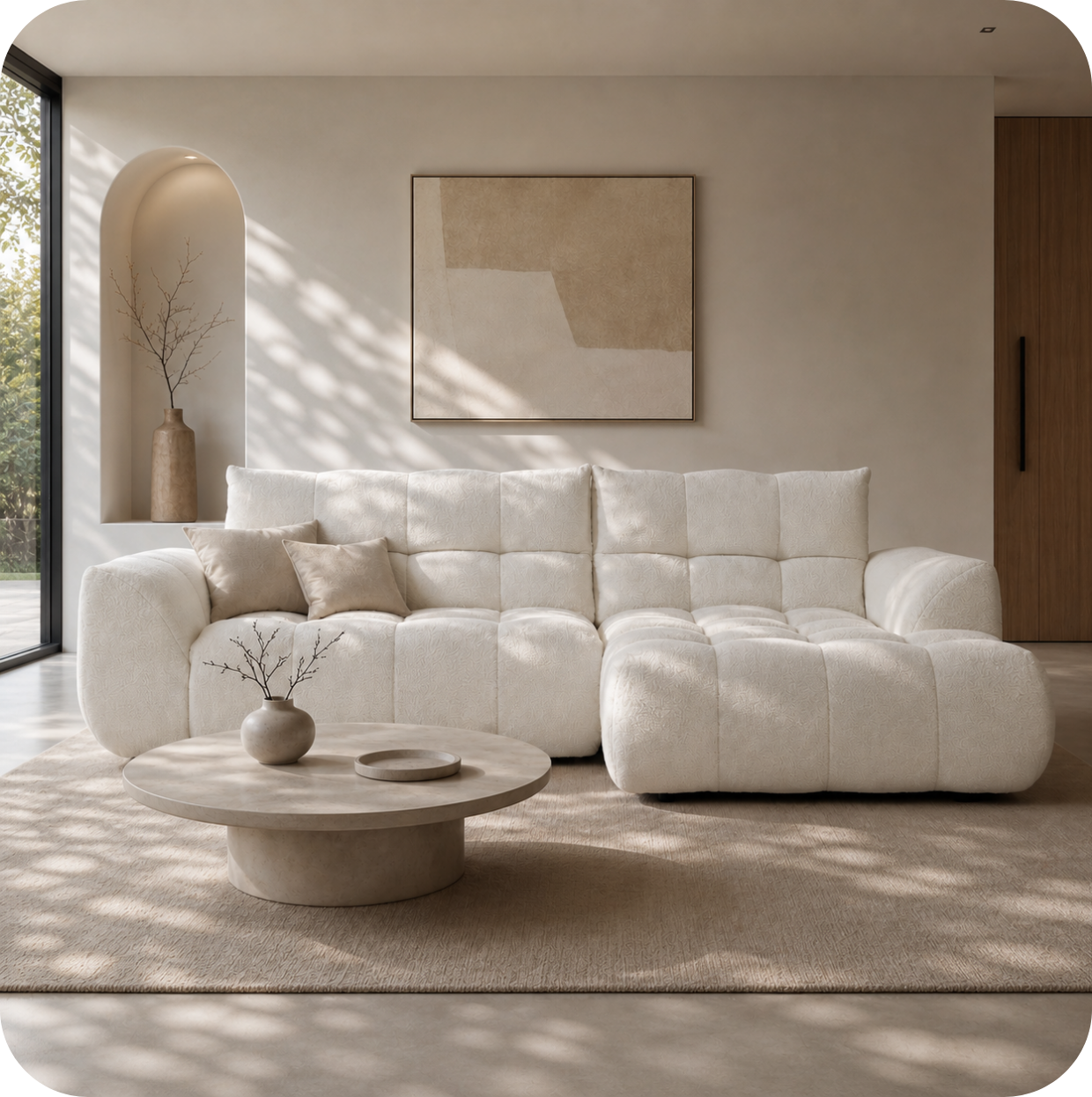
Merlot Corner Sofa — from €1,913
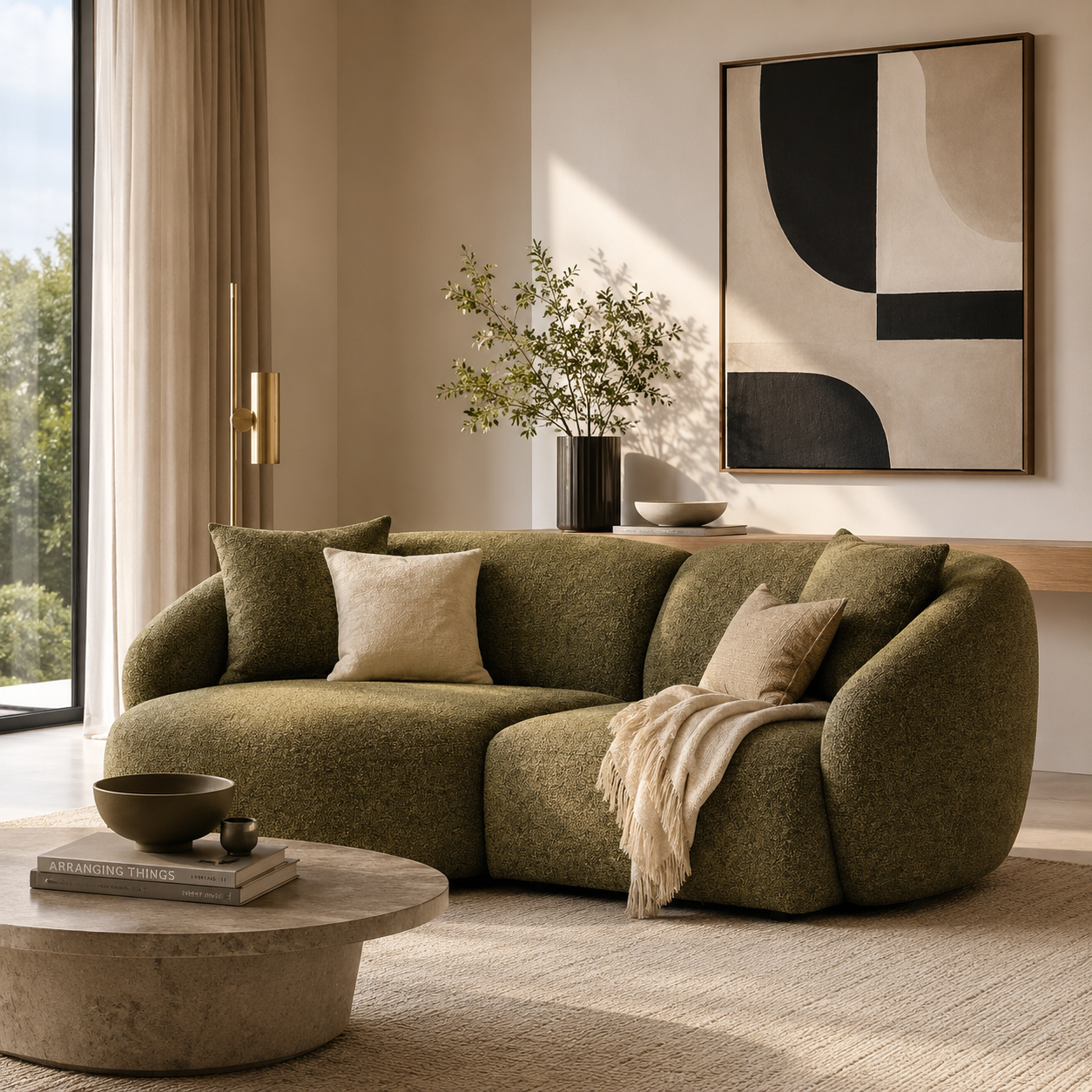
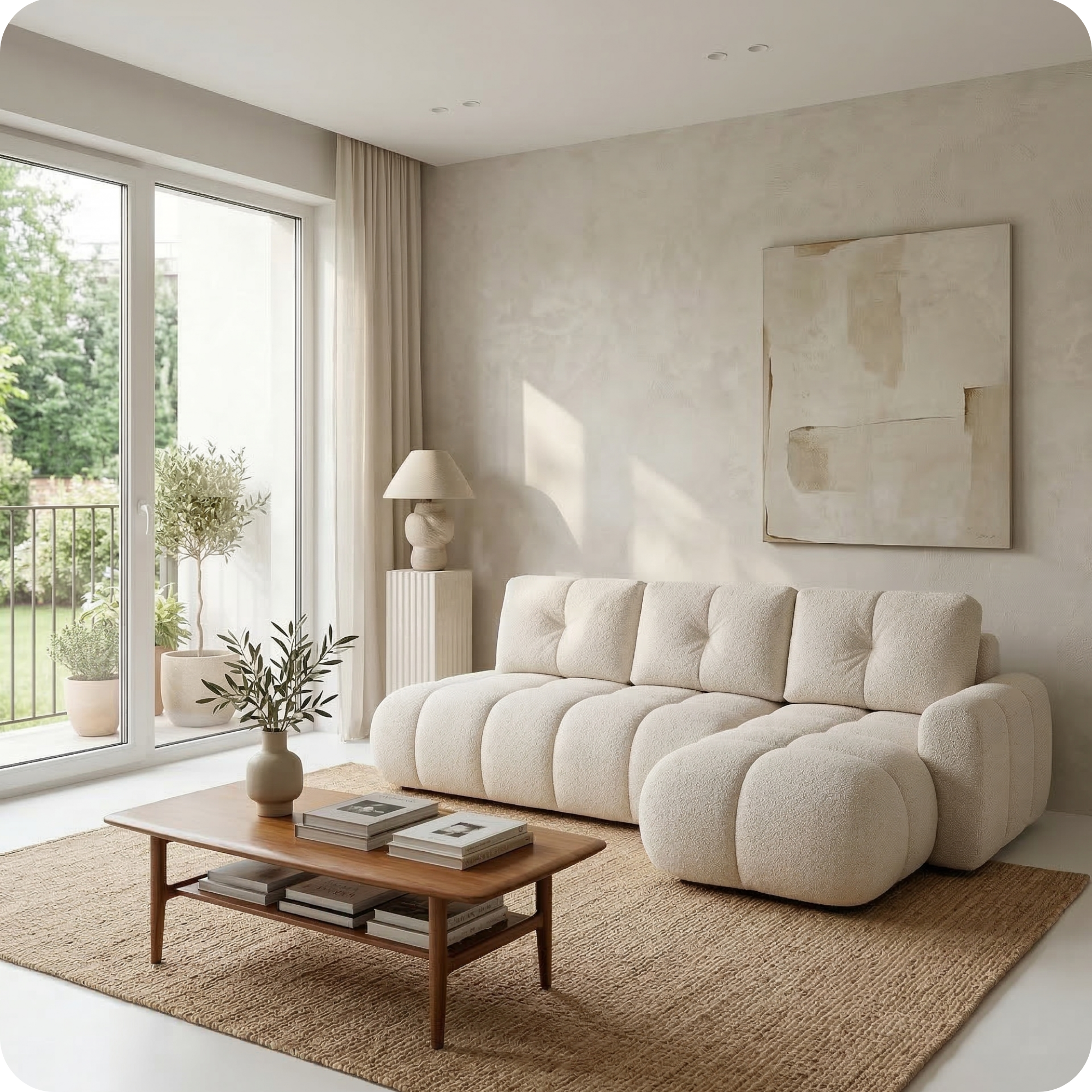
Corner sofas have an inherent cosiness advantage over straight sofas: the L-shape creates a natural enclosure, a sense of being held by the space rather than exposed in it. The Merlot corner in leaf green, draped with cream and terracotta cushions and a wool throw, creates a seating zone that is genuinely difficult to want to leave.
Texture Layers Add Depth and Warmth
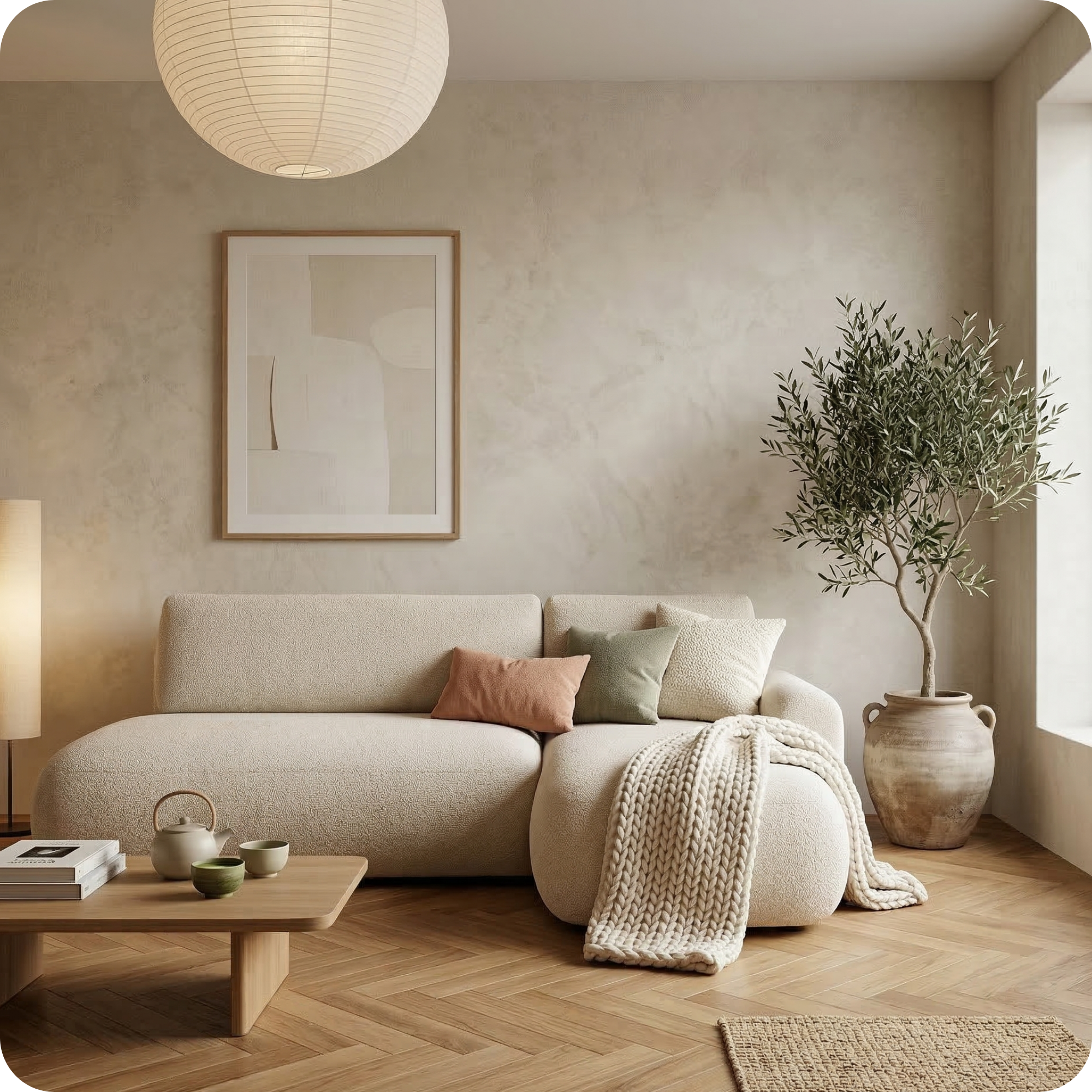
Texture is the tactile dimension of cosiness — the things you touch and feel as well as see. A cosy living room typically has multiple texture layers: a plush rug underfoot, soft cushions and throws on the sofa, curtains that drape and move, plants that bring a living organic quality, and natural materials — wood, wicker, linen, wool — that have an inherent warmth that synthetic materials lack. The approach is additive: each layer of texture adds warmth and richness, and the sum is greater than its parts.
Arrangement: Create Enclosure and Intimacy
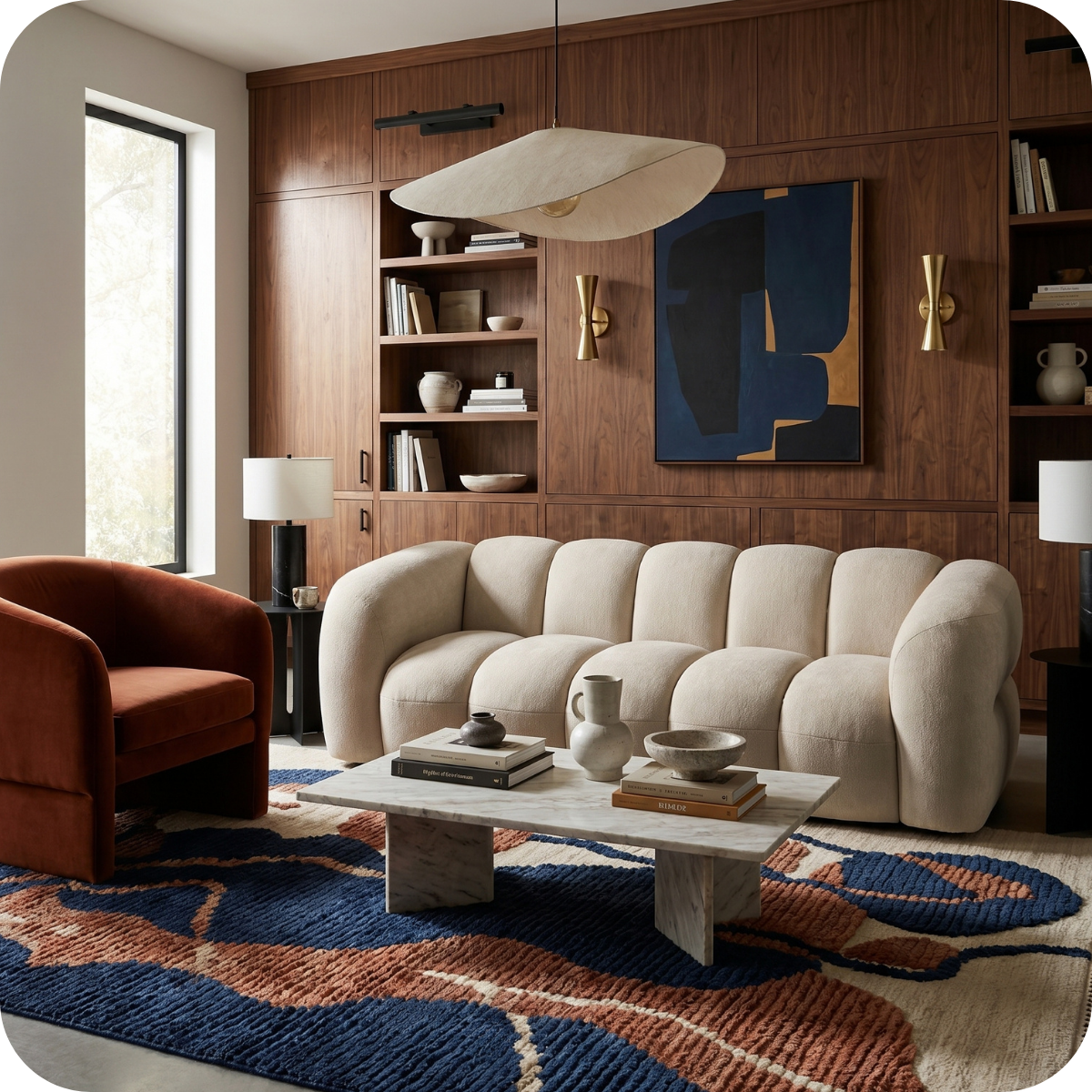
Furniture arrangement is the architectural dimension of cosiness. A living room that is arranged for cosiness places the sofa and seating as close to the focal point as the room allows, with seating angled slightly inward so conversation is easy and natural. Avoid placing all furniture against the walls — this creates a large, empty central space that feels exposed rather than intimate. A floating sofa arrangement, anchored by a rug with a coffee table close enough to reach from the sofa, creates the enclosure that makes a living room feel genuinely cosy.