


Industrial Living Room Ideas: How to Create an Industrial Interior
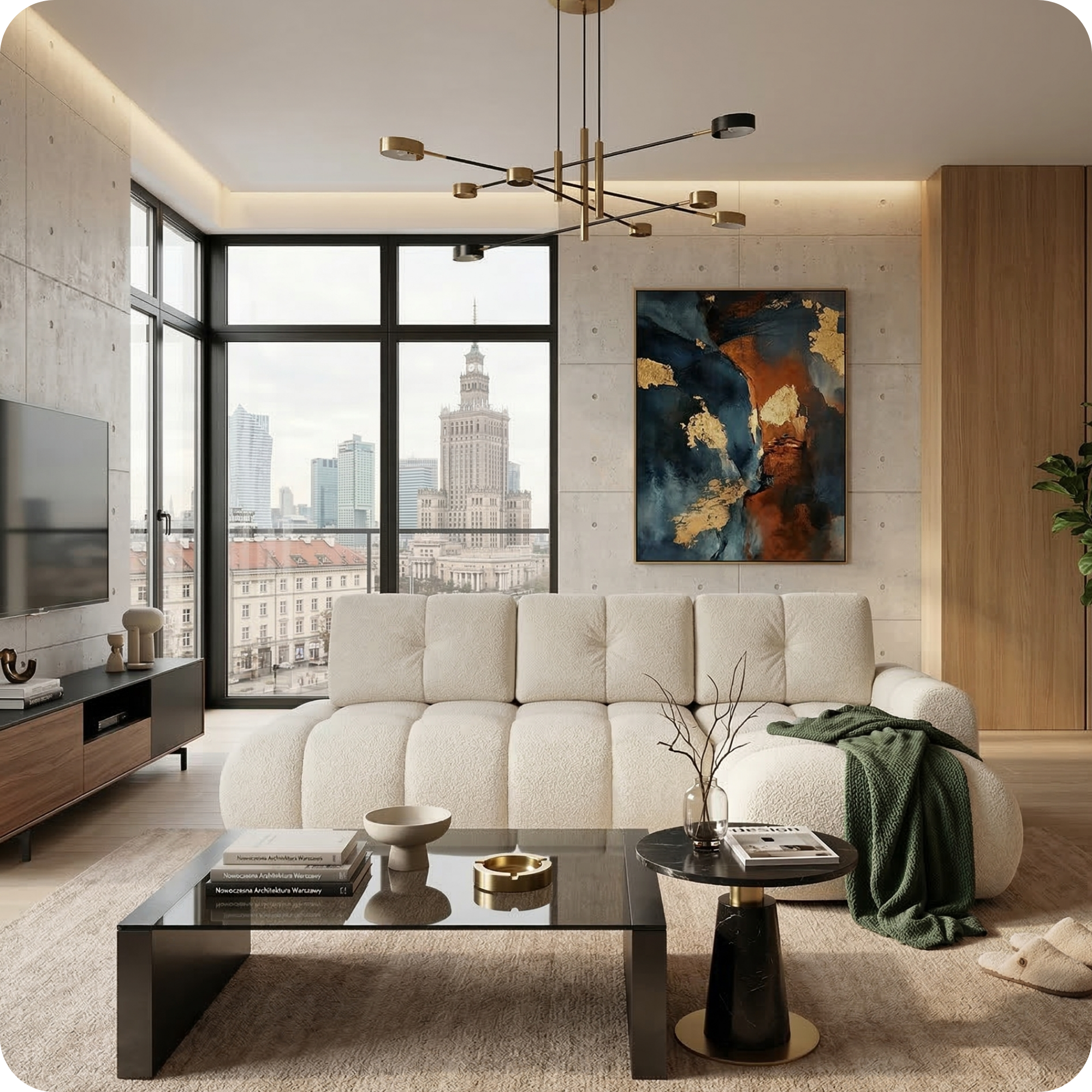
Industrial style is one of the most recognisable and enduringly popular interior aesthetics of the past two decades. Inspired by converted warehouses and loft apartments, it brings together raw, unfinished materials -- exposed brick, bare concrete, weathered steel and reclaimed wood -- with a deliberately pared-back aesthetic that lets the materials and structure speak for themselves. Done well, industrial style is both dramatic and sophisticated. Done poorly, it can feel cold and unfinished. This guide covers how to achieve the industrial look in a domestic living room, including the sofa choices, colour palettes, materials and details that make the style work at its best.
The Industrial Colour Palette
Industrial interiors are built on a foundation of near-neutrals: dark charcoal grey, black, raw concrete grey, rust brown and warm off-white. The palette is deliberately restricted -- industrial style avoids the layered, decorative colour approach of bohemian or eclectic interiors and instead focuses on a small number of tones used consistently throughout the room. The most effective industrial colour scheme is typically a combination of one dark anchor tone (deep charcoal, near-black, or deep navy) with one warm contrast (rust, toffee brown, raw wood) and one lighter neutral (off-white, raw plaster or pale concrete). Colour accents, where used at all, are typically drawn from industrial sources: verdigris copper, aged brass, oxidised steel blue.
Sofa Choices for an Industrial Interior
The sofa is often the most important single decision in an industrial living room, and there are several directions that work particularly well. Leather sofas in dark tones -- aged cognac brown, dark espresso, or near-black -- are perhaps the most classically industrial choice. They age beautifully over time, developing patina and character that reinforces the industrial aesthetic's celebration of wear and imperfection. Fabric sofas can also work well in industrial settings: deep charcoal, slate grey or warm mid-brown upholstery in a structured, unornamented design fits the aesthetic without introducing unnecessary decorative complexity. What tends not to work is very light, delicate or ornate upholstery -- industrial style requires furniture with visual weight and material presence.

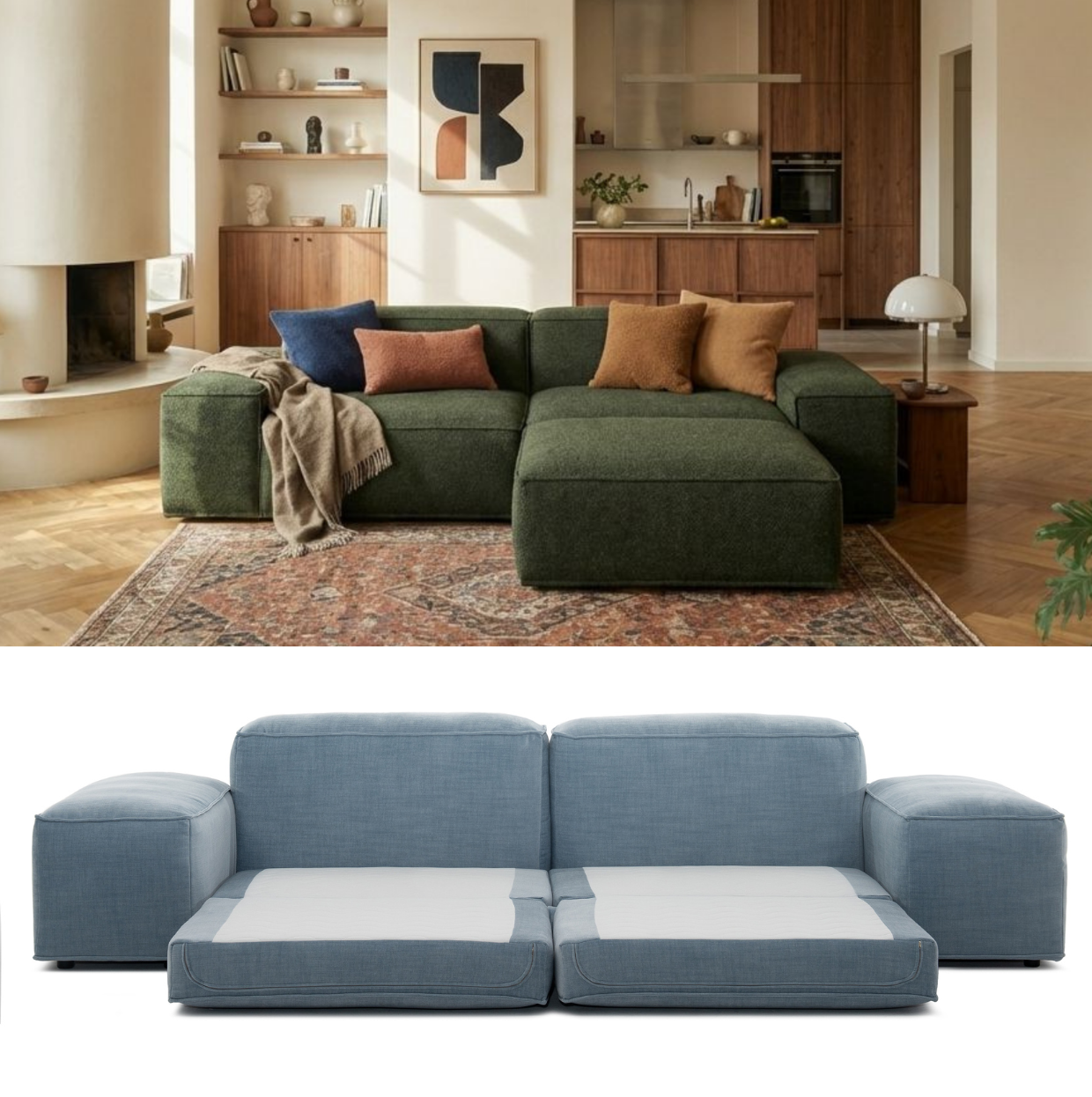
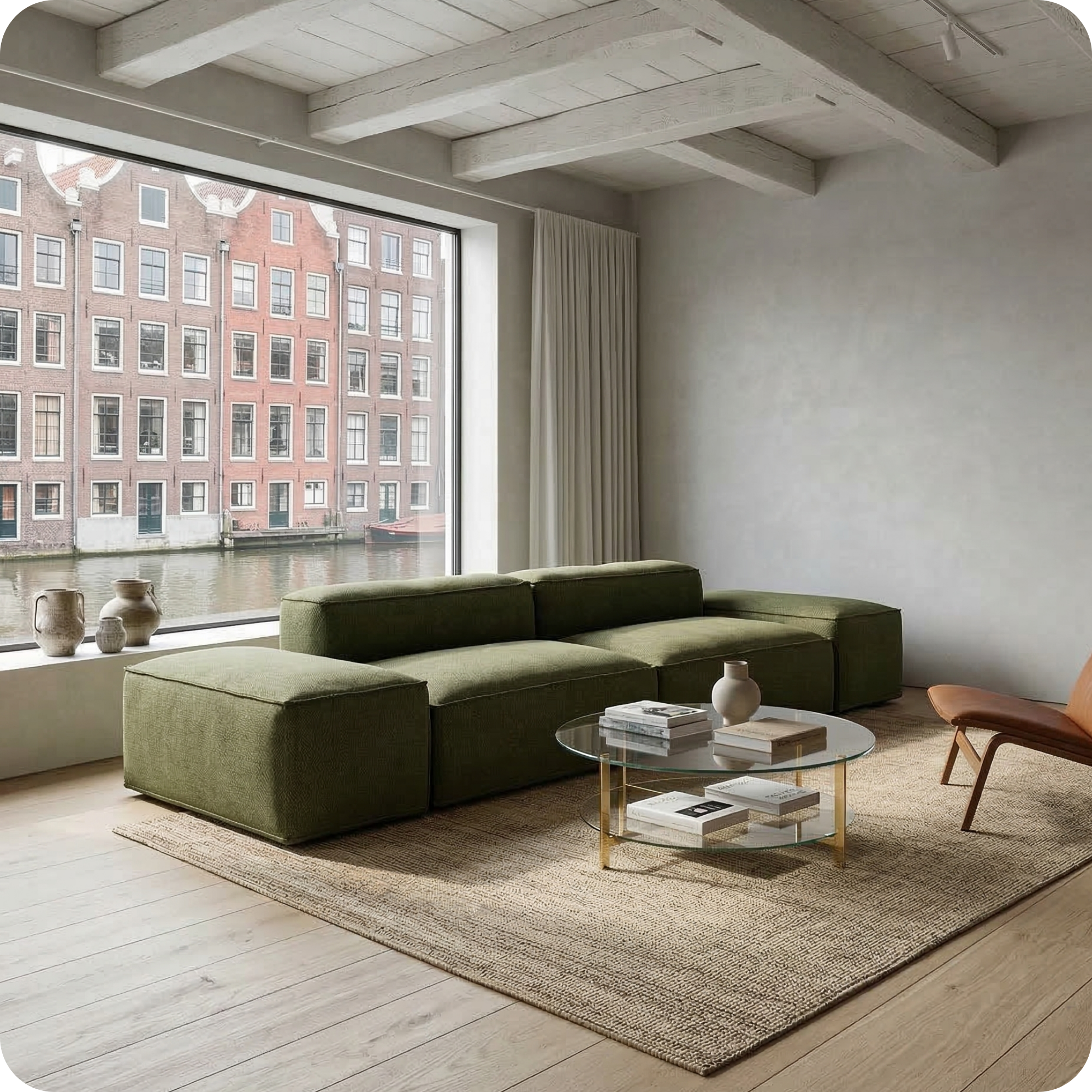
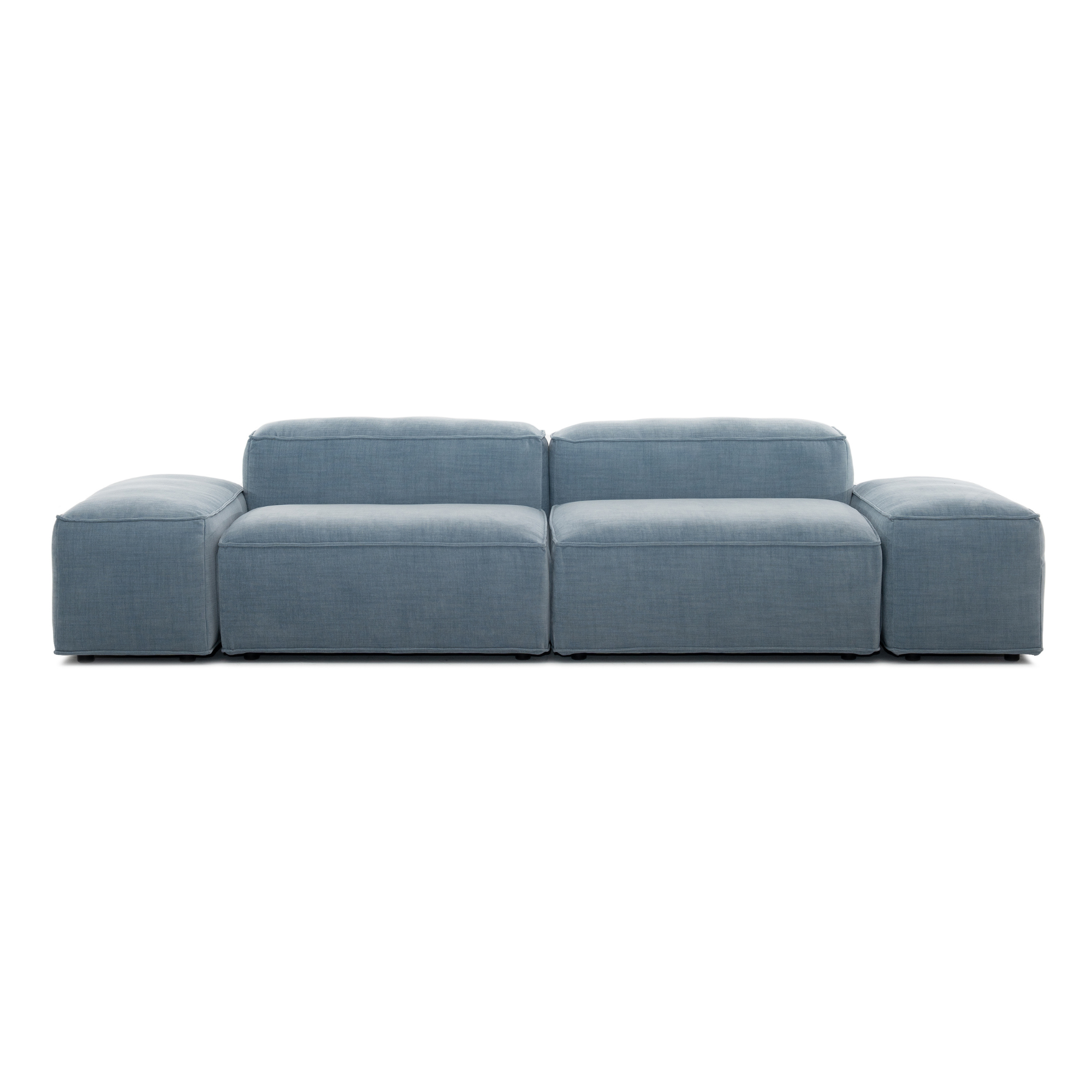
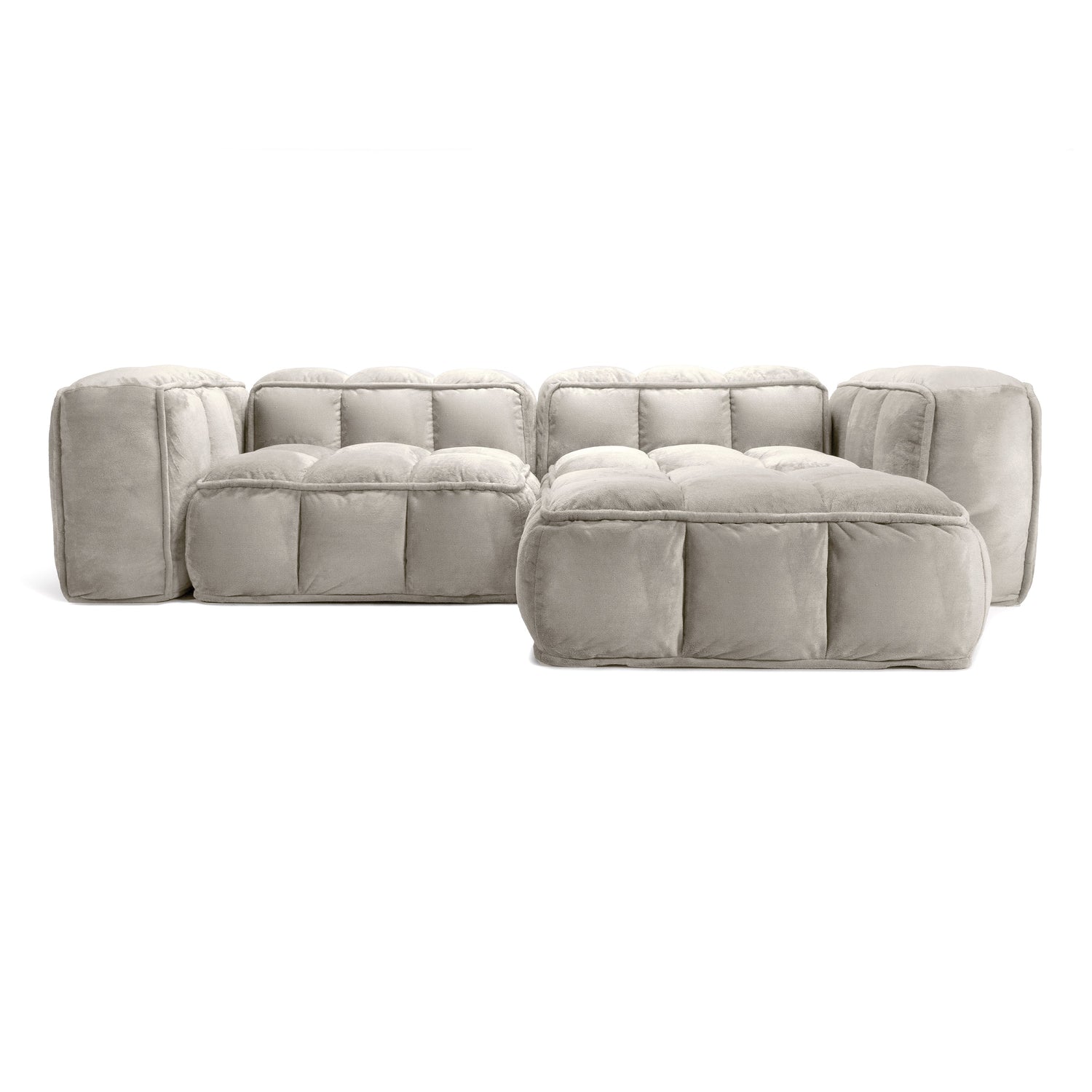
Malbec Modular Sofa — from €2,375
The Malbec's deep, structured construction and substantial proportions make it an excellent choice for industrial interiors. Its visual weight and clear architectural form align naturally with the industrial aesthetic's emphasis on material presence over decorative detail.

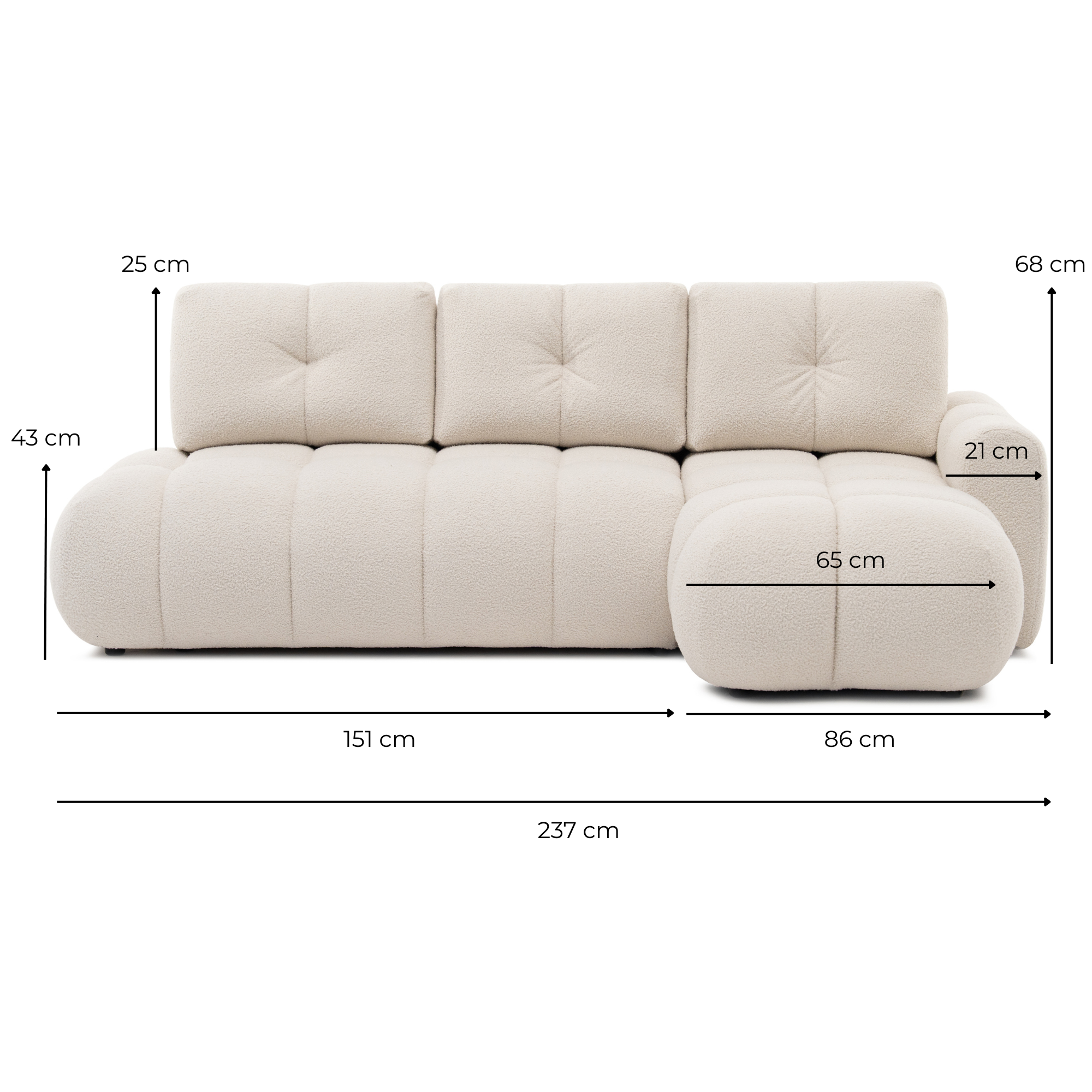
Torino Corner Sofa — from €999
The Torino's structured, angular silhouette fits naturally into industrial settings. The clean, unornamented design and substantial scale create the material presence that industrial interiors require.
Key Materials for Industrial Style
Exposed brick is probably the most iconic element of industrial style -- if you have it, use it as a feature rather than hiding it. If your walls are plain plaster, a brick-effect wallpaper or a panel of reclaimed brick slips can provide the same visual effect. Raw and weathered steel features -- a steel-framed coffee table, metal shelving, industrial pendant lights with Edison bulbs in exposed metal cages -- reinforce the industrial character. Reclaimed wood is a crucial warm counterpoint to the harder, cooler materials: a reclaimed wood dining table, wooden shelving or even a rough-cut wooden beam used as a shelf all bring warmth and organic texture to an otherwise hard-surfaced room. Concrete, in floors, surfaces or decorative elements, is a central material in industrial style but benefits from being balanced with warmer materials to prevent the room feeling cold.
Industrial Lighting
Lighting choices have an outsized impact on industrial interiors. The classic industrial pendant light is a bare-filament Edison bulb in an exposed metal cage or copper shade, hung low over a coffee table or in clusters. Track lighting on metal rails, factory-style wall sconces and floor lamps with steel or pipe-style bases are all consistent with the aesthetic. Crucially, the colour temperature of the bulbs matters enormously: warm filament bulbs (2200-2700K) give the glowing, amber warmth that suits industrial interiors. Cool, blue-toned bulbs (above 4000K) make industrial interiors feel clinical and cold rather than warm and characterful.
Balancing Industrial Style with Comfort
The most common criticism of industrial living rooms is that they look good but feel cold and uncomfortable. The solution is to layer warmth and softness into the palette using soft furnishings: a thick, textured rug in warm grey or charcoal, generous cushions on the sofa in deep toned velvet or woven wool, a heavy throw. These elements do not dilute the industrial aesthetic -- they make it habitable. The best industrial living rooms are those that capture the visual language of the style while remaining genuinely comfortable spaces to live in.