



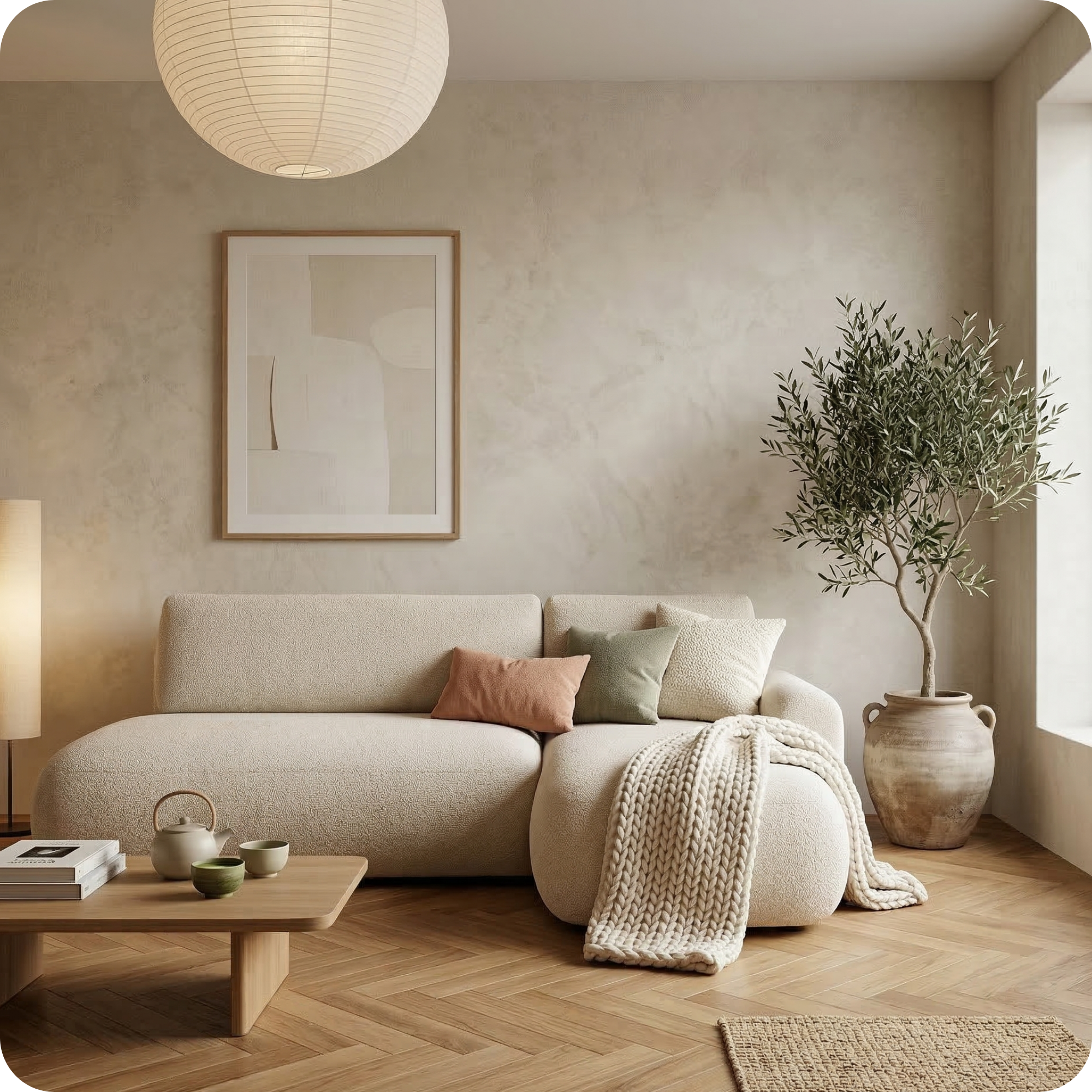
Japandi Interior Design: How to Combine Japanese and Scandinavian Style
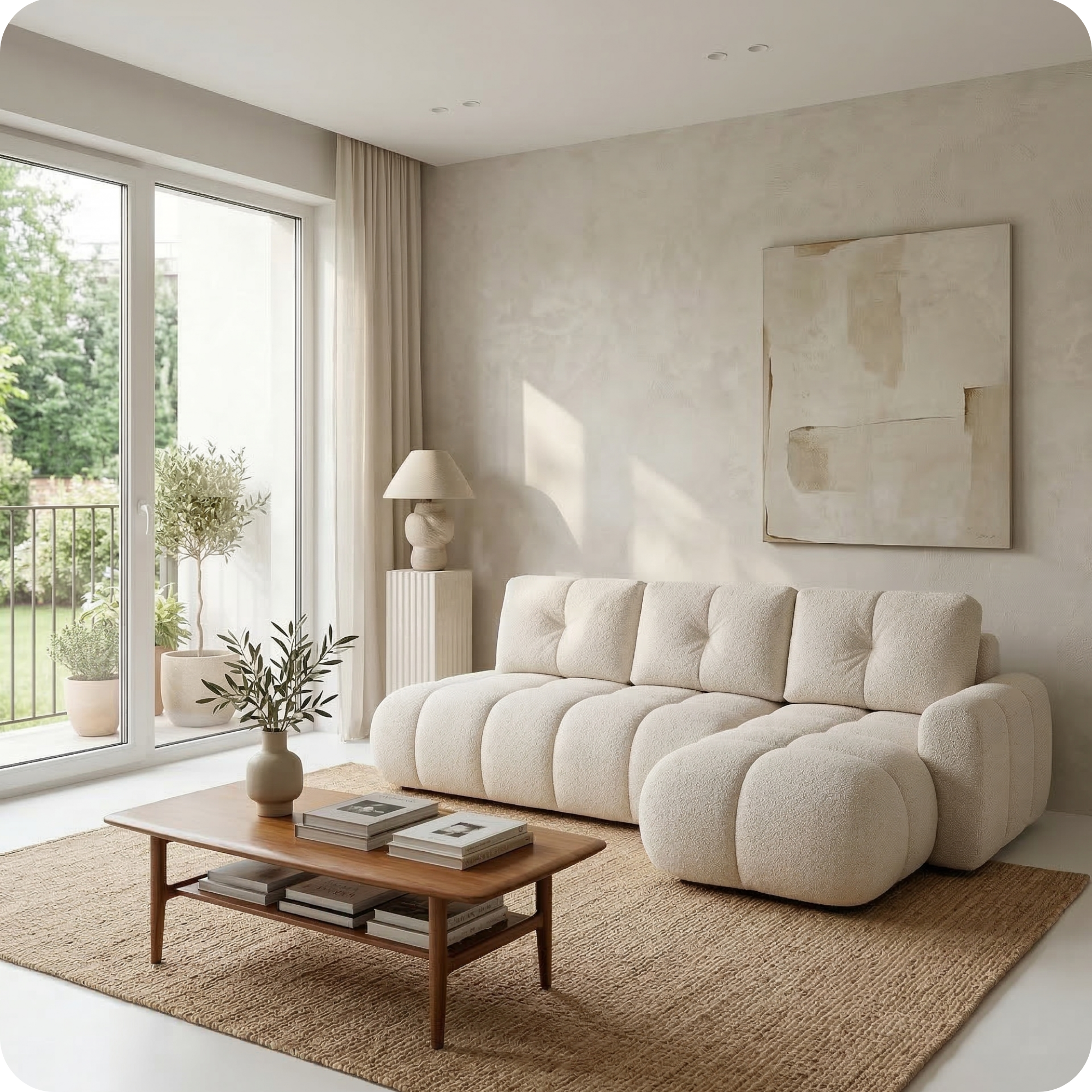
Japandi is one of the most compelling design trends of recent years — a hybrid aesthetic that combines the most essential qualities of Japanese and Scandinavian interior design into something entirely its own. The name is a portmanteau of Japan and Scandinavia, and the design philosophy combines two traditions that, despite geographical distance, share a remarkable depth of alignment: both value simplicity, natural materials, craftsmanship, functional beauty, and the belief that objects should be chosen with care and used with intention.
The Japandi Philosophy
The Japanese concept of wabi-sabi — finding beauty in imperfection, impermanence, and incompleteness — resonates with the Scandinavian concept of hygge — warmth, comfort, and the pleasure of simple things. Both traditions emphasise quality over quantity, emptiness as a design element, and the integration of the natural world into the interior. Japandi takes these shared values and creates an aesthetic that is simultaneously minimalist and warm, spare and inviting, quiet and deeply considered.
The Japandi Colour Palette
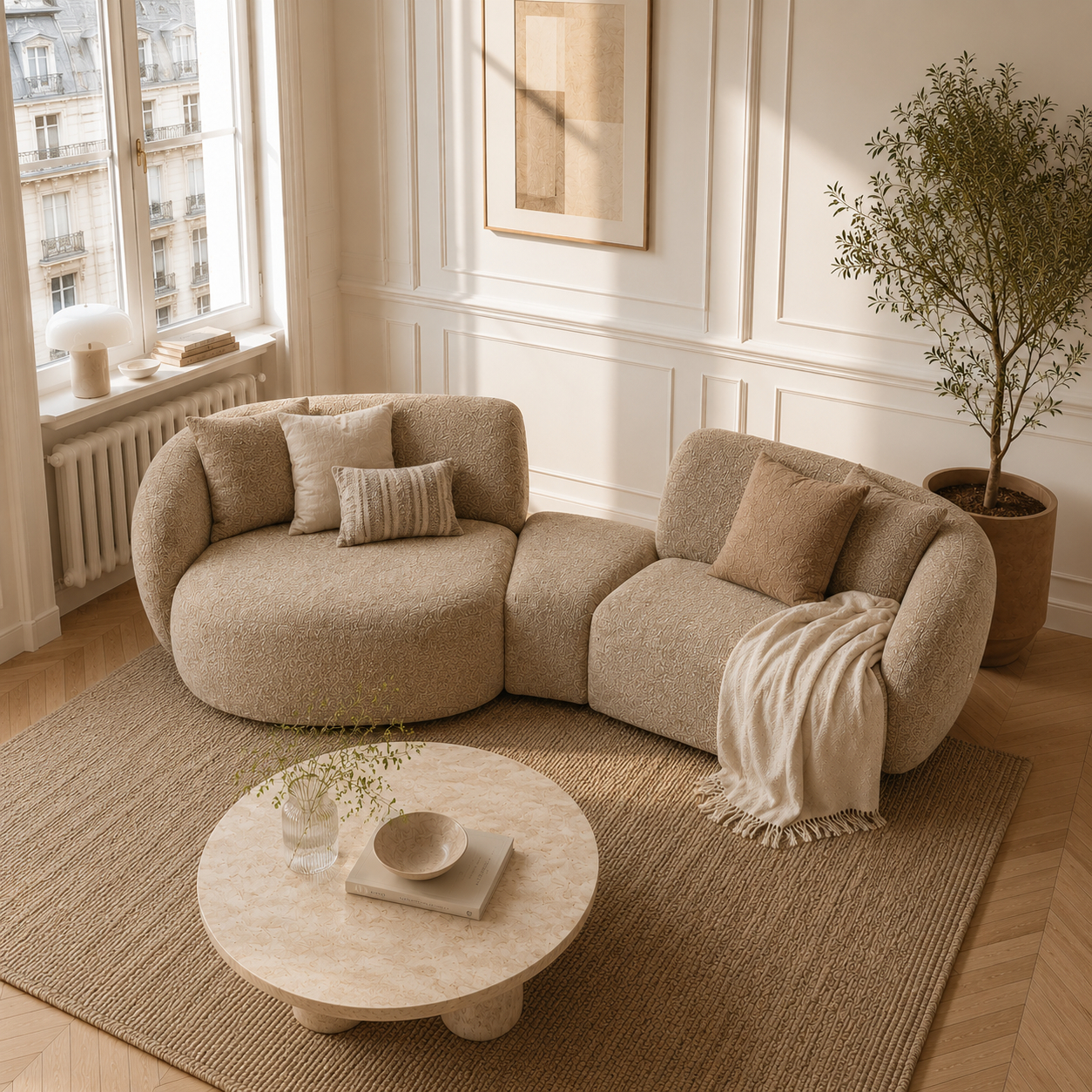
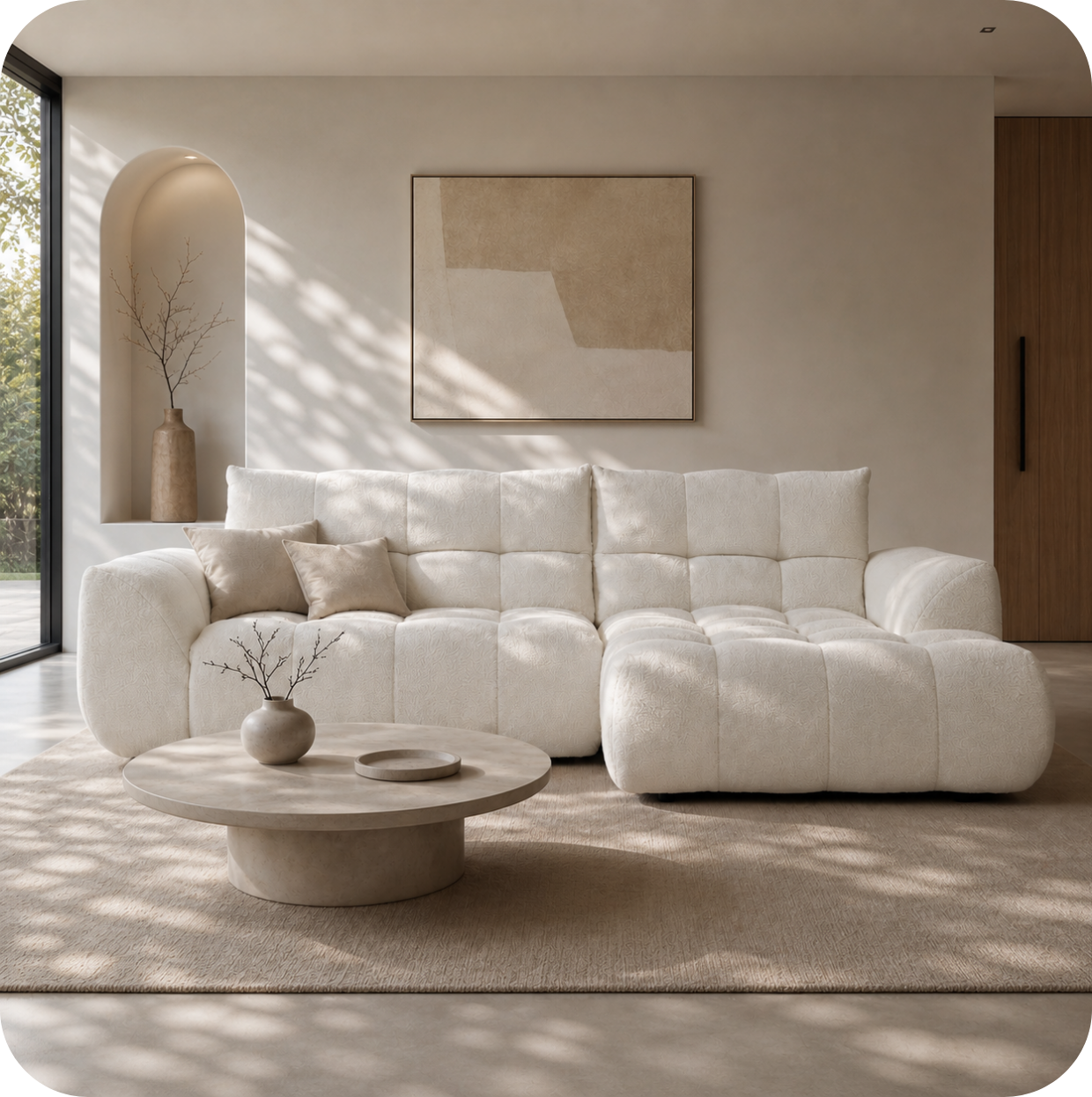
The Japandi palette is built around warm, organic neutrals drawn from both traditions. Warm whites, off-whites, and very pale greys provide the base. Warm natural tones — raw linen, warm sand, pale oak — layer in texture. Earthy accents in warm terracotta, soft sage green, warm mushroom, and muted dusty clay add depth. The palette is never stark or cold — where Scandinavian interiors sometimes err toward cool whiteness, Japandi always maintains a warmth through its earthy, organic tones. Dark accents in deep charcoal, deep navy, or black appear sparingly — in a lamp base, a picture frame, a simple ceramic vessel — providing contrast without disturbing the room's quietness.

Lugano Sofa in Sand — from EUR 790
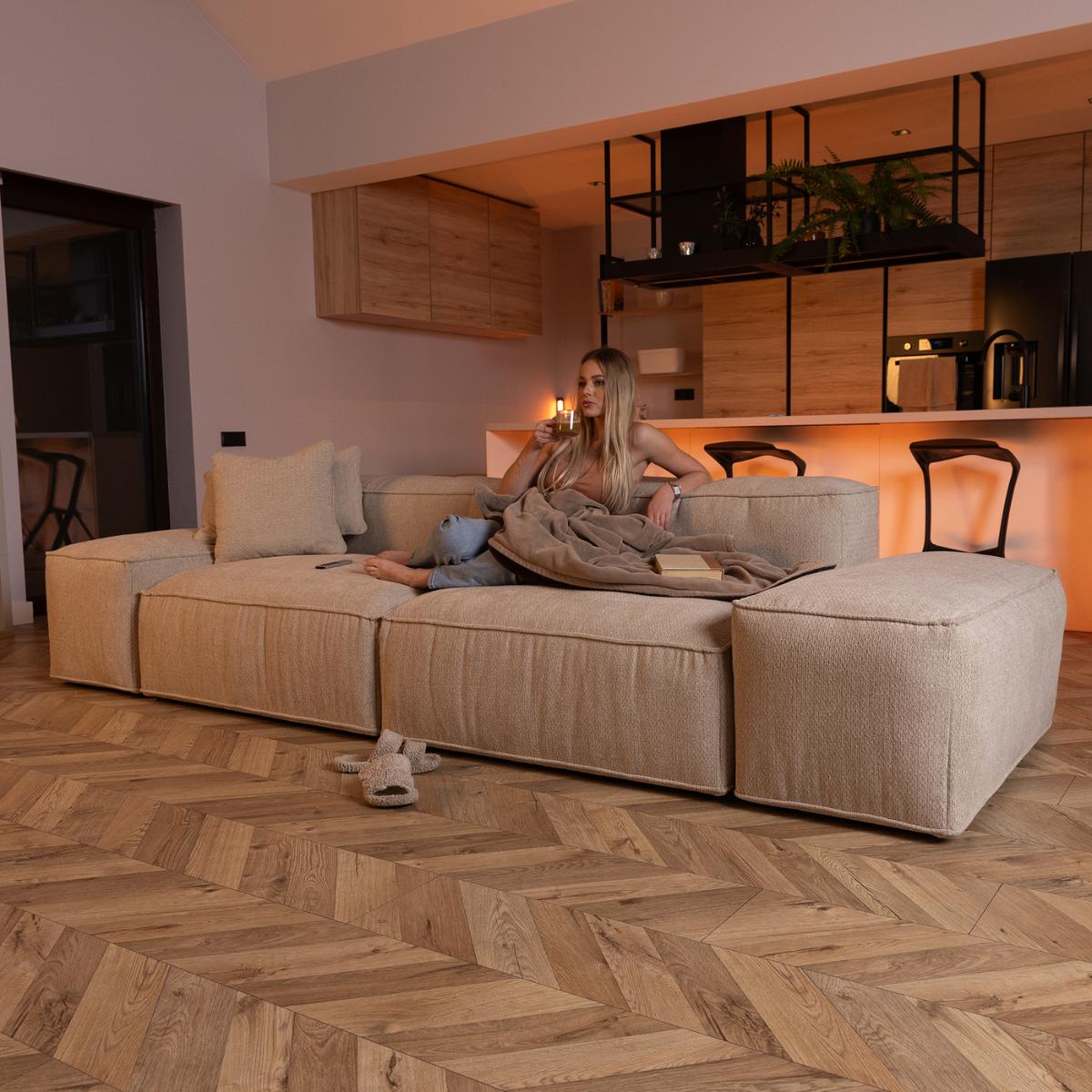
The Lugano in sand is an ideal choice for a Japandi living room — its warm, natural tone sits in perfect alignment with the earthy, organic neutrals of the Japandi palette, and its clean, unfussy silhouette suits the style's emphasis on simplicity and quality.

Lugano Sofa in Khaki — from EUR 790
Khaki is a quintessential Japandi sofa tone — its warm, muted green-brown quality sits at exactly the intersection of earthy Japanese wabi-sabi and warm Scandinavian natural palette that defines the Japandi aesthetic.
Furniture: Clean Lines, Natural Materials, and Visible Craft
Japandi furniture is defined by clean lines, natural materials, and visible craftsmanship. Low-profile furniture with a sense of groundedness — sofas and chairs that sit close to the floor — references the Japanese aesthetic of floor-level living. Natural solid wood in warm pale tones like oak and ash, or in warmer teak and walnut tones, provides the primary material. The grain and texture of the wood is visible and celebrated rather than hidden behind paint or veneer. Joinery is precise and the quality of the making is evident. Each piece is chosen with care and given space to breathe in the room.
Decluttering and the Art of Negative Space
Perhaps the most important Japandi principle is restraint with objects and a deep comfort with emptiness. Both Japanese and Scandinavian design traditions use negative space — the deliberate absence of objects — as a positive design element. A Japandi living room will have fewer objects than most other interior styles, but each object will have been chosen with care. Open surfaces are comfortable, not uncomfortable. The space between objects matters as much as the objects themselves. This discipline of editing and choosing is what gives Japandi interiors their particular quality of calm and intentionality.

Zostaw komentarz
Ta strona jest chroniona przez hCaptcha i obowiązują na niej Polityka prywatności i Warunki korzystania z usługi serwisu hCaptcha.