


Living Room Accent Wall Ideas: How to Create a Feature Wall
An accent wall — a single wall in a room that is decorated differently from the other three — is one of the most effective tools in interior design. Done well, a feature wall adds drama, depth, and personality to a living room without overwhelming the space. It creates a focal point, draws the eye, and anchors the furniture arrangement around it. Whether you choose bold paint, dramatic wallpaper, textured panels, or natural materials like exposed brick, a well-conceived accent wall can transform the character of a living room entirely.
Choosing the Right Wall
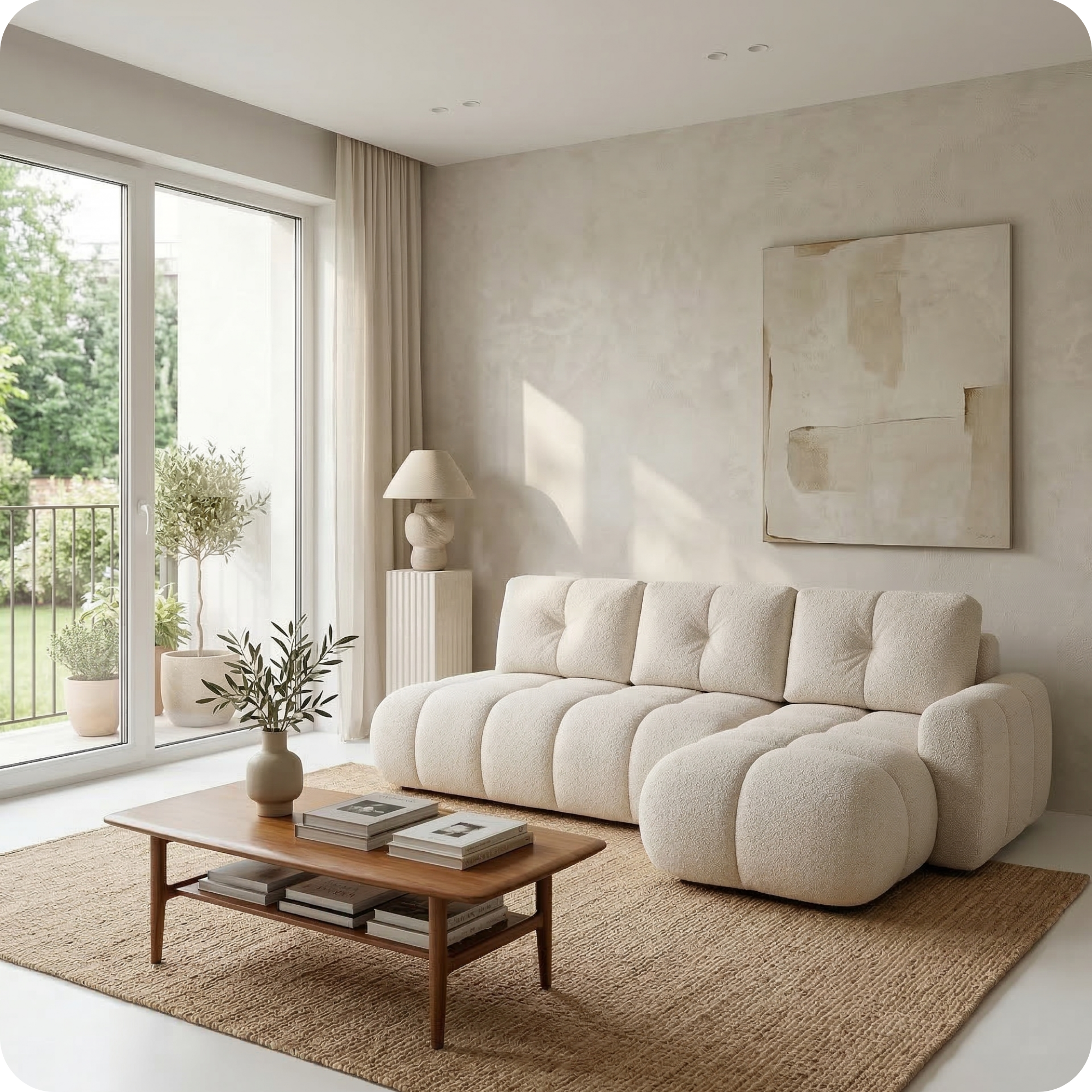
The first decision is which wall to feature. The most effective accent walls are those that naturally draw attention — the wall behind the sofa is the most common choice, as it becomes the backdrop to the main seating arrangement and is the first thing seen when entering the room. The chimney breast wall is another natural choice — it already has architectural presence, and an accent finish amplifies this. The wall behind a television is frequently chosen in contemporary interiors, where a dark or textured finish frames the screen and creates a cinema-like atmosphere. Avoid featuring a wall that has too many doors, windows, or interruptions — a clean, uninterrupted surface creates the most impact.

Asti Corner Sofa — from EUR 1,190
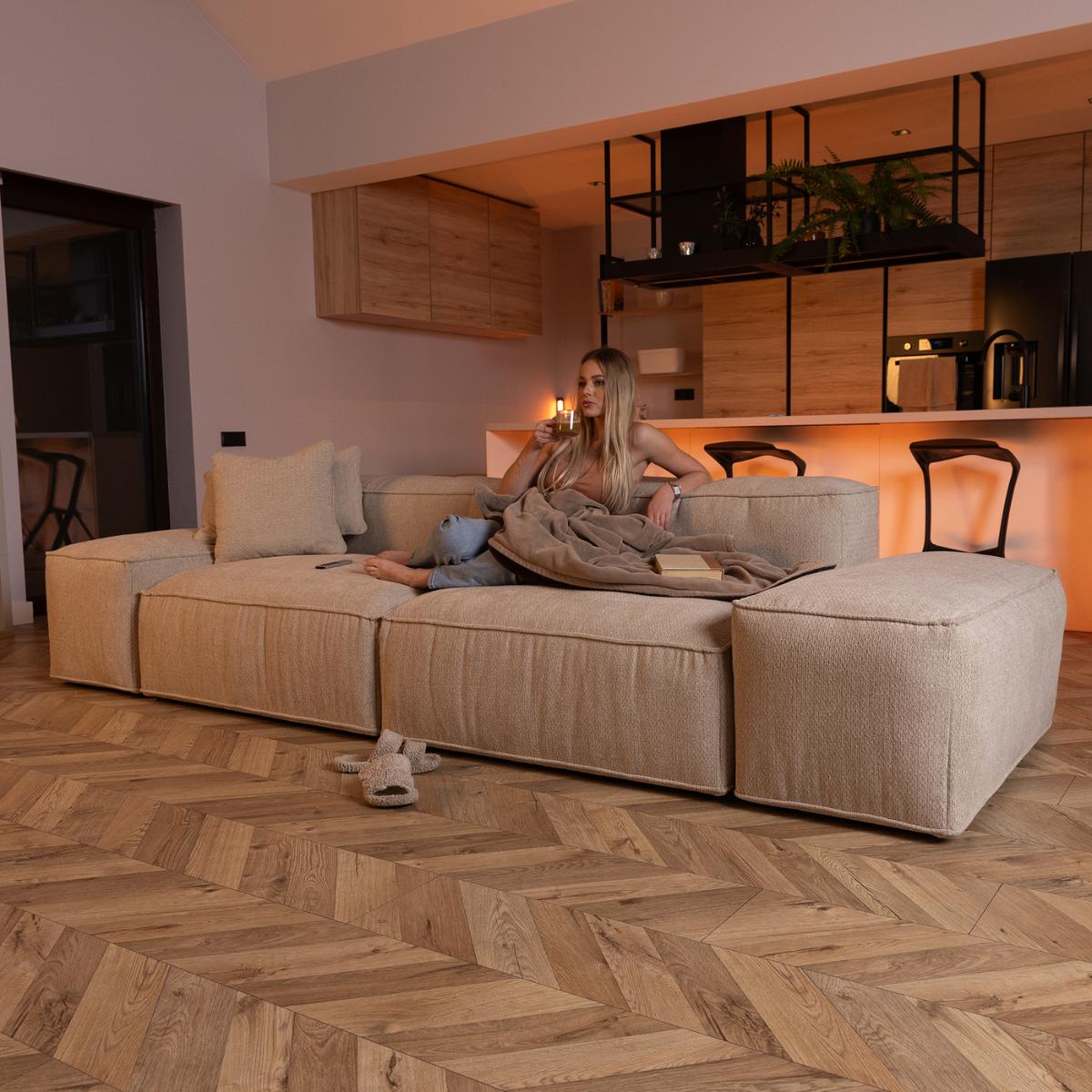
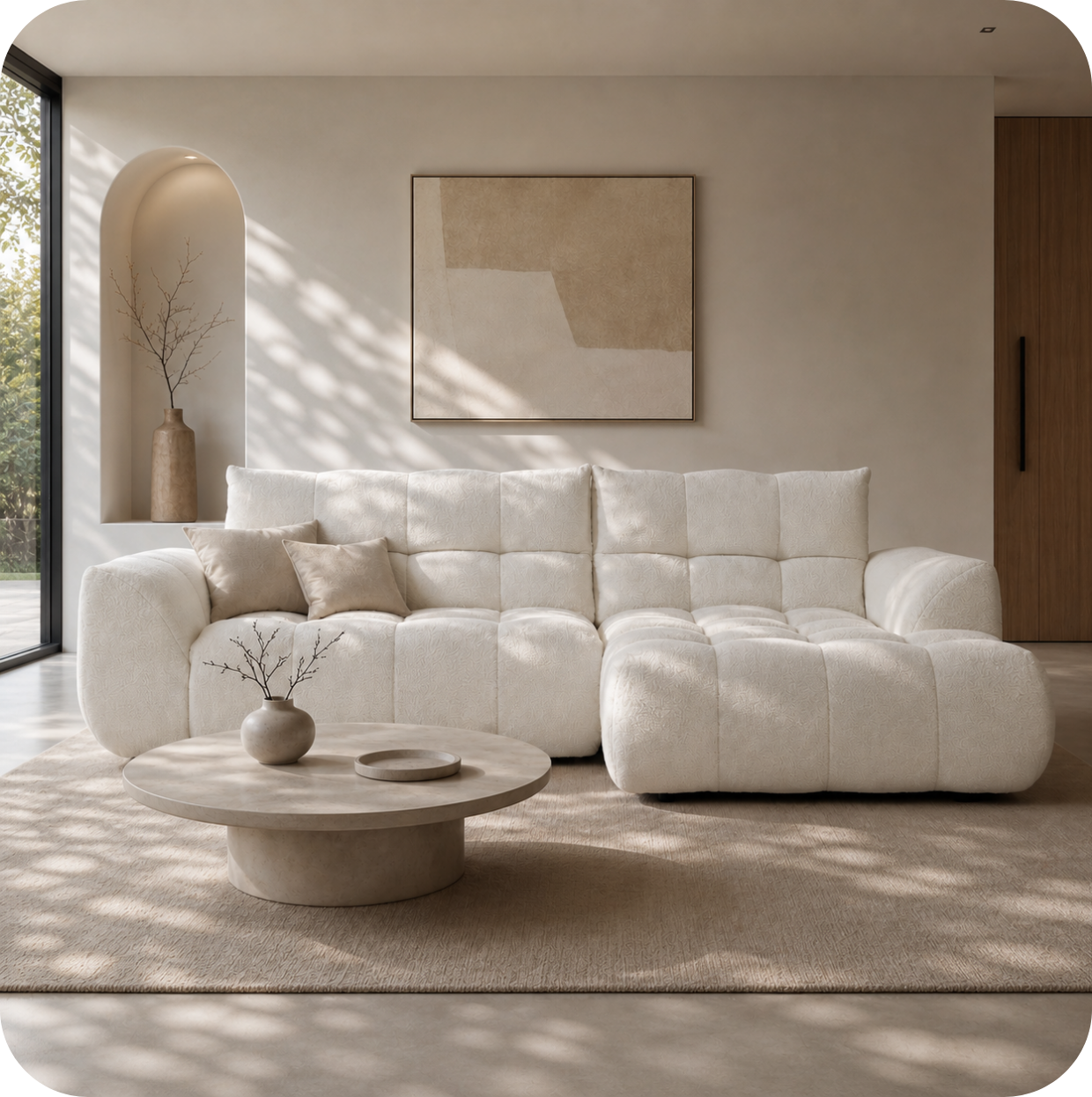
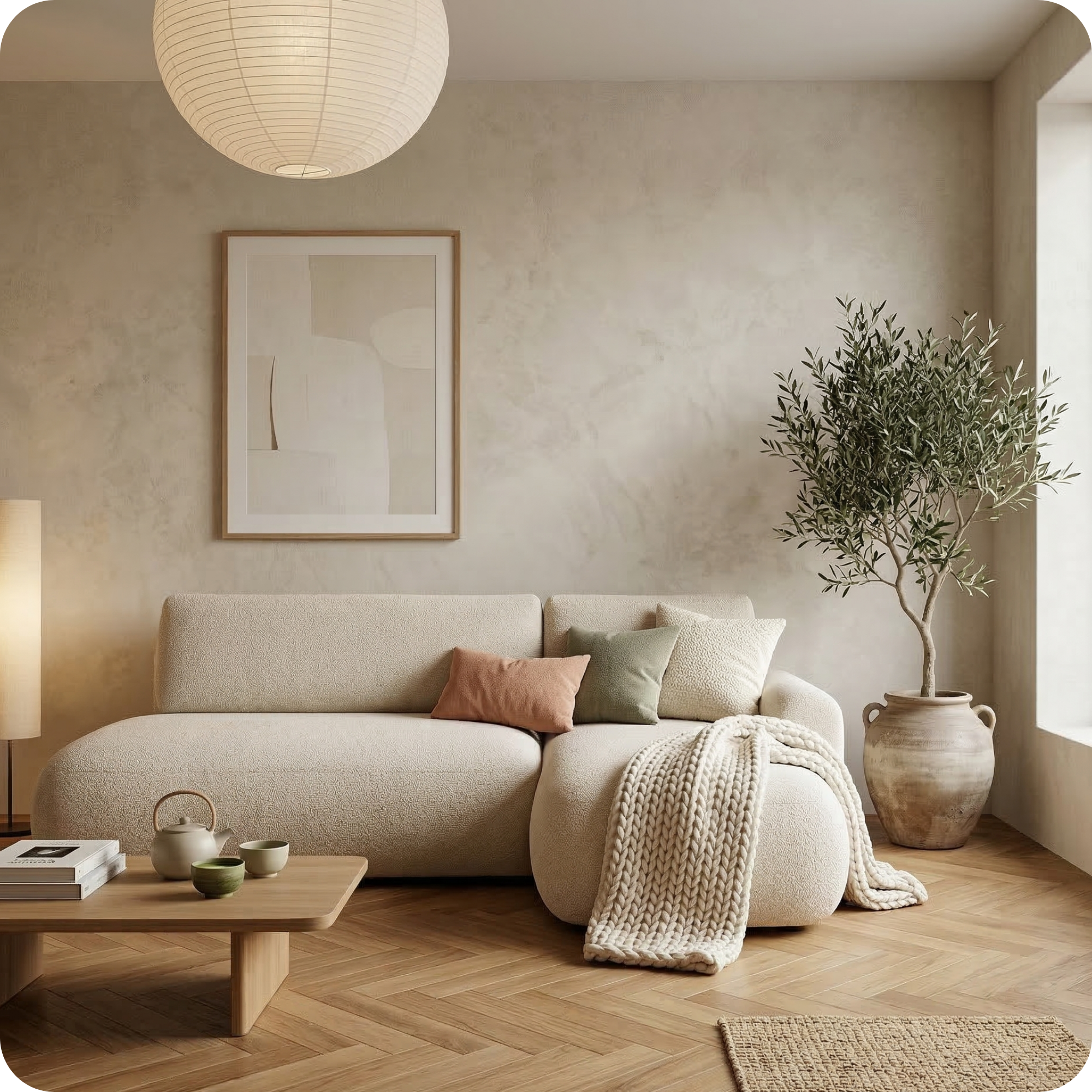
The Asti corner sofa creates a natural focal point in any living room — pair it with a dramatic accent wall behind the main seating area to create a cohesive, designed space. A dark charcoal, deep teal, or terracotta accent wall would complement the Asti's contemporary silhouette beautifully.

Merlot Corner Sofa — from EUR 1,390
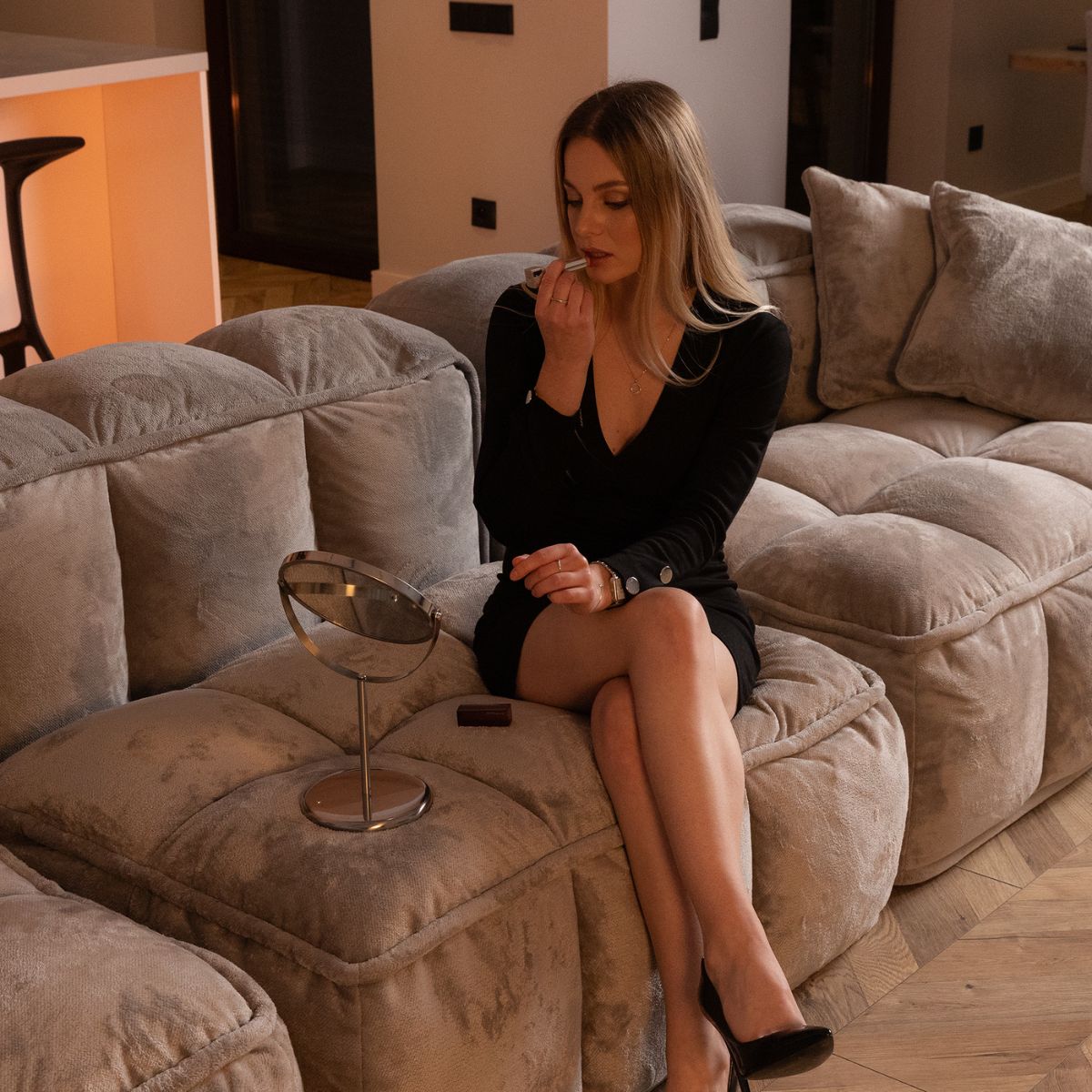
The modular Merlot corner sofa positioned against a feature wall creates a grand, designed living room. Consider a large-scale geometric wallpaper or a limewash paint finish behind the sofa — the texture and pattern will frame the furniture beautifully and add depth to the space.
Accent Wall Techniques and Materials
Paint is the simplest and most reversible approach. A deep, saturated colour — forest green, navy, charcoal, terracotta — on a single wall creates immediate drama. The key is choosing a shade that is at least two or three tones deeper than the other walls. Wallpaper opens up a world of possibilities: large-scale botanical prints, geometric patterns, abstract painterly designs, and textural grasscloths all create very different effects. Textured wall panels — fluted wood panels, 3D geometric tiles, stone effect cladding — add a tactile, contemporary dimension that is particularly effective in modern interiors. Exposed brick and Venetian plaster are perennial favourites for their warmth, texture, and handcrafted quality.
Coordinating Your Accent Wall with Furniture
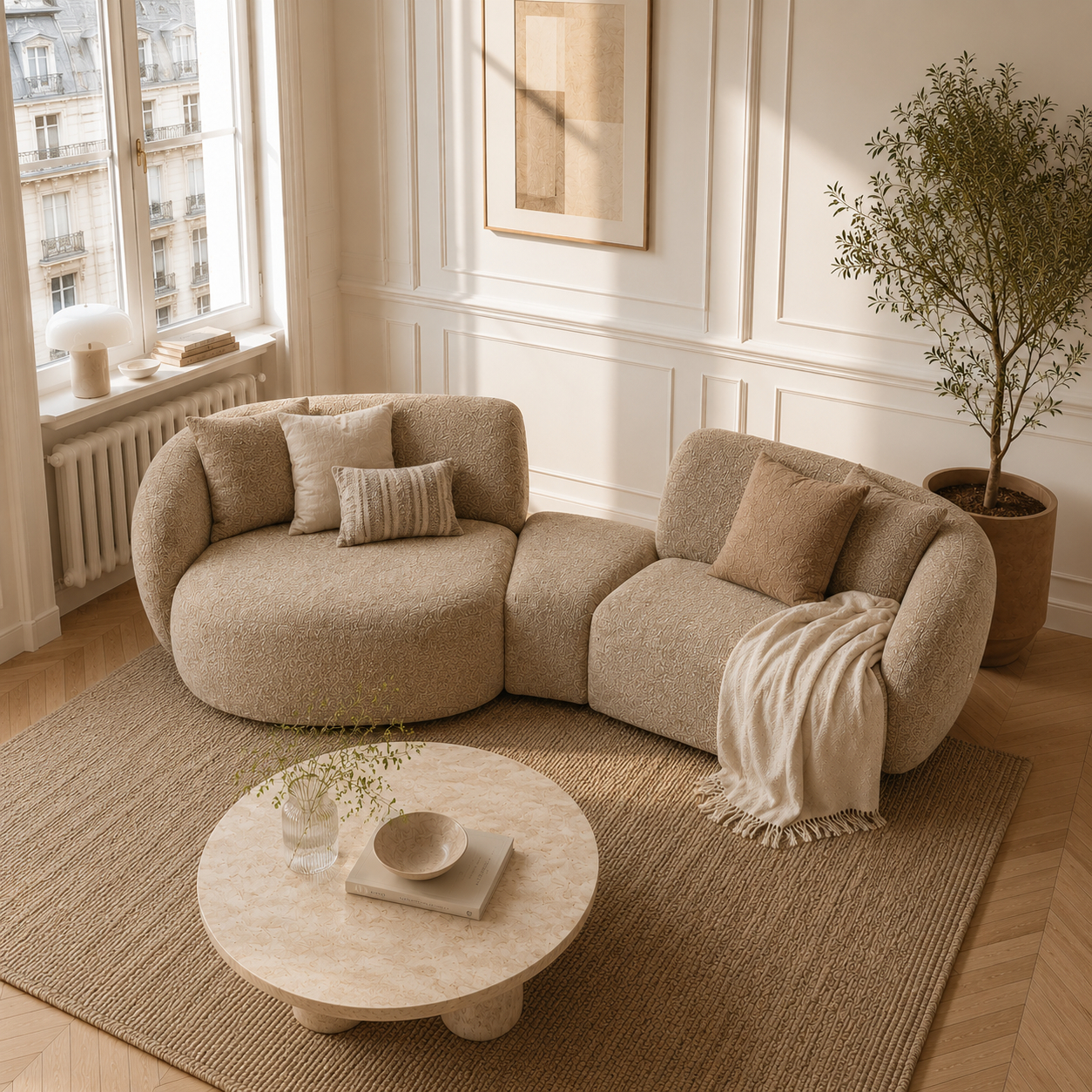
The most important consideration when planning an accent wall is how it will work with your furniture. A deep navy accent wall behind a cream sofa creates a classic, sophisticated contrast. A forest green wall behind a tan leather sofa has a warm, earthy, organic quality. A terracotta wall behind a grey modular sofa creates a warm Mediterranean atmosphere. The accent wall and the main sofa are the two most prominent elements in the room — they need to work together harmoniously. Sample paint swatches or wallpaper samples beside your existing or planned furniture before committing to ensure the combination feels balanced and intentional.

Zostaw komentarz
Ta strona jest chroniona przez hCaptcha i obowiązują na niej Polityka prywatności i Warunki korzystania z usługi serwisu hCaptcha.